
1,053 Photos and videos

Pinned Tweet

27 Dec 2017
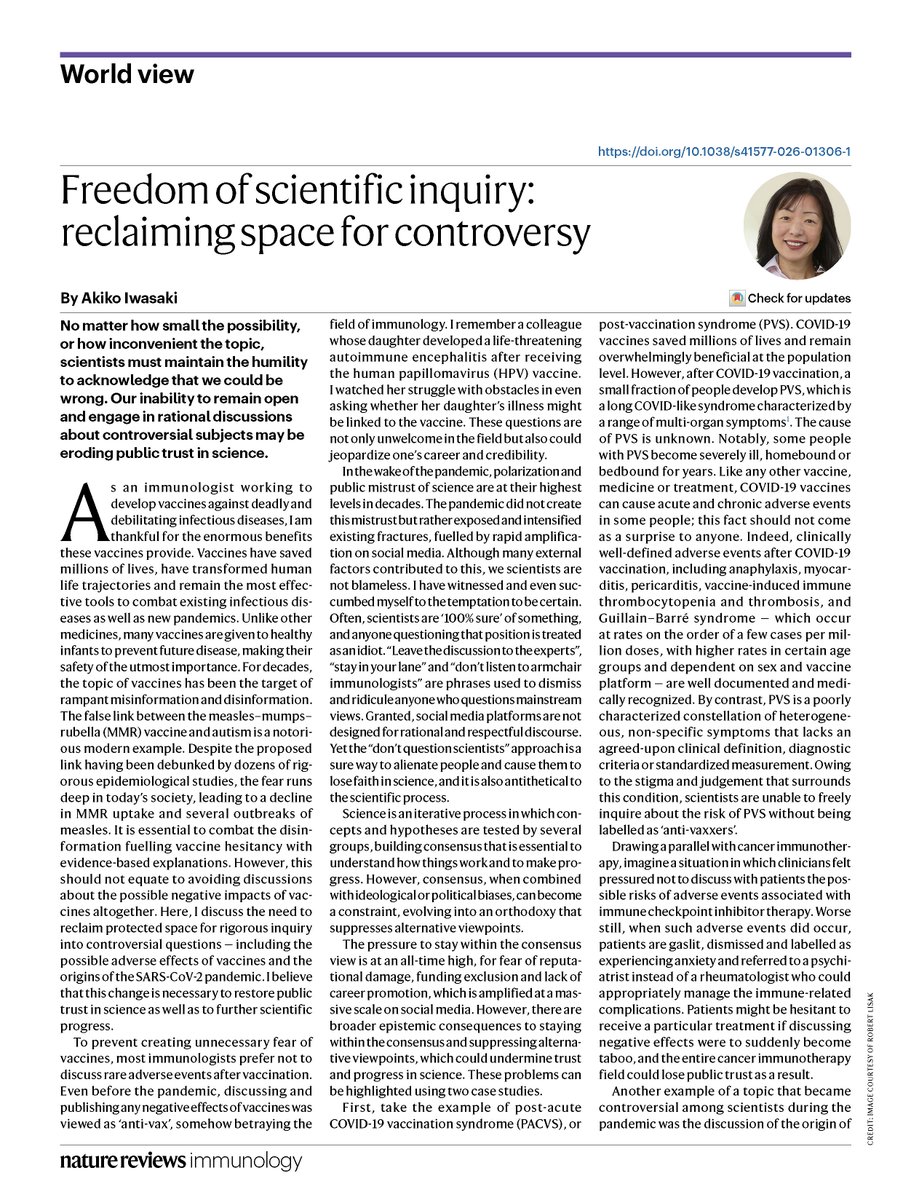
To all aspiring young #WomenInSTEM:
Mentee: Should I avoid being pregnant while trying to secure a faculty position?
Me: Be pregnant & go on interviews. If they don’t welcome you with open arms and offer childcare options, they don’t deserve you. #KnowYourWorth
496
1,396
9,368
Prof. Akiko Iwasaki retweeted

Jun 6
Such good work by @VirusesImmunity and team:
"When they exposed the IgG antibodies from the long-COVID patients to nervous system tissues, they found that it attacked parts of the brain, thalamus, meninges, endocrine tissues, nervous system proteins ..."
healthrising.org/blog/2026/0…
11
97
343
40,600
Prof. Akiko Iwasaki retweeted

Jun 5
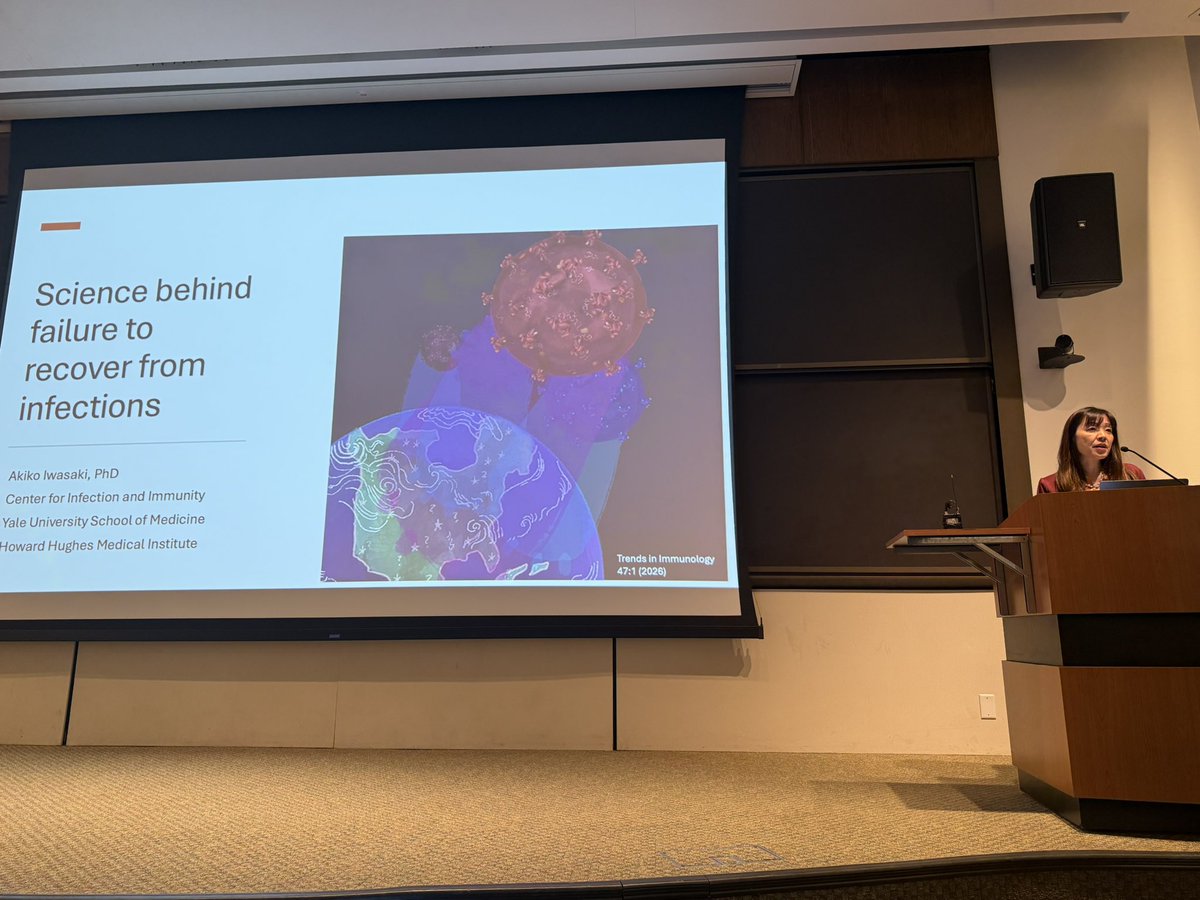
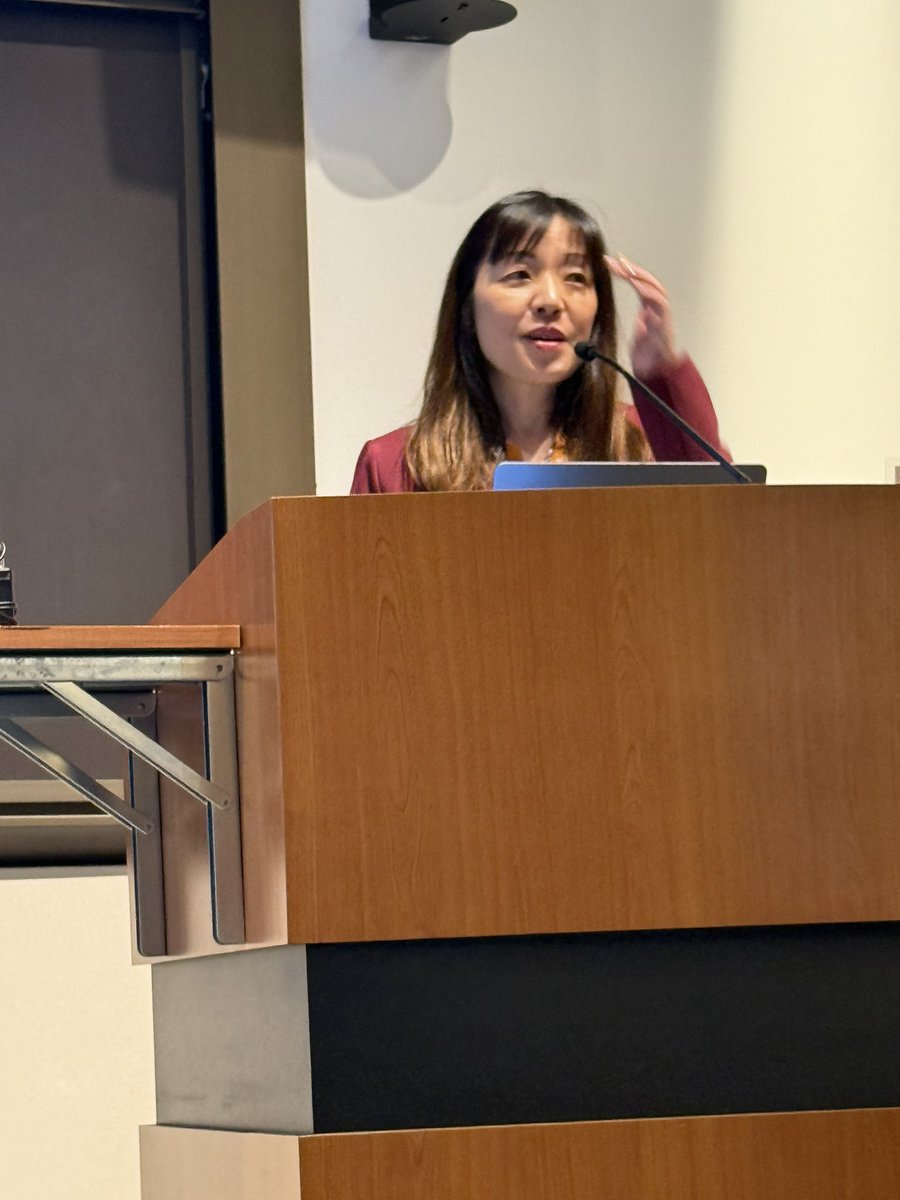
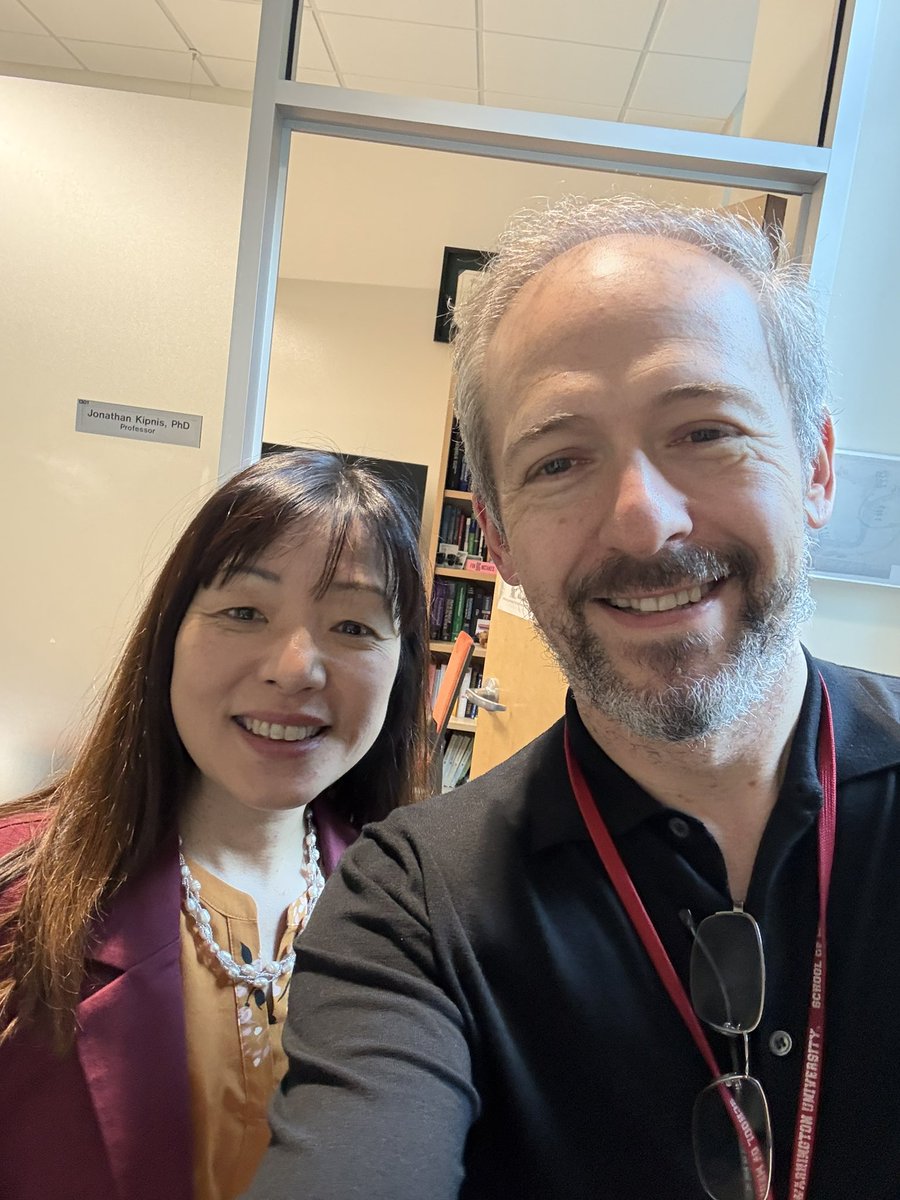
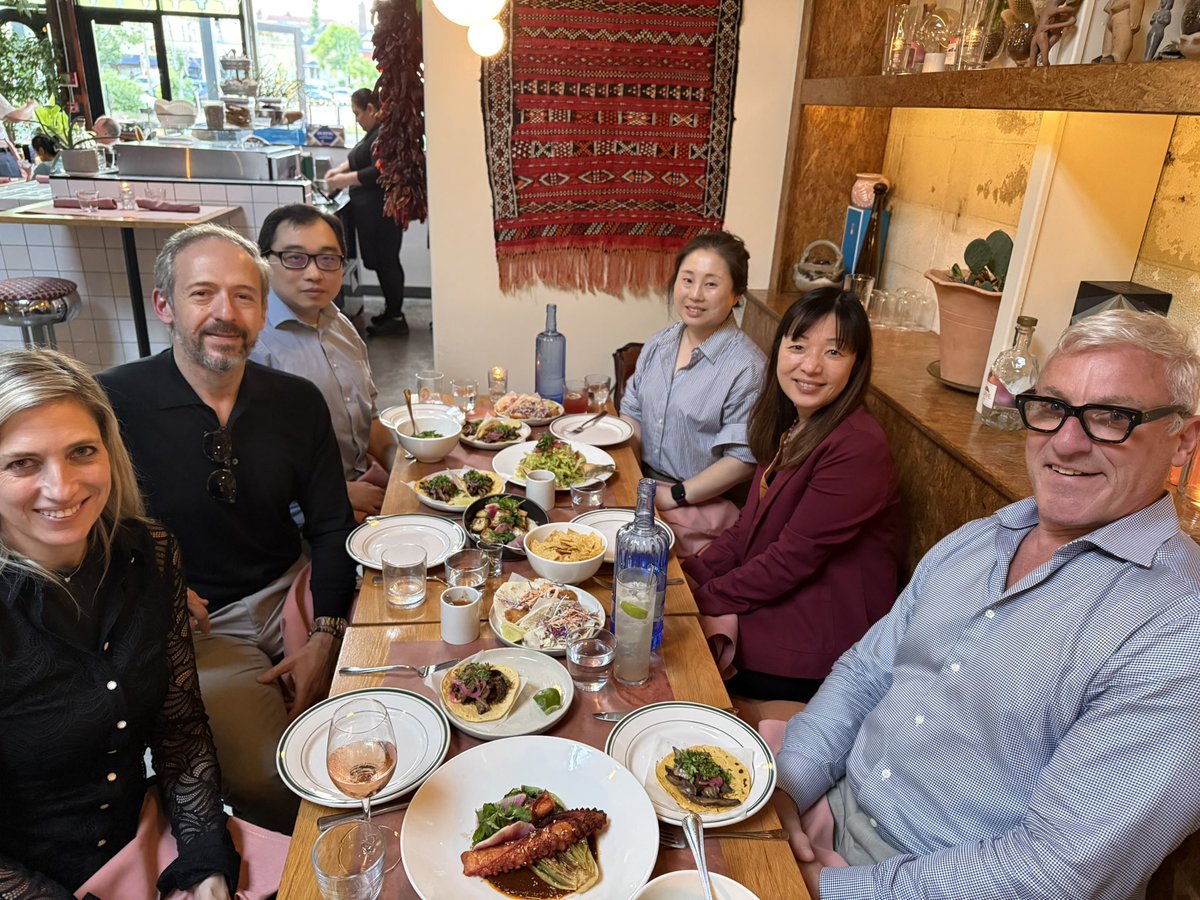
Today we had an incredible treat hosting Prof. Akiko Iwasaki @VirusesImmunity @BIG_CenterWashU @washumedicine! Thank you for visiting us and sharing your science! And thank you for your exceptional kindness! 🙏
36
9
170
63,878
Prof. Akiko Iwasaki retweeted

May 29
Breaking: Funding from Vitalik Buterin’s Balvi Fund Expands Long COVID Rapamycin Trial
PolyBio today announced new funding that is supporting an open-label extension phase in a clinical trial investigating low-dose Rapamycin as a potential treatment for Long COVID. All participants—including those initially randomized to placebo—will receive low-dose rapamycin during a defined follow-up period. 1/
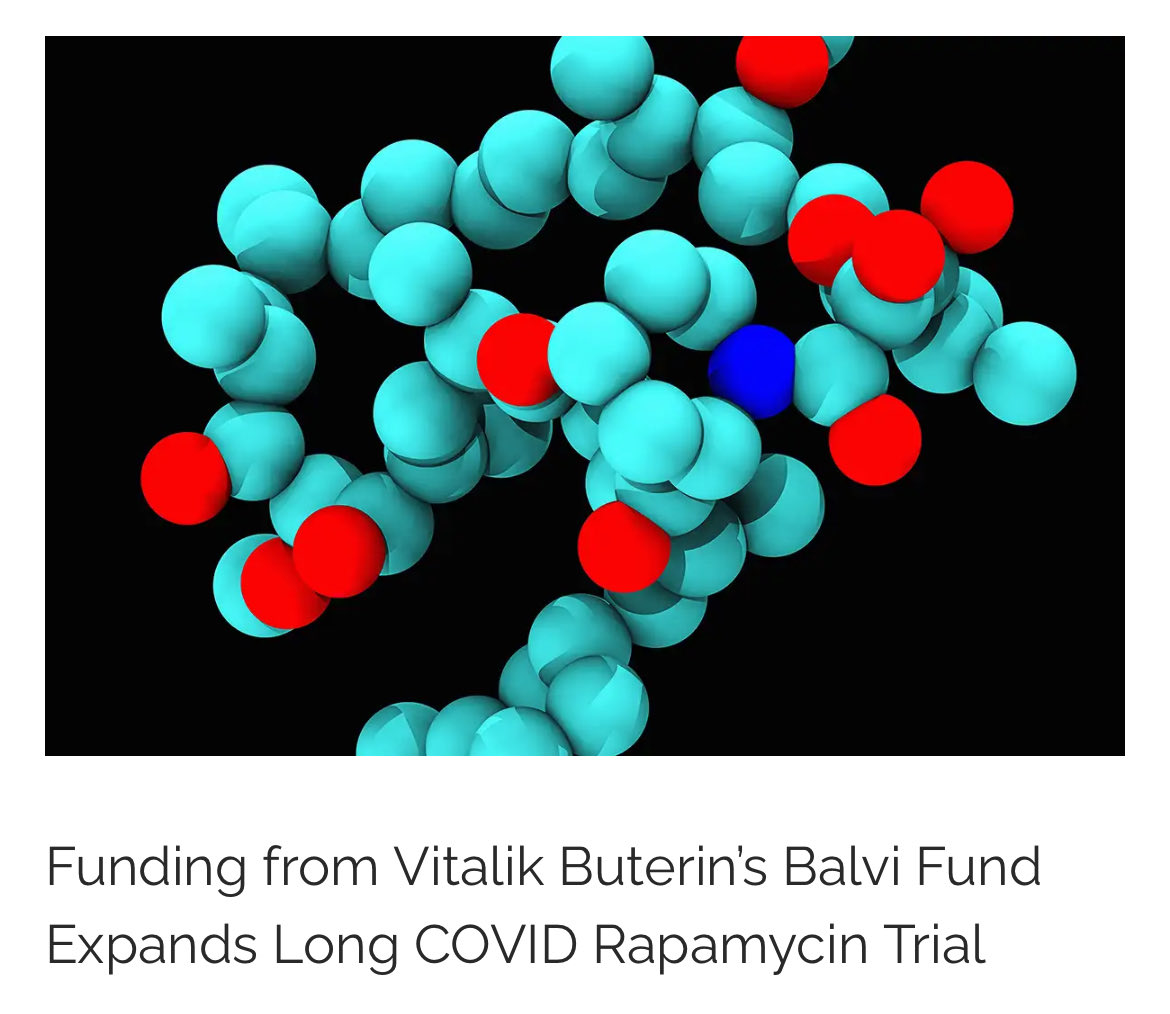
ALT A 3D molecular model of the drug Rapamycin. Most of the chemical structure is comprised of Carbon, shown in the colour turquoise. There are some oxygen atoms scattered throughout the structure shown in red. There is one nitrogen atom shown in dark blue.
15
90
329
21,646
Prof. Akiko Iwasaki retweeted

May 28
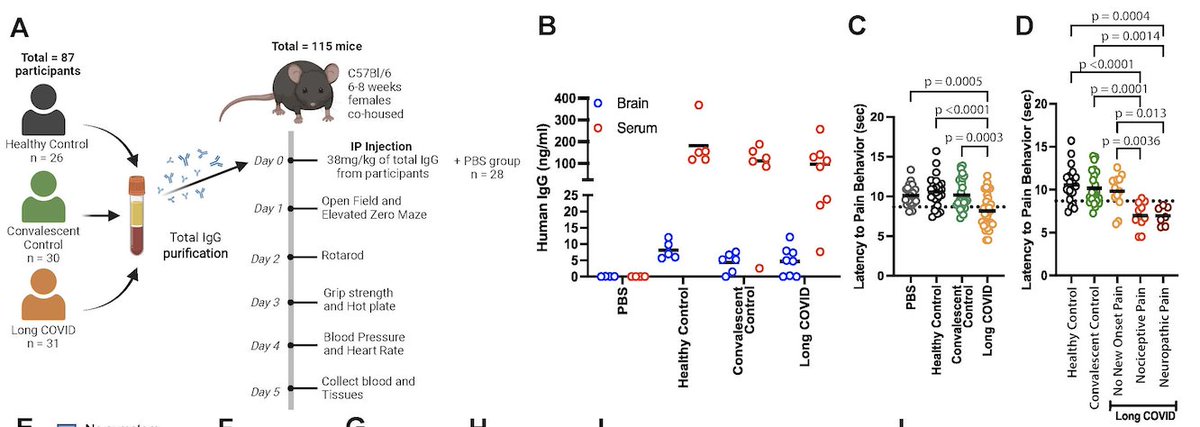
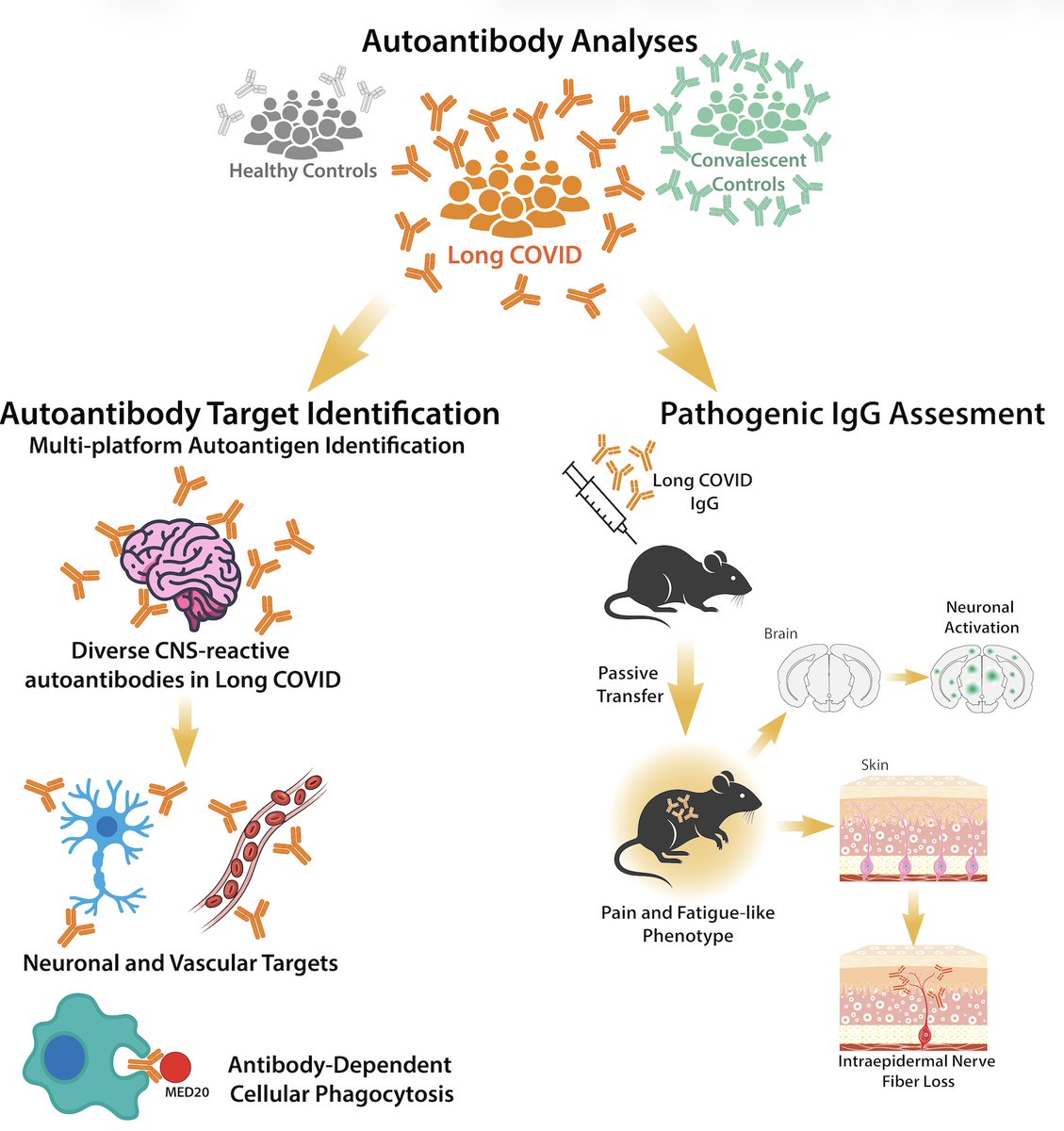
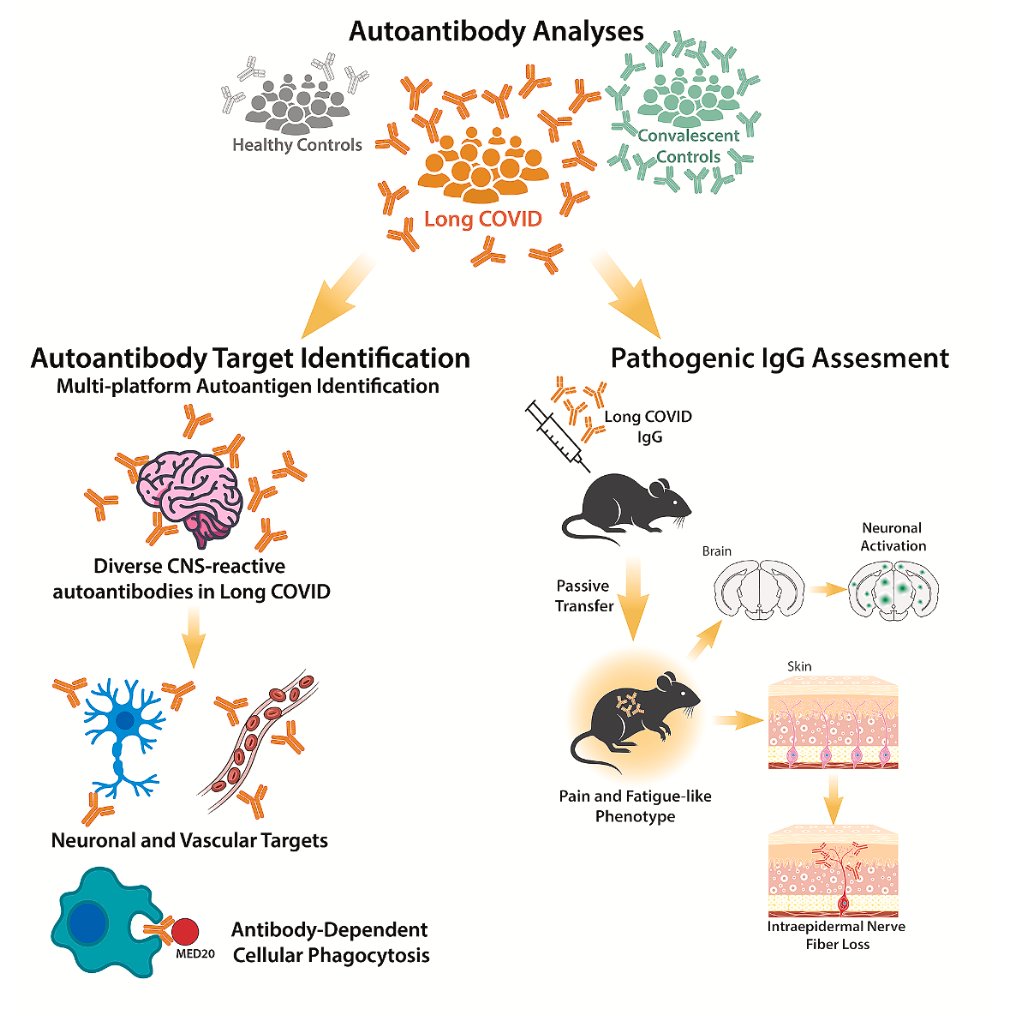
IgG from Long COVID patients attacks nerves/brain tissue. Inject into mice --> real pain, fatigue, coordination loss, nerve damage ... Matches patients perfectly. Psychosomatic bros in shambles. Autoimmunity wins.
Science > dismissal. 🧨
We need more research like this!

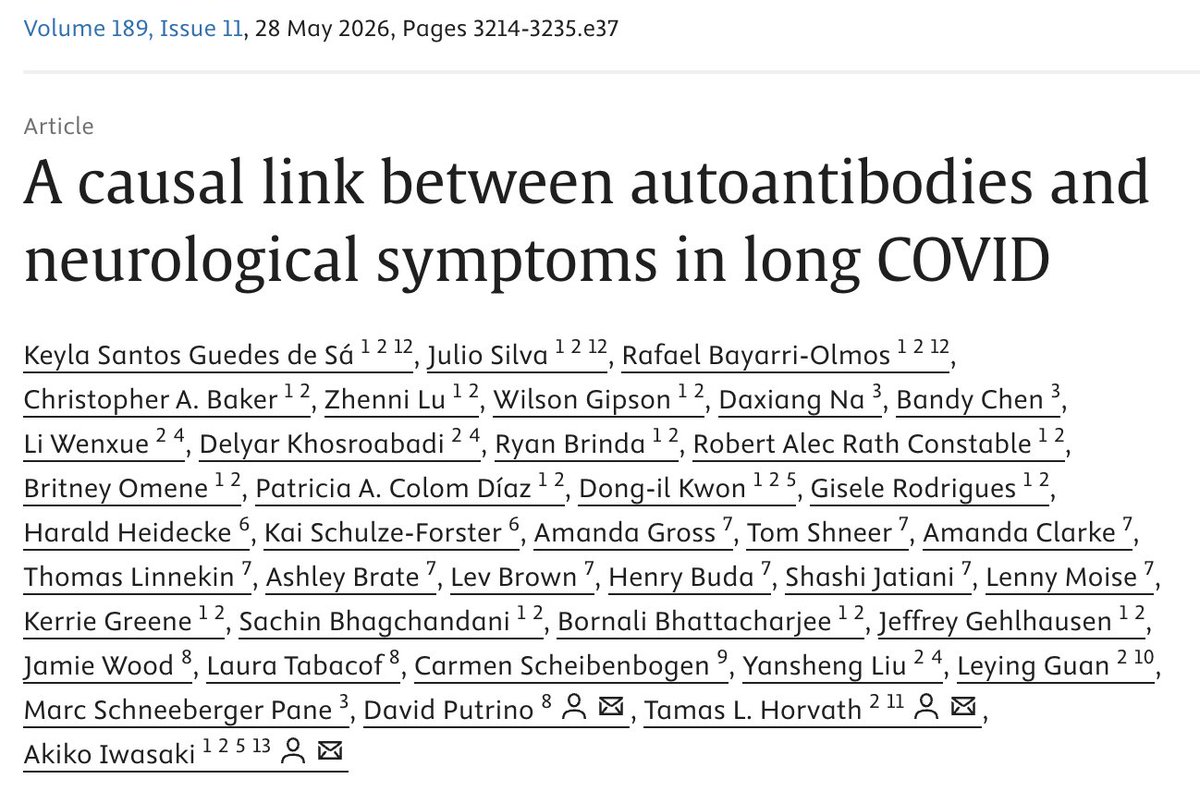
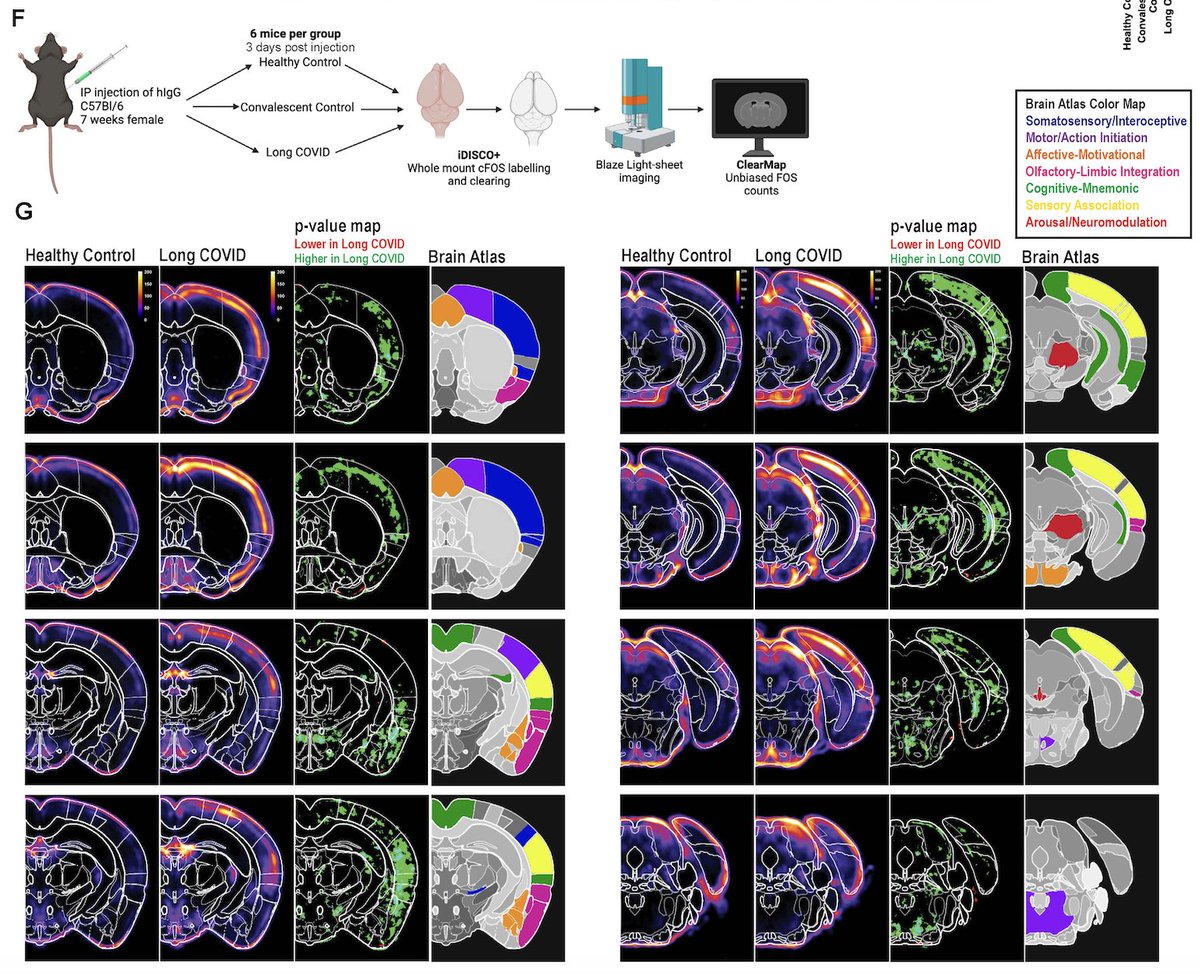
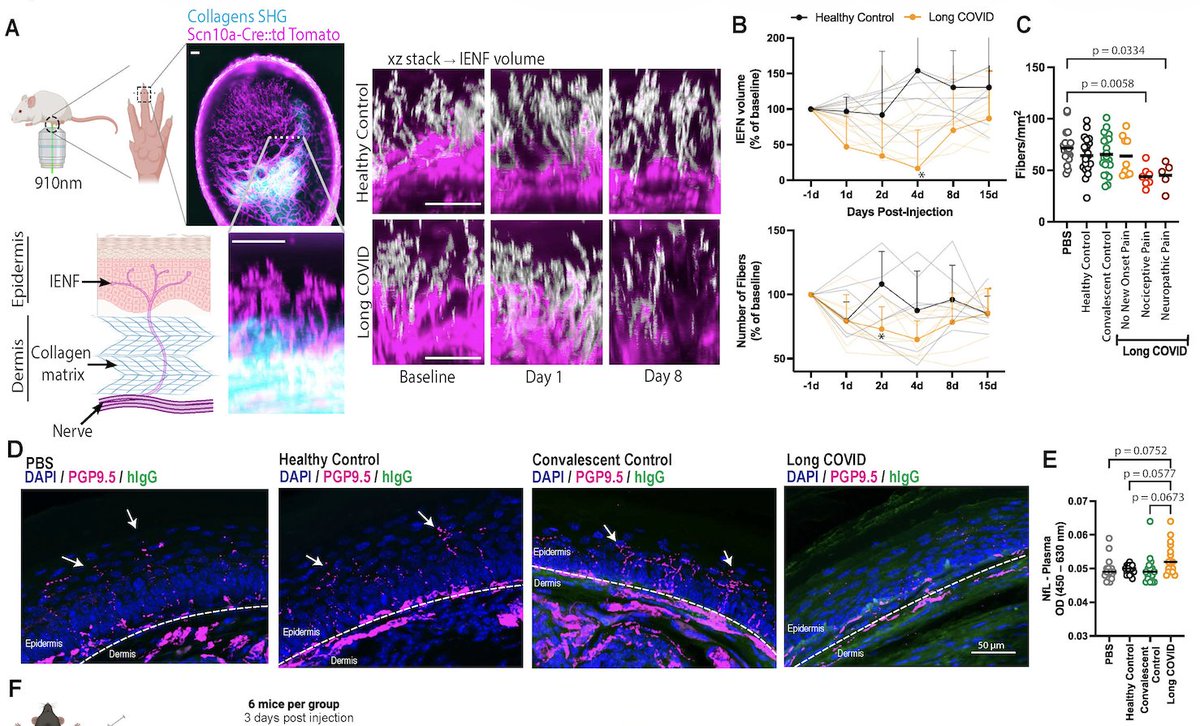
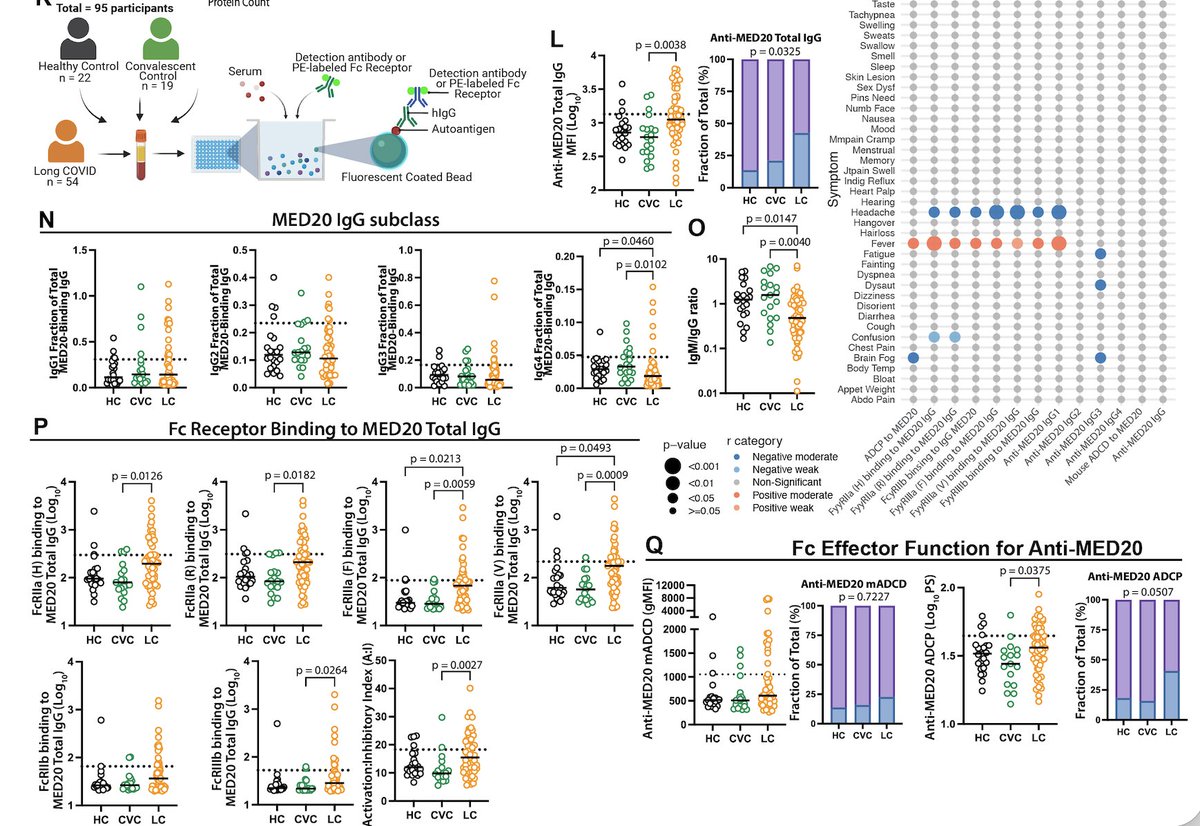
Excited to share our study by @keylas3 et al. on pathological autoantibodies in people with Long COVID. We asked whether IgG in patients with Long COVID bind to human tissues/antigens and cause pathologies when transferred into mice. With @PutrinoLab
doi.org/10.1016/j.cell.2026.…
7
41
222
9,557
Prof. Akiko Iwasaki retweeted

Ich freue mich sehr über die Kooperation mit Prof Akiko Iwasaki @VirusesImmunity bei dieser wichtigen Studie.
Sie ist ein Meilenstein für unser Verständnis der Rolle von Autoantikörpern bei Long COVID.
Link zum Artikel und der Thread von Akiko Iwasaki.
sciencedirect.com/science/ar…
Excited to share our study by @keylas3 et al. on pathological autoantibodies in people with Long COVID. We asked whether IgG in patients with Long COVID bind to human tissues/antigens and cause pathologies when transferred into mice. With @PutrinoLab
doi.org/10.1016/j.cell.2026.…
16
109
497
28,791
Prof. Akiko Iwasaki retweeted

May 28
IgG von Menschen mit Long Covid führten bei Mäusen unteranderem zu Schmerz, Fatigue, Small Fiber Schäden.
Generell waren Auto-AK gegen vaskuläre und neuronale Strukturen nachweisbar.
Hoffentlich ein Schritt zu Diagnostik/Therapie, die Betroffenen Gaslighting zukünftig erspart.
Excited to share our study by @keylas3 et al. on pathological autoantibodies in people with Long COVID. We asked whether IgG in patients with Long COVID bind to human tissues/antigens and cause pathologies when transferred into mice. With @PutrinoLab
doi.org/10.1016/j.cell.2026.…
17
155
489
17,032
Prof. Akiko Iwasaki retweeted

A terrific study that sheds important insights into Long Covid
Excited to share our study by @keylas3 et al. on pathological autoantibodies in people with Long COVID. We asked whether IgG in patients with Long COVID bind to human tissues/antigens and cause pathologies when transferred into mice. With @PutrinoLab
doi.org/10.1016/j.cell.2026.…
4
10
50
8,348
Prof. Akiko Iwasaki retweeted

May 28
Wonderful day for a new #LongCOVID paper! Thanks to an incredible collaboration with @VirusesImmunity and brilliant work done by @keylas3, we studied the effects of injecting antibodies taken from people with LC into mice compared with what happened
sciencedirect.com/science/ar…
1/
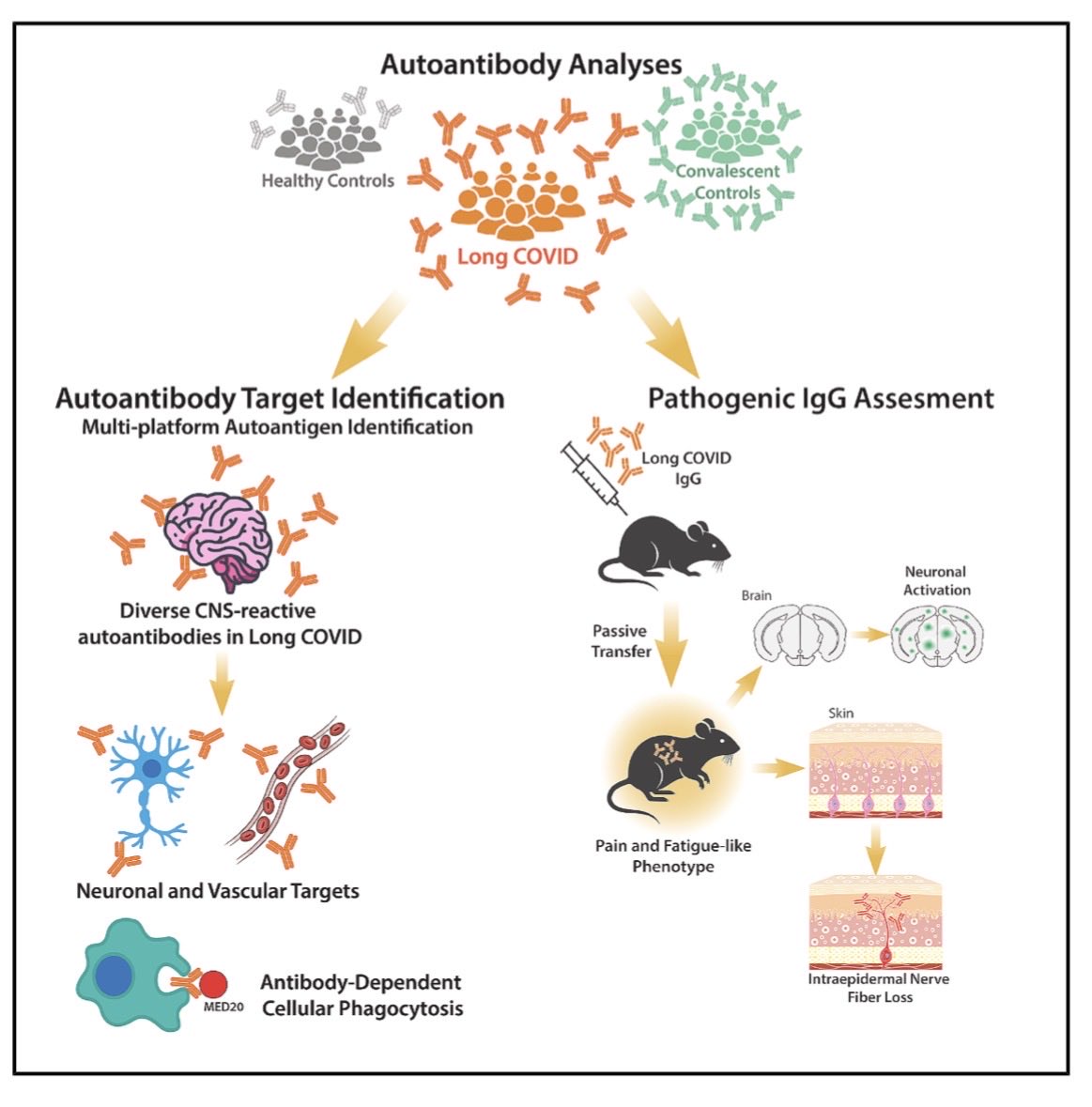
ALT Graphical abstract of the new paper highlighting the following key concepts: • Long COVID features autoantibodies targeting neural and vascular tissues • Patients’ IgG shows increased ADCP activity against MED20 • Passive transfer of IgG induces pain and fatigue-like phenotypes in mice • Mouse pain behavior after IgG transfer correlates with patient-reported chronic pain
38
244
659
323,576
Prof. Akiko Iwasaki retweeted

May 28
‼️‼️📄A new paper by Akiko Iwasaki and colleagues has just been published, and it goes exactly in the direction of what I commented on yesterday.
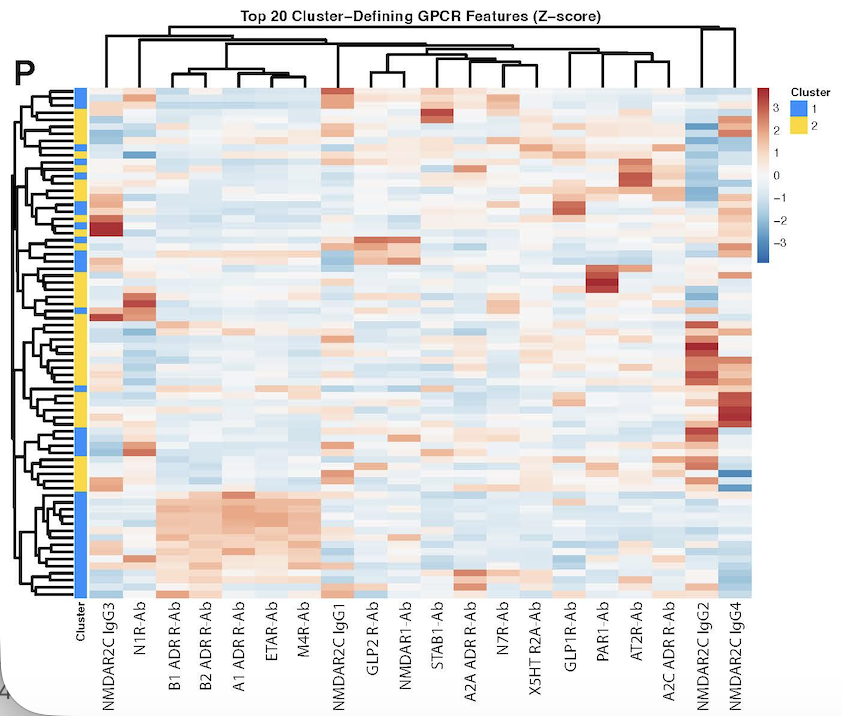
Yesterday I posted that, in a relevant subgroup of Long COVID and ME/CFS, post-exertional autonomic dysfunction could fit very well with autoimmunity against GPCRs, especially muscarinic receptors. This new work takes an important step forward because it no longer stops at “there are autoantibodies”: it shows broad autoimmune reactivity against neural and vascular/peripheral tissues, includes profiling against GPCRs and ionotropic receptors, and also demonstrates that passive transfer of IgG from Long COVID patients into mice induces pain, fatigue-like behavior, loss of balance/coordination, small fiber nerve damage, and pain-related neuronal activation, recapitulating key symptoms of the donors. That strongly reinforces the idea that, in a subgroup of Long COVID, there is indeed functionally pathogenic autoimmunity, not just a nonspecific association.
Another important point is that the paper does not reduce everything to a single autoantigen. On the contrary, it shows heterogeneity, with reactivity against the locus coeruleus, thalamus, sciatic nerve, meninges, and also against peripheral tissues such as the adrenal gland and thyroid. In other words, the message is not “there is only one antibody,” but rather that Long COVID probably contains several autoimmune subgroups, some more neurological, others more vascular, others more autonomic or glandular.
For me, this paper strengthens an important transition: we move from suspecting autoimmunity to having much stronger evidence of pathogenic autoantibodies in a subgroup of Long COVID.
The next step should be to demonstrate which ancestral HLA-II haplotypes / susceptible alleles are behind the development of that autoimmunity. Because if we are already starting to see more clearly that there are functional autoantibodies, and that some of them can target neural, vascular, and autonomic circuits, then the logical next question is: which patients are the ones who most easily lose tolerance after SARS-CoV-2 infection?
Excited to share our study by @keylas3 et al. on pathological autoantibodies in people with Long COVID. We asked whether IgG in patients with Long COVID bind to human tissues/antigens and cause pathologies when transferred into mice. With @PutrinoLab
doi.org/10.1016/j.cell.2026.…
16
84
324
33,838
Prof. Akiko Iwasaki retweeted

May 28
Crucial paper on #NeuroCovid just published! #LongCovid patients with neurocognitive symptoms showed increased antibodies against the nervous system that correlated with several neurological symptoms. Targeting these antibodies might offer therapeutic benefits for some patients
Excited to share our study by @keylas3 et al. on pathological autoantibodies in people with Long COVID. We asked whether IgG in patients with Long COVID bind to human tissues/antigens and cause pathologies when transferred into mice. With @PutrinoLab
doi.org/10.1016/j.cell.2026.…
7
184
524
17,274
Prof. Akiko Iwasaki retweeted

May 28
Important #LongCovid finding of auto-antibodies in patients directed to neural tissue, and then, by transferring the antibodies, recapitulated the disease symptoms in mice @CellCellPress @VirusesImmunity @putrinolab
cell.com/cell/abstract/S0092…
9
108
339
31,991
Excited to share our study by @keylas3 et al. on pathological autoantibodies in people with Long COVID. We asked whether IgG in patients with Long COVID bind to human tissues/antigens and cause pathologies when transferred into mice. With @PutrinoLab
doi.org/10.1016/j.cell.2026.…
93
469
1,277
223,614
Whether this autoantibody subgroup of Long COVID could benefit from FcRn inhibitors, B cell depletion therapies, etc., needs to be examined in future studies. So grateful to all co-authors & participants dedicated to better understanding the pathophysiology of Long COVID🙏🏼
13
97
465
42,069
Open-access link of our study is found here 👇🏼medrxiv.org/content/10.1101/…
21
73
303
12,694