
Prev @SahilBloom 's ghostwriting agency, now I run my own. Left law school for this so I'm pretty serious
Joined July 2019
- Tweets 22,635
- Following 87
- Followers 57,941
- Likes 46,017
862 Photos and videos


Pinned Tweet

24 May 2025
Today, I’m entering my 4th year as a full-time ghostwriter. I grossed $150k, quit college, and completely flipped my life. 10 career advice I would give to my younger self:
1. Landing your first client will open all floodgates. But it’s also the hardest thing you’ll ever do in your life.
2. Knowing the right people gives you access to top-quality leads that never make it to the street. But they don’t entertain mediocre talents.
3. Be nice to everyone. Always leave people in your favor. Reciprocity will take care of the rest.
4. You’re in the business of reading and research. Be a professional reader. Take notes.
5. Outwork people. Work at least 6-8 hours a day. Don’t take weekends off. Follow an air-tight routine.
6. Cold-pitching is your greatest weapon. Hunt well-to-do-clients. Do free work for them.
7. Don’t take advice from people who are at the same level as you. They don’t know any better.
8. No one owes you work. Be a professional and always keep looking for it. It’s part of the job.
9. Acquire new sub-skills every month. Every new skill you acquire unlocks more money. Soon, you'll be in the top 1%.
10. If you don’t do this for at least 10 years, don’t do it for 10 days. Patience beats excellence in the long term.
.
.
.
Badum...tshhh.
That's it for the day.
Namaste.

7
2
94
24,471
When I onboard a new founder, the first thing I do is build their word sandbox. Here's how I build it:
1. Pull 5-10 sales call transcripts, all hands meeting recordings, and customer success calls
2. Highlight every phrase that sounds distinctly like the founder. For instance, how they sound when excited vs when explaining something technical
3. Note the analogies, the industry references, the words they repeat. Flag the stories they tell across multiple calls.
4. List the words they never use. Note the corporate jargon they actively avoid and the buzzwords their competitors overuse that they never touch
5. Listen for how they open and close explanations. Do they lead with data or a story? Do they end with a question or a statement?
6. Build a vocabulary bank from all of it and tag words by context. Some phrases only work in certain post types
Use this as a checklist before you publish any piece.
Insane voice consistency.
159
The 3 rules for B2B lead gen working for us:
1. Use sales calls and case studies as a base for content
2. Wait for the warm signals, likes, comments, profile visits
3. Slide in with your free assets/highly personalized DM
Skip step 1 and keep wondering why steps 2 and 3 never happen.
1
6
210
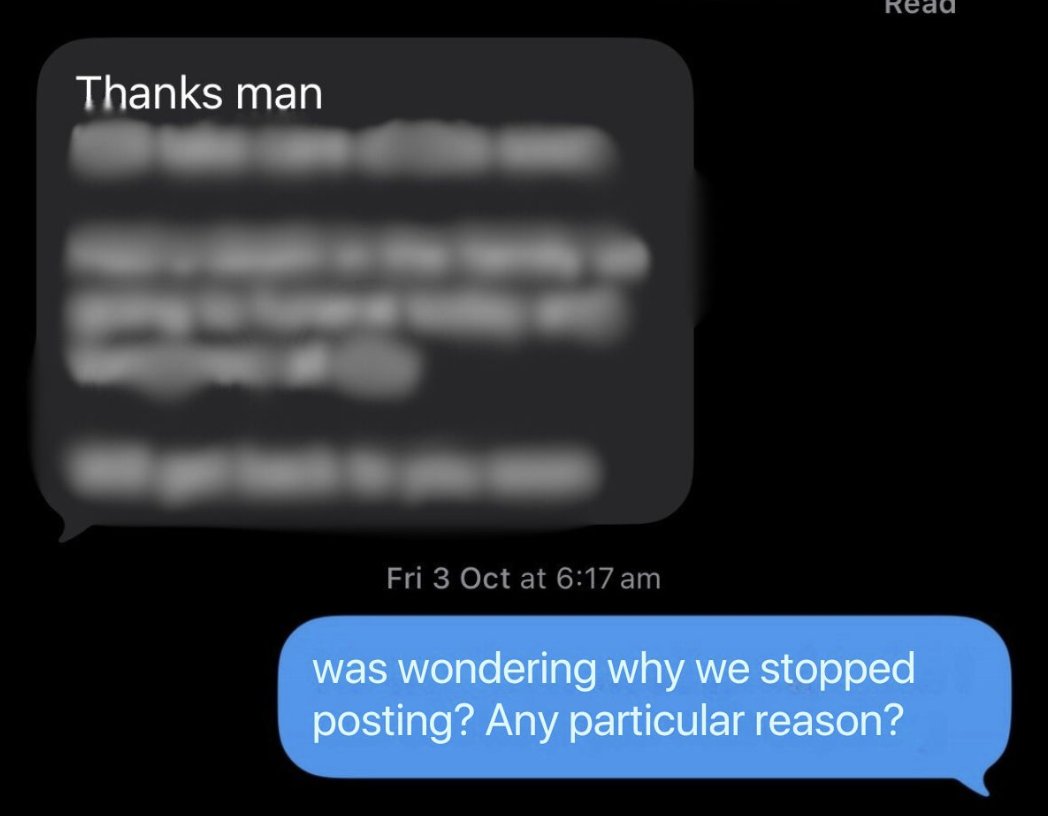
I reached out to some old friends and founders who are still running their business but have stopped posting.
I've been in the space for 3 years now and have seen many people ghost their brands.
3 common reasons I found:
1. Vending machines
Even though they would not admit it, a lot of them treated content like a vending machine. Put content in, pop a lead out. So they were impatient when the needle was not moving in the first 2 months. It took me many months before LinkedIn started showing results, even for me. It's for long-term players.
2. The agency produced bland content
A lot of writers and agencies don't actually do much more than interview founders and turn it into content. So after a while, they exhausted all the ideas and the founder felt like 'it's not me.' This is a problem on both sides. You have to repeat yourself, but from different angles.
3. Business goes haywire
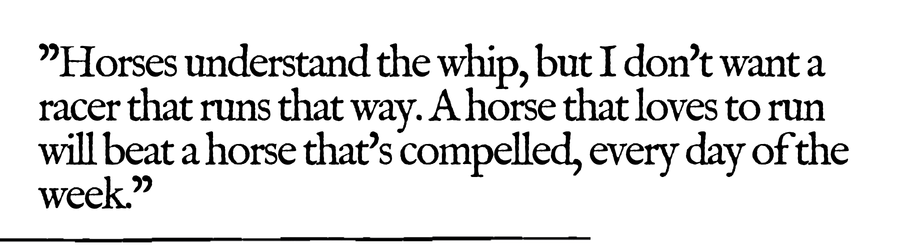
Content is the first thing thrown out the window whenever something shakes their operations. One of my friends says he found it difficult to "get back on the horse," the work felt too much for its rewards. This decision becomes easier when they haven't got any results as well.
The solution to all three is the same.
Stop treating content like chess where the right moves guarantee a win. It's more like poker. Luck and skill combined give you better odds, but never a guarantee.
The founders who stayed in the game longest are the ones who understood this earliest. They posted without expecting a specific outcome. They improved the quality of their bets every week. They didn't close the account when the cards weren't falling their way.
Content only compounds for the ones who stay at the table.
5
329
Publishing multiple topics kills the recall value of your brand.
To break free of this confusion:
Stick to 3 topics. Attack them from different angles and formats. One week it could be a how-to guide. Next week, a framework. The week after, lessons and mistakes.
Resist the temptation to chase every rabbit topic that runs past your window.
Be pigeonholed all the time.
4
153
Adam Grant and Barry Schwartz wrote a paper called "Too much of a good thing" and the core finding is deceptively simple.
Almost everything follows an inverted U curve, there's a sweet spot in the middle and going past it starts working against you.
They rooted it in Aristotle's idea of the golden mean, that success and happiness live at the average between deficiency and excess, not at the extreme of either, and it holds up across pretty much every domain you can think of.
The more I think about it the more I see it everywhere even in lead gen and content.
Take content volume for example.
I've seen founders burn out their audience the fastest when they confused good content with more content. You should not go for 3 posts a day if you're just starting out. Go for 5 posts a week. And of course it should be your best ideas.
All of this adding to the slop.
The sweet spot is always somewhere in the middle.
2
12
743
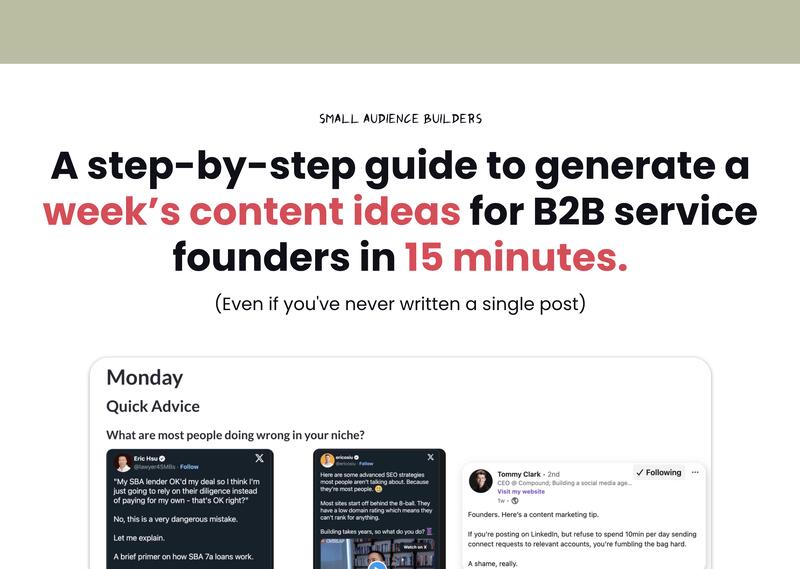
If you're a B2B service founder struggling to generate content ideas, download my free guide.
In 15 minutes, you'll generate a week's content ( with my strategy).
Here's the link:
smallaudiencebuilders.com/b2…
282
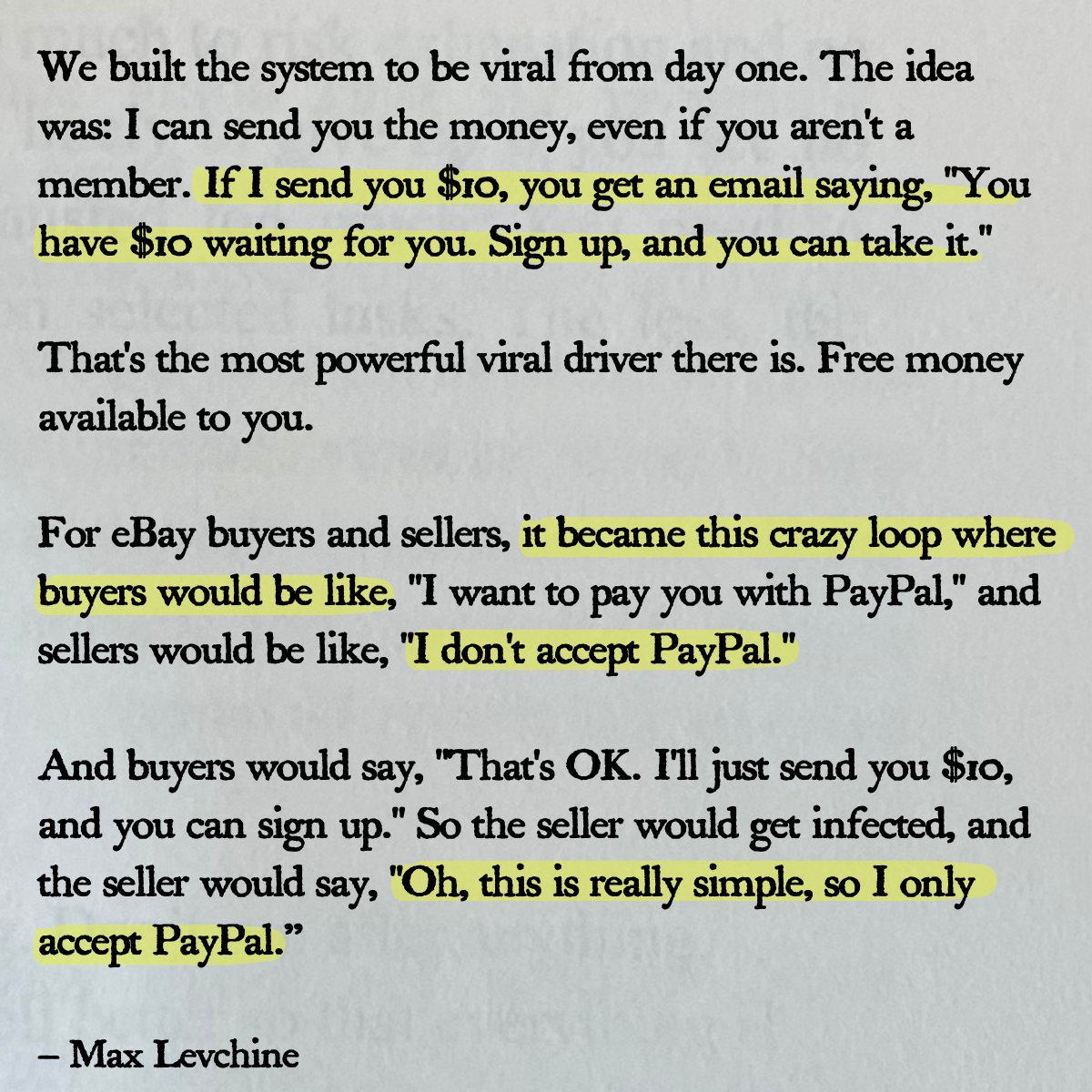
A detail I've always admired from PayPal's early growth story is how they made signing up feel like claiming a reward, not filling out a form.
If someone sent you $10 through PayPal, you didn't need an account. You'd get an email saying, "You have money waiting." All you had to do was sign up to receive it.
It worked because it leaned into something everyone understands: the feeling of being given something valuable, and the instinct to not let it slip away.
They gave people a clear reason to act, a tangible benefit, and then removed every bit of resistance between the user and that outcome.
It's the kind of move you only notice in hindsight since it's tablestakes nowadays for most businesses to do this.
Good marketing is just understanding what people want.
And what they want is a product that's easy to use, provides an incentive to onboard, and makes them look good when they recommend it.
1
6
354
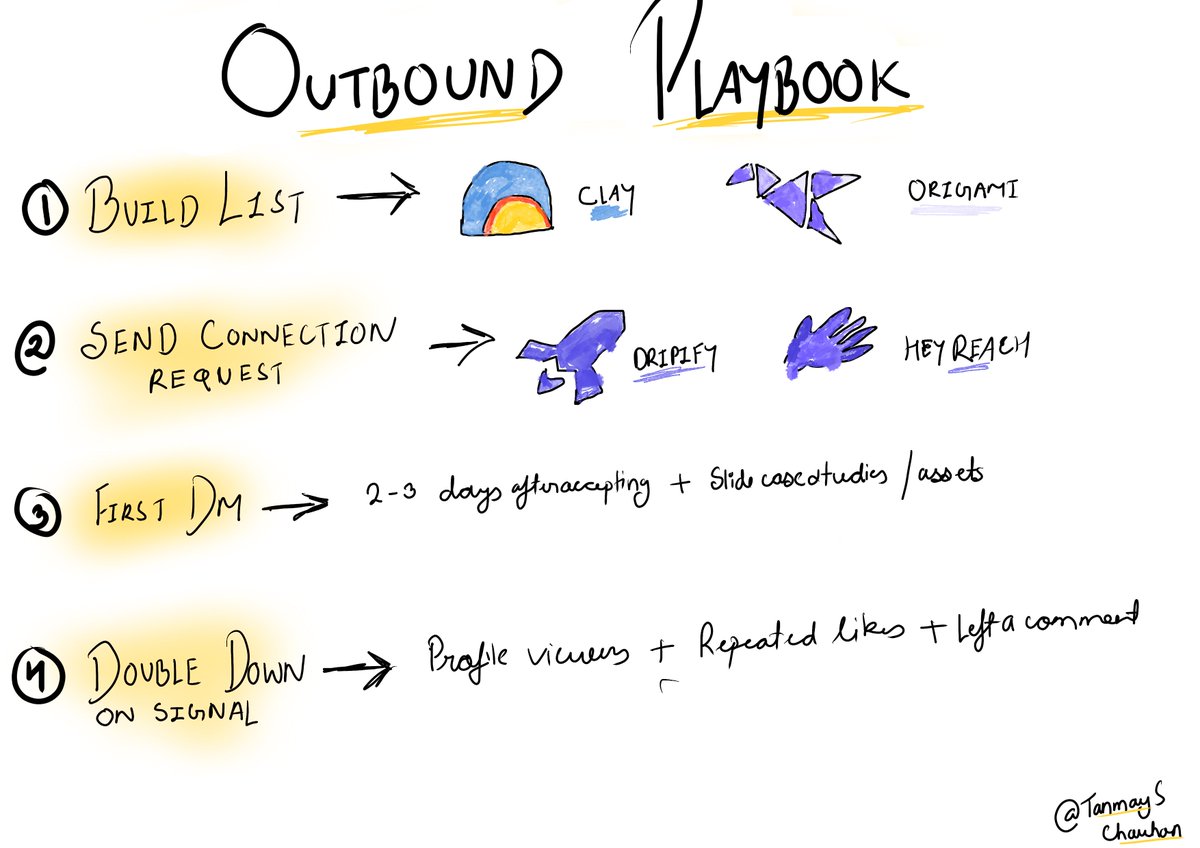
B2B founders don't need to choose between content and outbound. The founders winning right now are running both simultaneously. Here’s what’s working for us:
1. Before I publish any piece of content, we create an ICP list for our clients.
The core reason behind this is that we want our content to be seen by the right audience straight off the bat. Use tools like Clay, Origami, and I’ve found that even ChatGPT is giving us decent results these days.
I start this process by removing unnecessary connections from my client's network. Old colleagues who are no longer in the same niche, college mates, and friends who don’t want to read our niche content.
This step is very crucial because if it's not done right, your best content pieces are being thrown at a wall. Ideally, you want to do this 2 weeks before you start publishing.
2. Send connections
If you're doing this for the first time, use a VA before automating it with tools.
Though these tools work really well, you want to understand the process first. Who you're targeting, what's working, how many people are typically accepting requests in a week.
All of this is important data that will help you build a predictable pipeline.
3. First DM
We usually wait around 2-3 days because once someone accepts your request, LinkedIn shows your best-performing content (even if it's 2 months old) near the top of their feed.
So it's good for us that the content is breaking the ice and setting the context before we reach out.
There are different ways to introduce yourself when someone accepts your request. One option is to send them a templated message with your best posts and a short introduction.
Typically, those posts would be your case studies or industry insights.
4. Double down on signal
It's very enticing to keep churning out content and play the game of likes and comments, but you have to understand that most leads won't take any action beyond that.
So it's important to recognize when someone is giving you warm signals and slide into their DMs.
I would rank these 4 signals from soft to hard:
• Profile views. This is a weak one, but good enough.
• Repeatedly liking your posts.
• Commenting. This one is big.
• Of course, if they DM you, which is a very obvious signal.
All of these require a trained eye to set in motion.
A good content partner will have a timeline that helps you get to step 4 as fast as possible. Of course, it depends on the industry and how long the sales cycle is.
3
1
7
402
I suggest my clients not to launch their outbound campaign until they have published content for at least 2-3 weeks. A few things work against you when you do that:
. They only see company updates on your timeline
. They don't see you talking to them every day
. They move you to the "wait and see" list
The third point is the biggest reason I don't recommend it. Ideally, the best window to close someone is 24-72 hours after the first touch point. I know that's not always the benchmark and leads warm up again with follow ups. But why put yourself in that bracket when you can have the best case scenario?
We usually publish content for 3-4 weeks, start sending 200 connection requests per week, and leave them to consume the content.
People who connected with you recently tend to see your content at the top of their feed. Even your best performing content from months ago surfaces in front of them.
So we push the warm outbound once we're in that position, to have maximum odds in our favor.
1
5
248
Since content is becoming table stakes for founder-led brands, the difference between ones that get demos booked and ones that get no engagement is often these 3 mistakes:
1. VA comments on behalf of the founder: fake engagement that sophisticated buyers spot immediately. People respect when they know it's actually you on the account. 100 VA comments does more damage than 0 replies.
2. The same problem, different tool: AI-generated replies in comments. You'll be much better off replying to just 3 good comments yourself.
3. Generic carousel content: Billboard motivation, recycled tips, "5 lessons from waking up at 5am." An instant turn off for serious buyers.
I like to call it the $20 ChatGPT Subscription Test. If your agency is producing any of the above, you're paying $2k/month for a $20 ChatGPT subscription.
Much better to do it yourself than have these agencies quietly damage your credibility.
3
281
This is one of the easiest things you can do to put your content in front of the right audience and get more demos booked.
Remove old colleagues, friends and college mates from your LinkedIn connections who are no longer in your industry.
Because social media algorithms are designed on a simple formula:
1. You publish content
2. It pushes it in front of a small batch
3. If they engage in any form, like, comment, save, it pushes it further
4. It keeps doing that until it reaches people who no longer care
But when you're connected with the wrong people, your content never gets the launchpad to take off.
Your old college buddy doesn't care about your new product because they're simply in a different niche. This is one of the core reasons founders never break that 200-400 impression plateau. It would be fine if those impressions were coming from the right people. Eventually they'd buy. But not in any other case.
So clean your connections before you publish your first piece. Then start sending 200 connection requests a week to your actual target audience.
One of the lowest effort activities with the highest return you'll do this year.
1
6
331
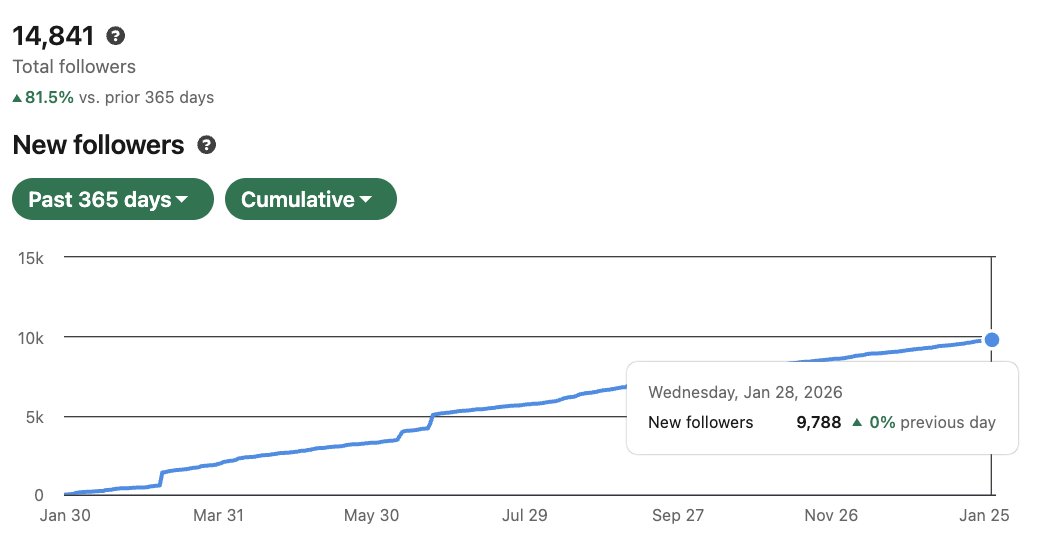
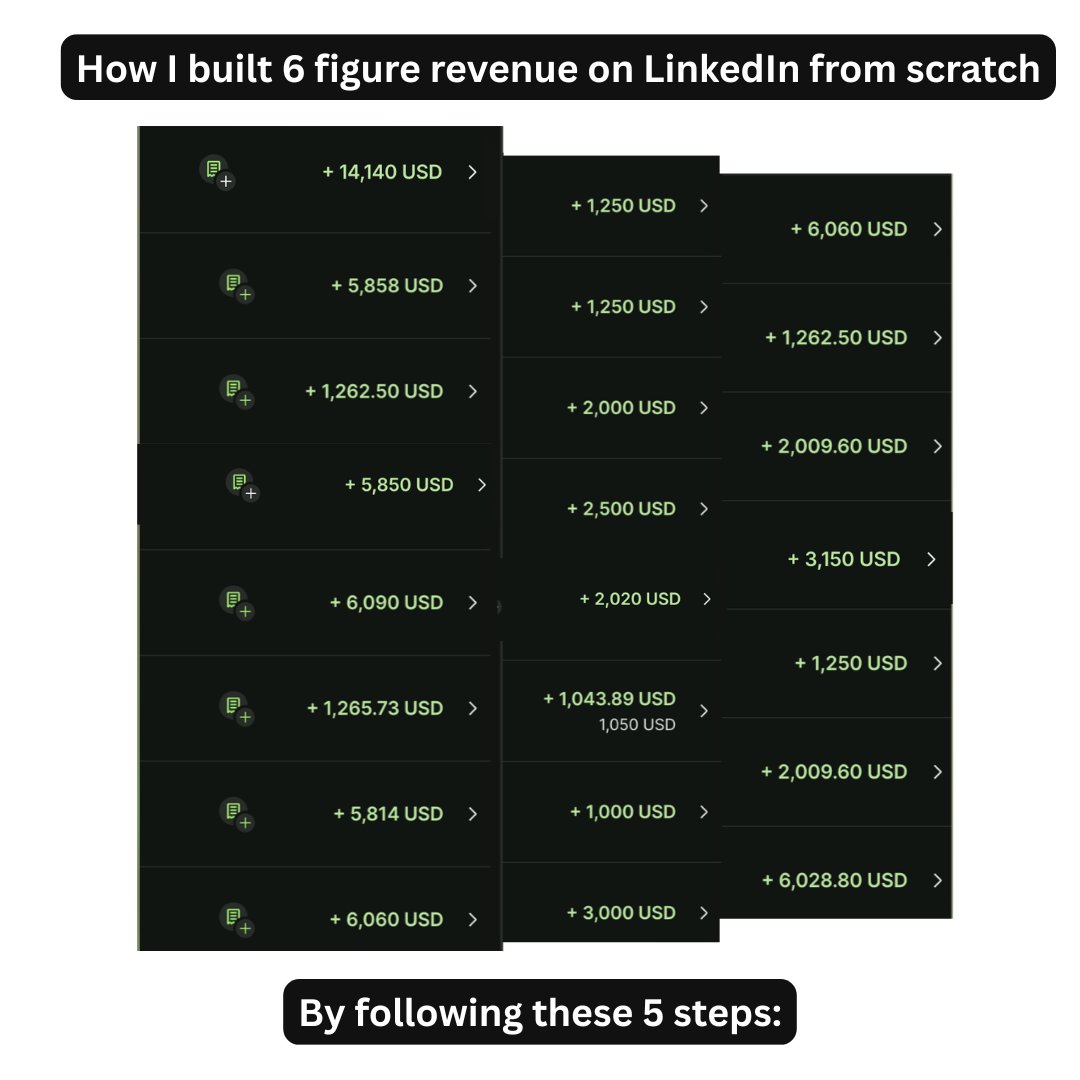
2 years ago, I started writing on LinkedIn, switching from Twitter. Now it's my only offer because I learned that smart B2B founders and their sales teams are using it to near perfection. Steal the playbook:
1. Build your ICP list before anything else. Even the world's best content writer has no impact if the reader simply doesn't care about the topic. Use tools like Clay or Origami to build a targeted list. Remove old connections who no longer work in your industry.
2. Send 200 connection requests per week. Try not to hit the platform maximum. This is ideally handled by a VA.
3. Pitch 2-3 days after they accept. Keep it short, slip in a relevant case study, and follow up consistently if they respond warmly.
4. Let your content reflect your sales call objections. Every pushback your team hears on a call is a potential post. Sometimes content can also lean into your product USP directly.
5. Post 3-5x per week minimum. Founders doing only the above 4 steps get decent response rates. Founders doing content alongside warm outreach get significantly better ones. Content pre-warms every cold connection before you pitch them.
. . .
That's it for the day.
Thank your for your attention.
Namaste.
3
1
11
552
Okay, I think I found it, the best way to write case studies for founder-led brands. Here’s my process.
You see, a lot of founders just like to do before-and-after types of case studies.
For instance, “a client came to us, we delivered these results.”
But among all the case study posts I did for my clients over the past year, we’ve seen more conversions when we did the diagnosis type of case study.
So in practice, it would mean that before you jump to what you delivered, you showcase how you diagnosed that problem.
It includes some loose steps:
1. Trigger points to qualify
This process is very similar to what doctors do. You ask yourself, what symptoms did you notice that led to the conclusion that ‘this client is suffering from X” and sliding your product as the natural solution for relief. The importance of this step is how it mirrors your ICP across the board and acts as a natural magnet for them.
2. Setting the ROI metric
What I like to do in such posts is that right past the hook is I set in what looks like a win for the client. Hours saved, pipeline influence, or even assets delivered. Of course, it depends on each industry, but largely they fall into such buckets.
3. Show off your customer service
Now, we’re all set to say what results you delivered for them but this must be sprinkled with how great it was working with you. You can use quotes by client which is solid social proof and tie the whole case study together, eventually finishing with the numbers you delivered, we set in ROI.
Pro-tip: Once you find a winner, recycle it even 4-6 weeks.
Badum… Tsshhh
That’s it for the day.
5
375
If you’ve been publishing content for atleast 6 months with no measurable ROI, it’s time to take 2 steps back and evaluate what’s going horribly wrong. Here are 3 questions:
Question 1 — Who is actually commenting or visiting your profile.
If 80% of your comments are from other ghostwriters and content creators, you're writing peer content not prospect content. Also, it should be obvious that more people are DM-ing you to buy their stuff instead of yours.
Question 2 — Does your content answer the objections you face on sales calls?
Pull up your last 10 posts. Then pull up your most common sales call objections. Do they match? If your buyers keep saying few phrases and none of your posts address that directly, you're writing for the wrong room. Tell your content partner to dig deeper into your sales team.
Question 3 — Can this go into your email sequence?
If it only works at the top of funnel it's performing for visibility which is a myopian way of creating content. Because evergreen content will be useful to you (keeping in mind your product isn’t changing much) even after 10 years. That’s why you should ask that a staunch question to everything you publish, “ Can I add this to my email sequence?
A lot of these problem are stemming from one root which is your content partner is focusing too much on storytelling and not enough on research based content for your business.
And I’ll let you on a insider secret, it’s happening because they’re lazy and personal stories are easy to write.
1
4
396
Content interviews shouldn’t be the only source for founder-led brands. There are 3 more very rich sources that work really well:
Source 1: News in the niche
Be a flag bearer in your niche. If anything comes up, you should be one of the first to summarize what happened and add your take. It could be a big startup funding round in your space, a regulatory change that affects your buyers, a major acquisition, a new product launch from a competitor, or an industry report that just dropped. Your ICP reads the same news.
Source 2: Competitors
A quick look at your competitors in your niche will give you some great examples. It could be their newsletter, blog, LinkedIn, Twitter, Instagram, or YouTube videos. Everything is up for grabs.
Source 3: Communities and forums
Your ICP is already telling you what they want to read about. They’re just not telling you directly. Niche subreddits, industry Slack groups, Facebook communities, Discord servers. These are where your buyers talk about their problems without a filter.
Bonus tip: If your content partners read a lot and understand your company building view like they know their fingers then anytime they read, let’s a startup story, analogy or research that matches your views as well, then those could be used as well.
1
4
384
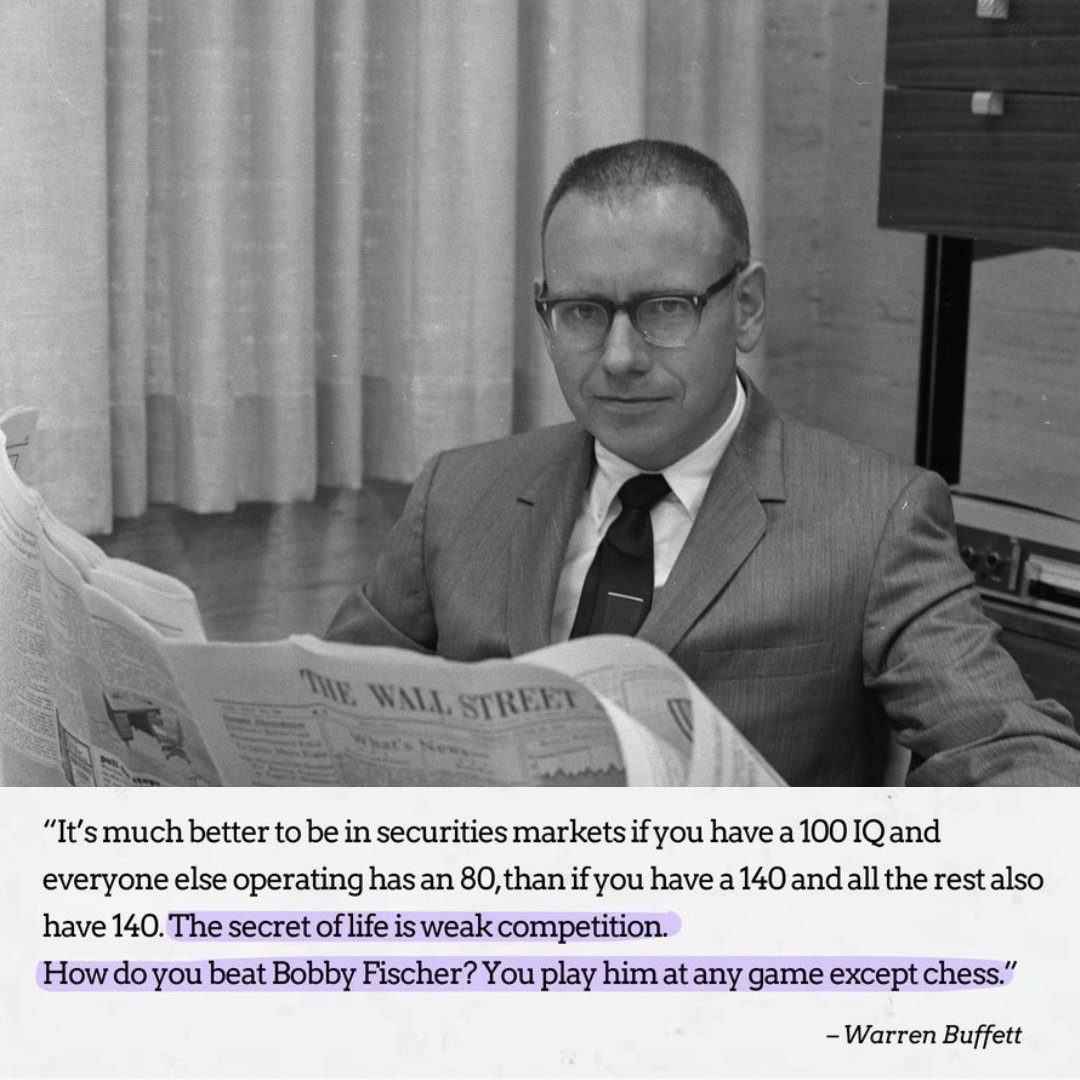
Buffett often said, "The secret to life is weak competition." Turns out many other successful CEO found this secret as well like…
1. Max Levchin, PayPal
He kept pivoting away from crowded spaces. Crypto libraries, no demand. Enterprise software, no demand. Consumer wallet, no demand. Every time he hit competition or no market, he moved sideways until he found the one thing nobody was doing which was storing and sending actual money on Palm Pilots. Eventually it became PayPal, acquired by eBay for $1.5B.
2. Mitch Kapor, Lotus 1-2-3
Kapor looked at what VisiCalc, the dominant spreadsheet tool of the 80s, couldn't do.
Bigger spreadsheets, one-button graphing, better interface for non-expert users. Basically what Canva did to Adobe.
In his own words: "I saw a gap in the marketplace." Lotus 1-2-3 became the best-selling software of the decade and sold to IBM for $3.5B.
3. TiVo founders, DVR
Ramsay and Jim Barton didn't compete with other DVR companies. There were none. They competed with an assumption that you watched whatever was on TV, whenever it was on. They saw doomscrolling from a mile. Back in the day, professional recording systems cost $1M. TiVo did it for a few hundred dollars. They didn't find weak competition. They found no competition.
In social content, I like to think that the tool for defeating weak competition is hiding in plain sight.
Since there are no entry barriers, we're essentially competing with almost 100,000 candidates. Some are good, a few are great, but most are outright mediocre.
So where is the weak competition?
Well, there's this growing enigma that socials guy should be on socials all the time if they're good.
Simple 1 1, right?
But if your social media person is consuming garbage all day and night, how are they supposed to create anything new?
Now, some might argue that it allows them to capture the trend early and pile on. But if you look closely, those trends are usually created and even captured by writers with humour.
So the skill that's being used is not chronic doomscrolling. It's their wittiness.
This should be the only exception.
But since not everyone can nail being funny, I certainly am not funny, at least in English, what choice does that leave? Well, I read. I dig up arguments. I dig up stories. I dig up raw facts.
This is your weak competition.
90% of social media writers don't read. So ipso facto, you bypass them. Your content just has a more solid foundation.
So next time you're hiring a socials guy, ask them:
What are the last 3 books you read?
If they start naming Airport books like Atomic Habits, you've identified someone who has taken a basic course to write on LinkedIn/X.
All they know are templates and surface-level stuff.
If you want such content, it's much better to write it yourself.
Why pay someone $3k/month to do what you can learn pretty quickly?
3
341
I think most founders who published billboard quotes for many years but got no ROI would agree with this. Here's my 3-step process to create evergreen content:
1. Take advantage of founder's taste: Every founder has underrated sources they revisit regularly. A niche subreddit with 5k members, a 15-year-old blog whose landing page looks like the dawn of the internet, a YouTube video with 700 views. Ask them: "What's an underrated source in your niche you regularly revisit?" Turn those into content and wrap them around the founder's views.
2. The email sequence test: Simply ask yourself, can this be added to your lead magnet's email sequence? If it only works at the top of the funnel, reject it immediately. Your social content and email content should be the same. Most of what you produce should eventually get added to your welcome sequence. If it can nurture a warm lead or get them to book a call, it stays. If not, it's out.
3. The forwarding test: Would someone forward this to a specific person they know needs it right now? Not share it for clout. Actually forward it with a message like "this is exactly what we were talking about." If the answer is yes, it's evergreen. If it only works as a scroll-stopper, it's not.
The fault is that many content partners these founders have attack content directly. More posts, better hooks, faster output.
But great content is never improved by attacking it directly. Many subskills must be in place to
1
7
369