
Joined October 2011
- Tweets 1,710
- Following 78
- Followers 1,414
- Likes 388
404 Photos and videos



Pinned Tweet

14 May 2024
"🌐 Dive into the IP Address Showdown: #IPv4 vs. #IPv6 🌐
IPv4: 32-bit addresses, limited availability, dot-decimal format.
IPv6: 128-bit addresses, abundant availability, alphanumeric with colons.
Verdict: IPv6 offers vast address space & integrated security, making it future-proof for the internet's growth. Transitioning takes time, but it's essential for scalability & security. #IPFacts #TechTalk #networking

1
3
12
1,125
16 Dec 2025
This is especially helpful for people who are curious about cybersecurity but unsure where to start.
Free access reduces the risk of trying something new and helps people make informed career decisions.

Dive into cybersecurity with Certified in Cybersecurity Training Exam Bundles starting at $0!
Don't miss this chance—get Certified now: ow.ly/RSyp50XGVs9
#CertifiedInCybersecurity

59
16 Dec 2025
This is big for anyone curious about cybersecurity.
@ISC2 is offering 1 million FREE Certified in Cybersecurity courses and exams.
No degree required.
No prior security background needed.
This genuinely lowers the entry barrier for people exploring cyber as a career.
58
16 Dec 2025
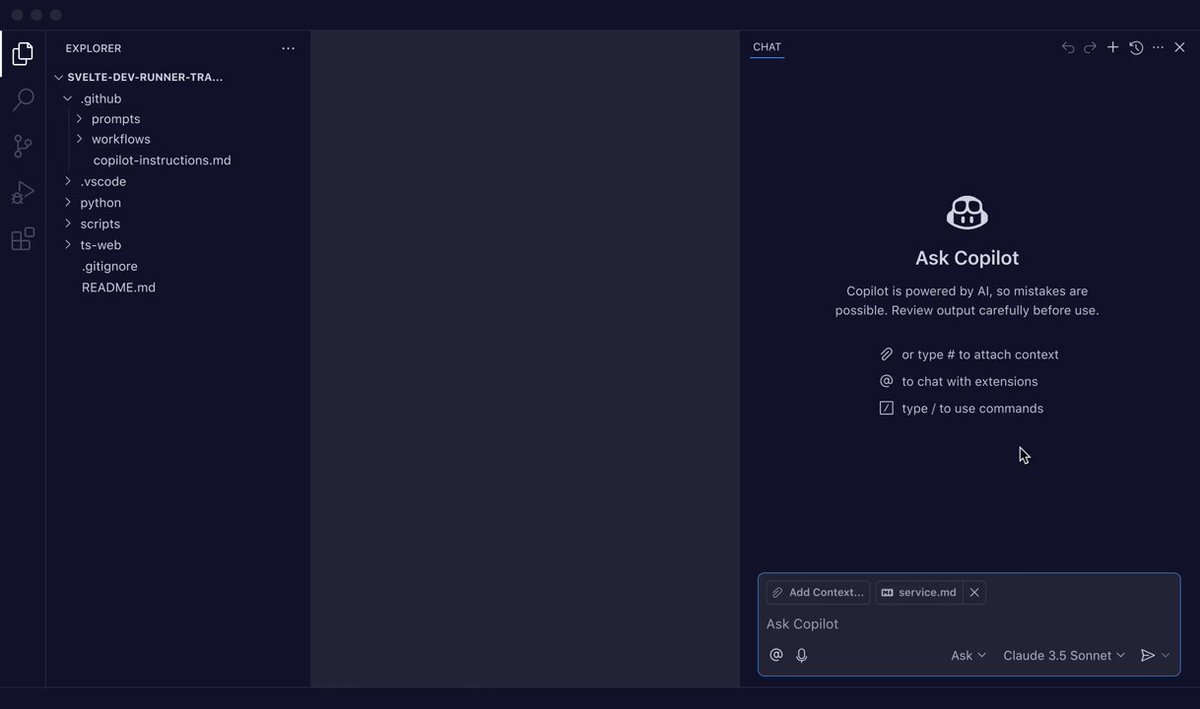
AI tools like GitHub Copilot don’t make you lazy.
They remove the boring part of work.
Just like calculators removed manual math,
Copilot removes repetitive typing.
Thinking still belongs to humans.
71
21 Oct 2025
Under SEBI’s framework, if a broker’s system failure or lack of redundancy causes investor losses, SEBI/NSE can mandate:
• Client compensation for verified losses
• Monetary penalties or disciplinary action for operational lapses
• Mandatory system audit / DR
1
30
21 Oct 2025
compliance certification
Investors affected by today’s #KotakNeo outage can file complaints via scores.sebi.gov.in (Entity: Kotak Securities Ltd) or the NSE grievance portal for investigation and restitution.
#SEBI #InvestorRights #KotakSecurities
@SEBI_India
108
20 Oct 2025
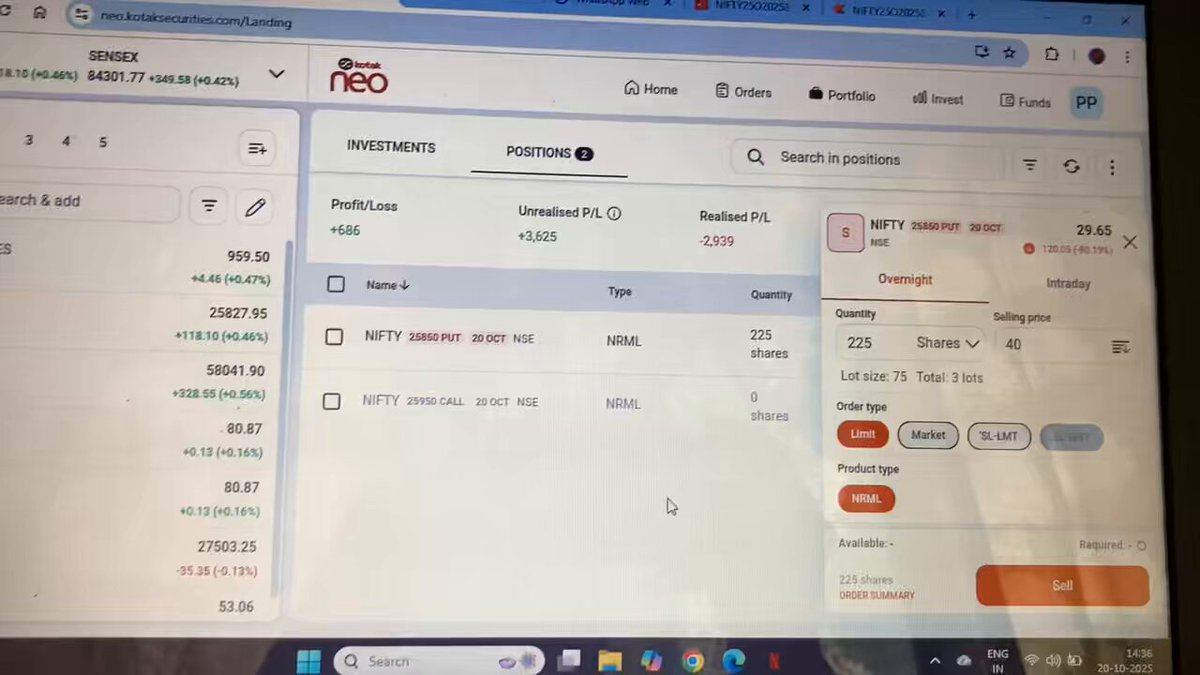
Your servers cant be reached who will be responsible for the loss unable to place any order from last 30 min
1
96
13 Dec 2024
5/8 💸 You took ₹8,500 in advance, and after that, ZERO SERVICE. No engineer, no resolution, no accountability. Is this how @reliancejio cheats customers?
1
8
13 Dec 2024
6/8 🔴 The Issue:
•ODCPE device has no LEDs, indicating it’s faulty.
•Router blinking red.
•Splitter showing LEDs but doesn’t resolve the issue.
Still, your agents ask irrelevant questions like “Is there a power outage in your area?”
13
6 Nov 2024
Satellite Hacking with Master OTW @three_cube
6 Nov 2024

Satellite Hacking with Master OTW
youtu.be/17G8MjJc7mw?si=Dxhv…
2
3
4,117
6 Nov 2024
I just entered the Snapdragon Behind the Silicon sweepstakes to win the next device powered by Snapdragon® 8-Series Mobile Platform ul.ink/1RQKTZ-29QVT_t
1
78
TechInsideHub retweeted

22 Sep 2024
Never access the Dark Web without doing this!
Tor and Telegram demos with the amazing @Steph3nSims
YouTube vidoe: youtu.be/7wLLcFMmbpg?feature…
#tor #telegram #darknet #darkweb #crypto #Anonymous #vpn #safe #ransomware #cybersecurity #cyber #infosec #informationsecurity #internet #hack #hacking #hacker

37
186
29,487
4 Aug 2024
Incident Response for Common Attack Types
As cyber threats evolve, it’s crucial for organizations to be prepared with an effective incident response plan for various attack types. Here’s a guide to handling some common cyber threats:
1. Brute Forcing 🔐
Details: Attackers try to guess passwords by attempting numerous combinations.
Threat Indicators: Multiple login failures in a short period.
Where to Investigate:
•📊 Active directory logs
•📄 Application logs
•🖥️ Operational system logs
•📞 Contact user
Possible Actions:
•Disable the account if the activity is not legitimate
•Investigate and block the attacker
2. Botnets 🤖
Details: Attackers use the victim server to perform DDoS attacks or other malicious activities.
Threat Indicators:
•Connections to suspicious IPs
•Abnormally high volume of network traffic
Where to Investigate:
•🌐 Network traffic
•🛠️ OS logs (new processes)
•📧 Contact server owner
•☎️ Contact support team
Possible Actions:
•Isolate the server
•Remove malicious processes
•Patch the vulnerability used for the infection
3. Ransomware 💸
Details: Malware encrypts files and demands a ransom for decryption.
Threat Indicators:
•Anti-Virus alerts
•Connections to suspicious IPs
Where to Investigate:
•🛡️ AV logs
•🖥️ OS logs
•🔍 Account logs
•🌐 Network traffic
Possible Actions:
•Request Anti-Virus checks
•Isolate the affected machine
4. Data Exfiltration 📤
Details: The attacker (or rogue employee) exfiltrates data to external sources.
Threat Indicators:
•Abnormally high network traffic
•Connections to cloud storage solutions (e.g., Dropbox, Google Cloud)
•Unusual USB sticks
Where to Investigate:
•🌐 Network traffic
•🔎 Proxy logs
•🖥️ OS logs
Possible Actions:
•If internal: Contact the manager and perform full forensics
•If external: Isolate the machine and disconnect from the network
5. Compromised Account 🕵️♂️
Details: Attackers gain access to an account through social engineering or other methods.
Threat Indicators:
•Off-hours account logins
•Account group changes
•Abnormally high network traffic
Where to Investigate:
•📊 Active directory logs
•🖥️ OS logs
•🌐 Network traffic
•📞 Contact the user for clarification
Possible Actions:
•Disable the compromised account
•Change passwords
•Conduct forensic investigations
6. Denial of Service (DoS/DDoS) 🚫
Details: Attackers disrupt service by exploiting DoS vulnerabilities or generating high traffic volumes.
Threat Indicators: Abnormally high network traffic on public-facing servers
Where to Investigate:
•🌐 Network traffic
•🔥 Firewall logs
•🖥️ OS logs
Possible Actions:
•For DoS due to vulnerabilities: Contact the patching team for remediation
•For DDoS due to network traffic: Contact network support or ISP
For more cybersecurity tips and best practices, stay tuned to our blog.
#CyberSecurity #IncidentResponse #BruteForce #Botnets #Ransomware #DataExfiltration #CompromisedAccount #DoS #DDoS #InfoSec #NetworkSecurity #ThreatDetection
1
2
137