
Defence Analyst
Joined March 2009
- Tweets 3,798
- Following 3,103
- Followers 4,766
- Likes 25,539
592 Photos and videos











Ted Opitz retweeted
Today, 13 April, on the Day of Remembrance for the Victims of the Katyń Massacre, we pay tribute to the Polish prisoners of war who were brutally murdered by the NKVD in the spring of 1940.
Their graves are symbols of truth and suffering, reminding us of the cruelty of totalitarianism and the persistent attempts to falsify history.
We do not forget the victims whose lives were ended with a shot to the back of the head.

20
407
1,021
26,192
Ted Opitz retweeted

Feb 7
So an immigrant…who helped us win our independence…who immediately freed the Slaves given to him at the end of the Revolution.

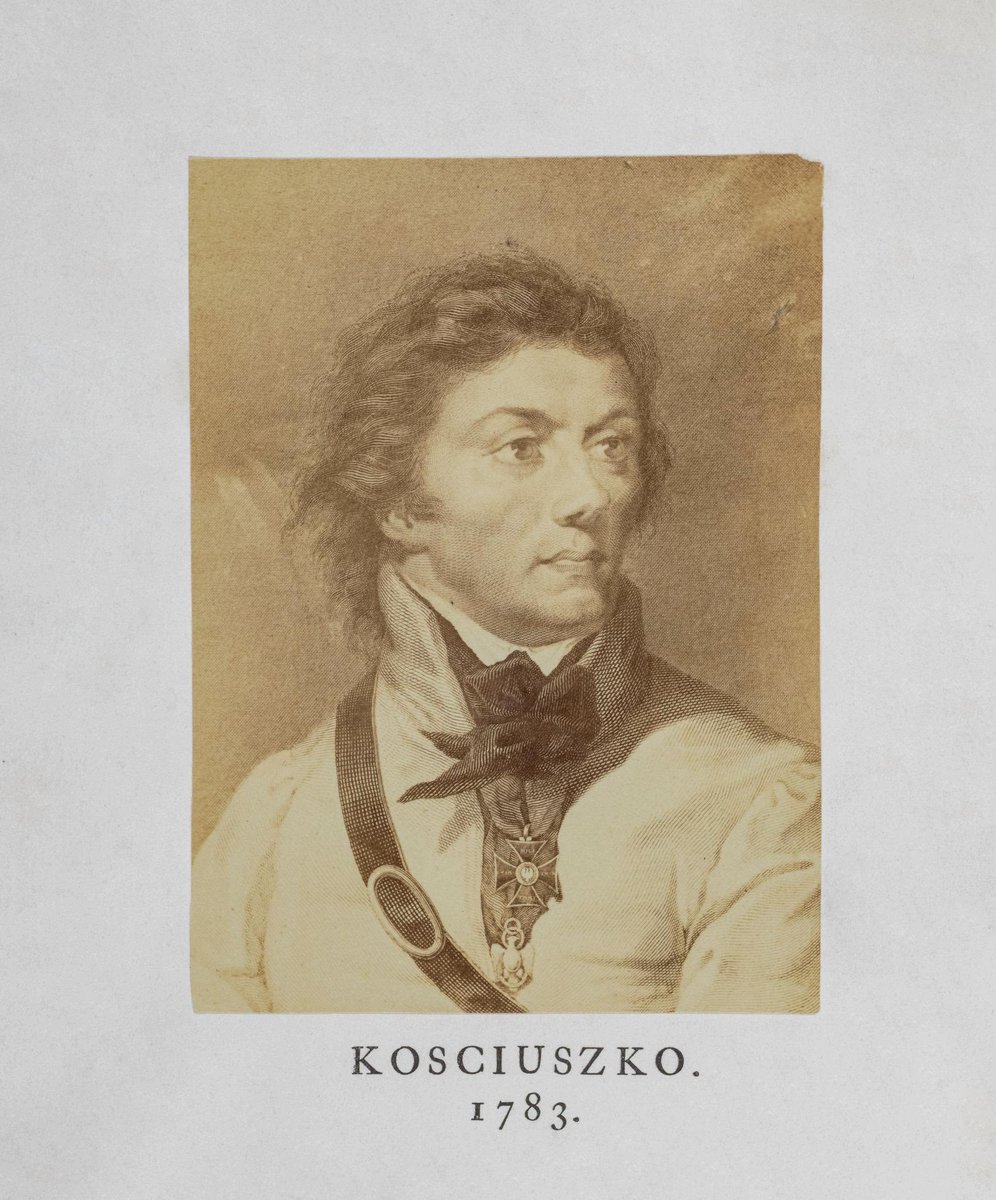
Happy 280th Birthday, Tadeusz Kościuszko — Polish by birth, American by choice, universal by principle.
For Poles, Kościuszko is a symbol of national honor and the fight for independence. For Americans, he is a brilliant military engineer of the Revolutionary War who believed that liberty must mean liberty for all.
Kościuszko fought tyranny wherever he found it, and bound our nations together through shared sacrifice and shared ideals.
It is no coincidence that his portrait hangs at West Point.
Freedom recognizes its own.
60
336
3,071
104,039
Ted Opitz retweeted

Feb 3
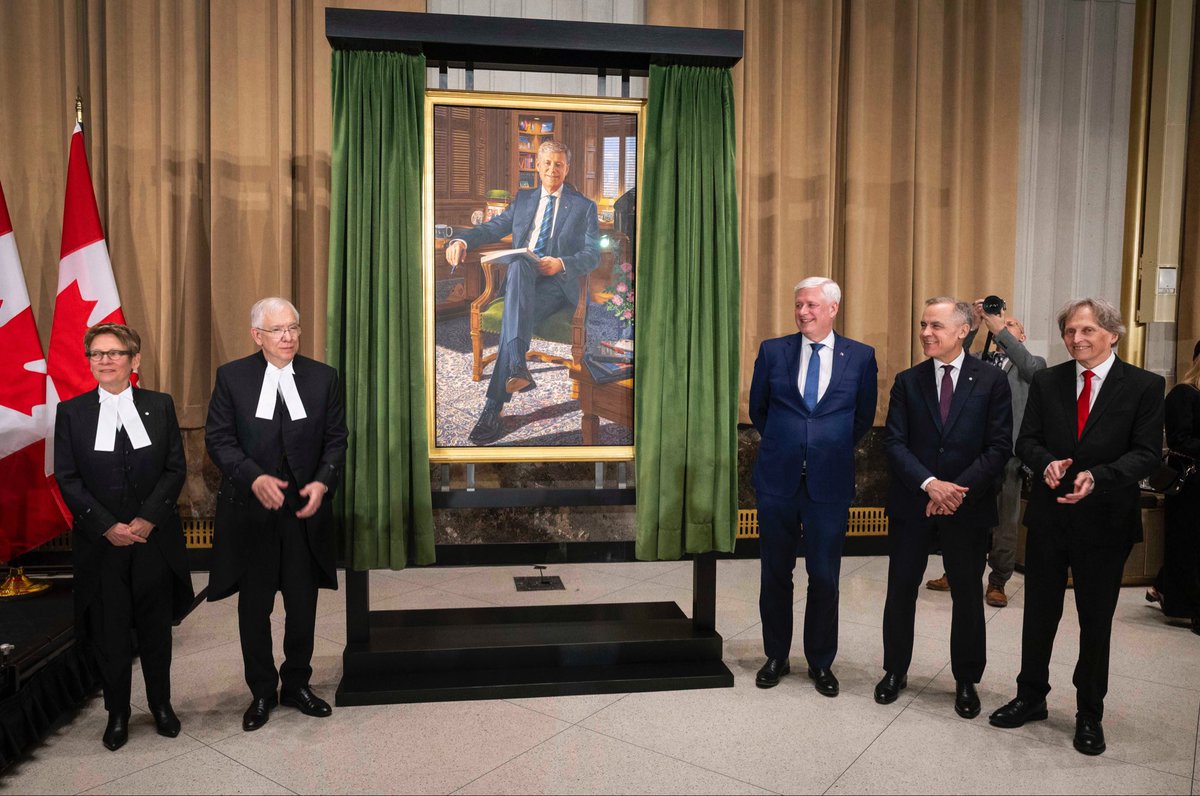
I am grateful to Phil Richards for his incredible work on my official portrait. Background information on the portrait’s finer details is available here:
stephenharper.com/portrait/
142
259
2,407
83,265

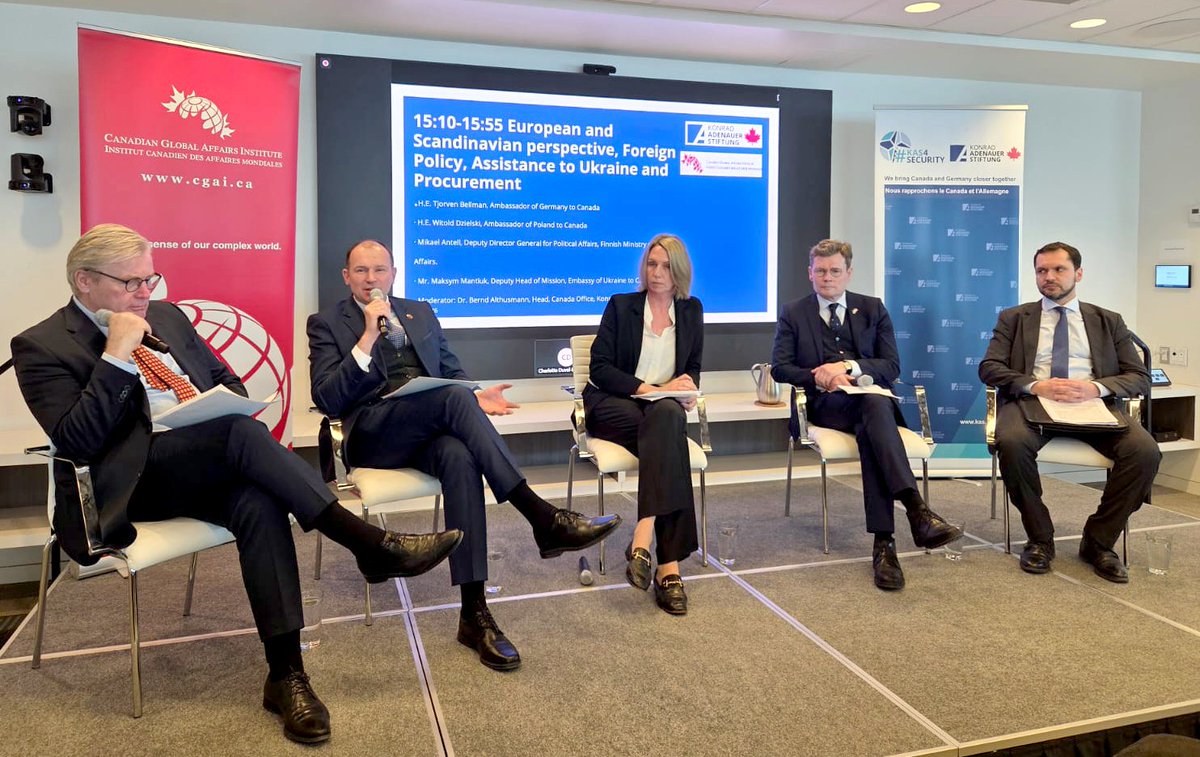
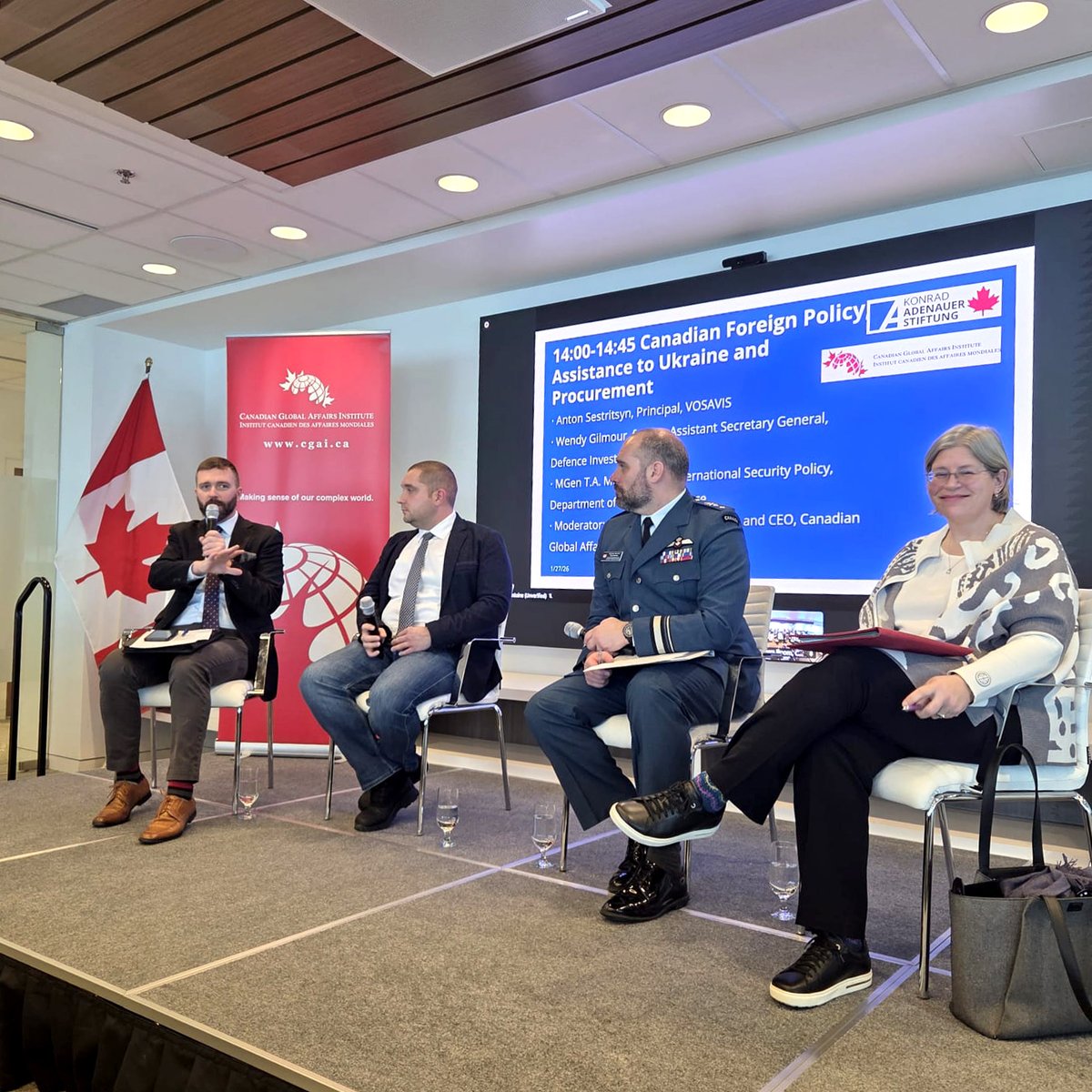
Delighted to see this discussion happen. We must honour the sacrifices Ukr is making in military & civilian lives incl the devastation Putin has caused. Ukr must be supported, admitted to the EU & rebuilt. Their sacrifice & knowledge will greatly enhance Europe's defence.

🤝 Importance of understanding and respecting regional perspectives, tightening of cooperation between partners and wider-ranging stakeholders from government, industry, and academia, were among the subjects discussed by 🇵🇱 Ambassador @WitoldDzielski in the context of providing vital support for 🇺🇦 Ukraine at the event ‘The West’s Zeitenwende: What Support for Ukraine in 2026?’ hosted by the 🇨🇦@CAGlobalAffairs and 🇩🇪 @KAS_Canada.

2
120
Ted Opitz retweeted

13 Dec 2025
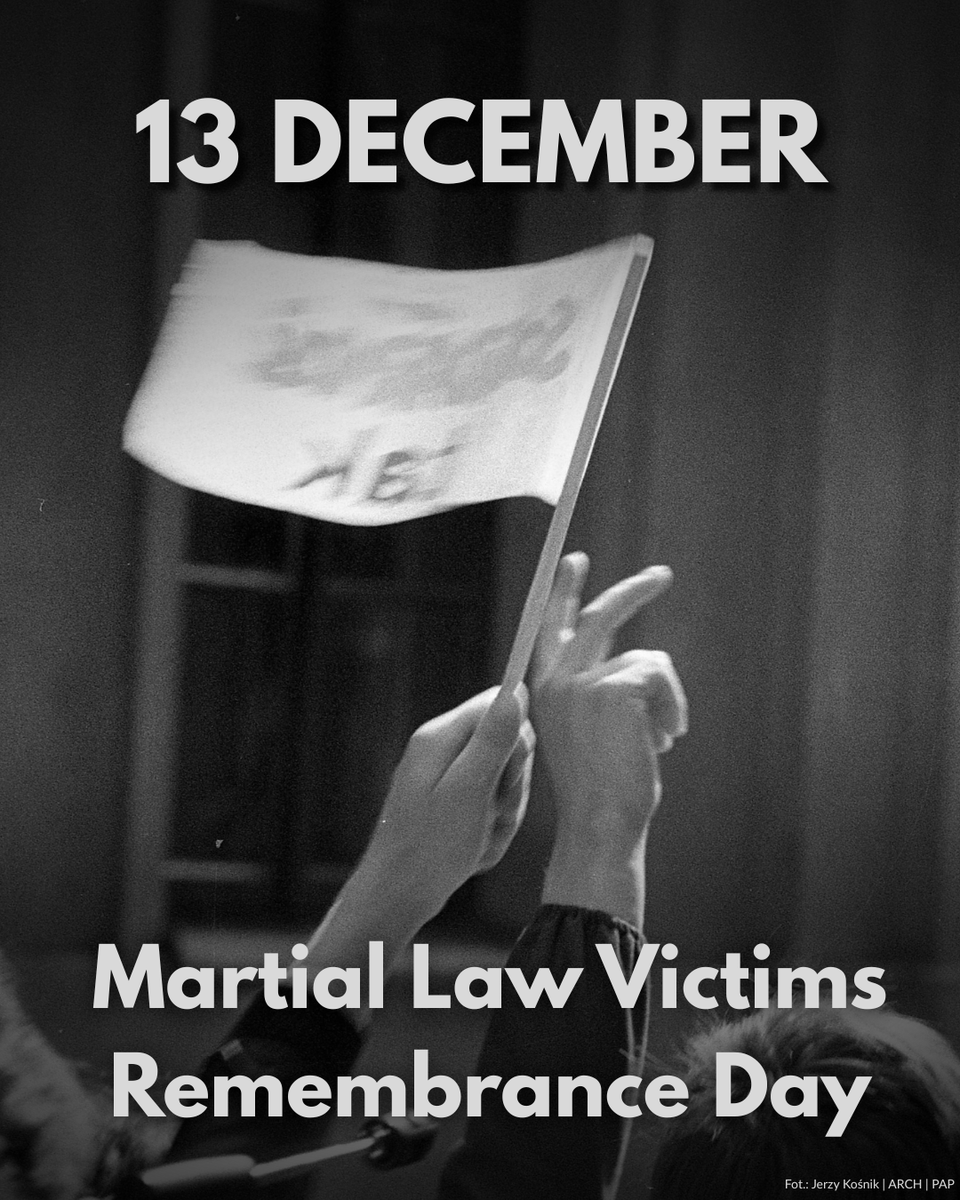
🕯️ 44 years ago, the communist authorities in Poland imposed martial law.
Today, on the anniversary of these events, we observe the National Day of Remembrance of the Victims of Martial Law. It is a time for reflection, commemoration of the victims, and the expression of gratitude to all those who, with courage and determination, stood up to communist violence.
In December 1981, in response to the situation in Poland, Pope John Paul II and President of the United States Ronald Reagan appealed to the people of the free world to light candles in their windows as a symbol of solidarity and support for those resisting the regime. 🕯️
#LightOfFreedom
10
64
115
10,892
Ted Opitz retweeted

21 Nov 2025
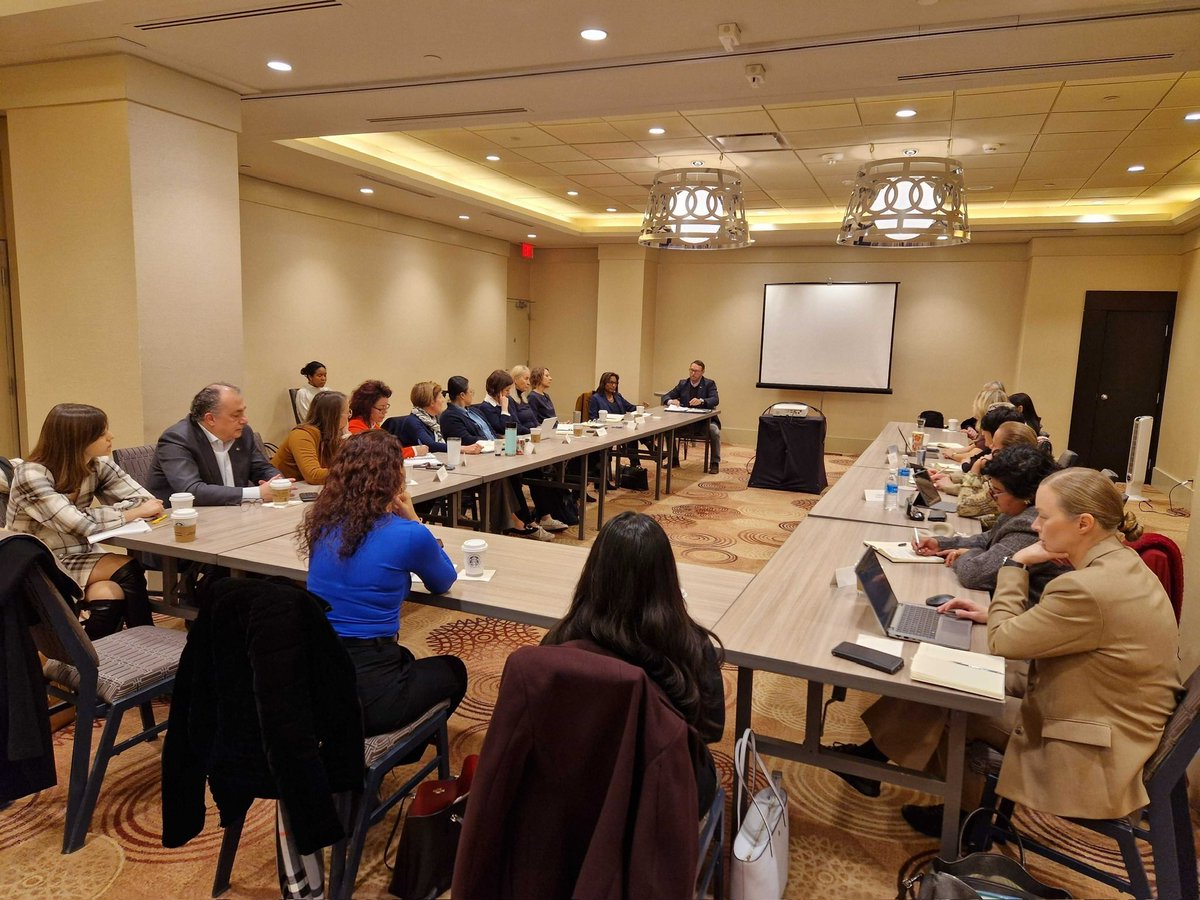
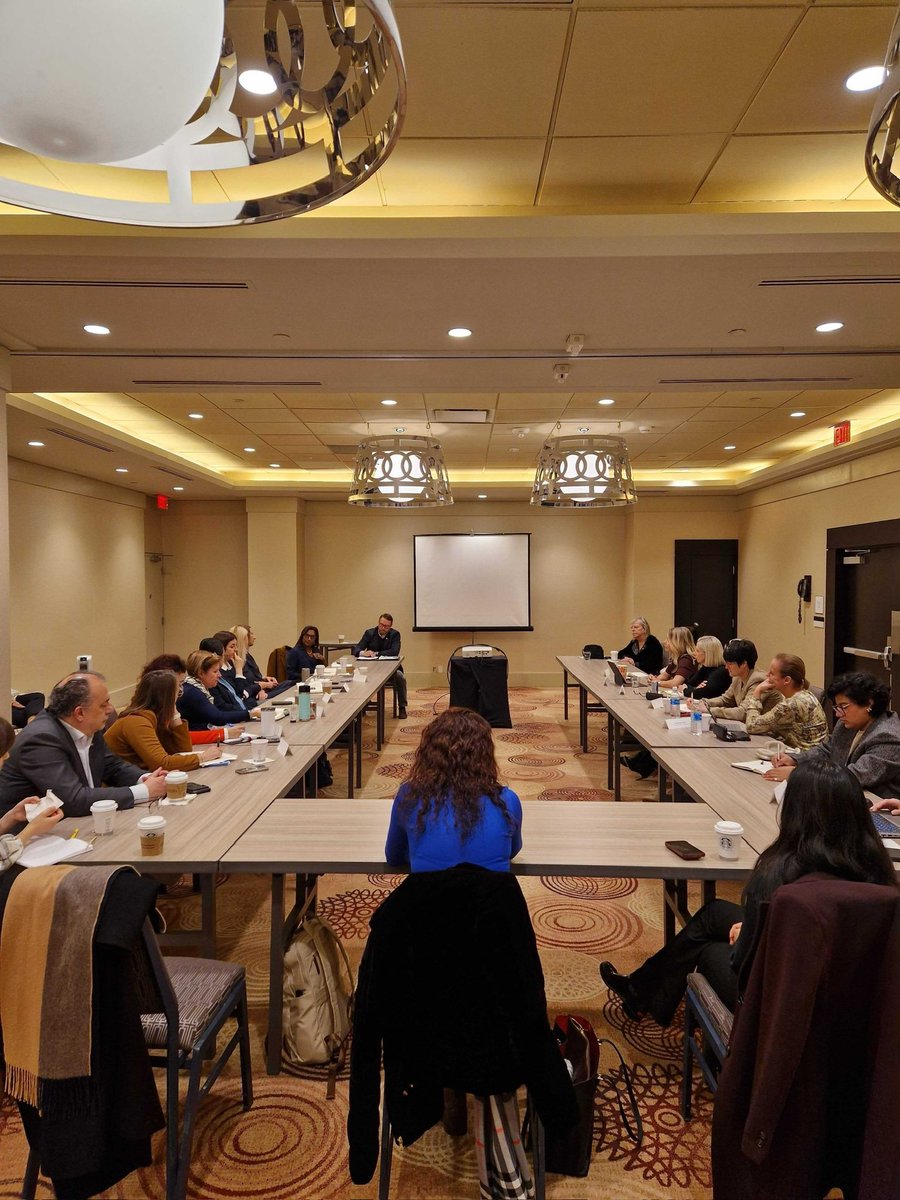
The NATO Association of Canada joined @HFXforum Peace With Women Fellowship group for a thought-provoking discussion this Tuesday, November 18 in anticipation of the Halifax International Security Forum beginning today.
#hfx #halifaxforum #halifaxinternationalsecurityforum

2
6
425
Ted Opitz retweeted

24 Aug 2025
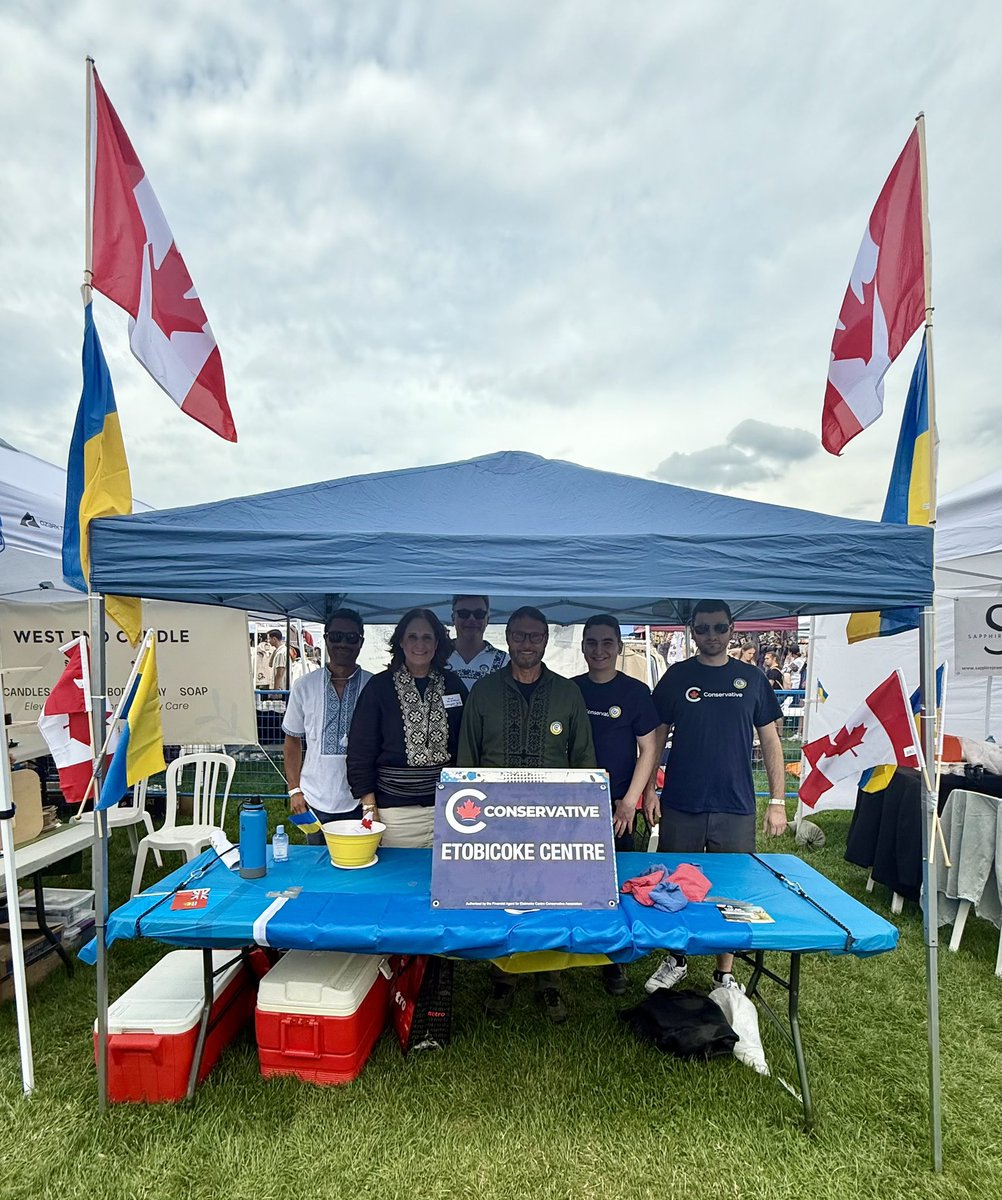
Thank you to everyone who volunteered today!
A successful gathering to support Ukraine organized by Ukrainian Canadian Congress - Toronto Branch to support the Ukrainian Independence Day at Centennial Park.
#SlavaUkraini
1
6
222
Ted Opitz retweeted

7 Jun 2025
I'm astonished that Prime Minister Carney contradicted the Constitution, settled law, and the national interest today by handing provinces a veto over interprovincial pipelines (at least rhetorically.)
Here is the first question from a journalist, and the Prime Minister's response, at his new conference outlining Bill C-5 today:
Q) "Let's say there is a pipeline project that you determine is in the national interest, but there is a province along the route - (say) Quebec, British Columbia - that doesn't want it. Are you going to impose it regardless?"
A) "Certainly not. There must be a consensus of all the provinces, and indigenous people. There are several projects in the national interest, and there will be a process in order to determine if there is a consensus... and if a province doesn't want it, it's impossible. I will not impose a project on a province. We need a consensus behind these projects."
This contradicts the division of powers in Sections 91 and 92 of the Constitution Act, particularly the clear meaning of 92(10)(c) which states that the following is *not* a provincial power:
"Works and Undertakings connecting the Province with any other or others of the Provinces, or extending beyond the Limits of the Province."
This section has always been understood to include interprovincial pipelines.
This was tested very recently in the unanimous ruling of the BC Court of Appeal, subsequently upheld by a unanimous decision of the Supreme Court of Canada, which struck down a legislative effort by the BC government to block the Trans Mountain Pipeline Expansion (TMX.) bccourts.ca/jdb-txt/ca/19/01…
To be clear: Justin Trudeau's government approved TMX, ensuring its construction against the clear opposition of BC's NDP government. It did so because interprovincial pipelines are within federal regulatory power, per the Constitution, as recently affirmed by the highest court in the land.
Why is Prime Minister Carney undermining this clear and necessary division of powers? How can we build "one Canadian economy," or "make Canada an energy superpower" if any one province can stop a major, nation-building project to get our resources to the world, or for that matter to the rest of Canada?
Now more than ever we need strong leadership to advance the national interest, not a dysfunctional federation where one political faction in one province can block major projects of national ambition.
403
429
1,599
262,455



It’s Election Day in #EtobicokeCentre!
The polls are open from 9:30 AM to 9:30 PM — and every single vote matters. In 2011, I won by just 6 votes. That’s how close it can be.
If you need a ride to your polling station, give us a call at (365) 292-2911 — we’re here to help.
5
52
156
1,625
Make your voice heard. Vote Conservative. Vote for real change. Vote Ted Opitz.
If you have time to volunteer today, we can still use your help. Call us or drop by the campaign office at 250 Wincott Drive, Unit 32, Etobicoke.
#ElectionDay #VoteConservative #EveryVoteCounts
6
391
In 2011, I won by just six votes. Every call, every door knock makes a difference.
Let’s bring it home, Etobicoke Centre!
#EtobicokeCentre #GetOutTheVote #ElectionDay #TedOpitz #VoteConservative
1
11
432
For too many families in #EtobicokeCentre, life has become harder, not easier.
On April 28th, you have a choice: more of the same, or a fresh start.
Let’s get Canada back on track, with lower taxes, safer streets, and a government that puts you first.
14
68
248
2,295
Even if you only have a few hours to spare, every little bit helps.
Looking forward to seeing you — let’s bring it home! 💪🇨🇦
#EtobicokeCentre #TeamOpitz #VoteConservative #BringItHome
2
173
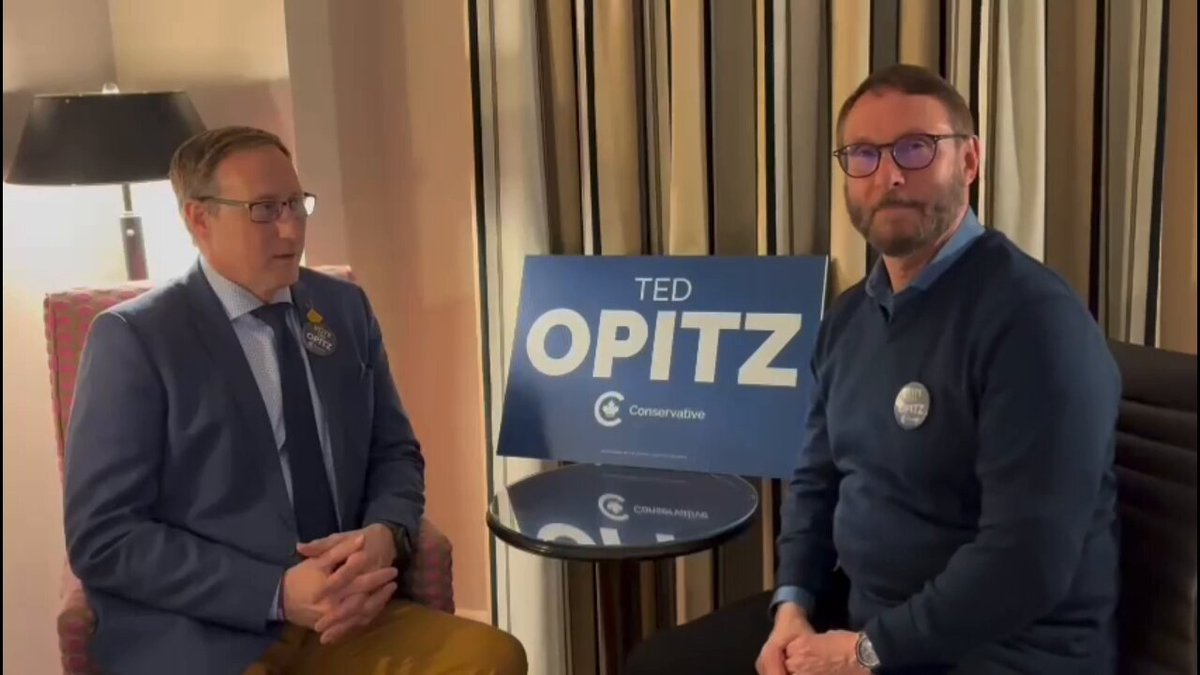
In the third and final video of our series, @PeterMacKay and I talk about the growing threats to Canada’s sovereignty — and why @PierrePoilievre is the leader we need to stand up for our country on the world stage.
#EtobicokeCentre #cdnpoli #CanadaFirst #VoteConservative
5
55
191
2,796
Ted Opitz retweeted

25 Apr 2025
When you go to vote on Monday, remember this:
The sudden drop in gas prices wasn’t a gift—it was a reminder.
The Carney-Trudeau Liberals have had the power to make life more affordable all along. They voted against it over 20 times.
Now that they need your vote they’re trying to trick you into voting for them. Don’t forget, they didn’t help your family, they helped themselves.
102
1,399
4,704
65,735
Grateful to have had former Foreign Affairs Minister @Baird join us in #EtobicokeCentre yesterday for a fantastic event. His insights and energy are always appreciated!


1
3
18
233
Special thanks as well to @RudyCuzzetto, MPP for #MississaugaLakeshore for stopping by and showing his support.
#cdnpoli #TeamOpitz #PierrePoilievre #Etobicoke #ConservativeParty #Leadership #CanadaFirst
5
127