software engineer • twitch streamer • fairy person • sexy lil fella • any pronouns 🌈✨#opentowork currently: Alma prev: Shopify
- Tweets 30,200
- Following 537
- Followers 6,742
- Likes 95,143





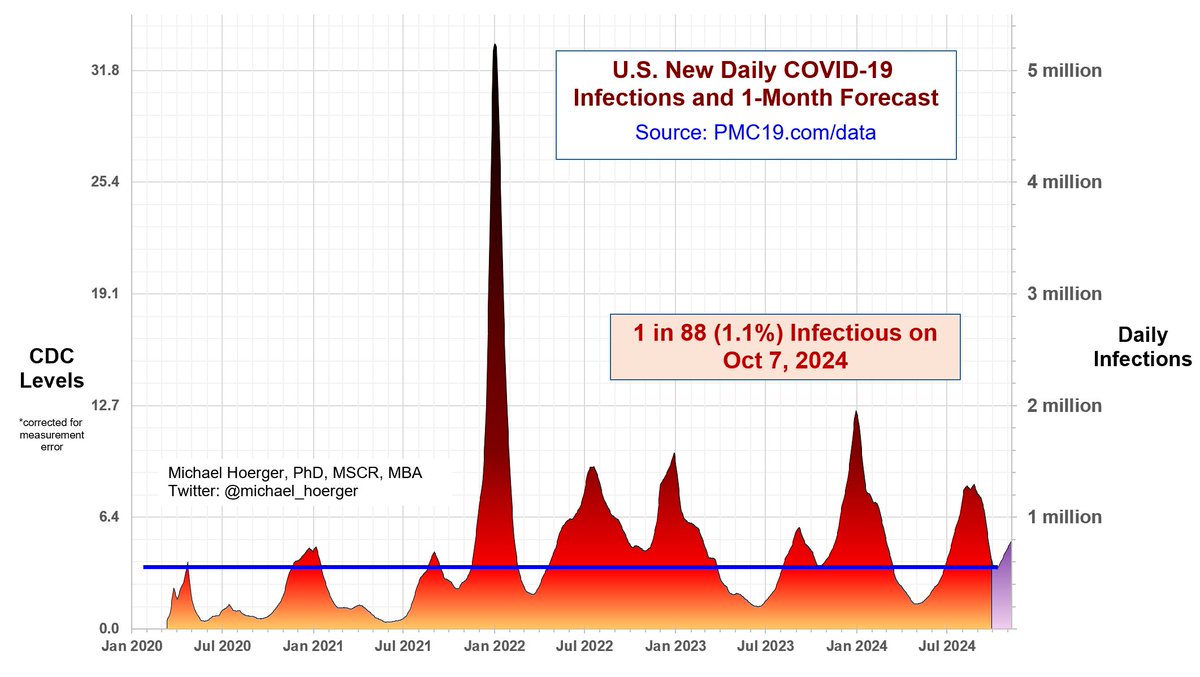
ALT Main figure from pmc19.com/data showing the 9 waves so far and that the current level in the "lull" is similar to early waves in terms of daily infections.






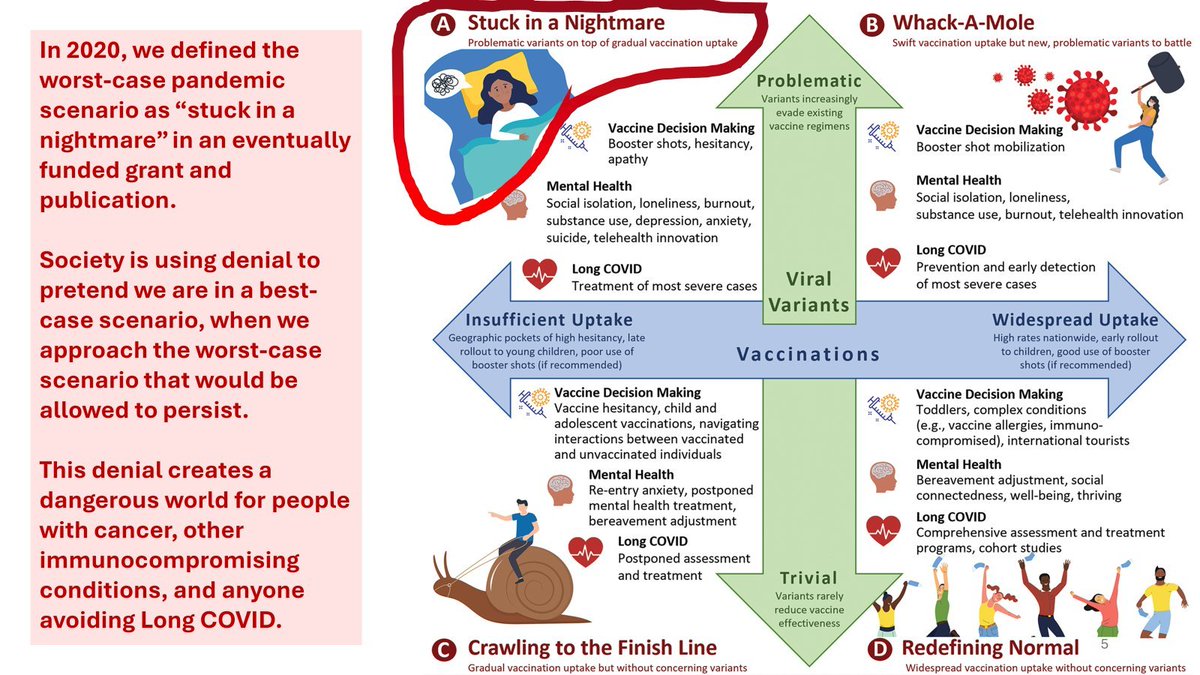
ALT Figure from our COVID scenario planning paper, originally for a PCORI grant to study the pandemic impact on food service workers. Caption: In 2020, we defined the worst-case pandemic scenario as “stuck in a nightmare” in an eventually funded grant and publication. Society is using denial to pretend we are in a best-case scenario, when we approach the worst-case scenario that would be allowed to persist. This denial creates a dangerous world for people with cancer, other immunocompromising conditions, and anyone avoiding Long COVID.
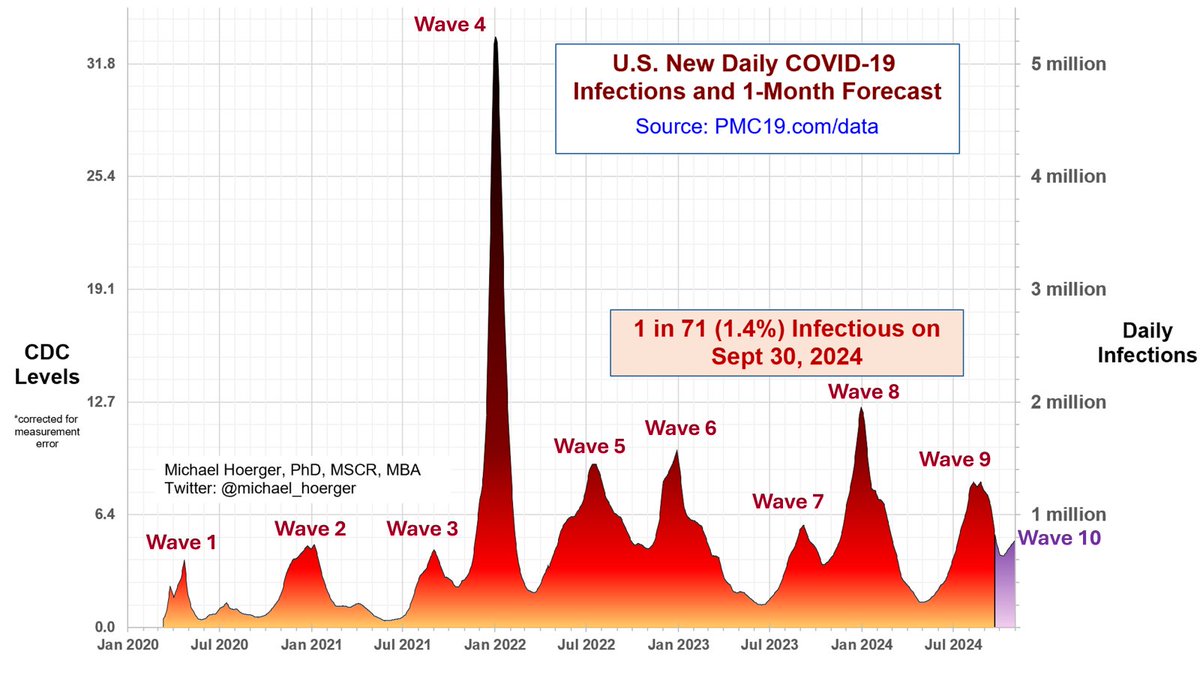
ALT Pmc19.com/data Main graph showing the 10 waves of Covid in the U.S. Fall/winter wave to pick up in the next month, per the forecast.
