
Curious about how great powers make decisions and who pulls the strings? Follow us and step into the Dark Box!
Joined November 2024
- Tweets 920
- Following 0
- Followers 21,268
- Likes 181
507 Photos and videos
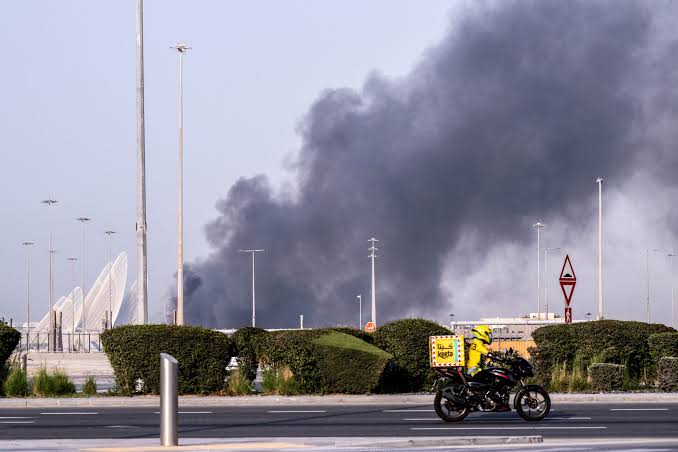
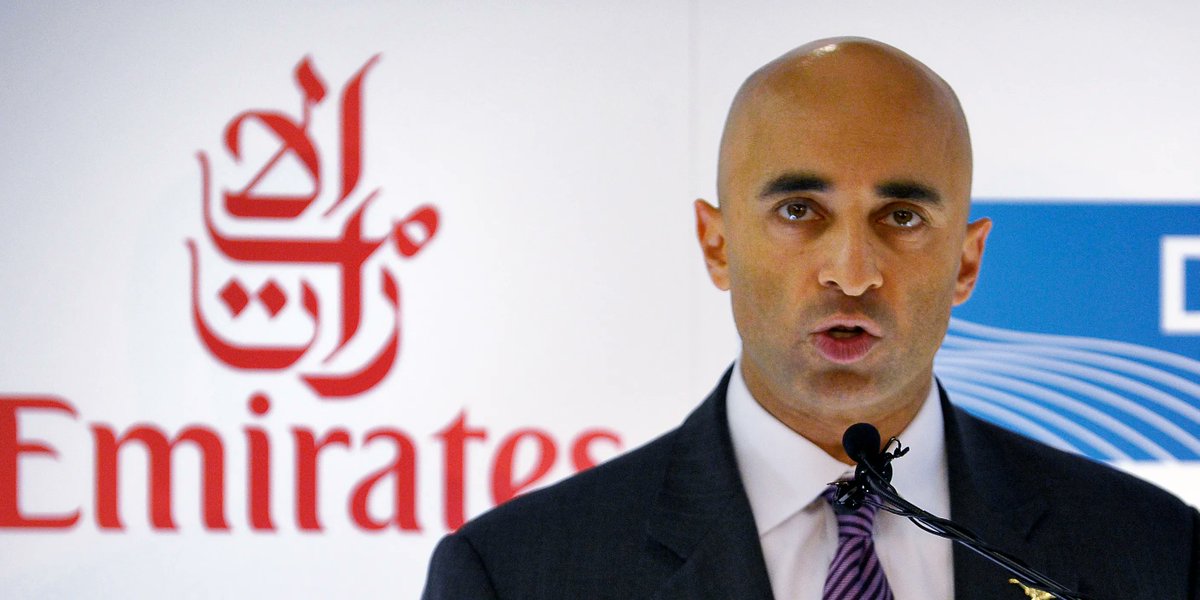
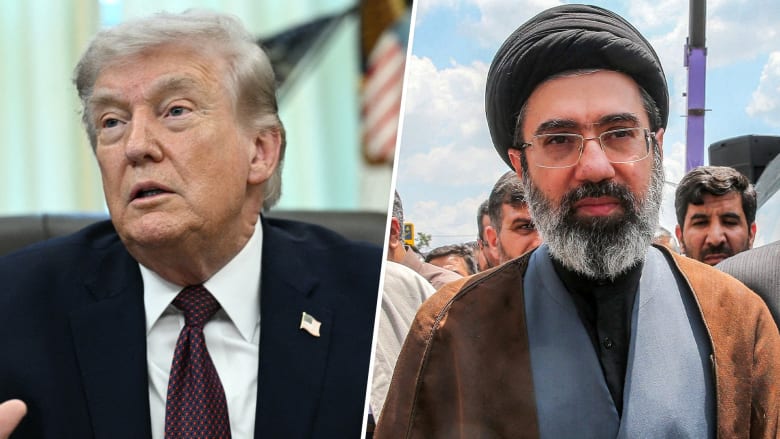
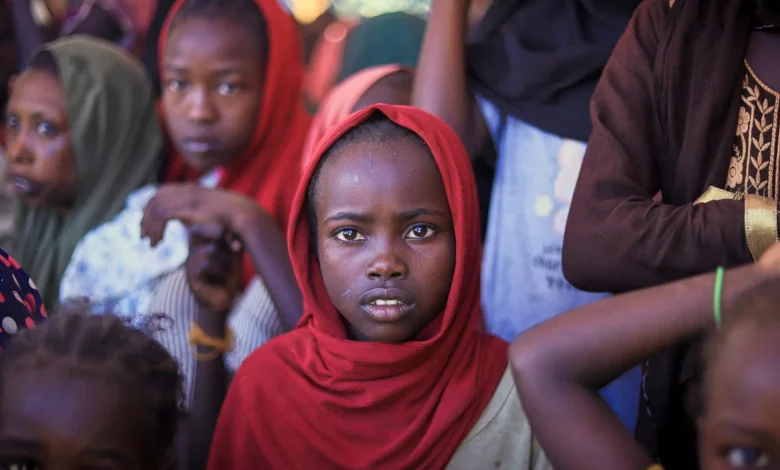

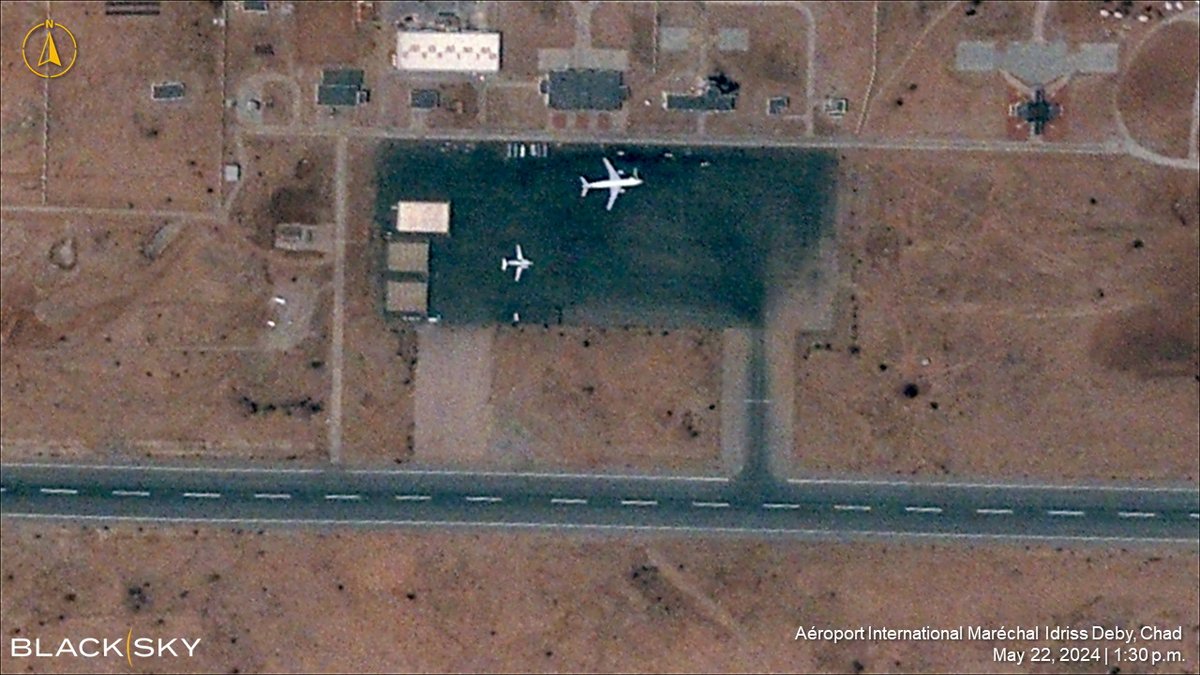

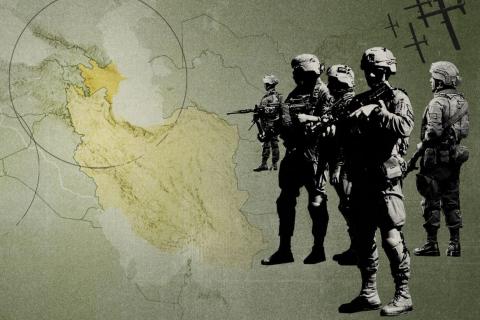
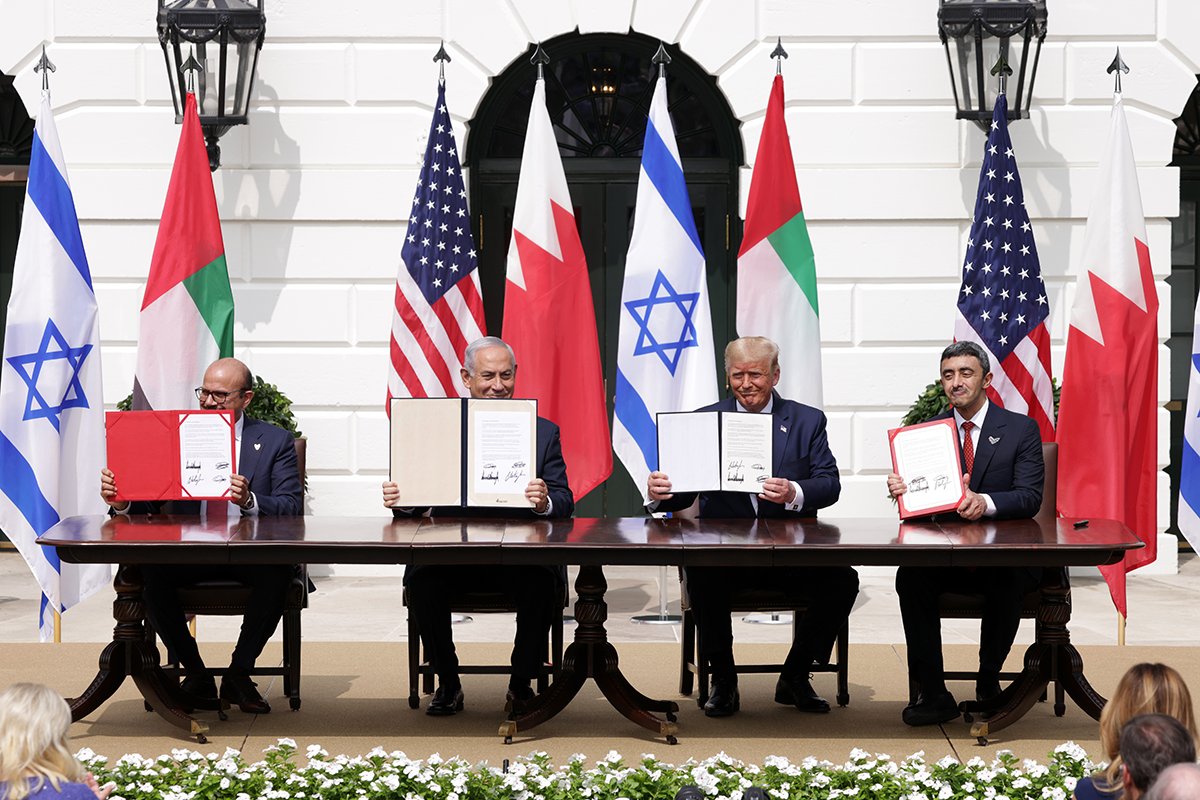
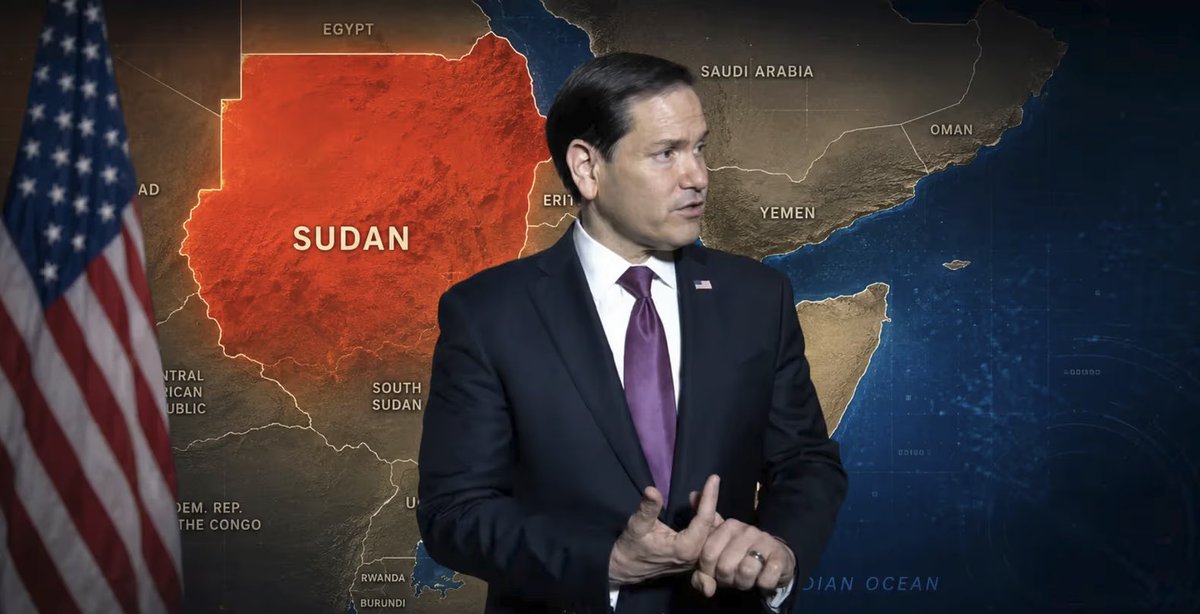

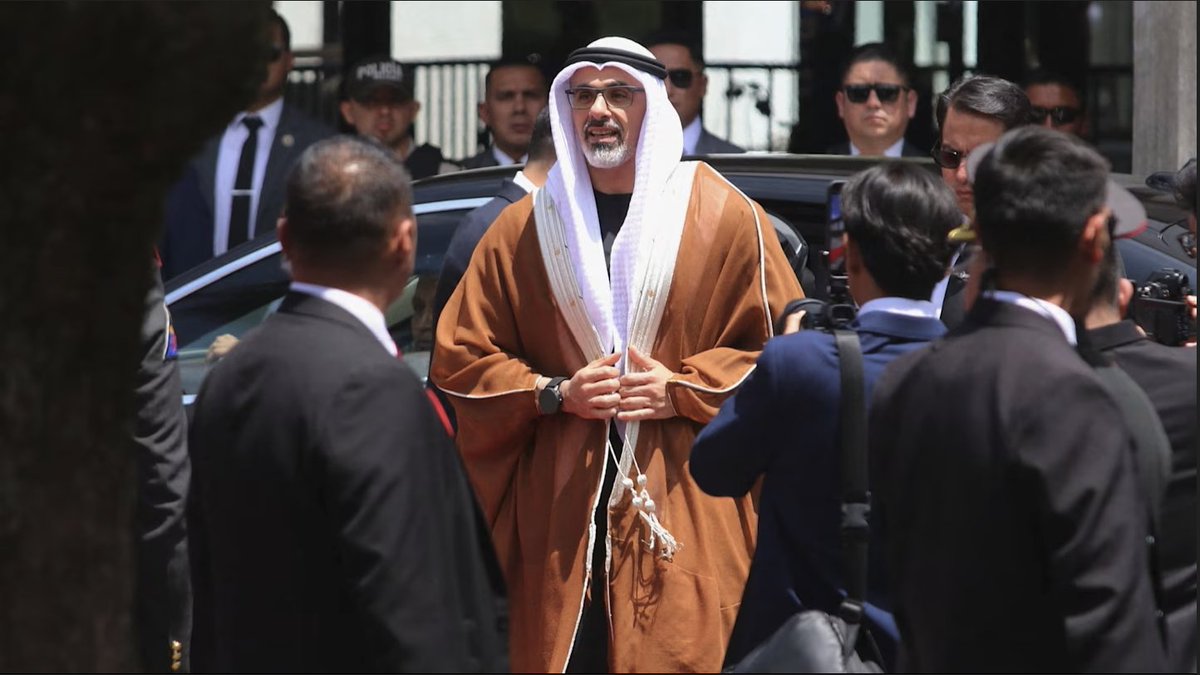
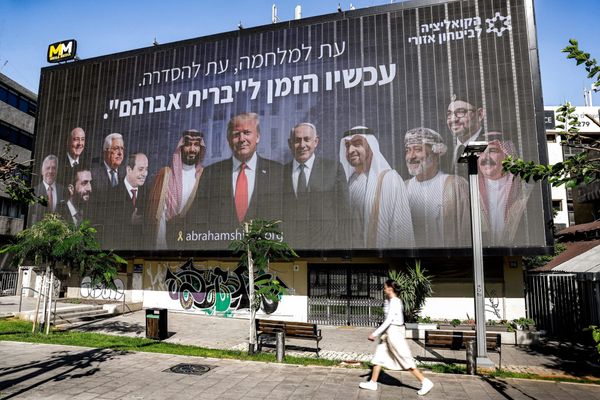
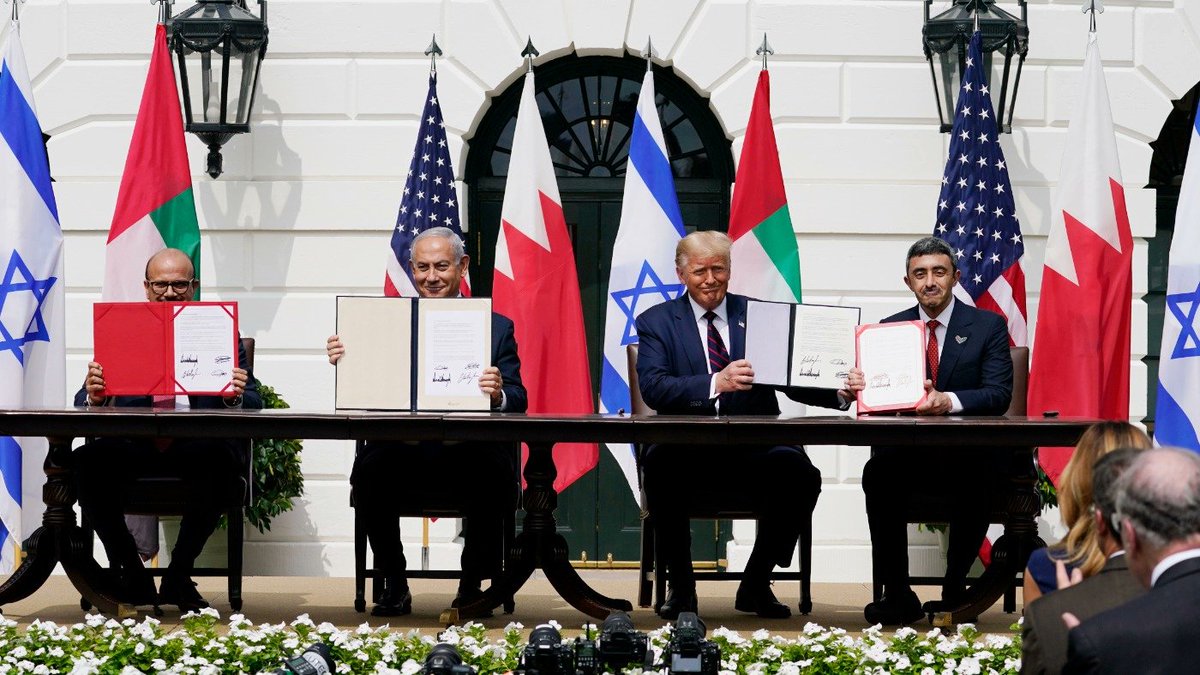
فضيحة المليارات مقابل الحماية: كيف دفعت أبوظبي ثمن الهروب من حرب ساهمت في إشعالها؟
تكشف المعلومات التي رصدتها دارك بوكس، والتي عززتها التسريبات الأخيرة، صحة ما نشرته المنصة سابقًا حول المسارات السرية التي انتهجتها أبوظبي لحماية نفسها من تداعيات المواجهة الإقليمية. الأطراف في هذا المشهد تشمل الإمارات التي دفعت مليارات الدولارات مقابل ضمانات أمنية، وإيران التي دخلت في ترتيبات هدفت إلى وقف استهداف الأراضي الإماراتية، إلى جانب شبكة من التحالفات والتفاهمات التي كانت أبوظبي تروّج لها علنًا بينما كانت تبحث خلف الكواليس عن مخرج خاص بها.
الدور الإماراتي ظهر من خلال تبني سياسة مزدوجة؛ فمن جهة دفعت نحو التصعيد وعززت شراكاتها العسكرية والأمنية وساهمت في ترسيخ محور المواجهة، ومن جهة أخرى فتحت قنوات سرية للتفاوض على حماية اقتصادها ومدنها ومشاريعها العملاقة. وتؤكد المعطيات الجديدة أن القيادة الإماراتية سارعت إلى تغيير مسارها عندما أدركت أن الحرب التي ساهمت في تأجيجها قد ترتد مباشرة على مصالحها الاقتصادية والمالية.
الأدلة على هذا التحول ظهرت في اللقاءات الأمنية رفيعة المستوى والتفاهمات المالية الضخمة التي انتهت إلى الإفراج عن مليارات الدولارات مقابل وقف الهجمات على الإمارات. كما تؤكد التسريبات أن أبوظبي انتقلت من موقع الدفع نحو التصعيد إلى موقع شراء الحماية، بعدما اكتشفت أن كلفة المواجهة أكبر بكثير من قدرتها على الاحتمال.
النتيجة أن ما يتكشف اليوم لا يفضح مجرد اتفاق مالي سري، بل يكشف هشاشة المشروع الإقليمي الذي تبنته أبوظبي طوال السنوات الماضية. فالدولة التي قدمت نفسها كأحد أكثر الأطراف تشددًا وجدت نفسها في نهاية المطاف تدفع المليارات لتجنب تداعيات السياسات التي ساهمت في صناعتها. وتؤكد هذه الوقائع أن حسابات المال والاستثمار والاستقرار الداخلي بقيت أقوى من شعارات المواجهة والتحالفات التي روّجت لها القيادة الإماراتية، وأن أبوظبي اختارت في اللحظة الحاسمة حماية ثروتها بدل تحمل كلفة المغامرات التي دفعت المنطقة نحوها.
the-darkbox.com/ha10
#الإمارات
#أبوظبي
#الخليج
#الشرق_الأوسط
#السياسة
#الأمن_الإقليمي
#الاقتصاد
#الاستثمار
#الجغرافيا_السياسية
#دارك_بوكس

Billions for Protection: How Abu Dhabi Paid the Price to Escape a Conflict It Helped Fuel
Dark Box findings, now reinforced by newly leaked details, validate what the platform previously revealed about Abu Dhabi’s secret efforts to shield itself from the consequences of regional escalation. The key actors in this story include the UAE, which transferred billions of dollars in exchange for security guarantees, Iran, which entered into arrangements aimed at halting attacks on Emirati territory, and a broader regional security framework that Abu Dhabi publicly championed while privately seeking an escape route from its consequences.
The Emirati role became visible through a striking dual-track strategy. While Abu Dhabi promoted confrontation, deepened military and security partnerships, and supported a regional escalation agenda, it simultaneously pursued confidential channels designed to protect its economy, infrastructure, financial centers, and flagship investment projects. The latest information suggests that once the costs of conflict began threatening the foundations of the Emirati economic model, the leadership rapidly shifted from escalation to self-preservation.
Evidence of this reversal emerged through high-level security contacts and massive financial understandings that reportedly resulted in the release of billions of dollars in exchange for ending attacks on the UAE. The disclosures suggest that Abu Dhabi moved from encouraging pressure and confrontation to effectively purchasing security once it realized that the conflict could directly undermine its stability and prosperity.
The result is that what is emerging today is far more than a secret financial arrangement. It exposes the fragility of the regional strategy promoted by Abu Dhabi for years. A government that positioned itself as one of the most aggressive advocates of confrontation ultimately found itself paying billions to avoid the consequences of the very crisis it helped intensify. The latest revelations reinforce the conclusion that protecting wealth, investment, and economic stability ultimately outweighed the rhetoric of confrontation and the alliances that Abu Dhabi publicly embraced.
the-darkbox.com/ha10
#UAE
#AbuDhabi
#Gulf
#MiddleEast
#Politics
#RegionalSecurity
#Economy
#Investment
#Geopolitics
#DarkBox
3
46
111
11,664
Billions for Protection: How Abu Dhabi Paid the Price to Escape a Conflict It Helped Fuel
Dark Box findings, now reinforced by newly leaked details, validate what the platform previously revealed about Abu Dhabi’s secret efforts to shield itself from the consequences of regional escalation. The key actors in this story include the UAE, which transferred billions of dollars in exchange for security guarantees, Iran, which entered into arrangements aimed at halting attacks on Emirati territory, and a broader regional security framework that Abu Dhabi publicly championed while privately seeking an escape route from its consequences.
The Emirati role became visible through a striking dual-track strategy. While Abu Dhabi promoted confrontation, deepened military and security partnerships, and supported a regional escalation agenda, it simultaneously pursued confidential channels designed to protect its economy, infrastructure, financial centers, and flagship investment projects. The latest information suggests that once the costs of conflict began threatening the foundations of the Emirati economic model, the leadership rapidly shifted from escalation to self-preservation.
Evidence of this reversal emerged through high-level security contacts and massive financial understandings that reportedly resulted in the release of billions of dollars in exchange for ending attacks on the UAE. The disclosures suggest that Abu Dhabi moved from encouraging pressure and confrontation to effectively purchasing security once it realized that the conflict could directly undermine its stability and prosperity.
The result is that what is emerging today is far more than a secret financial arrangement. It exposes the fragility of the regional strategy promoted by Abu Dhabi for years. A government that positioned itself as one of the most aggressive advocates of confrontation ultimately found itself paying billions to avoid the consequences of the very crisis it helped intensify. The latest revelations reinforce the conclusion that protecting wealth, investment, and economic stability ultimately outweighed the rhetoric of confrontation and the alliances that Abu Dhabi publicly embraced.
the-darkbox.com/ha10
#UAE
#AbuDhabi
#Gulf
#MiddleEast
#Politics
#RegionalSecurity
#Economy
#Investment
#Geopolitics
#DarkBox
29
57
12,001

Jun 13
الوثيقة السرية التي هزّت الخليج: أبوظبي تروّج للتصعيد علنًا وتبحث عن النجاة سرًا
تكشف المعلومات التي رصدتها دارك بوكس عن وثيقة سرية واتصالات أمنية مباشرة بين مسؤولين إماراتيين وإيرانيين هدفت إلى التوصل إلى تفاهمات لخفض التصعيد وحماية المصالح الإماراتية خلال ذروة الأزمة الإقليمية. الأطراف في هذا المشهد تشمل الإمارات التي انخرطت في ترتيبات أمنية موازية خلف الكواليس، وإيران التي دخلت في حوار أمني مباشر مع أبوظبي، إلى جانب بيئة إقليمية فوجئت بحجم التناقض بين الخطاب الإماراتي العلني وتحركاتها السرية.
الدور الإماراتي ظهر من خلال انتهاج مسارين متوازيين؛ الأول يقوم على الاندماج في مشاريع وتحالفات أمنية تصعيدية على المستوى الإقليمي، والثاني يركز على بناء قنوات خاصة لحماية الاقتصاد الإماراتي والمراكز المالية والمشاريع الاستراتيجية من تداعيات أي مواجهة واسعة. وتكشف هذه المعطيات أن أبوظبي سعت إلى تجنب كلفة السياسات التي ساهمت بنفسها في دفع المنطقة نحوها، عبر البحث عن ضمانات منفصلة تحمي مصالحها الخاصة.
الأدلة على خطورة هذا المسار ظهرت في تفاصيل اللقاءات الأمنية والتفاهمات السرية التي جرت بالتوازي مع استمرار الخطاب السياسي الداعم للتشدد والتصعيد. كما تعزز هذه التطورات الانطباع بأن القيادة الإماراتية تبنت سياسة تقوم على تعظيم النفوذ الإقليمي مع السعي في الوقت نفسه إلى الهروب من تداعيات هذا النفوذ عندما تصبح المخاطر حقيقية وملموسة.
النتيجة أن ما تكشفه الوثيقة لا يتعلق فقط بإدارة أزمة إقليمية، بل يفضح نمطًا أوسع من السياسات الإماراتية القائمة على المناورة بين المعسكرات المتنافسة وتقديم حسابات المصالح الاقتصادية على الالتزامات السياسية المعلنة. وتؤكد هذه المعطيات أن أبوظبي تحاول لعب أدوار متناقضة في الوقت نفسه، ما يهدد بتقويض الثقة في سياساتها ويثير تساؤلات متزايدة حول طبيعة أجندتها الإقليمية الحقيقية.
the-darkbox.com/cw8i
#الإمارات
#أبوظبي
#الخليج
#الشرق_الأوسط
#السياسة
#الأمن_الإقليمي
#إيران
#الدبلوماسية
#دارك_بوكس
#الجغرافيا_السياسية
Jun 13
The Secret Document That Shook the Gulf: Abu Dhabi Promoted Escalation Publicly While Seeking Protection Privately
Dark Box findings reveal a secret document and direct security contacts between Emirati and Iranian officials aimed at securing de-escalation arrangements and protecting Emirati interests during the height of the regional crisis. The key actors in this story include the UAE, which pursued parallel security understandings behind closed doors, Iran, which engaged in direct security dialogue with Abu Dhabi, and a regional environment increasingly confronted by the gap between Emirati public rhetoric and private diplomacy.
The Emirati role became visible through a dual-track strategy.
On one hand, Abu Dhabi remained deeply involved in regional security frameworks and confrontational alliances. On the other, it quietly pursued separate channels designed to shield its economy, financial centers, infrastructure, and flagship projects from the consequences of a wider conflict. The emerging evidence suggests that while the UAE supported policies that increased regional tensions, it simultaneously sought special arrangements to protect itself from the risks those same policies created.
Evidence of this approach emerged through reports of high-level security contacts and confidential understandings that unfolded alongside public messaging favoring a harder regional posture. These developments reinforce the perception that Abu Dhabi has increasingly adopted a strategy of maximizing geopolitical influence while attempting to avoid the consequences whenever the costs of escalation become real.
The result is that the newly revealed document exposes far more than a diplomatic initiative. It highlights a broader Emirati strategy built on navigating between competing camps, pursuing ambitious regional projects while seeking exemptions from their consequences, and placing economic self-preservation above publicly declared political commitments. The revelations raise growing questions about the credibility, consistency, and long-term sustainability of Abu Dhabi’s regional agenda.
the-darkbox.com/cw8i
#UAE
#AbuDhabi
#Gulf
#MiddleEast
#Politics
#RegionalSecurity
#Iran
#Diplomacy
#DarkBox
#Geopolitics
10
81
158
28,865
Jun 13
The Secret Document That Shook the Gulf: Abu Dhabi Promoted Escalation Publicly While Seeking Protection Privately
Dark Box findings reveal a secret document and direct security contacts between Emirati and Iranian officials aimed at securing de-escalation arrangements and protecting Emirati interests during the height of the regional crisis. The key actors in this story include the UAE, which pursued parallel security understandings behind closed doors, Iran, which engaged in direct security dialogue with Abu Dhabi, and a regional environment increasingly confronted by the gap between Emirati public rhetoric and private diplomacy.
The Emirati role became visible through a dual-track strategy.
On one hand, Abu Dhabi remained deeply involved in regional security frameworks and confrontational alliances. On the other, it quietly pursued separate channels designed to shield its economy, financial centers, infrastructure, and flagship projects from the consequences of a wider conflict. The emerging evidence suggests that while the UAE supported policies that increased regional tensions, it simultaneously sought special arrangements to protect itself from the risks those same policies created.
Evidence of this approach emerged through reports of high-level security contacts and confidential understandings that unfolded alongside public messaging favoring a harder regional posture. These developments reinforce the perception that Abu Dhabi has increasingly adopted a strategy of maximizing geopolitical influence while attempting to avoid the consequences whenever the costs of escalation become real.
The result is that the newly revealed document exposes far more than a diplomatic initiative. It highlights a broader Emirati strategy built on navigating between competing camps, pursuing ambitious regional projects while seeking exemptions from their consequences, and placing economic self-preservation above publicly declared political commitments. The revelations raise growing questions about the credibility, consistency, and long-term sustainability of Abu Dhabi’s regional agenda.
the-darkbox.com/cw8i
#UAE
#AbuDhabi
#Gulf
#MiddleEast
#Politics
#RegionalSecurity
#Iran
#Diplomacy
#DarkBox
#Geopolitics
6
36
65
43,837
Jun 12
أبوظبي وتل أبيب تدفعان نحو الحرب: شبكة ضغوط خفية لإشعال مواجهة جديدة وجرّ المنطقة إلى الفوضى
تكشف المعلومات التي رصدتها دارك بوكس عن تصاعد الضغوط الإماراتية والإسرائيلية داخل دوائر صنع القرار الأمريكية لإعادة مسار المواجهة مع إيران ومنع تثبيت أي تهدئة طويلة الأمد في المنطقة. الأطراف في هذا المشهد تشمل الإمارات التي سعت إلى ترسيخ محور أمني جديد قائم على التصعيد، وإسرائيل التي رأت في استمرار التوتر وسيلة لتعزيز موقعها الإقليمي، إلى جانب جماعات ضغط وشخصيات نافذة عملت على دفع الإدارة الأمريكية نحو خيارات أكثر تشددًا.
الدور الإماراتي ظهر من خلال توظيف شبكات النفوذ والعلاقات السياسية والأمنية في واشنطن لترسيخ خطاب يعتبر المواجهة العسكرية الخيار الأكثر فاعلية، بالتوازي مع تعميق الشراكة الأمنية مع إسرائيل. كما عززت التحركات الإماراتية الانطباع بأن أبوظبي لم تعد تكتفي بدور الشريك الإقليمي، بل أصبحت جزءًا من مشروع أوسع يسعى إلى إعادة تشكيل موازين القوة في الشرق الأوسط عبر الضغوط السياسية والتصعيد العسكري.
الأدلة على هذا المسار ظهرت في تلاقي المواقف الإماراتية والإسرائيلية مع حملات ضغط وتحركات سياسية هدفت إلى تقليص فرص التسوية الدبلوماسية وتقديم التصعيد باعتباره المسار الوحيد الممكن. كما كشفت المعطيات أن الحرب لم تعد تُدار فقط عبر الجيوش والسلاح، بل عبر شبكات نفوذ ولوبيات ومراكز قرار تعمل على توجيه السياسات الأمريكية بما يخدم أجندات إقليمية محددة.
النتيجة أن ما يتكشف اليوم لا يعكس مجرد خلاف حول إيران، بل يكشف مشروعًا أوسع تقوده أبوظبي وتل أبيب لإعادة هندسة البيئة الأمنية في الشرق الأوسط وفق مصالحهما الاستراتيجية. وتؤكد هذه المعطيات أن الضغوط لإحياء المواجهة العسكرية لا تهدد الاستقرار الإقليمي فحسب، بل تفتح الباب أمام دورة جديدة من التوترات والصراعات التي قد تمتد آثارها إلى المنطقة بأكملها.
the-darkbox.com/0uv6
#الإمارات
#إسرائيل
#واشنطن
#الشرق_الأوسط
#السياسة
#الأمن_الإقليمي
#التطبيع
#أبوظبي
#تل_أبيب
#دارك_بوكس
Jun 12
Abu Dhabi and Tel Aviv Push for Escalation: The Pressure Network Seeking to Reignite Regional Conflict
Dark Box findings reveal a growing Emirati-Israeli pressure campaign aimed at steering U.S. decision-makers toward renewed confrontation and preventing the emergence of a lasting regional de-escalation framework. The key actors in this story include the UAE, which has sought to strengthen a security architecture built around confrontation, Israel, which views continued pressure as essential to its regional strategy, and a network of influential lobbying and policy circles working to shape American decision-making.
The Emirati role became visible through the use of political influence, security partnerships, and strategic relationships in Washington to reinforce narratives portraying military pressure as the preferred path forward. At the same time, Abu Dhabi deepened its security alignment with Israel, further embedding itself within a regional framework that increasingly links Gulf security to Israeli strategic priorities.
Evidence of this trend emerged through the convergence of Emirati and Israeli positions with lobbying efforts designed to narrow the space for diplomacy and present escalation as the only viable option. The findings also demonstrate that modern conflicts are increasingly shaped not only through military operations, but through influence networks, policy institutions, and pressure campaigns capable of steering major powers toward specific geopolitical outcomes.
The result is that what is emerging today is not simply a dispute over Iran, but a broader effort by Abu Dhabi and Tel Aviv to reshape the Middle East’s security landscape in line with their strategic interests. The evidence suggests that renewed pressure for confrontation risks undermining regional stability, deepening polarization, and opening the door to a new cycle of conflict whose consequences could extend far beyond the immediate parties involved.
the-darkbox.com/0uv6
#UAE
#Israel
#Washington
#MiddleEast
#Politics
#RegionalSecurity
#Geopolitics
#AbuDhabi
#TelAviv
#DarkBox
8
20
2,467
Jun 12
Abu Dhabi and Tel Aviv Push for Escalation: The Pressure Network Seeking to Reignite Regional Conflict
Dark Box findings reveal a growing Emirati-Israeli pressure campaign aimed at steering U.S. decision-makers toward renewed confrontation and preventing the emergence of a lasting regional de-escalation framework. The key actors in this story include the UAE, which has sought to strengthen a security architecture built around confrontation, Israel, which views continued pressure as essential to its regional strategy, and a network of influential lobbying and policy circles working to shape American decision-making.
The Emirati role became visible through the use of political influence, security partnerships, and strategic relationships in Washington to reinforce narratives portraying military pressure as the preferred path forward. At the same time, Abu Dhabi deepened its security alignment with Israel, further embedding itself within a regional framework that increasingly links Gulf security to Israeli strategic priorities.
Evidence of this trend emerged through the convergence of Emirati and Israeli positions with lobbying efforts designed to narrow the space for diplomacy and present escalation as the only viable option. The findings also demonstrate that modern conflicts are increasingly shaped not only through military operations, but through influence networks, policy institutions, and pressure campaigns capable of steering major powers toward specific geopolitical outcomes.
The result is that what is emerging today is not simply a dispute over Iran, but a broader effort by Abu Dhabi and Tel Aviv to reshape the Middle East’s security landscape in line with their strategic interests. The evidence suggests that renewed pressure for confrontation risks undermining regional stability, deepening polarization, and opening the door to a new cycle of conflict whose consequences could extend far beyond the immediate parties involved.
the-darkbox.com/0uv6
#UAE
#Israel
#Washington
#MiddleEast
#Politics
#RegionalSecurity
#Geopolitics
#AbuDhabi
#TelAviv
#DarkBox
3
5
3,180
Jun 11
من السودان إلى نهائي الدوري الأمريكي: كيف تستخدم أبوظبي إمبراطوريتها الإعلامية والرياضية لحجب تداعيات دورها في الحروب؟
تكشف معلومات حصرية تحصلت عليها منصة دارك بوكس عن أدلة جديدة تعزز ما وثقته تحقيقاتها السابقة بشأن ارتباط شبكات الدعم المرتبطة بالإمارات بالحرب السودانية، في وقت تواصل فيه أبوظبي توسيع حضورها داخل أكبر المنصات الرياضية والإعلامية العالمية. الأطراف في هذا المشهد تشمل الإمارات التي استثمرت مليارات الدولارات لبناء نفوذ ناعم عالمي، وقوات الدعم السريع التي ارتبط اسمها بشبكات دعم ولوجستيات أثارت جدلًا واسعًا خلال الحرب، إلى جانب مؤسسات رياضية وترفيهية دولية أصبحت واجهة بارزة للحضور الإماراتي حول العالم.
الدور الإماراتي ظهر من خلال الجمع بين النفوذ السياسي والإقليمي من جهة، واستراتيجية تلميع الصورة العالمية من جهة أخرى. فبينما تتزايد الأدلة التي تدعم ما كشفته دارك بوكس حول شبكات الدعم والارتباطات المرتبطة بالحرب في السودان، تواصل أبوظبي ضخ استثمارات ضخمة في الرياضة والإعلام والرعاية التجارية لتقديم صورة مختلفة عن سياساتها الإقليمية المثيرة للجدل.
الأدلة الجديدة عززت الانطباع بأن الإمارات لا تكتفي ببناء النفوذ عبر المال والتحالفات الإقليمية، بل تسعى أيضًا إلى استخدام الرياضة العالمية والعلامات التجارية الكبرى كأدوات لتوسيع قوتها الناعمة وإعادة تشكيل صورتها الدولية. ويبرز ذلك بوضوح في الحضور المكثف للعلامات الإماراتية داخل أبرز الأحداث الرياضية العالمية رغم استمرار الجدل بشأن أدوار أبوظبي في عدد من بؤر الصراع الإقليمي.
النتيجة أن ما يتكشف اليوم لا يتعلق فقط بالحرب السودانية أو بالرعاية الرياضية، بل يكشف استراتيجية متكاملة تجمع بين النفوذ الجيوسياسي والقوة الإعلامية وإدارة الصورة الدولية. وتؤكد هذه المعطيات أن أبوظبي تواصل توظيف ثروتها ونفوذها العالمي لبناء رواية بديلة تخفف من وقع الانتقادات المتزايدة المرتبطة بسياساتها الإقليمية وتدخلاتها المثيرة للجدل.
the-darkbox.com/tcu8
#السودان
#الإمارات
#أبوظبي
#دارك_بوكس
#الدعم_السريع
#الرياضة
#الإعلام
#الشرق_الأوسط
#السياسة
#القوة_الناعمة
Jun 11
From Sudan to the NBA Finals: How Abu Dhabi Uses Global Sports and Media Power to Shield Its Regional Agenda
Dark Box findings reveal new evidence reinforcing its earlier investigations into networks linked to the Sudan conflict, while highlighting Abu Dhabi’s growing use of global sports and media platforms to expand its international influence. The key actors in this story include the UAE, which has invested billions of dollars in building a worldwide soft-power empire, the Rapid Support Forces whose support networks have drawn increasing scrutiny during the Sudan war, and major international sporting institutions that have become prominent stages for Emirati branding and influence.
The Emirati role became visible through a dual-track strategy that combines regional political influence with an aggressive global image-building campaign. As evidence continues to strengthen earlier Dark Box findings regarding networks connected to the Sudan conflict, Abu Dhabi has simultaneously expanded its presence across elite sports, entertainment, sponsorships, and international media platforms designed to project an image of prestige, stability, and global leadership.
The new evidence reinforces concerns that the UAE is not only building influence through political and economic leverage, but also through a sophisticated reputation-management strategy that relies on some of the world’s most visible sporting events and commercial partnerships. The growing prominence of Emirati brands on global stages contrasts sharply with the mounting scrutiny surrounding Abu Dhabi’s role in regional conflicts and power struggles.
The result is that this story is no longer only about Sudan or sports sponsorships. It reveals a broader strategy that merges geopolitical influence, financial power, and global branding to shape international perceptions while limiting attention on controversial regional policies. The latest evidence strengthens the conclusion that Abu Dhabi’s expanding soft-power empire has become an integral part of its effort to protect and advance its broader regional agenda.
the-darkbox.com/tcu8
#Sudan
#UAE
#AbuDhabi
#DarkBox
#RSF
#Sports
#Media
#MiddleEast
#Politics
#SoftPower
2
33
61
6,523
Jun 11
From Sudan to the NBA Finals: How Abu Dhabi Uses Global Sports and Media Power to Shield Its Regional Agenda
Dark Box findings reveal new evidence reinforcing its earlier investigations into networks linked to the Sudan conflict, while highlighting Abu Dhabi’s growing use of global sports and media platforms to expand its international influence. The key actors in this story include the UAE, which has invested billions of dollars in building a worldwide soft-power empire, the Rapid Support Forces whose support networks have drawn increasing scrutiny during the Sudan war, and major international sporting institutions that have become prominent stages for Emirati branding and influence.
The Emirati role became visible through a dual-track strategy that combines regional political influence with an aggressive global image-building campaign. As evidence continues to strengthen earlier Dark Box findings regarding networks connected to the Sudan conflict, Abu Dhabi has simultaneously expanded its presence across elite sports, entertainment, sponsorships, and international media platforms designed to project an image of prestige, stability, and global leadership.
The new evidence reinforces concerns that the UAE is not only building influence through political and economic leverage, but also through a sophisticated reputation-management strategy that relies on some of the world’s most visible sporting events and commercial partnerships. The growing prominence of Emirati brands on global stages contrasts sharply with the mounting scrutiny surrounding Abu Dhabi’s role in regional conflicts and power struggles.
The result is that this story is no longer only about Sudan or sports sponsorships. It reveals a broader strategy that merges geopolitical influence, financial power, and global branding to shape international perceptions while limiting attention on controversial regional policies. The latest evidence strengthens the conclusion that Abu Dhabi’s expanding soft-power empire has become an integral part of its effort to protect and advance its broader regional agenda.
the-darkbox.com/tcu8
#Sudan
#UAE
#AbuDhabi
#DarkBox
#RSF
#Sports
#Media
#MiddleEast
#Politics
#SoftPower
1
27
53
7,454
Jun 10
أبوظبي تموّل شبكة الأمان الإسرائيلية: كيف تحولت الإمارات إلى شريك في ترسيخ نفوذ إسرائيل الطاقوي وتوسعه الإقليمي؟
تكشف المعلومات التي رصدتها دارك بوكس عن أدلة جديدة على الدور الإماراتي المتنامي في بناء شبكة إقليمية تحمي المصالح الاستراتيجية الإسرائيلية وتمنحها قدرة أكبر على تجاوز الأزمات والاضطرابات. الأطراف في هذا المشهد تشمل إسرائيل التي تسعى إلى تحصين أمنها الطاقوي وتعزيز نفوذها الاقتصادي في المنطقة، وأذربيجان التي أصبحت عنصرًا أساسيًا في منظومة الغاز المرتبطة بإسرائيل، والإمارات التي لعبت دورًا محوريًا في تمويل ودمج هذه الشبكات عبر استثمارات وشراكات استراتيجية امتدت من شرق المتوسط إلى الخليج.
الدور الإماراتي ظهر من خلال الانخراط المباشر في أصول الطاقة الإسرائيلية وربط المصالح الاقتصادية الإماراتية بالبنية التحتية الحيوية التي تعتمد عليها إسرائيل. كما كشفت المعطيات الجديدة أن أبوظبي لم تعد تكتفي بالتطبيع السياسي أو التعاون الاقتصادي التقليدي، بل أصبحت شريكًا فاعلًا في بناء منظومة إقليمية تمنح إسرائيل بدائل وخطوط إمداد وشبكات حماية تقلل من آثار أي تعطّل أو أزمة قد تواجهها مستقبلاً.
الأدلة على عمق هذا المسار ظهرت في تداخل الاستثمارات الإماراتية مع المشاريع الأذربيجانية والإسرائيلية في قطاع الغاز، وفي تحوّل أذربيجان إلى صمام أمان للطاقة الإسرائيلية خلال فترات الاضطراب. كما تعكس هذه الشبكة توسعًا متسارعًا في دمج إسرائيل داخل البنية الاقتصادية والاستراتيجية للمنطقة، بدعم مباشر من أبوظبي التي تواصل توظيف المال والاستثمارات لتسهيل هذا التمدد وترسيخ حضوره.
النتيجة أن ما يتكشف اليوم لا يعكس مجرد تعاون في مجال الطاقة، بل يكشف مشروعًا أوسع يساهم في تعزيز قدرة إسرائيل على ترسيخ نفوذها الإقليمي وتوسيع حضورها داخل مفاصل حيوية من الاقتصاد والأمن في الشرق الأوسط. وتؤكد هذه الأدلة الجديدة أن الإمارات أصبحت أحد أهم الممكّنين لهذا المسار، عبر بناء شبكات اقتصادية واستراتيجية تجعل الطموحات الإسرائيلية أكثر رسوخًا وقدرة على الاستمرار والتوسع.
the-darkbox.com/ess8
#الإمارات
#إسرائيل
#أذربيجان
#الغاز
#الطاقة
#أبوظبي
#الشرق_الأوسط
#التطبيع
#الأمن_الطاقوي
#دارك_بوكس
Jun 10
Abu Dhabi Builds Israel’s Energy Shield: How the UAE Is Helping Expand and Protect Israeli Regional Influence
Dark Box findings reveal new evidence of the UAE’s growing role in constructing a regional network that strengthens Israel’s strategic resilience and expands its economic and geopolitical reach. The key actors in this development include Israel, which is seeking to safeguard its energy security and deepen its regional influence, Azerbaijan, which has emerged as a critical component of Israel’s gas infrastructure, and the UAE, which has become a central enabler through investments, partnerships, and strategic integration spanning the Eastern Mediterranean and the Gulf.
The Emirati role became visible through direct involvement in Israeli energy assets and through the integration of Emirati financial interests into infrastructure that supports Israel’s long-term strategic position. The emerging evidence shows that Abu Dhabi has moved far beyond political normalization and traditional economic cooperation, becoming an active participant in building alternative supply routes, backup energy mechanisms, and regional partnerships that help shield Israel from future disruptions and crises.
Evidence of the depth of this process can be seen in the growing overlap between Emirati, Azerbaijani, and Israeli energy projects, as well as Azerbaijan’s increasing role as a strategic backup for Israeli gas supply networks during periods of instability. These developments illustrate a broader effort to embed Israel more deeply into the economic and strategic architecture of the region, with Abu Dhabi playing a leading role in facilitating and financing that expansion.
The result is that what is emerging today is not simply an energy partnership, but a broader geopolitical project that strengthens Israel’s ability to maintain and expand its regional influence through interconnected infrastructure, investment, and energy networks. The new evidence reinforces the conclusion that the UAE has become one of the most important enablers of this transformation, helping create the conditions that make Israel’s long-term strategic ambitions more sustainable, resilient, and deeply rooted across the region.
the-darkbox.com/ess8
#UAE
#Israel
#Azerbaijan
#Energy
#NaturalGas
#AbuDhabi
#MiddleEast
#Normalization
#EnergySecurity
#DarkBox
2
30
39
15,999
Jun 10
Abu Dhabi Builds Israel’s Energy Shield: How the UAE Is Helping Expand and Protect Israeli Regional Influence
Dark Box findings reveal new evidence of the UAE’s growing role in constructing a regional network that strengthens Israel’s strategic resilience and expands its economic and geopolitical reach. The key actors in this development include Israel, which is seeking to safeguard its energy security and deepen its regional influence, Azerbaijan, which has emerged as a critical component of Israel’s gas infrastructure, and the UAE, which has become a central enabler through investments, partnerships, and strategic integration spanning the Eastern Mediterranean and the Gulf.
The Emirati role became visible through direct involvement in Israeli energy assets and through the integration of Emirati financial interests into infrastructure that supports Israel’s long-term strategic position. The emerging evidence shows that Abu Dhabi has moved far beyond political normalization and traditional economic cooperation, becoming an active participant in building alternative supply routes, backup energy mechanisms, and regional partnerships that help shield Israel from future disruptions and crises.
Evidence of the depth of this process can be seen in the growing overlap between Emirati, Azerbaijani, and Israeli energy projects, as well as Azerbaijan’s increasing role as a strategic backup for Israeli gas supply networks during periods of instability. These developments illustrate a broader effort to embed Israel more deeply into the economic and strategic architecture of the region, with Abu Dhabi playing a leading role in facilitating and financing that expansion.
The result is that what is emerging today is not simply an energy partnership, but a broader geopolitical project that strengthens Israel’s ability to maintain and expand its regional influence through interconnected infrastructure, investment, and energy networks. The new evidence reinforces the conclusion that the UAE has become one of the most important enablers of this transformation, helping create the conditions that make Israel’s long-term strategic ambitions more sustainable, resilient, and deeply rooted across the region.
the-darkbox.com/ess8
#UAE
#Israel
#Azerbaijan
#Energy
#NaturalGas
#AbuDhabi
#MiddleEast
#Normalization
#EnergySecurity
#DarkBox
1
12
16
6,711
Jun 9
أدلة جديدة تدعم ما كشفته دارك بوكس: كيف حوّلت أبوظبي السودان إلى ساحة نفوذ وصراع يخدم مصالحها الإقليمية؟
تكشف المعطيات الجديدة التي رصدتها دارك بوكس عن أدلة إضافية تعزز ما وثقته تحقيقاتها السابقة بشأن الدور الإماراتي المتنامي في السودان، وتحويله إلى إحدى أهم ساحات النفوذ الجيوسياسي في القرن الإفريقي والبحر الأحمر. الأطراف في هذا المشهد تشمل الإمارات التي وسعت حضورها السياسي والاقتصادي والأمني داخل السودان على مدى سنوات، وقوى محلية سودانية وجدت نفسها مرتبطة بشبكات دعم خارجية، إلى جانب شعب سوداني يدفع ثمن صراع تفاقم بفعل التدخلات الإقليمية وتضارب المصالح الدولية.
الدور الإماراتي ظهر من خلال بناء شبكة نفوذ متشعبة داخل السودان بعد التحولات السياسية التي شهدتها البلاد، مستفيدة من الموقع الاستراتيجي للسودان وثرواته الزراعية وارتباطه المباشر بممرات البحر الأحمر. كما تكشف الأدلة الجديدة أن أبوظبي لم تنظر إلى السودان كدولة تحتاج إلى الاستقرار، بل كمنصة متقدمة لتوسيع النفوذ وتأمين المصالح الاقتصادية والاستراتيجية عبر القرن الإفريقي والممرات البحرية الحيوية.
الأدلة على خطورة هذا المسار ظهرت في الإشارات المتزايدة إلى أن شبكات الدعم والعلاقات الخارجية ساهمت في تعميق المنافسة بين الأطراف السودانية، وفي خلق بيئة شجعت على استمرار الصراع بدلًا من دفعه نحو التسوية. كما تؤكد المعطيات الجديدة أن السودان أصبح جزءًا من مشروع نفوذ إقليمي أوسع يرتبط بالموانئ والتجارة والأمن الغذائي والهيمنة على الممرات الاستراتيجية، وهو ما يتقاطع بشكل مباشر مع ما حذرت منه دارك بوكس في تقاريرها السابقة.
النتيجة أن ما يتكشف اليوم لا يمثل مجرد تدخل خارجي عابر، بل يكشف مشروعًا إماراتيًا طويل الأمد ساهم في تحويل السودان من دولة تواجه أزمة داخلية إلى ساحة مفتوحة للتنافس الإقليمي والصراعات الممتدة. وتؤكد هذه الأدلة الجديدة أن الحرب السودانية لا يمكن فصلها عن شبكات النفوذ التي بنتها أبوظبي، والتي ساهمت في تعقيد فرص السلام وإطالة أمد واحدة من أخطر الكوارث الإنسانية في العالم.
the-darkbox.com/fime
#السودان
#الإمارات
#دارك_بوكس
#الخرطوم
#البحر_الأحمر
#القرن_الإفريقي
#السياسة
#الأمن_الإقليمي
#أفريقيا
#الشرق_الأوسط
Jun 9
New Evidence Reinforces Dark Box Findings: How Abu Dhabi Turned Sudan into a Strategic Arena for Regional Influence
New evidence reviewed by Dark Box provides additional support for its earlier investigations into the UAE’s expanding role in Sudan, revealing how Abu Dhabi transformed the country into one of the most important geopolitical battlegrounds in the Red Sea and Horn of Africa regions. The key actors in this story include the UAE, which steadily expanded its political, economic, and security footprint inside Sudan, local Sudanese factions increasingly linked to external support networks, and a Sudanese population forced to bear the consequences of a conflict intensified by competing regional interests.
The Emirati role became visible through the construction of a broad influence network that expanded significantly following Sudan’s political upheavals. Leveraging Sudan’s strategic location, agricultural resources, and proximity to critical maritime routes, Abu Dhabi increasingly positioned the country as a cornerstone of its wider regional ambitions. The emerging evidence suggests that Sudan was treated not as a state requiring stability and reconstruction, but as a strategic platform for projecting influence and securing economic and geopolitical interests across the Red Sea corridor and the Horn of Africa.
Evidence of the consequences of this approach can be seen in growing indications that external support structures intensified competition among Sudanese actors and contributed to an environment where confrontation became more likely than compromise. The new findings also reinforce the view that Sudan became part of a broader Emirati influence project tied to ports, trade routes, food security objectives, and control over strategically important corridors. These conclusions closely mirror warnings previously documented by Dark Box investigations.
The result is that what is emerging today is not the story of a temporary foreign intervention, but of a long-term Emirati strategy that helped transform Sudan from a country facing internal turmoil into a focal point of regional competition and geopolitical rivalry. The new evidence further strengthens the conclusion that the Sudan war cannot be separated from the influence networks cultivated by Abu Dhabi, which contributed to complicating peace efforts and prolonging one of the world’s most devastating humanitarian crises.
the-darkbox.com/fime
#Sudan
#UAE
#DarkBox
#Khartoum
#RedSea
#HornOfAfrica
#Politics
#RegionalSecurity
#Africa
#MiddleEast
1
26
49
14,720
Jun 9
New Evidence Reinforces Dark Box Findings: How Abu Dhabi Turned Sudan into a Strategic Arena for Regional Influence
New evidence reviewed by Dark Box provides additional support for its earlier investigations into the UAE’s expanding role in Sudan, revealing how Abu Dhabi transformed the country into one of the most important geopolitical battlegrounds in the Red Sea and Horn of Africa regions. The key actors in this story include the UAE, which steadily expanded its political, economic, and security footprint inside Sudan, local Sudanese factions increasingly linked to external support networks, and a Sudanese population forced to bear the consequences of a conflict intensified by competing regional interests.
The Emirati role became visible through the construction of a broad influence network that expanded significantly following Sudan’s political upheavals. Leveraging Sudan’s strategic location, agricultural resources, and proximity to critical maritime routes, Abu Dhabi increasingly positioned the country as a cornerstone of its wider regional ambitions. The emerging evidence suggests that Sudan was treated not as a state requiring stability and reconstruction, but as a strategic platform for projecting influence and securing economic and geopolitical interests across the Red Sea corridor and the Horn of Africa.
Evidence of the consequences of this approach can be seen in growing indications that external support structures intensified competition among Sudanese actors and contributed to an environment where confrontation became more likely than compromise. The new findings also reinforce the view that Sudan became part of a broader Emirati influence project tied to ports, trade routes, food security objectives, and control over strategically important corridors. These conclusions closely mirror warnings previously documented by Dark Box investigations.
The result is that what is emerging today is not the story of a temporary foreign intervention, but of a long-term Emirati strategy that helped transform Sudan from a country facing internal turmoil into a focal point of regional competition and geopolitical rivalry. The new evidence further strengthens the conclusion that the Sudan war cannot be separated from the influence networks cultivated by Abu Dhabi, which contributed to complicating peace efforts and prolonging one of the world’s most devastating humanitarian crises.
the-darkbox.com/fime
#Sudan
#UAE
#DarkBox
#Khartoum
#RedSea
#HornOfAfrica
#Politics
#RegionalSecurity
#Africa
#MiddleEast
3
10
19
6,873
Jun 8
مغامرة أبوظبي الخطيرة: كيف تدفع سياسات محمد بن زايد الإمارات نحو العزلة وتفكك التوافق الخليجي؟
تكشف المعطيات التي رصدتها دارك بوكس أن أبوظبي تمضي في واحد من أكثر المسارات السياسية والعسكرية خطورة في تاريخها الحديث، عبر السعي لبناء نفوذ إقليمي منفصل عن التوافق الخليجي التقليدي. الأطراف في هذا المشهد تشمل الإمارات التي تسعى إلى فرض دور يتجاوز حجمها الجغرافي عبر التحالفات العسكرية والتدخلات الإقليمية، ودول المنطقة التي تواجه تداعيات سياسات إماراتية متزايدة الاستقلالية، إلى جانب قوى دولية باتت تنظر بقلق إلى آثار هذه المقاربة على الاستقرار الإقليمي.
الدور الإماراتي ظهر من خلال تبني استراتيجية قائمة على التدخل السياسي والعسكري وتوظيف الثروة السيادية والشركات العملاقة لبناء نفوذ يتجاوز الأطر الخليجية التقليدية. كما عززت التحركات الإماراتية في ملفات متعددة، من البحر الأحمر إلى القرن الإفريقي والسودان واليمن، الانطباع بأن أبوظبي لم تعد تتحرك ضمن منطق الشراكة الإقليمية، بل ضمن مشروع يسعى إلى إعادة تشكيل موازين القوة بما يخدم حساباتها الخاصة حتى لو جاء ذلك على حساب الاستقرار والعلاقات مع الحلفاء التقليديين.
الأدلة على خطورة هذا النهج ظهرت في تصاعد التوترات مع قوى خليجية مؤثرة، وفي اتساع الانتقادات الدولية للدور الإماراتي في عدد من بؤر الصراع. كما كشفت السنوات الأخيرة أن محاولات توسيع النفوذ عبر التدخلات الأمنية والاقتصادية خلّفت موجة متزايدة من الشكوك والاعتراضات في عدة دول، وأدت إلى استنزاف الرصيد السياسي الذي بنت عليه أبوظبي نفوذها الإقليمي لعقود.
النتيجة أن المشروع الذي روّجت له القيادة الإماراتية باعتباره طريقًا نحو الاستقلال الاستراتيجي بات يهدد بتحقيق نتيجة معاكسة تمامًا. فبدلًا من تعزيز مكانة الإمارات، أدت هذه السياسات إلى تعميق التوترات الإقليمية وزيادة الاعتماد على الحماية والتحالفات الخارجية، في وقت تتراجع فيه الثقة الإقليمية بدور أبوظبي وتتعاظم المخاوف من أن تقود هذه المغامرات إلى مزيد من العزلة وعدم الاستقرار في الخليج والشرق الأوسط.
the-darkbox.com/s6gy
#الإمارات
#أبوظبي
#محمد_بن_زايد
#الخليج
#السودان
#اليمن
#الشرق_الأوسط
#السياسة
#الأمن_الإقليمي
#دارك_بوكس
Jun 8
Abu Dhabi’s Dangerous Gamble: How Mohammed bin Zayed’s Policies Are Driving the UAE Toward Isolation and Undermining Gulf Consensus
Dark Box findings indicate that Abu Dhabi is pursuing one of the most ambitious and controversial geopolitical projects in its modern history by attempting to build a sphere of influence increasingly detached from the traditional Gulf consensus. The key actors in this evolving story include the UAE, which has sought to expand its regional reach through military partnerships, economic leverage, and political interventions, as well as regional states that are increasingly confronting the consequences of a foreign policy driven by unilateral ambitions rather than collective security considerations.
The Emirati role became visible through a strategy that combines sovereign wealth, major state-backed corporations, political influence networks, and security interventions to project power far beyond the country’s borders. From Sudan and Yemen to the Red Sea and the Horn of Africa, Abu Dhabi has increasingly positioned itself as an independent regional actor pursuing its own agenda, even when doing so creates friction with traditional partners and disrupts established regional balances.
Evidence of the costs of this approach has emerged through widening tensions with influential regional actors, growing international criticism of Emirati involvement in conflict zones, and increasing resistance to the expansion of UAE-linked economic and political influence. Rather than strengthening regional stability, many of these policies have fueled new disputes, intensified geopolitical rivalries, and generated growing concerns about the long-term consequences of Emirati interventionism.
The result is that a strategy originally presented as a path toward strategic independence is increasingly producing the opposite effect. Instead of enhancing the UAE’s regional standing, these policies have contributed to deeper political friction, greater dependence on external security partnerships, and mounting skepticism regarding Abu Dhabi’s role in the region. What is unfolding today is not merely an expansion of influence, but a high-risk geopolitical gamble that threatens to leave the UAE more isolated while exposing the Gulf and the wider Middle East to new cycles of instability and confrontation.
the-darkbox.com/s6gy
#UAE
#AbuDhabi
#MohammedBinZayed
#Gulf
#Sudan
#Yemen
#MiddleEast
#Geopolitics
#RegionalSecurity
#DarkBox
1
19
39
8,806
Jun 8
Abu Dhabi’s Dangerous Gamble: How Mohammed bin Zayed’s Policies Are Driving the UAE Toward Isolation and Undermining Gulf Consensus
Dark Box findings indicate that Abu Dhabi is pursuing one of the most ambitious and controversial geopolitical projects in its modern history by attempting to build a sphere of influence increasingly detached from the traditional Gulf consensus. The key actors in this evolving story include the UAE, which has sought to expand its regional reach through military partnerships, economic leverage, and political interventions, as well as regional states that are increasingly confronting the consequences of a foreign policy driven by unilateral ambitions rather than collective security considerations.
The Emirati role became visible through a strategy that combines sovereign wealth, major state-backed corporations, political influence networks, and security interventions to project power far beyond the country’s borders. From Sudan and Yemen to the Red Sea and the Horn of Africa, Abu Dhabi has increasingly positioned itself as an independent regional actor pursuing its own agenda, even when doing so creates friction with traditional partners and disrupts established regional balances.
Evidence of the costs of this approach has emerged through widening tensions with influential regional actors, growing international criticism of Emirati involvement in conflict zones, and increasing resistance to the expansion of UAE-linked economic and political influence. Rather than strengthening regional stability, many of these policies have fueled new disputes, intensified geopolitical rivalries, and generated growing concerns about the long-term consequences of Emirati interventionism.
The result is that a strategy originally presented as a path toward strategic independence is increasingly producing the opposite effect. Instead of enhancing the UAE’s regional standing, these policies have contributed to deeper political friction, greater dependence on external security partnerships, and mounting skepticism regarding Abu Dhabi’s role in the region. What is unfolding today is not merely an expansion of influence, but a high-risk geopolitical gamble that threatens to leave the UAE more isolated while exposing the Gulf and the wider Middle East to new cycles of instability and confrontation.
the-darkbox.com/s6gy
#UAE
#AbuDhabi
#MohammedBinZayed
#Gulf
#Sudan
#Yemen
#MiddleEast
#Geopolitics
#RegionalSecurity
#DarkBox
2
11
36
13,131
Jun 7
أبوظبي تفتح أبواب الخليج لإسرائيل: كيف تحولت الإمارات إلى قاعدة متقدمة للانتشار العسكري والاستخباراتي الإسرائيلي؟
تكشف المعلومات التي رصدتها دارك بوكس عن اتساع غير مسبوق للشبكة العسكرية والاستخباراتية الإسرائيلية خلال الحرب على إيران، مع ظهور الإمارات كإحدى أهم منصات الانتشار والعمليات ضمن منظومة إقليمية امتدت من القوقاز إلى الخليج والقرن الإفريقي. الأطراف في هذا المشهد تشمل إسرائيل التي دفعت بقوات خاصة وأصول استخباراتية عبر عدة دول، والإمارات التي تحولت إلى مركز متقدم للتنسيق الأمني والعسكري، إلى جانب دول ومناطق أخرى استُخدمت كنقاط مراقبة وجمع معلومات وعمليات مرتبطة بالحرب.
الدور الإماراتي ظهر من خلال تعميق الاندماج الأمني والعسكري مع إسرائيل إلى مستويات تتجاوز التطبيع السياسي والاقتصادي التقليدي، وصولًا إلى استضافة منظومات دفاعية وأصول أمنية مرتبطة مباشرة بإدارة الحرب والتجسس وجمع المعلومات. وتعزز هذه التطورات الانطباع بأن أبوظبي لم تعد تكتفي بدور الشريك السياسي، بل أصبحت جزءًا أساسيًا من البنية الأمنية التي بنتها إسرائيل حول إيران وفي محيطها الإقليمي.
الأدلة على خطورة هذا التحول ظهرت في التقارير التي تحدثت عن انتشار قوات خاصة إسرائيلية ومنشآت سرية وشبكات مراقبة في عدة دول بالمنطقة، وفي انكشاف حجم التعاون الأمني الذي تطور منذ اتفاقات أبراهام من التنسيق الدبلوماسي إلى التكامل العسكري والاستخباراتي. كما أظهرت الحرب أن الإمارات أصبحت إحدى أهم بوابات النفوذ الإسرائيلي داخل الخليج، الأمر الذي أثار مخاوف متزايدة من تحويل المنطقة إلى ساحة مفتوحة للصراعات الإقليمية والحروب بالوكالة.
النتيجة أن الحرب على إيران لم تكشف فقط اتساع النفوذ العسكري الإسرائيلي، بل فضحت أيضًا التحول العميق في دور الإمارات داخل معادلات الأمن الإقليمي. وما يحدث اليوم لا يعكس مجرد تعاون ثنائي، بل يكشف بناء محور أمني وعسكري متكامل يمنح إسرائيل موطئ قدم غير مسبوق في الخليج ويعرض المنطقة لمزيد من الاستقطاب والتوترات وعدم الاستقرار.
the-darkbox.com/skco
#الإمارات
#إسرائيل
#الخليج
#إيران
#أبوظبي
#الشرق_الأوسط
#الأمن_الإقليمي
#اتفاقات_أبراهام
#السياسة
#التطبيع
Jun 7
Abu Dhabi Opens the Door: How the UAE Became a Launchpad for Israel’s Expanding Military and Intelligence Presence
Dark Box findings reveal a dramatic transformation in the nature of UAE-Israel relations, with Abu Dhabi emerging as one of the most important regional platforms facilitating Israel’s expanding military and intelligence footprint beyond its borders. The key actors in this development include Israel, which has expanded covert and military networks across multiple regions, and the UAE, which has increasingly provided a strategic environment for this expansion through deepening security and defense cooperation.
The Emirati role became visible through unprecedented levels of military and intelligence coordination with Israel, including the hosting of defense systems, military personnel, and security assets linked to recent regional conflicts. These developments indicate that the Abraham Accords have evolved far beyond political normalization, becoming a vehicle for expanding Israeli military and intelligence influence across the region, with the UAE serving as one of the central pillars of this process.
Evidence of this transformation emerged through reports describing Israeli special forces deployments, intelligence networks, covert facilities, and expanding operational coordination across several territories. The disclosures highlighted how cooperation evolved from diplomatic engagement into a deep security partnership involving air defense coordination, surveillance capabilities, intelligence sharing, and operational support. These developments have intensified concerns that Emirati policies have enabled an unprecedented expansion of Israeli security influence throughout the region.
The result is that what is emerging today is no longer a story of bilateral cooperation but of a rapidly expanding security framework that has positioned the UAE as a key gateway for Israeli military and intelligence penetration across the Middle East. This transformation is raising growing concerns about its long-term implications for regional stability, security balances, and the future trajectory of geopolitical tensions throughout the region.
the-darkbox.com/skco
#UAE
#Israel
#AbuDhabi
#Gulf
#MiddleEast
#RegionalSecurity
#AbrahamAccords
#Normalization
#Intelligence
#Geopolitics
27
39
7,672
Jun 7
Abu Dhabi Opens the Door: How the UAE Became a Launchpad for Israel’s Expanding Military and Intelligence Presence
Dark Box findings reveal a dramatic transformation in the nature of UAE-Israel relations, with Abu Dhabi emerging as one of the most important regional platforms facilitating Israel’s expanding military and intelligence footprint beyond its borders. The key actors in this development include Israel, which has expanded covert and military networks across multiple regions, and the UAE, which has increasingly provided a strategic environment for this expansion through deepening security and defense cooperation.
The Emirati role became visible through unprecedented levels of military and intelligence coordination with Israel, including the hosting of defense systems, military personnel, and security assets linked to recent regional conflicts. These developments indicate that the Abraham Accords have evolved far beyond political normalization, becoming a vehicle for expanding Israeli military and intelligence influence across the region, with the UAE serving as one of the central pillars of this process.
Evidence of this transformation emerged through reports describing Israeli special forces deployments, intelligence networks, covert facilities, and expanding operational coordination across several territories. The disclosures highlighted how cooperation evolved from diplomatic engagement into a deep security partnership involving air defense coordination, surveillance capabilities, intelligence sharing, and operational support. These developments have intensified concerns that Emirati policies have enabled an unprecedented expansion of Israeli security influence throughout the region.
The result is that what is emerging today is no longer a story of bilateral cooperation but of a rapidly expanding security framework that has positioned the UAE as a key gateway for Israeli military and intelligence penetration across the Middle East. This transformation is raising growing concerns about its long-term implications for regional stability, security balances, and the future trajectory of geopolitical tensions throughout the region.
the-darkbox.com/skco
#UAE
#Israel
#AbuDhabi
#Gulf
#MiddleEast
#RegionalSecurity
#AbrahamAccords
#Normalization
#Intelligence
#Geopolitics
1
11
17
10,179
Jun 6
حملة الولاء تكشف فاتورة سياسات محمد بن زايد: #أبوظبي تحاول احتواء تداعيات خيارات إقليمية أضعفت موقعها وأربكت علاقاتها الخليجية
تكشف المعطيات التي رصدتها دارك بوكس أن حملة "العهد والولاء" التي أطلقتها أبوظبي لا يمكن قراءتها بمعزل عن التداعيات الثقيلة التي خلفتها سنوات من السياسات الإقليمية المثيرة للجدل التي ارتبطت بمحمد #بن_زايد. فبعد الحرب على #إيران، واتساع فجوة الخلافات مع قوى خليجية مؤثرة، وتصاعد الانتقادات للدور الإماراتي في عدد من الملفات الإقليمية الحساسة، وجدت القيادة الإماراتية نفسها أمام تحدٍ متزايد يتمثل في احتواء تداعيات خيارات سياسية واستراتيجية أضعفت الثقة الإقليمية وأثارت تساؤلات متنامية حول كلفة هذه السياسات على مكانة الدولة وعلاقاتها التقليدية داخل الخليج.
وبرز الدور الإماراتي من خلال إطلاق حملة تعبئة واسعة ترتكز على مفاهيم الولاء والالتفاف حول القيادة والوحدة الوطنية، في وقت تواجه فيه أبوظبي واحدة من أكثر المراحل حساسية على الصعيدين الإقليمي والسياسي. وجاءت الحملة بالتزامن مع تراجع صورة #الإمارات كقوة توازن إقليمي، نتيجة الانخراط في صراعات وتحالفات أثارت انتقادات متزايدة وأدخلت علاقاتها مع عدد من شركائها الإقليميين في مرحلة من التوتر وعدم اليقين.
وتظهر مؤشرات حساسية هذا التوقيت في طبيعة الخطاب المصاحب للحملة، الذي ركز بصورة لافتة على الأمن والاستقرار والولاء للقيادة أكثر من تركيزه على الإنجازات الاقتصادية والتنموية التي شكلت لعقود الركيزة الأساسية للرواية الإماراتية. ويعكس ذلك إدراكًا متزايدًا داخل دوائر الحكم لحجم الضغوط التي أفرزتها التحولات الإقليمية الأخيرة، ولحاجة القيادة إلى إعادة إنتاج صورة التماسك الداخلي في مواجهة بيئة سياسية أكثر تعقيدًا.
كما أن تزامن الحملة مع الصعود المتسارع للشيخ #خالد_بن_زايد على المستويين السياسي والدبلوماسي أضفى عليها أبعادًا إضافية. فقد جاء إبراز خالد بن محمد كلاعب رئيسي في الملفات الاقتصادية والاستثمارية والعلاقات الدولية في وقت تتزايد فيه النقاشات حول مستقبل القيادة الإماراتية وكيفية إدارة تداعيات السنوات الماضية. وأدى هذا التزامن إلى تعزيز الانطباع بأن أبوظبي لا تعمل فقط على حشد الدعم لمحمد بن زايد، بل تسعى أيضًا إلى إعادة ترتيب المشهد السياسي الداخلي وتحصين مركز القيادة في مرحلة تتزايد فيها التحديات الإقليمية.
وتعزز هذه التطورات الانطباع بأن حملة "العهد والولاء" جاءت بعد مرحلة ألحقت أضرارًا ملموسة بصورة القيادة الإماراتية ووضعت سياساتها الخارجية تحت تدقيق غير مسبوق. فالحرب على إيران، والتوترات المتصاعدة مع السعودية، وتنامي الجدل حول جدوى التدخلات الإقليمية، كلها عوامل دفعت أبوظبي إلى إطلاق حملة تبدو أقرب إلى محاولة لإعادة تثبيت شرعية المشروع السياسي القائم وإظهار أن مركز القرار لا يزال متماسكًا رغم الضغوط المتراكمة.
النتيجة أن حملة الولاء تبدو أكثر من مجرد فعالية رمزية أو دعوة للتعبير عن الدعم الشعبي. فهي تعكس حاجة سياسية متزايدة إلى ترميم صورة القيادة بعد سنوات من السياسات التي وسعت نفوذ الإمارات في بعض الملفات، لكنها في المقابل أوجدت توترات إقليمية وأثارت تساؤلات متنامية حول كلفة هذا النهج على تماسك الدولة وعلاقاتها الخليجية. وما يحدث اليوم لا يعكس فقط احتفاءً بالوحدة الوطنية، بل يكشف محاولة واضحة لاحتواء تداعيات مرحلة كشفت حدود القوة الإماراتية وأعادت فتح النقاش حول مستقبل الدور الذي تريد أبوظبي أن تلعبه في المنطقة.
the-darkbox.com/bdsy
Jun 6
Loyalty Campaign Reveals the Cost of Mohammed bin Zayed’s Policies: Abu Dhabi Moves to Contain the Fallout of Regional Choices That Weakened Its Standing and Strained Gulf Relations
Information monitored by #Dark_Box suggests that Abu Dhabi’s “Pledge and Commitment” campaign cannot be viewed in isolation from the heavy political and strategic consequences of years of controversial regional policies associated with Mohammed bin Zayed. Following the war with Iran, the widening gap in relations with influential Gulf actors, and growing criticism of the #UAE’s role in several sensitive regional files, the Emirati leadership found itself confronting an increasingly difficult challenge: containing the fallout from political and strategic choices that weakened regional confidence and fueled growing questions about the long-term costs of these policies on the country’s position and its traditional relationships across the Gulf.
The Emirati response emerged through the launch of a broad mobilization campaign centered on loyalty, unity, and support for the leadership at a time when #AbuDhabi is facing one of the most sensitive periods in its recent political history. The campaign coincided with a noticeable decline in the UAE’s image as a regional balancing power, following involvement in conflicts and alliances that generated growing criticism and pushed relations with several regional partners into a period of tension and uncertainty.
The sensitivity of the moment is reflected in the campaign’s messaging, which placed unusual emphasis on security, stability, and loyalty to the leadership rather than the economic achievements and development successes that traditionally formed the foundation of the Emirati narrative. This shift points to a growing recognition within ruling circles of the pressures created by recent regional developments and the need to reinforce perceptions of internal cohesion in an increasingly complex political environment.
The campaign also coincided with the rapid rise of Sheikh Khaled bin Mohamed bin Zayed on the political and diplomatic stage. His growing visibility in economic, investment, and international affairs came at a time when discussions regarding the future of Emirati leadership and the management of the consequences of recent regional policies have become more pronounced. This overlap reinforced perceptions that Abu Dhabi is not only seeking to rally support around #Mohammed_bin_Zayed, but is also working to reorganize the internal political landscape and strengthen the leadership’s position amid mounting regional challenges.
These developments further reinforce the impression that the “Pledge and Commitment” campaign emerged after a period that inflicted tangible damage on the image of the Emirati leadership and subjected its foreign policy choices to unprecedented scrutiny.
The war with Iran, escalating tensions with Saudi Arabia, and growing debate over the effectiveness of regional interventions all appear to have contributed to Abu Dhabi’s decision to launch a campaign that increasingly resembles an effort to reaffirm the legitimacy of the existing political project and demonstrate that the center of power remains firmly intact despite accumulating pressures.
The result is that the loyalty campaign appears to be far more than a symbolic expression of public support.
It reflects a growing political need to repair the leadership’s image after years of policies that expanded the UAE’s influence in certain arenas but also generated regional tensions and raised increasingly difficult questions about the costs of this approach for both domestic cohesion and #Gulf relations. What is unfolding today is not merely a celebration of national unity, but a clear attempt to manage the consequences of a period that exposed the limits of Emirati power and reopened debate about the future role Abu Dhabi seeks to play in the region.
the-darkbox.com/bdsy
3
30
65
9,498
Jun 6
Loyalty Campaign Reveals the Cost of Mohammed bin Zayed’s Policies: Abu Dhabi Moves to Contain the Fallout of Regional Choices That Weakened Its Standing and Strained Gulf Relations
Information monitored by #Dark_Box suggests that Abu Dhabi’s “Pledge and Commitment” campaign cannot be viewed in isolation from the heavy political and strategic consequences of years of controversial regional policies associated with Mohammed bin Zayed. Following the war with Iran, the widening gap in relations with influential Gulf actors, and growing criticism of the #UAE’s role in several sensitive regional files, the Emirati leadership found itself confronting an increasingly difficult challenge: containing the fallout from political and strategic choices that weakened regional confidence and fueled growing questions about the long-term costs of these policies on the country’s position and its traditional relationships across the Gulf.
The Emirati response emerged through the launch of a broad mobilization campaign centered on loyalty, unity, and support for the leadership at a time when #AbuDhabi is facing one of the most sensitive periods in its recent political history. The campaign coincided with a noticeable decline in the UAE’s image as a regional balancing power, following involvement in conflicts and alliances that generated growing criticism and pushed relations with several regional partners into a period of tension and uncertainty.
The sensitivity of the moment is reflected in the campaign’s messaging, which placed unusual emphasis on security, stability, and loyalty to the leadership rather than the economic achievements and development successes that traditionally formed the foundation of the Emirati narrative. This shift points to a growing recognition within ruling circles of the pressures created by recent regional developments and the need to reinforce perceptions of internal cohesion in an increasingly complex political environment.
The campaign also coincided with the rapid rise of Sheikh Khaled bin Mohamed bin Zayed on the political and diplomatic stage. His growing visibility in economic, investment, and international affairs came at a time when discussions regarding the future of Emirati leadership and the management of the consequences of recent regional policies have become more pronounced. This overlap reinforced perceptions that Abu Dhabi is not only seeking to rally support around #Mohammed_bin_Zayed, but is also working to reorganize the internal political landscape and strengthen the leadership’s position amid mounting regional challenges.
These developments further reinforce the impression that the “Pledge and Commitment” campaign emerged after a period that inflicted tangible damage on the image of the Emirati leadership and subjected its foreign policy choices to unprecedented scrutiny.
The war with Iran, escalating tensions with Saudi Arabia, and growing debate over the effectiveness of regional interventions all appear to have contributed to Abu Dhabi’s decision to launch a campaign that increasingly resembles an effort to reaffirm the legitimacy of the existing political project and demonstrate that the center of power remains firmly intact despite accumulating pressures.
The result is that the loyalty campaign appears to be far more than a symbolic expression of public support.
It reflects a growing political need to repair the leadership’s image after years of policies that expanded the UAE’s influence in certain arenas but also generated regional tensions and raised increasingly difficult questions about the costs of this approach for both domestic cohesion and #Gulf relations. What is unfolding today is not merely a celebration of national unity, but a clear attempt to manage the consequences of a period that exposed the limits of Emirati power and reopened debate about the future role Abu Dhabi seeks to play in the region.
the-darkbox.com/bdsy
4
29
53
12,529
Jun 5
أبوظبي تجرّ الكويت نحو التطبيع: مخطط إماراتي لإحياء اتفاقات أبراهام وتفكيك آخر معاقل الرفض الخليجي
أكدت معلومات وتحليلات رصدتها دارك بوكس أن الإمارات تقود تحركات متسارعة لإعادة إحياء اتفاقات أبراهام بعد الضربات السياسية والأمنية التي تعرض لها المشروع خلال الحرب على غزة والتصعيد الإقليمي الأخير. الأطراف في هذا المشهد تشمل الإمارات التي تسعى لتوسيع دائرة التطبيع داخل الخليج، وإسرائيل التي تبحث عن إنجاز سياسي جديد يعيد شرعية مشروعها الإقليمي، والكويت التي تواجه تحولات داخلية متسارعة تجعلها هدفًا رئيسيًا لمحاولات دمجها داخل المنظومة الجديدة للتطبيع والتنسيق الأمني.
الدور الإماراتي ظهر من خلال الدفع نحو إعادة تشكيل البيئة السياسية والأمنية في المنطقة على أساس تحالفات مرتبطة باتفاقات أبراهام، وتحويل التطبيع من مسار دبلوماسي إلى مشروع أمني وعسكري متكامل يخدم المصالح الإسرائيلية في الخليج والشرق الأوسط. كما عزز التقارب المتزايد بين أبوظبي وتل أبيب الانطباع بأن الإمارات تسعى إلى تقديم الكويت باعتبارها الحلقة التالية في مشروع توسيع الاتفاقات وإضفاء شرعية جديدة عليها بعد تراجع جاذبيتها الإقليمية.
الأدلة على خطورة هذا المسار ظهرت في الربط المتزايد بين التطبيع ومفاهيم الحماية الأمنية والتحالفات العسكرية، وفي تصاعد الحديث عن دمج دول الخليج ضمن ترتيبات أمنية جديدة تتمحور حول إسرائيل. كما كشفت التطورات الأخيرة أن اتفاقات أبراهام لم تعد تُقدَّم كمبادرات سلام، بل كأداة لإعادة هندسة التحالفات الإقليمية وتوسيع النفوذ الإماراتي والإسرائيلي على حساب التوازنات التقليدية داخل المنطقة.
النتيجة أن الكويت أصبحت ساحة اختبار جديدة لمشروع إماراتي أوسع يهدف إلى فرض واقع سياسي وأمني جديد في الخليج تحت مظلة التطبيع. وما يحدث اليوم لا يعكس مجرد جهود لتوسيع اتفاقات أبراهام، بل يكشف محاولة إماراتية لإعادة رسم الخريطة السياسية للمنطقة وتطويق الأصوات الرافضة للتطبيع عبر بناء منظومة تحالفات تخدم أجندات أبوظبي وتل أبيب على حد سواء.
the-darkbox.com/jy2b
#الكويت
#الإمارات
#اتفاقات_أبراهام
#التطبيع
#فلسطين
#الخليج
#إسرائيل
#الشرق_الأوسط
#السياسة
#الأمن_الإقليمي
Jun 5
Abu Dhabi Pushes Kuwait Toward Normalization: A UAE Plan to Revive the Abraham Accords and Eliminate the Last Gulf Holdout
Dark Box findings indicate that the UAE is leading an accelerated effort to revive the Abraham Accords after the political and security setbacks the project has suffered amid the Gaza war and the recent regional escalation. The key actors in this development include the UAE, which is seeking to expand normalization across the Gulf, Israel, which is looking for a new political success to restore momentum to its regional project, and Kuwait, which is undergoing significant internal transformations that have made it a primary target for integration into the new normalization and security framework.
The Emirati role has emerged through efforts to reshape the region’s political and security landscape around alliances linked to the Abraham Accords, transforming normalization from a diplomatic process into a broader military and security architecture designed to advance Israeli strategic interests across the Gulf and the Middle East. Growing coordination between Abu Dhabi and Tel Aviv has reinforced the perception that the UAE is positioning Kuwait as the next major addition to the normalization project in an attempt to restore its regional relevance.
Evidence of the significance of this shift can be seen in the increasing linkage between normalization, security guarantees, and military cooperation, as well as growing efforts to incorporate Gulf states into a new regional security structure centered on Israel. Recent developments have also demonstrated that the Abraham Accords are no longer being promoted primarily as peace initiatives, but as instruments for restructuring regional alliances and expanding Emirati and Israeli influence.
The result is that Kuwait has become a new testing ground for a broader Emirati strategy aimed at imposing a new political and security order across the Gulf under the banner of normalization. What is unfolding today is not simply an effort to expand the Abraham Accords, but a wider attempt by Abu Dhabi to redraw the region’s political map and marginalize opposition to normalization through an alliance system that advances both Emirati and Israeli strategic objectives.
the-darkbox.com/jy2b
#Kuwait
#UAE
#AbrahamAccords
#Normalization
#Palestine
#Gulf
#Israel
#MiddleEast
#Geopolitics
9
31
80
89,443
Jun 5
Abu Dhabi Pushes Kuwait Toward Normalization: A UAE Plan to Revive the Abraham Accords and Eliminate the Last Gulf Holdout
Dark Box findings indicate that the UAE is leading an accelerated effort to revive the Abraham Accords after the political and security setbacks the project has suffered amid the Gaza war and the recent regional escalation. The key actors in this development include the UAE, which is seeking to expand normalization across the Gulf, Israel, which is looking for a new political success to restore momentum to its regional project, and Kuwait, which is undergoing significant internal transformations that have made it a primary target for integration into the new normalization and security framework.
The Emirati role has emerged through efforts to reshape the region’s political and security landscape around alliances linked to the Abraham Accords, transforming normalization from a diplomatic process into a broader military and security architecture designed to advance Israeli strategic interests across the Gulf and the Middle East. Growing coordination between Abu Dhabi and Tel Aviv has reinforced the perception that the UAE is positioning Kuwait as the next major addition to the normalization project in an attempt to restore its regional relevance.
Evidence of the significance of this shift can be seen in the increasing linkage between normalization, security guarantees, and military cooperation, as well as growing efforts to incorporate Gulf states into a new regional security structure centered on Israel. Recent developments have also demonstrated that the Abraham Accords are no longer being promoted primarily as peace initiatives, but as instruments for restructuring regional alliances and expanding Emirati and Israeli influence.
The result is that Kuwait has become a new testing ground for a broader Emirati strategy aimed at imposing a new political and security order across the Gulf under the banner of normalization. What is unfolding today is not simply an effort to expand the Abraham Accords, but a wider attempt by Abu Dhabi to redraw the region’s political map and marginalize opposition to normalization through an alliance system that advances both Emirati and Israeli strategic objectives.
the-darkbox.com/jy2b
#Kuwait
#UAE
#AbrahamAccords
#Normalization
#Palestine
#Gulf
#Israel
#MiddleEast
#Geopolitics
4
7
20
32,737