
Joined July 2011
- Tweets 281
- Following 297
- Followers 1,244
- Likes 638
39 Photos and videos

Pinned Tweet

24 Mar 2025
Great to see this out now in @CellGenomics . A few points about what we learned in revisions over on BlueSky:
bsky.app/profile/gregfindlay…
2 Apr 2024

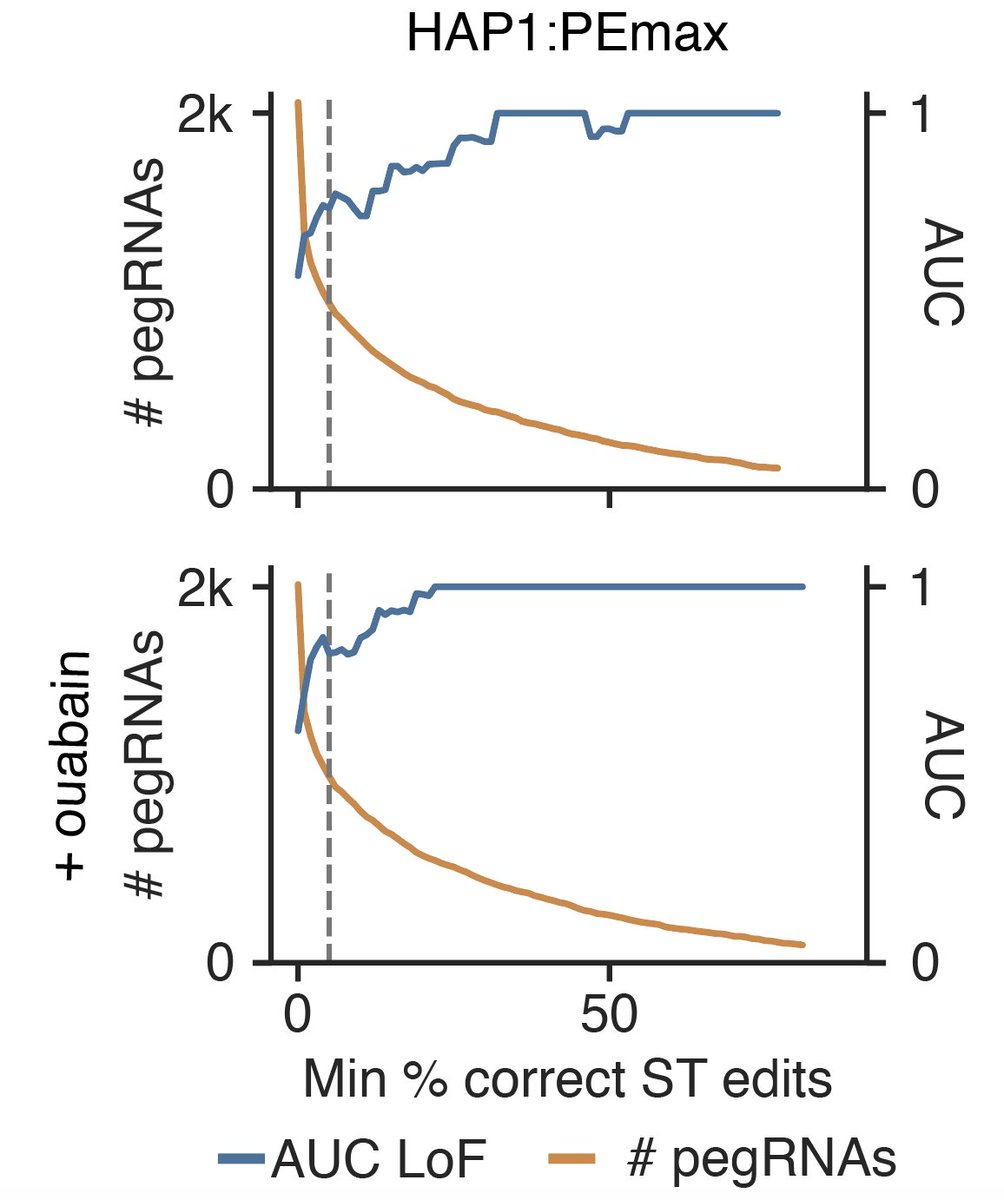
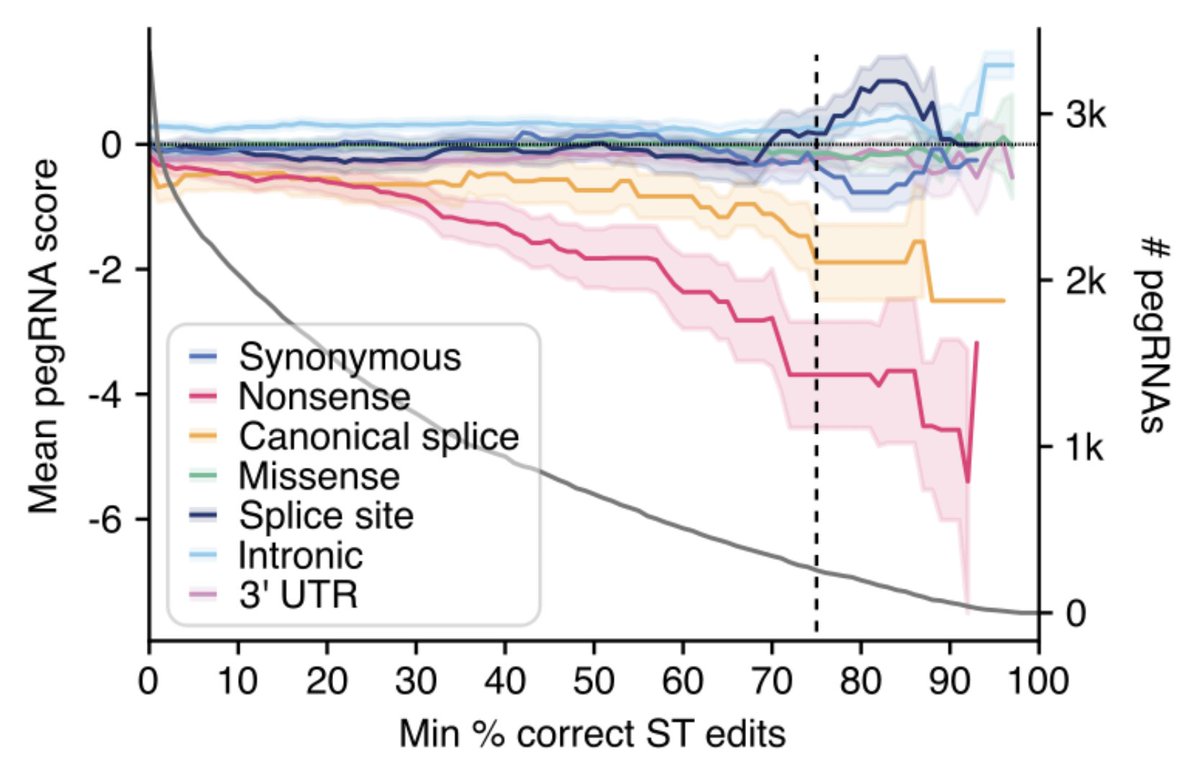
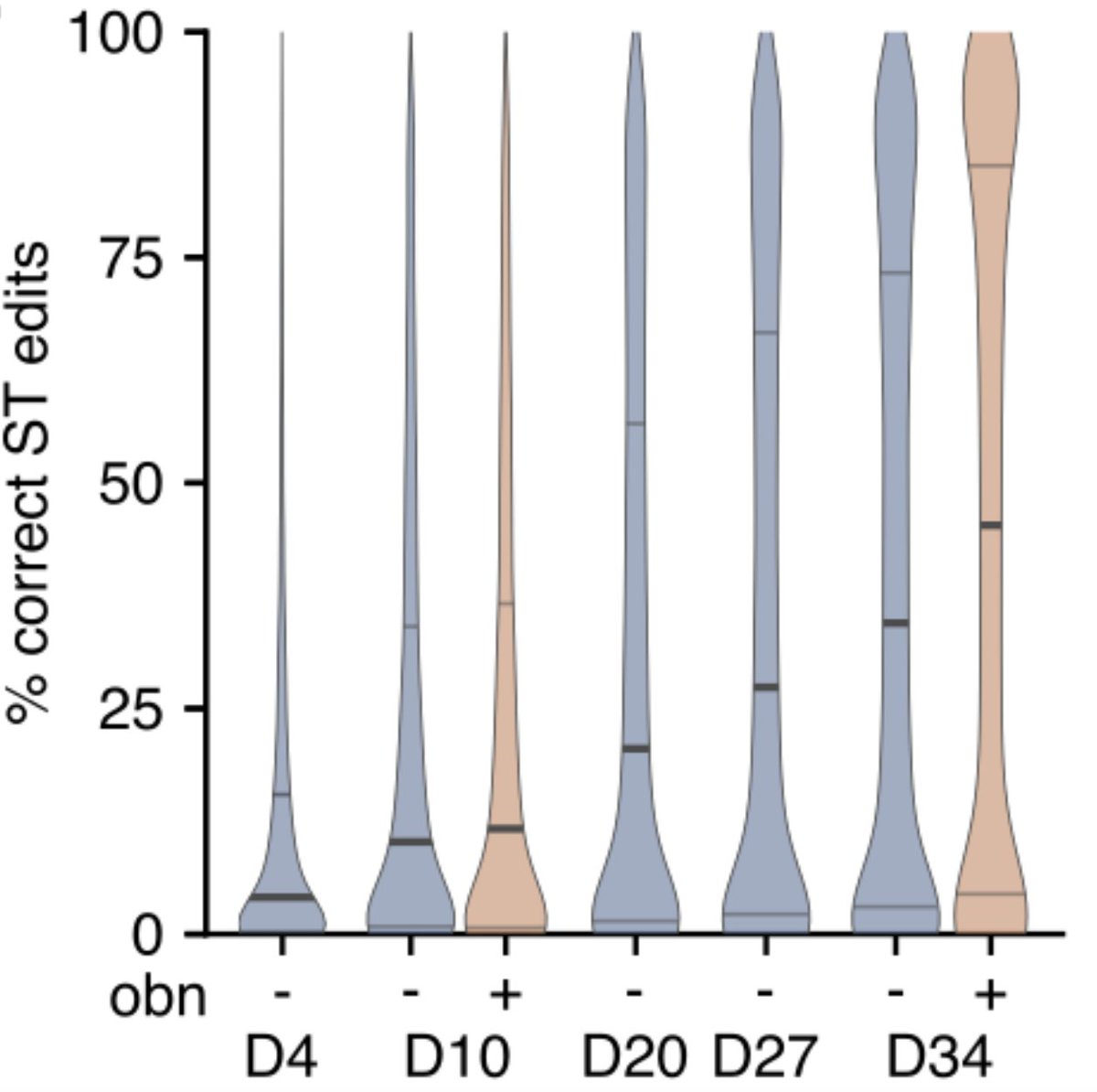
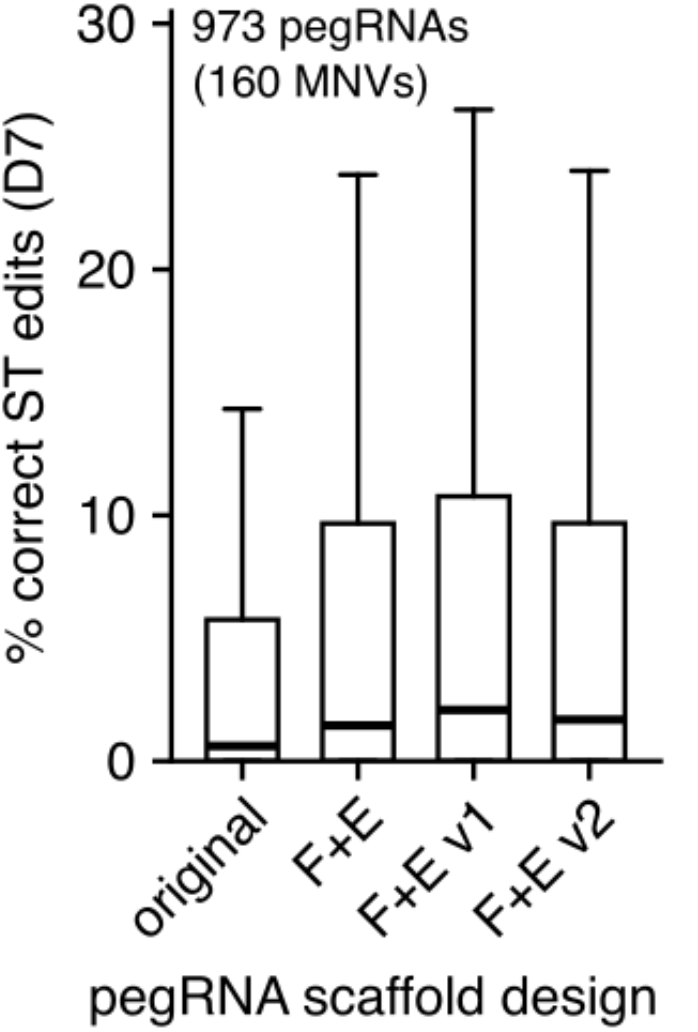
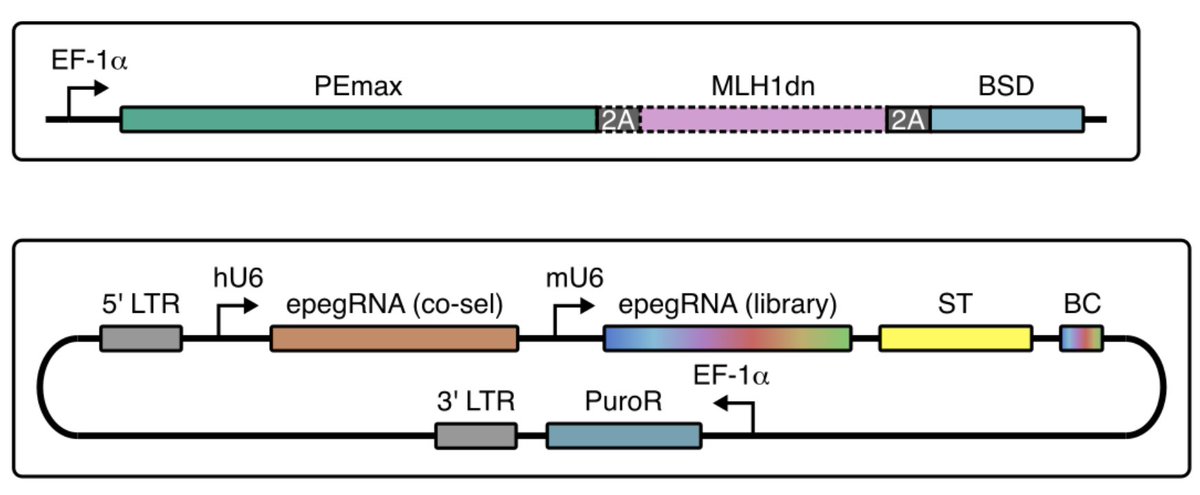
Our latest from @TheCrick, now on @biorxivpreprint:
biorxiv.org/content/10.1101/…
Michael Herger (@HergerMichael) and Christina Kajba jointly led development of a new prime editing platform for testing large numbers of human genetic variants.
3
444
Greg Findlay retweeted

27 Sep 2024
Join us for a PhD! Applications close November 5th. crick.ac.uk/careers-study/va…
1
3
4
1,440
27 Sep 2024
Crick PhD recruitment for fall 2025 is officially open! Please apply to our lab through the Crick application portal if interested. 👇
crick.ac.uk/careers-study/va…
1
67
138
28,818
Greg Findlay retweeted
13 Aug 2024
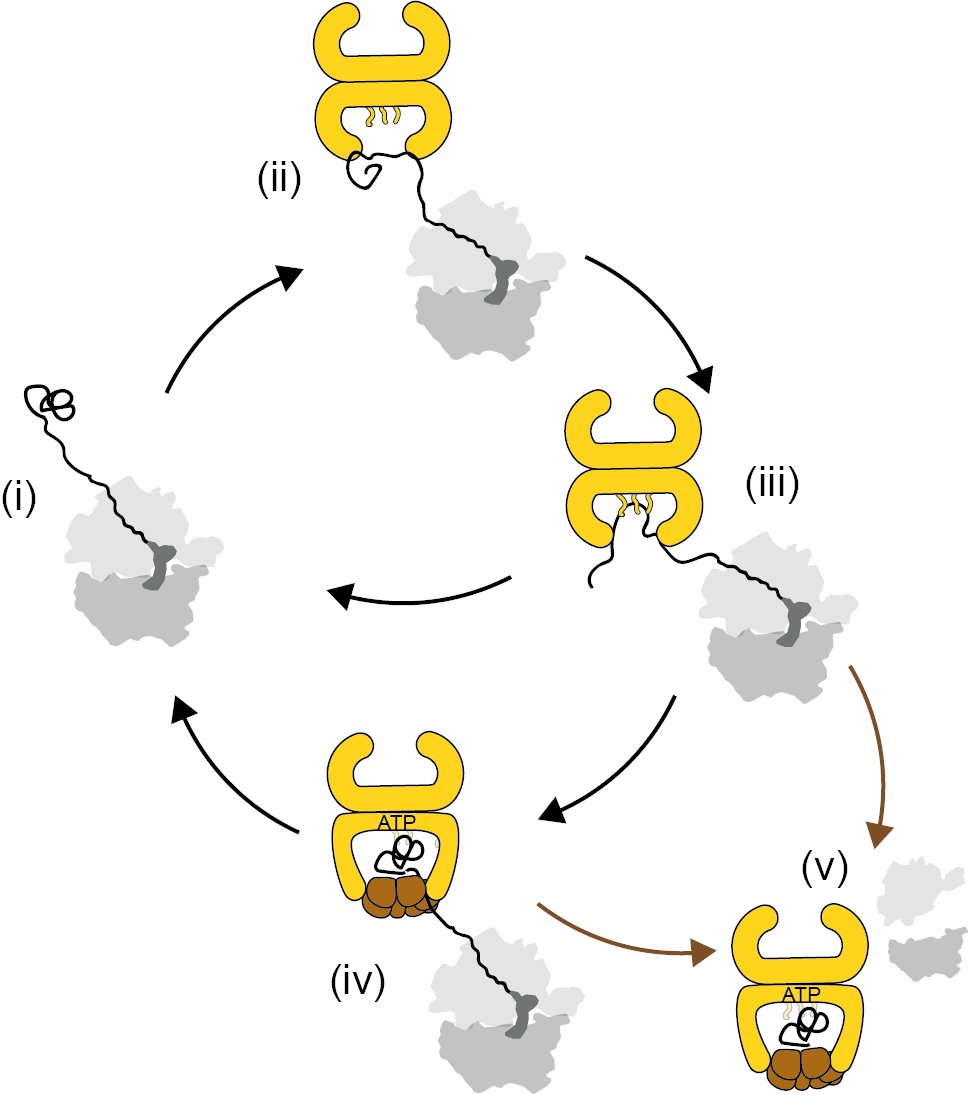
New from our lab @TheCrick , led by @BetkaRoe. A fun side project that tried to understand what happens when a chaperonin encounters a translating ribosome.
biorxiv.org/content/10.1101/…
1
13
61
4,494
Greg Findlay retweeted

15 Jul 2024
Come join us in making agriculture sustainable at @PhytoformLabs! 🌱We are looking for an R&D scientist with a background in Synthetic biology to join our tools & traits team for precision genome editing 🧬. If you think this could be you, please apply!
linkedin.com/jobs/view/39723…
1
39
74
11,708
Greg Findlay retweeted

11 Jul 2024
So excited that our paper “De novo variants in the RNU4-2 snRNA cause a frequent neurodevelopmental syndrome” is out today in @Nature nature.com/articles/s41586-0…
🧵 1/16
11 Jul 2024

(1/4) I’m delighted to announce that our research on RNU4-2 is now out on @Nature . This is an exciting finding that will bring many diagnoses worldwide. We have updated some new results since the preprint: nature.com/articles/s41586-0…
12
101
325
97,680
Greg Findlay retweeted

9 Jul 2024
We are delighted to announce that Professor Edith Heard has been appointed as our new director and chief executive!
Edith, who is currently director-general at @EMBL, will succeed Paul Nurse in leading the Crick from the summer of 2025.
🔗 crick.ac.uk/news/2024-07-09_…
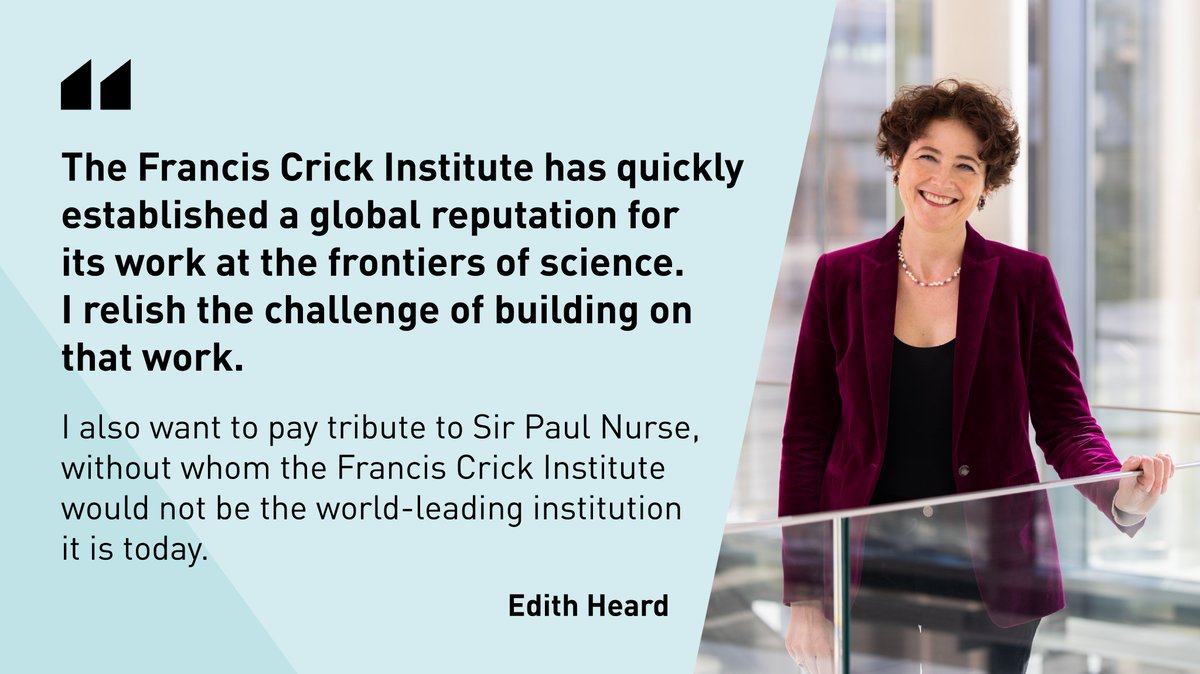
ALT "The Francis Crick Institute has quickly established a global reputation for its work at the frontiers of science. I relish the challenge of building on that work. I also want to pay tribute to Sir Paul Nurse, without whom the Francis Crick Institute would not be the world-leading institution it is today." - Edith Heard
19
121
600
125,919
Greg Findlay retweeted

5 Jul 2024
Want to fully investigate this large dataset beyond classical 2D formats? Go interactively explore the data 👇
vhl-board.onrender.com/
5 Jul 2024
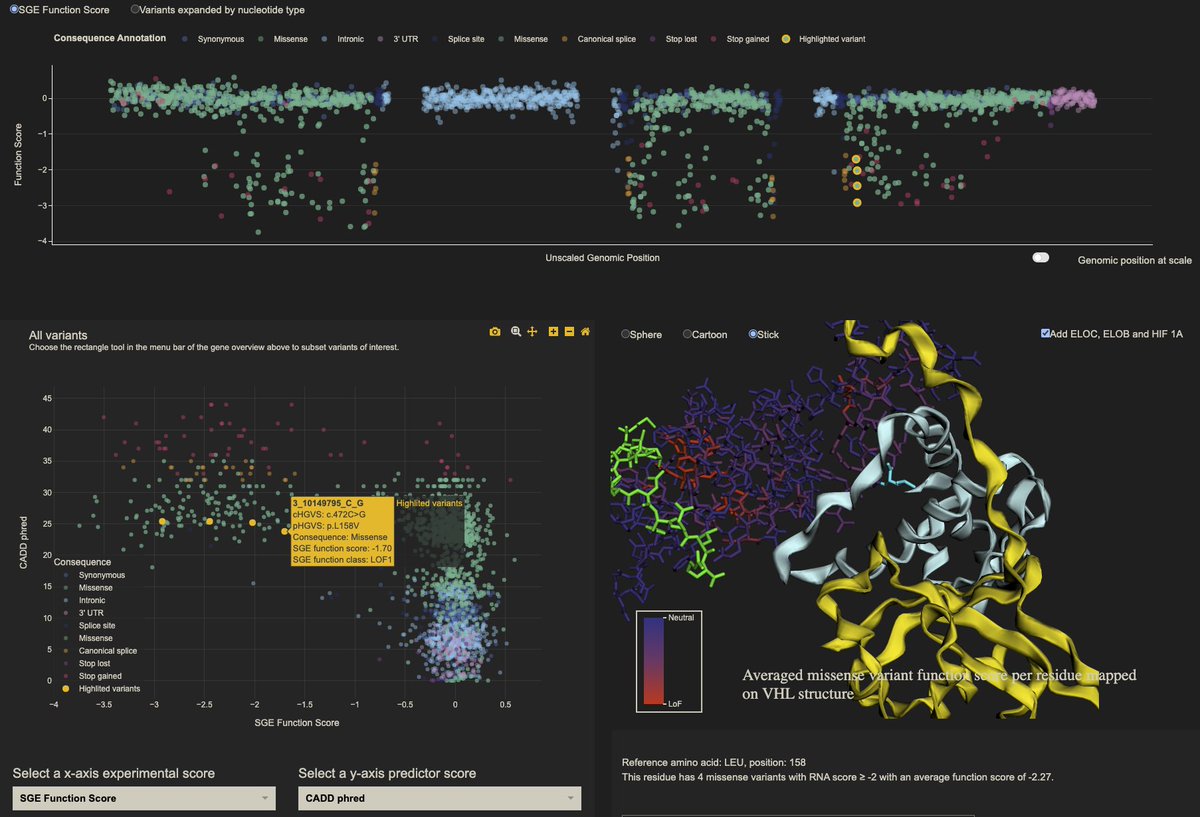
The VHL data can also be searched, visualised, and explored using this awesome SGE visualisation platform made by @ChloeTerwagne:
vhl-board.onrender.com/
Chloé’s code is all on GitHub if you’re interested in viewing and sharing your own data like this. (3/n)
2
7
1,573
5 Jul 2024
Massive thanks to all authors, but particularly @ChloeTerwagne, Athina Ganner, @LauraCubitt3, @ReidBrewer3, Dong-Kyu Kim & @Eivakine for key inputs to revisions. And, of course, many thanks to reviewers, @nature_genet, and funders @TheCrick @CRUKresearch (7/n)
1
1
796
5 Jul 2024
Of course, we hope you read the paper and use the data. Do feel free to reach out with questions on anything from protocol tips to variant classifications.
(8/n)
1
1
587
5 Jul 2024
Finally, we’re delighted to see this published back-to-back with a massive SGE analysis of BAP1 led by Andrew Waters, @David_J_Adams and co. @sangerinstitute:
nature.com/articles/s41588-0…
So many more variants now readily interpretable, and still more on the way! (9/9)
1
2
19
1,736
5 Jul 2024
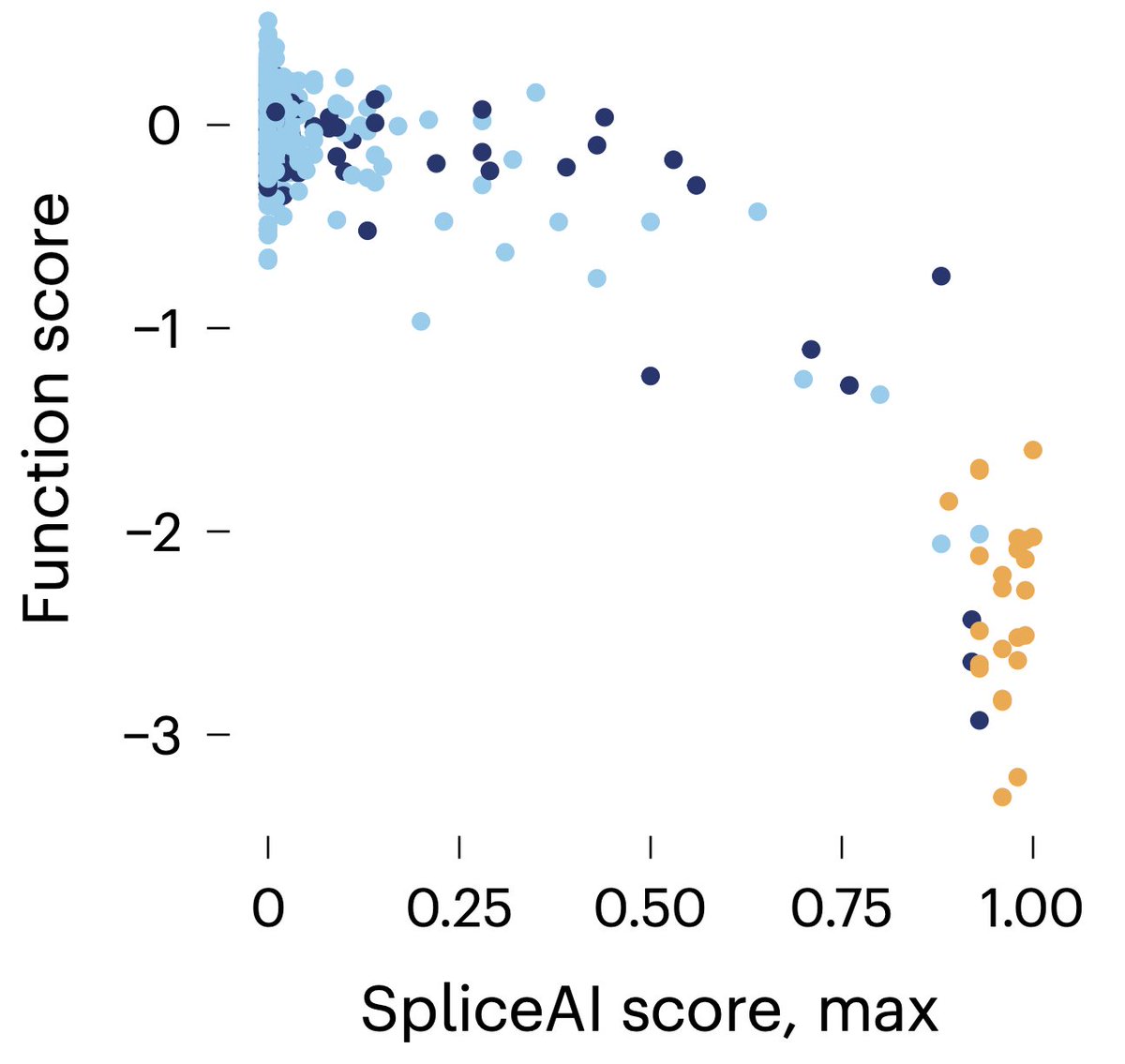
Lots more new analyses and validations in the paper, too. For instance, comparing function scores to SpiceAI and FoldX computational predictions – both of which do reasonably well. (6/n)
1
516
5 Jul 2024
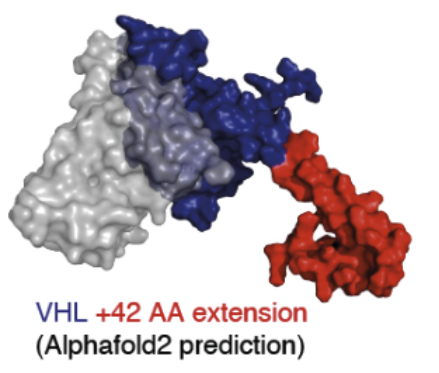
In new experiments, we also characterise novel mechanisms made apparent by SGE. Specifically, we show that a long C-terminus extension leads to LoF via VHL protein destablization and that stop-codon readthrough can impact the degree of functional impairment. See Fig. 6! (5/n)
1
495
5 Jul 2024
The VHL data can also be searched, visualised, and explored using this awesome SGE visualisation platform made by @ChloeTerwagne:
vhl-board.onrender.com/
Chloé’s code is all on GitHub if you’re interested in viewing and sharing your own data like this. (3/n)
1
5
2,184
5 Jul 2024
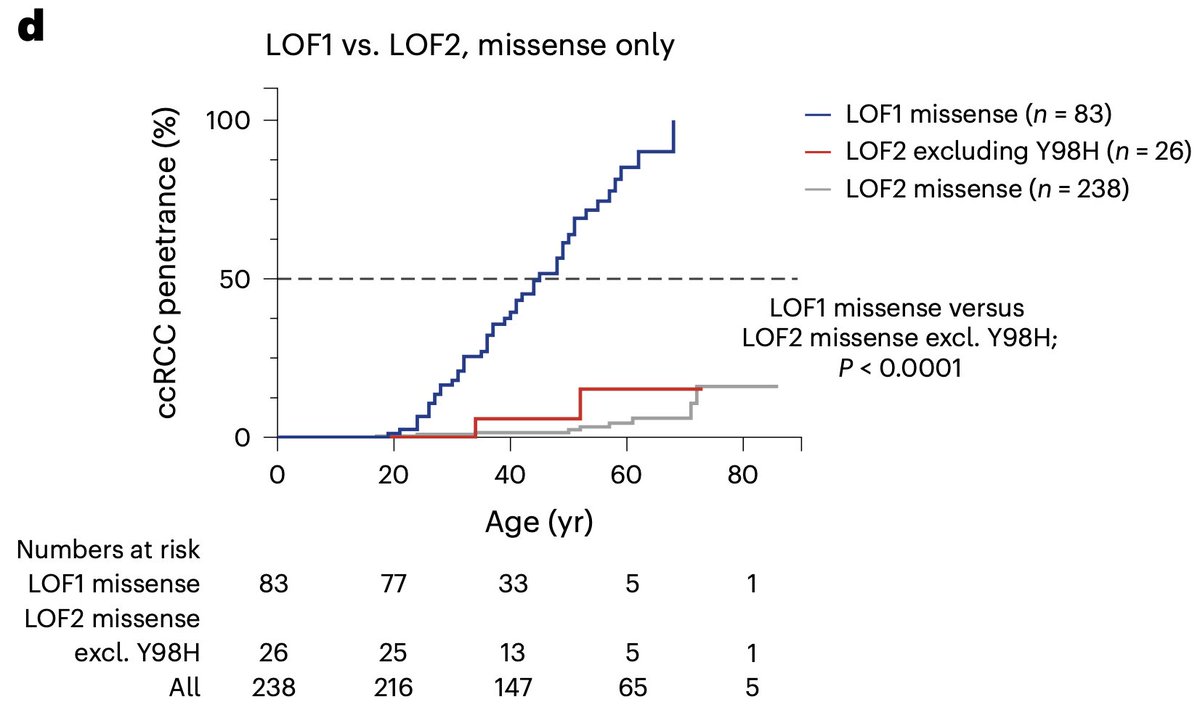
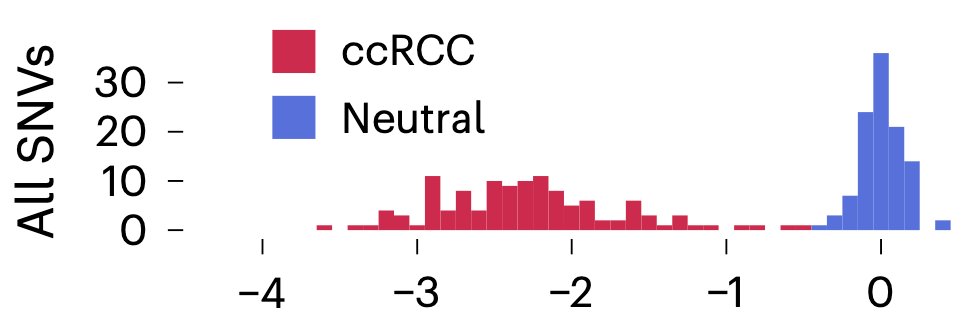
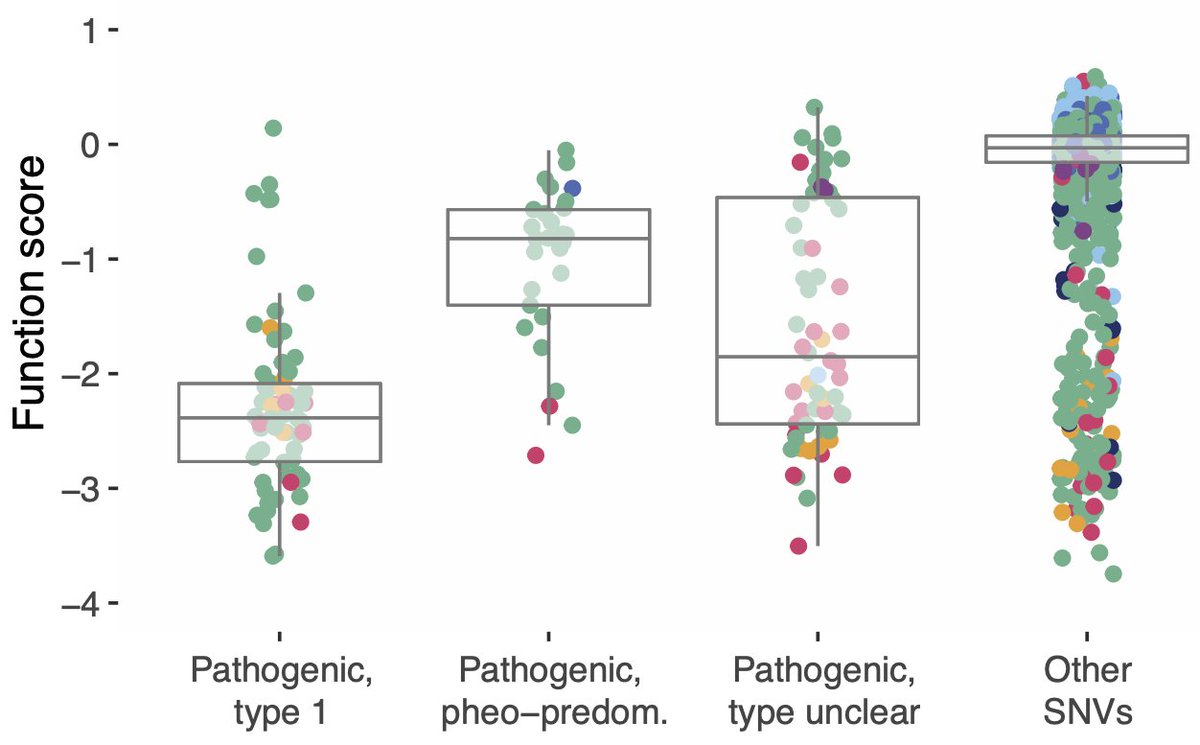
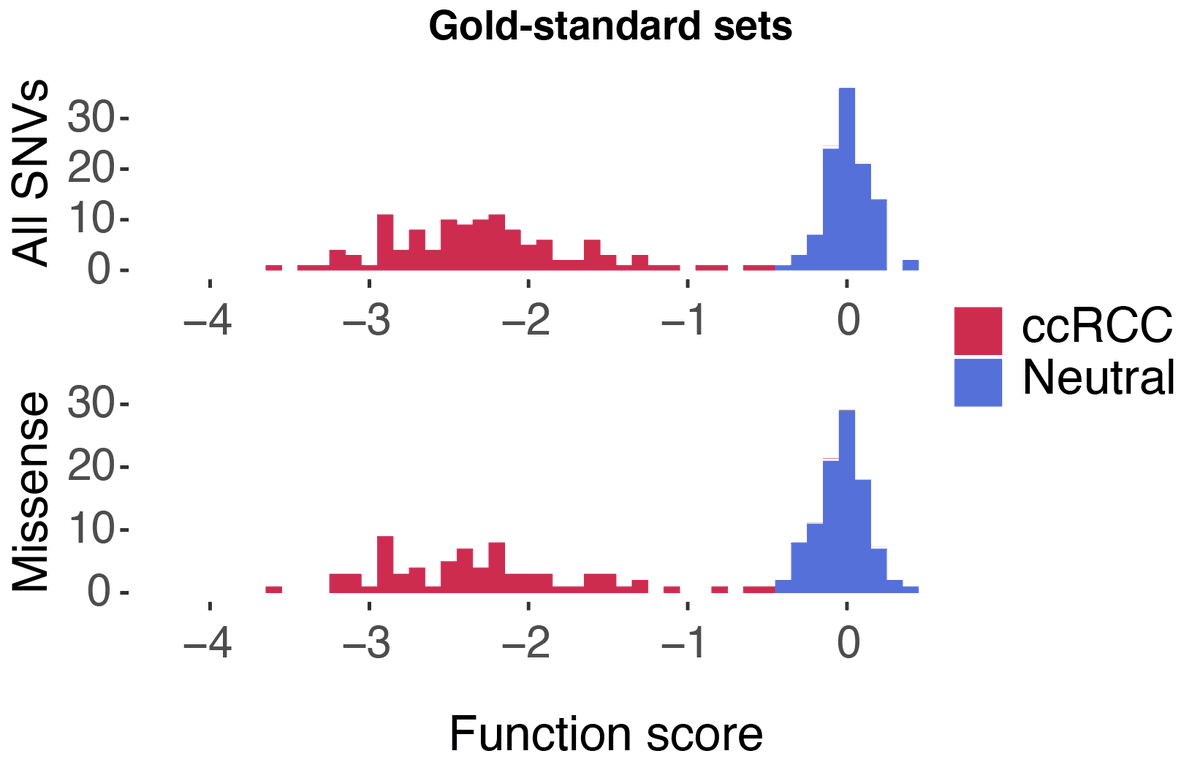
Importantly, we now split loss-of-function variants by SGE score into LOF1 (lowest) and LOF2 (depleted, weaker effect).
In collaboration w Athina Ganner and Freiburg colleagues, we show how patients with VHL disease can be stratified by ccRCC risk using these categories. (4/n)
1
560
5 Jul 2024
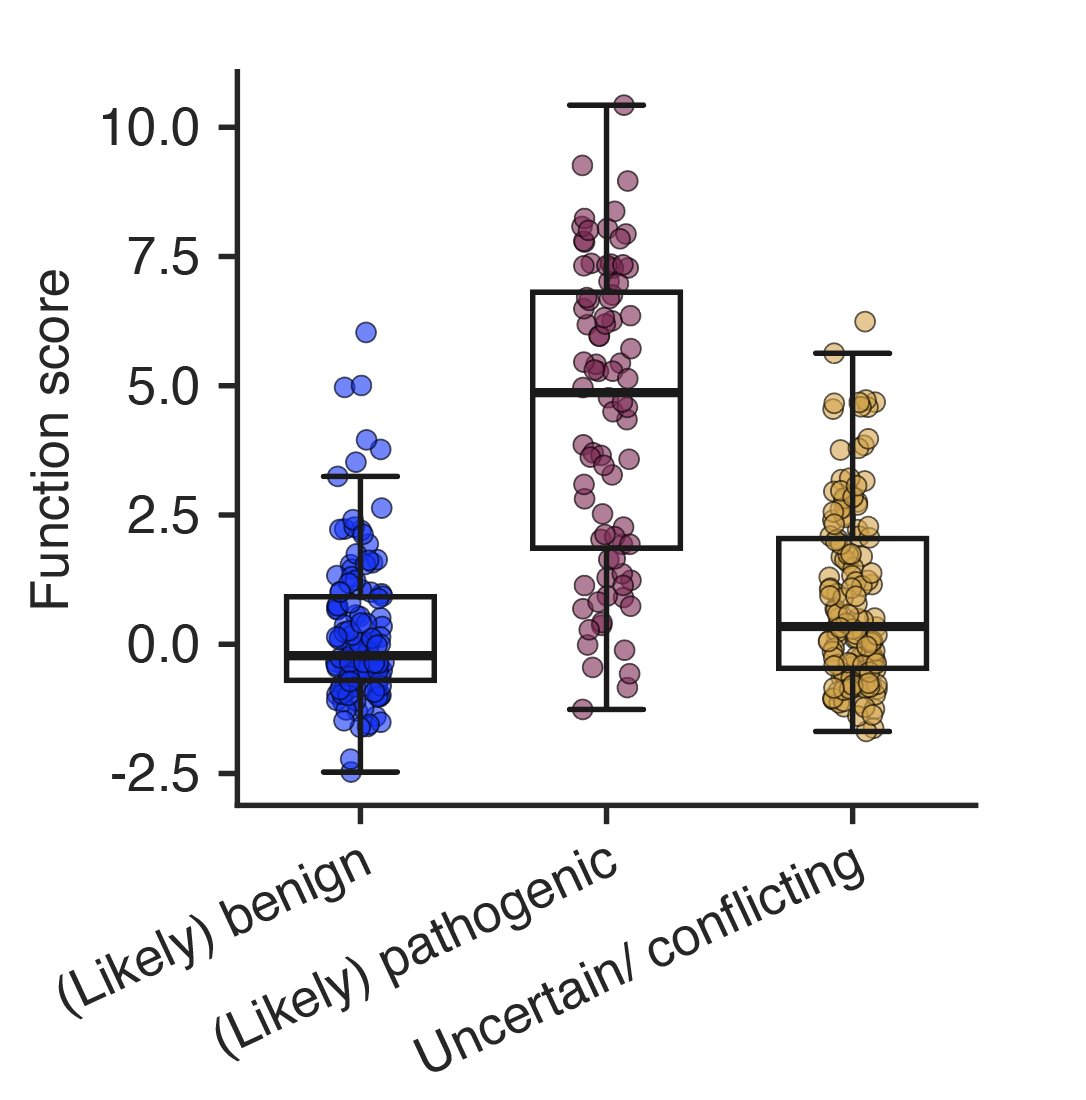
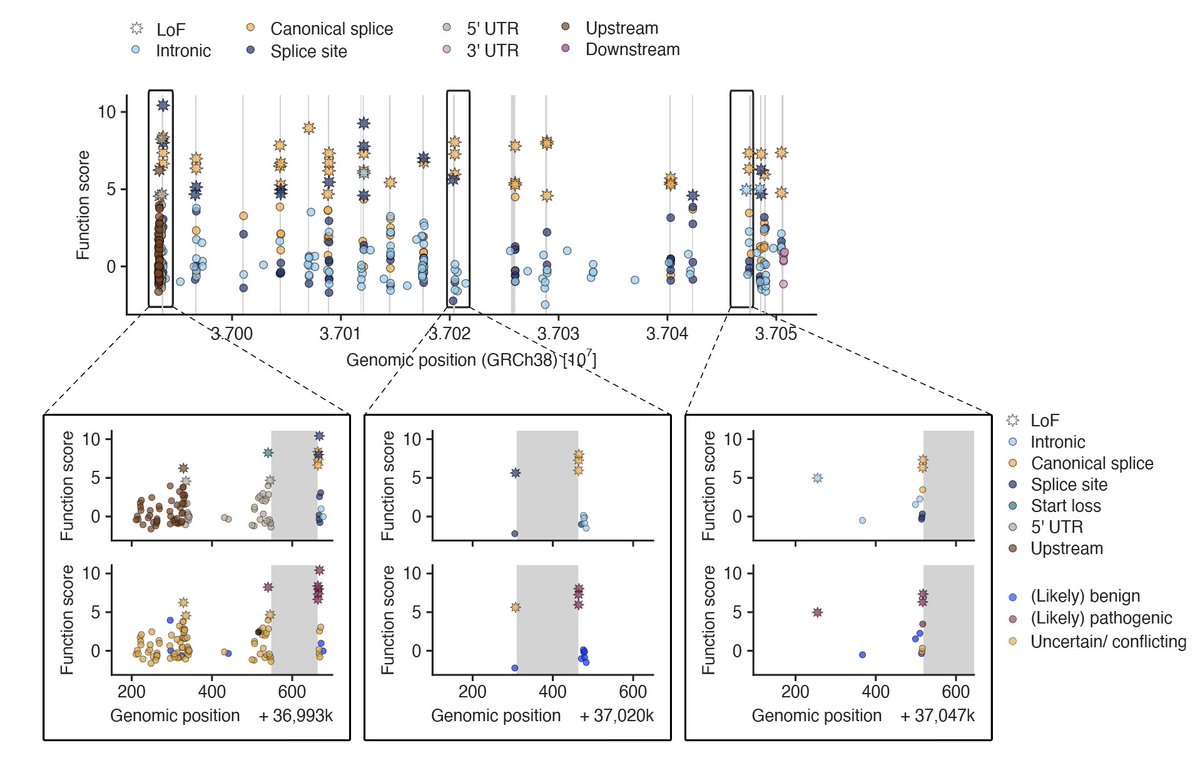
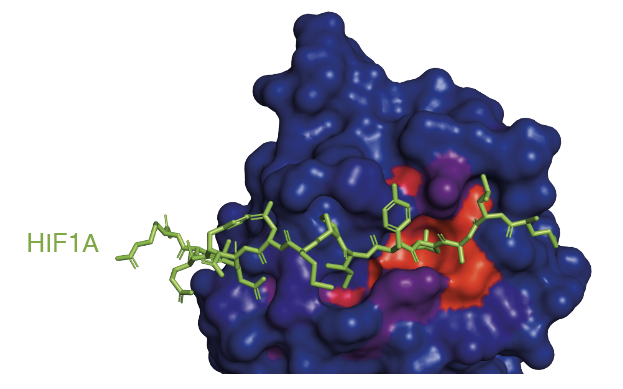
Our work led by @megan_buckley01 on Saturation Genome Editing of VHL is now out in @NatureGenet:
nature.com/articles/s41588-0…
Many new experiments and analyses to quickly highlight… (1/n)
3
39
144
22,237
5 Jul 2024
Most importantly, all SGE scores and variant classifications are available for download in Supplementary Table 1 and from MAVEdb (mavedb.org/experiments/urn:m…).
Given the data’s high precision, we expect this will lead to a steep reduction in VUS reported clinically. (2/n)
1
1
1,057
Greg Findlay retweeted

11 Jun 2024
Our DNA Typewriter protocol (written by @LiaoHanna, @JShendure, and myself) is out! Thank you @NatureProtocols for writing/editing this with us and having it as this week’s #FeaturedProtocol :-)
11 Jun 2024

#FeaturedProtocol this week from Jay Shendure on using #DNATypewriter (#primeediting-based method) for tracing insertional events bit.ly/4cegahU
12
58
7,635
Greg Findlay retweeted

30 May 2024
Happy to share this opportunity to join our team. Please apply if you are interested, or re-post if you are not on the look out for a new job crick.wd3.myworkdayjobs.com/…
55
63
20,859
Greg Findlay retweeted

2 Apr 2024
Excited to see our work on the development of a platform for pooled screening of genetic variants using prime editing published on @biorxivpreprint: doi.org/10.1101/2024.04.01.5….
1
2
12
1,171