
❤️ good guns, good policy, good journalism. Rethinking guns and “gun rights” from Canada to the world. We delete tweets. Subscribe at TheGunBlog.ca.
Joined January 2015
- Tweets 1,497
- Following 920
- Followers 14,704
- Likes 40,215
265 Photos and videos

Pinned Tweet

23 Sep 2025
HISTORY'S BIGGEST CRACKDOWN ON HONEST CITIZENS
Important Context
The Liberal Party of Canada's criminalization of hundreds of thousands of government-licensed firearm owners is the BIGGEST CRACKDOWN against honest citizens by any democracy in history ... outside of war.
19
117
433
12,107

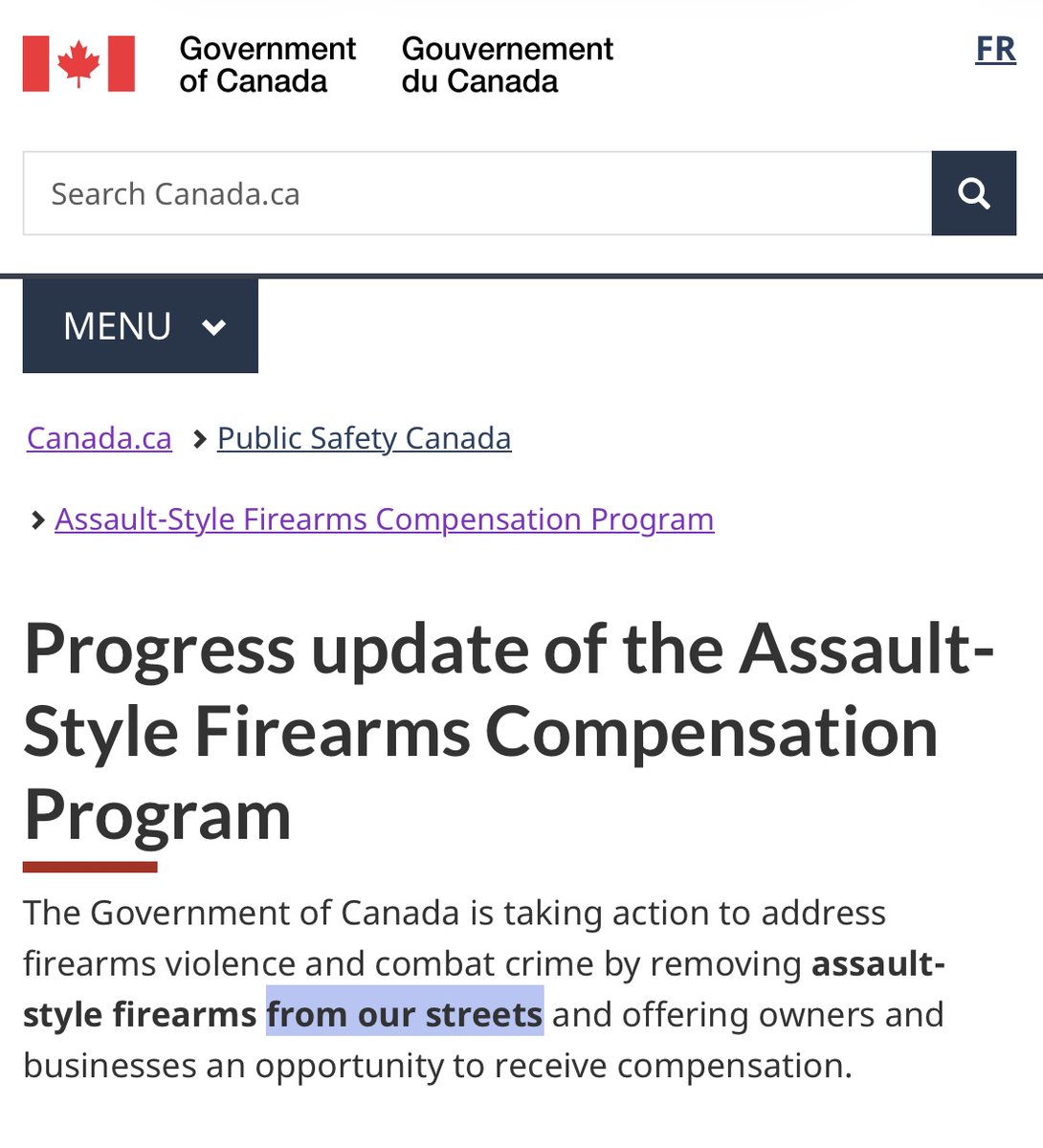
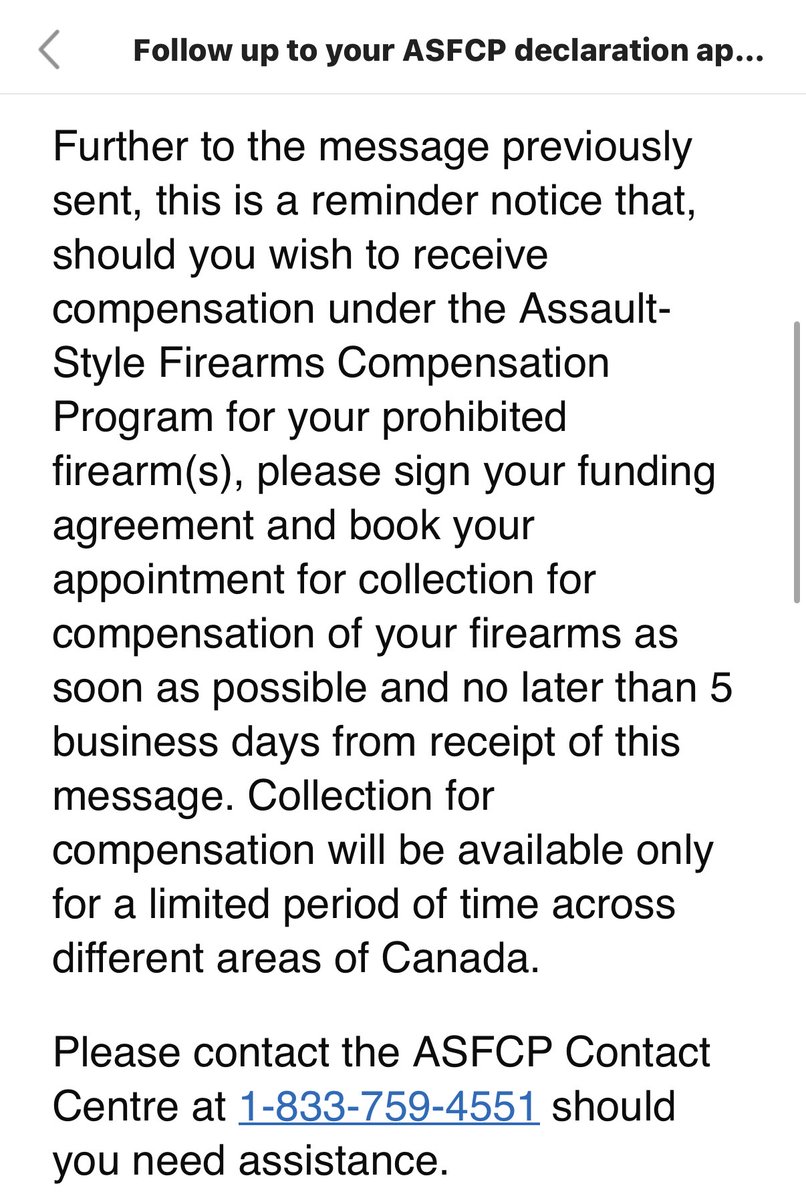
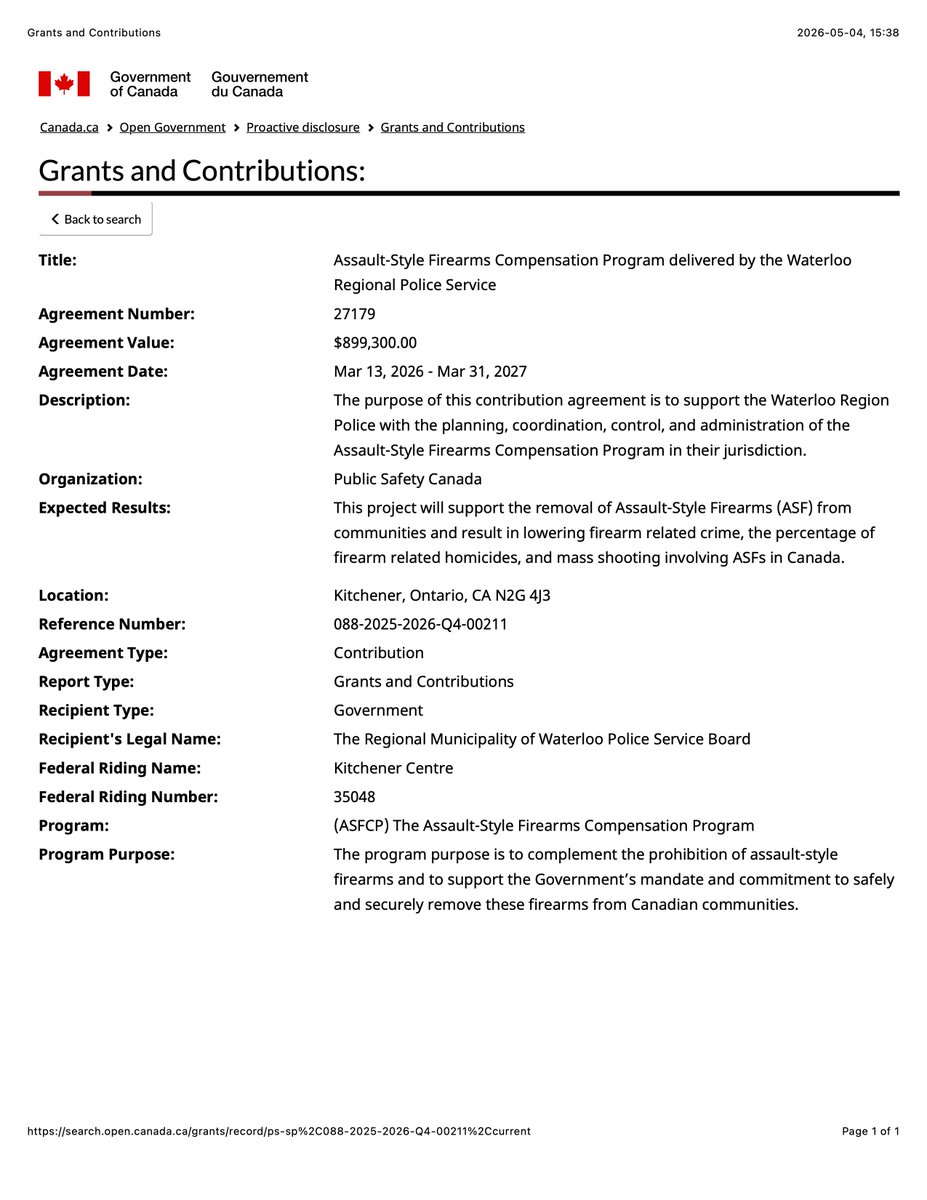
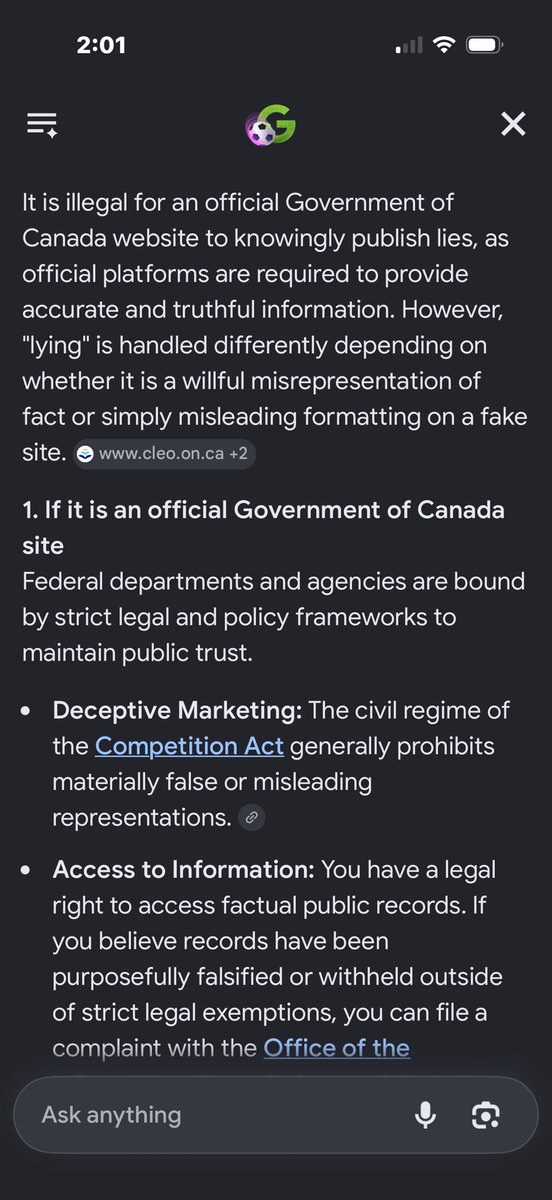
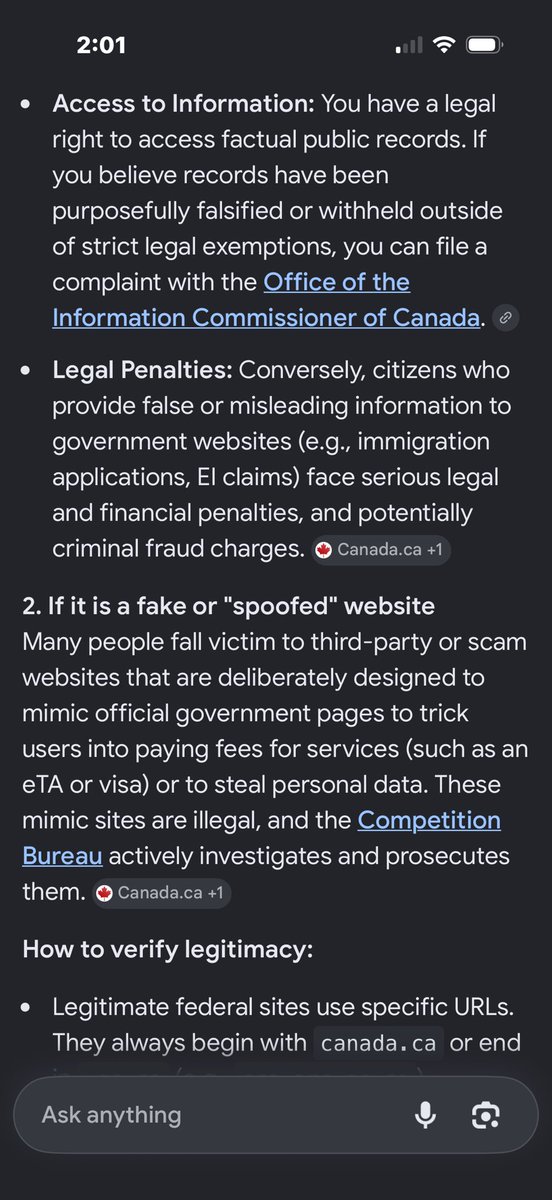
@Safety_Canada it is illegal to put false information on your website.
Jun 12

We understand using exaggeration and metaphor at political campaign rallies and summer BBQs.
But in official government documentation about criminal law affecting millions of people?
Every word the "government" says about its mass firearm confiscations is a lie.
2
22
446
TheGunBlog.ca retweeted

I wouldn't let my first-year undergraduate students draw on data this bad to try to make an argument.
More context is definitely needed for headlines like this.
ctvnews.ca/canada/article/mo…
6
26
147
3,504
TheGunBlog.ca retweeted

Jun 12
Stakeholders invited to consult on Bill C-21, including a current Liberal Cabinet member, wanted amendments to ban online gun sales and thought gun owners illegally modified their magazines "all the time."
And it was the only consultation held.
calibremag.ca/c-21-docs-show…
52
146
490
26,391

Jun 12
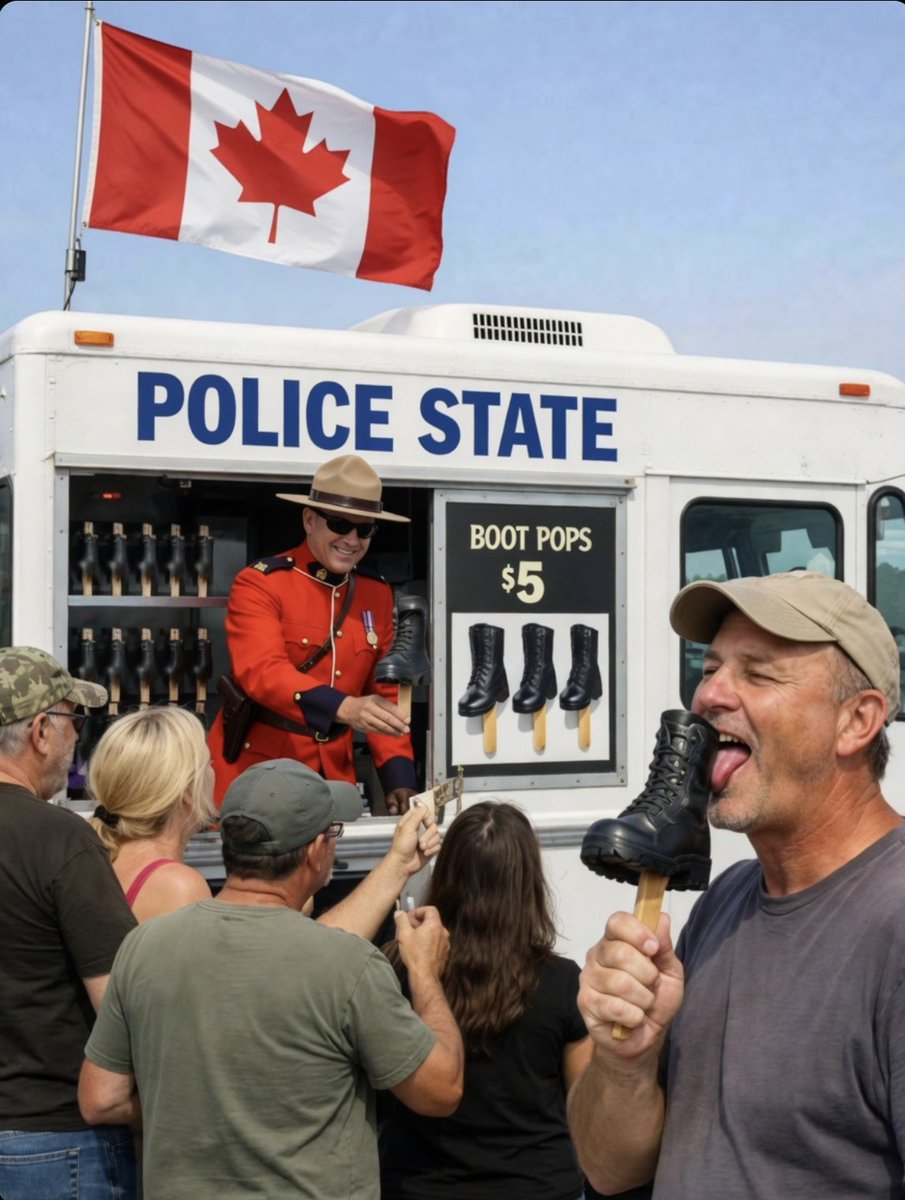
What should we call it:
- Firearm Derangement Syndrome (FDS)?
- Media Derangement Syndrome (MDS)?
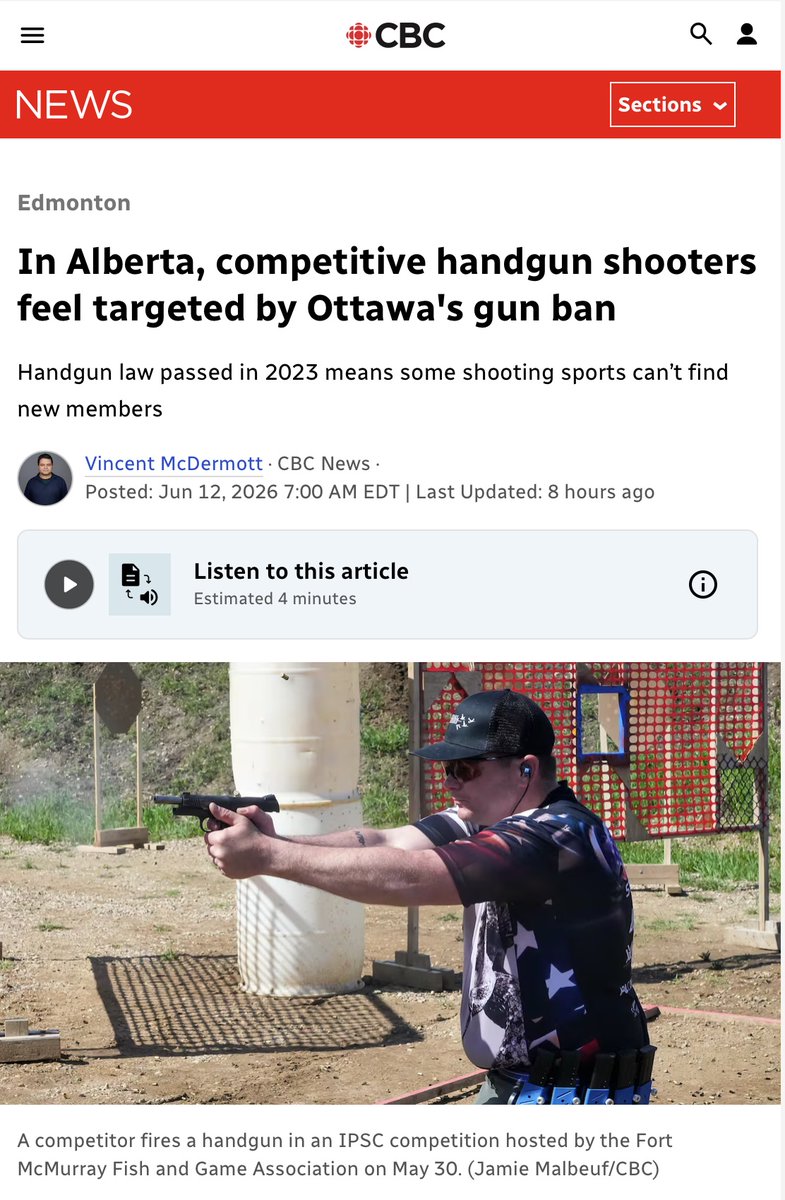
Halfway through a decent report of how the Liberal handgun confiscations are killing handgun sport, CBC suddenly shifts to talking about crime and violence.
It's a mental disorder.
2
19
77
1,138
Jun 12
In Alberta, competitive handgun shooters feel targeted by Ottawa's gun ban
CBC News Edmonton
cbc.ca/news/canada/edmonton/…
2
1
9
464
Jun 12
The video version isn't as jarring, but it also uncritically repeats the Liberal prohibitionist talking points on what is otherwise an informative report:
youtube.com/watch?v=_mL9jyca…
6
498

Jun 12
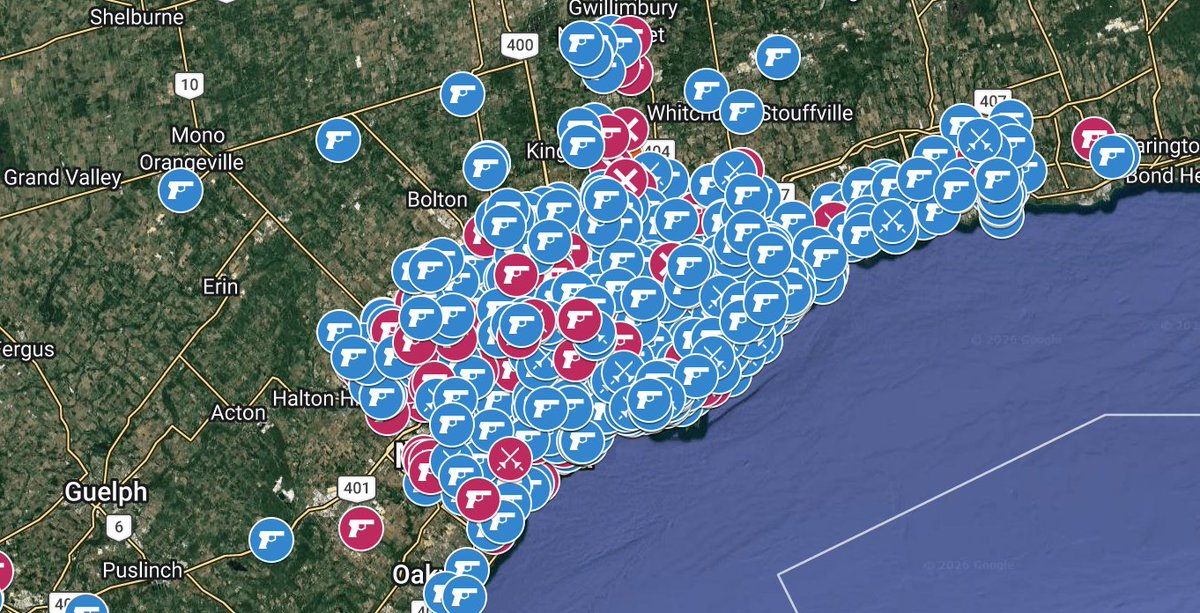
Greater Toronto Area Shooting & Gang Map
By @TorontoGunMap
Nicely done!
Zoom in for details:
google.com/maps/d/viewer?mid…
10
32
127
4,890
TheGunBlog.ca retweeted

Is there any verifiable increase in public safety from the handgun freeze?
No, straight up no.
Not even Australia bans handguns but you hoplophobes are just happy to see us upset like some sociopaths
Did your mother ever teach you shame?
Jun 12

Who cares?
3
8
84
2,199
TheGunBlog.ca retweeted

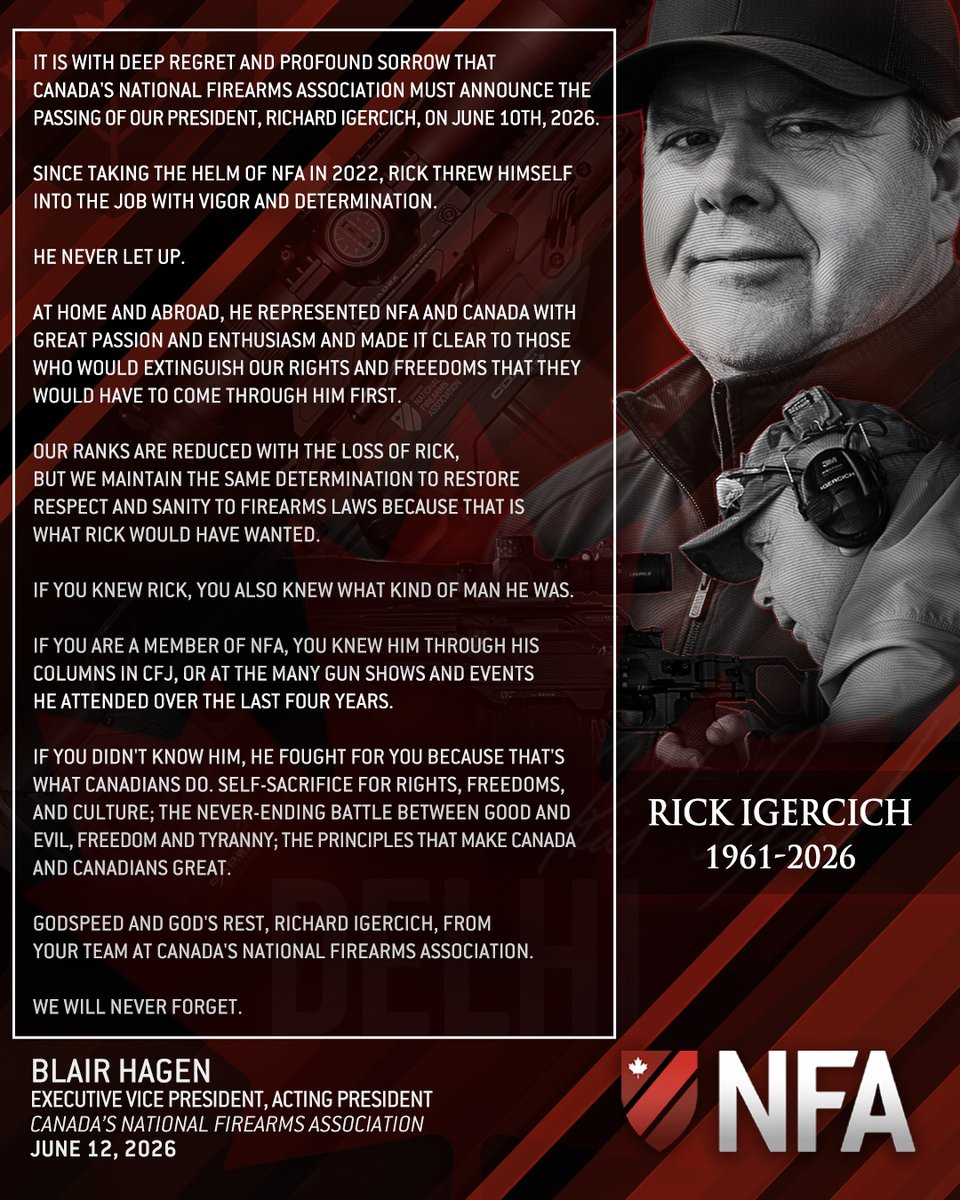
Today, it is our difficult duty to announce the passing of NFA President Richard Igercich.
As we mark Rick's passing, NFA Executive Vice President and Acting President Blair Hagen shares the following tribute to the man, the leader, and the friend we were proud to know. His dedication to Canada's firearms community and unwavering defense of our rights left a lasting mark on this organization and its members.
Rest easy, Rick.
Memorial donations to the VON Sakura House, Woodstock, Tillsonburg District Memorial Hospital Foundation, or the Canadian Cancer Society would be greatly appreciated by the family.
8
15
59
6,979
Jun 12
MEDIA ANALYSIS IDEA
1. Pick a "journalist"
2. Download all their reports where title includes "gun" or "firearm"
3. Analyze
- Has pro-gun view (Y/N), which prgrph
- Has anti-gun view (Y/N), which prgrph
- uses Lib talking points (Y/N)
- etc.
1/2 day of work
Contact to discuss.
2
17
451
Jun 12
CCFR @ccfr_ccdaf did something related/deeper in 2019:
Media Bias Report: An Investigation
gundebate.ca/wp-content/uplo…
7
194
TheGunBlog.ca retweeted

Jun 12
Canadian journalist says 67% of crime guns are domestically sourced — he was technically right but here's what he left out.
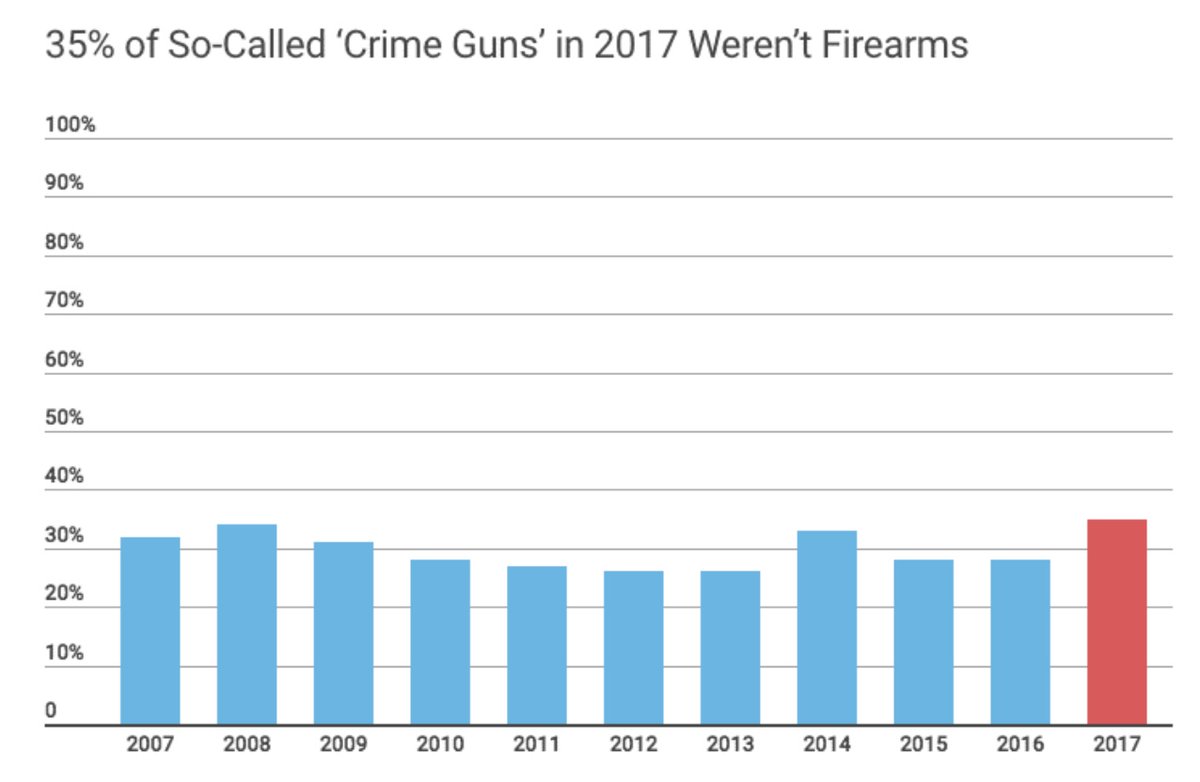
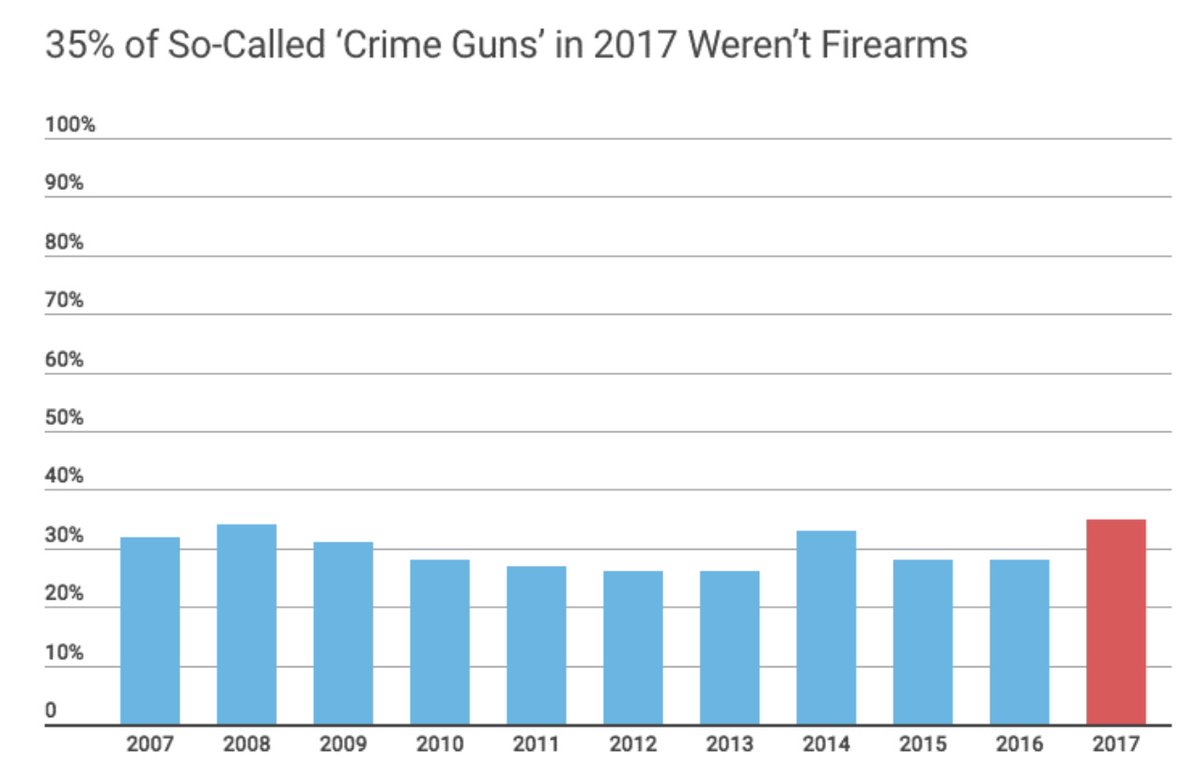
Only 8% of crime guns are ever recovered. Only 20% of those are sent for tracing. 67% of those traced guns were ghost guns and 3D printed weapons — not firearms from licensed gun owners. Ontario and Quebec aren't even included in the data.
The real number of crime guns sourced from licensed gun owners is 0.7%.
@TWilsonOttawa from the @CCFR_CCDAF broke it down for us yesterday. You can get the scoop right here 👇
10
166
354
6,779
TheGunBlog.ca retweeted

Jun 12
No comment from the Liberal government on the failed gun grab / amnesty extension...
8
30
160
6,077

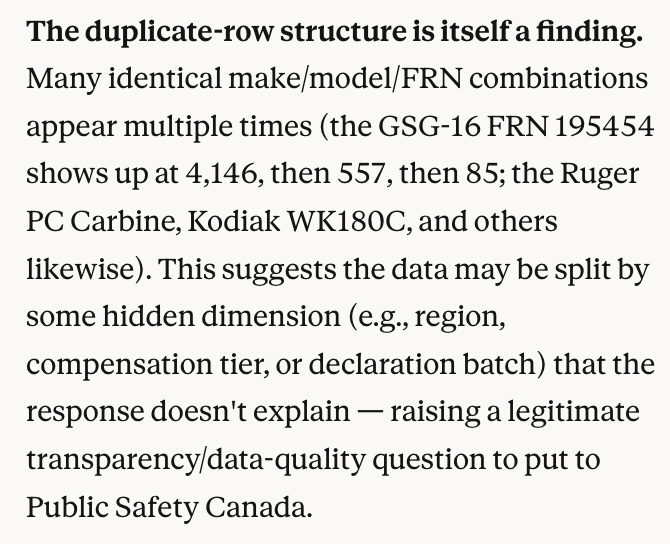
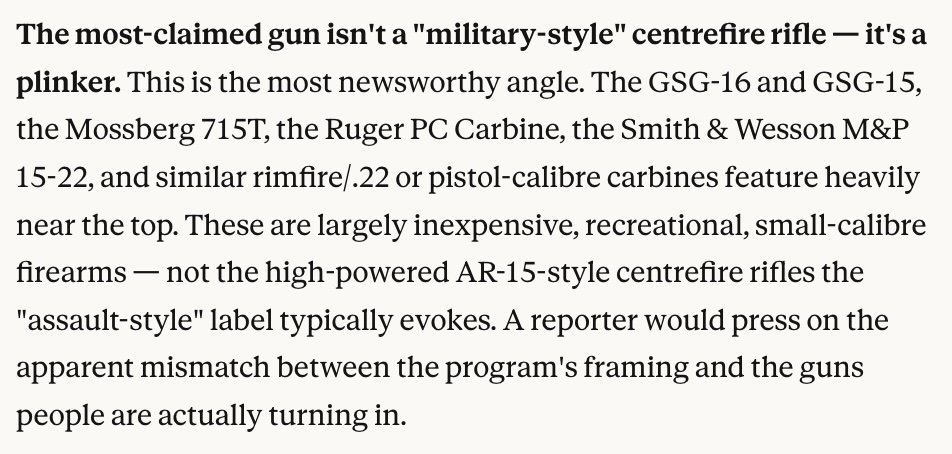
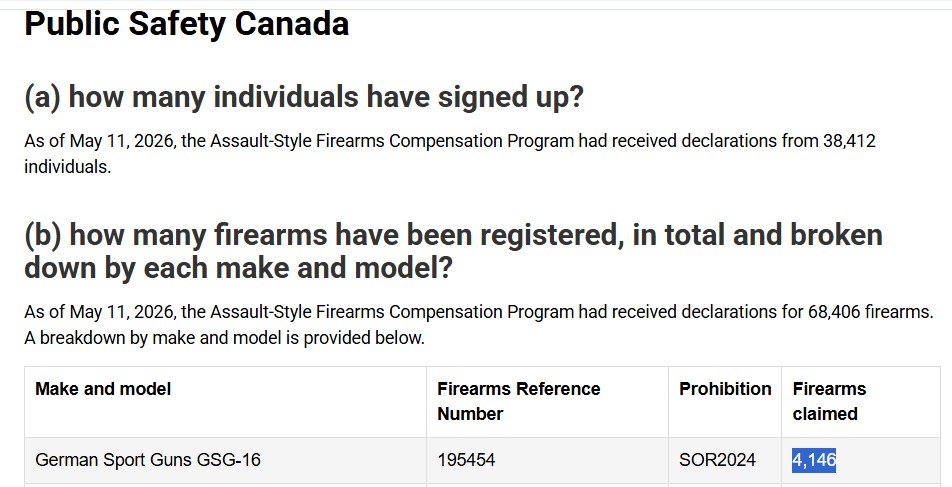
In MP Andrew Lawton’s Written Question Q-1113 to Public Safety, he asked which firearms have been registered for the “buyback” and which model was declared most often.
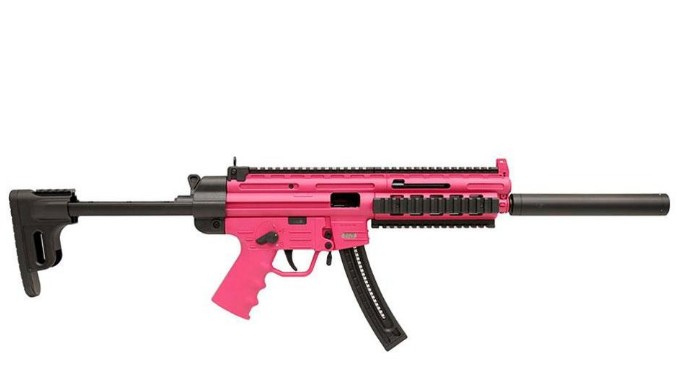
The answer: the GSG-16, a .22 plinker, was the most reported.
Now I’m wondering: can they break that down further and tell us how many of those were the pink version @CanadasNFA
19
26
209
6,666
Jun 12
We understand using exaggeration and metaphor at political campaign rallies and summer BBQs.
But in official government documentation about criminal law affecting millions of people?
Every word the "government" says about its mass firearm confiscations is a lie.
7
41
127
1,910
TheGunBlog.ca retweeted

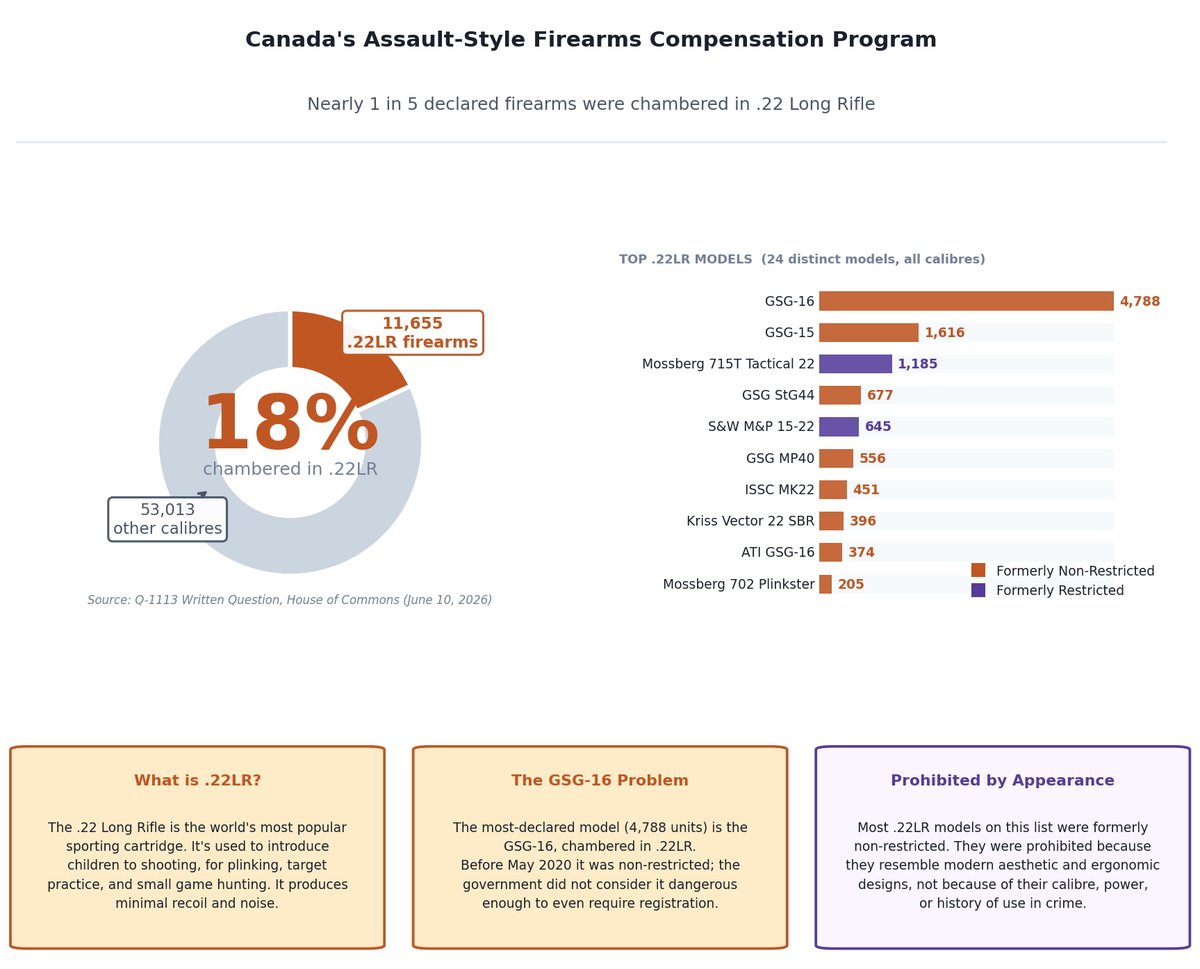
New data from the federal government's own parliamentary response (Q-1113, June 10, 2026) reveals something worth sitting with: nearly 1 in 5 firearms declared under Canada's assault-style compensation program are chambered in .22 Long Rifle.
That's 11,655 firearms across 24 distinct models.
The .22LR is the world's most common sporting cartridge. It's what most Canadians learn to shoot on. Farmers use it for pest control. Kids are taught to shoot with it. It is, by any measure, among the least powerful cartridges in common civilian use. A typical squirrel hunter considers it modest.
The most-declared model in the entire program is the German Sport Guns GSG-16, with 4,788 units declared. Before the May 2020 Order in Council, it was non-restricted, meaning the federal government itself did not consider it dangerous enough to require registration, a background check for transfer, or any of the safeguards that apply to restricted firearms.
It was prohibited because it looks 'scary'.
The same is true of the GSG StG44 and GSG MP40, both Second World War-era replicas in .22LR. They are on the prohibited list. They are also, functionally, plinking rifles.
Most of the 24 .22LR models on this list were formerly non-restricted. The government's own pre-2020 classification system placed them in the same category as what the average person would consider to be 'hunting rifles and shotguns'. The 2020 OIC moved them to prohibited based on appearance and design features, not ballistic capability or any documented role in violent crime.
The program has now received 67,000 declarations against a government target of 152,000. Of those, nearly one in five are firearms that fire a cartridge your grandfather used to shoot tin cans with and probably taught their grandchildren to do the same.
2
18
48
817
Jun 12
LIBERAL GUN-CONFISCATION ANALYSIS FROM Q-1113
Claude AAA (AI-Assisted Analysis)
Highlights
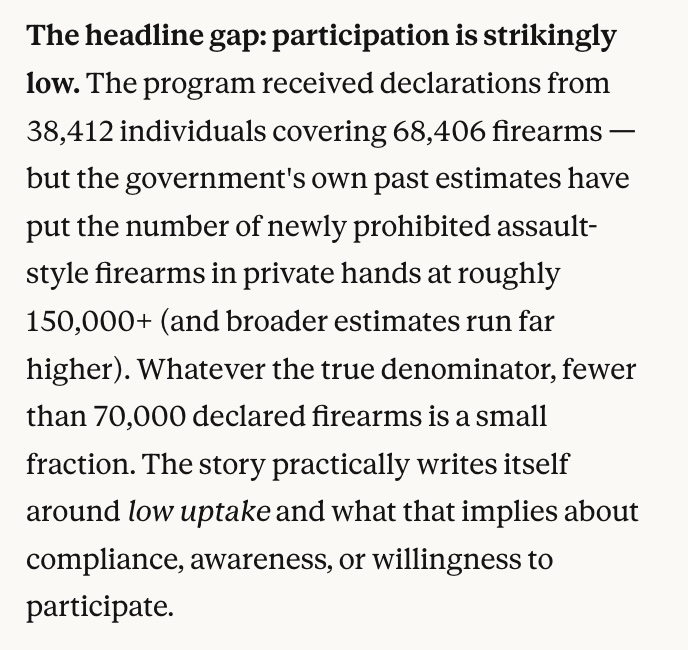
- Strikingly low signups (already known)
- Most-claimed model: GSG-16 (.22)
- 19%: 9 mm PCCs
- 18%: .22 rimfire kids/plinker/gopher guns
ASFCP = GASLIE-T (The Great "aSsAuLt-StYlE" Lie)
5
22
98
2,366
Jun 12
The Government of Canada aims to become the world's No. 1 owner of the GSG-16 plinking gun at a direct cost almost $3 million.
They are threatening to steal it from you and put you in jail unless you sell it to them.
"ASFCP"
1
1
17
487
TheGunBlog.ca retweeted

Jun 12
Even the Public Safety Minister has admitted the Liberals' $1 BILLION gun grab doesn't work.
Now that the Liberal government has been forced to extend the program's amnesty, will the Prime Minister finally END his failed boondoggle?
17
32
121
2,987