Indulge your passion for history with our exclusive products for history lovers and #historynerds in The History List Store.
Joined April 2010
- Tweets 10,283
- Following 1,398
- Followers 4,880
- Likes 5,851
2,578 Photos and videos



Jun 14
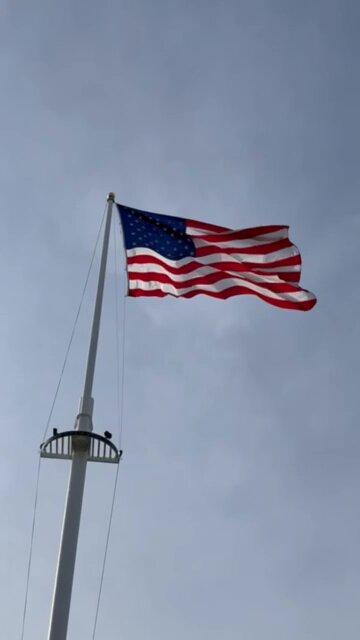
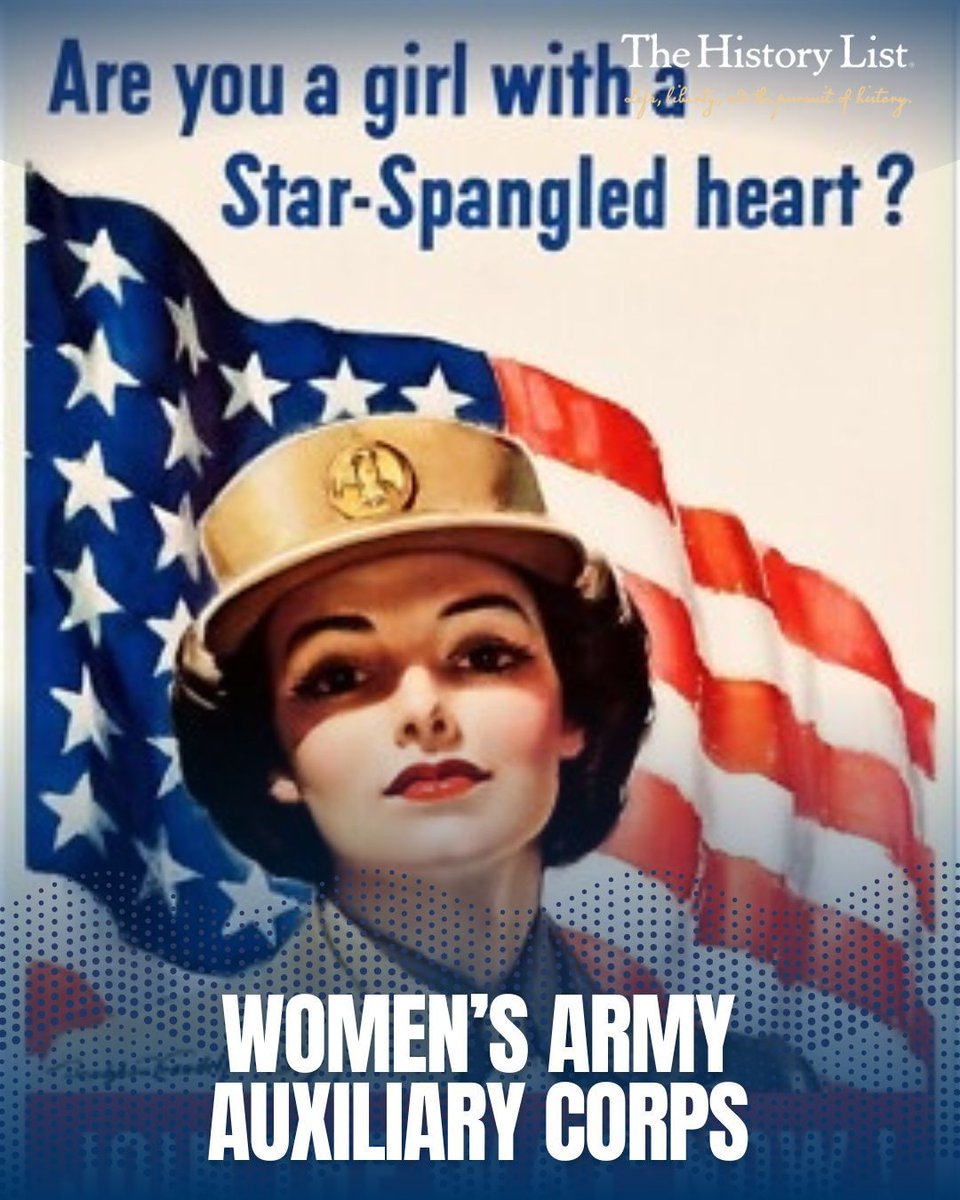
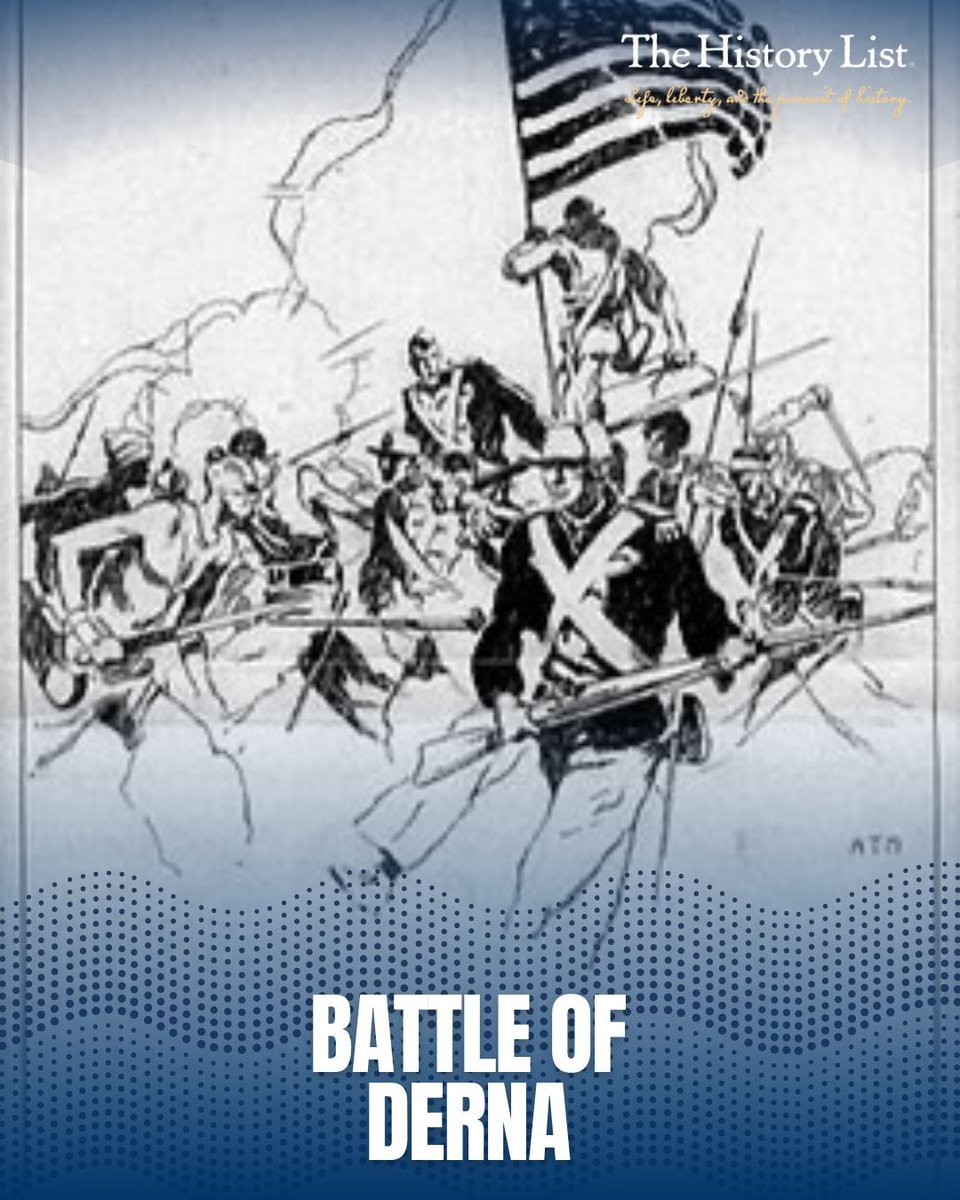
Happy U.S. Army Birthday and Flag Day!
Today, June 14, we celebrate two intertwined milestones in American history:
The 251st Birthday of the U.S. Army: On June 14, 1775, the Second Continental Congress authorized the formation of the Continental Army to defend the colonies. From those first rifle companies to the professional force that helped secure our independence, the Army has embodied service, resilience, and “This We’ll Defend.”
Flag Day: Marking the 1777 adoption of the Stars and Stripes by the Continental Congress—“thirteen stripes alternate red and white” with a union of thirteen stars representing a new constellation. Our flag has flown through every chapter of our nation’s story.
The video ja a flag flying over Lexington Green last year on the 250th anniversary of the battle of Lexington.
1
9
180
The History List retweeted

Jun 11
2/2
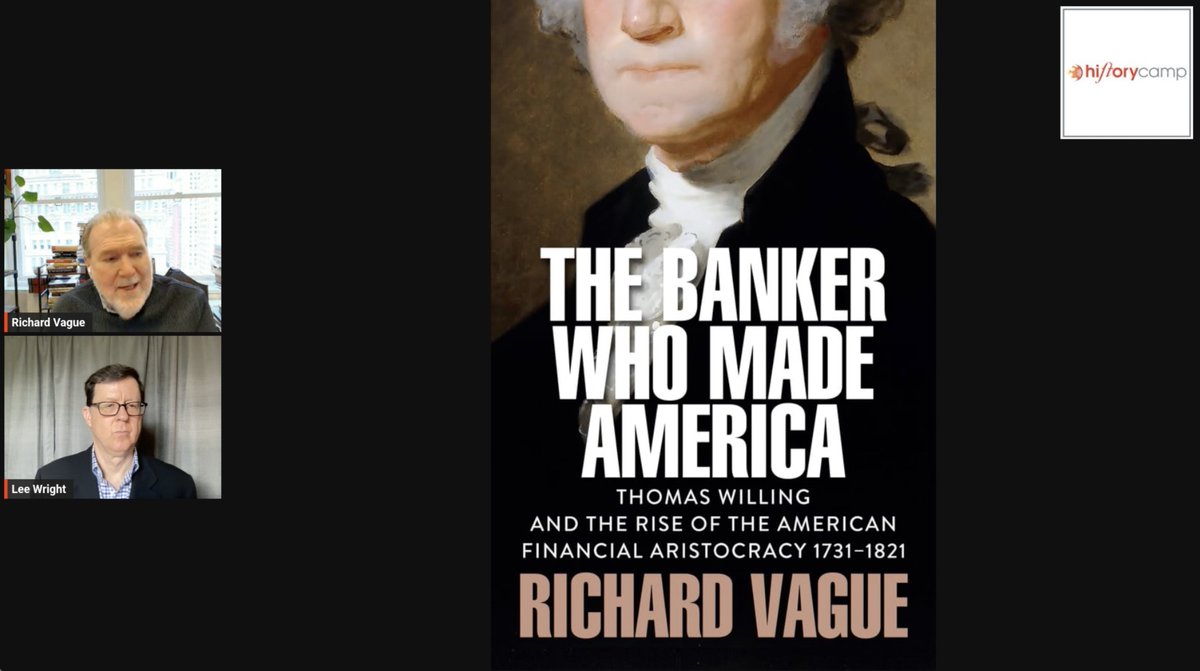
Go to 𝗛𝗶𝘀𝘁𝗼𝗿𝘆 𝗖𝗮𝗺𝗽 𝗔𝘂𝘁𝗵𝗼𝗿 𝗗𝗶𝘀𝗰𝘂𝘀𝘀𝗶𝗼𝗻𝘀 at HistoryCamp.org/discussions. No registration required. Published by @politybooks.
3
1
691
The History List retweeted
Jun 11
1/2
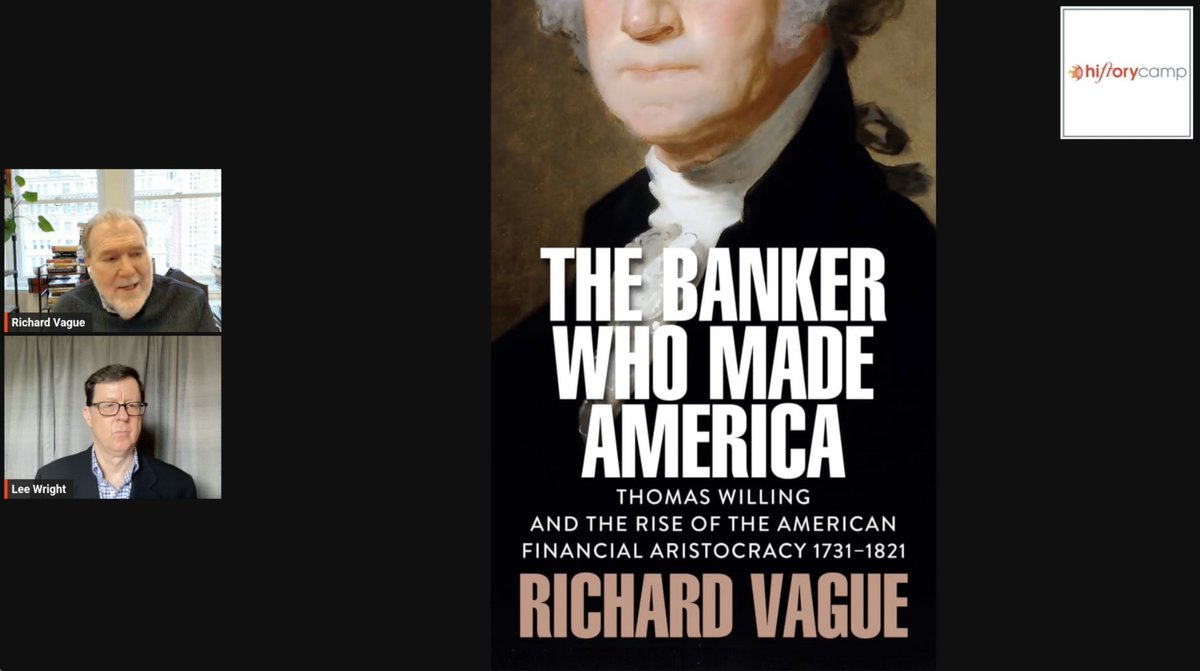
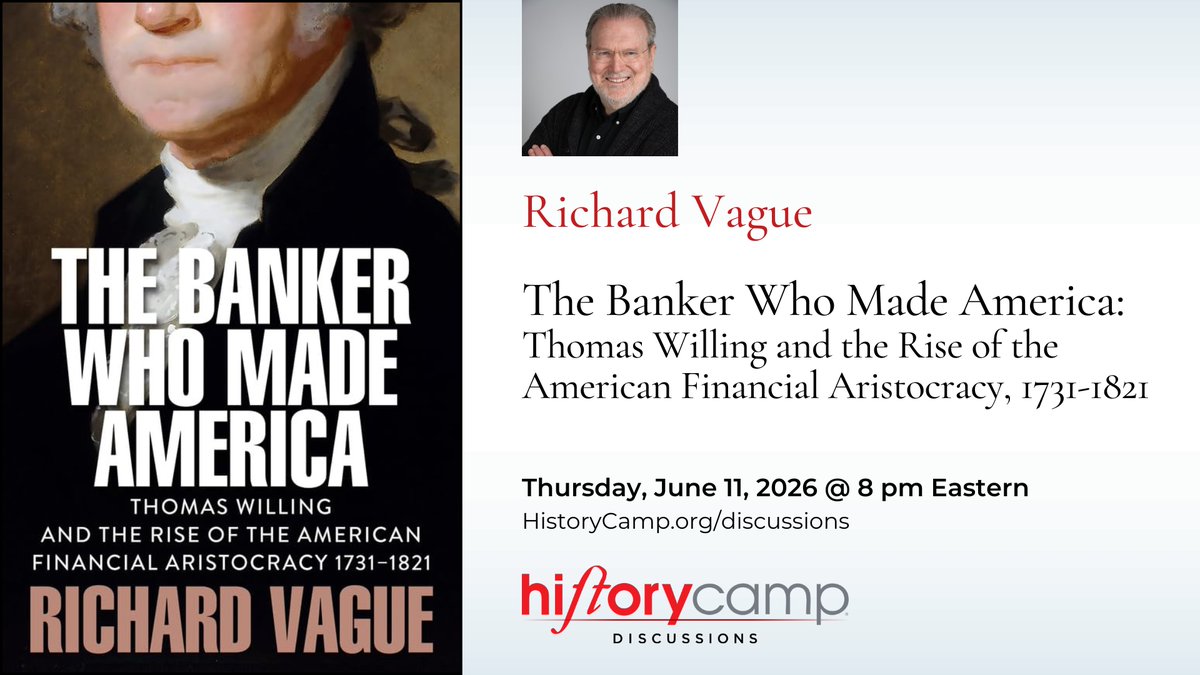
If you want to know more about Thomas Willing, the merchant, banker, and financial leader who helped shape the early United States, join us at 8 pm Eastern for 𝙏𝙝𝙚 𝘽𝙖𝙣𝙠𝙚𝙧 𝙒𝙝𝙤 𝙈𝙖𝙙𝙚 𝘼𝙢𝙚𝙧𝙞𝙘𝙖 with 𝗥𝗶𝗰𝗵𝗮𝗿𝗱 𝗩𝗮𝗴𝘂𝗲.
1
2
1
170
The History List retweeted
Jun 10
If you’ve heard of Robert Morris, then you will definitely be interested in Thomas Willing. Join us Thursday at 8 pm Eastern for 𝙏𝙝𝙚 𝘽𝙖𝙣𝙠𝙚𝙧 𝙒𝙝𝙤 𝙈𝙖𝙙𝙚 𝘼𝙢𝙚𝙧𝙞𝙘𝙖 from @politybooks with Richard Vague on History Camp Author Discussions at HistoryCamp.org/discussions.
3
4
317
The History List retweeted
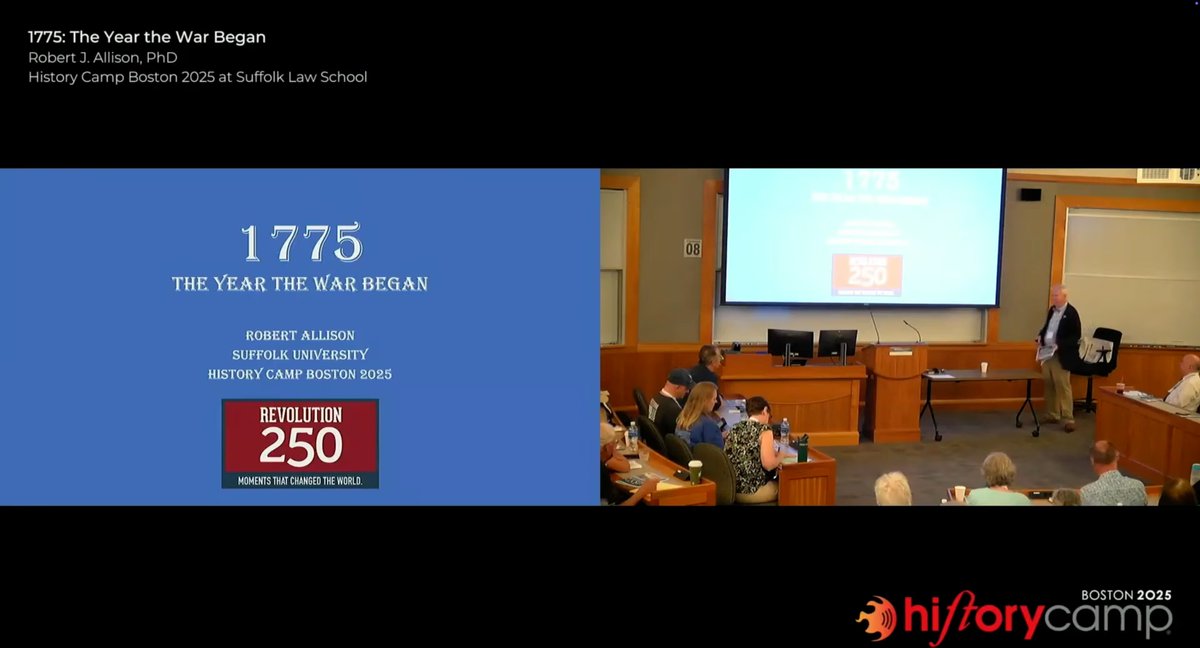
If you missed the streaming of @profallison's History Camp Boston 2025 session, 1775: 𝘛𝘩𝘦 𝘠𝘦𝘢𝘳 𝘵𝘩𝘦 𝘞𝘢𝘳 𝘉𝘦𝘨𝘢𝘯, you can watch it again here: historycamp.org/robert-j-all…
2
1
134
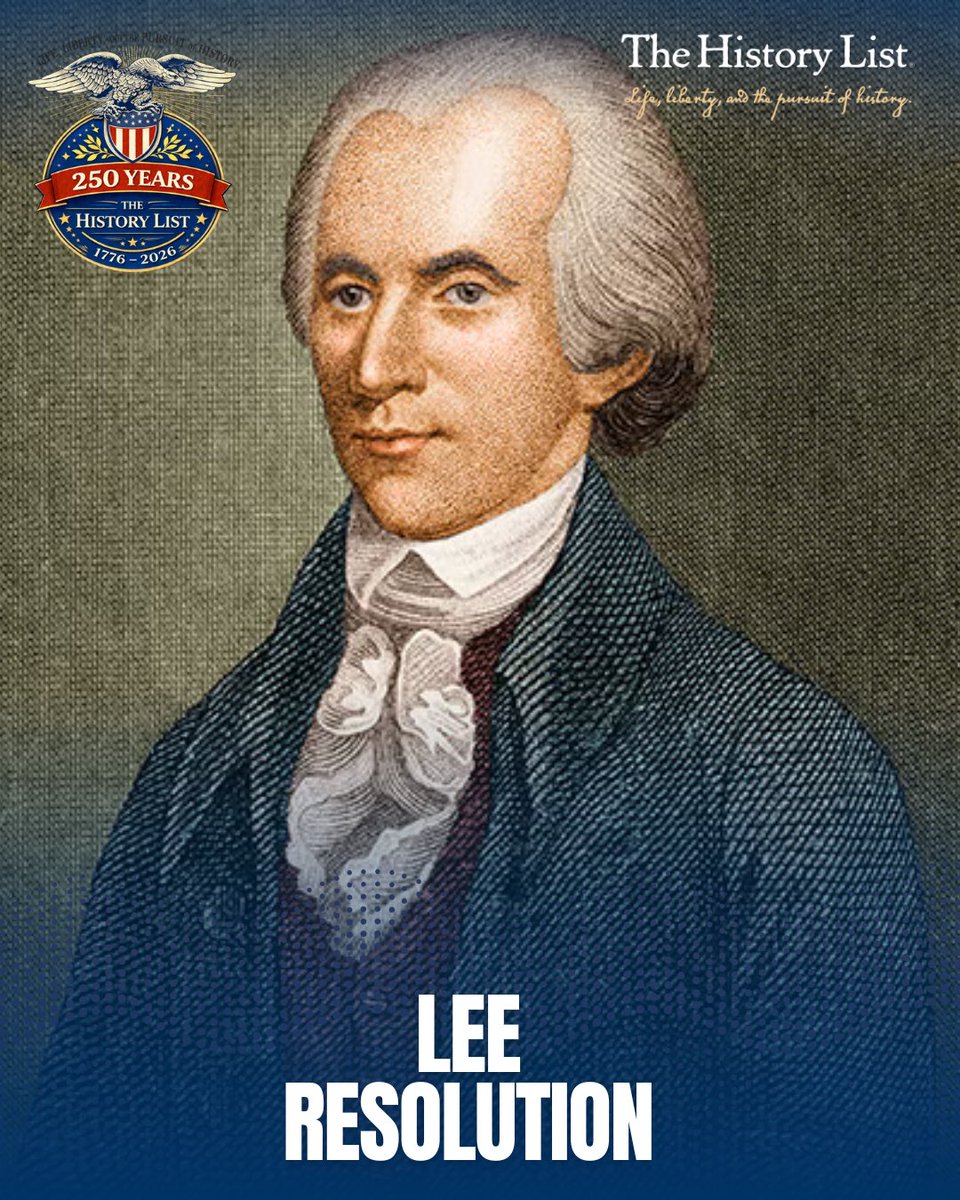
Richard Henry Lee rose to propose the daring resolution that would shatter ties with Britain: the colonies were, and of right ought to be, free and independent states. John Adams seconded it, igniting the chain of events that led straight to the Declaration of Independence.
This single act of courage in Philadelphia marked the true beginning of our journey as a nation.
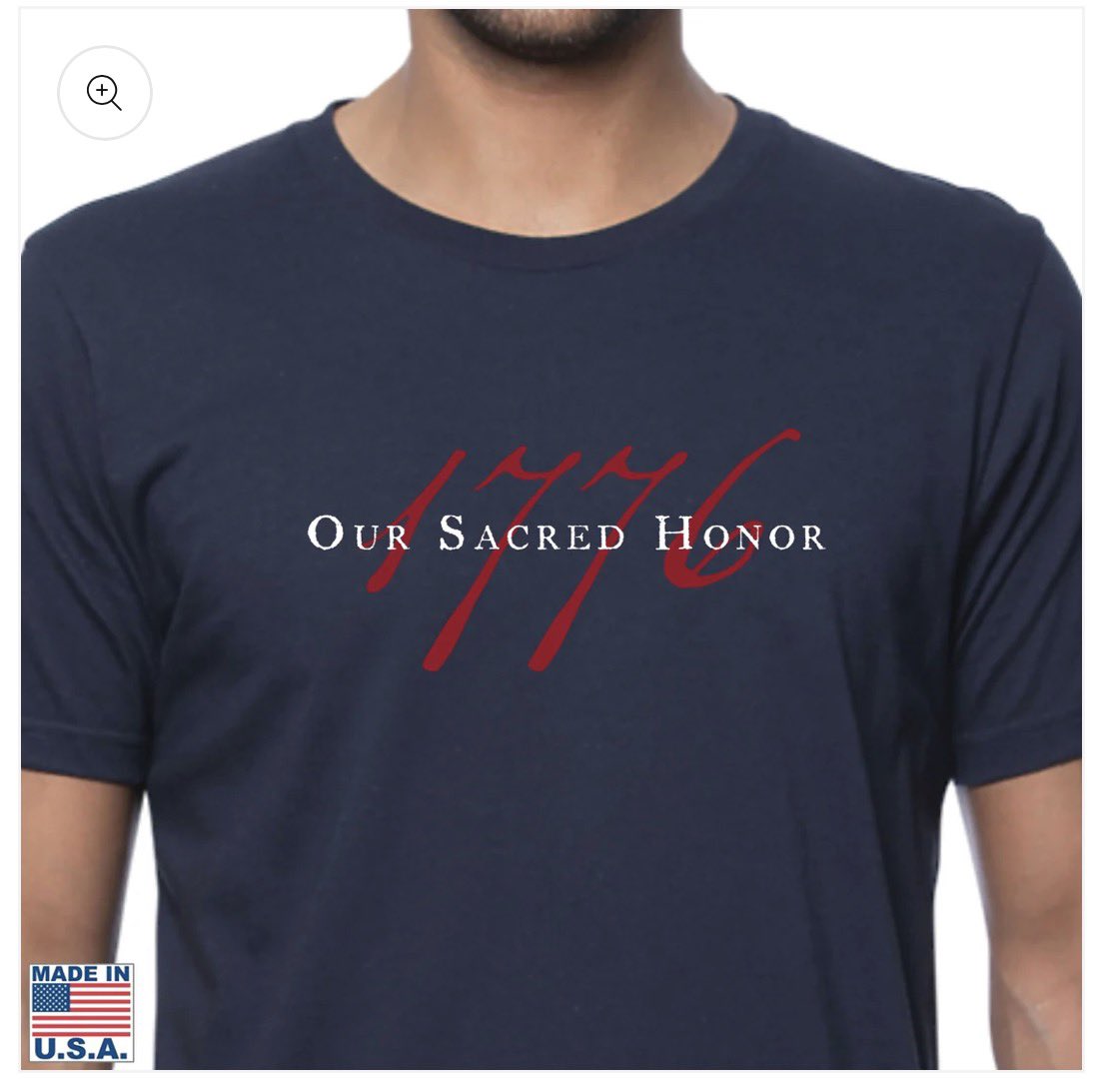
As America counts down to its 250th birthday, honor that revolutionary spirit with exclusive gear from The History List’s America 250 collection — all proudly Made in America:
• USA 1776-2026 retro tees, long sleeves, crewnecks & polos
• “Our Sacred Honor” Declaration designs on shirts, sweatshirts, caps & more
• Huzzah! embroidered caps, magnets, stickers & bandanas
• Limited edition archival prints, tea towels, aprons & even pillow shams
Wear the history. Share the story. Celebrate the milestone.
2
1
7
277
Shop the full collection: store.thehistorylist.com/col…
154
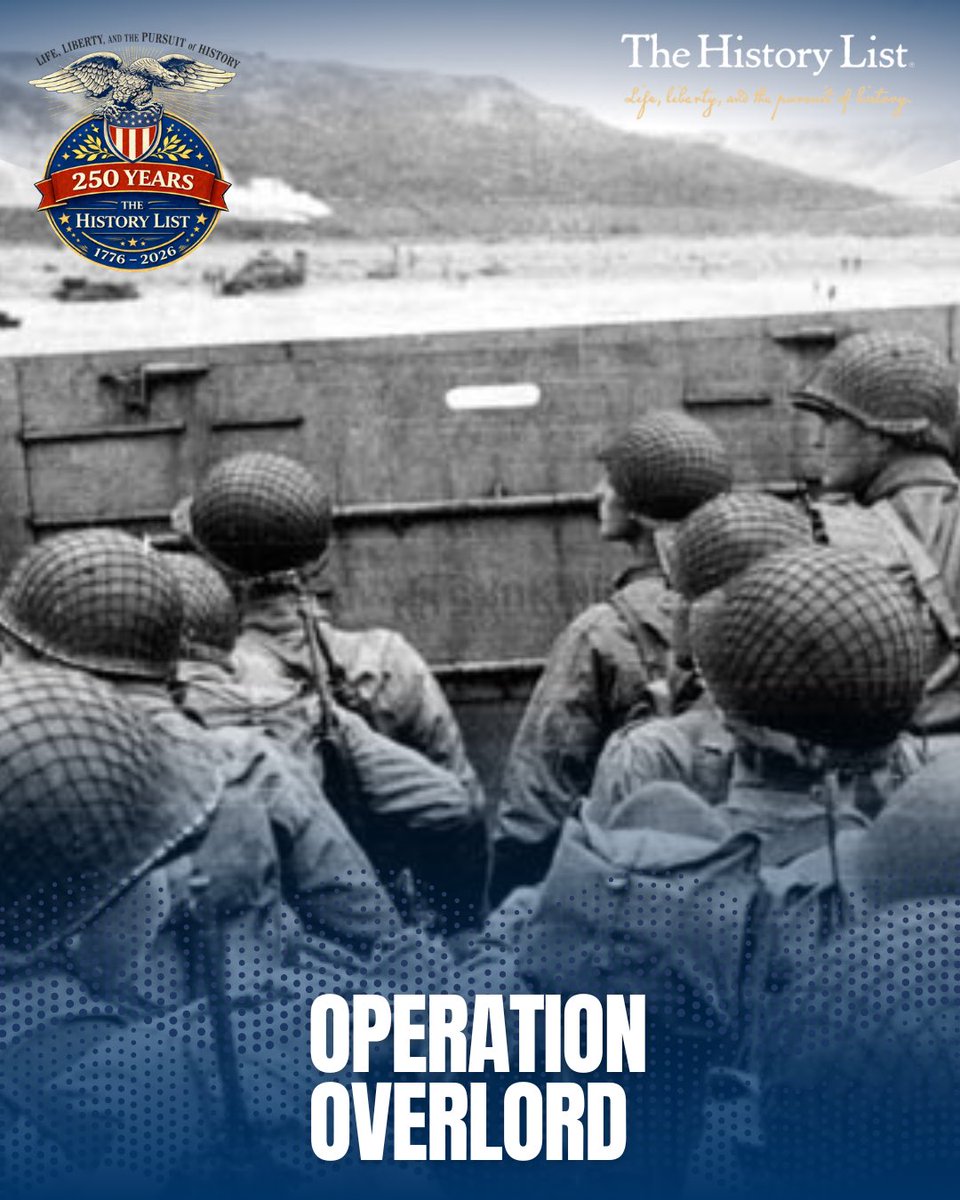
On June 6, 1944, Allied forces launched Operation Overlord, the bold invasion that turned the tide of World War II and helped secure freedom for generations to come. Today, on the 82nd anniversary of D-Day, we honor the extraordinary bravery of those who landed on the beaches of Normandy and the countless lives changed forever.
Wear the history. Honor the legacy. Explore our D-Day and WWII collection, featuring Operation Overlord shirts, the D-Day 80th Anniversary designs, magnets, hoodies, and more, all made in America. Perfect for showing your pride and keeping these stories alive.
1
1
4
147
The History List retweeted

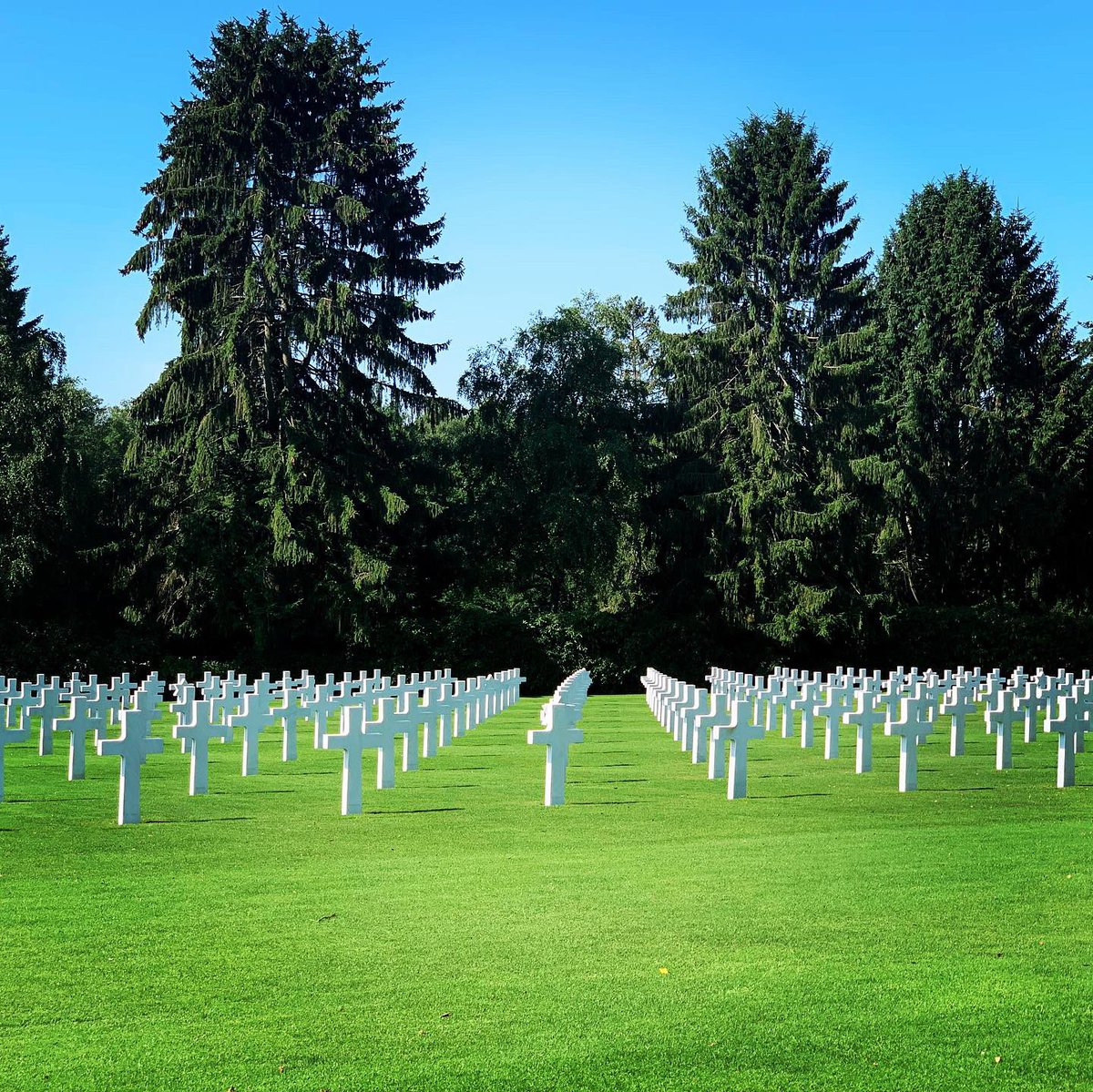
Before sunrise in Normandy, thousands of flags were placed to honor thousands of lives.
@DeptofWar | @USArmy | @USArmyEURAF | @18airbornecorps | @usabmc | @SETAF_Africa | @173rdAbnBde
137
1,700
9,288
214,973
We’ve wanted to do an apron for years, and last night we released our first. It’s based on one of our most popular designs and ships immediately—but hurry since we didn’t order many.
2
86
The History List retweeted

Alex Kershaw’s D-Day coverage has begun.
Every year it is utterly exceptional.
Do ‘Follow’ him and keep up-to-date with his posts:
Jun 4

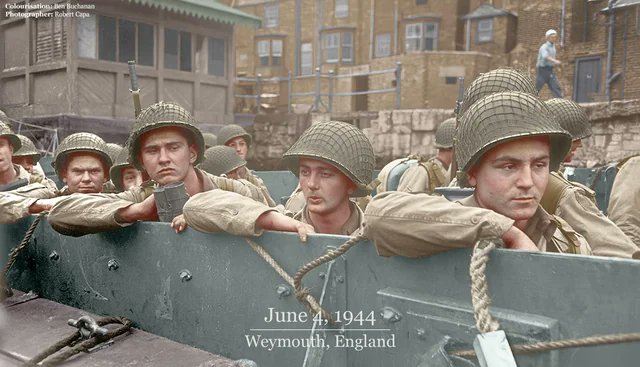
Goodbye to England. Many of the 73,000 US troops who will see action on D-Day, just 48 hours away, are now being ferried to troopships. Photo by the great Robert Capa. @WWIIMemorial
87
1,252
15,826
2,127,244
The History List retweeted
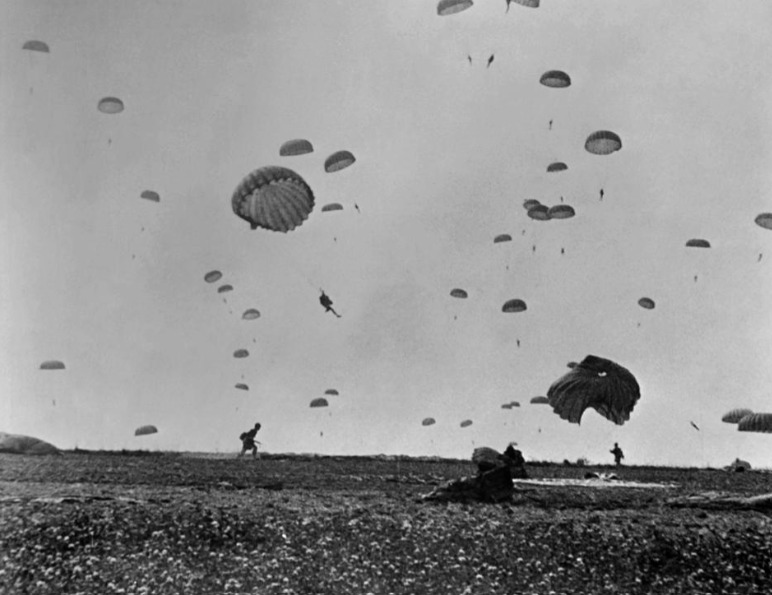
Please do keep an eye on my X page over the weekend.
I have some incredible threads on the way, including first-hand accounts of parachute jumps into Normandy.
You won't read about them anywhere else!
Do 'Follow' along: @DrHelenFry
29
319
2,547
29,506
The History List retweeted

Jun 4
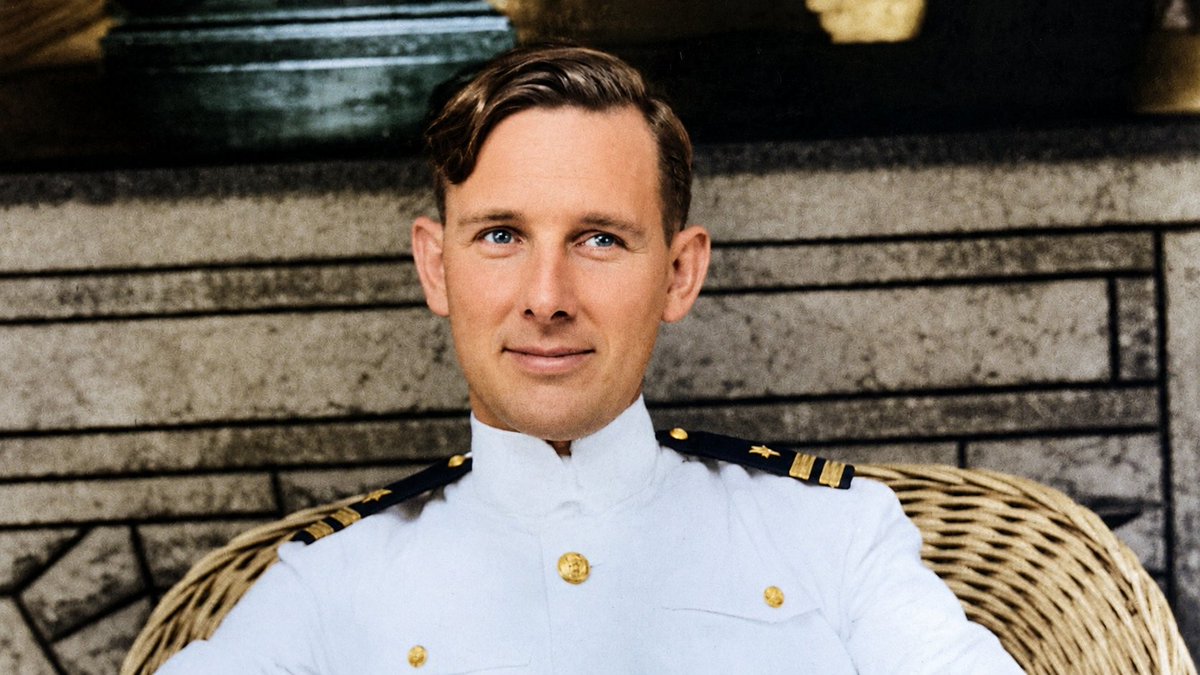
84 years ago today, four Japanese aircraft carriers were burning in the Pacific because of a man who went to work in a smoking jacket and slippers.
Washington took his job, buried his name, and blocked his medal for 44 years.
This is the story of Joseph Rochefort, the codebreaker who saved Midway.
December 7, 1941. Pearl Harbor burns. Rochefort, head of a Navy codebreaking unit on Oahu, takes it personally. He tells a colleague that an intelligence officer has exactly one job: to tell his commander today what the enemy will do tomorrow. On December 7, he believes he failed at it.
He decides he will never fail at it again.
His unit is Station HYPO, hidden in a windowless basement at Pearl Harbor that his men call "the Dungeon." It is cold, damp, and lit like a morgue. Rochefort wears a smoking jacket over his uniform to fight the chill and slippers because the concrete floor wrecks his feet. He works 20 hour days, sleeps on a cot in the basement, and lives on coffee.
His team is just as strange. Brilliant misfit cryptanalysts like Joe Finnegan and Ham Wright, plus the surviving bandsmen of the battleship USS California, sunk on December 7. The musicians turn out to be naturals at running the IBM punch card machines. Sailors who played trombones in November are reconstructing an enemy cipher by March.
Their target: JN-25, the Imperial Japanese Navy's operational code. Tens of thousands of code groups, layered with additives, changed regularly. On a good day HYPO can read maybe 10 to 15 percent of any message. They rebuild the rest from fragments, traffic patterns, callsigns, and Rochefort's freakish memory. He had spent three years in Japan learning the language. He could hold months of intercepts in his head at once.
By May 1942, processing up to 140 decrypts a day, HYPO sees something enormous taking shape. Admiral Yamamoto, the architect of Pearl Harbor, is massing nearly 200 ships for one decisive battle. The target appears in the intercepts as two letters: AF.
Rochefort is certain AF is Midway Atoll.
Washington is certain he is wrong. The Navy's own codebreaking office, OP-20-G, argues for the South Pacific. Others fear Hawaii again, or even the West Coast. The Army wants planes held back to defend San Francisco. If Nimitz bets his last carriers on Midway and Rochefort is wrong, the Pacific is lost.
So HYPO sets one of the great traps in the history of intelligence.
The idea comes from staffer Jasper Holmes. The order goes to Midway by undersea cable, which the Japanese cannot tap: broadcast by radio, in plain language, that your water distillation plant has broken down.
Midway sends the fake distress call.
Two days later, HYPO decrypts a Japanese intelligence report to fleet commanders: AF is short of fresh water.
Two letters, confirmed. The argument is over.
Now Nimitz goes all in. The carrier Yorktown, mauled in the Coral Sea and given 90 days of repairs, is patched up in 72 hours and sent back out. Three American carriers slip northeast of Midway and wait at a spot on the map they name Point Luck.
On May 27, HYPO cracks the Japanese date and time cipher, the final piece. Nimitz's intelligence officer Edwin Layton, Rochefort's closest friend and partner, gives Nimitz a prediction of nearly insane precision: the Japanese carriers will be spotted on bearing 325 degrees, 175 miles from Midway, around 0600 on June 4.
On the morning of June 4, 1942, a PBY scout plane radios in the sighting. Nimitz turns to Layton and says: well, you were only five minutes, five degrees, and five miles out.
What follows are the most consequential ten minutes of the Pacific war. American dive bombers catch the Japanese carriers with fueled planes and stacked ordnance on their decks. By nightfall, Akagi, Kaga, Soryu, and Hiryu, four of the six carriers that hit Pearl Harbor, are gone, along with thousands of men and the irreplaceable core of Japan's elite naval aviators. Six months after Pearl Harbor, Japan's advance across the Pacific is broken. It never recovers.
A basement full of misfits had handed the US Navy the greatest ambush in its history.
Then came the knives.
The same Washington officers who had called Midway wrong now claimed the credit. They whispered that Rochefort was difficult, an ex-enlisted man without the right pedigree. Nimitz recommended him for the Distinguished Service Medal. Washington killed it. Nimitz tried again. Killed again.
In October 1942, four months after the victory he made possible, Rochefort was pulled from HYPO. The man who outwitted Yamamoto spent much of the rest of the war commanding a floating dry dock in San Francisco Bay.
He never lobbied for himself, never wrote a self-serving memoir, and rarely spoke of it. He said his real reward came at Midway itself. He died in 1976, unknown to the public, medal denied.
His old shipmates refused to let it go. Layton and others fought the Navy bureaucracy for years with the declassified record. In 1985 the Navy relented, and on May 30, 1986, President Reagan presented the Distinguished Service Medal to Rochefort's children in the Roosevelt Room of the White House.
44 years late.
One man in slippers, in a basement, out-thought an empire and was punished for being right.
55
558
2,473
149,038
The countdown to July 4 begins today!
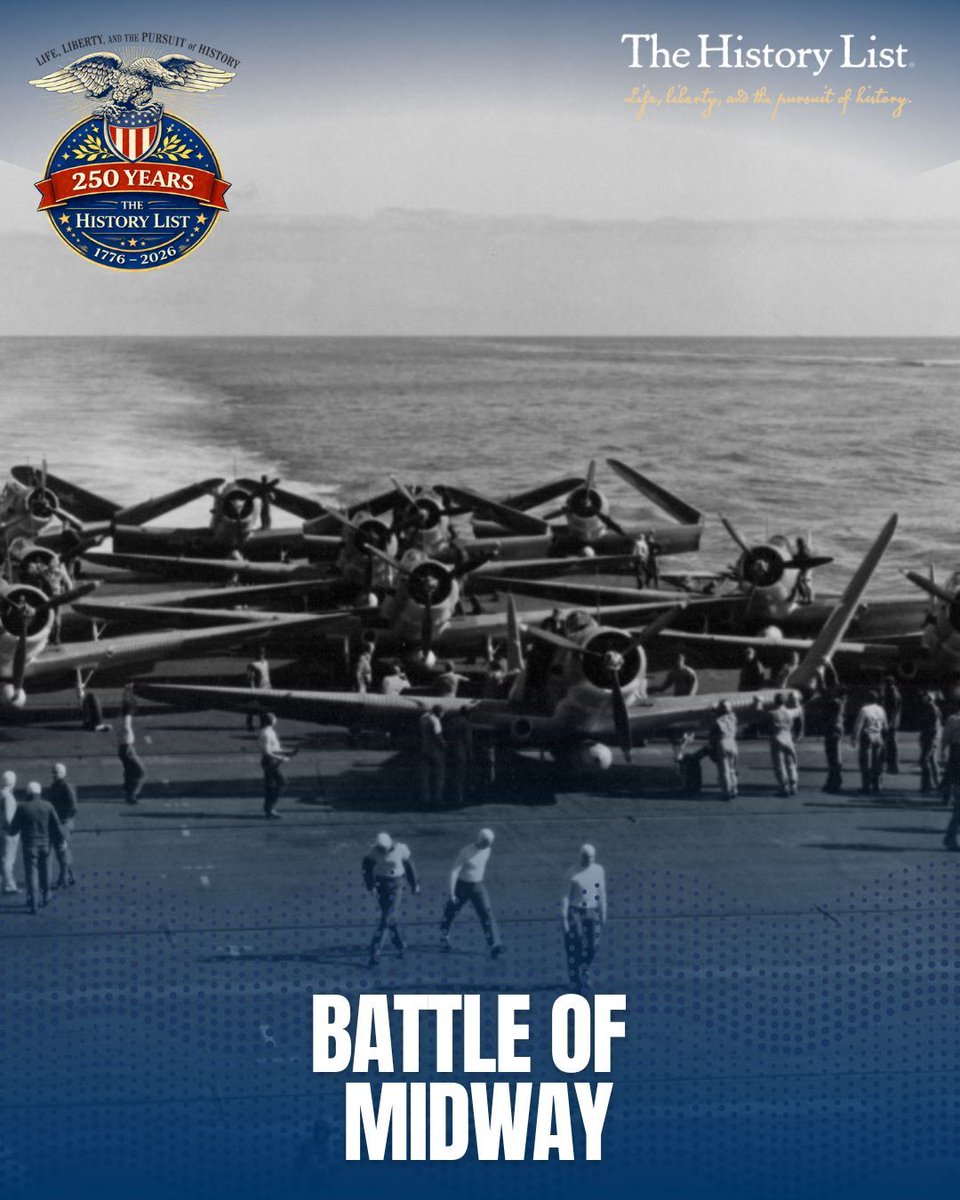
Today, the Battle of Midway, which began on June 4, 1942. Midway was a pivotal U.S. Navy victory. Just six months after Pearl Harbor, Midway resulted in the Japanese losing all four of their elite fleet carriers involved in the battle. Furthermore, Japan suffered the irreplaceable loss of hundreds of its best-trained naval pilots. The United States did lose one carrier, the Yorktown, but the victory had a profound effect on morale in the Pacific and on the home front.
250 years of making America.
1
2
9
229
Our “Victory at Midway” shirt is loaded with history—and only available from us: store.thehistorylist.com/pro…
91
The History List retweeted
Jun 2
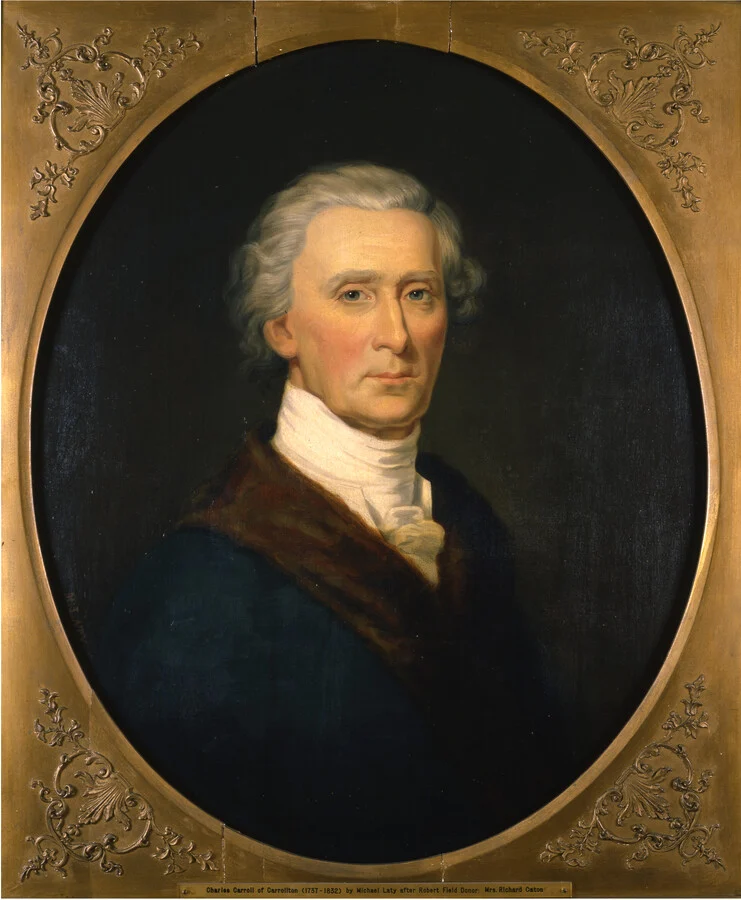
The richest man in America signed a document that could have gotten him hanged, and when someone sneered that he was safe because no one would know which Charles Carroll to come for, he picked up the pen and told the British exactly where to find him.
His name was Charles Carroll, and the colonies were crawling with men who shared it. His own father was Charles Carroll of Annapolis. So when the Declaration of Independence came to him for signing in 1776, a delegate made a cruel little joke. He said Carroll risked nothing by signing. There were so many Charles Carrolls that the King's men would never know which one to hang.
Carroll didn't argue. He leaned over the page and added three words to his signature: "of Carrollton." The name of his estate. His address. He was the only signer in the entire room who wrote down where he lived, and he did it on purpose, so that if the British wanted to come hang the traitor, they would know exactly which door to knock on.
That is who Charles Carroll of Carrollton was.
Here is what makes the moment even sharper. He was not a man with little to lose. He was the single wealthiest man in the thirteen colonies and the largest private landowner among them. While George Washington and John Hancock get talked about as rich men, it was Carroll who topped them all. When he signed, he was wagering the biggest personal fortune in America against a noose.
And he was the last man anyone would have expected to be there at all. Carroll was Catholic. In colonial Maryland, a colony founded as a Catholic refuge that had since turned on its own, Catholics could not vote. They could not hold public office. They could not worship in public. The most educated, wealthiest man in America was, in the eyes of the law, a second-class subject barred from the very government he was helping to create. He had spent seventeen years being educated by Jesuits in France and spoke five languages fluently, and back home he still could not legally cast a ballot.
So he became the only Catholic to sign the Declaration of Independence, putting his name on a revolution that he hoped would build a country with room for men like him. That was its own enormous bet, made by a man the existing system had already shut out.
Then he simply outlived everyone.
Thomas Jefferson and John Adams both died on the same astonishing day, July 4, 1826, exactly fifty years after the Declaration. When they were gone, Charles Carroll of Carrollton was the last living signer left on earth. For six more years he was the final human link to that room in Philadelphia, the last hand that had signed, a living relic of the founding that ordinary Americans traveled to see and shake.
He finally died in November 1832 at the age of ninety-five, fifty-six years after he wrote his address on a treason document and dared the empire to come find him.
The richest man in America. The only Catholic. The last one standing. He had more to lose than any of them, every legal reason to stay quiet, and he signed his full address anyway.
We remember the names we were handed in school. We forget the man who made sure his couldn't be mistaken for anyone else's.
Which Founding Father do you think history shortchanged the most?
327
2,761
12,249
666,656
The History List retweeted

May 31
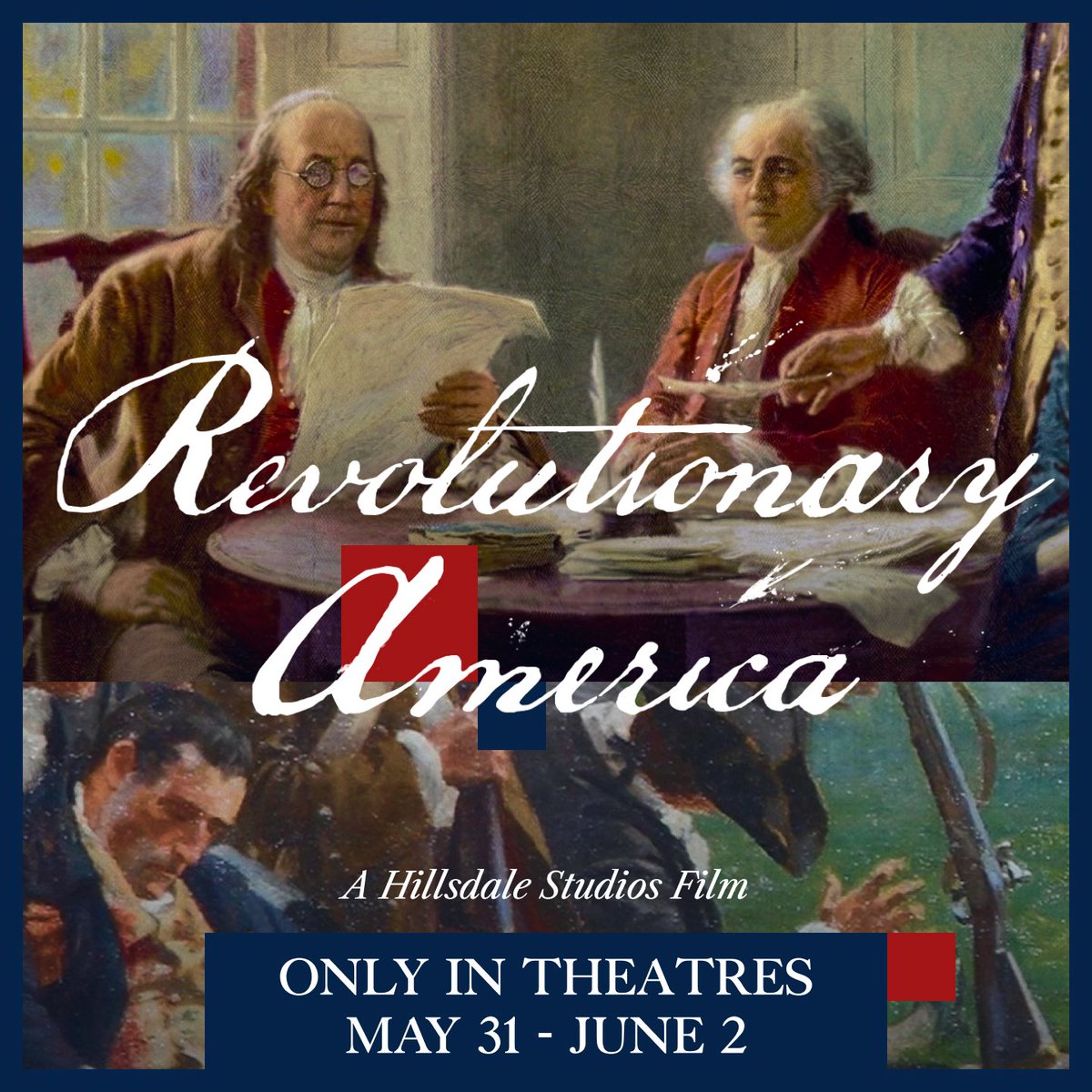
The film #RevolutionaryAmerica begins today. It is only in a select theater near you until June 2. #America250 🇺🇸

The forging of our nation 🇺🇸
As our nation's 250th anniversary nears, watch "Revolutionary America" in theatres to see the Revolution like never before.
Tickets on sale now! bit.ly/4cjA4uN
1
4
330
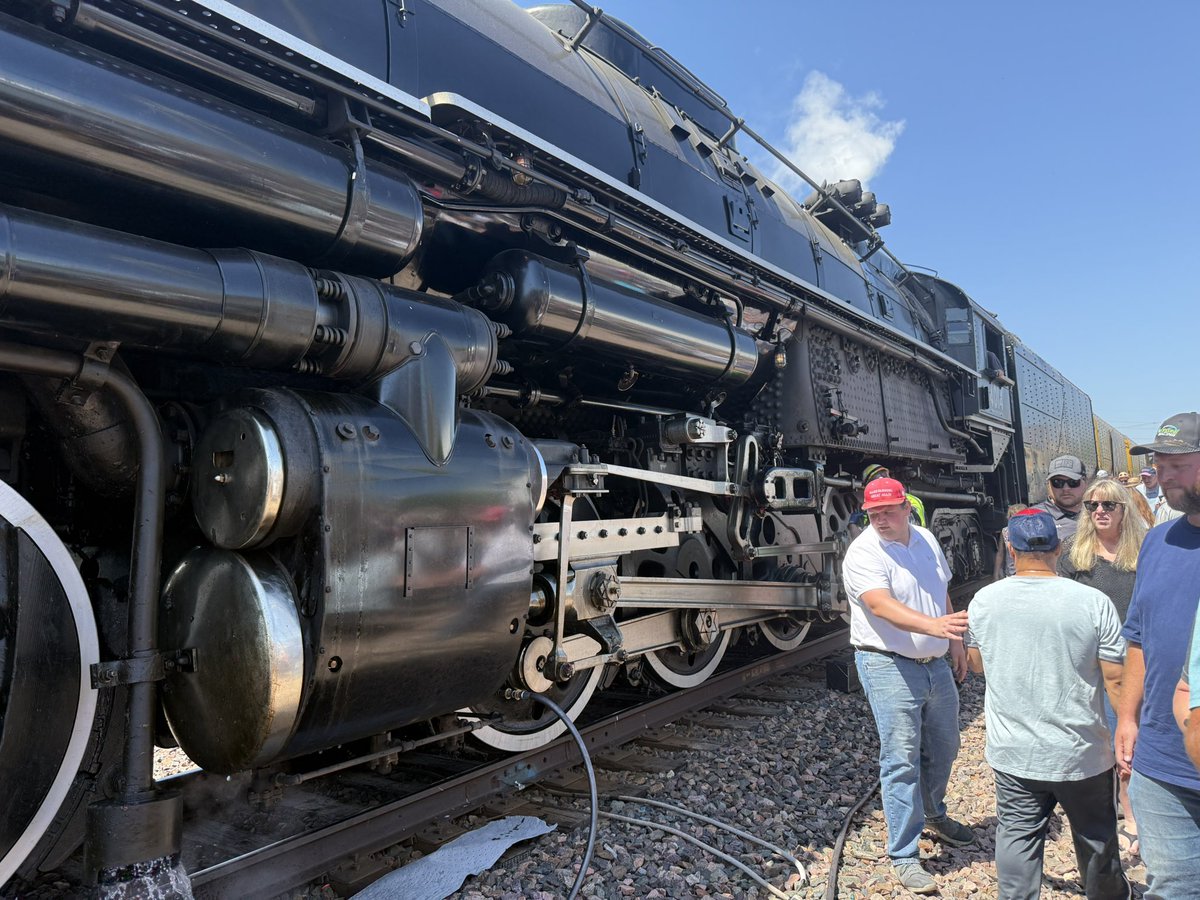
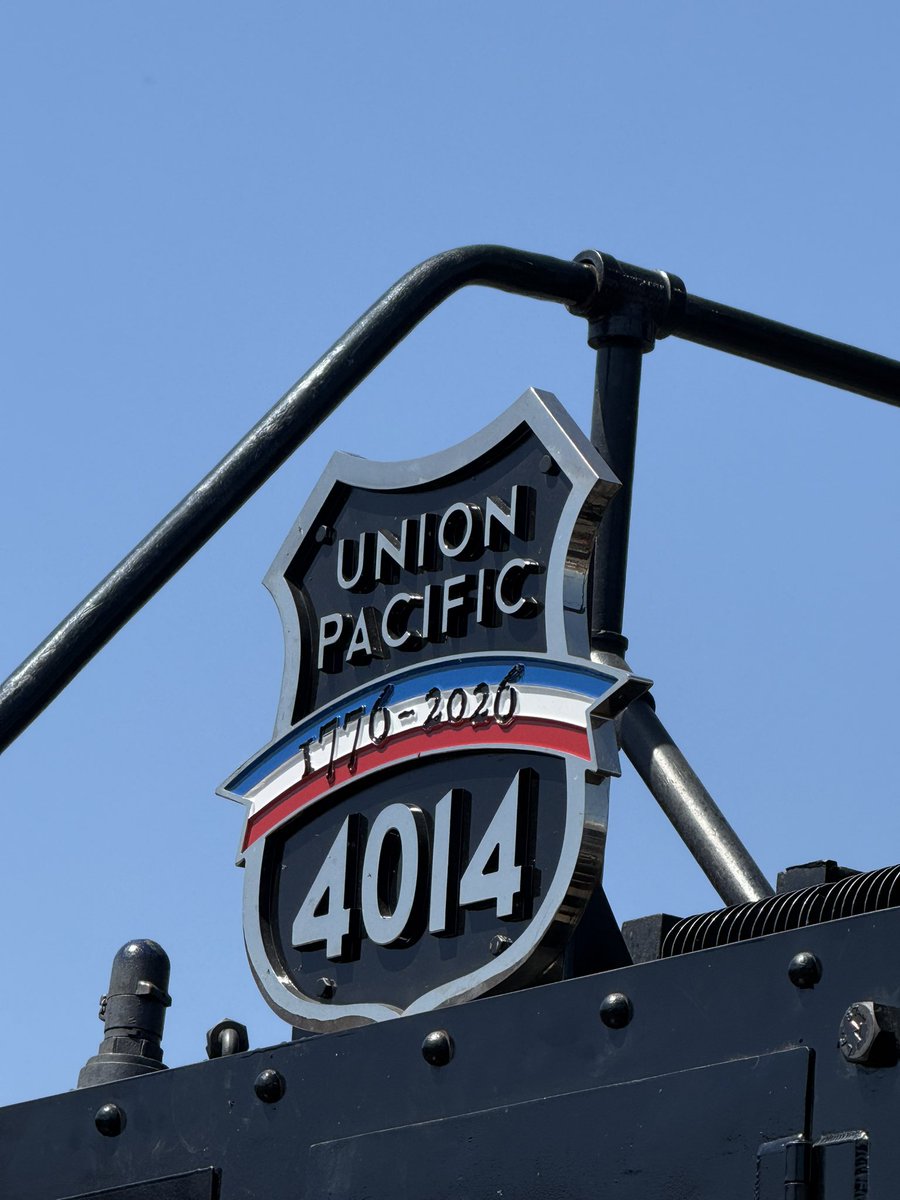
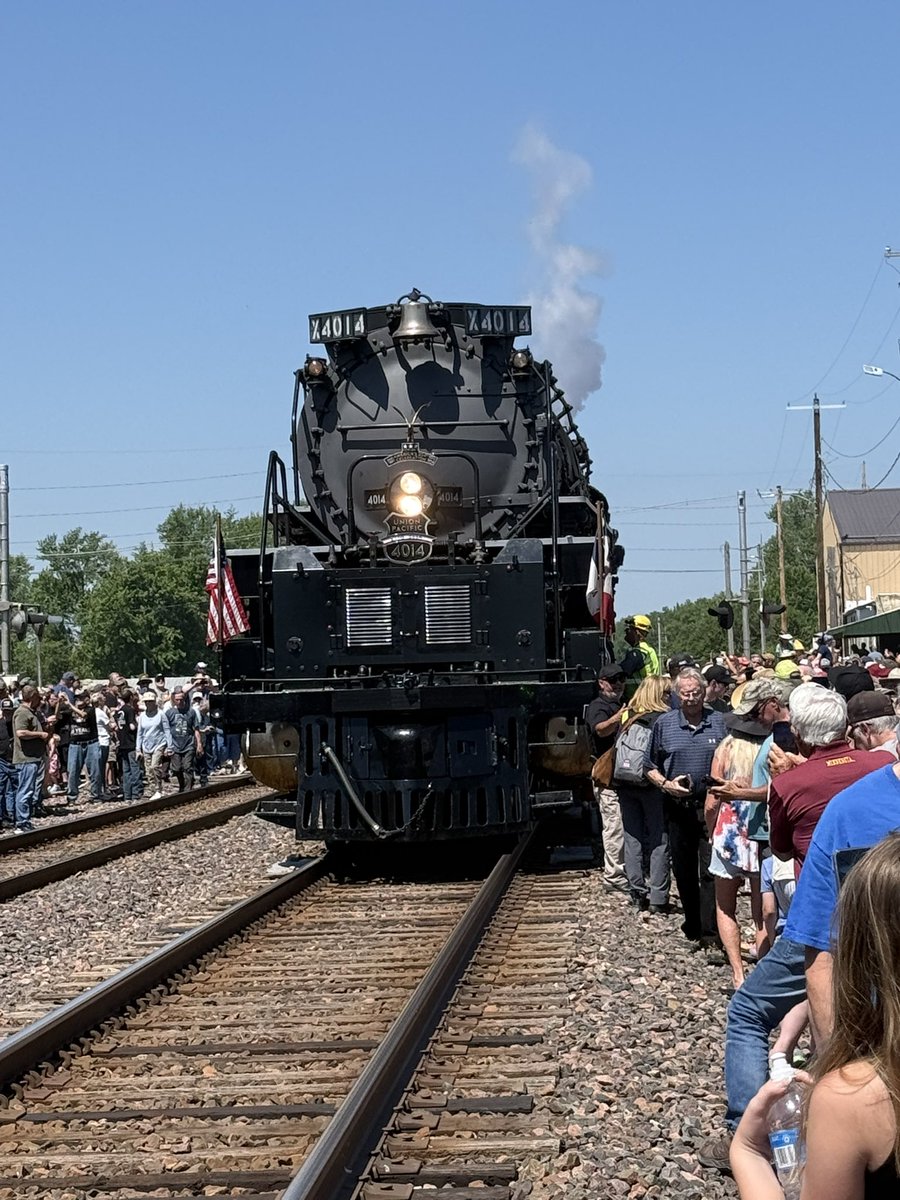
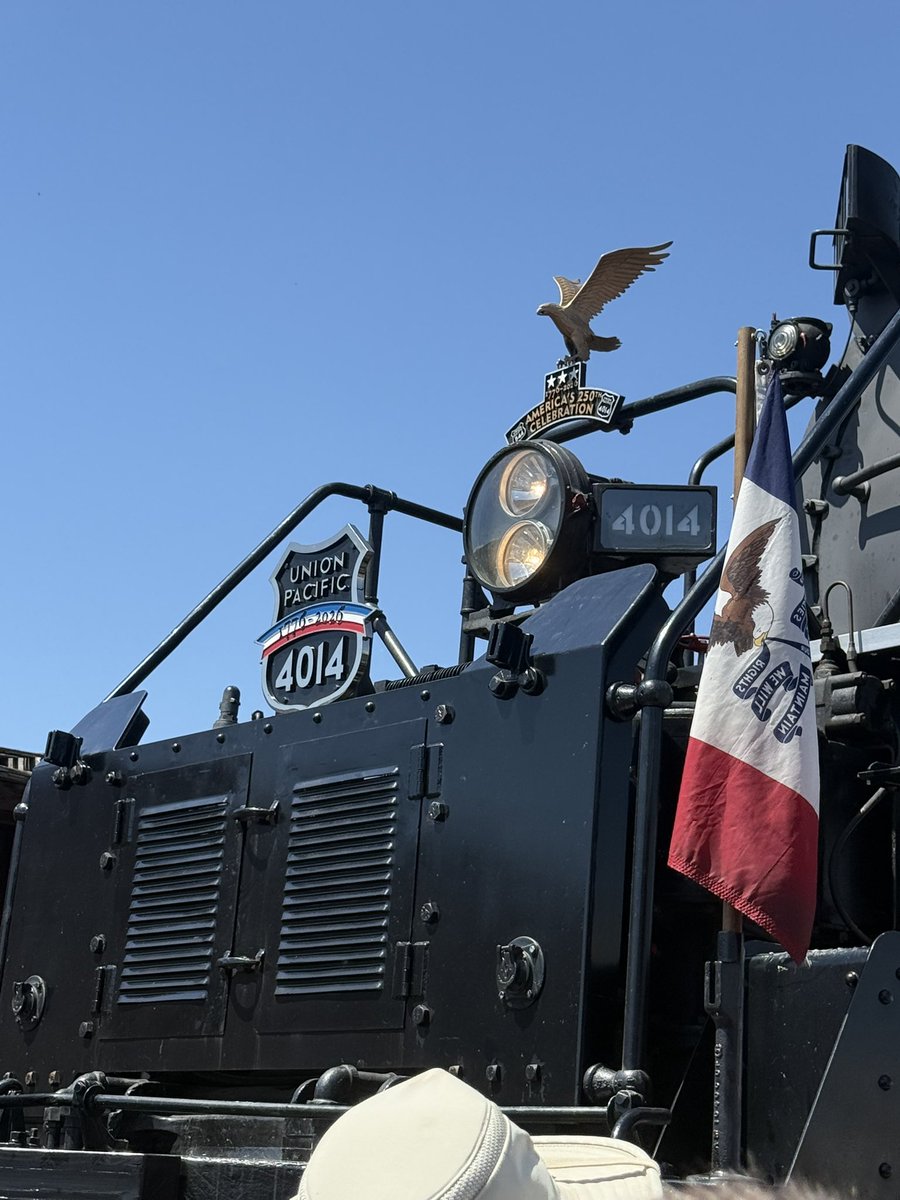
Heading East to Philadelphia for the Fourth! @UnionPacific Big Boy No. 4014 is the world’s largest operating steam locomotive. Of the eight remaining Big Boys in existence today, No. 4014 is the only one still in operation.
This was a multi-year restoration effort. Bravo to the UP for making the commitment and then bringing her East for our nation’s 250th.
There are several stops along the way. Check their site for their schedule and a map that tracks the train’s progress.
5
67
426
9,337