"I will steer my life and thoughts as if the whole world was to witness the former and read trough the latter" -- Seneca
Joined January 2011
- Tweets 3,930
- Following 770
- Followers 3,723
- Likes 11,947
1,662 Photos and videos
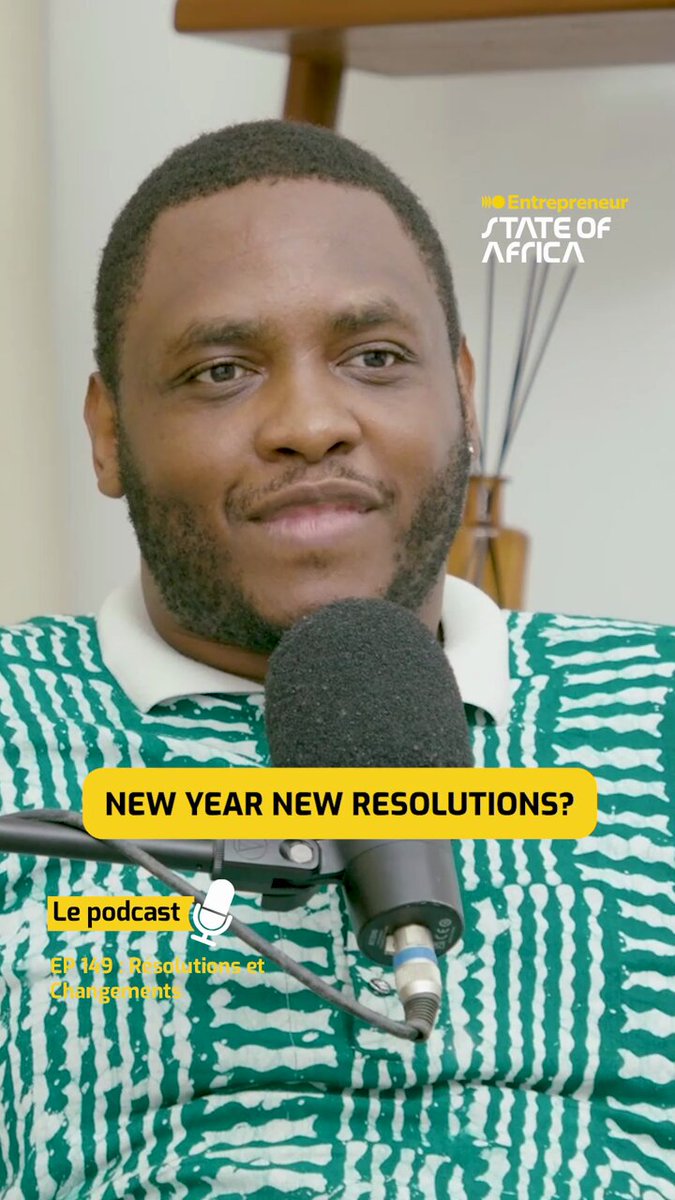
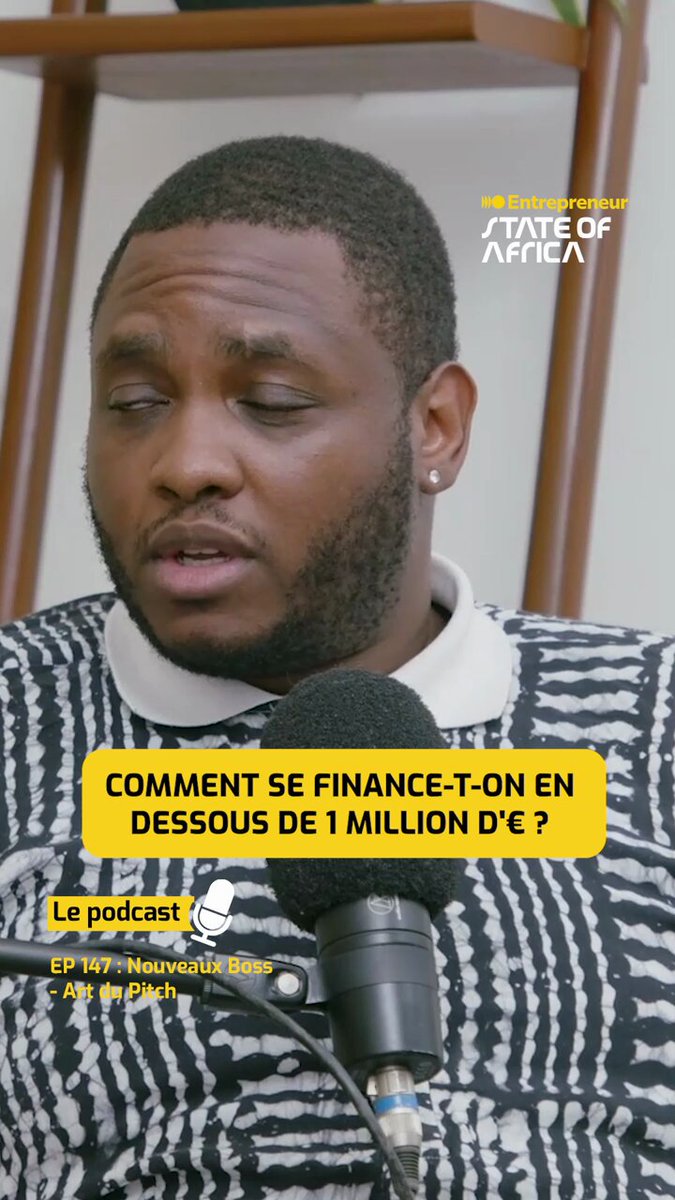

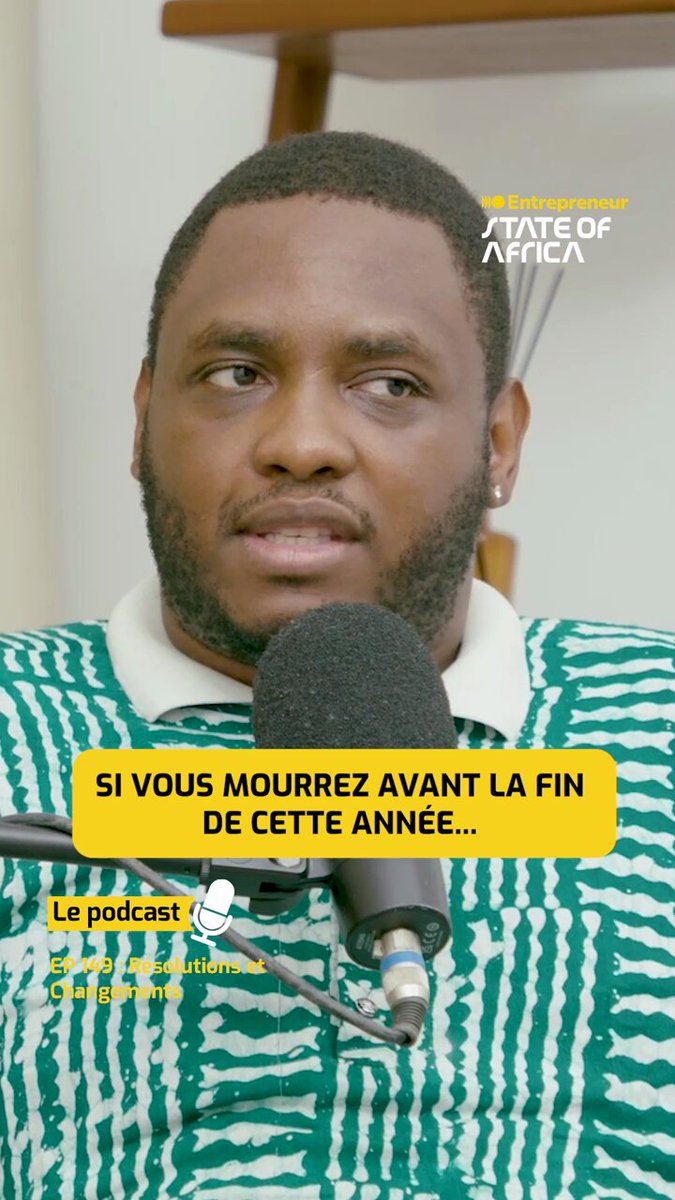
Pinned Tweet

1 Oct 2023
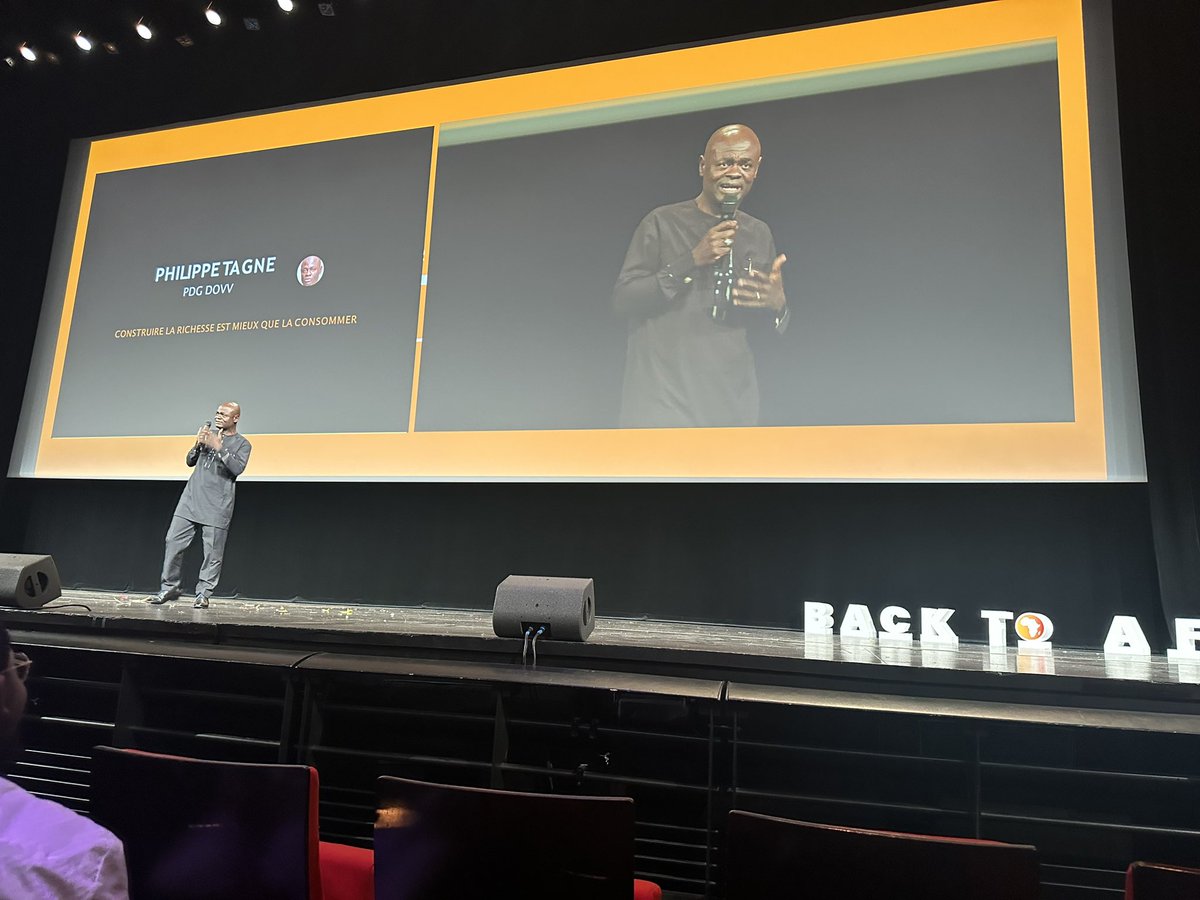
“Pour tuer la peur [de rentrer, d’entreprendre, de réussir], il faut tuer le confort” - Philippe TAGNE
#BackToAfrica est vraiment l’événement de l’année, à tout point de vue 👏🏾👏🏾👏🏾
4
53
255
172,120
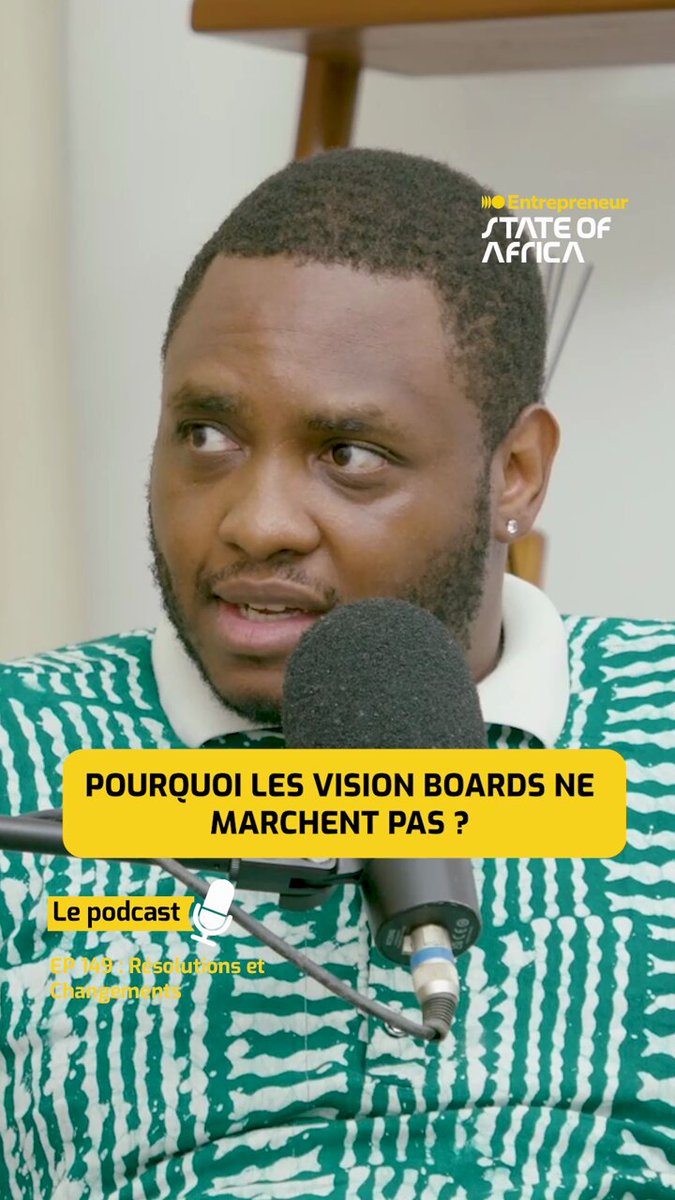
Beaucoup de gens ont un vision board.
Combien ont un plan d’exécution ?
2
2
35
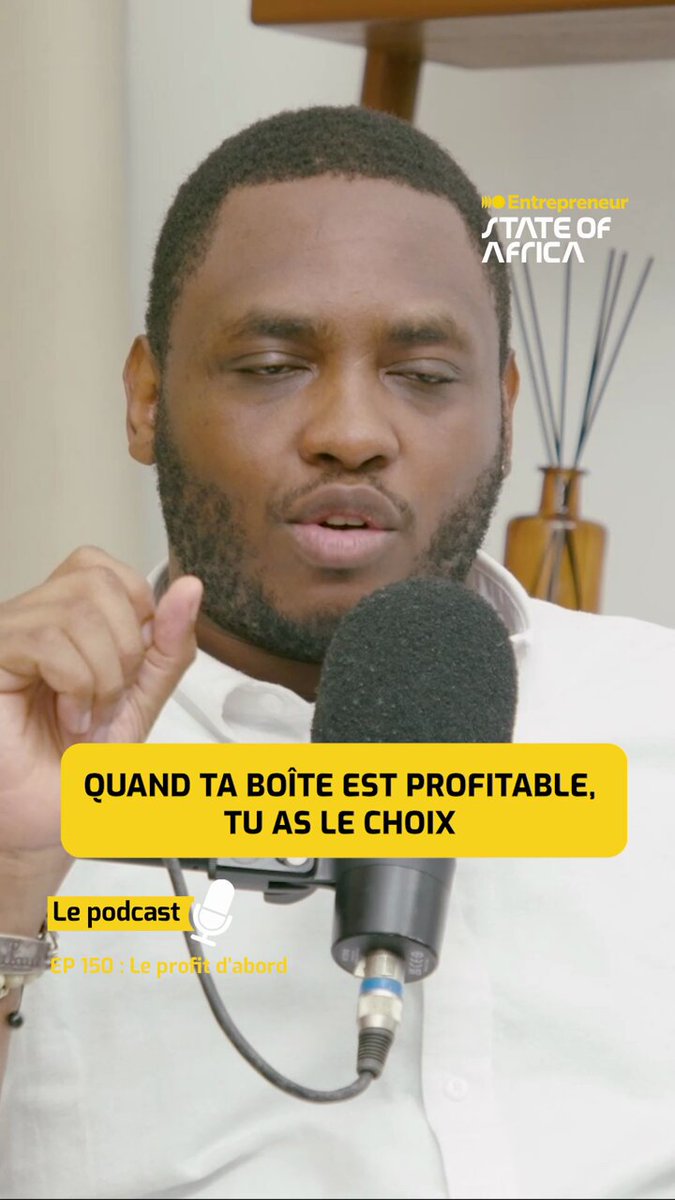
Le profit achète quelque chose de bien plus précieux que l’argent : le choix.
1
1
35
Moulaye Tabouré retweeted

Jun 15
Why Launch Africa returned $2.5 million to investors after 11 exits :
Launch Africa, the pan-African venture capital firm with more than 180 portfolio startups, has returned $2.5 million to investors in its first fund after completing 11 exits, joining the small group of African investors that have actually returned liquidity to limited partners (LPs).
African venture capital has had a returns problem. Funds were raised aggressively between 2018 and 2022, deployed across hundreds of startups, and then hit the same wall as the rest of the global venture market in 2022, when exits began drying up.
According to Carta, the cap-table software firm, only just over half of 2020-vintage funds had returned any capital to LPs by the end of 2025, and roughly 15% of the nearly 2,900 US venture funds made their first distribution only during 2025. In Africa, the picture has been worse.
Read more : techcabal.com/2026/06/15/lau…
1
10
31
12,572
Jun 15
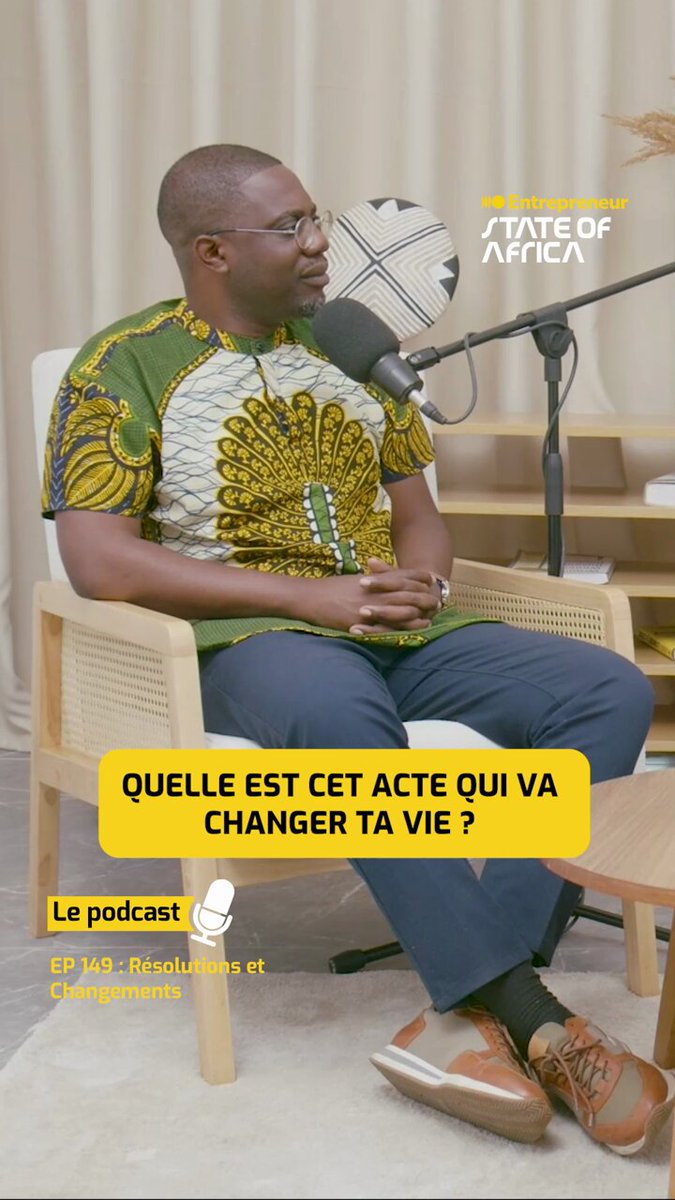
Selon toi, quelle décision a eu le plus grand impact sur ta vie jusqu’à aujourd’hui ? 👇🏾
1
4
97
Moulaye Tabouré retweeted

Jun 12
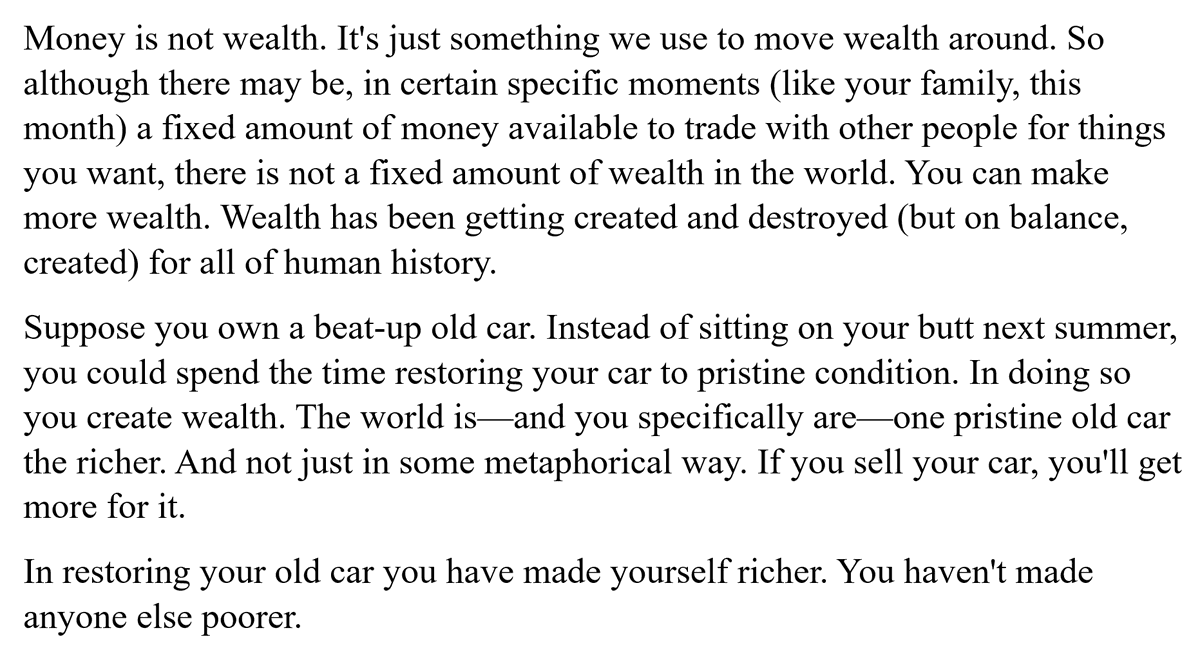
A lot of people seem angry that Elon is now a trillionaire, so it’s worth reminding them that he didn’t achieve this by making anyone else poorer. Wealth isn't zero-sum. Paul Graham explained it well:
paulgraham.com/wealth.html
106
689
3,996
118,701
Moulaye Tabouré retweeted

Jun 12
Elon just created 4,400 millionaires in a single day.
400 of them are now worth over $100 million.
These aren't VCs. They're SpaceX employees, and the list includes welders, technicians, and cafeteria staff, because for two decades the company paid every level of the workforce in stock instead of higher salaries.
Juan Hernandez immigrated from Mexico and took a $28 an hour contractor welding job in 2015. He says he didn't even know what SpaceX was. The company gave him a $10,000 equity grant and let him buy more shares through payroll deductions. That stake is now worth $880,000.
Trevor Hise's parents wanted him to take a stable job at General Electric. He picked SpaceX instead, stayed 12 years, and accumulated over 100,000 shares. At the $135 listing price that's $13.5 million. He's 37 and semiretired. His words: "The magnitude of this has been ridiculous."
The most telling detail came before the listing. Over 100 employees quietly banded together and negotiated a group wealth management deal covering up to $5 billion, because none of them had ever needed a wealth manager before.
Software IPOs have minted millionaires for 30 years. This is the first one where the money went to the factory floor.
3,276
25,630
142,031
7,488,598
Jun 12
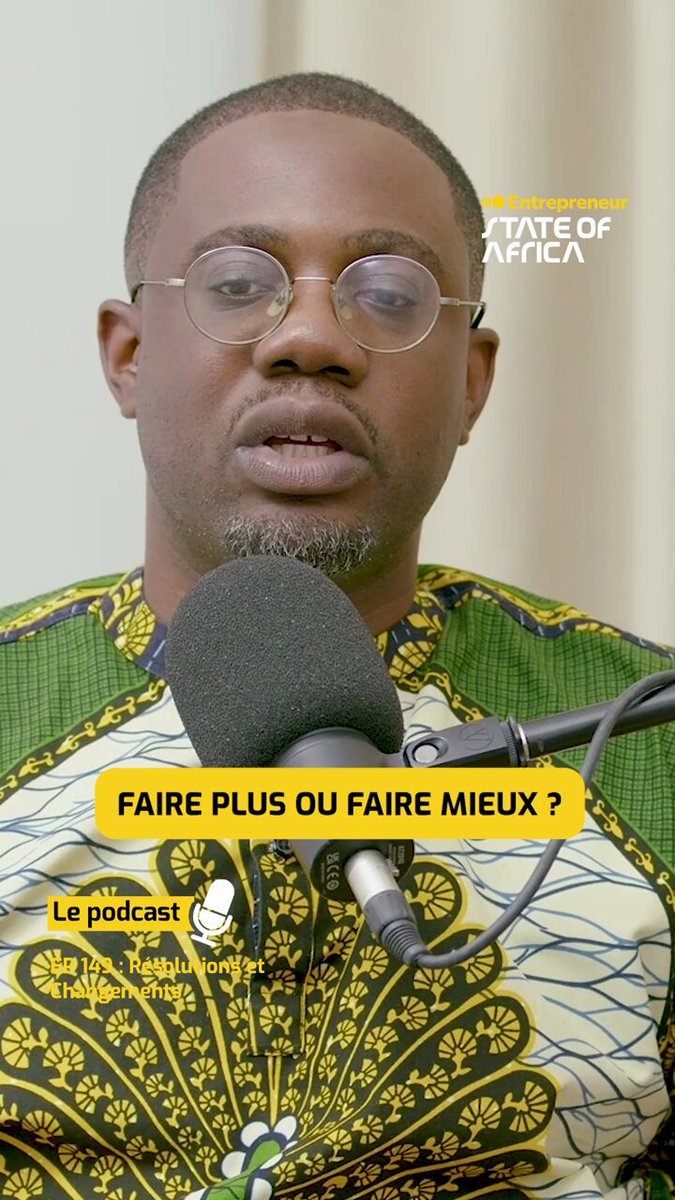
Les résolutions sont souvent émotionnelles.
Les objectifs, eux, demandent un plan.
1
3
126
Jun 12
Selon toi, quelle est la meilleure source de financement pour démarrer un business sans lever de fonds ? 👇🏾
2
3
157
Jun 11
Quelle est la résolution que tu t’étais juré de tenir… et que tu as abandonnée quelques semaines plus tard ? 👇🏾
3
6
281
Jun 11
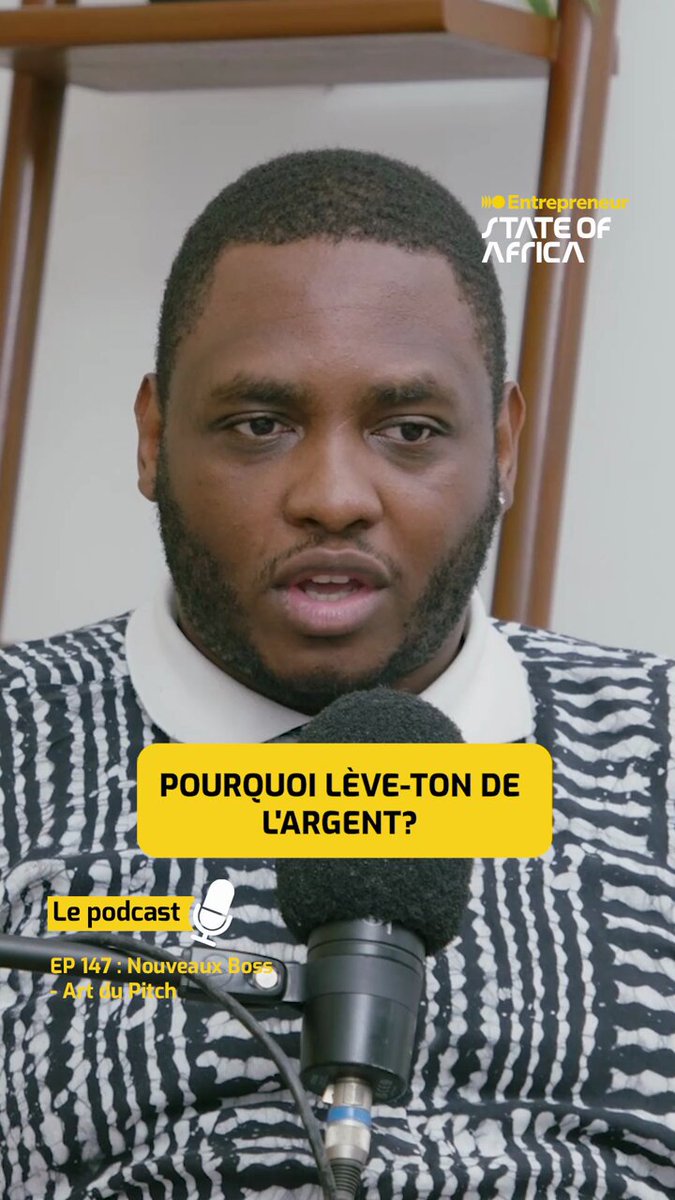
Tous les entrepreneurs parlent d’argent.
Peu parlent de ce qui permet réellement d’en obtenir.
2
3
73
Jun 10
Dans 5 ans, quelles seront les conversations que nous aurions dû écouter plus tôt ? 👇🏾
Parce que celle-ci pourrait bien en faire partie.
2
5
125
Jun 10
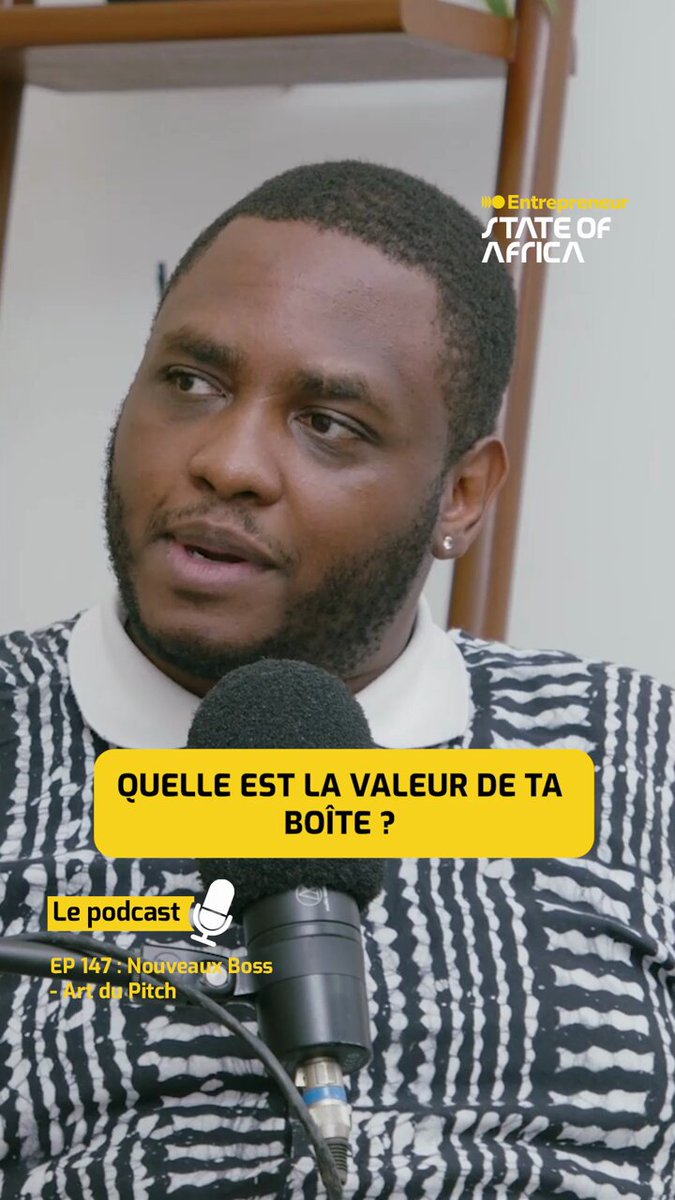
Les investisseurs n’achètent pas des intentions.
Ils regardent les preuves.
3
10
494
Moulaye Tabouré retweeted

Jun 8
Uber Tried to Take Over the World, but Nigerian Drivers Taught Them a Lesson They’ll Never Forget! 😂
1,055
5,757
26,621
2,748,989
Moulaye Tabouré retweeted

Chale!!! We are on the wrong side of consulting 🤯🤯🤯
Jun 7

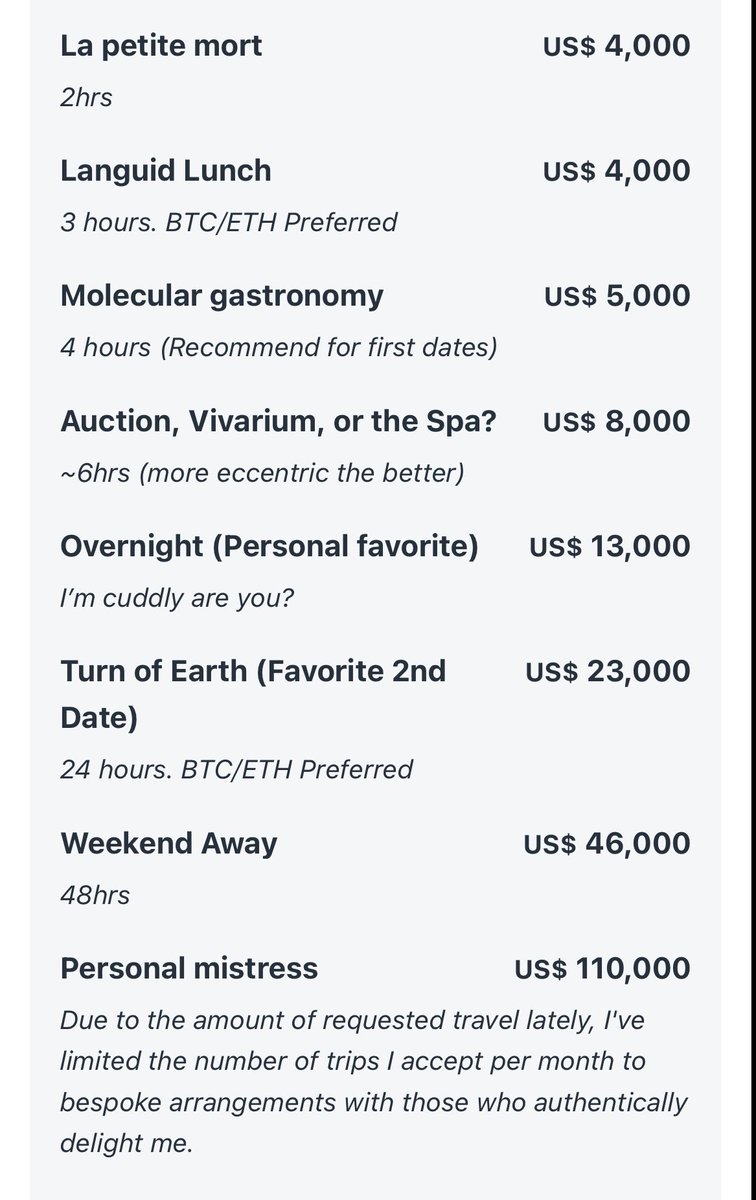
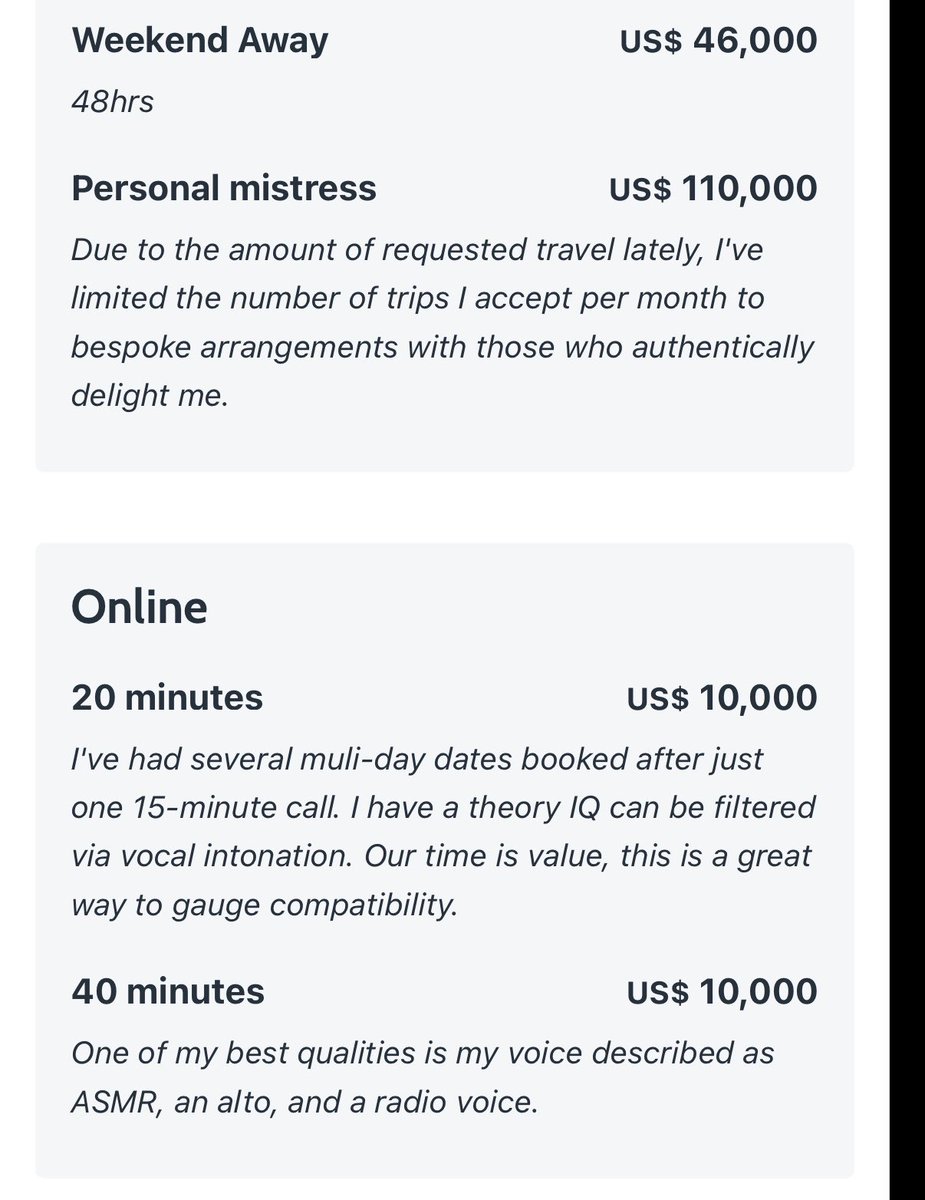
if i was a man who had to pay $4000 to have lunch with a woman i’d probably kms
7
9
41
16,038
Devinez ce que je vous annonce le 8 juin ?
Depuis la vente d’ANKA, la question qu’on me pose le plus souvent c’est :
“Moulaye, tu fais quoi maintenant ?”
Le 8 juin, je vais enfin répondre.
Mais ce ne sera pas l’annonce d’un nouveau poste.
Pas une nouvelle startup.
Pas une formation ou autre chose de ce genre ..
À votre avis, je lance quoi ?
Si quelqu’un devine vraiment avant lundi et le met en commentaires , je lui offre un échange gratuit privé d’1h avec moi !
5
2
11
2,073
Moulaye Tabouré retweeted

Jun 6
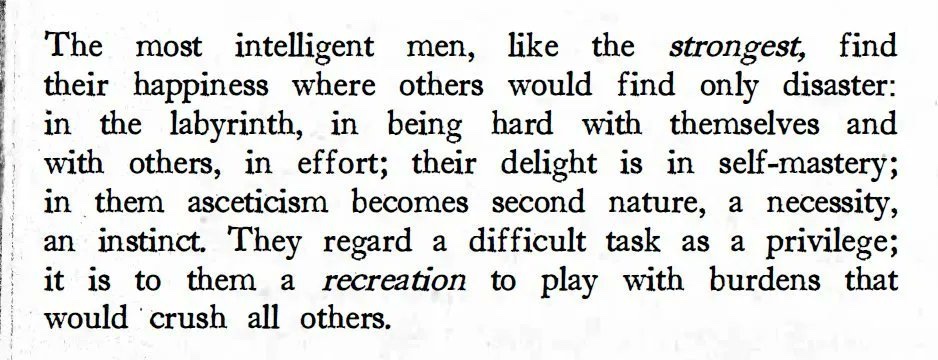
Every man should read this quote:
Friedrich Nietzsche (1895)
19
275
1,905
69,713
Moulaye Tabouré retweeted

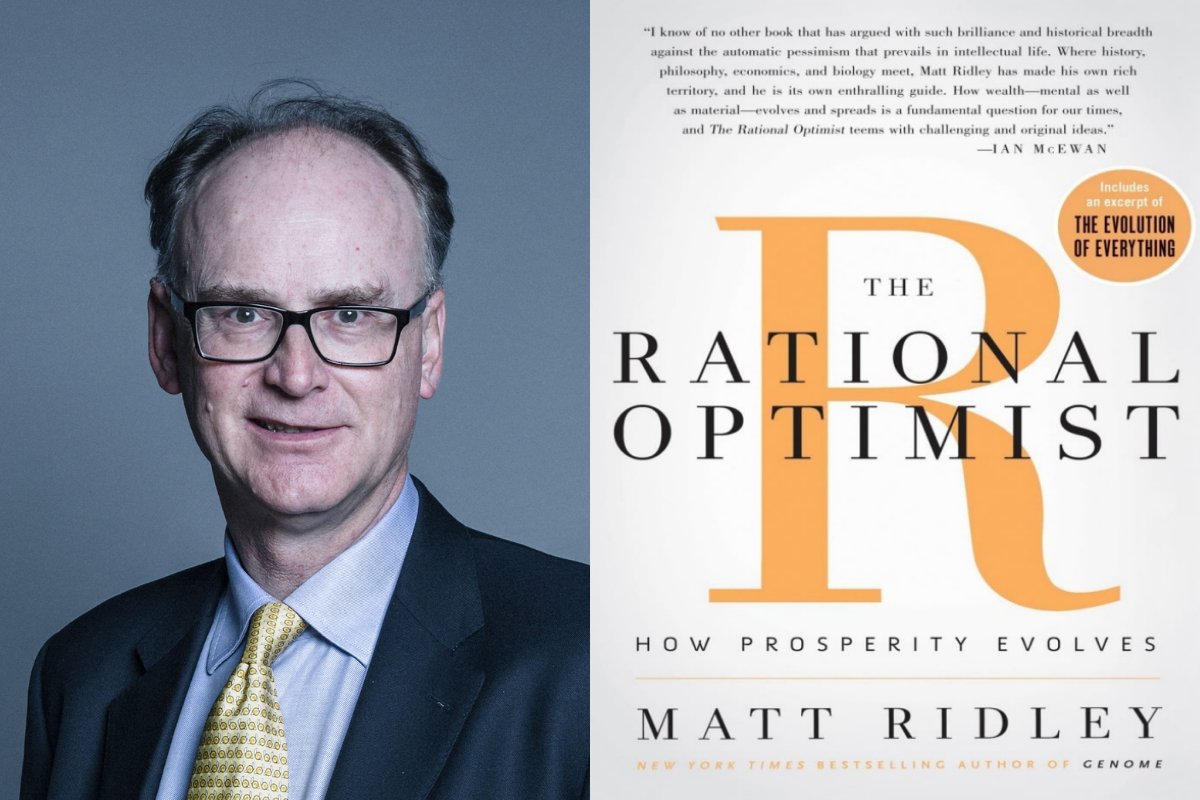
A British biologist looked at 200,000 years of human history and found that the entire reason humans broke out of poverty was not intelligence, not language, not even agriculture, but one mechanism so simple a 6-year-old could explain it.
His name is Matt Ridley.
He is a zoologist by training, an evolutionary biologist by career, and in 2010 he wrote a book called The Rational Optimist that quietly argued the most important fact about human progress had been hiding in plain sight for the entire history of economics.
Naval Ravikant has been telling people to read everything Ridley has ever written for the last 15 years. The reason is the argument inside this one book.
For 200,000 years, anatomically modern humans walked around with the same brain you have right now. Same skull size. Same neural architecture. Same raw capacity for language, planning, and abstract thought.
For roughly 190,000 of those years, almost nothing happened. Generation after generation lived and died inside the same Stone Age toolkit their great-great-grandparents had used. Then somewhere around 50,000 years ago, the line on the chart of human progress started to tick upward. Then it bent. Then it exploded.
The question Ridley spent years on was the only question that mattered. What changed.
It was not the brain. The brain had been the same for 190,000 years. It was not language, which had existed long before the takeoff. It was not even agriculture, which arrived only 10,000 years ago and was actually preceded by the upward bend, not the cause of it.
What changed was that humans started trading with strangers.
This sounds too small to be the answer. Ridley argues that it is the answer to almost everything. The moment one human exchanged a useful object with another human from a different group, something happened that no other species on earth had ever done.
Two ideas that had developed in isolation came into contact. The flint knapper learned what the spear maker had figured out. The fisherman from the coast learned what the hunter from the forest had figured out. The two pieces of knowledge fused into something neither side could have produced alone.
Ridley calls this ideas having sex. The phrase sounds frivolous and it is meant to. The point is that ideas, like genes, get better when they combine with other ideas from different lineages.
An idea sitting inside one head, no matter how brilliant the head, eventually hits a ceiling. The same idea exposed to ten thousand other ideas does something genes do under sexual reproduction. It mixes. It recombines. It produces offspring nobody planned.
The cleanest proof of this argument is the most uncomfortable case study in the book. Tasmania.
Around 10,000 years ago, rising sea levels cut Tasmania off from mainland Australia. A population of roughly 4,000 humans was now isolated on an island, with no possibility of contact with the rest of humanity. They had the same brains. The same language. The same starting toolkit as their cousins 150 kilometers north. The natural experiment was now running.
What happened next is something no economist or geneticist had ever predicted.
The mainland Australians kept inventing. Boomerangs. Spear-throwers. Fishing nets. Bone needles for sewing fitted clothes. Watercraft with paddles. Their technology compounded slowly across the centuries.
The Tasmanians went the other way. They did not just fail to invent the new tools their cousins were developing. They started losing the tools they already had. Fishing was abandoned within a few thousand years. Bone tools disappeared. Fitted clothing disappeared. They forgot how to make fire from scratch and started carrying lit firebrands from camp to camp instead, relighting their fires from a neighbor's whenever their own went out.
By the time European explorers arrived in the 17th century, the Tasmanians had the simplest toolkit of any human society ever recorded. Their material culture had gone backward for 8,000 years.
The archaeologist Rhys Jones called it a slow strangulation of the mind.
Joseph Henrich at Harvard later proved with formal mathematical models that there was nothing wrong with Tasmanian brains. There was something wrong with their network. A toolkit requires a critical mass of people exchanging skills to maintain itself.
The act of teaching a skill is imperfect. Every generation loses a small percentage of what the last generation knew. If your population is large enough and trading widely enough, those losses get caught and corrected by someone else who still remembers.
If your population shrinks below a certain threshold and stops mixing with outsiders, the small losses compound until entire technologies disappear.
This is the part that should haunt anyone reading this in 2026.
Intelligence is not a property of the individual brain. Intelligence is a property of the network the brain is connected to. A genius in isolation will produce less than a mediocre thinker inside a dense exchange of other mediocre thinkers.
The thing your ancestors needed in order to break out of 190,000 years of stagnation was not better brains. It was better connections between brains they already had.
The implication for any individual is direct and uncomfortable. If you are smart and isolated, you will be outproduced by people half as smart who are connected.
The most successful people in any field are almost never the smartest people in it. They are the ones positioned at the intersection of the most idea flows. They are reading more authors than their competitors. They are talking to more people from more disciplines. They are in the rooms where ideas from different lineages bump into each other.
Ridley ends the book on the line that sounds optimistic but is actually a warning its this "The future will be invented by people who connect ideas, not by people who guard them."
268
2,039
7,506
852,811
La différence paraît subtile.
Pourtant, elle peut transformer ton comportement sur le long terme.
5
162
Selon toi, quelle est la pire raison de se lancer dans l’entrepreneuriat ? 👇🏾
2
6
149
La croissance vient-elle vraiment de la quantité… ou de la qualité ?
1
4
105