
Ethnically ambiguous Austro-Med idiot tweeting his stream of consciousness into the aether. | Born in former South West Africa (= N-word pass). | A.E.I.O.U.
Joined December 2021
- Tweets 2,654
- Following 535
- Followers 175
- Likes 31,739
381 Photos and videos











15h
The conductor of the train I'm on is the spitting image of Friedrich Merz, and for a split-second I thought the Bundeskanzler of the BRD himself was coming up to me to confront me about all my DB and Merz hate posts.
1
21
17h
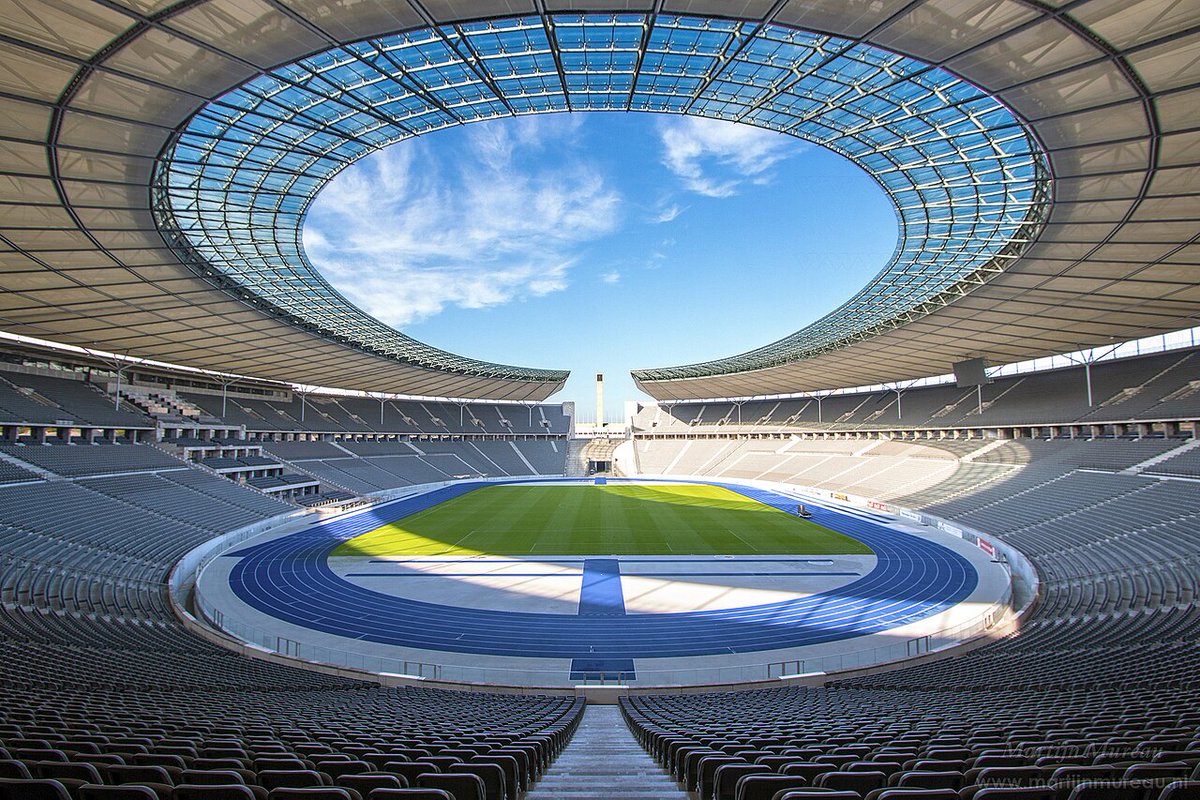
Look, I really don't think we should be competing with America about which plebs have better circuses or whose goycattle love sportsball more.

3
70
19h
The right loves to cede ground and dupe young men into careers that lock them out of the institutions of power. The left didn't capture the institutions by telling their people to avoid cities and unis. All the subversive lawyers and judges got where they are by getting degrees.
21h

The right is full of people who hate cities, seethe at educational institutions, despise most art and architecture, cultivate a strange and stunted parochial nativism, and generally nourish a palette of self-limiting resentments that cede the left massive cultural dominance.
6
208
21h
Fucking, lmao. They're trying to spin the term "peace president" from "no new wars" to "making peace after instigating a war", and his goycattle supporters will probably still lick it up.


1
33
21h
All that show and drama just for things to probably go back to how they were. Nothing ever happens bros are still undefeated.

1
42
Jun 14
I'm starting to dislike the right's incessant use of euphemisms like "population cap" or "remigration", as if we're trying to avoid some real life Twitter keyword filter. It doesn't stop the media from calling you a racist Nazi, nor are you tricking the voters into supporting you. They're little more than right-wing shibboleths that signal who's "based". I've even seen people/movements attacked for not using the exact term "remigration", despite supporting the policy, in principle.
Rather be honest and openly say you want to get rid of all (non-European) immigrants. This constant sloganeering is not actually helpful, because now a lot of people aren't actually giving well-thought out arguments that appeal to normies anymore.
Jun 14

The I find the kvetching over this ridiculous. A population cap is stupid and nothing could stop the libs from using it against you. It also doesn't actually solve the problem, it just drags it out. If you want to limit migration, then simply limit migration. This fools nobody.
1
4
85
Jun 14
The I find the kvetching over this ridiculous. A population cap is stupid and nothing could stop the libs from using it against you. It also doesn't actually solve the problem, it just drags it out. If you want to limit migration, then simply limit migration. This fools nobody.
Jun 14

🇨🇭 Swiss voters have rejected a proposal to cap the country’s population at 10 million.
The measure, backed by the Swiss People’s Party, sought to curb immigration and could have put Switzerland’s agreements with the EU at risk.
Follow: @europa

4
164
Jun 14
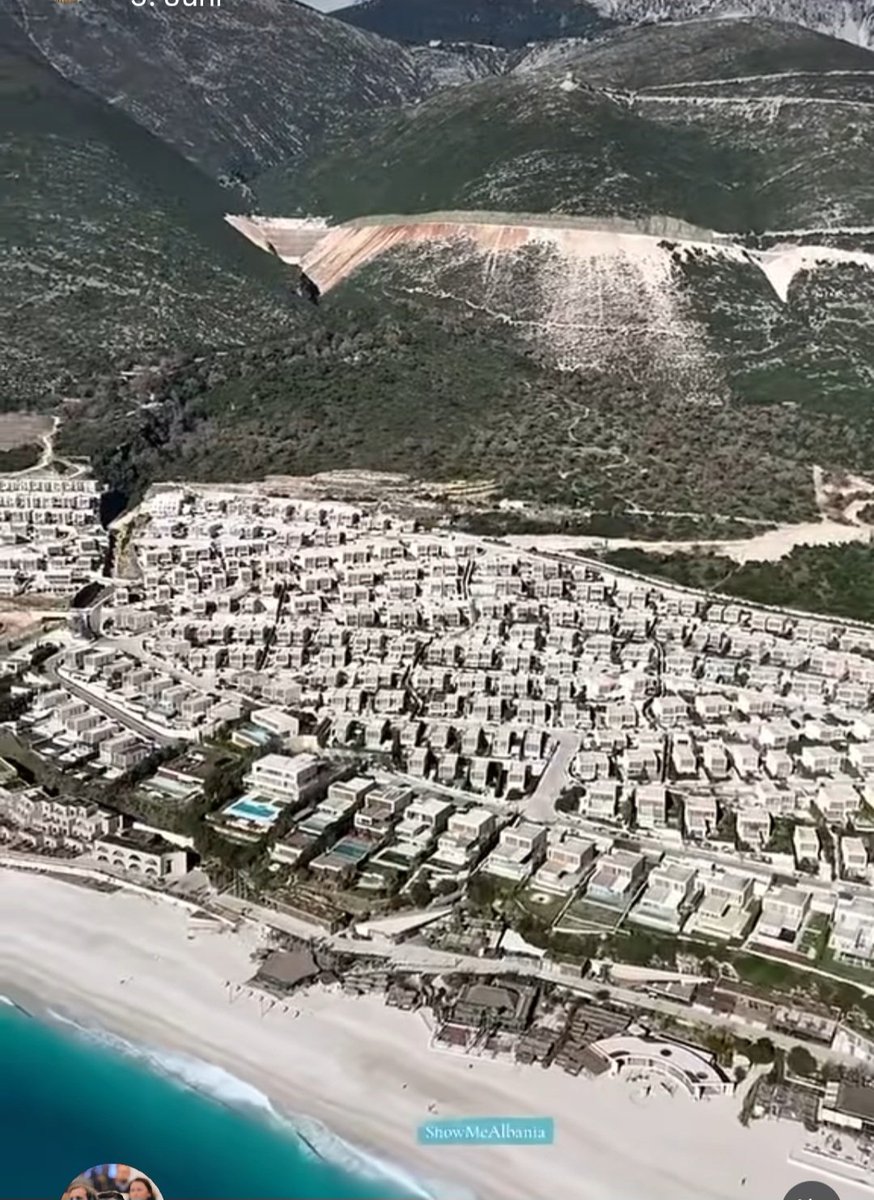
Here I was thinking that Gunther is Albania's strongest soldier, when he's actually trying to destroy it. Tourism is probably the worst industry to base your economy on, so hats off to you Gunther.

Yes to high quality tourism development for Albania
This is the way to lift Albania from poverty to EU prosperity
1
3
138
Dolf retweeted

Jun 14
You can't build the European Federation by trying to convince people with technocratic babble.
Nobody seriously disagrees in principle with the idea that a common stock exchange would be good, that the euro makes trade more efficient, that a common army would be more efficient etc.
There's not a lot of people who are like "Wow. I never thought about it like that, it IS more efficient to unite Europe, I will become a Eurofed now."
You're just presenting arguments that would convince YOU, not that convince the sceptics.
Do you think Germany and France weren't realising that on a technocratic level building a common fighting jet would be good for Europe? Of course they knew that. So why did it fall apart anyway?
A project as grand as Eurofederalism can only be built by appealing to some kind of existential, emotional core. By presenting it as the only possible path towards continued existence. That without it, there's no path forward for any of us. It can't be a "nice to have", it will only win if we understand it's "federalise or die". The nations losing sovereignty to the Federation is not a small thing. Nobody really wants to give up power unless they have to. Living alone is in general inefficient, but you're not going to give up the peace, quiet and self determination of living alone just to allow a rando to move in with you, are you? You'd do it only out of necessity or true love.
True political eurofederalism needs to present it as an answer to an existential question over the survival of Europe as such and not bother with techno babble.

9
24
115
6,267
Jun 14
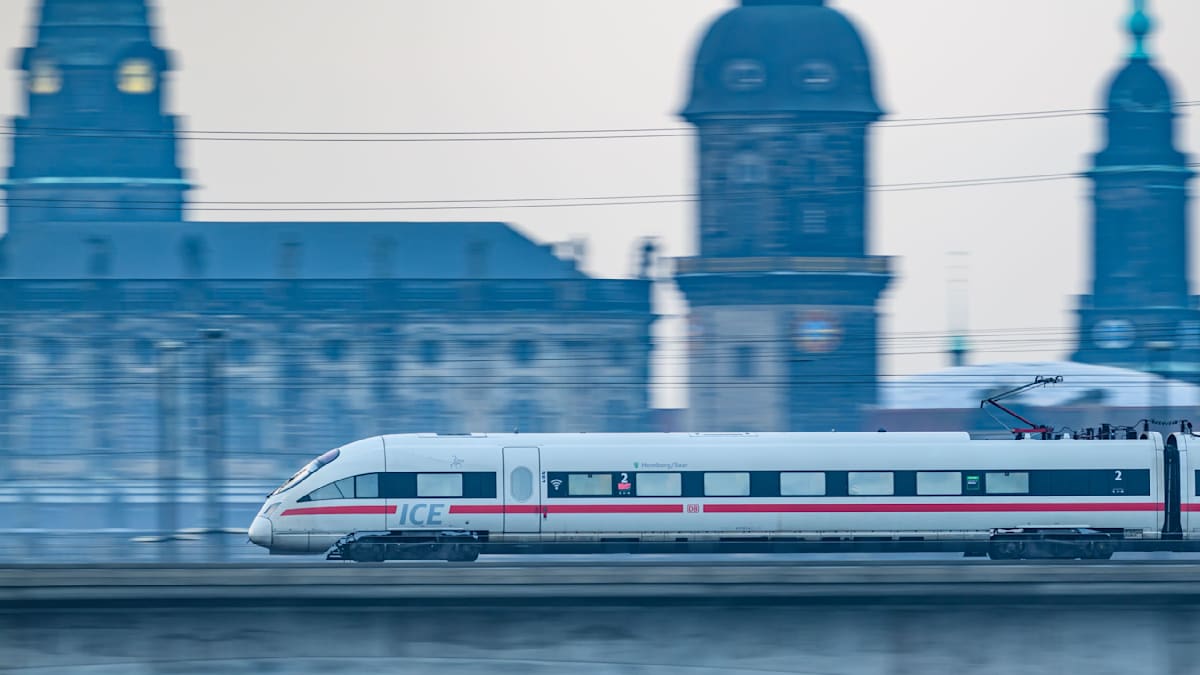
The absolute state of Deutsche Bahn. They're saying that some competition from an Italian rail operator is too threatening and could lead to them having to disconnect 16 German cities from the long-distance train network.

6
6
83
13,554
Jun 14
AMERICA AF (derogatory)

2
36
Jun 13
I hate how often grifters have started posting old incidents without context or dates to make it seem like they just happened. I'm not certain, but I feel like they're more frequent after an actually recent tragic event because it lets them farm additional outrage engagement.
Jun 13
This is an old case from February 2026. The victim was a German homeless woman, Silke Sauer.
1
45
Dolf retweeted
Jun 11
What makes the frankly Americanised idea of a “Europe of values” all the more ridiculous is that, by the leftists' narrow definition, no one was a European before 1945. They'd have to try and argue that Caesar, Napoleon, or even Hitler wasn’t European.
2
6
280
Jun 11
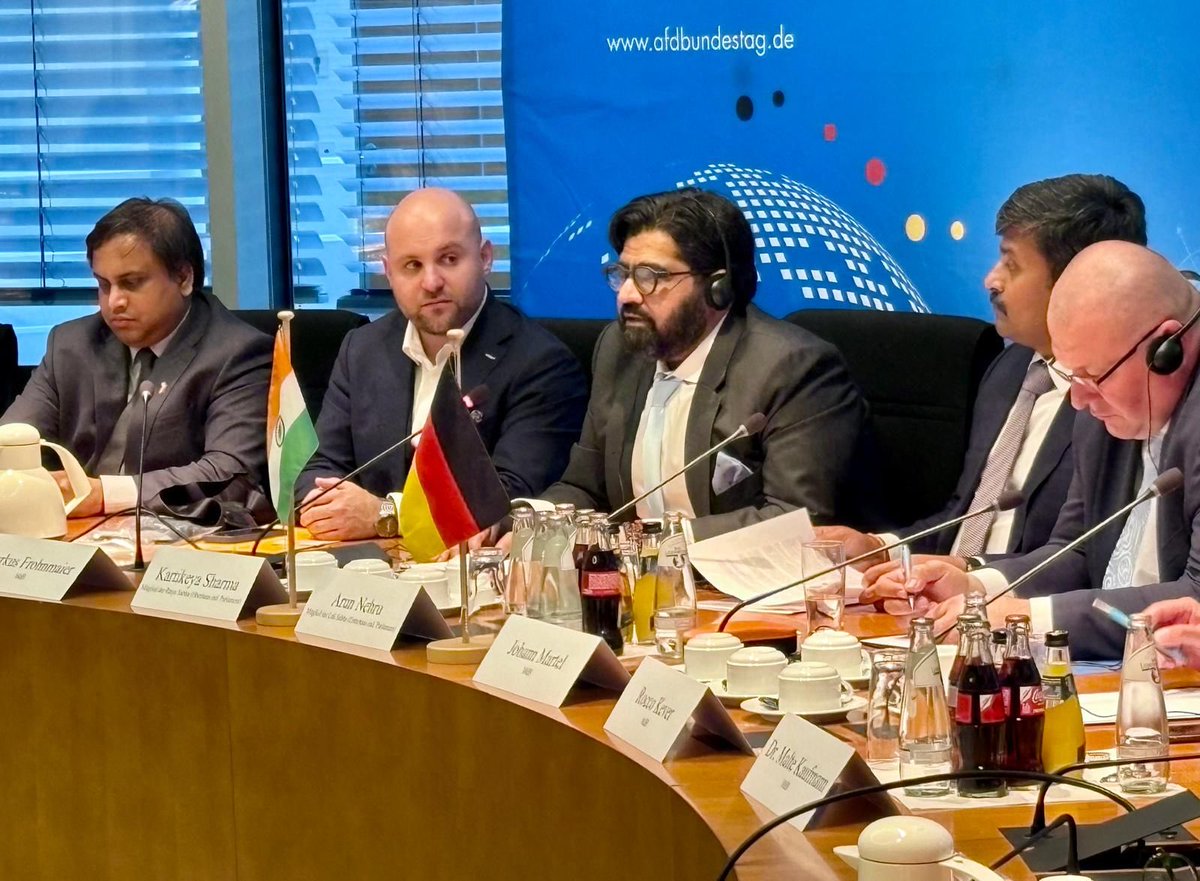
The AfD is going to do the scam where they replace illegal migrants with legal migrants from India, aren't they?

1
1
3
87
Jun 11
Why are slopulists like this? Stopping migration was literally their only redeeming quality, and the source of their popularity. They have no other mandate. People aren't voting to swap the slums of Damascus with the slums of Delhi.
3
33
Jun 11
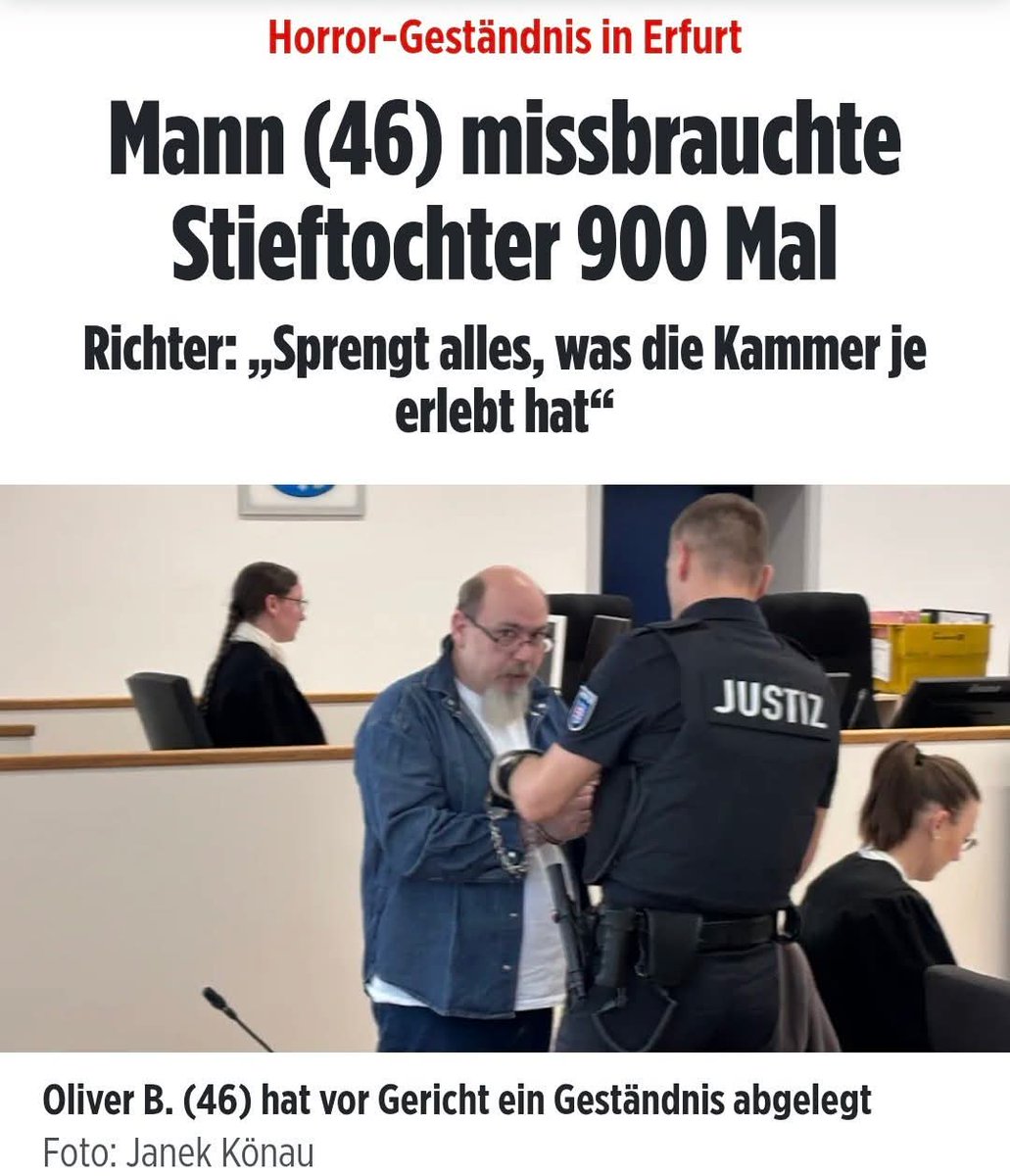
"Heh, a native also commited a horrific crime, chud. I bet your worldview is completely destr..."
"Execute him as well."


Was müssten wir eigentlich bei solchen Meldungen aus Wut anzünden? Einfamilienhäuser von nach außen unauffälligen, biodeutschen Familien?
5
50
Jun 10
Had some extra time on my hands today, and decided to go on a bit of an excursion to learn more about the origins of the world.
1
5
198
Jun 10
I actually find it really funny that an Ottoman diplomat commissioned Courbet to make these two paintings for his private collection. OG gooners had to pay a lot of money and go to great lengths to acquire the best gooning material.
4
72
Jun 10
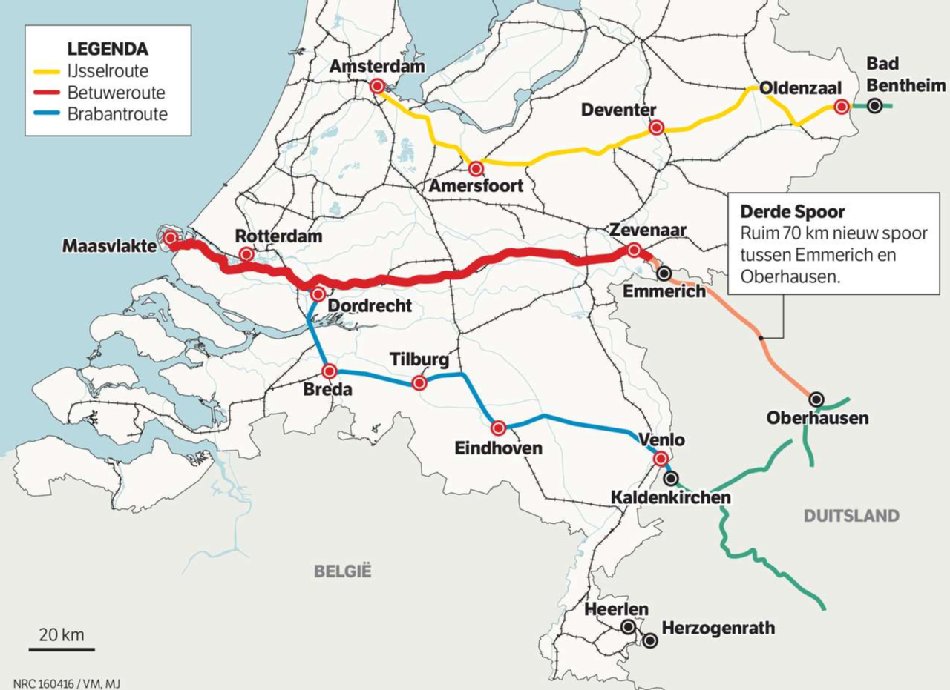
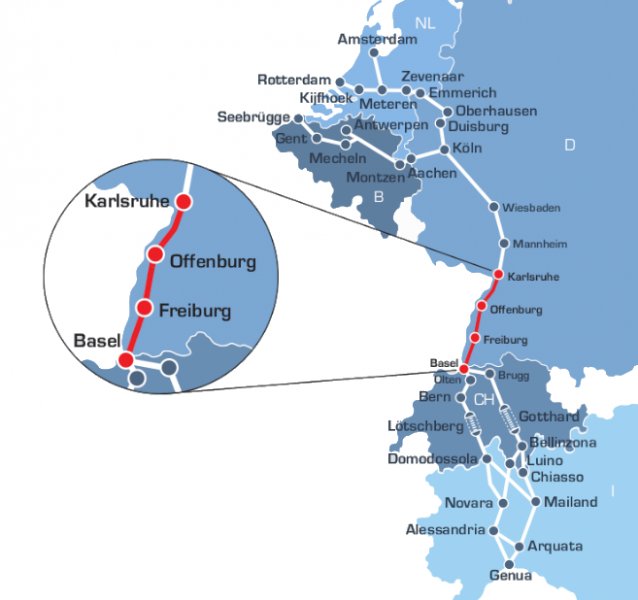
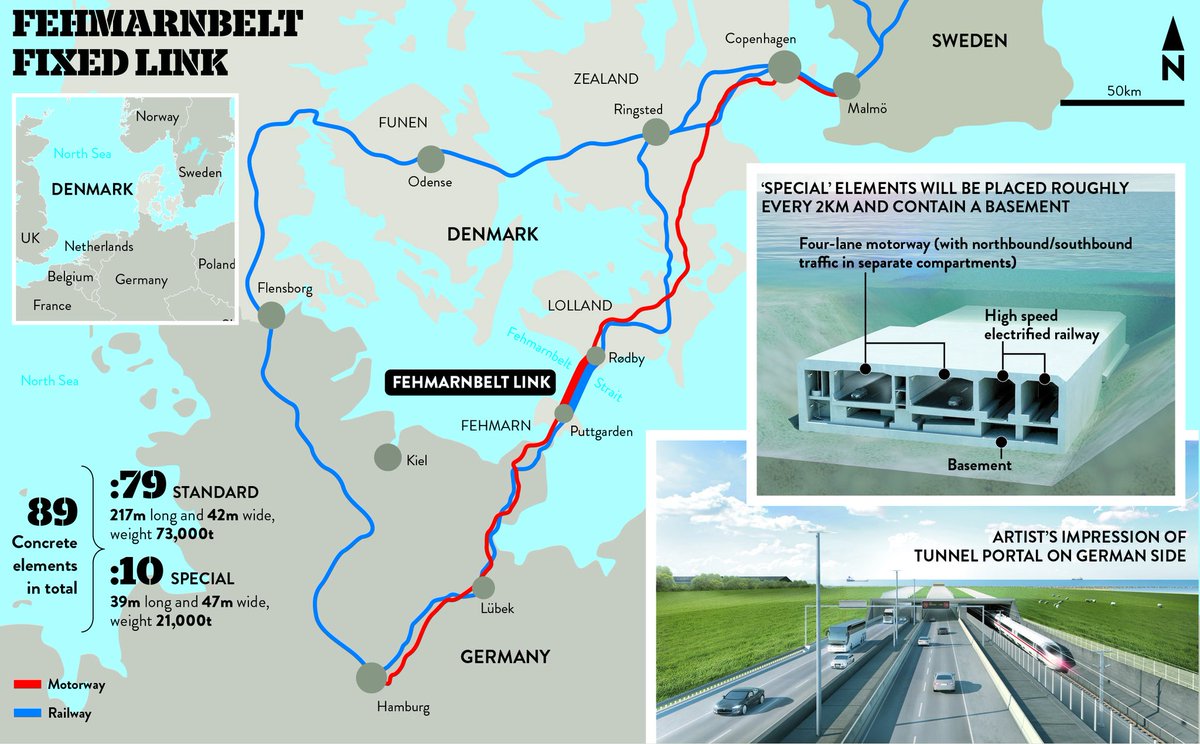
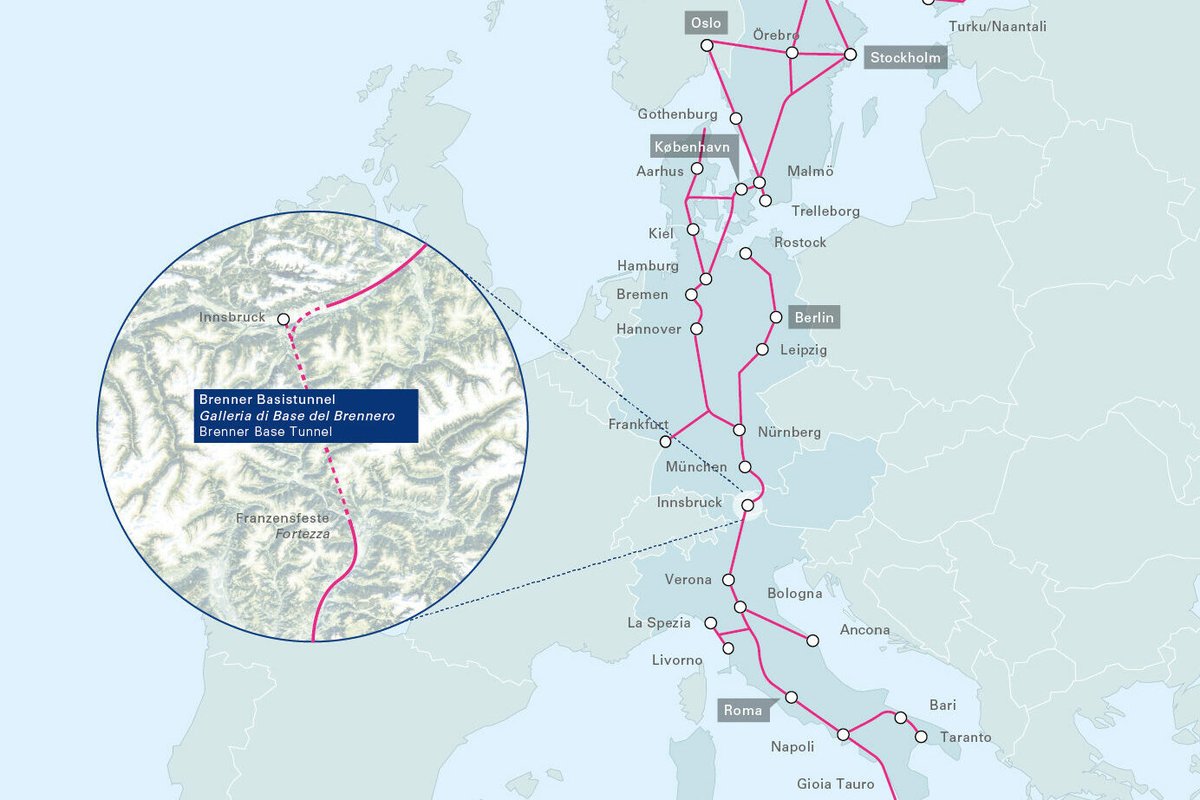
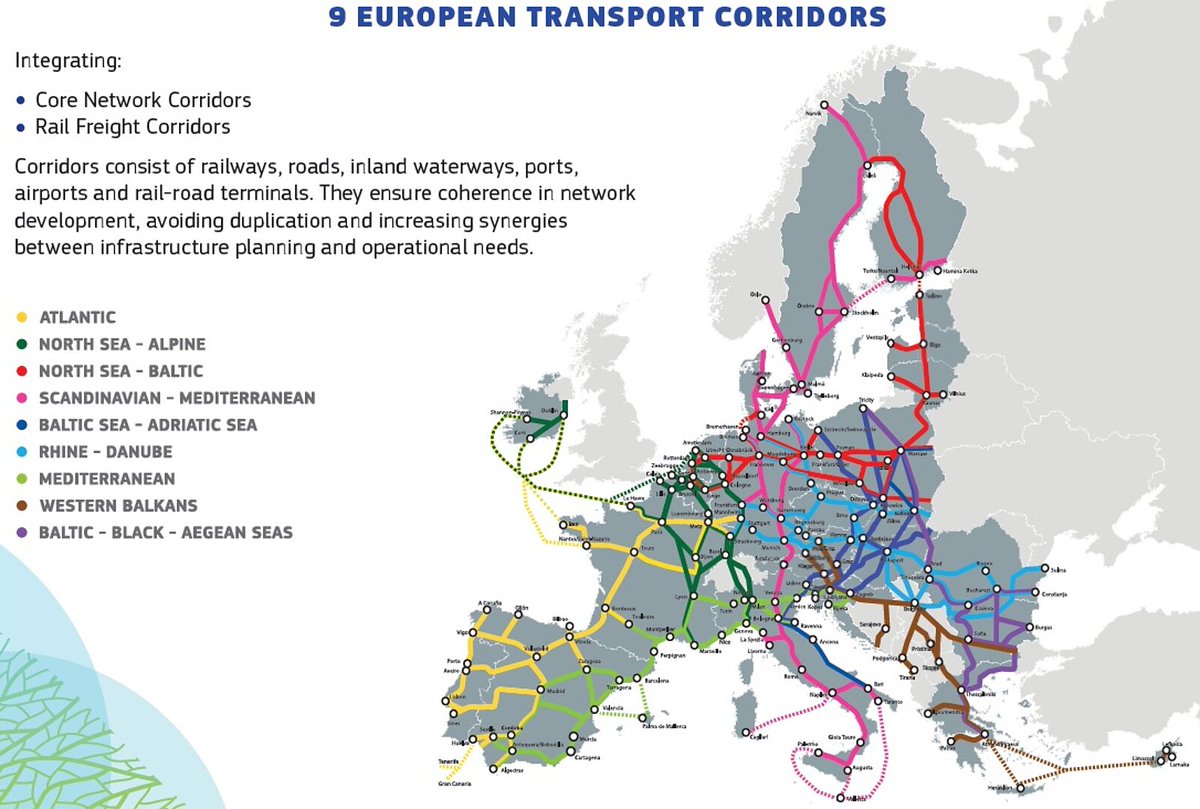
At this point everyone is familiar with German rail's reputation for delays and cancellations caused by their ageing rail infrastructure, but I think the effect on neighbouring countries is somewhat under discussed.
In this thread I want to highlight major shared infrastructure projects where Germany is failing to meet its commitments to its neighbours and specifically want to emphasise the degree to which Germany is behind on its obligations🧵
May 21
This almost feels like it targets Germany specifically, and God is it necessary. Cross-border trains from Germany are one of the biggest sources of long-distance schedule disruptions in Austria, and it's why the Swiss are increasingly terminating German trains at their border.
2
30
171
20,185
Jun 10
Now, a German might be tempted to ignore these complaints as being someone else's problem, but these problems have real and direct consequences for normal Germans. Every unnecessary court case, every wasted meeting, and every superfluous workaround is an additional expense for taxpayers. Every decade wasted is another decade of lost industrial capacity, and another decade of delays and cancellations for Deutsche Bahn.
These are all major hits to Germany's reputation and credibility, as well.
1
1
29
1,148
Jun 10
I realised that I should probably explain why Germany is so particularly slow:
It's not engineering challenges; unlike Austria, Switzerland, or Denmark, Germany doesn't have to build long Alpine or undersea tunnels. From an engineering perspective, the German sections should theoretically be rather straightforward upgrades.
The real problem is that these sections are densely populated and due to Germany's federal system, every affected actor gets a say. Every state, every municipality, every environmental NGO, and every farmer can open up a litigation process. Germany also splits every corridor into many smaller approval sections, initially as a meant to speed things up, as its easier to get approval for 10 km than a 100 km segment and you can start building on already approved sections. However, this also results in 20 different sections all in a separate legal hell, and every time a section gets redesigned you start the process again (new geological surveys, environmental impact studies, court cases, etc.).
There's also a big cultural issue. The Germans have become very litigious and risk averse, becoming very reliant on consensus. Whereas the Swiss and Austrians are proactive with rail infrastructure, the German state (and DB) has also fostered an "only fix it once it's a problem" attitude. This is obviously less than ideal when projects take decades to realise.
Despite, pressure from their neighbours, there's still a lack of political will to push things through. Nobody wants to rock the boat too hard, and there are also powerful lobbies to consider. To most politicians it's not worth risking their careers over, and it's not like they take the trains anyway.
Finally, one must remember that most of these projects were conceived in the 90s or earlier. Including all the additional delays, it now takes Germany more than half a century to complete relatively simple infrastructure upgrades! The worst part is that none of the example projects even have full approval on all sections yet!
5
5
43
2,688