1,232 Photos and videos


> Give 16 year olds the vote because they are historically Labour supporting
> Absolutely nuke any chances of them ever voting for Labour
Masterful gambit Sir Keir
Jun 14

🚨 NEW: Under-16s in the UK will be banned from the following 10 social media apps
TikTok
YouTube
Snapchat
Instagram
X
Reddit
Facebook
Twitch
Kick
Threads
13
406
8,224
82,815

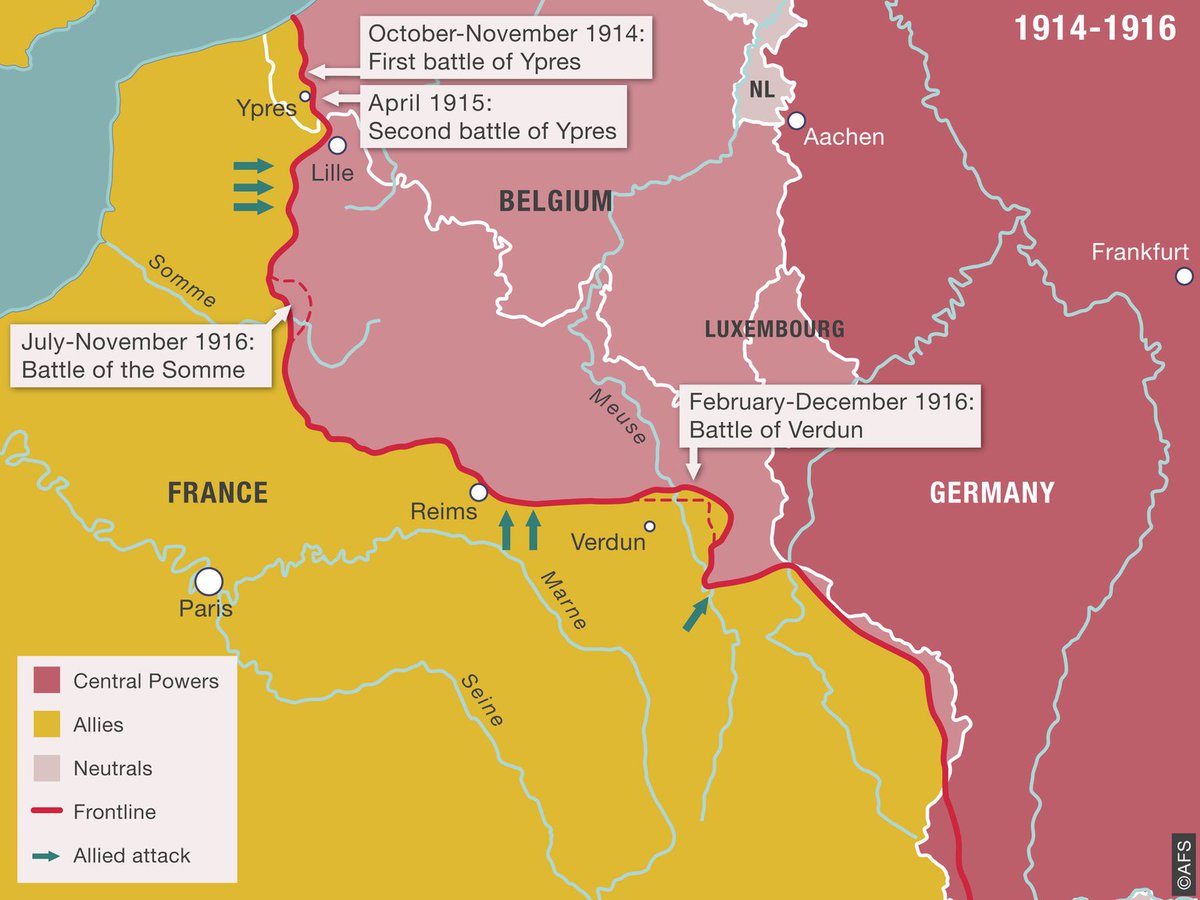
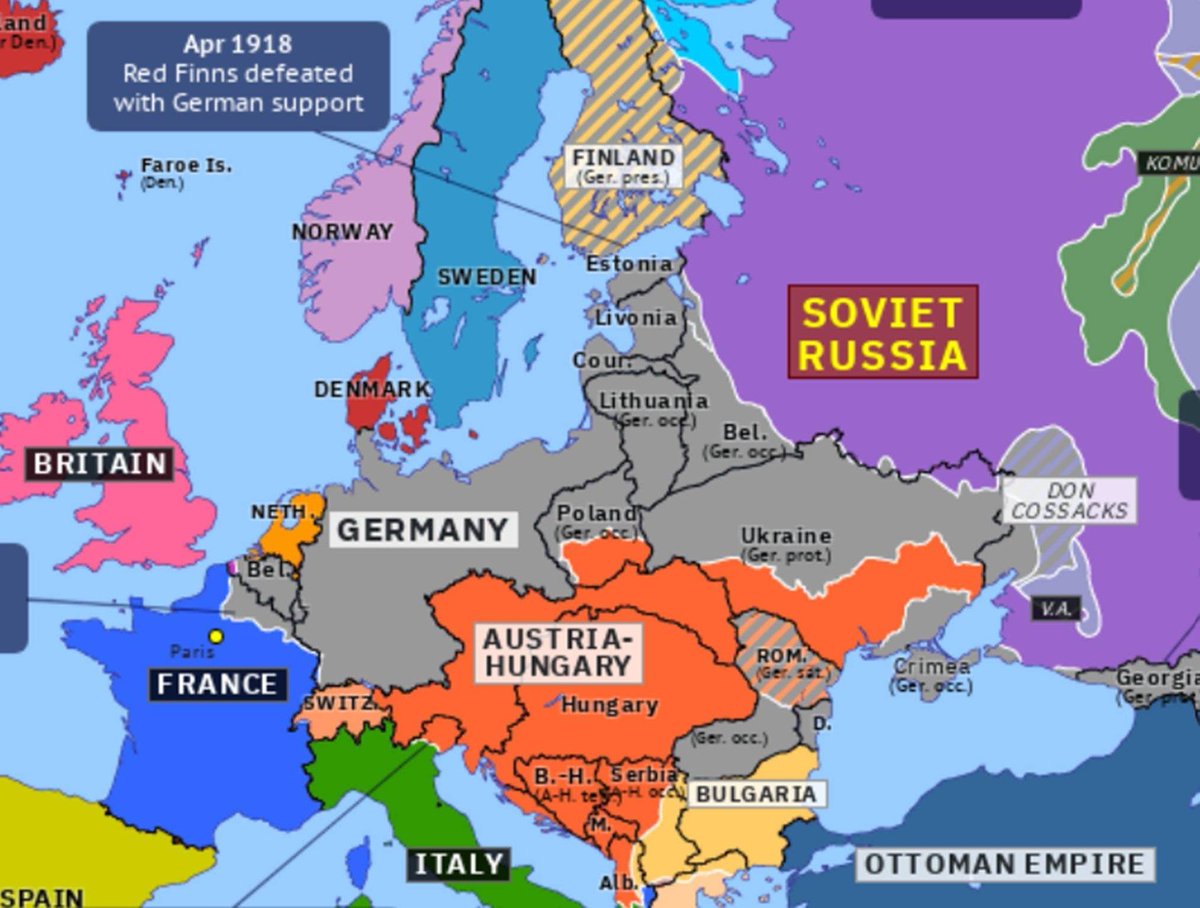
Ist ja fast so als hätte es durch mehrere Millionen Soldaten einer befreundeten Macht Schützenhilfe erhalten, die die Hälfte der russischen Streitmacht gegen sich band und damit Deutschland so entlastete, dass es siegen konnte wa

Das Krasse ist ja, dass Deutschland 1918 nicht nur das Riesenreich Russland besiegt hat, sondern dies auch noch mit einer Hand auf dem Rücken getan hat, denn die Hälfte seiner Kraft musste es ja gleichzeitig im Westen verbrauchen.
Weitermachen? Fördern: paypal.me/dieganzegeschichte
de.wikipedia.org/wiki/Friede…
2
8
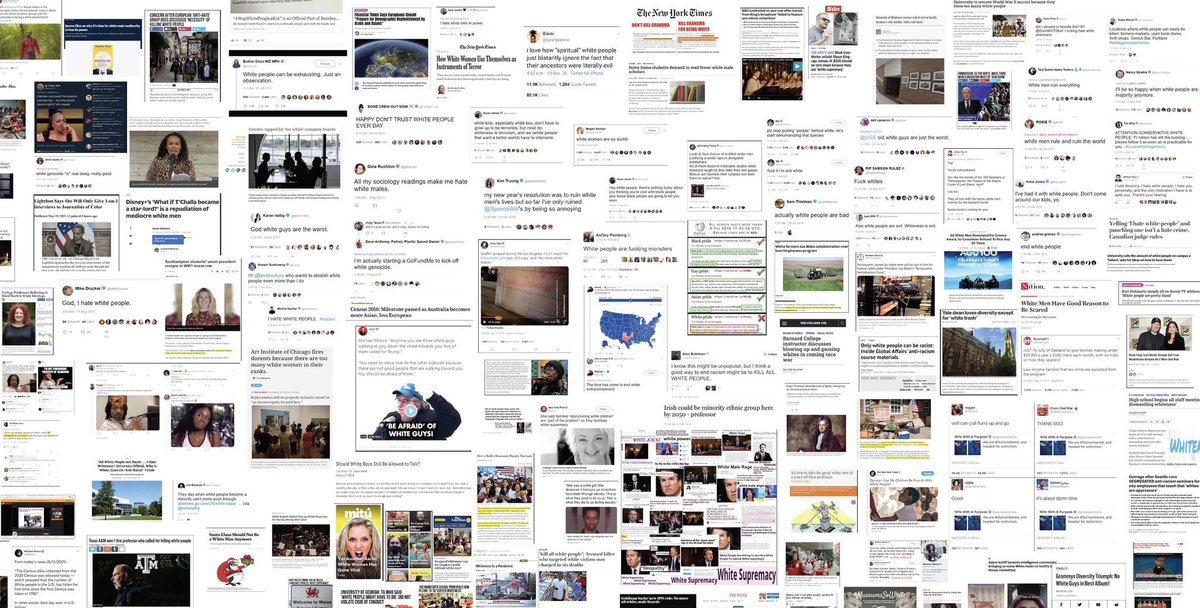
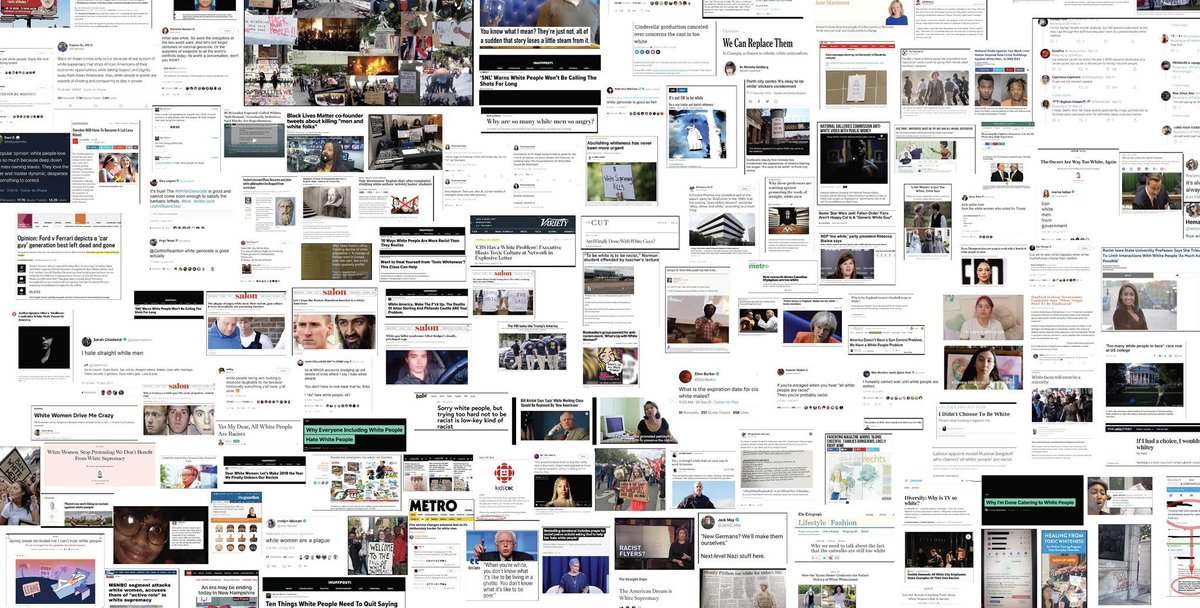
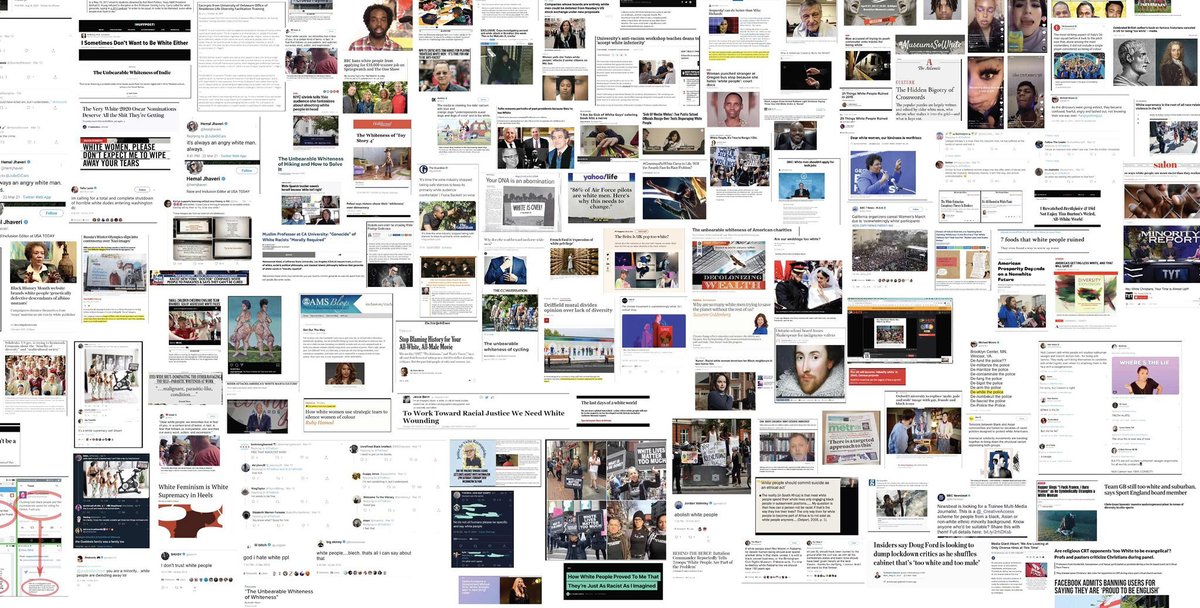
No. We're not doing this, you're not going to escape the misery of your own making until you retarded leftoids collectively own up to it.
Jun 14

Yeah it’s almost like the whole “woke” era was largely made up by conservatives to self suck how brave they were for being edgy.
1
6
60
They genuinely cannot help themselves fucking he'll

2
28
SalCig retweeted

Lmao. And there’s the plan. Right there. Laid bare in your face. Create the problem (stranger danger), sell the solution (more authoritative surveillance state), repeat forever. Everyone owes conspiracy theorists an apology who have been screaming about this for years.

JUST IN: UK Government clarifies adults will still be able to use social media by verifying their identities with digital IDs, facial recognition, passports and credit cards.
317
2,650
13,776
785,921
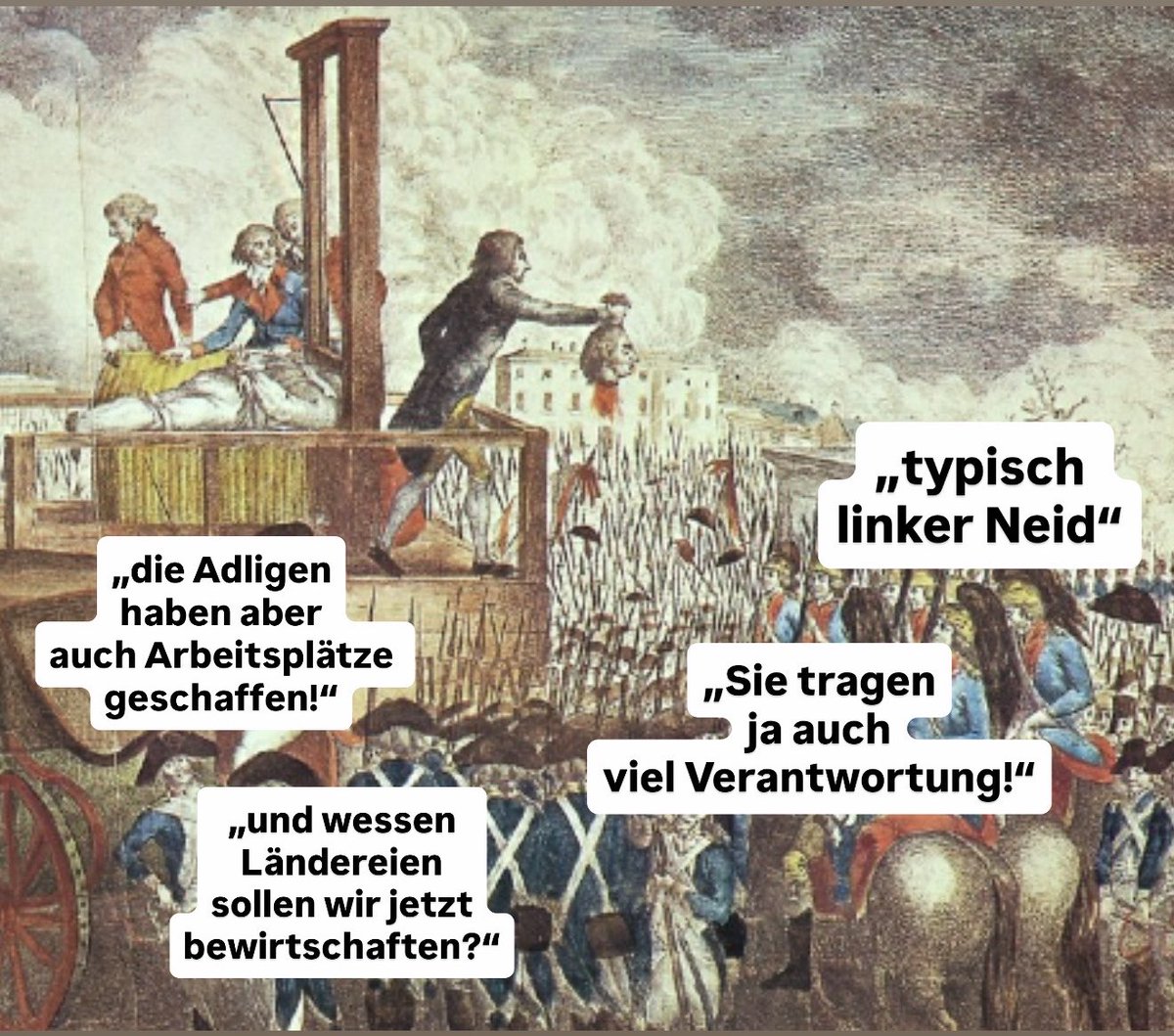
Und wen haben sie dann noch gleich nach der Revolution an die Macht gebracht el Fettzo?

2
8
171
SalCig retweeted

Jun 14
>Está decepcionado com a falta de liberdade de expressão no Japão
>Decide se mudar para a Europa
Jun 14

I may be moving to EUROPE soon. Japan has no free speech. suggest me a good country🙏
132
1,969
35,051
499,006
Jun 14

🚨NEW: Bluesky will not be included in the under-16s social media ban
1
2
214
bitte vro nur noch 100 Milliarden mehr in die Wohlfahrt bro bitte wer braucht schon eine luftwaffe heutzutage bro bitte lass doch diesen militarismus sein das machen nur die saupreussen broo
Jun 14

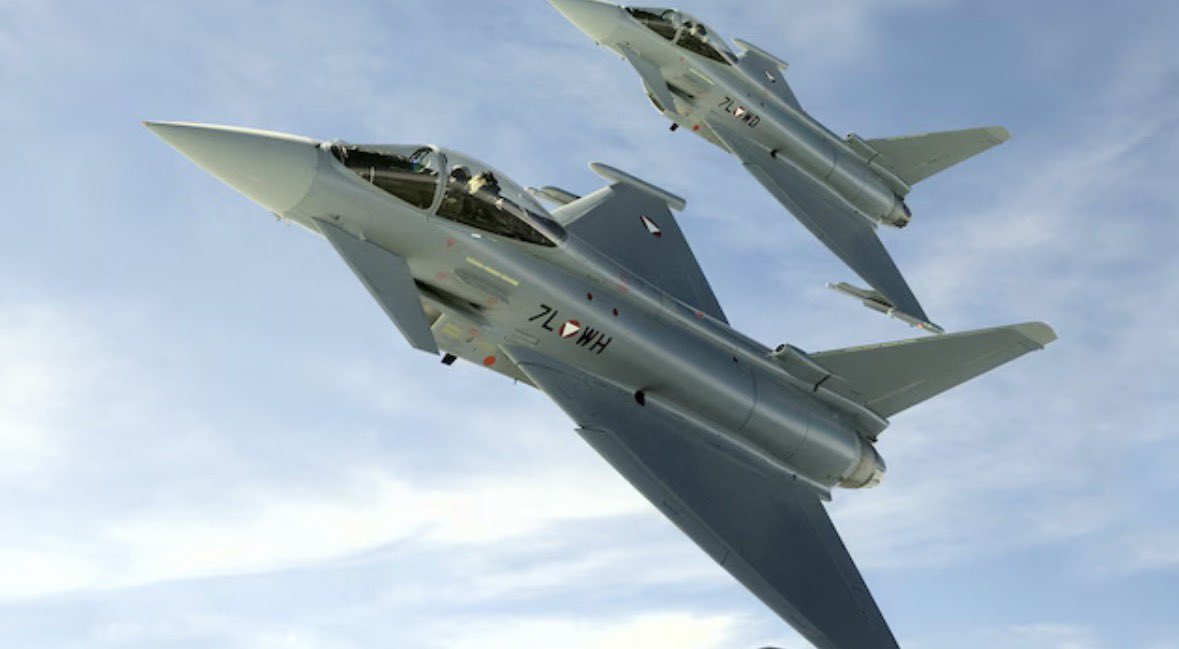
Keine Eurofighter: Budget sprengt Rüstungspläne, es fehlt an Geld für die Kampfjets
krone.at/4177241
1
74
Gleiche Geschichte wie als die Linken unbeabsichtigt "Grönland den Grönländern" posteten. Nationalismus nur für meinen Stamm, nicht für dich, chuddy
Jun 14

Yes, indeed, many Moroccan players were not born in Morocco. However, your tweet comes across as rather superficial and reveals a limited understanding of Morocco and Moroccan identity.
Before making such claims, I would encourage you to learn more about the Moroccan people and what it truly means to be Moroccan. Unlike many European countries, former colonial powers that have historically benefited from the talents and resources of their former colonies, Morocco has never been a colonial power. Rather, it draws from the rich pool of talent within its global diaspora, whose members remain deeply connected to their homeland.
Whether a Moroccan lives in Paris, New York, Mars, or even the Moon, they remain Moroccan. Moroccan identity is not defined solely by place of birth, but by a shared history, culture, heritage, and sense of belonging. It is rooted in a civilization with profound historical depth and a remarkably rich cultural legacy, one that continues to unite Moroccans across generations and continents.
2
2
9
253
Mein proponiertes Wort für den politischen Schachzug, den Volksnamen für Leute anderer Herkunft zu gebrauchen ("ein Deutscher Mann" der dann aus Algerien kommt bspw) ist übrigens "Leumundslüge". Man sollte diesem Konzept durchaus einen Namen zuweisen
Jun 13

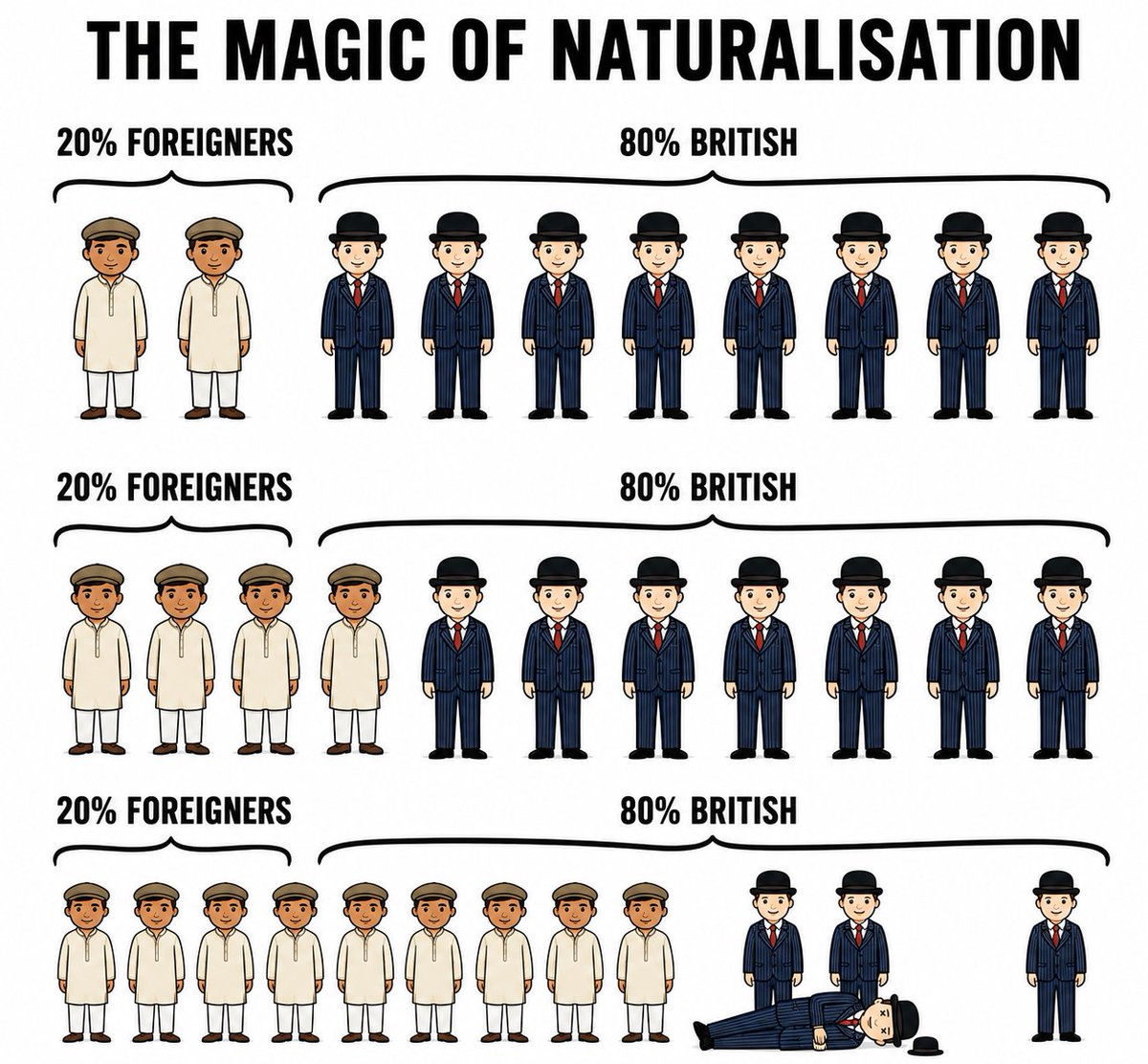
Walk around any UK town or city. The scale of immigration you can see is way greater than official figures suggest. I don't trust how the government is counting them, or the numbers it is reporting.
8
302
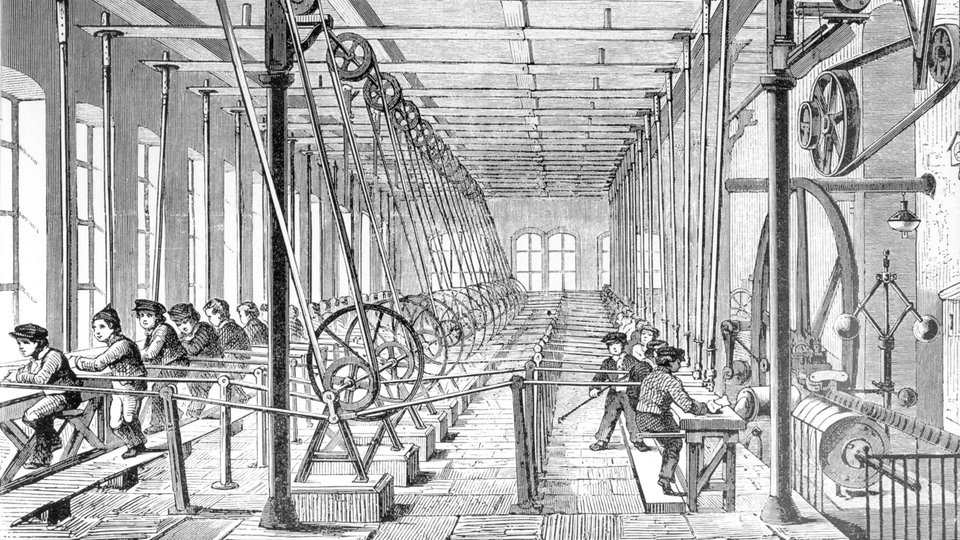
Woran man merkt, dass der Sommer kommt: Jungvogelkrächzen, sattes Grün, niedrige Wolken und Kommunisten, die wieder schwarz-weiß Bilder vom vor Jahrhunderten posten müssen, weil sie keine Argumente mehr gegen heutige Bedingungen haben.
Jun 13

"Der Fabrikbesitzer hat seinen Reichtum verdient, schließlich gibt er den Kindern Arbeit!"
2
5
162
It's hard to gauge whether the failed sieges of Vienna or the Reconquista had the Muslim world end up more buck-broken, but there's strong arguments for both. Either way, their historic incursion into Europe ended there and their future attempts will end there, too.
25 Feb 2025

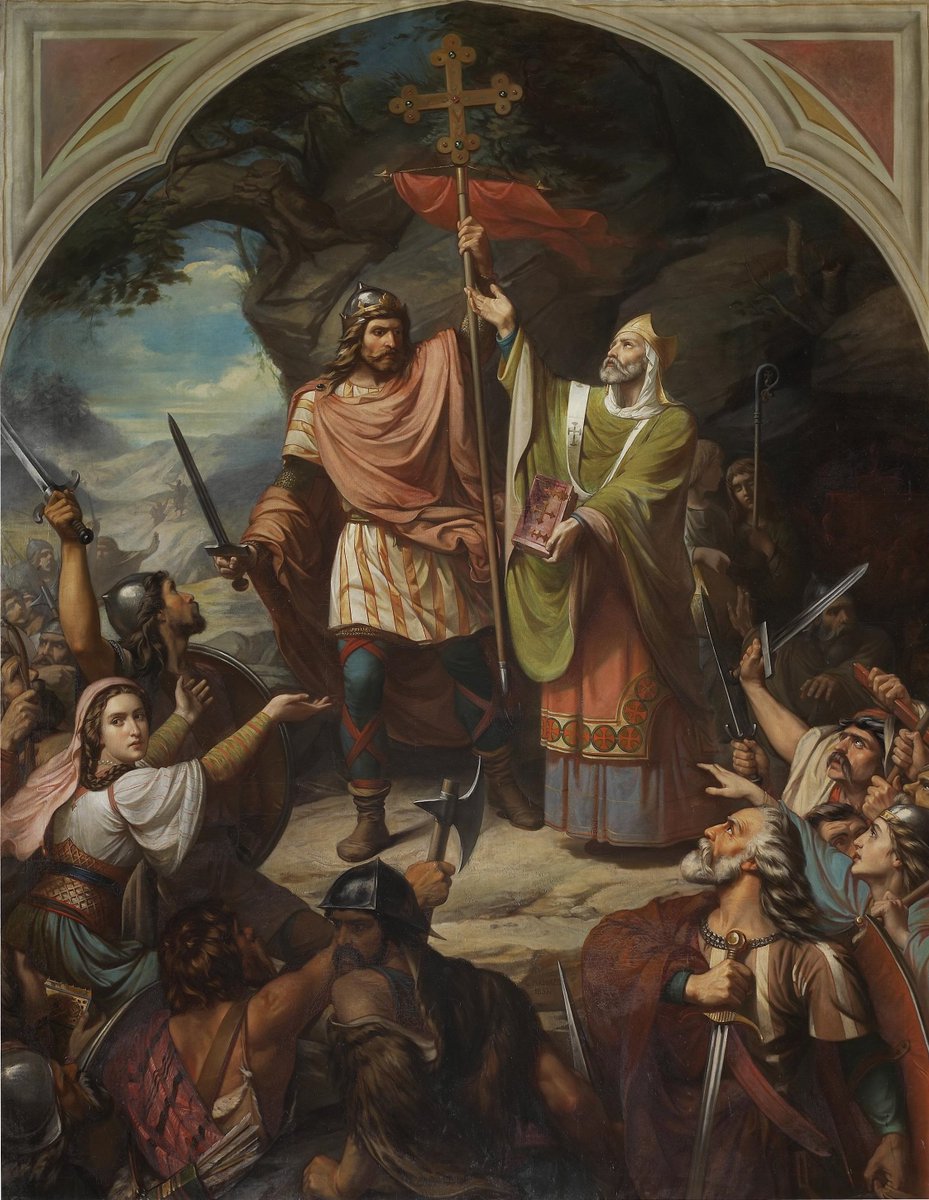
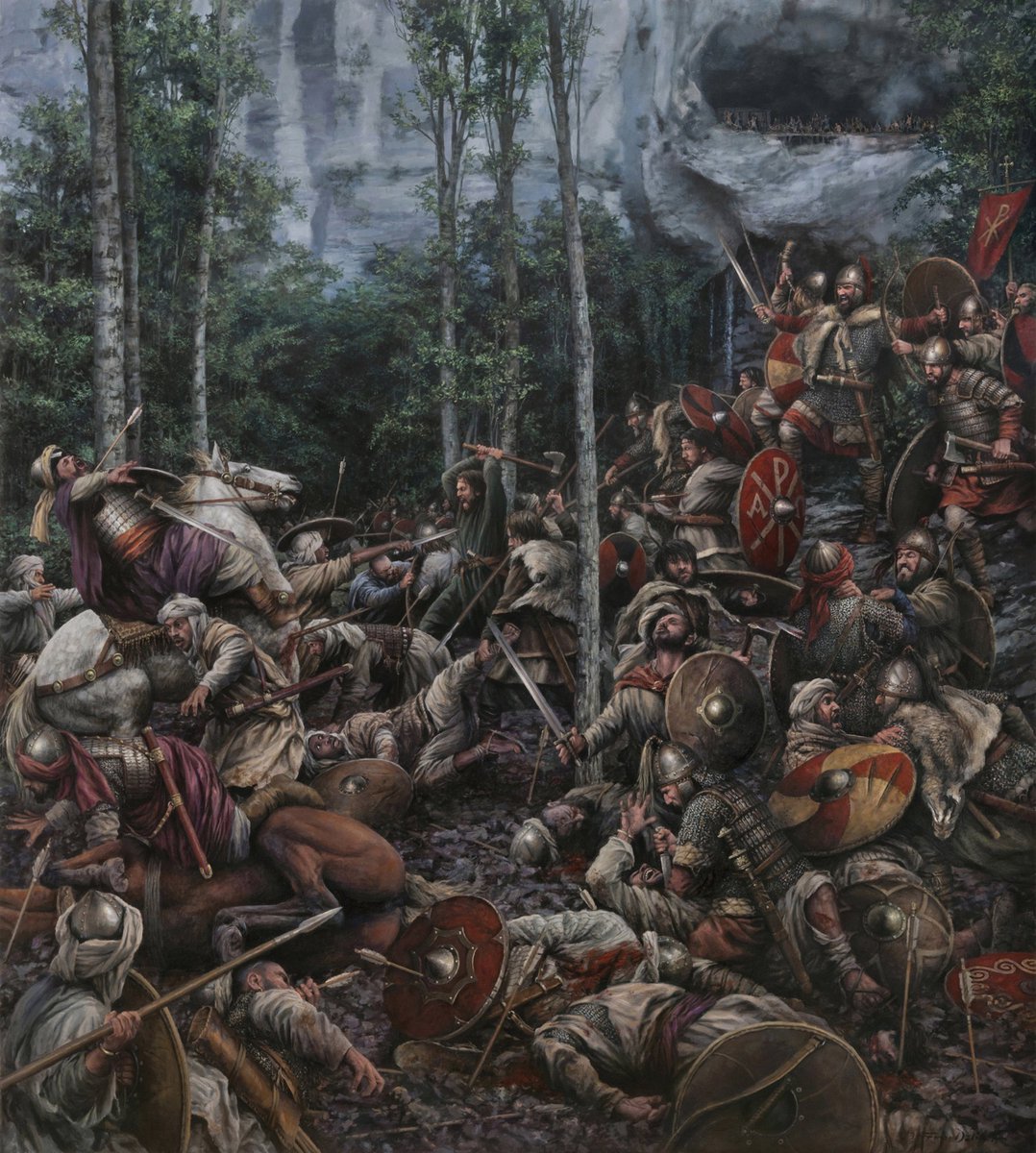
It's interesting to read the Muslim accounts of how Pelagius began the Reconquista in early 8th century.
They write how "a vicious infidel called Balayo" took refuge in the mountains with other warriors who survived eating wild honey and fiercely resisted Muslim attacks:
"Ibn Hayyan said, In the days of ['Anbasa b. Suhaim al-Kalbi] there arose in Jilliqiyya (Northern Spain) a vicious infidel called Balayo (Pelayo) who criticized the infidels throughout the period of their flight, and kindled their spirits until he encouraged them to rise in revolt and defend his land. From that time the Christians of al-Andalus began to defend what land remained in their hands and to protect their families against the Muslims, which they had not previously aspired to do. It is said that no single village, nor anything larger, remained unconquered in the territory of Galicia, except a rocky outcrop on which this infidel took refuge. His companions died of starvation until only thirty men and about ten women were left. They had nothing to live on except the honey from some bees in hives that were there with them in the fissures of the rocks. They continued to defend their rugged ground until their efforts exhausted the Muslims, who viewed them scornfully and said, "Thirty infidels what could possibly come from them?" [But] after that they grew in power, numbers and control of territory in such a way that it cannot be hidden. After Pelayo their king was Alfonso, ancestor of the greatest and most celebrated kings of that name.
Ibn Sa'id said, Contempt for that rocky outcrop and those who crawled about on it ended up with their descendants gaining possession of great cities; even the capital city of Cordova, which had been the centre of 'Anbasa's government, is now in their hands (may God restore it [to Islam]!).
The people of Christian Spain rose in revolt against the Muslims and the position ofthe unbeliever Pelayo became strong. He left his rocky outcrop and conquered the district of Asturias. Then the Muslims of Galicia and the people of Astorga attacked him over a long period, until the time of the civil war between Abu'l-Khattar and Thawaba. In the year (1)33/750-51 he [Pelayo] defeated them and expelled them from the whole ofGalicia. Everyone who was wavering in his faith or was too weak to pay tribute converted to Christianity; those who were killed were killed and the defeated survivors went over the mountains towards Astorga, until the famine took a finn hold. [The Christians] also expelled the Muslims from Astorga and elsewhere, and in (1)36/753-54 the people became concentrated in the region beyond the last mountain pass [beyond the Duero basin] and in Quriya (Coria) and Merida. The scarcity intensified and the people of al-Andalus left for Tangiers and Asila and the Berber Rif, moving away and emigrating. They crossed over a wadi in the district of Sidonia known as the Wadi Barbat (no Barbate). These years were called the Years of Barbate [during which] the population of al-Andalus was diminished, and the enemy could almost have overcome them, had not the famine encompassed them also."
Source: Charles Melville & Ahmad Ubaydli, Christians and Moors in Spain, Volume III: Arabic Sources (Oxbow Books, 1992), 18-21.
3
91
SalCig retweeted

The left won.
The world's richest man is an electric vehicle manufacturer who is decarbonising the atmosphere while helping quadriplegics, restoring space travel, and making the internet and freedom of speech widely available across the globe.
Unfortunately most of the people who identified as "left" were simply pathological grief merchants with oppositional defiance disorder. They build nothing. They stand for nothing.
197
1,382
12,347
290,475
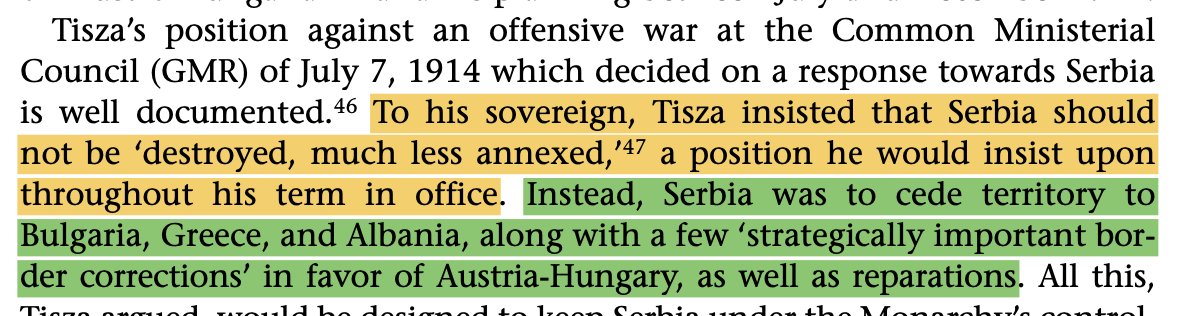
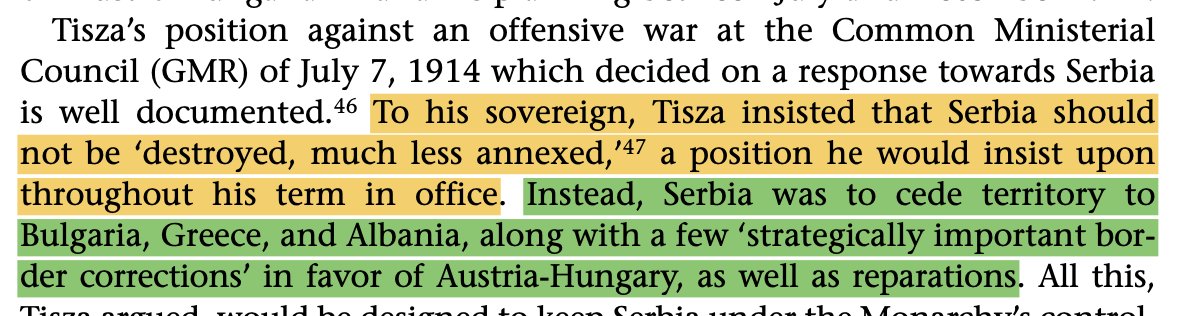
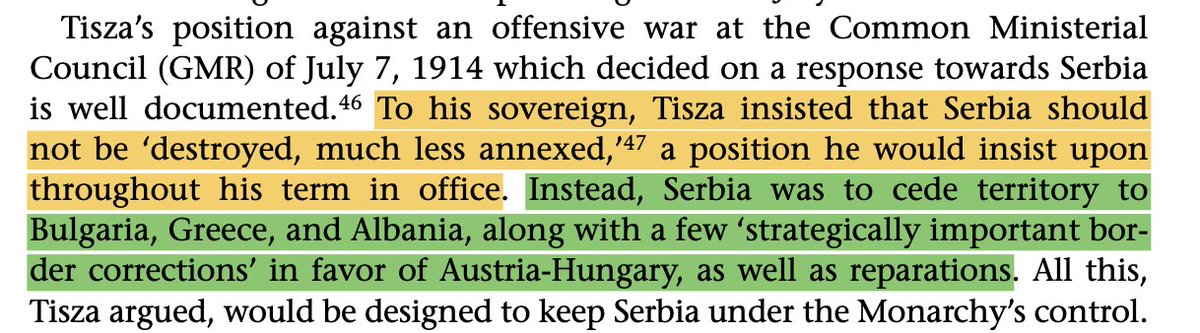
Leftoids have become so desperate to reframe their understanding of "bad" (colonialism, imperialism, racism, zionism, capitalism, being straight and liking your country etc.) that they've now regressed to claiming A-H pivoting to gain territory after 1915 is somehow colonialism

Central Powers revisionism has always been really weird to me. Austria had the most specifically “‘colonial’ goals of anyone fighting; Germany did Herero genocide was prototyping Generalplan Ost; Ottomans had the Armenian Genocide allowing early Zionist settlement
2
3
168