
Hello. I'm just an ordinary bloke who continues to battle his mental health demons. If I can help anyone else in the process then I'll be a happy fella. 😁🙏❤
Joined November 2009
- Tweets 21,340
- Following 1,408
- Followers 526
- Likes 34,783
3,942 Photos and videos





Pinned Tweet

15 Dec 2019
The following tweet might lose me a few followers and good friends but here goes...
In March this year and for 3 tough weeks I attempted suicide 4 times. I took increasing amounts of different tablets each time in the hope of ending the pain I was in. My life meant nothing.
4
6
25
Apr 19
RT @SFXmagazine: To celebrate Superman Day, we’re giving away two copies of the HMV Exclusive Superman Limited Edition 4K Ultra HD SteelBoo…
1,359
Feb 24
RT @SFXmagazine: To celebrate The Lord Of The Rings' 25th anniversary, we’re giving away Limited Edition 4K Steelbooks of the original tril…
904
Mark retweeted

14 Dec 2025
Losing a Child is often described as the deepest, most shattering pain a person can endure. It’s not just the absence of your Child, it’s the shattering of your identity as a parent, the theft of a future you imagined & the loss of a part of yourself that can never be replaced. Many bereaved parents say it feels like carrying a heavy backpack that never gets lighter, you just learn, over time, to adjust how you carry it. The grief doesn’t go away, it changes shape, ebbs & flows & becomes a permanent part of who you are.
This kind of loss is profoundly isolating. The world keeps moving, but for you, everything stops. Everyday sights, like other families laughing or Children playing, can trigger waves of envy, anger, or despair. Guilt is common, even when there’s no logical reason for it: “What if I had done something differently?” Self blame, intense sadness, numbness & even physical symptoms like exhaustion or changes in appetite are all normal reactions. There’s no timeline for “getting over it,” bc you don’t. Parents often say, “It gets different, but it doesn’t get better.” Words like “closure” can feel offensive, as if the love
& bond could ever be neatly tied up.
One of the hardest parts for many is the well meaning but painful things people say in an attempt to comfort. Phrases like “You’ll see them again in heaven” or “God only gives you what you can handle” (which, by the way, isn’t even a direct Bible quote, it’s a misremembered version of something about temptation) can feel dismissive or even blaming. They imply there’s a silver lining or a divine plan that makes the unbearable somehow okay, when in reality, it just isn’t. For those without religious beliefs, or even for those who do but are angry or questioning right now, these platitudes can add layers of frustration or alienation. They shift focus away from the raw pain & onto something abstract that doesn’t help in the moment. Many parents report that these comments make them feel more alone, as if their grief isn’t being truly seen or validated.
What helps more? Simple acknowledgment: “I’m so sorry. This is devastating.” Saying their Child’s name. Listening without trying to fix it. Being present, even in silence. Support groups specifically for bereaved parents (like The Compassionate Friends) can be lifesavers bc only those who’ve walked this path truly understand the depth of it. Therapy, journaling, exercise, or honoring your Child through memorials or rituals can provide ways to cope day by day. Some find meaning in advocating for causes related to how their Child died, or simply in loving harder those who remain.
You’re not weak for struggling. This is the hardest thing imaginable. Your pain is valid, no matter how long it lasts or how it shows up. If you’re tired of the platitudes, know that many others feel the same. #Grief like this reshapes you, but it doesn’t have to destroy you entirely.
One breath, one day at a time.
Repost & let someone know that they are not alone. ❤️
46
131
556
9,936
Mark retweeted
18 Dec 2025
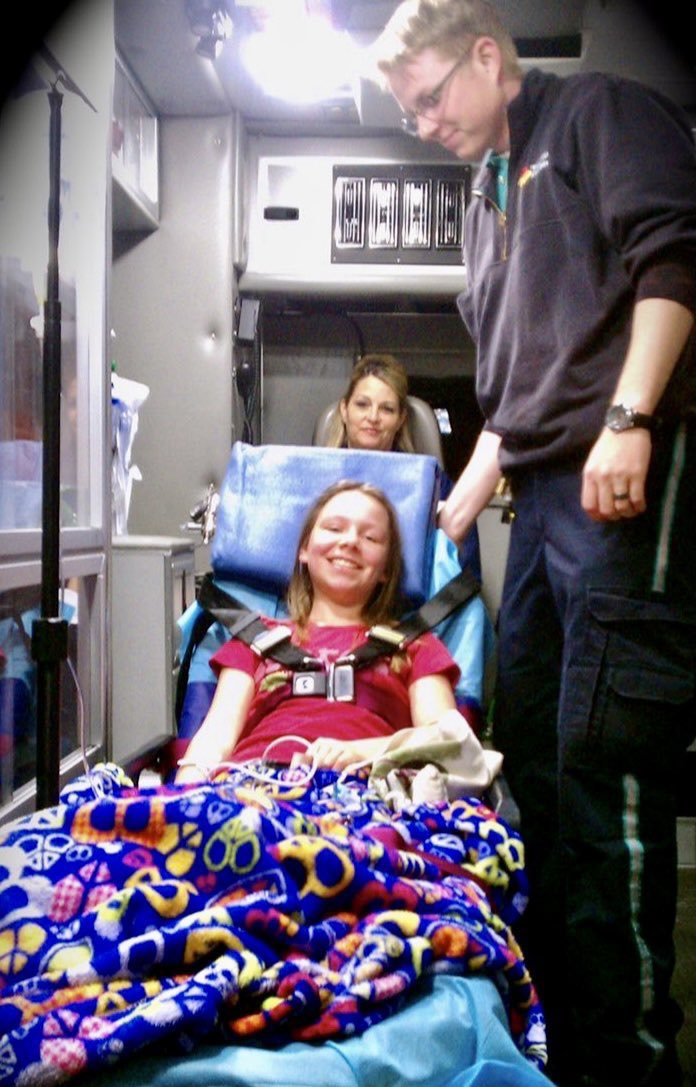
The day my precious Daughter learned she had #BrainCancer at just 11 years old. 💔
Even in that heartbreaking moment, she smiled. Ashley was unbreakable, fierce, hopeful & full of light through every step of her fight. She never gave up & her strength inspired everyone around her.
I am forever proud of my brave girl & so grateful to God for the 13 beautiful years He gave us with her.
I miss you every single day, sweet Ashley. ❤️
Help us keep Ashley’s story alive & give a powerful voice to Children fighting cancer. Your follow & repost would mean the world, helping spread vital awareness, drive research & deliver much needed support for our brave #ChildhoodCancer Warriors. 🙏
💜 Ashley 💜
#Forever13
239
524
3,844
128,189
Mark retweeted

20 Sep 2025
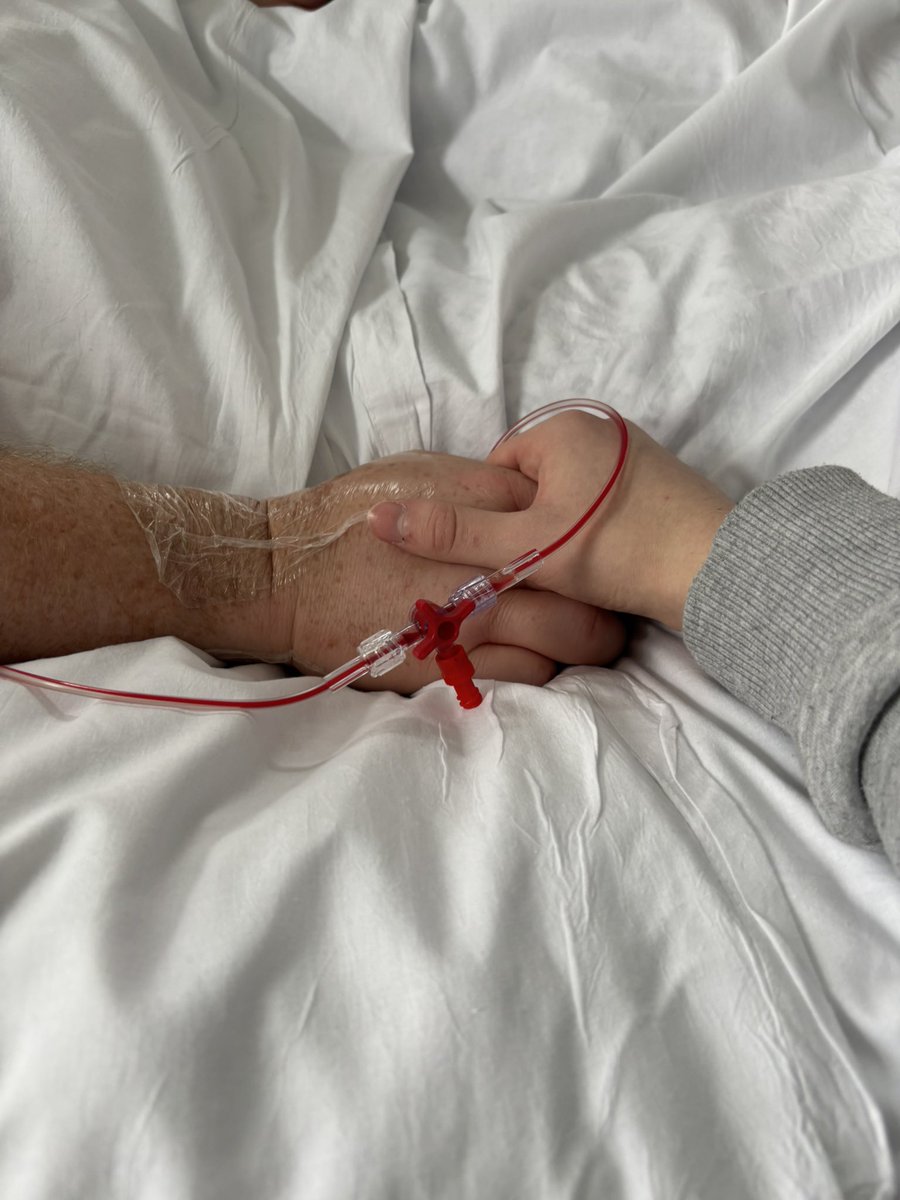
suicide is never the answer reach out. call 111, or 999. please don’t take your own life we all miss you dad.
501
950
15,732
3,625,701
6 Sep 2025
Lower mammogram age to 40 for early cancer detection - Sign the Petition! chng.it/cKgf8TfTdq via @UKChange
1
41
17 Jul 2025
Jess's Rule - Improve the awareness and diagnosis of cancer in young adults. - Sign the Petition! chng.it/DyhsV2RQVB via @UKChange
30
12 Jul 2025
🌳 Dame Judi Dench is calling for the return of ancient woodlands. Will you sign the petition to help restore the Ghost Woods and protect our green spaces for future generations? you.38degrees.org.uk/petitio… via @38degrees
28
3 Apr 2025
Councils are facing a dire financial crisis. We must put pressure on central government to urgently increase funding.
Email your MP today to ask them to raise this issue in Parliament. #SaveOurServices action.unison.org.uk/page/16…
53
20 Oct 2024
Samaritans volunteers work around the clock to provide support to thousands of people calling for help every single day, receiving over 600 calls every hour. By donating just £5, you could cover the cost of a call for help from someone struggling to cope. samaritans.org/donate-now/?u…
1
140
Mark retweeted

16 May 2024
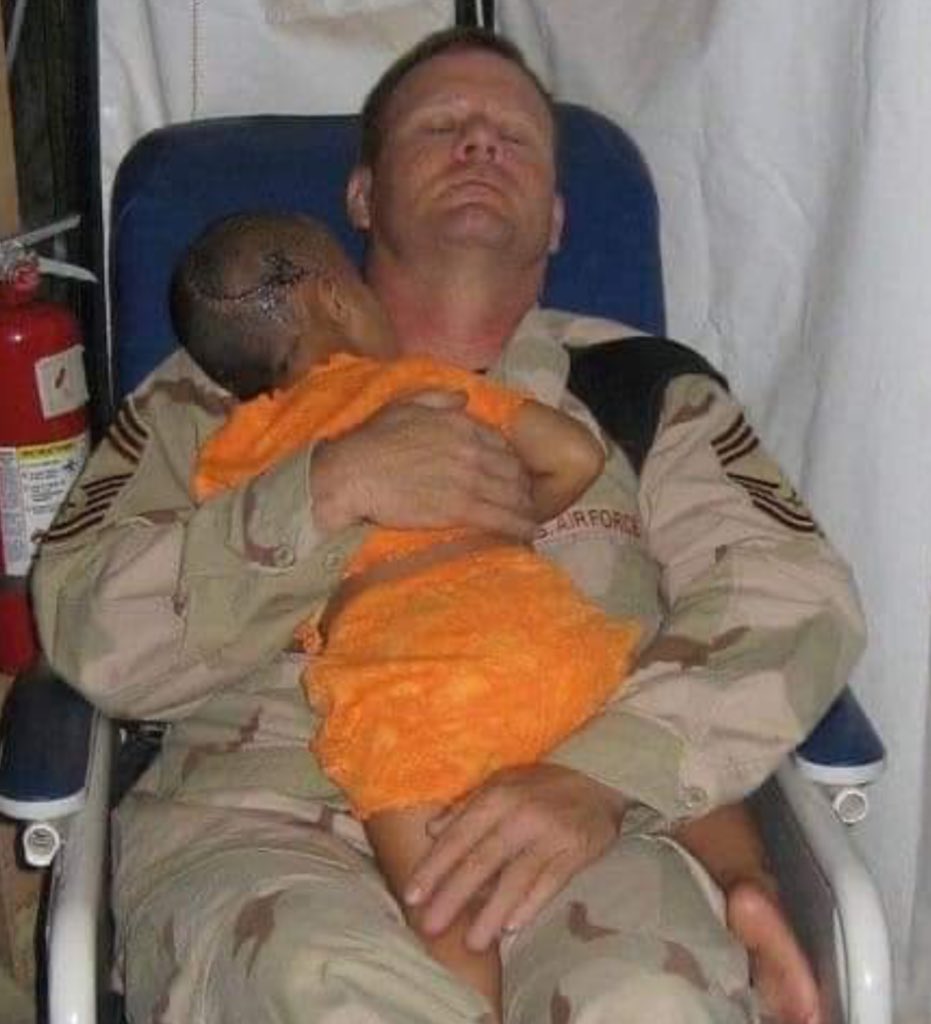
John Gebhardt's wife, Mindy, said that this little girl's entire family was executed. The insurgents intended to execute the little girl also, and shot her in the head...but they failed to kill her. She was cared for in John's hospital and is healing up, but continues to cry and moan. The nurses said John is the only one who seems to calm her down, so John has spent the last four nights holding her while they both slept in that chair.. The girl is coming along with her healing.
He is a real Star of the war, and the hero of peace.
This, my friends, is worth sharing. Go for it!! You'll never see things like this in the news. Please keep this going. Every person can make a difference in the life of someone even if it is one little girl.
52
386
1,588
320,966
Mark retweeted

7 Mar 2024
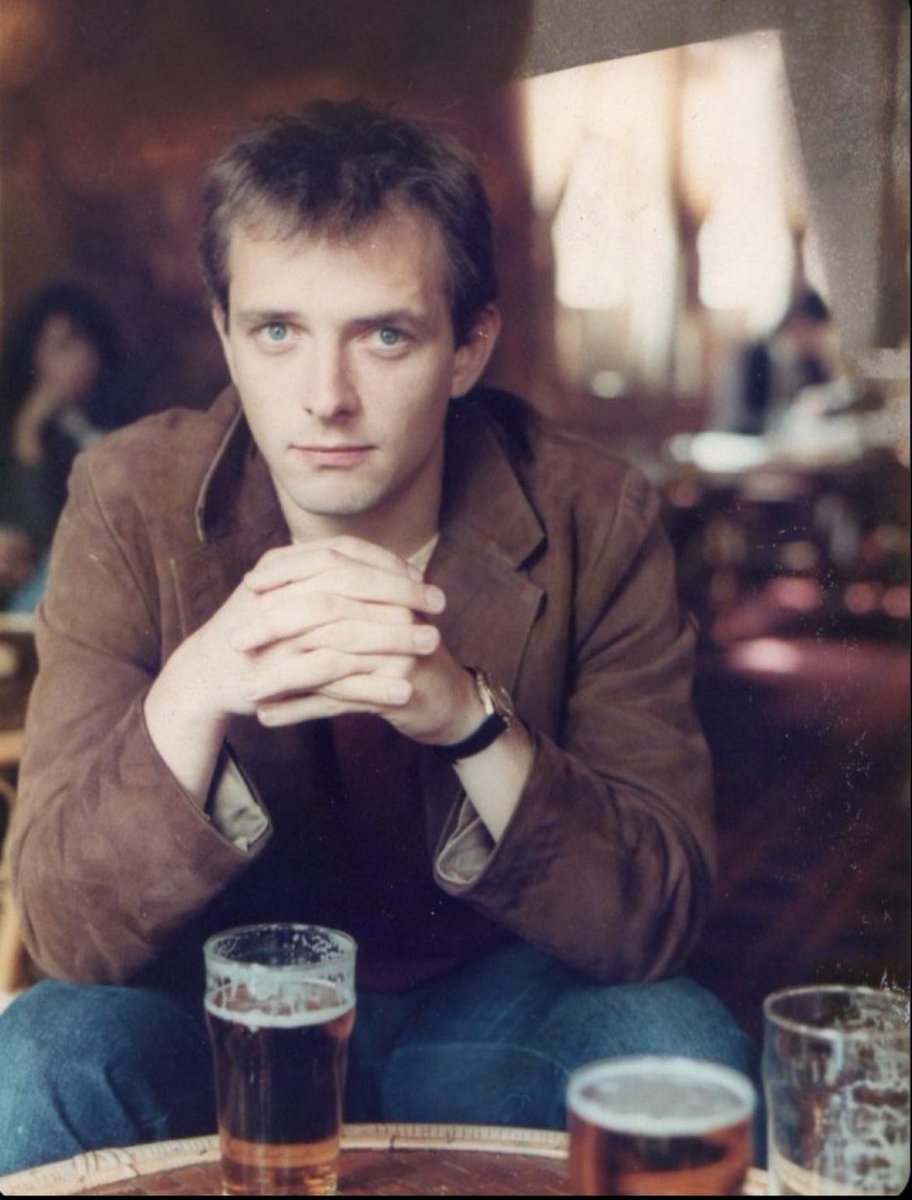
Happy birthday Rik ❤️❤️❤️
Rik Mayall. 7/3/58 - 9/6/14. A truly, truly beautiful bastard who will never be replaced or forgotten.
If you do one thing today RETWEET this and let’s get this legend trending and show our ‘heavenly birthday’ love. ❤️❤️❤️❤️ #RikMayall
166
3,705
7,604
321,241
Mark retweeted

6 Mar 2024
Today is world lymphoedema day. The patient support and advocacy groups across Europe have recorded the 2024 lymphoedema manifesto in our native languages, one voice, one cause. To view the manifesto visit lymphoedema.org/information/…
youtu.be/2ezzWUEQUA0
4
7
262
29 Feb 2024
Designate Birmingham's Old Station Street a Historic, Cultural and Civic Asset - Sign the Petition! chng.it/t8kZ67QH via @UKChange
1
45
18 Dec 2023
Michelle Mone has admitted that she lied to the media over her links to a PPE firm. Enough is enough, it's time those in power put an end to this sordid affair. Sign the petition now and demand Mone is expelled from the House of Lords: 38d.gs/qhjk
3
130
Mark retweeted

10 Oct 2023
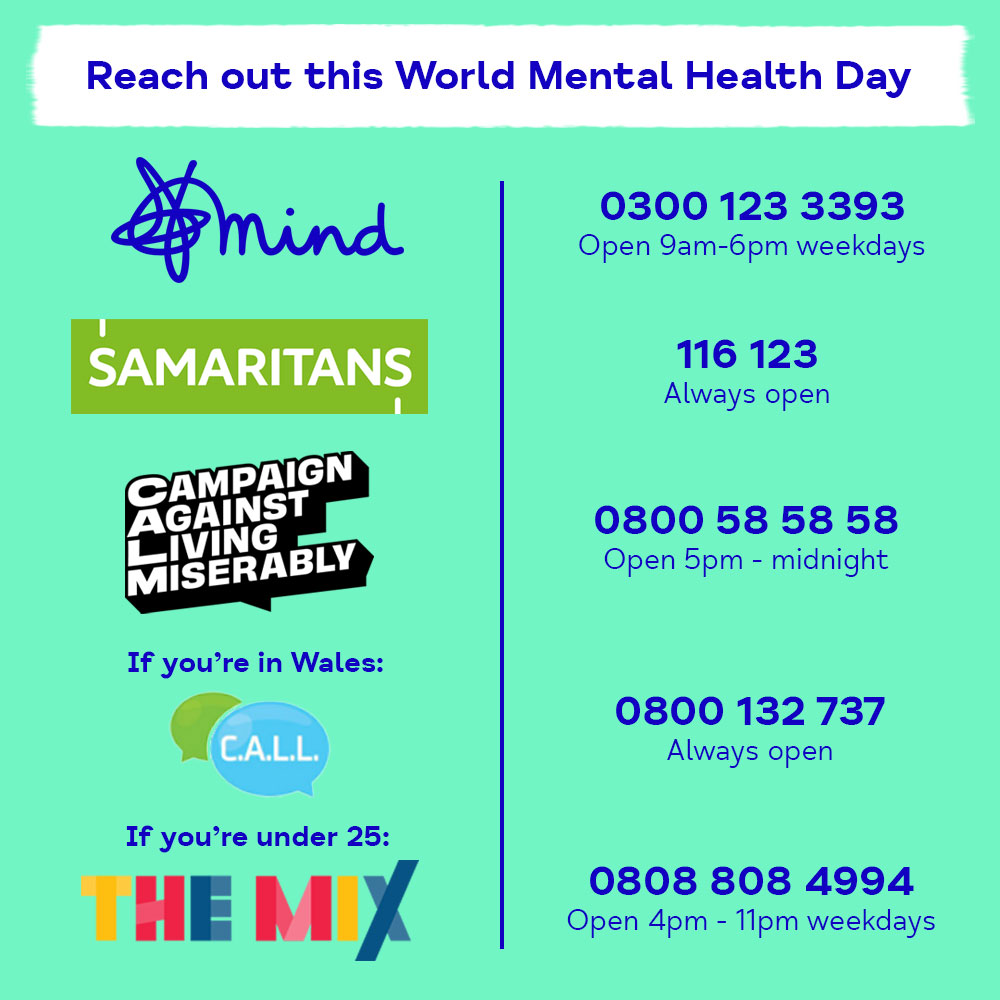
Today is #WorldMentalHealthDay 🌍 And it’s time for action.
Take that first step to getting help. Or share this post and help us reach someone who really needs to see it 💙
82
3,139
3,626
964,065
Mark retweeted

9 Oct 2023
Tomorrow is World Mental Health Day. Sometimes the content shared on days like this can be overwhelming or difficult to read.
It's OK to feel this way.
It's OK to not post anything.
It's OK to log off.
Do what's right for you 💚
We're here if you need us 📱 116 123
5
505
738
110,567