Protein PACT partners are establishing transparent baselines and verifying progress toward ambitious targets for people, animals, communities, and the planet.
Joined December 2021
- Tweets 3,692
- Following 945
- Followers 12,178
- Likes 5,944
1,706 Photos and videos
Pinned Tweet

22 Nov 2024
The #ProteinPACT unites partners across #AnimalAgriculture to accelerate progress toward #GlobalGoals for healthy people, animals, communities, and the climate.
Explore our goals & progress: theproteinpact.org/goals-pro…
100
238
1,032
381,559
Jun 12
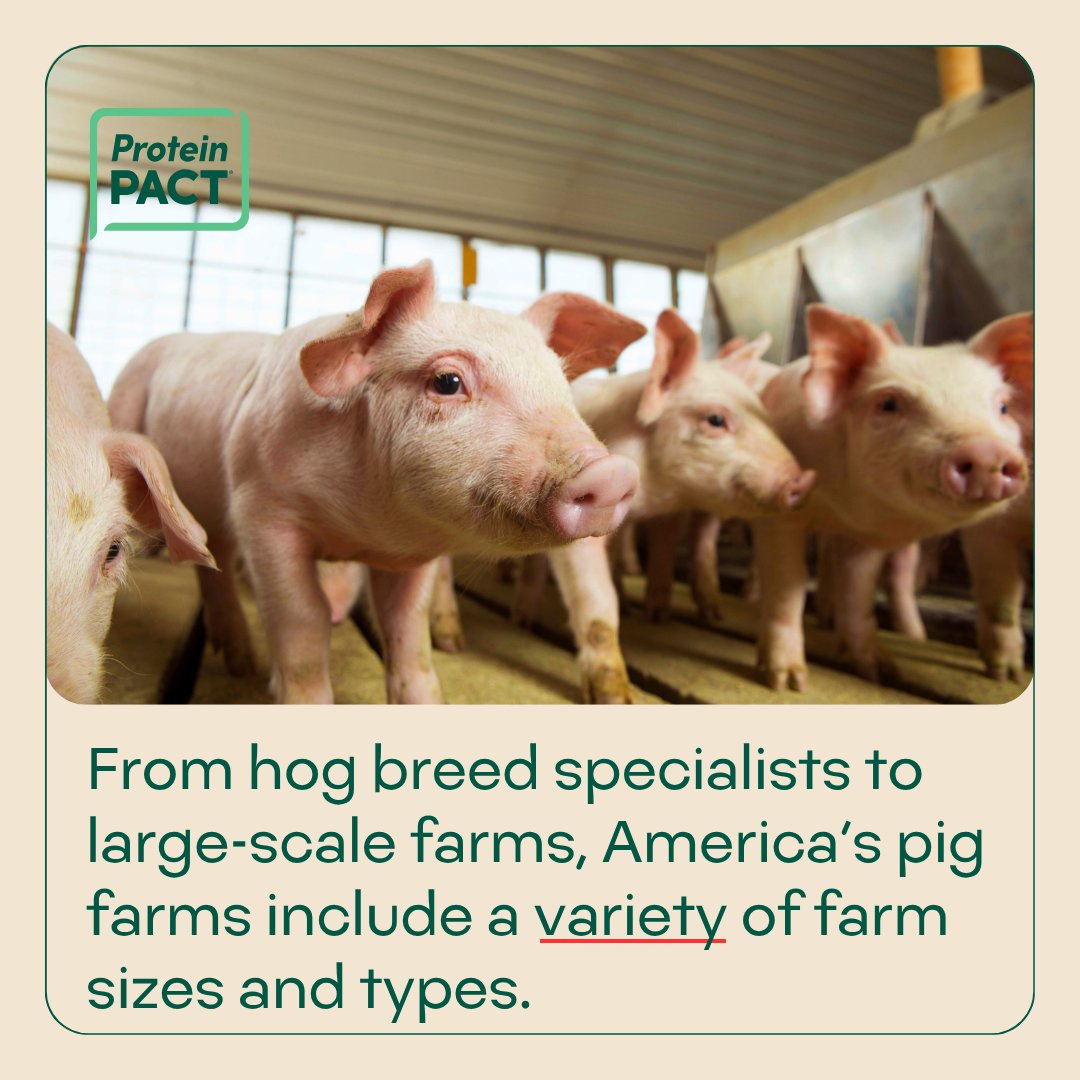
From hog breed specialists to large-scale farms, America’s pig farms include a variety of farm sizes and types. #PorkCares porkcares.org/americas-pig-f…
43
Jun 12
#ProteinPACTSpotlight: Shovel Dot Ranch founder Homer Buell is a 4th-gen rancher focused on sustainable #AnimalAg and enhancing their community, encompassing humans, plants and animals
Learn about #ProteinPACT endorser Trust in Beef's visit to the ranch: drovers.com/news/beef-produc…
42
Jun 11
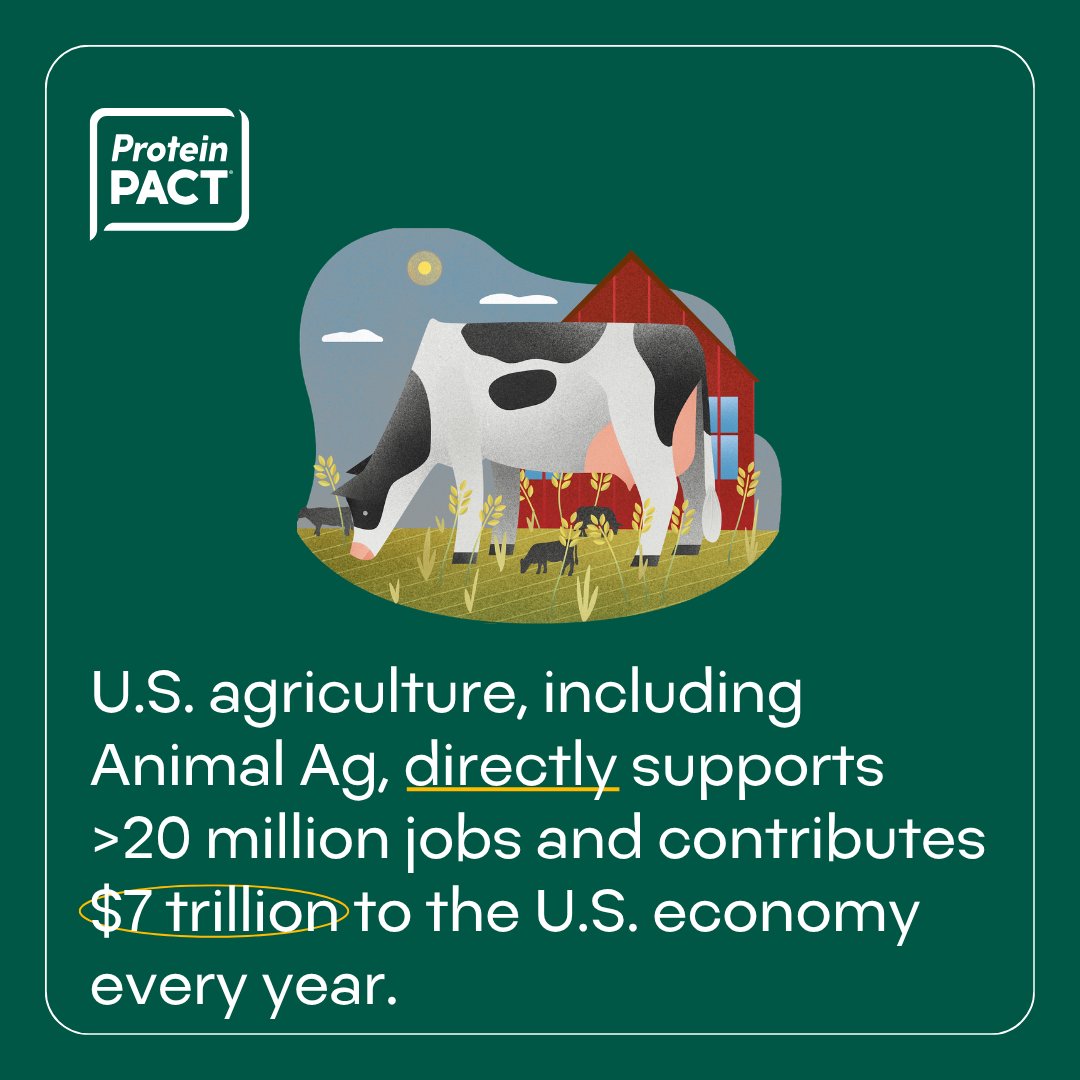
U.S. agriculture, including #AnimalAg, directly supports >20 million jobs and contributes $7 trillion to the U.S. economy every year.
usfarmersandranchers.org/inf…
1
1
81
Jun 11
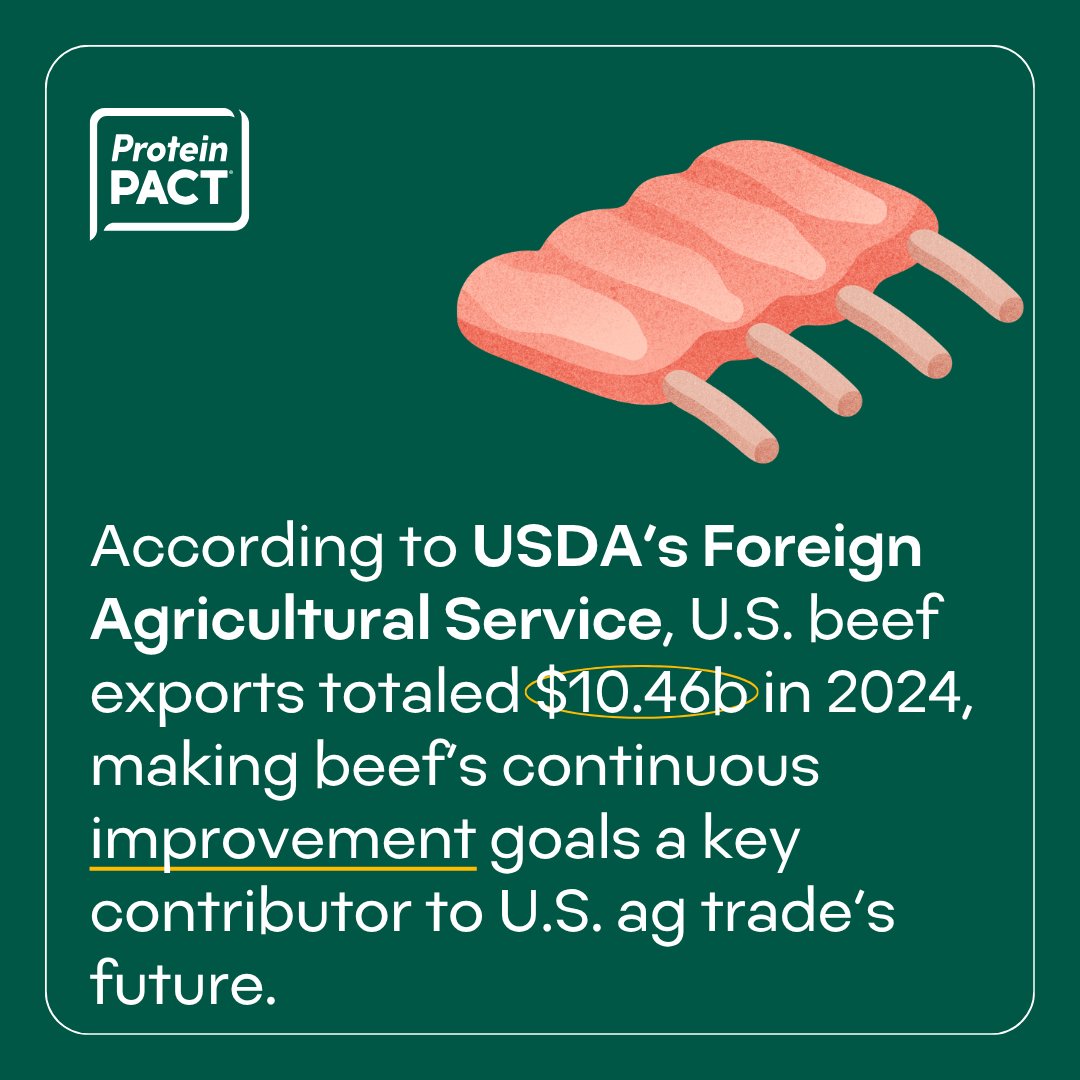
#USBeef feeds families here at home and around the world. According to @USDAForeignAg, U.S. beef exports totaled $10.46b in 2024, making beef's continuous improvement goals a key contributor to U.S. #AgTrade's future.
fas.usda.gov/commodities/bee…
1
53
Jun 10
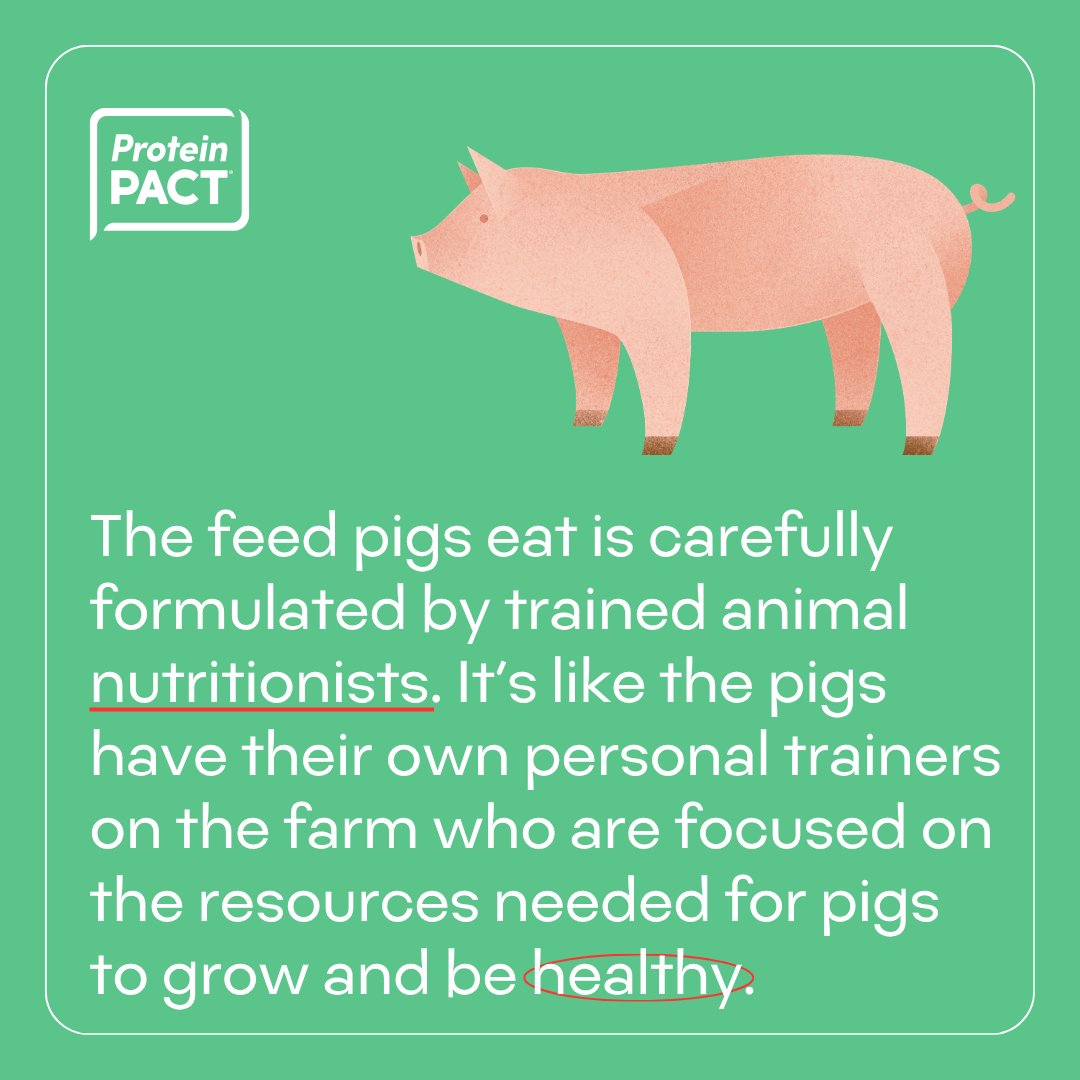
The feed pigs eat is carefully formulated by trained animal nutritionists. It’s like the pigs have their own personal trainers on the farm who are focused on the resources needed for pigs to grow and be healthy.
porkcares.org/progress/anima…
1
59
Jun 10
Getting enough high-quality protein is key to a healthy, balanced diet, and our #ProteinPACT partners are committed to producing food you can feel good about! #PrioritizeProtein
hsph.harvard.edu/nutritionso…
1
103
Dr. Carissa Odland grew up on a sheep farm in Minnesota which inspired her to study the relationship between the health of farm animals like pigs and the health of humans. #PorkCares
Meet Carissa: porkcares.org/americas-pig-f…
69
#ProteinPACTSpotlight: Since 2020, @JBSFoodsUSA and Pilgrim’s have invested $100 million in community projects in 26 states, Canada & Puerto Rico - contributing to affordable housing, school improvements and more. Explore #HometownStrong projects:
hometownstrong.jbssa.com/hom….
1
55
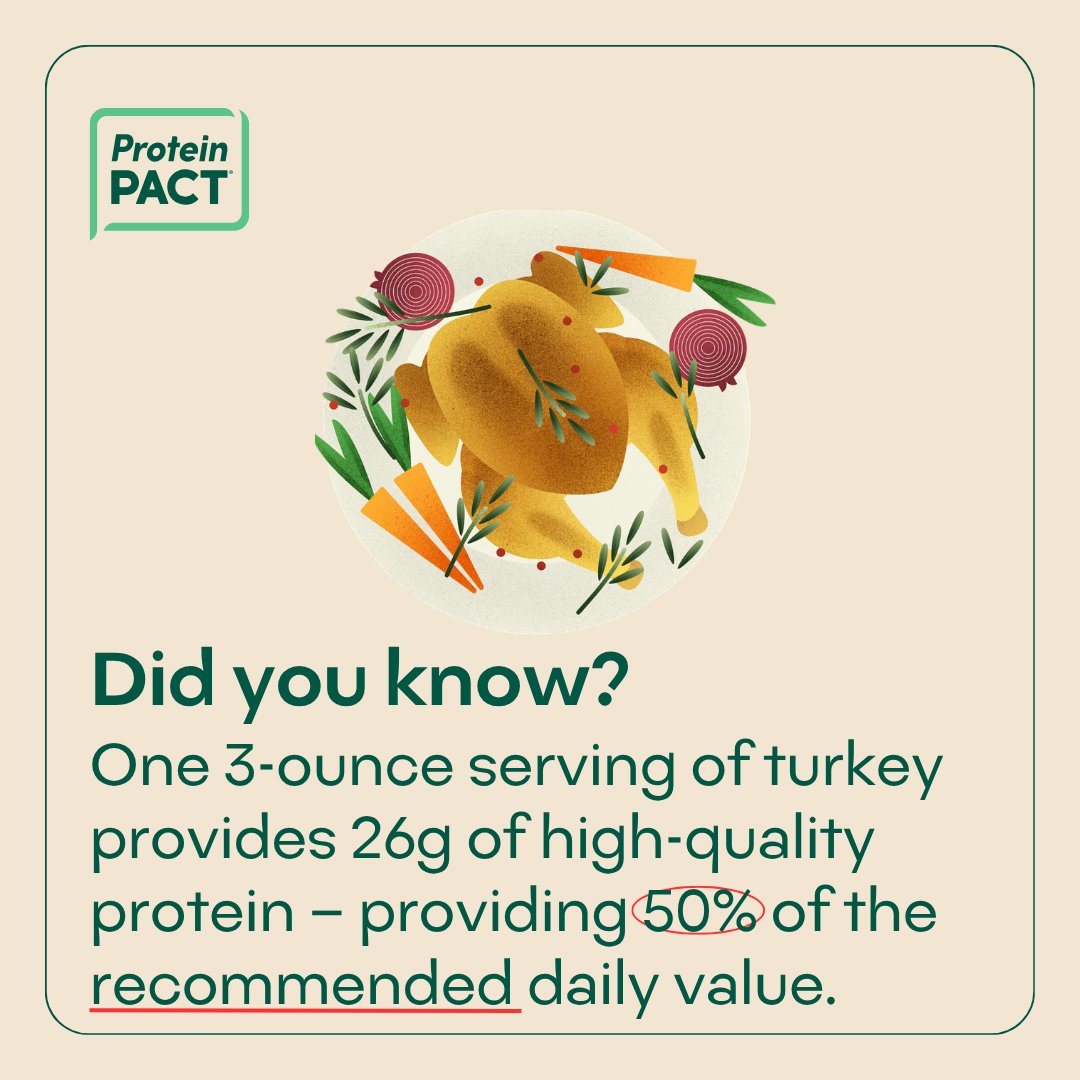
#DidYouKnow: One 3-ounce serving of turkey provides 26g of high-quality protein -- providing 50% of the recommended daily value.
animalagalliance.org/wp-cont…
55
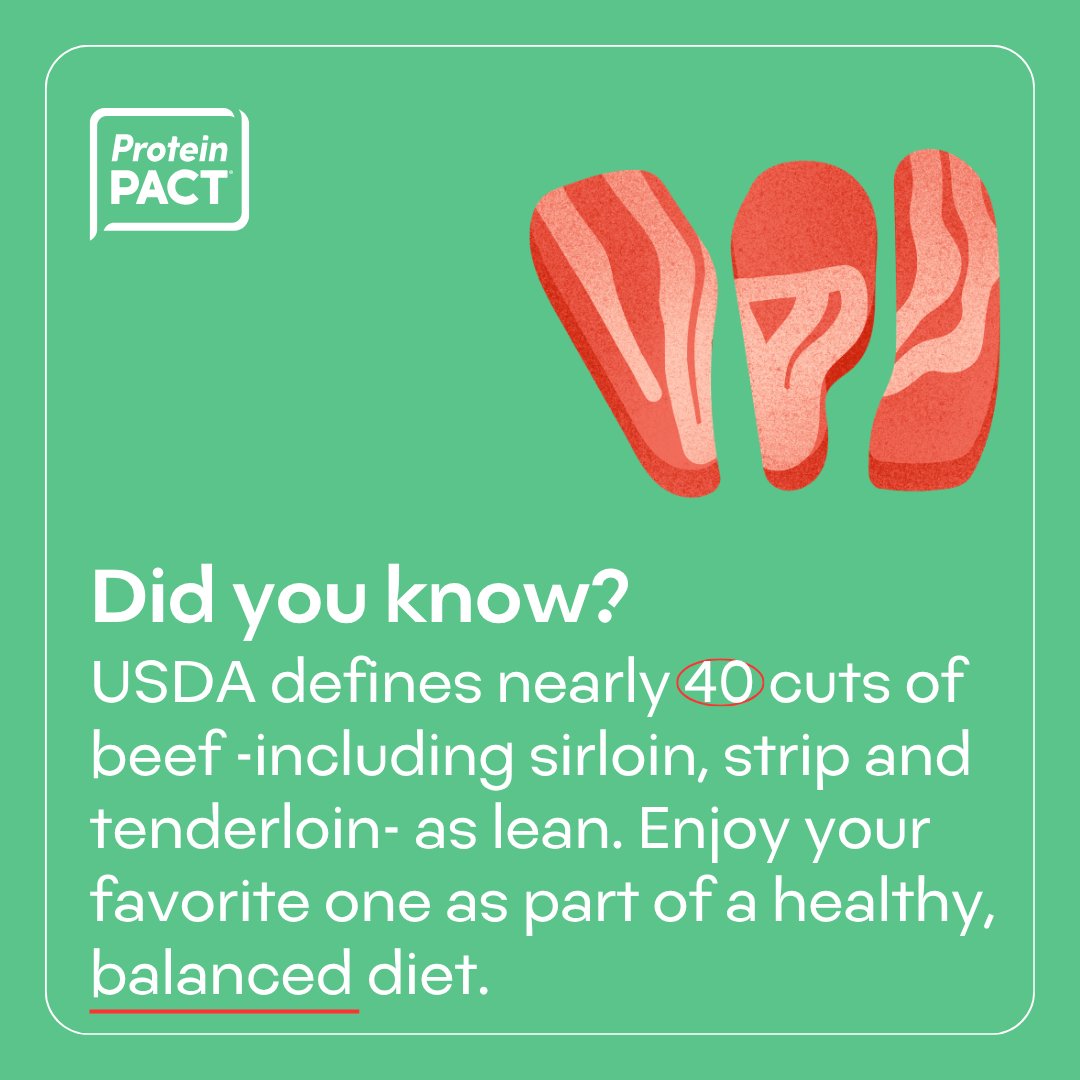
Some #FoodIntelligence for you today: Did you know that @USDA defines nearly 40 cuts of beef -- including sirloin, strip and tenderloin -- as lean? Enjoy your favorite one as part of a healthy, balanced diet. #Yes2Meat
beefitswhatsfordinner.com/nu…
77
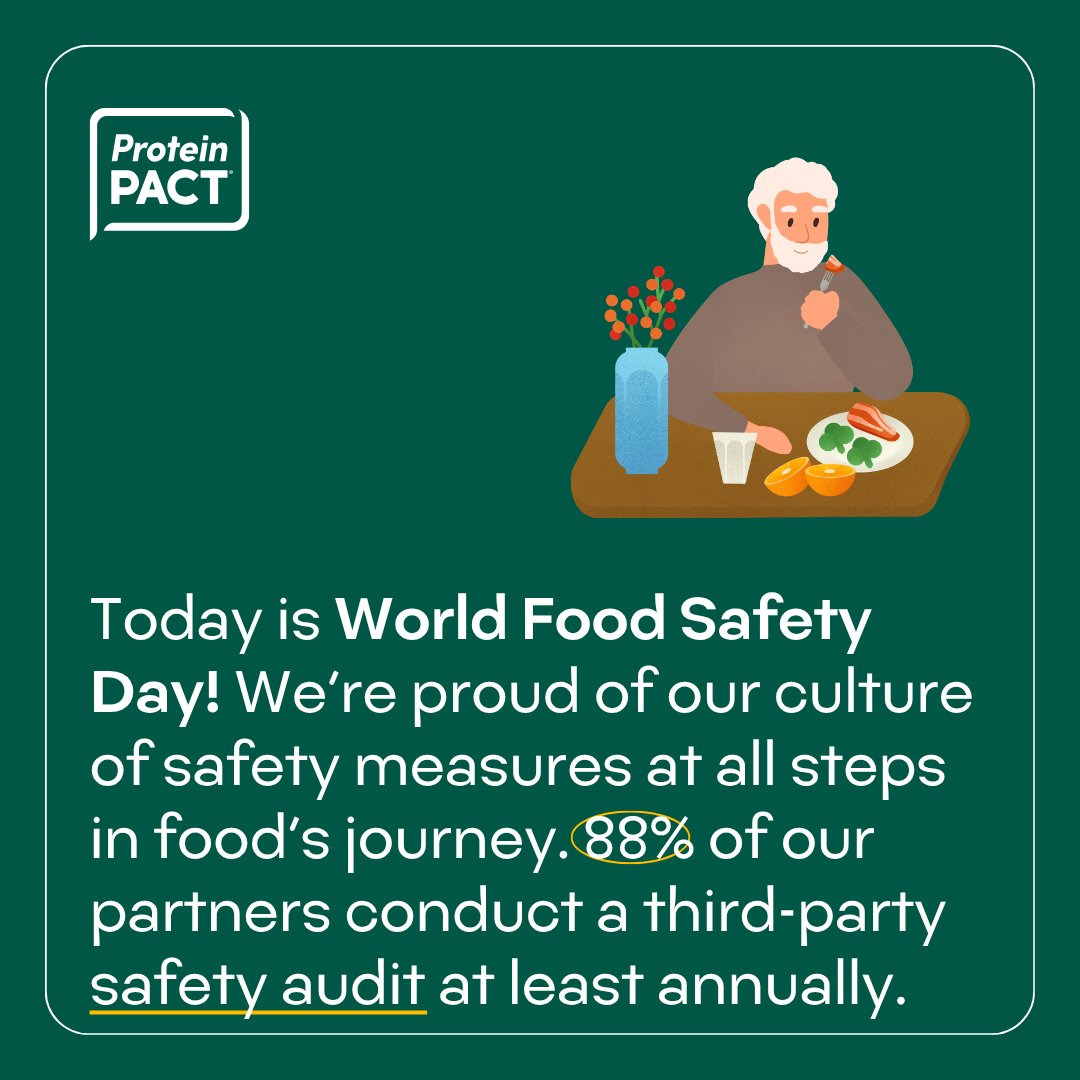
Today is #WorldFoodSafetyDay! 88% of our partners conduct a third-party safety audit at least annually. Learn how #ProteinPACT partners work to produce safe products without exception:
meatinstitute.org/sites/defa…
1
57
Tomorrow is #WorldFoodSafetyDay! We're proud that nearly 90% of #ProteinPACT partners implement teams that periodically review their food safety programs, taking immediate action where improvement is needed. #ScienceInAction
meatinstitute.org/sites/defa…
1
63
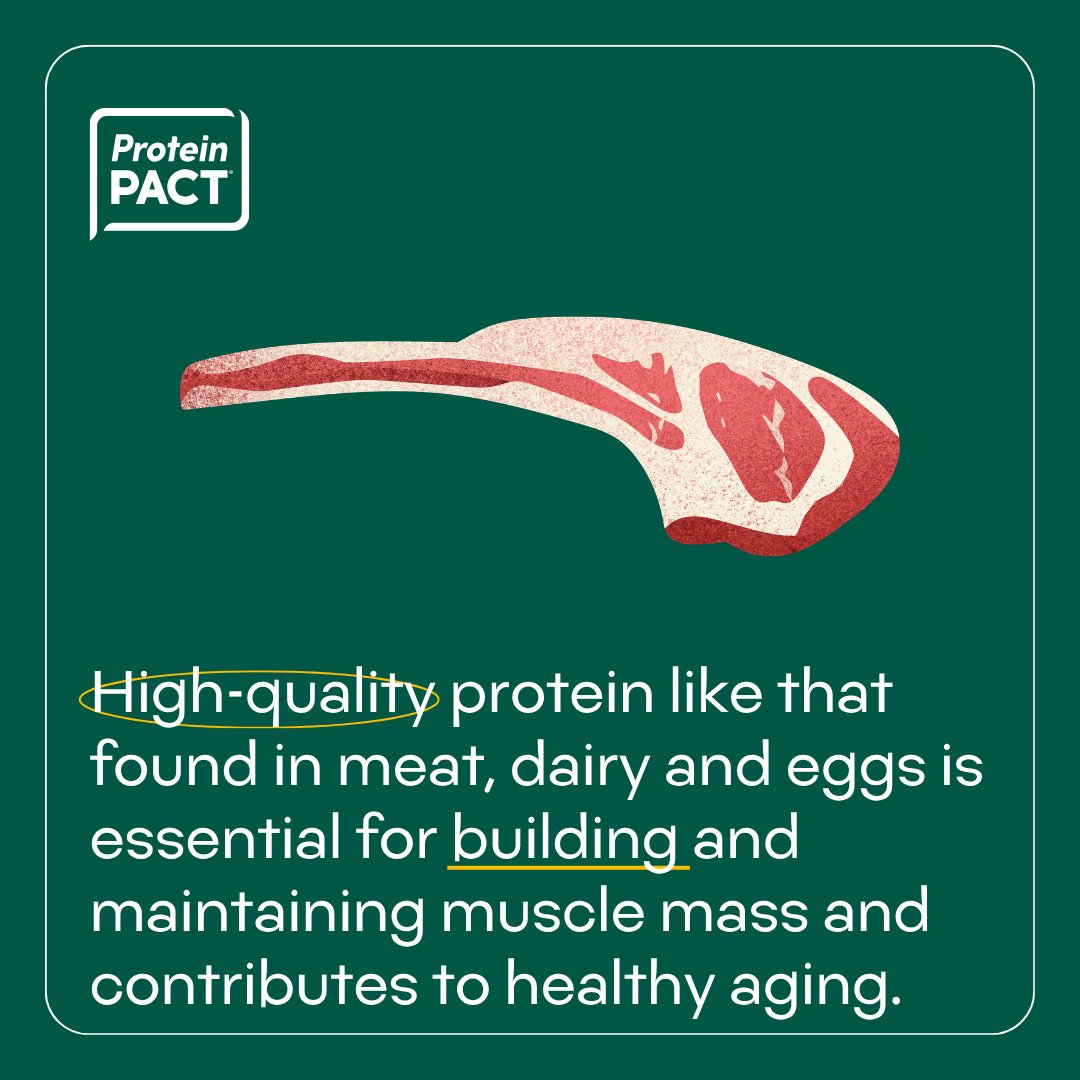
High-quality protein like that found in meat, dairy, and eggs is essential for building and maintaining muscle mass and contributes to healthy aging. #EatMeat #Yes2Meat
pubmed.ncbi.nlm.nih.gov/1112…
1
1
138
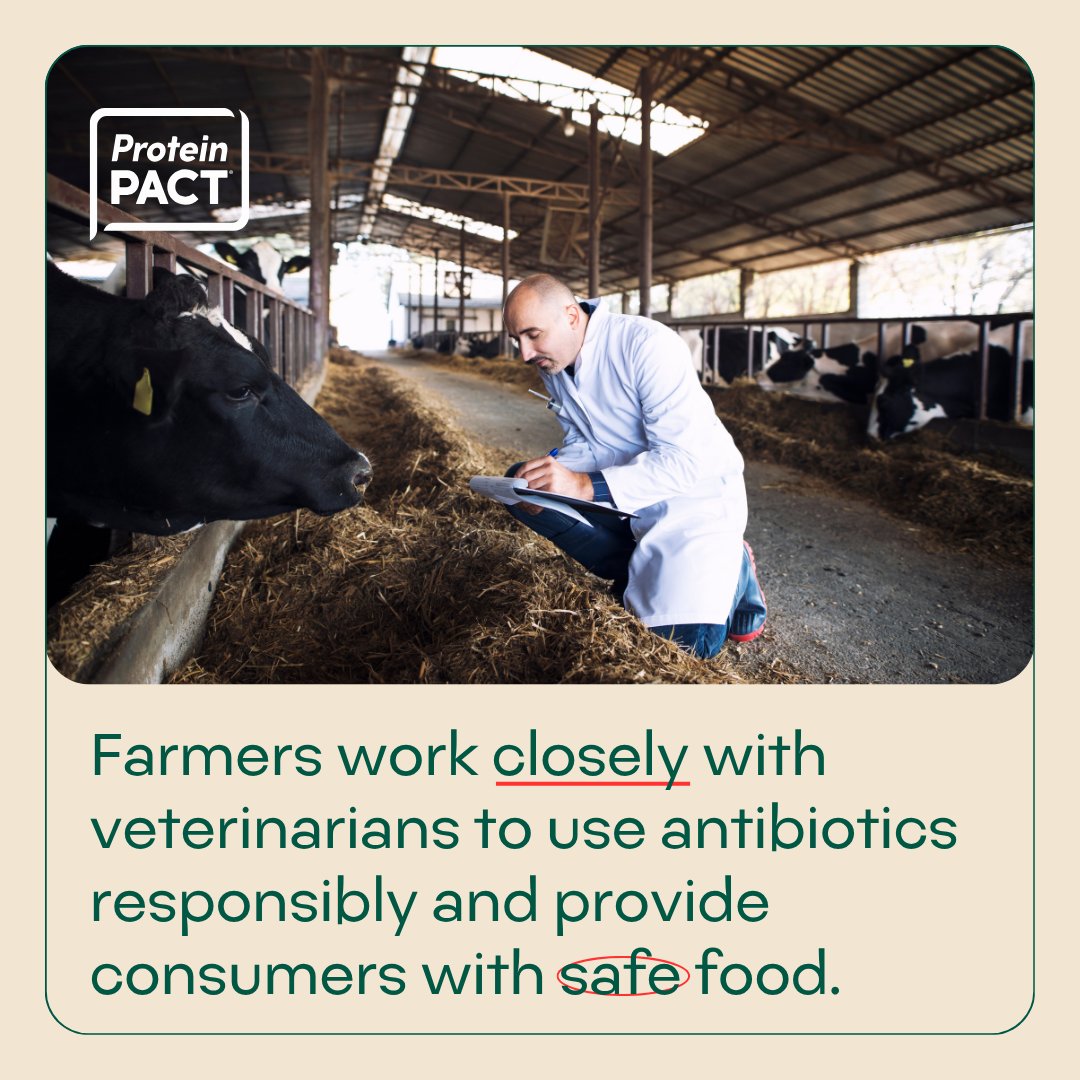
Interested in how animal care relates to food safety? Farmers work closely with veterinarians to use antibiotics responsibly and provide consumers with safe food.
animalagalliance.org/issues/…
47
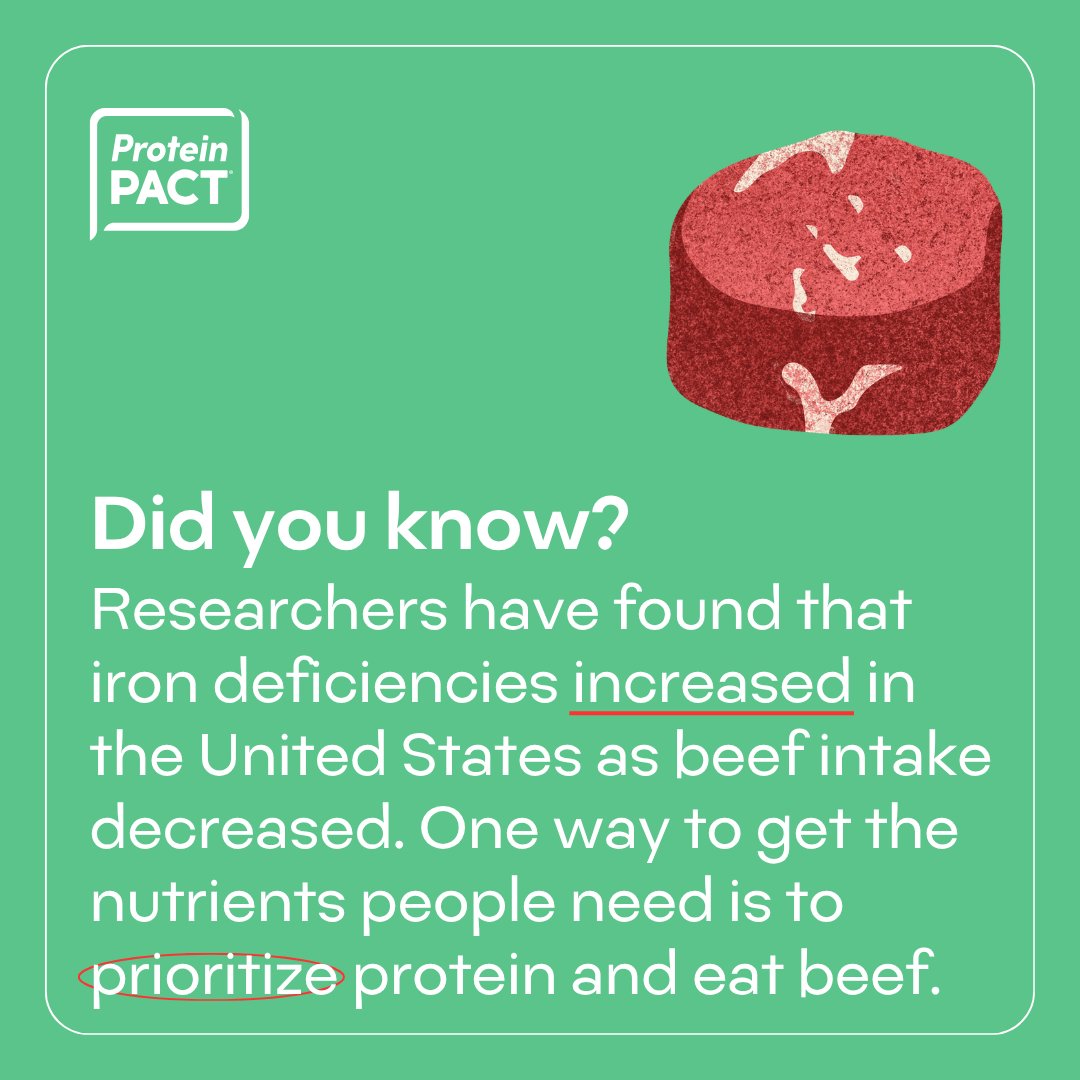
#DidYouKnow: Researchers have found that iron deficiencies increased in the United States as beef intake decreased. One way to get the nutrients people need is to #PrioritizeProtein and #EatBeef.
pubmed.ncbi.nlm.nih.gov/3383…
59
#ProteinPACT partners and their members consistently give back to their communities, including by working to #EndHunger -- that deserves a big #ProteinPACTSpotlight. @MeatInstitute shares some examples of company efforts here: meatinstitute.org/ht/a/GetDo…
2
139
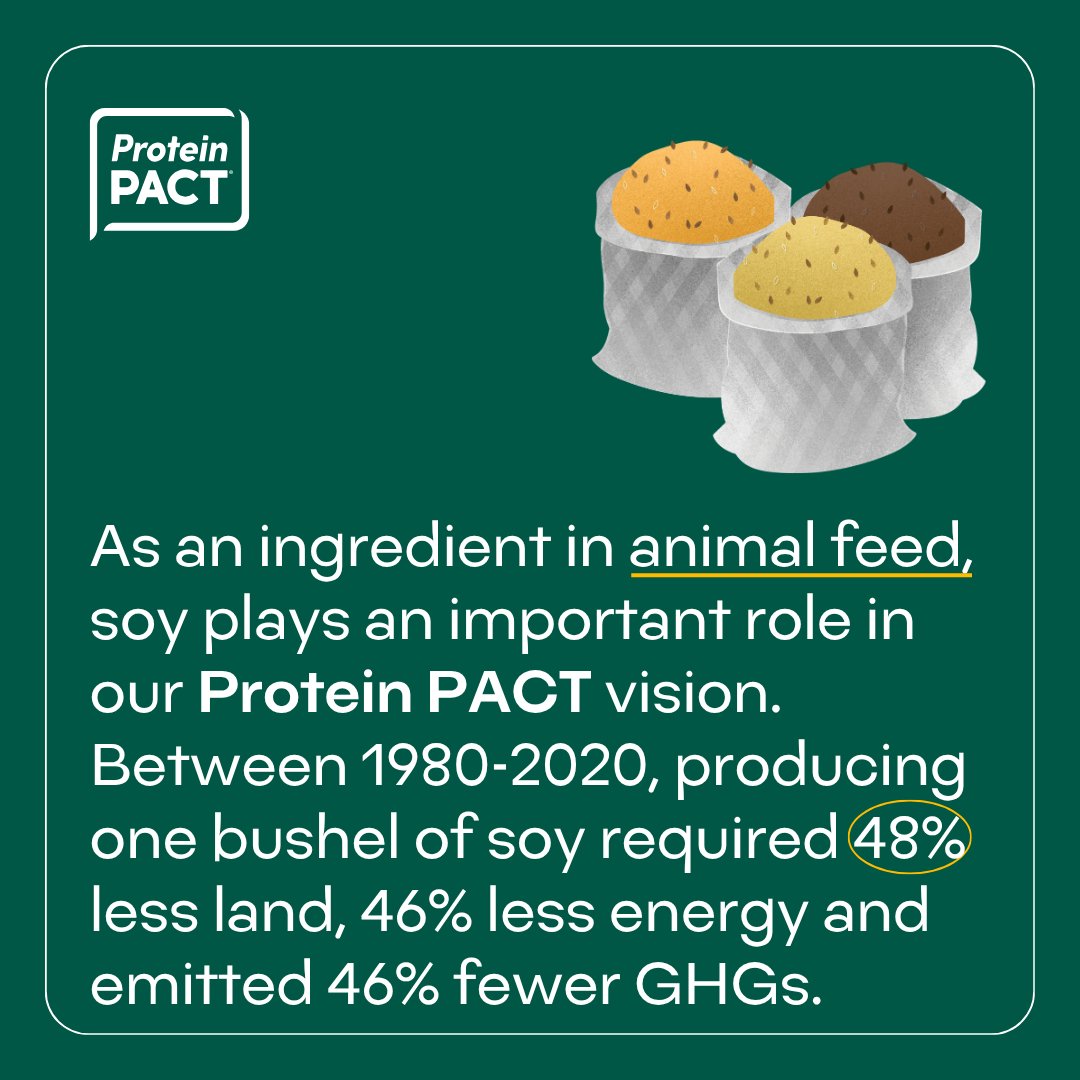
As an ingredient in animal feed, soy plays an important role in our #ProteinPACT vision. Between 1980-2020, producing one bushel of soy required 48% less land, 46% less energy and emitted 43% fewer GHGs.
usfarmersandranchers.org/inf…
55
Happy #NationalEggDay! #ProteinPACT partner @AnimalAg includes some #eggscellent facts on egg nutrition and sustainability in their annual Sustainability Report. Check it out for some more interesting facts.
animalagalliance.org/issues/…
1
65
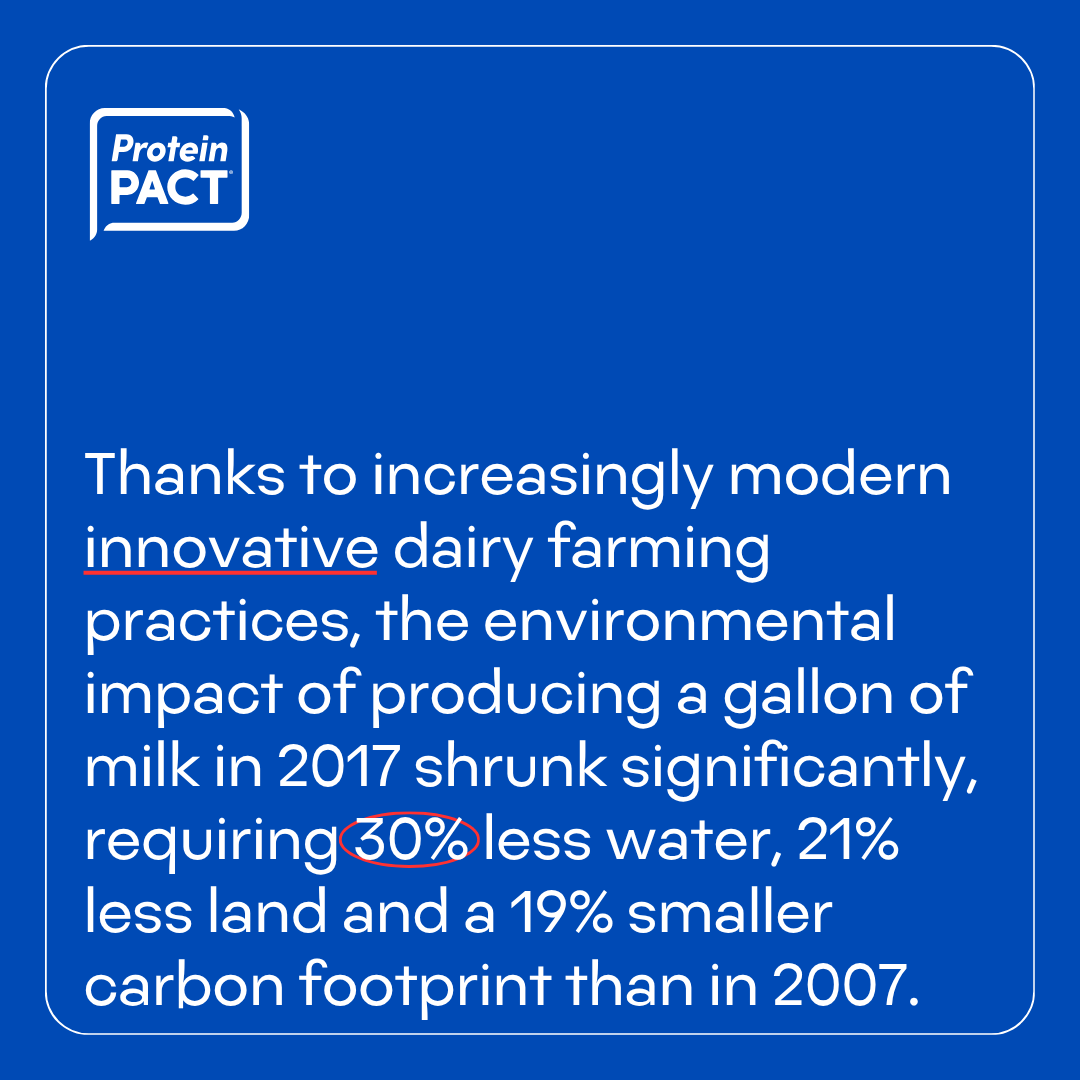
Thanks to increasingly modern and innovative dairy farming practices, the environmental impact of producing a gallon of milk in 2017 shrunk significantly, requiring 30% less water, 21% less land and a 19% smaller carbon footprint than it did in 2007.
usdairy.com/sustainability/e…
1
69
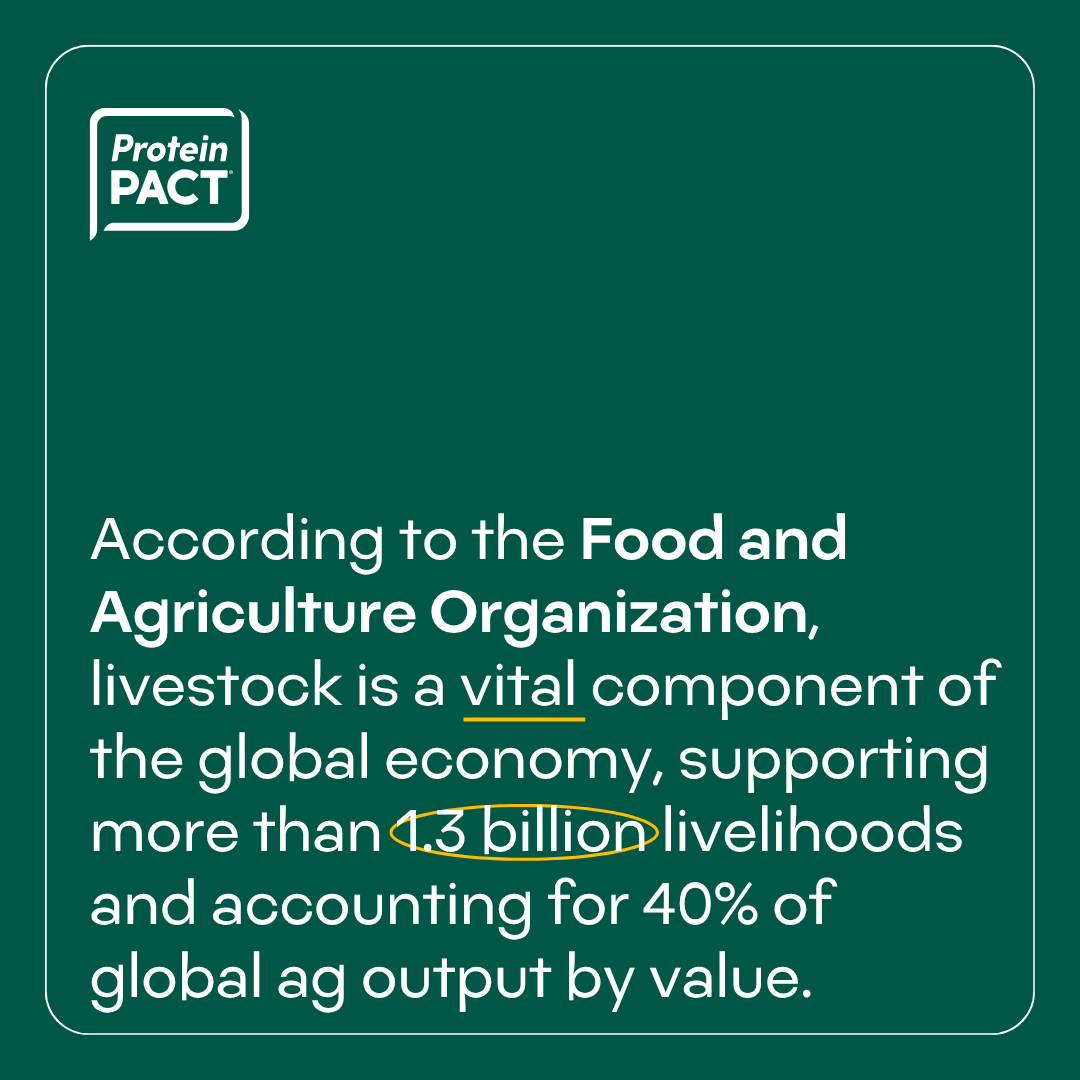
Want to know more about why #MeatIsImportant? According to @FAO, livestock is a vital component of the global economy, supporting 1.3 billion livelihoods around the world and accounting for 40% of global ag output by value. #Yes2Meat #PrioritizeProtein
fao.org/3/a0701e/a0701e.pdf
188