Empowering African broadcasters with innovative training and tools to tell authentic stories and deliver impactful journalism
Joined January 2014
- Tweets 5,710
- Following 155
- Followers 3,717
- Likes 406
1,004 Photos and videos


Pinned Tweet
Dear Radio Journalists, How Can We Support You?
Radio journalism is evolving quickly, and the skills needed to stay relevant, trusted, and impactful are changing too.
At The Radio Masterclass, we are focusing this year on training and capacity development for radio stations across Africa, with particular attention to West Africa, Nigeria, and Ghana.
We are inviting radio journalists, editors, and station managers to tell us where their stations and teams need more support and training.
Take a few minutes to fill out the survey and help us build training that responds to real newsroom needs.
👇🏾
forms.gle/muecFDujixG5z71AA
1
217
The Radio Masterclass retweeted

May 25
Let me teach you a pronunciation rule that I learnt at the beginning of my newscasting career.
Whenever the word “THE” precedes a consonant sound, the pronunciation is like ‘THUH’.
If it precedes a vowel sound, the pronunciation is like ‘THEE’.
Watch the video to learn more.
9
38
156
6,814

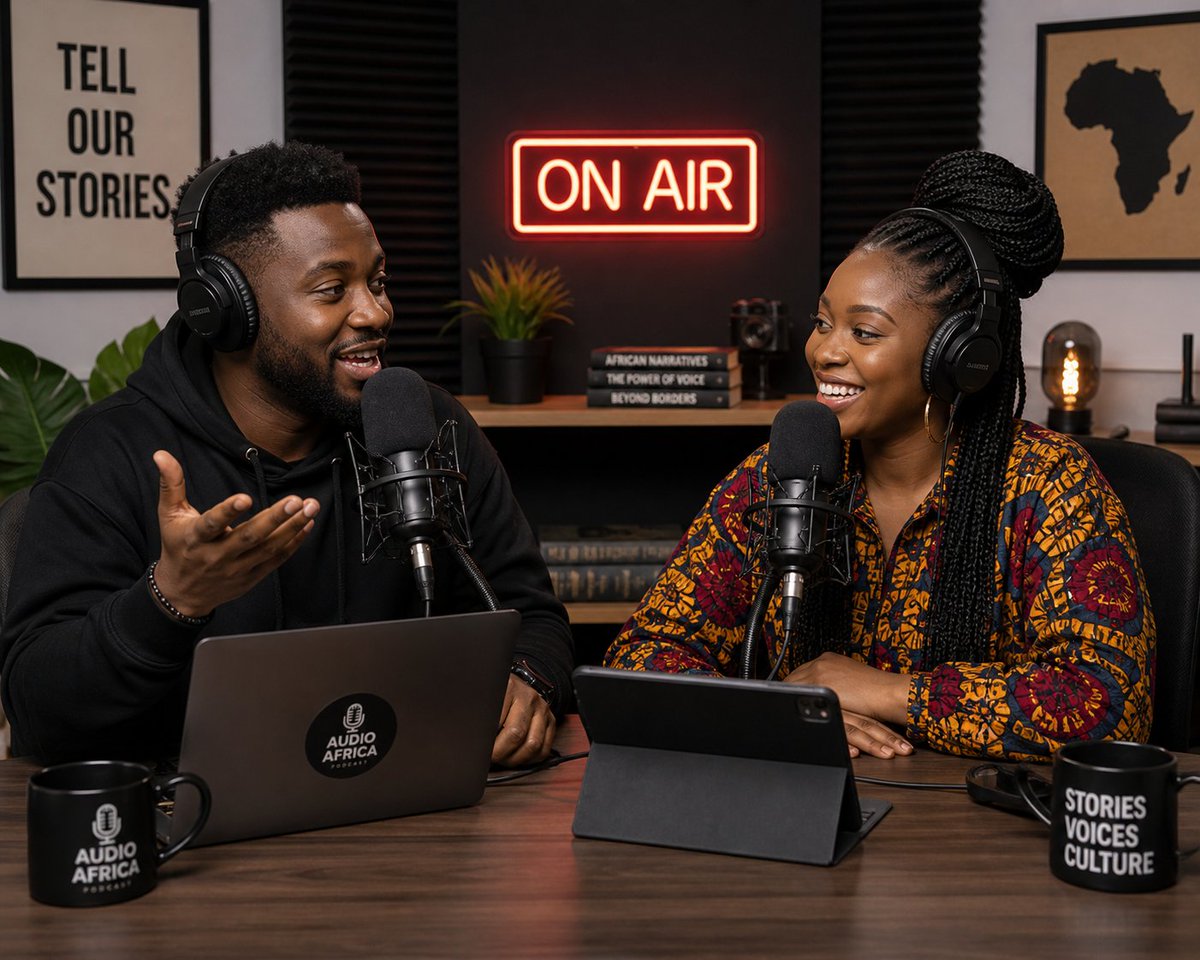
Being a great podcast co-host is not just about having good conversations on mic. It is also about communication, trust, balance and knowing how to work through different opinions and personalities.
For podcasters who co-host their shows, what is one piece of advice you would give someone starting a podcast with another person? Let us know in the comments.
1
74
The Radio Masterclass retweeted

Apr 20
You’re on radio… but is your show actually working? 🎙️
A lot of presenters have the voice, but struggle with:
•Structure
•Storytelling
•Audience connection
That’s what RadioRoom is fixing.
📅 May 9
⏰ 10AM – 6PM
💰 ₦10,000
Register: bit.ly/radioroomworkshop
3
1
41
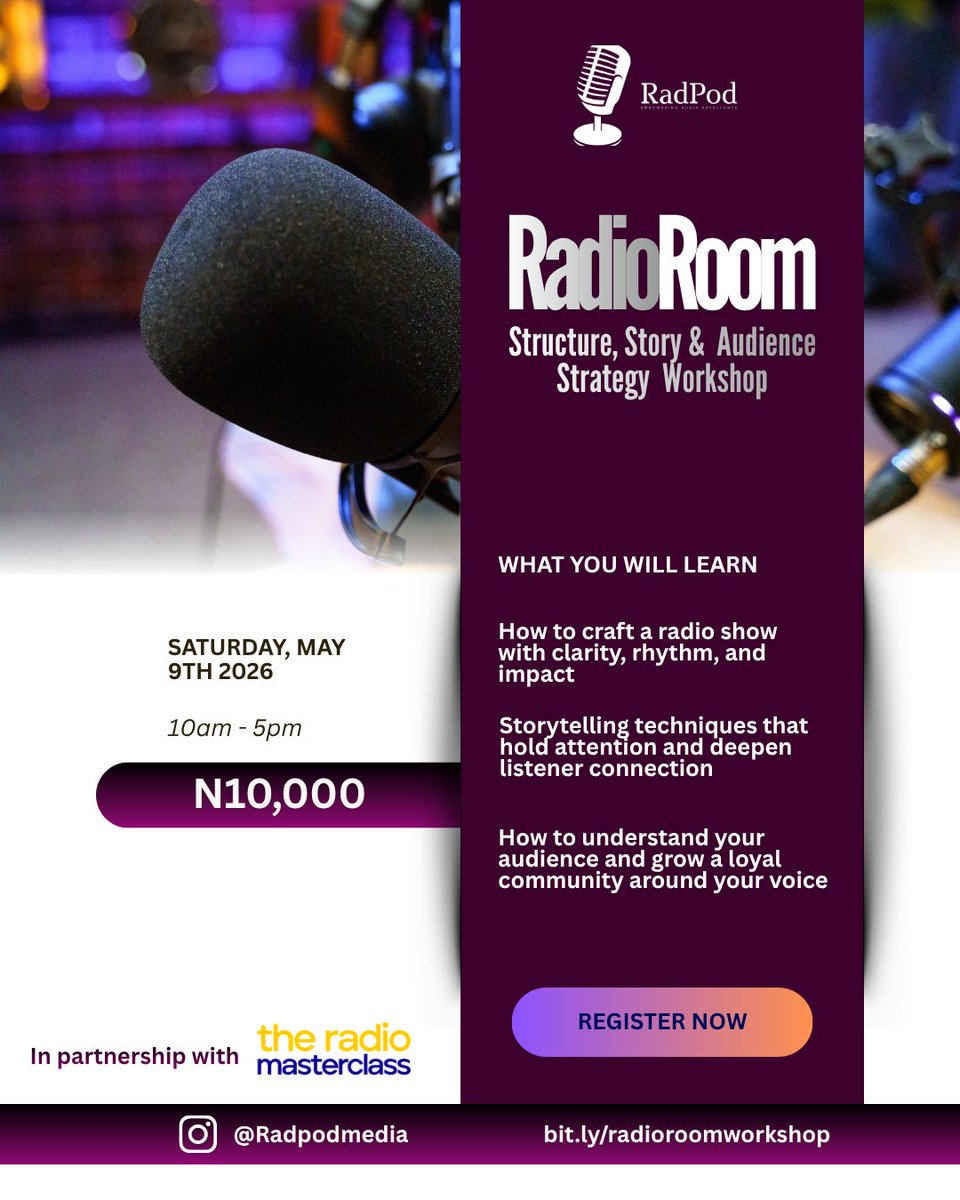
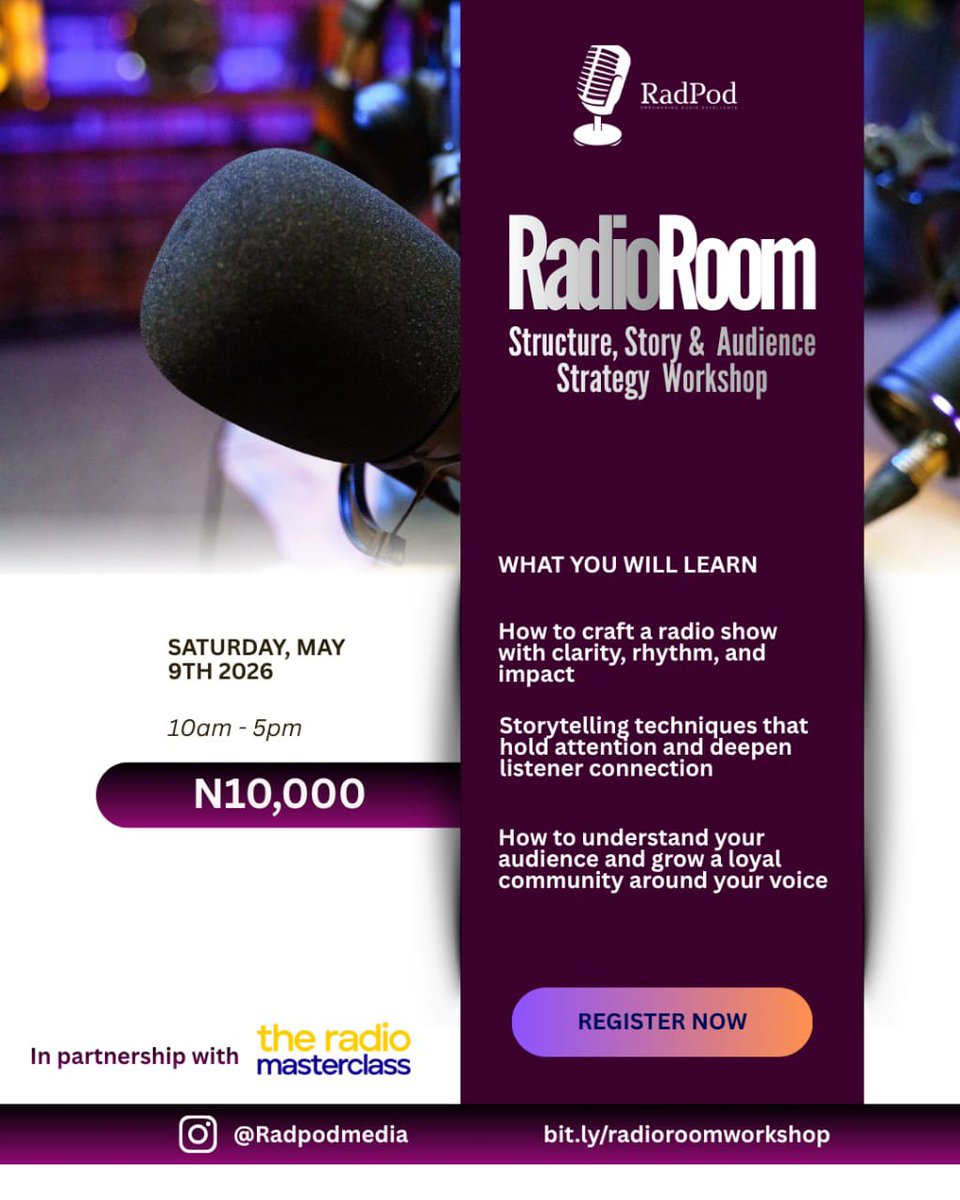
Most radio shows don’t fail because of lack of talent. They fail because there’s no structure, no clear story, and no real understanding of the audience.
That’s what we’re fixing with RadioRoom by @radpodconsult
In this one-day workshop, we’re going deep into how great radio actually works, from building a show that flows with clarity and rhythm, to telling stories that hold attention, to understanding the audience you’re speaking to and how to grow a community around your voice.
If you’re serious about becoming a stronger presenter, producer, or storyteller, this is practical, hands-on work you can apply immediately.
🗓 Saturday, May 9, 2026
⏰ 10am – 5pm
💰 ₦10,000
Spots are limited.
Register here: bit.ly/radioroomworkshop
#RadioMasterclass #BroadcastJournalism #AudioStorytelling #MediaTraining #AfricanMedia #RadioProfessionals
3
3
142
The Radio Masterclass retweeted

In this video, we test an AI tool designed to support African languages and explore how journalists can use it to create news in multiple formats, including articles, infographics, and videos.
FULL TUTORIAL: youtu.be/b1bSIxTvv-8?si=1Crk…
1
4
5
352
Radio journalists & editors - we want to hear from you. What support, tools or training would help you navigate the demands of the current journalism environment?
Take our training survey and let's help you!
wix.to/WXv7woB
#RadioJournalism #News #Media
1
1
61
A CV filled with different radio stations can look impressive.
But if the depth of your work has not expanded, if your authority has not increased, if your skills have not evolved beyond talking on the mic, then you are not building upward.
You are simply relocating sideways.
theradiomasterclass.com/post…
1
42
When you're chasing that next big break in radio, it’s tempting to just focus on impressing your potential employer. But pay attention; you should be interviewing them just as much as they’re interviewing you.
theradiomasterclass.com/post…
1
53
Radio is a living tradition, ever adapting. It has survived wars, political upheavals, and technological disruptions. The digital audio revolution is its next test and its next triumph if we choose wisely
theradiomasterclass.com/post…
1
2
71
ANNOUNCEMENT
Dear Community
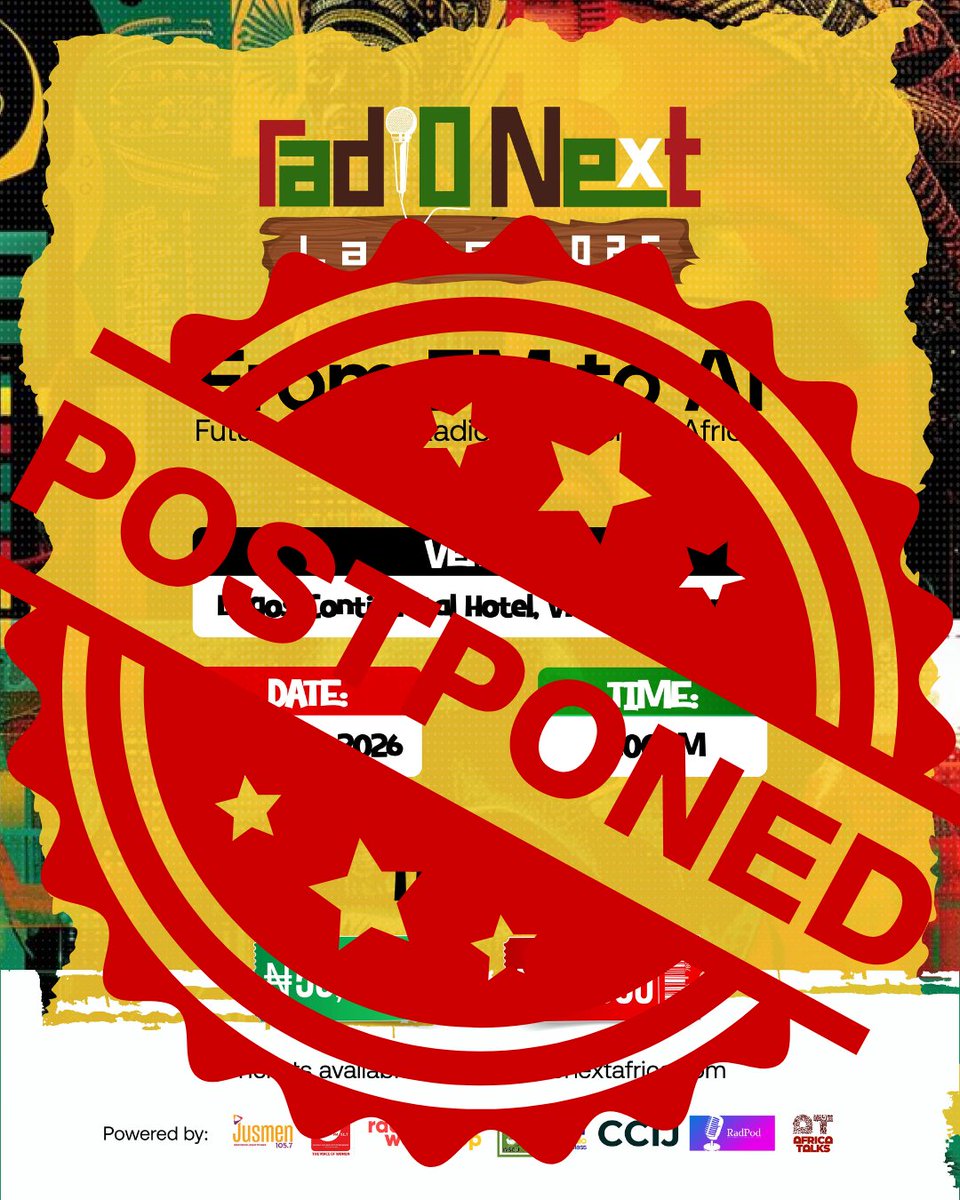
Due to circumstances beyond our control, we have made the difficult decision to postpone radioNext. New dates will be announced as soon as they are confirmed. This was not an easy call, but it was necessary to ensure we deliver the kind of experience, conversations, and value this community deserves.
To everyone who has already purchased early bird tickets, please note that refunds will be processed immediately. Our team will reach out directly with next steps.
Thank you to our speakers, partners, and the wider community for your trust, patience, and continued support. We’re grateful, and we look forward to coming back with clearer timelines and renewed momentum.
541

16 Dec 2025
Before you spend everything on #DettyDecember
Remember there’s life after December. Plan smart, invest in your career and in your future.
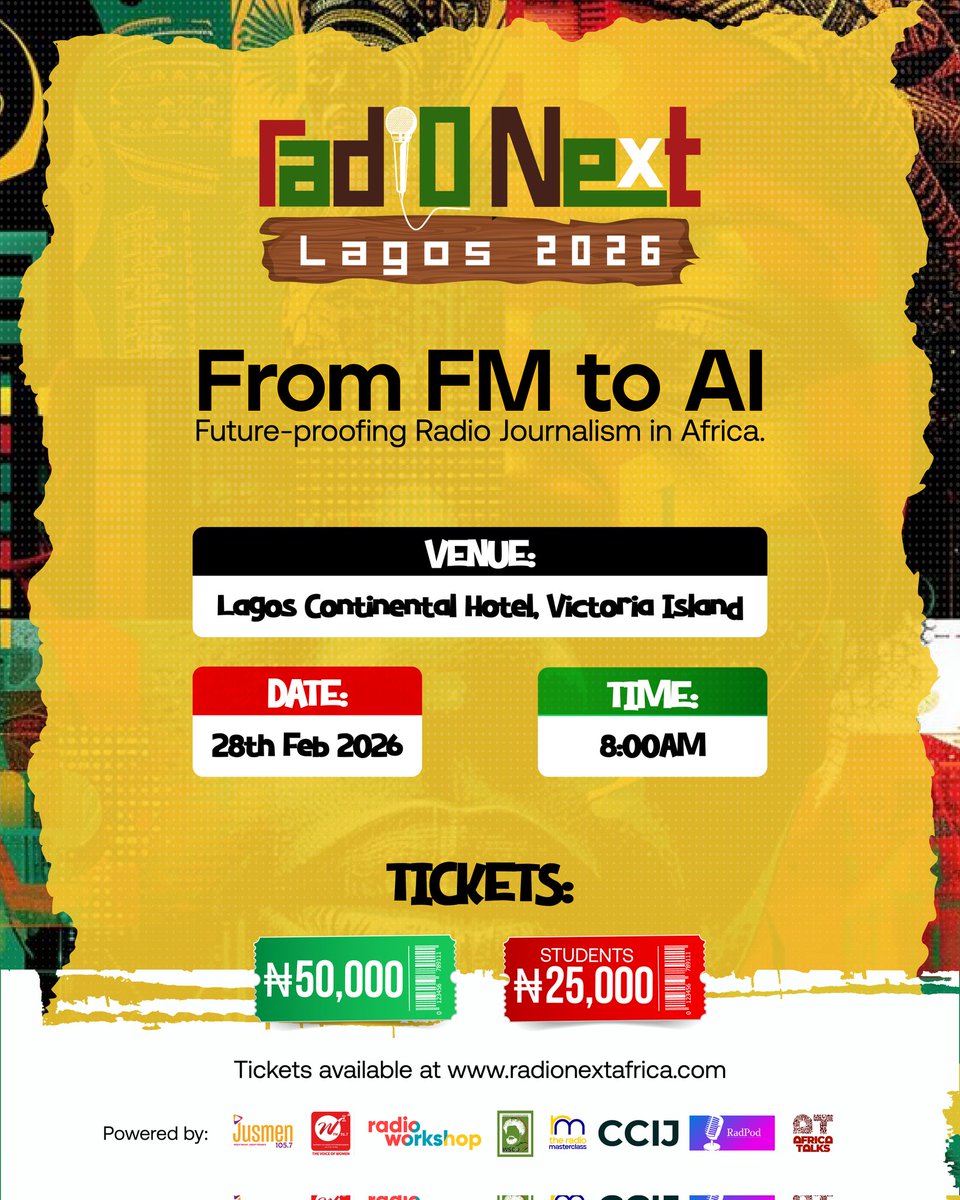
🎟️ Tickets are now on sale for radioNext 2026
📅 Feb 28, 2026
📍 Lagos Continental Hotel
⏰ 8:00 AM
Grab your ticket 👉 radionextafrica.com
3
2
324
The Radio Masterclass retweeted

12 Dec 2025
Who Really Benefits When We Don’t Talk About Our Salaries?
linkedin.com/pulse/who-reall…
1
293
3 Dec 2025
Registration is now OPEN for radioNext 2026!
Africa’s biggest conversation about the future of radio and audio storytelling is happening on February 28, 2026, at the Lagos Continental Hotel, Victoria Island — and you can now secure your seat!
With the theme “From FM to AI: Future-proofing Radio Journalism in Africa,” radioNext 2026 brings together broadcasters, podcasters, newsroom innovators, creators, and students from across the continent for a full day of learning, inspiration, and industry-shaping conversations.
Date: 28th February 2026
Time: 8:00 AM
Venue: Lagos Continental Hotel
🎟️ Tickets:
Professionals – ₦50,000
Students – ₦25,000
Join us for keynotes, workshops, panels, fireside conversations, demos, networking and so much more. This is where the future of African radio begins.
Register now at radionextafrica.com
1
1
377
24 Oct 2025
Get Ready!!
Africa’s biggest conversation on the future of radio and audio storytelling is coming soon — #radioNextLagos!
Join broadcasters, podcasters, and media innovators from across the continent as we explore how radio can thrive in the digital age — from FM to AI, and everything in between.
📅 February 28, 2026
📍 Lagos Continental Hotel
👉 See full details and updates at radioNextAfrica.com
#radioNext2026 #AfricanMedia
4
5
2,727
The Radio Masterclass retweeted

23 Oct 2025
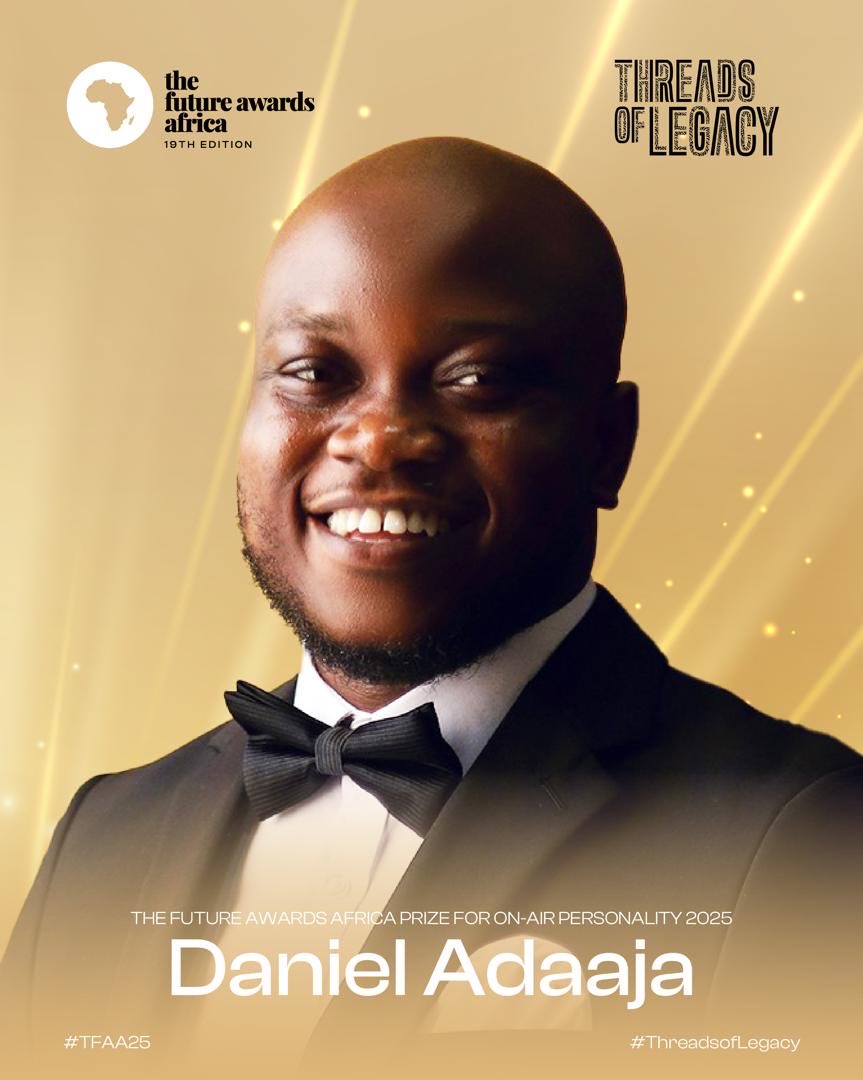
Humbled to be nominated for The Future Awards Africa Prize for On-Air Personality 2025 @TFAAfrica
From The Radio Room to Blast Rise on Blast FM, this journey has been about passion, purpose & people.
This one’s for everyone who believes in the power of radio.
#TFAA19 #radio
5
12
180
The Radio Masterclass retweeted
9 Oct 2025
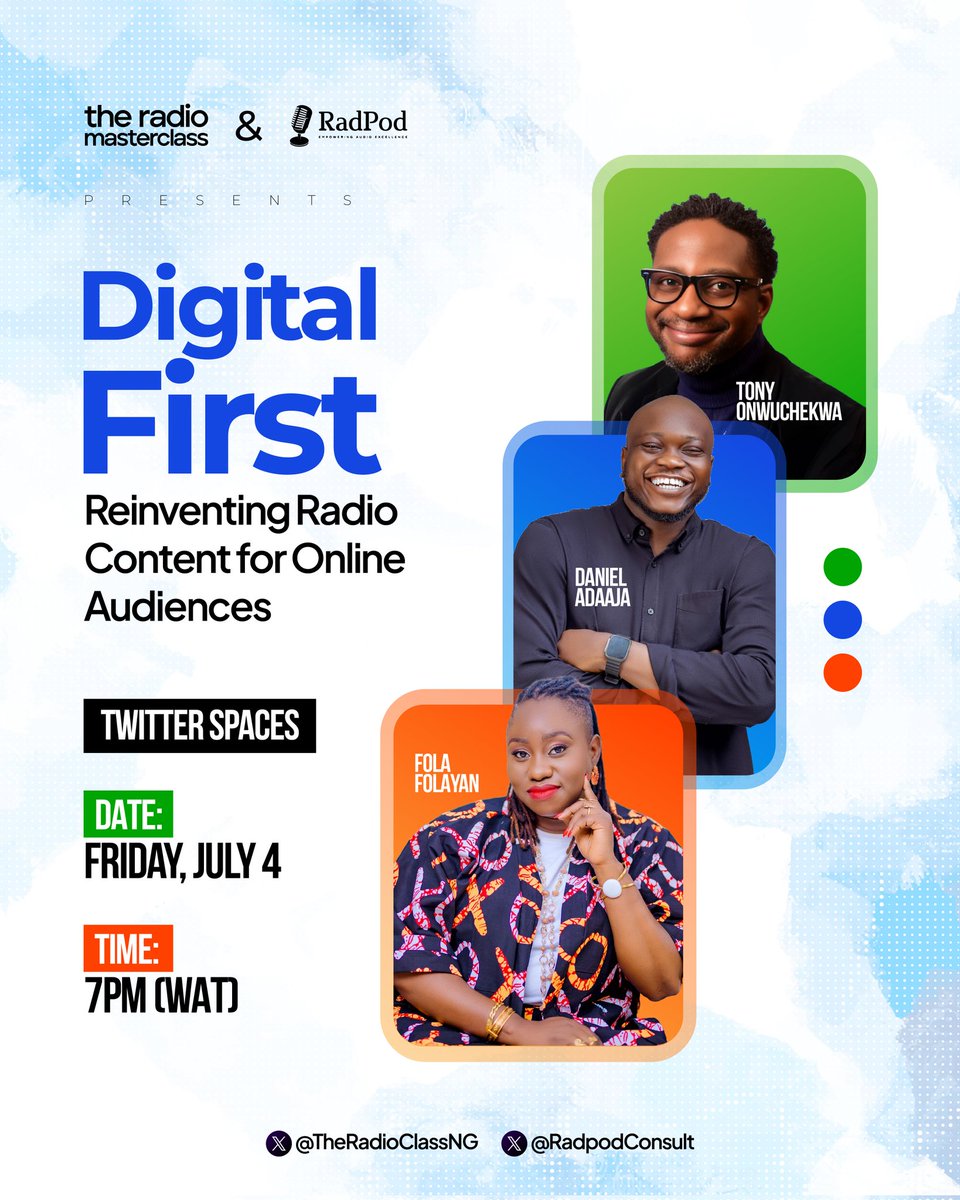
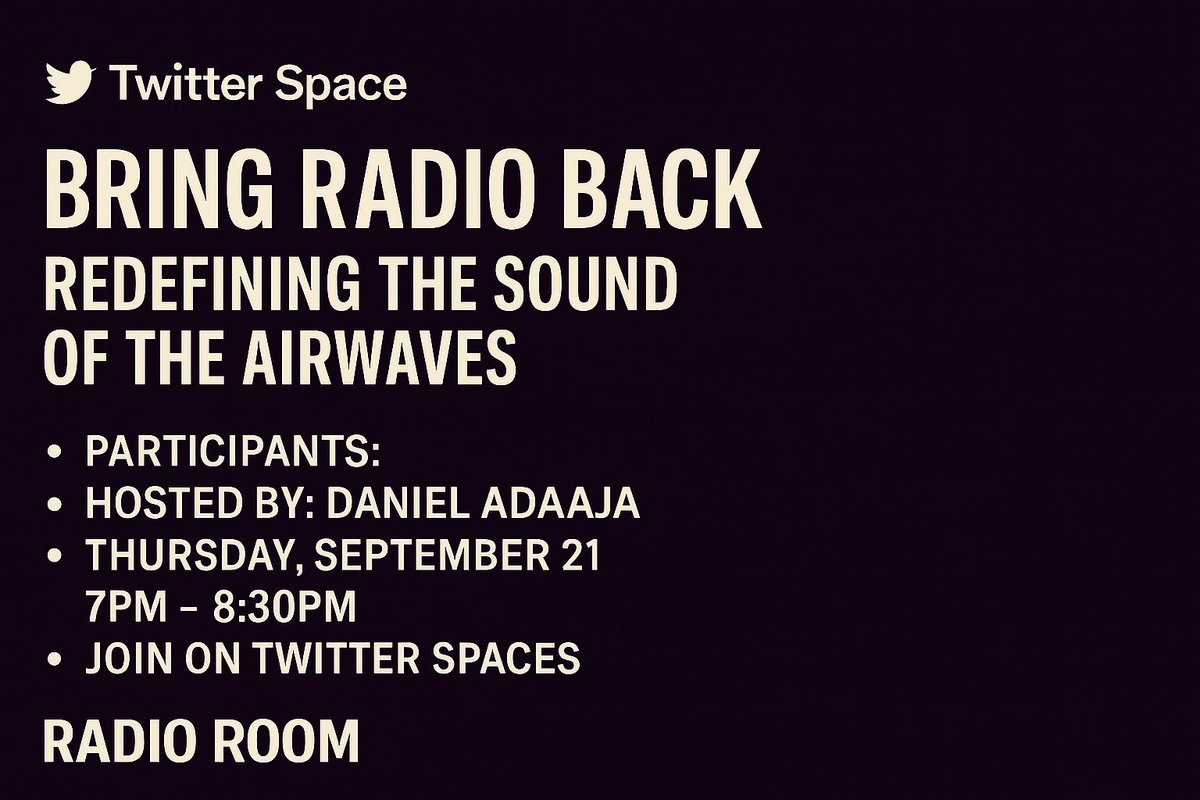
Full Episode of the twitter space if you know anyone who works on radio, tag them to this post

1
4
133
6 Oct 2025
Set a reminder for this important conversation! 👇🏿
6 Oct 2025
Set a reminder for my upcoming Space! x.com/i/spaces/1yoJMPYdYwlGQ
Daniel Adaaja x @sammyajufo Dr. Sammy Ajufo
Join the conversation
LIVE on X @danpowertouch X @radpodconsult
#RadioRoom #BroadcastTalk
1
2
214
16 Sep 2025
Radio marketing balances at the intersection of art, science, psychology and commerce. It connects listeners to audio and content, and advertisers to audiences.
themediaonline.co.za/2025/09…
1
153
14 Sep 2025
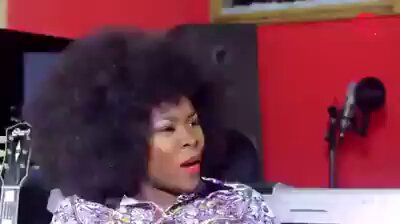
𝐓𝐫𝐚𝐢𝐧𝐢𝐧𝐠 𝐍𝐨𝐭𝐞: 𝐖𝐡𝐚𝐭 𝐖𝐞𝐧𝐭 𝐖𝐫𝐨𝐧𝐠 𝐢𝐧 𝐎𝐦𝐚𝐰𝐮𝐦𝐢’𝐬 𝐈𝐧𝐭𝐞𝐫𝐯𝐢𝐞𝐰
During an interview with Nigerian artiste Omawumi, the journalist asked about an unverified rumor—claiming she had a smoking and drinking habit. The exchange ended with Omawumi cutting the interview short.
❌ 𝐖𝐡𝐚𝐭 𝐭𝐡𝐞 𝐉𝐨𝐮𝐫𝐧𝐚𝐥𝐢𝐬𝐭 𝐃𝐢𝐝 𝐖𝐫𝐨𝐧𝐠
1. Introduced unverified rumors on air – This damages the guest’s reputation and shows lack of professionalism.
2. Framed the question as an accusation – “You smoke and drink, how do you keep it from your kids?” is confrontational, not investigative.
3. Ignored audience trust – Listeners expect credible information, not gossip.
4. Lost control of the interview – Once the guest became defensive, the conversation collapsed.
✅ 𝐓𝐡𝐞 𝐏𝐫𝐨𝐩𝐞𝐫 𝐖𝐚𝐲 𝐭𝐨 𝐈𝐧𝐭𝐞𝐫𝐯𝐢𝐞𝐰 𝐚 𝐆𝐮𝐞𝐬𝐭
Research first: If an issue is important, verify facts before asking.
Frame respectfully: Instead of repeating gossip, use broad, neutral questions.
Example: “How do you balance being a mother with the demands of your career?”
Protect credibility: Every question should build trust between you, your guest, and your audience.
Aim to enlighten, not ambush: Your goal is to draw insight, not trigger confrontation.
An interview is a platform for meaningful conversation. Respect, accuracy, and clarity are the foundation of professional interviewing. Rumors are never a substitute for research.
1
11
49
36,191