
2,204 Photos and videos















Pinned Tweet

18 Jul 2023
Satire is not dead… 🥹💗 god bless everyone. Let’s continue to communicate more effectively and eliminate hate. LOVE>HATE
8
4
42
6,440
Lauren Lewis retweeted

10 Apr 2025
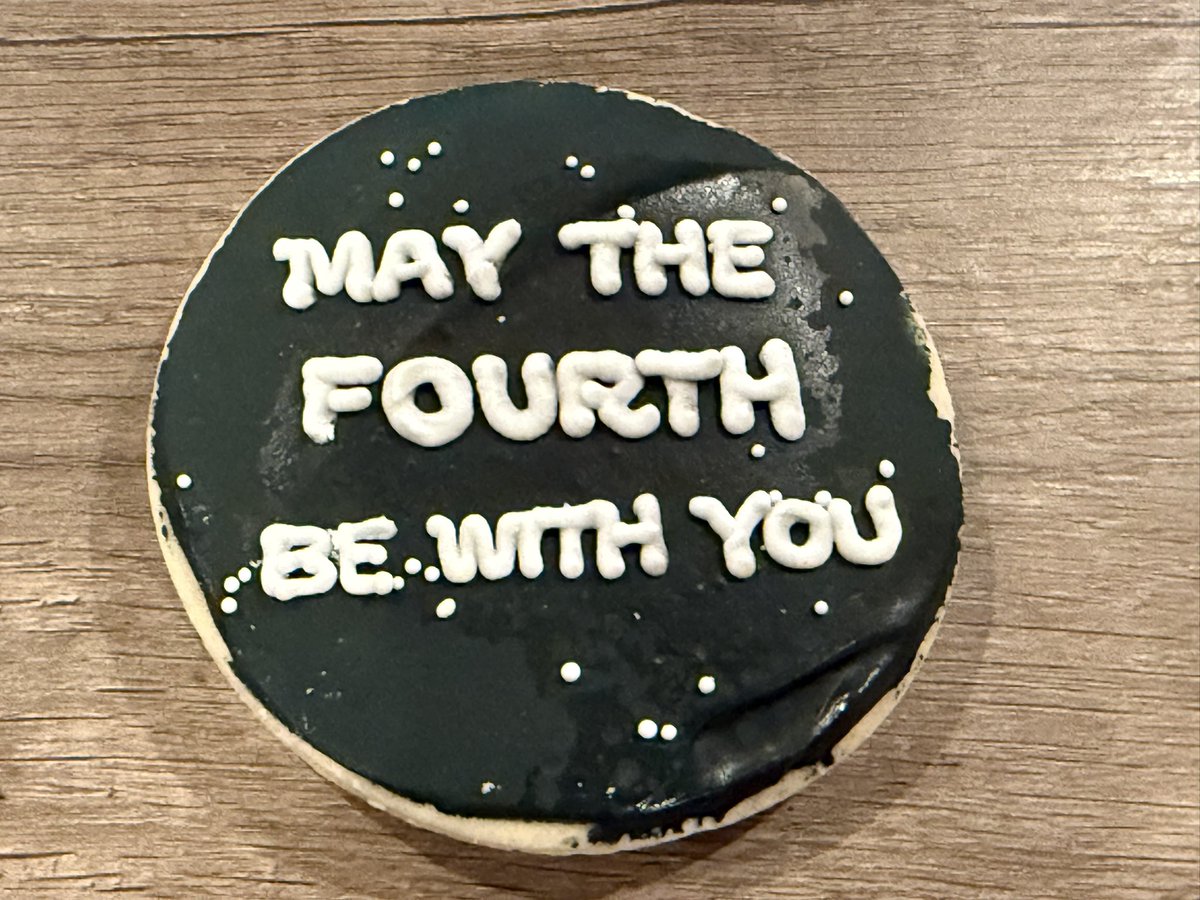
People are making me cookies 3 weeks early…
Chewie is excited to have a bite.
249
160
2,291
224,908
Lauren Lewis retweeted
May 3
May the fourth be with you
2,939
51,339
220,025
7,151,587
Lauren Lewis retweeted

From the silver screen in 1954 to a high-speed thrill ride at Universal! 🏎️🏛️🎢
Witness the evolution of The Fast and the Furious in stunning #4K #AI Restoration. The legend is alive and faster than ever! 🔥🏁
👉youtu.be/EDYbAWbA_XM?si=0O44…
#CinemaLegacy4K #FastAndFurious

1
13
22
1,183
Lauren Lewis retweeted

Join the small business revolution? In 2 months we one an award! For SDGs and Sustainability
Let’s partner up?
linkedin.com/posts/sdgzero_a…
@StevenMusielski @RoryStewartUK @FishwickDavid @SDGaction @louie_french @IanLJones98 @businessbunker @zoe_cairns @BankofDave
4
5
196

Cybercab

7,057
17,330
289,662
55,925,851

Lauren Lewis retweeted

Apr 23
Hope isn’t blind optimism — it arises in the face of uncertainty. If you look at our history, we’ve gone through some rough patches. But we tend to come out on the other side of them stronger than before.
20,539
17,419
116,499
32,386,331
Apr 22
RT @HumanUpgrade_: High blood pressure accelerates aging:
• Damages the brain
• Overworks the heart
• Stiffens arteries
This is where de…

95
Lauren Lewis retweeted

Apr 21
StormTeam 5’s A.J. Burnett crosses the finish line, completing his first #BostonMarathon!
Congrats A.J.!
2
4
149
14,447
Apr 22
RT @epochhealth: Headaches, colds, upset stomach…
Simple home remedies most people forget 👇

715

Today we honor & celebrate the strength of our city.
Boston Strong. 💛💙
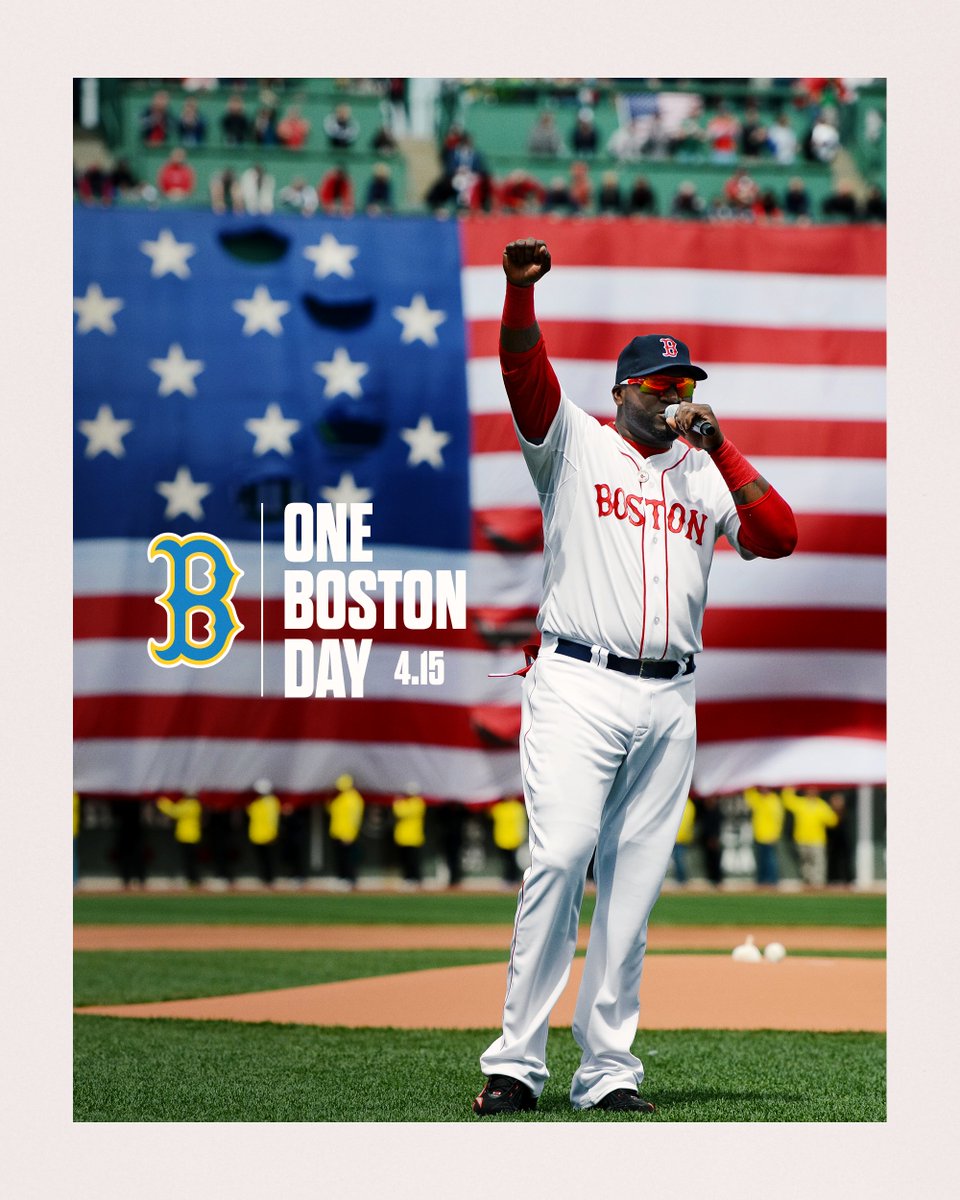
ALT TEXT: ONE BOSTON DAY 4.15 IMAGE: Photo of David Ortiz from 2013 shows him with his fist in the air, speaking into a microphone just in front of the mound at Fenway Park. The American flag is draped over the Monster and Ortiz wears a white uniform that reads “Boston” across the chest.
43
956
6,244
119,712
Apr 5
RIP to my sister, Mandy Maille. You will forever be in my heart and never forgotten. 🌈🦄🥹
101
Apr 5
Huge blessings to my fam and friends 💖🙏🐇 cheers to health, wealth and happiness. 🤝🕊️🌙✝️ ⭐️
45


Tragically & hilariously true

Here’s Ben Stein in 1979 describing television as an engine of cultural demoralization. He argues that a small clique of producers and writers pushed a left-coded inversion of reality onto the public. They despised traditional power centers and hated figures like Buckley. They propagandized the nation into accepting a fake world where businessmen are villains, criminals are the good-guys, small towns are sinister, military officers are proto-fascists, and work barely exists.
3,675
29,354
146,792
20,786,577
Lauren Lewis retweeted

RIP LEGEND
Apr 3

The versatile drummer backed the Jackson 5, Paul McCartney, D'Angelo, Kelly Clarkson, Justin Timberlake, Beck, and many others.
🔗 rollingstone.com/music/music…

718
1,652
13,443
830,002
Lauren Lewis retweeted

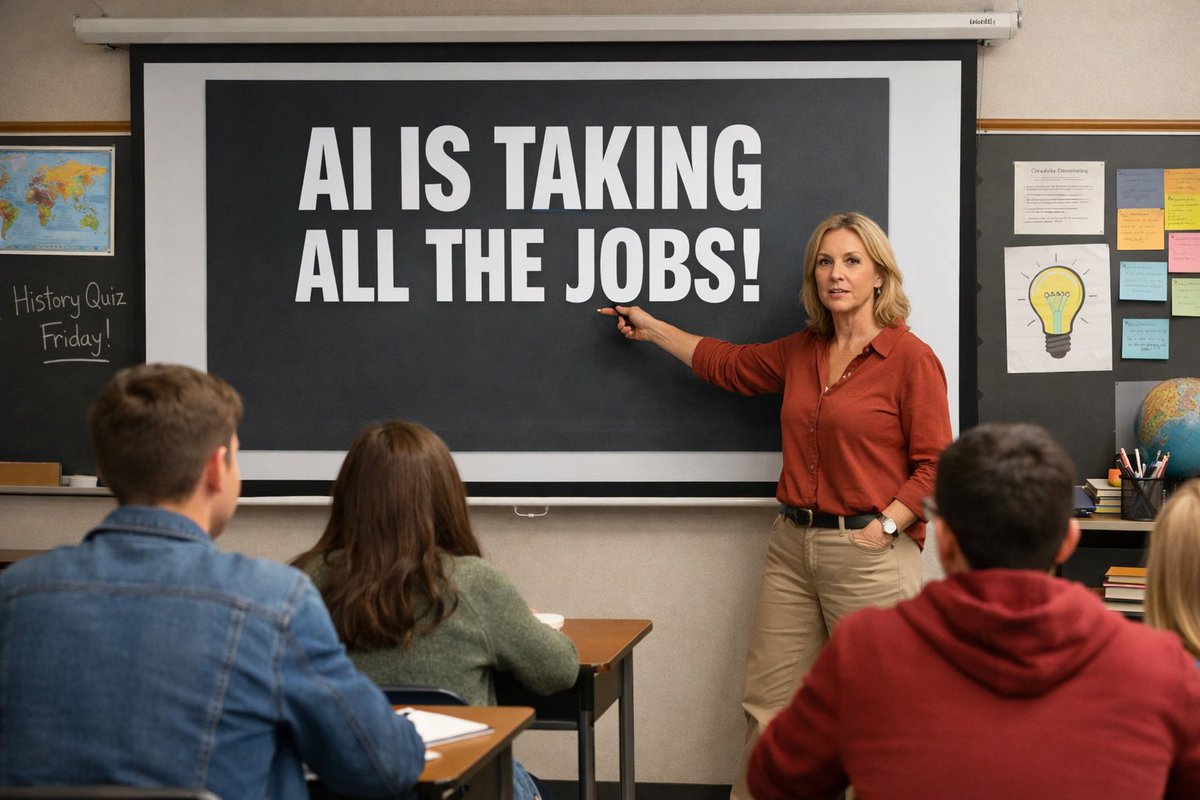
⭕️ There’s a narrative creeping into some classrooms that I think we need to quickly challenge.
Learners are being told that by the time they leave school, AI will have taken all the jobs. I understand the intention behind it, trying to prepare young people for a fast-changing world, but the message itself is flawed, and more importantly, it’s unhelpful.
When we tell students that the future is one where opportunity has disappeared, we don’t inspire them to adapt, we risk switching them off altogether. It replaces curiosity with uncertainty and ambition with doubt, and that’s a problem we’re creating, not solving.
The reality is far more balanced. AI is changing work, absolutely, but it’s not removing the need for people. It’s shifting where and how people add value. We’ve seen this pattern before with every major technological step forward. Roles evolve, new ones emerge, and the most successful individuals are the ones who learn how to work with the change rather than fear it.
In our work at @ramsac_ltd we’re seeing organisations lean into this. They’re not asking how to replace people, they’re asking how to empower them. The conversations we’re having are about improving productivity, enhancing decision-making, and freeing people up to focus on higher-value work. That’s a very different picture to the one some learners are being given.
What we should be doing in schools is building confidence and capability. Helping learners understand what AI is, how it works in practice, where its strengths lie, and where human judgement still matters. These are the skills that will define success, not trying to predict which specific jobs will or won’t exist.
I was speaking with a group of students recently at a meet the employer event and I was asked, “What’s the point in trying if AI will just do it anyway?” That question stuck with me, because it highlights the real risk here. Not a lack of opportunity, but a lack of belief.
We need to be more careful with the messages we’re sending. Yes, the world of work is changing, but that doesn’t mean it’s disappearing. There will be new opportunities, different roles, and a growing need for people who can think critically, communicate effectively, and use technology with confidence.
Our role isn’t to prepare learners for a future where there are no jobs. It’s to help them see where they can add value, and to give them the confidence to go and do it.
11
12
397