
Head of Product Growth at @trybagel | Eureka Moments Creator | Realist | Crafting Vision for Product & Growth
Joined July 2011
- Tweets 3,074
- Following 56
- Followers 107
- Likes 400
258 Photos and videos










Jun 15
אני אומר את זה כל הזמן!
מנהל מוצר בינוני עם קלוד קוד הוא מנהל מוצר בינוני שלא יודע מה הוא בונה.
תחזרו לקונטקסט, לפידבק, ללקוח - אל תהיו מקודדים גרועים

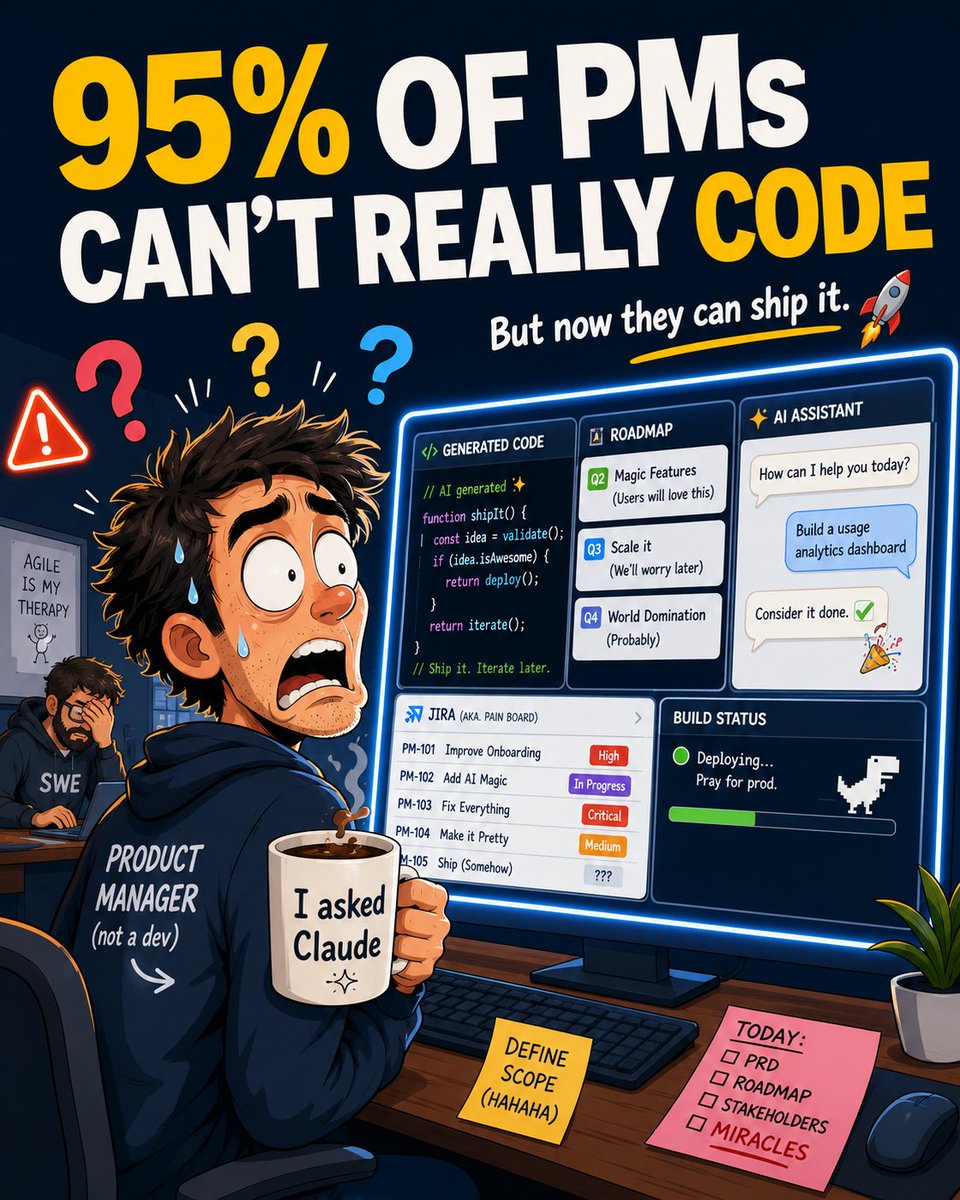
95% of PMs can't really code. Claude and Codex didn't change that.
What they changed is that those PMs can now create code instead of writing it. The 5% who were already decent engineers make "just build it" look easy, so everyone else tries to follow and ships output they can't fully reason about.
The bottleneck was never typing the code. It was knowing what to build. Making code cheap to produce doesn't help you if you're pointed at the wrong thing. You just get there faster.
Roadmaps have the same problem. Now that Claude generates one in seconds, people ask whether dedicated roadmap tools still earn their place. They're asking about the cheap part.
A roadmap is a visual summary of decisions you already made, arranged on a timeline. Claude produces a clean one. A roadmap tool produces a clean one. The artifact was never where the value sat.
Most of the value sits in the process around it: sync, ownership, accountability, links to work items, statuses, dependencies, the record of what changed and why. That's what you're paying a roadmap tool for, and generating a document doesn't replace it.
The rest sits in a layer almost no tool handles. A good roadmap shows why you decided to build something, not just what. What customers say on calls. What keeps coming back in support. What stalls deals in the pipeline. What's already half-built in your dev tracker.
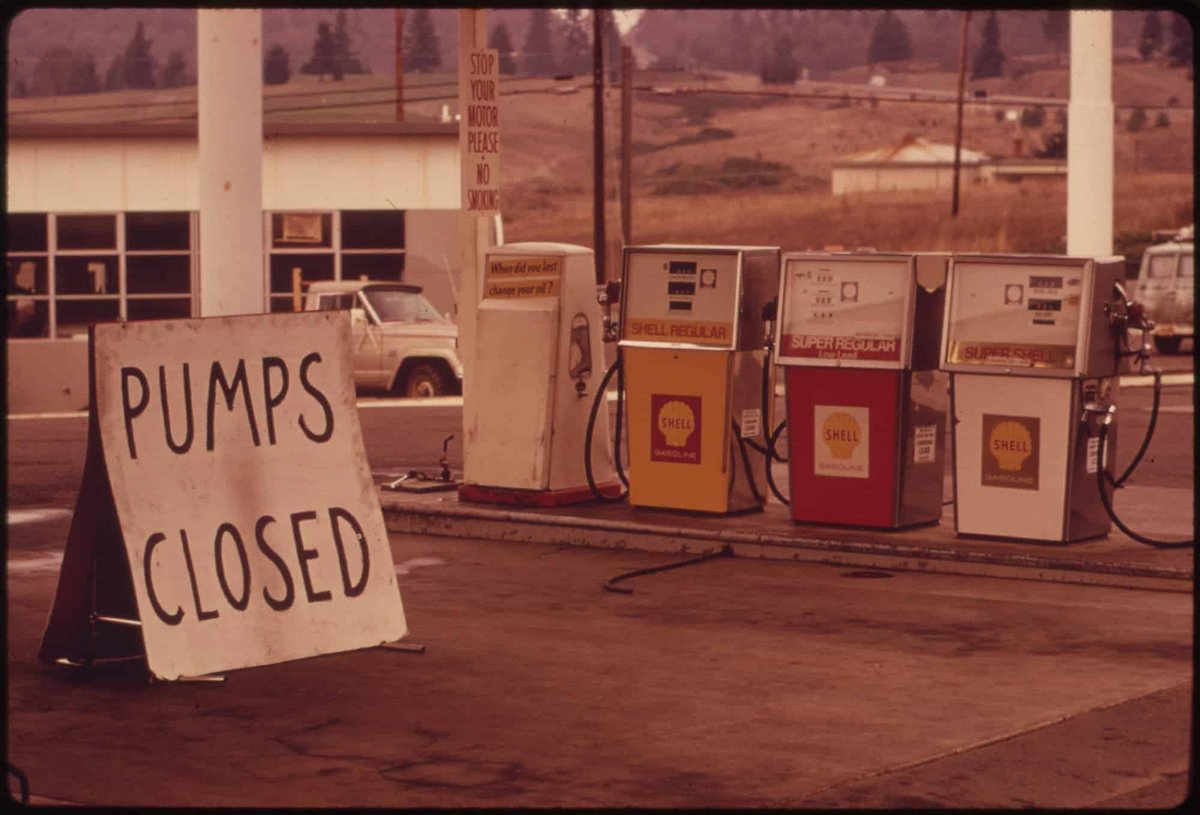
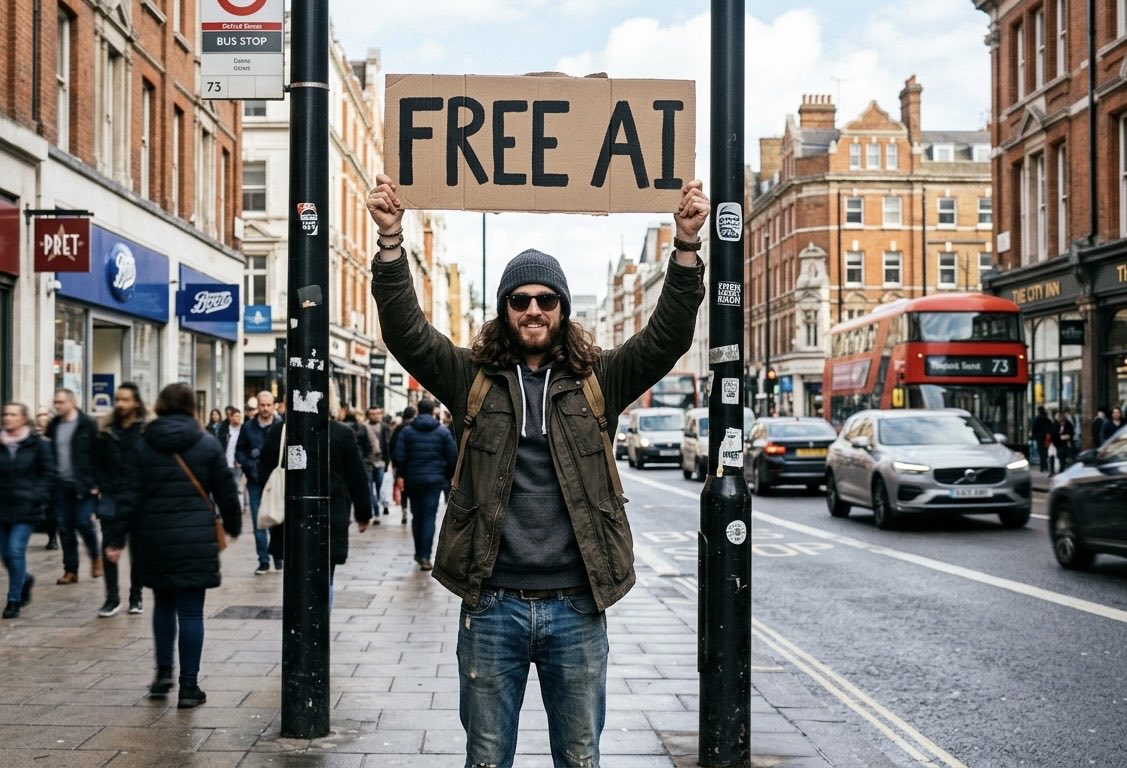
This is where the AI conversation lost the plot. The energy goes into token maxxing: faster generation, more output, cheaper tokens, more documents an hour. But a roadmap built faster isn't a better roadmap. Impact maxxing is the thing that matters. Did what you built move the metric you cared about. That comes from the context feeding the decision, not the speed of the artifact.
And it forces a question:
how do you know you put effort where it actually matters? Right now the answer is a PM squinting at the output and deciding it looks about right. Same trap as the code they can create but can't reason about.
So the answer for the 95% isn't more code or more roadmaps. Go back to the signals. The feedback. What customers and support and the pipeline keep telling you. Make sense of it well enough to act on.
That's the layer we built at Bagel. We pull scattered signals into structured decision context, so when an AI tool generates the roadmap or the brief or the ticket, it works from what's real instead of what happened to be in the prompt. Speed was never the problem. Producing the wrong thing quickly was.
The win is reaching the right thing, the right way, at the right time, faster.
@ohadbiron
33
Sure you can.
But...why?
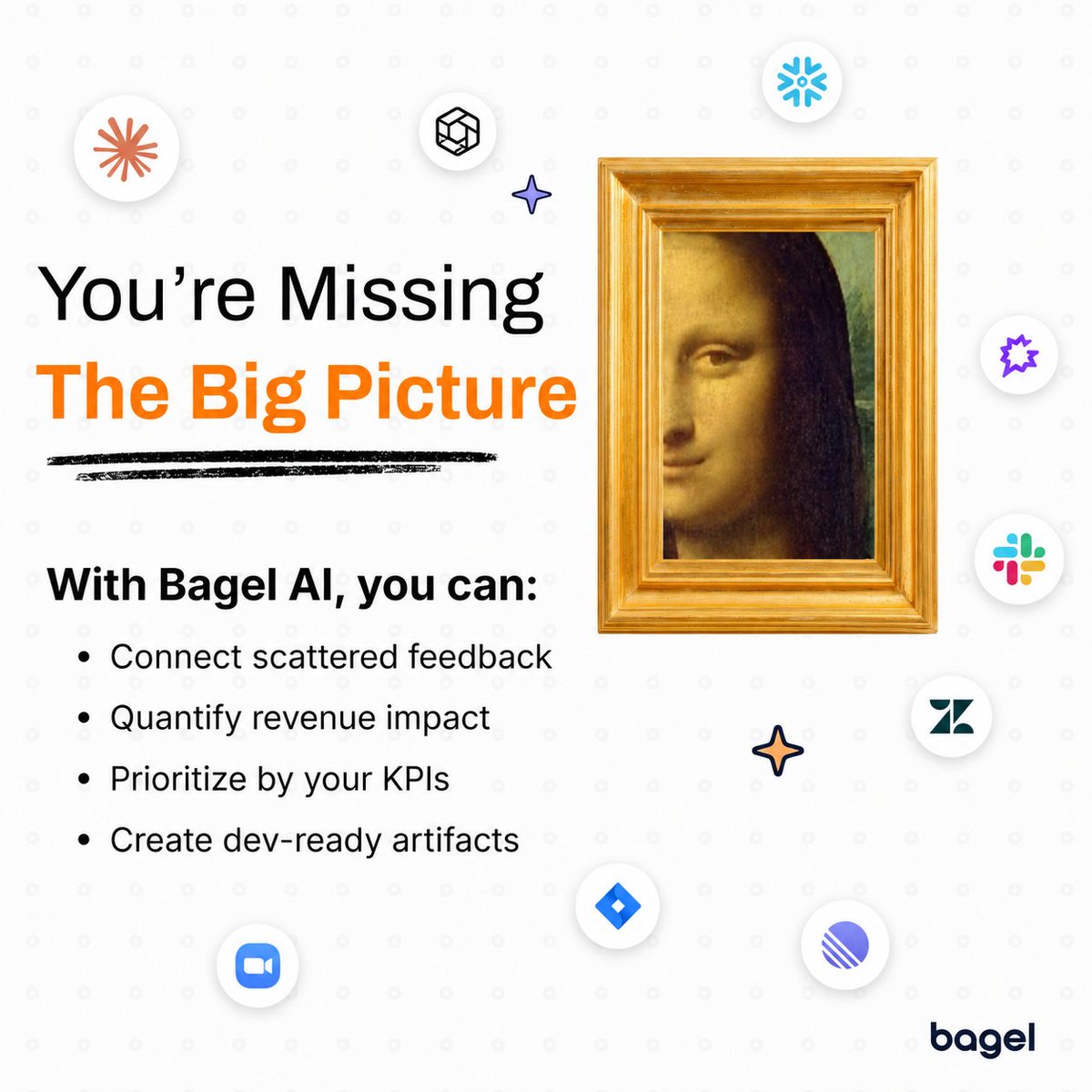
"Can't we just build an agent to connect all our systems?"
Sure.
Just connect Slack, Zendesk, Gong, Jira, and the rest. Keep the integrations from breaking when their APIs change. Dedupe the feedback. Cut it by ARR, by ICP, by how often it gets asked. Tune the prompts. Catch the hallucinated themes before they hit the roadmap. Re-eval every time the underlying model updates and quietly drifts. Close the loop back to the field so nobody's input dies in a void. And don't forget to hand it all to Claude so it actually builds the right thing, or stand up an MCP server for that too. Then maintain the whole thing forever, around the roadmap your analytics team already has.
Or you can just Bagel it: lnkd.in/deyudixq
1
42
זה נתון אמיתי, לכל החברות שעובדות איתנו יש קלוד אבל הצוותים לא כותבים רבע פרומפט או מדלברים אף קוד בלי להתחיל ב-Bagel
Somewhere right now, an engineer is building something nobody asked for. Fast.
That's the thing about AI. It'll build anything you point it at.
Point it at the wrong thing and you get a beautifully engineered mistake.
Bagel figures out what's actually worth building, so the thing that ships is the thing customers were asking for all along.
Fewer rebuilds.
Calmer retros.
An occasional early weekend.
47
Yo dawg, I built an agent that builds an agent that builds an agent, so you can build agents while you’re building agents
11
MCP
Everyone's saying MCP. Loudly.
(Some of them know what it means.)
Your AI agents each know exactly one thing:
Cursor knows your codebase.
Claude Code knows your docs.
Glean knows your wiki.
Not one of them knows a single customer, which is awkward, because customers are the reason any of it exists.
MCP fixes the introductions. We wrote up what changes for product teams once your agents stop guessing, and yes, where Bagel fits: bagel.ai/blog/how-mcp-is-cha…
27
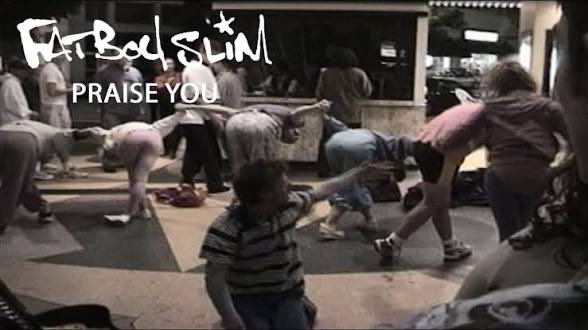
הנה משהו מגניב:
ב-Praise You של Fatboy Slim (אתם מכירים אל תדאגו) הוא מסמפל קטע גיטרה סופר פאנקי ומגניב מ- It's a small world של דיסני.
17
May 23
מדהים איזה תמונות מדהימות אפשר לייצר עם פרומפט אחד, מי שרוצה את הפרומפט שיגיב ״אני״
21
May 18
מצחיק

34
May 16
כשהייתי בן 30 קיבלתי טלפון מאמא שלי שהיא מצאה 10 מזוודות מלאות בפוגים ופצצים ושהיא תרמה הכל.
זה שווה ערך ללאבד את הסיסמא לארנק קריפטו שלך בעיני
32
May 16
בתחתית ישבתי כשהייתי רווק משוגע שעבד בלייבל מוזיקה גדול עם מלא מוזיקאים והבאנו אלבומים מדהימים לעולם.
בתחתית, היה הדייט השני שלי ושל אשתי
בתחתית, ישבנו אחרי שהצעתי לה
בתחתית, חתמתי על חוזה פרילאנס ראשון שלי
אף פעם לא פספסו, תמיד היה כיף, תמיד אנשים טובים מסביב
אני לא זוכר יום שהייתי שם ואסף לא, איזה איש ואיזה מוסד הוא הקים

כששולחן מבקש לדבר איתי אני ישר נדרך,
בעיקר ביום כמו היום,
כשאנחנו בחוסר צוות מטורף, עם עבודה שהתחילה מוקדם מוקדם בלי רגע שניה לנשום.
כשכולם רצים ומנסים לצוף מעל המים. להספיק לנקות ולהוציא ולהביא חשבון ולנקות את השולחן שממתין בסבלנות כבר עשרים דק.
ומטבח שמתלונן על טעות של מלצרית לפעמים בצדק לפעמים פחות אבל מה זה משנה עכשיו יש לקוח שמחכה.
ואתה רץ ומוציא ומכבה שרפות וסופר את הדקות למלצרית הבאה שתגיע שתביא איתה אולי איזה שפיות מול כמות העבודה.
אבל היום הכל היה על הקצה והכל היה כל כך קשה.
אז ביום כזה כששולחן מבקש לדבר איתי
אני נדרך, בעיקר ביום כזה.
כי אף לקוח אין לו מושג מה קורה מאחורי הקלעים ,
כמה אנחנו חסרים בצוות,
כמה הכל כל כך על הקצה וכל טעות קטנה יכולה לגרור לכאוס מוחלט.
ואני לא עוצר הושבה. כי גם לבנק לא אכפת אם היה לך מלצר נוסף או שלא.
ואני הולך לשולחן, מנסה להרגיע את העצבים שעולים עוד לפני שאני בכלל שומע על מה הם הולכים להתלונן. מנסה להזכיר לעצמי שאין שום טעם בעימות גם אם לפעמים אני כל כך אוהב…
ומגיע והם שואלים אם אני הבעלים. ואני אומר כן.
והם אומרים שהיה מדהים. והצוות היה פשוט הכי מקסים. והאוכל היה מעולה. ותודה לכם שאתם קיימים.
ופתאום יש לי קצת דמעות מרוב התרגשות. כי בעיקר ביום כזה זה כל כך לא מובן מאיליו.
לא המחמאות והחיבוק ולא שאנחנו אשכרה מצליחים לתת את מה שאנחנו כל כך מנסים.
אז תודה צוות יקר ומדהים על יום בלתי אפשרי. עוד יום בלתי אפשרי שעברנו אותו כמו גדולים.
אני מפורק. כאילו אחרי מסע 90.
שבת שלום
2
58

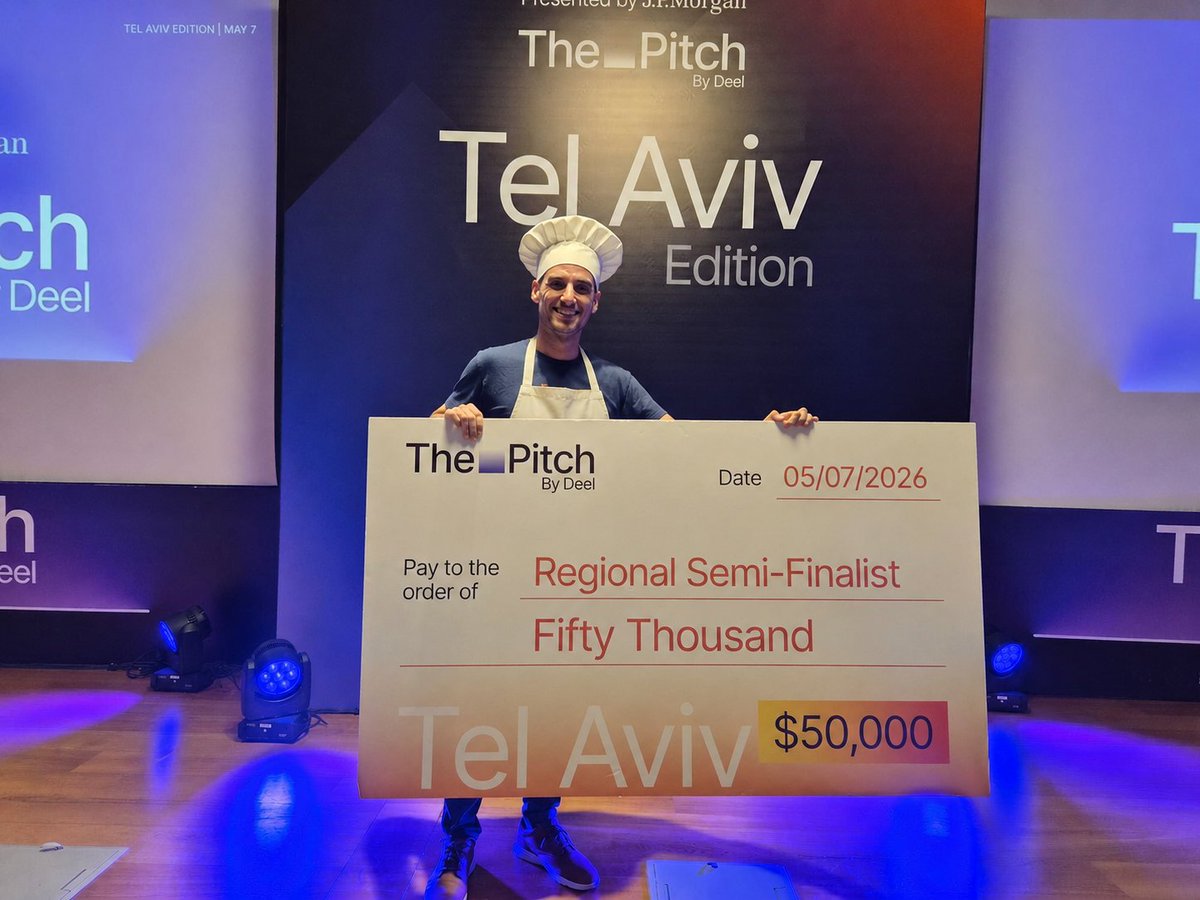
We pitched at The Pitch by @deel.
We're going to Paris.
Building Bagel AI from the ground up, I've learned that most product & engineering teams are fast. And now even 100X faster. Building the wrong things.
The decision layer is broken. Too much noise, too little signal, and by the time anyone agrees on what to build next, the moment's passed.
That's the problem we built Bagel to solve. And apparently, the judges agreed.
Out of thousands of startups competing globally, Bagel AI won the semi-finals $50,000 prize and is now heading to the Global Finals in Paris, competing for a $1M investment alongside some of the world's best early-stage founders.
Excited. Focused. Ready.
The French have their baguette. We're bringing them Bagel.
See you in Paris. 🇫🇷🥯
@ohadbiron
1
3
172
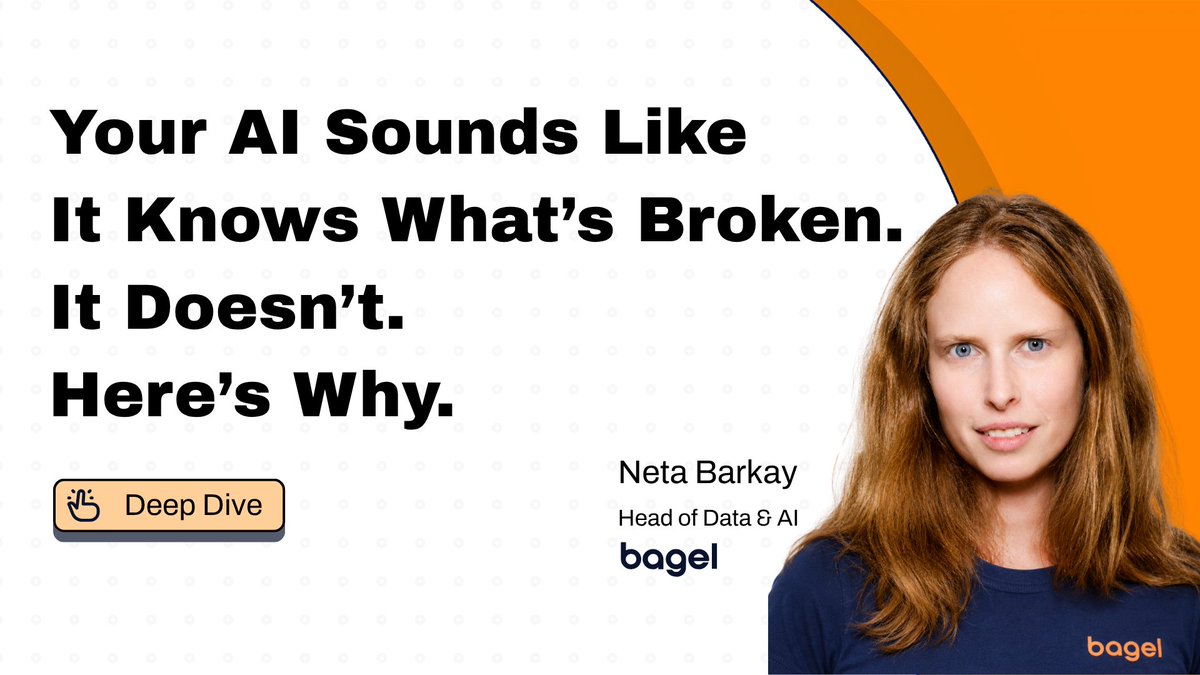
Neta wrote a thing
We kept hearing “why can’t we just use Claude for this?”
So our Head of Data & AI Neta Barkay dug into the research and our own data and wrote the answer.
Spoiler:
Claude writes a great summary.
Your product team still ships the wrong thing.
Read Here: bagel.ai/blog/your-ai-knows-…
38
Apr 30
אבי דיכטר: קיים
ניר ברקת - Hold my beer
Apr 29

אל תקשיבו לאינטרסנטים. בואו לראות את החיסכון בעיניים - המספרים לא משקרים.
77
Apr 28
זיגי מארלי הוא זה ששר את שיר הפתיחה של ״ארתור״!!!!
למה רק עכשיו גיליתי את זה
19
Apr 23
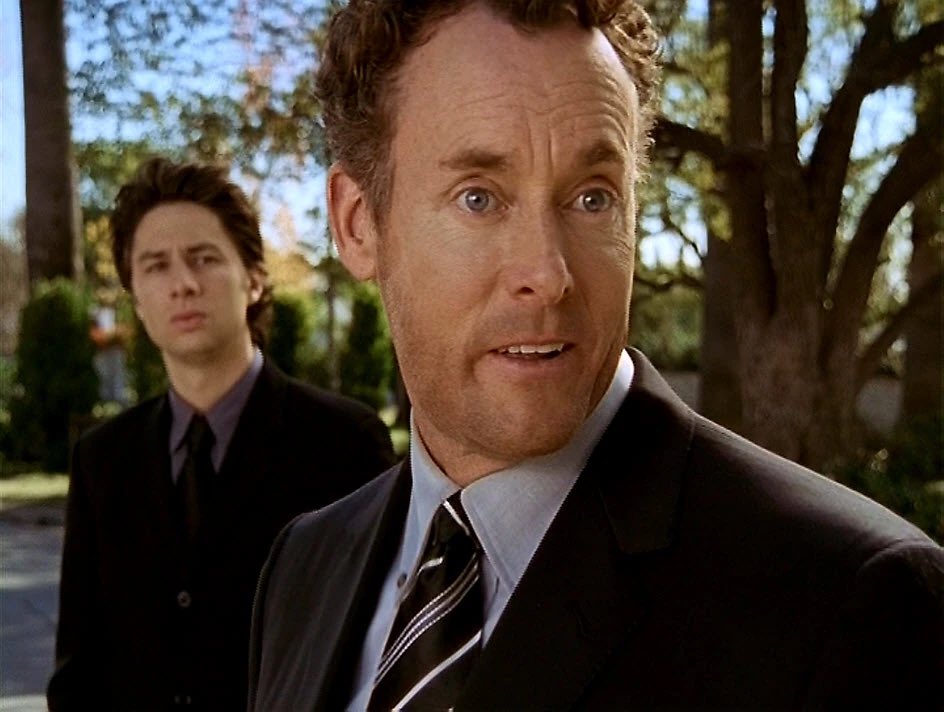
אני חייב להוציא מהסיסטם ולכתוב על הפרק ״My Screw Up״ של סקראבס כי אני צופה גם בעונה החדשה והמעולה וגם צופה שוב בעונות הישנות ואני לא בסדר.
22 דקות. זה כל מה שצריך כדי להשמיד בן אדם לחלוטין.
רוב הסיטקומים משתמשים ב-22 דקות כדי לפתור אי-הבנה ולהחזיר הכל למצב הרגיל עד כתוביות הסיום. הפרק הזה השתמש ב-22 דקות כדי להוליך אתכם בארבעת שלבי האבל הראשונים מבלי לומר לכם שזה מה שהוא עושה ואתם מבינים את זה רק כשזה מאוחר מדי. שזה, אם חושבים על זה, בדיוק איך שאבל עובד. חצוף מצדם. הכל בנוי על שקר שהסדרה מספרת לכם בפרצוף רציני לגמרי.
(זה גם מאסטר-קלאס בניהול מוצר וסטוריטלינג אבל עזבו)
ספויילר לסדרה בת 20 שנה:
הדמות של ברנדן פרייזר, בן, מתה בתחילת הפרק, אבל בגלל שהסיפור מסופר כולו מנקודת המבט של ד״ר קוקס, בן פשוט ממשיך להופיע. מדבר. מתבדח. ואתם קונים את זה, כי למה שלא תעשו זאת?
מה שהסדרה באמת עושה זה להכניס אתכם לתוך ההכחשה של קוקס. אתם לא צופים באדם שמסרב לקבל את זה שהחבר הכי טוב שלו מת. אתם האדם שמסרב לקבל את זה. הכותבים הפכו אתכם לשותפים ולא סיפרו לכם עד ל-90 השניות האחרונות.
והמצלמה. הו, המצלמה. צ׳כוב על מלא!
בן אומר בשלב מוקדם שהוא יישא את הפולארויד שלו ״עד היום שאמות״. אחרי שהבשורה נוחתת, היא פשוט נעלמת לו מהצוואר בשקט. פשוט נעלמה. בסדרה שמפורסמת בהומור הוויזואלי הרועש והכאוטי שלה, ההיעדר של אביזר הופך לדבר הכי קורע לב על המסך. שתיקה כבחירה סיפורית מכה חזק יותר מכל שורת דיאלוג.
בינתיים, הסדרה מריצה עלילת משנה נורמלית לחלוטין על טורק וקארלה שמתווכחים על שומה. קלסו נותן עצות נישואין כנות באופן מוזר. אתם צוחקים. המגננות שלכם יורדות לגמרי. וזו כל הפואנטה. כי ככה היא שומרת עליכם רגועים בזמן שהסיפור המרכזי עושה בשקט את מה שהוא צריך לעשות.

ואז השיר ״Winter״ של מתחיל להתנגן. ג׳יי.די שואל את קוקס: ״איפה נראה לך שאנחנו נמצאים?״
המצלמה נעה לאט. הבלונים. הבגדים היומיומיים. אווירת מסיבת יום ההולדת.
אלא שזה בית קברות. זה תמיד היה בית קברות.
הסיבה שזה מרסק אתכם היא לא הטוויסט זה שהסדרה השקיעה שלוש עונות שלמות בלבנות את קוקס כמישהו חסין: ציני, משוריין, בלתי מנוצח. כל זה היה רק הופעה משכנעת מאוד של אדם שאהב אנשים הרבה יותר מדי מכדי לתת להם לדעת את זה.
זה השיעור האמיתי לכל מי שכותב, יוצר סרטים או בונה נרטיב: הגילויים הכי טובים הם לא הפתעות. הם אמינויות שהסתתרו בגלוי לאורך כל הדרך. הסתכלתם ישר על זה. פשוט גם אתם לא רציתם לראות.
לכו לצפות בזה שוב. ואז אל תסמכו יותר על שום סדרת טלוויזיה לעולם. אני לא בוכה. אתם בוכים!
כולנו ג׳יי.די בסצנה האחרונה ההיא, פשוט עומדים שם ואומרים ״...Ohh.״
43
Dashing Pizza 🍕 retweeted

Apr 21
Two reads on Cowork live artifacts. Both miss what BI actually sells.
"Kills Tableau." Nope. Tableau's moat was never the chart. It was 10,000 employees agreeing on the number. Governance, lineage, certified metrics. Cowork doesn't touch that layer.
"Cooks analysts." Nope. An analyst's moat was never drawing charts either. It's picking the right question from messy data. Cowork doesn't do that part.
What Cowork actually compresses:
→ the monthly revenue dashboard you rebuild by hand
→ the ops tracker stuck in a shared spreadsheet
→ the one-off internal tool no one owns
Dashboards were never the bottleneck. $30K/year for Looker was paying everyone to agree on the number. Not to draw the chart.

In Cowork, Claude can now build live artifacts: dashboards and trackers connected to your apps and files.
Open one any time and it refreshes with current data.
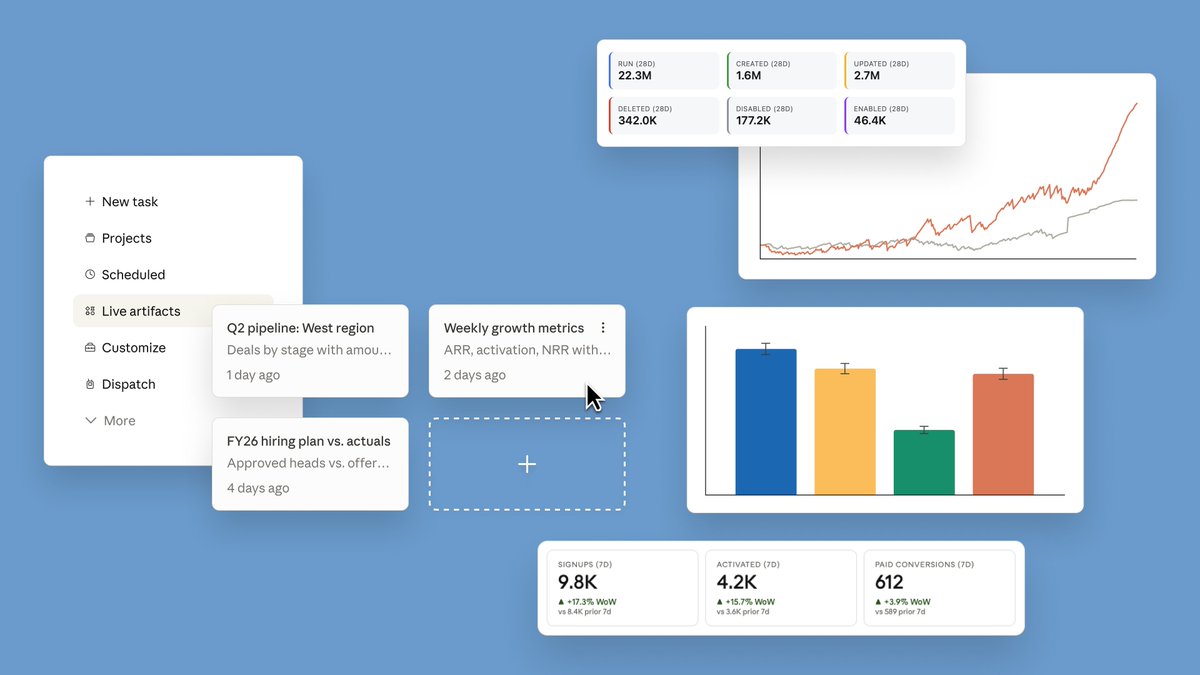
ALT Live Artifacts, now in Claude Cowork
45
25
313
110,741
Apr 21
עומד בתור ל-KSP, תור ארוך, הרבה אנשים.
מגיע אחד, חותך את כולם, מגיע לבחור בדלפק: ״שומע, הייתי בשירותים ופספסתי את המספר שלי״ והופ, נדחף לראש התור.
או שהוא שקרן או שיש לו שלפוחית ממש מעפנה.
לא עובר רגע, נכנס עוד אחד, חרדי, בלי לקחת מספר, מצהיר על פטור מתור - חתך ככה 20 איש ושם זין על כולם.
בקיצור, חרדים, חילוניים בתור ל-KSP כולם חארות
61