Joined February 2017
- Tweets 36,469
- Following 6,877
- Followers 6,139
- Likes 83,657
3,969 Photos and videos

Pinned Tweet

1 Dec 2017
#TheWritingWeb nurtures young people’s enjoyment in writing. It provides them space, support and time to write for their own audiences and purposes. This insightful blog post from @TeresaCremin highlights why. teachersaswriters.org/genera…
5
55
118
The Writing Web ✍🏾 retweeted

Jun 11
It's the #NationalYearOfReading: here's a piece I wrote a few years ago about reading with my son, and how reading with your child is a super-useful thing to do every day...picturebookden.blogspot.com/…
@frankcottrell_b
@jabberworks @MichaelRosenYes
1
15
25
2,659
The Writing Web ✍🏾 retweeted

Happy 318th #PostboxSaturday, fellow postbox admirers! I will never get bored of the idea that Victorians used to use this postbox, nor the thought of all those thousands of letters over the years carrying news, slipped through the slot and dispersed around the world. ☺️📮🎩❤️

1
15
157
1,332
In the 90th anniversary year of his abdication, here’s a rare Edward VIII pillar box in Elmers End. 💌 @letterappsoc
Happy #PostboxSaturday
4
55
396
The Writing Web ✍🏾 retweeted
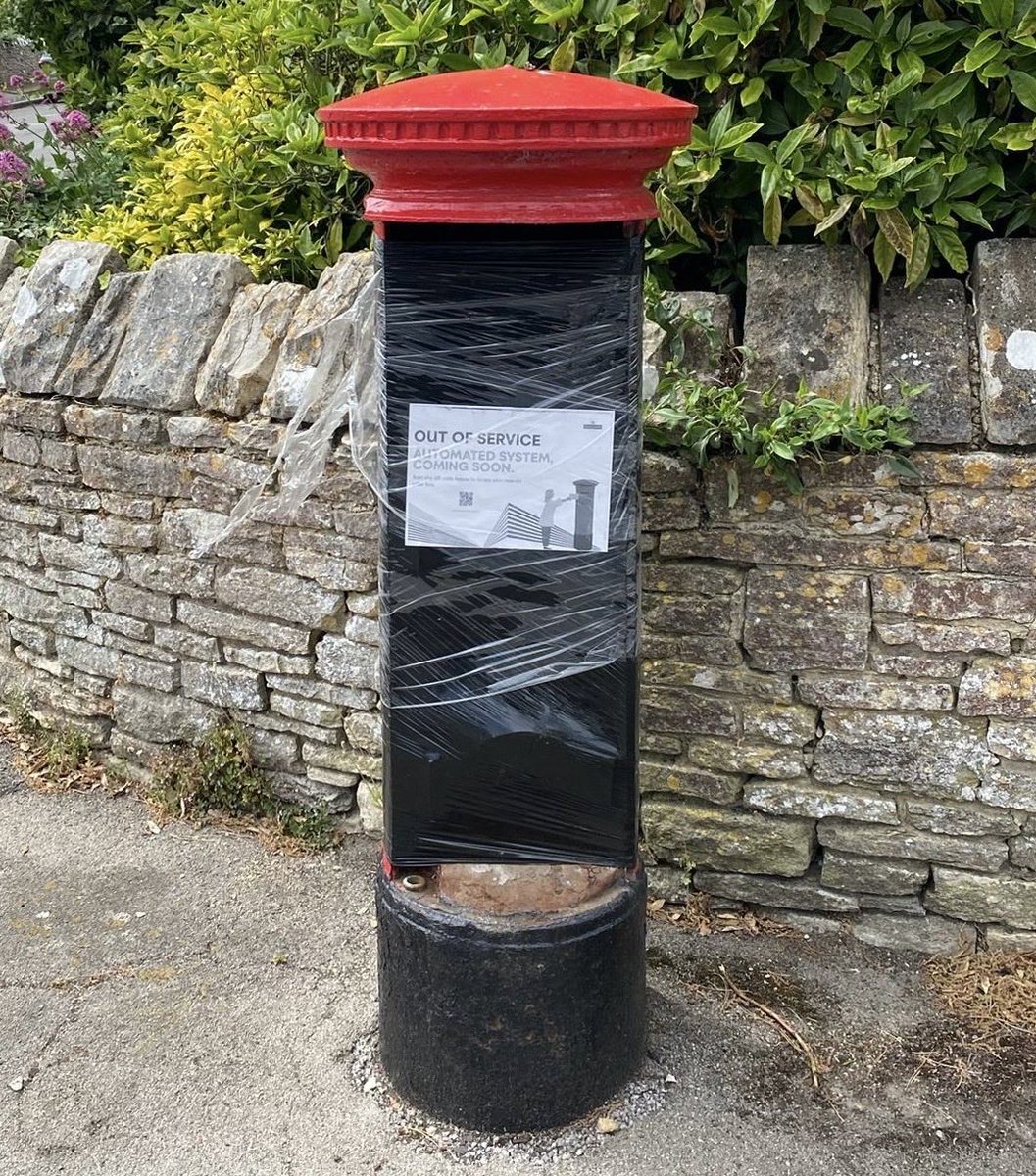
Trying not to take it personally. Might not buy into corporate group-think but we do try and encourage people to use @RoyalMail and buy their products (stamps) on a daily basis. Least they could do is save our profile pic postbox from this nonsense. #PostboxSaturday 😒📮💔
22
9
136
9,409
The Writing Web ✍🏾 retweeted

Jun 12
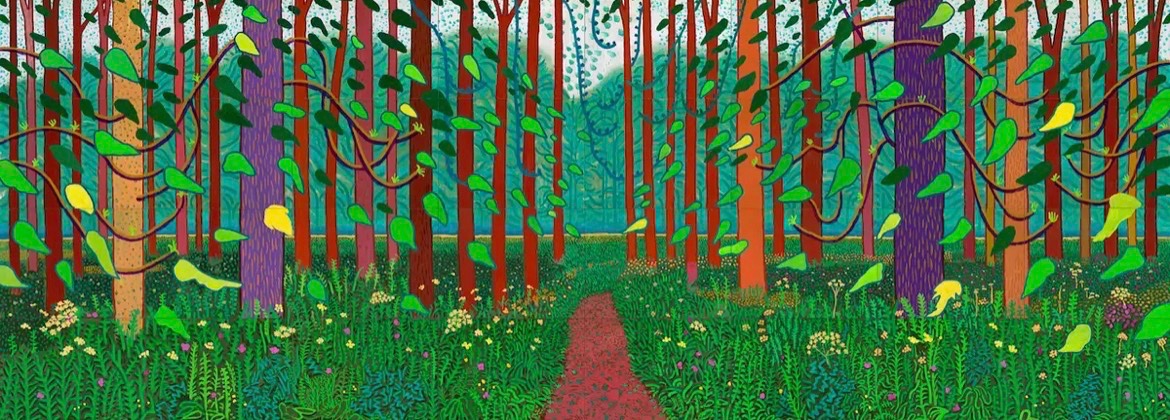
"The teaching of drawing is the teaching of looking. A lot of people don't look very hard."
RIP David Hockney 🎨
6
137
773
10,673
The Writing Web ✍🏾 retweeted

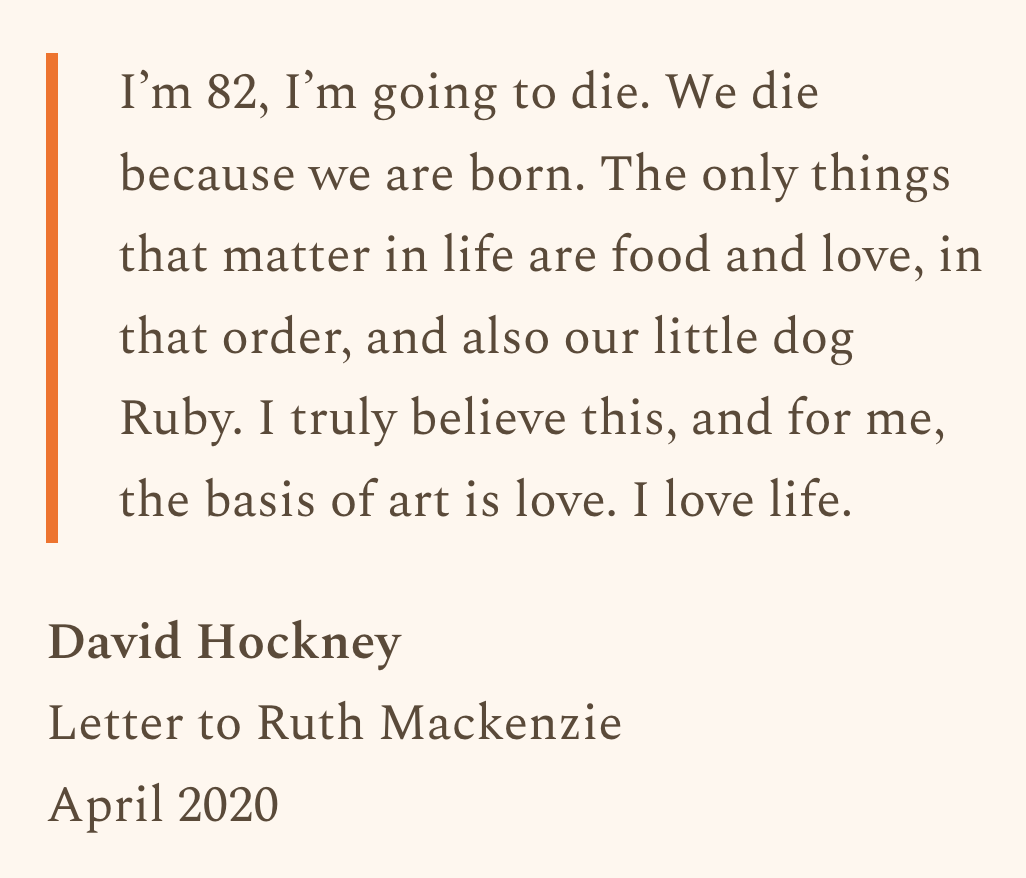
RIP David Hockney
31
3,278
22,783
449,460
The Writing Web ✍🏾 retweeted

Jun 10
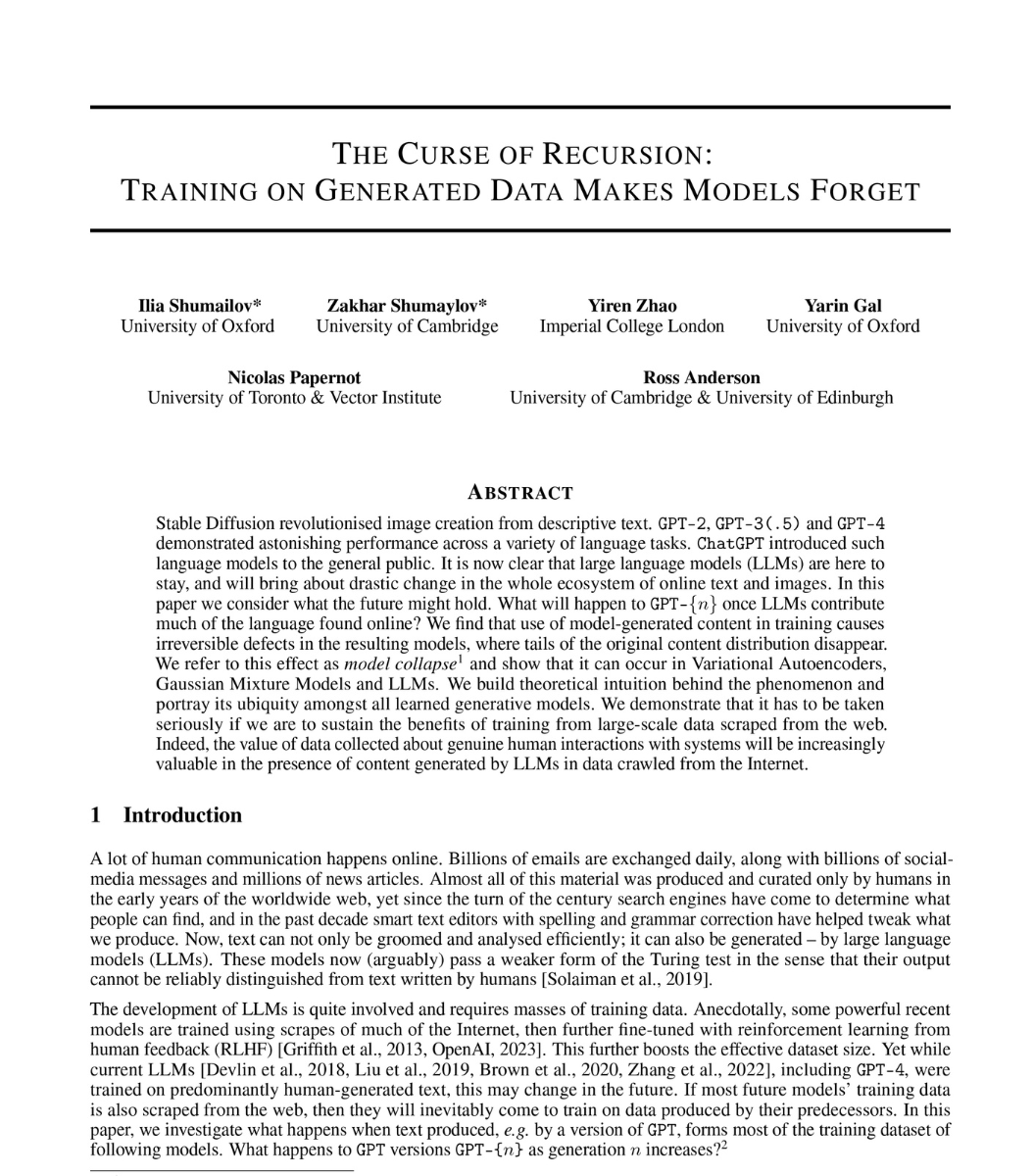
You have noticed it. ChatGPT feels dumber than it used to. Your prompts that worked six months ago produce worse results now. The writing sounds flatter. The ideas sound safer. The internet itself feels like it is shrinking. Every article reads the same. Every email sounds the same. Every answer sounds like it was written by the same voice.
You thought it was you. It is not you.
Researchers at Oxford and Cambridge published a paper in Nature proving what is happening. They call it Model Collapse.
Here is the mechanism in one sentence. AI trained on AI-generated data gets dumber every generation until it forgets what real human data looked like.
The internet is filling with AI-generated content. Blog posts. Articles. Reviews. Comments. Social media. AI companies scrape the internet to train the next generation of models. Which means the next generation of AI is being trained on the output of the current generation.
Each cycle loses information. Not randomly. It loses the rarest, most unusual, most creative parts first. The researchers call these the "tails of the distribution." The weird ideas. The unexpected perspectives. The things that made the internet feel human. Those disappear first.
What remains is the average. The safe. The expected. The bland.
Then the next generation trains on that. And loses more. And the next generation trains on that. And loses more. The researchers proved this is not a slow decline. Major degradation happens within just a few iterations. Even when some of the original human data is preserved.
They tested it on large language models. On image generators. On statistical models. The pattern was the same every time. The output converges toward a narrow, flattened version of reality that looks nothing like the original data.
The lead researcher put it plainly. "Large language models are like fire. A useful tool. But one that pollutes the environment."
The pollution is invisible. You cannot see which sentence on the internet was written by a human and which was written by AI. Neither can the AI that is about to train on it. And once the tails are gone, they do not come back. The damage is irreversible.
This is not a prediction anymore. It is a diagnosis.
The internet you grew up on was built by humans writing things no algorithm would have written. Strange, personal, imperfect, alive. That internet is being diluted. One generation of AI at a time. And the models trained on what remains are learning a smaller and smaller version of the world.
Model Collapse is not a technical problem. It is a cultural one. The thing that made the internet worth reading is the thing that disappears first.
1,137
6,382
17,698
2,216,863
The Writing Web ✍🏾 retweeted

POSTBOX SIGHTING #1
On 24 June I'll be walking across London dressed as a postbox to support @frommetoyou01 helping people living with cancer connect through handwritten letters 📝💌📮
Big Give week starts on 22 June and every donation will be doubled. Stay tuned!

1
9
23
688
The Writing Web ✍🏾 retweeted
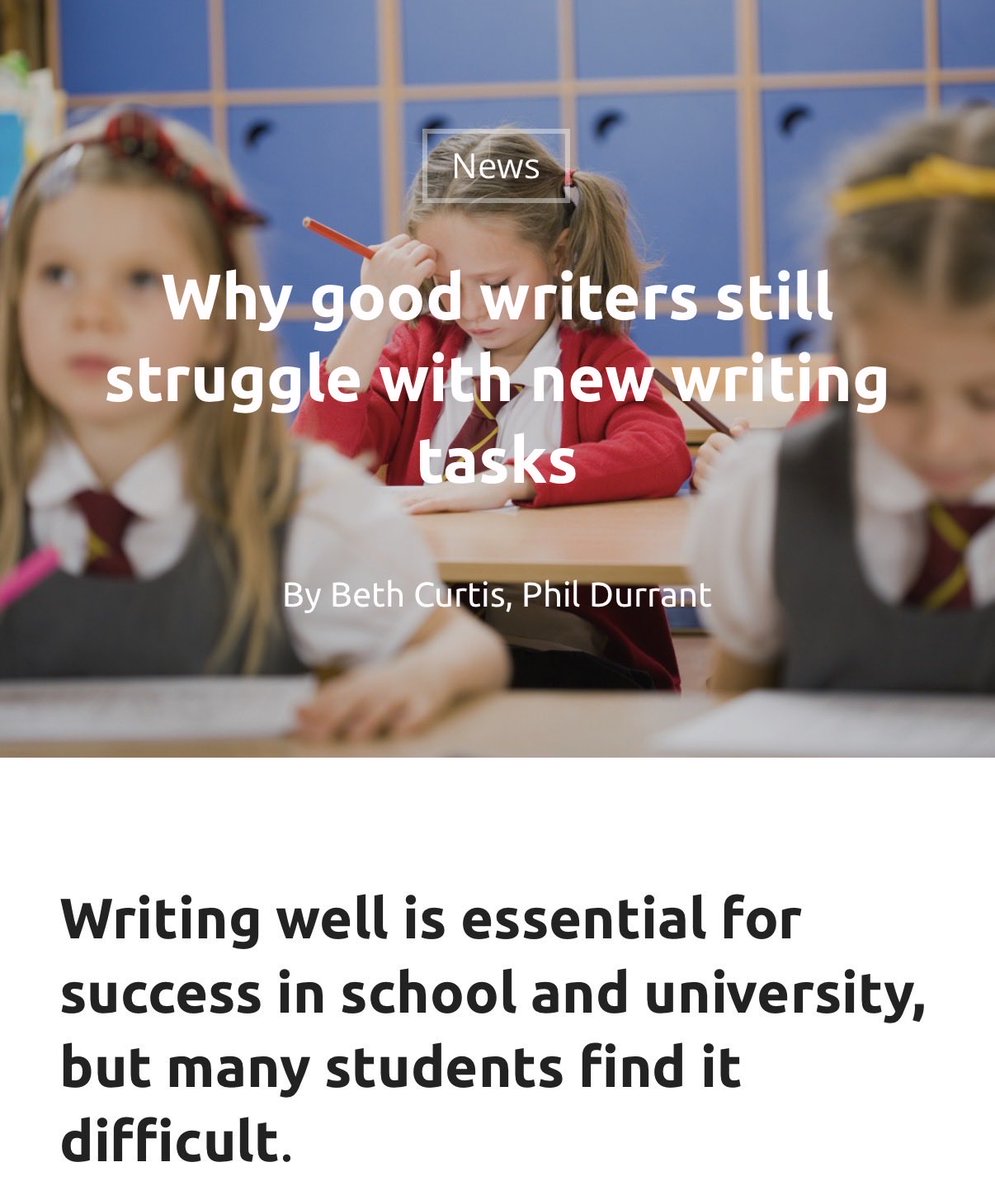
Interesting article in @NATEfeed on ‘Why good writers still struggle with new writing tasks’
It explains new research exploring how writing in history, science & English varies and the different demands & opportunities they create.
nate.org.uk/2026/06/05/why-g…
1
10
21
2,900
Happy #PostboxSaturday from this George V pillar box by Eden Park Railway Station. 💌
@letterappsoc
5
4
46
433

I think one of the healthiest things a person can do is become easy to delight. To still stop for weird clouds and dogs wearing bandanas and the smell of garlic cooking somewhere down the street. The world already has enough cynicism. Be the person who still points at the moon.
74
1,673
9,387
152,664

a teacher on the last day of school had all her senior students sit on the floor for one final story time. she said, “you start kindergarten sitting on a rug… so i thought you should finish the same way.”
then she sat in a chair and read them Oh, the Places You’ll Go.
and i just kept thinking about how beautiful it is when endings are handled with that much intention.
29
203
2,433
66,826

The Writing Web ✍🏾 retweeted

Jun 1
3
9
5,487
The Writing Web ✍🏾 retweeted

Jun 1
The librarian who remembers what a child liked last time is doing something no algorithm has managed yet.
They are making that child feel seen.
Not as a reading level. Not as a data point.
As a person with specific tastes that deserve specific attention.
That librarian is the most important person in some children's reading lives.
They probably don't know it.
3
5
24
392
The Writing Web ✍🏾 retweeted

Jun 1
Some people don’t actually have a permanent handwriting. They have 3 or 4 different handwritings depending on the pen, their mood, or the situation.
90
672
5,553
93,248
The Writing Web ✍🏾 retweeted

May 31
Having seen the amazing work the carers supporting my mum do, for minimum wage, I couldn’t hold any professionals in higher regard.
2
7
123
7,480
The Writing Web ✍🏾 retweeted

May 30
💡 NEW POST 💡
“Literacy and Key Stage 3 Success’
“Without secure literacy foundations, academic success is denied long before GCSE examinations or intensive interventions begin.”
alexquigley.co.uk/literacy-a…
22
57
5,743
The Writing Web ✍🏾 retweeted
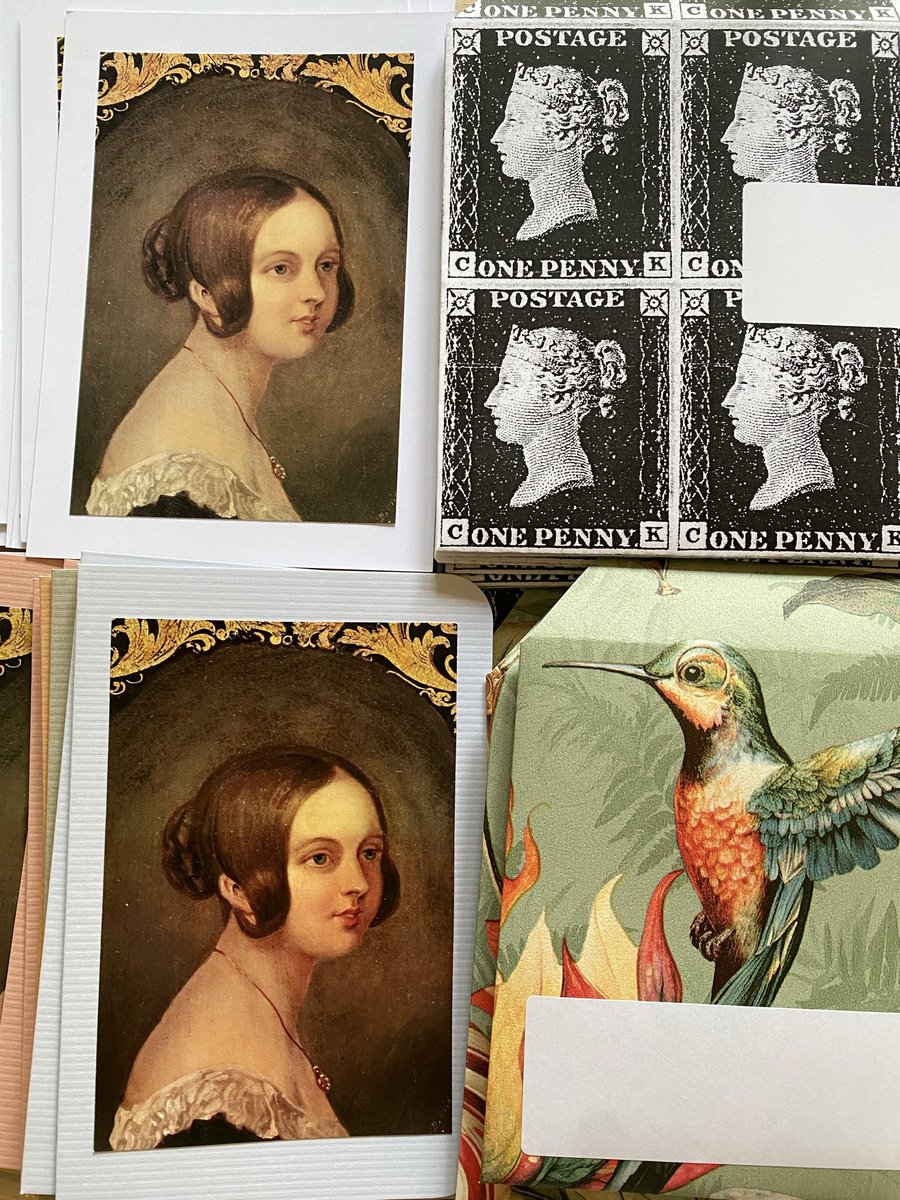
Stationery ✔️
Pretty stamps ✔️
Postbox ✔️
Wig ✔️
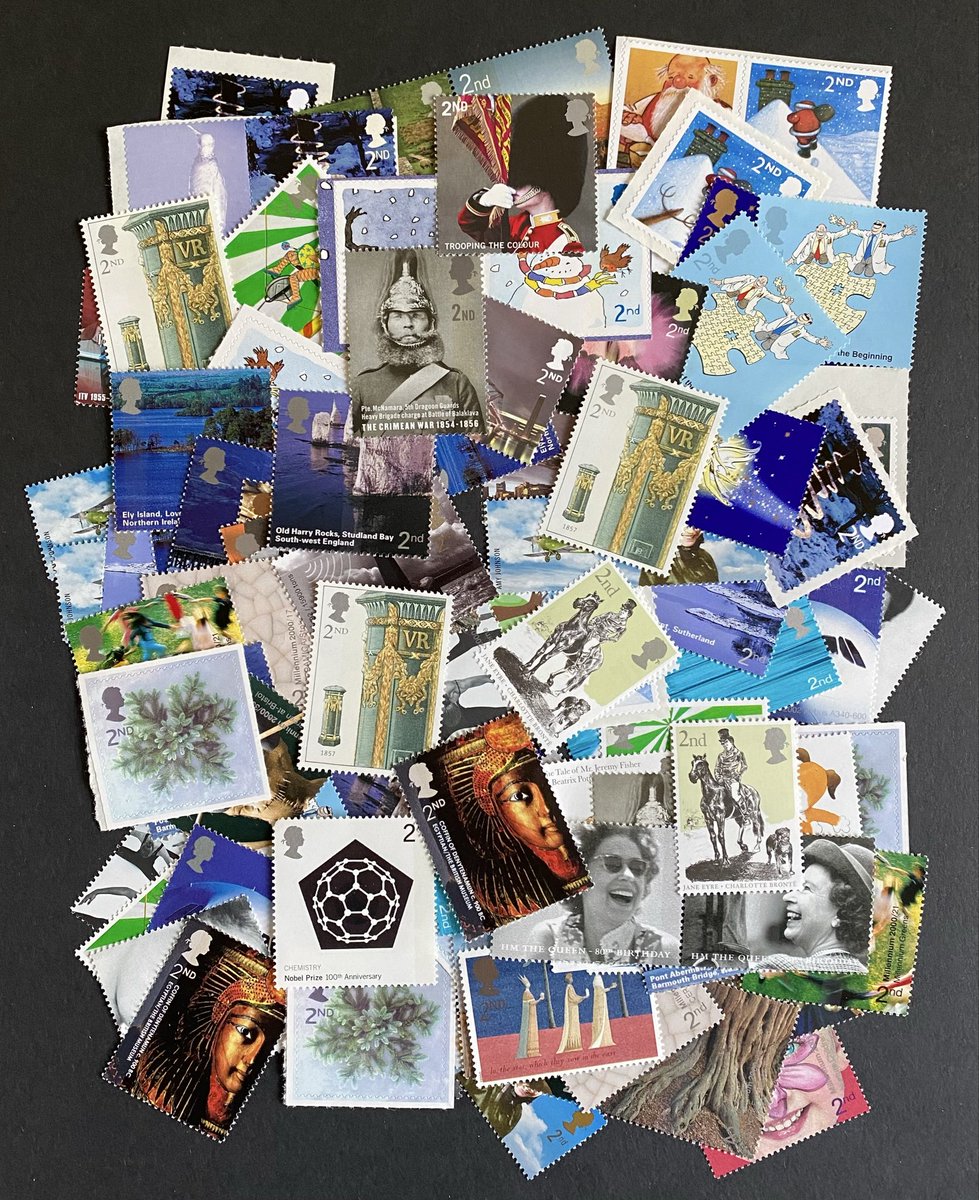
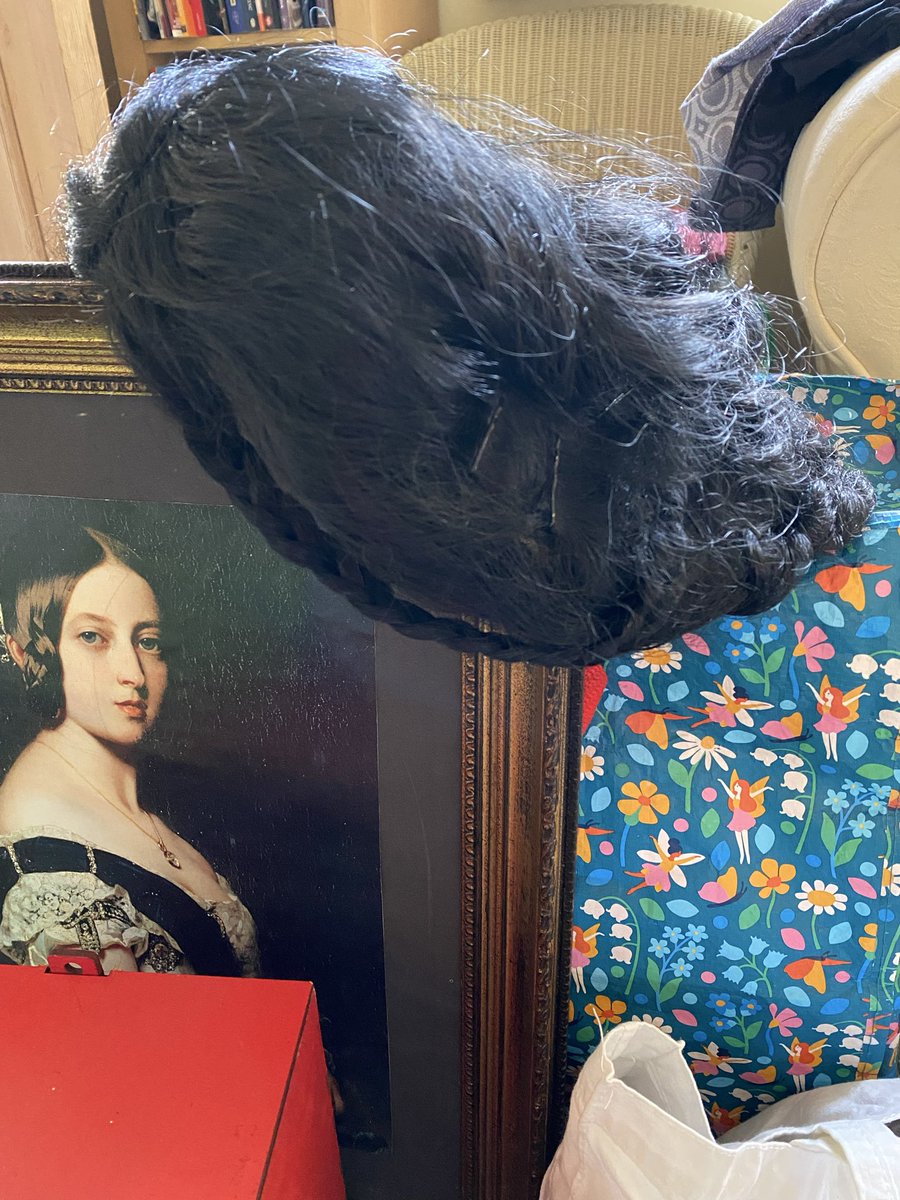
All sorted for today’s Thomas Hardy Victorian Fair in Dorchester. Come and find us in the Dorset Museum. 11-4. We’d love to see you! 🥳✍️📜📚🎩👍

1
7
63
664
The Writing Web ✍🏾 retweeted

May 29
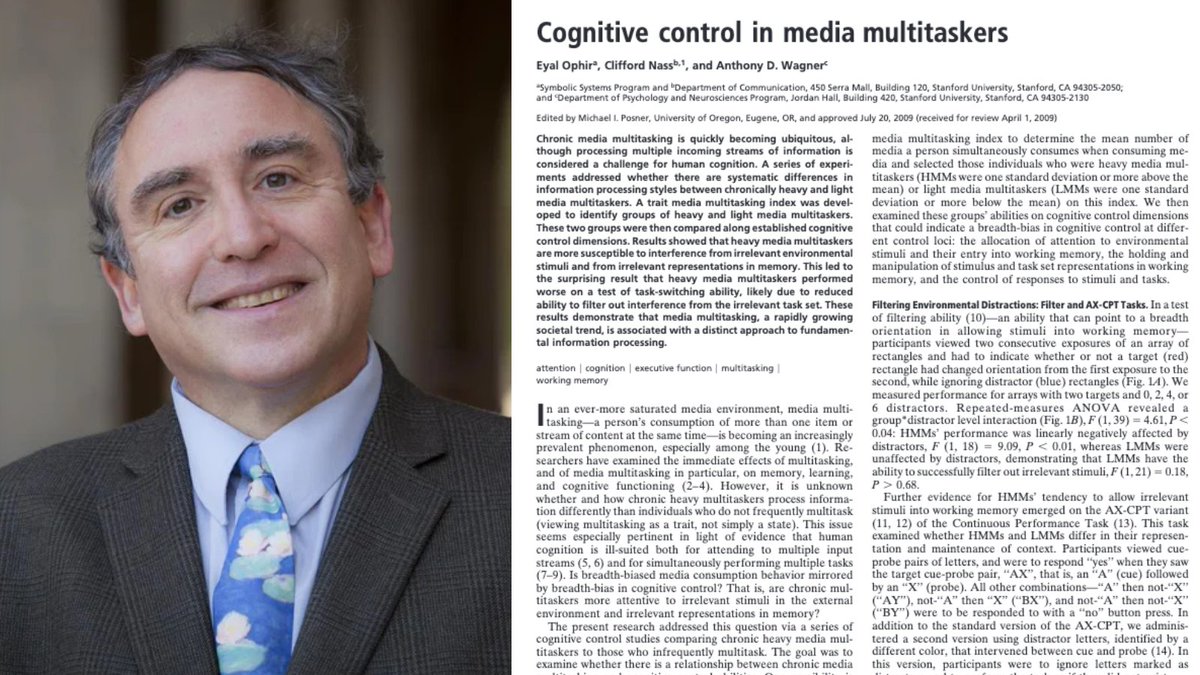
A Stanford professor spent years trying to prove that people who multitask the most are the best at it. He tested 262 students and found the exact opposite. It was the most embarrassing result of his career.
His name was Clifford Nass.
He had spent decades at Stanford studying how humans interact with technology, and by 2009 he was certain he knew what the results would show before the study even started.
He was wrong about everything.
Nass and his colleagues divided 262 Stanford students into two groups: heavy media multitaskers and light media multitaskers.
People who regularly juggled email, texts, multiple browser tabs, music, and TV simultaneously versus people who mostly did one thing at a time.
The assumption going in was obvious. Heavy multitaskers must have built some kind of superpower. Their brains had been training under constant load for years. They should be faster at switching between tasks, better at filtering out irrelevant information, sharper at holding things in working memory.
They tested all three.
Memory first.
Students were shown sequences of letters and asked to identify when a letter was repeating. The heavy multitaskers did worse and kept getting worse the further they went. The more they had multitasked in real life, the less their brain could hold in the moment.
Filtering second.
Students were shown a grid of red and blue rectangles, which disappeared, and were asked whether any of the red ones had moved. The instruction was clear: ignore the blue ones. The light multitaskers had no problem. The heavy multitaskers could not stop looking at the blue rectangles. They were pulled toward irrelevant information even when explicitly told to ignore it.
Task switching third.
This was the one that ended the argument. Researchers expected that if heavy multitaskers were better at anything, it would be moving between tasks quickly. That is the entire premise of multitasking as a skill. But the heavy multitaskers were dramatically slower and less accurate at switching than people who barely multitasked at all.
Nass described it in the words he would repeat for the rest of his life.
They are suckers for irrelevancy. Everything distracts them.
He went looking for what multitaskers were better at. He found nothing. Not one thing.
What he had discovered was the opposite of what everyone believed. Multitasking is not a skill that improves with practice. It is a habit that degrades the very machinery you need to think. The more you do it, the worse your brain gets at focusing when you finally try.
5 years later, neuroscientists at the University of Sussex put 75 adults in an MRI machine. They measured how often each person used multiple screens simultaneously and then looked at their brain structure.
The heavy media multitaskers had less grey matter density in the anterior cingulate cortex. That is the region responsible for attention, impulse control, and decision-making. Not weaker activation. Less physical tissue. The damage was structural, written into the architecture of the brain itself.
Nass had been warning companies about this for years. In 2012 he stood in front of a room of executives and told them that forcing employees to multitask was not a productivity strategy.
It was a brain safety problem. He used the exact words: OSHA problem. The same language you use when a factory floor is injuring workers.
Nobody changed anything.
The notifications stayed on. The open-plan offices stayed open. The Slack channels kept pinging. The expectation that a good employee responds to everything immediately and handles ten things at once stayed exactly where it was.
Clifford Nass died in November 2013 at 55, collapsing after a hike near Lake Tahoe. He had spent his entire career measuring what constant switching was doing to the human brain. The world listened politely and went back to checking its phone.
A psychiatrist in London had found something related a few years earlier. He gave IQ tests to workers while emails and phone notifications arrived in the background. Their scores dropped 10 points. More than the drop from smoking marijuana. More than missing a full night of sleep. The distraction did not just interrupt the work. It made people measurably less intelligent while it was happening.
Most people read that and laughed and went back to their inbox.
Gloria Mark at the University of California spent years tracking how long office workers actually stayed on one task before something pulled them away. The average was three minutes. And after each interruption, it took 23 minutes and 15 seconds to fully return to the depth of focus they had before.
Do that math across a normal workday and you arrive somewhere most people would rather not look at directly.
You are not bad at focusing. You have been practicing the wrong thing for years, inside systems designed to fragment your attention, and you have been rewarded for it the whole time.
The heavy multitaskers in Nass's study were not careless. They were the ones who said yes to everything, responded to everyone, kept every channel open. They were doing exactly what modern work asked of them.
And their brains were paying for it in ways nobody could see from the outside, until someone put them in a scanner.
The one thing that will not fix this is trying harder to focus while the notifications are still on.
Nass knew that. He said it out loud for years.
The people who would not listen are still sitting in open offices with 14 tabs open wondering why they cannot think straight after lunch.
43
441
1,266
83,766