Genes to functions. Microbiome in health & disease. Computational biology. Chemical biology. Innate & adaptive immunity. broadinstitute.org/xavier-la…
Joined September 2020
- Tweets 561
- Following 194
- Followers 3,005
- Likes 274
42 Photos and videos




Jun 8
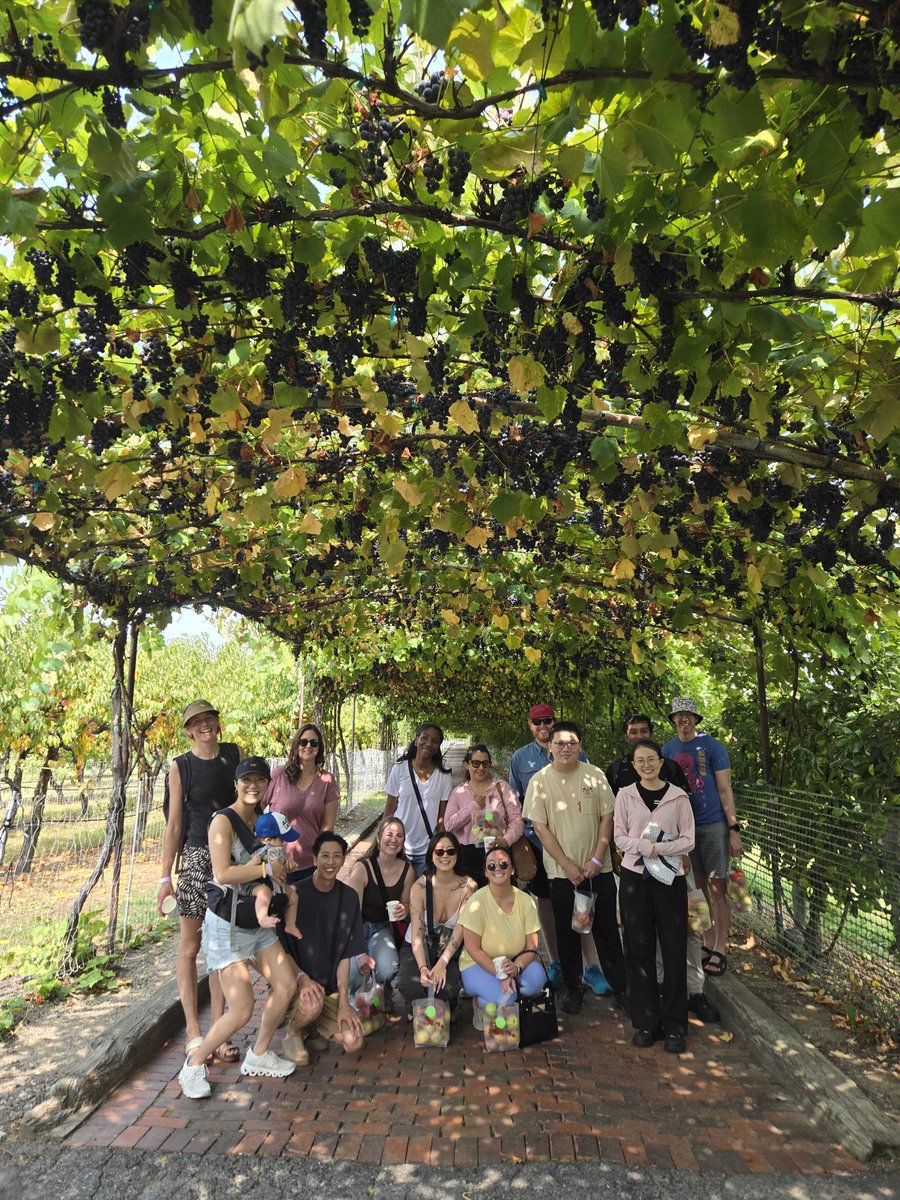
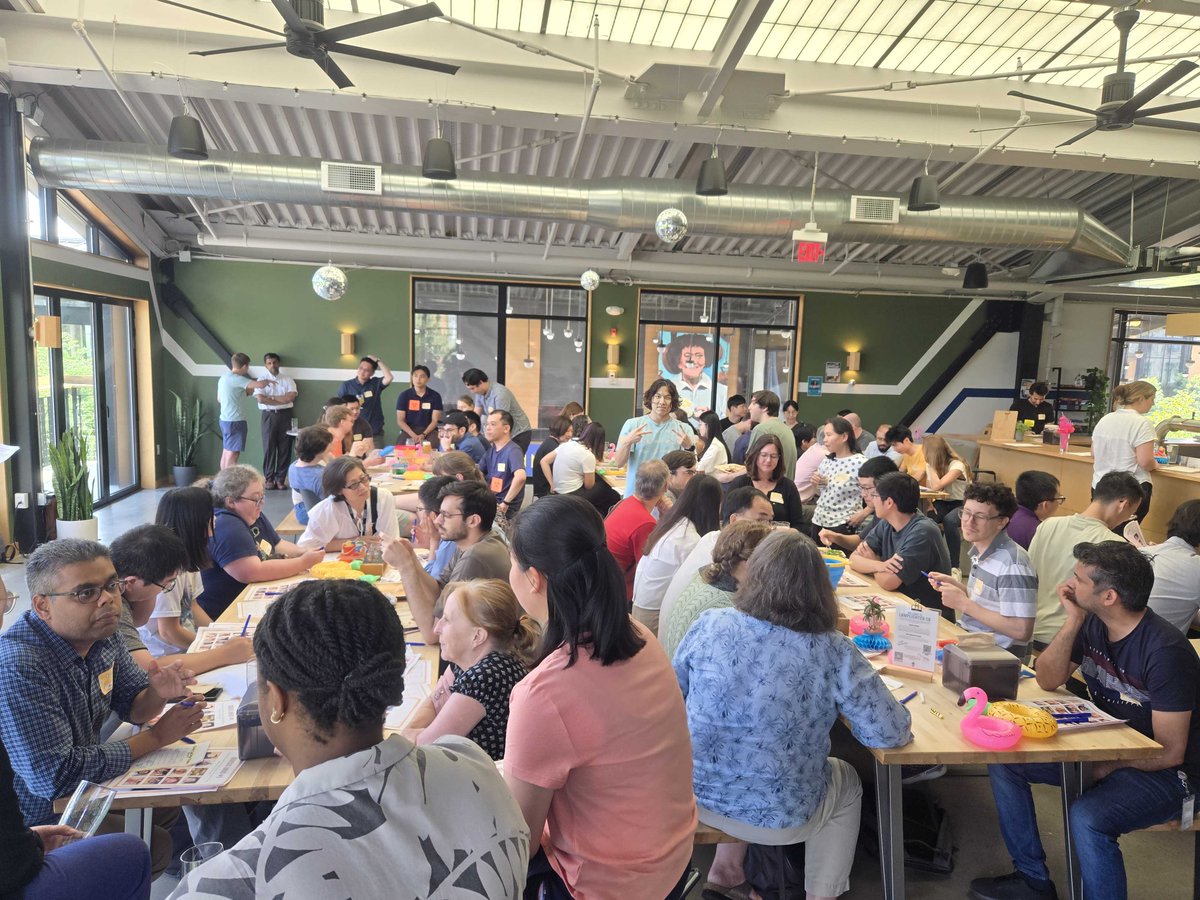
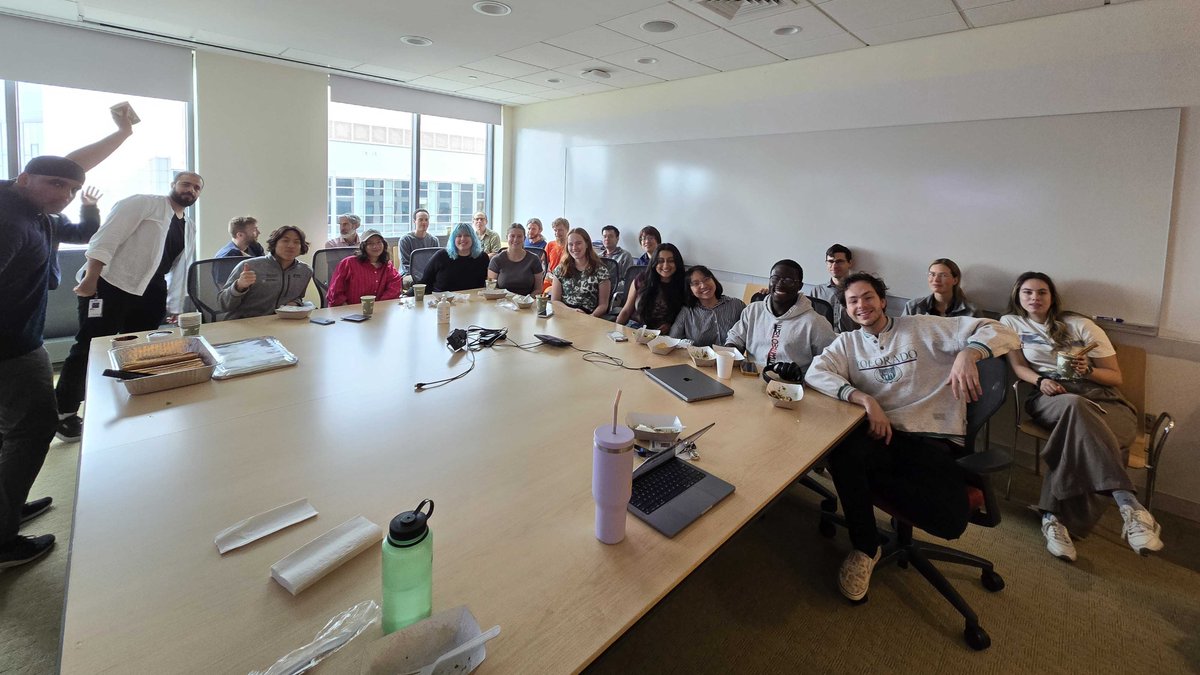
It's that time of year again--we are saying goodbye to more of our youngest and brightest lab members as they transition to the next steps of their careers, either in grad school or in other institutions. This week, we are saying goodbye to Anna, Regan, and Tanvi.
1
5
1,706
Jun 8
Good luck at UCSF (Anna), University of Washington (Regan), and MIT (Tanvi). We will miss you!
1
2
439
May 28
New website launch for the World Diet Initiative—an international effort to map global dietary patterns and their impacts on human health.
The site is now accepting heritage diet submissions to build the open-access World Diet Atlas.
worlddietinitiative.org/
1
1
588
May 22
Congratulations, @SachaLEBON on some great work! Excited to see this come out after all your hard work.
May 13

My first first-author paper is (finally) out !
Big shoutout to my amazing co-authors from @bitonm lab, @matanhofree lab and collaborators from @WeizmannScience, @IRB_Department and @HebrewU community for their contributions !
1
1,061
Xavier Lab retweeted

Early-life interventions & airway microbiome
Nasal microbial gene atlas in infants w/cystic fibrosis. Hypertonic saline inhalation reshapes microbiome, selects salt-tolerant H. influenzae & ⬆️transporters linked to antibiotic tolerance @TheXavierLab
cell.com/cell-host-microbe/a…
1
3
7
963
Xavier Lab retweeted
What the nose knows of cystic fibrosis microbes and hypertonic saline
Bouzek Previews work by @TheXavierLab presenting microbial gene atlas of nasopharyngeal swabs in infants w/cystic fibrosis & healthy controls & IDing impacts of clinical interventions
cell.com/cell-host-microbe/a…
1
2
7
601
May 18
Excited to share this new preprint from a large collaborative effort using #exome #genome sequencing, moving beyond GWAS to implicate 68 genes in #IBD through rare protein-coding variation.
bit.ly/43h72GA
@broadinstitute
@MGHMolBio
@MGBResearchNews
3
15
2,446
Apr 27
Excited to share our new @ImmunityCP review, discussing how advances in functional genomics and chemical biology are enabling the translation of IBD genetics into mechanistic understanding and new therapeutic hypotheses.
cell.com/immunity/fulltext/S…
#IBD #inflammatoryboweldisease
10
647
Apr 21
Out now @cellhostmicrobe! In collaboration with @RuthSteinbaer and Swiss clinicians, we built the largest nasal microbial gene atlas in infants w/ and w/o cystic fibrosis to date (cont.)
1
2
10
3,358
Apr 21
We found and validated in vitro that early-life perturbations (hypertonic saline inhalation therapy) can select for microbial traits linked to salt and antibiotic tolerance.
#antibiotics #cysticfibrosis #microbial
@broadinstitute @MGBResearchNews
268
Mar 23
Our latest work, with @MikaKivimaki lab, now online @alzdemjournals: we used single-cell and GWAS data to uncover genes in peripheral blood immune cells associated with Alzheimer’s disease.
doi.org/10.1002/alz.71282
@broadinstitute
@MGHMolBio
@MGBResearchNews
#Alzheimers
1
4
8
2,305
Mar 16
New work with @CarolineUhler, now online in @NatureComms! We developed TRIM, a multimodal framework integrating T cell RNA and TCR profiling to predict T cell responses to cancer treatment.
nature.com/articles/s41467-0…
@broadinstitute
@MGHMolBio
@MGBResearchNews
7
31
4,883
Mar 4
New study, in collaboration with @Honda1Kenya, out now in @Nature. We show how a low protein diet drives a microbiota-dependent induction of thermogenic brown adipocytes via FXR & FGF21 pathways.
nature.com/articles/s41586-0…
1
24
113
12,968
Feb 27
Excited to share our new study defining the multicellular ecosystem of atopic dermatitis. Integrating >700k single cells from healthy and inflamed skin, we uncover disease-specific immune circuits linked to disrupted keratinocyte differentiation.
nature.com/articles/s41467-0…
2
7
23
3,085
Feb 27
Check out this great write-up of a recent study between the @broadinstitute, University of Helsinki, and other institutions which has found more than 400 genetic markers that are linked to autoimmune hypothyroidism (AIHT). (1/4)
broadinstitute.org/news/stud…
1
2
12
3,302
Feb 27
This paper charts a clear path to understanding how genetics can not only find the genetic variants linked to a disease, but also dissect them into clearly distinct groups that represent independent components of the disease. (3/4)
nature.com/articles/s41588-0…
1
348
Feb 27
Thank you to all the authors, including @dalygene and @masakanai for their hard work and contributions!
@MGBResearchNews @MGHMolBio
173