An organisation dedicated to strengthening partnerships amongst business, civil society, government and labour to achieve the education goals of the NDP.
Joined February 2015
- Tweets 5,839
- Following 673
- Followers 11,184
- Likes 6,085
1,422 Photos and videos
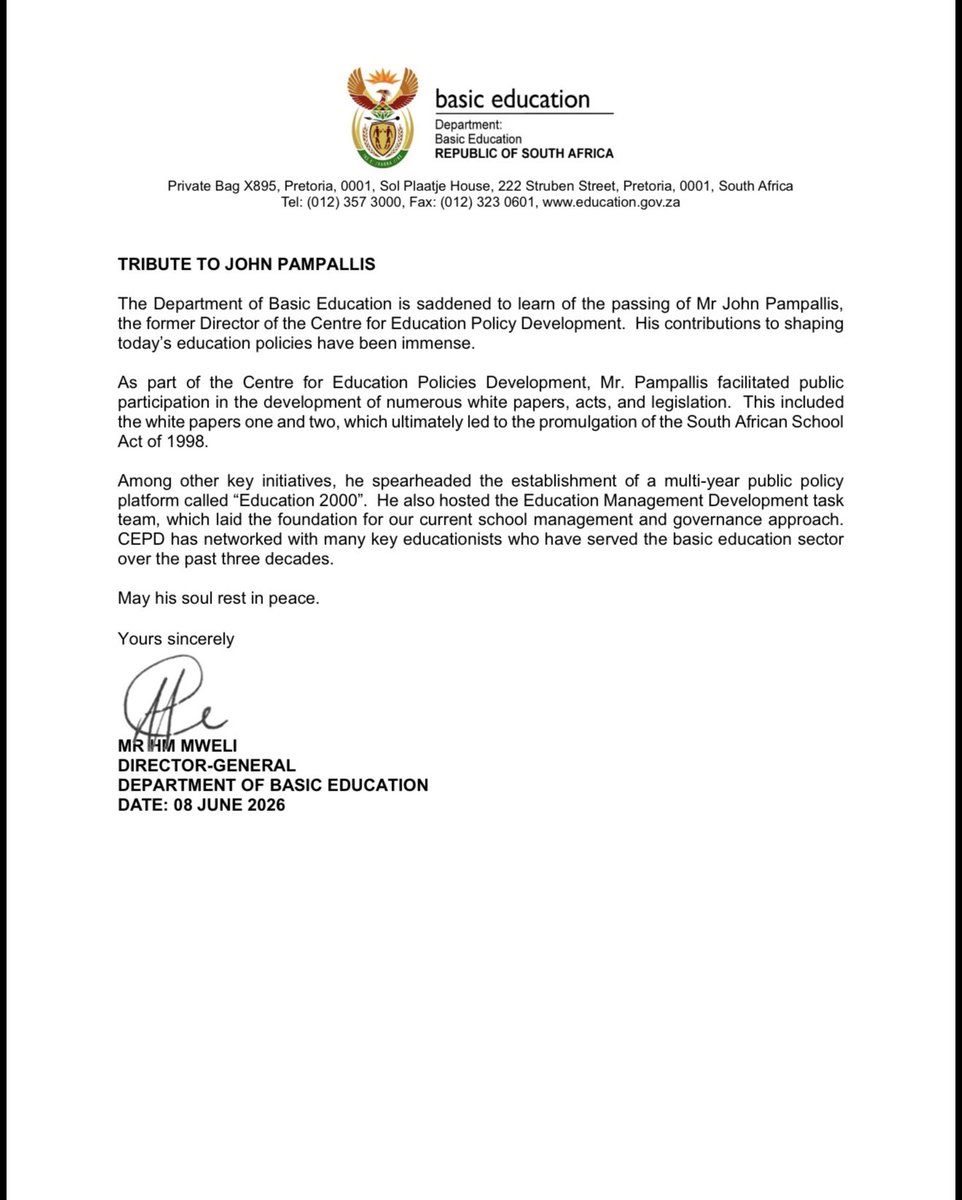

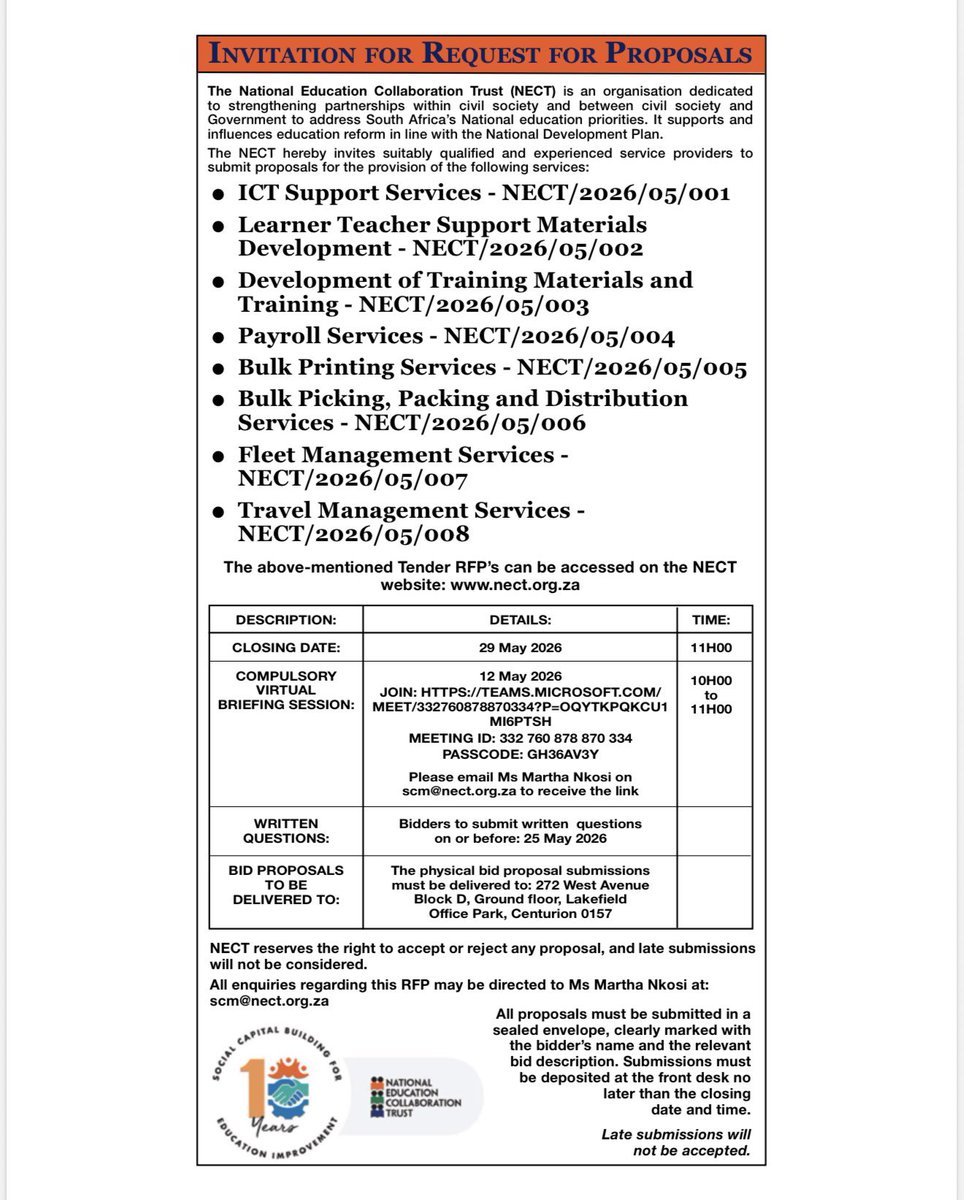

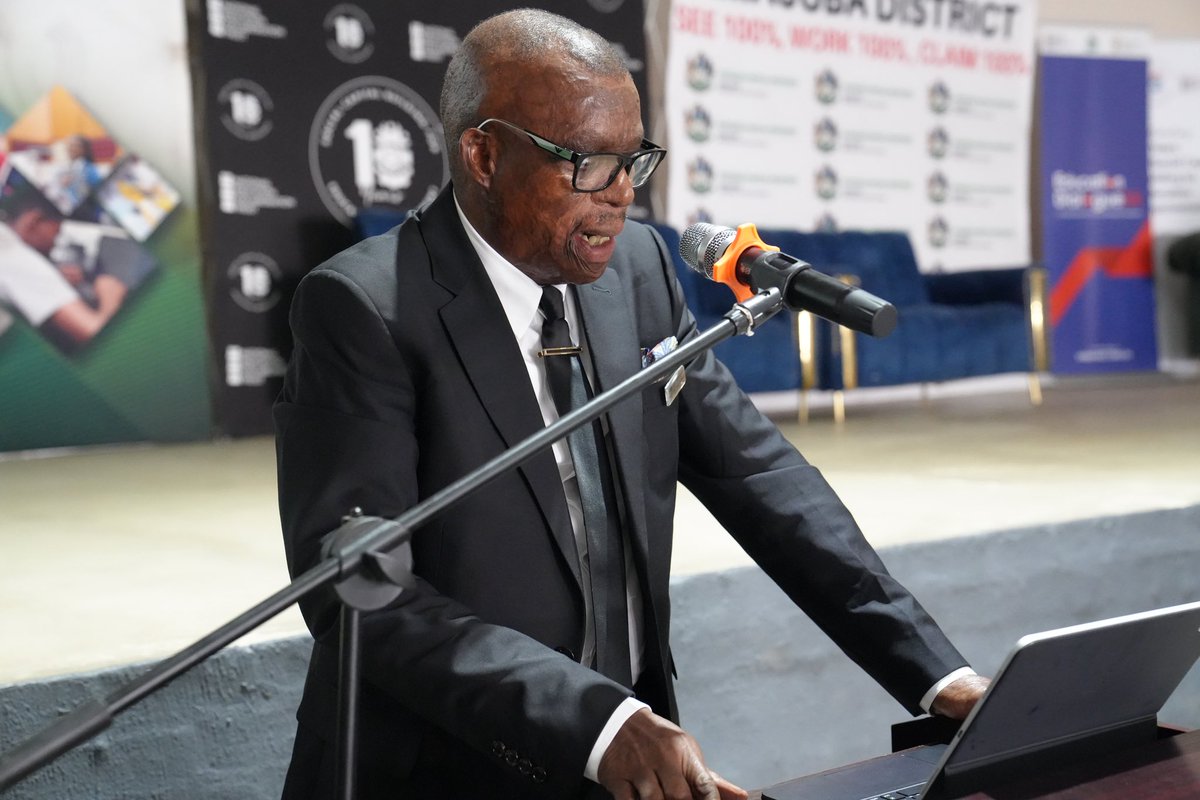

The National Education Collaboration Trust (NECT) has become aware of a hoax organisation impersonating NECT.
The fraudulent individuals have set up a website under the name National Education Management Trust (NEMT), using characteristics similar to those of NECT.
1
293
Do not engage with or direct any resources to NEMT or its website: nemt.org.za.
NECT is working with government and other relevant authorities to identify the individuals involved and to have the website removed.
1
254
Enquiries
Mr Mpho Moutlana
Email: mphom@nect.org.za
National Education Collaboration Trust (NECT)
28
Empowered Foundation Phase Teachers. Stronger Foundations for Learning. ... youtu.be/4F_t9wRdXjI?si=i52w… via @YouTube
40
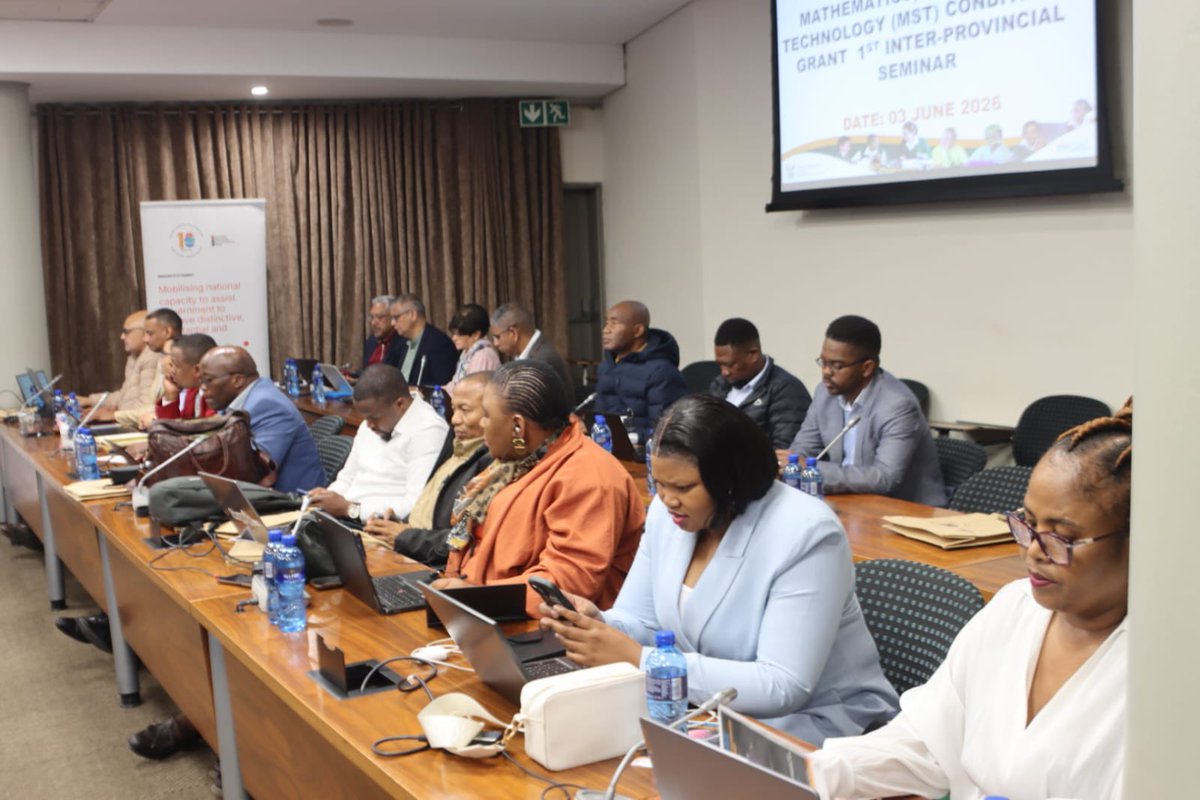
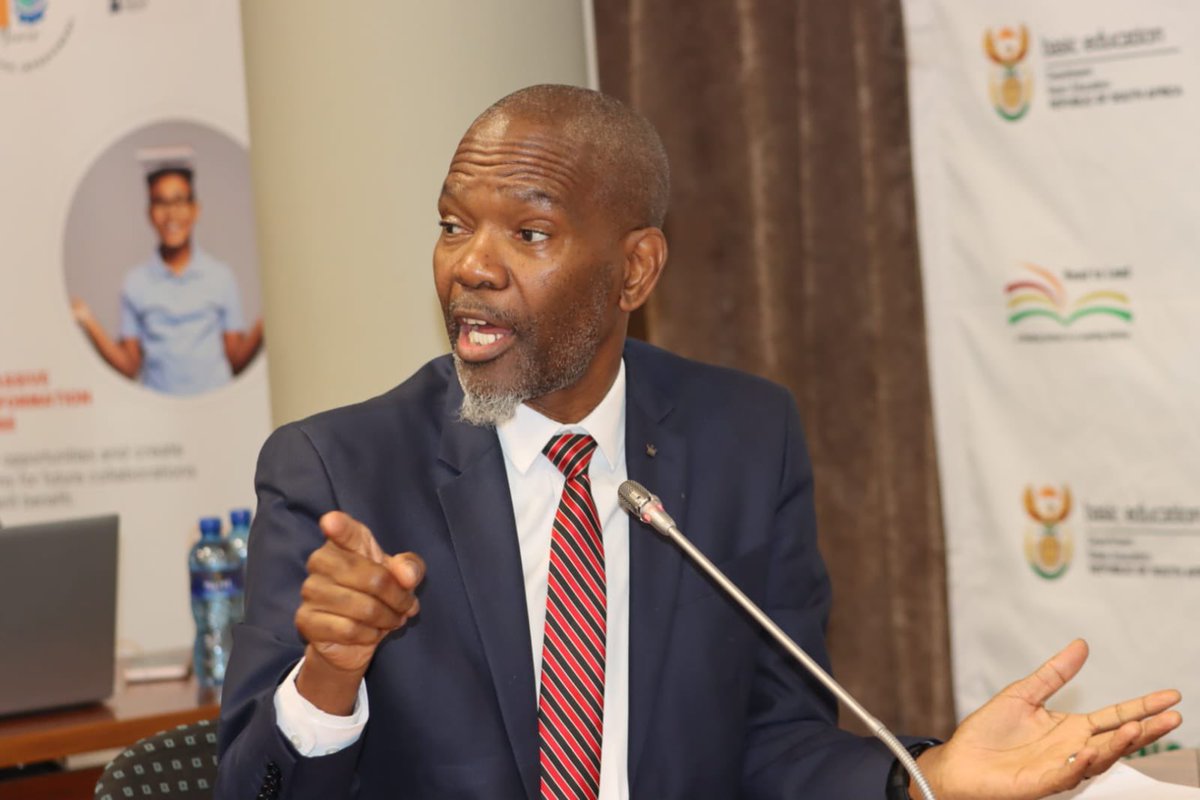
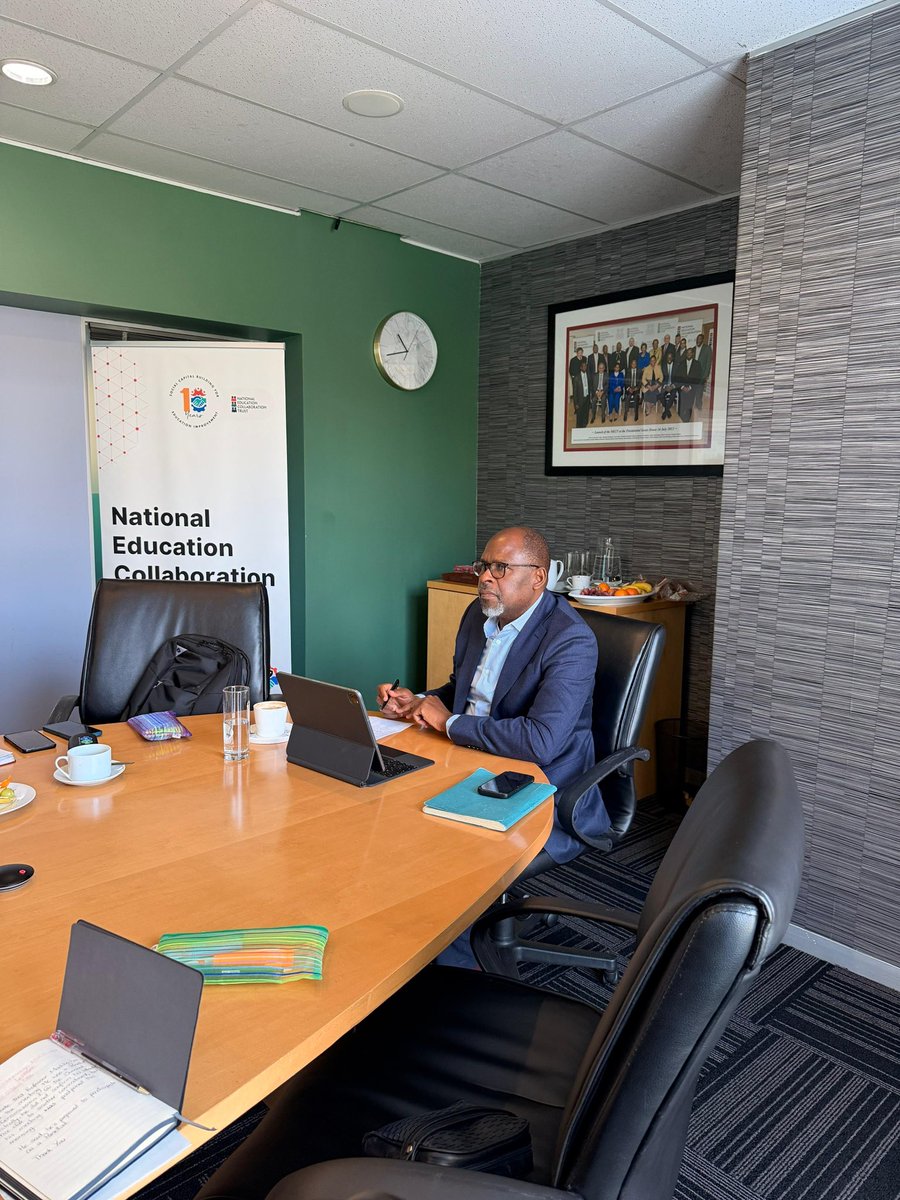
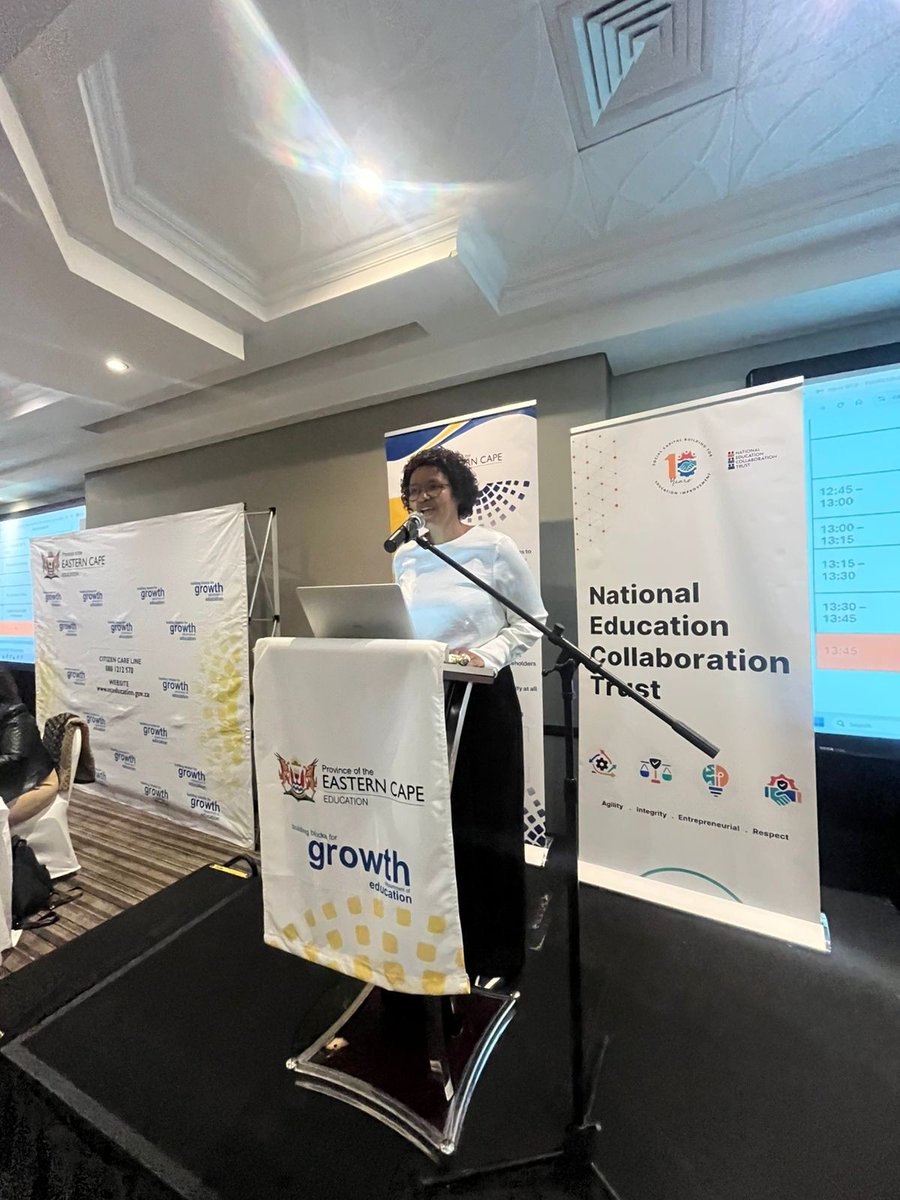
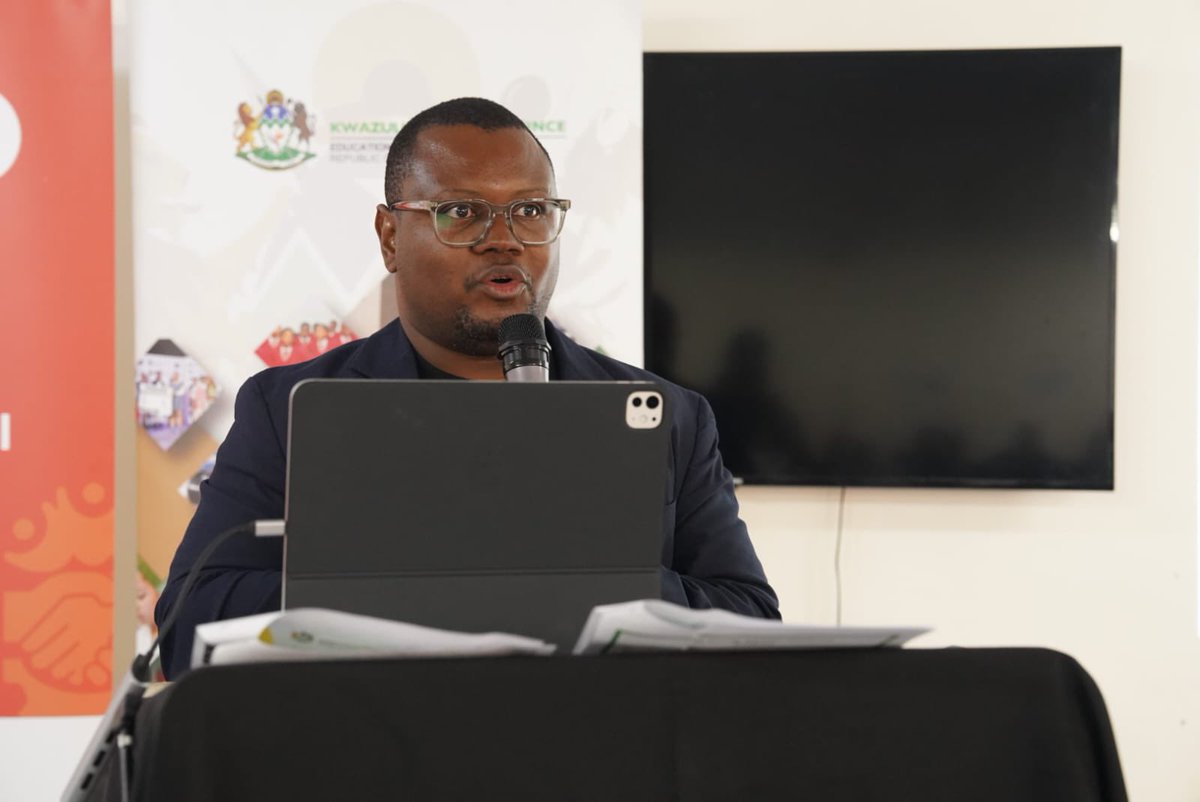
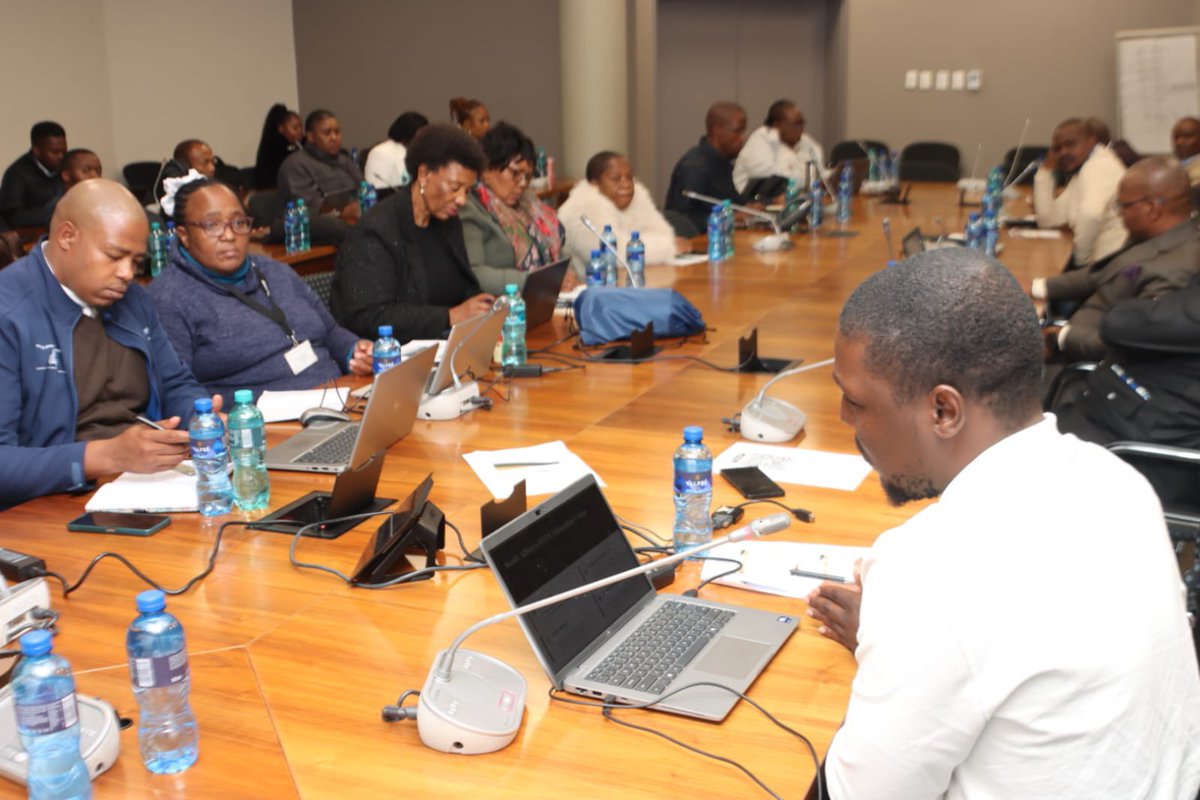
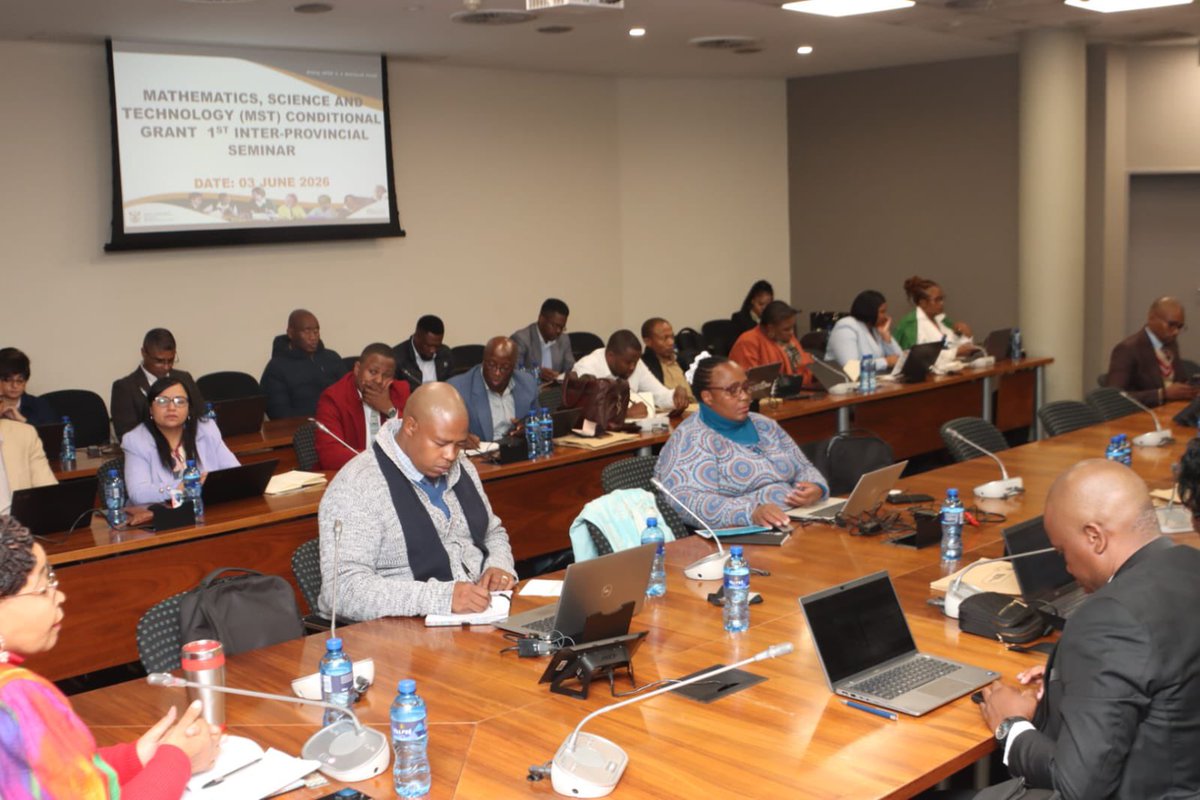
The National Education Collaboration Trust (NECT), in collaboration with the Department of Basic Education and key education stakeholders, participated in the two-day Mathematics, Science and Technology (MST) Conditional Grant Inter-Provincial Seminar.


1
1
2
200
Through meaningful discussions and school visits, participants exchanged insights on effective resource utilisation, learner support, educator development, community involvement, and innovative approaches that contribute to improved learning outcomes.
1
14
The seminar reaffirmed a collective commitment to advancing quality Mathematics, Science and Technology education and equipping learners with the skills and competencies needed to contribute meaningfully to South Africa’s future growth and development.
13
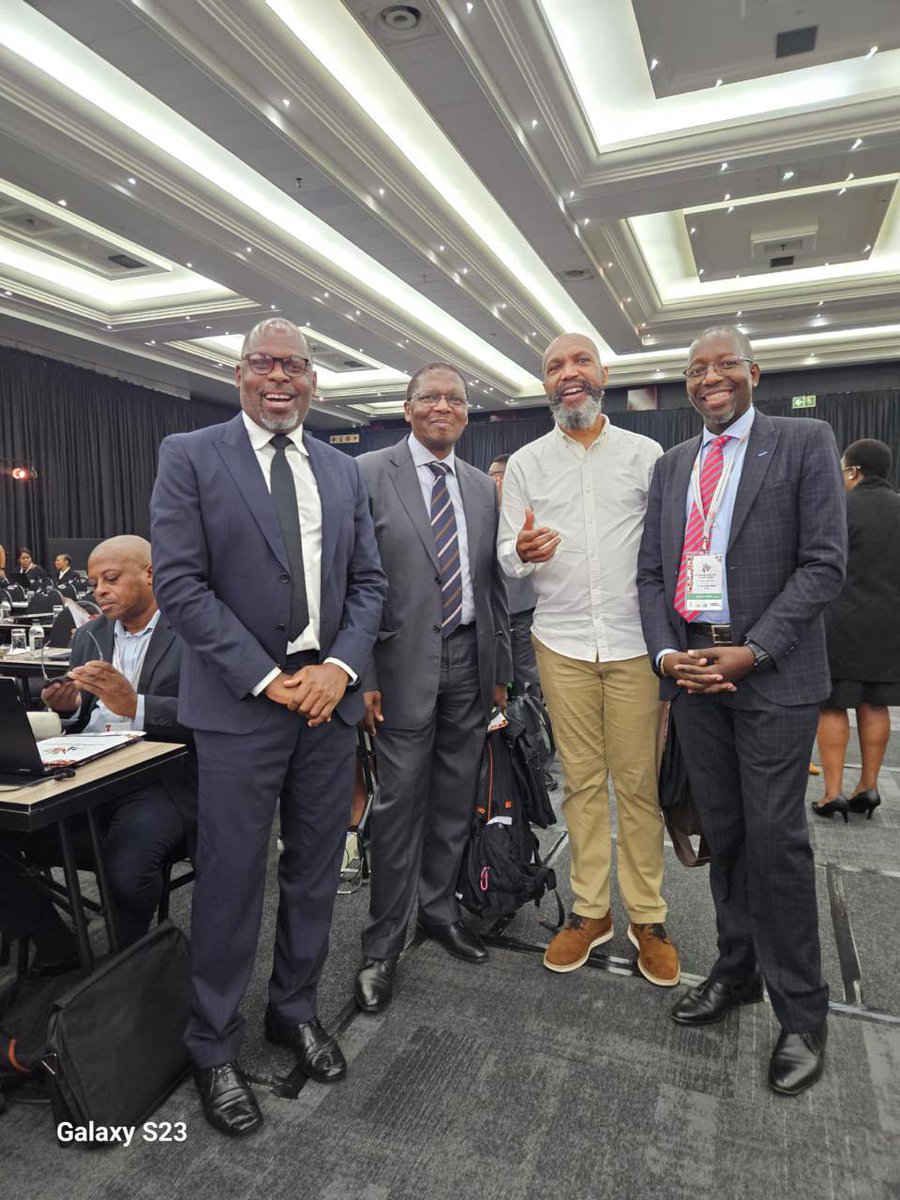
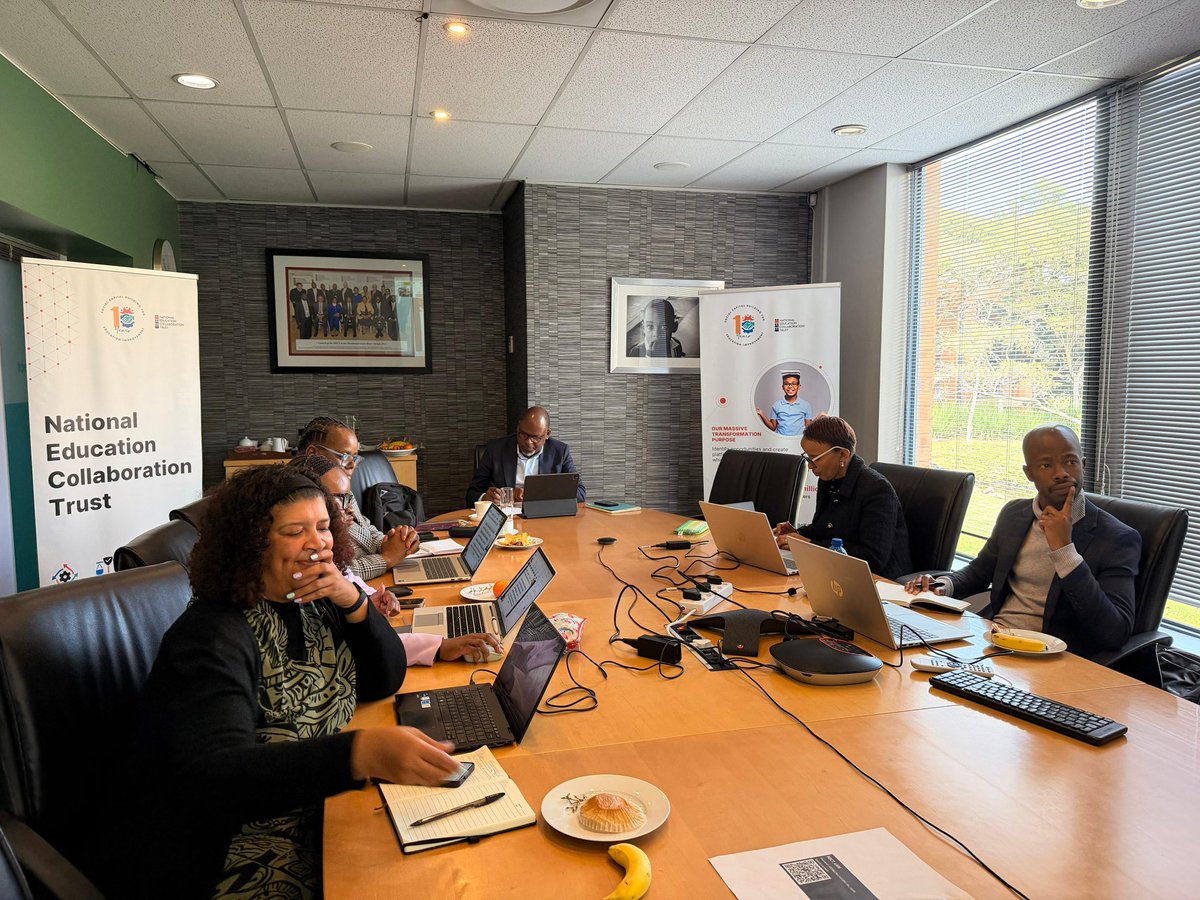
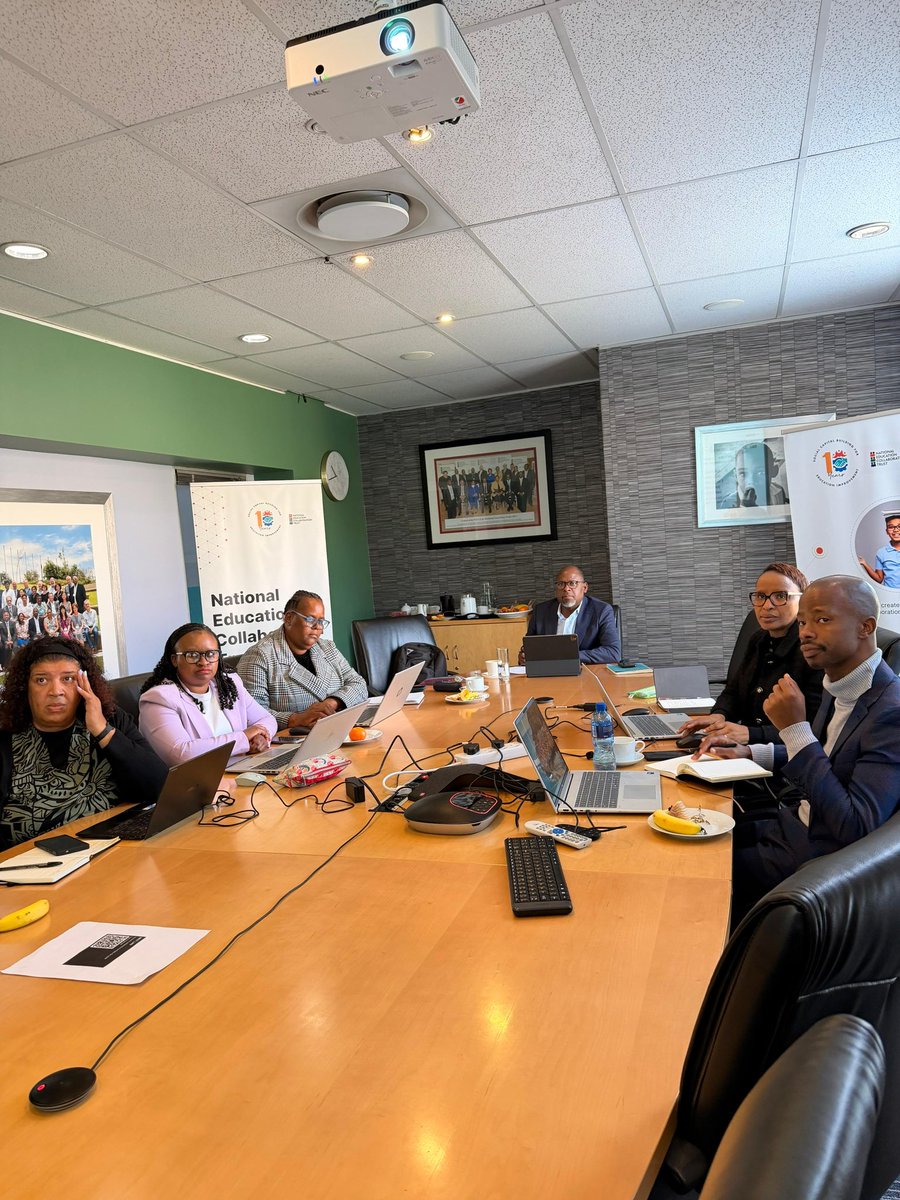
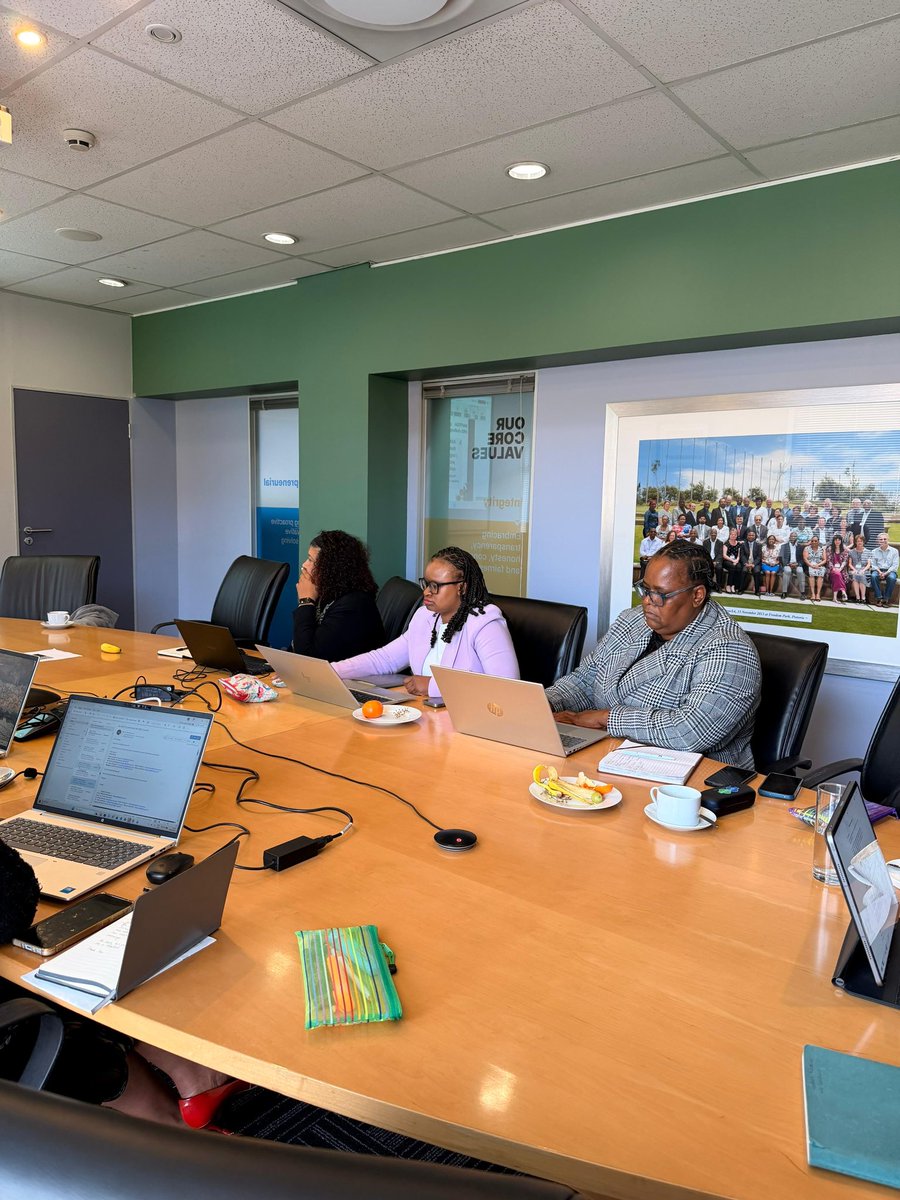
The 5th HRDC Summit Extended Commission meeting took place on 03 - 04 June.
Today,our CEO, Dr Godwin Khosa, facilitated Commission 1: Building Foundations for Learning, aligned to Goal 1 of the Human Resource Development (HRD) Strategy and the Medium-Term Strategic Plan (MSP).
1
1
247
Key participants included Mr Maliviwe Lumka –Head of Secretariat, Department of Basic Education, Social Partners, and Teacher Unions.
1
104
These important engagements are aimed at strengthening implementation, fostering collaboration, and improving outcomes across South Africa’s human resource development sector.
22
National Education Collaboration Trust retweeted

Jun 4
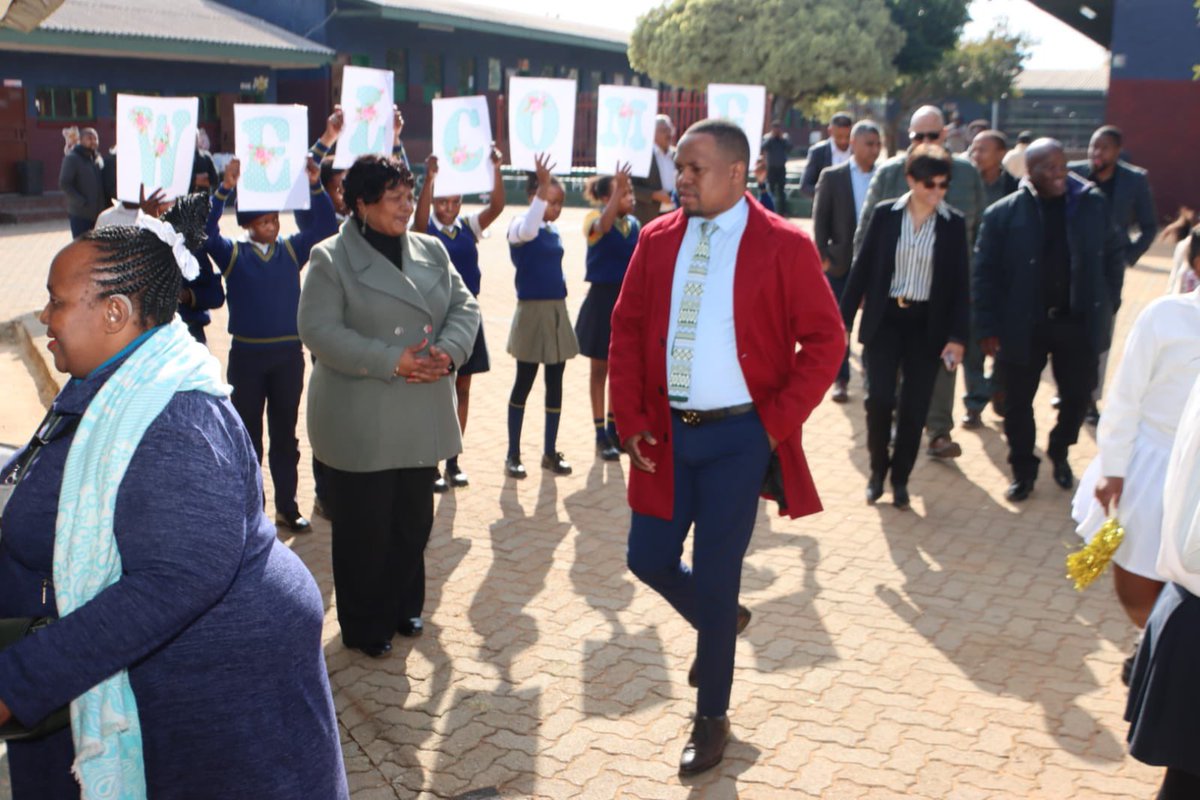
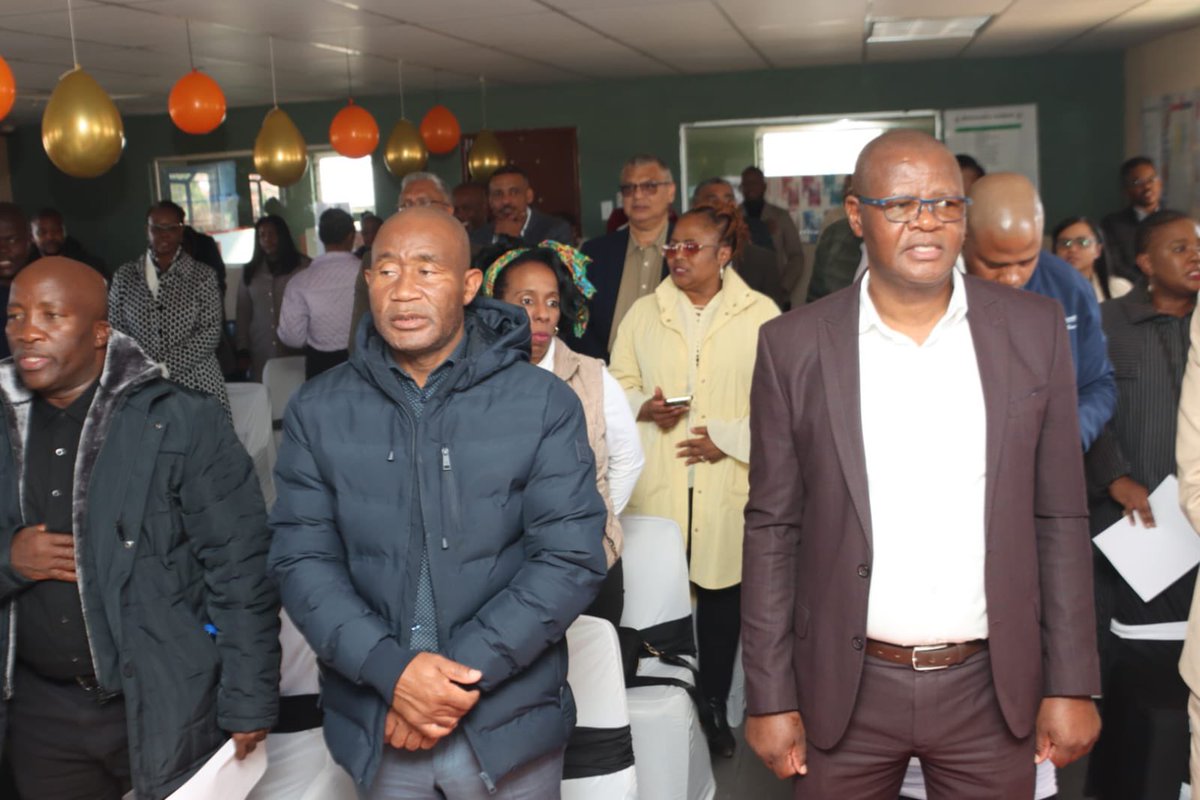
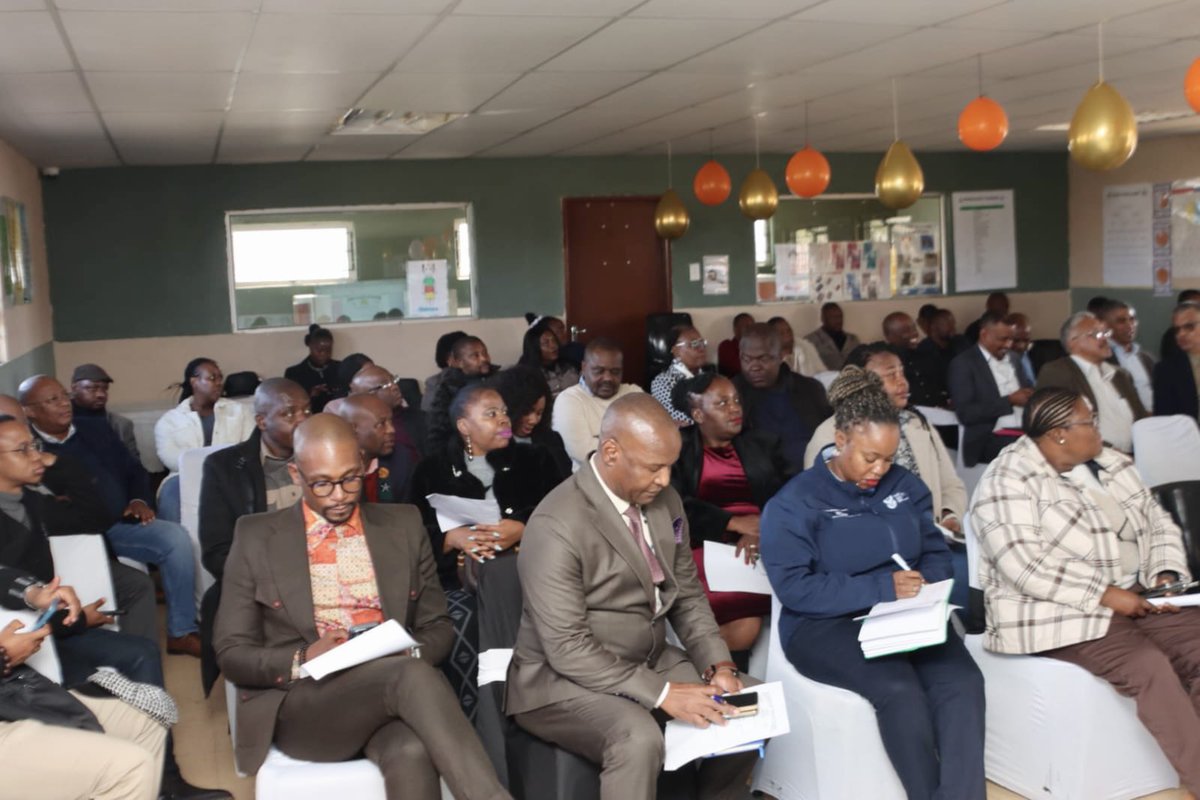
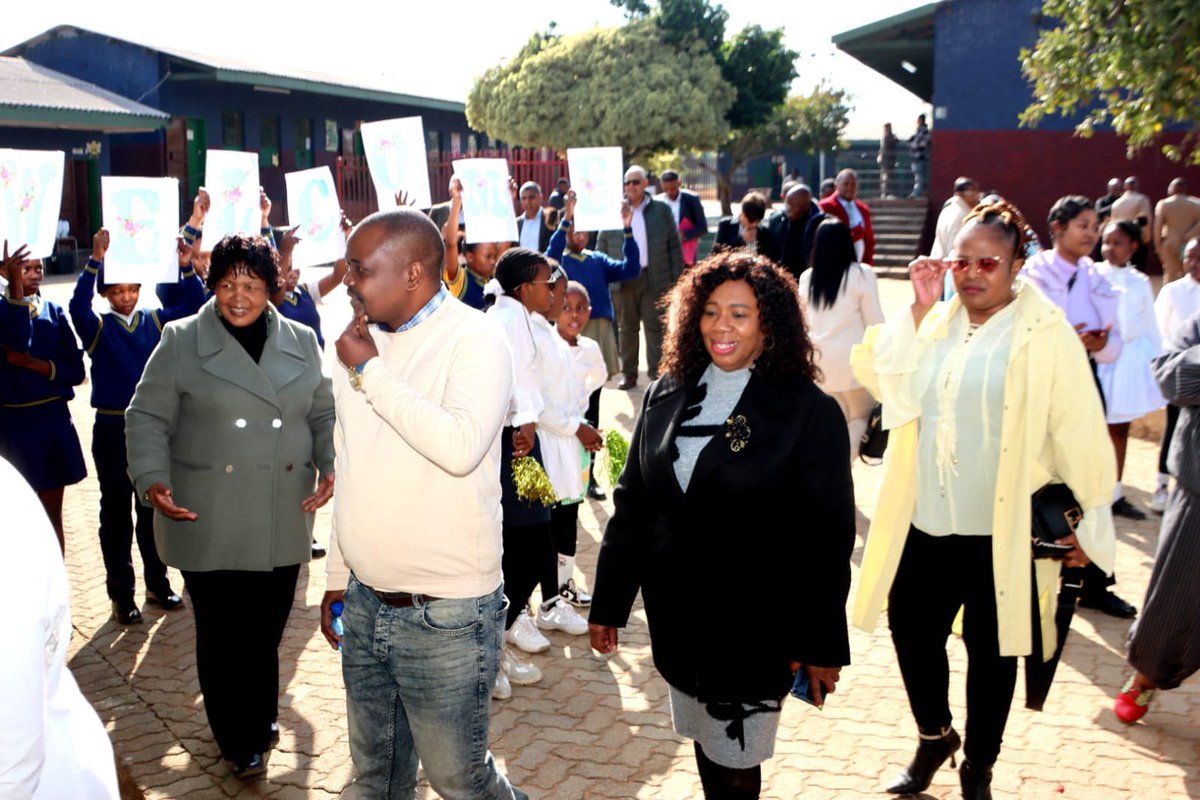
#MSTConditionalGrant | Day 2 of the Mathematics, Science and Technology (MST) Conditional Grant Inter-Provincial Seminar moves beyond the conference room and into schools, where delegates will experience firsthand how MST interventions are being implemented at school level.
The school visits provide an opportunity for provinces to share experiences, exchange best practices, and learn from innovative approaches that are strengthening the delivery of Mathematics, Science and Technology education.
Delegates will engage with school leadership and educators to gain insights into the utilisation of resources, learner support strategies, community involvement, and the overall impact of the MST Conditional Grant.
#MSTGrant #MSTGrant2026 #MathematicsEducation #ScienceEducation #Technology #TeacherDevelopment #MST #CodingAndRobotics #SkillsForTheFuture #YouthDevelopment #GovZAUpdates #EducationZA
5
1
16
3,882
National Education Collaboration Trust retweeted
Jun 3
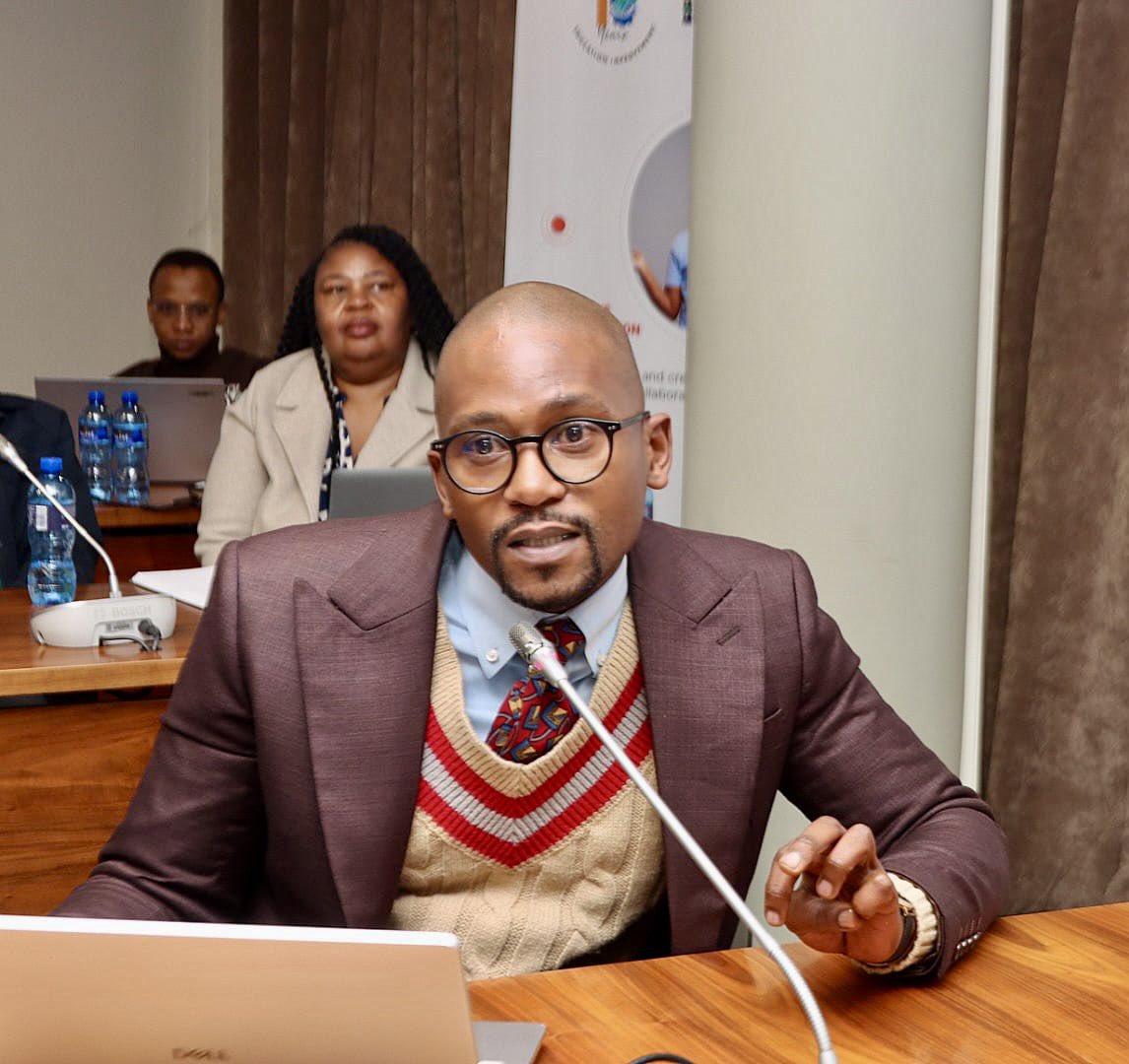
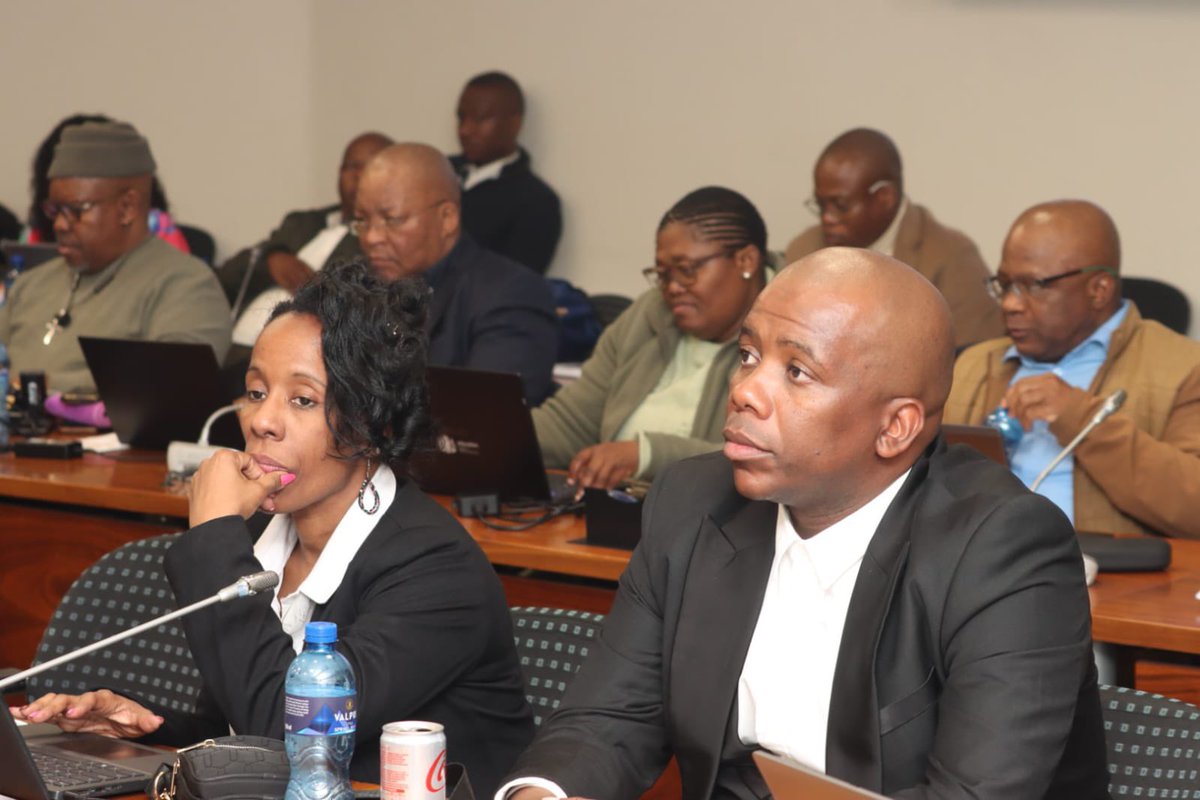
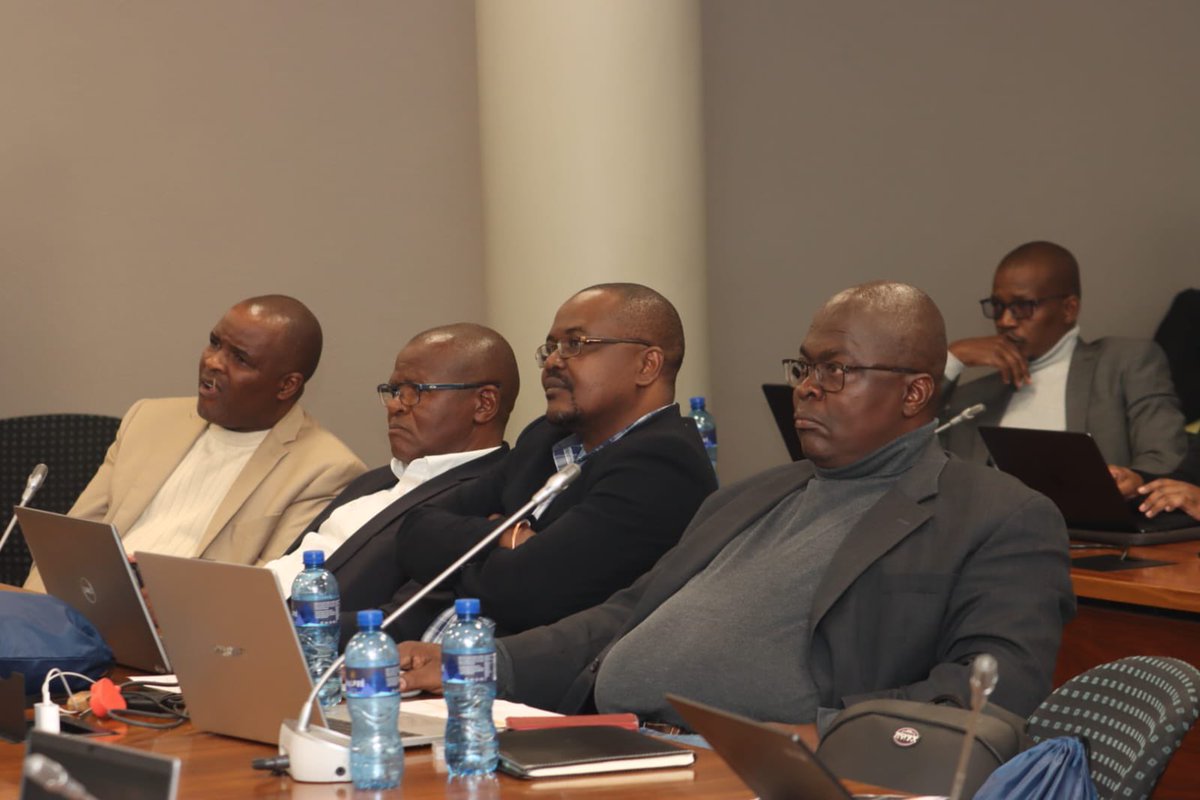
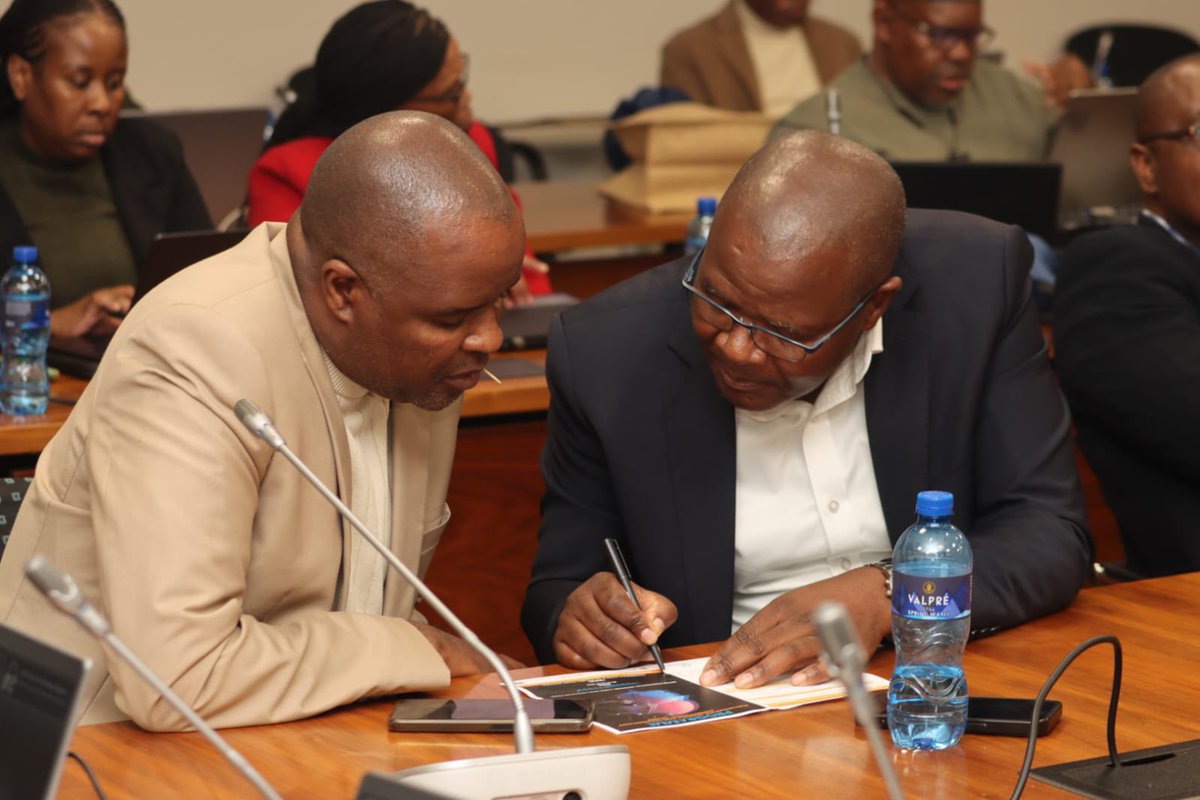
Mr Terence Khala, Acting Director: Communications and Research, highlighted the strategic importance of advocacy and communication in advancing the Mathematics, Science and Technology (MST) Conditional Grant agenda and strengthening public understanding of the sector’s achievements.
Drawing on insights from a video sweep conducted in Limpopo, Free State, Mpumalanga and North West, Mr Khala emphasised the need to showcase the tangible impact of the MST Grant and the transformative work taking place in schools across the country. He noted that effective advocacy is critical to building public confidence in the education system, strengthening stakeholder support and demonstrating government’s commitment to translating policy into meaningful outcomes for learners.
A central theme of his presentation was the importance of telling human stories. Mr Khala stressed that while data and policy outcomes remain important, it is the stories of learners, educators and communities that truly bring the impact of educational interventions to life. By highlighting the experiences of learners whose aspirations have been broadened, teachers who are driving innovation in the classroom, and schools that are achieving success through MST interventions, the sector can create more compelling and relatable narratives that resonate with the public.
Mr Khala further called for MST to be positioned as a national movement for opportunity, aspiration and inclusion. Through strategic communication, authentic storytelling and evidence-based advocacy, the sector can challenge negative perceptions, celebrate success stories and demonstrate how investments in MST education are equipping young South Africans with the knowledge and skills required to solve problems, drive innovation and participate meaningfully in the economy.
#MSTGrant #MSTGrant2026 #MathematicsEducation #ScienceEducation #Technology #TeacherDevelopment #MST #CodingAndRobotics #SkillsForTheFuture #YouthDevelopment #GovZAUpdates #EducationZA
2
11
1,032
National Education Collaboration Trust retweeted
Jun 3
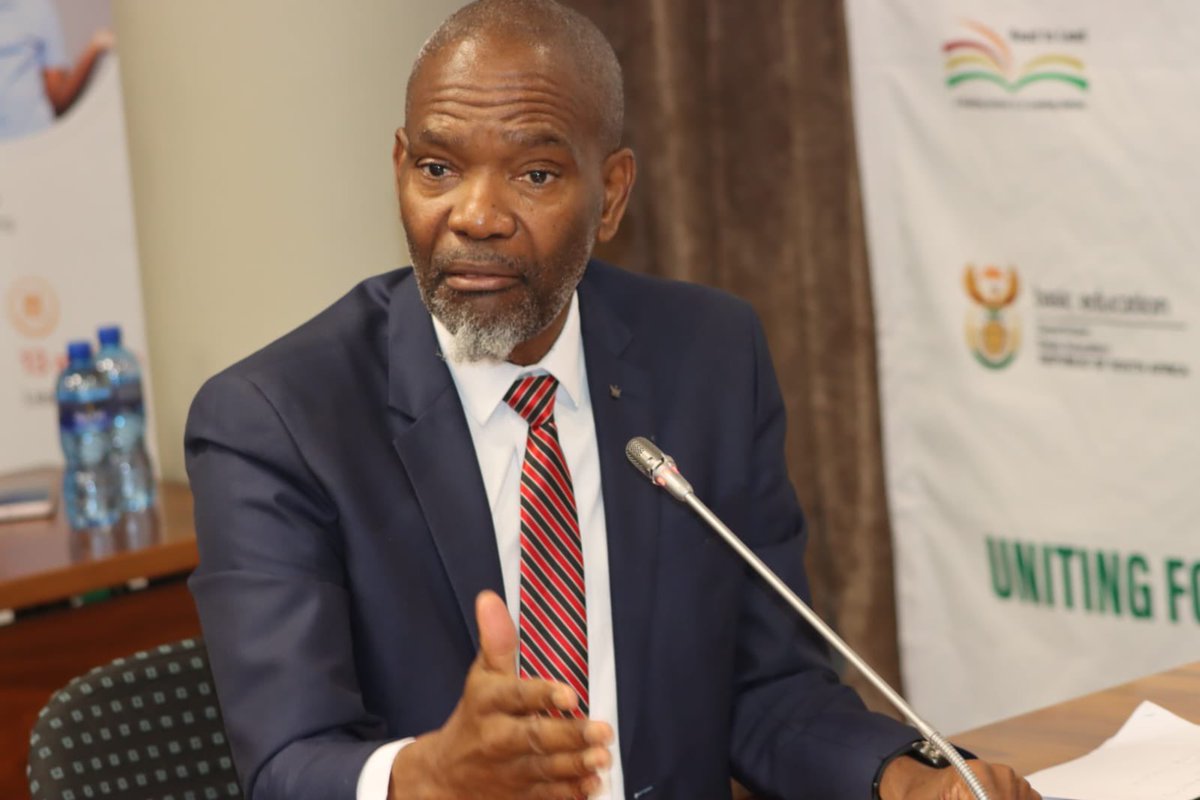
“Education investment must deliver measurable impact.”
Speaking at the MST Conditional Grant Seminar, Dr Tlhabane, Chief Director: MST & Curriculum Enhancement Programmes, stressed that while sound financial management and expenditure remain important, the true measure of success is improved learner outcomes.
He highlighted the important role that strategic partnerships play in strengthening education, citing the Sasol Foundation’s continued investment in STEM education, teacher development and learner support as an example of how collaboration between government and the private sector can help build a stronger skills pipeline for South Africa.
Dr Tlhabane also commended provinces for improving grant spending and urged stakeholders to focus on demonstrating the impact of investments in Mathematics, Science and Technical Education to build a stronger skills pipeline for South Africa’s future.
#MSTGrant #MSTGrant2026 #MathematicsEducation #ScienceEducation #Technology #TeacherDevelopment #MST #CodingAndRobotics #SkillsForTheFuture #YouthDevelopment #GovZAUpdates #EducationZA
#MSTGrant #MSTGrant2026 #MathematicsEducation #ScienceEducation #Technology #TeacherDevelopment #CodingAndRobotics #SkillsForTheFuture #MST #YouthDevelopment #GovZAUpdates #EducationZA
2
5
563
National Education Collaboration Trust retweeted
Jun 3
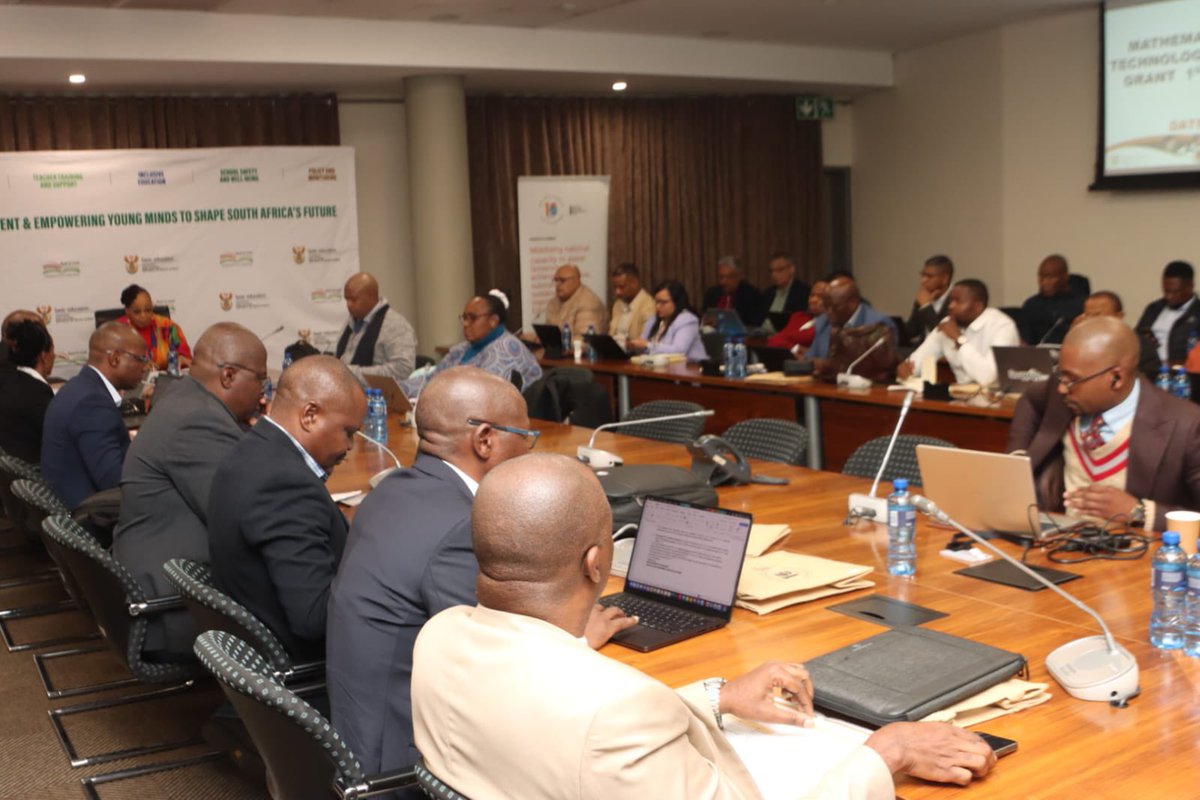
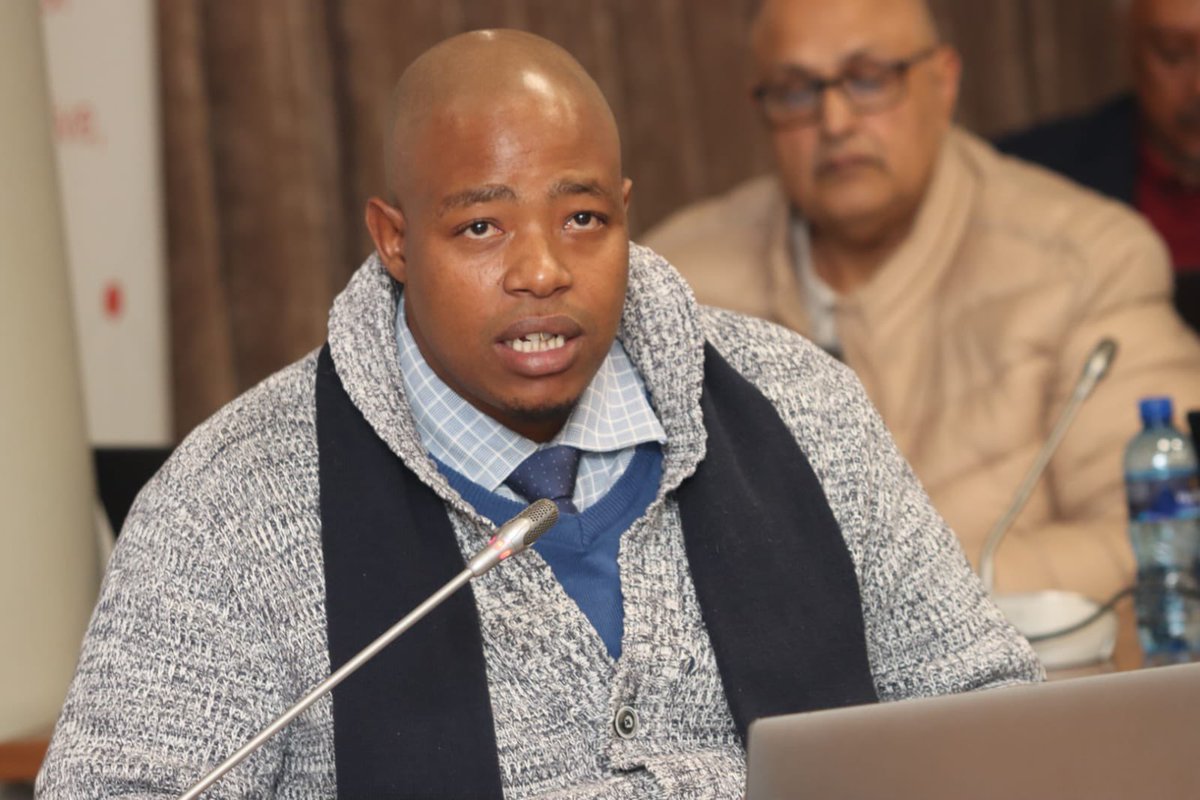
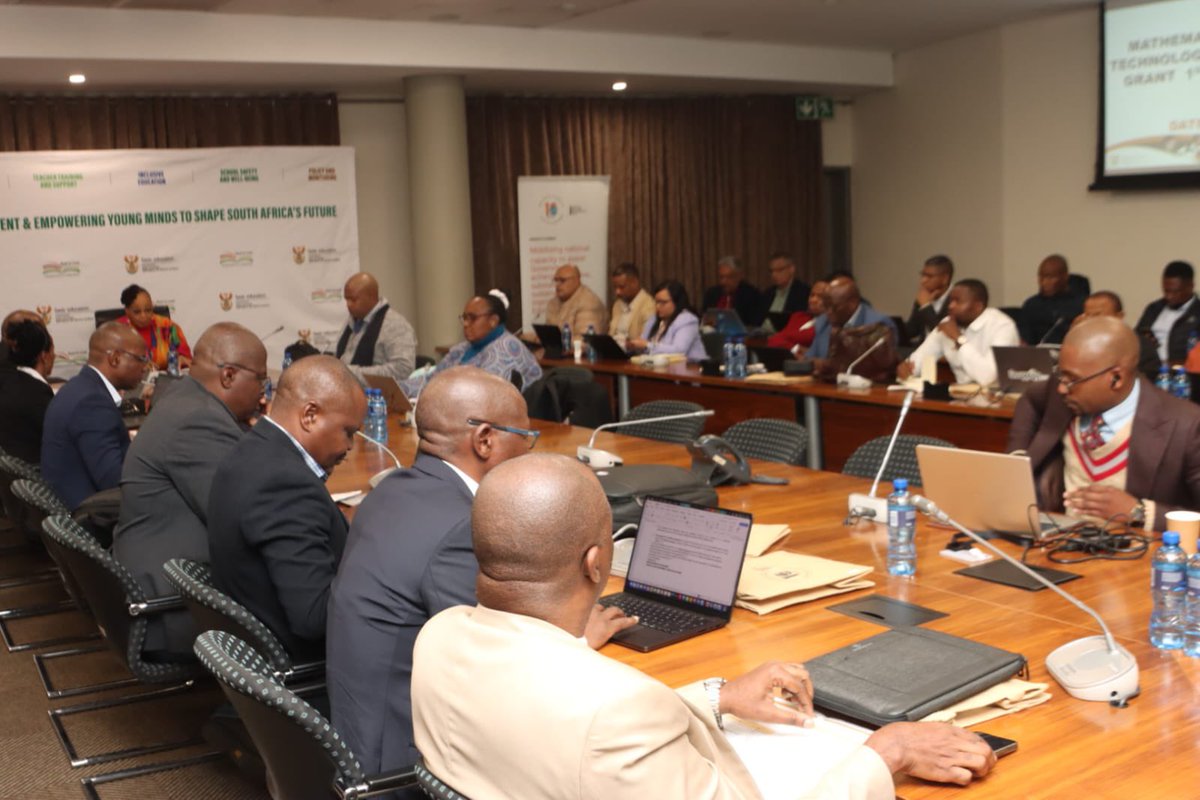
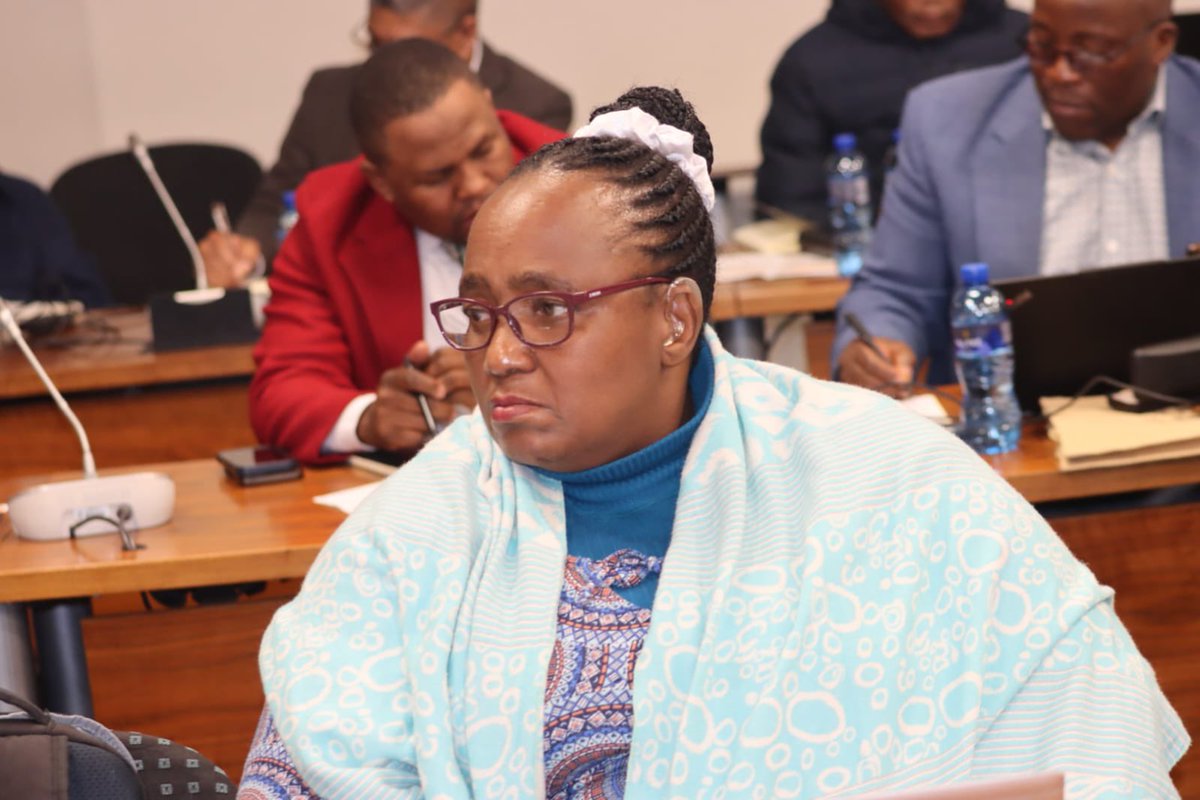
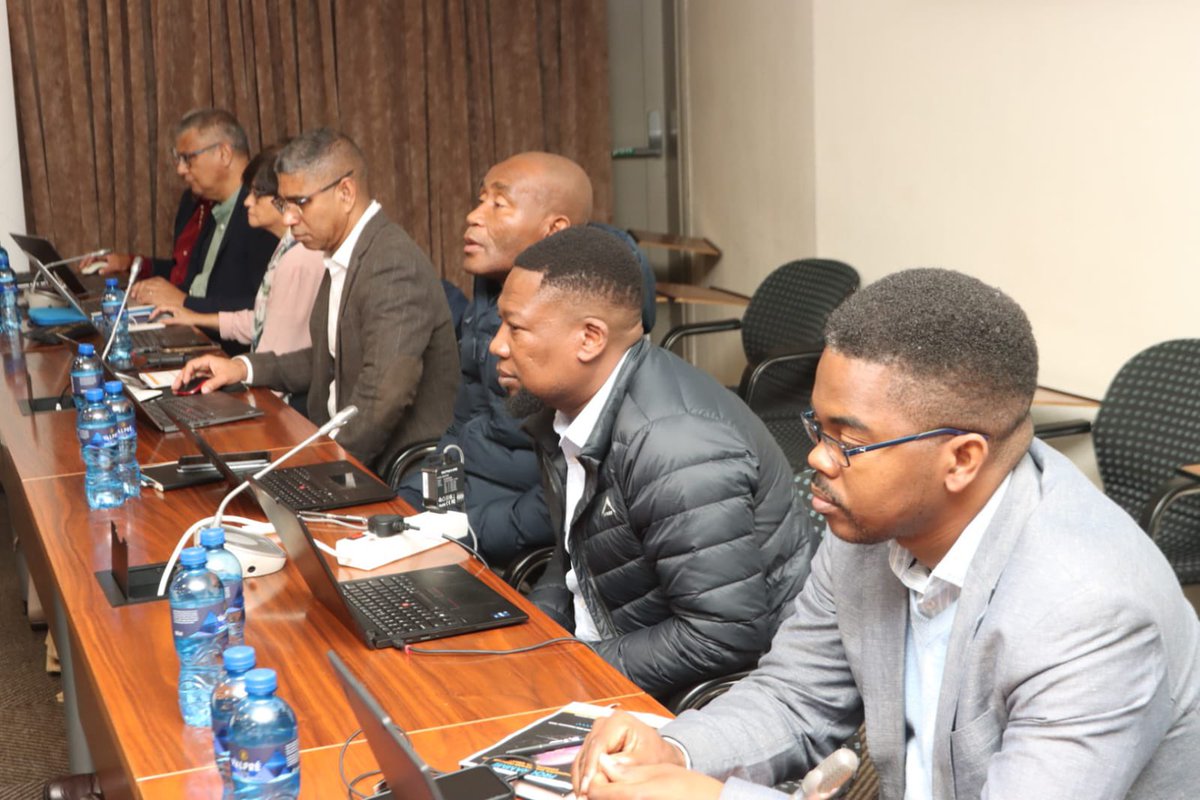
Mr Mlungisi Mkhwanazi, Project manager: MST Conditional Grant, reflected on the strong performance of the MST Conditional Grant during the previous financial year, highlighting improved financial management and reduced underspending across provinces. He commended provinces that consistently achieved full expenditure and shared the grant’s impact through investments in ICT resources, MST equipment, learner support programmes, and teacher development initiatives.
He also introduced the revised 2025/26 MSTCG reporting template and outlined the annual monitoring and evaluation process aimed at strengthening accountability, tracking progress, and supporting effective implementation of Mathematics, Science and Technology programmes nationwide.
#MSTGrant #MSTGrant2026 #MathematicsEducation #ScienceEducation #Technology #TeacherDevelopment #CodingAndRobotics #SkillsForTheFuture #YouthDevelopment #GovZAUpdates #EducationZA
1
2
7
969
National Education Collaboration Trust retweeted
Jun 3
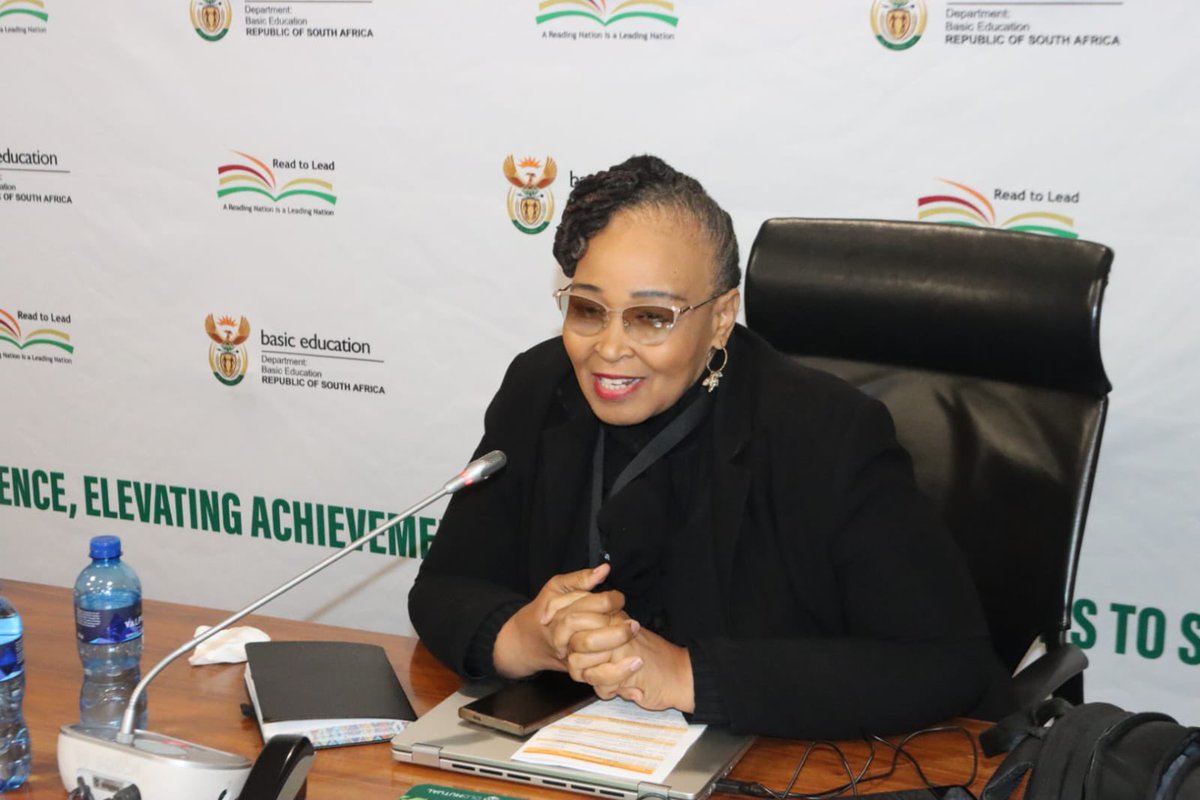
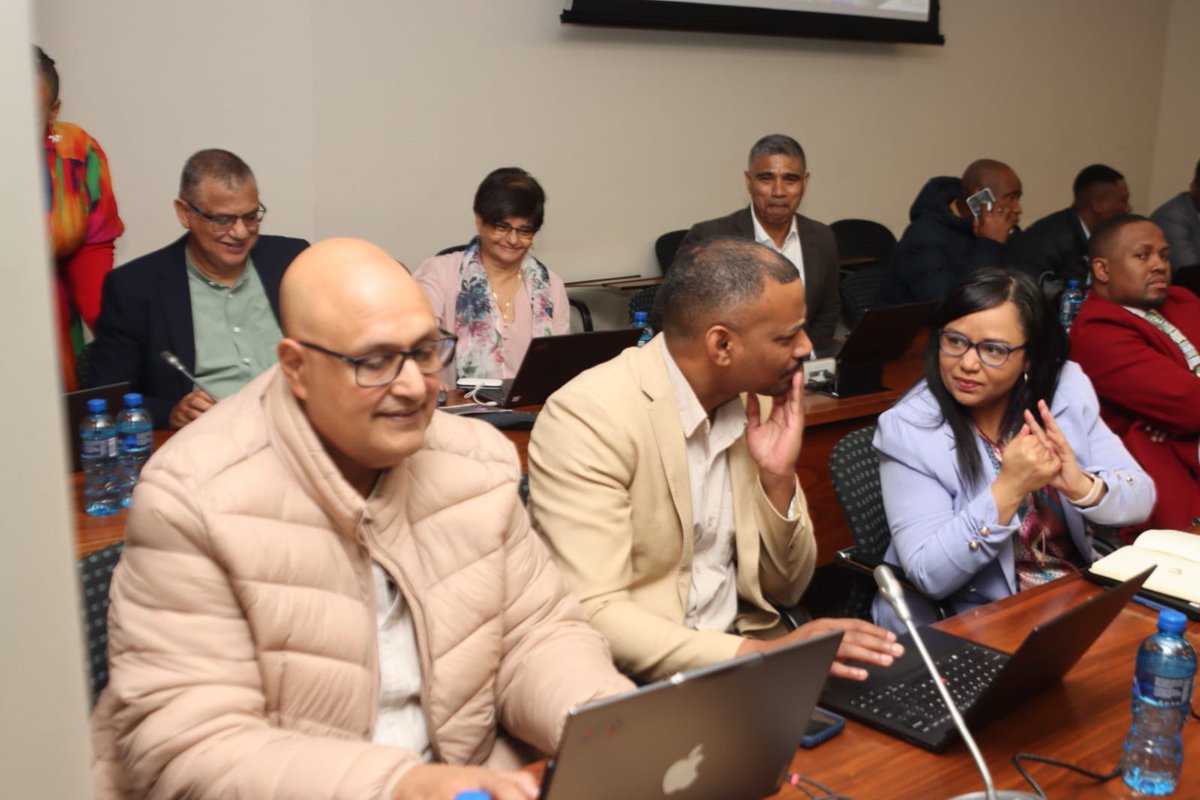
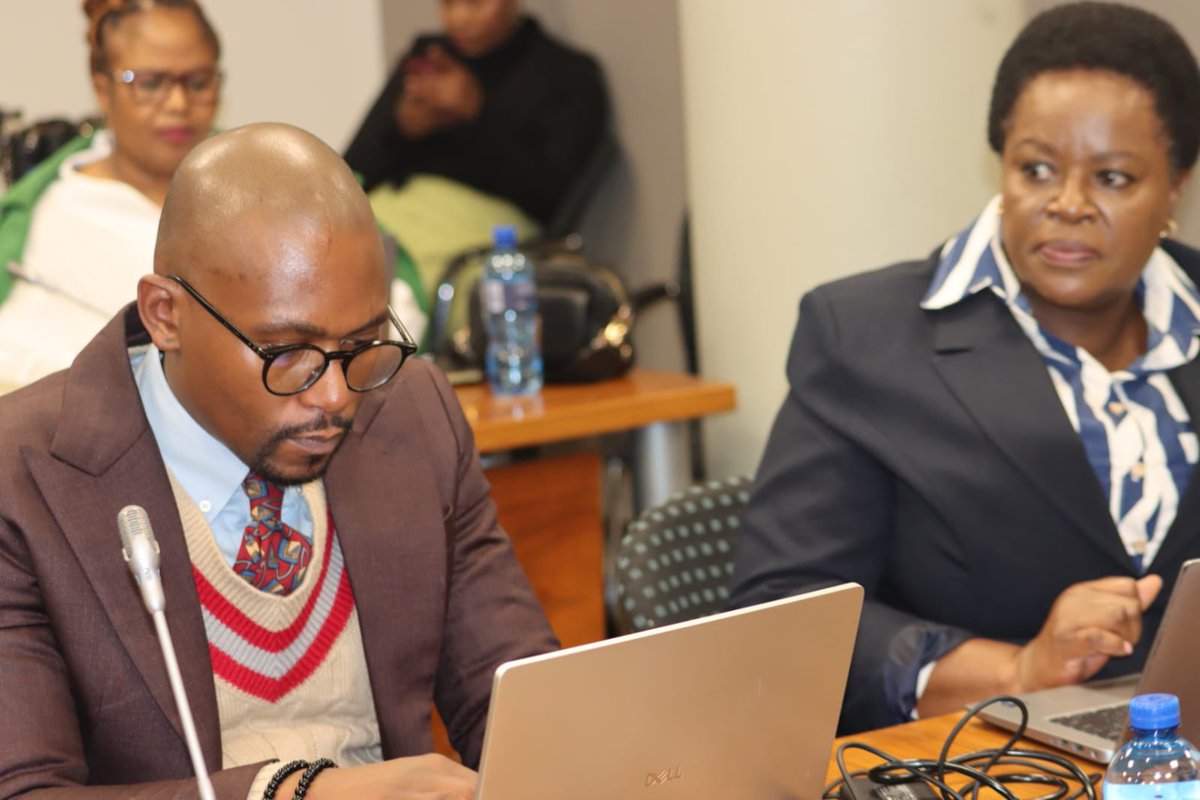
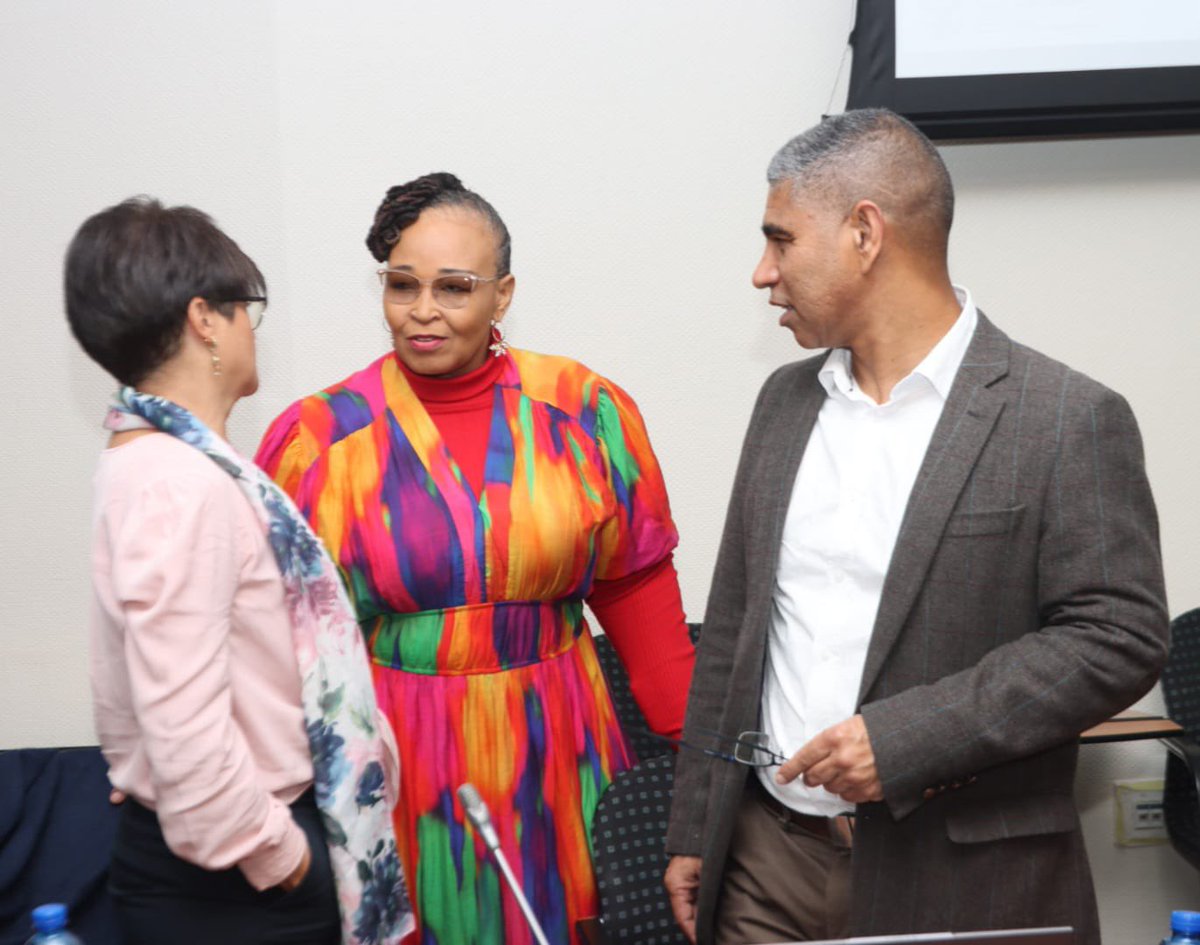
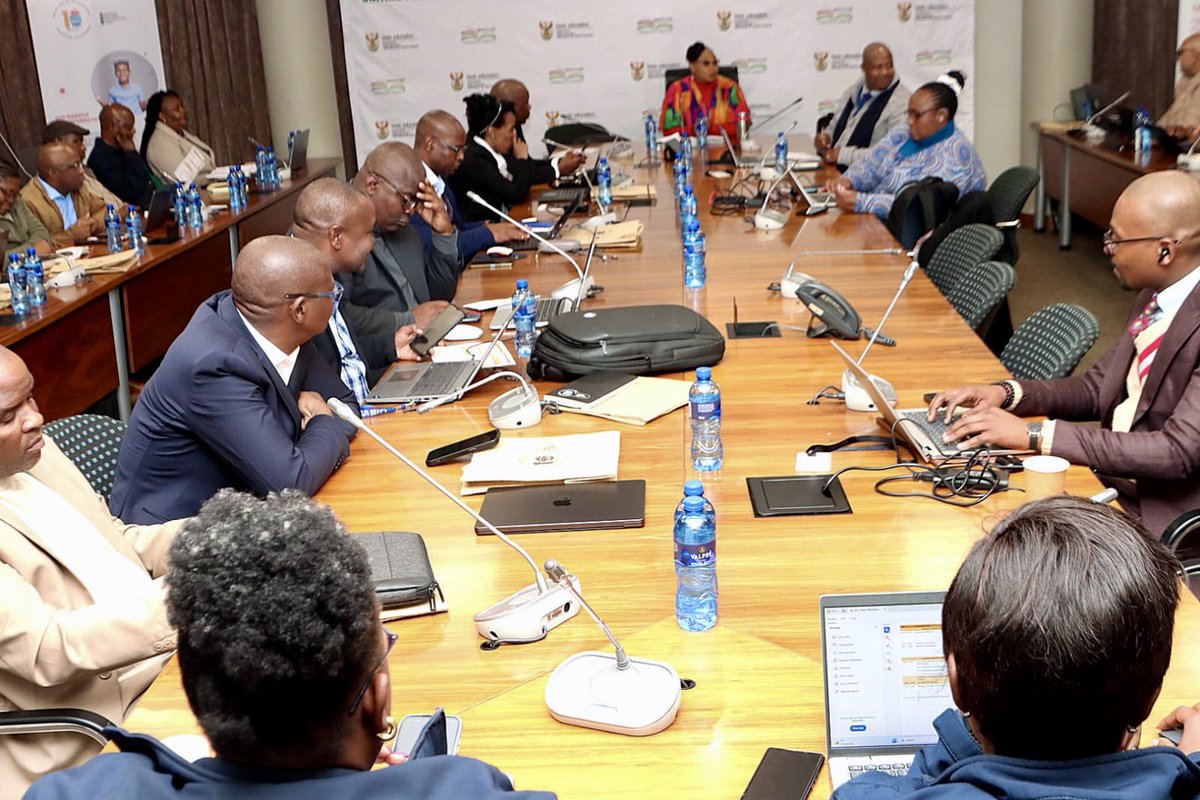
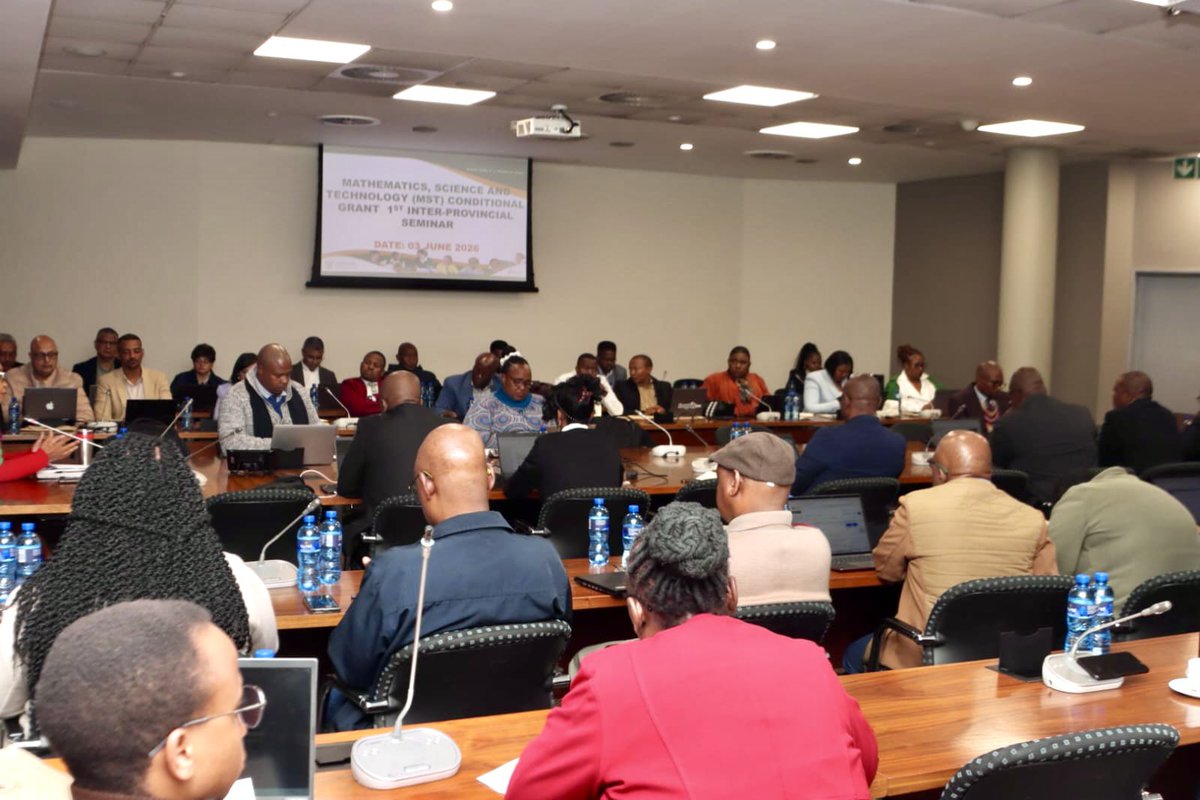
#MSTConditionalGrant | The Department of Basic Education’s Mathematics, Science and Technology (MST) Conditional Grant InterProvincial Seminar is officially underway. Over the course of two days, the seminar brings together Provincial Education Departments (PEDs), MST Directors and Coordinators, strategic partners and key stakeholders as a critical platform to review implementation progress, share best practice and strengthen the delivery of MST education across all nine provinces.
The seminar centres on four key strategic aims: ensuring a relevant and responsive curriculum; advancing teacher support and development; increasing learner participation and excitement in Science and Technology subjects; and deepening strategic partnerships that extend and amplify the work of the Grant.
Through the MST Conditional Grant, the DBE continues to invest in a generation of learners equipped with the scientific and technological competencies South Africa needs to meet the goals of the National Development Plan by 2030.
#MSTGrant #MathematicsEducation #ScienceEducation #Technology #TeacherDevelopment #CodingAndRobotics #SkillsForTheFuture #YouthDevelopment #GovZAUpdates #EducationZA
7
2
12
3,345