
Christian, Husband, Father of Homeschooler. Sinner/Forgiven. Just a nobody, with something to say. Verified Common Sense. Traditional, no profanity fellow.
Joined November 2024
- Tweets 6,229
- Following 459
- Followers 131
- Likes 14,992
324 Photos and videos












TheThinkerAtLarge retweeted

Jun 8
Best case, you faked a pregnancy and bragged about an abortion for clicks. Worst case, you murdered an innocent baby. I don’t think we’re the ones with the problem.
31
282
8,959
150,737
TheThinkerAtLarge retweeted

Jun 1
So here’s the deal: Hebrews is most likely not Paul.
Scholars often agree that Titus, 1-2 Timothy, and even Ephesians weren’t written by Paul.
This is supposed to be a really big deal and shake people out of their faith. Progressive Christians love to cite this as proof of biblical error.
Here’s the deal: technically Paul never wrote ANY epistles. Instead, he dictated them to a scribe, as was the first century custom.
Why does this matter? Well the spoken word was considered much more valuable to a first century audience. Socrates said that once something is written down, it loses its power. Greek and Jewish audiences would have felt the same way, and they wouldn’t have trusted any letter unless delivered directly by Paul and read by someone imitating his inflections, mannerisms, and tone of voice.
That’s right: the epistles were specifically written to be read ALOUD, and performed in a way that directly imitated Paul!
So when Paul dictated letters like Romans and Corinthians, his scribe would have written “stage directions” akin to a script and would have both read AND performed the letter in church. (Can you imagine Galatians? Lots of screening 🤣)
Paul knew that the spoken word was valued above the written and he even reminded Corinth and Thessalonia to abide by his spoken word directions to them. Paul gave many lessons orally via tradition to each church he visited; his epistles are reminders and teachings. Paul said many more things than he ever wrote.
“Ok? But what does this have to do with the claim that Paul never wrote certain epistles?”
Simple: Paul didn’t write ANY epistles, technically. He spoke words to a scribe who did.
“But the differences in Greek show different styles!”
Yes. Because Paul used different scribes. Lydia, Timothy, Silas, Phoebe…all of these are potential scribes and performers.
You see, we live in an era which prizes the written word, and our society treats it as much more authoritative than the spoken. We look for errors in writing and the like to discern veracity.
But our bias is just that: OUR BIAS. We think differently than the first century. Yet if we don’t understand the first century, then we will fail to understand the Bible. The manuscripts we have are completely written. The earliest ones that looked like a script are long gone. We don’t know Paul’s inflection, tone of voice, or dramatic pauses.
But what we DO know is that many people use this concept to mislead us. “Paul didn’t write Titus!!” sounds scary until you realize its recipients KNEW he didn’t. They recognized Paul via the “performance” of the reader. To make the case for Pauline authorship to a first century audience, you had to look and sound like Paul. They couldn’t have cared less what the written words were. Written words could be changed; spoke words were truthful.
27
5
107
2,731

This amounts to…
The people that didn’t value life when abortion was legal, still don’t value life when abortion is illegal.

Hot take but we literally tried to warn you that this is what happens when abortion access isn’t accessible.
2
24
TheThinkerAtLarge retweeted

May 22
Jennifer Combs, a resident of Trinidad, Texas, was actively arrested and jailed simply for making a Facebook post exposing the city's brown, contaminated tap water.
The city officials panicked over the bad publicity, hid behind a garbage law, and used the local police department to lock her up under the guise of "preventing public alarm."
Let’s be entirely real: this isn’t law enforcement; it’s tyrannical retaliation. Since when does a local bureaucrat get the right to suspend the First Amendment because their infrastructure is failing?
If the citizens can’t openly criticize the basic hiding-in-plain-sight truth of what’s coming out of their own common faucets without getting a mugshot, the system is completely broken.
She is officially suing the city for violating her civil rights. Is this Texas or North Korea?
🎥: Fox 4 News
1,131
13,228
32,830
508,565
TheThinkerAtLarge retweeted
May 22
"Supergirl" actress makes fun of Christian dads for criticizing her: "If you're p*ssing the right kind of people off, you're doing OK."
notthebee.com/t20a1
102
22
302
19,090
TheThinkerAtLarge retweeted

May 22
1976 Coca-Cola Bicentennial ad: Unapologetically American and proud 🇺🇸
2026: Loving your country is now treated like a crime.
INSANE how fast the current culture has turned patriotism into the new taboo

73
363
1,313
26,011
TheThinkerAtLarge retweeted

May 20
My father grew up in the segregated South.
He had to walk around to the BACK of a restaurant just to order a sandwich because he was black.
THAT was Jim Crow.
Not showing a photo ID to vote.
You need an ID to:
• Board a plane
• Cash a check
• Buy alcohol
• Enter federal buildings
But suddenly showing an ID to vote is “racist”?
Give me a break.
This is not civil rights.
This is political theater.
The Democrat Party survives by manufacturing grievance because they have nothing else to run on.
Comparing voter ID laws to segregation is not just dishonest, it is insulting to the people who actually lived through Jim Crow.
Asking Americans to prove they are who they say they are when they cast their vote is called common sense.
1,577
17,352
71,040
1,126,516
TheThinkerAtLarge retweeted

May 19
Why don't you guys ever make fun of trump
18
7
296
4,782
The Bible is sufficient.
However, not everyone comprehends the Bible sufficiently.
This is why humans write guides to illustrate and help others interpret and apply its principles. Problems arise when those guides are used as Biblical authority and not simple resources.
9
TheThinkerAtLarge retweeted

May 13
Too Far? Christopher Nolan Casts Steve Buscemi As Helen Of Troy buff.ly/1tw2h24

533
1,252
17,707
297,606
TheThinkerAtLarge retweeted

May 11
The federal gasoline tax was introduced to build the interstate highway system
That system is now built
We should now repeal the federal gasoline tax and let each state maintain its portion of the interstate highway system—with its own revenue—as was the plan from the beginning
May 11

I’m introducing legislation today to suspend the gas tax
1,774
7,205
32,483
1,168,046

TheThinkerAtLarge retweeted

May 8
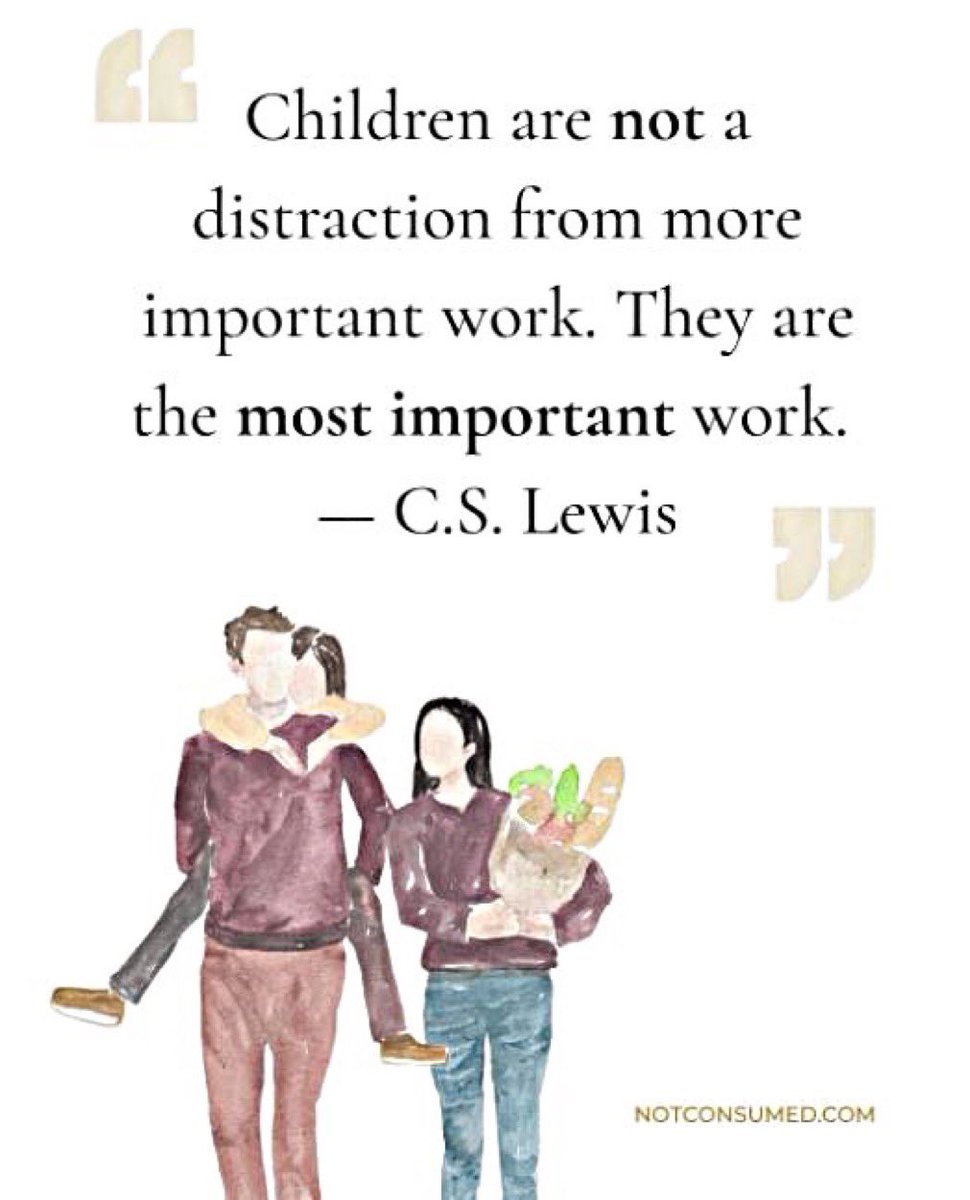
Even though our kids won’t see our love “grow old together” from an earthly stand point; they’ll see it from a Heavenly one. And I’ll tell them of our love story any moment I can.
Happy Anniversary to the love of my life.
13,148
20,439
207,143
8,017,861
TheThinkerAtLarge retweeted

May 6
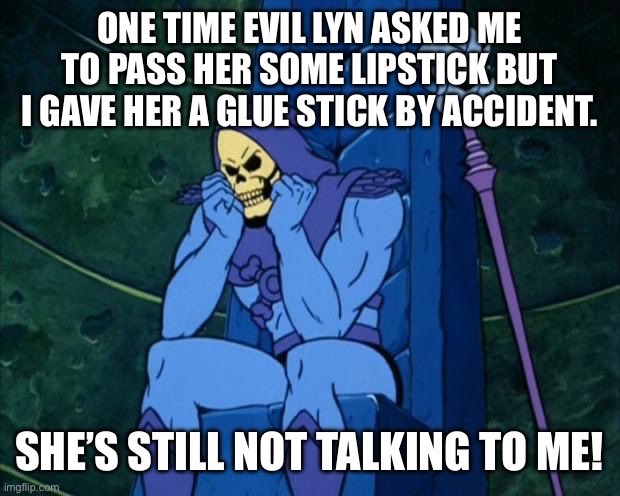
The greatest speech in movie history💀
135
519
8,733
768,917
I’m not regretting my vote but I’m slowly losing my will to support President Trump.
He was going to turn the economy around and get it going again. Instead, he’s got us in another seemingly endless war and life is becoming more unaffordable than with his predecessor.
9
TheThinkerAtLarge retweeted
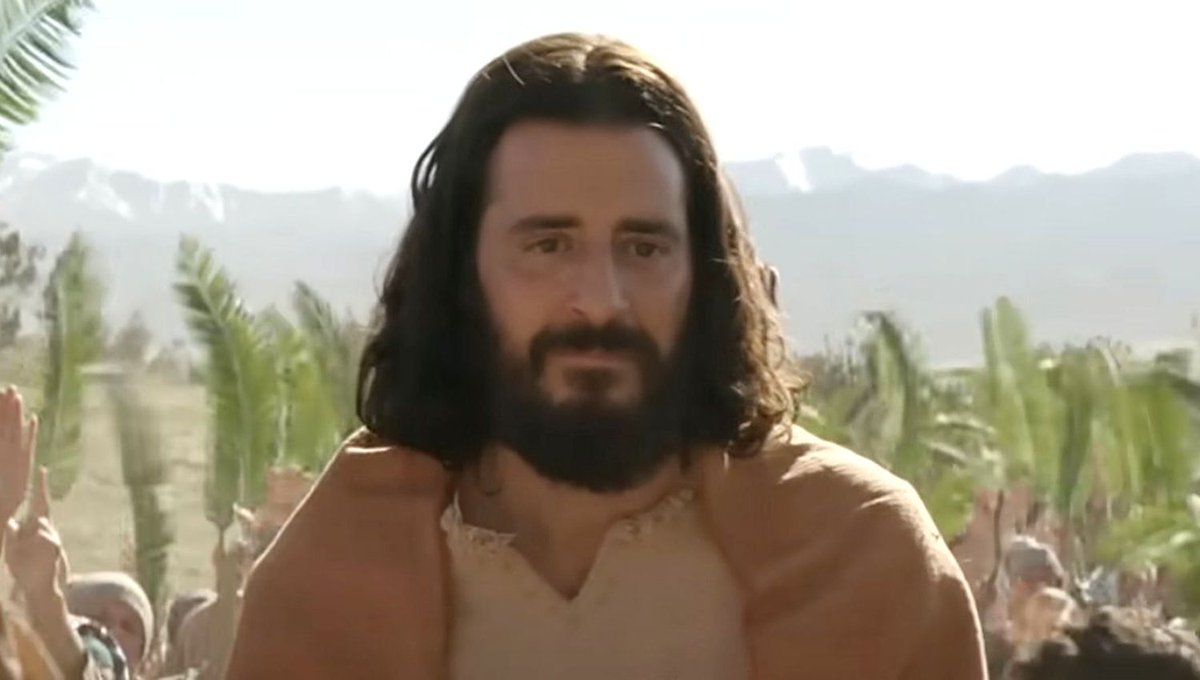
Jumping The Shark: 'The Chosen' Criticized For Planning To Kill Off Main Character Only To Resurrect Him Next Episode buff.ly/vXMAvk8
210
998
11,950
1,554,385
TheThinkerAtLarge retweeted

May 4
🚨HERE’S THE GAME PLAN🚨
Senate Majority Leader Thune REFUSES to pass the SAVE America Act.
It’s been 124 days.
👉Thune wants nothing more than to protect Senator Cornyn👈
& his slush fund — the Senate Leadership Fund — has spent millions on Cornyn’s election.
The Senate isn’t in the business of passing legislation or electing conservatives — it only exists to protect itself.
So, if you want to hold Thune accountable, the single most important thing you can do is help elect KEN PAXTON on Tuesday, May 26th.
👉Electing Ken Paxton & DEFEATING Cornyn would be the peaceful shot heard across the nation👈
One by one, with meticulous precision, we will repeal & replace Thune’s allies.
🗓️ Saturday, May 16th — DEFEAT Senator Cassidy
🗓️ Tuesday, May 26th — DEFEAT Senator Cornyn
(Texas Early Voting: May 18 - May 22)
In addition to defeating Thune’s allies, I’m asking you to DEFUND every Republican entity that is working against us.
Do not donate a dime to the National Republican Senatorial Committee (NRSC) or the Senate Leadership Fund (SLF).
Your $ will just be wasted on Cassidy & Cornyn.
Also, you can get a REFUND from WinRed for any Republican you donated to that is no longer serving your interests:
▪️Senator Thune
▪️Senator Cornyn
▪️Senator Cassidy
You should also know that Senator Hagerty (R-TN) endorsed Cornyn.
Texas Congressmen that endorsed Cornyn:
▪️Nathaniel Moran
▪️Randy Weber
▪️Roger Williams
▪️Jake Ellzey
▪️Craig Goldman
▪️Michael McCaul
▪️Pete Sessions
If Senator Thune won’t deliver what 84% of Americans want, then we will take away what they have — peacefully.
⬇️
1,197
15,367
34,265
277,413
TheThinkerAtLarge retweeted
May 4
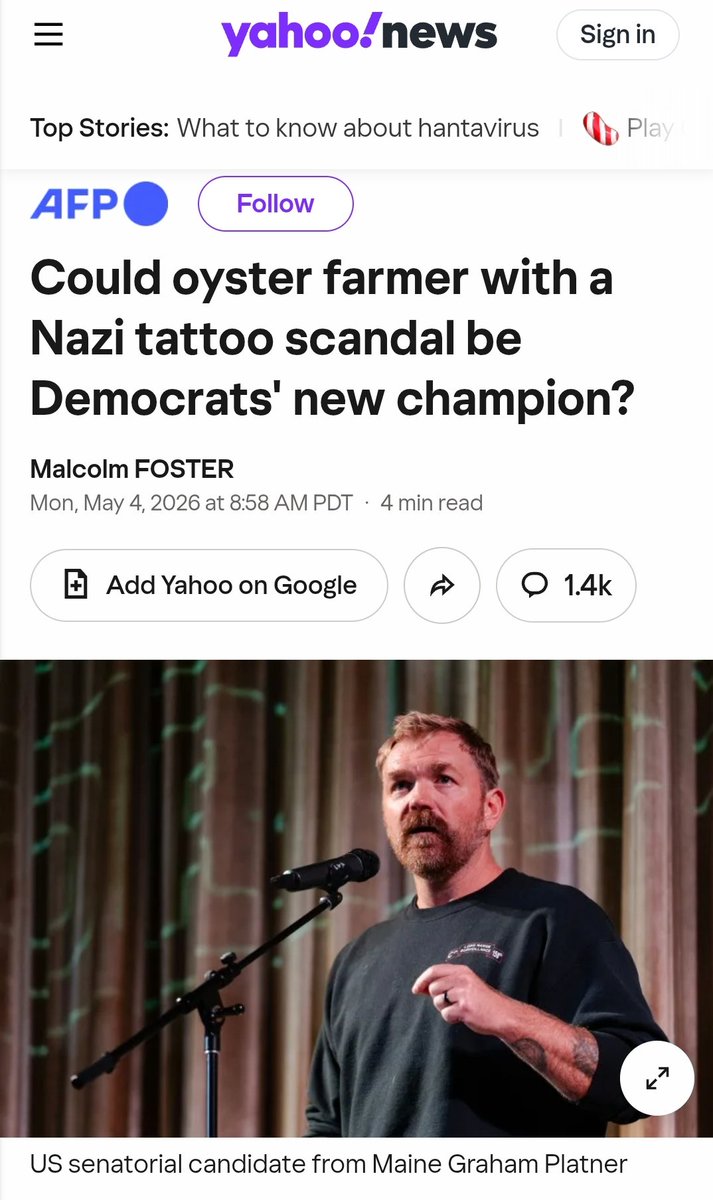
Firing all my @TheBabylonBee writers for not coming up with this headline before the media did
257
1,896
18,093
210,023