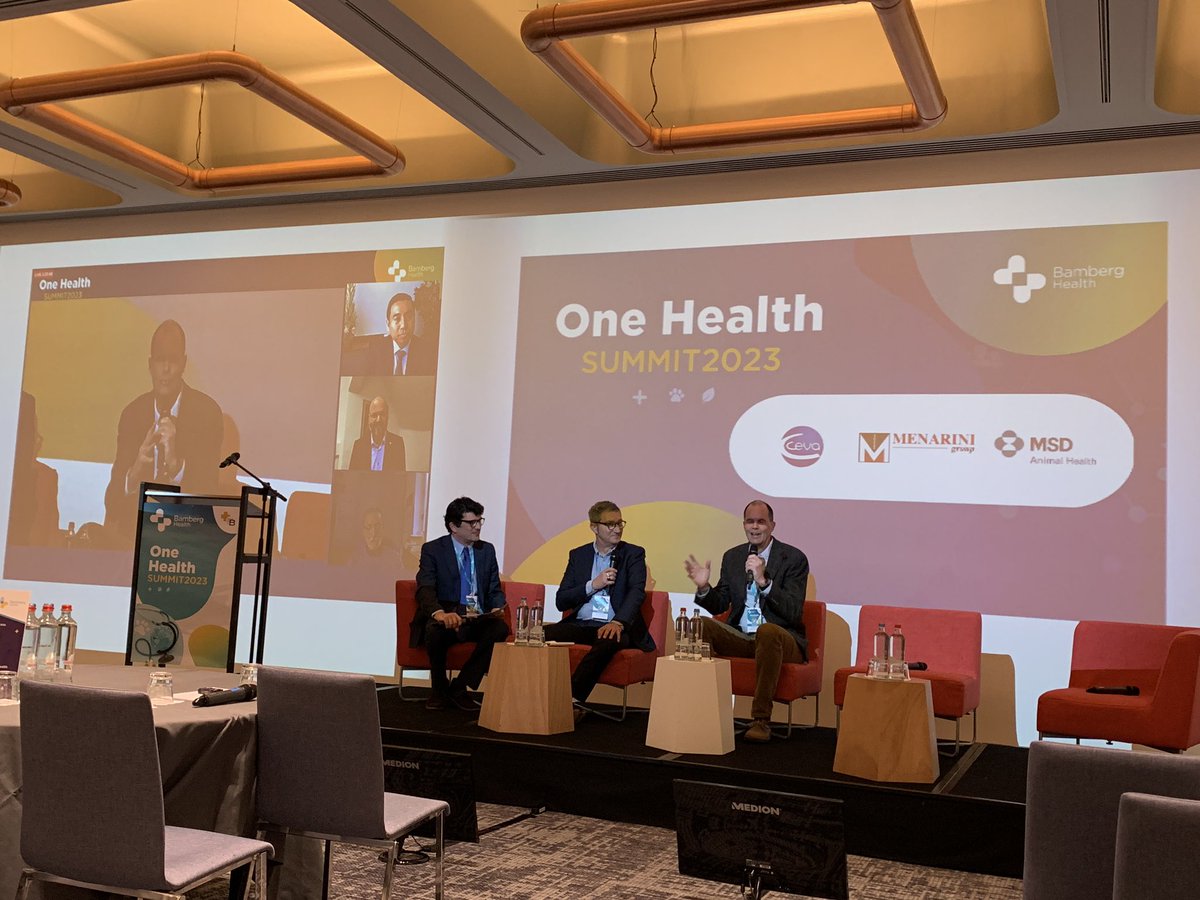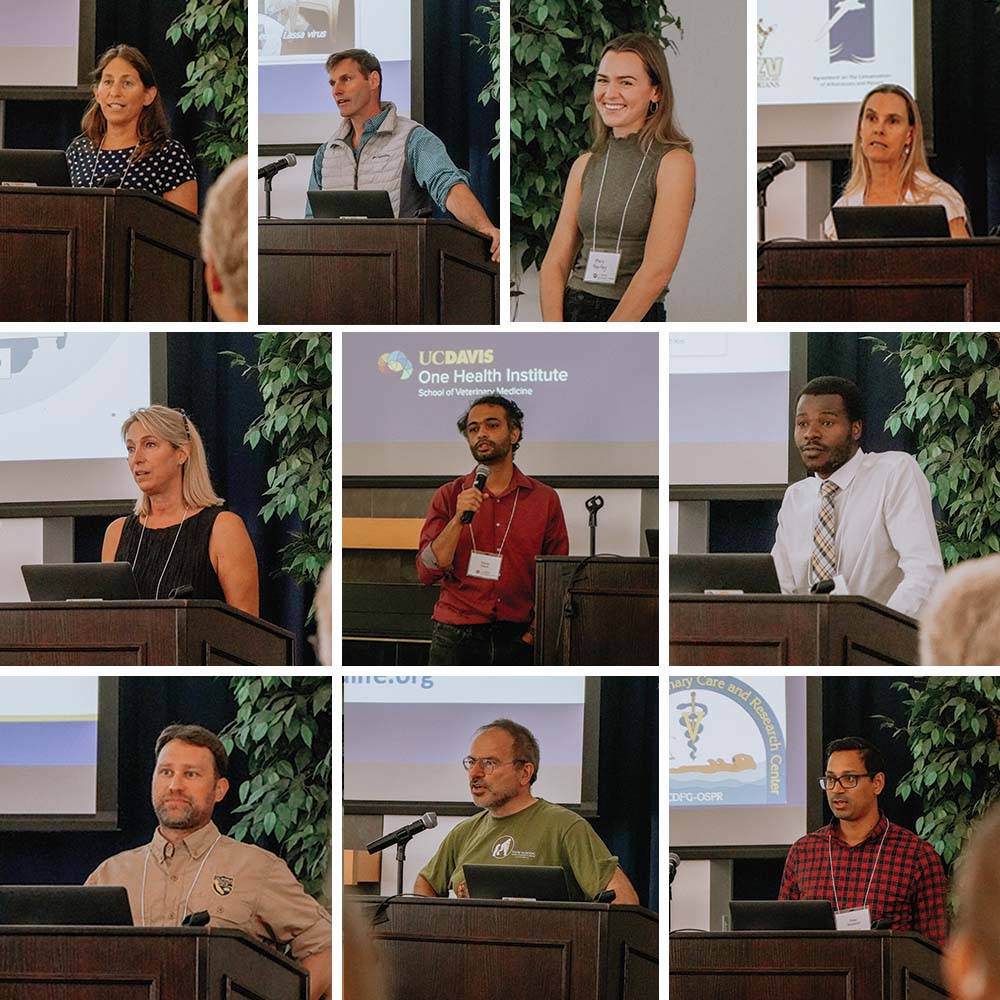
Panel on a One Health Approach to Livestock and Fauna at the #OneHealthSummit by @BambergHealth.
From @ChrisWalzer10 of @TheWCS:
- prevent pandemics? stop encroaching into wild ecosystems
- it’s heartening to hear environment and degrowth mentioned often today
For the year of 2023, it is more important than ever to take a One Health approach with issues such as climate change. Check out this TED talk that succinctly explains what One Health is, and emphasizes the importance of a collaborative approach to health!
buff.ly/3WZUA9c
We are hiring a Program Specialist at @NCState Global One Health Academy. If you are interested in working on grand challenges in an interdisciplinary environment, please apply at jobs.ncsu.edu/postings/17558…. #Globalonehealth. Please RT.
Importance of a One Health approach to comparative oncology to identify new therapies to treat spontaneous cancer in animals & people. The @OSUVetCollege Blue Buffalo Veterinary Clinical Trials Office conducts cancer trials: vet.osu.edu/vmc/ctocbsnews.com/news/dogs-compar…
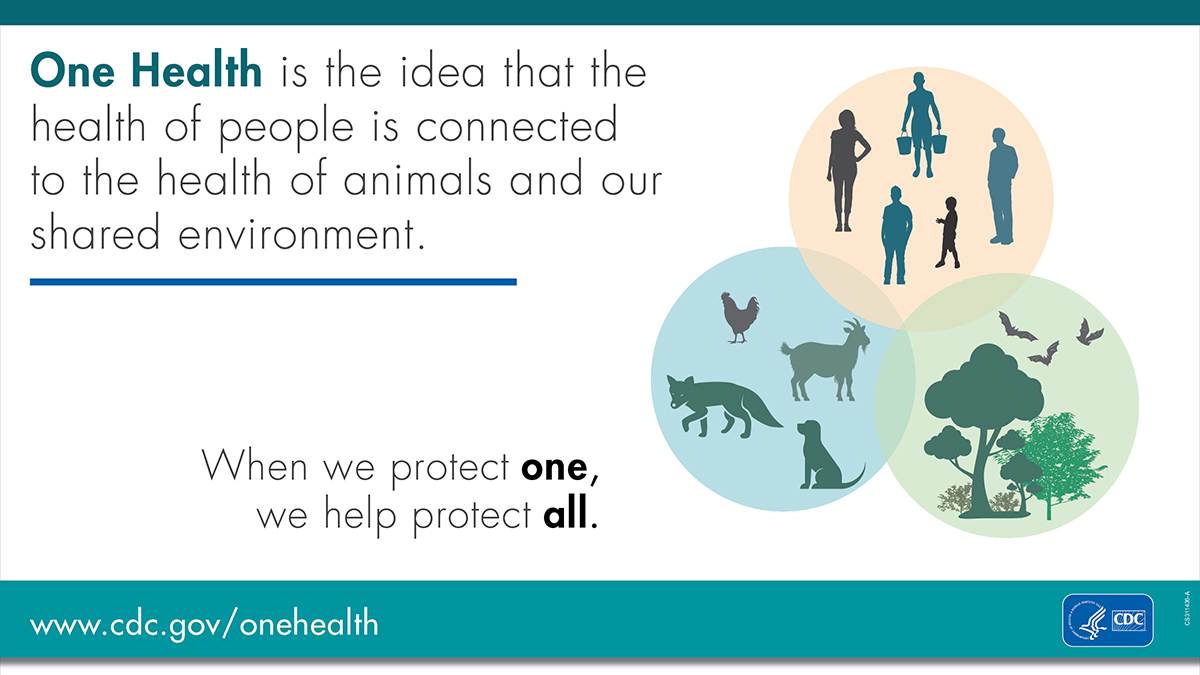
November 3 is #OneHealthDay. A #OneHealth approach helps achieve the best health outcomes for people, animals, and our shared environment. Learn more: bit.ly/CDCOHDay
ALT A graphic showing a Venn diagram with circles representing humans, animals, and the environment that overlap. The text says, "One health is the idea that the health of people is connected to the health of animals and our shared environment. When we protect one, we help protect all."
“There are probably more pathogens that we don’t know about than ones that we do know about,” UC Davis epidemiologist and wildlife vet Tierra Smiley Evans tells @BillWhitakerCBS. cbsn.ws/3UdcZ0D
It's October 1st, which means that One Health Month kicks off today! What is One Health? Watch the video below from the World Organization for Animal Health to learn more about One Health and what we strive to do.
buff.ly/3USbt5x
Speakers from session 1 of our #OneHealthTeam2022 meeting reported on a wide array of topics ranging from Toxoplasma gondii in cats, disease modeling technology, whale conservation, wildlife diseases, #OneHealth workforce training programs, and student research.
"There is no standard panel of tests, and “comprehensive tickborne disease detection is perhaps five years away,” says Laura Goodman, an emerging infectious disease researcher at the Baker Institute for Animal Health at Cornell University."
vet.cornell.edu/departments-…
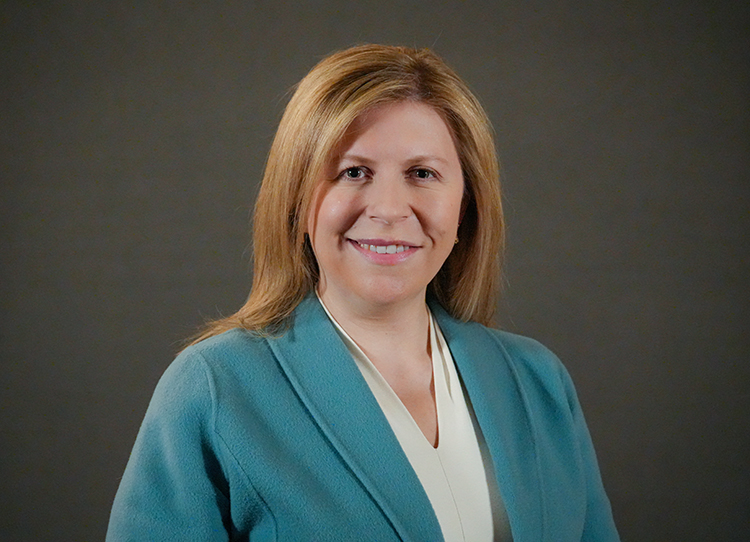
ALT Dr. Laura Goodman, assistant professor here at the Baker Institute for Animal Health, and Department of Public and Ecosystem Health at Cornell University College of Veterinary Medicine. Photo credit: John Enright/Baker Institute
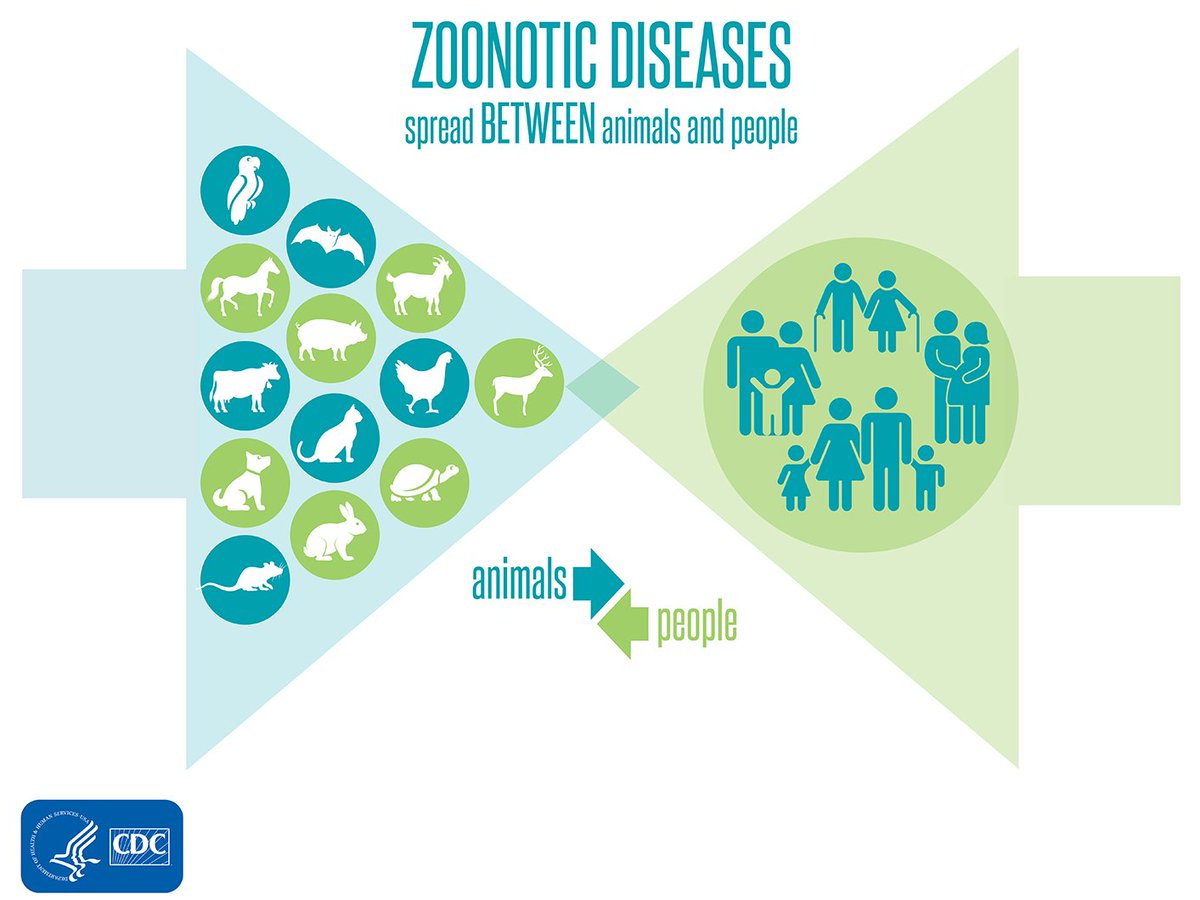
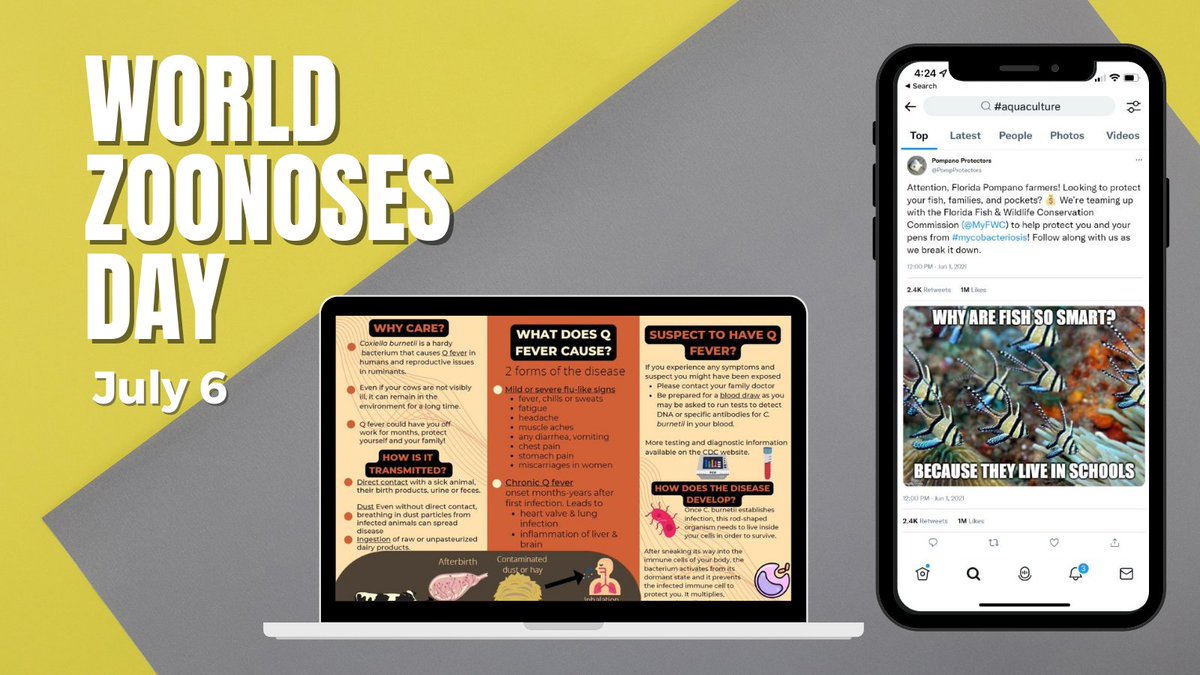
Today is #WorldZoonosesDay! Check out this article from @cornellvet about zoonotic disease communications work by students in @clcazer's veterinary public health practice course! Read more: bit.ly/3AvJxwf
ALT World Zoonoses Day featuring communications projects by Colleen Sorge, D.V.M. ’24 and partner Vivian Lee, D.V.M. ’24, and a brochure about Q fever.
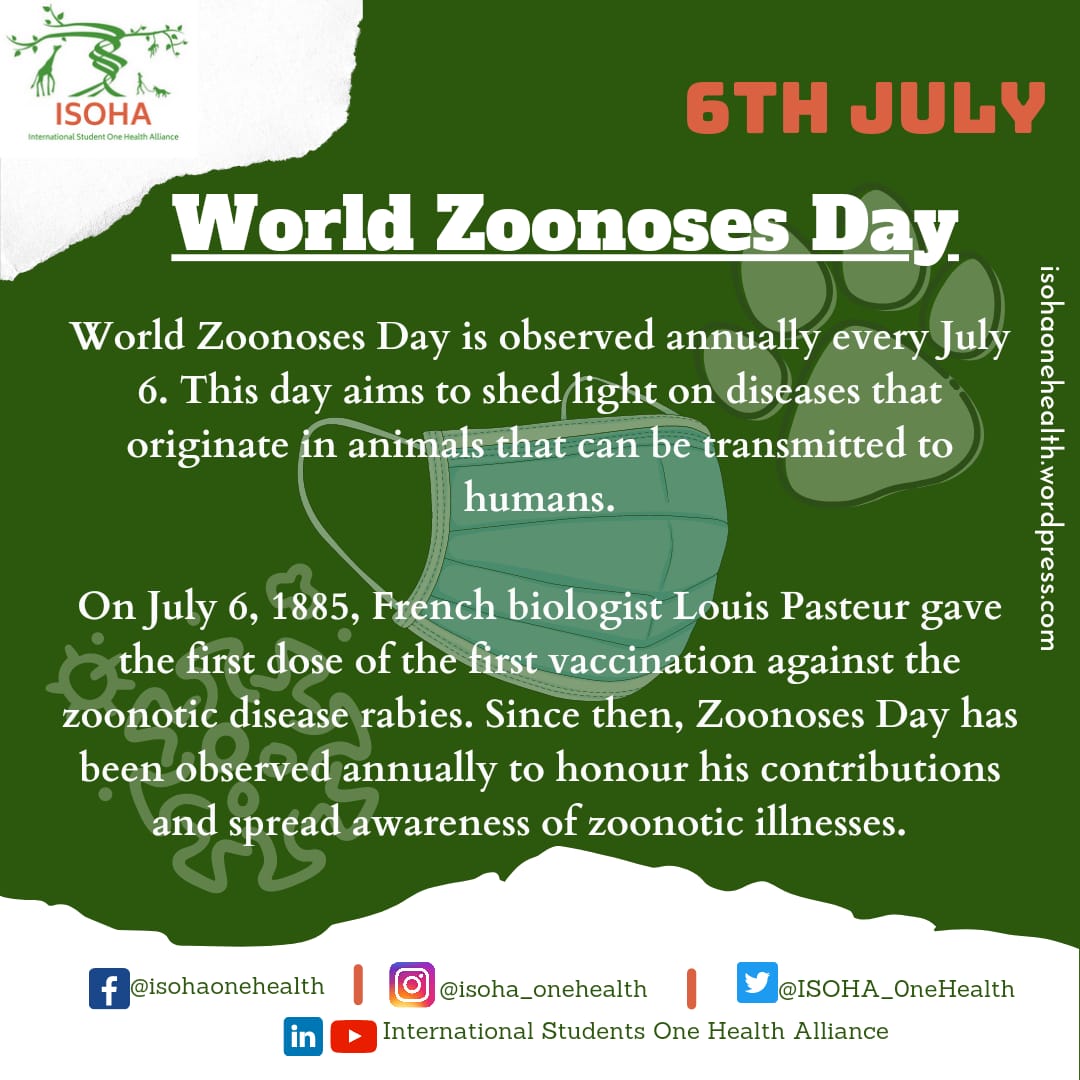
World Zoonoses Day is observed annually every July 6. This day aims to shed light on diseases that originate in animals that can be transmitted to humans.
#WorldZoonosesDay#ISOHA#OneHealth