10,364 Photos and videos











This Side Op 📦 retweeted

Jan 16
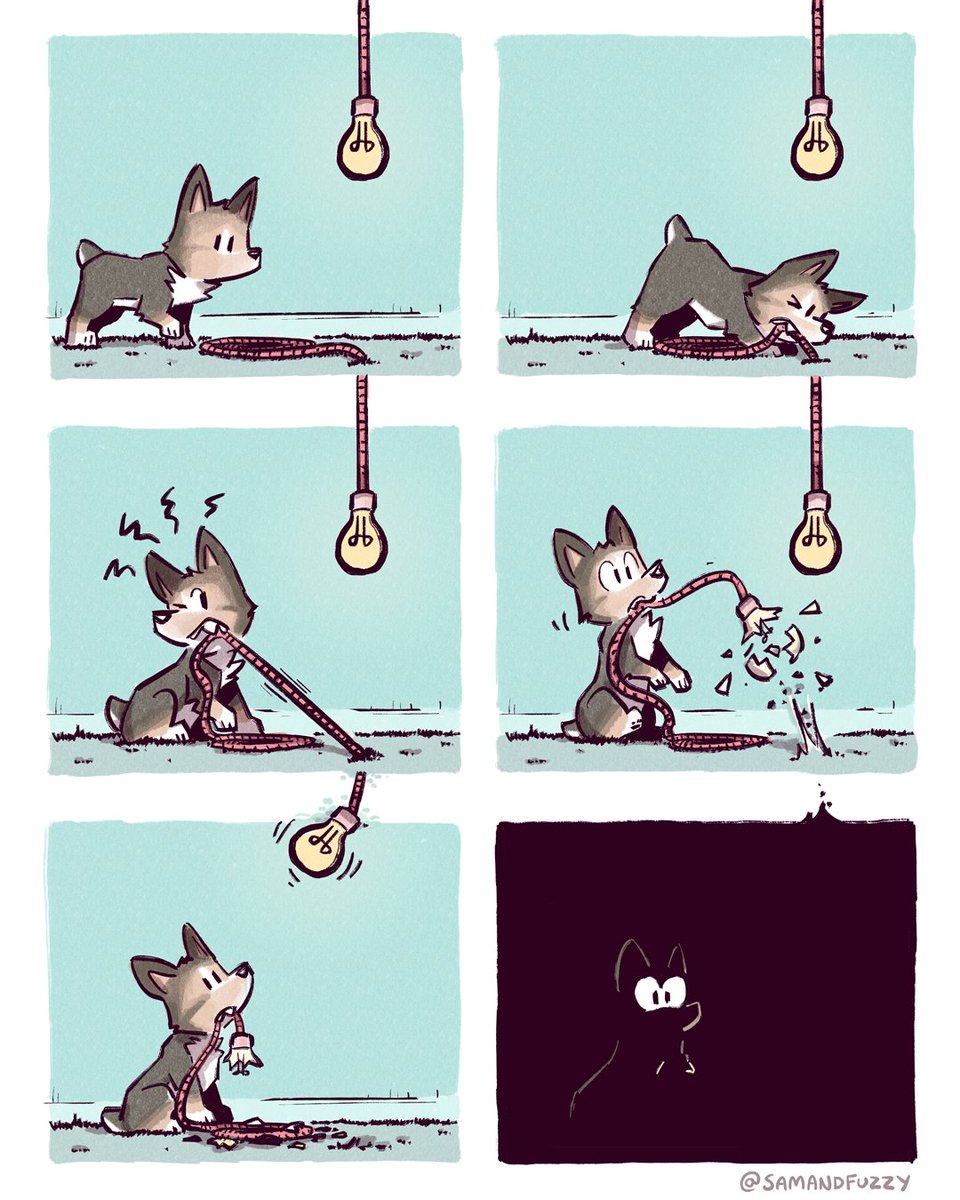
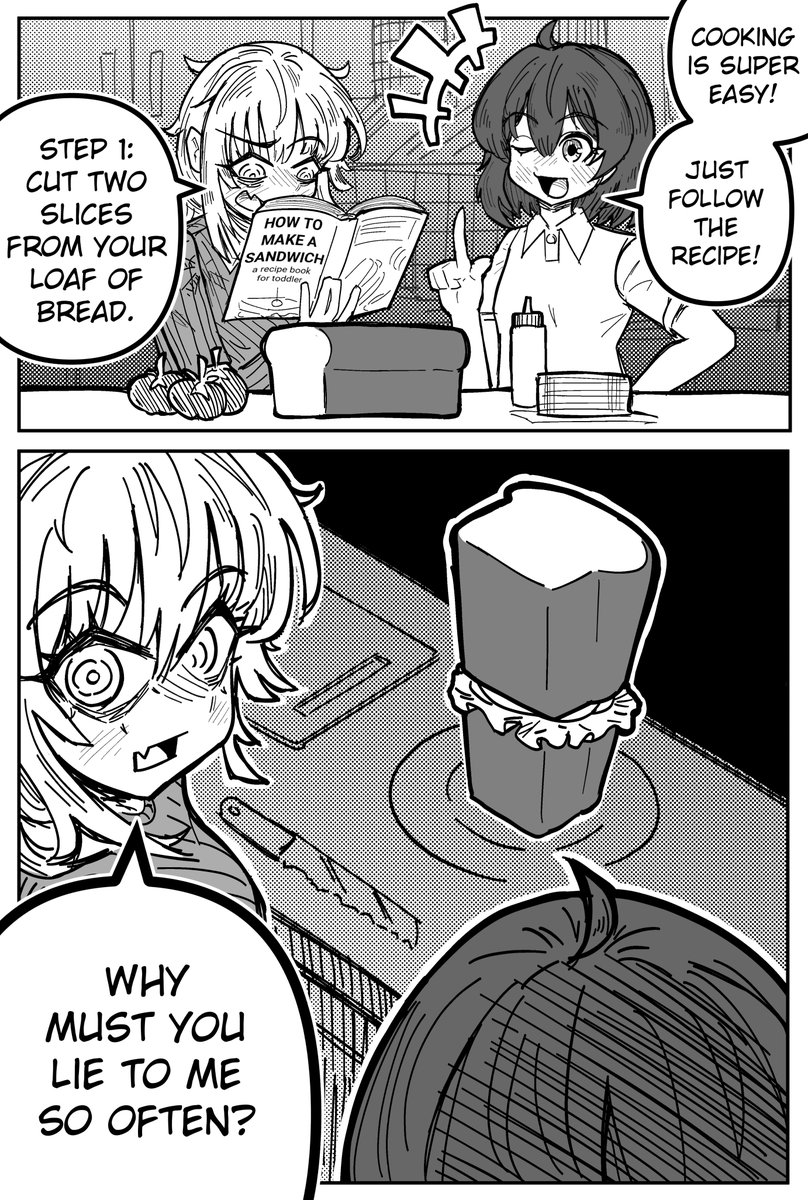
Brendan Loper is so good at making cartoons

3
61
1,180
16,609

Trump has thin blood, and even thinner skin
Jan 1

Trump admits to taking more aspirin than his docs recommend: “They say aspirin is good for thinning out the blood, and I don’t want thick blood pouring through my heart. I want nice, thin blood pouring through my heart. Does that make sense?”
What could possibly go wrong! (2/6)
98



9 Dec 2025
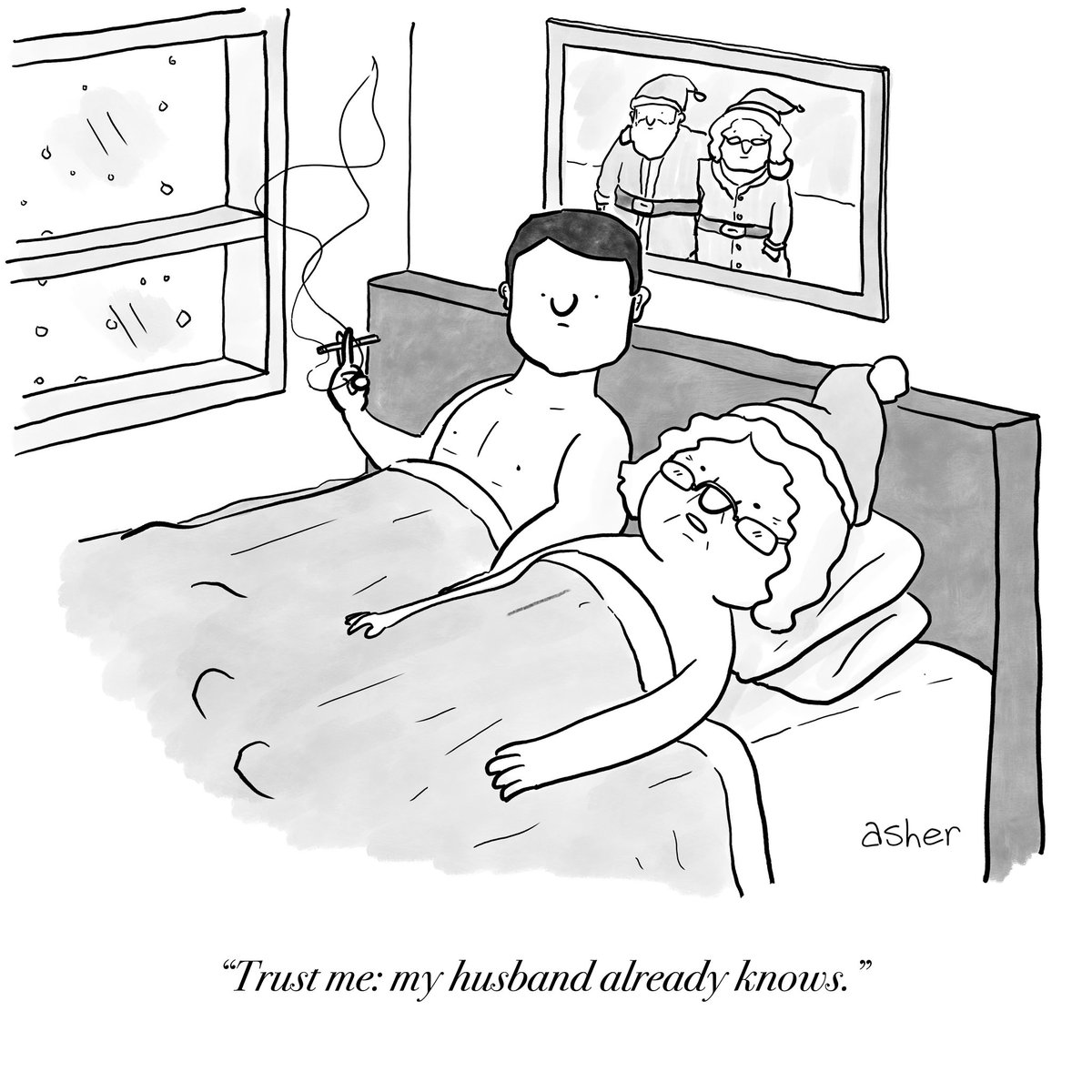
“Buying their holiday presidents…”


19
This Side Op 📦 retweeted

29 Nov 2025
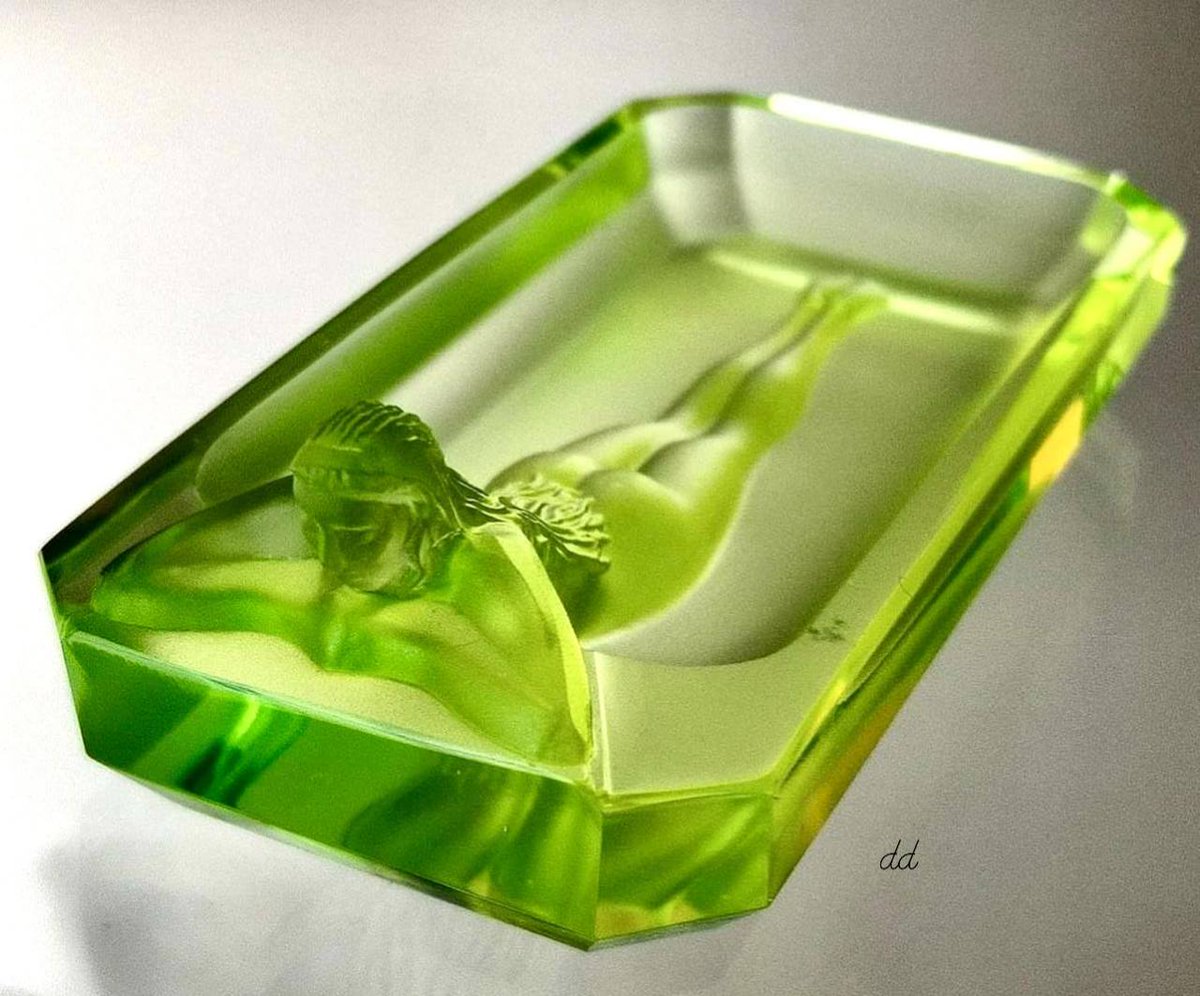
“Girl in Pool,” uranium glass pin tray by Heinrich Hoffman, Czechoslovakia, 1928....
This pin tray, dated to 1928 and attributed to the Czech master glassmaker Heinrich Hoffmann, is a superb example of uranium glass (Vaseline glass), a popular form of decorative glassware during late 19th and early 20th Centuries.
Hoffmann, whose factory in Czechoslovakia was known for its high-quality Art Deco and Art Nouveau pressed and cut glass, intentionally incorporated small amounts of uranium oxide (typically less than 2% by weight) into the silica mixture during the glassmaking process. This uranium compound acts as a powerful colorant, giving the glass its distinct, appealing yellow-green hue under normal daylight conditions, and classifying it as a prized collector's item.
The defining characteristic of uranium glass, which elevates it from merely decorative to truly unique, is its dramatic reaction to ultraviolet (UV) light. When placed under a blacklight, the traces of uranium within the glass become energized and emit visible light, causing the piece to glow a brilliant, vivid fluorescent green.
This spectacular visual effect made uranium glass highly desirable during its peak period of manufacture. Though the addition of uranium renders the glass mildly radioactive, experts generally deem the radiation emitted by these domestic pieces to be negligible and comparable to typical background levels, posing no significant health risk.
The Hoffmann pin tray thus serves as a tangible link to the Art Deco period, showcasing the era's fascination with novelty, industrial materials, and bold design. It represents a confluence of Czech glassmaking skill and the period's playful use of chemical properties for aesthetic effect. Today, these pin trays and other uranium glass objects are highly sought after by collectors who appreciate their historical context, artistic detail, and the unique, captivating phenomenon of their luminous glow, which makes them a standout feature in any collection.
#archaeohistories
20
371
4,020
97,250





This Side Op 📦 retweeted

16 Oct 2025
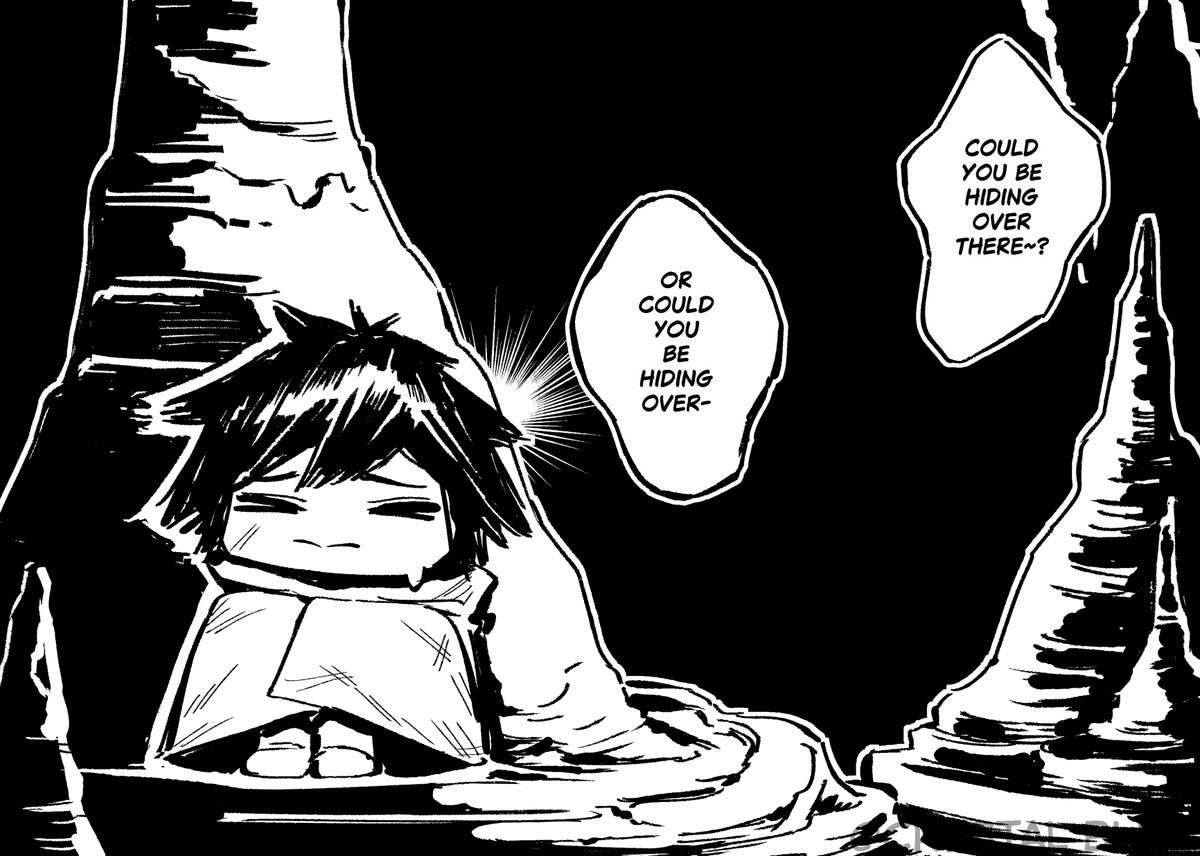
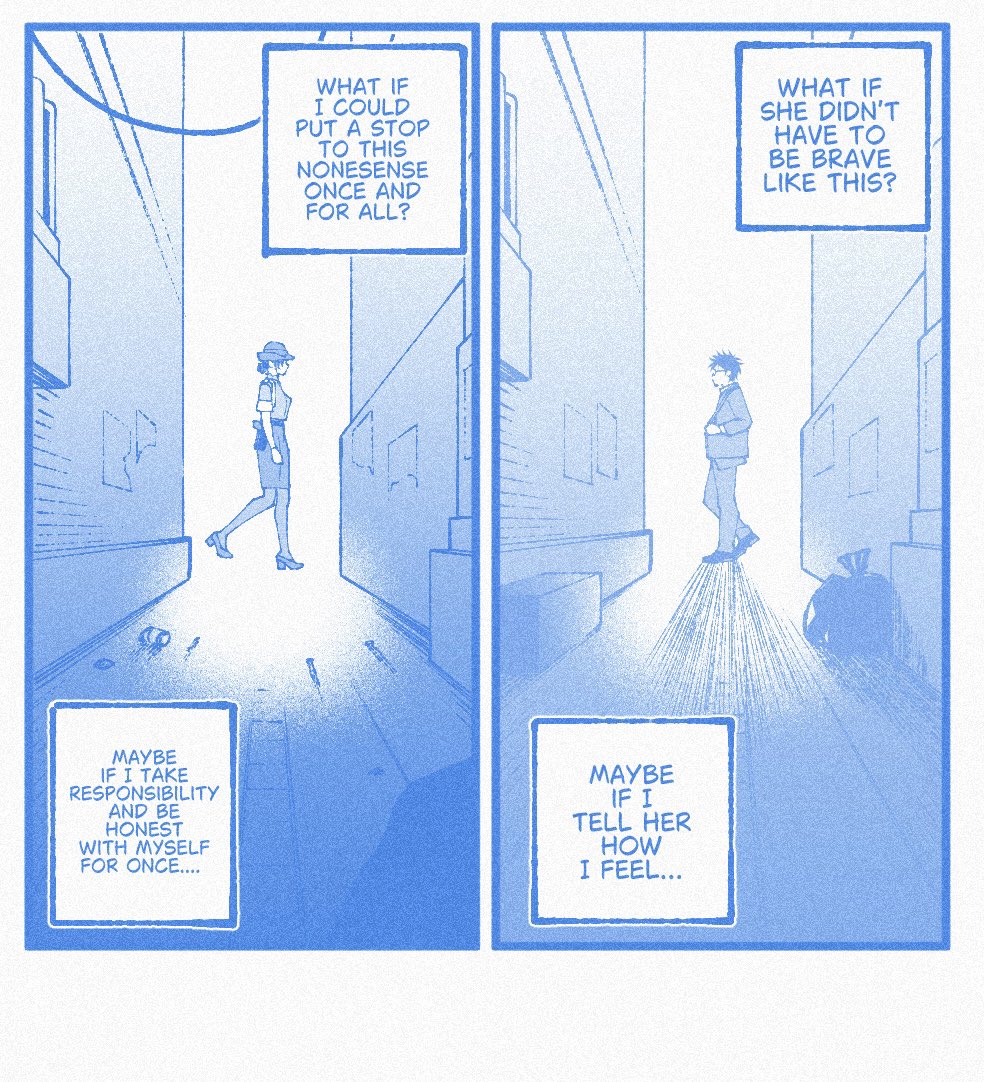
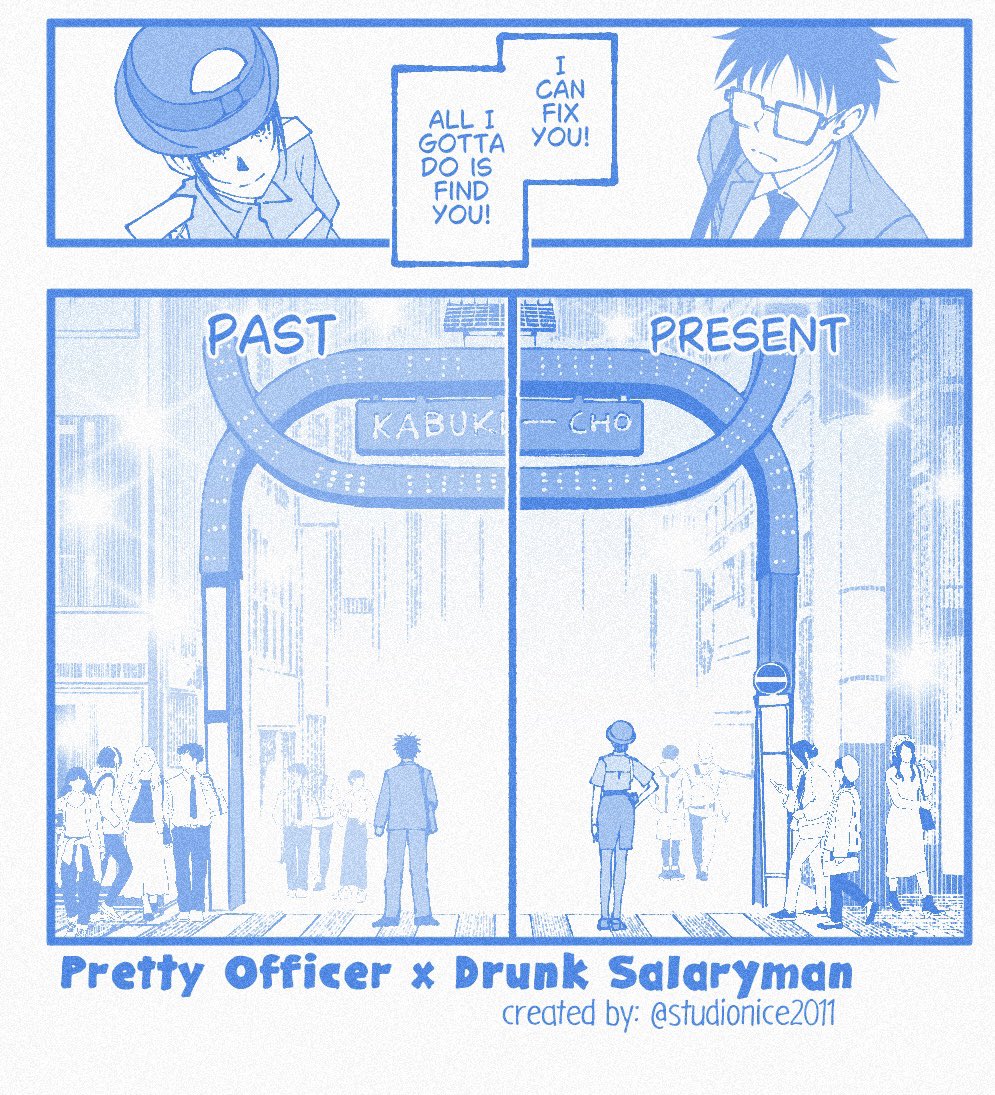
I've Found YOU!



15
637
7,388
130,545
This Side Op 📦 retweeted

14 Oct 2025
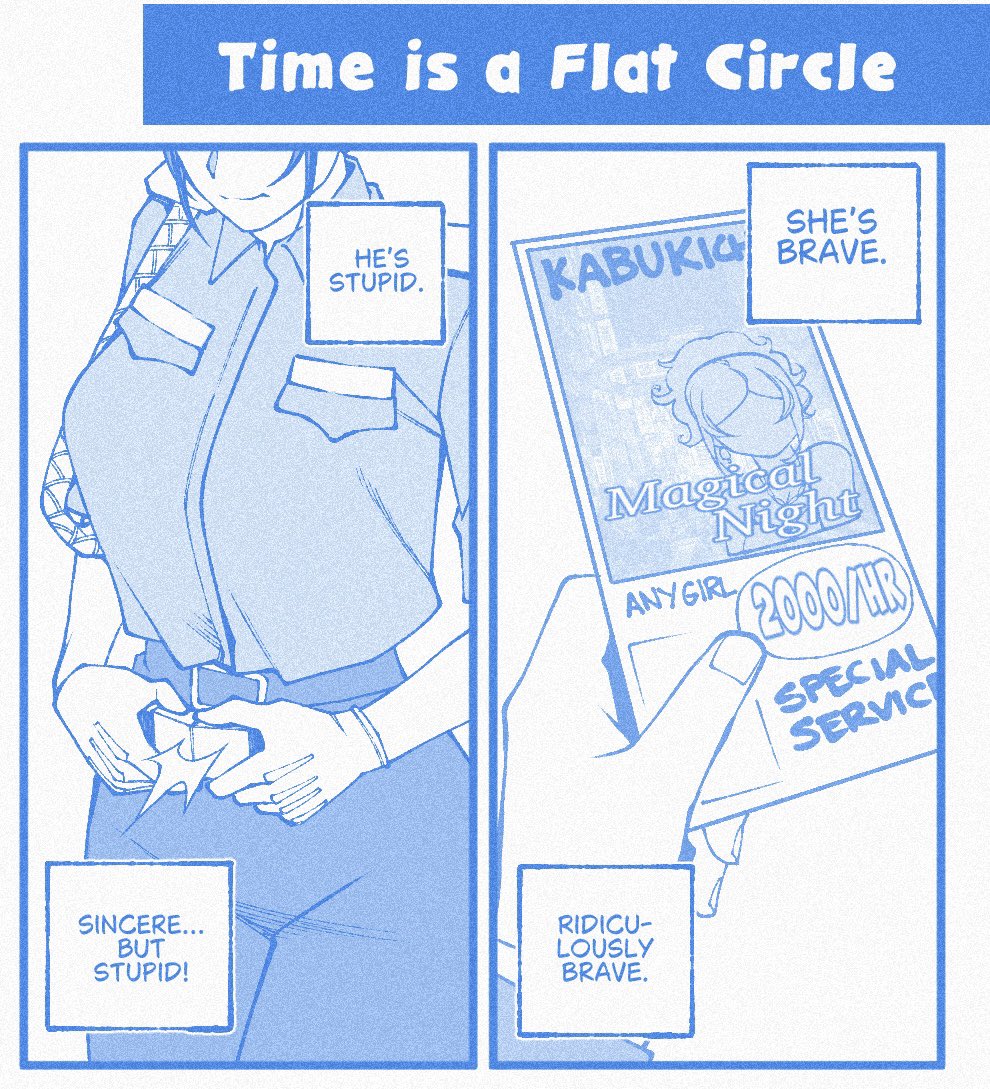
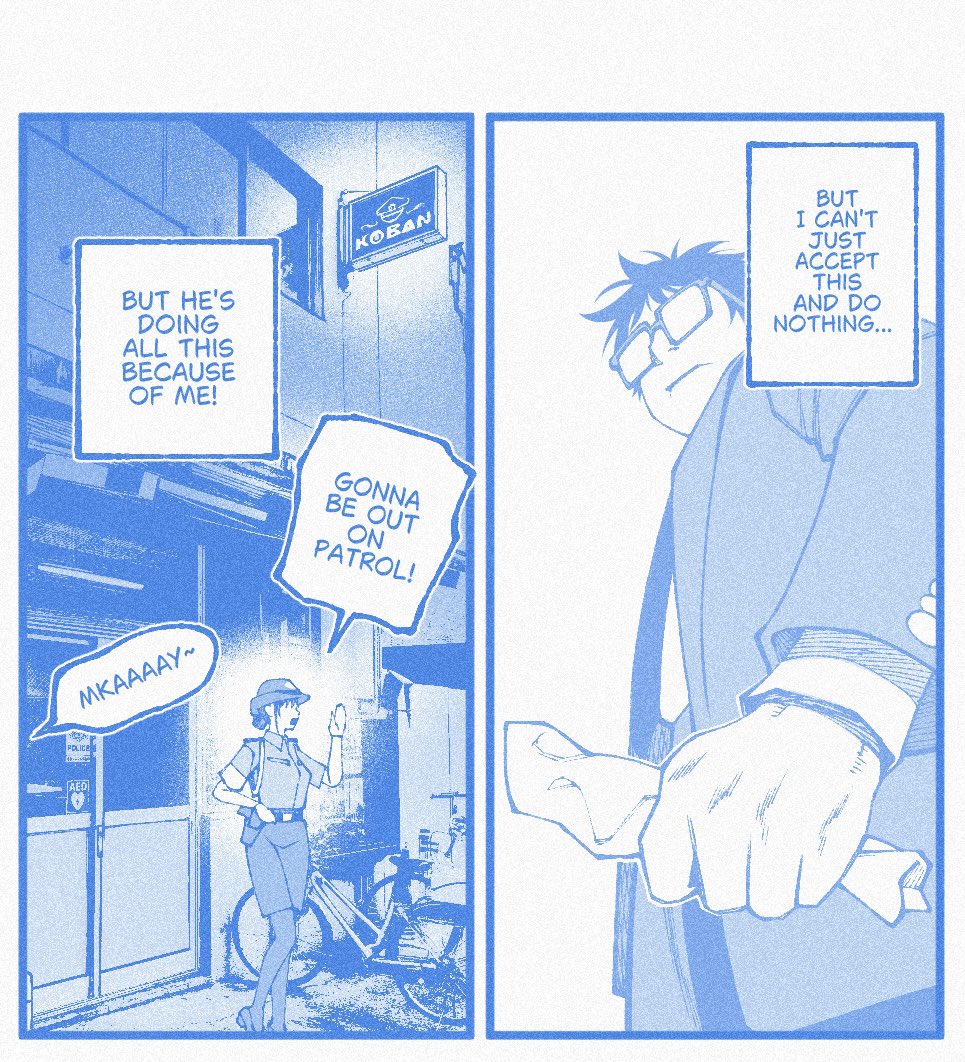
That escalated quickly... 😅🦈🪼

31
1,095
8,360
128,493
This Side Op 📦 retweeted

27 Aug 2025
Klaxon! Taskmaster Season 20 is nearly here.
A fresh batch of victims - Ania Magliano, Maisie Adam, Reece Shearsmith, Phil Ellis and Sanjeev Bhaskar - take on the Taskmaster from Thurs 11th Sep at 9pm BST on Channel 4 and an hour later on YouTube for viewers around the world.

142
291
3,566
197,225
This Side Op 📦 retweeted

30 Jul 2025
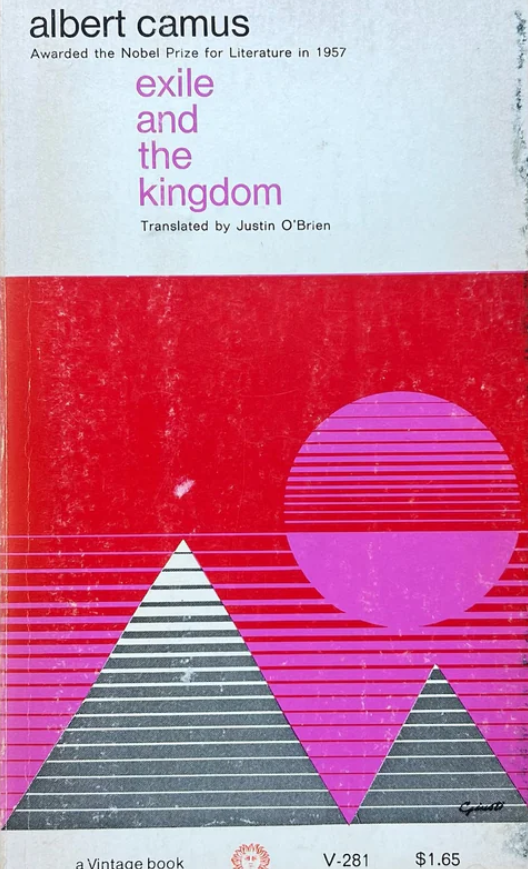
Today in pulp I'm looking at abstract geometric book covers...
19
55
487
33,086
This Side Op 📦 retweeted

19 Jan 2025
Eightrings ♾️
🎂100,000 Followers & Birthday Celebration🎂
1,573
15,434
93,172
2,726,684
This Side Op 📦 retweeted

6 Jun 2025
"I've built a shrine to the person I wish I was."
4
9
375
7,388