▪️Editor-In-Chief @TamilGuardian ▪️ NHS GP ▪️Covering Tamil Eelam, Sri Lanka, human rights & politics ▪️Views my own
Joined June 2010
- Tweets 11,450
- Following 2,226
- Followers 12,631
- Likes 15,597
1,706 Photos and videos

Pinned Tweet

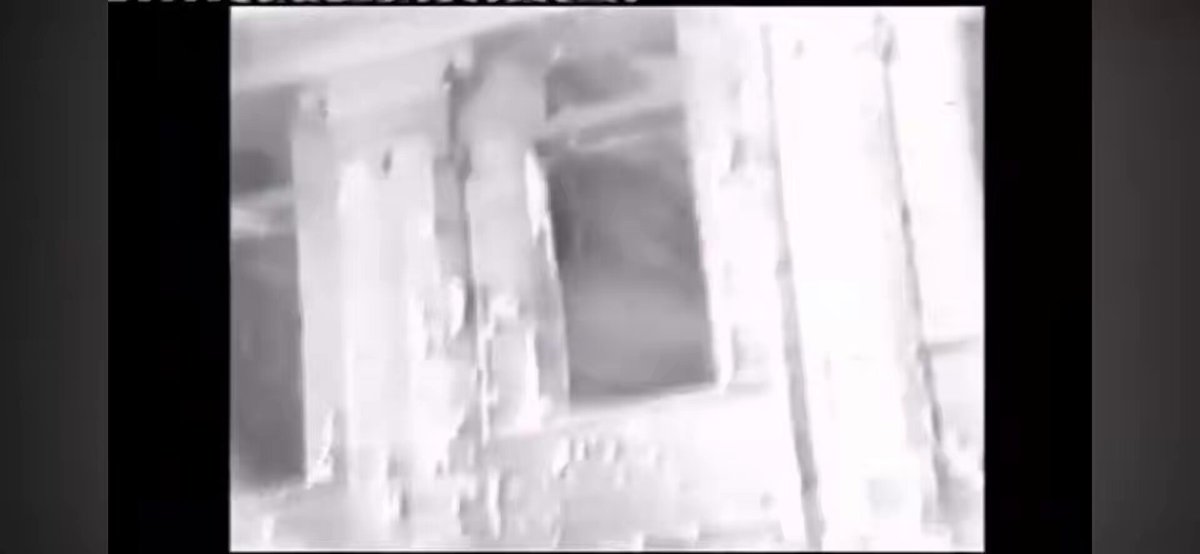
May 2009. Tamil Eelam.
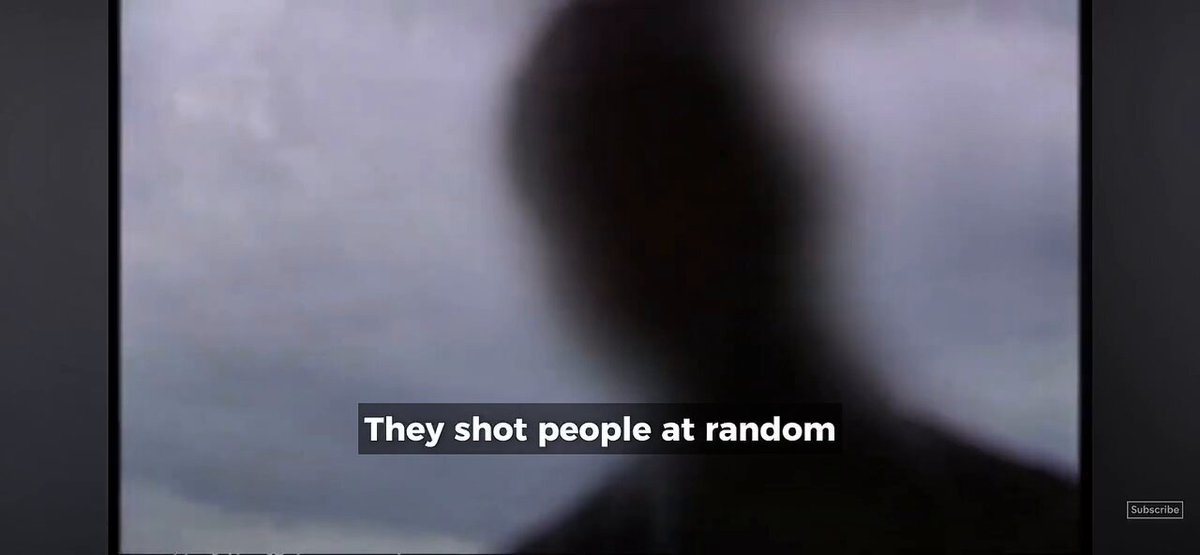
This is what the No Fire Zone looked like.
These images are seared into the psyche of the Tamil nation. The entire world watched. Some even took notes.
17 years on there has been no accountability. No justice. No answers.
We have not forgotten.
7
158
328
17,167
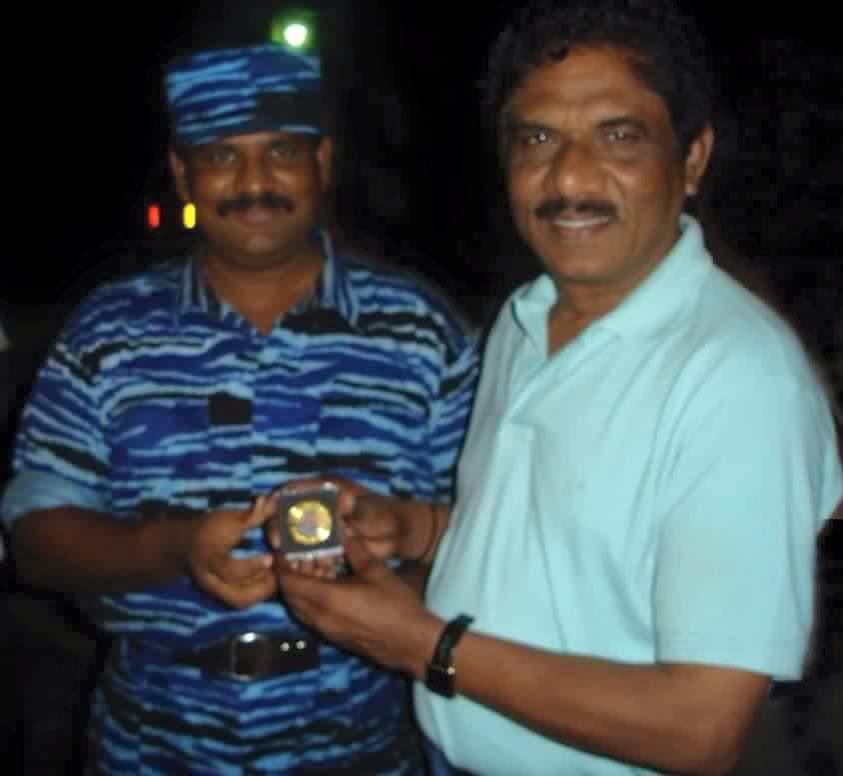
Bharathiraja with LTTE Sea Tigers leader Soosai.
Jun 10

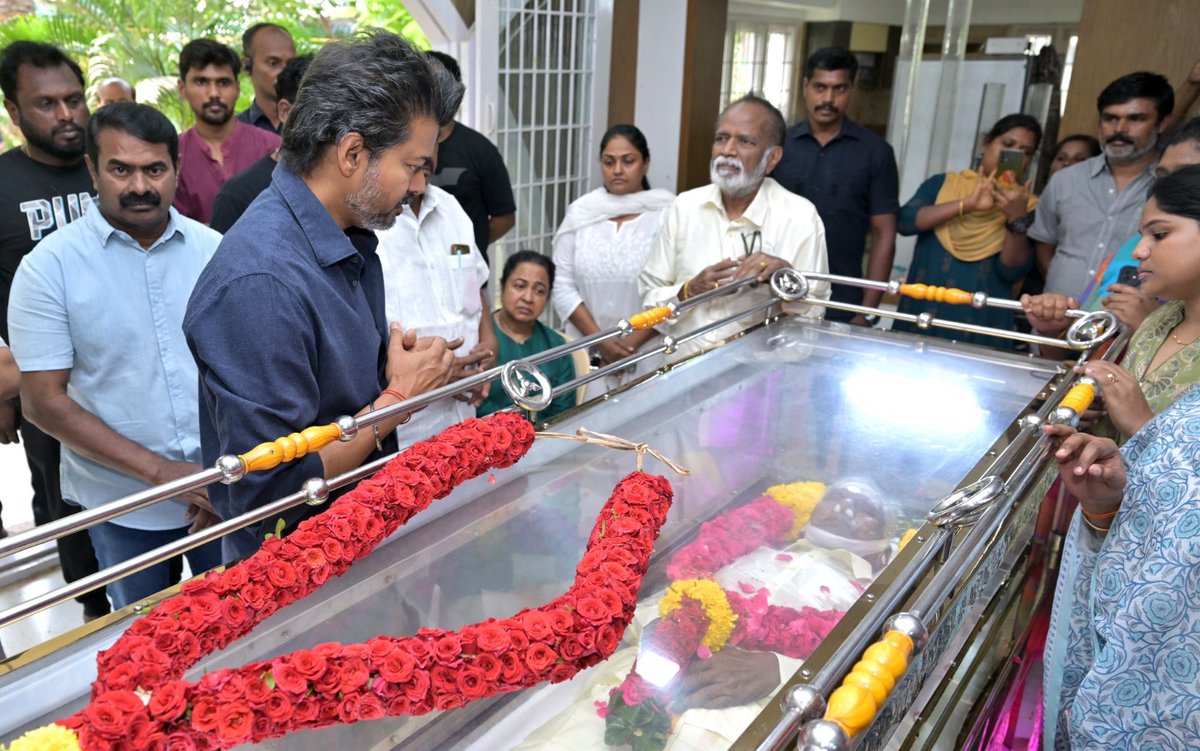
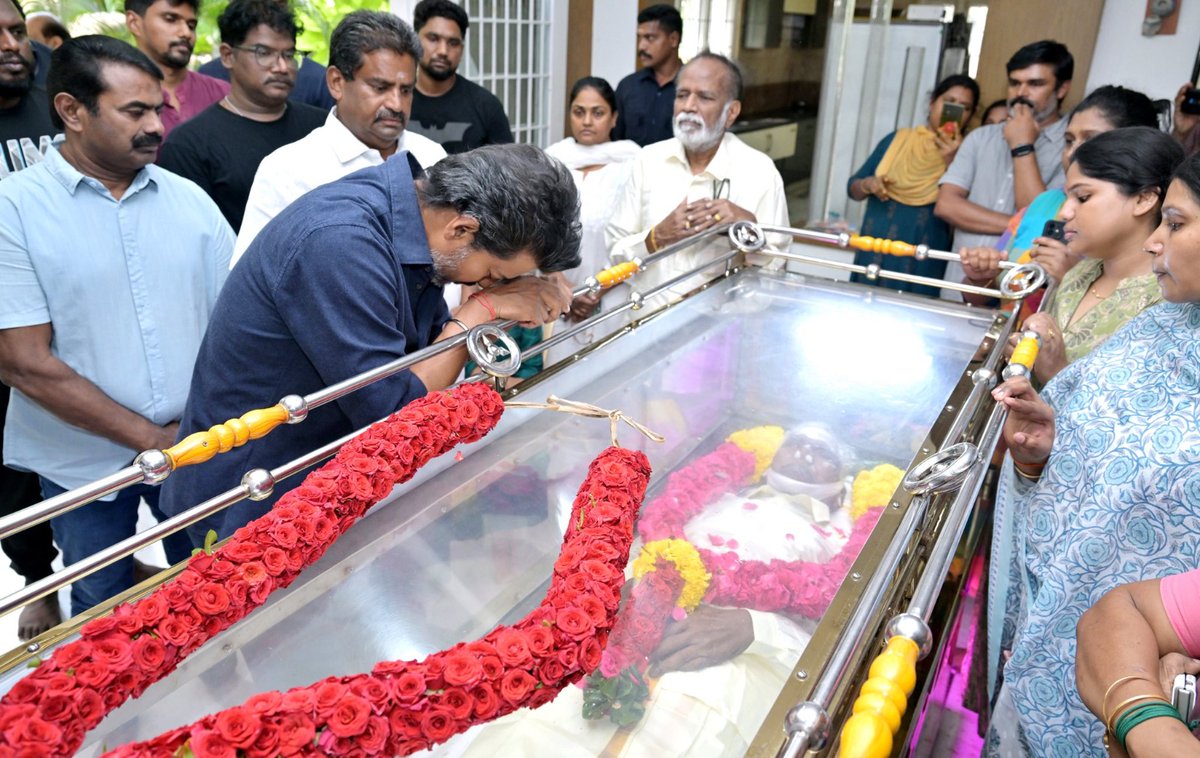
#TamilNadu Chief Minister S. Joseph #Vijay visited the residence of the late director Imayam Thiru. #Bharathiraja, who passed away today due to ill health, in person and paid his respects by garlanding the body. #CMVijay #Kollywood
21
304
15,848
Dr. Thusiyan Nandakumar retweeted

Jun 11
Greater Manchester Police have issued an appeal for information after a suspected arson attack on the home of an Imam in Bolton last night.
Footage shows a masked man throwing a lit object through a front window.
The Patel family were safely evacuated by emergency services and no one was injured.
Police said they believe the incident was targeted and are investigating.
In a statement, Hassan Patel said the attack has caused "significant damage to our house and emotional distress to our family, including our children.”
225
575
1,235
889,696
The imposition of ten days of imprisonment for a song is the state clamping down and ensuring that every Tamil in the North-East has been made to understand a lesson.
Political or even artistic expression of the struggle for equality, risks your liberty.
Jun 12

✍️ EDITORIAL - Scared of a song
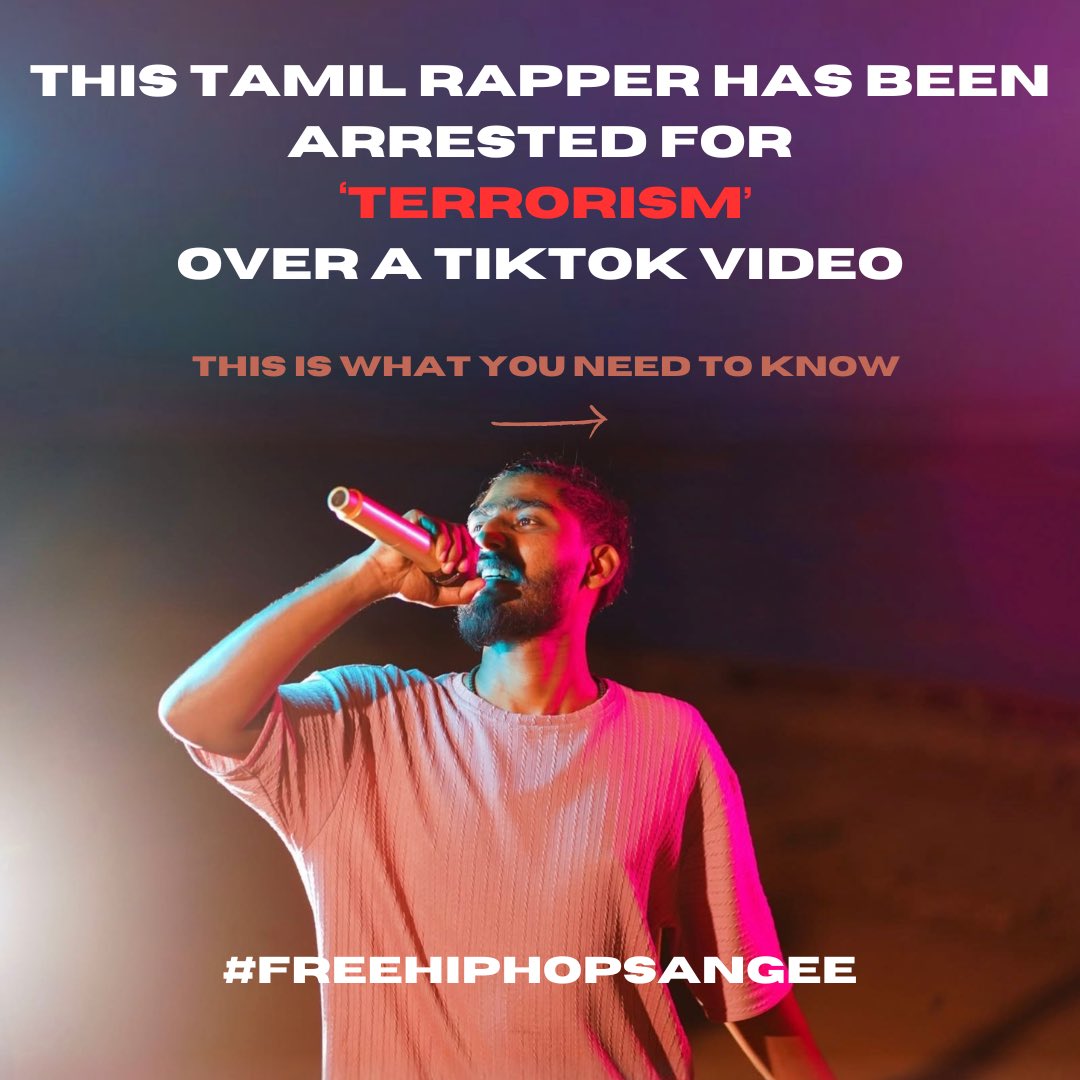
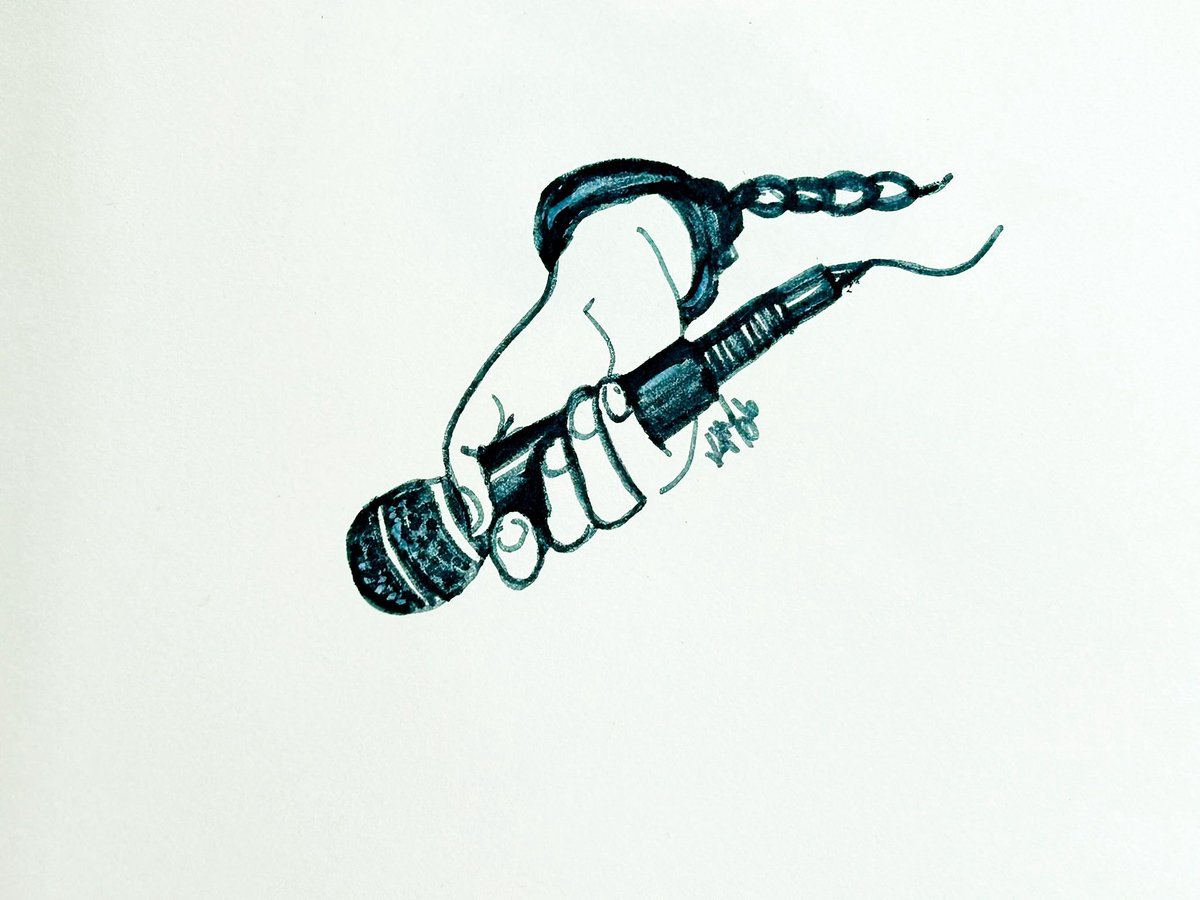
Sangeethsan Ganeskumar walked free on bail today, ten days after Sri Lankan police decided his music was a crime. The 24-year-old rapper from Kilinochchi, known as HipHop Sangee, had performed at a temple festival, filmed the evening, set the footage to his own music and uploaded it. For this, he was arrested under of the Prevention of Terrorism Act and locked in a prison. His release is undoubtedly welcome, but this is not justice. A young Tamil man spent ten days in a cell for a song, the case against him has not been withdrawn, and the law under which he was seized remains on the books, waiting for the next artist.
Sangeethsan’s freedom was not granted; it was extracted. Protesters gathered across the North-East, lawyers took a fundamental rights petition to the Supreme Court, and Tamil politicians repeatedly raised the case in various fora. Amnesty International demanded his release and the repeal of the legislation under which he was held, whilst condemnation carried across the diaspora, from Tamil youth and student organisations in London, to demonstrations in Paris, to elected officials in Canada. So untenable was the case that even a Rajapaksa scion – the political heir of the PTA's most enthusiastic practitioners - complained of the law's 'selective use'. It was this mobilisation, at home and abroad, that pried open the prison gates. The state did not discover its error. It retreated under pressure, as it only ever does.
Nor was his arrest an isolated misjudgement. It was the most brazen act in an escalating campaign against Tamil cultural expression across the North-East, where police have in recent weeks interrupted musical performances, opened investigations into homeland-themed songs at temple festivals, and summoned the son of the late musician S. G. Santhan for questioning over a performance in Urumpirai. The occupying state has long understood what it is policing. The threat posed by a young man rapping is not to anyone's security but to the climate of repression upon which Sri Lanka's occupation of the Tamil homeland seeks to instil. It is the expression and embrace of Tamil nationhood, as well as the refusal to submit, that Colombo fears. The imposition of ten days of imprisonment for a song is the state clamping down and ensuring that every Tamil in the North-East has been made to understand a lesson. Political or even artistic expression of the struggle for equality, risks your liberty.
Meanwhile, in the south, another man remains held under the same Act. Suresh Salley, the retired major general who once directed the State Intelligence Service, was arrested in February in connection with the Easter Sunday bombings, accused of complicity in attacks that slaughtered more than 270 people. After more than a hundred days in detention he has begun a hunger strike, and his relatives, alleging ill-treatment in custody, now demand the repeal of the very law he once served at the apex of the state's intelligence apparatus.
There is a darker irony still, for the torture he now alleges is a practice he himself stands accused of. Salley reportedly coerced Dr Thurairajah Varatharajah, the government doctor who survived the final massacres at Mullivaikkal, into announcing false casualty figures at a staged Colombo press conference, withholding the surgery he urgently needed until he complied, conduct the ITJP described as a violation of the Convention Against Torture. In court this April, the state's own prosecutors went further, declaring that abductions and assaults on journalists had been carried out by a group operating under his command. Due process belongs to everyone, including Salley. But there is something instructive in the spectacle of the Sinhala establishment discovering the cruelty of the PTA only when it reaches one of its own. For decades the same law was used to torture, disappear and indefinitely detain Tamils in their thousands without a murmur from those now so exercised.
Even today, one detainee stands accused of orchestrating mass murder and of the very abuses he now protests; the other of uploading a video of him rapping a song. That both were held under the same provisions illustrates the draconian design of the PTA, its victims selected by political convenience.
The National People's Power (NPP) government came to office pledging to abolish this Act, and that pledge, like so many before it, has dissolved on contact with power. Arrests have continued throughout its tenure, and when pressed on Sangeethsan's case, Anura Kumara Dissanayake offered the assurance that no detention order had been issued against him – remarks delivered whilst the young man was being held in a Jaffna prison. Either the Sri Lankan president did not know what his own police and courts were doing, or he knew precisely and hoped his empty assurance would pass for action. Both answers indict him, and today's release resolves neither. Successive governments have promised for a decade to repeal or replace this law, each pledge placating international scrutiny whilst the legislation continued its work undisturbed. That the self-proclaimed agents of 'change' should follow the same script is unsurprising. This regime is cut from the same cloth as its predecessors.
And through all of this, the diplomatic missions in Colombo, so fluent in the language of 'reconciliation' when occasion demands, said nothing. Not one embassy raised Sangeethsan's name publically during the ten days he sat in a cell. Their silence is symptomatic of a posture that has survived every change of government on the island, in which Colombo is to be appeased rather than reformed, whoever holds power and whatever is done in its name.
Bail is not vindication. The charges against Sangeethsan Ganeskumar must be dropped in their entirety, and the PTA must be repealed entirely. A regime that fears a song is incapable of reform.
6
13
645
These are Sri Lankan soldiers.
Jun 12
🚨 Gaza flotilla activist lauds Sri Lankan soldiers as 'nothing like' Israeli forces
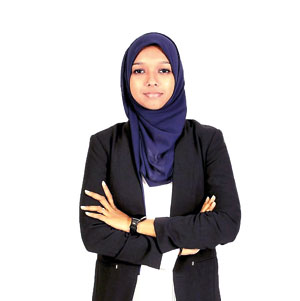
A Sri Lankan paramedic who took part in the Global Sumud Flotilla to Gaza has condemned the abuse of fellow detainees in Israeli custody, while contrasting the conduct of Israeli forces with that of the Sri Lankan military she trained alongside, an army that itself stands accused of genocide against the Tamil people and which was extensively armed by Israel.
Mahboobdeen, who trained with the Sri Lankan armed forces at the Kothmale Centre for Disaster Response in late 2022, drew a contrast between the two militaries. Israeli forces, she said, were mercenaries rather than soldiers.
"The Sri Lankan soldiers with whom I have worked and received training are nothing like these people who call themselves soldiers," she told the paper.
The Sri Lankan military she referred to stands accused of mass atrocities against the Tamil people.
11
72
224
7,393
Dr. Thusiyan Nandakumar retweeted

Jun 12
✍️ EDITORIAL - Scared of a song
Sangeethsan Ganeskumar walked free on bail today, ten days after Sri Lankan police decided his music was a crime. The 24-year-old rapper from Kilinochchi, known as HipHop Sangee, had performed at a temple festival, filmed the evening, set the footage to his own music and uploaded it. For this, he was arrested under of the Prevention of Terrorism Act and locked in a prison. His release is undoubtedly welcome, but this is not justice. A young Tamil man spent ten days in a cell for a song, the case against him has not been withdrawn, and the law under which he was seized remains on the books, waiting for the next artist.
Sangeethsan’s freedom was not granted; it was extracted. Protesters gathered across the North-East, lawyers took a fundamental rights petition to the Supreme Court, and Tamil politicians repeatedly raised the case in various fora. Amnesty International demanded his release and the repeal of the legislation under which he was held, whilst condemnation carried across the diaspora, from Tamil youth and student organisations in London, to demonstrations in Paris, to elected officials in Canada. So untenable was the case that even a Rajapaksa scion – the political heir of the PTA's most enthusiastic practitioners - complained of the law's 'selective use'. It was this mobilisation, at home and abroad, that pried open the prison gates. The state did not discover its error. It retreated under pressure, as it only ever does.
Nor was his arrest an isolated misjudgement. It was the most brazen act in an escalating campaign against Tamil cultural expression across the North-East, where police have in recent weeks interrupted musical performances, opened investigations into homeland-themed songs at temple festivals, and summoned the son of the late musician S. G. Santhan for questioning over a performance in Urumpirai. The occupying state has long understood what it is policing. The threat posed by a young man rapping is not to anyone's security but to the climate of repression upon which Sri Lanka's occupation of the Tamil homeland seeks to instil. It is the expression and embrace of Tamil nationhood, as well as the refusal to submit, that Colombo fears. The imposition of ten days of imprisonment for a song is the state clamping down and ensuring that every Tamil in the North-East has been made to understand a lesson. Political or even artistic expression of the struggle for equality, risks your liberty.
Meanwhile, in the south, another man remains held under the same Act. Suresh Salley, the retired major general who once directed the State Intelligence Service, was arrested in February in connection with the Easter Sunday bombings, accused of complicity in attacks that slaughtered more than 270 people. After more than a hundred days in detention he has begun a hunger strike, and his relatives, alleging ill-treatment in custody, now demand the repeal of the very law he once served at the apex of the state's intelligence apparatus.
There is a darker irony still, for the torture he now alleges is a practice he himself stands accused of. Salley reportedly coerced Dr Thurairajah Varatharajah, the government doctor who survived the final massacres at Mullivaikkal, into announcing false casualty figures at a staged Colombo press conference, withholding the surgery he urgently needed until he complied, conduct the ITJP described as a violation of the Convention Against Torture. In court this April, the state's own prosecutors went further, declaring that abductions and assaults on journalists had been carried out by a group operating under his command. Due process belongs to everyone, including Salley. But there is something instructive in the spectacle of the Sinhala establishment discovering the cruelty of the PTA only when it reaches one of its own. For decades the same law was used to torture, disappear and indefinitely detain Tamils in their thousands without a murmur from those now so exercised.
Even today, one detainee stands accused of orchestrating mass murder and of the very abuses he now protests; the other of uploading a video of him rapping a song. That both were held under the same provisions illustrates the draconian design of the PTA, its victims selected by political convenience.
The National People's Power (NPP) government came to office pledging to abolish this Act, and that pledge, like so many before it, has dissolved on contact with power. Arrests have continued throughout its tenure, and when pressed on Sangeethsan's case, Anura Kumara Dissanayake offered the assurance that no detention order had been issued against him – remarks delivered whilst the young man was being held in a Jaffna prison. Either the Sri Lankan president did not know what his own police and courts were doing, or he knew precisely and hoped his empty assurance would pass for action. Both answers indict him, and today's release resolves neither. Successive governments have promised for a decade to repeal or replace this law, each pledge placating international scrutiny whilst the legislation continued its work undisturbed. That the self-proclaimed agents of 'change' should follow the same script is unsurprising. This regime is cut from the same cloth as its predecessors.
And through all of this, the diplomatic missions in Colombo, so fluent in the language of 'reconciliation' when occasion demands, said nothing. Not one embassy raised Sangeethsan's name publically during the ten days he sat in a cell. Their silence is symptomatic of a posture that has survived every change of government on the island, in which Colombo is to be appeased rather than reformed, whoever holds power and whatever is done in its name.
Bail is not vindication. The charges against Sangeethsan Ganeskumar must be dropped in their entirety, and the PTA must be repealed entirely. A regime that fears a song is incapable of reform.
1
5
15
1,938
Dr. Thusiyan Nandakumar retweeted

Jun 12
This is barbaric. They were not permitted to explain to the jury why they carried out the attack on the Elbit factory - which makes the weapons that kill Palestinian children. And the jury was never told they would be sentenced as terrorists. /1
Jun 12

🚨 BREAKING: Four Palestine Action activists have been jailed for a total of 22 years for causing £1.2m worth of damage and fracturing a police woman's spine at an Israeli weapons factory
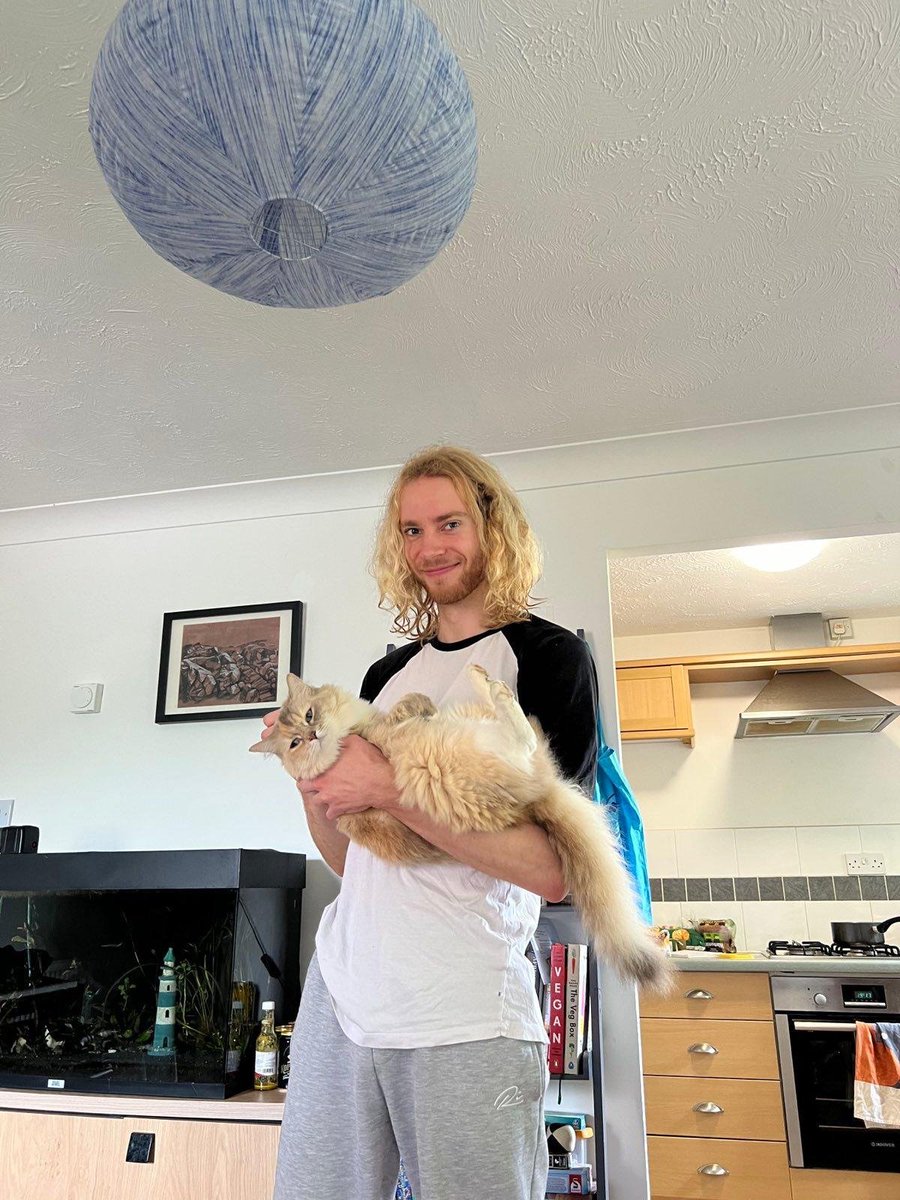
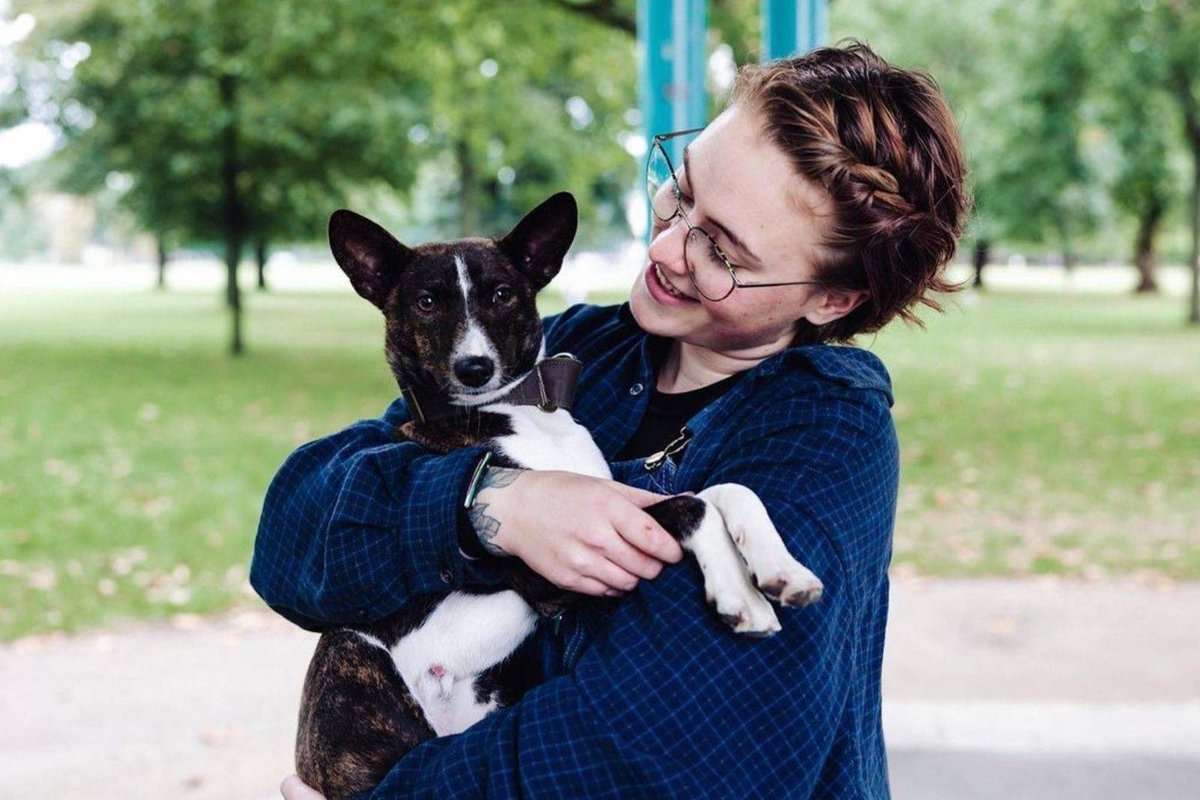
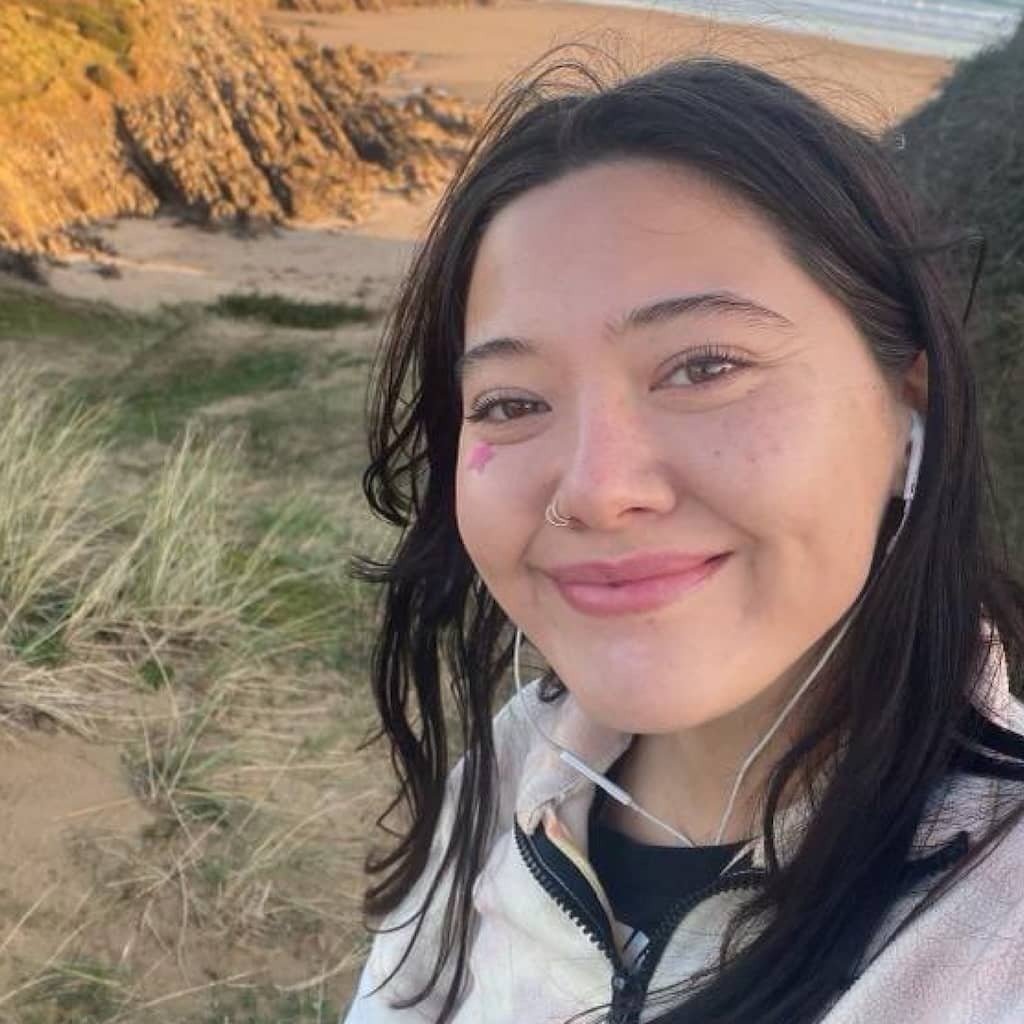
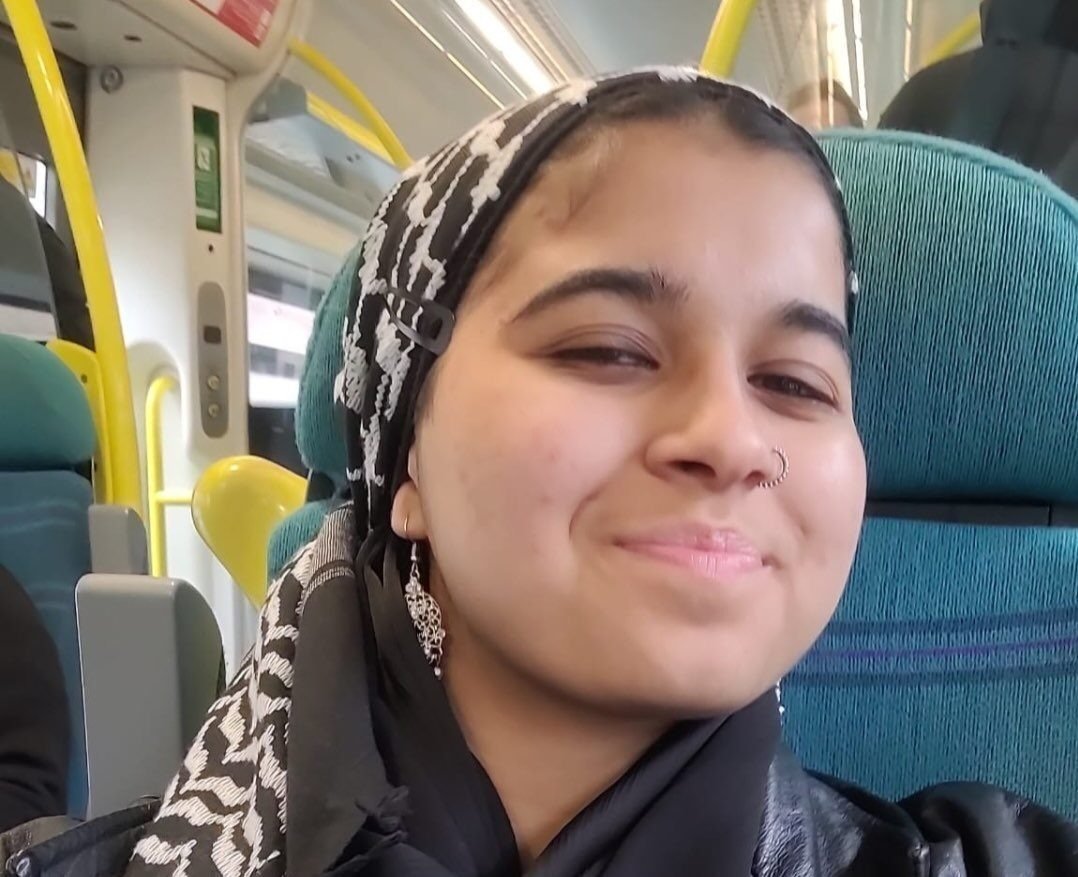
3,154
7,976
33,956
1,647,057
Dr. Thusiyan Nandakumar retweeted

Jun 12
Then why did you defend the government against these accusations in Geneva?
Jun 12
🚨 'Why do you have to kill Prabhakaran's son?' Hakeem demands war crimes investigation
Sri Lanka Muslim Congress (SLMC) leader Rauff Hakeem told parliament on Wednesday that the killing of Balachandran Prabhakaran, the 12-year-old son of LTTE leader Velupillai Prabhakaran, must be investigated as a war crime.
Speaking during a parliamentary debate, Hakeem referred to renewed attention on the child's murder. He recalled the photographs that emerged after the war showing Balachandran alive and being given a snack in Sri Lankan military custody, before later images showed his body with gunshot wounds to the chest.
Drawing comparisons with the treatment of the families of other militant leaders, he noted that the children and family of Janatha Vimukthi Peramuna (JVP) founder Rohana Wijeweera had been protected after Wijeweera was killed, and that the daughter of Easter Sunday attacks mastermind Zahran Hashim had survived.
"Wijeweera's family was saved. Zahran's daughter was saved. Why do you have to kill Prabhakaran's son?" he asked.
Hakeem stressed that he was not asserting that the killing had taken place, but argued that if it had, it demanded a proper inquiry. "If it is true that such a war crime occurred, and if Prabhakaran's son was killed, then the matter must be investigated. It must be treated as a war crime," he said.
1
14
58
1,681
This is disappointing.
I hope all those Sri Lankans praising this activist ask the difficult questions that are required.
Jun 12
🚨 Gaza flotilla activist lauds Sri Lankan soldiers as 'nothing like' Israeli forces
A Sri Lankan paramedic who took part in the Global Sumud Flotilla to Gaza has condemned the abuse of fellow detainees in Israeli custody, while contrasting the conduct of Israeli forces with that of the Sri Lankan military she trained alongside, an army that itself stands accused of genocide against the Tamil people and which was extensively armed by Israel.
Mahboobdeen, who trained with the Sri Lankan armed forces at the Kothmale Centre for Disaster Response in late 2022, drew a contrast between the two militaries. Israeli forces, she said, were mercenaries rather than soldiers.
"The Sri Lankan soldiers with whom I have worked and received training are nothing like these people who call themselves soldiers," she told the paper.
The Sri Lankan military she referred to stands accused of mass atrocities against the Tamil people.
12
8
54
2,825
Heartbreaking. The Tamil calendar is littered with far too many massacres.
Jun 11
🪔 Tears and anguish as families commemorate the Suthanthirapuram massacre
The 28th anniversary of the Suthanthirapuram massacre was commemorated on Wednesday, marking the deaths of 33 civilians who were killed in aerial bombardment and coordinated shell attacks carried out by the Sri Lankan military in Pudukkudiyiruppu, Mullaitivu, on 10 June 1998.
At least 52 others were injured in the attack.
On the morning of 10 June 1998, artillery fire rained down on Suthanthirapuram from three directions, from Mankindimalai, Ampakamam and Elephant Pass, while bombers struck from the air. Among those killed were many children and students sheltering in the area. One survivor, Pushpanathan, lost four of his five children in the attack, recalling how a shell fell on the shed his family had taken refuge in and exploded. "I saw my kids lying in a pool of blood," he said.
No one has been held accountable for the killings.
16
65
1,518
Horrific.
That this lay buried for decades tells you everything you need to know about the Sri Lankan state.
Jun 11
🚨 341 and counting - Chemmani’s dead keep emerging as skeleton count rises
Excavation work at the Chemmani mass grave entered its 22nd day of the third phase on Thursday, during which two additional human skeletons were identified.
Meanwhile, nine skeletons, including the remains of a child, were fully exhumed from among those previously identified.
With the latest discoveries, a total of 341 human skeletons have been identified at the site. Of these, 327 skeletons have been excavated to date.
4
79
209
4,629
That is not his party flag.
That is the national flag of Tamil Eelam.
Jun 11

#WATCH | #NTK chief coordinator #Seeman paid homage to #Bharathiraja by gently placing his party flag on the director's mortal remains before his funeral in Theni. Supporters raised slogans and bid an emotional farewell to the legendary filmmaker.
16
71
802
48,415
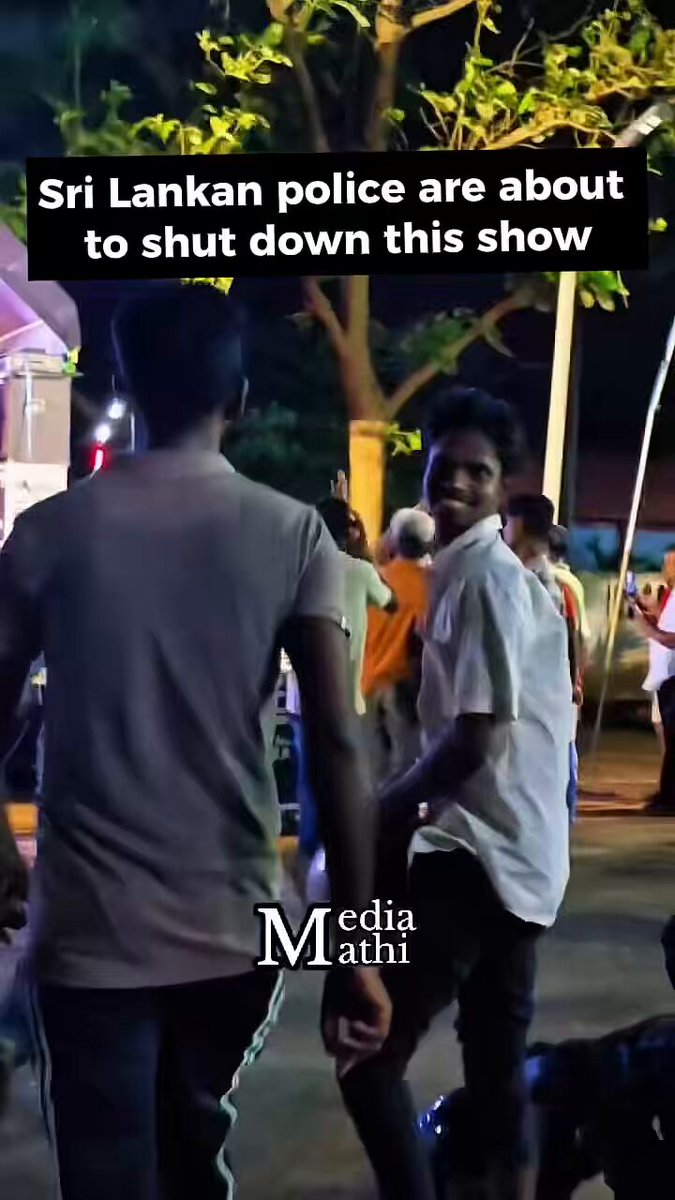
The offending placard had to be translated into Sinhalese before the Sri Lankan police officers left this protest.
The year is 2026.
Jun 11
🚨 Sri Lankan police interrupt Mannar rally demanding Hip Hop Sangee's release
Sri Lankan police interrupted a protest in Mannar calling for the release of detained Tamil rapper Sangeethsan and the repeal of the Prevention of Terrorism Act (PTA), after questioning participants over the wording of a Tamil-language placard.
A demonstration demanding the repeal of Sri Lanka's PTA and the release of detained rapper Ganeshkumar Sangeethsan was held in Mannar on Thursday morning, June 11, as protests over the artist’s arrest continue to spread across the Tamil homeland.
According to organisers, the issue arose after police misunderstood a Tamil-language slogan calling on the government to repeal the PTA.
After the wording on the placard was translated and explained in Sinhala, police left the scene.
2
3
19
960
Dr. Thusiyan Nandakumar retweeted
Jun 10
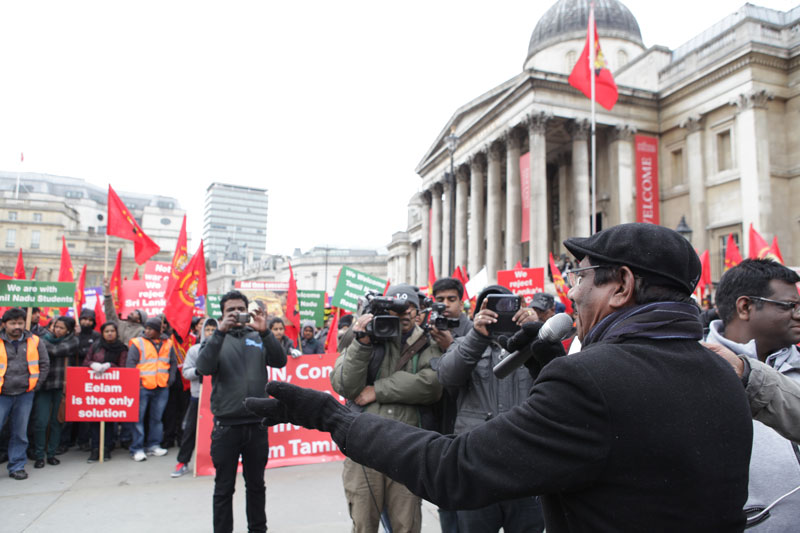
🪔 Bharathiraja dies at 84 - A director who stood with Eelam Tamils
Bharathiraja, the Tamil Nadu filmmaker known as Iyakkunar Imayam, died at his home in Chennai on 10 June 2026.
Bharathiraja sustained a record of public solidarity with Eelam Tamils that stretched from the ceasefire years to the final period of his life. It expressed itself as physical presence, political speech, open letters and legal demands, and it ran across more than two decades without interruption.
📸 April 2013, Bharathiraja in London calling for an independence referendum on Tamil Eelam.
6
138
513
11,609
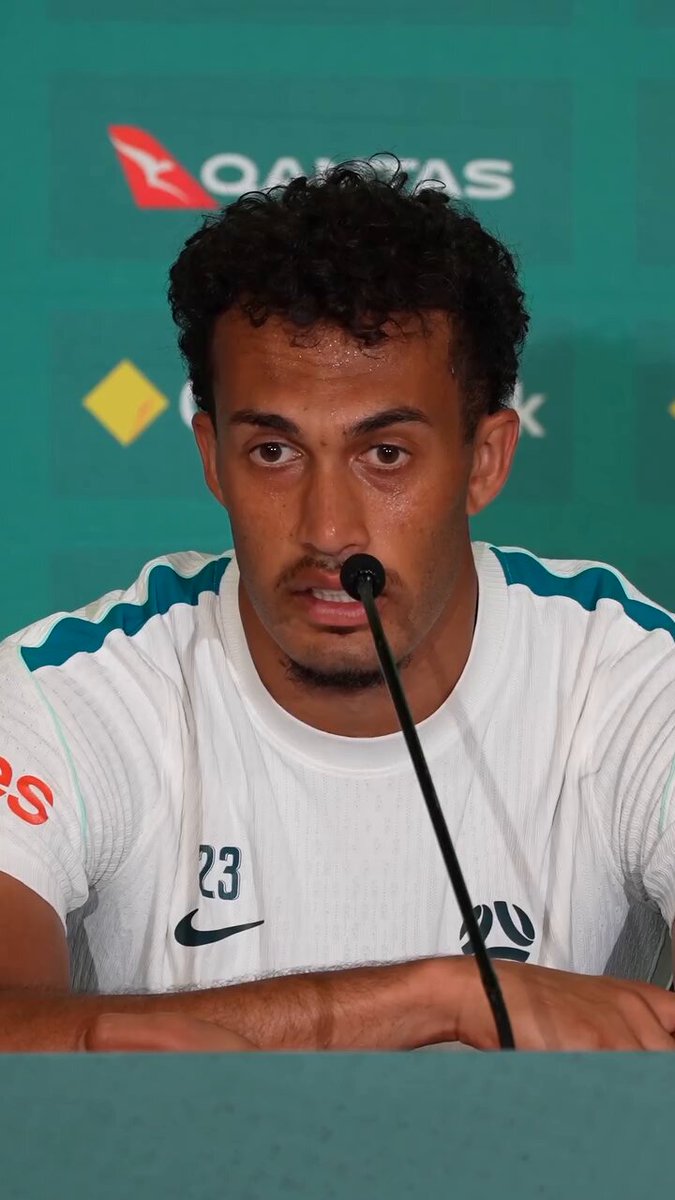
Nishan Velupillay was asked what it means to be the first player of Tamil heritage at a FIFA World Cup.
He spoke about his family and pride.
For millions of Tamils around the world, seeing the name Velupillay on the biggest stage in football means a lot.
📹 via @SBSSportau
12
136
698
47,437
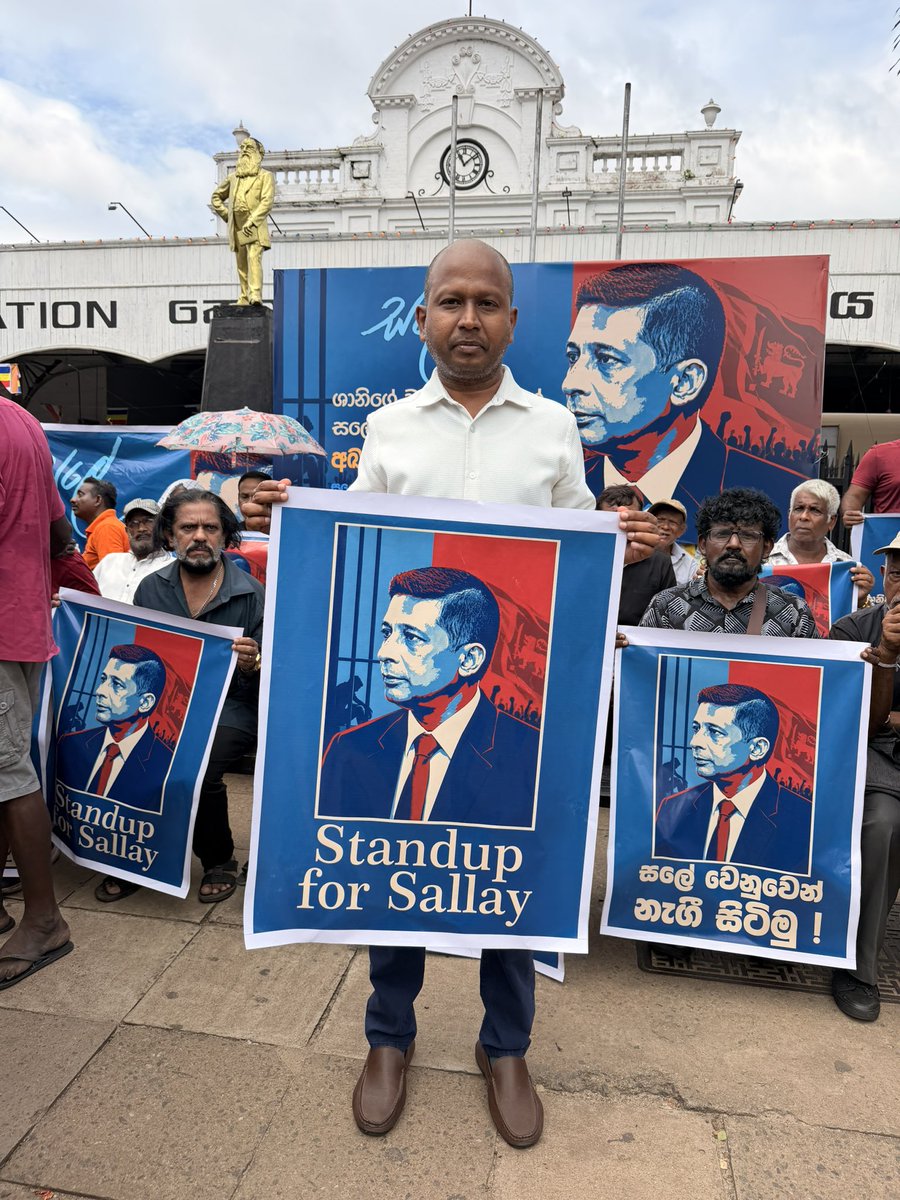
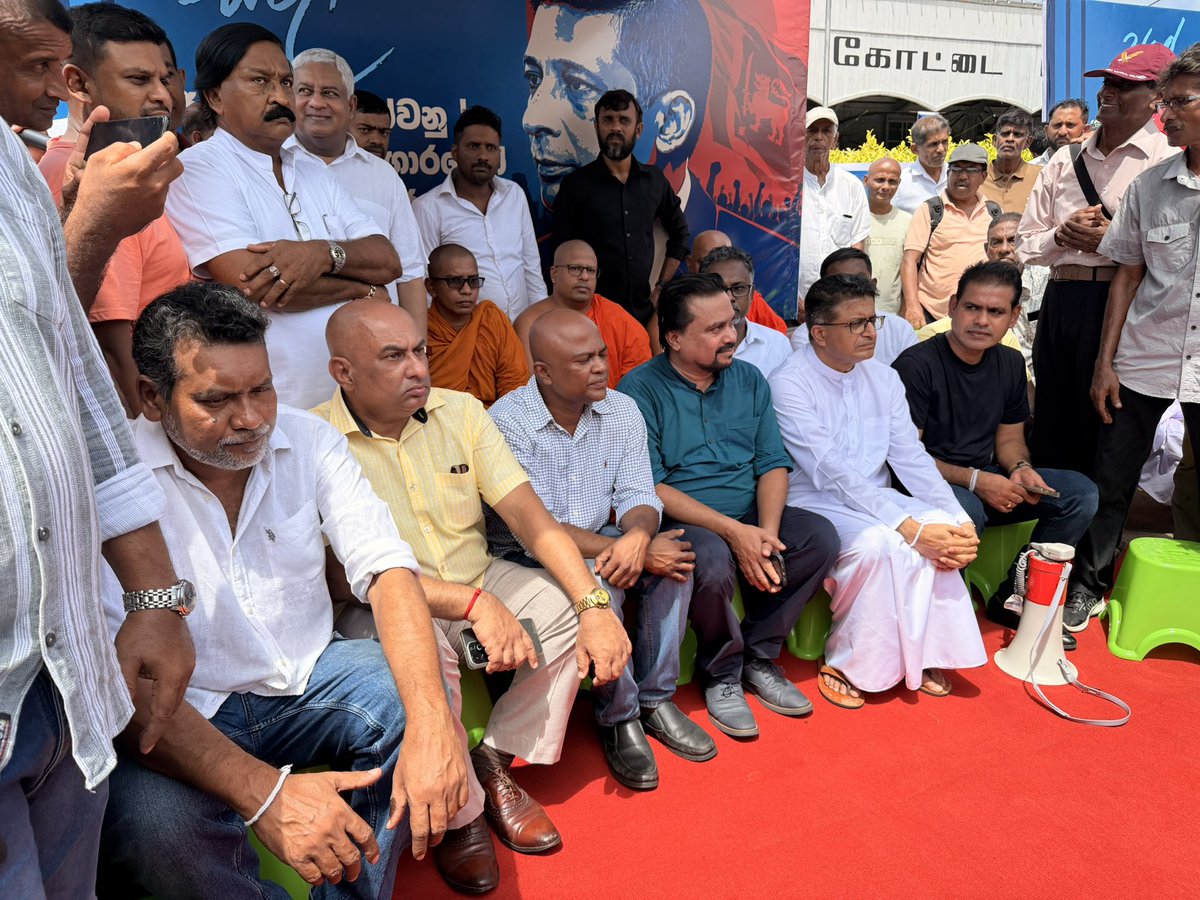
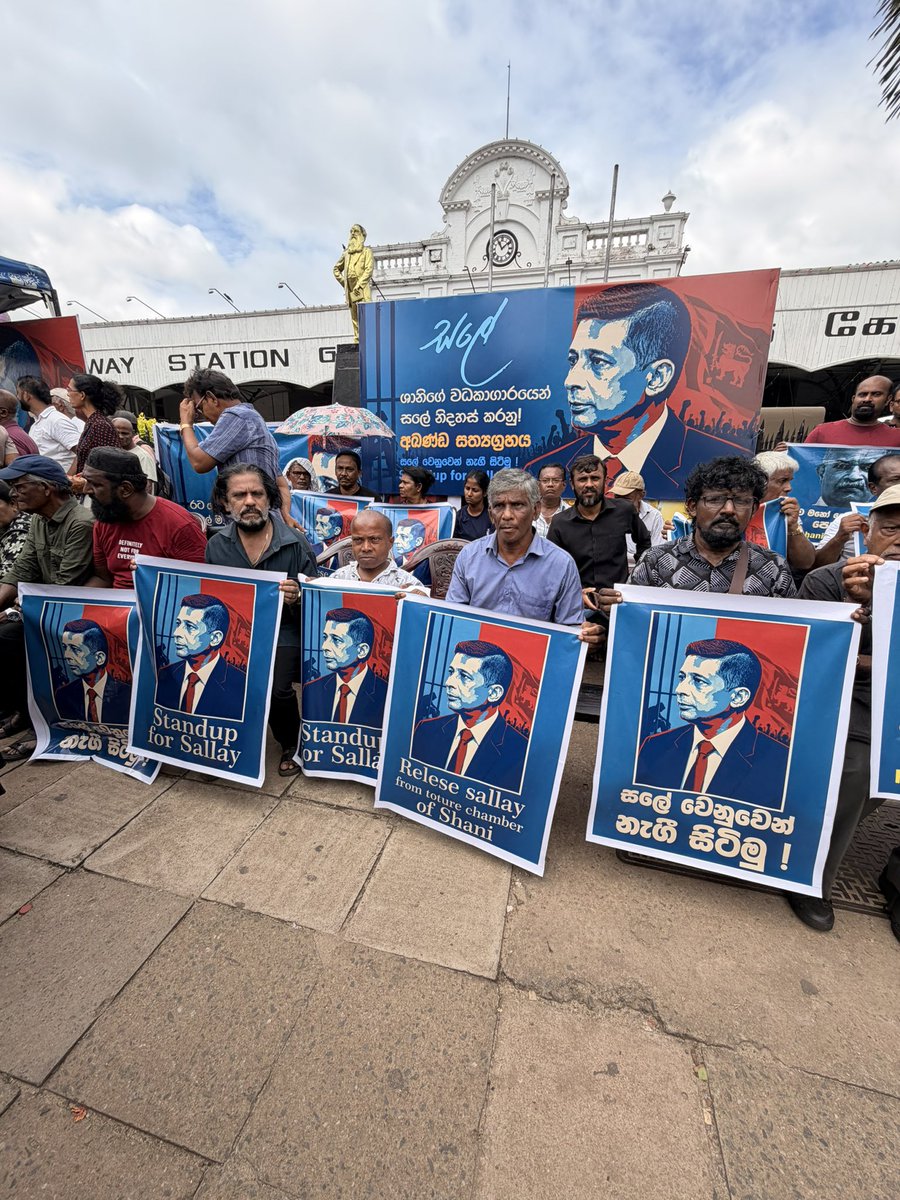
What a fascinating use of the famous Obama poster aesthetic for… Sallay (!)
Are his supporters deliberately trying to create a comparison?
Jun 8

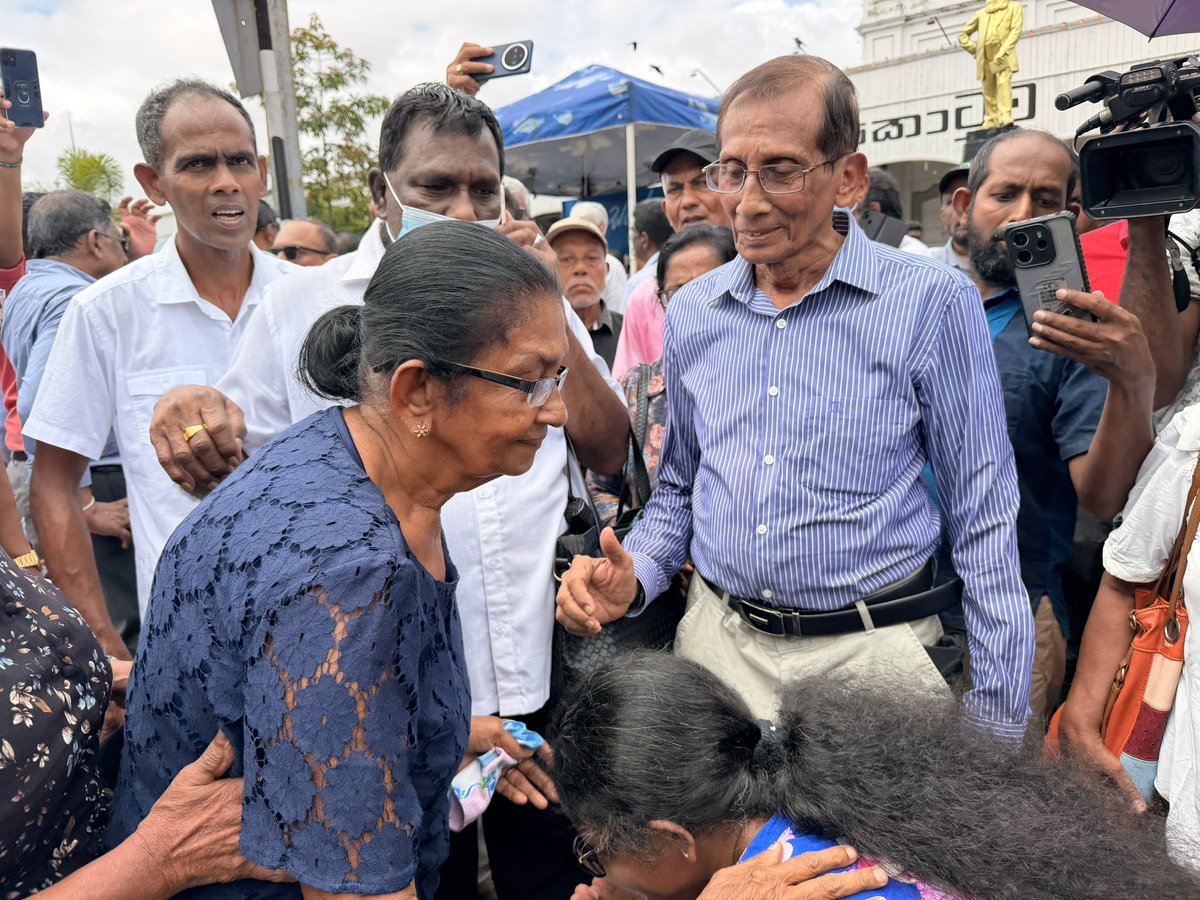
Compared to the scale of political repression under the Malima government, the crowd that came for the start of our democratic protest is small. But the pride in the hearts of those who came is immense. Their gratitude is vast. Their humanity carries weight. No matter how much sun, rain, batons, or tear gas comes, we will stay here. Not only against the sinful political vengeance of that cruel Malima regime, but for the self-respect of every woman and man who fought for the country.
In the third photo, the one wearing a blue blouse is General Suresh Sallay’s mother.
3
3
11
868
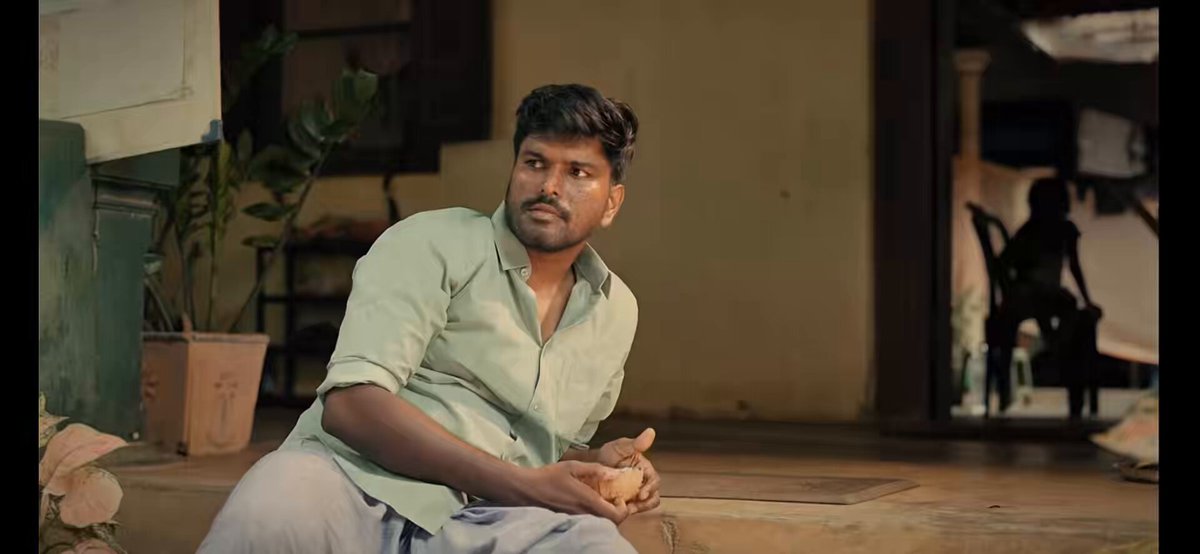
I watched this fantastic short film recently. This short bit of dialogue really stood out.
The film was made by people living inside Eelam, on land that is being taken from them, in a homeland still under occupation.
Do give it a watch via @PakidiyaJaffna
7
19
87
2,976
Dr. Thusiyan Nandakumar retweeted
Jun 8
🚨 Amnesty International demands immediate release of detained Tamil artist
Amnesty International has called for the release of detained Tamil rapper Sangeethan Ganeshkumar and renewed demands for the repeal of Sri Lanka's Prevention of Terrorism Act (PTA), warning that the legislation continues to facilitate arbitrary detention and human rights abuses.
In a statement issued this week, the international rights organisation @amnestysasia expressed concern over the continued use of the PTA despite repeated commitments by successive Sri Lankan governments to replace the law.
1
10
17
1,157
This captures the whole response to the Sallay episode, doesn’t it?
Jun 9
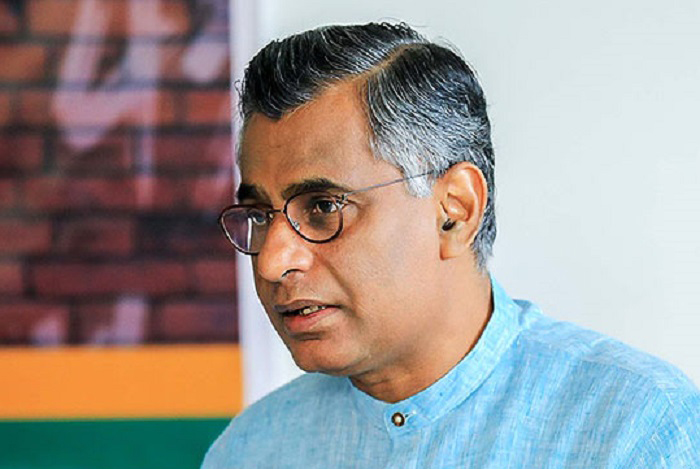
🚨 The man who threatened '100 more Mullivaikals' now calls for humane treatment of prisoners
Patali Champika Ranawaka, the former Sri Lankan cabinet minister and one-time General Secretary of the Sinhala nationalist Jathika Hela Urumaya (JHU), drew attention this week after calling for the humane treatment of detainees – remarks that are in sharp contrast to his previous comments on Tamils.
Speaking publicly, Ranawaka said: "Whether it's Suresh Sallay or even Zahran, if they are being questioned, they should be treated as human beings."
In 2007, Ranawaka, then newly appointed as environment and natural resources minister, labelled journalists and human rights activists reporting on the armed conflict "white Tigers, media Tigers, leftist Tigers."
He then went further. In a statement on how the state should deal with what he called dissidents, whether Tamil fighters or peace activists, he said:
"If these treacherous bastards cannot be crushed by the law of the country, whatever possible method should be employed. Of course, people will die. What can we do about it? Are you asking us to leave them alive? These are traitors to the nation!"
Five years later, in 2012, Ranawaka turned to Mullivaikkal. When then-Tamil National Alliance leader R. Sampanthan called for devolution of powers, Ranawaka responded with a threat. "Does Sampanthan want to create 100 more Mullivaikkals. One Mullivaikkal is enough. Don't try to get 100 more."
3
2
15
1,196
Dr. Thusiyan Nandakumar retweeted
Jun 8
🚨 More children among six-skeleton cluster as Chemmani mass grave toll rises to 318
Further human remains, including a cluster of six skeletons believed to contain children, were identified on Monday during ongoing excavations at the Chemmani mass grave site in Jaffna.
The discoveries were made on the nineteenth day of the third phase of court-supervised excavations.
The latest discoveries bring the total number of skeletal remains identified at the Chemmani mass grave to 318. Of those, 302 sets of remains have now been fully excavated.
2
17
33
1,384