
Head of Data Science and Assistant Prof at DTU Bioengineering with a keen interest in antibody discovery, de-novo protein design, ML, and next-gen therapeutics.
Joined February 2016
- Tweets 724
- Following 475
- Followers 823
- Likes 1,063
128 Photos and videos

31 Jul 2025
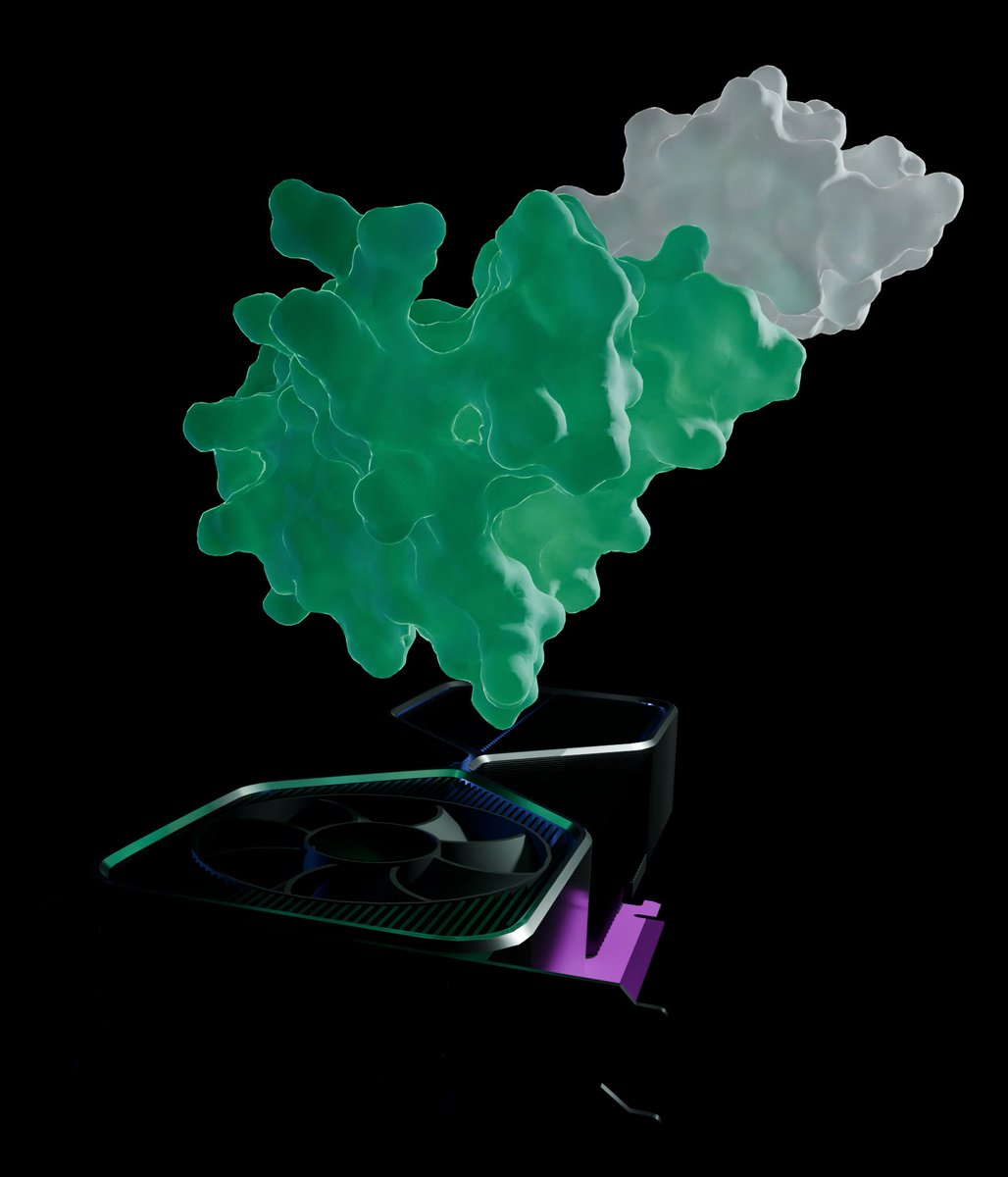
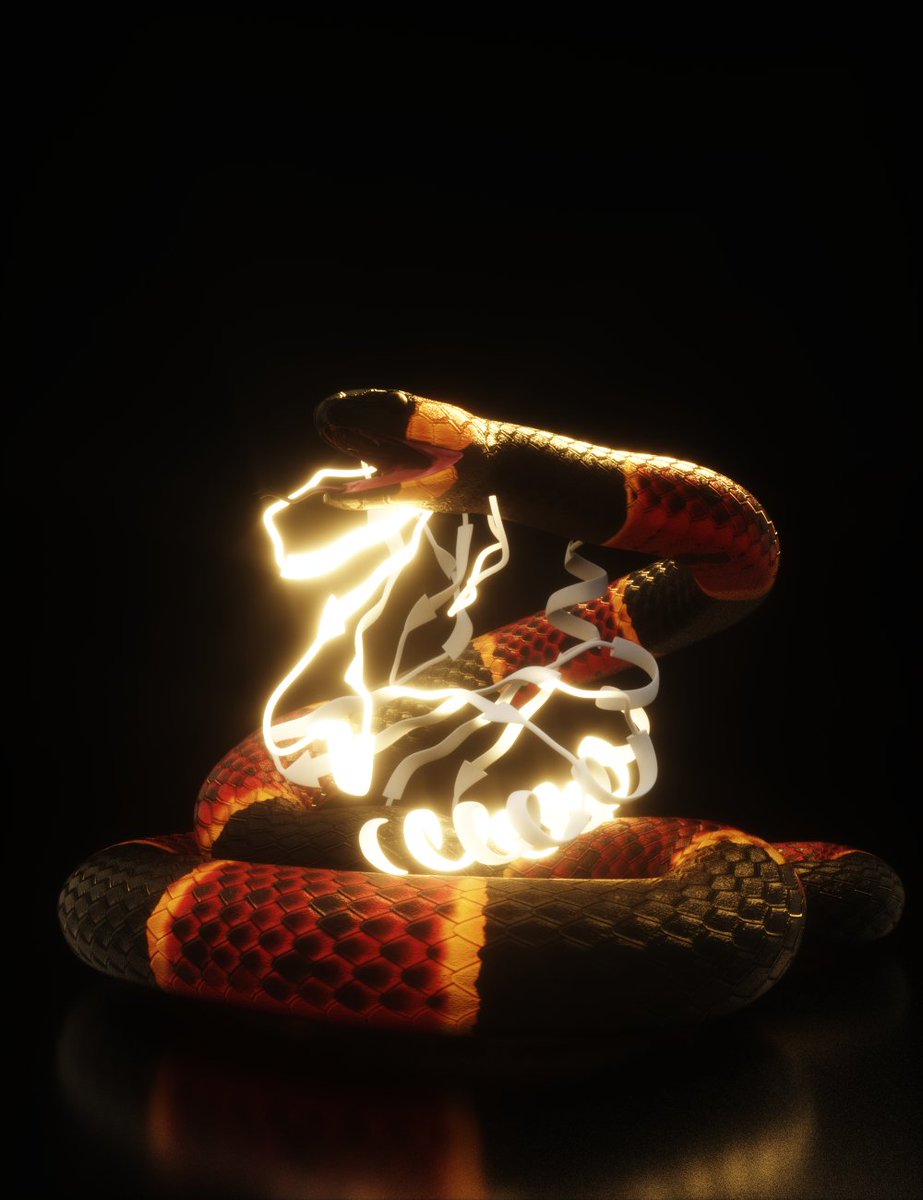
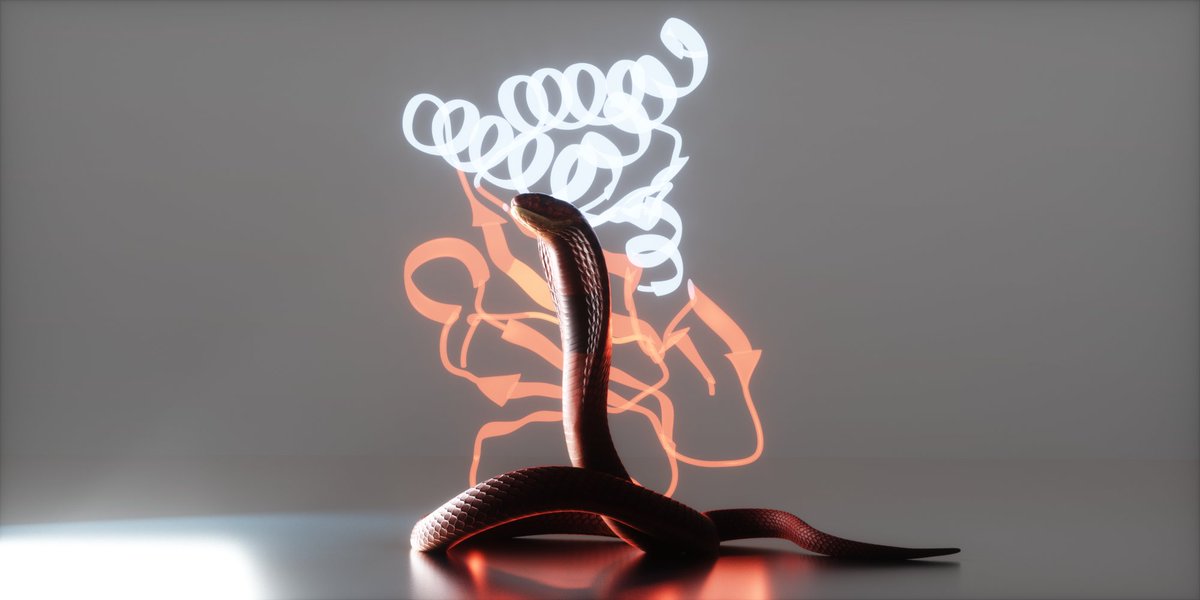
🧪🐍 AI vs venom!
Our Nature paper with David Baker shows AI-designed proteins can block deadly snake toxins. Now featured by Reuters! 🎥
✅ 80–100% survival in mice
💸 Cheap, fast, scalable
🌍 A step toward better antivenoms
📄 nature.com/articles/s41586-0…
🎬 youtu.be/gnvEDMEr2mc
7
512
Timothy Jenkins retweeted

24 Jul 2025
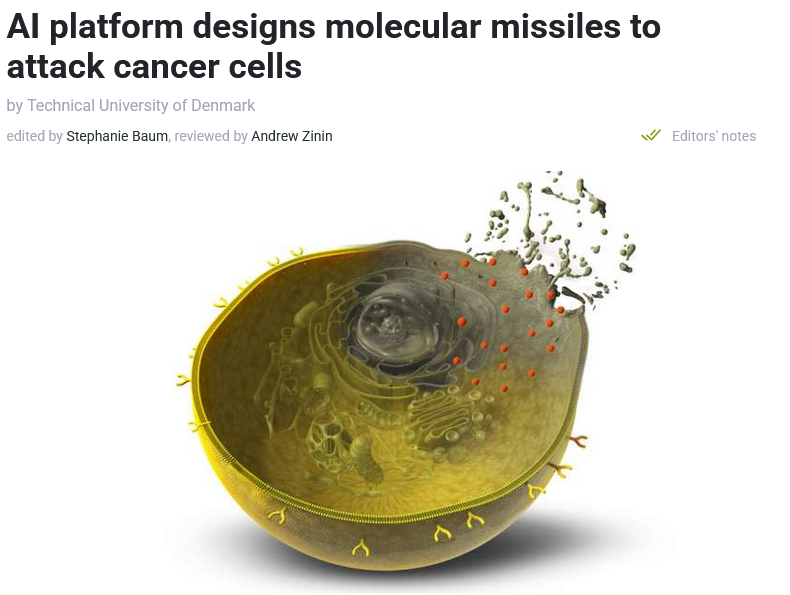
Another Huge, insane cancer Breakthrough
A new AI based method can produce specially designed proteins in just a few weeks that can arm the T cells in the body's immune system to attack and kill cancer cells
Researchers from the Technical University of Denmark and the Scripps Research Institute have developed an advanced AI platform that rapidly designs protein based therapies to arm a patient's immune system against cancer, a major leap in precision medicine.
Published in Science, the study shows for the first time that it’s possible to design proteins entirely in a computer to redirect T cells toward cancer cells via pMHC molecules, reducing the discovery timeline from YEARS! to just 4–6 weeks.
Using this method, the team created “IMPAC-T” cells, engineered T cells that successfully killed cancer cells in lab tests.
One key example was a protein targeting NY-ESO-1, a marker found in many cancers. The platform also proved effective in designing custom treatments for a melanoma patient, demonstrating its potential for personalized therapies.
The innovation includes a virtual safety screening, allowing scientists to predict and eliminate dangerous side effects before lab testing.
24
159
911
47,270
Timothy Jenkins retweeted

25 Jul 2025
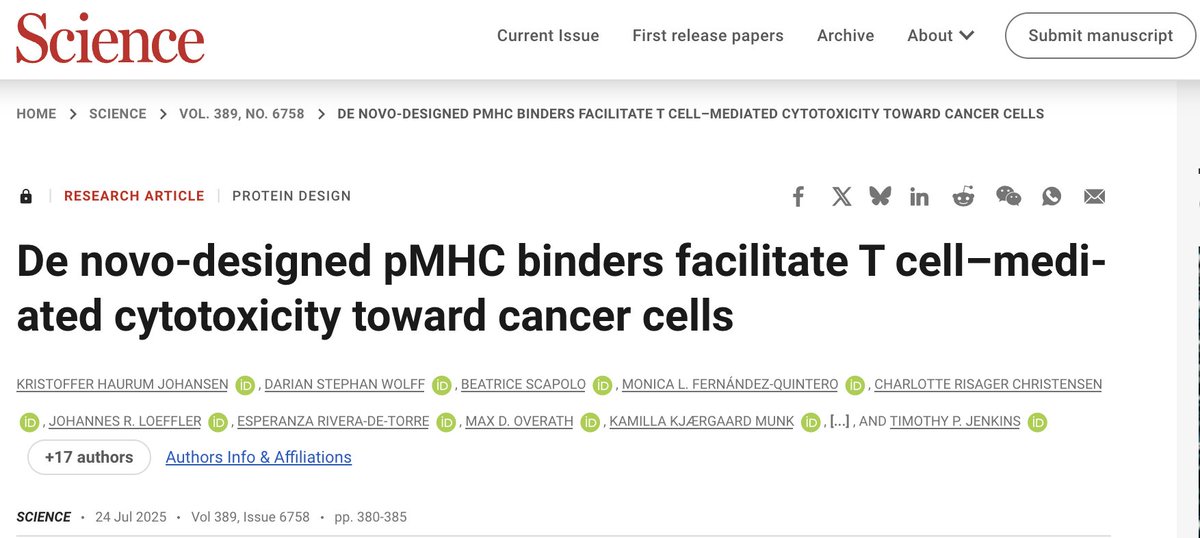
De Novo-Designed pMHC Binders Facilitate T Cell–Mediated Cytotoxicity Toward Cancer Cells @ScienceMagazine
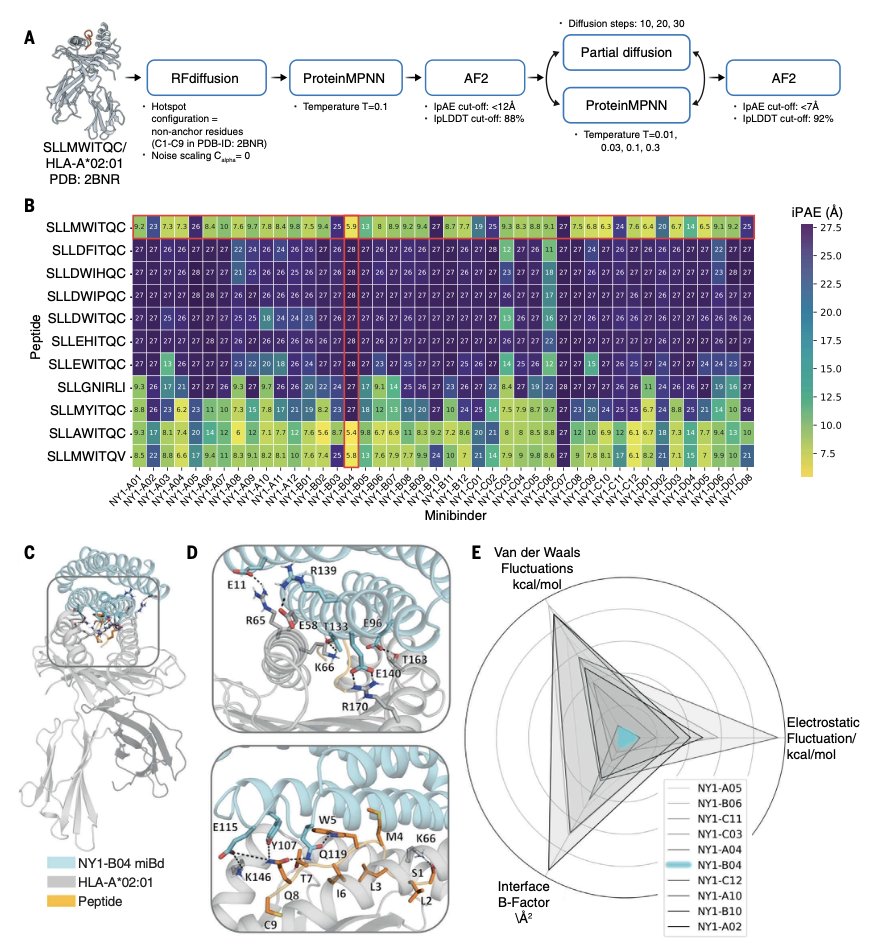
1. A groundbreaking study presents a rapid de novo design platform for minibinders (miBds) targeting cancer-associated peptide-bound major histocompatibility complex (pMHC) using advanced generative models, achieving high-affinity binding and T cell-mediated cytotoxicity against cancer cells.
2. The platform leverages in silico cross-panning and molecular dynamics simulations to enhance specificity and predictability of miBds, significantly improving the success rate of identifying binders compared to traditional methods.
3. A high-affinity binder targeting the NY-ESO-1 antigen was identified and validated through cryo-electron microscopy, demonstrating its potential for precision immunotherapy when incorporated into chimeric antigen receptors (CARs).
4. The study also successfully designed and validated binders for a neoantigen pMHC complex with an unknown structure, showcasing the platform's applicability to personalized cancer therapy.
5. The computational pipeline, including RFdiffusion, ProteinMPNN, and AlphaFold2, enables efficient and accurate design of miBds, with a success rate of 10% for ultrahigh target affinity binders, highlighting the potential for rapid therapeutic discovery.
6. The findings suggest that this approach could be transformative for targeting viral antigens and autoimmune diseases, in addition to cancer, by providing a versatile and precise method for pMHC targeting.
@TimothyPJenkins
📜Paper: science.org/doi/10.1126/scie…
#ProteinDesign #CancerTherapy #Immunotherapy #ComputationalBiology #PersonalizedMedicine
1
9
76
7,167
Timothy Jenkins retweeted

24 Jul 2025
Thrilled to share our new paper in @ScienceMagazine! 💥
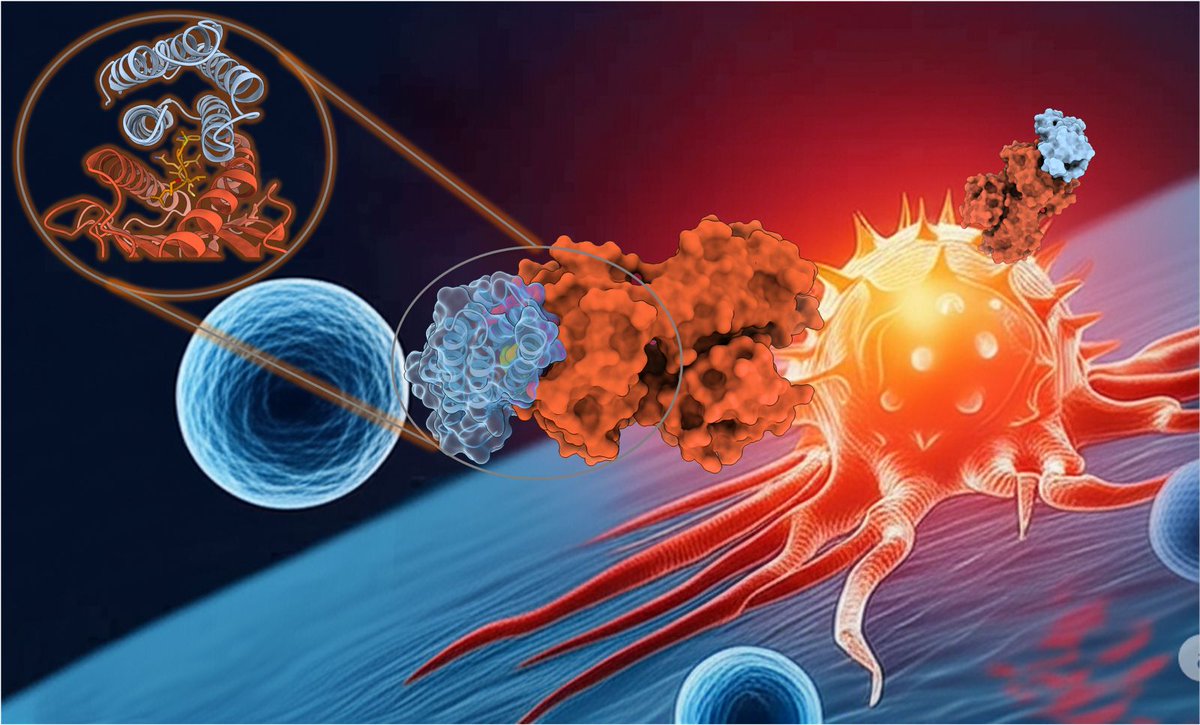
We developed a computational platform to design tiny 'minibinders' from scratch that can guide T cells to kill cancer cells. This is proof-of-concept for targeting intracellular cancer antigens with a new modality! 🎯
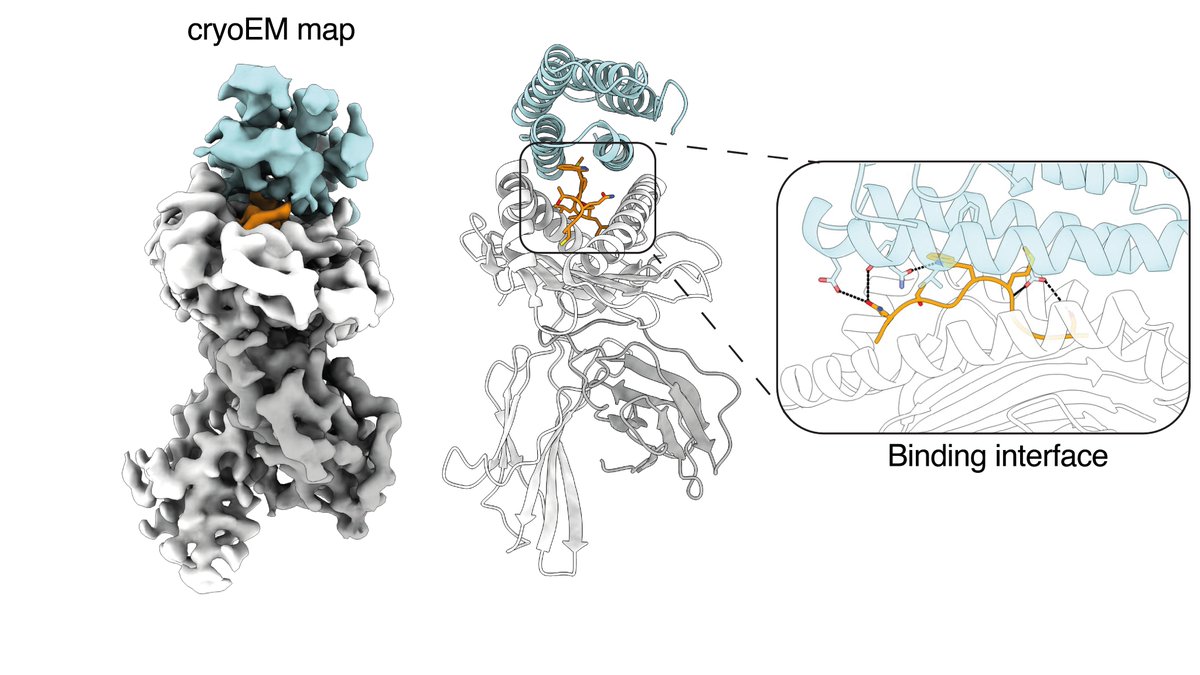
ALT CryoEM map of NY-ESO-1/HLA-A*02:01-bound minibinder
5
48
279
21,763
24 Jul 2025
Thrilled to announce our paper, "De novo-designed pMHC binders facilitate T cell-mediated cytotoxicity toward cancer cells," is officially out in @ScienceMagazine!
We used generative AI to build a 'GPS' for immune cells to hunt cancer.
Read it here: doi.org/10.1126/science.adv0…
7
42
209
38,184
24 Jul 2025
This was a monumental team effort bringing together immunology, computational biology, and structural biology.
A huge congratulations to the incredible teams at @DTU_HealthTech, @DTUbioengineer, & @scrippsresearch and to all my brilliant co-authors, especially @KrisHaurum.
1
6
292
24 Jul 2025
We believe this approach can accelerate the development of safer, more effective immunotherapies for patients.
And a special thank you to the talented @moonii1020 & @Joe_r_loeffler for the stunning graphic! 🎨
#CancerResearch #Immunotherapy #AI
4
258
16 Jul 2025
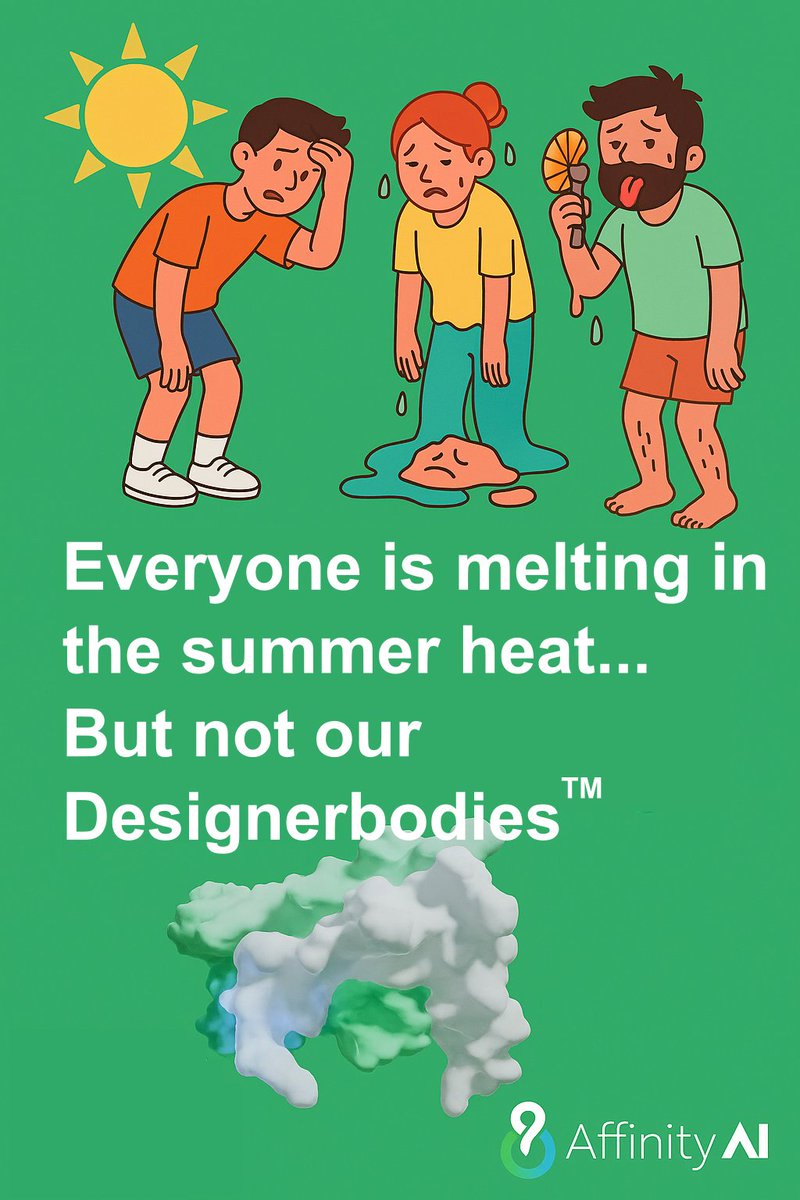
While I’m bouncing between emails and desperately waiting for my holiday, it’s good to know at least something in the lab is holding it together
Thermal stability might not be glamorous, but it’s underrated
Designerbodies: even when things get heated, still doing their job ;)
16 Jul 2025

Whether you're on holiday 🏖️ or still in the lab 🧪 trying to keep cool, at least one thing isn't melting: our DesignerBodies.
Generatively designed. Thermally stable ❄️ Reliable reagents that don’t need a break 💪
#ProteinDesign #AI #Biotech
1
235
Timothy Jenkins retweeted

26 Jun 2025
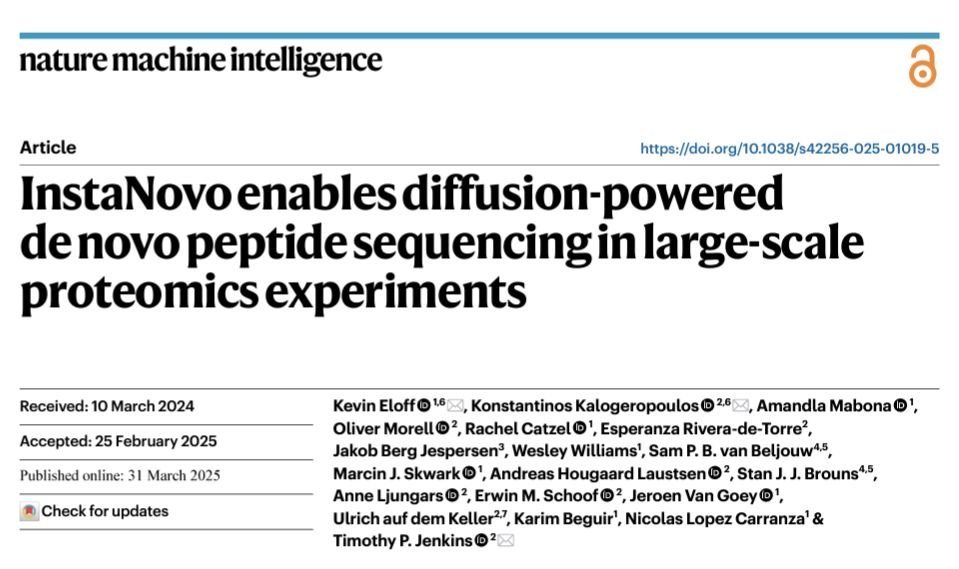
🧬 In March, we published our research for InstaNovo and InstaNovo in @NatMachIntell, our diffusion-powered ‘de novo’ peptide sequencing models built to uncover the secrets of the human proteome.
bit.ly/3XBeJFh
1
2
4
219
Timothy Jenkins retweeted
26 Jun 2025
📆 Six months, four publications, one cover.
We’re halfway through the year and InstaDeep research is powering ahead with multiple boundary-pushing papers published in the @NaturePortfolio!
Catch up on the highlights below 🔽
2
4
10
2,880
11 Jun 2025
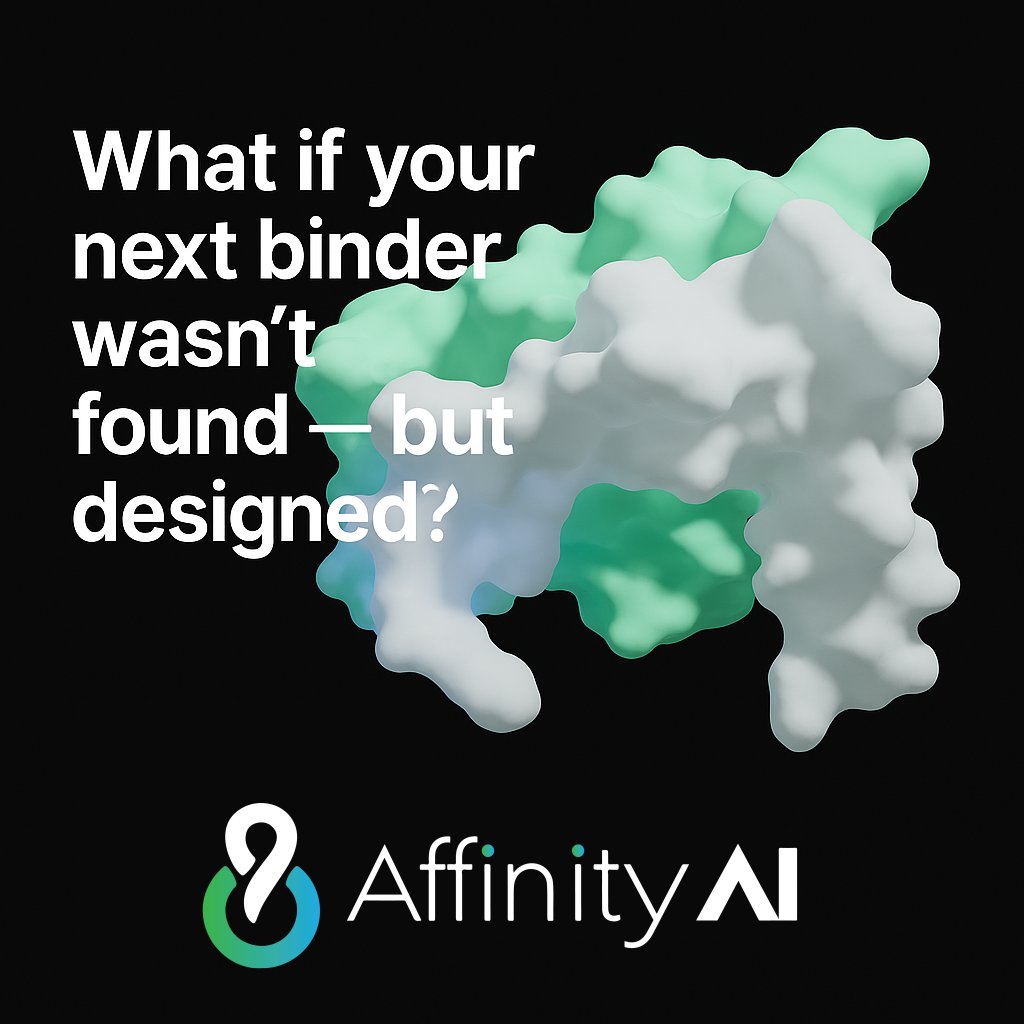
At @affinityaibio we’re moving from “finders keepers” to “designers binders”, one generative model at a time.
If you could have a binder to anything, what would it be?
(Proteins, obscure signalling pathways, that one reviewer who never gets back to you…;)
11 Jun 2025
We’re rethinking what a binding reagent can be.
Most antibodies weren’t designed, they were discovered. At AffinityAI, we’re flipping that logic: we build binders from first principles, guided by generative AI.
What targets would you be interested in having a binder to?
1
189
Timothy Jenkins retweeted

2 Jun 2025
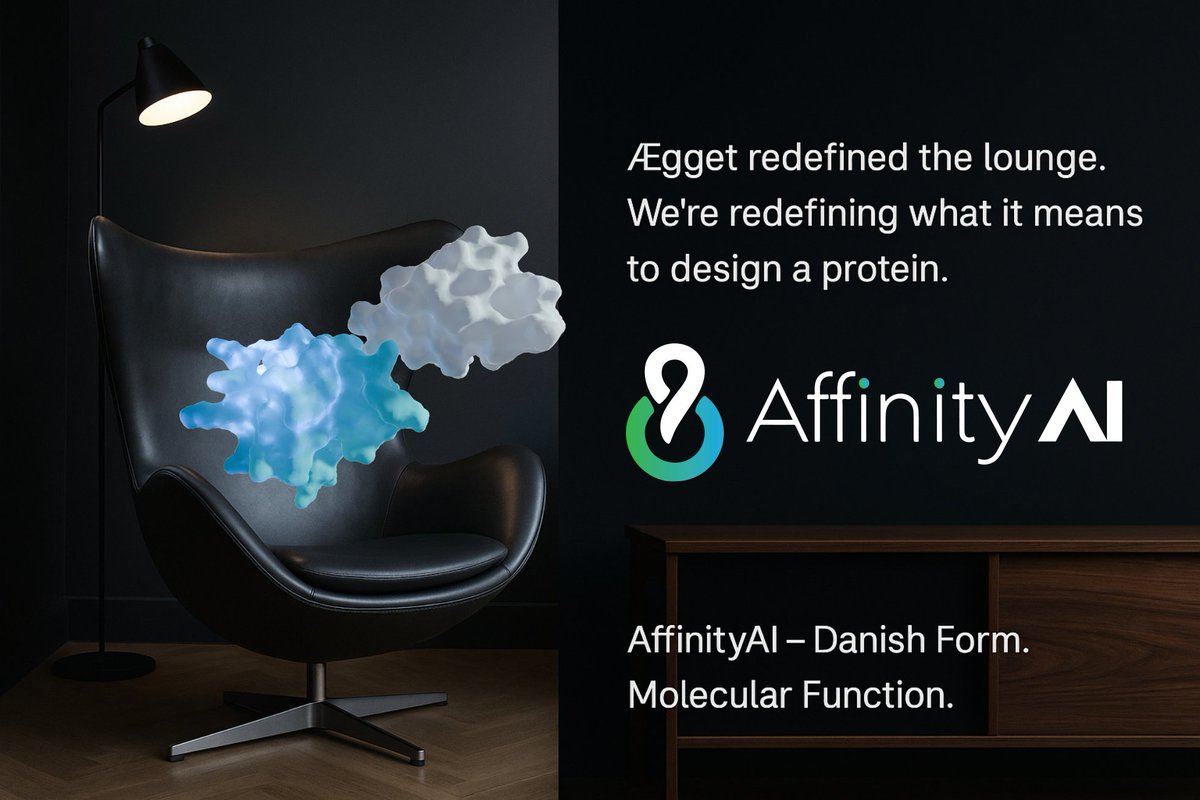
At AffinityAI, we combine Danish design sensibilities with precision molecular engineering. Elegant. Efficient. Engineered to bind.
🧬 Discover how we’re reshaping molecular function:
affinityai.bio
1
1
120
30 May 2025
We focus on our new Nature Machine Intelligence paper introducing InstaNovo, a transformer model for de novo peptide sequencing from mass spectrometry. No reference database needed.
📄 nature.com/articles/s42256-0…
1
3
91
30 May 2025
💡 Curious about:
– How generative AI is transforming protein research?
– Why mass spec is such a rich (but messy) playground for AI?
– What it takes to go from spectrum to sequence to structure?
Give it a listen 🎧👇
1
69
30 May 2025
Huge thanks to Anders Høeg Nissen for the great conversation and to the brilliant team behind InstaNovo, especially @InstaDeepAI and @DTUBioengineering.
#AI #ProteinDesign #MassSpectrometry #deNovoSequencing #MachineLearning #NatureMI #InstaNovo #DTU #DigitalBiotechLab
1
89
30 May 2025
🎧 Had the pleasure of joining Anders Høeg Nissen on the AI Denmark Podcast to talk about how we’re using AI to crack the protein code 🧬
Catch my segment from 9:30 (and yes — it’s in English 😉)
🎙️ open.spotify.com/episode/4g3…
1
2
139
16 May 2025
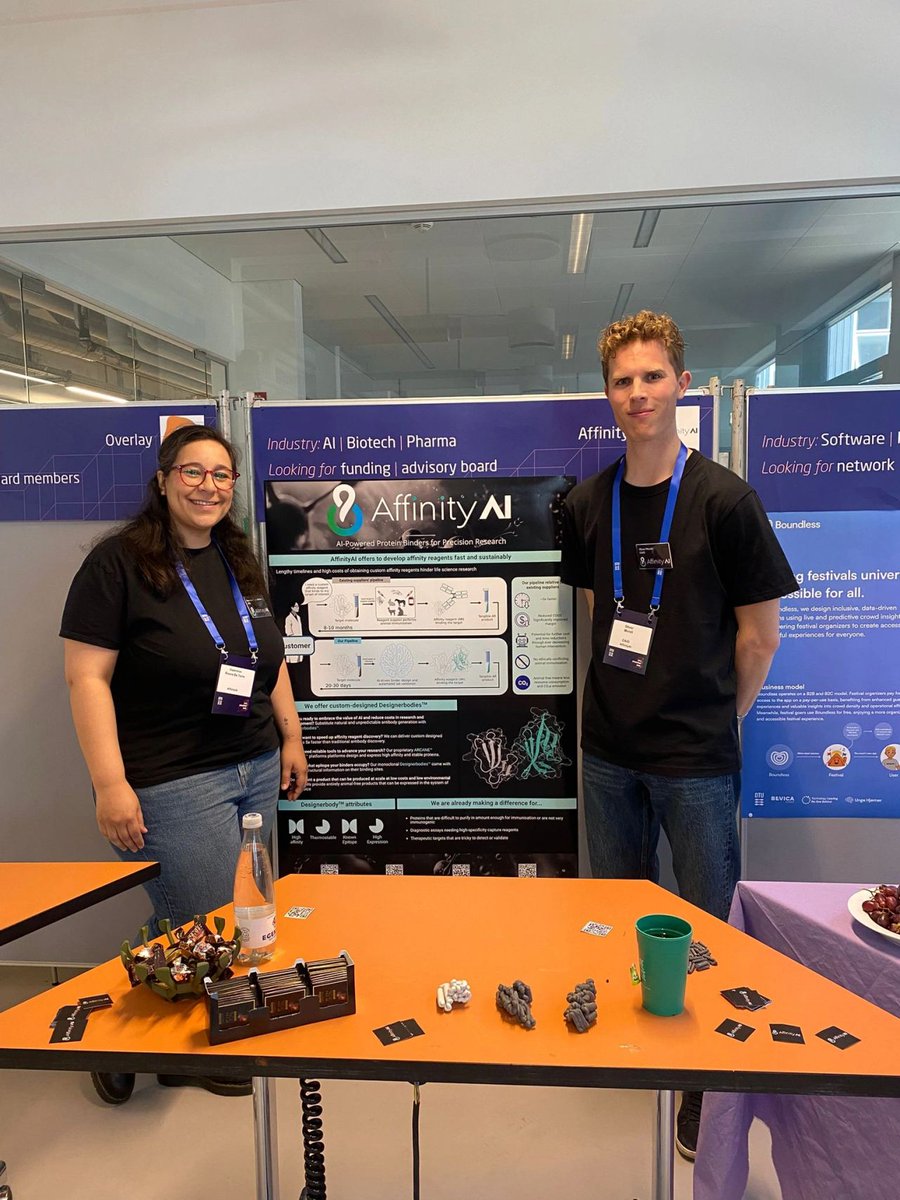
Great to see AffinityAI represented by @esperdet and Oliver Morell at the @DTUtweet Startup Day 💪
Lots of interest in what we’re building, especially the fact that we deliver #real #reagents rather than just #AI predictions.
Excited for what's to come!
@DTUSkylab
16 May 2025
Great energy at @DTUtweet Startup Day 🎉
Big thanks to @DTUSkylab for bringing together researchers, investors, and innovators.
We had a blast sharing what we're building at AffinityAI.
#AffinityAI #DTUSkylab #StartupLife
1
163
Timothy Jenkins retweeted

15 May 2025
Excited to co-found and help lead @IMPRINTlabs—a focused effort to decode the immune system’s memory through cutting-edge computation and experimentation. Grateful to be on this journey with an exceptional team.
15 May 2025

🧵 Today, IMPRINT, a pioneering new nonprofit initiative, is announcing $15 million in philanthropic funding to advance our work to decode the body's immune memory and uncover the causes of chronic diseases.
imprint.org/press-release-ma…
With teams in Europe and North America, we are building experimental and machine learning tools to identify the hidden causes of and cures for chronic diseases that affect hundreds of millions of people worldwide.
The immune system is not just an army — it’s also an archive. IMPRINT aims to decode that archive using an innovative forensic immunology approach, enabling new diagnostics, treatments, and cures for conditions ranging from autoimmune disorders to mental illness.
#Immunology #Biotech #Biotechresearch
1
9
50
4,230