2D/3D Human/Animal Pose Estimation
Joined August 2024
- Tweets 20
- Following 153
- Followers 30
- Likes 327
4 Photos and videos
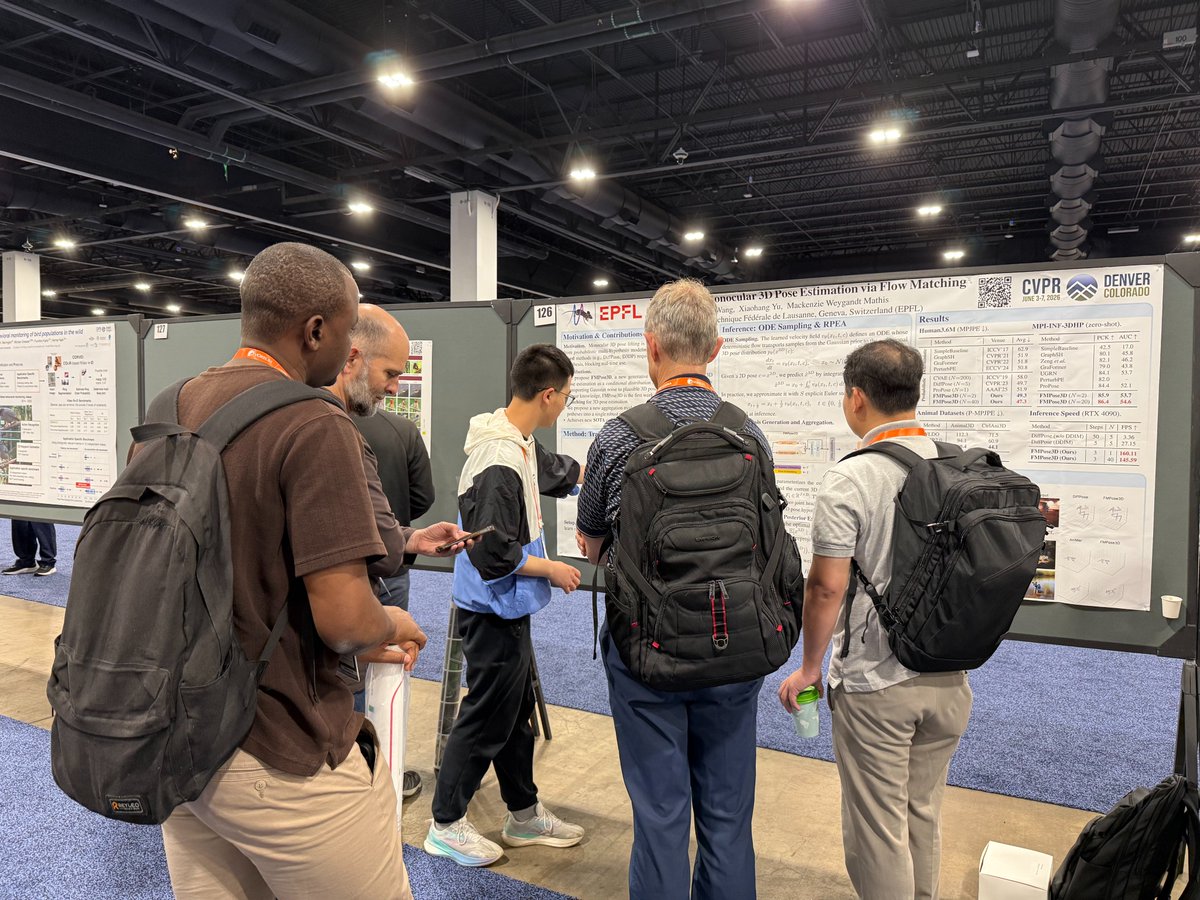
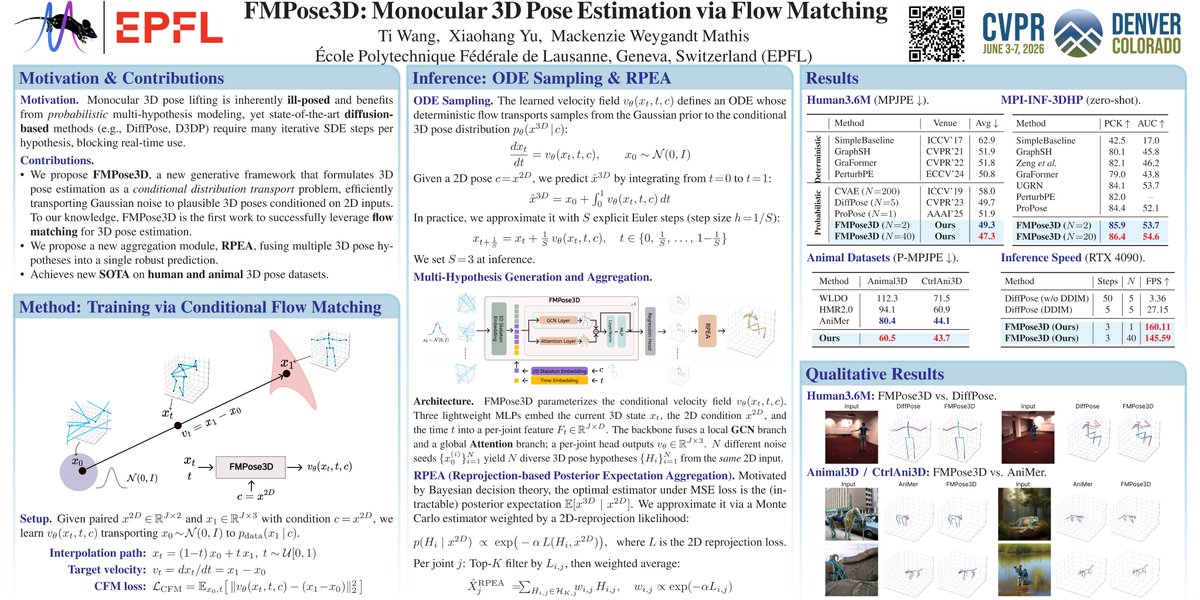
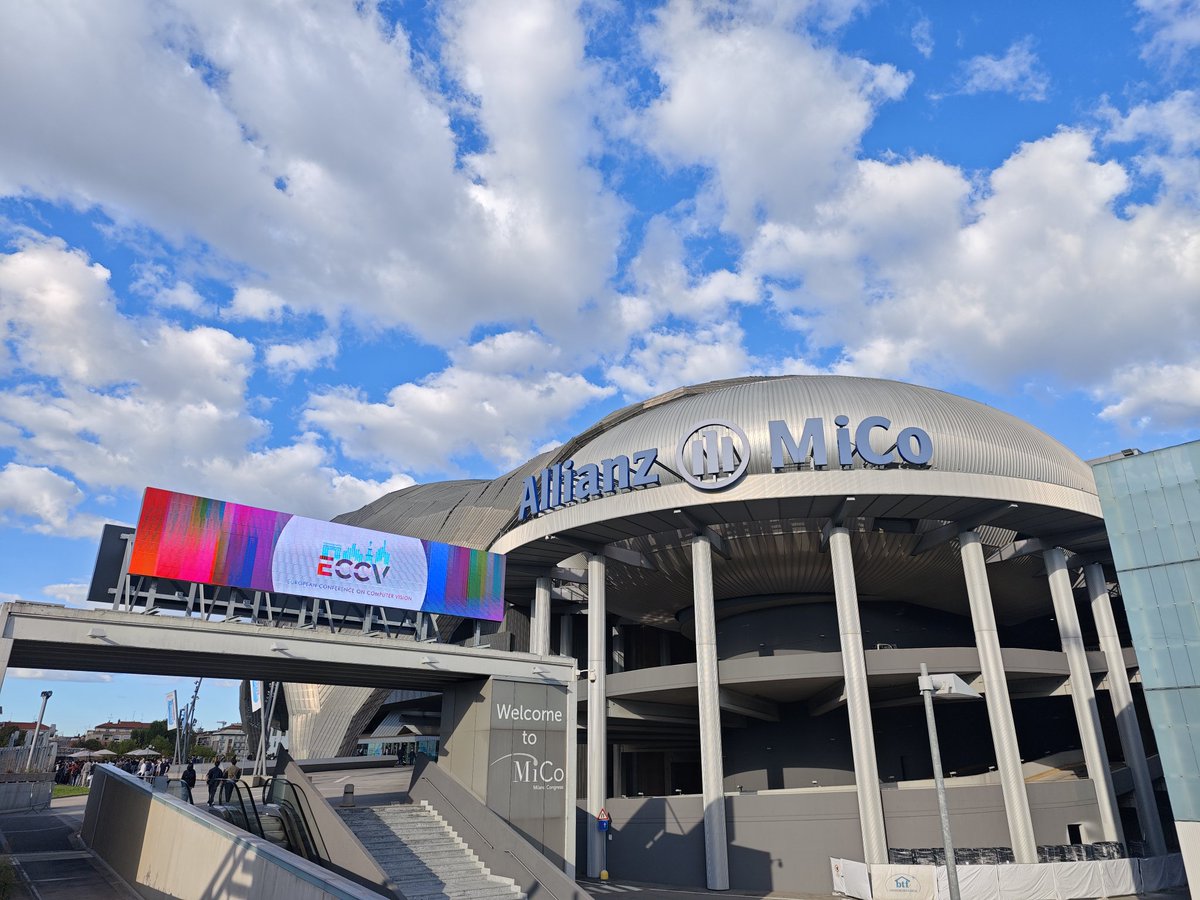

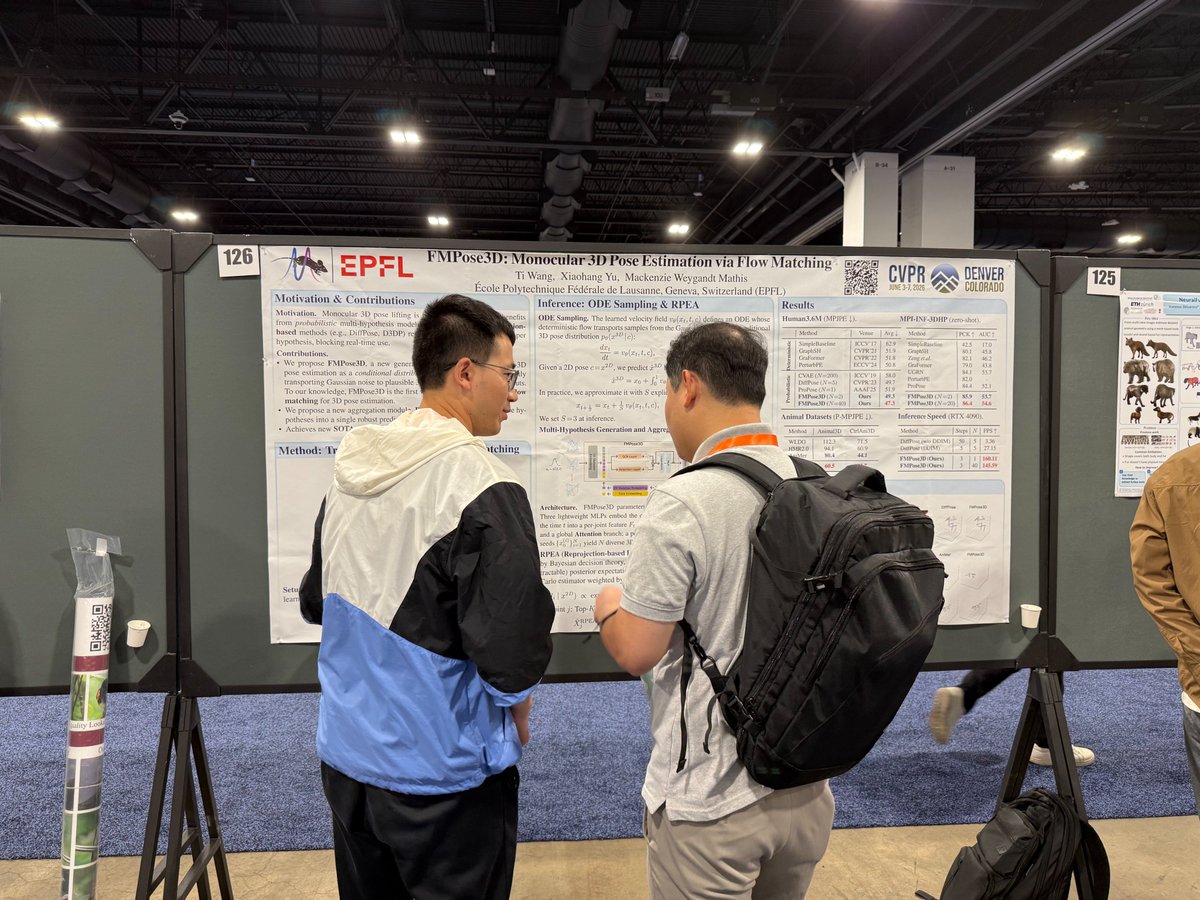
Our code is open source and available here: github.com/AdaptiveMotorCont…
You can easily use our pretrained model or train a new model on your own data. If you try it out, run into any issues, or have any suggestions, I’d really appreciate your feedback. Feel free to reach out!
37
Ti retweeted
🥳 New work from my lab (@MLabofAI) just dropped on @arxiv! Measuring the shape of an animal can be highly useful for biomedical applications and for avatars 😎
We introduce *PRIMA*:🔥SOTA 2D➡️3D animal shape by @xiaoyu912huang, @TiwangCS & I!
📝 arxiv.org/abs/2606.02366
1
13
69
4,489
Ti retweeted
🚨 ✨ New 3D pose estimation method from @mwmathislab! #FMPose3D allows for monocular (i.e. single camera) 2D ➡️ 3D 🔥
Led by @TiwangCS & w/@xiaoyu912huang #FMPose3D is SOTA on human & animal 3D benchmarks, & will be integrated into @DeepLabCut ⬇️👀
📝 arxiv.org/abs/2602.05755
6
42
320
30,493
Ti retweeted
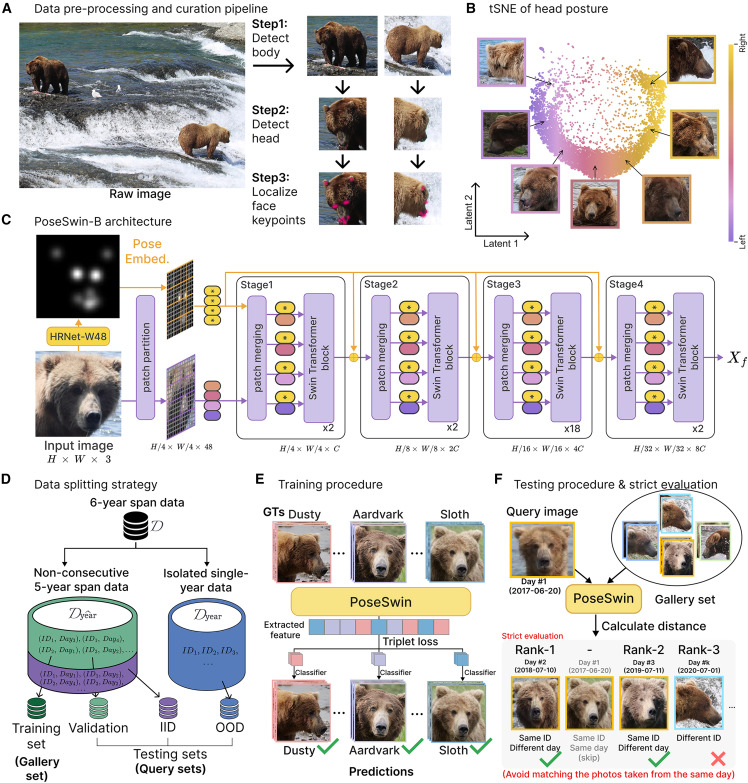
🐻 reID of unmarked Grizzly's in Alaskan wilderness from single images is a daunting task, but in our new work out in @CurrentBiology that is exactly what Beth Rosenberg & Mu Zhou & @TrackingPlumes! 🔥 Check out the work - many years in the making...
sciencedirect.com/science/ar…
1
6
20
1,873
Ti retweeted

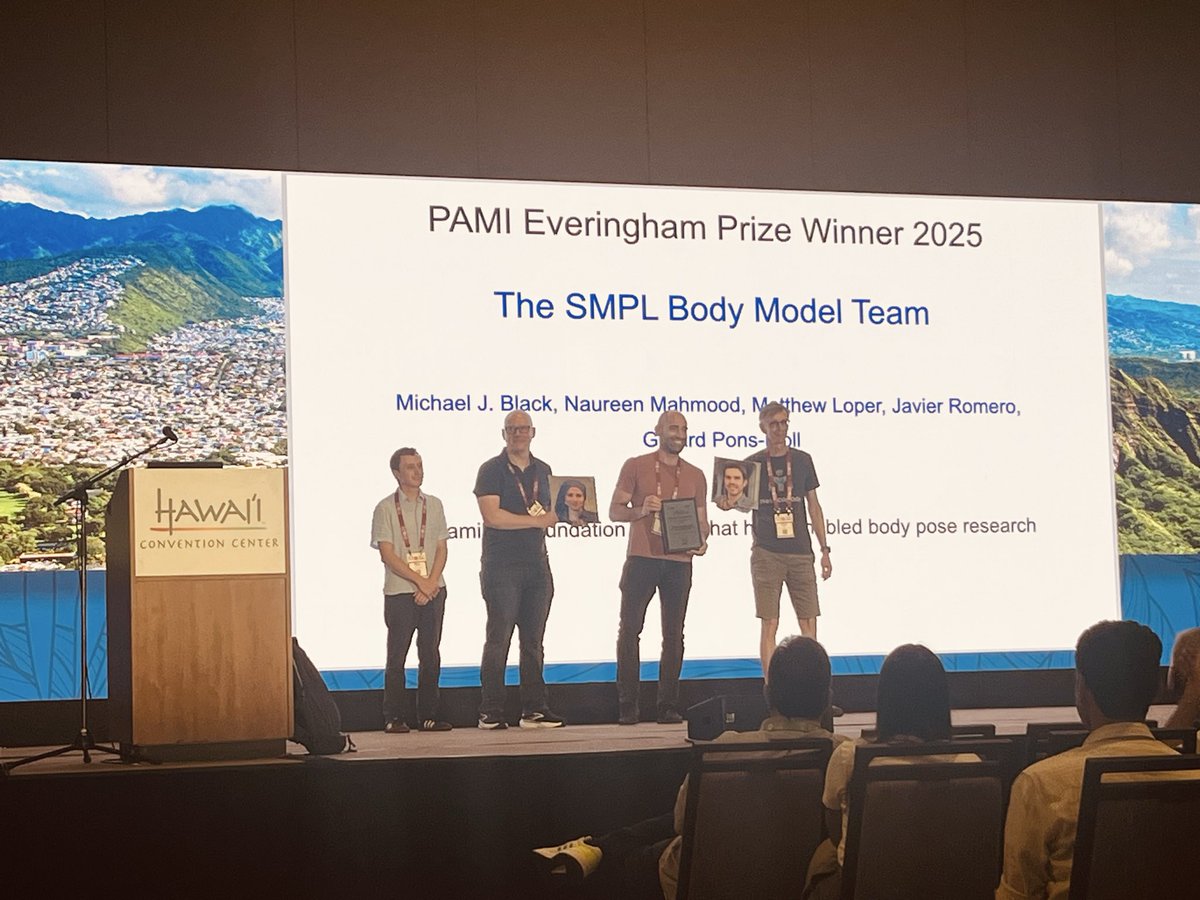
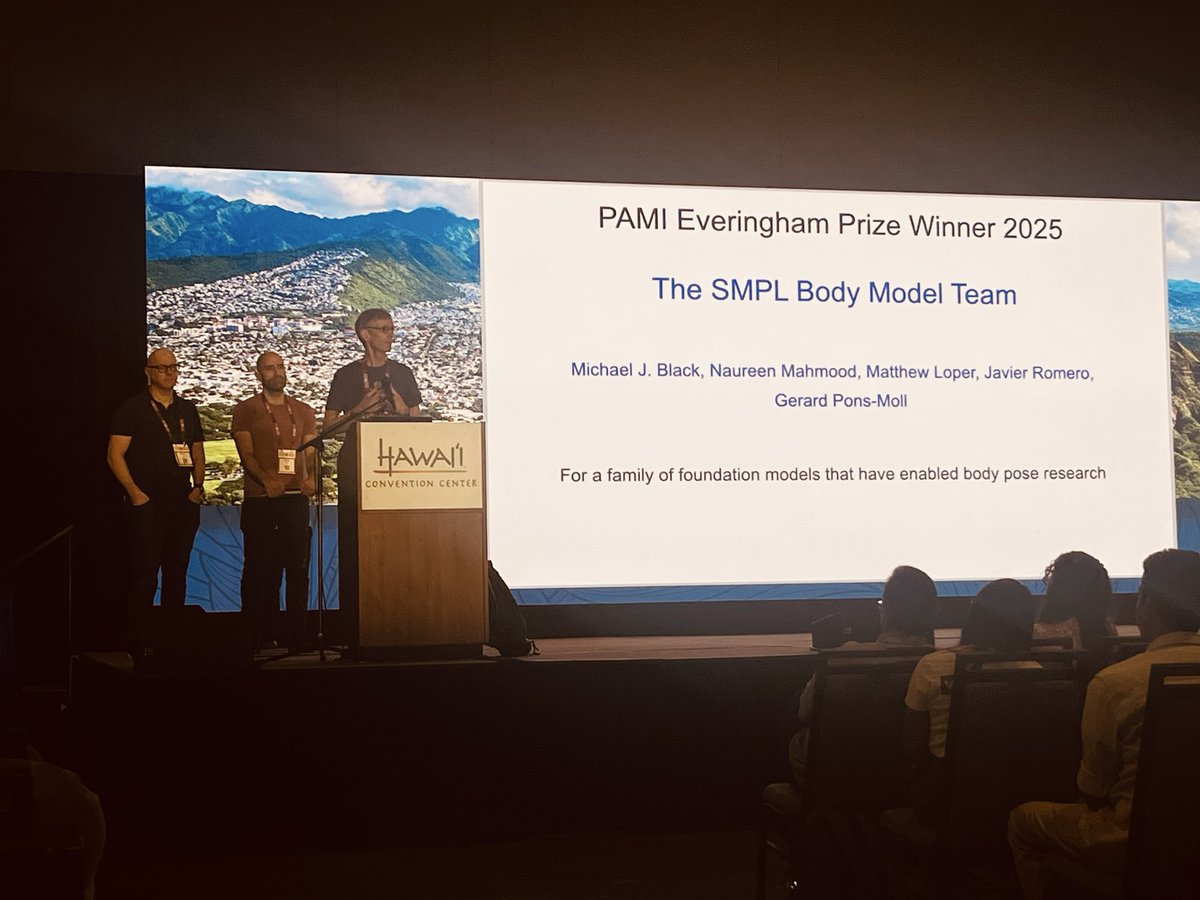
23 Oct 2025
The SMPL Body Model Team receiving the Everingham Prize Award
1
8
48
9,549
Ti retweeted

20 Oct 2025
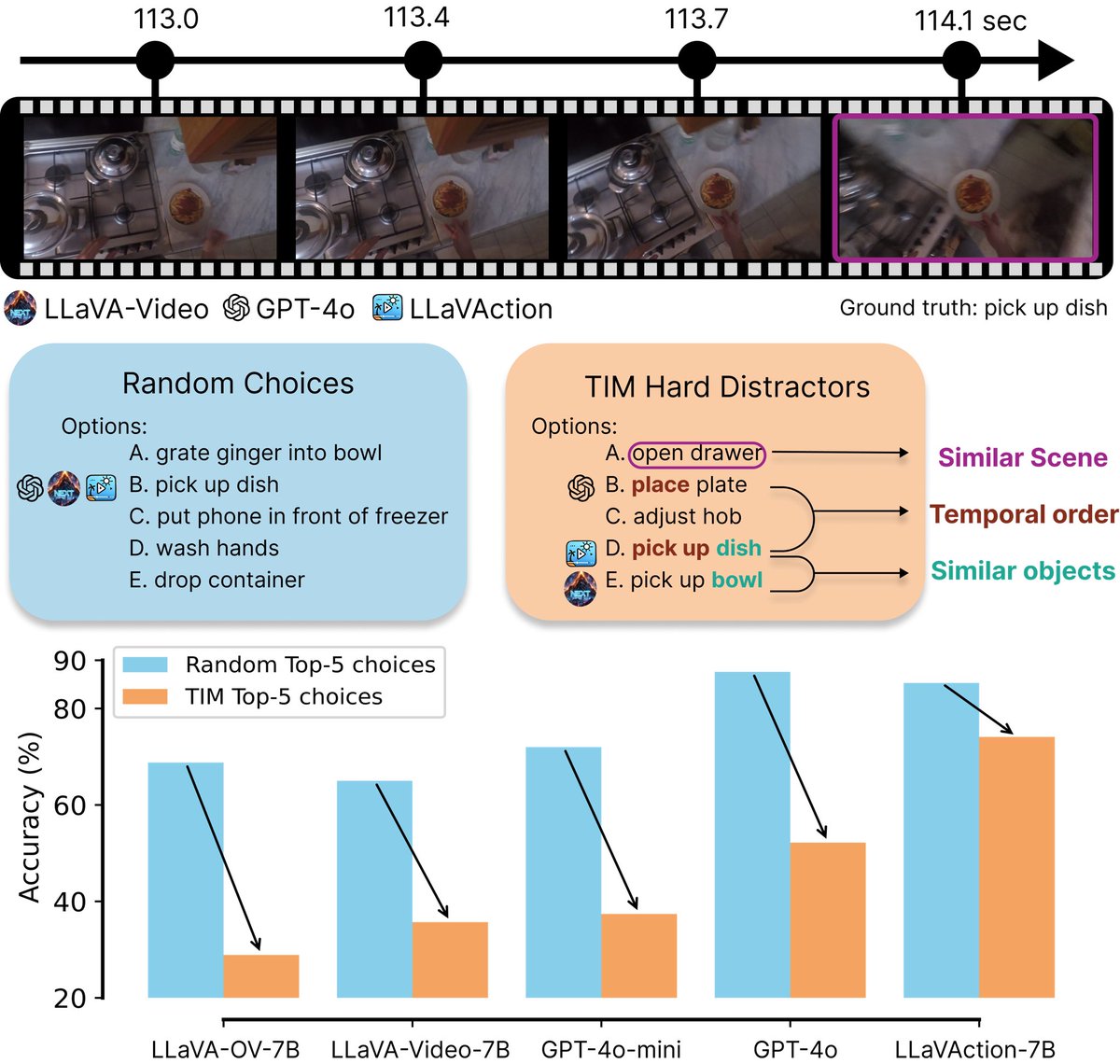
I was delighted to present our latest work at @ICCVConference OpenSun3D on both building evaluation methods for video models for action recognition, and introducing #LlaVAction🌴 - a SOTA egocentric video understanding model!
Project: llavaction.epfl.ch/
19 Oct 2025

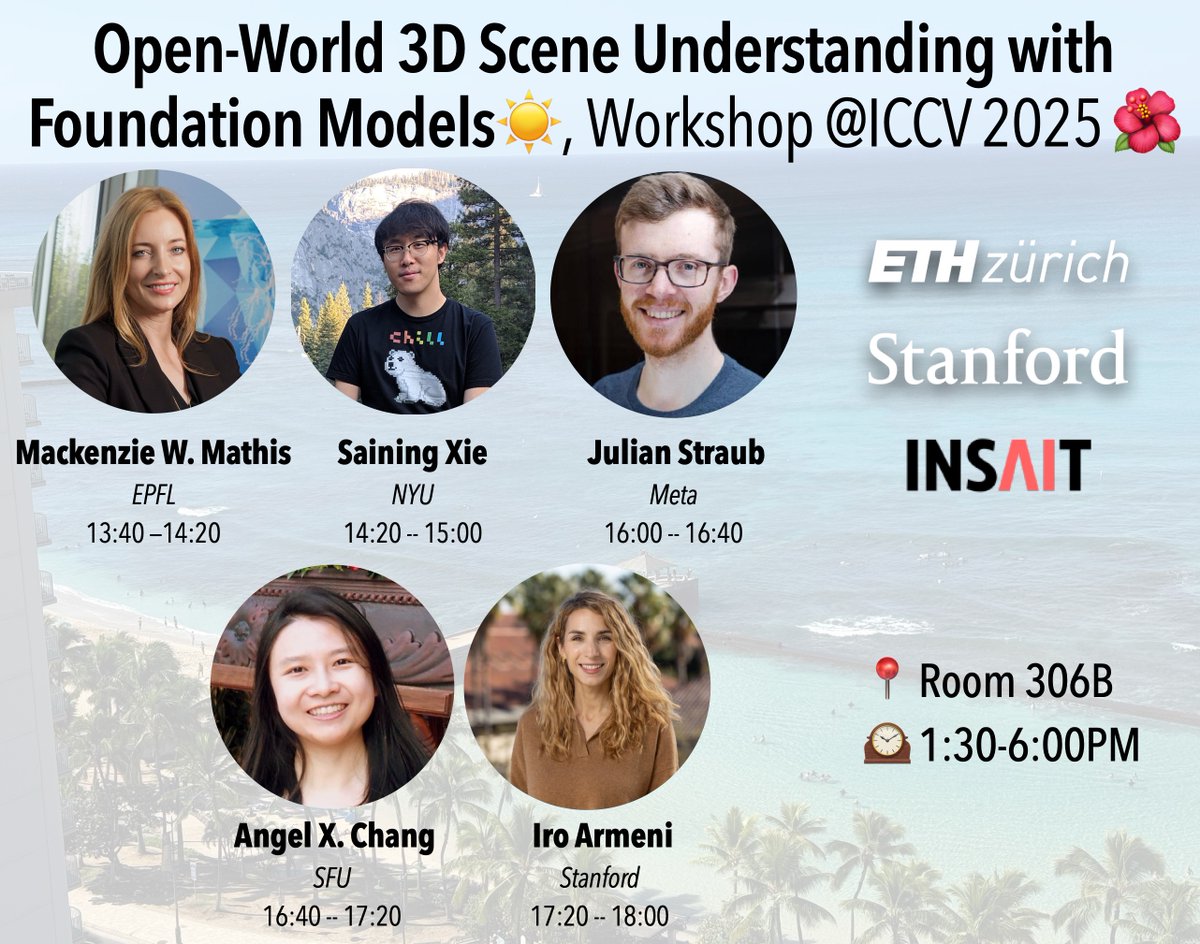
Join us this afternoon at our @ICCVConference workshop on Open-Vocabulary 3D Scene Understanding✨🌺 #OpenSUN3D #iccv2025
➡️ opensun3d.github.io
@FrancisEngelman @aycatakmaz @AlexDelitzas @mapo1 @TrackingActions @sainingxie @jstraub6 @ir0armeni
2
11
2,592
The demo is really cool! Theoretically, flow matching provides a more direct and efficient formulation compared to diffusion models.
19 May 2025

Flow matching produces smooth, deterministic trajectories.
In contrast, the sampling process of a diffusion model is chaotic, resembling the random motion of gas particles.
2
81

Heading to Hawaii🏝️for @ICCVConference ?
You definitely won't want to miss our workshop!
Interactive Human-centric Foundation Models!
⏰Oct 19 9:00 am - 5:15 pm
📍Room 317A
We have @Michael_J_Black @liuziwei7 Umar Iqbal, Yuan Zhou, Evonne Ng, @AilingZeng81332 Lan Xu @akanazawa

5
12
54
36,078
Ti retweeted

14 Jun 2025
We are hiring for a top research software engineer to join our #DeepLabCut dev team!
- do you want to contribute to a top CV package for life sciences? We are nearing 1M installations 🔥
- backend/frontend, git, python, torch exp. >2yrs req.
Reach out:
deeplabcut.org
6
16
2,338
A fantastic video for mastering Python decorators!😀
Python Decorators in 15 Minutes youtu.be/r7Dtus7N4pI?si=zpcn… 来自 @YouTube
1
89
Ti retweeted

22 Nov 2024
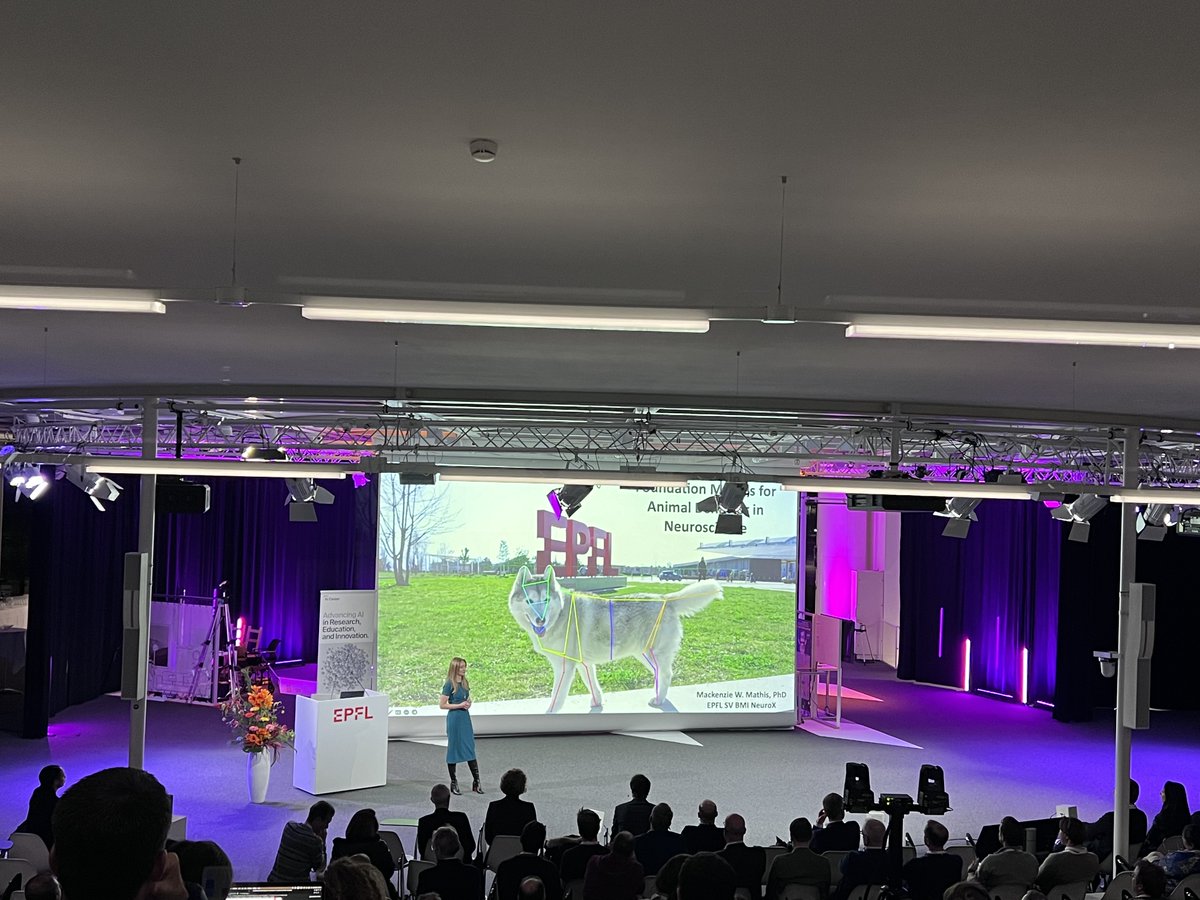
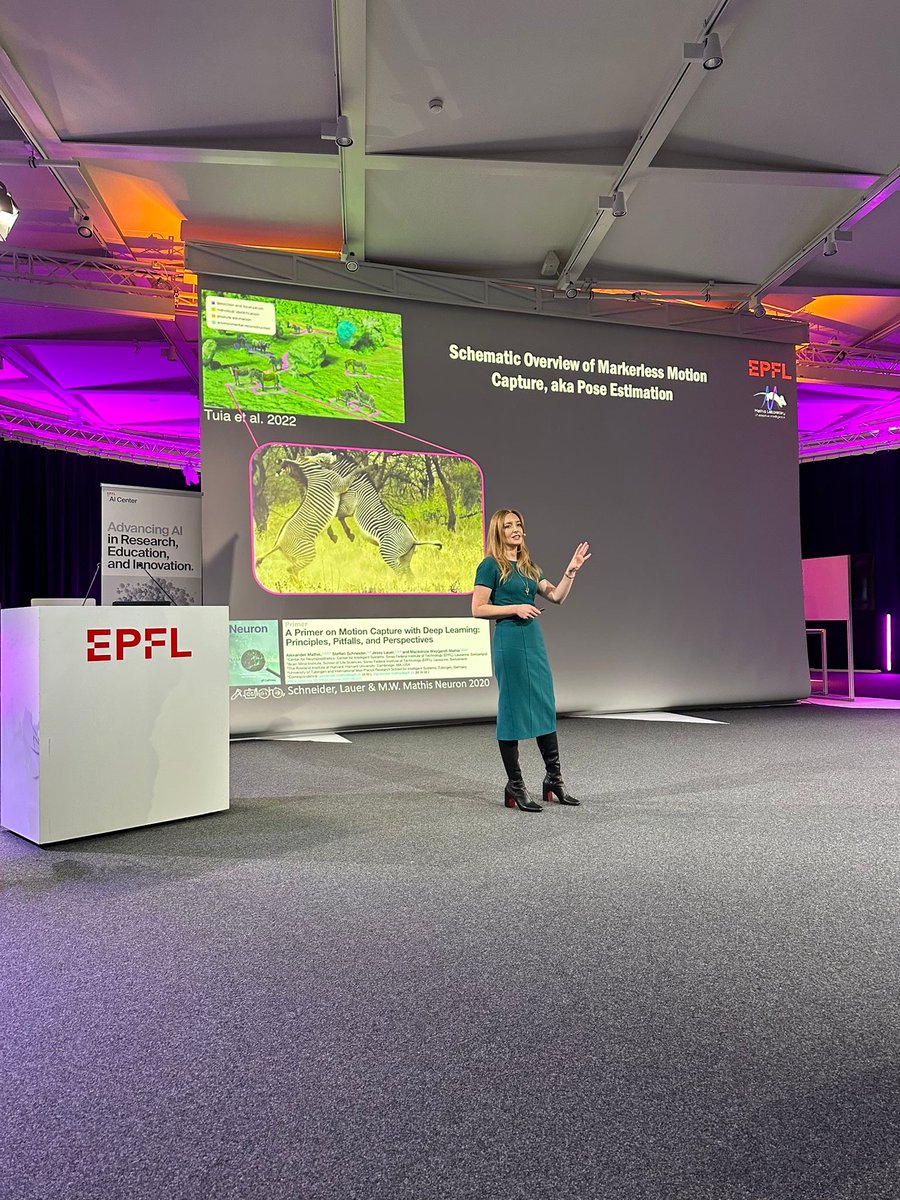
@TrackingActions showcased Superanimal, a single deep learning model detecting animal motion across many species and environments which can be used for animal conservation, biomedicine, and neuroscience research.
#AIforHeath #AiforthePlanet
2
11
5,809
Ti retweeted
16 Nov 2024
I’m happy to support an AI Fellow at EPFL in my group! ⬇️
Aside from our applied #AI4Science work, we are excited to push on fundamental problems in #ML
Here is some recent work: arxiv.org/abs/2410.10744 & sslneurips23.github.io/paper…
16 Nov 2024

Join one of the strongest communities in AI in Europe. Call for applications for postdoc fellowships in all AI-related areas. Sellection at the first stage is based on the excellence of the candidate. Deadline 29th November. More info at:
epfl.ch/research/funding/epf…
2
10
41
12,464
Ti retweeted

31 Oct 2024
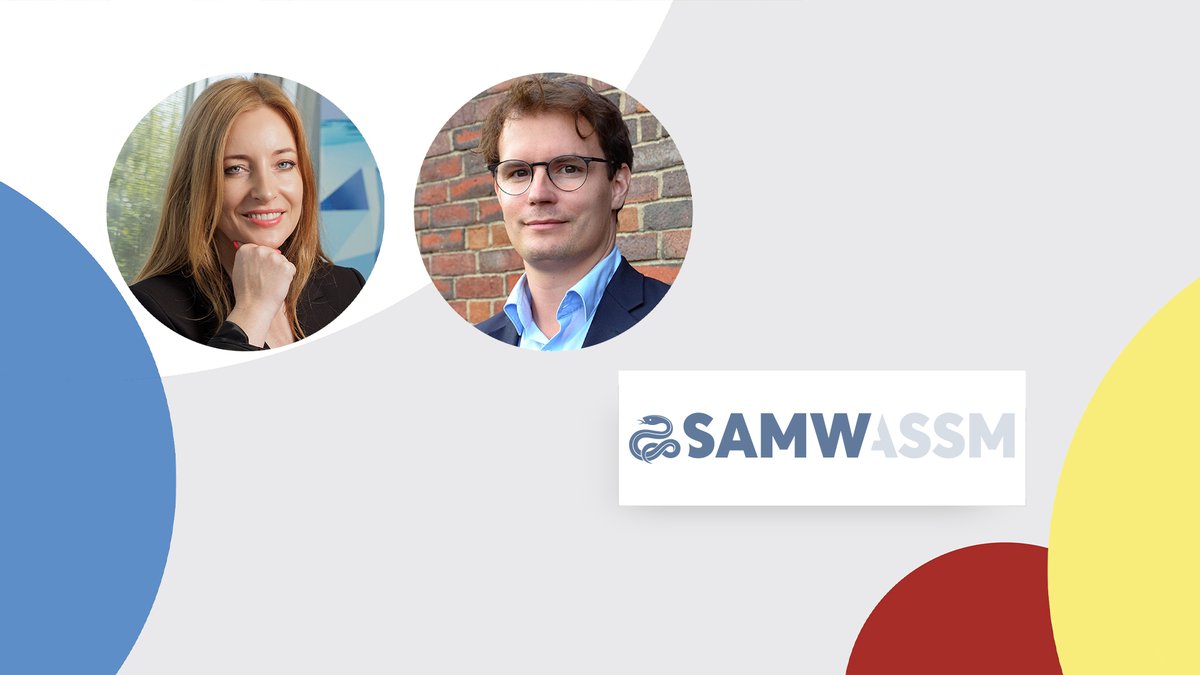
🥳🍾Alexander Mathis @TrackingPlumes and Mackenzie Mathis @TrackingActions the 2024 Robert Bing Prize, with Susanne Wegener @SuseWegener 🏆
actu.epfl.ch/news/mackenzie-…
6
20
5,397
Ti retweeted
30 Oct 2024
Job alert 🚨: I’m looking for a creative, ambitious, and dedicated postdoc to join me on this quest; so many exciting questions about how cortex and sub cortical structures (including spinal cord) drive adaptive motor control.
Large scale 2P (limited labs 🌎 have this tech), plus we have large scale Neuropixels tech (8 probes anyone?)… plus my lab has excellent computational students/postdocs and we work as a team 💪🚀
Please email me (CV & cover letter including why the line of work the paper outlines is a good fit with you profile).
20 Sep 2024

How does sensorimotor (S1/M1) cortex support adaptive motor control?
Come find out in our latest preprint, which spans the development of a full adult forelimb model physics simulations, neural-modeling for control, complex 🐭behavior 🕹️, large-scale imaging, and of course @DeepLabCut and @CEBRA!
We hypothesized that S1 supports motor learning by computing prediction errors. To tackle this, we needed to understand what is being represented, and no studies have reported what forelimb S1 represents during learning in mice🧠🐭. Moreover, this requires modeling the body🦾: kinematics, torques, force, muscle activations, & proprioception (muscle spindles & GTOs).
After our 7 year journey, we have an answer: S1 & M1 represent muscle-level features. During learning, computational motifs map to functional types (like muscle-encoding), and neural dynamics in S1 change & encode sensorimotor prediction errors!
biorxiv.org/content/10.1101/…
🧵👇
70
168
30,536
Ti retweeted
29 Oct 2024
🚀 DLC AI Residents call for 2025! This year, we are doing something a little different to support even more underrepresented individuals 🥰
We are having in-person workshops again 🙌, & we are taking the 2025 AI Residency on the Road! 🛤️
App open now!
deeplabcutairesidency.org/
1
12
44
7,831