The first tokenized RWA platform for U.S. oil & gas.
Joined October 2024
- Tweets 246
- Following 73
- Followers 576
- Likes 189
89 Photos and videos
Pinned Tweet

Feb 17
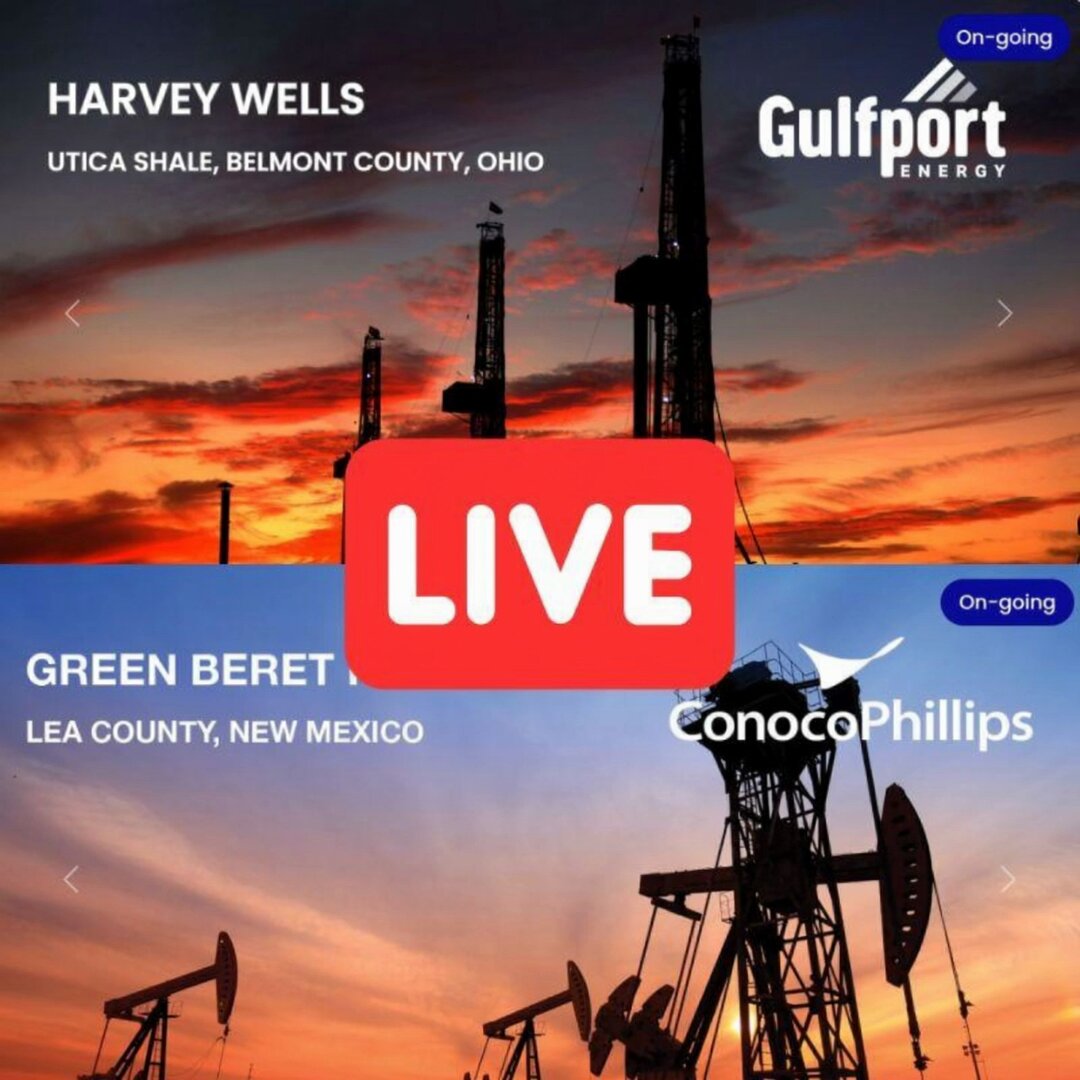
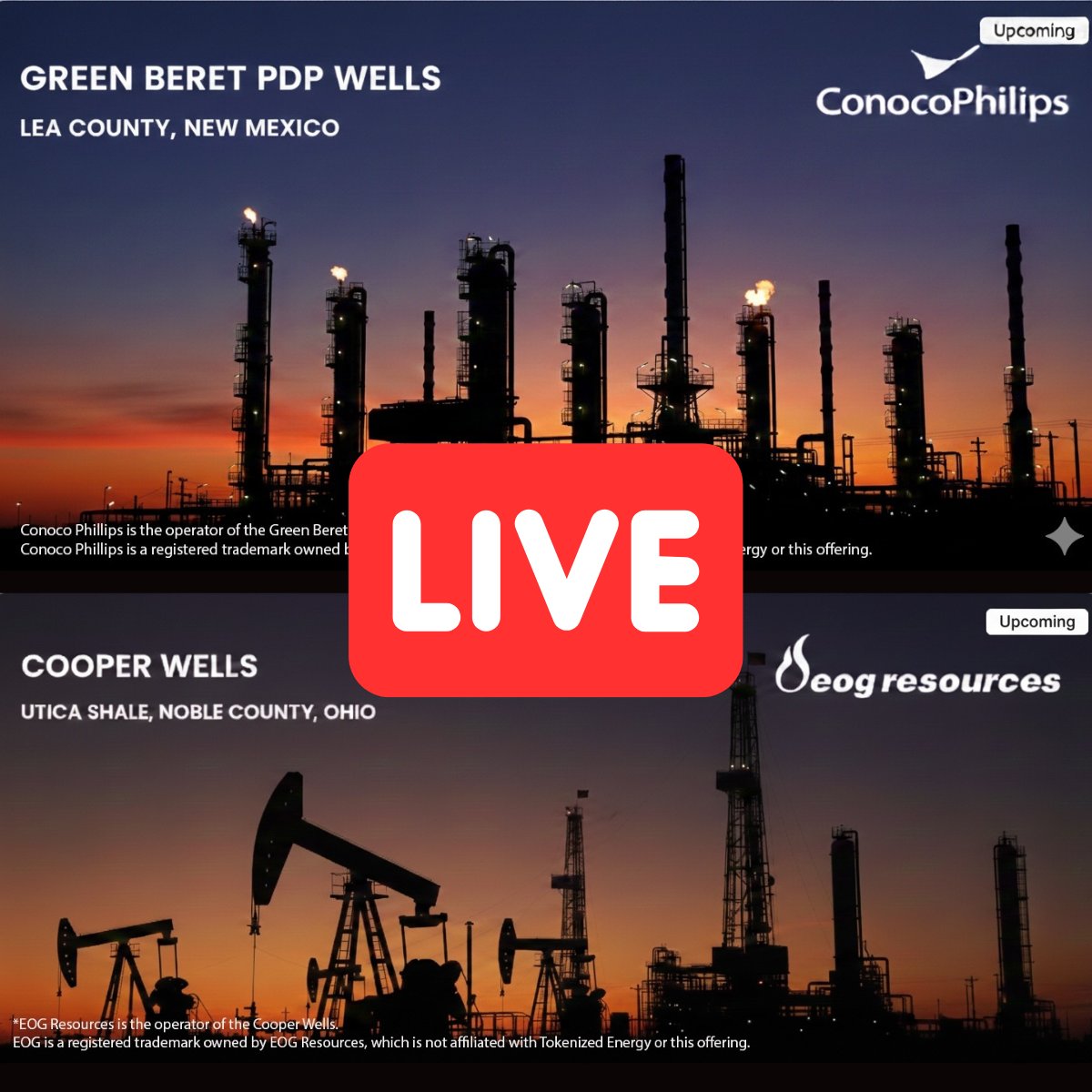
🚨 Two new energy opportunities just went live on Tokenized Energy and they sit at very different points of the asset lifecycle 🚨
1. Harvey Wells - Utica Shale (Ohio)
Non-operated working interests in two wells expected to be drilled in late Q2 by Gulfport Energy in Belmont County. Exposure to new development in one of the most active U.S. basins.
2. Green Beret Wells - Permian Basin (New Mexico)
Producing PDP wells operated by ConocoPhillips in Lea County. Already online. Already generating cash flow. A more de-risked profile with immediate distributions.
Both are now accessible digitally on one platform.
If you’re not registered yet, create an account to access current and upcoming offerings 👉 tokenizedenergy.com/
*ACCREDITED INVESTORS ONLY
29
3
54
3,050
Mar 31
1/ Tokenized Energy deal is a new RWA platform built on @base
We’re bringing U.S. oil & gas assets onchain, turning traditional ownership into digital equity issued directly to investor digital wallets.
Tokenized Energy integrates modern onchain infrastructure into energy markets, enabling fractional participation in professionally sourced U.S. oil & gas assets, including minerals, non-operated working interests and PDP assets.
12
10
75
33,532
Mar 31
3/ How it works
> Open an account and create your digital wallet
> Review available oil & gas investment opportunities
> the underlying oil & gas assets are held in a special purpose vehicle (SPV)
> Digital equity representing ownership in the SPV is delivered to your wallet
> Distributions of cash flow from production are sent digitally in USDC
1
10
1,067
Mar 31
4/ Why @base
Scaling real-world infrastructure requires affordable transactions and simple onboarding. Base provides a builder-friendly environment that makes bringing energy ownership onchain practical, accessible and cheap…..using a blockchain with a respected reputation fitting for an investment platform like Tokenized Energy.
Learn more: tokenizedenergy.com/
1
9
1,120
Mar 30
Tokenization is often dismissed as a trend.
We see it as a structural upgrade to how ownership works.
For U.S. oil & gas assets specifically, here's what that actually means:
> Cost efficiency. Fewer intermediaries means lower transaction costs and less administrative overhead, so more value reaches investors directly.
> Broader access. Energy deals have historically been reserved for well-connected networks. Fractional ownership, lower minimums, and 24/7 global availability change that equation.
> Real-time transparency. Ownership records, transaction history, and asset performance tracked onchain. The kind of clarity and auditability that traditional structures rarely offer.
> Liquidity potential. Energy assets have always been illiquid by nature. Tokenization lays the foundation for faster settlement and secondary market development over time.
Oil & gas investing has long been a closed, relationship-driven market.
Tokenization doesn't change the underlying assets. It modernizes the infrastructure around them - how ownership is recorded, managed, and transferred.
At Tokenized Energy, we see this as a natural evolution of private markets.
3
1
30
1,298
Mar 27
RT @txEcosystem: US oil and gas is going onchain with @TokenizedEnergy
Join @MikeMcC1uskey and @cbsimmonsjr6 live to discuss what tokenize…
80
Mar 26
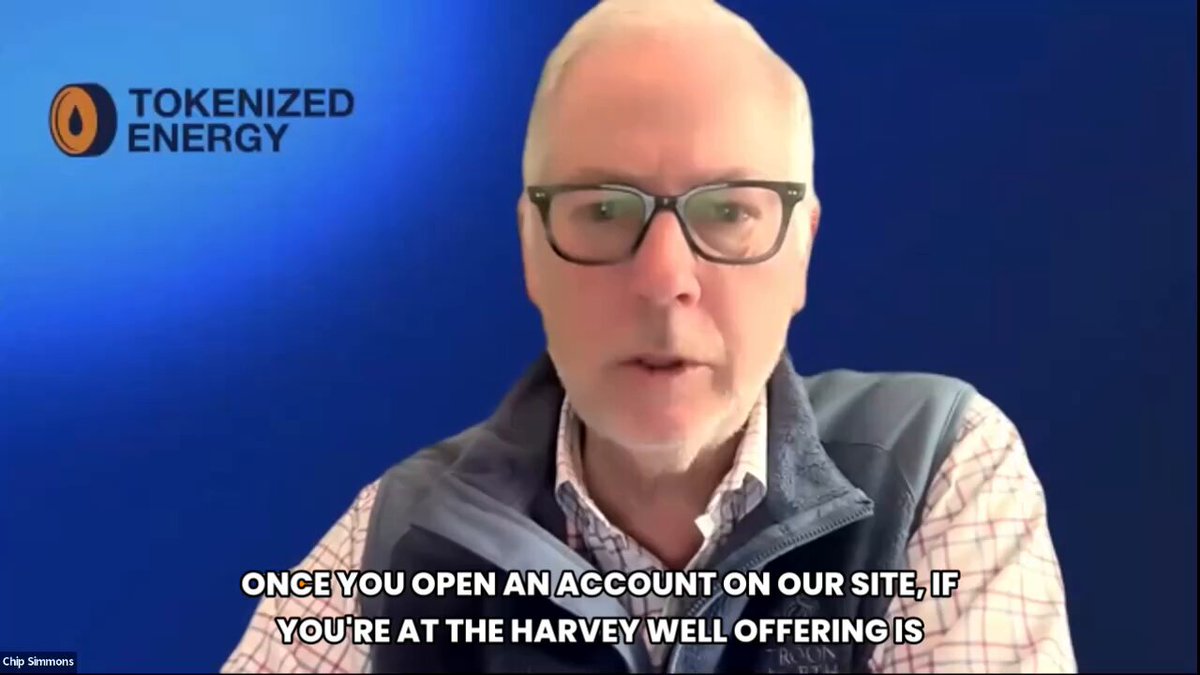
What does investing through Tokenized Energy experience actually look like?
In this walkthrough, our co-founder @cbsimmonsjr6 takes you inside the platform - from account view to live opportunities.
3
13
825
Mar 23
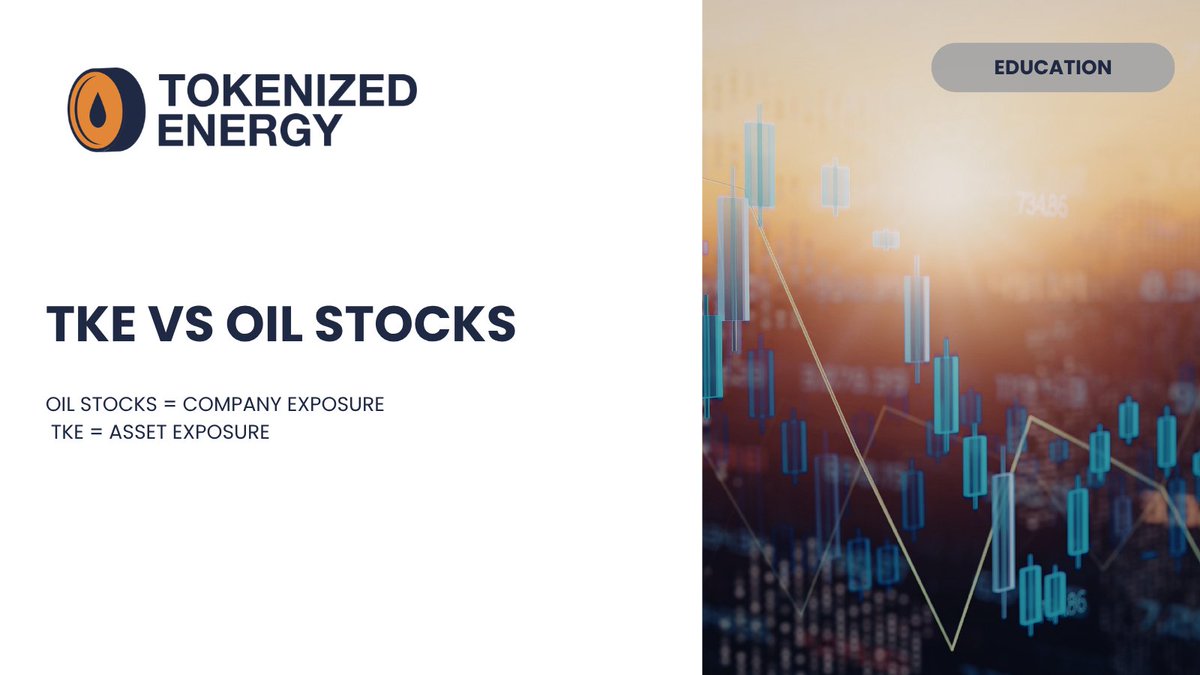
Oil stocks and oil assets are not the same investment - and the difference is bigger than most people realise.
Buying Exxon or Chevron means buying into a company: its management, its debt, its strategy, and how Wall Street feels about it that quarter. The actual assets are just one variable in a much bigger equation.
TKE gives you direct equity in the oil & gas assets themselves - through an SPV that legally holds those interests. Distributions come from actual production and cash flow, not earnings calls.
3
2
22
767
Mar 19
Ownership is evolving.
Paper → digital → onchain.
Tokenization is the next step and for commodities like oil & gas, it just makes sense.
We’re exited to building at the front of it.
4
2
23
723
Mar 18
Oil & gas investing has always been a closed circle.
Access came down to who you knew, not what you knew.
Tokenized Energy is changing the rules.
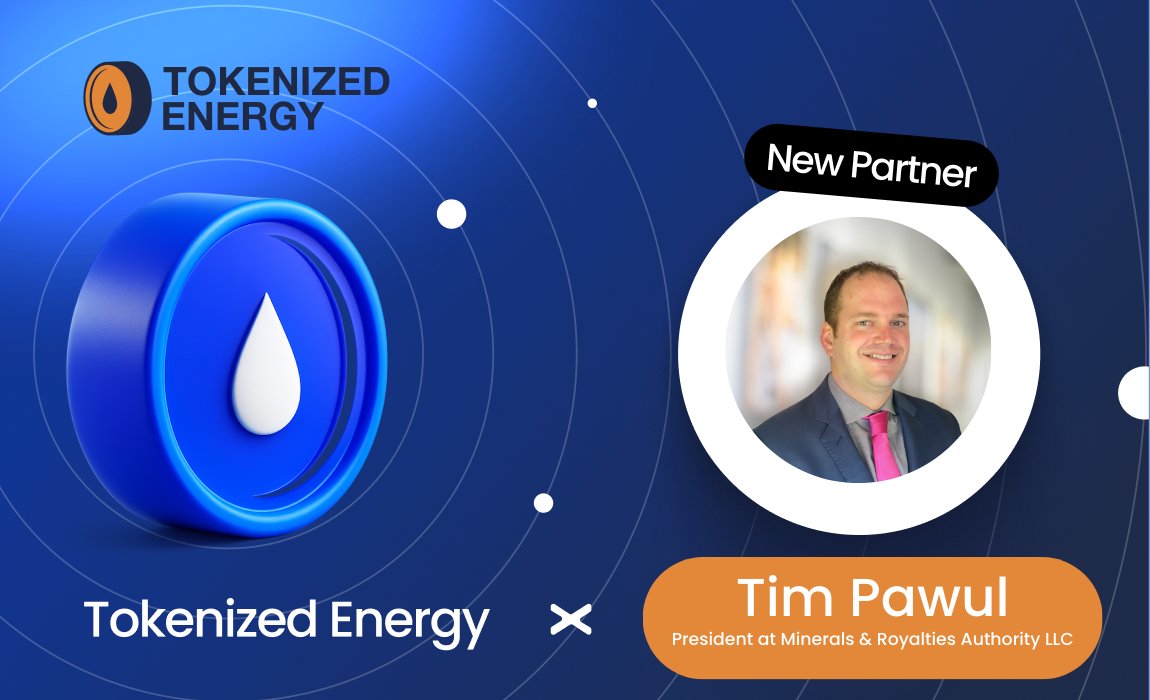
In this episode, TKE co-founders @adrian_dgo_tke & @cbsimmonsjr6 join Tim Pawul and @nimblephatty (Chuck Yates) to break down how tokenization opens access to real-world energy deals.
Thanks to @collide_ai and Big Digital Energy podcast for the conversation.
youtube.com/watch?v=HouE-sQi…
2
17
2,037
Mar 16
Our co-founder @cbsimmonsjr6 will be attending Digital Asset Summit 2026 in New York on March 24-26, hosted by @Blockworks.
If you're interested in the tokenization of U.S. oil and gas assets and how blockchain is opening access to energy investments, we’d love to connect.
See you at DAS.
1
3
18
928
Mar 13
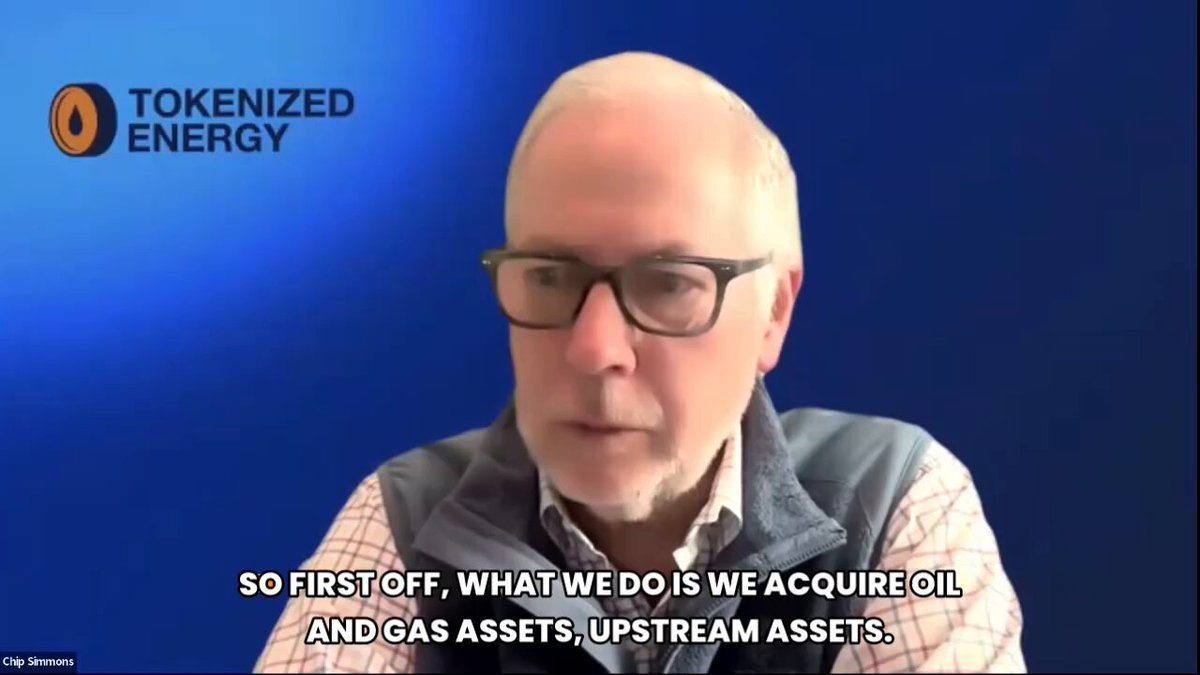
What does tokenizing an energy asset actually mean?
In this clip, Tokenized Energy co-founder @cbsimmonsjr6 explains the structure behind it.
> upstream oil & gas assets are placed into a dedicated SPV
> investors receive a digital token representing equity ownership
> when the asset produces, distributions are paid in USDC
Traditional energy investing with modern digital infrastructure. Oil & gas investing, in the palm of your hand.
Watch Chip break it down 👇
2
3
12
870
Mar 10
A reminder that we currently have two live offerings on the Tokenized Energy platform (accredited investors only):
• Harvey wells - non-operated working interests targeting the Utica Shale, expected to be drilled in late Q2 by Gulfport Energy (NYSE: GPOR).
• Green Beret wells - producing ConocoPhillips (NYSE: COP) wells in the Permian Basin, structured as PDP assets with existing cash flow.
How to participate:
1️⃣ Create an account on the Tokenized Energy platform
2️⃣ Review the available asset offering
3️⃣ Invest via wire, ACH, or USDC
Ownership is recorded digitally and distributions are paid in USDC.
Follow this link to Sign Up: portal.tokenizedenergy.com/s…
1
7
432
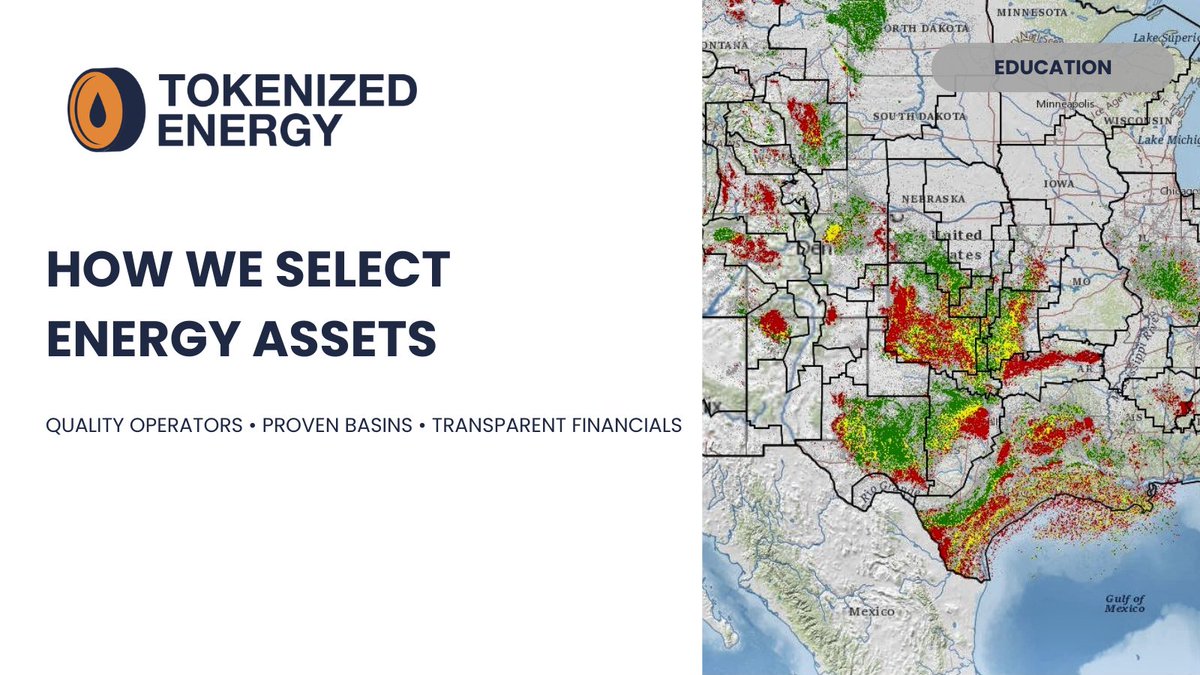
One of the common questions we receive is how opportunities make it onto the platform.
Our focus is simple: quality first.
When evaluating US oil & gas assets, we look at several core factors:
> Proven basins
> Strong operators
> Risk/Reward balance
> Transparency
Investors receive access to production data, operating costs and revenue projections so they can evaluate opportunities with the same information used in traditional energy markets.
4
1
15
624
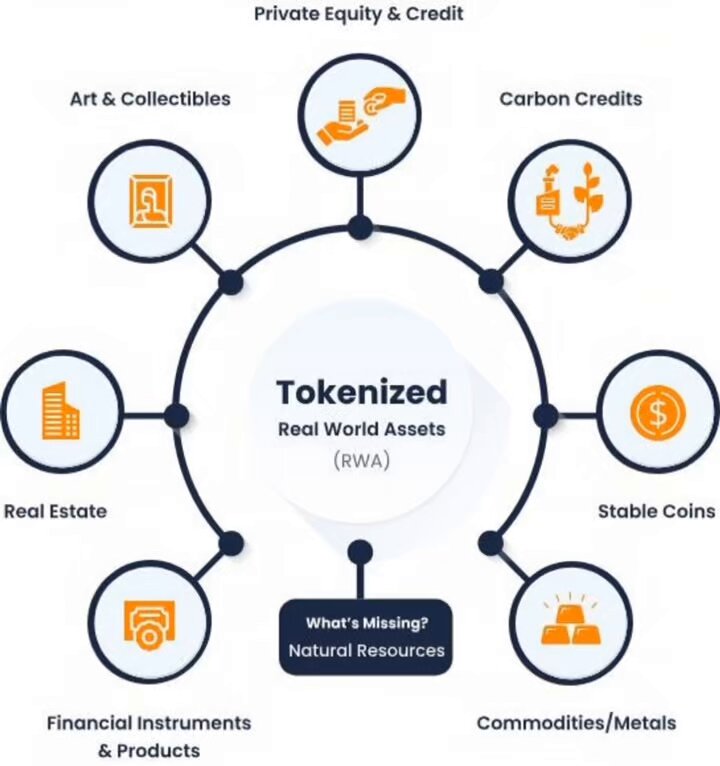
RWA tokenization is expanding fast. We’re seeing digital ownership across financial products, private credit, real estate and commodities.
But one major category is still largely missing - natural resources.
Investing in upstream oil & gas assets has traditionally been difficult to access. Opportunities are often limited to industry participants able to acquire entire projects, leaving many investors without a path to participate.
As tokenization evolves, this gap is starting to close. The next phase of RWA may not just be financial assets, but the infrastructure that powers the global economy.
33
2
47
1,494
The global economy runs on commodities. But access to investing in them has historically been limited.
Tokenization changes the infrastructure around ownership, making participation, reporting and distributions more efficient.
Physical assets digital rails is a powerful combination.
6
1
22
526
Feb 27
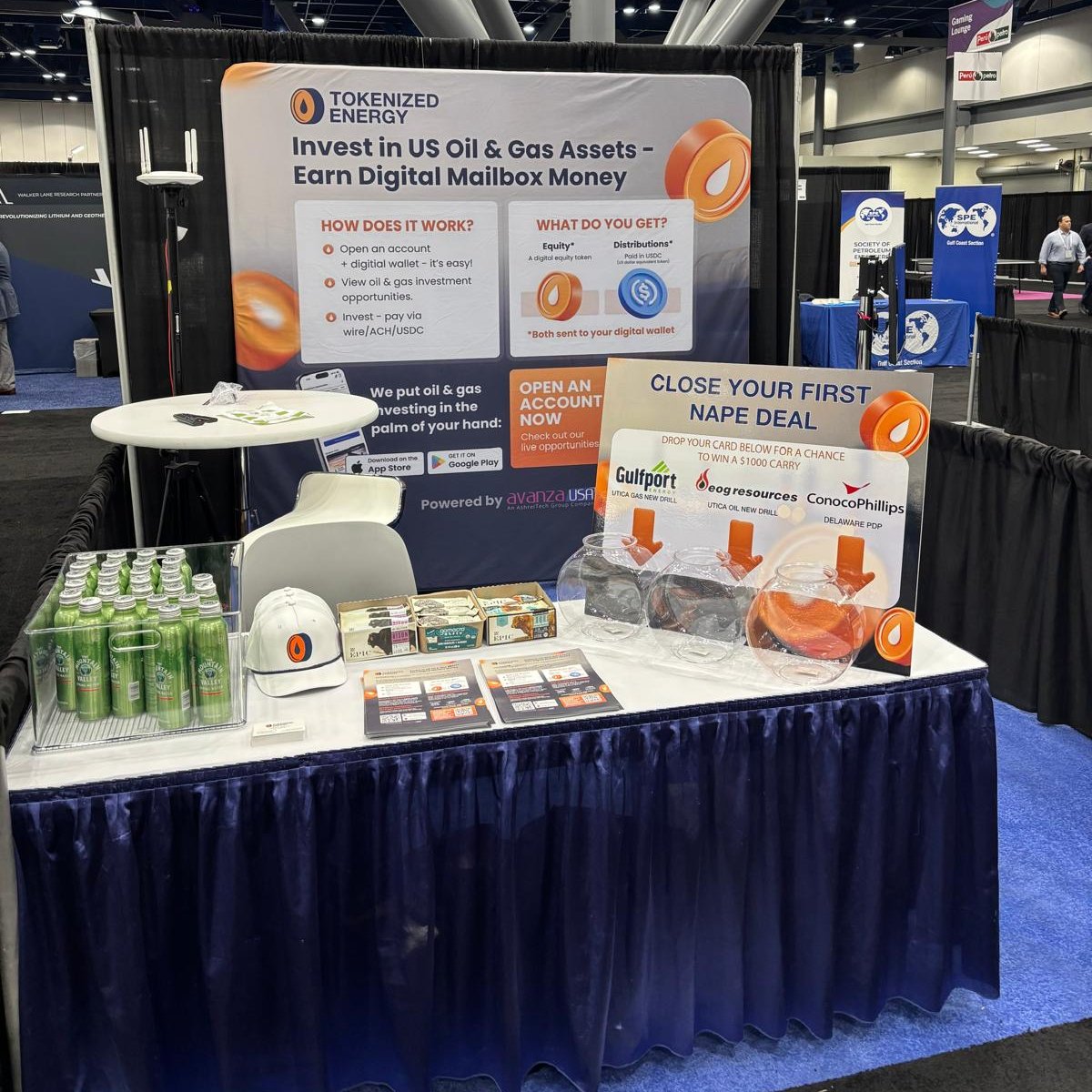
This year @NAPE_Expo was buzzing and the Tokenized Energy booth hosted by co-founders @cbsimmonsjr6 and @adrian_dgo_tke saw strong engagement throughout the event.
Many attendees had listened to our episode with on the Minerals & Royalties Podcast and came to better understand how the platform works. The core discussion focused on tokenization - specifically how digital ownership represents documented legal rights, similar to a digital stock certificate, delivered through a streamlined mobile experience.
New account registrations increased meaningfully during and immediately after the conference.
Conversations centered on our two live offerings:
• Harvey wells - drilled by Gulfport Energy (Utica, new drill participation)
• Green Beret PDP wells - operated by ConocoPhillips (Delaware Basin, producing assets)
Investors appreciated the ability to choose between higher-risk development opportunities and lower-risk producing assets.
Our booth giveaway generated significant interest throughout the event. Attendees selected between Gulfport Energy (Utica Gas New Drill), EOG Resources (Utica Oil New Drill), or ConocoPhillips (Delaware PDP) and submitted their card for a chance to win a $1,000 carry into the deal of their choice.
Congratulations to our winners:
Lindsey Owen, CPL from Ascent Resources
@JoshYoung from Bison Interests
Craig Team from Green Hook Resources
A consistent response we heard at Booth 2052: “This is what I’ve been looking for.”
We appreciate the conversations and look forward to continuing them.
3
3
14
1,046
Feb 17
RT @txEcosystem: Coming to tx marketplace on day 1: @TokenizedEnergy
Own tokenized U.S. oil, gas, and minerals. Earn royalty streams tied…
100
Feb 17
We are partnering with @txEcosystem - the operating system and marketplace for real-world assets.
tx is building the operating system for real-world assets, enabling digital issuance, trading and settlement of tokenized securities through regulated infrastructure.
Tokenized Energy deals will be featured on the tx marketplace, expanding access to real production, real cash flow, real assets - all represented onchain.
tx is building the access layer for real-world capital. This is just the start.
Join the waitlist: tx.org/join
10
49
138
5,571