来日19年目の熊星人の日常垢。四十路オッサンリーマン新米パパ。1/4広東の血。工学+国際貿易+経済経営学出身。リアリストでちょっと毒舌。動物と仕事機械大好き!TFなどの変形玩具、本・マンガ読みは趣味。最近はちょっとアキバに行けるように。面白い話大歓迎。親バカ。頑張る人、正直な人、他人の為犠牲する人の味方。
Joined October 2011
- Tweets 54,172
- Following 1,549
- Followers 2,696
- Likes 586,062
5,170 Photos and videos


日本已经没有人能阻止这小泉家的傻儿子了吗?

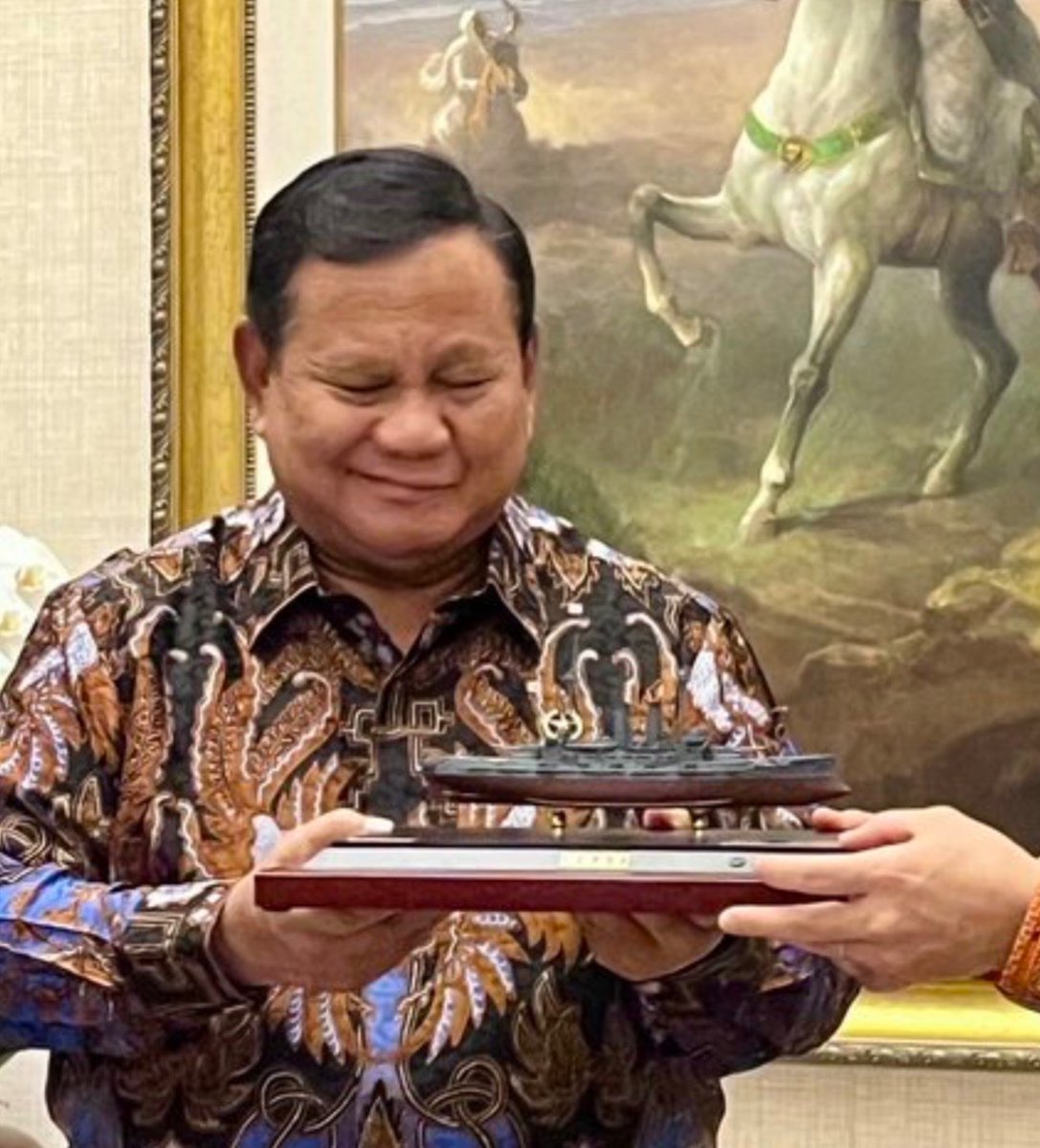
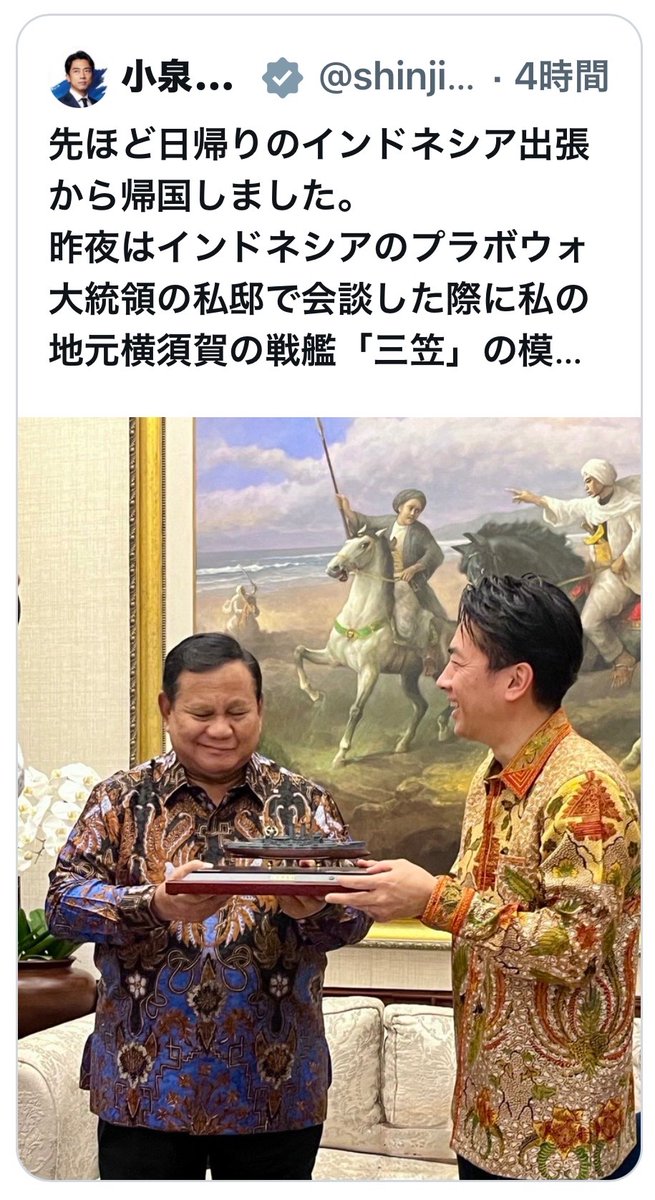
日本に侵略されたインドネシアの大統領に「大日本帝国海軍」の軍艦の模型を渡して
「プラボウォ大統領はやはり喜んでくださり」
とか書く”防衛”大臣、恥ずかしいにも程がある
この表情よく見ろ↓
102


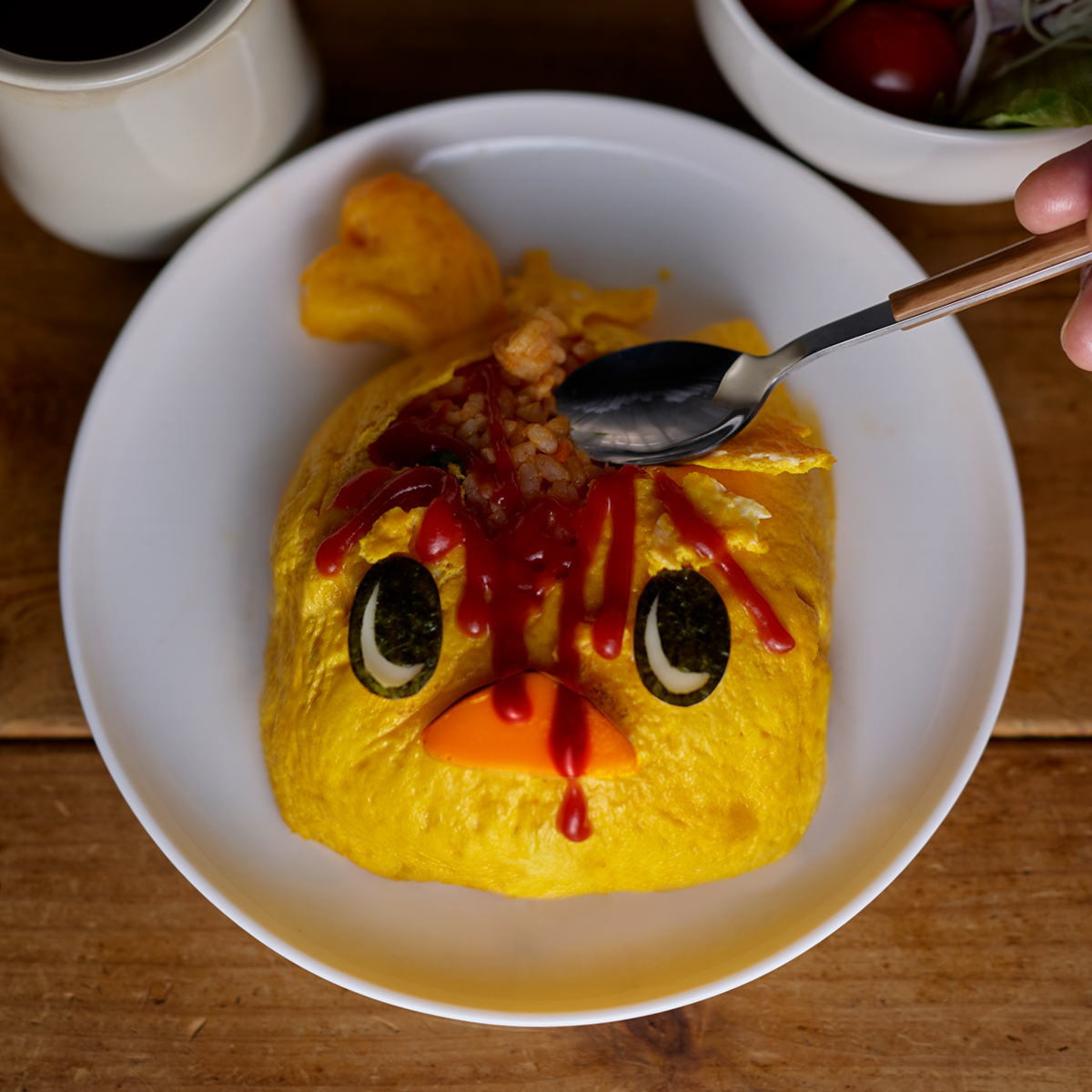
インキチおじさん登場!
Jun 8

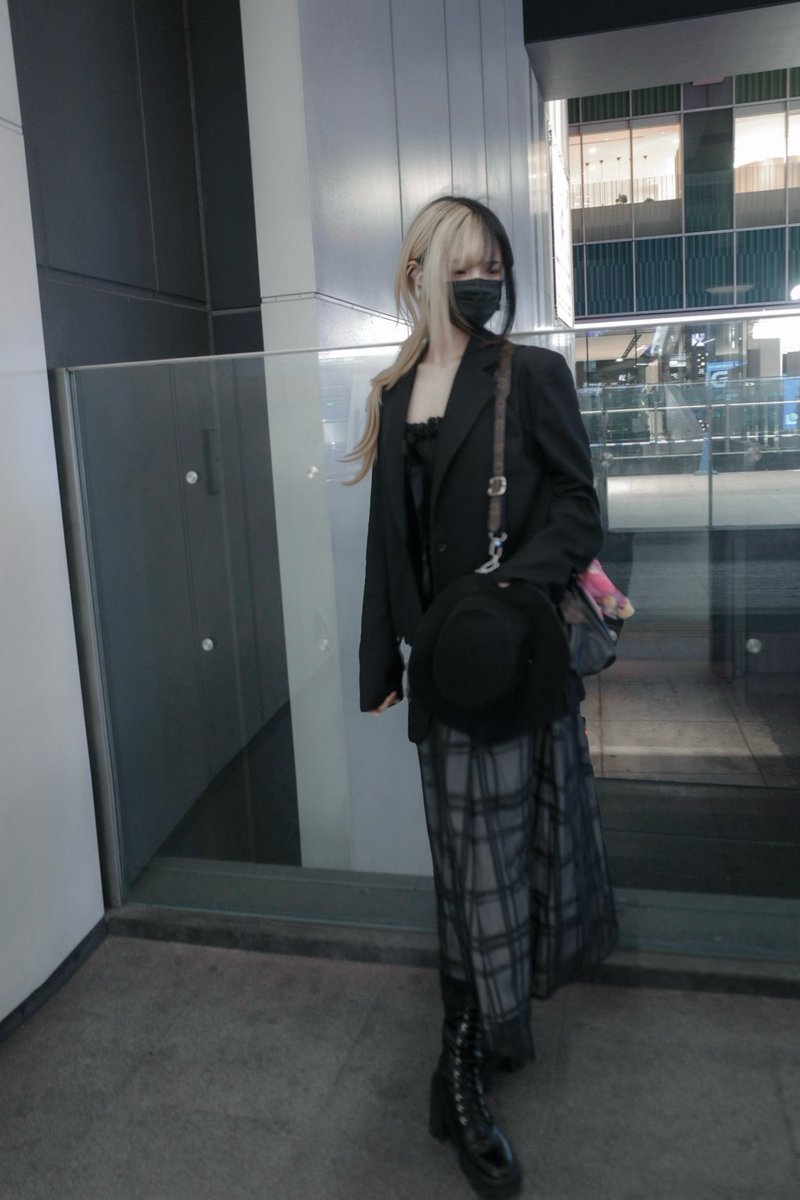
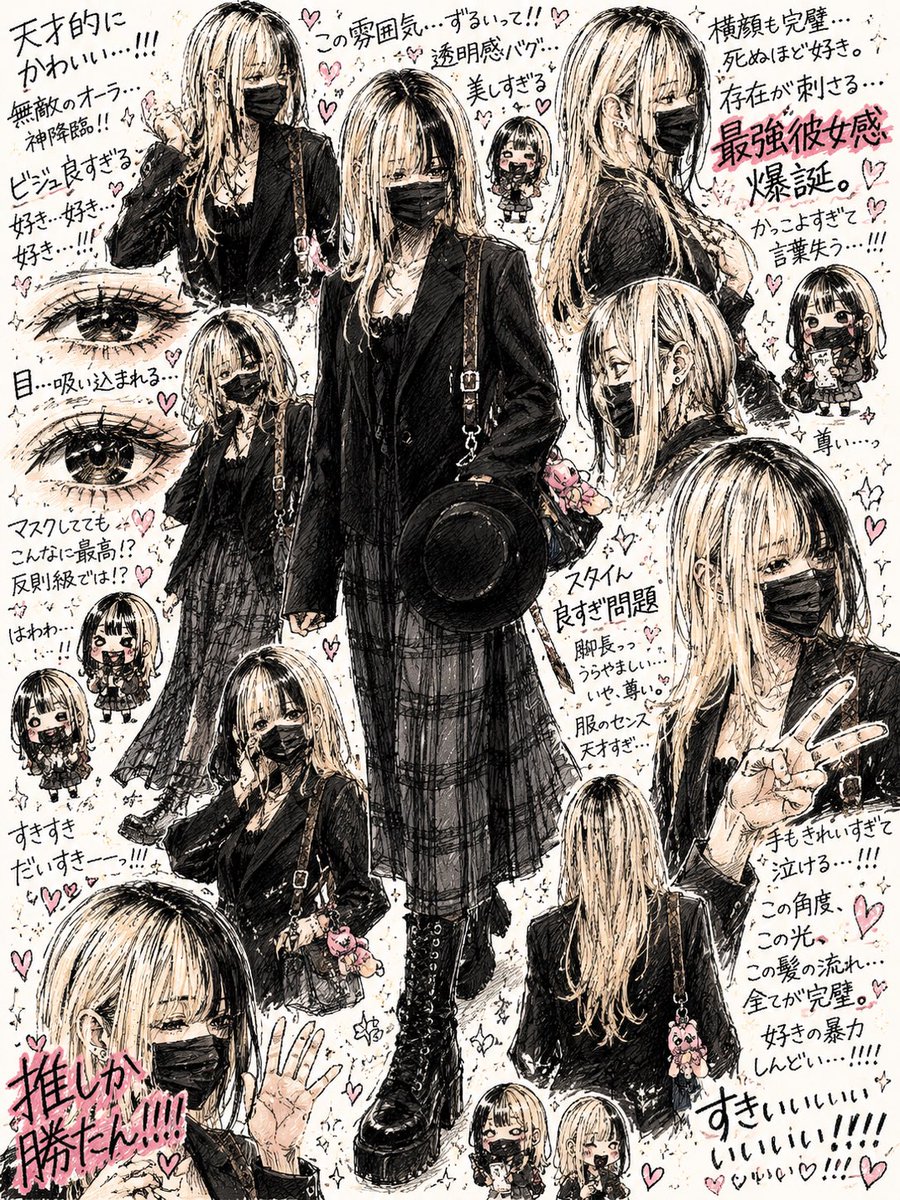
指令是这个!
大家放自己照片去GPT
熱狂的なファン絵師が1ページのスケッチブックを感情のまま埋めつくした感じで、全身ポーズ、ミニキャラ、手や目のアップ、誇張された表情がぐちゃぐちゃに重なっている構図。白背景。整列なし、余白なし、カオスな落書きエネルギー。
1
158
東京平安熊#🐒🎁🦀🍤🐷❤️🩹 retweeted

Jun 7
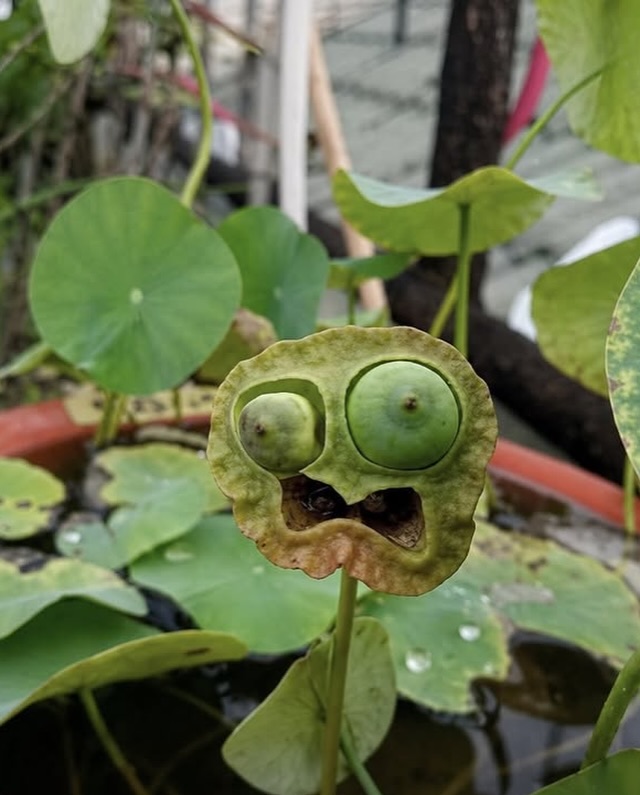
As vagens de sementes de lótus têm expressões únicas.

131
5,452
38,969
1,396,027
東京平安熊#🐒🎁🦀🍤🐷❤️🩹 retweeted

言う通りにしなかったと言えばこれもそうで、ごみ収集車に花でも描いて欲しいと言われたけど、それでイメージ良くなるんか、、、と。
だったらもっと視座高くして、ゴミを捨てるという行為を変換して、たとえば食べさせるとかにすると、親子の会話にもならんかな、そこまでやってイメージ良くなるんじゃないかと。
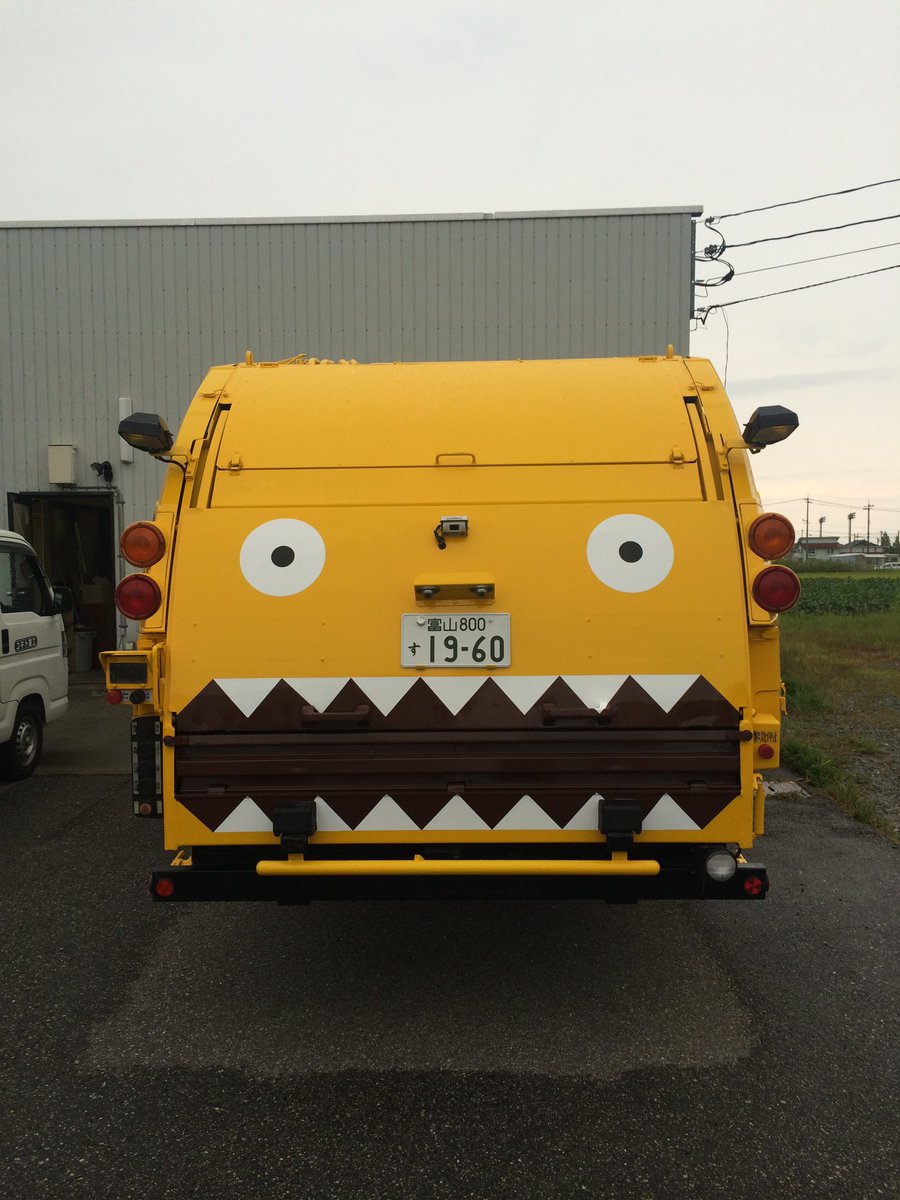
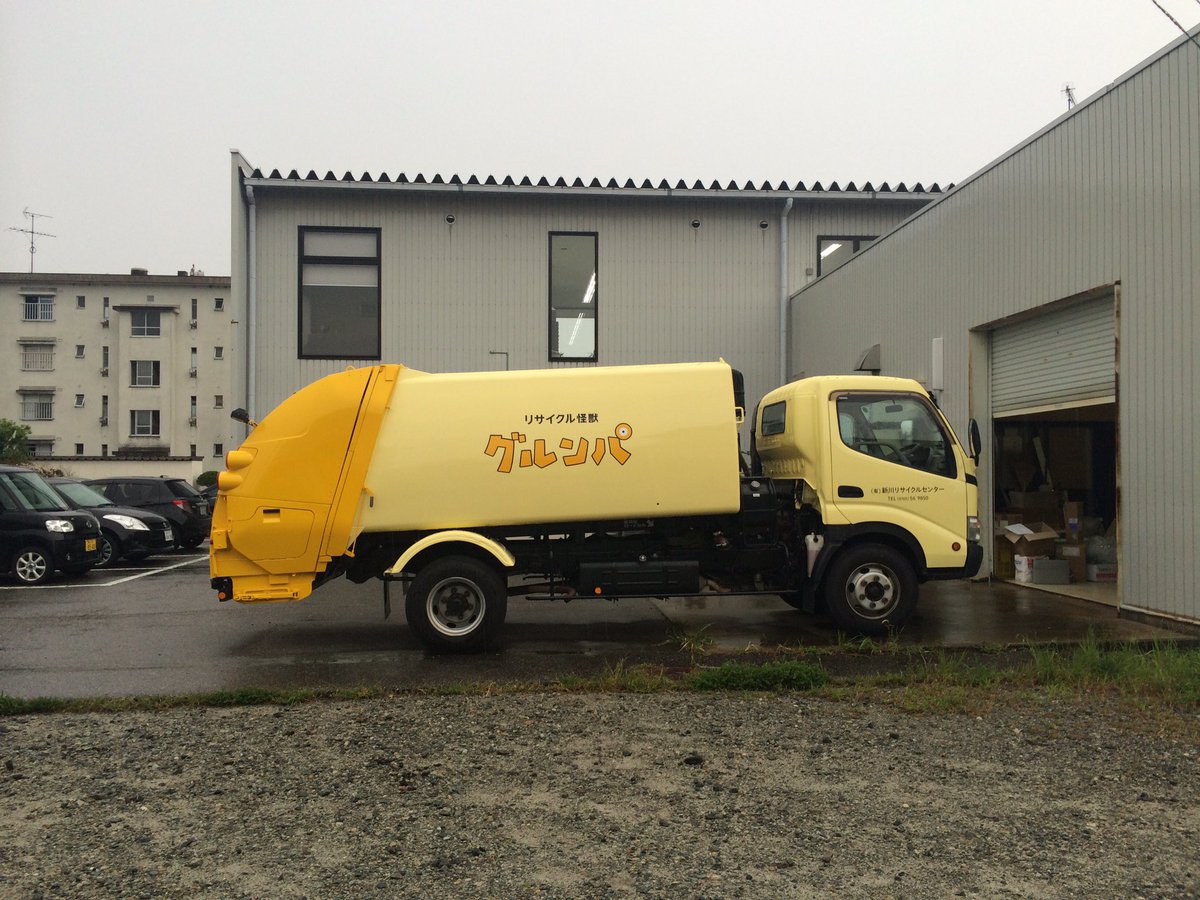
で、子供の頃からパッカー車の入り口が生き物の口にしか見えなかったので、そのイメージを使ってリサイクル怪獣に仕立てたところ、小学校からご指名で呼ばれるようになったそうな。今までは汚いから放課後に来てくれと言われてたらしい。
ただ、全車両をこのシリーズに変えるところまではしてもらえず。お金かかりますからね。権利とか言わないので、どなたかやりませんか。パッカー車を運転する人もヒーローになれるので。
86
5,595
20,987
932,373
🐒:师父你这剧本对吗?
👨🦲:没时间了。

1
104
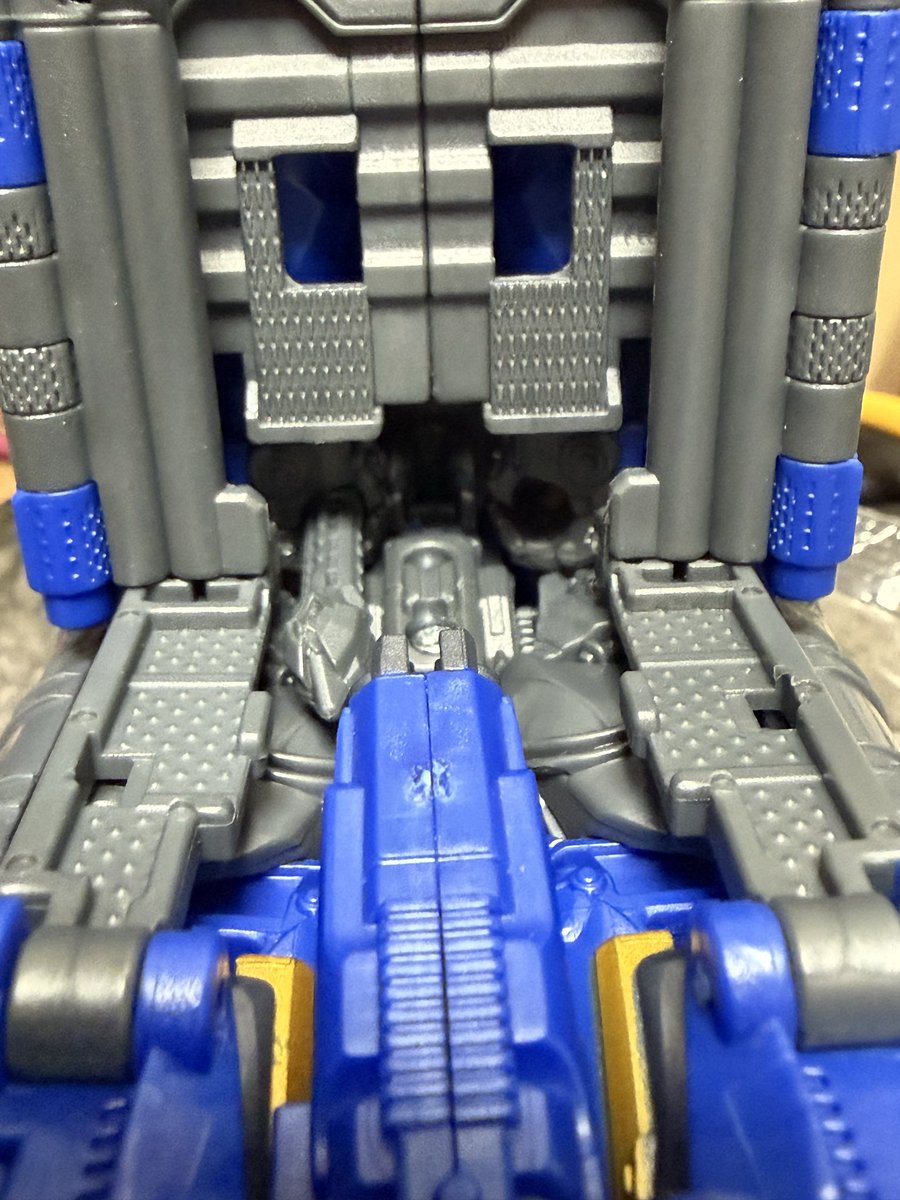
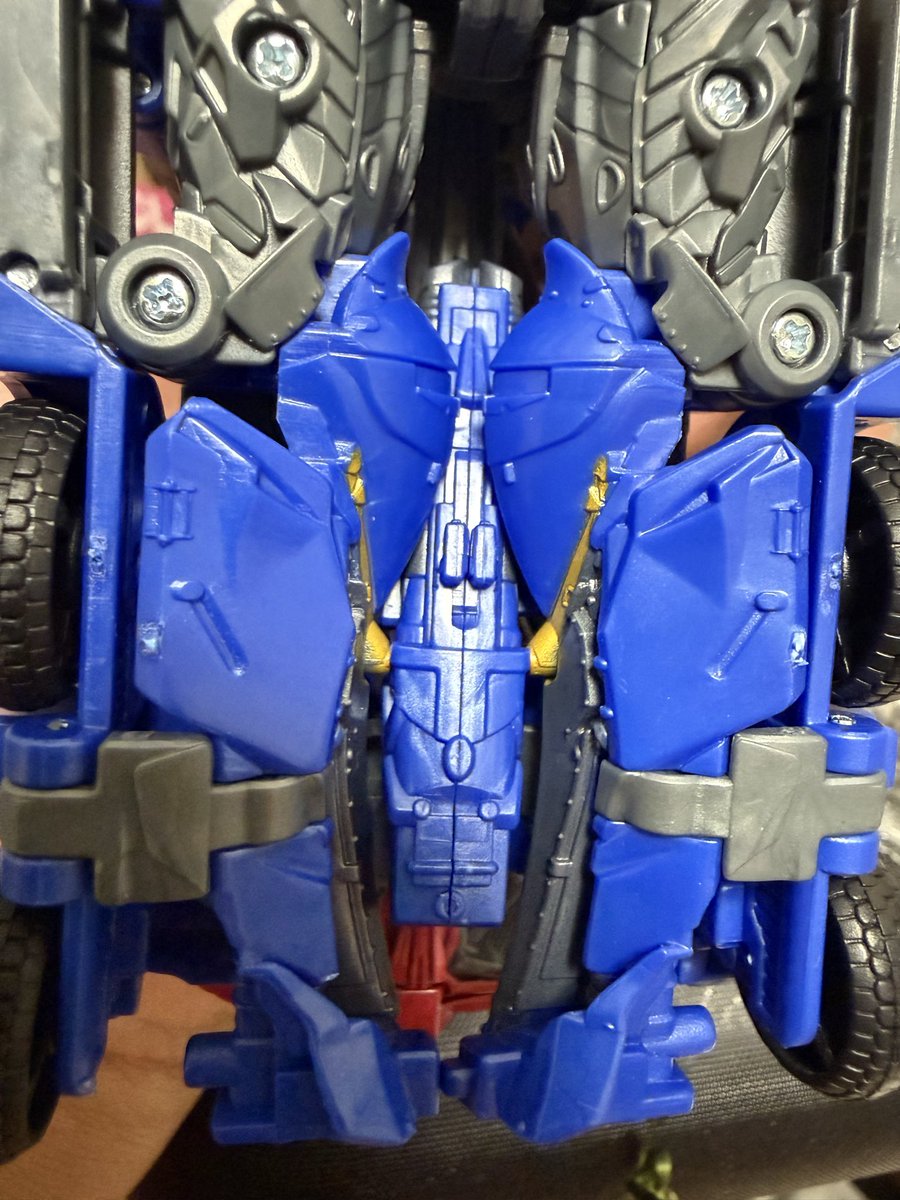
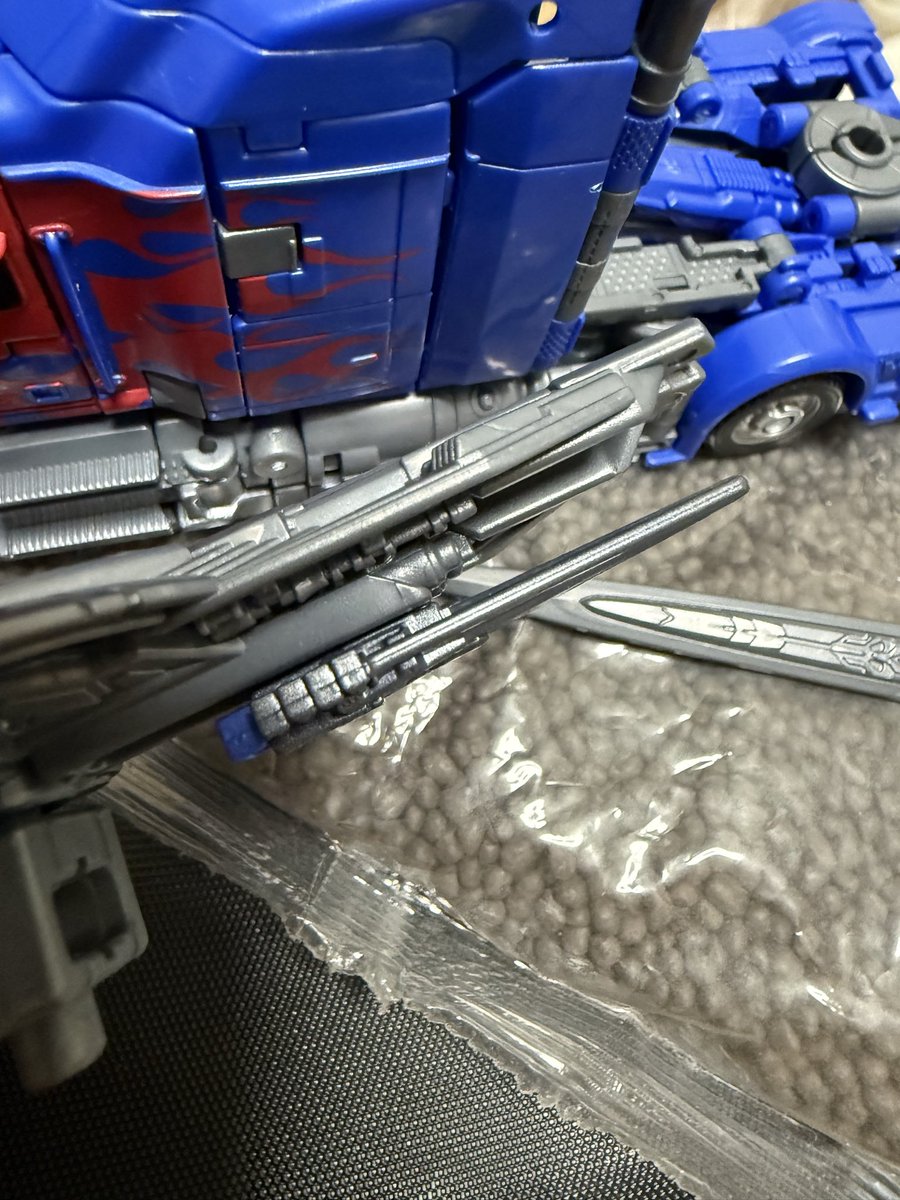
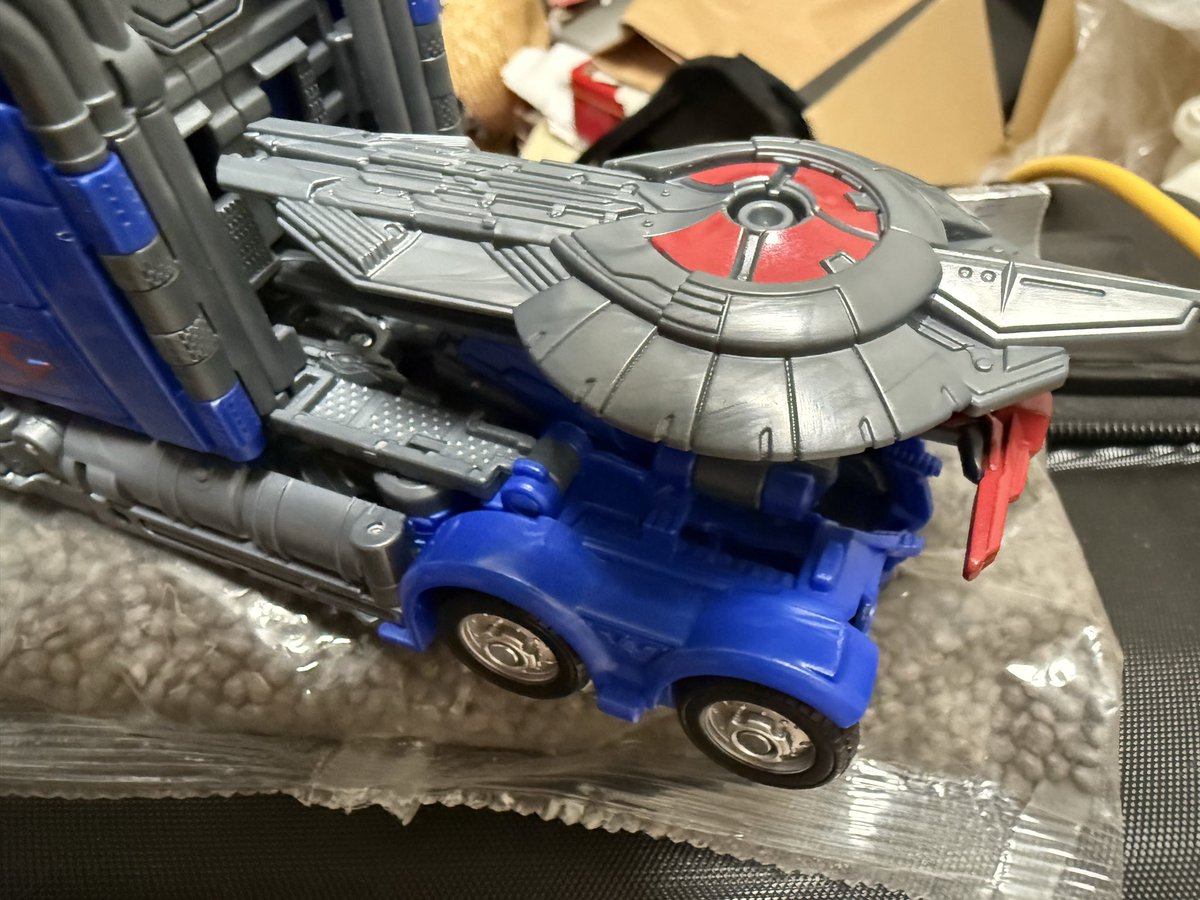
ネメシスプライムの武器収納
公式の収納方が強引すぎるため、色々試した結果、
1、剣の柄は手に持たせて
2、ショットガンを両足の間に
3、アームソードを盾の裏に
4、あとは全部載せ
嗚呼、スッキリした。
#トランスフォーマー #ネメシスプライム
125
Some Japanese anti-immigration activists in Japan have repeatedly cited a single statistic:
“2.9% of welfare households are foreign.”
The implication is clear: foreigners are supposedly exploiting Japanese taxpayers and living off the welfare system.
But a closer look at the data tells a very different story.
According to Japan's Ministry of Health, Labour and Welfare, there were 1,650,478 households receiving public assistance in fiscal year 2023. Among them, 47,317 households were classified as having a foreign national as the head of household, representing approximately 2.9% of the total.
Even this figure is often misunderstood.
The government classification is based on the nationality of the household head.
A household may therefore be counted as a “foreign household” even if the spouse is Japanese, the children are Japanese citizens, or most family members are Japanese.
More importantly, those who use this statistic to attack foreigners rarely discuss who actually makes up this population.
For decades, Korean and Korean-Chōsen residents have constituted the largest category among foreign welfare households.
Many belong to Special Permanent Resident communities whose families have lived in Japan since before the end of World War II.
This is where the nationalist narrative becomes uncomfortable.
A significant part of what is portrayed as a modern “foreigner welfare problem” is not primarily the result of recent immigration.
Rather, it is connected to communities whose presence in Japan is itself a consequence of Japan's colonial rule over Korea.
After the collapse of the Japanese Empire, Koreans who had been considered imperial subjects found themselves living in Japan while gradually being reclassified as foreigners.
When the San Francisco Peace Treaty came into effect in 1952, many Korean residents in Japan formally lost Japanese nationality and became foreign nationals in the country where many had spent most or all of their lives.
The modern Special Permanent Resident population emerged from this historical process.
Reasonable people may support stricter immigration policies.
Reasonable people may advocate tighter welfare requirements.
Those are legitimate political positions.
What is not reasonable is taking a complex statistic such as “2.9% of welfare households are headed by foreign nationals” and presenting it as proof that modern immigrants are abusing Japan's welfare system.
A substantial part of that number reflects communities whose situation is inseparable from Japan's own colonial history and postwar political choices.
Turning that reality into a story about foreign freeloaders does not reveal the truth.
It merely replaces historical responsibility with a convenient scapegoat.
日本の排外主義者は「生活保護の2.9%は外国人だ」という数字を持ち出し、あたかも外国人が日本の福祉制度にただ乗りしているかのような印象を与えようとしている。
しかし、この数字の中身を見ると、全く違う景色が見えてくる。
まず事実として、2023年度の生活保護受給世帯は約165万世帯であり、そのうち世帯主が外国籍である世帯は47,317世帯、全体の約2.9%である。
さらに、この統計は「世帯主が外国籍」で集計されている。
つまり、
配偶者が日本人
子どもが日本国籍
家族の大半が日本人
であっても、世帯主が外国籍であれば「外国籍世帯」として計上される。
そして、この2.9%を利用して外国人叩きを行う人々は、その内訳についてほとんど語らない。
外国籍生活保護世帯の最大グループは、長年にわたり韓国・朝鮮籍の人々である。
彼らの多くは、戦前から日本に居住してきた家系に属する特別永住者層である。
ここで重要なのは、この問題のかなりの部分が「最近の移民問題」ではないということだ。
日本による朝鮮半島統治の歴史の中で、多くの朝鮮人が日本本土へ移住した。
そして戦後、日本帝国の崩壊とともに、彼らは日本社会に居住し続けながらも、1952年のサンフランシスコ講和条約発効後、日本国籍を失った。
つまり現在の特別永住者コミュニティの相当部分は、日本の植民地支配と戦後処理の歴史の延長線上に存在している。
もちろん、移民政策を厳格化すべきだと考える人がいてもよい。生活保護の受給要件を見直すべきだという意見もあり得る。
しかし、「外国人が日本の福祉を食い物にしている」という物語を作るために、「外国籍世帯2.9%」という数字だけを切り取るのは不誠実である。
なぜなら、その数字の中には、日本社会自身が歴史的に生み出した問題が少なからず含まれているからだ。
自らの歴史が生んだ問題を「外国人問題」にすり替えることは、事実に向き合う態度とは言えない。
nippon.com/en/japan-data/h02…
Jun 4

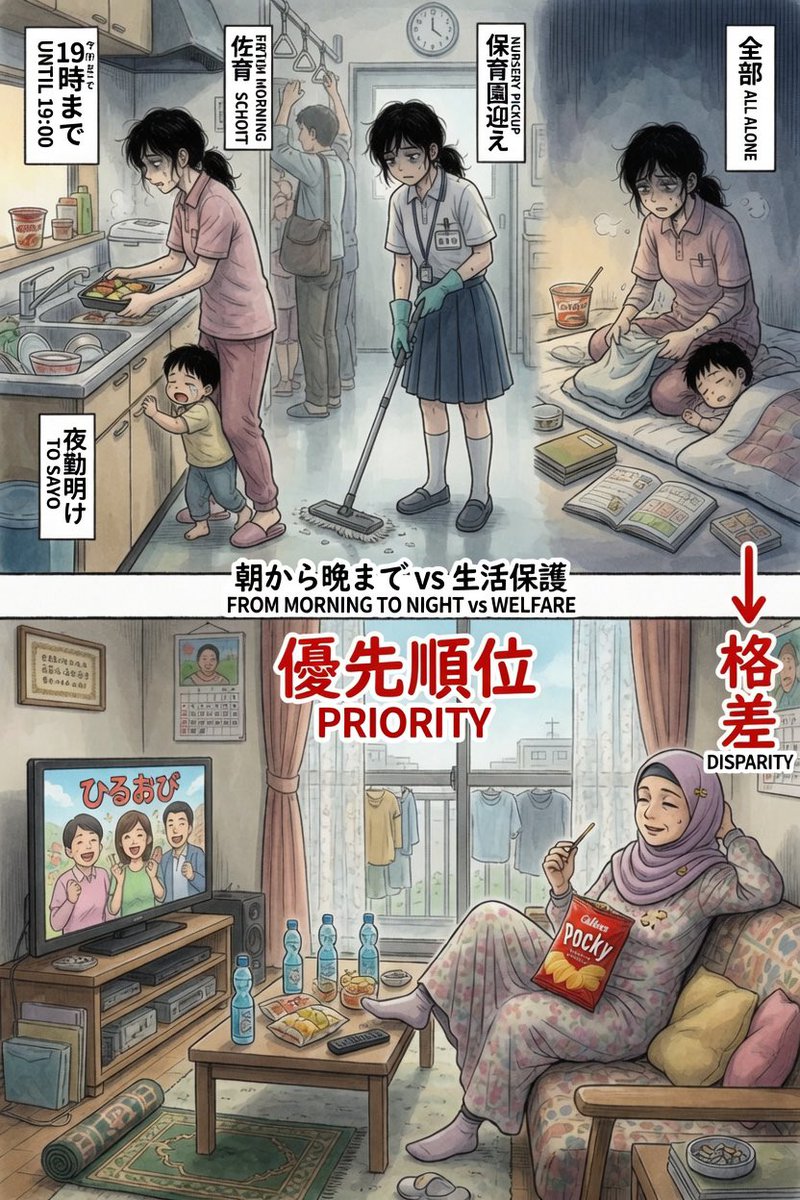
移民政策反対の理由がこれ
先日、20代で離婚し、
たった一人で息子を育てながら、
朝から晩まで働いている日本人のお母さんの話を聞いた。
仕事、家事、育児。
誰にも頼れず、
毎日フルワークの中、ギリギリで生きている。
その姿を見て、
どうしても考えてしまった。
現在、日本では約4.7万世帯の外国籍世帯が生活保護を受給している。
全体の約2.9%だ。
もちろん、
本当に困っている人を助ける制度は必要だ。
だが、
子どもを育てるために必死で働く日本人がいる一方で、
その制度を支えているのもまた日本の納税者だ。
私は外国人だから反対なのではない。
国籍の話でもない。
優先順位の話だ。
まずは、
この国で懸命に働き、
税金を納め、
子どもを育てている人たちを支えるべきではないのか。
そう思うのは、
そんなにおかしいことだろうか。
2
19
9,526