
Transportation law, policy, and technology. Senior Advisor, Metropolitan Planning Council. Opinions my own. Emigrating to: @thomasbamonte.bsky.social
Joined June 2009
- Tweets 32,447
- Following 2,925
- Followers 5,260
- Likes 2,260
1,262 Photos and videos

26 Nov 2024
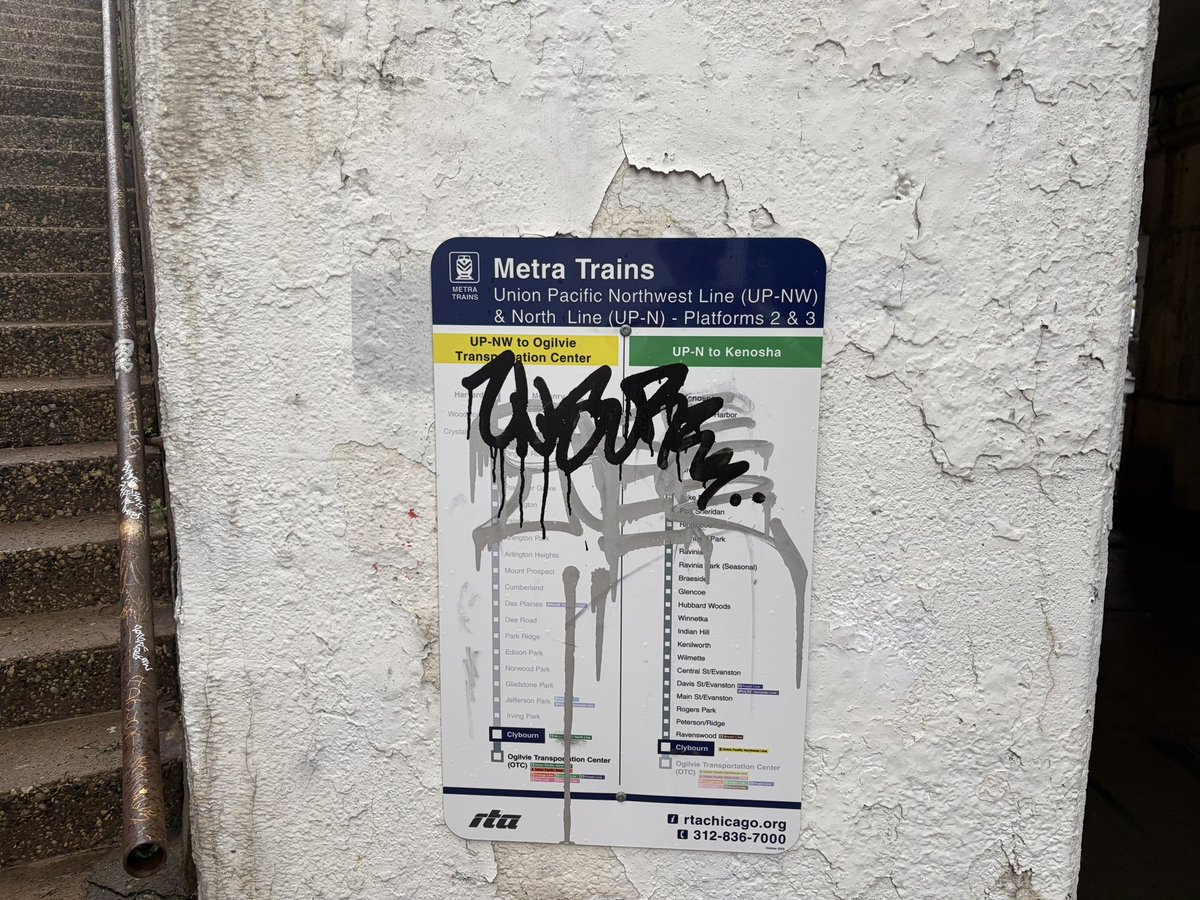
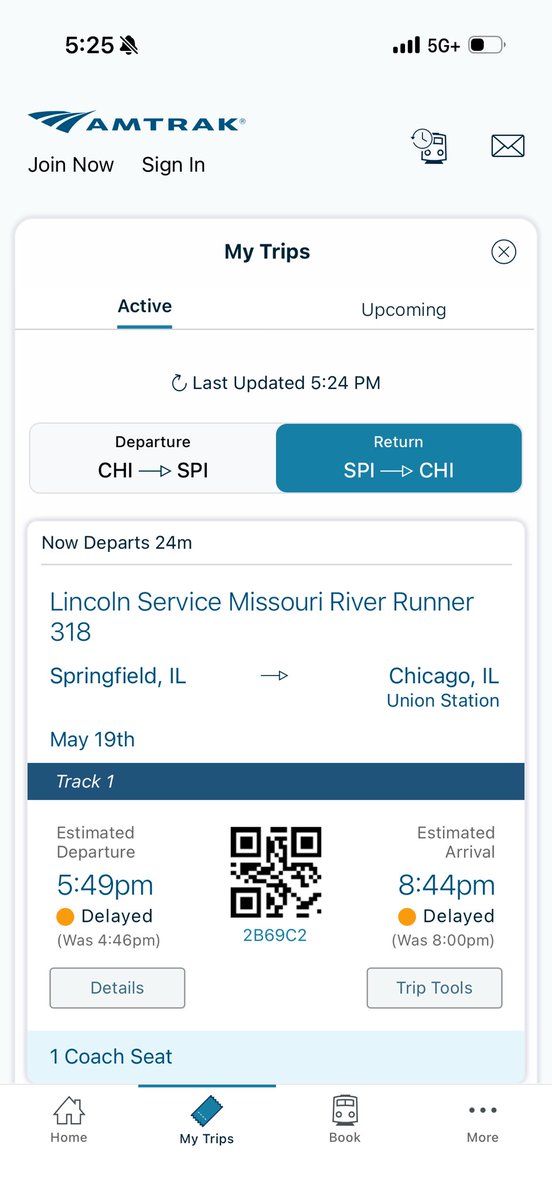
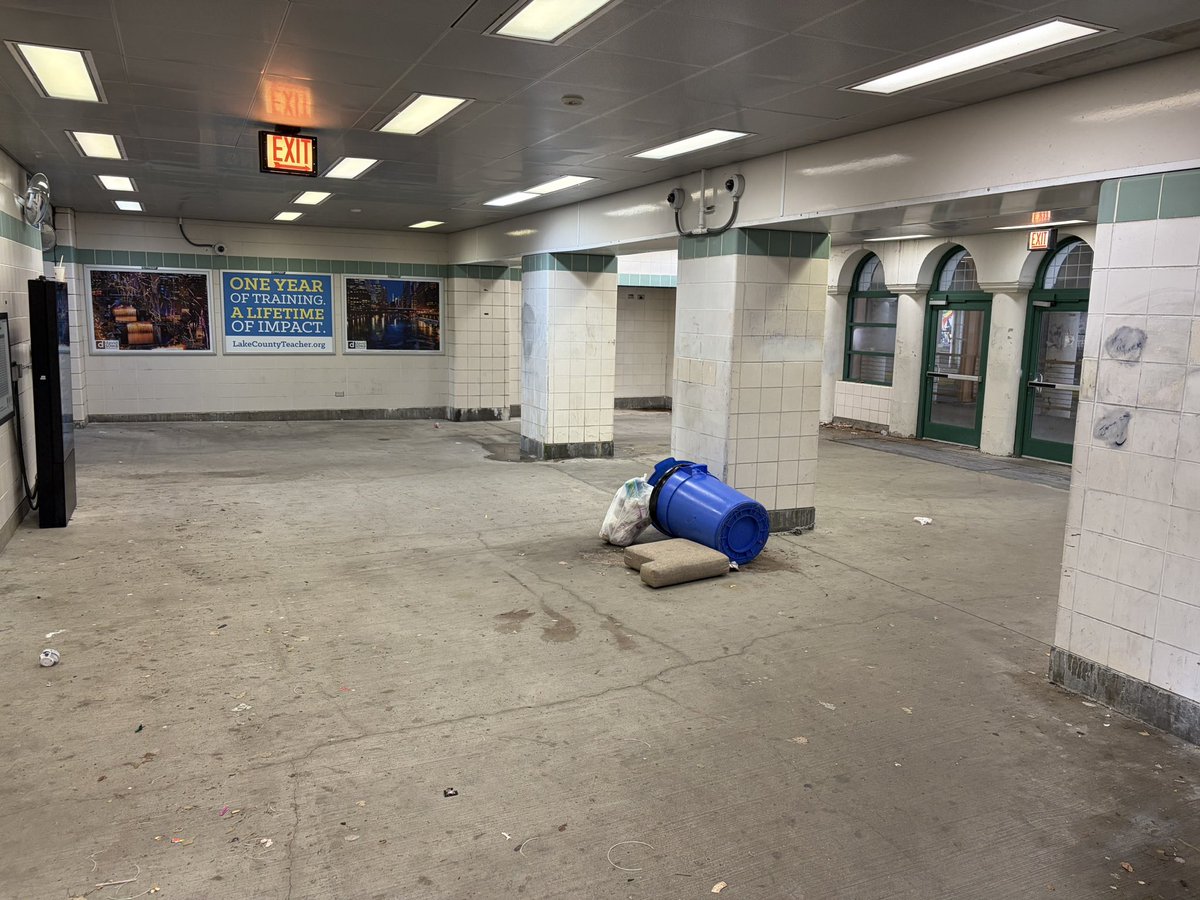
Thread on new @Metroplanners post on the poor prospects for @RTA_Chicago proposed transit reform package found on my BSky page. metroplanning.org/poor-prosp…
1
6
322
25 Nov 2024
Big forum in @CrainsChicago on issues facing Chicago's transit system. Summaries and links in my BSky feed. chicagobusiness.com/crains-f…
3
294
20 Nov 2024
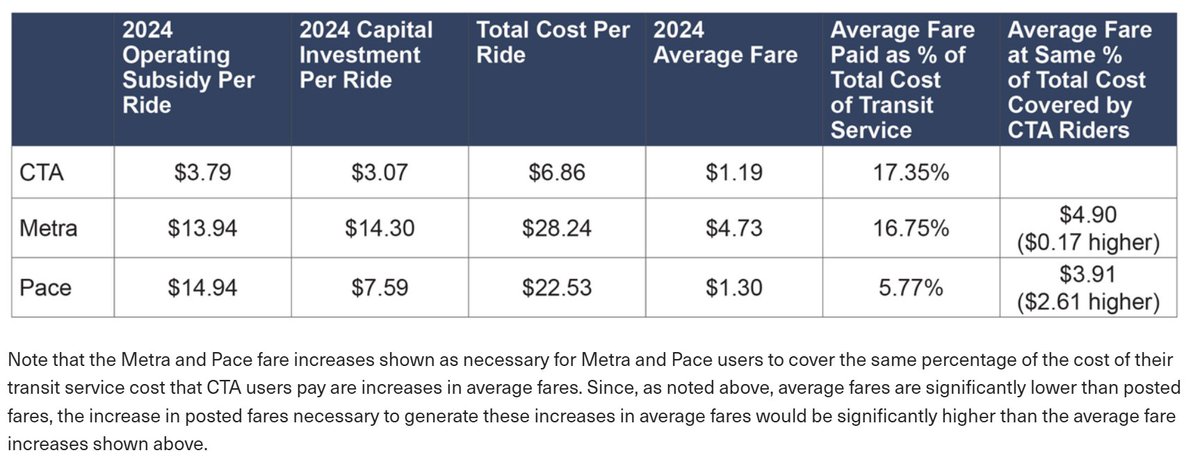
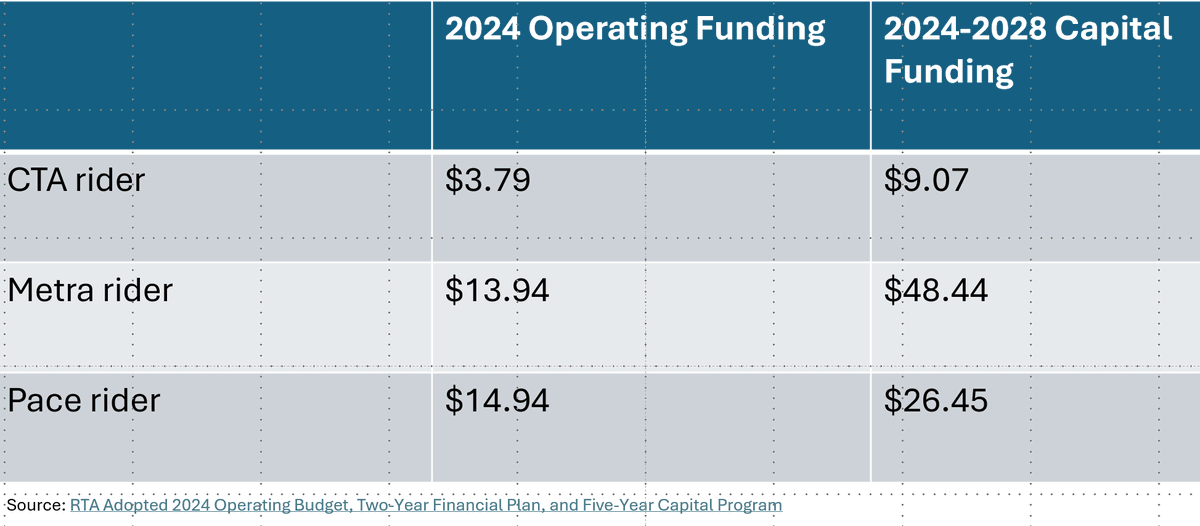
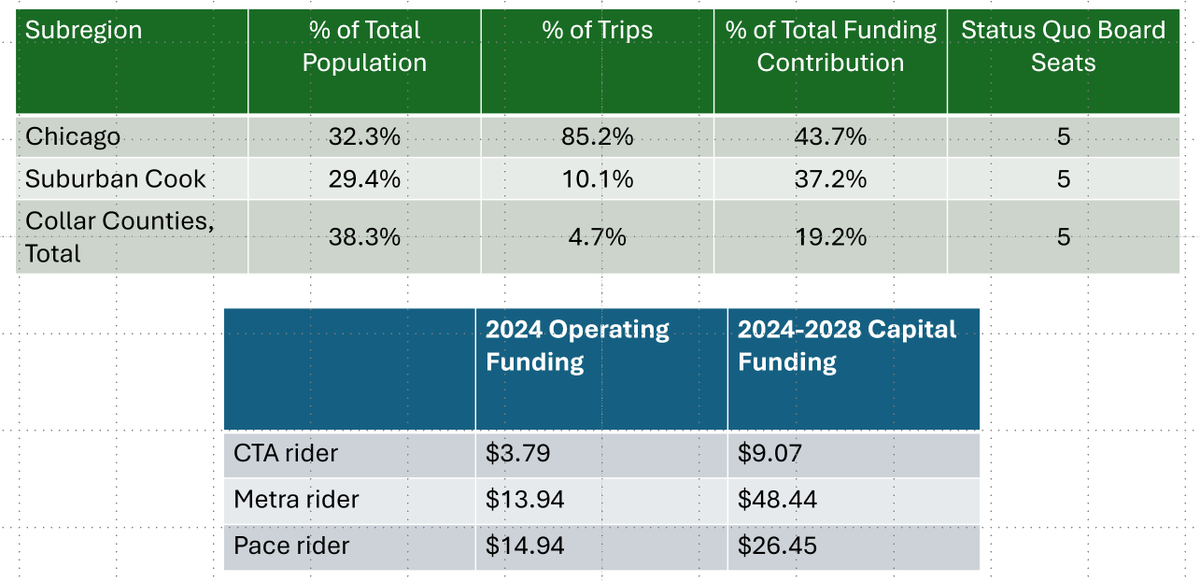
It's been suggested that because @Metra commuter rail riders pay higher fares than @CTA riders, suburban transit users pay more than their fair share of the cost of their public transit trips. This suggestion is not supported by the facts. @RTA_Chicago bsky.app/profile/thomasbamon…
1
1
3
440
Thomas Bamonte retweeted

15 Oct 2024
As public transit continues to be a cornerstone of our communities, it is imperative that we have discussions about the current state of transit across Illinois as a whole. Today, we were able to hear from panelists (1/2)
1
1
14
1,302
9 Oct 2024
At least @rta_chicago is beginning—very tentatively—to flex its current authority under the RTA Act to dedicate lanes on any roadway in the region for bus service. #NDLSD #Chicago/Halsted
9 Oct 2024

Los Angeles doing more for transit priority than Chicago 🤬
Chicago is really falling behind when it comes to progressive transportation policy and action.
7
578
7 Oct 2024
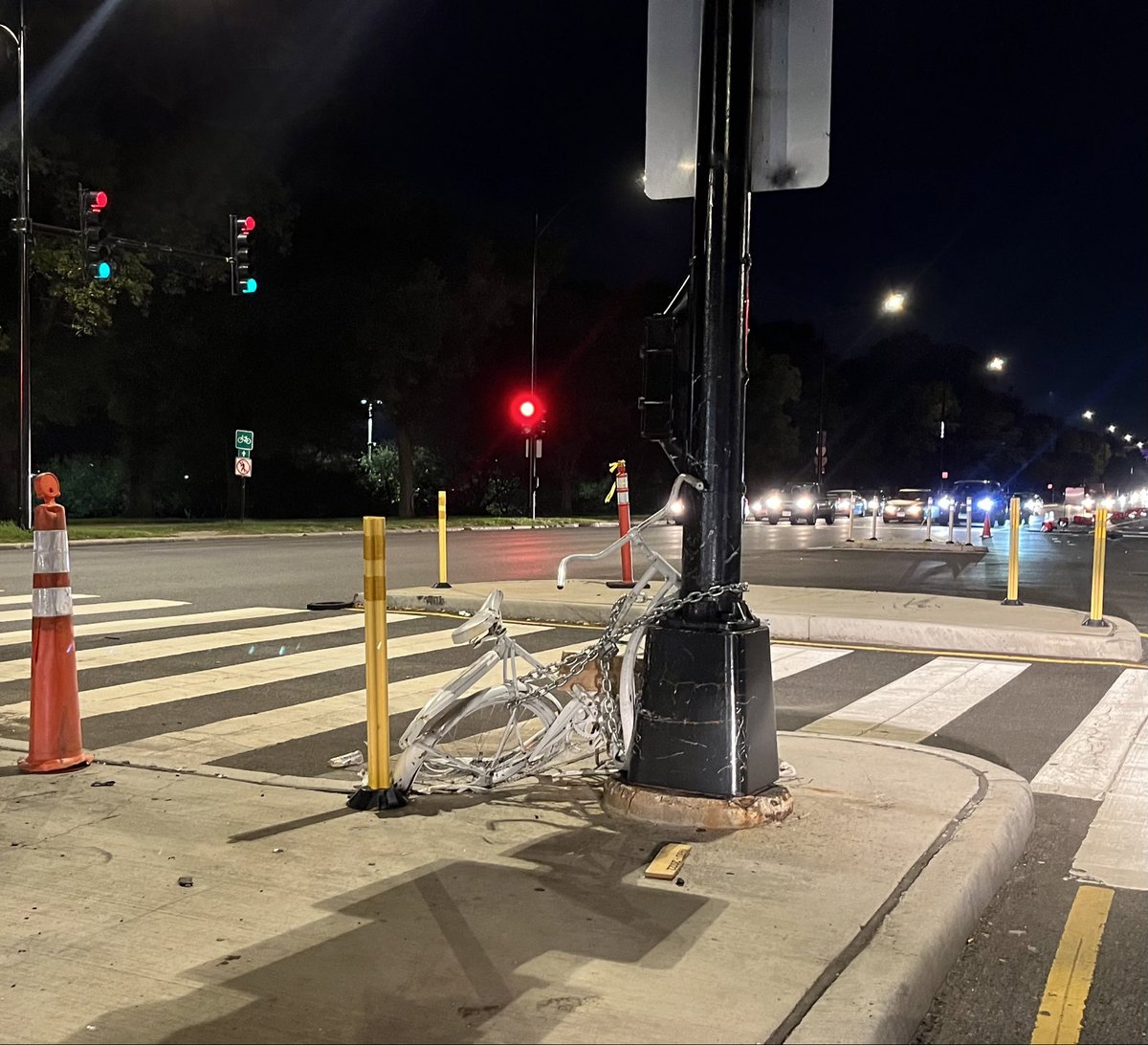
Hey @WorldBollard can you help in Chicago. @ChicagoDOT @IDOT_Illinois seem to equate plastic flexi-posts with bollards. This crossing is a heavily traveled link between the Loop and the lakefront, including many visitors, some no doubt from bollard-friendly places. #FalseSecurity
7 Oct 2024

Gerardo’s ghost bike was destroyed by a driver, replaced, stolen by the city, replaced, and now has been destroyed by a driver again.
It will not be an accident when another person is killed at this intersection.
5
399
7 Oct 2024
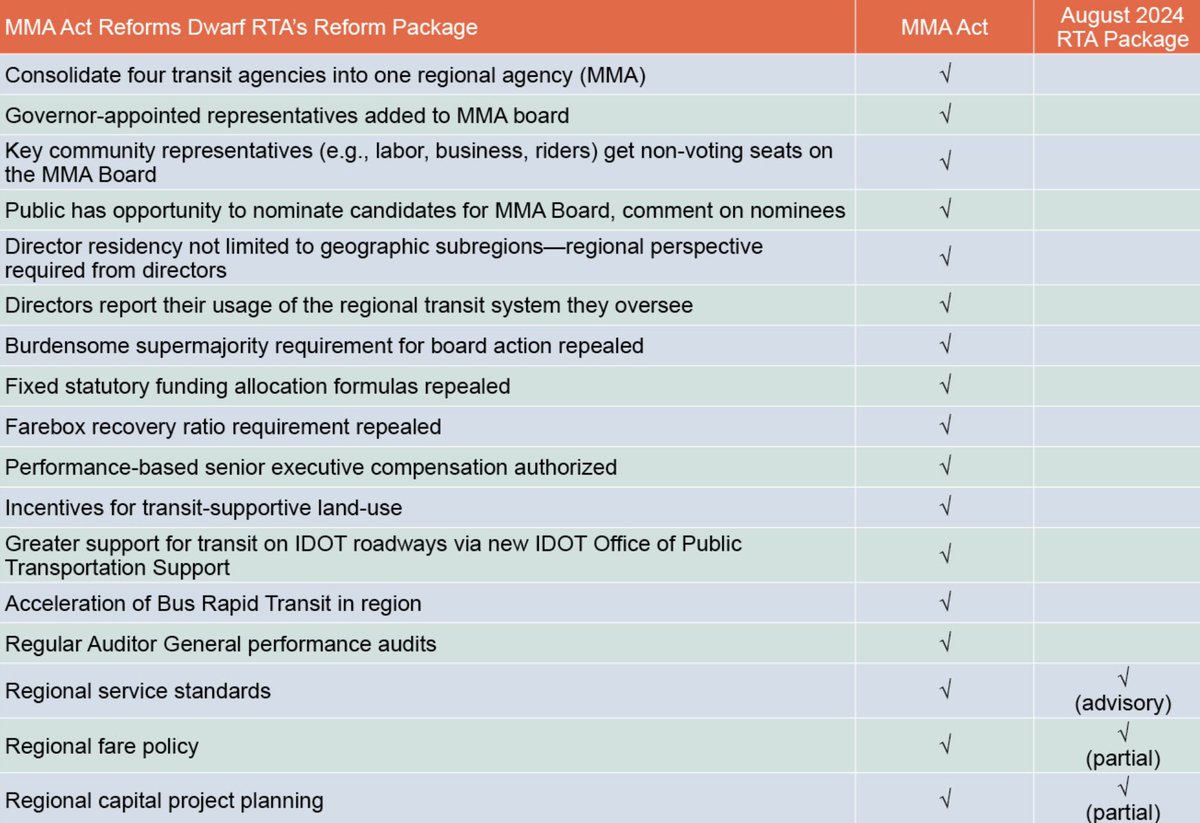
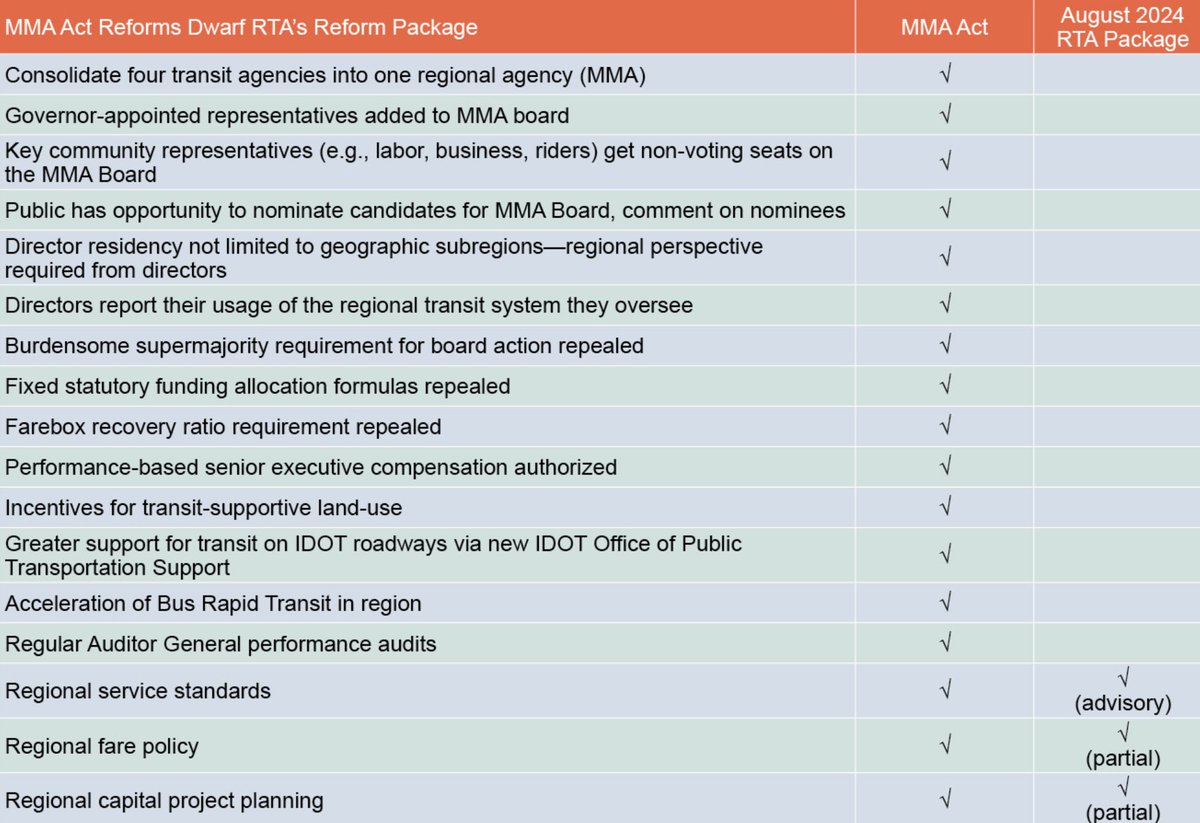
While it is commendable that RTA has at least signaled an openness to some transit governance reforms to unlock more funding, its current reform package is way too timid and won't change the institutional shortcomings documented in PART and prior reports over the past 20 years.
1
2
239
7 Oct 2024
There is also the issue--outside the scope of this thread--as to why RTA can't accomplish its three reforms by flexing its existing powers to set Strategic Plan priorities and review service board budgets and capital plans for compliance with those RTA priorities.
1
1
229
7 Oct 2024
Please see @Metroplanners PART/transit page for more resources: metroplanning.org/projects/s… End.
3
226
7 Oct 2024
The RTA reform package may be packaged as embodying CMAP's governance Option 2, but it falls well short of the Option 2 model, a subject for another day. Legislators who want meaningful governance reform along with more transit funding should not confuse the two.
1
1
209
7 Oct 2024
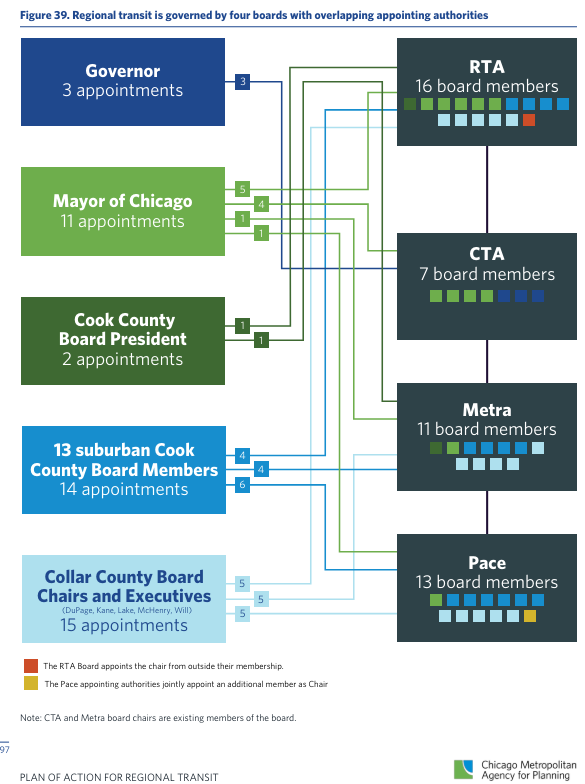
PART calls for the State to have more representation, especially if it increases its financial support for the region's transit system. The RTA's reform package fails to address this recommendation.
1
1
199
7 Oct 2024
The limitations of the RTA reform package compared to PART's reform governance principles and the MMA Act are illustrated here:
1
1
10
1,382
7 Oct 2024
RTA, CTA, Metra, and Pace oppose the MMA Act. The RTA has developed a counterproposal vesting RTA with incremental new powers to set fare policy and service standards and to have a greater role in prioritizing transit capital projects. rtachicago.org/blog/2024/08/…
1
3
204
7 Oct 2024
PART's reform principles include ensuring that transit board representation "should mirror those who ride, fund, and live near transit." The RTA reform package fails to deal with existing transit board representation anomalies. See @Metroplanners for more: metroplanning.org/taking-par…
1
2
184
7 Oct 2024
The RTA's reform package falls well short of PART's governance reform principles, failing to address the PART recommendations on fixed statutory funding formulas, the farebox recovery ratio, the use of performance-based funding allocations, among other things.
1
3
178
7 Oct 2024
The RTA's proposed reforms are quite modest. For example, RTA wants explicit authority to establish service standards but its proposal requires service boards only to report on compliance--i.e., no specific RTA enforcement powers proposed.
1
1
2
185
7 Oct 2024
In April @senvillivalam introduced the Metropolitan Mobility Authority (MMA) Act (SB3937) that tracks Option 1. He chairs the Senate Transportation Committee that is now holding hearings on transit issues. ilga.gov/legislation/103/SB/…
1
3
167
7 Oct 2024
In the Illinois House @kambucknerchi introduced a companion bill (HB5823). He and @DelgadoRep are now leading a House working group that is studying transit funding and governance issues. ilga.gov/legislation/BillSta…
1
2
226
7 Oct 2024
PART then outlines beginning on page 104 two governance options. Option 1 consolidates the existing 4 agencies into one integrated regional transit authority. Option 2 keeps the current structure but vest RTA with more powers.
1
1
197