
Building Combinely (YC X25)
Joined September 2021
- Tweets 25
- Following 504
- Followers 559
- Likes 187
2 Photos and videos


Feb 12
Accountants shouldn’t change how they work for software anymore.
Software should adapt to them like Claude/OpenClaw.
Their real value is judgment and how you approach the work.
1
5
246
Feb 6
Tax teams spend 2-4 hours per client manually entering K-1s, 1099s, W-2s into tax software.
The worst part? K-1 footnotes. Dense, critical, completely manual.
Most AI tools skip them. We don't.
Combinely reads every detail - including horrible footnotes - and populates tax software automatically.
Hours → Minutes.
See it in action:
Feb 6

Every tax accountant knows the grind of pulling messy, complex client data and re-entering it into tax software, line by line, under time pressure.
K-1s don't look the same twice. Different partnerships, different formats, different footnotes. That variability is exactly why tax teams spend 2-4 hours per client manually entering data into CCH, Lacerte, and UltraTax.
The footnotes? That's where the real complexity lives. Dense, critical, error-prone.
Solutions are out there. They're part of the solution. But most of them miss the details. We want to change it.
Watch our AI coworker handle it:
↳ Upload K-1s, 1099s, W-2s, Schedules all at once
↳ AI extracts every detail, regardless of format
↳ Runs calculations (Schedule C expenses, rental income, deductions)
↳ Data flows into your tax software automatically
↳ 2-4 hours becomes minutes
See it working live: combinely.ai
4
221
Tom Invernizzi retweeted

24 Nov 2025
.@Combinely is building an AI coworker for tax teams.
It uses firms’ existing tools to proactively handle inboxes, client questions, and return reviews— saving accountants 90 minutes every day.
Congrats @Tom_inv & @ArthurGranacher!
ycombinator.com/launches/Ou6…
8
8
87
12,494

LAWYERS AS VERIFIERS
Use lawyers as AI verifiers. Here’s how.
(1) First, tell the AI that it’s the named partner of the most capable law firm in your city, with expertise not just in corporate law, but tech startups, compliance, accounting, and the like.
(2) Then, draft a memo to the AI describing your business goals in full.
(3) Conclude by asking a list of specific questions. Make sure to add the catch-all question of “is there anything I may have overlooked.” Ask to include citations to specific sections of legal code, caselaw, or sample documents like SAFEs.
(4) Next, run that prompt against several AIs (ChatGPT, Claude, Grok, Gemini, Perplexity) and assemble answers in a spreadsheet. Questions are rows, answers from each AI are in columns.
(5) Now you have a survey of the space. Note in particular any new concepts or terms you’re unfamiliar with. You might rewrite the memo and resubmit it based on these initial answers.
(6) Once you’re done, you have a draft game plan with citations. Next, ask each AI what legal docs you need, and put together first drafts of them individually with AI. These will have errors, but you will get the gist of what the final product looks like.
(7) At this point you have the basic lay of the land. You can now go to each lawyer with the same memo you shared with the AI, ask them the same questions you asked the AIs, and compare their answers to the results of the AIs.
(8) If the lawyer verifies that the AI produced the right answers, great. Then have the lawyer draft the final docs, possibly working from your AI-aided first drafts. Conversely, if a lawyer says the AI is wrong, that’s highly informative and they’ve added value.
(9) This same strategy works with any service provider, from accountant to doctor. You use AI to structure your search, organize your thinking, and get initial answers to your questions.
Then you run it by human specialists (lawyers, accountants, doctors) to verify whether the AI was right and complete the final step.
(10) To be clear, this approach still requires skill on your end (in terms of prompting) and skill on their end (in terms of via verifying). Because AI doesn’t do it end-to-end, it does it middle-to-middle.
But this approach does mean you no longer need to spend billable hours to learn the basics. And that means a scrappy startup can save money on lawyers.
132
245
2,279
261,193
Tom Invernizzi retweeted

23 Jun 2025
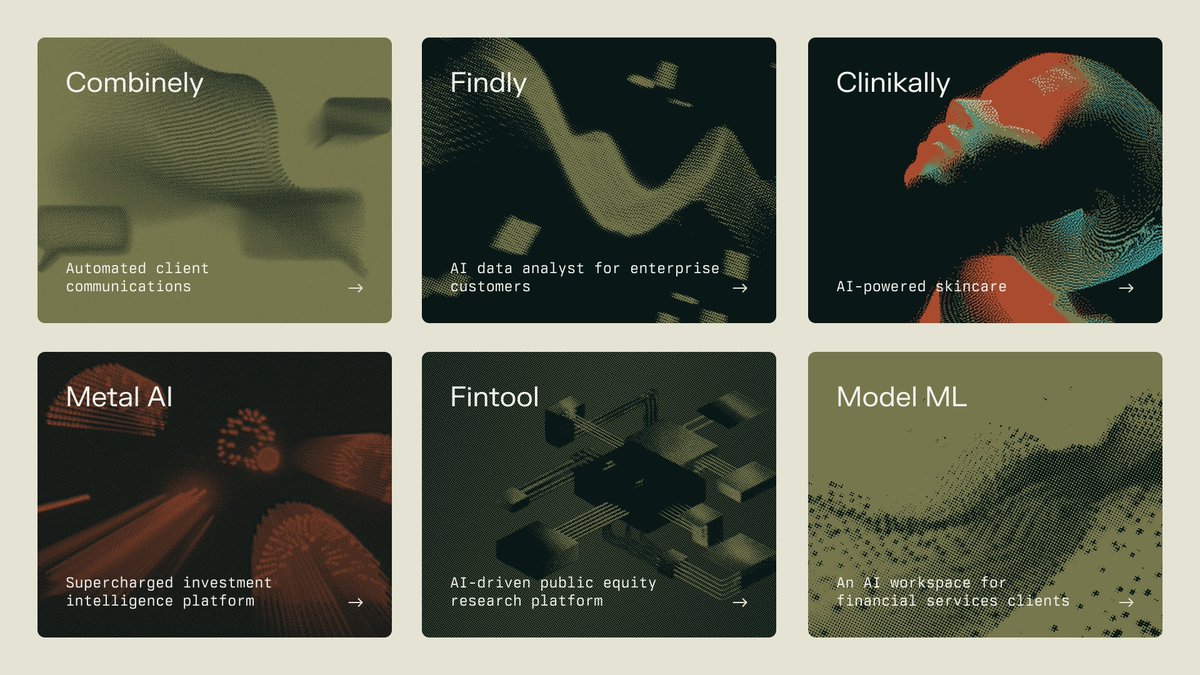
Our new Sonar Resources page is live.
See what others are building, read articles, and register for upcoming events.
6
21
199
25,074
Tom Invernizzi retweeted

10 Jun 2025

3
1
26
2,430
2 Jun 2025
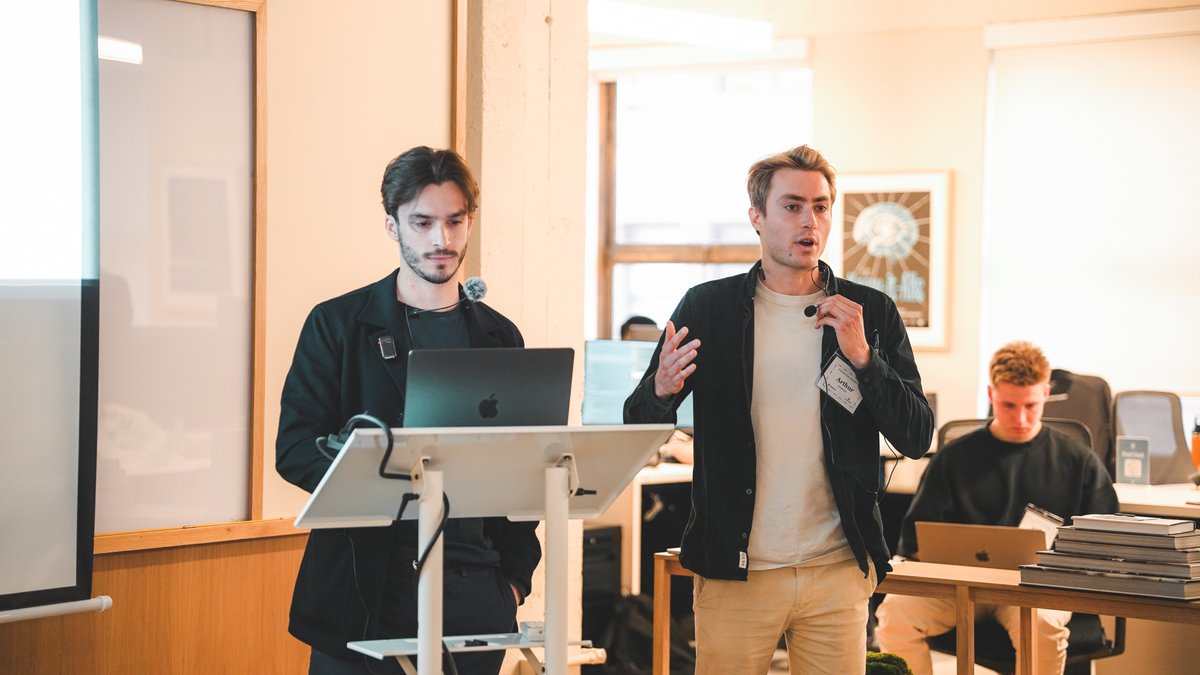
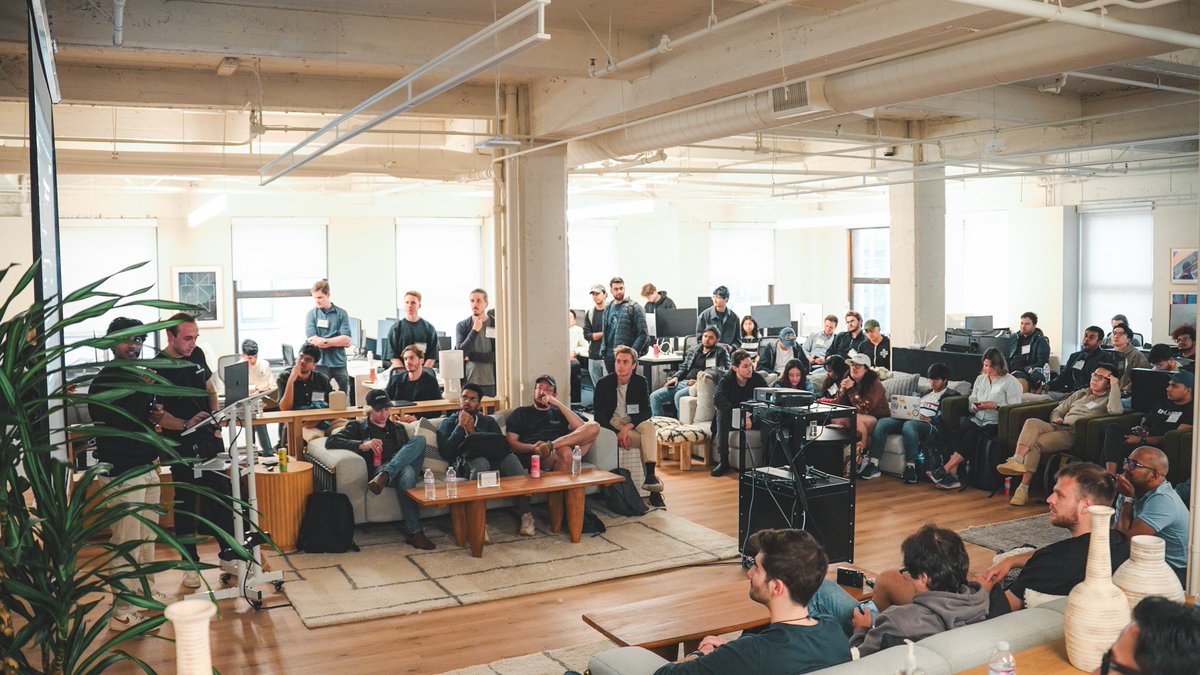
Thanks to @perplexity_ai and the entire Sonar team for hosting an incredible event in SF with a packed house and amazing energy!
We had the opportunity to showcase how Combinely leverages the Sonar API to build our AI coworker for accountants - tackling everything from answering complex client queries to producing and reviewing work.
2 Jun 2025

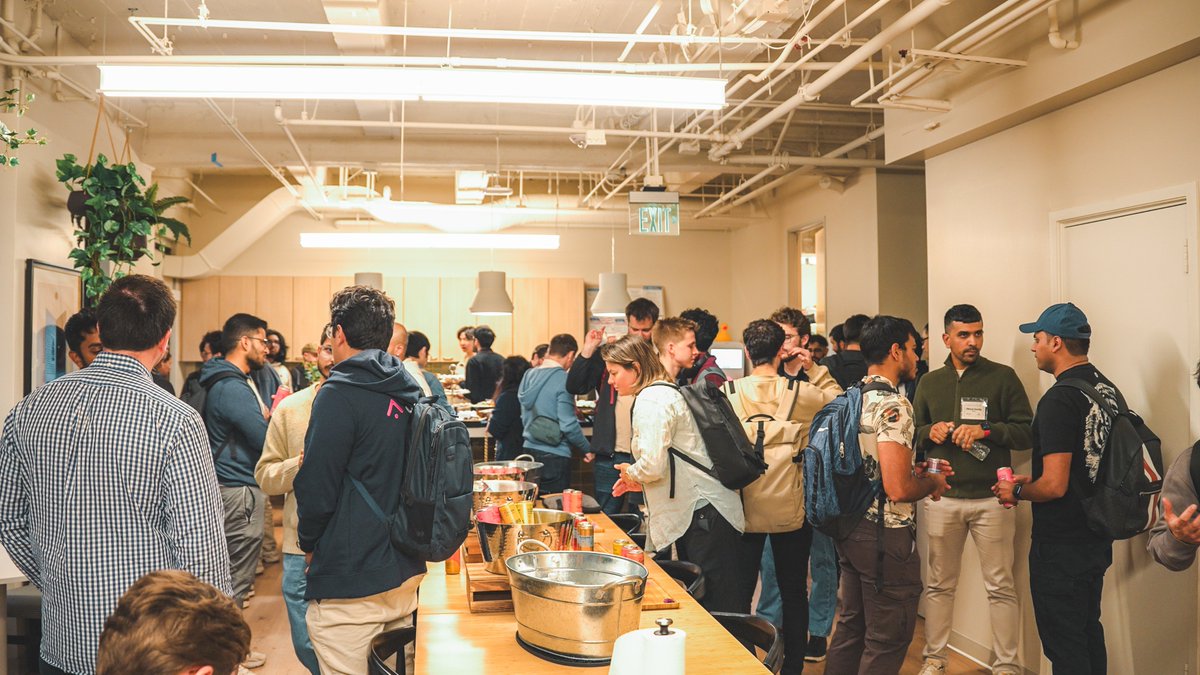
Last month, we had 70 builders in our SF office for Sonar API Demo Night! We saw 8 incredible demos featuring AI accounting tools, smart real estate assistants, real-time brand monitoring, and more, all built on our Sonar APIs.
Didn't get a chance to demo? Join our brand new dev community and share your project and thoughts about our APIs! (link below)

3
1
29
3,174
Tom Invernizzi retweeted

23 May 2025
23 May 2025

Many AI apps today feel like the "horseless carriages" of the late 19th century, which "swapped a horse for an engine without redesigning the vehicle to handle higher speeds." They pack powerful tech into outdated interfaces.
YC's Pete Koomen (@koomen) thinks we can do better.
He joined @t_blom and @dflieb to lay out a new vision for how AI should actually work: not as a chatbot bolted onto legacy software, but as a customizable tool that helps people offload the work they don't want to do.
From editable system prompts to agents that act more like collaborators, they break down what it means to build AI-native software—and why the future belongs to products that let users teach machines how they think.
0:00 – Intro
0:52 – Why AI apps are broken
2:39 – How Gmail’s AI features fall short
4:00 – A better way to build AI apps
5:27 – The hidden system prompt
7:57 – What if you could access the system prompt?
9:40 – The developer-user divide in software
10:48 – The "horseless carriage" metaphor
13:35 – Email reading agent demo
14:34 – Everyone can be a prompt engineer
16:23 – Why coding agents feel magical
21:42 – Training AI like a human assistant
28:45 – The problem with chatbot interfaces
29:10 – Advice for founders
5
10
96
25,814
8 May 2025
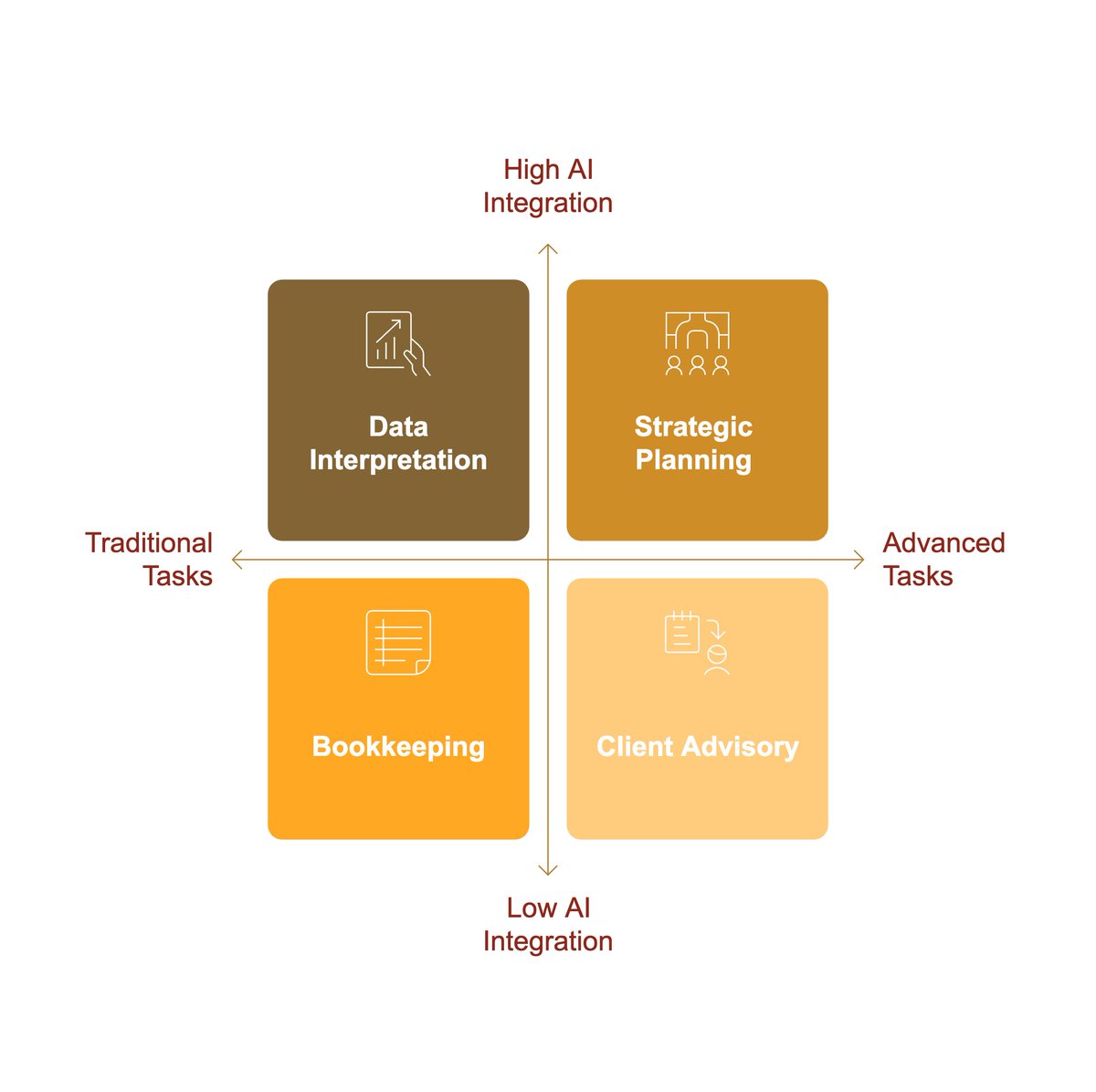
Accountants aren't vanishing, they're upgrading:
↳Data interpretation over data entry
↳Client advisory over compliance checks
↳Business insights over bookkeeping
↳Strategic planning over transaction processing
And 79% of new graduates prefer joining firms that actively use AI. The future belongs to those who treat AI as a partner - not a competitor.
2
5
255
Tom Invernizzi retweeted

2 May 2025
🚀 @Combinely launched! AI Coworker for Accountants
"AI-coworker that helps accountants review & produce work."
🌐 fondo.ai/430ZY0l
Founded by @Tom_inv & @ArthurGranacher
1 May 2025

🚀 @Combinely launched! AI Coworker for Accountants
"AI-coworker that helps accountants review & produce work."
🌐 fondo.ai/430ZY0l
Founded by @Tom_inv & @ArthurGranacher
1
2
17
972

🚀 @Combinely launched! AI Coworker for Accountants
"AI-coworker that helps accountants review & produce work."
🌐 fondo.ai/4lWiLT9
Congrats @Tom_inv & @ArthurGranacher!!
1
1
17
377
Tom Invernizzi retweeted

1 May 2025
🚀 @Combinely launched! AI Coworker for Accountants
"AI-coworker that helps accountants review & produce work."
🌐 fondo.ai/430ZY0l
Founded by @Tom_inv & @ArthurGranacher
2
17
1,360
Tom Invernizzi retweeted
1 May 2025
Congrats to @Tom_inv and @ArthurGranacher on launching Combinely! These two are using AI to help accountants save time on 'quick' questions from clients that consume 30-40% of every working day. They're solving a problem they understand well thanks to Tom's accounting experience.
1 May 2025
.@Combinely is building an AI-coworker for accountants. It reclaims the 30-40% of an accountant’s day that disappears inside Outlook – chasing docs, digging for context, and answering client queries.
ycombinator.com/launches/NPb…
Congrats on the launch, @Tom_inv and @ArthurGranacher!
3
1
8
1,525
10 Apr 2025
"Will our client data end up in ChatGPT?"
This is the #1 question accounting firms ask us before adopting AI.
But what we've noticed: as firms start using the software and see its value, security concerns often diminish - though larger firms with dedicated security teams maintain higher standards throughout.
For accounting AI to succeed, It must be trustworthy as client information security isn't negotiable.
5
141
7 Apr 2025
Most AI accounting tools miss the nuances within workflow automation. To deliver great accounting automation, we need to build deep knowledge at the firm, client, and industry levels.
1
121
5 Apr 2025
AI will transform accounting – perfect example where there aren’t enough people to do the work, with 75% of CPAs retiring in the next decade
5 Apr 2025

Billionaire Investor: The Known and Unknown Winners of AI
"The clear winners in this AI revolution are going to be the major technology companies. That's sort of easy ... and they have enormous amounts of data.
The winners that are unknown today are the companies that are going to figure out how to apply artificial intelligence into their existing businesses and make them better."
@Brookfield CEO Bruce Flatt with @farnamstreet's @shaneparrish
2
188
19 Mar 2025
Most accounting AI startups integrate with QuickBooks first. We started with Emails.
This approach gives us two key advantages.
1/ Emails contain the "why" behind every decision. Context matters before numbers.
2/ Email integration works globally with any accounting software. No regional limitations.
When you capture context first, automation actually delivers on its promise.
1
3
193