Conservation biologist. PhD Invasive Alien Species 🐟🦀🦞🦟. University of Murcia. Blue crab boy. Spanish Fulbrighter 2024/25. IMET. Baltimore
Joined June 2011
- Tweets 11,484
- Following 1,129
- Followers 450
- Likes 7,473
1,102 Photos and videos




Antonio Andrés Herrero retweeted

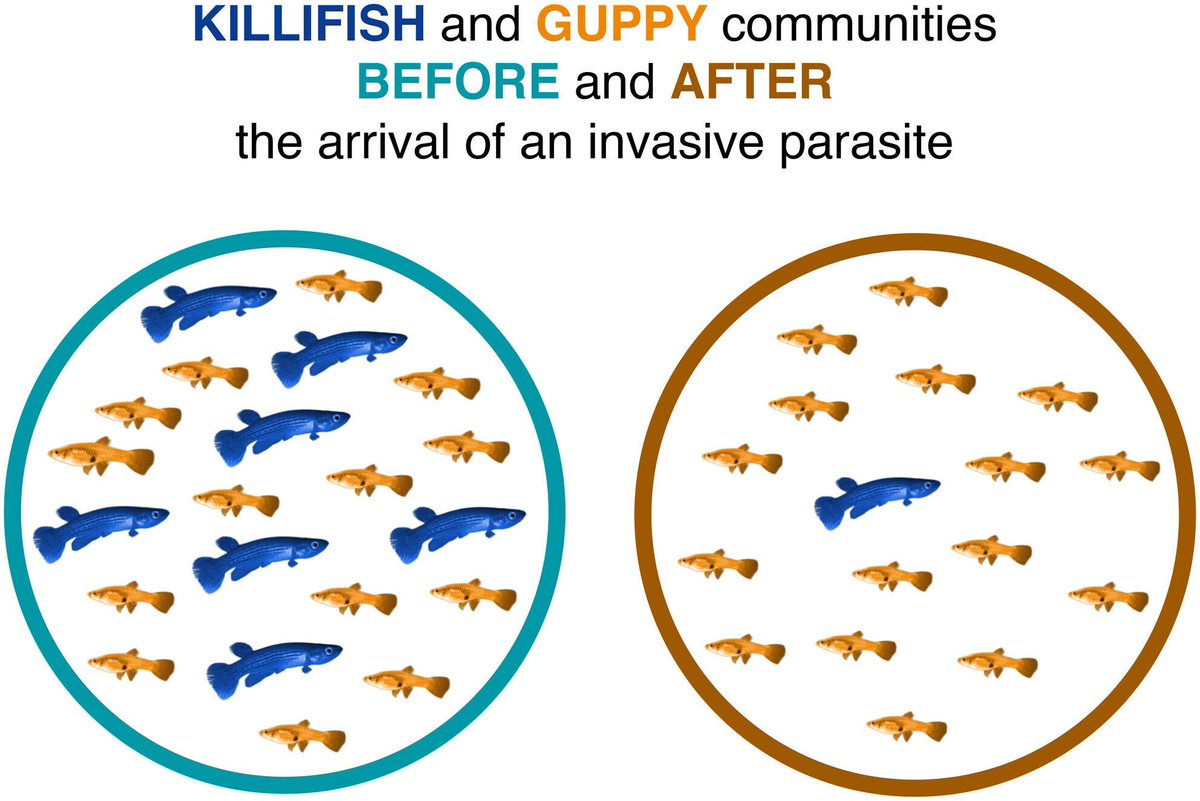
This study provides mechanistic insight into how parasites alter community structure under natural conditions, via their direct and indirect impacts on host demographic rates 🐠 🌍
👇️
buff.ly/7Ttgjut
5
31
1,326
Antonio Andrés Herrero retweeted
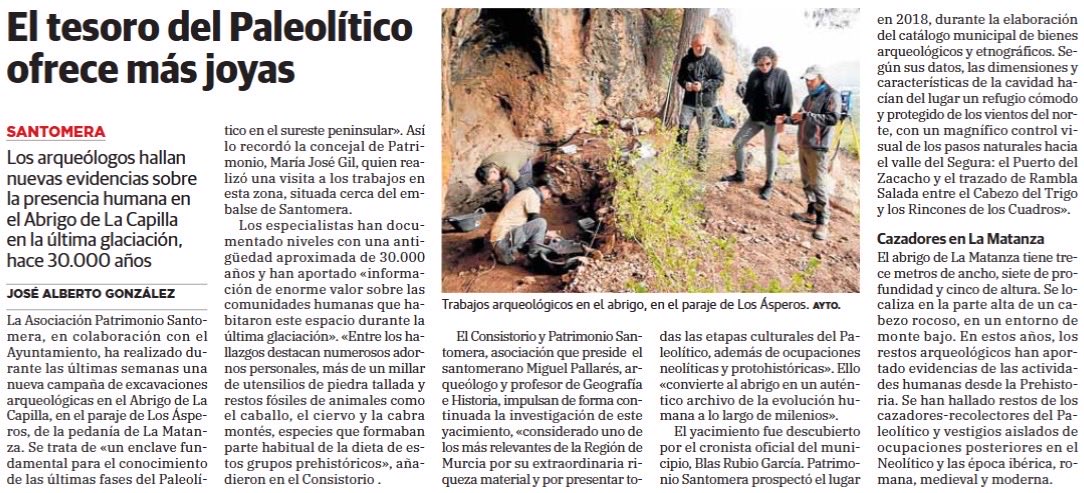
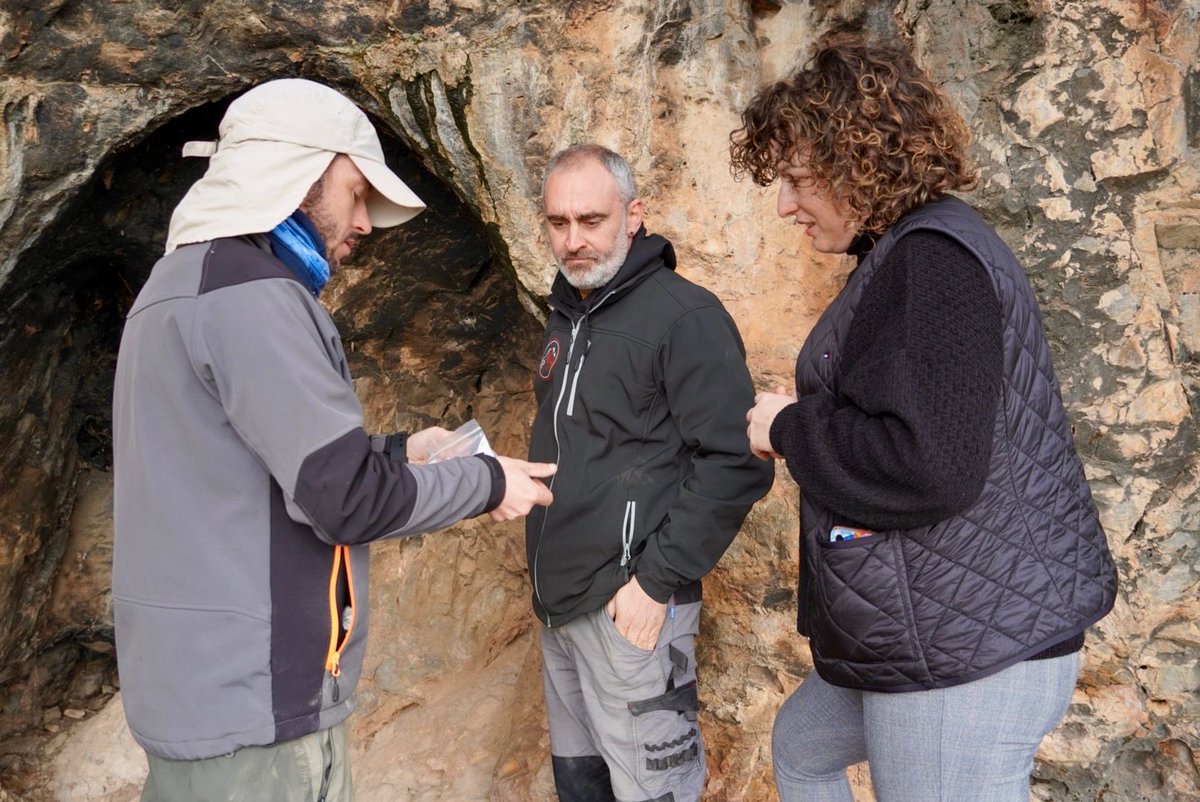
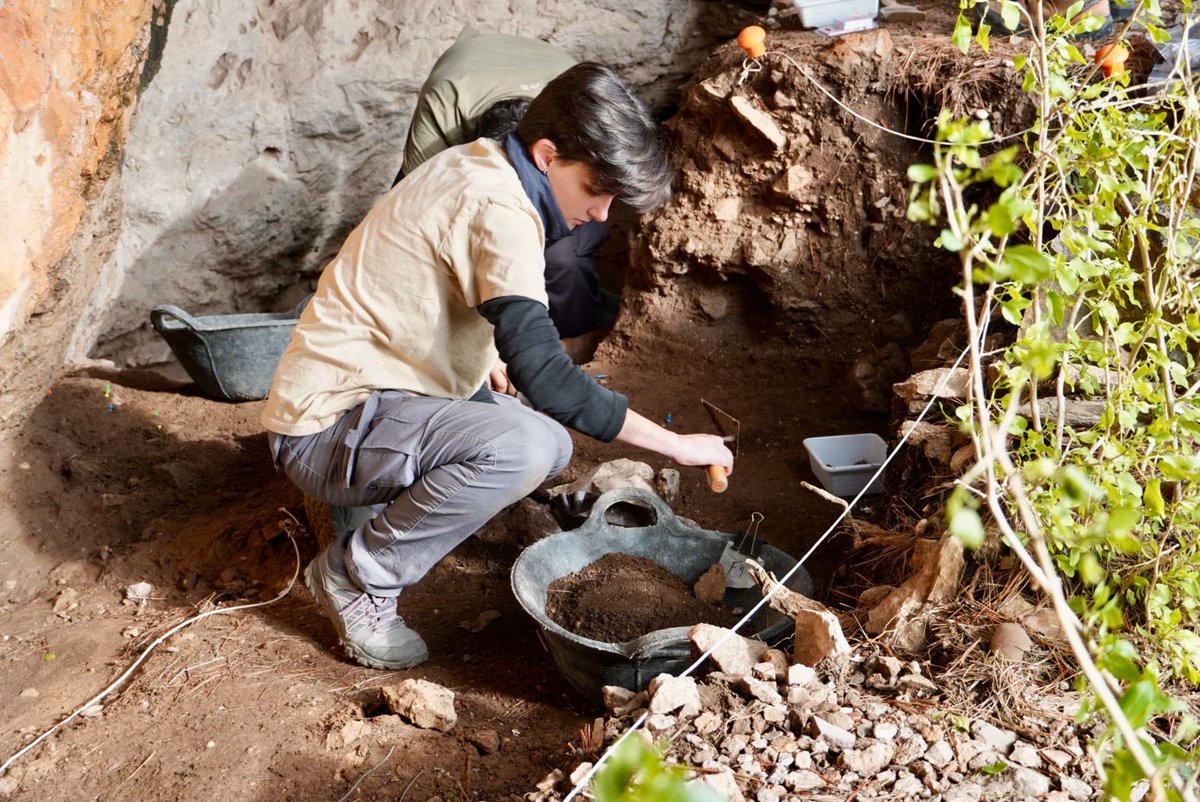
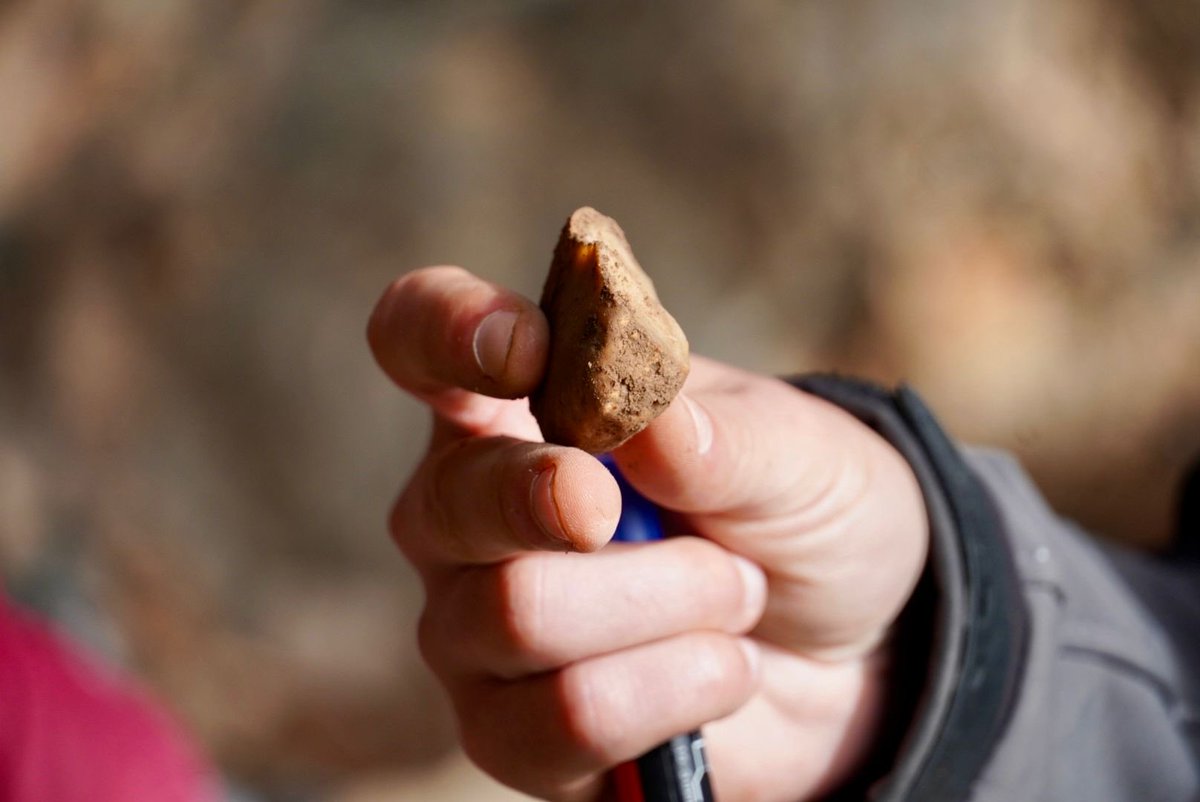
Finalizamos una exitosa campaña de excavación en el Abrigo de la Capilla. Aunque aún queda mucho trabajo y recorrido este yacimiento acabará convirtiéndose en un referente a nivel regional y nacional.
2
2
143
Antonio Andrés Herrero retweeted

2 Dec 2025
BREAKING: Sugars essential for life have been found in pristine asteroid Bennu samples collected by NASA’s OSIRIS-REx spacecraft. Combined with previous detections of amino acids and nucleobases, we see that life’s ingredients were widespread throughout the solar system: go.nasa.gov/48MTu9i
More on the study led by Yoshihiro Furukawa of @TohokuUniPR⤵️
711
10,506
50,129
11,694,053
Antonio Andrés Herrero retweeted

26 Aug 2025
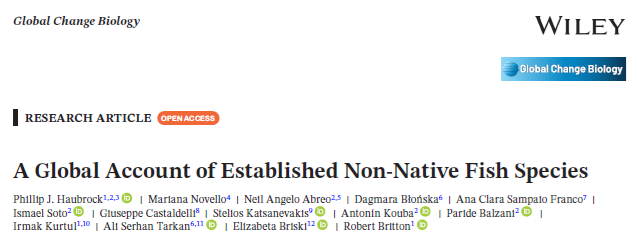
🚨New paper out in @GlobalChangeBio
We present the first global account of established #nonnative #fish species, covering their #diversity, #pathways, and #impacts across 193 countries. 🌍🐟
🔗 doi.org/10.1111/gcb.70451
1
6
11
586
Antonio Andrés Herrero retweeted

21 Aug 2025
🚨 New paper out! 🚨
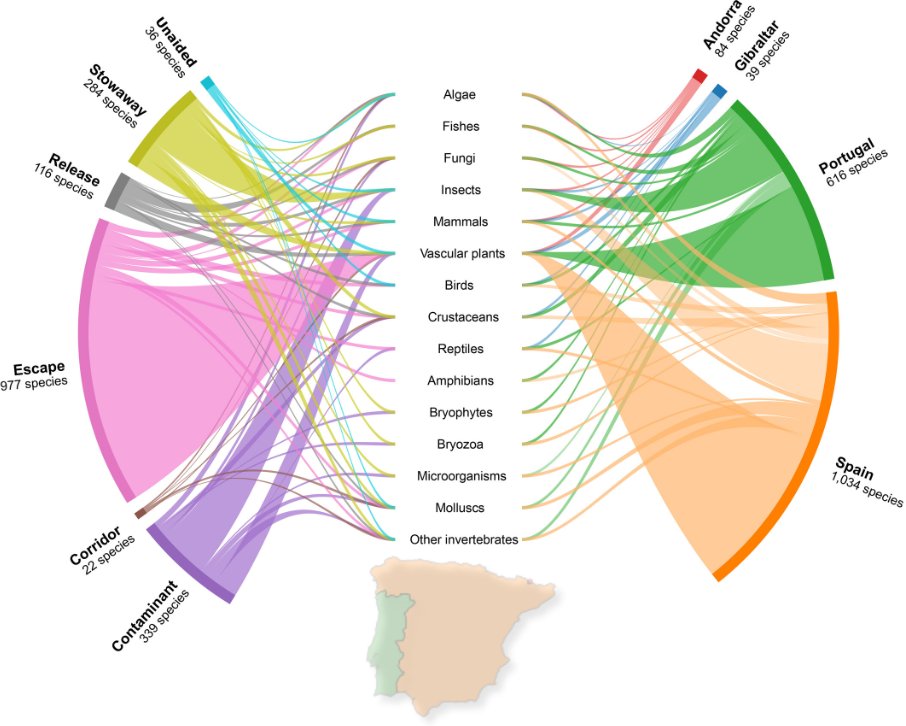
📍 Over 1,200 non-native species are established in the Iberian Peninsula 🇪🇸🇵🇹🇦🇩🇬🇮. Published in Diversity and Distributions 📰
👉 doi.org/10.1111/ddi.70071
#invasivespecies
9
27
1,037
Antonio Andrés Herrero retweeted

7 Aug 2025
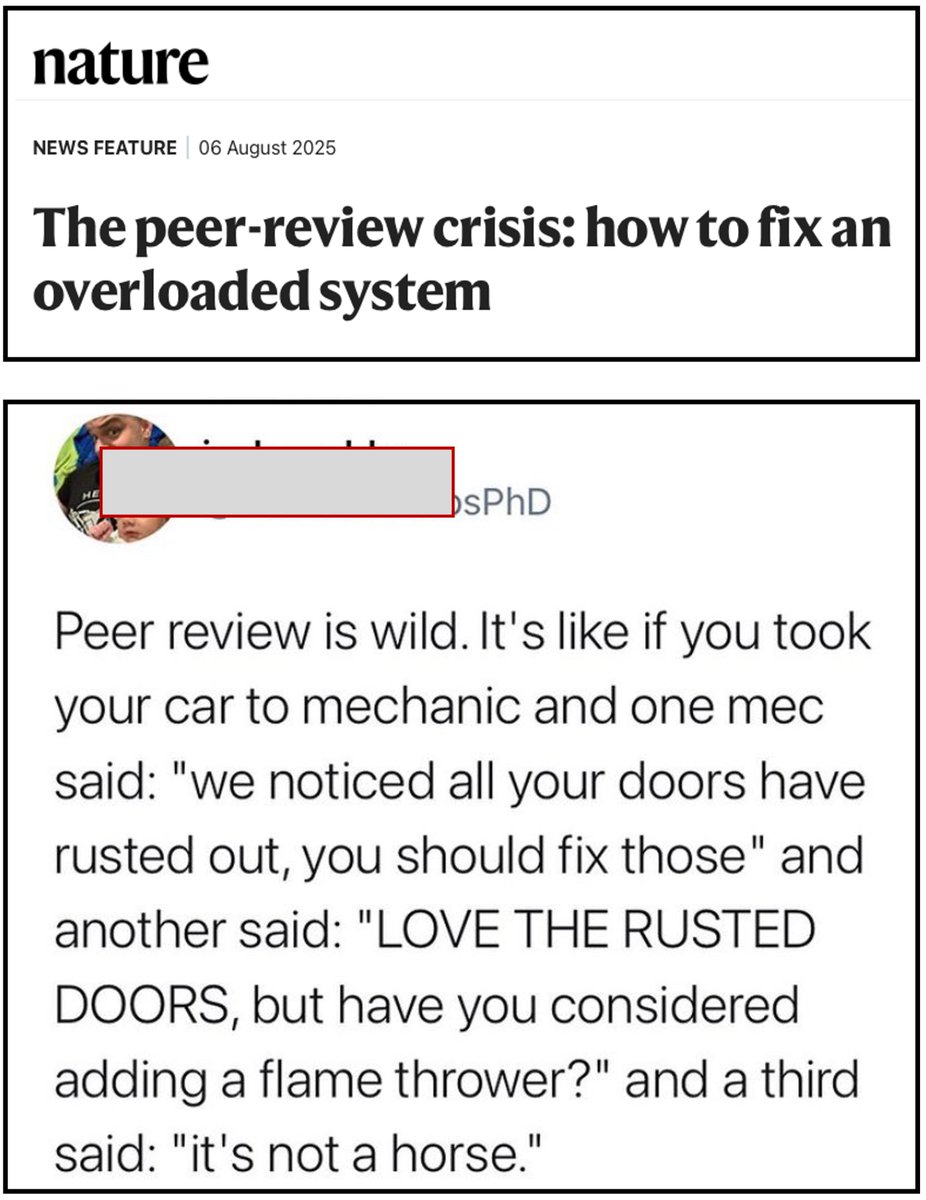
Journals can’t find peer reviewers. Preprints aren’t taken seriously. Garbage papers slip through peer review. Meantime, AI is slowly taking over.
Nature describes the current situation. I highly recommend reading the article.
📍 The summary ( my comments):
1. We are facing a SIGNIFICANT overload on reviewers. Fatigue is epidemic. Few scientists have time for much peer review. As a result, manuscript turnaround times are chaos. They’re unpredictable and painfully slow.
2. Grant and facility proposals demand massive peer review too. They push the system even further.
3. Review quality is decreasing. Rigor is inconsistent. Technical aspects are poorly assessed.
4. Gatekeeping and bias are very real (we all know how manuscripts are rejected due to competition & jealousy). It causes a growing dissatisfaction among scientists.
5. Paid reviewing does NOT automatically improve the acceptance rate. Trials show mixed results. For example, acceptance rates barely increased from 48% to 53% for Critical Care Medicine. The quality of PR remained the same. But for Biology Open, the PR process has become much faster. In either case, paid reviews are very hard to scale business-wise.
6. Distributed Peer Review is becoming more popular. Some funding agencies now require applicants to review peers’ proposals. But to to eliminate bias in it? I don’t know.
❗ There’re no simple solutions.
As a careful observer, I think that the complex picture is evolving along the following trajectory:
AI-assisted peer view (AI pre-screening, AI PR-assistant, AI audition of peer reviews)
Community reviewing
Some form of compensation
Involvement of wider community in PR lists (not only most recognized scientists)
What’s your view on it?
37
146
615
80,746
Antonio Andrés Herrero retweeted

2 Apr 2025
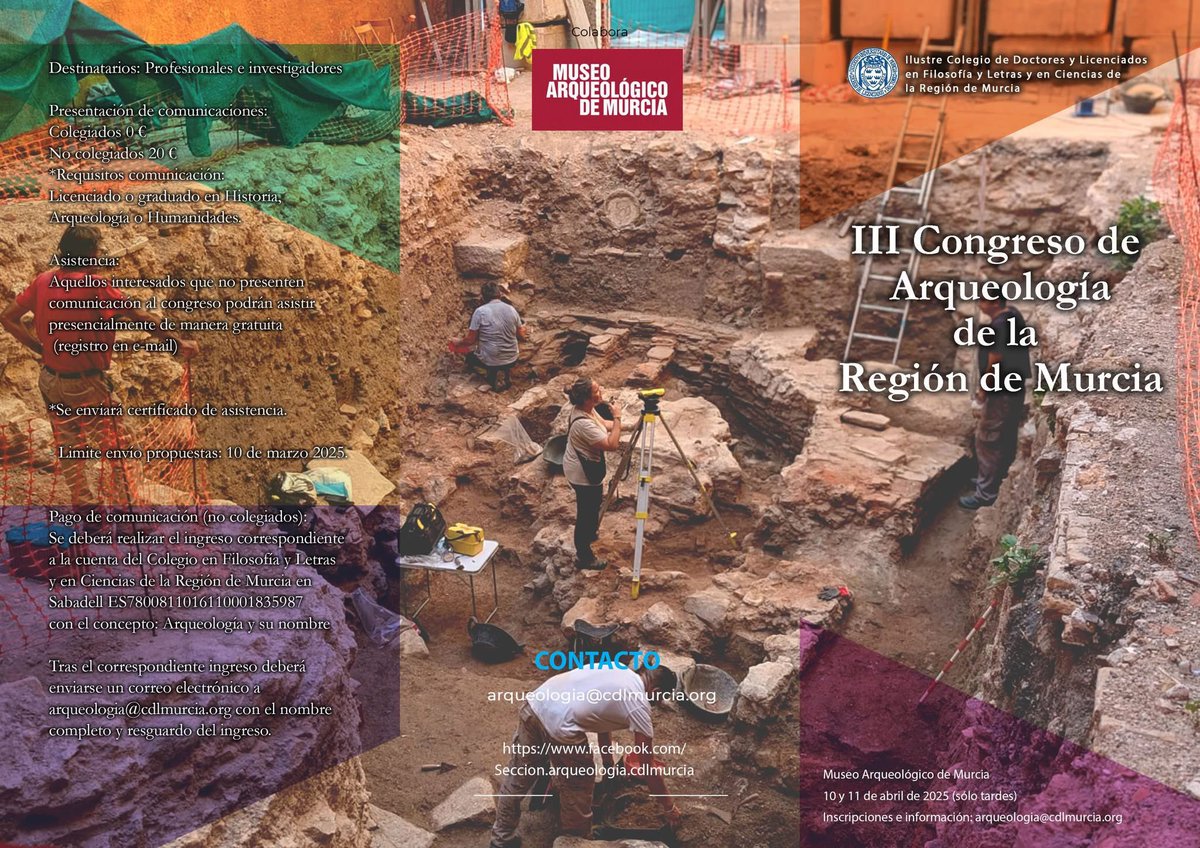
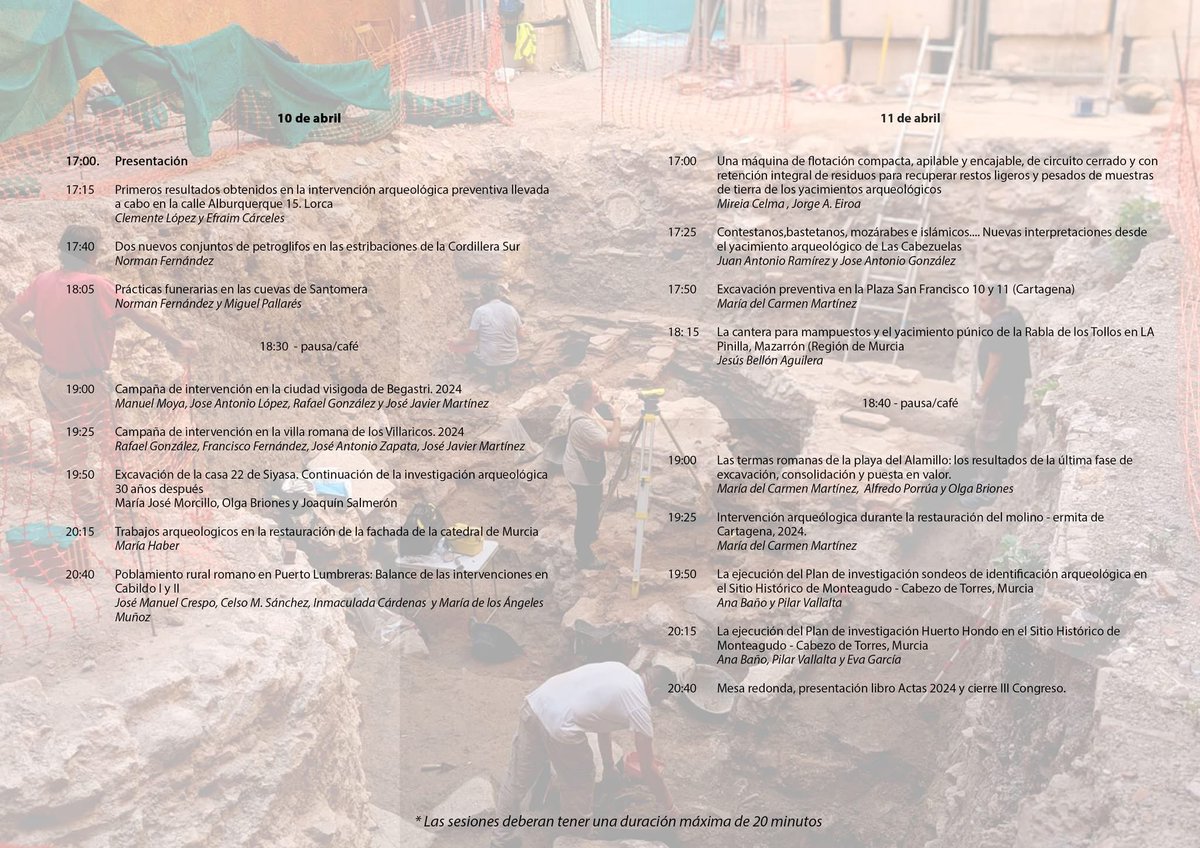
Toma nota!…jueves 10 de abril en el #MAM, III Congreso de Arqueología de la Región de Murcia. Hablaremos de las “Prácticas funerarias en las cuevas de Santomera”.
2
4
219
Antonio Andrés Herrero retweeted

10 Feb 2025
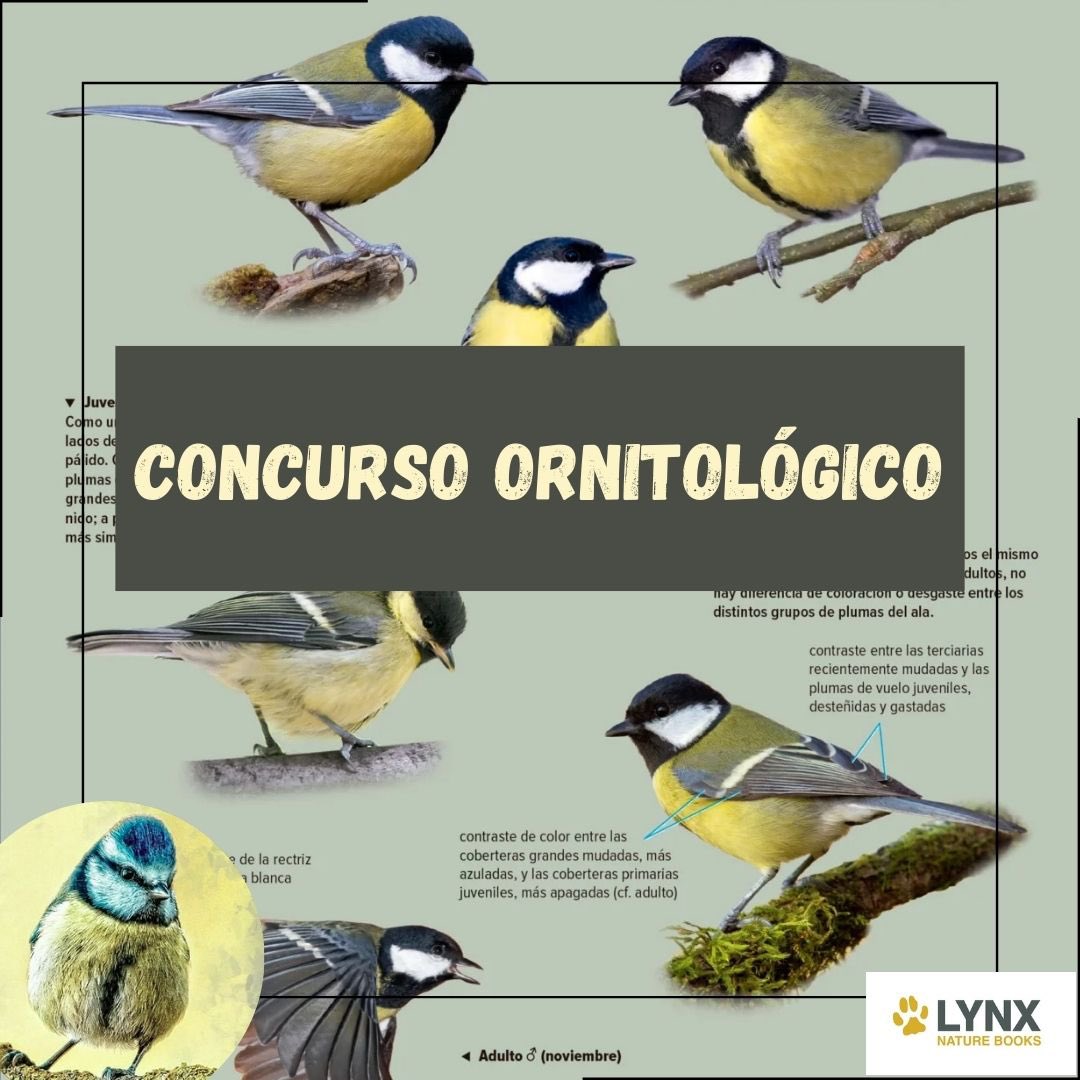
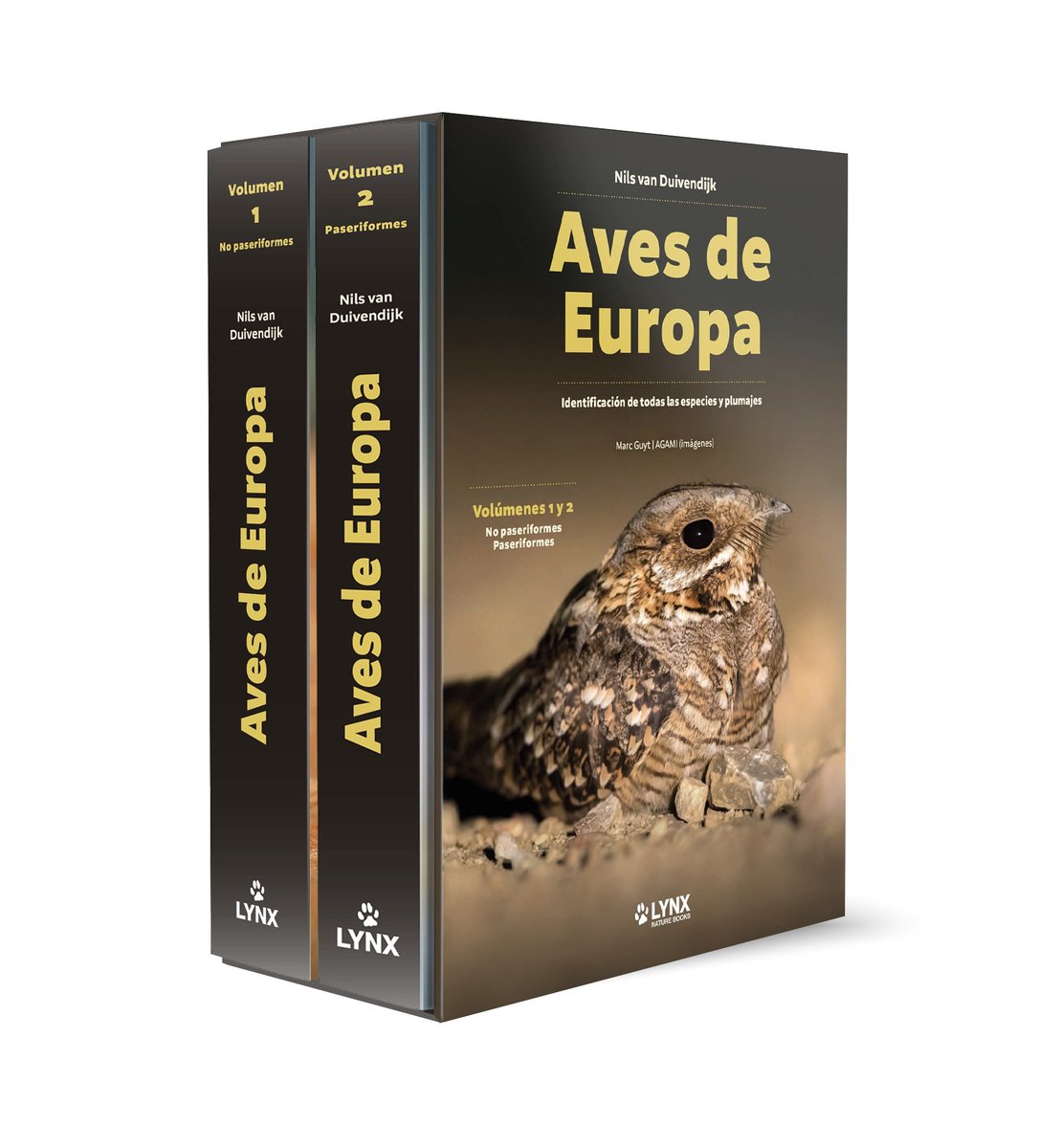
¡¡CONCURSO !!
¿Quieres ganar el libro “Aves de Europa”, de Lynx Ediciones?
Participar en el sorteo es muy fácil:
- Dinos qué especie de pájaro europeo te gustaría más poder observar
- Sigue la cuenta @herrerillo_com
- Haz retuit
Fecha límite: 12/02/25, a las 23:59h
700
678
520
55,980
Antonio Andrés Herrero retweeted
25 Jan 2025
#Santomera tiene un patrimonio natural, arqueológico, etnográfico, histórico e inmaterial…de incalculable valor…
Vídeo presentado por el @AytoSantomera_ en #FITUR2025
2
3
245
Antonio Andrés Herrero retweeted

27 Nov 2024
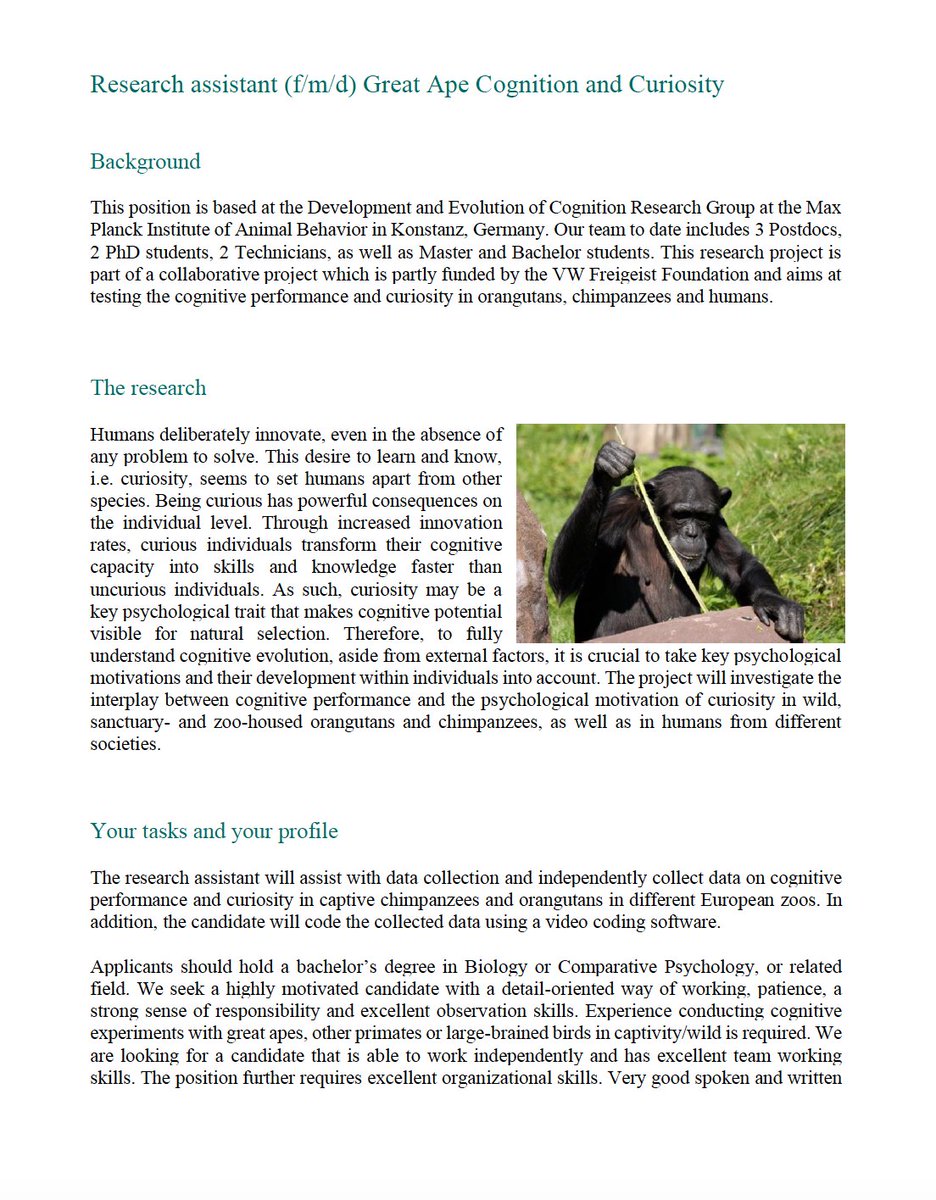
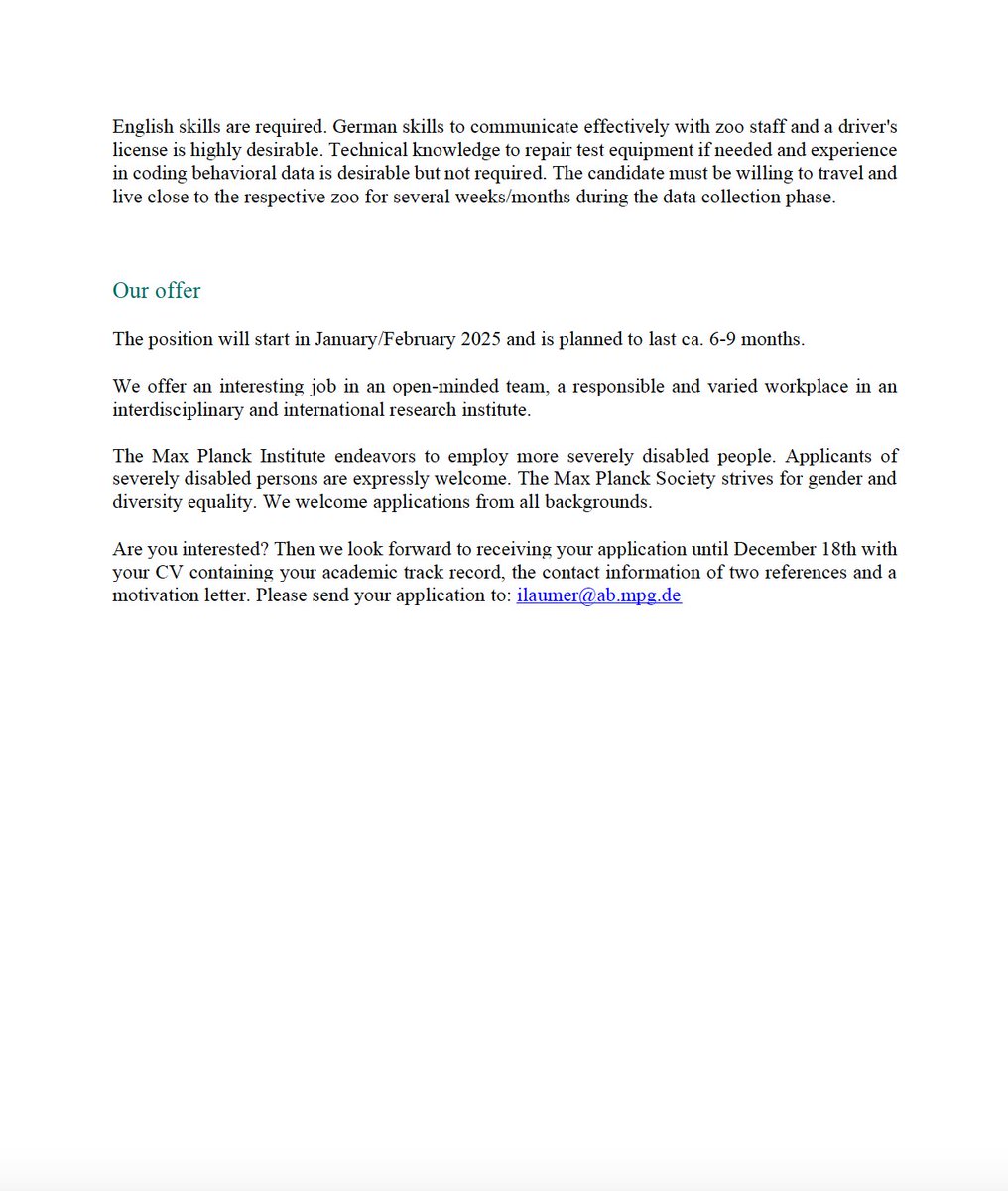
We are hiring😃! Research assistant for collecting behavioral data on zoo-housed orangutans and chimpanzees. Retweets appreciated 🙂!
1
135
250
31,428
Antonio Andrés Herrero retweeted

21 Nov 2024
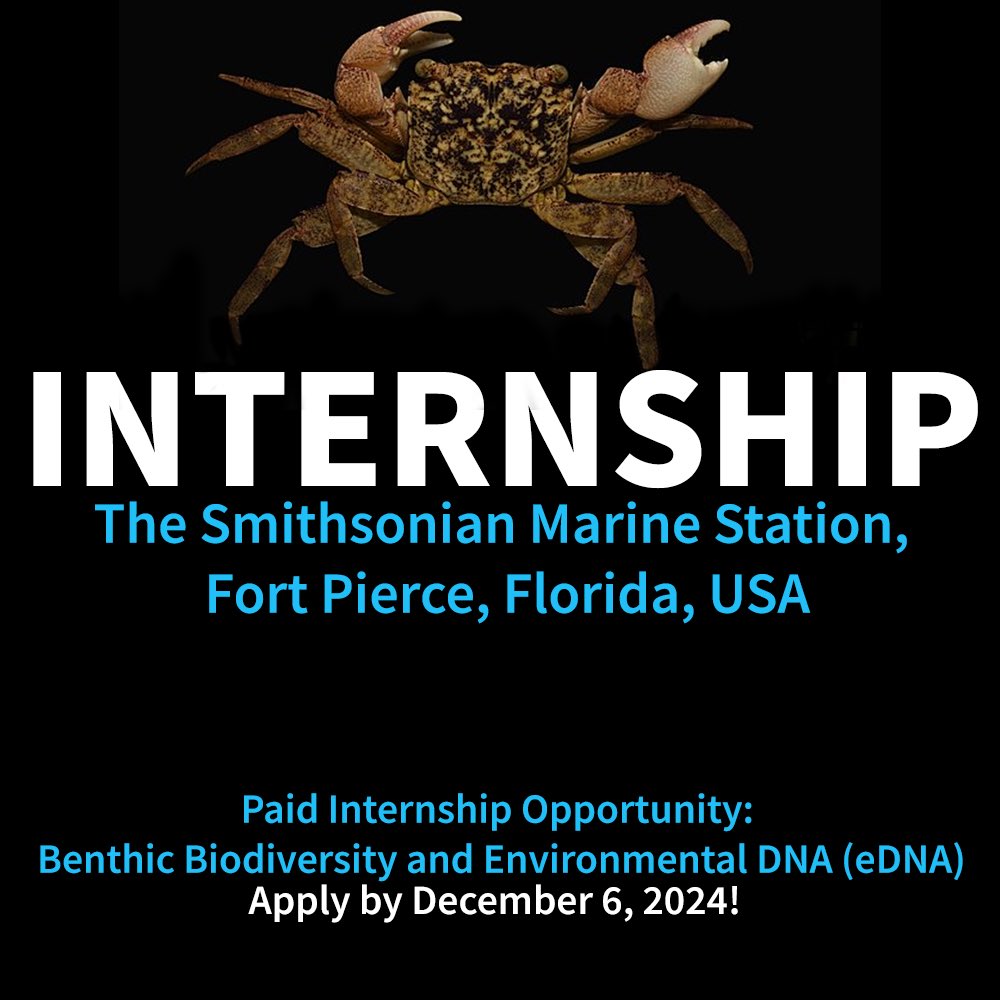
🌊 Paid Internship: Study marine biodiversity & eDNA at Smithsonian Marine Station!
$400/week for 1 year. Apply by Dec 6 and send a statement of career interests and CV to sweatl@si.edu
🌐 Details: IRLSpecies.org or @BenthicBrigade
📸 Ffish.asia (CC)
11
17
1,276
Antonio Andrés Herrero retweeted

5 Nov 2024
Never saw a crab that was already such a superior evolution to other crab designs
361
3,698
63,829
9,169,852
Antonio Andrés Herrero retweeted

27 Sep 2024
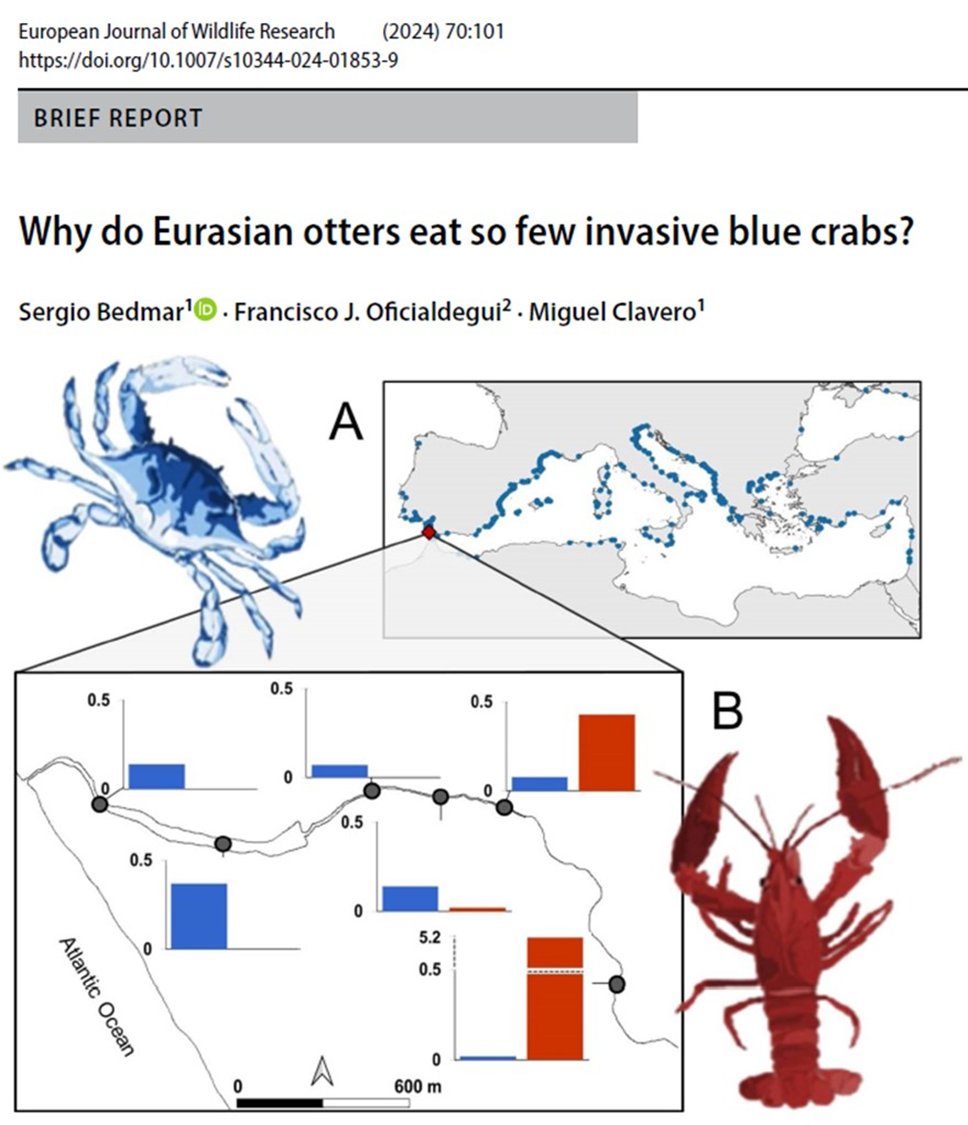
Who's eating invasive blue crab?
Seems that not many species
The otter was a good candidate predator, but it is not yet consuming this new, highly abundant resource
See new paper led by @sergiobedmarc with @OficialdeguiF
LINK: link.springer.com/article/10…
@ebdonana @ejwr_cm
1/6
1
34
94
7,075
Antonio Andrés Herrero retweeted

If you hold an MSc, are a EU citizen (time constraints) & would like to do a #PhD on the effects of salinity on the competive interactions between an endangered fish & invasive mosquitofish, a 4-y contract will be open soon. Please contact me ASAP for further details. Please RT

Buscamos candidato/a para contrato predoctoral #FPI en el marco de convoc. “Proyectos de Generación de Conocimiento 2023”. El proyecto @GRECO_UdG @IEA_UdG “Biología de la conservación de peces ciprinodontiformes: efectos de la salinidad y la hipoxia (SALTFISH)”...
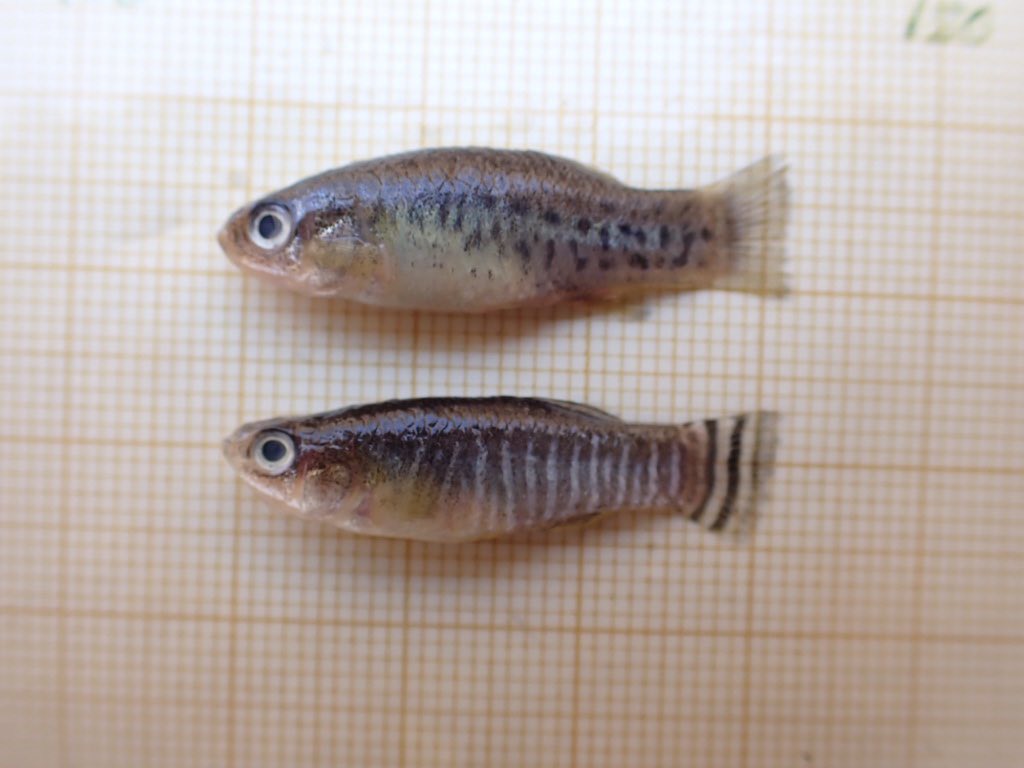
ALT Aphanius iberus @ Lluís Zamora
1
22
25
2,555
Antonio Andrés Herrero retweeted

18 Sep 2024
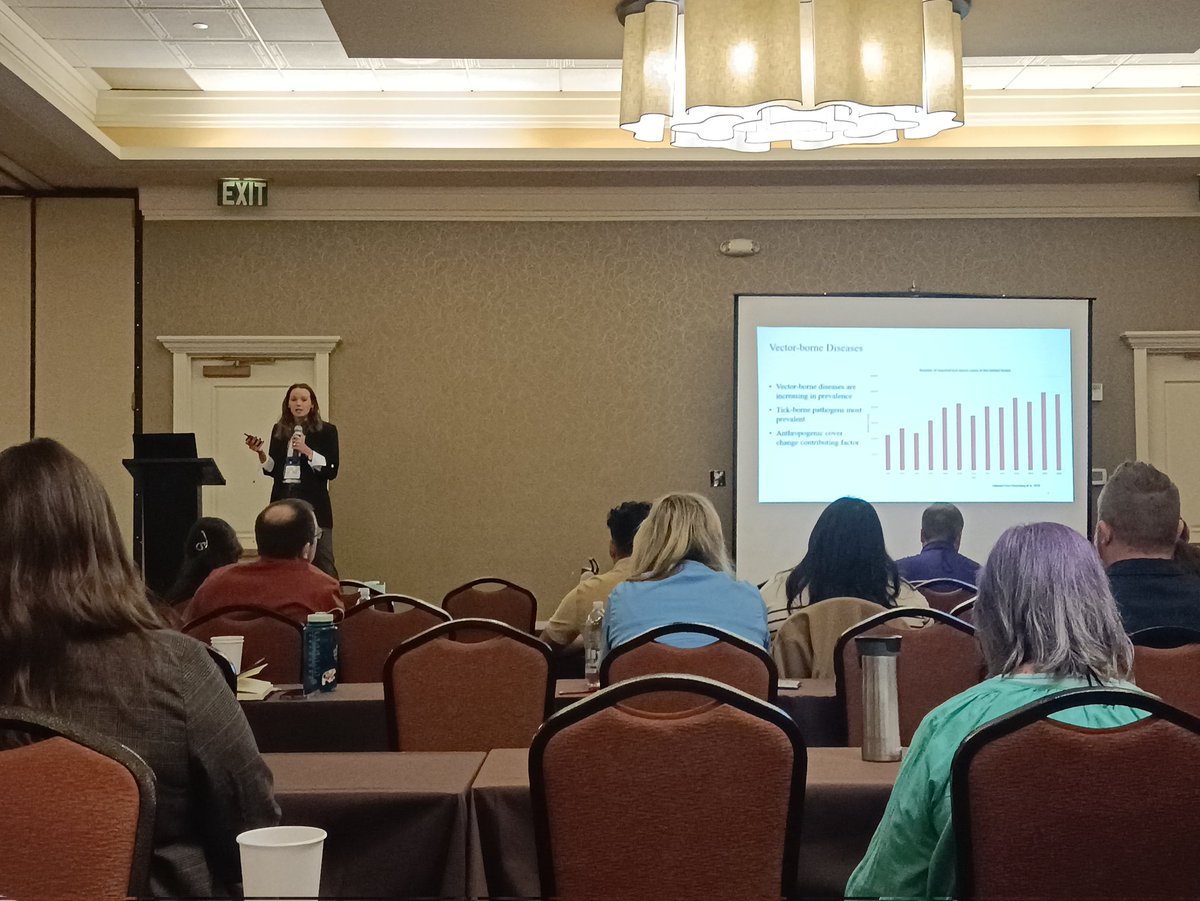
It's time for the Student Symposium at the SOVE Conference. Really enjoying it!
2
18
715
Antonio Andrés Herrero retweeted
16 Sep 2024
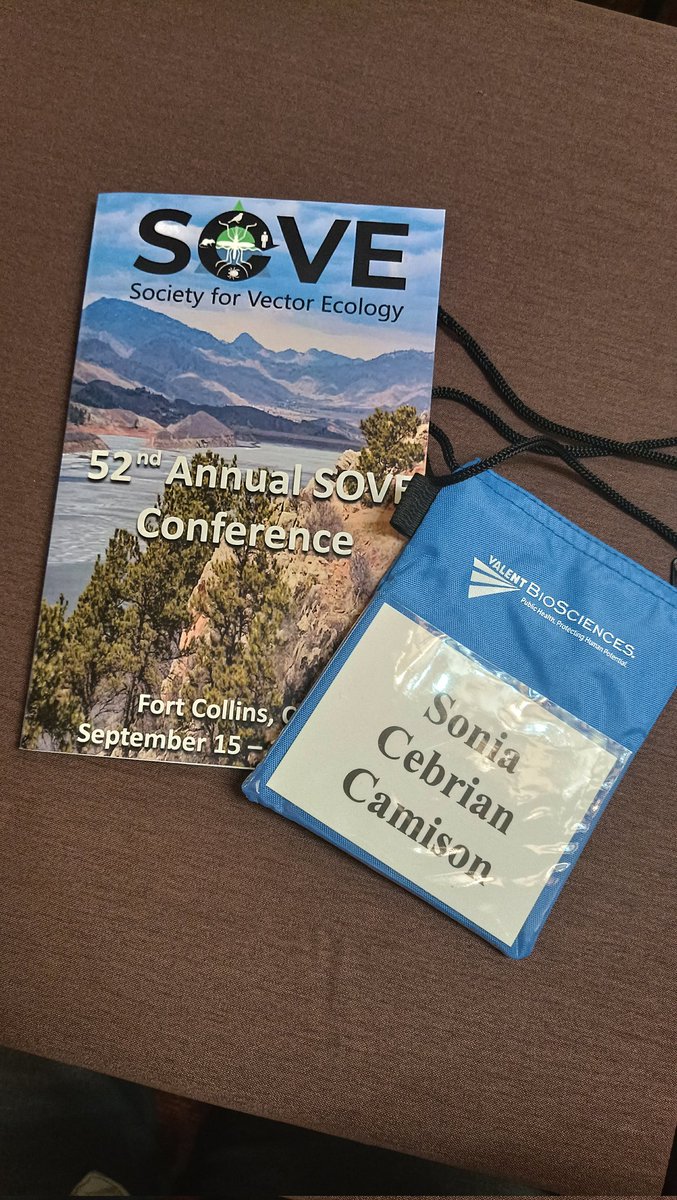
This week I'm attending the 52nd Annual @_SOVE_ Conference which is taking place in Fort Collins,CO, thanks to the funding of my @FulbrightSpain grant. I'm also presenting a poster with some preliminary results on spanish Culex pipiens population structure #VectorEcology
4
24
686
Antonio Andrés Herrero retweeted
Buscamos candidato/a para contrato predoctoral #FPI en el marco de convoc. “Proyectos de Generación de Conocimiento 2023”. El proyecto @GRECO_UdG @IEA_UdG “Biología de la conservación de peces ciprinodontiformes: efectos de la salinidad y la hipoxia (SALTFISH)”...
ALT Aphanius iberus @ Lluís Zamora
1
20
33
6,503

8 Sep 2024
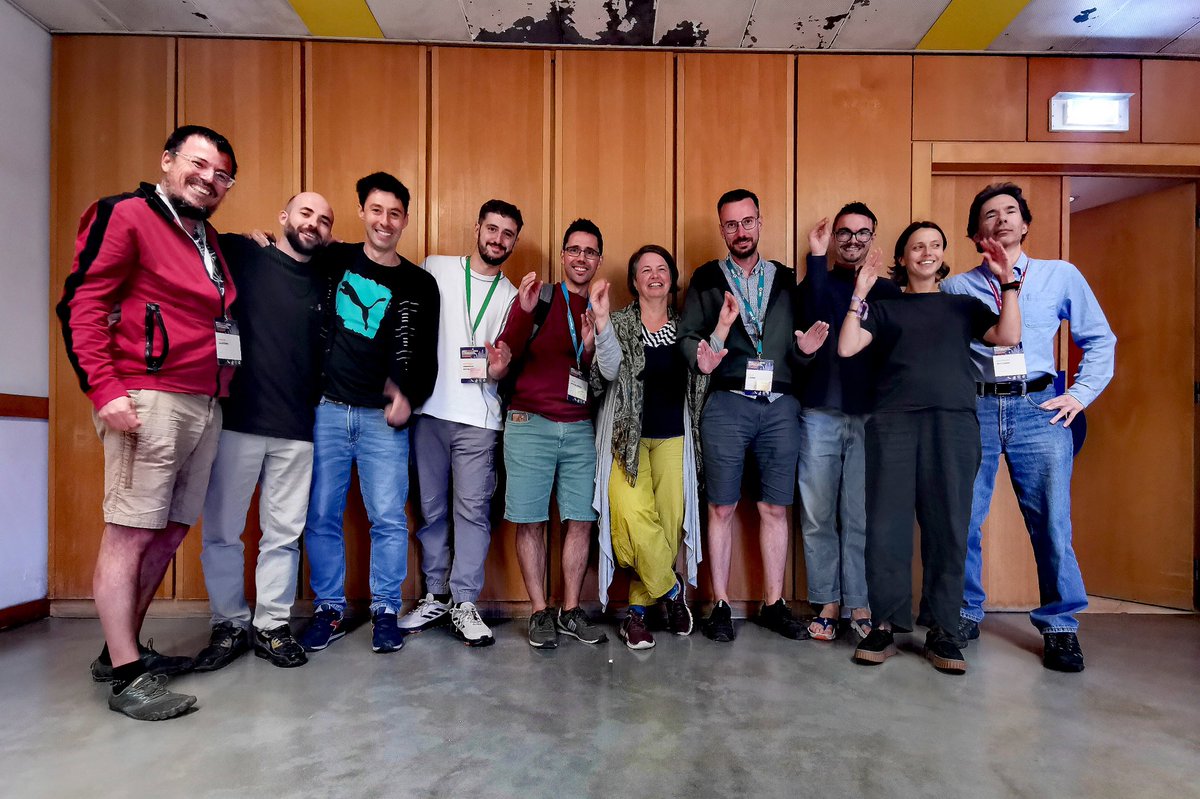
What an inCRABdible team!! always a pleasure to have met with such wonderful people 🦀❤🦞
8 Sep 2024

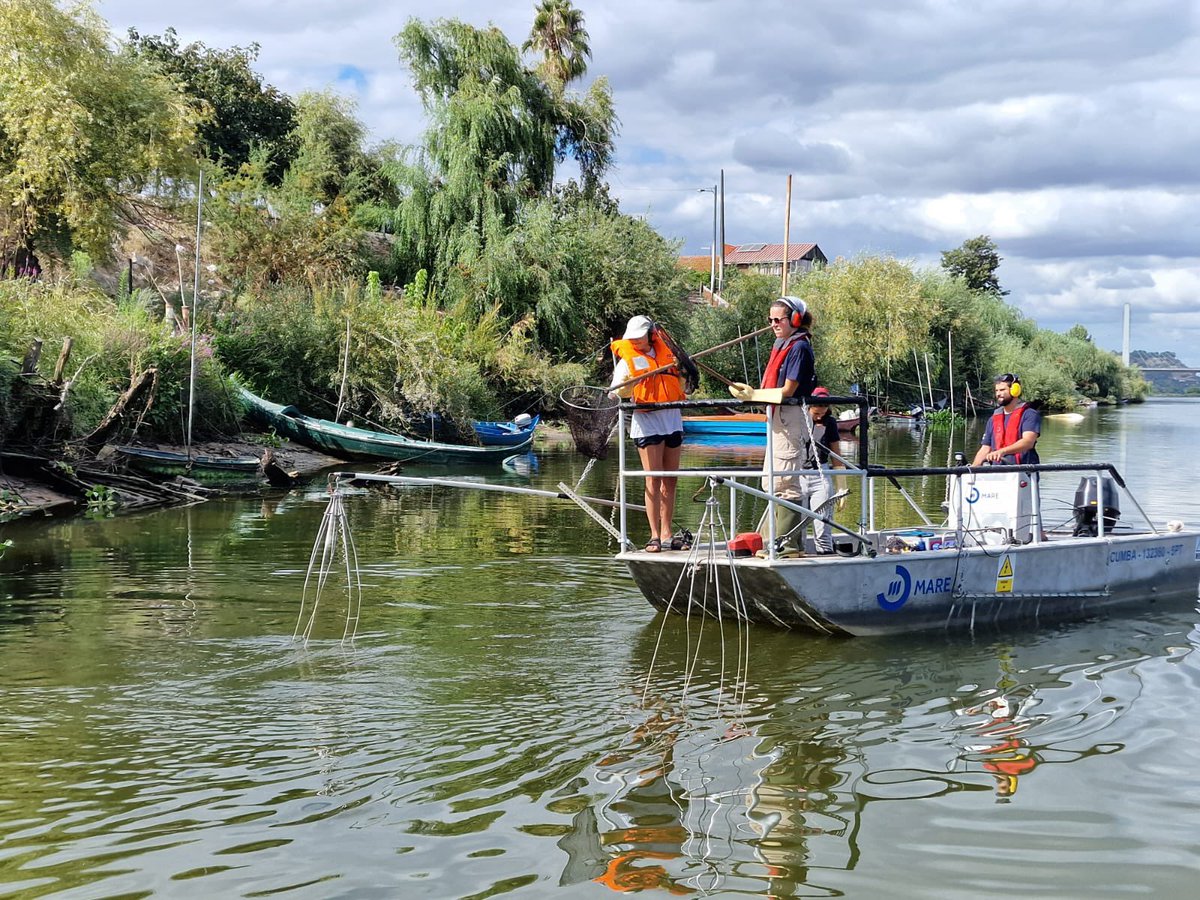
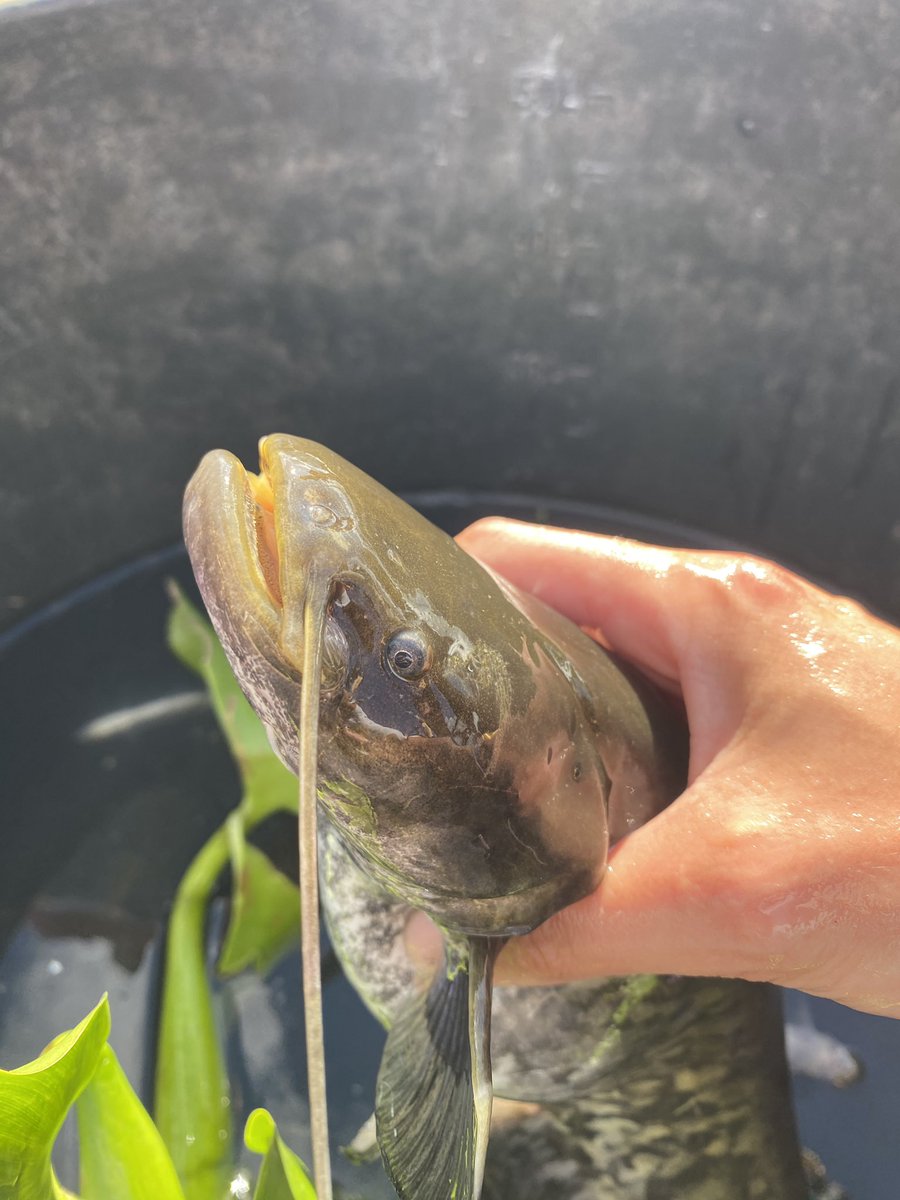
Excellent @Neobiota2024 congress, successful crayfish workshop, new friends, old friends & a sneaky go on the electrofishing boat thanks to @FishInvasionLab!
3
172
Antonio Andrés Herrero retweeted

8 Sep 2024
Excellent @Neobiota2024 congress, successful crayfish workshop, new friends, old friends & a sneaky go on the electrofishing boat thanks to @FishInvasionLab!
1
5
41
1,962