Official Twitter account of the Torfaen Constituency Labour Party. RT does not mean endorsement.
Joined January 2015
- Tweets 4,365
- Following 978
- Followers 898
- Likes 585
291 Photos and videos
Torfaen Labour Party retweeted

May 4
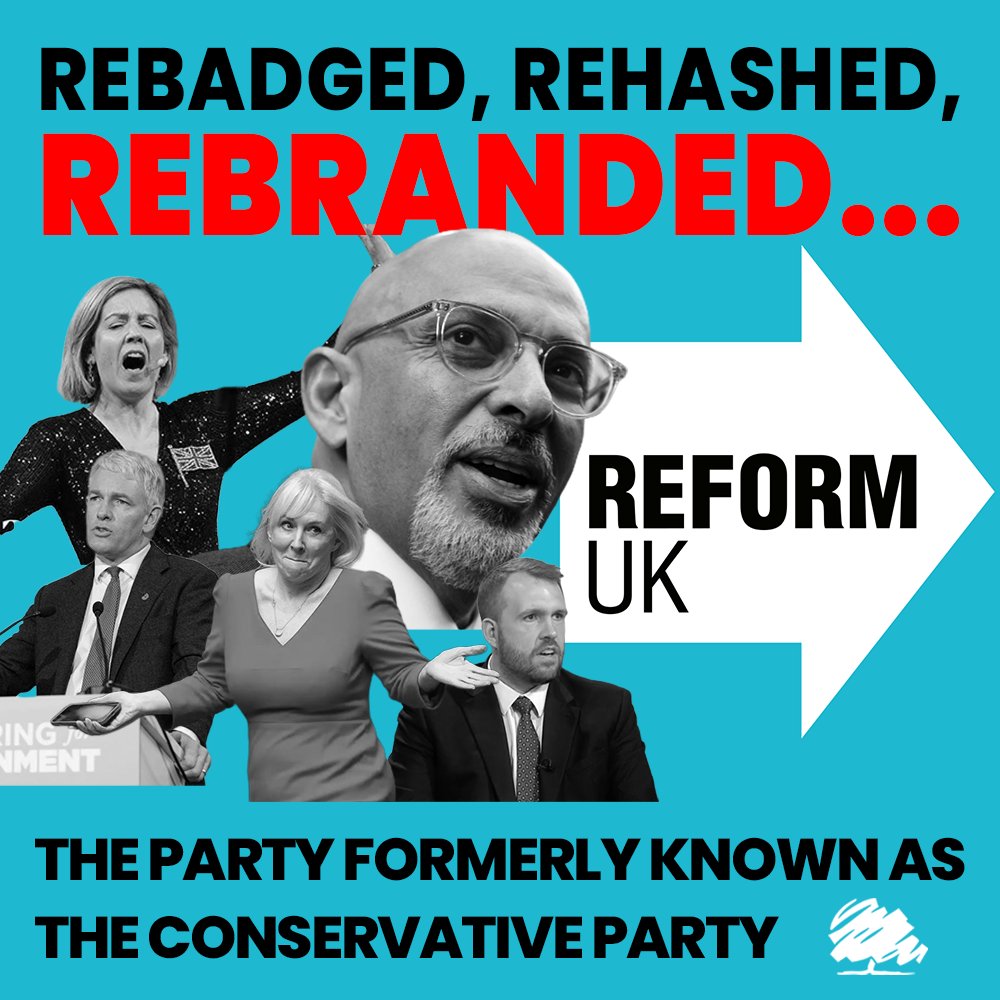
This needs to be called out.
521
400
1,470
381,119
Torfaen Labour Party retweeted

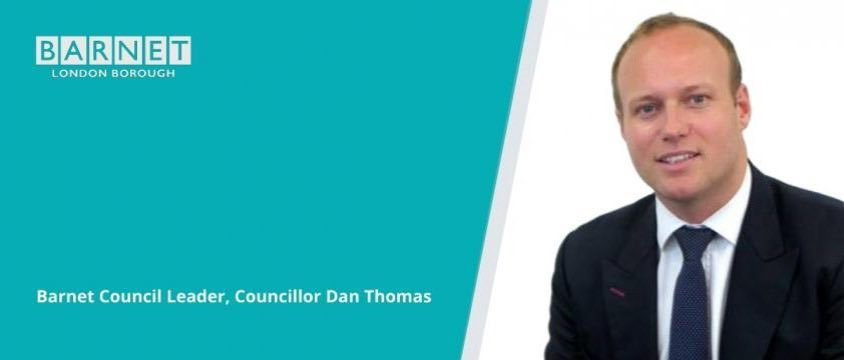
The botched past of Reform UK’s Leader in Wales: Dan Thomas
Even just having him in the #Senedd would be a liability.
Dan Thomas, who served as the Leader of Barnet Council from 2017 to 2022, is a figure associated with a particularly controversial and impactful policy. The most notable and interesting thing about his tenure is his role as the chief architect and advocate for Barnet’s “Commissioning Council” model, often dubbed “The Barnet EasyCouncil” or “The John Lewis Model.”
Under Thomas’s leadership, this reached its apex with the £1 billion “Strategic Partnership” with Capita, outsourcing the bulk of the council’s functions (from finance and IT to environmental services and planning) in two massive contracts.
The Controversy and “Capita Crisis”
This is where Dan Thomas’s legacy becomes particularly contentious.
The outsourcing model, especially the Capita contracts, became synonymous with high-profile failures:
· Massive Data Breaches: Multiple serious data breaches occurred, including one exposing the personal details of thousands of residents.
· Critical Service Failures: There were systemic problems in planning, licensing, and housing benefits. Barnet’s planning department became one of the slowest in the country.
· Financial Scrutiny: The contracts were criticised for lack of transparency and control. A £2 million fraud by a Capita employee in the pensions service was a major scandal.
· Public Backlash: The model was widely seen as putting ideology and cost-cutting ahead of service quality and resident welfare. The slogan “Barnet – the Council that Works for You” was often mocked by residents experiencing the opposite.
Dan Thomas was seen as a staunch, ideological defender of the model, often dismissing criticism and attributing problems to teething issues rather than fundamental flaws. This made him a lightning rod for opposition.
Following the 2022 election loss, he stepped down as Conservative group leader and largely retreated from frontline politics.
His tenure is now studied as a cautionary tale in local government about the risks of extreme outsourcing, the loss of institutional capacity, and the difficulty of managing large, complex contracts for public services.
In summary, the most interesting aspect of Dan Thomas is that he became the personification of Britain’s most ambitious and, ultimately, most troubled experiment in wholesale council outsourcing. His leadership offers a stark case study in the collision of free-market ideology with the practical, day-to-day realities of delivering public services.
8
192
273
11,785
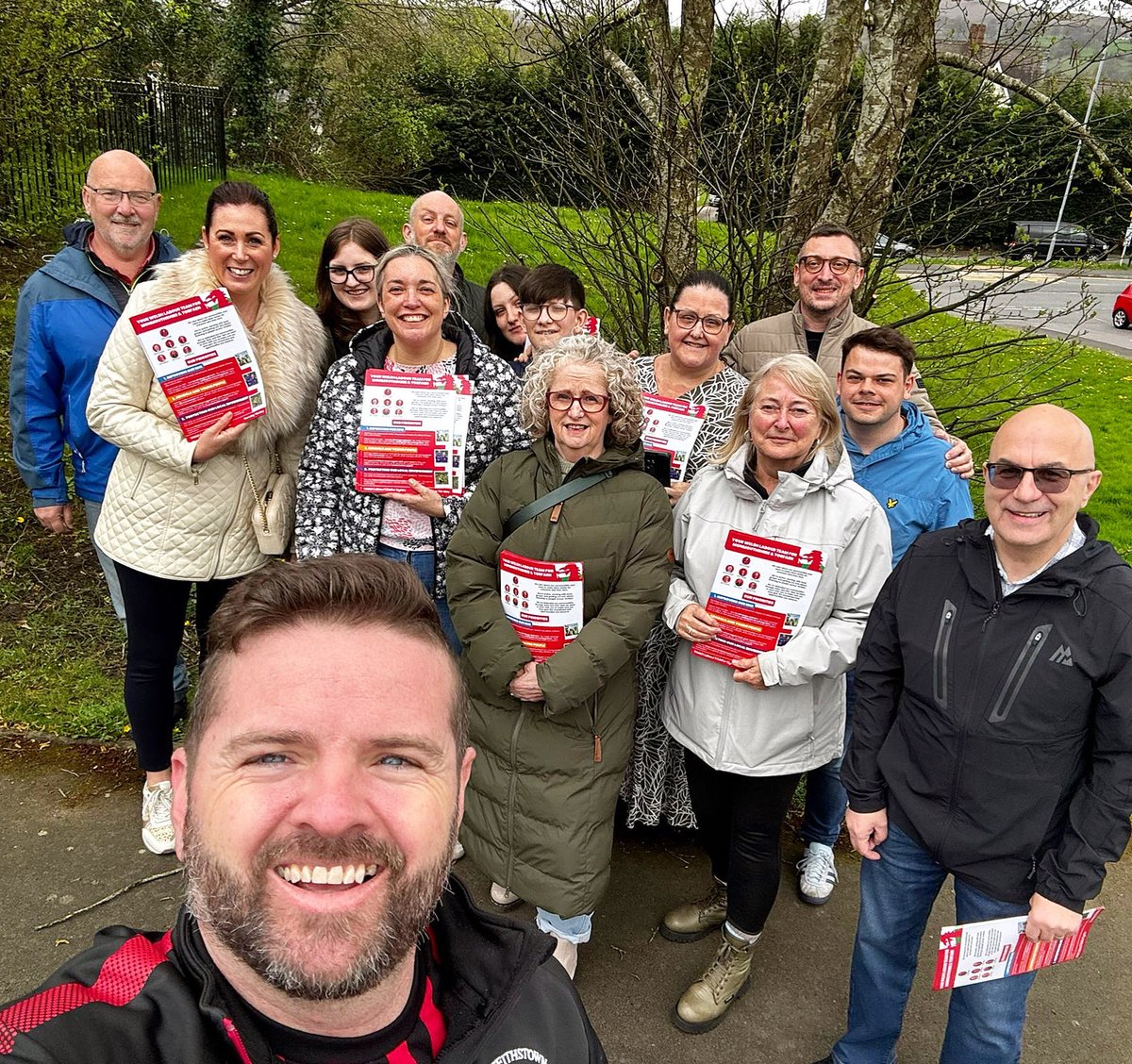
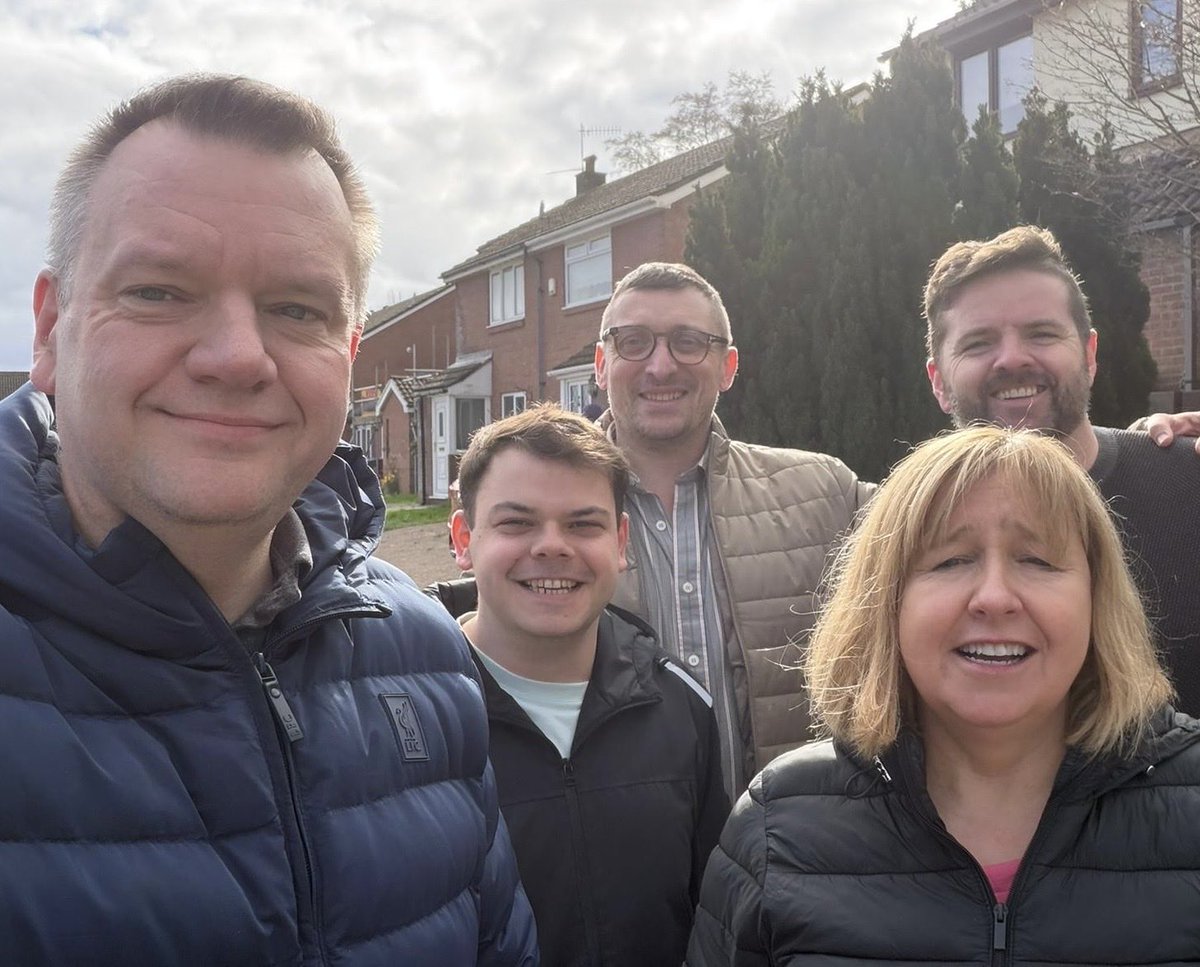
Great session out this afternoon across Parc Panteg, Churchwood & Open Hearth Close 🏴🌹
2
3
8
497
Torfaen Labour Party retweeted

Mar 10
Nigel Farage says Reform never promised to cut taxes so here is a series of clips of him definitely not promising to cut taxes.
185
3,767
8,164
406,434
Torfaen Labour Party retweeted

Mar 5
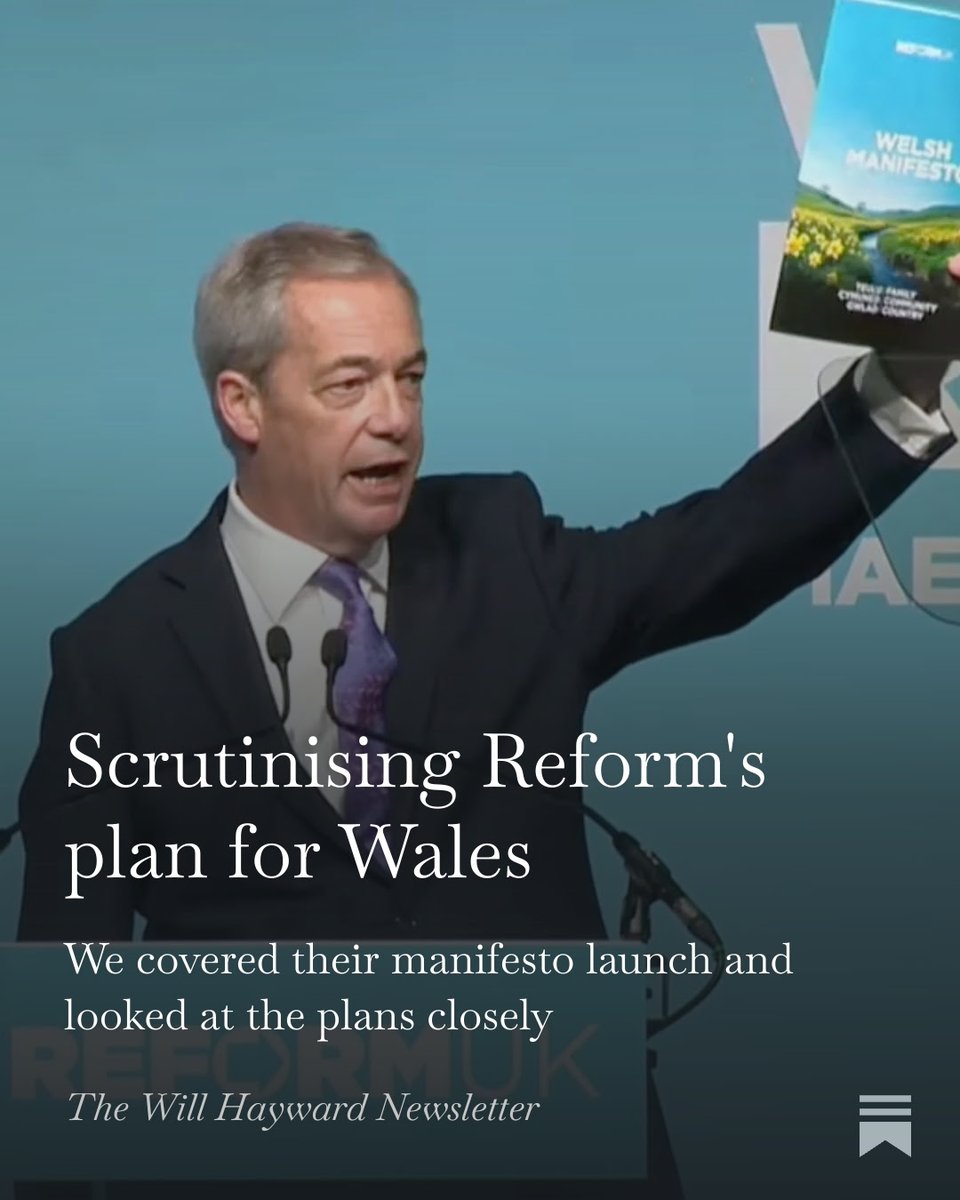
Despite the fact Reform were too scared to let me come to their conference, I have been through their manifesto so you don't have to.
Spoiler alert, they don't really have a plan...
Read the full breakdown in my pinned tweet.
107
570
1,319
49,095
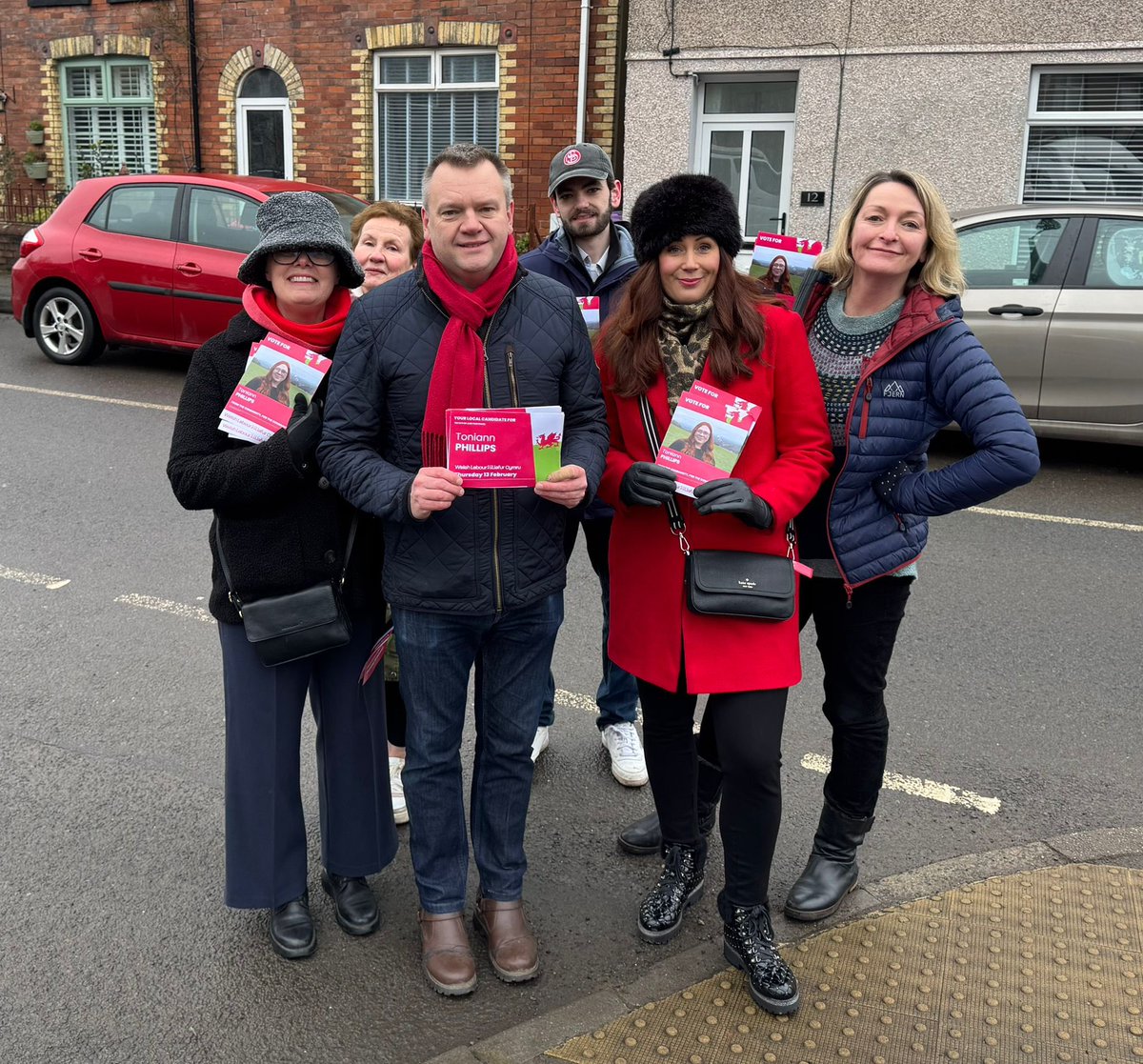
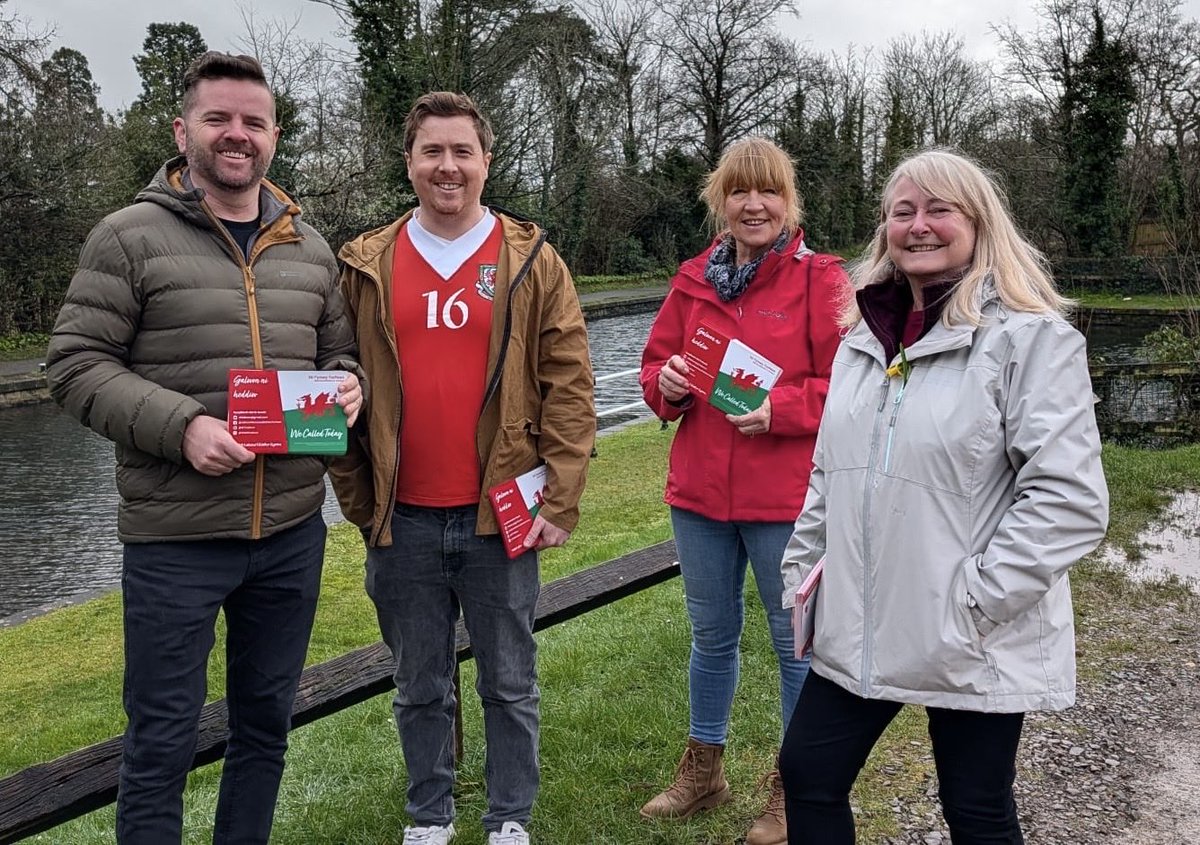
Happy St David’s Day to everyone in Torfaen 🌼 We’ve celebrated this weekend by talking to our neighbours in Griffithstown, Llantarnam & Pontnewydd. Message is clear - we need to double down and deliver the change our communities are calling out for 🏴🌹
2
9
505
Torfaen Labour Party retweeted

Jan 31
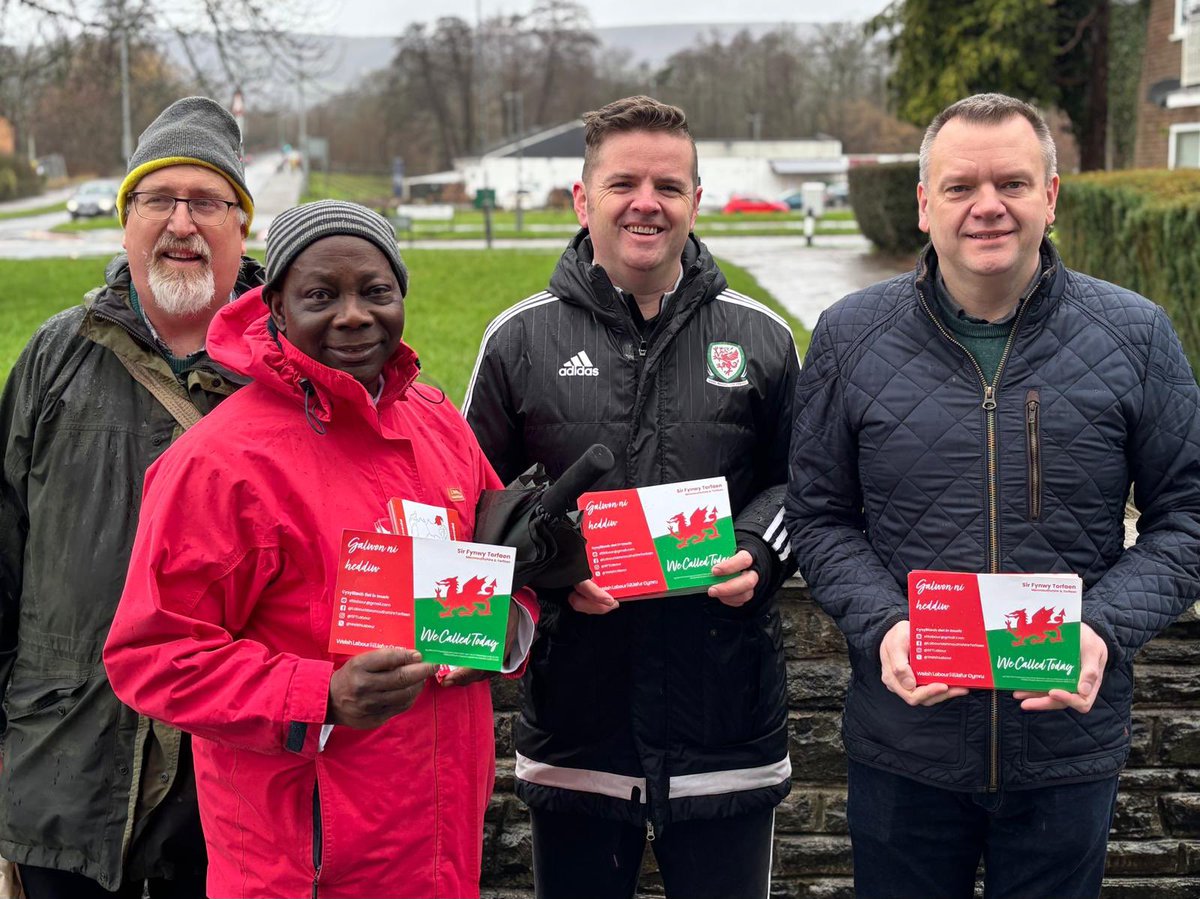
Great to be out campaigning today in Llanyrafon ahead of the Senedd Election on 7 May for Sir Fynwy Torfaen’s @welshlabour candidates: @lynne_neagle, @panteganthony, @LauraWrightAber, Catrin Maby, Ben Callard, Nick Byrne & Su McConnell.
2
4
13
1,186
Torfaen Labour Party retweeted

Jan 30
Free school meals for children in Wales.
REFORM VOTED AGAINST IT.
Welsh Labour delivered it.
2,058
308
3,180
193,735
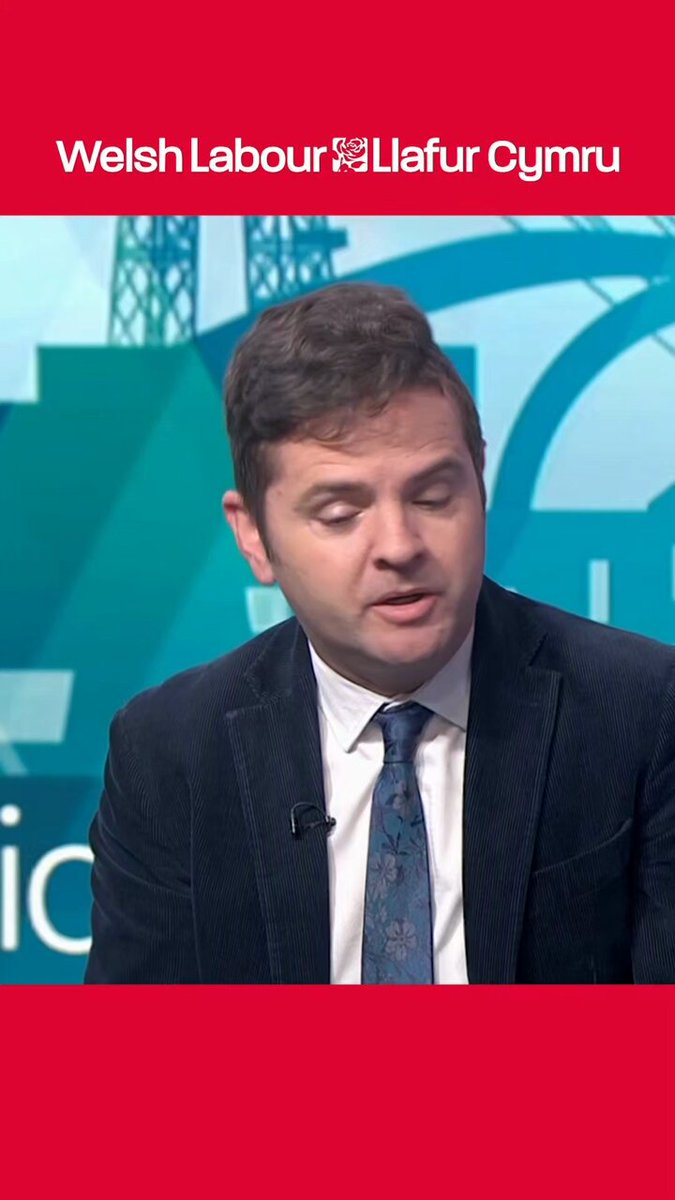
🎥 Anthony Hunt set out the choices at this election.
Reform: negativity, no serious plans, led by ex-Tories behind years of cuts.
Plaid: independence remains the end goal, a costly risk for Wales
Labour: investment, stability and a brighter future.
#SeneddElection #wales
2
2
214
Torfaen Labour Party retweeted
Jan 17
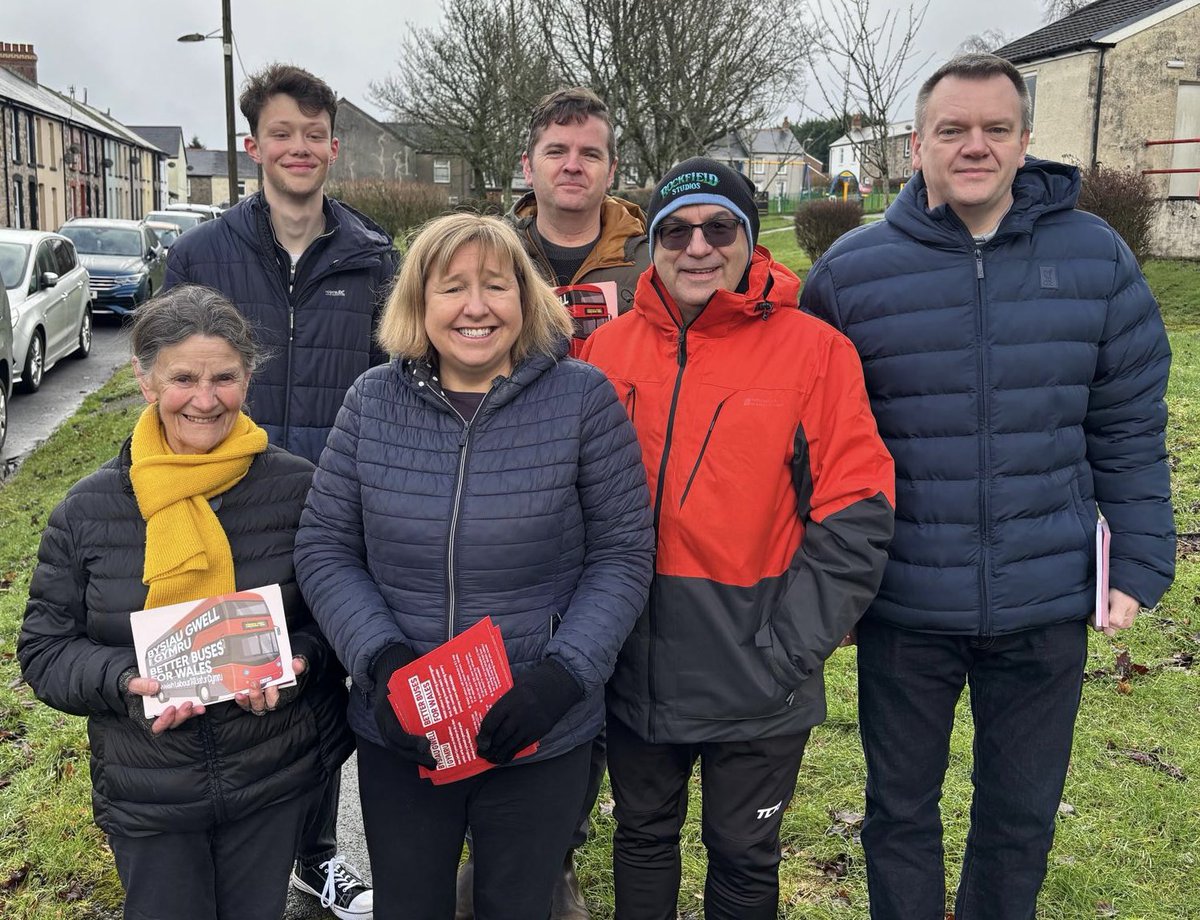
Knocking doors in Forgeside today with @lynne_neagle @PantegAnthony & the @TorfaenLabour team.
Thank you to everyone who spoke to us: great to have positive conversations and to pick up issues that will be followed up.
2
4
15
1,508
Torfaen Labour Party retweeted
13 Dec 2025
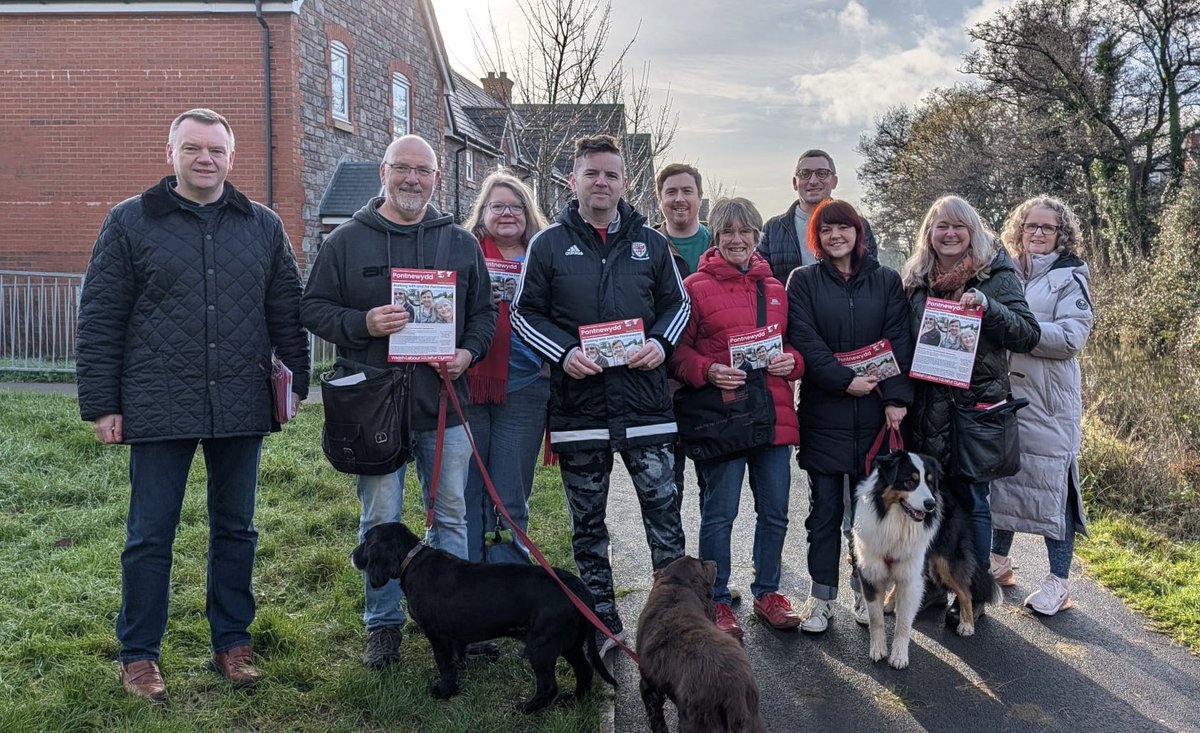
Great to be out speaking to residents in Edlogan Wharf with local Labour Councillors.
Thank you to everyone who took the time to speak - lots of casework picked up that will be dealt with in the coming days.
1
5
19
1,328

19 Nov 2025
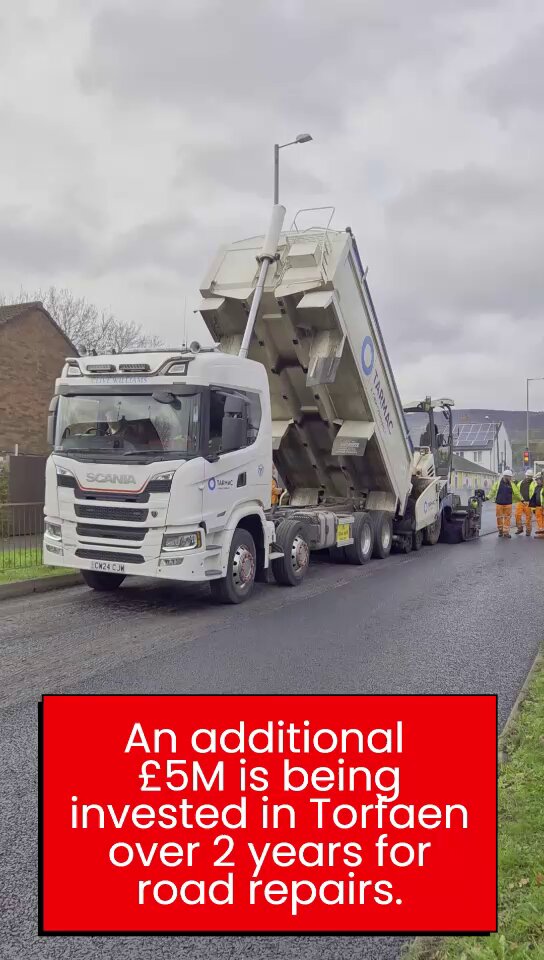
Roads being resurfaced in Torfaen 🚗
We’ve committed £5 million to improve and resurface roads across Torfaen over the next two years. Making local journeys safer and smoother for everyone.
#workingfortorfaen #LabourDelivers #workingforyou
1
1
90
Torfaen Labour Party retweeted

1 Nov 2025
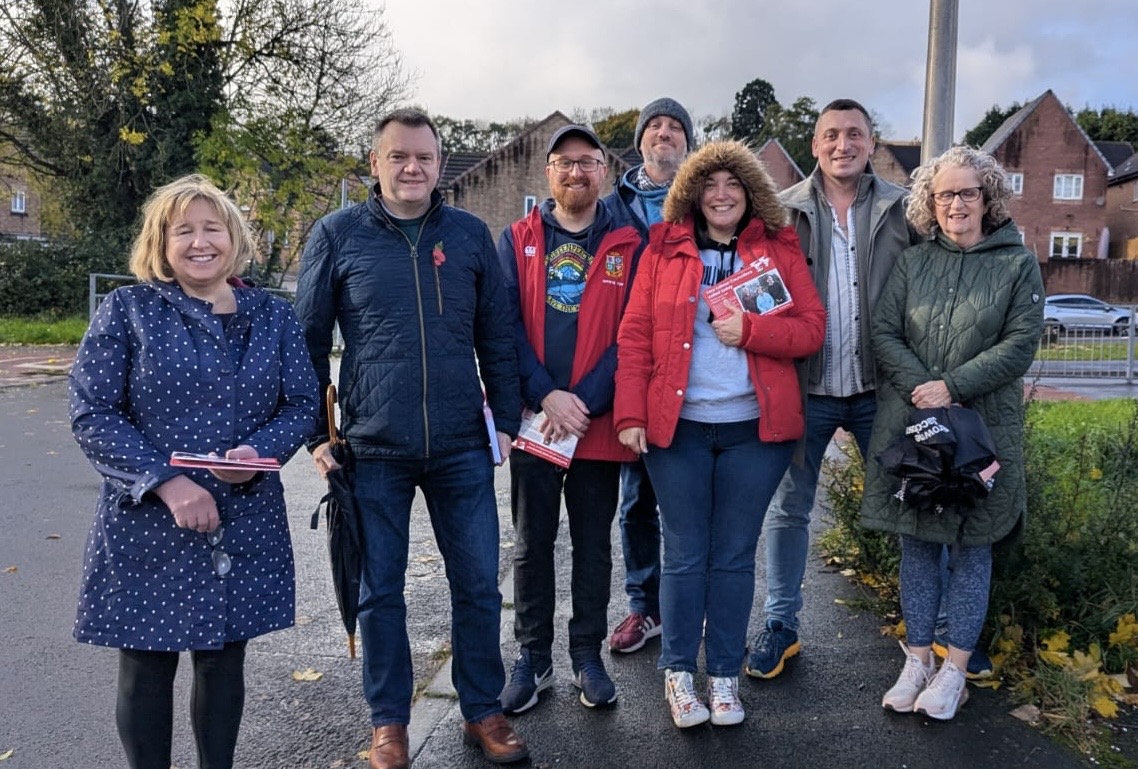
Good to get back on the doors in Panteg this morning - thanks to everyone who helped. Lots of casework, lots of frank conversations about what Labour needs to do better (in London AND in Cardiff) - but not lots of support for Reform, in fact, far from it... 1/2
8
3
6
6,645
Torfaen Labour Party retweeted

6 Sep 2025
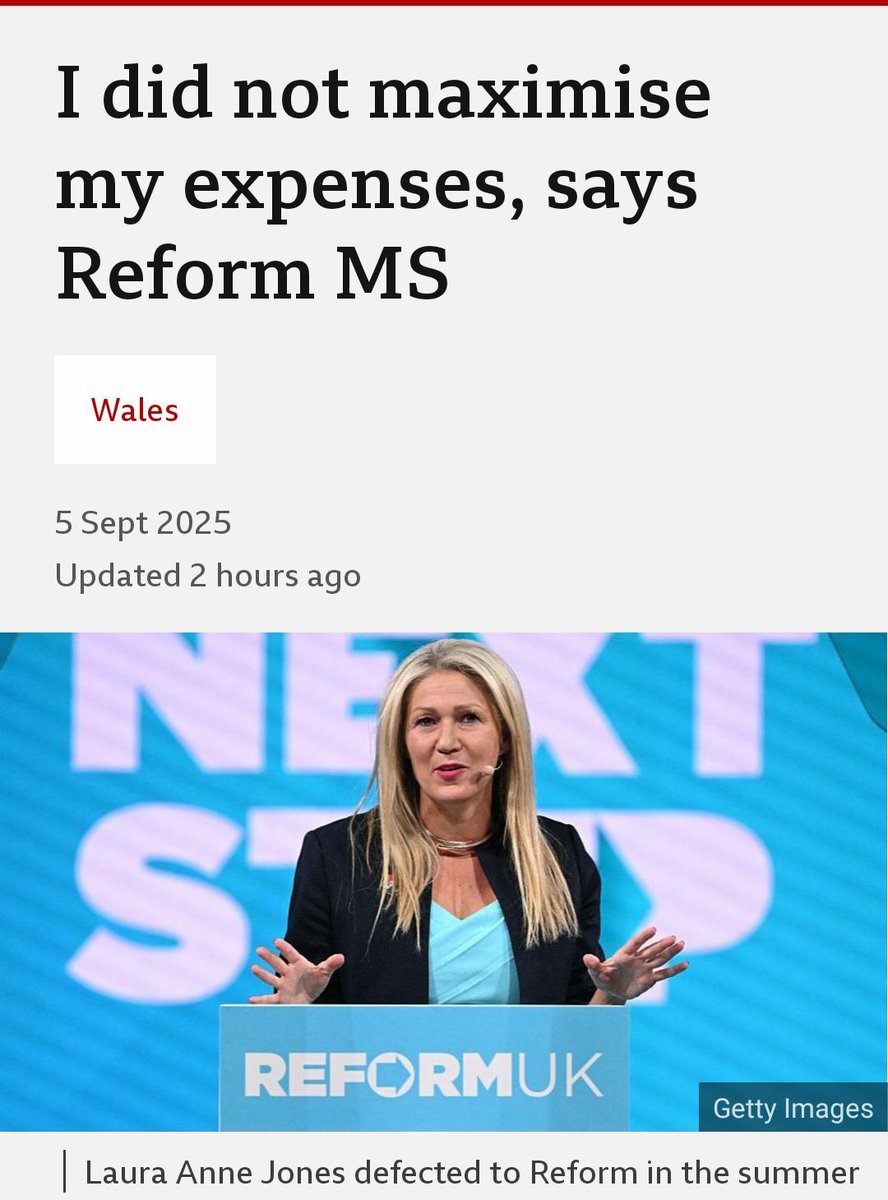
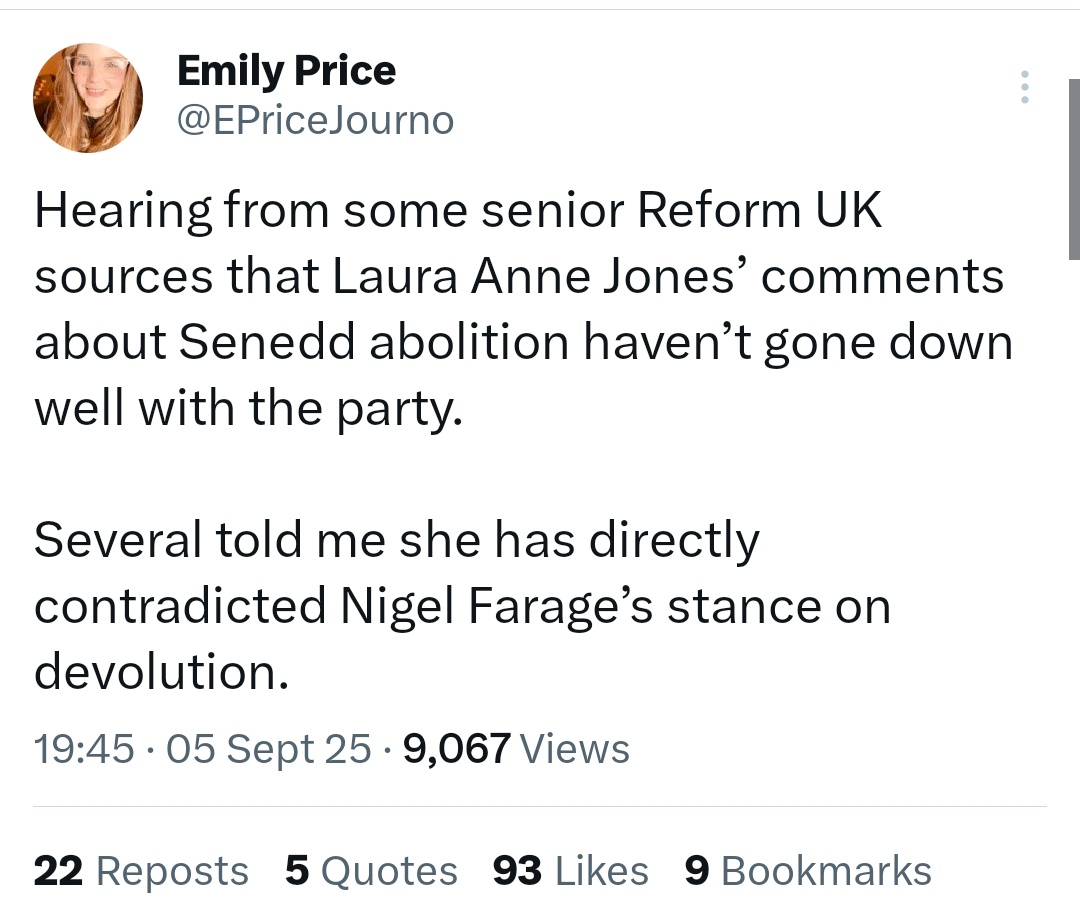
Who would have guessed that Laura Anne Jones - an ex-Tory MS who was not trusted with any significant role for the Welsh Cons in her 9 years in the Senedd - would prove to be a liability for Reform?
4
18
52
5,787
5 Sep 2025
Welsh Reform councillor admits making up malicious rumours about Farage - Torfaen Reform showing their true colours here. Politics is a game to them, they’re not serious about the challenges facing the country nation.cymru/news/welsh-refo…
1
2
275
26 Jul 2025
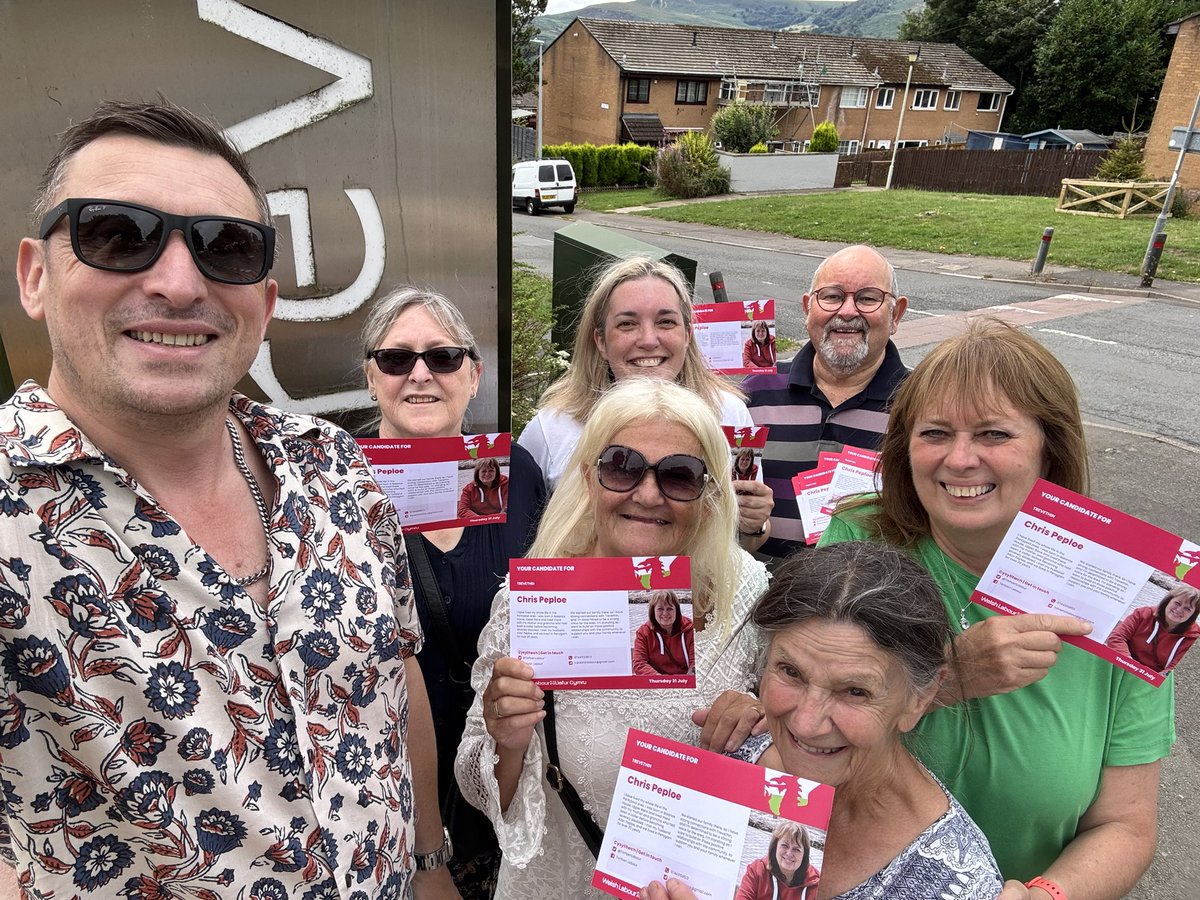
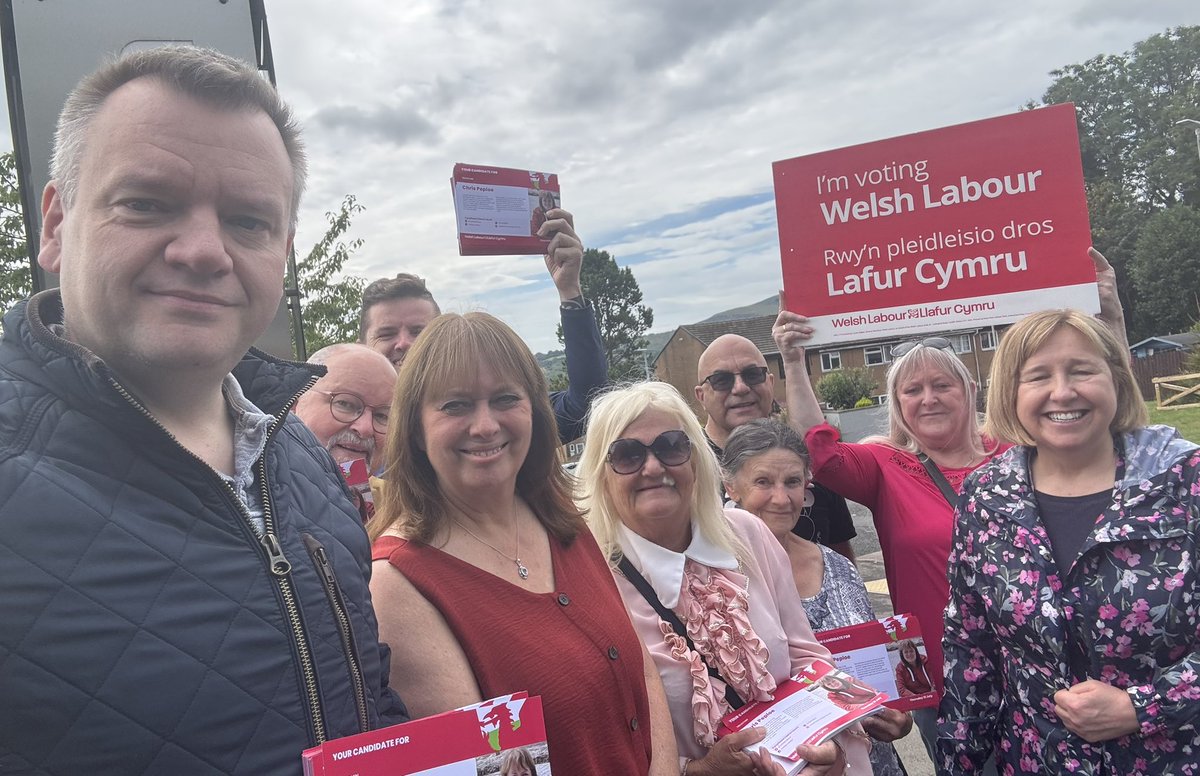
Lovely day for a spot of campaigning in Trevethin ahead of this week’s community council by-election! Good luck to our candidate, glorious in green here, Chris Peploe! 🌹🏴
1
2
9
354
Torfaen Labour Party retweeted
19 Jul 2025
With @lynne_neagle & @PantegAnthony campaigning for Chris Peploe, @WelshLabour candidate for the Pontypool Community Council by-election in Trevethin on 31 July.
Chris has a record of getting stuck in to deliver for the community-I’ve no doubt she’d do the same for Trevethin.
7
19
1,943
Torfaen Labour Party retweeted
21 Jun 2025
Great to be out as local MP with local Councillor Jayne Watkins in Fairwater listening to the concerns of residents this morning.

3
2
18
2,092
Torfaen Labour Party retweeted
24 Feb 2025
Ex-Reform UK Wales leader accused of taking Russian bribes - BBC News - raises questions about the possibility of Putin’s long-term sock-puppetry of UK politicians/populist political parties bbc.co.uk/news/articles/c241…
2
4
10
638