
Untz. Untz. Untz.
Joined August 2012
- Tweets 55,203
- Following 579
- Followers 2,903
- Likes 5,090
3,209 Photos and videos












Pinned Tweet

12 May 2020
If you find a DJ who is continuously bringing out the best of the genre (or sound) you like, hold onto him/her like a baby. There's just so much noise all around, discovering good music should be a skill worth highlighting on your LinkedIn profile.
2
4
13
Malviya Nagar property had approval for 6 rooms but was operating 20 rooms. Fire station is 3 minutes away but fire tenders took more than 30 minutes to reach. If this is our disaster preparedness in the capital city of the country, then we are truly at the mercy of heavens.
1
1
102
Heart goes out to the victims and their families who were there for the treatment of their loved ones in nearby Max Saket.
1
41
If you have a genuine ground, file an appeal. Else pay up, an unpaid fine leading to a Schengen record is not worth the risk because Swiss authorities do share traffic violation data across Schengen information systems.
May 30

Has anyone here received a traffic violation fine from Switzerland months after returning from a vacation?
We just received a challan of almost ₹1 lakh, nearly a year after our trip. We’re trying to understand if there’s any way to appeal, reduce, or get it waived.
1
396
Gift coupon scammers continue to bring bad name to the country. We often curse Cambodia and Laos based scammers to scam us through UPI but what we turn a blind eye to is these callcenters robbing elderlies in US in the name of IRS, Gift coupons and tech support.
May 20

🚨#BREAKING: #YourFBI has shut down a call center operation in India that defrauded hundreds of elderly victims here in the U.S. & abroad out of millions of dollars through tech support scams, & two senior executives who operated a business that enabled it, have just admitted to turning a blind eye to this widespread fraud.
This comes after an #FBI Boston investigation that has resulted in the arrests & convictions of a former employee of their call routing company, and five India-based telemarketing fraudsters.
Our senior citizens deserve honor, respect, and protection, and if you target them, we will do everything we can to bring you to justice. Read more @USAO_RI: ow.ly/a8Uo50Z29WO

ALT Quote by FBI Boston Special Agent in Charge Ted Docks regarding the guilty pleas of two business executives for providing telephone numbers, call routing, call tracking, & call forwarding services to customers they knew were engaged in Tech-Support Fraud schemes & failed to report the schemes to law enforcement officials.
101
Trance In Delhi retweeted

This was either group suicide or murder.
I've been diving for 30 years. Rescue and deep dive certified. These divers were effectively dead the moment they went in the water.
At 150 feet, with recreational gear and without special gas mix, you're already dead.
I'm an absolute madman adrenaline junkie. My hard floor is 120 feet. There was no possible way they were coming back, whether they panicked or not. That dive plan was never going to end with any of them alive.
May 15

Oxygen toxicity, panic may have killed 5 tourists on Maldives scuba dive: experts trib.al/iuVY9cU
882
2,096
32,265
10,239,297
Trance Thursday Trivia: The original piece was recorded forwards and then reversed to create the released version. This was later remixed by Leama and @DJAndyMoor and was one of the Cult Favorite in progressive trance genre.
youtu.be/0qT1y_w0-p8?si=zblP…
2
54
Anyone who refuses to quit is a star in itself, irrespective of their age or current life status. Getting up and working through hard times is not embarrassing. It is admirable.
May 2

There was a time when stardom was a fortress. In the 90s, Ruby Bhatia wasn't just a VJ; she was the electric pulse of a new, liberalised India, reportedly commanding Rs 1 lakh per show. Rahul Roy wasn't just an actor; he was the face of a generation’s collective heartbreak, the Aashiqui boy whose silhouette defined romance and whose haircut was the bestseller in every saloon. Govinda? He was—and is—the undisputed king of the masses, a comic genius who could make a cinema hall shake with a single pelvic thrust.
Fast forward three decades, and the fortress has been dismantled by the relentless, voyeuristic machinery of social media. Today, these icons find themselves under the harsh, unforgiving glare of a "content-hungry" digital mob that mistakes struggle for failure and evolution for desperation.
Recent headlines have taken a perverse pleasure in dissecting Ruby Bhatia’s career shift. Yes, the woman who once defined "cool" is now a life coach charging Rs 3,000 for a six-month program. To the keyboard warriors, this is a "fall from grace." To any sane mind, it is a woman finding meaning after a nervous breakdown, choosing to make mental health accessible to the masses rather than gatekeeping it for the elite.
Similarly, Rahul Roy has been subjected to the "cringe" treatment for appearing in social media reels with unknown creators. The internet, in its infinite cruelty, ignores the fact that this man is a brain stroke survivor. He is fighting aphasia, paying off legal debts that predated his illness, and trying to "stay active" and work for as long as he is alive. When he asks his trolls to find him "decent work" instead of mocking his reels, he isn't showing desperation; he is showing a spine of steel that most "influencers" couldn't dream of possessing.
Then there is Govinda, the man who once gave the Khans a run for their money, now frequently seen performing at school annual days and weddings. The "dark shadow" of social media brands these "small shows," as if the size of the stage dictates the stature of the legend. Govinda’s response is a masterclass in humility: "I never let my ego influence my work." Whether it’s a Chief Minister’s event or a local school function, the man dances because he is a performer. There is more dignity in one of his "wedding steps" than in the entire collective output of a thousand anonymous trolls.
Social media has birthed a generation of spectators who believe that unless you are at the absolute zenith of your power, you should vanish into the shadows. We have become a culture that feeds on the "tragedy" of the legacy act.
But here is the truth: There is nothing sad about a veteran getting up and going to work. There is nothing "cringe" about an icon refusing to be defeated by a health crisis or a shifting industry. The desperation doesn't belong to Ruby, Rahul, or Govinda. The desperation belongs to the social media ecosystem that needs to tear down giants just to feel tall.

27
In today's episode of "The Machinist".
Apr 19

A friend came over last night from US..my family was away
Ordered milk n groceries from Blinkit in 10 min
Chole bhature for breakfast took 30 min
A Househelp came from Pronto & took care of House for just 150 Rs for 1 hour.
Then drove to Dehradun in just 2.5 hours.
all this done digitally using digital payments..
This is ‘Quality of Life’ he remarked!!
Actually we don’t appreciate enough!!
28
Trance In Delhi retweeted

Being a musician in 2026 is basically just busking online.
We're all spending our days posting content on insta and tiktok hoping to god it generates a sale or two of our music, or a booking.
I'm literally sat here right now producing a content roll out instead of making music.
71
126
947
131,312
Nostalgia just slapped my face in form of Linnea Handberg vocals for FILO & Peri’s Let You Know. Dayum, good old trance! youtu.be/UyTMNkoc4T4?si=m8JP…
49
Trust @ben_lost to make a killer music video with this.

42
Came across this UK based duo of James & Bryn together known as @cortescomusic. Their due for release collab with @sashaofficial - U Disappear caught my attention. Turns out they have been belting out some really slick music since past few years. music.youtube.com/channel/UC…
1
1
84
Just in case if any of you wants to know why this track caught my attention, hear a preview yourself - junodownload.com/products/sa…
1
25
I concur. This space is no longer conducive for a healthy discussion or even banter.
26
Thank @X for restricting the use of “Ask Grok” feature to only paid subscribers. This might push people to do some basic research on their own, and hopefully force them to put their grey cells to some better use. @nikitabier
1
20
Trance In Delhi retweeted

Feb 27
#BREAKING
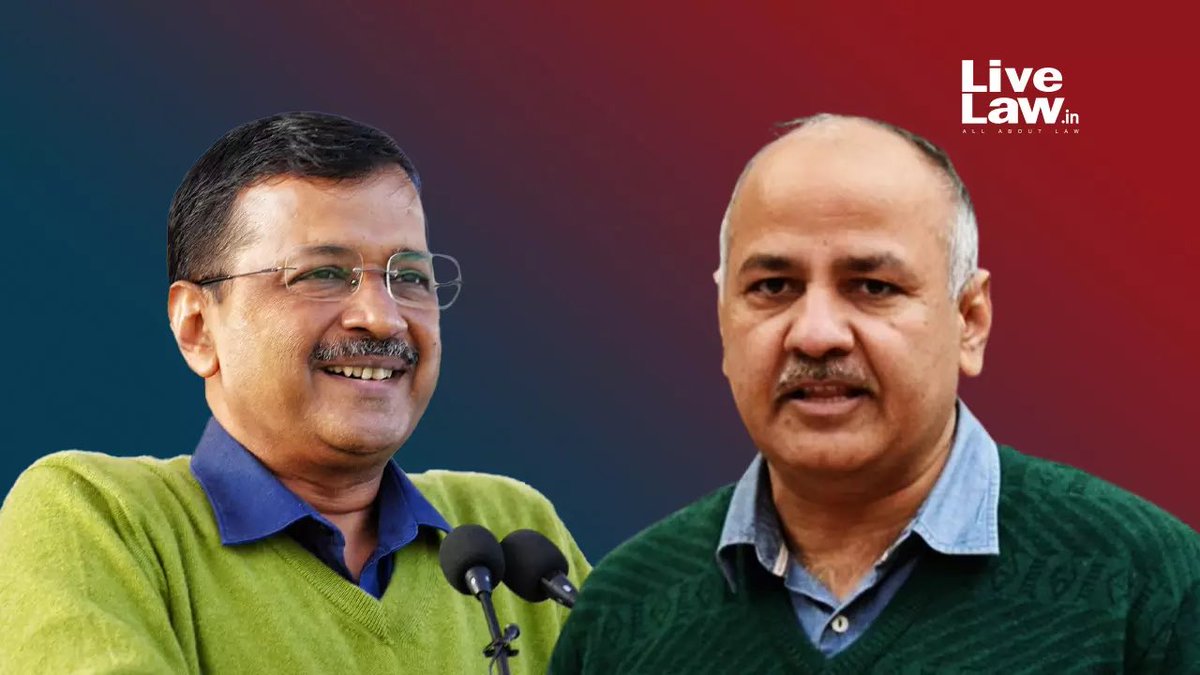
Delhi Court discharges Arvind Kejriwal and Manish Sisodia in the corruption case related to alleged liquor policy scam.
Court raps CBI for implicating them without any material, says voluminous chargesheet has many lacunae not supported by any witness or statement.
@ArvindKejriwal @AamAadmiParty @msisodia
620
2,664
8,026
1,970,154
One of those days when I should just let some good music blast at considerable high volume and bring some of my lost sanity back. youtu.be/M4CbNVbQbpM?si=lUX7…
38
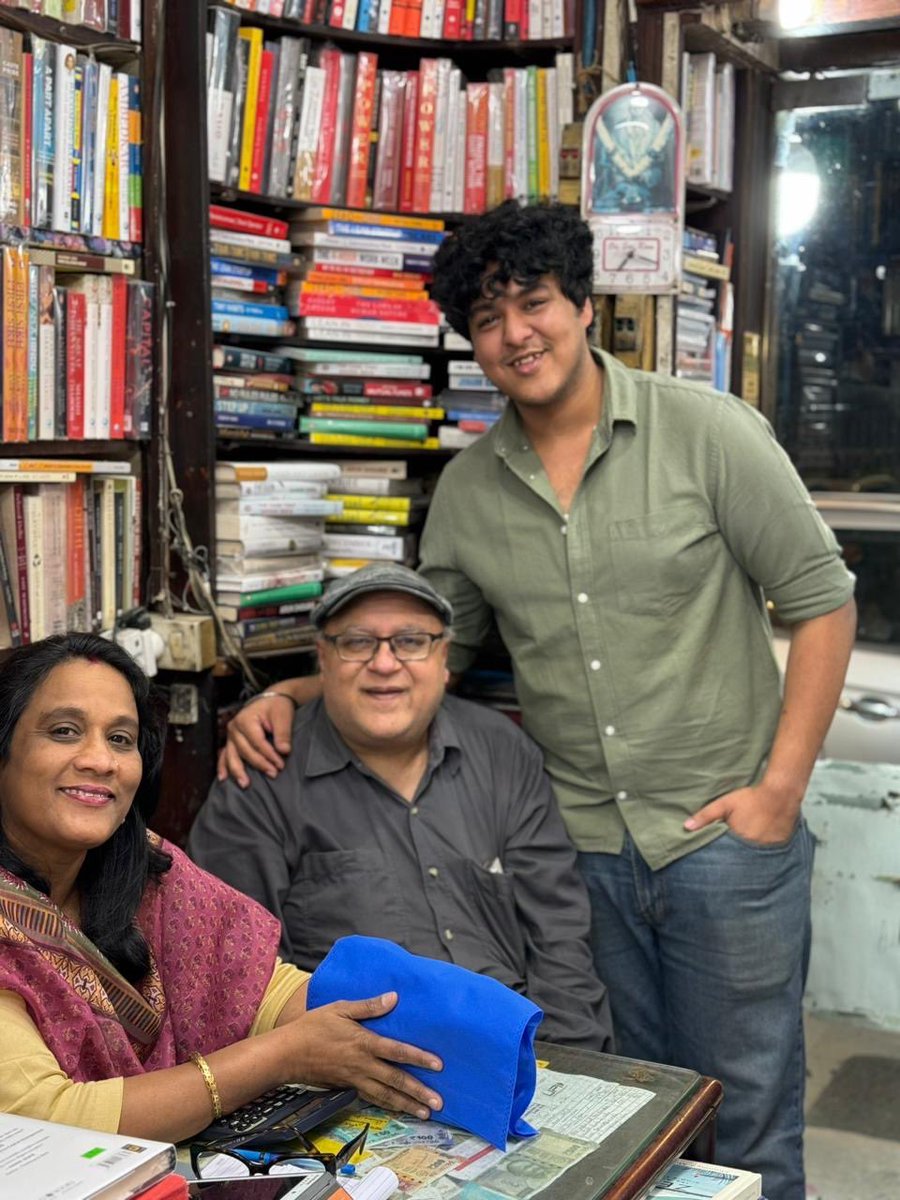
Faqir Chand bookstore is an institution in itself in Delhi. The bookstore alone has touched lakhs and if not million lives since its inception in 1951 when Khan Market started. Anup ji carried that legacy very well. Our condolences to Mamta ji, Abhishek & Abhinav. Om sadgati.

Very sad news. Bookseller Anup Bamhi ji of Delhi’s landmark Faqir Chand and Sons passed today following a heart attack. He was aged 64. Seen here with wife, Mamta, and younger son, Abhinav.
93