The Whole Church Taking the Whole Gospel to the Whole City
- Tweets 15,687
- Following 856
- Followers 426
- Likes 2,254







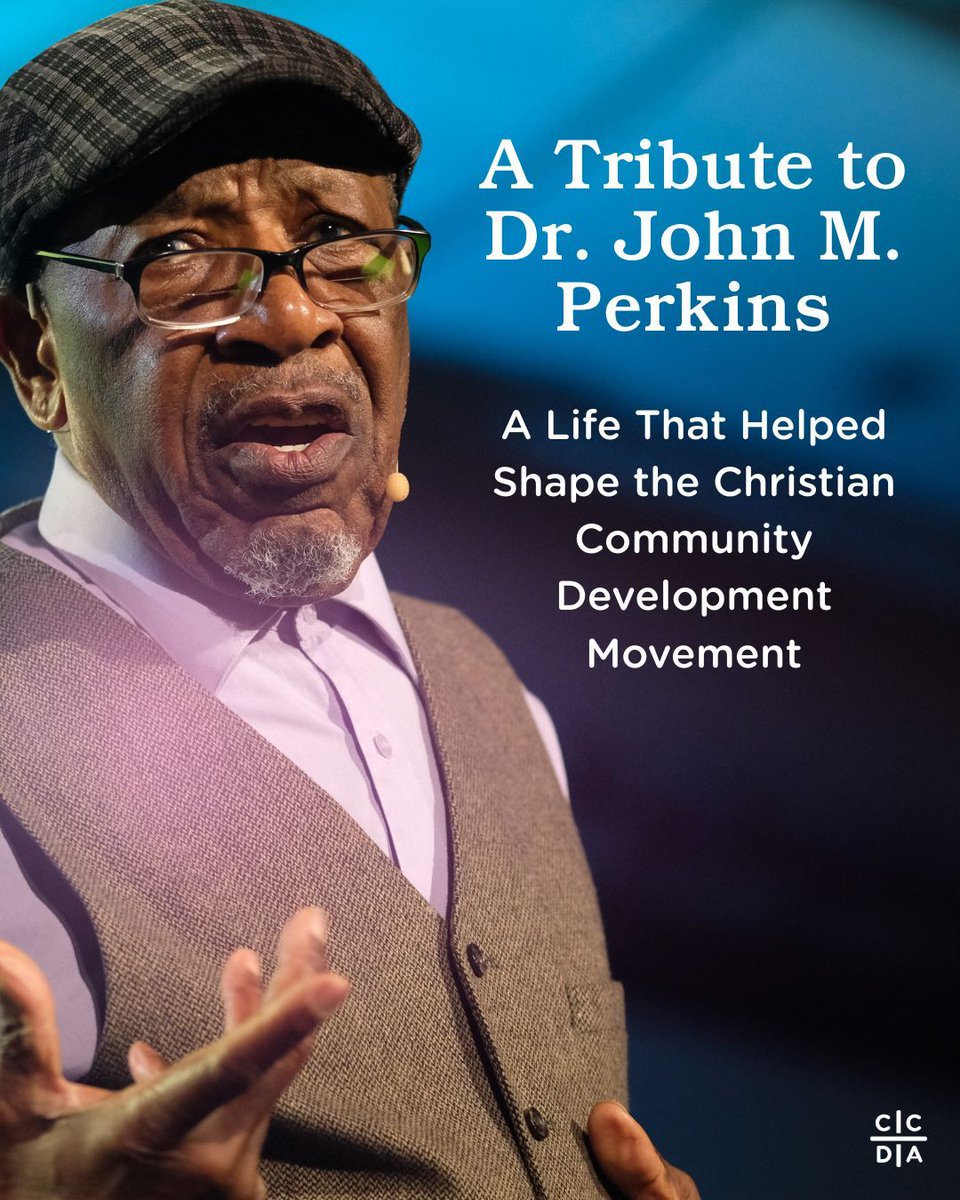
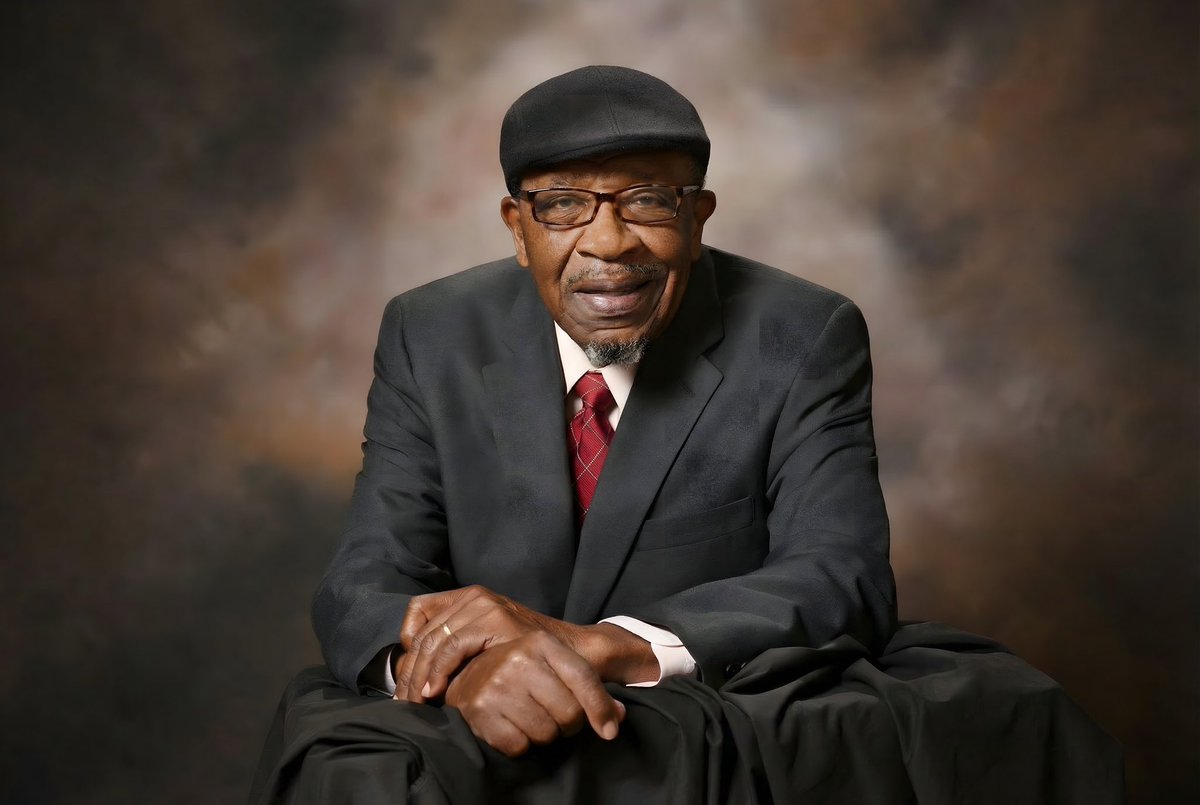
ALT A Tribute to Dr. John M. Perkins A Life That Helped Shape the Christian Community Development Movement
ALT There are not enough words to express our appreciation for Dr. John M. Perkins and the ways he helped birth, shape, encourage, fight for, and love the CCDA community. Dr. Perkins was not only a teacher of Christian Community Development; he was one of the people who lived it first. ccda.org/blog
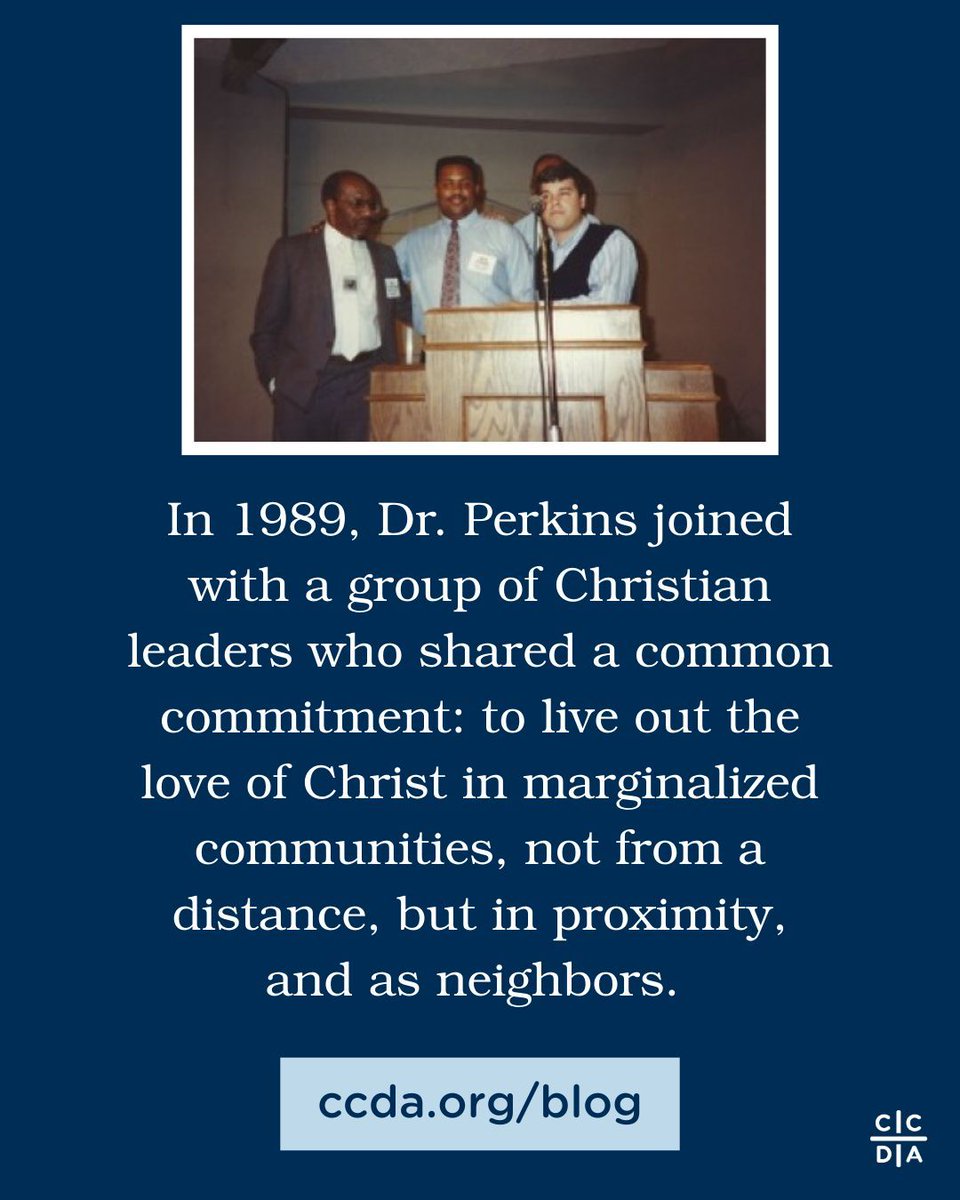
ALT John Perkins, Melvin Anderson, and Wayne Gordon together in 1989. In 1989, Dr. Perkins joined with a group of Christian leaders who shared a common commitment: to live out the love of Christ in marginalized communities, not from a distance, but in proximity, and as neighbors. ccda.org/blog
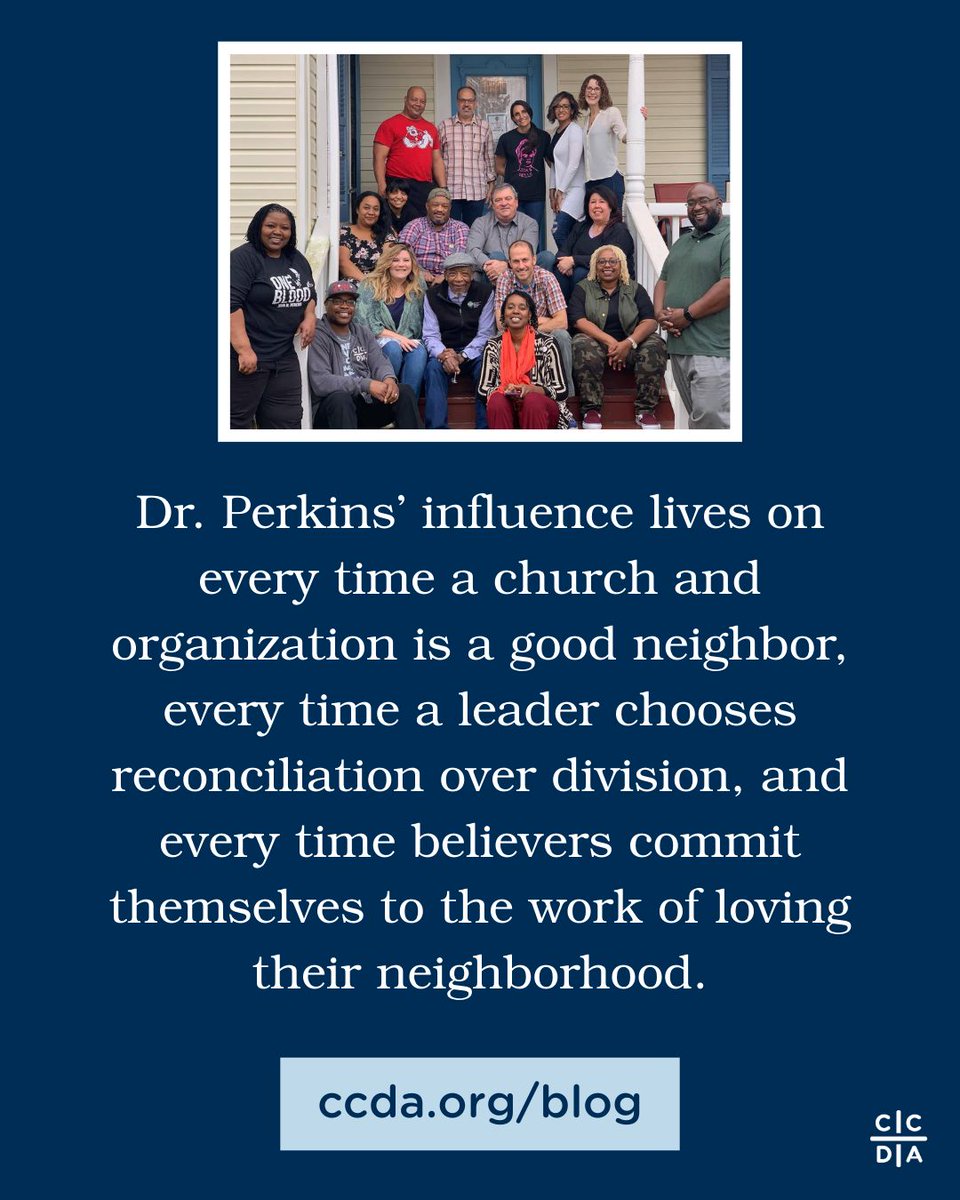
ALT Dr. John Perkins and CCDA's Cohort 8 at his home in Jackson, Mississippi. Dr. Perkins’ influence lives on every time a church and organization is a good neighbor, every time a leader chooses reconciliation over division, and every time believers commit themselves to the work of loving their neighborhood. ccda.org/blog