Joined May 2015
- Tweets 690
- Following 7,003
- Followers 4,801
- Likes 12,630
151 Photos and videos





May 15
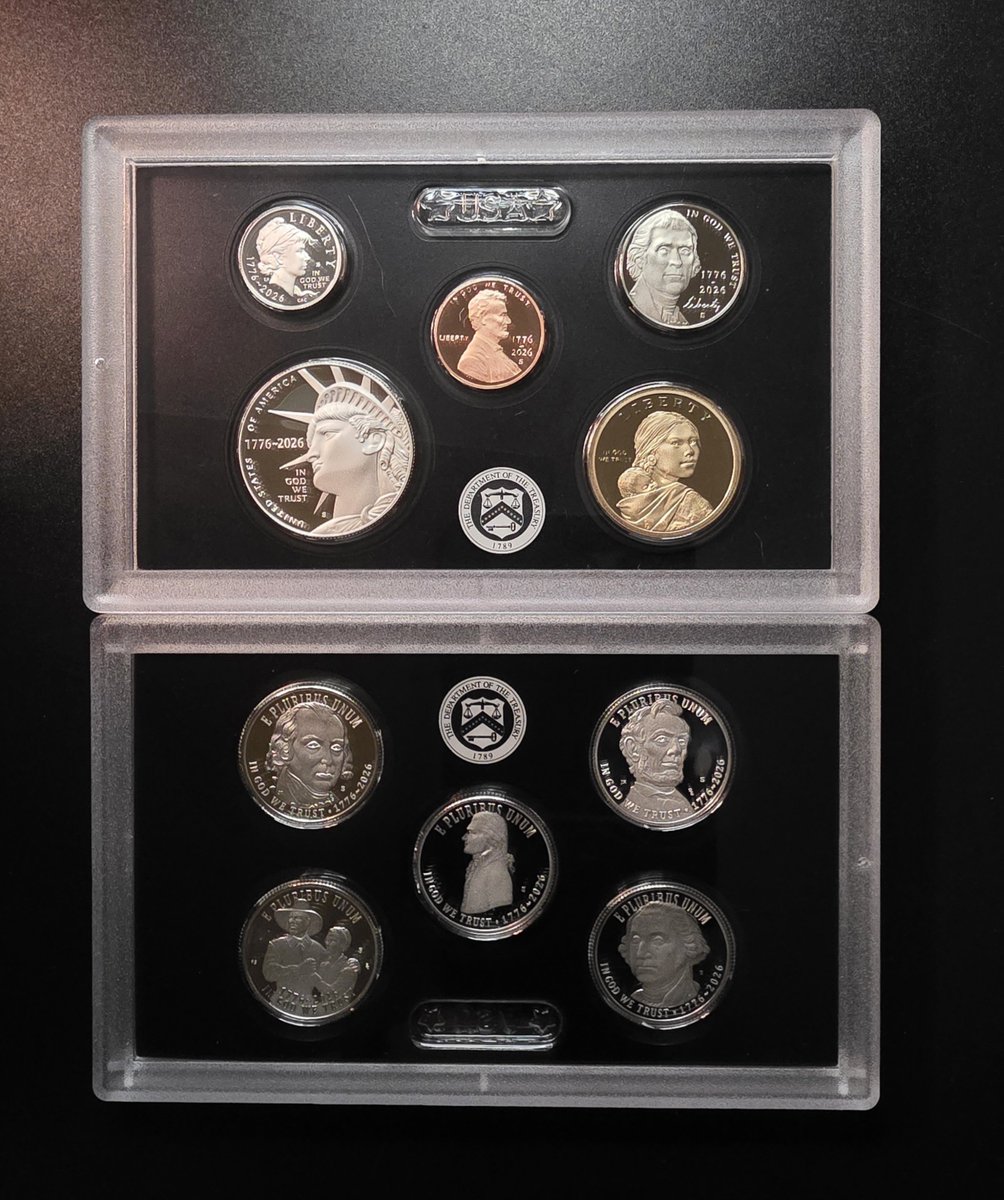
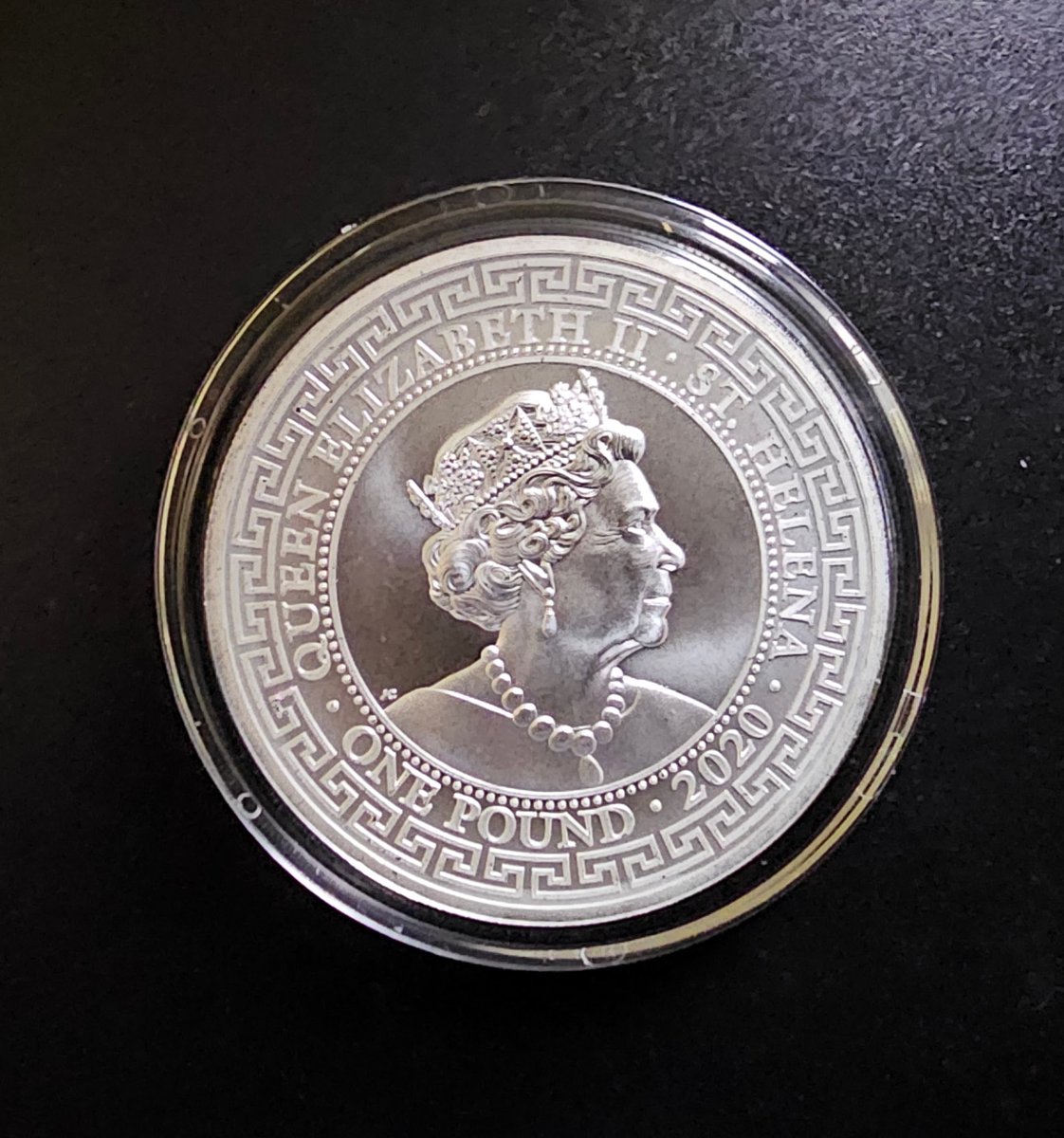
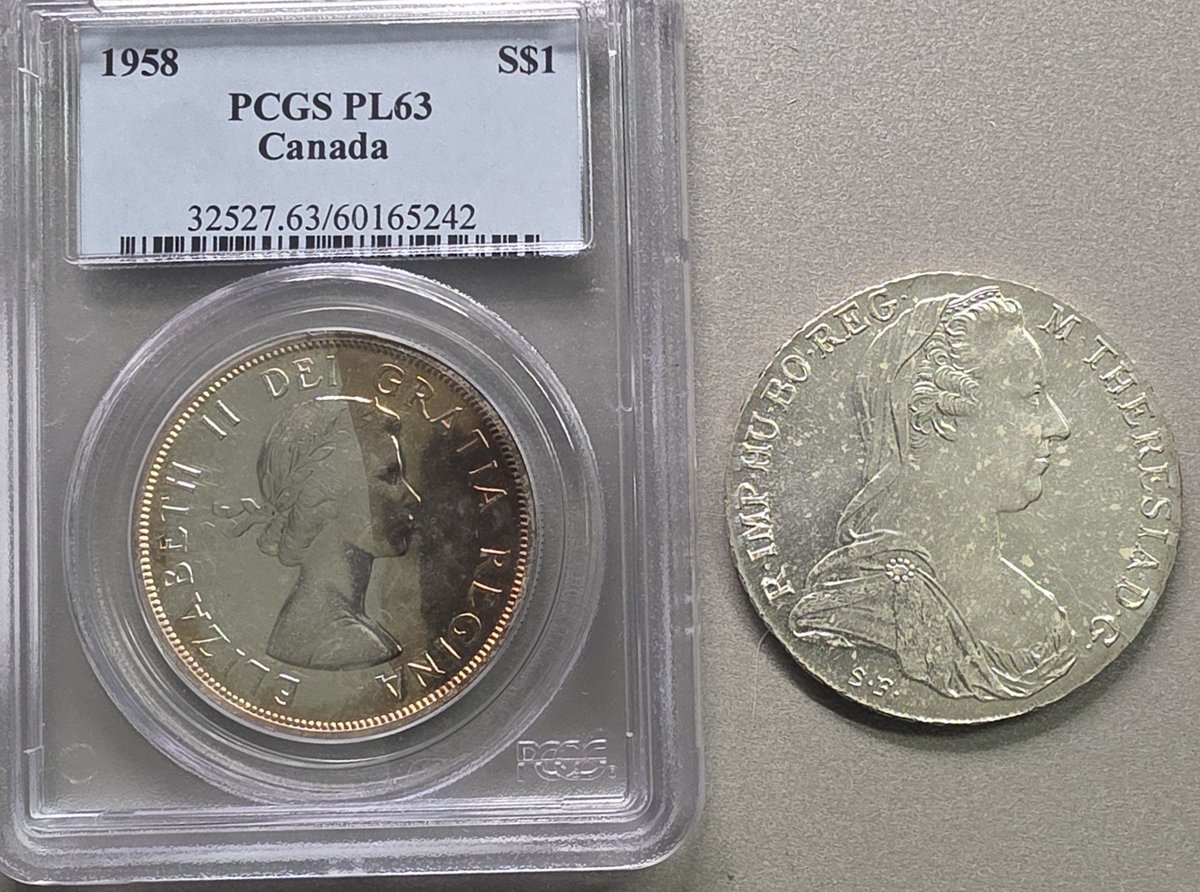
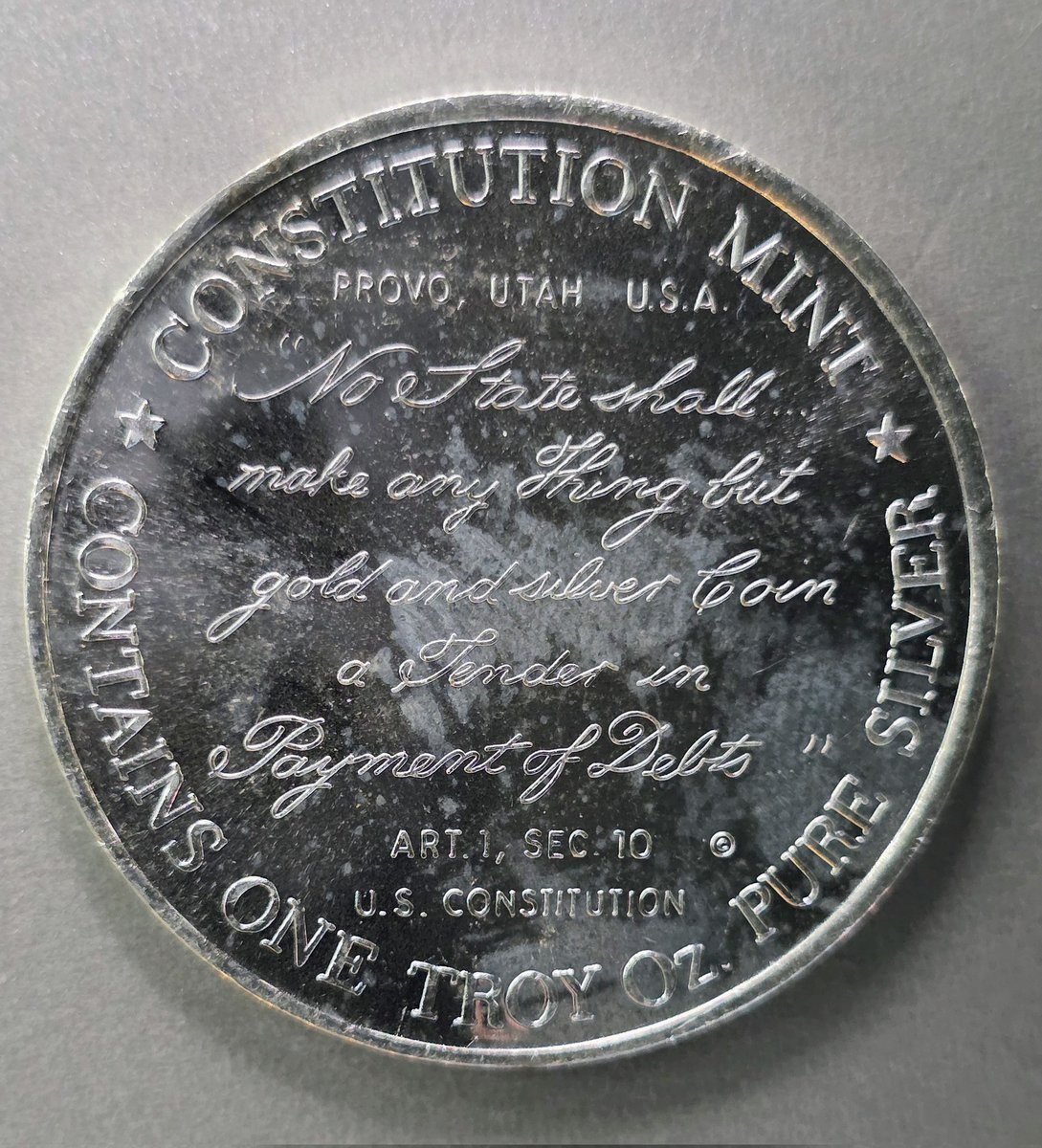
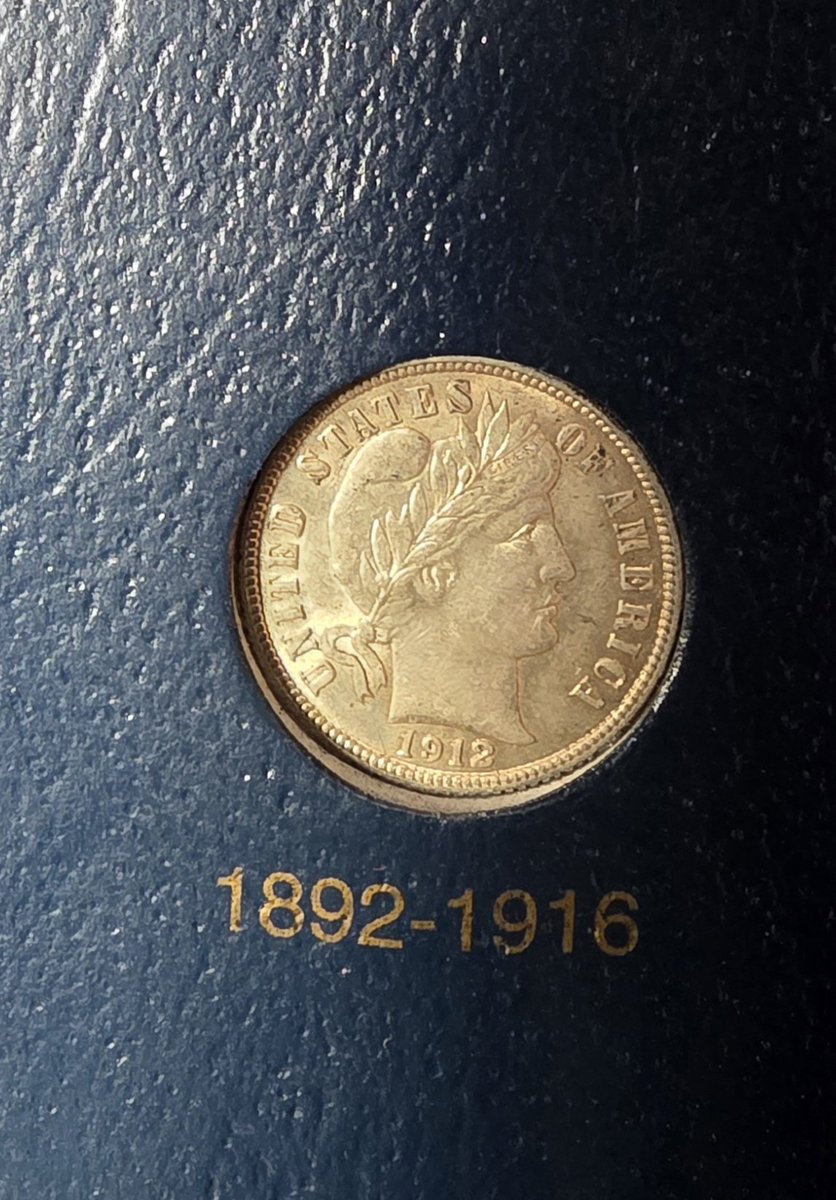
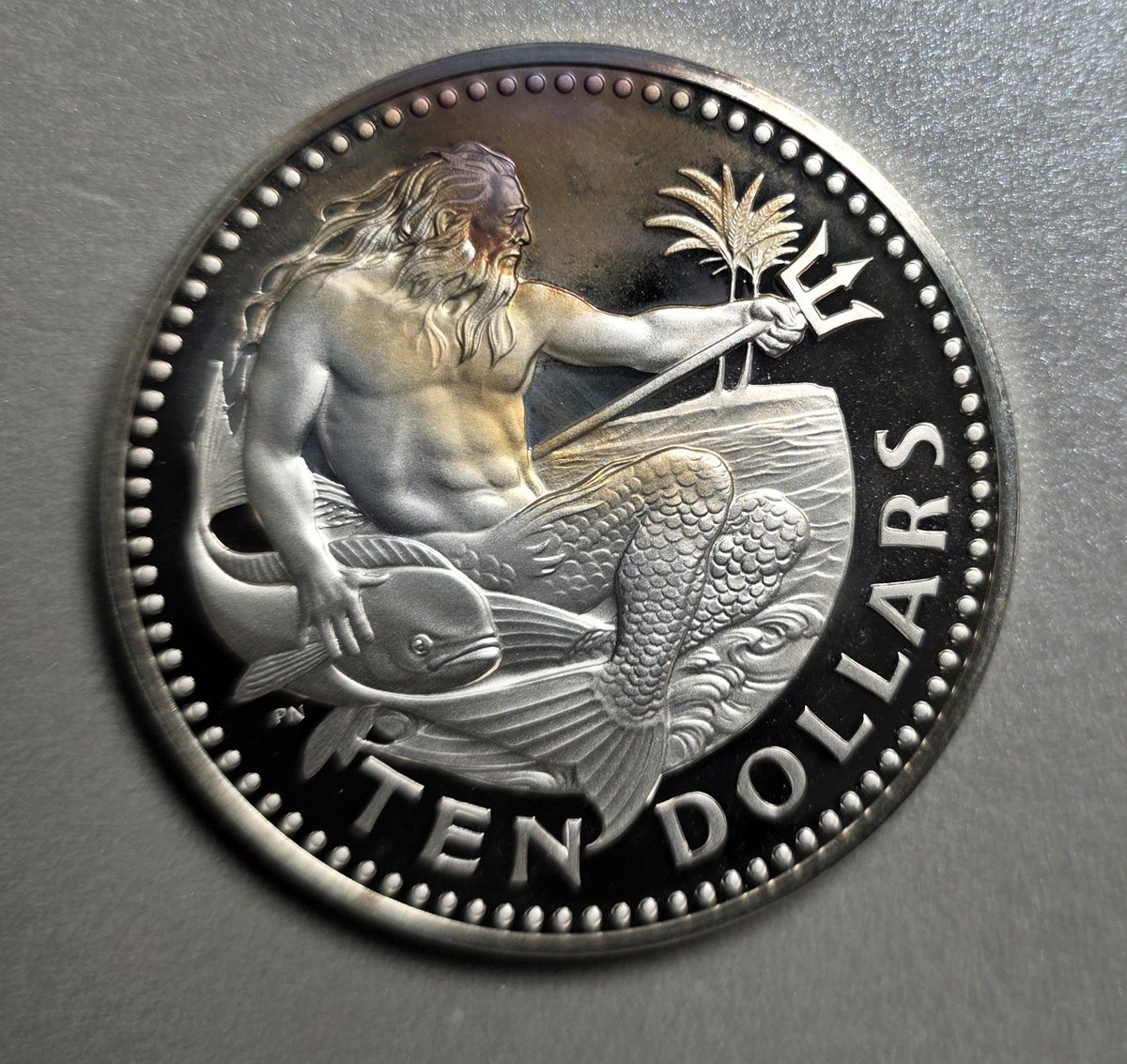
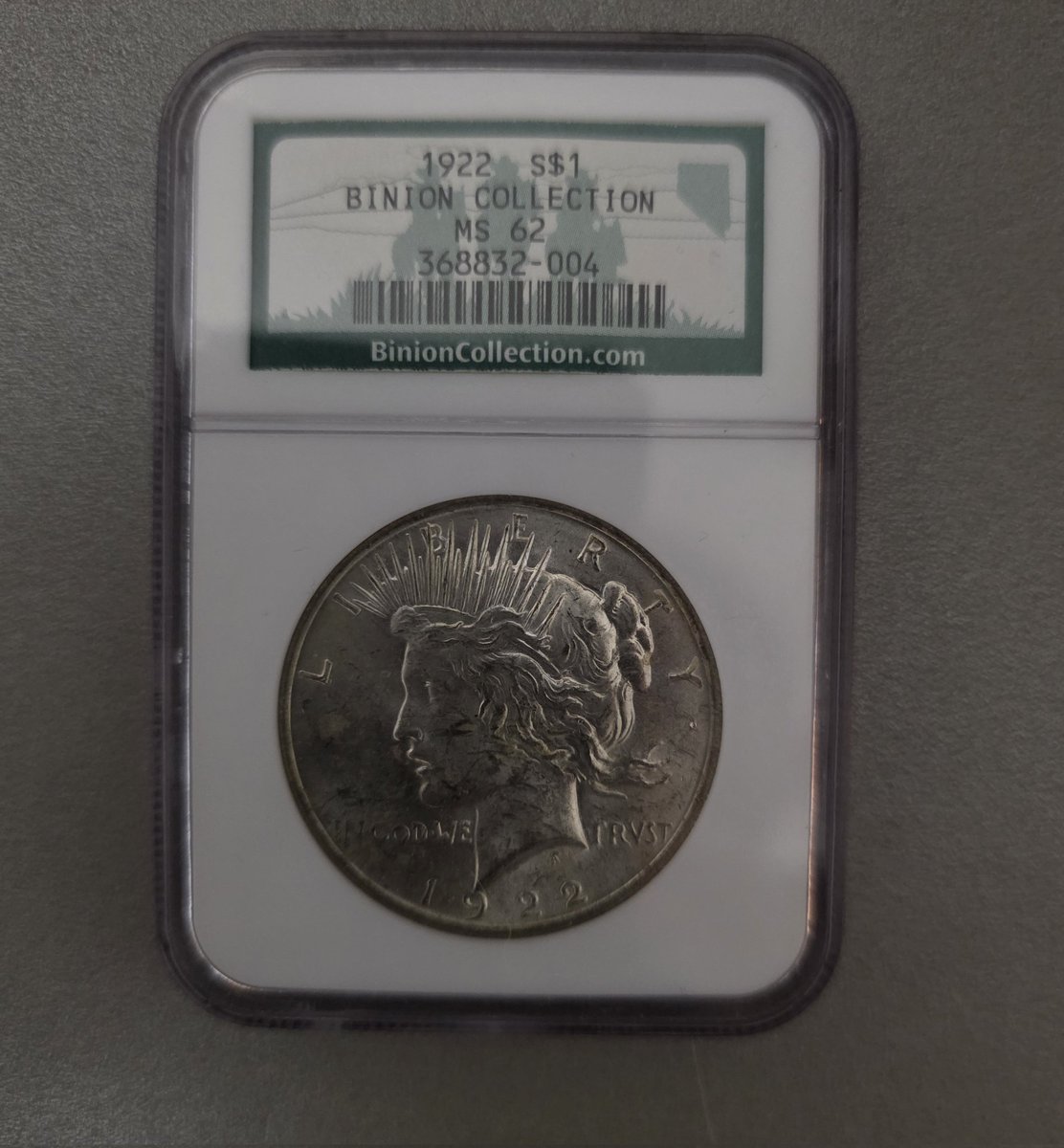
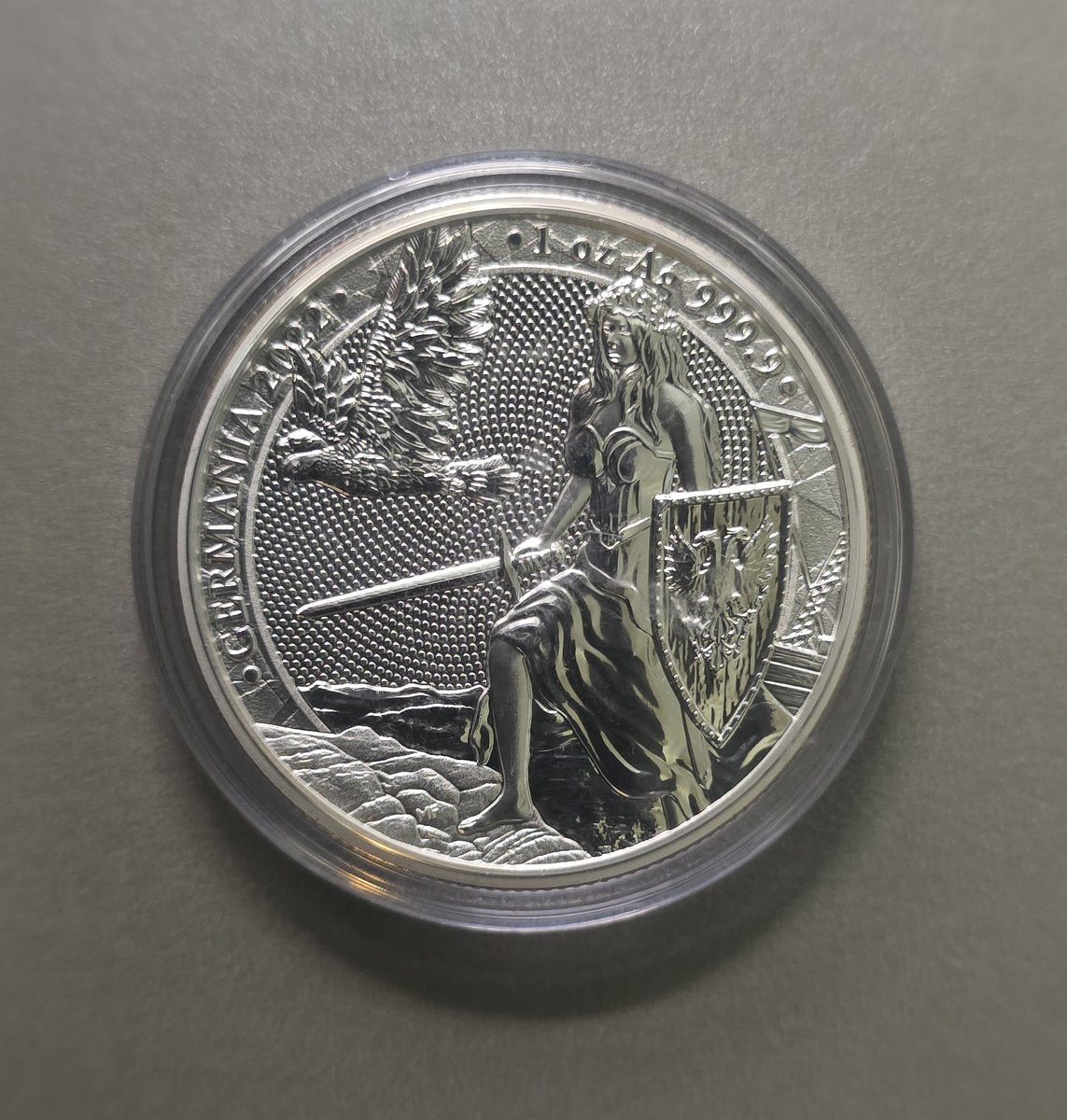
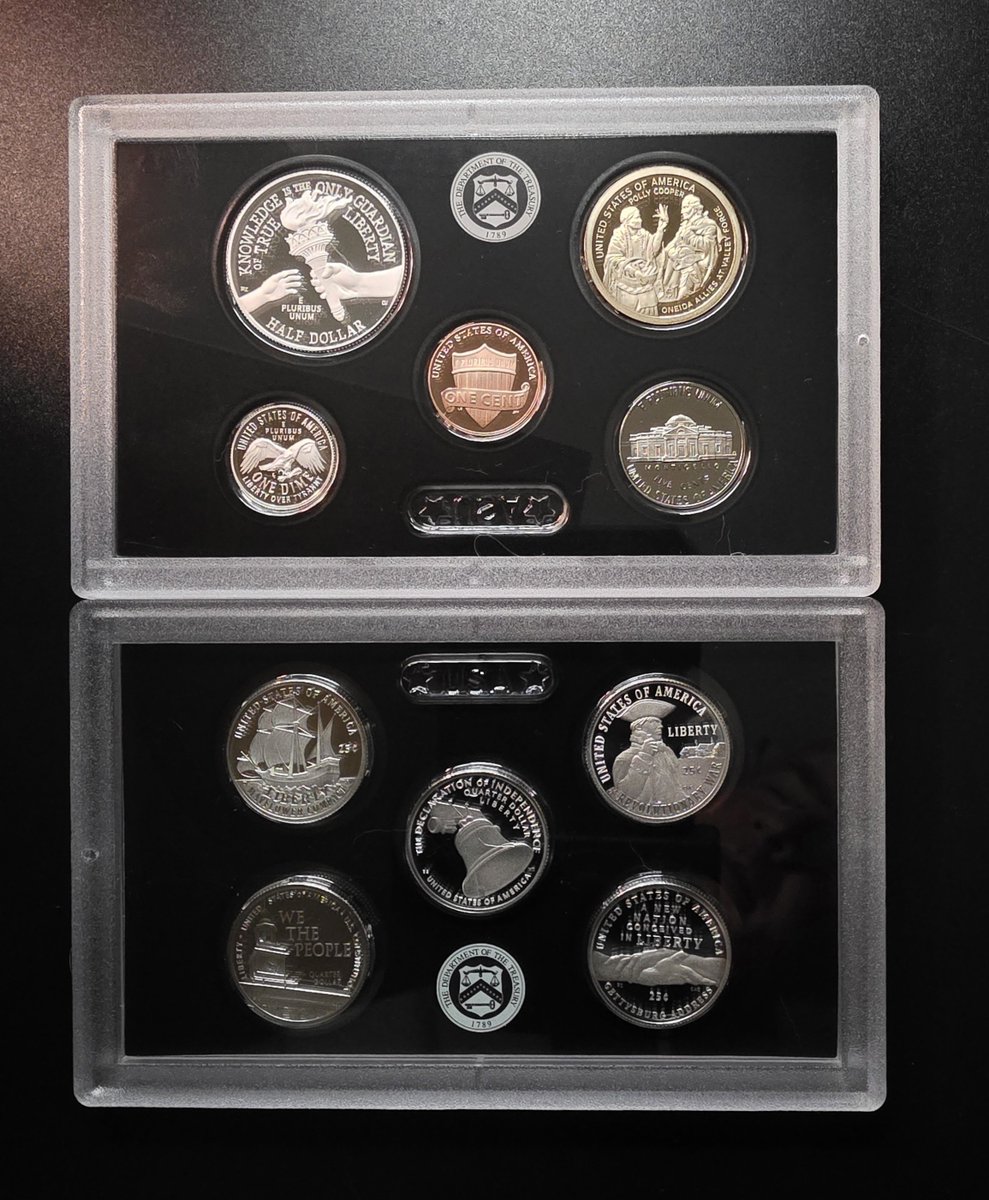
I support this message

1
182
May 3
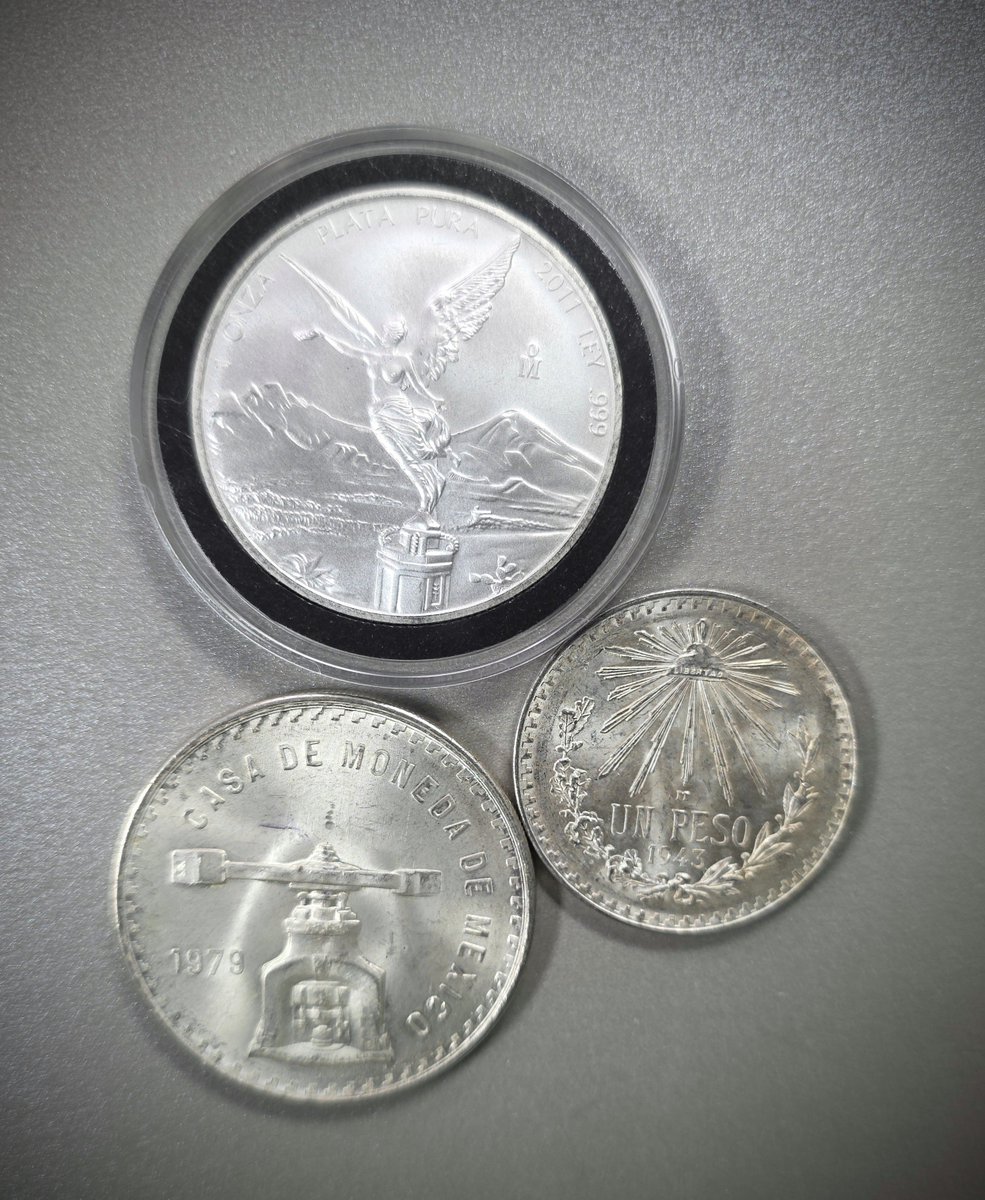
Strange... I just noticed this post never showed up on my profile. Was it just a glitch? Maybe aliens or some secret society? 😆 Have any of you had a seemingly benign post like this not show up? It had a little interaction, so some people saw it.. 🤔

2
1
26
478
Apr 28
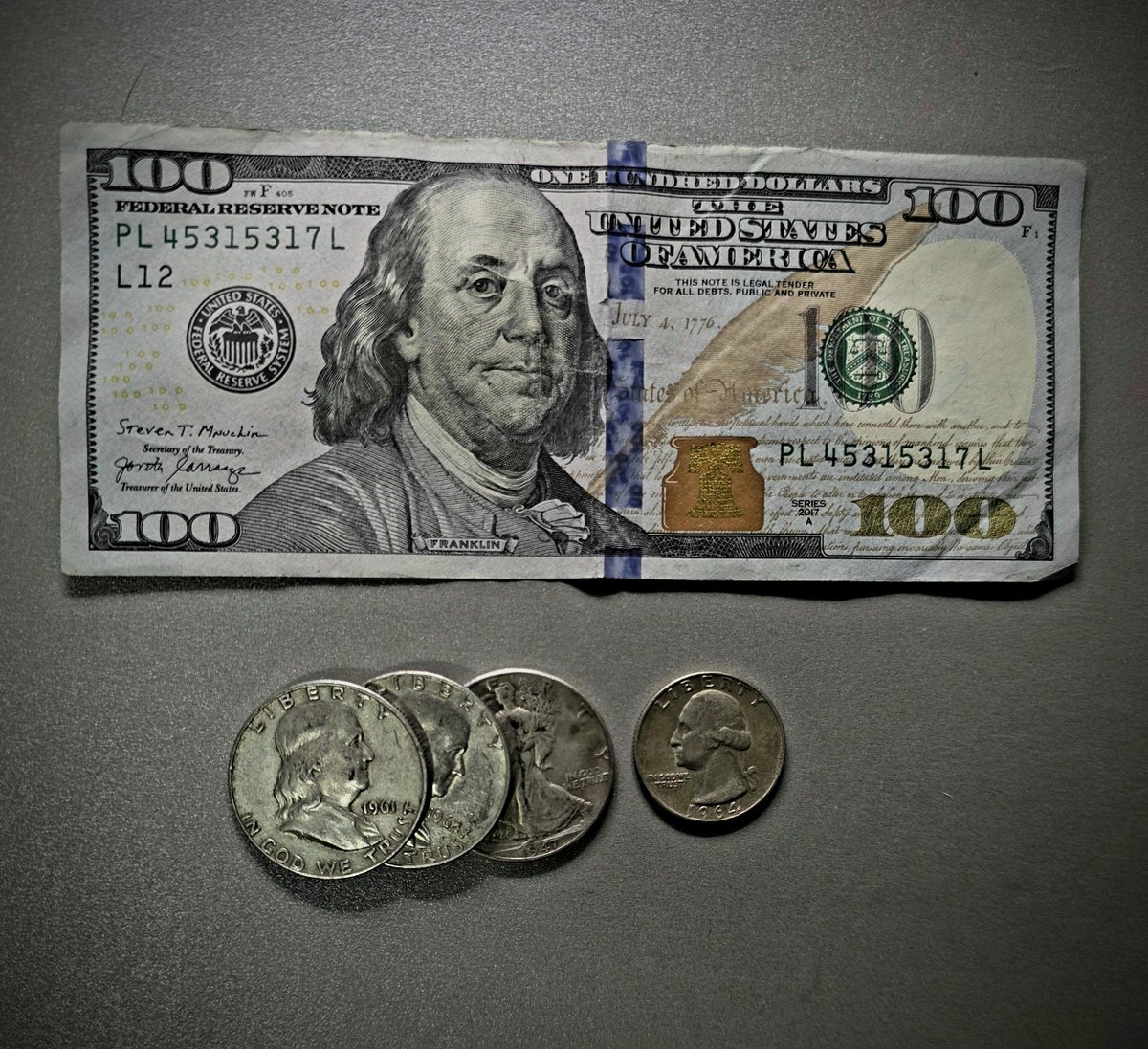
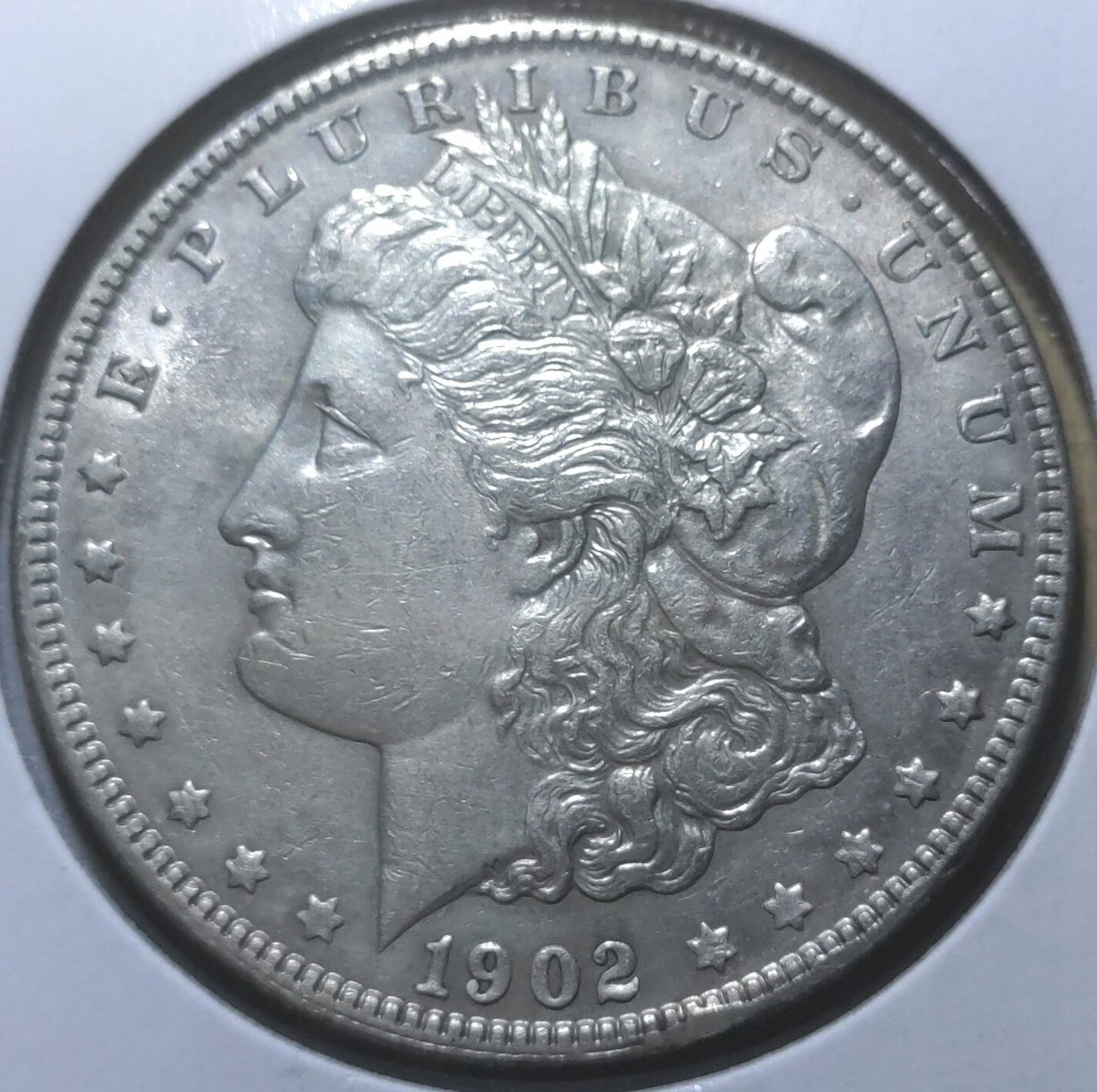
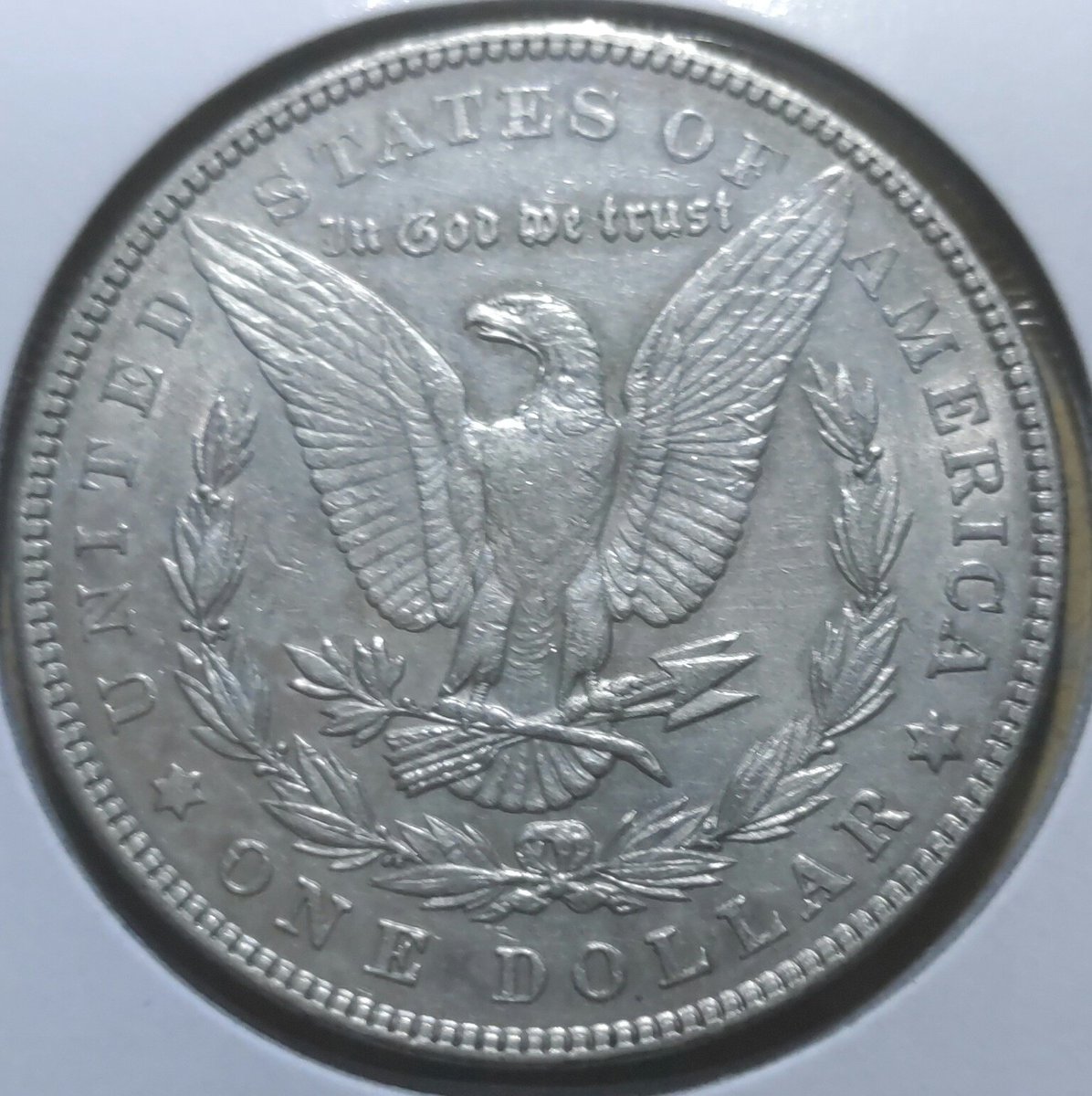
When the dollar was real money

1
1
22
463
Trash Fanatic retweeted

I’m here 11am protest Pritzker with me at the corner of Midway Plaisance and Stoney Island Ave. right next to the Obama Presidential Library!
35
503
1,582
31,663
Apr 11
The past several days on X have been pretty amazing. I don't know if anyone realized how transformative removing the language barriers would be here. I like to think Elon just said something like: "That would be cool, Grok can do it", and made a change in global dialogue and understanding that was as significant as the discovery of the Rostta stone...perhaps even greater. I am heartened to see numerous posts by patriots and the faithful across the globe, and the unity of brothers and sisters from all walks of life. I'm also really enjoying the "slice of life" accounts I've started following that would have been less accessible before.
Keep fighting the good fight!
11
113
Trash Fanatic retweeted

Mar 29
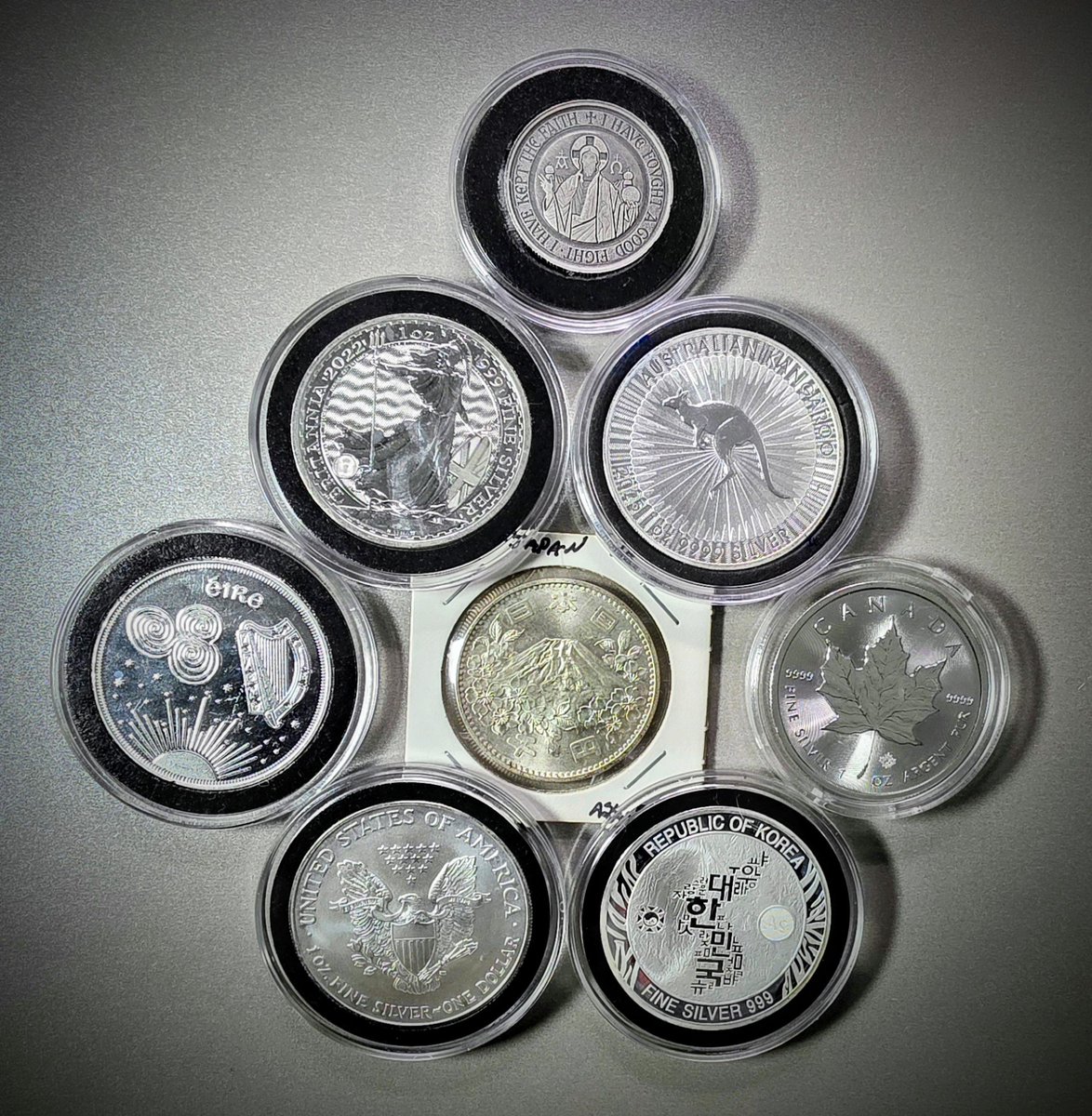
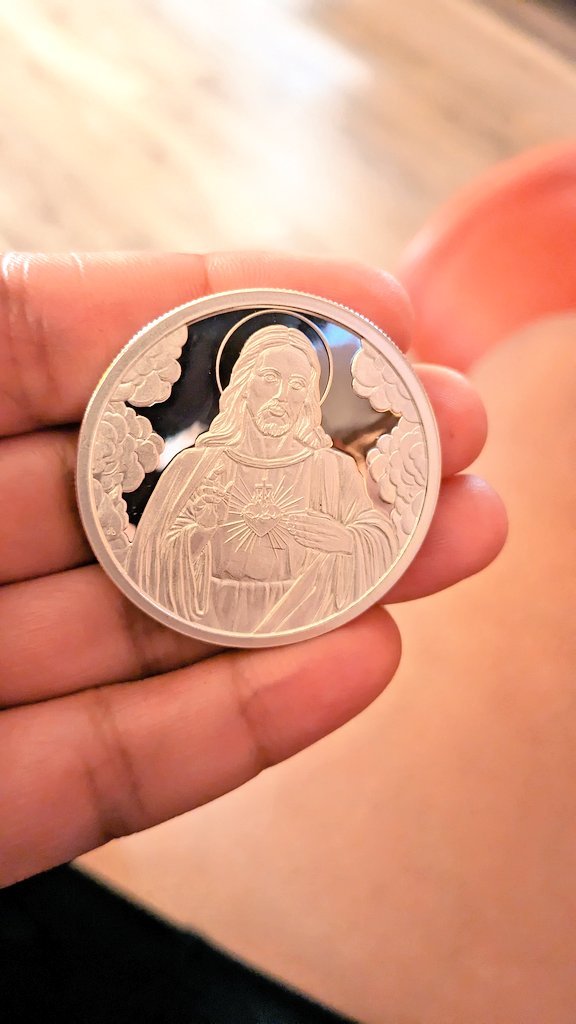
Jesus Christ is King
999 Fine Silver
4
4
27
323
Trash Fanatic retweeted

Mar 17
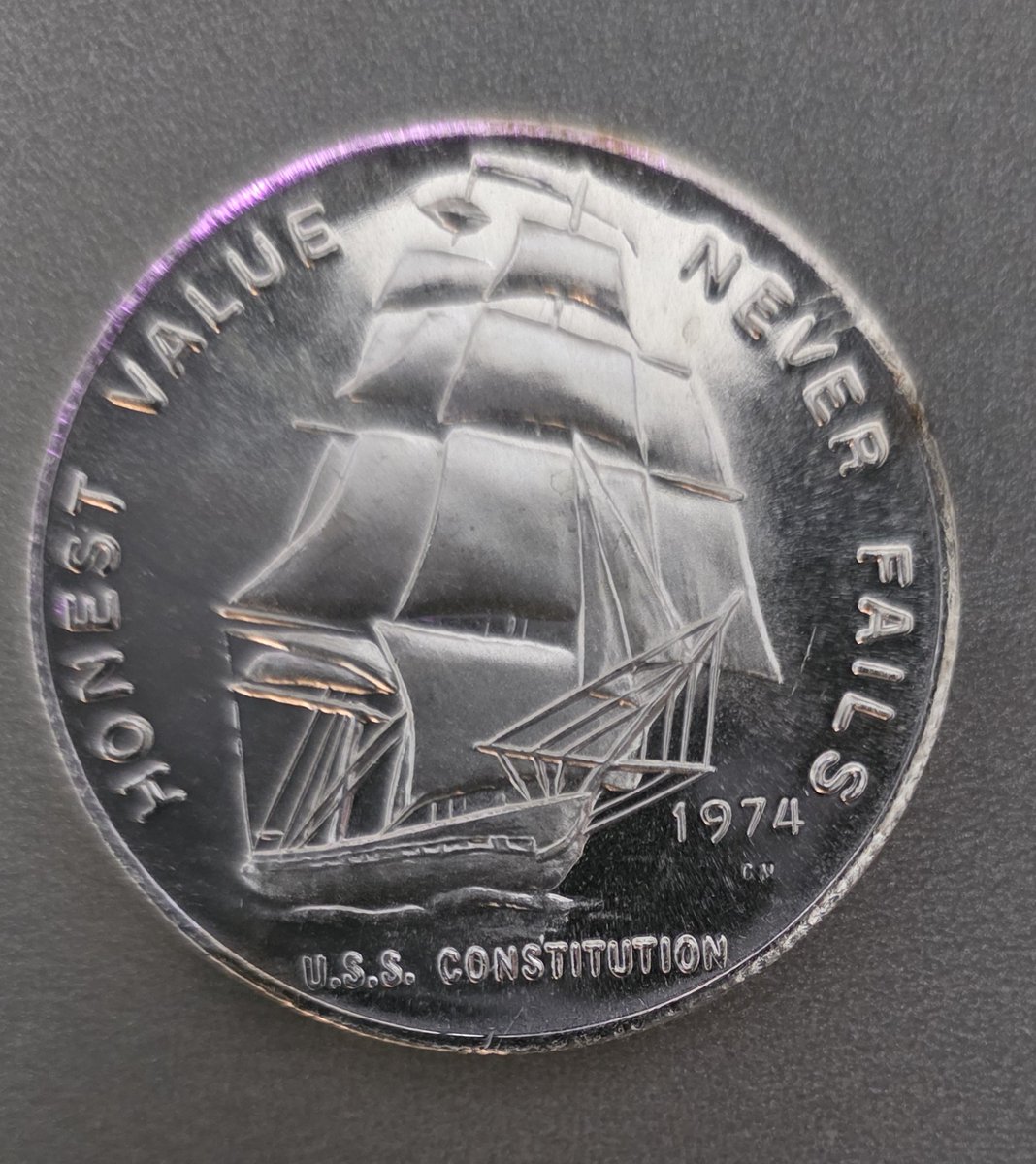
Gold and Silver coin is the only true currency recognized under the U.S. Constitution and the Bible.
14
45
384
8,709
Mar 8
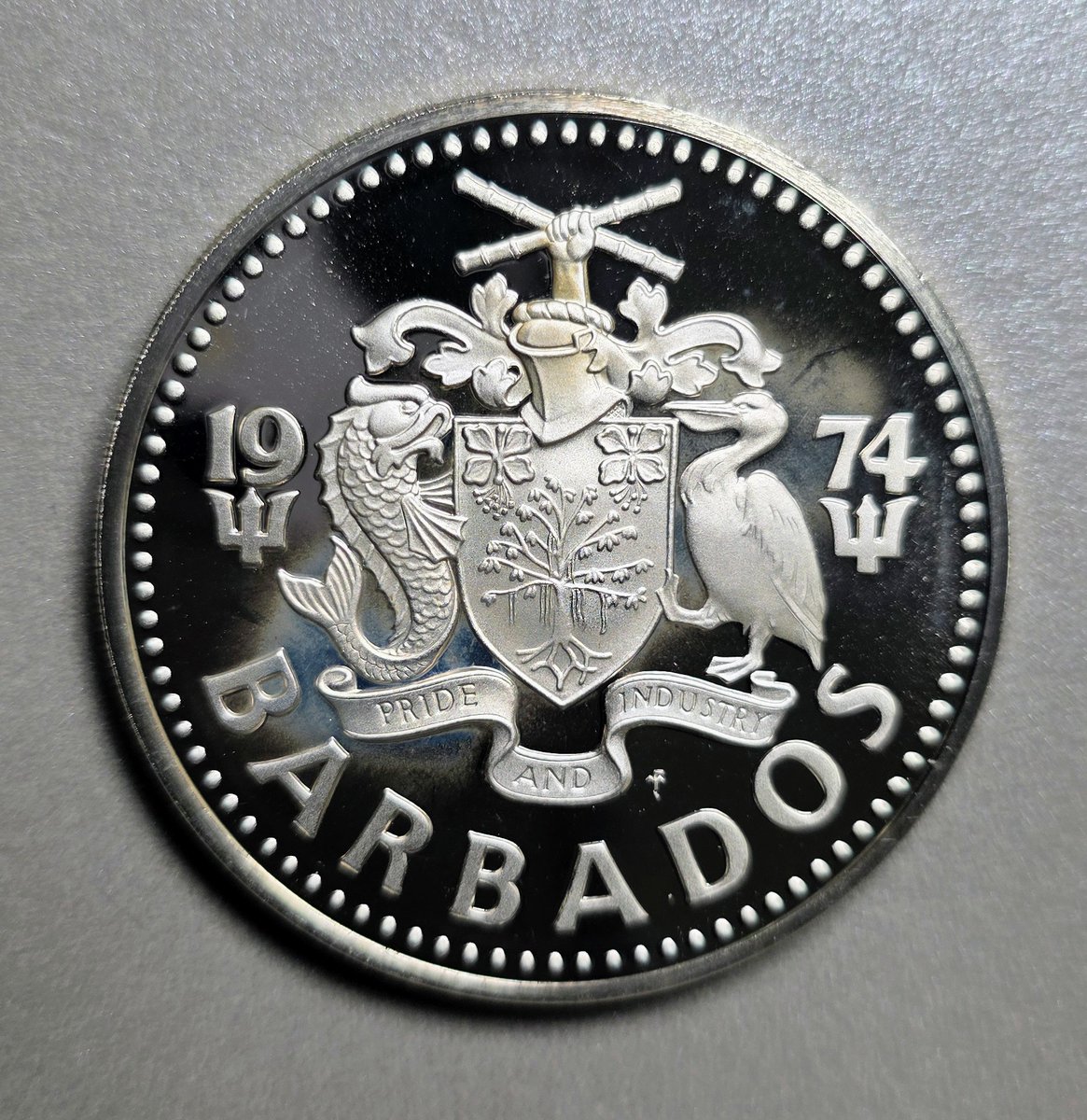
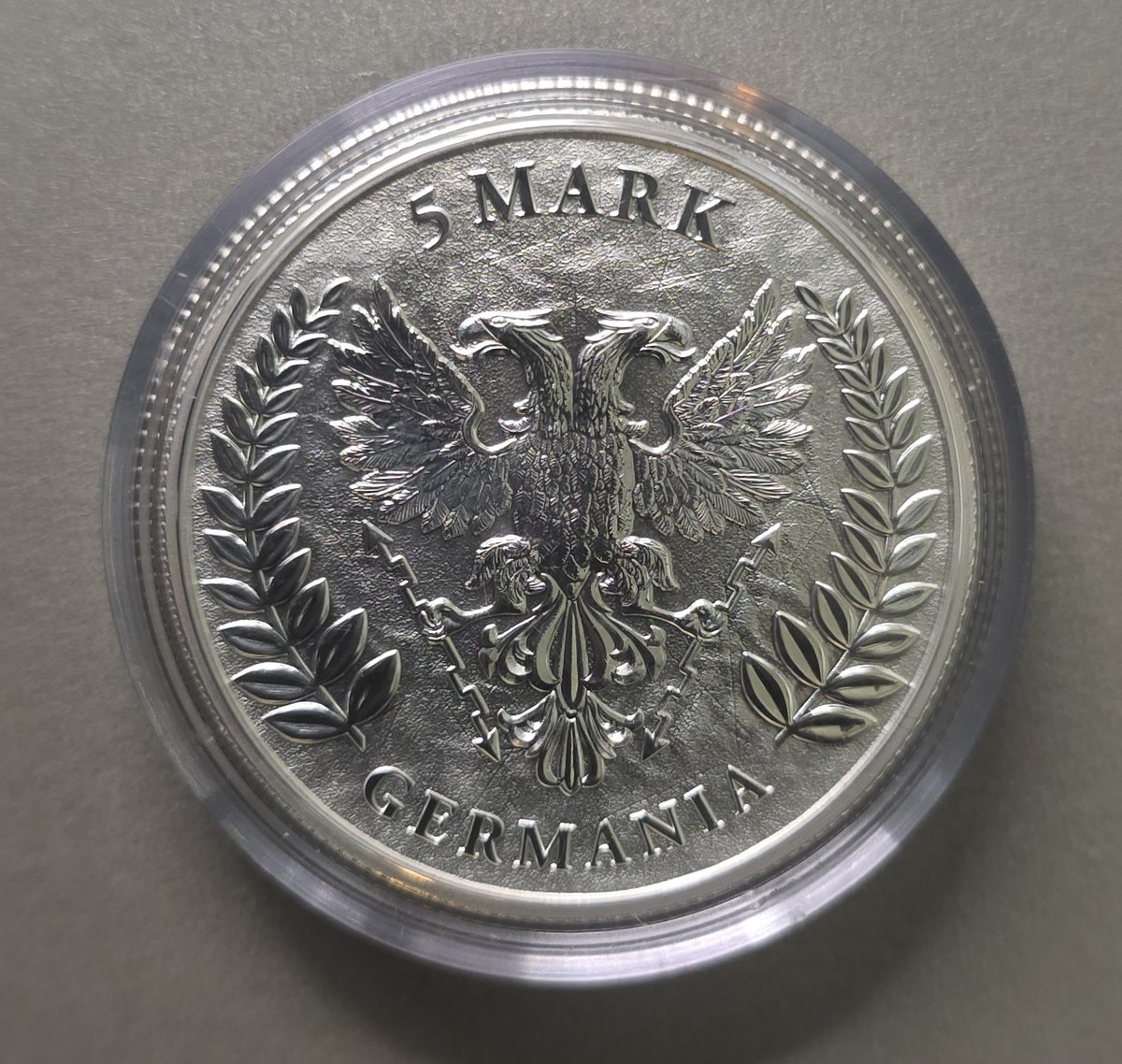
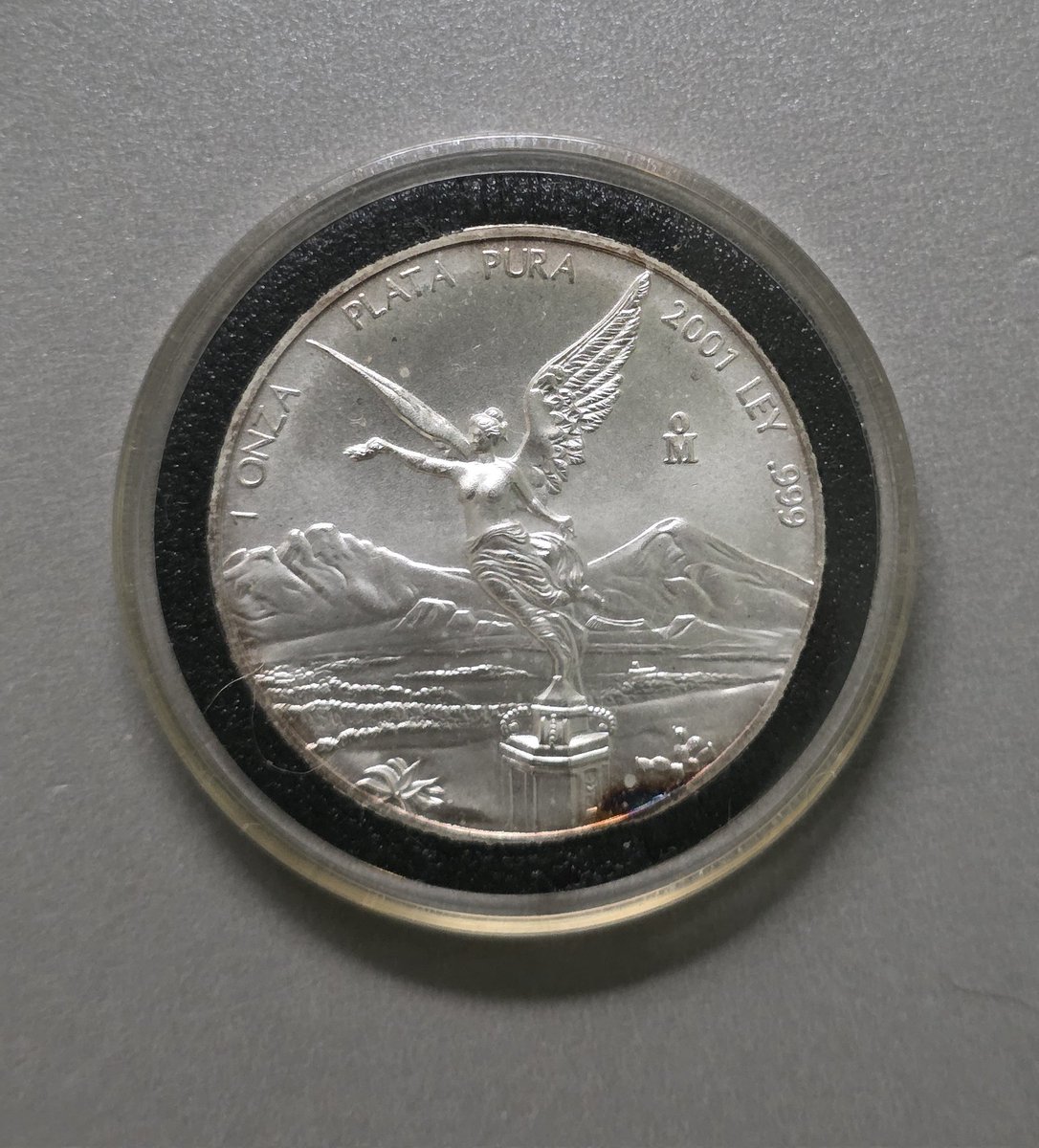
Random silver.. and an interesting piece of Las Vegas history (even if she's not that pretty)
7
2
56
7,303
Feb 14
I can't be the only one waiting on a @NICKIMINAJ and @IAMTOMMACDONALD collab. That would be epic.

2
105
Trash Fanatic retweeted

Jan 31
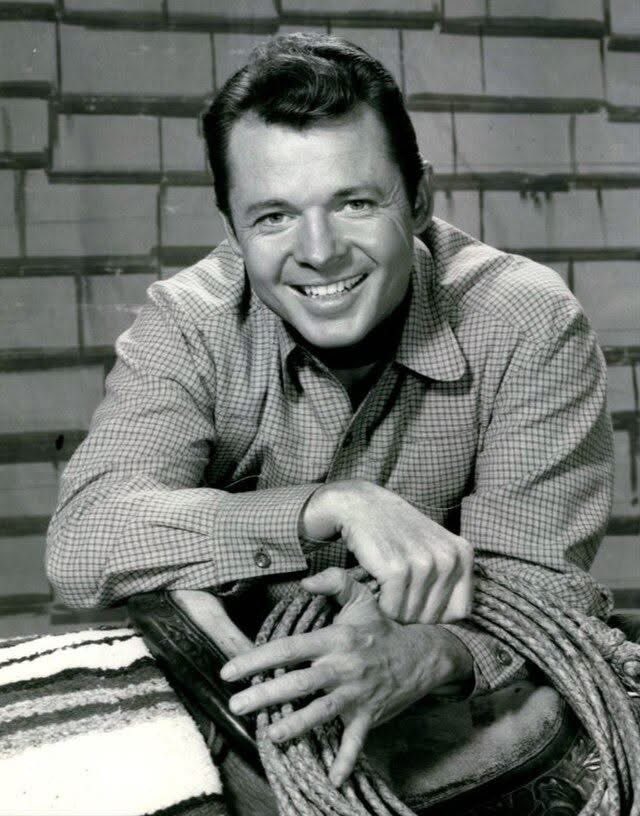
He had 19 men. The enemy had 6 tanks and 250 soldiers. So he climbed onto a burning bomb and fought them alone.
Holtzwihr, France. January 26, 1945. The thermometer read 14 degrees below zero. The ground had frozen into iron. Lieutenant Audie Murphy stood in command of what remained of Company B. Disease and relentless combat had torn through his unit. Of the 128 men he'd started with, only 19 were still standing.
Then the forest erupted.
Six German tanks crashed through the tree line, their engines roaring through the frozen air. Behind them, 250 Wehrmacht infantry advanced in formation. The math was brutal and simple. Murphy's tiny force didn't stand a chance.
He made the only decision a good commander could make. He ordered his men to fall back into the woods. To survive. To live to fight another day.
But Murphy didn't follow them.
Nearby, an American M10 tank destroyer sat burning. It had taken a direct hit moments earlier. Flames consumed the chassis. Inside, gasoline and ammunition cooked toward catastrophic explosion. The vehicle was a death trap. Anyone near it was insane.
Murphy ran toward it.
He climbed onto the burning hull. Heat seared through his boots. Smoke choked his lungs. Beneath him, ammunition began to cook off in sporadic pops. He grabbed the .50-caliber machine gun mounted on the turret and swung it toward the advancing Germans.
Then he opened fire.
The German infantry couldn't comprehend what they were seeing. A single soldier. Standing atop a flaming vehicle that could explode any second. Firing at an entire battalion with mechanical precision. It defied every tactical assumption. It defied sanity itself.
But Murphy wasn't thinking about sanity. He was thinking about his 19 men retreating behind him. About buying them time. About holding a line that couldn't be held.
For one full hour, he fought.
The flames beneath him grew hotter. The metal scorched his hands. Ammunition continued detonating inside the burning wreck. German bullets snapped past his head, ricocheted off metal around him. He ignored all of it.
He grabbed the tank's field telephone and called artillery strikes onto his own position. When the artillery commander asked how close the enemy was, Murphy's reply became legend:
"Just hold the phone and I'll let you talk to one of them!"
Shells began raining down around him. He adjusted fire. Kept shooting. The German advance wavered, then stopped. Soldiers fell. Others retreated to cover. The tanks couldn't advance through the artillery barrage. The impossible was happening. One man was stopping an entire mechanized force.
Only when his ammunition ran dry did Murphy finally dismount. He climbed down from the burning wreck. Blood soaked through his left boot from a leg wound he hadn't noticed. He walked back through the frozen field to his men.
Medics rushed to treat him. He refused evacuation. His company needed him.
When the smoke cleared and reports were filed, the numbers told the story. Murphy had single-handedly killed or wounded approximately 50 enemy soldiers. He had broken a major German counterattack. He had saved his company from annihilation.
For this action, Audie Murphy received the Medal of Honor, America's highest military decoration. By war's end, he would earn every combat valor award the United States Army could bestow, along with French and Belgian honors. He remains the most decorated American soldier of World War II.
But perhaps the most remarkable detail isn't found in any citation or medal count. It's found in Murphy's physical profile. He stood 5 feet 5 inches tall. He weighed 112 pounds. When he first tried to enlist, the Army rejected him as too small.
Audie Murphy proved that courage has nothing to do with size. Nothing to do with odds. Everything to do with what you're willing to stand on burning ground to protect.
On the coldest day of winter, one small man became a giant. And 19 soldiers made it home because of it.
301
1,589
6,153
109,052
Trash Fanatic retweeted

19 Dec 2025
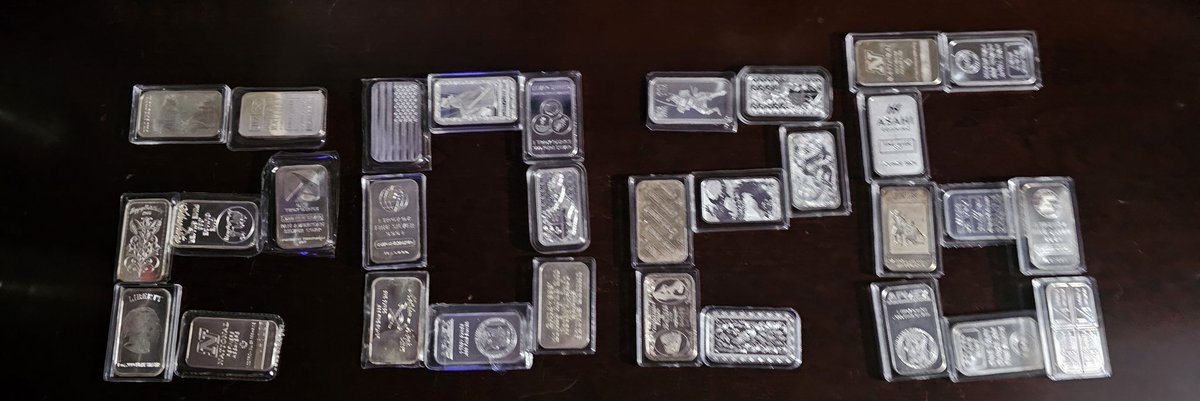
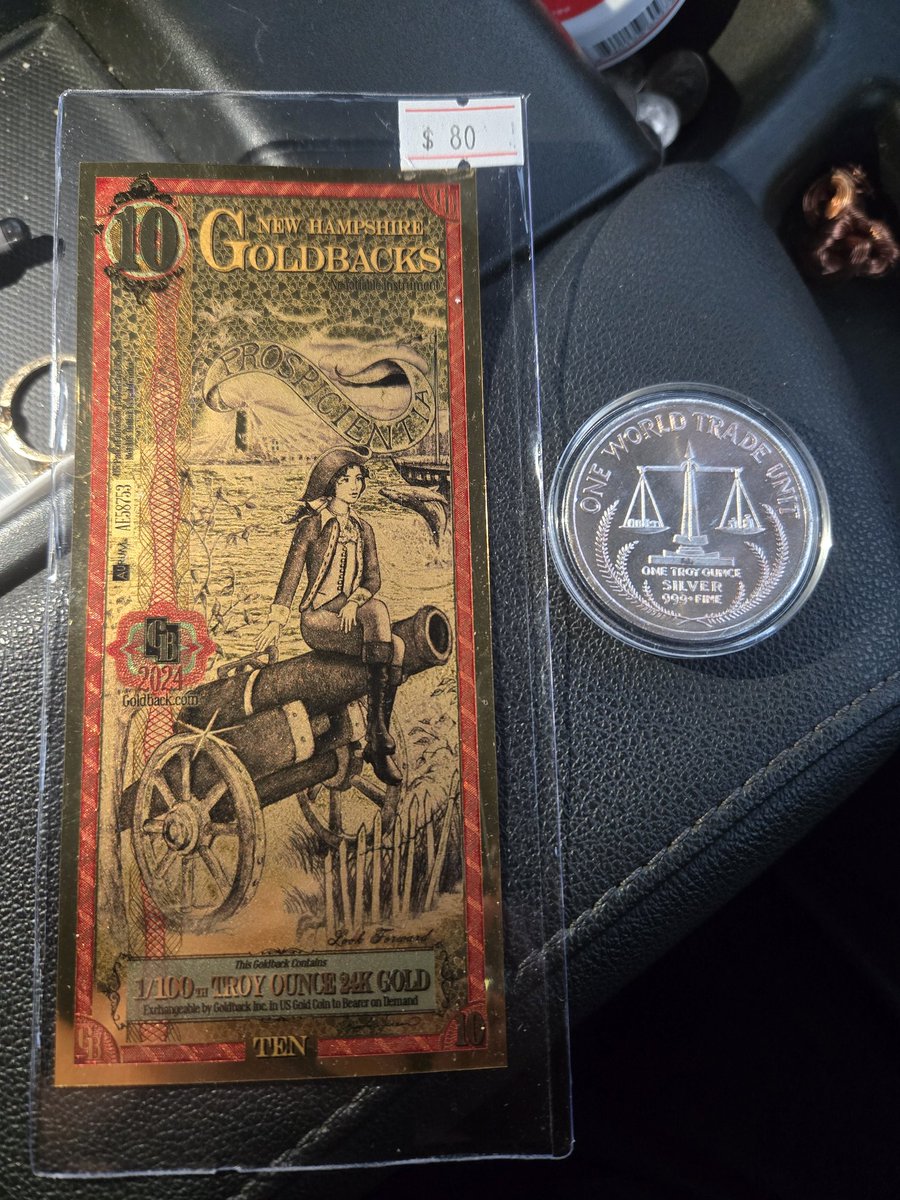
LCS pick ups from today...a little is better than none 🤍♥️
4
4
59
1,209
31 Oct 2025
"Halloween Pranksters" by CMG Mint. Brought to life by @grok Imagine. 1 ozt silver, antiqued mintage of 50
4
182