
Joined October 2011
- Tweets 913
- Following 636
- Followers 101
- Likes 1,100
Photos and videos
Nick Iltsopoulos retweeted

On 11 June 2026, the TGU team, represented by Olena Sochnieva and Oleksandra Petriuk, attended “Recovery & Business: On the Road to URC 2026 in Gdańsk” in Kyiv, hosted by @USUBC and UBN Network.
The event brought together government leaders, business executives, investors, and international partners to discuss the private sector’s role in Ukraine’s recovery, resilience, and sustainable development.
At @TridentGroupUkr, we value our partnership with USUBC and UBN Network and remain committed to supporting Ukraine’s recovery through security, risk management, strategic advisory, and trusted operational insight on the ground.
#URC2026 #UkraineRecovery #UkraineReconstruction #TGU #TridentGroupUkraineLLC

2
4
22
Nick Iltsopoulos retweeted
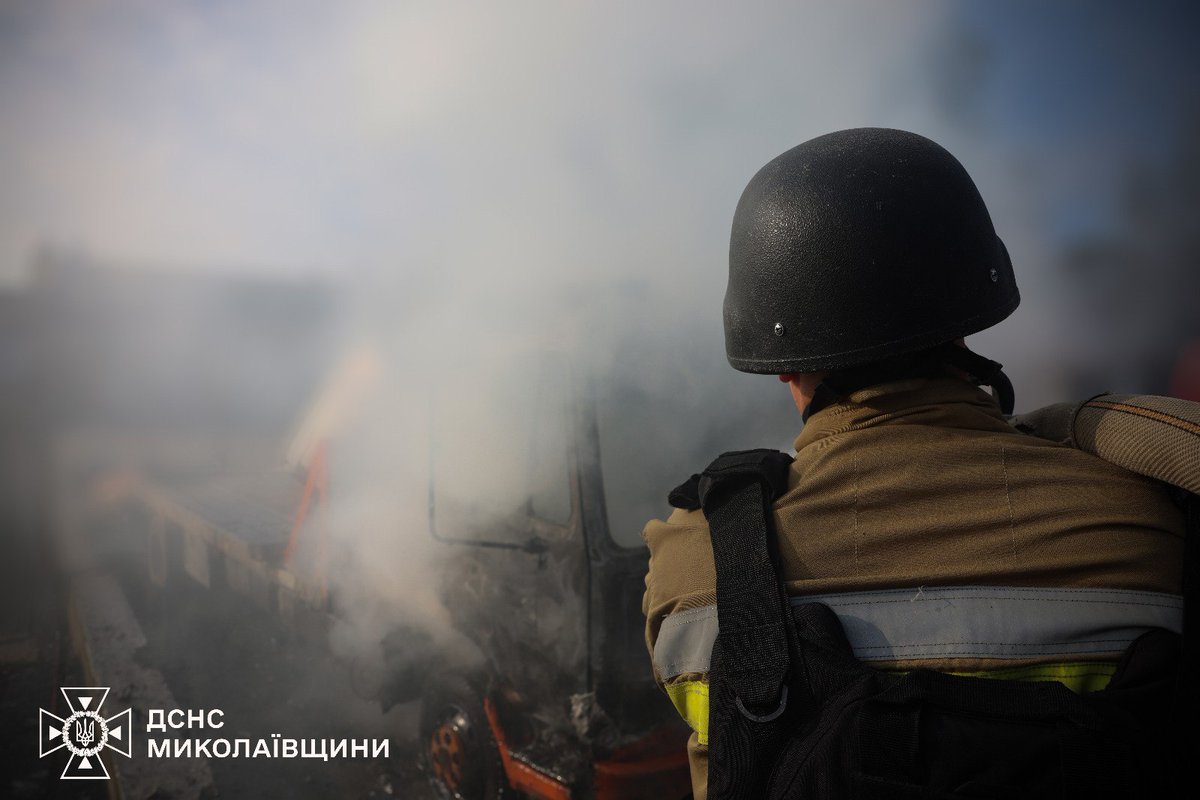
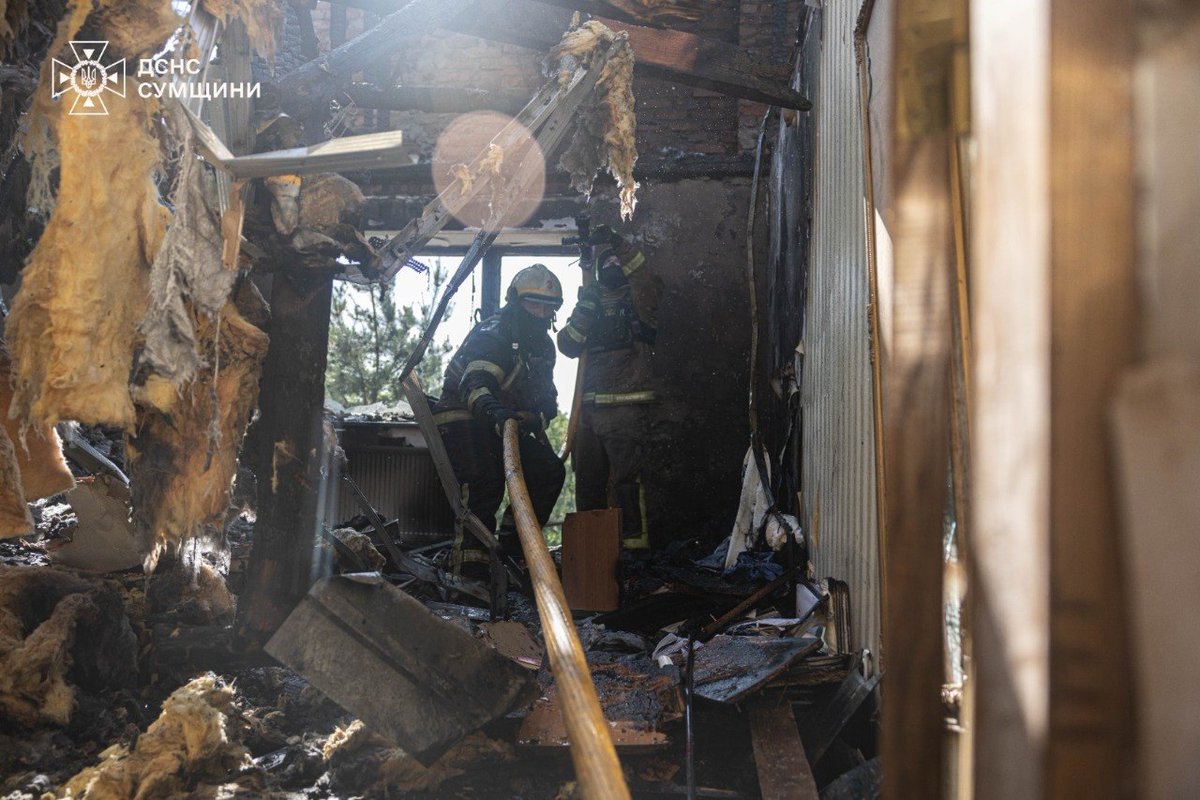
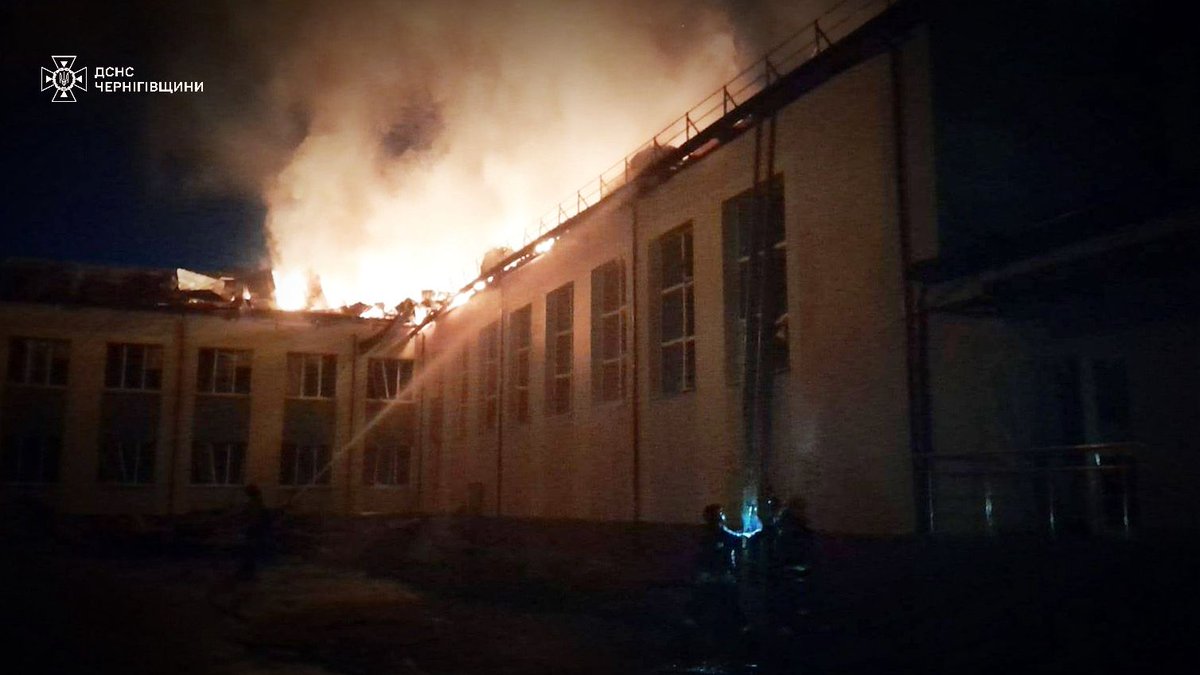
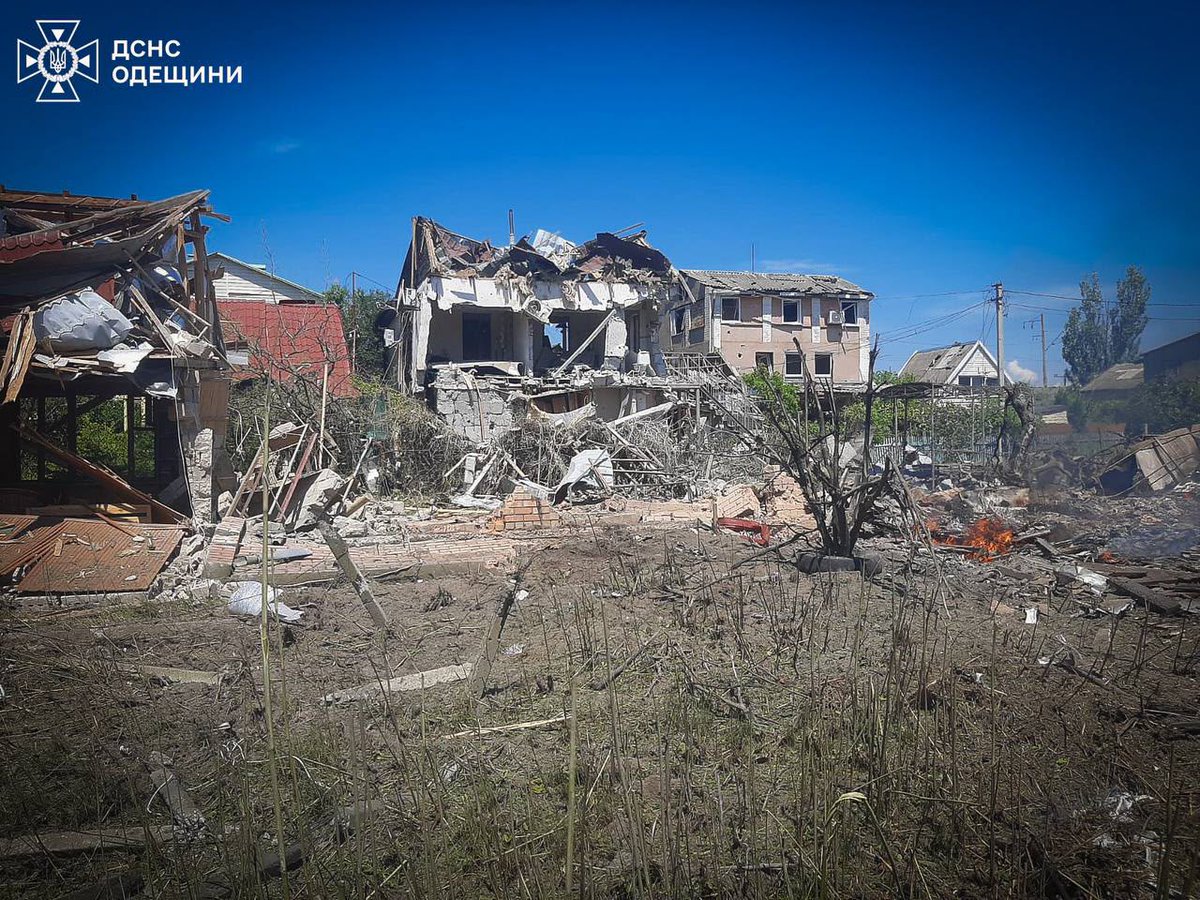
1/ 🚨 Ukraine Security Brief | 11–12 Jun 2026
Drone barrage strains grids; Russia's refineries buckle. Overnight strikes hit Konotop, Dnipropetrovsk & Odesa — gas/power/water cut, a rail worker killed — as Ukraine's deep strikes drove Russian oil output to a 1-yr low. 🧵
1
2
3
39
Nick Iltsopoulos retweeted
Ukraine’s strike on the Armiansk bridge in occupied Crimea reportedly hit a convoy of 50 Russian military vehicles, according to Ukrainian military officials.
The operation highlights Ukraine’s continued focus on disrupting Russian military logistics and reducing the flow of personnel, equipment, and supplies between occupied Crimea and frontline positions in southern Ukraine.
As the war increasingly becomes a contest of sustainment and mobility, targeting key transport routes remains one of the most effective ways to degrade Russia’s operational capabilities beyond the immediate battlefield.
#Ukraine #Crimea #RussiaUkraineWar #Defense #MilitaryLogistics #SecurityAnalysis #TGUInsights
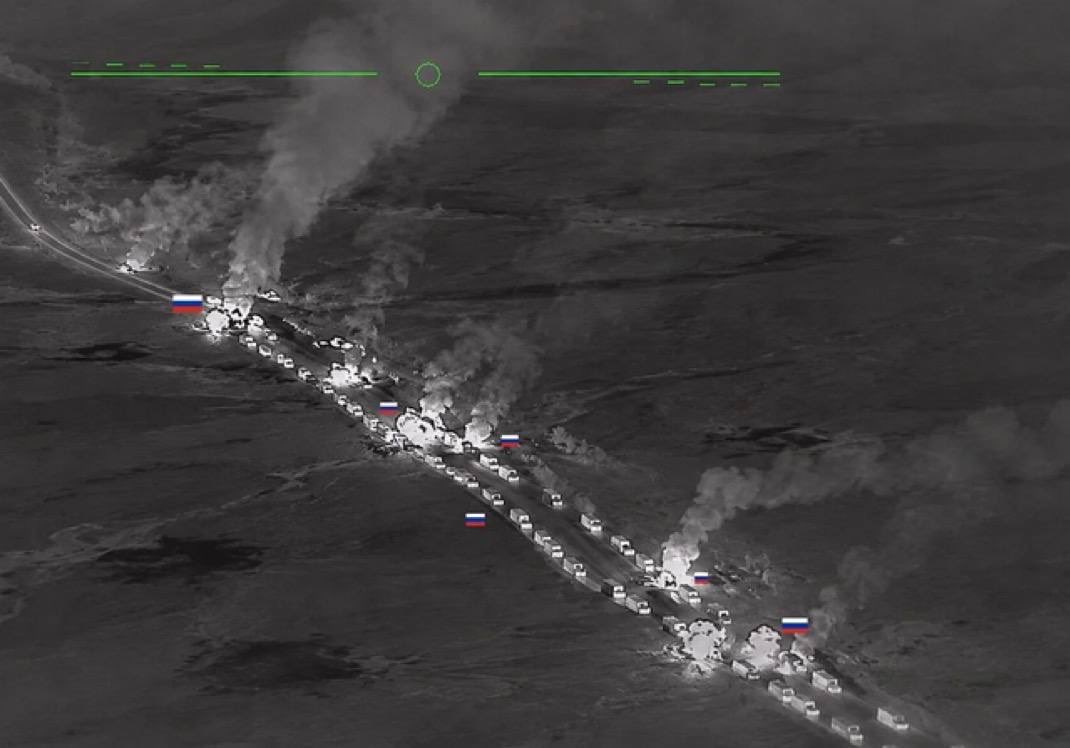
Community note
This photo is fake. The image is from Arma 3, the video game.
t.me/insiderUKR/126…
2
3
135
Nick Iltsopoulos retweeted

Jun 11
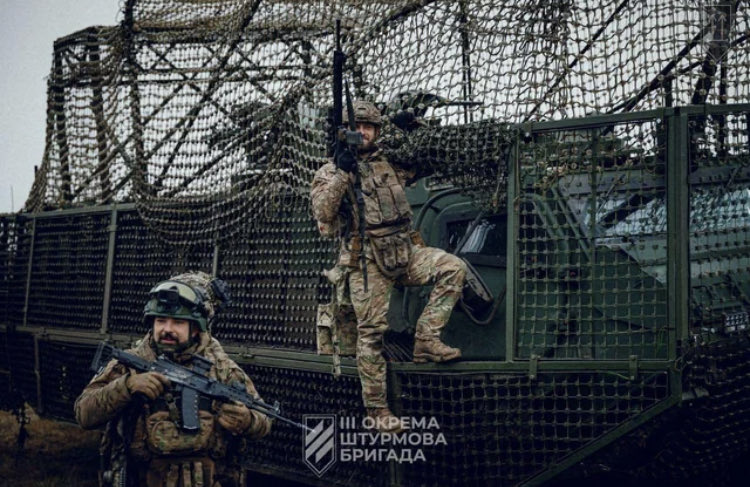
The initial Western mockery of 'cope cages' has turned into a dangerous blind spot.
While armor survival in Ukraine now largely depends on physical protective nets and cages, Western armies are still mostly failing to equip their vehicles with them.
While Russia's early 'cope cages' looked stupid and were useless against ATGMs, the explosion of drone warfare has completely flipped the script since then.
The reality of modern war means that FPV drones and bombers have become a primary threat to all armored vehicles, including main battle tanks, infantry fighting vehicles, and armored personnel carriers. Without a cage or net to trigger incoming explosions early, any armored vehicle is highly vulnerable to cheap FPV drones. Ukraine and Russia have shown that these simple physical barriers are the reason many vehicles manage to survive several direct hits.
Despite these undeniable facts, a big part of NATO forces and even Israel continue to leave their armor unprotected. Relying solely on advanced sensors, electronic jammers, and anti-air guns is a losing strategy against fiber-optic or AI-enhanced drones.
It is a certainty that Western armies will eventually have to adopt these protective nets and cages, and waiting for a major conflict to start before doing so is pure negligence
25
145
874
61,447
Nick Iltsopoulos retweeted

Jun 11
⚡ More than 100 companies gain access to Ukraine’s AI Dataroom built on real battlefield data.
united24media.com/defense-te…
2
38
136
3,807
Nick Iltsopoulos retweeted

Jun 11
How Ukraine's Defense Industry Is Reshaping Global Warfare
Ukraine's defense-industrial complex is evolving at an unprecedented pace. Under constant missile attacks and severe time pressure, the country has largely replaced traditional bureaucratic processes with flexible startup-style development.
The result is a major shift from import dependence to a largely self-sustaining ecosystem for producing advanced weapons.
The Scale Factor: $55 Billion
The growth of Ukraine's defense sector illustrates the speed of this transformation:
2024: $20 billion
2025: $35 billion
2026 (forecast): $55 billion in production capacity — 55 times higher than before the full-scale invasion.
A key driver is rapid certification. According to The Telegraph, Ukraine certified 175 new weapons systems in May alone, with 93% designed and produced domestically.
For comparison, the U.S. defense sector typically introduces only a handful of new platforms each year. Ukraine's wartime model can approve multiple new systems in a single day.
"Fail Fast" and Frontline Innovation
Ukraine has adopted the Silicon Valley principle of "fail fast." If a prototype fails to perform in combat, it is quickly abandoned.
Many upgrades are made directly on the battlefield by military engineers.
The government-backed Brave1 platform connects frontline units directly with developers, allowing soldiers to send technical feedback without bureaucratic delays.
In September 2026, Lviv is expected to host the Defense Tech Valley forum, aimed at integrating Ukrainian defense startups into European and American supply chains. The EU is already supporting these efforts through the BraveTech EU initiative.
AI Against Electronic Warfare
Heavy electronic warfare has forced Ukraine to reduce drone reliance on communications links and GPS.
Lupynis-10 (TFL-1), developed by The Fourth Law and backed by Axon, uses onboard AI to guide itself during the final 500 meters of flight, where jamming is strongest.
The system identifies thermal signatures and target shapes autonomously, reportedly increasing mission effectiveness by two to four times while adding only modest costs.
Ratel X
The Ratel X robotic platform performs reconnaissance, mining, and evacuation missions.
Its newest role is serving as a mobile launch platform for FPV drones, secretly transporting them close to enemy positions and reducing risks to infantry.
Drone Interceptors
Ukraine has also developed specialized interceptor drones to counter increasingly fast Russian aerial threats.
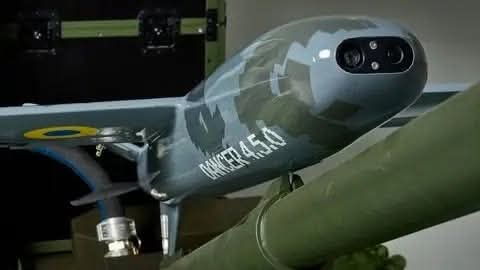
DANCER 4.5.0, created by YARTURA, is a 6.8 kg fixed-wing interceptor capable of speeds up to 460 km/h.
Designed to engage reconnaissance and kamikaze drones, it operates at altitudes up to 4.8 km and ranges up to 30 km.
An AI-based tracking system allows it to re-engage targets automatically if the first attack fails.
The Missile Program
Ukraine's FP-9 ballistic missile is reportedly nearing the final phase of testing.
With a claimed range of 850 km, it would give Ukraine a strategic long-range strike capability capable of reaching targets deep behind enemy lines.
12
24
696
Nick Iltsopoulos retweeted
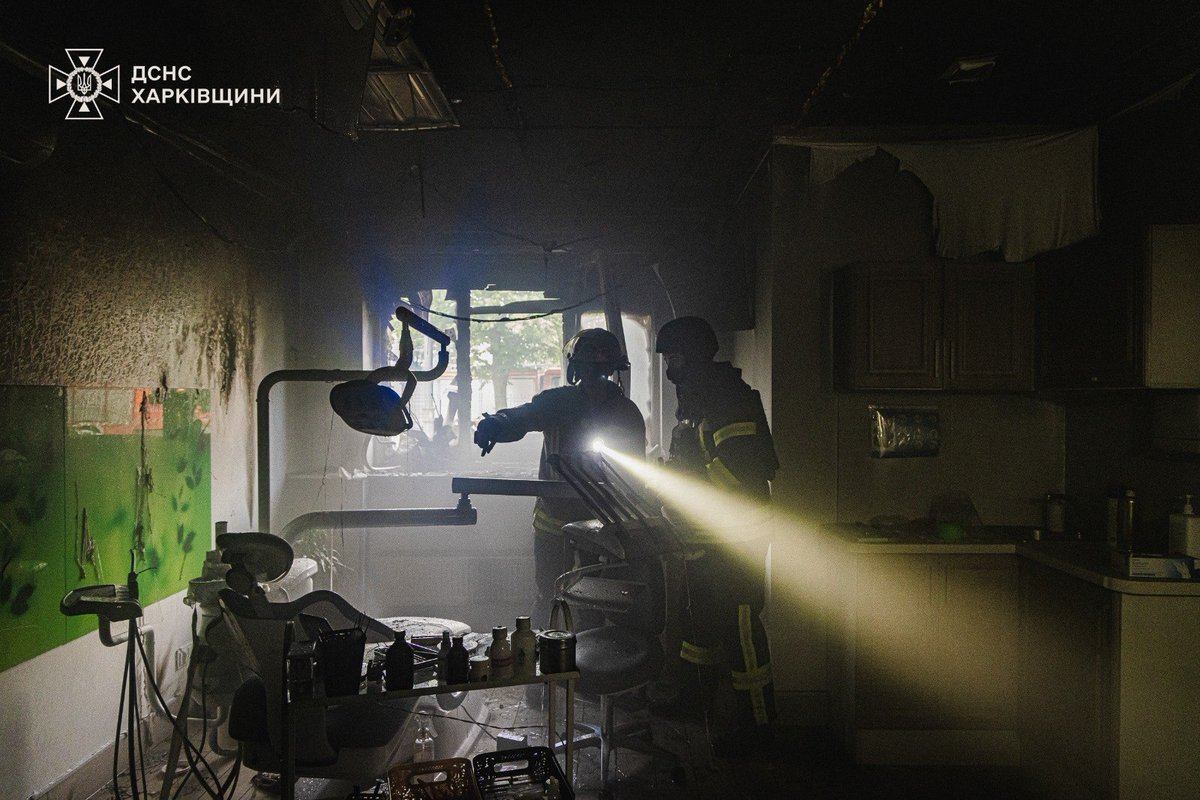
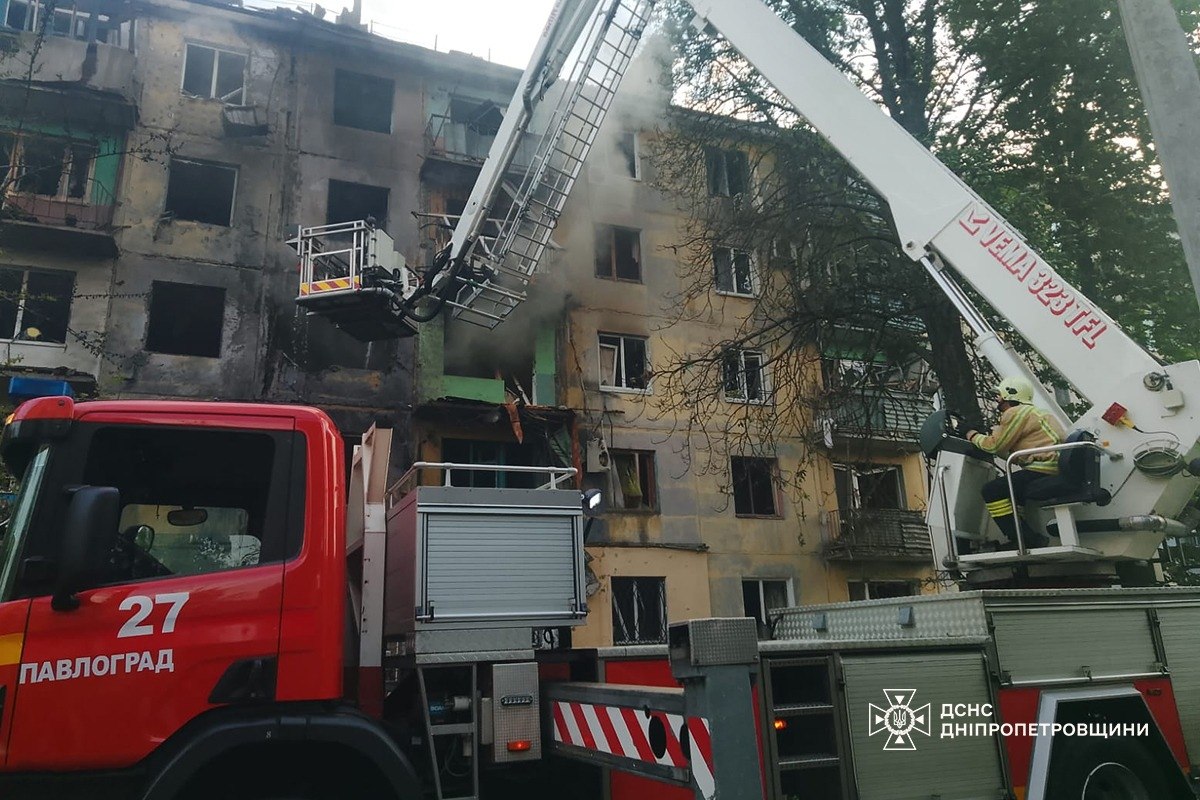
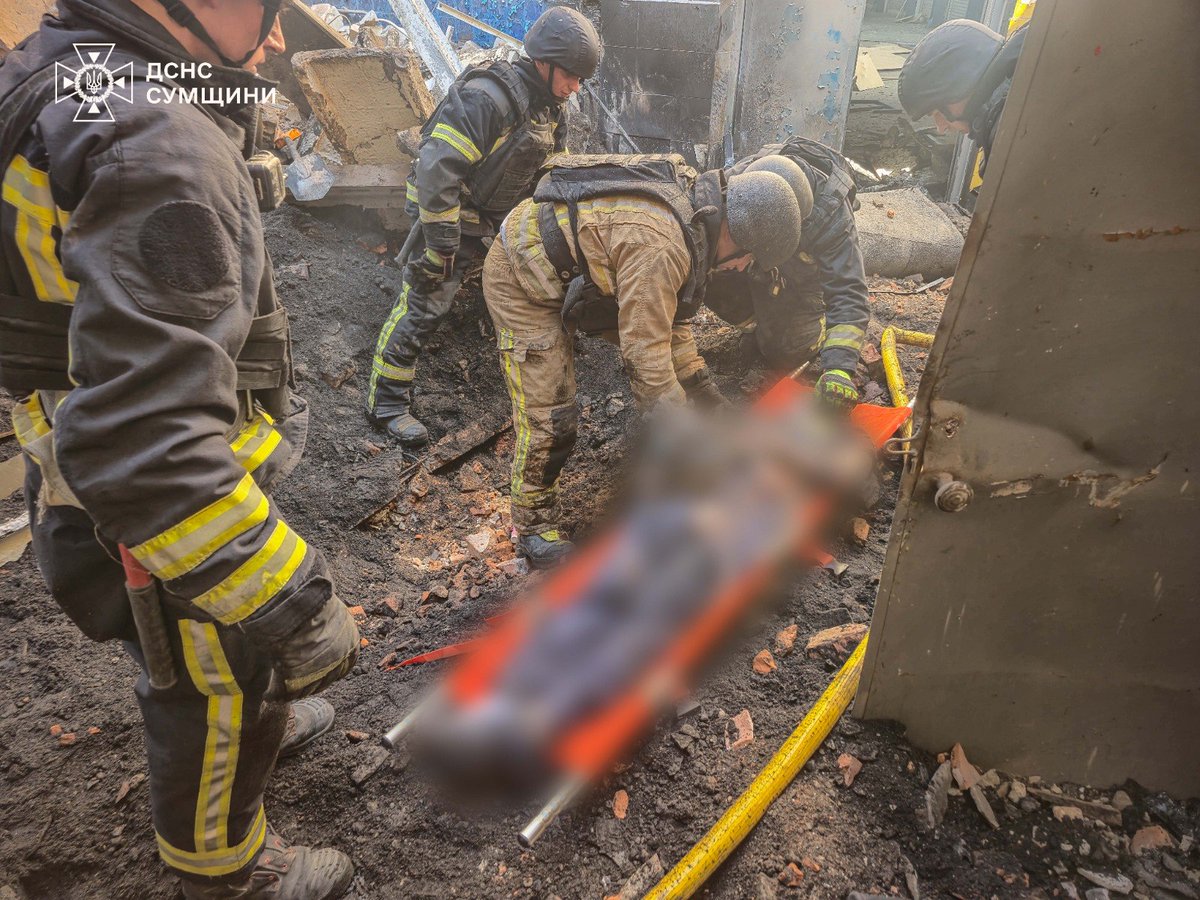
1/ 🚨 Ukraine Security Brief | 10–11 June 2026 — Crimea logistics severed; Russia's rear under pressure. Ukrainian drones disabled the occupied Mariupol port & cut a key Crimea supply bridge. Russian strikes killed a Sumy railway worker & wounded civilians.
1
2
3
90
Nick Iltsopoulos retweeted
Today, Ukraine marks the first-ever Day of the Unmanned Systems Forces.
We salute the men and women of the Unmanned Systems Forces, as well as the engineers and innovators whose work continues to strengthen Ukraine’s technological edge and redefine modern warfare.
Slava Ukraini!
📹 Credit: Volodymyr Zelenskyy / Володимир Зеленський Official Channel
#UnmannedSystemsForces #ArmedForcesOfUkraine #Ukraine #DefenseInnovation #MilitaryTechnology #DroneForces #UkrainianMilitary #StandWithUkraine #Security #Defense #Innovation #GloryToUkraine #TridentGroupUkraineLLC
2
3
30
Nick Iltsopoulos retweeted
🇺🇦Ukraine is rapidly becoming one of the world's most important testing grounds for defense AI, using real combat data to develop autonomous targeting, navigation, threat detection, and decision-support systems. When a single solution can already automate 95% of the Shahed interception process, it becomes clear that AI is no longer a future advantage — it is a battlefield requirement.
Jun 11

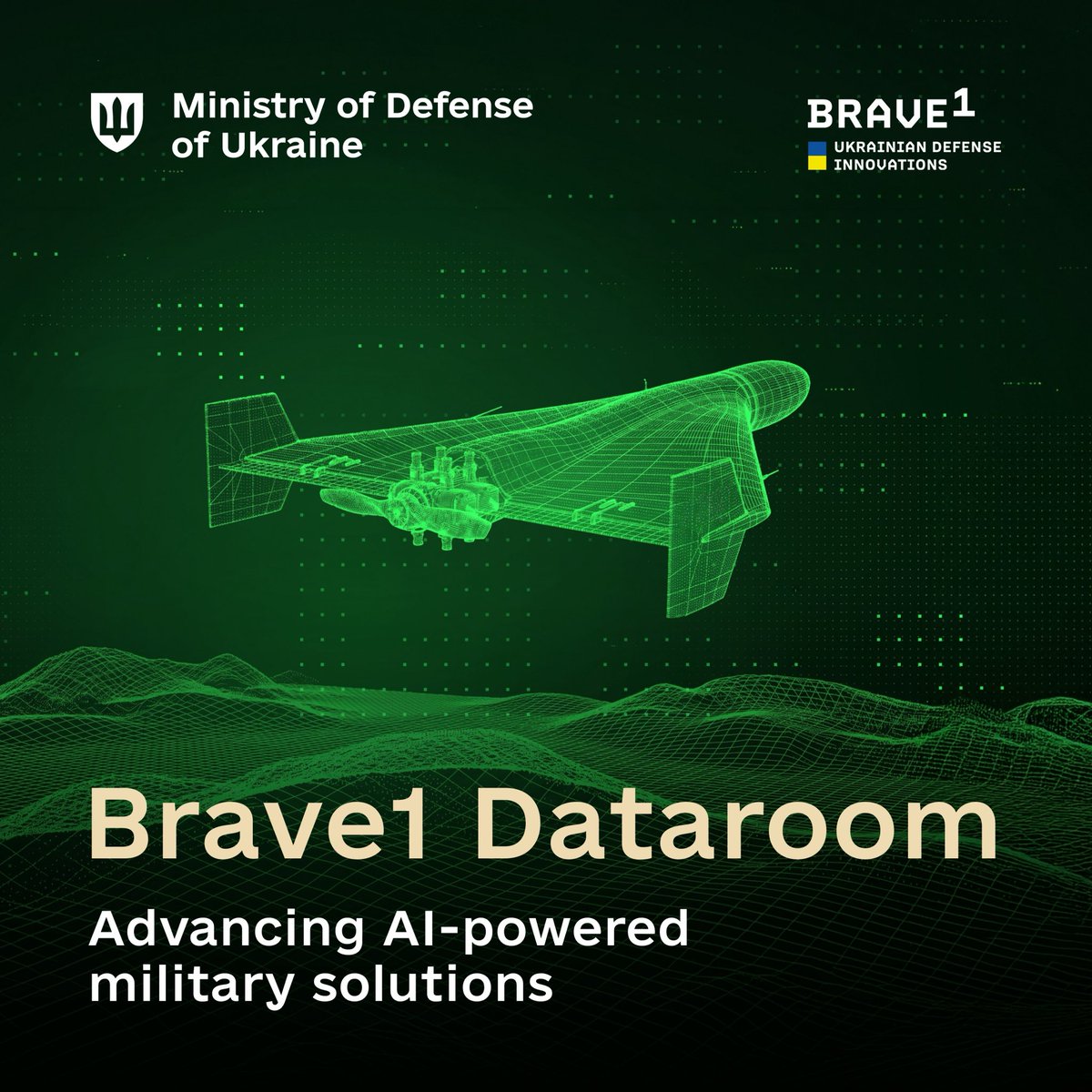
🇺🇦 Ukraine is training AI to hunt enemy drones, using data from actual combat.
100 companies now access real battlefield footage via @BRAVE1ua Dataroom: thermal & visual feeds of aerial targets, multiple sensors, day/night, all weather — scenarios as close to real combat as it gets.
Already deployed at the front: autonomous drone guidance, GPS-independent navigation under EW jamming, intel processing, detection of concealed enemy assets, autonomous firing positions, and enemy action forecasting via DELTA.
One @BRAVE1ua participant has already automated 95% of the Shahed interception process.
The goal: 100% of frontline drones equipped with machine vision and AI.
Huge thanks to @PalantirTech, @mintsyfra, @GeneralStaffUA, and the Research Institute of Military Intelligence.
1
3
26
Nick Iltsopoulos retweeted
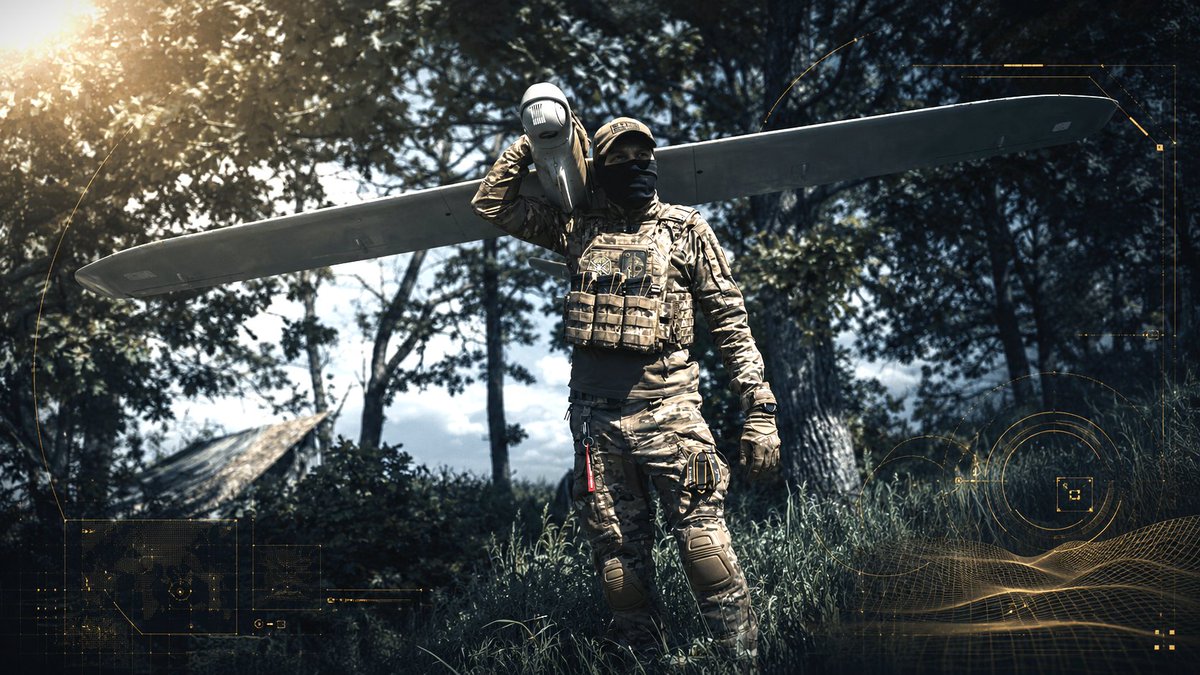
Ukraine retaking ground with no soldier physically present is the headline. The real signal for investors is quieter: ~4 million drones a year, domestic production, a defence ministry digitizing logistics at speed.
This is industrial maturity — capacity that will outlast the war and anchor reconstruction.
@ObserverUK, 7 June 2026
🔗 itl.ink/b4e9c2e9
#Ukraine #DefenseTech #TridentGroupUkraineLLC #TGU
2
3
33
Nick Iltsopoulos retweeted

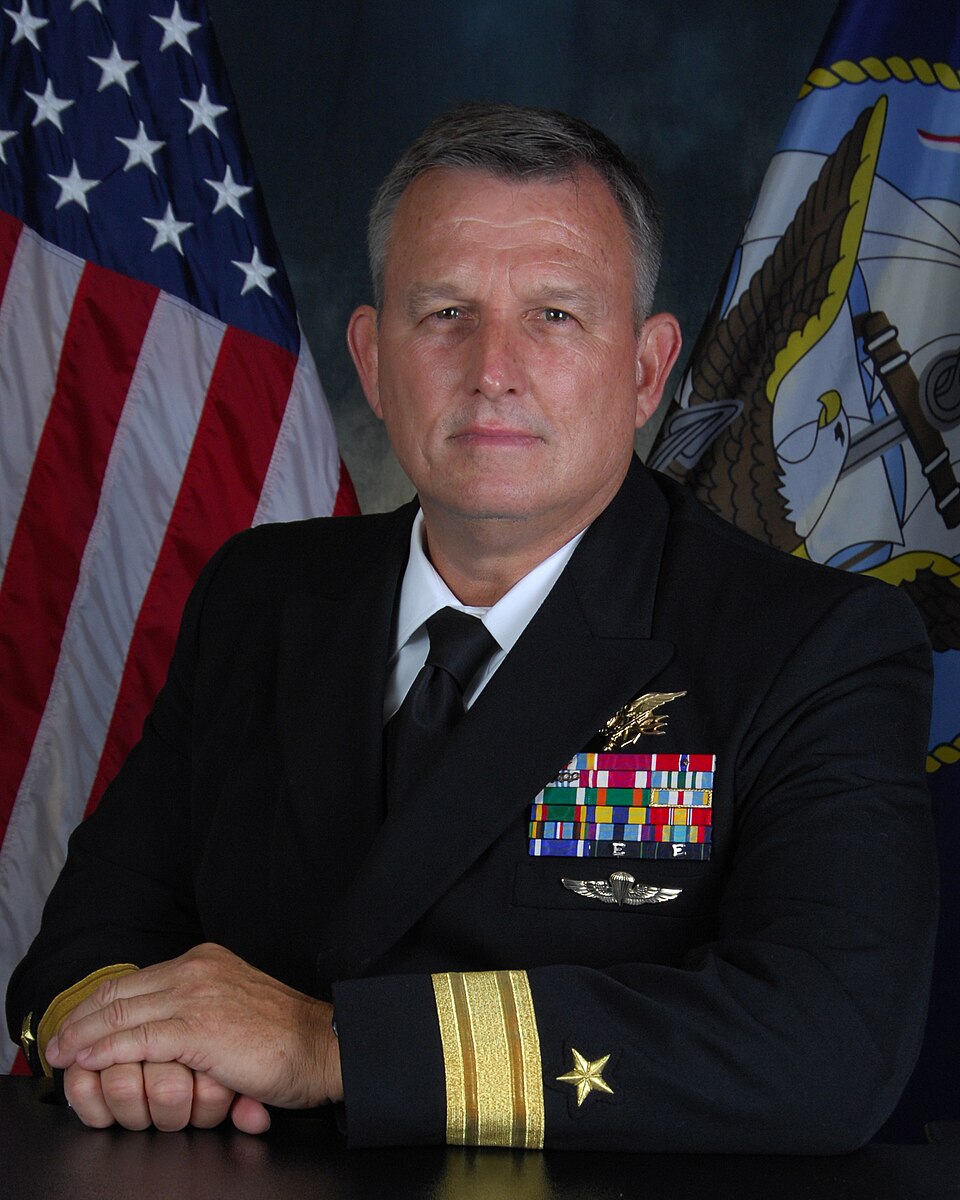
FAIR WINDS & FOLLOWING SEAS: Rear Admiral Edward G. Winters III has passed. Ed was a legendary SEAL operator who rose to lead DEVGRU and later the Naval Special Warfare Command. He was my teammate and friend in Red Squadron of SEAL Team Six. Rest in power, my brother.
221
446
3,140
44,900
Nick Iltsopoulos retweeted
Ukraine’s Parliament approved amendments to the 2026 budget, increasing security and defense spending by UAH 1.5 trillion.
The additional funding is expected to be supported primarily by the EU’s €45 billion Ukraine Support Loan, with €31.8 billion designated for defense and security needs.
Key allocations:
▪️ UAH 1.3T for weapons, equipment & ammunition
▪️ UAH 174B for servicemembers’ pay
▪️ UAH 40B for winter resilience & critical infrastructure
A signal of Ukraine’s continued focus on defense readiness and national resilience.
#Ukraine #Defense
1
2
22
Nick Iltsopoulos retweeted
Every additional air defense missile helps save lives. Continued cooperation on PAC-3, IRIS-T, and other critical capabilities is vital as Ukraine faces persistent aerial threats.
3
6
153
Nick Iltsopoulos retweeted
More than 50,000 UGV missions in just six months. From delivering supplies under fire to evacuating wounded soldiers, unmanned ground vehicles are becoming a critical force multiplier on the modern battlefield. Ukraine continues to scale deployment and procurement to maintain its technological edge.
#DefenseTech #Ukraine
Jun 9
Minister @FedorovMykhailo: Ukrainian soldiers have conducted over 50,000 UGV missions since the start of this year alone. Unmanned ground vehicles are completely transforming logistics and casualty evacuation in high-risk zones.
By delivering vital supplies and safely evacuating our wounded, these platforms save lives every single day. We continue to aggressively scale UGV deployment across the entire frontline and systematically increase state procurement to lock in our technological edge.
1
3
26
Nick Iltsopoulos retweeted
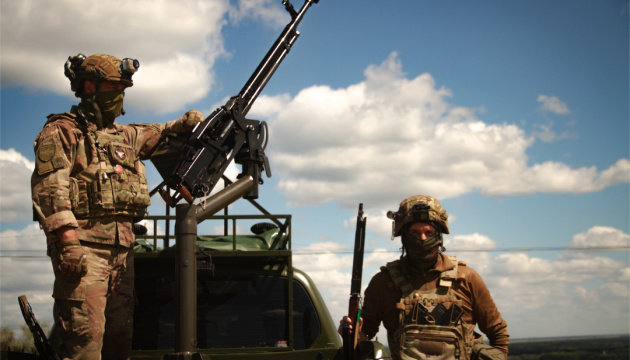
Another night, another massive aerial assault. Russia launched 207 drones against Ukraine, but Ukrainian air defenses neutralized 181 of them. As attack volumes continue to grow, Ukraine's defenders remain a critical shield protecting cities, infrastructure, and civilians. 🇺🇦
#AirDefense #Ukraine
1
3
19
Nick Iltsopoulos retweeted

This is what happens to the Ukrainian children abducted by Russia


1
2
10
Nick Iltsopoulos retweeted
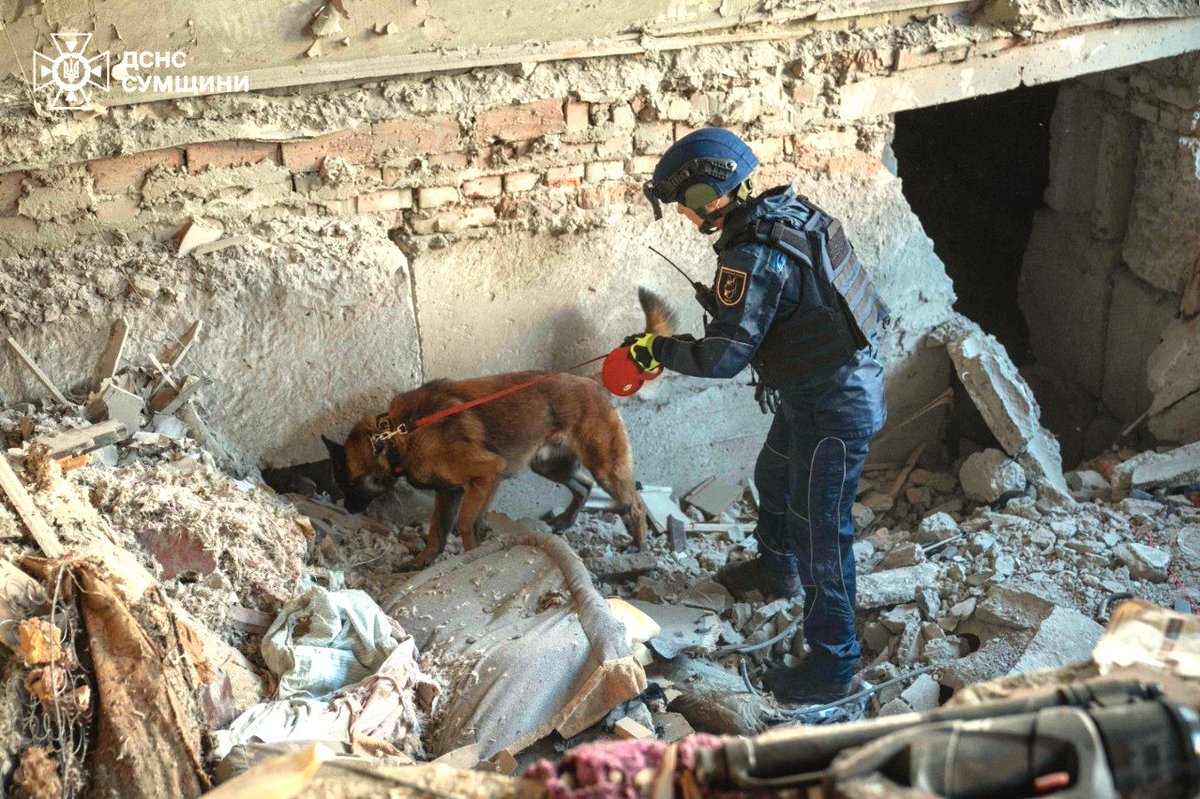
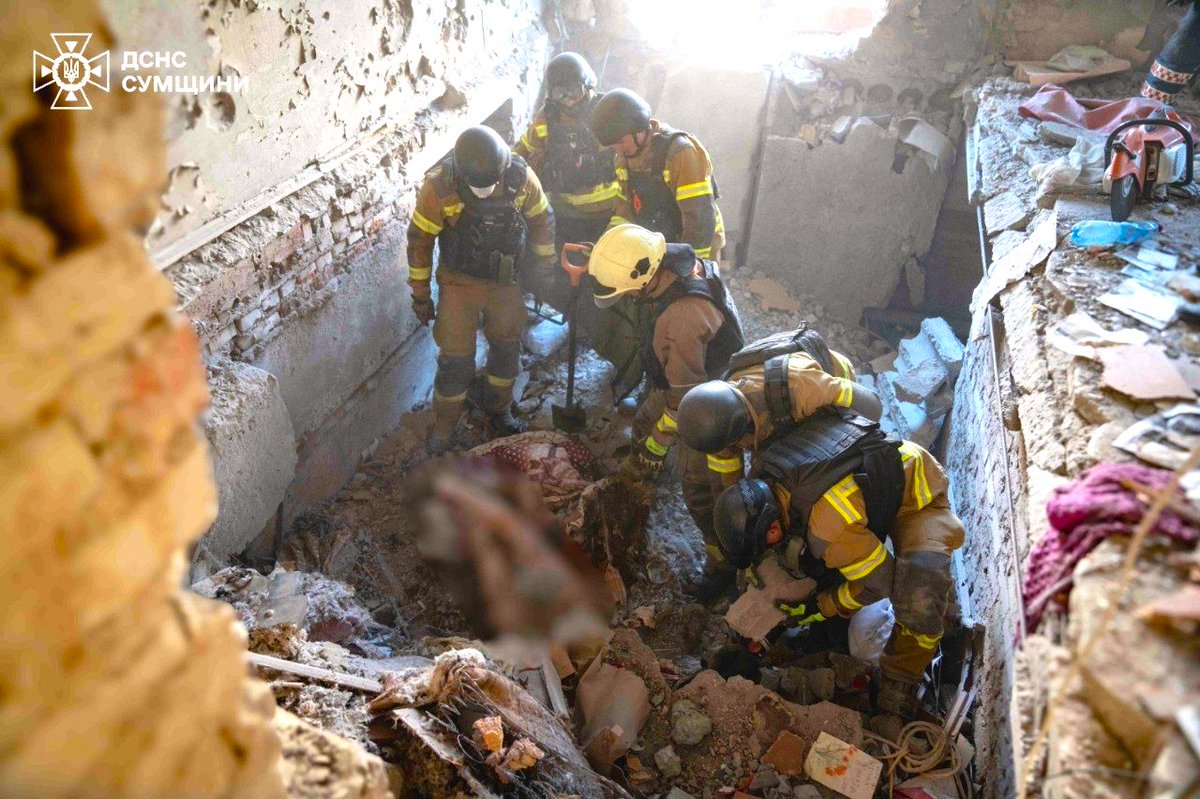
Air defense is not abstract — it stops a drone before it reaches a child's bedroom.
Protect Ukraine's sky. Protect Ukrainian children.
#SoundOfLifeCampaign

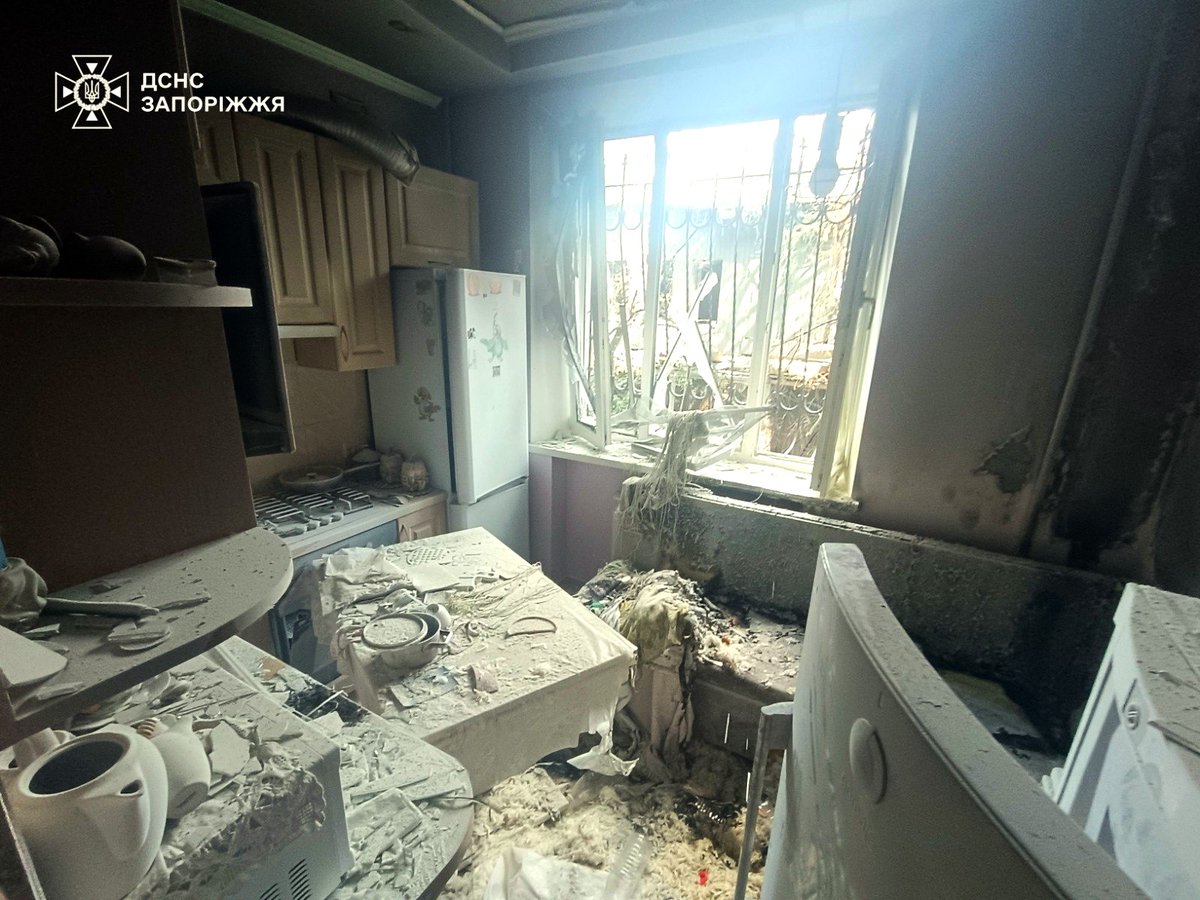
This is what it looks like to search for the people who lived in a building the Russian army has just struck.
Homes, hit while people sleep.
In Ukraine this is no longer "the last days." It is everyday life now.
Protect Ukraine's sky. Protect Ukrainian children.
soundoflife.co
#SoundOfLifeCampaign #ProtectUkrainianChildren #AirDefenseSavesLives #Ukraine
1
4
23
Nick Iltsopoulos retweeted
The @WorldBankGroup's May 2026 report on Ukraine's housing construction finance lands on one hard truth: households — not banks — are carrying construction risk today.
But it also maps the fix: escrow, completion guarantees, war-risk insurance (live since Jan 2026), IFI risk-sharing.
A due-diligence map for anyone eyeing reconstruction.
🔗 itl.ink/ed81656c
#Ukraine #Reconstruction #TridentGroupUkraineLLC #TGU

2
4
42
Nick Iltsopoulos retweeted
The EU’s €90 billion loan package is moving from commitment to implementation, with the first funds expected to reach Ukraine in mid-June. With most of the financing directed toward defence, the package underscores a growing recognition that Europe’s security starts with Ukraine’s ability to defend itself.
#Ukraine #EU #Defense #EuropeanSecurity
1
4
27
Nick Iltsopoulos retweeted
Redefining national resilience: Ukraine is expanding air defense beyond traditional military structures
Jun 8
Thirty companies have already joined the pilot project aimed at integrating the private sector into Ukraine’s air defense system. The MoD has granted these companies authorized status to conduct air defense activities.
mod.gov.ua/en/news/thirty-co…
1
4
31