
PhD candidate in Neuroscience, McGill University. #HBHL #DKG #FRQS fellowship recipient. Studying #epigenetics in the human brain at single-cell resolution.
Joined July 2021
- Tweets 19
- Following 43
- Followers 42
- Likes 23
Photos and videos

Apr 10
In this paper, we explored the functional role of the genome-wide significant DNA locus on chromosome 7 linked to FOXP2 gene and associated with suicide risk and attempts using genotypes and single-cell data.
nature.com/articles/s41380-0…
1
27
15 Sep 2025
Study linking depression to specific altered brain cells opens door to new treatments mcgill.ca/newsroom/channels/… via @mcgillu
1
35
Anjali Chawla retweeted

8 May 2024
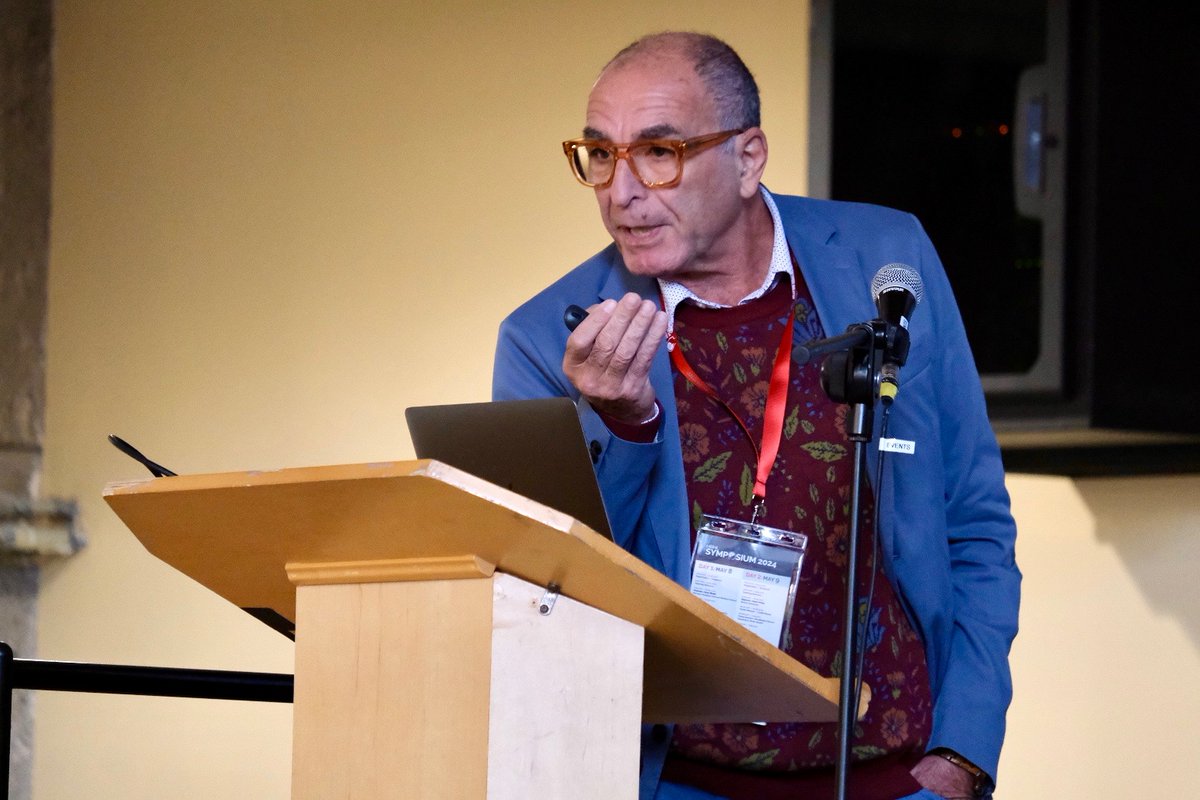
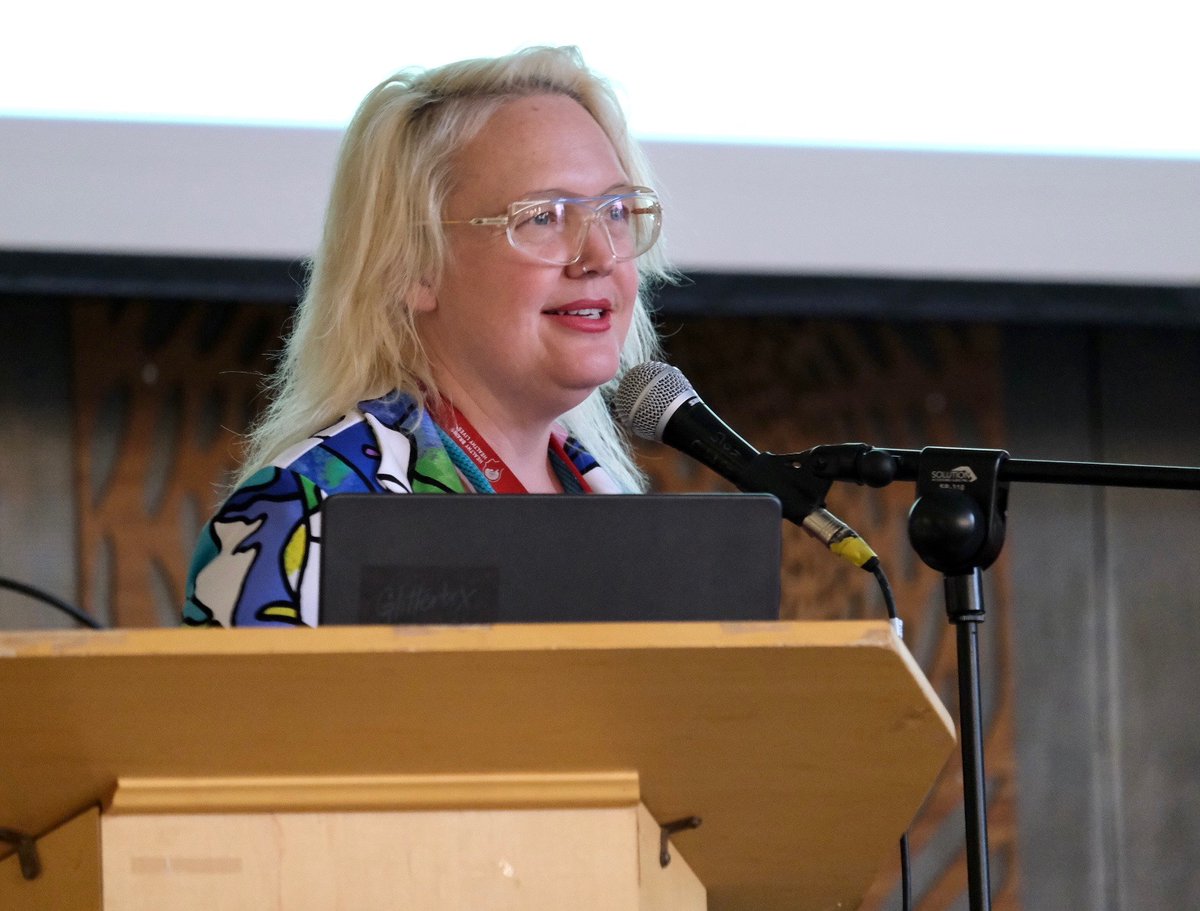
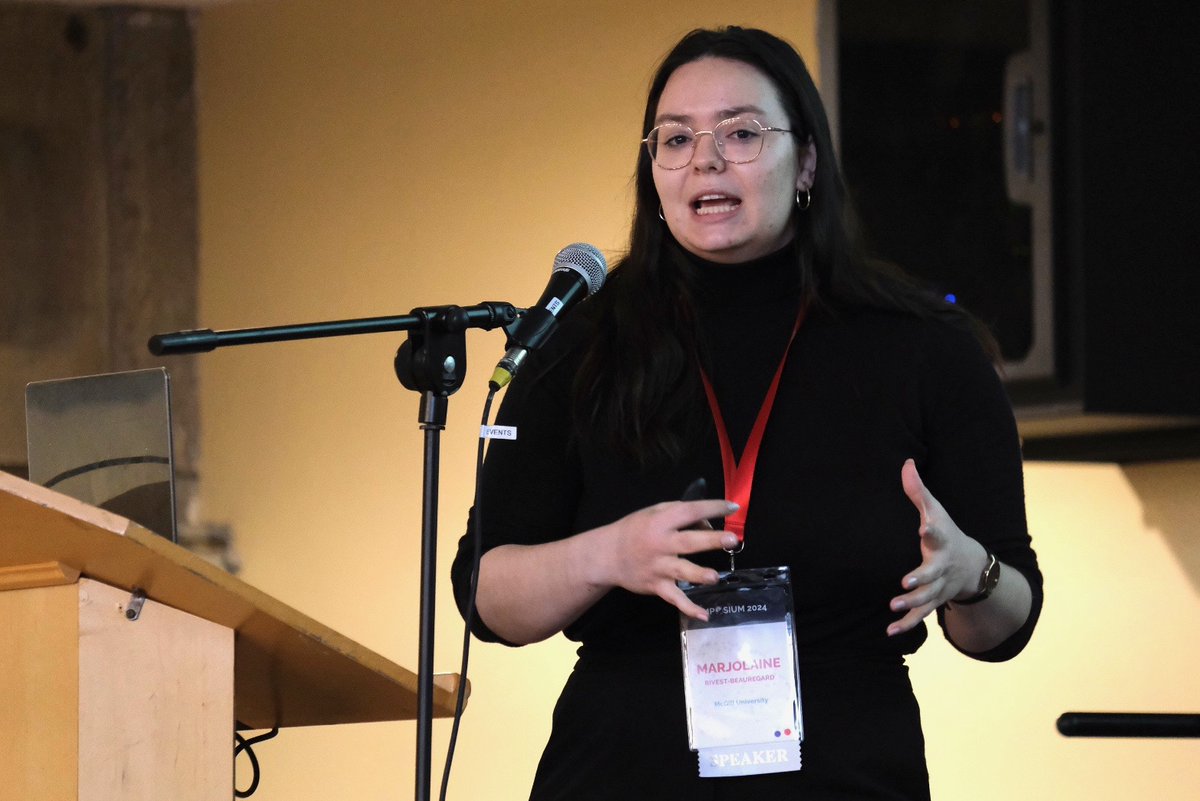
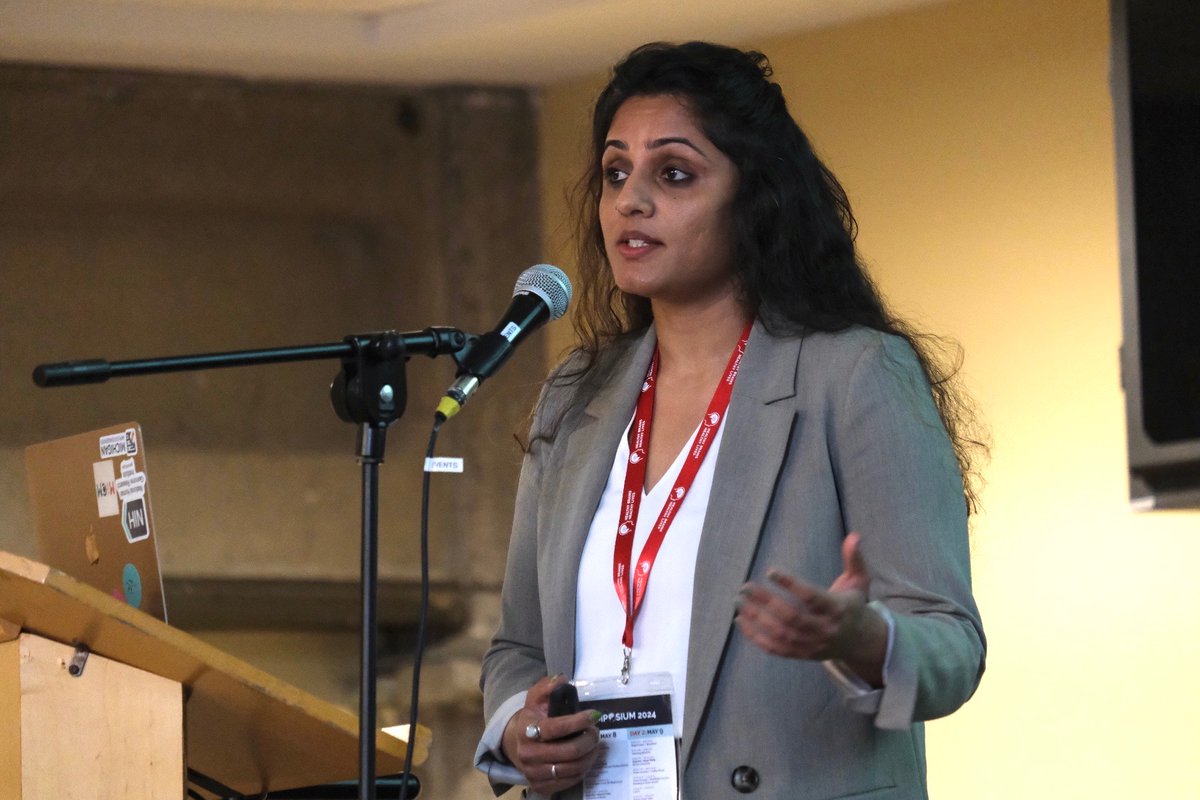
💬 Now onto our first panel session, which focuses on how we respond to trauma. Experts from @mcgillu and beyond share their research on traumatic brain injury, stigma, pandemic stress and more. 🧠🤕
#HBHLSymposium2024 @trippyneuron @disastrousmj @carmenlogie @UofT @UofT_FIFSW
1
2
4
459
26 Apr 2024
What are the long-term impacts of trauma? How can it cause depression? How can we try to answer these questions through DNA sequencing of brain cells? Please join me for my talk on May 8th @HBHLMcGill hbhlsymposium.ca/speakers/ Register: eventbrite.ca/e/hbhl-symposi…
1
4
336
Anjali Chawla retweeted
28 Mar 2024
Curious about what awaits you at #HBHLSymposium2024? 👩🔬🧠
Check out hbhlsymposium.ca/speakers/ to learn more about our exciting line-up of keynotes and panelists, from @mcgillu's brain health community and beyond! 🌎
Don't miss out, register now: eventbrite.ca/e/hbhl-symposi…
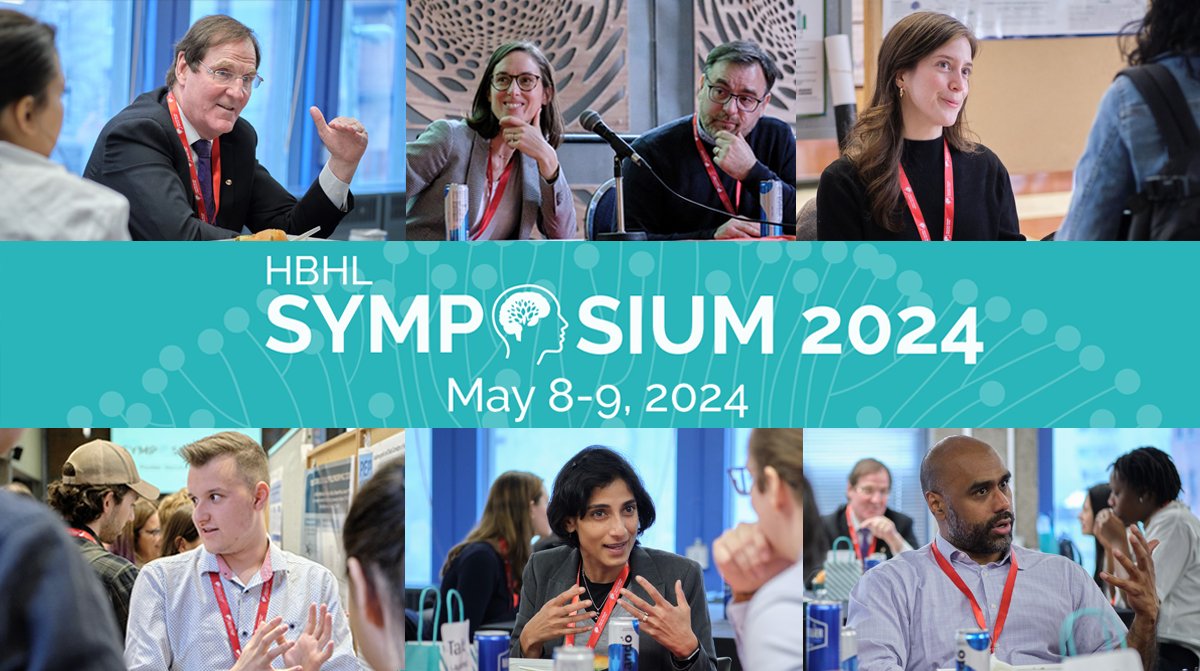
ALT Banner for HBHL Symposium 2024, held on May 8-9, 2024.
7
11
903

Anjali Chawla retweeted

2 Dec 2023
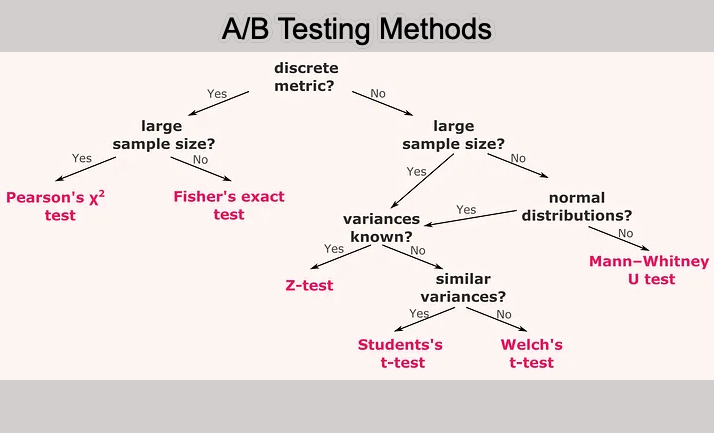
Summary of 6 statistical methods that can be used for A/B Testing (and when to use them). 🧵
#DataScience #Rstats #Python
8
232
1,068
99,180
Anjali Chawla retweeted

22 Nov 2023
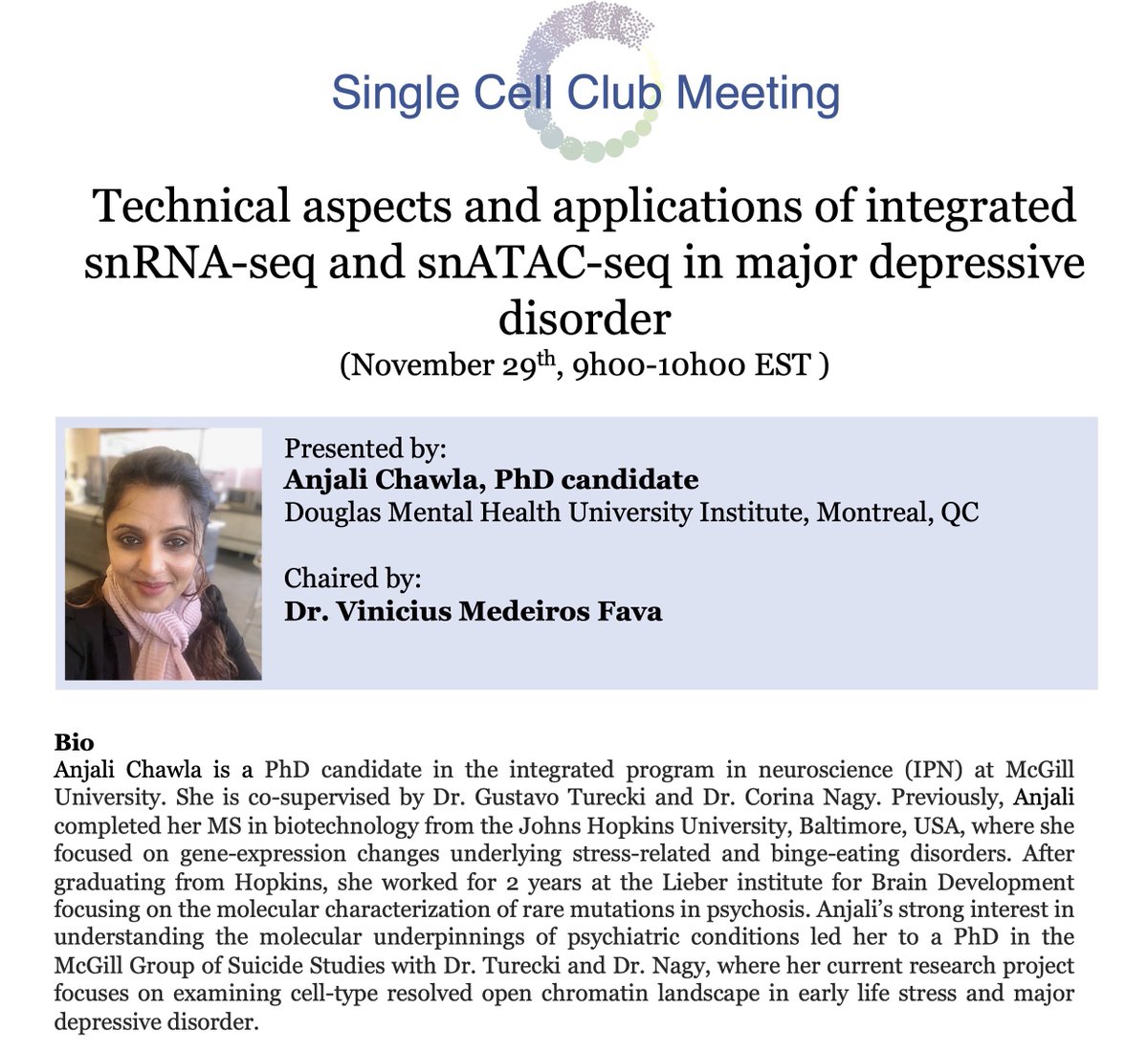
Dear SC community
Join us on Nov 29th, 9am EST for Anjali Chawla @TrippyNeuron talk on integrated analysis of snRNA-seq and snATAC-seq in major depressive disorder. Zoom link available via our website singlecellclub.ca.
@TheNeuro_MNI @LabStratton @easchurr @LanglaisLab
1
5
8
2,779
Anjali Chawla retweeted

20 Nov 2023
#QuartoTipOfTheDay
💪 So Simple.
🔥 So powerful!
➡️ Make ANY ggplot2 chart interactive with 1️⃣ line of code 😱 !
Your report will be so much better!
productive-r-workflow.com/qu…
8
121
583
84,946
Anjali Chawla retweeted

3 Oct 2023
Differential Chromatin Architecture and Risk Variants in Deep Layer Excitatory Neurons and Grey Matter Microglia Contribute to Major ... biorxiv.org/cgi/content/shor… #biorxiv_genomic
1
6
2,010
Anjali Chawla retweeted

23 May 2023
I am very proud of this work in collaboration with Gustavo Turecki, driven by the brilliant @MalosreeM and supported by @TrippyNeuron, Naguib Mechawar and many others @DouglasResearch
23 May 2023

🔥Hot off the press @NatureComms: @DrCorinaNagy et al. show concordant cortical transcriptomic patterns in #depression within individual cell types in males and females, although major dysregulated cell types and genes were distinct for each sex.♂️♀️ 👇
nature.com/articles/s41467-0…
5
18
57
13,160
Anjali Chawla retweeted

5 Oct 2022
Congratulations to all our Travel Award winners for the #CanEpi22 AGM!
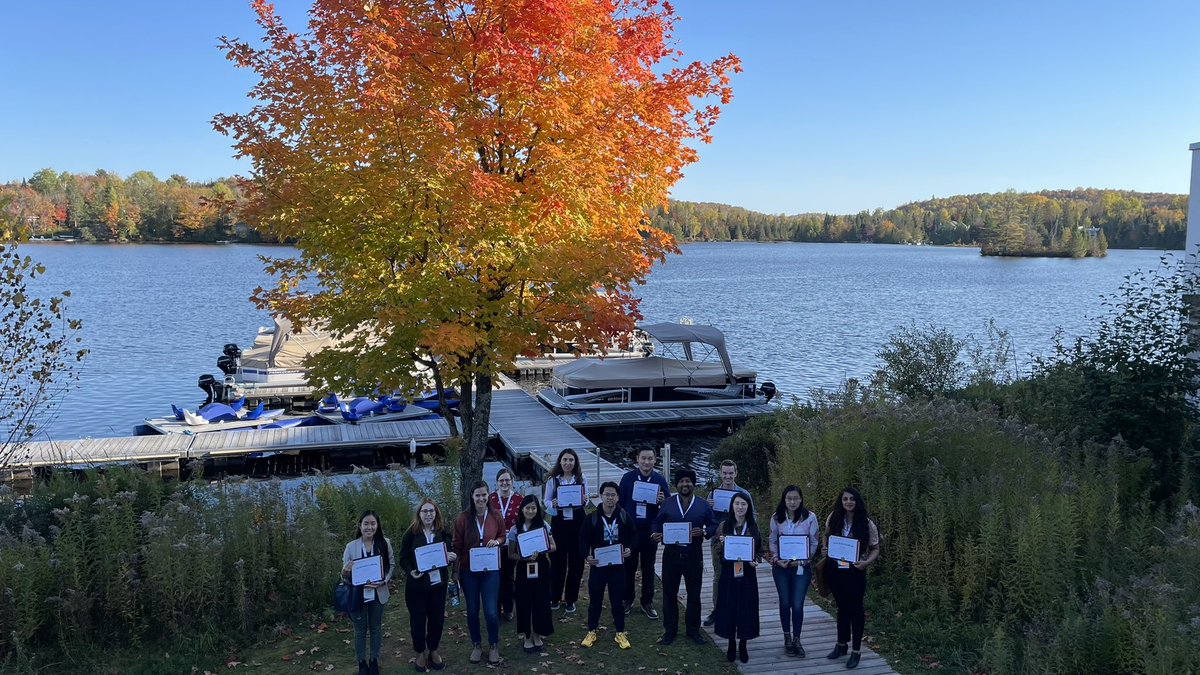
2
22
Anjali Chawla retweeted
5 Nov 2021
Anjali Chawla sharing the aims of her study on "Cell-type specific open #chromatin signatures in the brains of individuals diagnosed with major depressive disorder and died by suicide."
#CanEpi21 #ThisIsEpigenetics
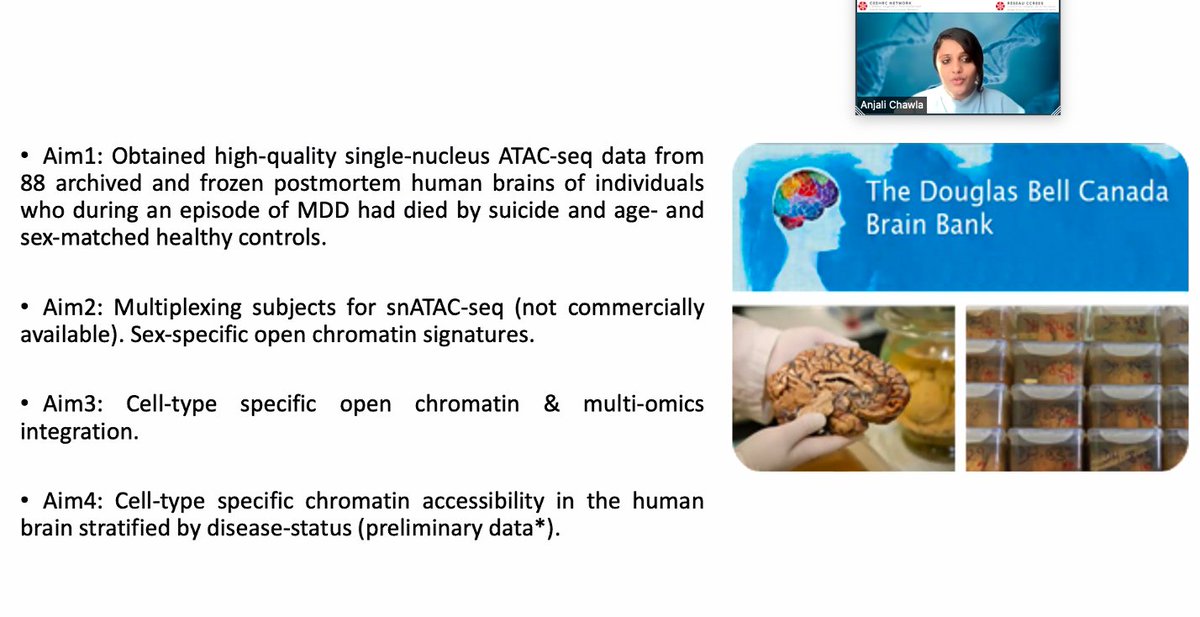
1
3
29 Oct 2021
Tune-in for my talk on Nov. 5th at the 7th Annual Canadian Conference on Epigenetics. The talk will be directly related to my PhD research on - "Cell-type specific open chromatin in the brains of individuals diagnosed with the major depressive disorder"
x.com/CEEHRC/status/14229580…
4 Aug 2021

Registration is OPEN! The 7th Canadian Conference on Epigenetics is November 2 to 5, 2021 with both in-person (at Estérel, Quebec) & virtual attendance options. Visit ceehrc.ca/2021 for confirmed speakers & info on registration, travel awards & abstract submission

Anjali Chawla retweeted

20 Jul 2021
This article reviews the #chromatin research in disease occurrences, elucidating how non-coding genetic variations impact complex diseases. Congratulations to the authors!
More info: mdpi.com/1422-0067/22/14/761…
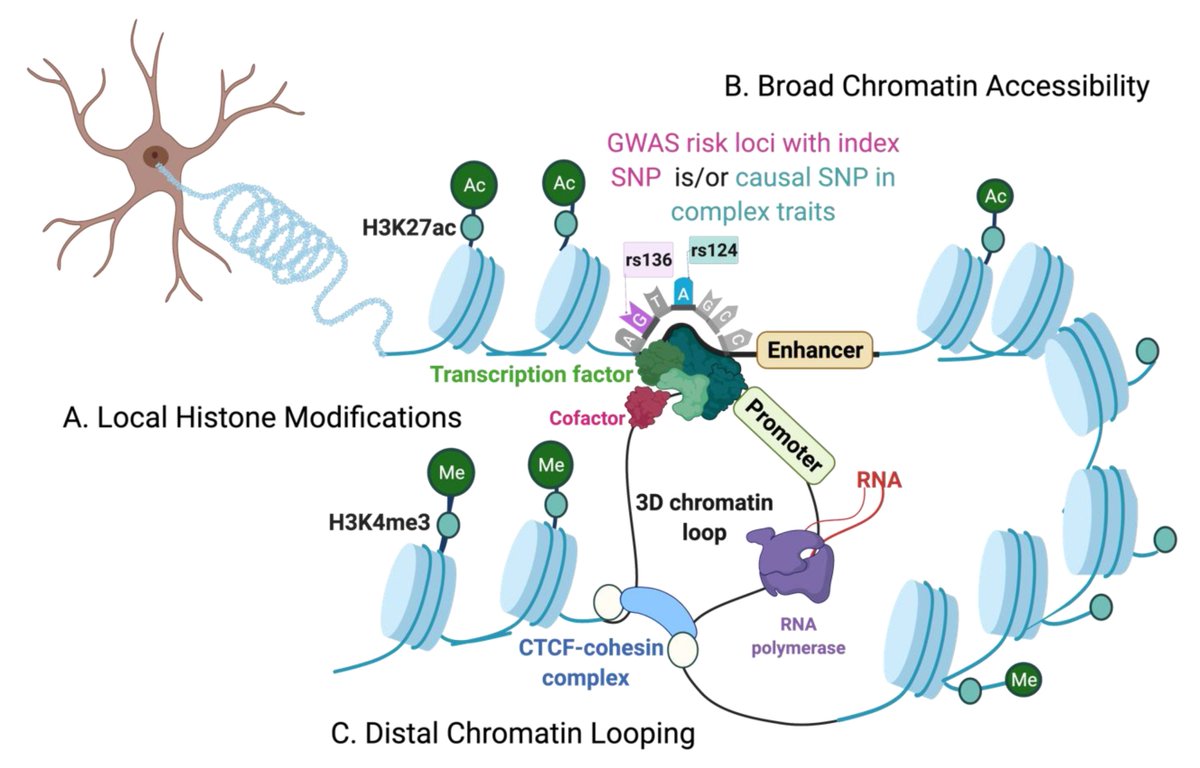
1
4