
Not financial advice. Buy when its unpopular to buy & sell when its unpopular to sell
Joined December 2020
- Tweets 10,732
- Following 945
- Followers 8,224
- Likes 22,066
1,039 Photos and videos





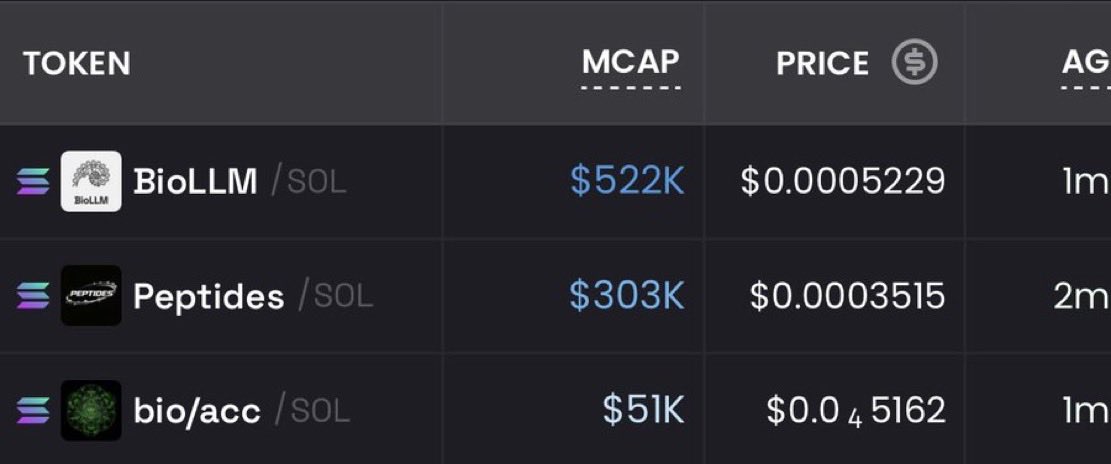
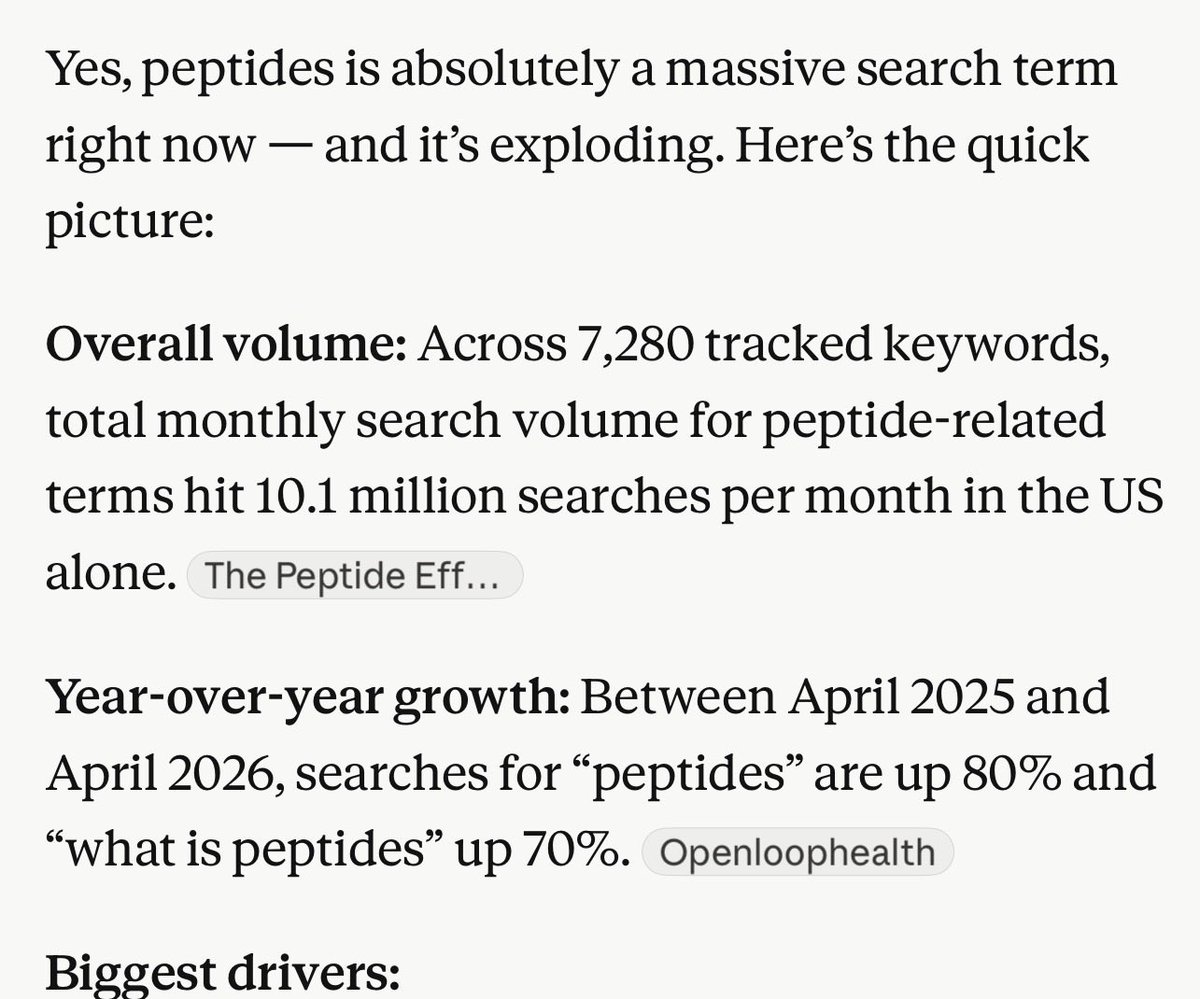
Pinned Tweet

4 Aug 2025
Would you buy a hardware wallet that operates completely offline?
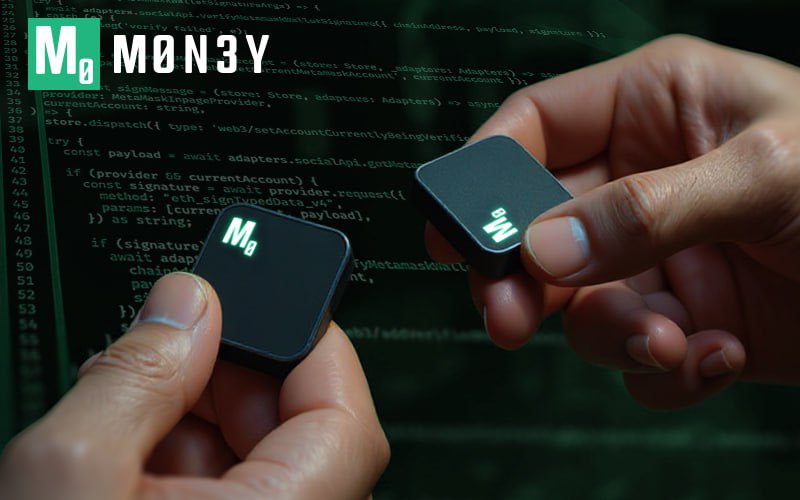
No apps. No phones. No internet required. Just tap2pay—like contactless cards but with full crypto verification happening locally, executed with zero-knowledge proofs on-device to ensure every transaction is private and secure.
If you would, think of other Web3 natives that will. Now double down and think of potential users in countries like the UK with increasing privacy concerns.
This is why I believe #M0n3y is so attractive, especially at these levels.
It’s real tech, solving real issues in the real world while aligning with the web3. Cypherpunk culture
A couple days ago, @dev_skill_issue posted version 0.1 of the hard wallet design and the market seems to be excited about that (price action has been heated and strong since then).
This trajectory not only puts @mnplyM0N3Y in the same market as Tangem, SafePal, Trezor, and the others but also allows #M0n3y to compete significantly with native privacy giants like Monero.
Monero, Zcash, etc., only offer a fraction of what @mnplyM0N3Y is building and so is more likely to eat into the market share, especially when mainnet is live.
For context, a measly 5% market share of $XMR will put #M0n3y at $285m mcap (75x from here).
But where will all that demand come from? Like I said earlier, @mnplyM0N3Y is solving real privacy concerns; such solutions are in high demand in countries like the UK, China, North Korea, etc.
I believe adoption will only trend forward and upwards from launch.
And this is significant for the price action because #m0n3y has been designed to get increasingly scarce as adoption rises.
Every minted pUSD (the privacy-preserving stablecoin) locks up more M0N3Y, creating artificial scarcity, and minting pUSD burns 0.01% of M0N3Y per transaction, so adoption directly reduces supply.
You can front-run all this growth at below $4m mcap before mainnet.
Or you can miss another 100x play; your call.
This reprices higher, slowly, then all at once.
ANNTWQsQ9J3PeM6dXLjdzwYcSzr51RREWQnjuuCEpump
17
25
86
25,658
Jun 12
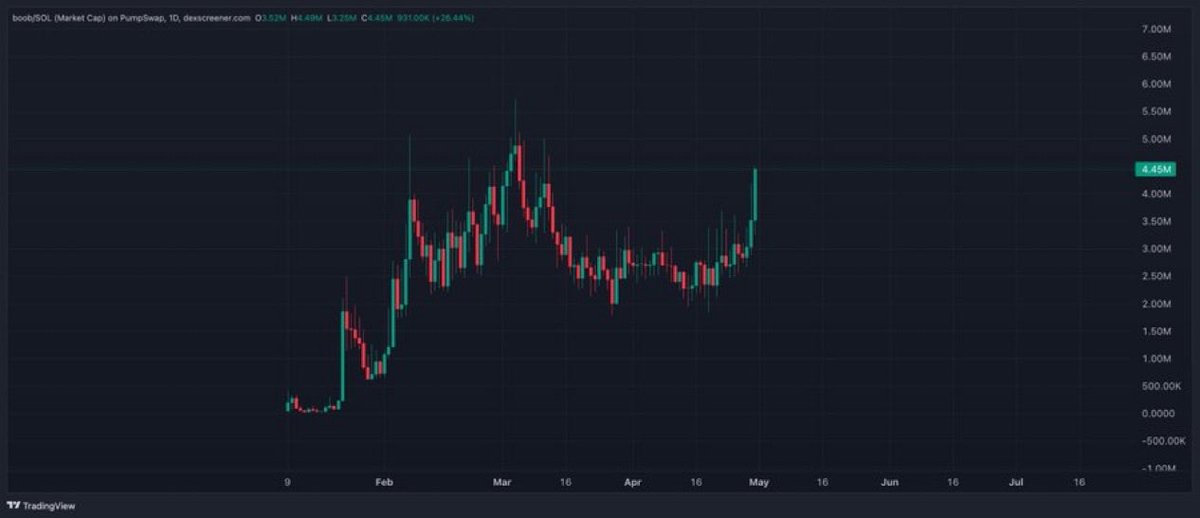
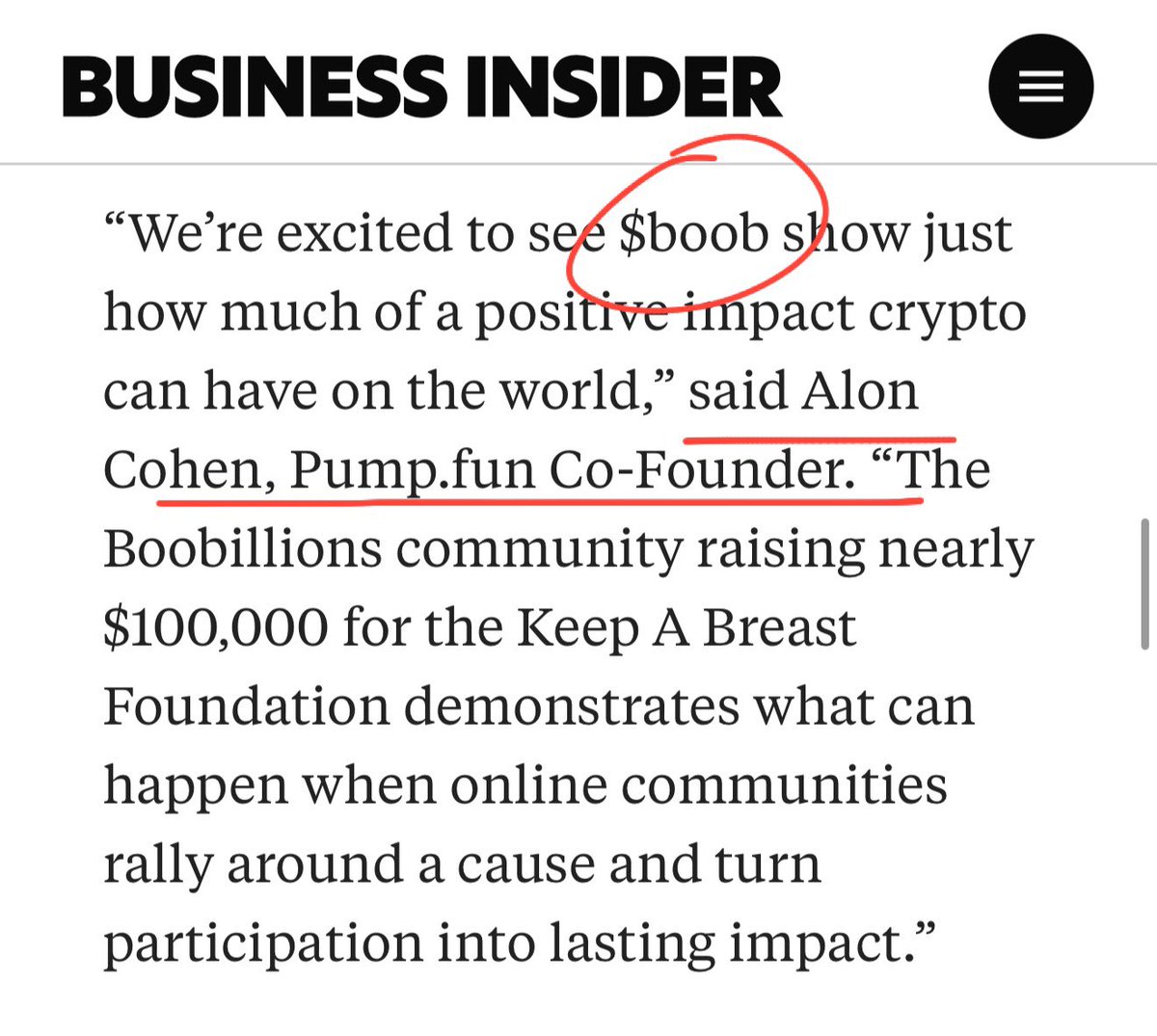
I know that CT is always very slow, but do you realize that Alon is actually talking about a coin thats sitting at 3m?
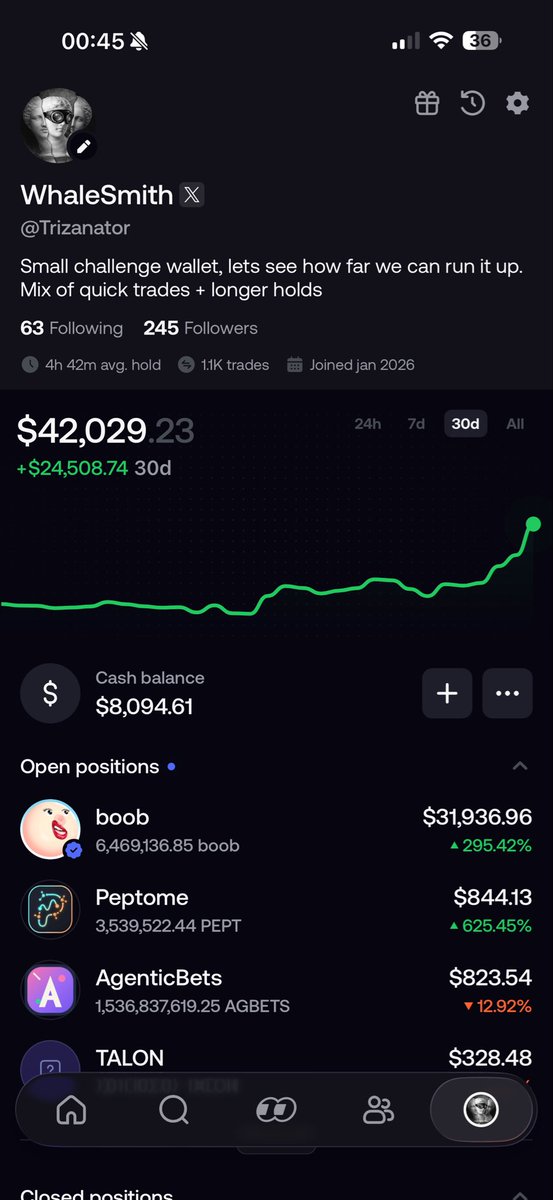
$BOOB to boobillions

So Alon mentioned the coin directly, and absolutely for a reason. $100k donated to @keepabreast
Community: send $BOOB to $30,000,000 and this way make it $500k donated
I said I am hearing things
3
2
28
694
WhaleSmith retweeted

Jun 12
there is a genuine potential fomo competitor on sol with a bunch of other additional features
You will be able to directly monetise your thesis by receiving trading fees on volume that comes from your shills/thesis on ANY token
very very interesting
Jun 11

Really impressed with what $KARMA is building, listened to the dev speak on MCG and there is so much more to come
Read it ⬇️
1
1
4
1,015

WhaleSmith retweeted

Jun 12
Just the start for $boob, we are building a brand that will be recognised outside of crypto but originates from a memecoin, changing the perception on memes to retail.
11
20
86
2,080
Jun 12
DONT YOU UNDERSTAND HOW BIG THIS IS
DAMN $BOOB
So Alon mentioned the coin directly, and absolutely for a reason. $100k donated to @keepabreast
Community: send $BOOB to $30,000,000 and this way make it $500k donated
I said I am hearing things
3
4
23
949
WhaleSmith retweeted

Jun 12
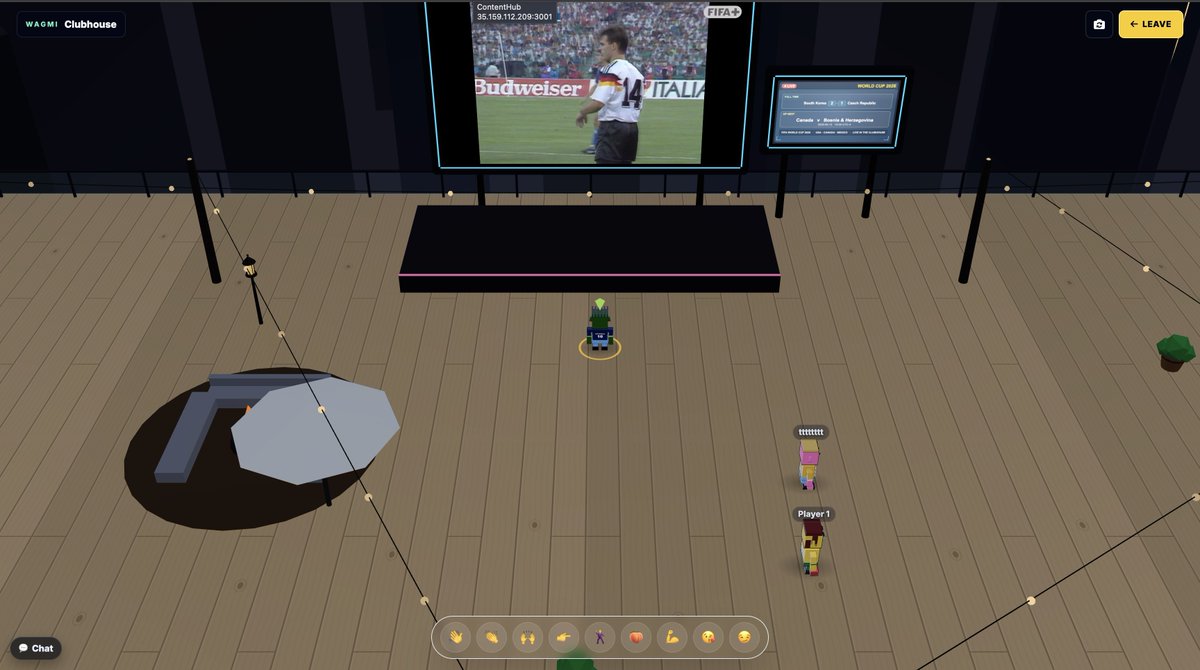
- watch the games inside the game
- use $WSL tokens to buy stuff in the marketplace
- game is super fun and you can play w friends
all ingredients for proper mooner
Jun 12
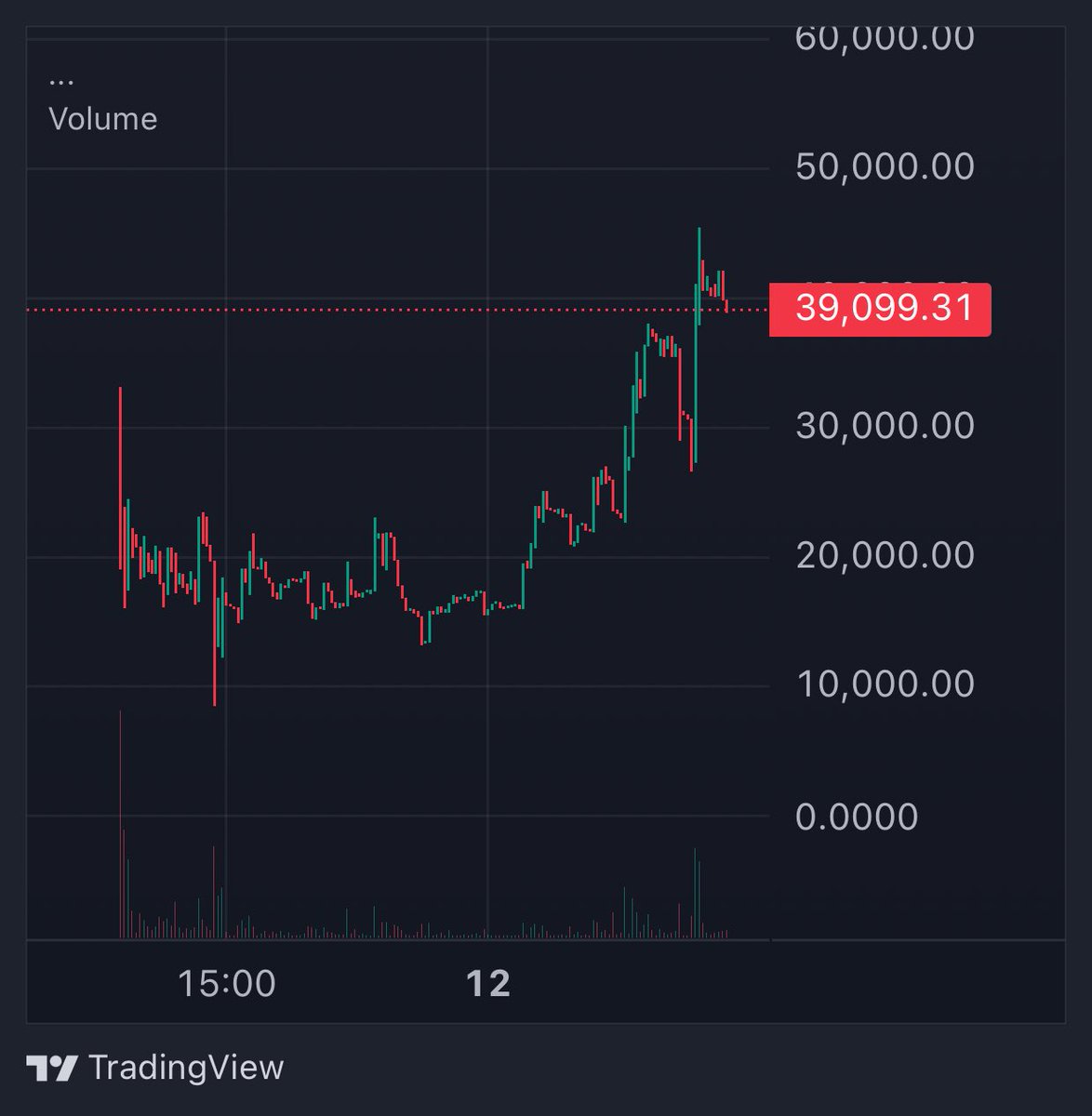
Most World Cup coins were launched in the weeks leading up to the tournament, with the opening matches ultimately becoming the sell the news event.
$WSL is different. It launched right as the tournament began, meaning we don’t have the same sell of catalyst.
The tournament has only just started.
6
9
16
2,096

The only playable football game in crypto rn.
BASED af.
$wsl
Jun 12

gm and wagmi
today’s plan for WAGMI Soccer League
adding World Cup 2026 data into the game
improving how bots react and play
fixing some minor bugs
1
6
12
971
Jun 12
I kept playing this game last night lmao, its so fun
I can see this doing really well and its only 30k
FwQUQUjUbMr2hEzVhhZggKaGULr8TRxZ6ocjRsZTpump
Jun 11
When everyone waiting for 1st World Cup game, im training to add curve to my ball kicks.
3
3
9
690
Jun 11
So you are telling me that $CSS is the only onchain agentic counter strike game @solanagaming is quoting them and the project is sitting at 50k?
4k7HHPNkYNbX6zdG162MNKytEt16uyP8wvfCU2jLxCSS
Jun 9

More tournaments on Solana 🏆
2
5
706
Jun 11
Really impressed with what $KARMA is building, listened to the dev speak on MCG and there is so much more to come
Read it ⬇️
Jun 11

A lot of alphas for solana:CmUnSFZCKUFGs2L8eZGQukAj833Y8r2SiJav55Nnrihd dropped in here. The most interesting one is the thesis rev share social feature. If executed correctly, Karma would become the first social app experience that actually rewards traders and creators based on whether their calls played out, not just engagement or volume. That is the key difference between this and X rev share or PF creator fees, which simply pay for attention and end up rewarding shillers over researchers.
Currently speaking with the dev in regards to the implementation details. My push is that the payout should be based on the quality of the thesis and whether it actually played out (positive pnl over a certain time horizon, timestamped at the moment of posting). That version of the feature pays traders for being right instead of being loud, which brings higher caliber traders onto the platform. In turn that onboards more users, as people want to be exposed to an environment with provably profitable callers.
If this ships volume based it is just another fee share. If it ships performance gated, then Karma distinguishes itself from every other app on the market.
A very good start in the right direction.
Don't just see this for what's in front of you, but see what this can become.
5
1,377

Jun 9
Its time for $PRX - @flypraxis soon. It survived the full market nuke also. Absolutely primed
Jun 8

Nvidia CEO Jensen Huang Says Robotics Is Close to Entering Industrial Scale Production
4
605
Jun 6
$BOOB will get people excited about crypto again and it will make normies believe again
My highest conviction play, you either accumulate here or chase later.
Jun 4

Good afternoon boob enjoyors!
@ShaneyJo's first interview for $boob and @keepabreast is now published. Where she explains about the token, community, the benefits and her journey learning about blockchain with memecoins!
You can read the interview here:
thefounderdaily.com/from-ska…
And check out her linked in post here:
linkedin.com/posts/shaneyjo_…
4
2
36
688
WhaleSmith retweeted
Jun 5
My last post of the day is if you sell memes because of btc/sol you are a fucking faggot and will remain broke for the entirety of your life
13
7
81
5,565
Jun 4
$Waypoint SDK is building an AI agent operating system for social media creators. Think of it like hiring a full content team, but every “person” is an AI agent.
balls tingling here this one can really go
Jun 2

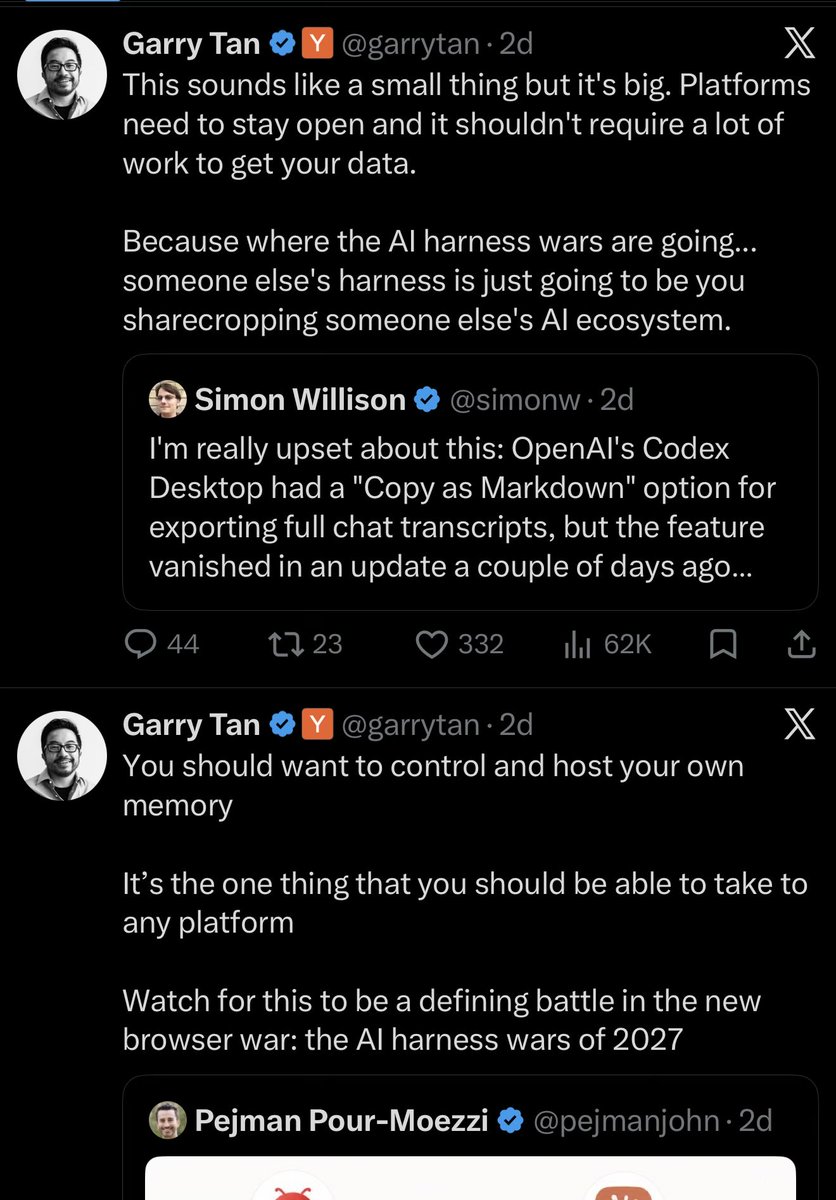
might want to start finding AI harness projects, anon
reminder:
agent = model harness
1
2
6
1,071
Jun 4
Going to the gym at unemployment hours is honestly the funniest, got uncs here blasting music out loud is wild to me
2
136
WhaleSmith retweeted
Jun 3
Crazy thing to me is @ShaneyJo and @keepabreast are literally doing more than any degen or company for memes/crypto. All out of appreciation for what the community has done for KAB.
Every day there’s a new idea or something happening, they are going to be the biggest single onboarding vehicle we have had to memes.
CT not rallying behind them will be a failure on degens behalf but one day they will thank them.
8
17
74
1,245
WhaleSmith retweeted

Jun 3
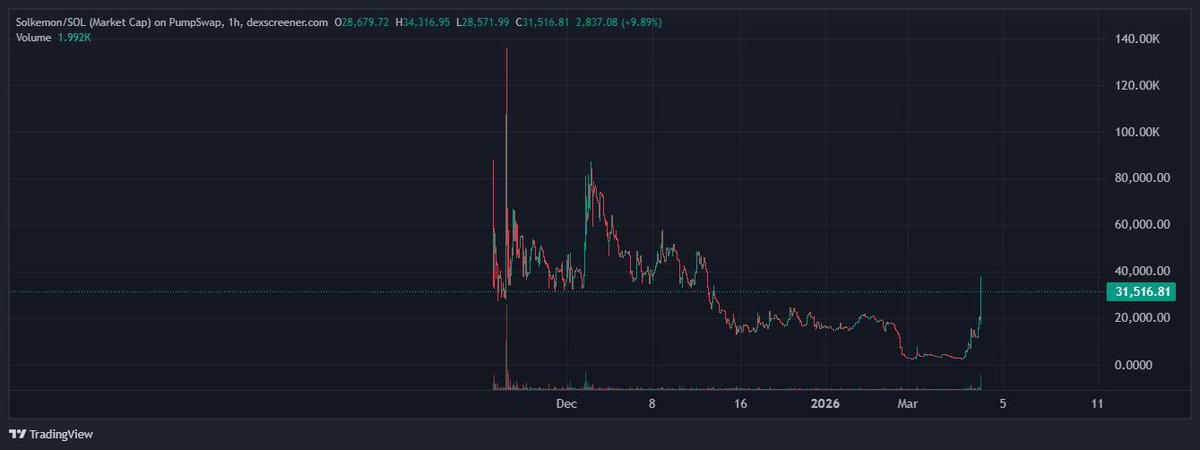
Grabbed a bag of $Solkemon
the guy been working for 6 months non-stop on this one and I think it deserves a bit of spotlight
854Bx346XdgLZbcRn1bFewGEFgUcjAu3QEBHjuoopump
5
5
18
2,117
WhaleSmith retweeted

Jun 3
the last time crypto was at these levels was early 2024. this should make you extremely bullish
you have an opportunity in the future to run back what we just went thru mid-late 2024 and early 2025 again. as long as you are alive, you have infinite chances
you have single stocks moving 3x the valuation of Solana in after hours overnight, its hard to not be bullish crypto here in the long term
the opportunity and glory presented with red like this inspires me. i don't mean to be insensitive, i understand crypto has been cooked the past year and half, but this is truly a blessing in disguise
after 2024-2025 it seemed like all the catalyst for crypto happened. i watched this small asset class i dominated turn into everything i knew it would become, but some sense of sadness in realizing it all happened came after. but this long bleed combined with stocks ath after ath and everyone rotating quantum fud is a perfect combo for..
crypto to have the downside it needs for there to finally be upside AGAIN
46
42
369
20,116