
Systems agronomy improves the production & profits for producers. Our seed business is always seeking genetic solutions for our clients. Tweets are my own.
Joined November 2013
- Tweets 3,210
- Following 409
- Followers 1,353
- Likes 1,127
825 Photos and videos







Water Miser retweeted

Jun 7
🚨BREAKING: British veteran breaks down live on TV over state of the country:
"Rows and rows of white tombs for what? A country of today? No, I'm sorry. The sacrifice wasn't worth the result.
I fought for freedom, and it's darn-sight worse now than when I fought."
425
9,587
48,946
1,464,075
Water Miser retweeted

May 15
Here is how you get something built fast to respond to a crisis:
FEB. 2022 – Germany decides it needs to break its dependence on Russia for gas.
APR. 2022 – 60 days later, the German gov't permits a brand-new import terminal and pipeline.
DEC. 2022 – Project complete. Gas flowing.
They told me how they did it 👇
206
1,087
4,137
94,770
Water Miser retweeted

May 15
🍃 Around here, the winds blow & growers have enough to manage — chasing plastic across the yard shouldn’t be 1 of them.
The Rack BULK HANDLING SYSTEM helps growers spend less time handling totes and more time covering acres.
#TheRack #BulkHandling #FarmEfficiency
3
6
473
Water Miser retweeted

May 14
🚨 CANADA’S INDUSTRIAL COLLAPSE under @MarkJCarney
— With receipts 🧾
📍 Honda Alliston, ON → Cancelled— $15 Billion
📍 Stellantis Brampton, ON → Moved to Illinois — $500 Million in aid pocketed
📍 Stellantis Windsor Battery Plant → Sold stake for — $100
📍 GM CAMI Ingersoll, ON → PERMANENTLY CLOSED — $2 Billion retool gone
📍 GM Oshawa, ON → Production moved to Indiana — $280 Million lost
📍 Ford Oakville, ON → EV production moved to USA — $2.3 Billion gone
📍 Northvolt Quebec → BANKRUPT — $7 Billion evaporated
📍 Invista Kingston, ON → Moving to Texas — 500 jobs gone
📍 Umicore Ontario → Shifting to Poland & South Korea — $260 Million gone
🇨🇦 TOTAL INVESTMENT LOST:
💰Over $50 Billion
Ottawa’s response?
Press releases. Photo ops.
A delusional PM who thinks your gas is cheap.
“We are a Energy Superpower 🇨🇦
Clean Energy is needed to build a Sustainable Prosperous Economy ?🤔🙇🏻🚨
This is managed decline with a price tag. 🇨🇦
RT until every Canadian sees this 👇
#CdnPoli #AutoIndustry #Honda #GM #Ford #Stellantis #Ontario #Manufacturing #MarkCarney #Canada
468
4,215
7,130
187,666

May 14
I would like to hear the opinion of an average treaty rights holding person if seceding and negotiating a better deal for their people sounds good. Alberta must respect Indigenous rights if separation referendum is held, Carney says - The Globe and Mail apple.news/AcuaEzEPVS3SfBLa2…
2
189
Water Miser retweeted

May 14
You mean shaving the ground and heavy harrowing a 20 bu durum stubble to death follow up seeding pulses rolling bare dirt isn’t awesome practice? Seems to be standard in the area. 🤷♂️
1
10
806
Water Miser retweeted

May 14
We moved to Intercopping our pulses. Better stubble / residue was one of the many reasons.
1
1
4
329

May 14
Huge dust storm come up the valley at me as the wind picked up. Worst I’ve seen since I was a teenager riding the bus after school. Our no till systems have to get better. @SaskSoil
7
5
28
7,355
May 14
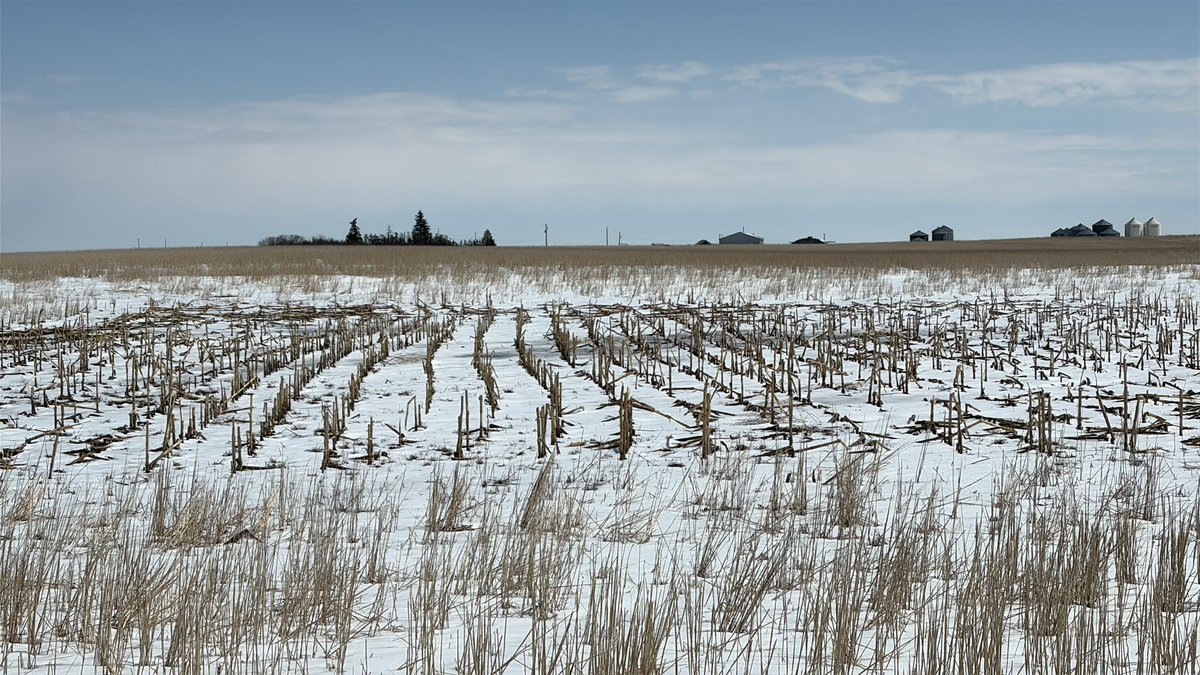
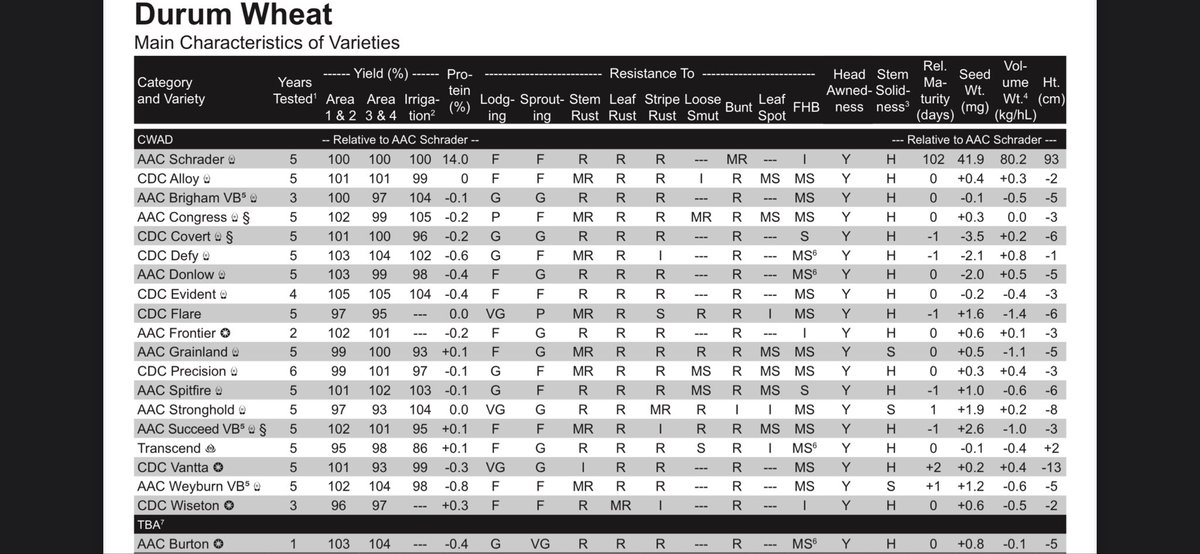
AAC Frontier. New disease rockstar from @SeCan going into stripped CDC Rowland flax stubble.
1
3
759
May 8
The senate will only be useful when it moves to regional representation (every province and territory gets the same elected number of senators).
Carney not planning to allow senators in Liberal caucus, senior government official says - The Globe and Mail apple.news/A_nzEacQFTqyFKrah…
81


Apr 27
Will they cancel transfer payments and have the whole country contribute equitably? Otherwise likely double dipping from Western Canada. @CPC_HQ @liberal_party @PierrePoilievre apple.news/AM8oZ7efkRkCM8BP5…
2
79
Water Miser retweeted

Apr 15
Pierre Poilievre WARNS Mark Carney.
A Majority comes with great responsibility. You can no longer blame anybody except for yourself.
So far you’ve accomplished absolutely nothing.
EVERYTHING IS ON YOU NOW
Even MSM cant save you
462
3,162
12,355
166,882
Water Miser retweeted

Apr 16
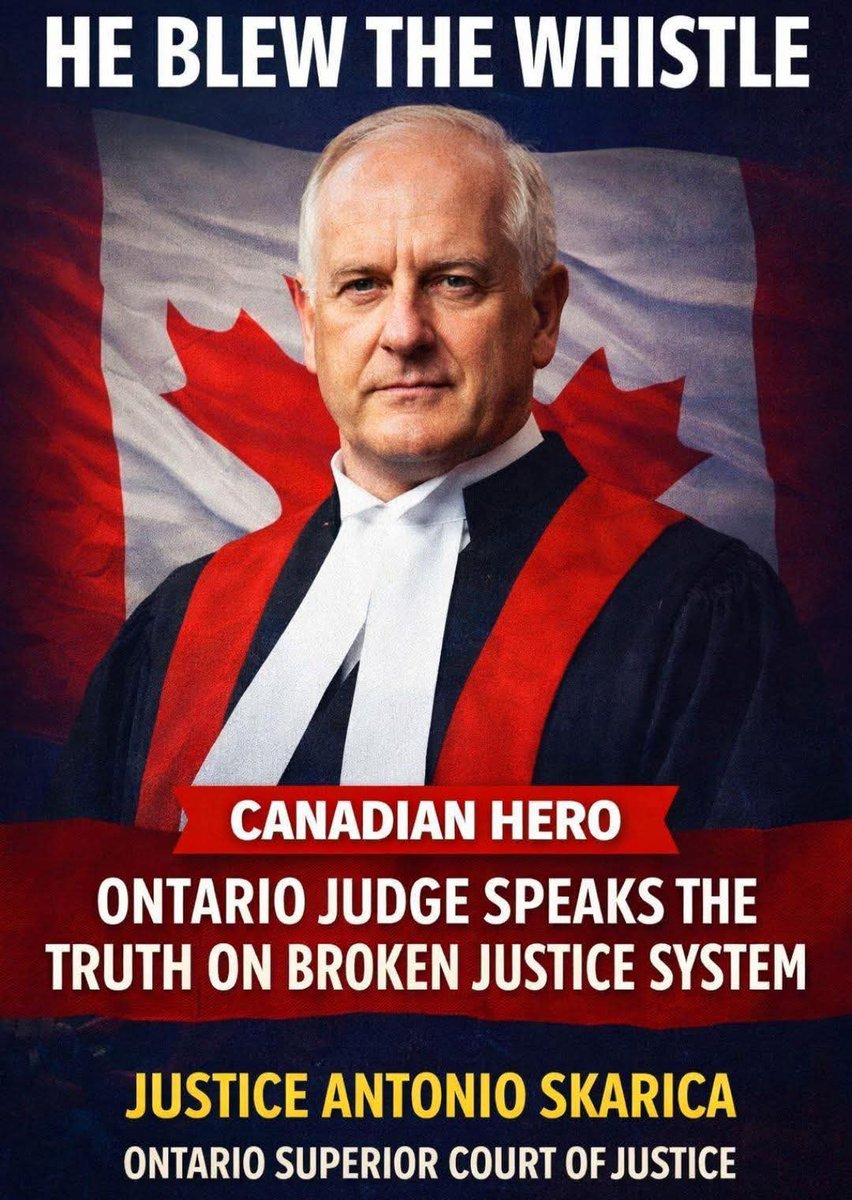
ONE BRAVE ONTARIO JUDGE SAID THIS, AND IT SHOULD STOP EVERY CANADIAN IN THEIR TRACKS
This came straight out of a Canadian courtroom, from an actual judge.
Antonio Skarica, sitting on the Ontario Superior Court of Justice, just put the entire system on blast.
He said the quiet part out loud.
He called Canada’s justice system an “inflection point” and asked a question that should make every Canadian stop and think:
Who are we prioritizing… the victim, or the offender?
A Nigerian university student, identified in reporting as Osemeir, targeted a Canadian woman. He extorted her. He shared her intimate images. He left her living in what the judge described as “constant fear.”
That’s not minor. That’s not a slap-on-the-wrist situation. That’s someone’s life being torn apart.
Now here’s where it gets uncomfortable.
The Crown, the prosecutors, were looking for a sentence of two years less a day.
Why does that matter?
Because under Canada’s Immigration and Refugee Protection Act, once you hit a sentence of two years or more, it can trigger serious immigration consequences, including deportation and loss of appeal rights.
So that one-day difference isn’t small. It’s everything.
On the other side, the defense wasn’t even asking for jail time. They were pushing for a conditional discharge, which would have allowed him to stay in Canada.
The judge saw exactly what was happening. He didn’t ignore it. He addressed it directly.
He said, "If decisions are being influenced by immigration consequences, if sentences are being shaped not just by the crime, but by what might happen after, then we’re creating a system that’s no longer consistent."
His words point to something bigger:
A system where outcomes can start to look different depending on who’s standing in front of the court.
And this isn’t just one judge speaking out.
A judge in Quebec, Antoine Piché, raised the same issue, saying prosecutors are sometimes proposing lighter sentences or discharges for non-citizens specifically because of the risk of deportation.
He warned that this creates what he called an “unnecessary two-tier system.”
Two different tracks of justice. Not based on the crime, but based on the consequences tied to immigration status.
Now before people start twisting this into something it’s not, this isn’t about ignoring rights, and it’s not about going after people because of where they’re from.
This is about something much simpler.
Consistency.
If the same crime doesn’t lead to the same kind of outcome, people are going to notice. And when they notice, they start losing trust.
Because for the victim, none of these legal layers matter.
They care about one thing, did justice actually get done?
And when even judges inside the system are publicly saying, “we’re at a breaking point,” that’s not something you brush off.
That’s a warning.
Not from me.
From inside the system itself.
So Wake Up Canada, we must all stand behind those who are showing us the truth in real time.
189
2,175
4,098
48,926
Water Miser retweeted
Apr 26
This was probably one of the worst interviews I’ve ever seen
CTV tried to get an I got you moments the entire time
Pierre completely demolished the agenda
I bet you liberals were watching and very upset with how this went
Here’s the last attempted at discrediting Pierre
171
1,094
6,467
118,061
Water Miser retweeted
Apr 26
DISGUSTING
CTV COPIED Francois Philippe Champagne talking points
Fastest growing economy G7
IMF record Growth
Wages growing faster than inflation
Mark Carney is an economic genius
Why are you attacking Carney credentials
Pierre DEMOLISHED Liberals talking points in response
199
1,235
5,732
94,460
Water Miser retweeted

Apr 25
2011: Harper: 5,832,401 votes
2015: Harper: 5,613,614 votes
2019: Scheer: 6,239,227 votes
2021: O’Toole: 5,747,410 votes
2025: Poilievre: 8,113,484 votes
The most votes in Conservative Party history.
More than the majority Harper won.
And they want him to moderate?
We are not the Moderate Party of Canada.
We’re Conservatives.
Unlike the Liberals, we don’t bend on values.
Nor do we steal ideas.
We create them.
We don’t need Liberals, pundits nor media giving us advice on “how to win” by firing our leader.
Pierre is our guy.
590
1,432
6,845
136,195