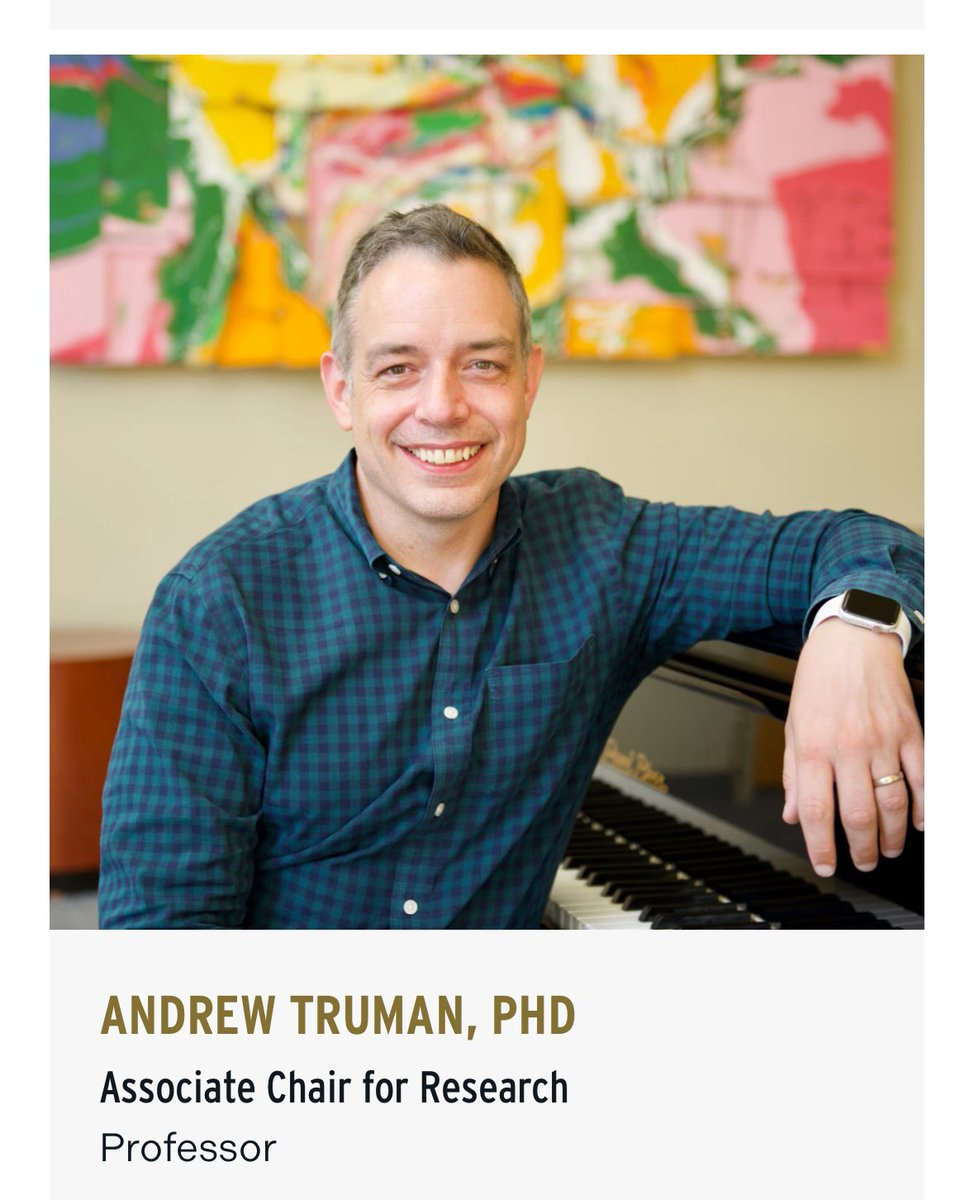
Professor in Biological Sciences @unccharlotte Group leader, Charlotte Group for Proteostasis Research Interested in the role of Hsp70 PTMs (Chaperone Code)
Joined December 2018
- Tweets 7,349
- Following 4,214
- Followers 6,093
- Likes 85,703
345 Photos and videos

Pinned Tweet

13 Dec 2025
Super excited to share our latest work on the Hsp70 chaperone code "Mechanosensor-mediated Hsp70 phosphorylation orchestrates the landscape of the heat shock response" out now in @NatureComms :nature.com/articles/s41467-0…. @UNCCBiology @unccharlotte #hsp70
2
8
57
4,974
Andy Truman PhD retweeted

May 29
Can someone start a journal called “Cell Atlases” so that the rest of the journals can go back to publishing interesting things?
31
118
1,082
79,524
Andy Truman PhD retweeted

Apr 22
Our paper in @Nature today 🥳 We tracked 6,438 mice from puberty to death and mapped the genetics of *when* you die, not just whether a gene associates with lifespan.
nature.com/articles/s41586-0…
59 loci. Two decades of data. Thread 👇
#Longevity #Aging #Genetics #Healthspan
16
281
1,232
122,460
Andy Truman PhD retweeted

Mar 18
We are recruiting! If you are passionate about technology development, protein engineering, computational design, directed evolution, chemical biology - please reach out!
(The setting is pretty nice too…)

23
69
506
59,785
Andy Truman PhD retweeted

Feb 4
Adjusted Timeline for NIHs Implementation of Common Forms grants.nih.gov/grants/guide/…
15
24
8,341
We are looking for talented graduate students to join our group for Fall 2026 studying the role and regulation of Hsp70 PTMs! If you are interested please check out trumanlab.org
6
15
1,938
Andy Truman PhD retweeted

6 Dec 2025
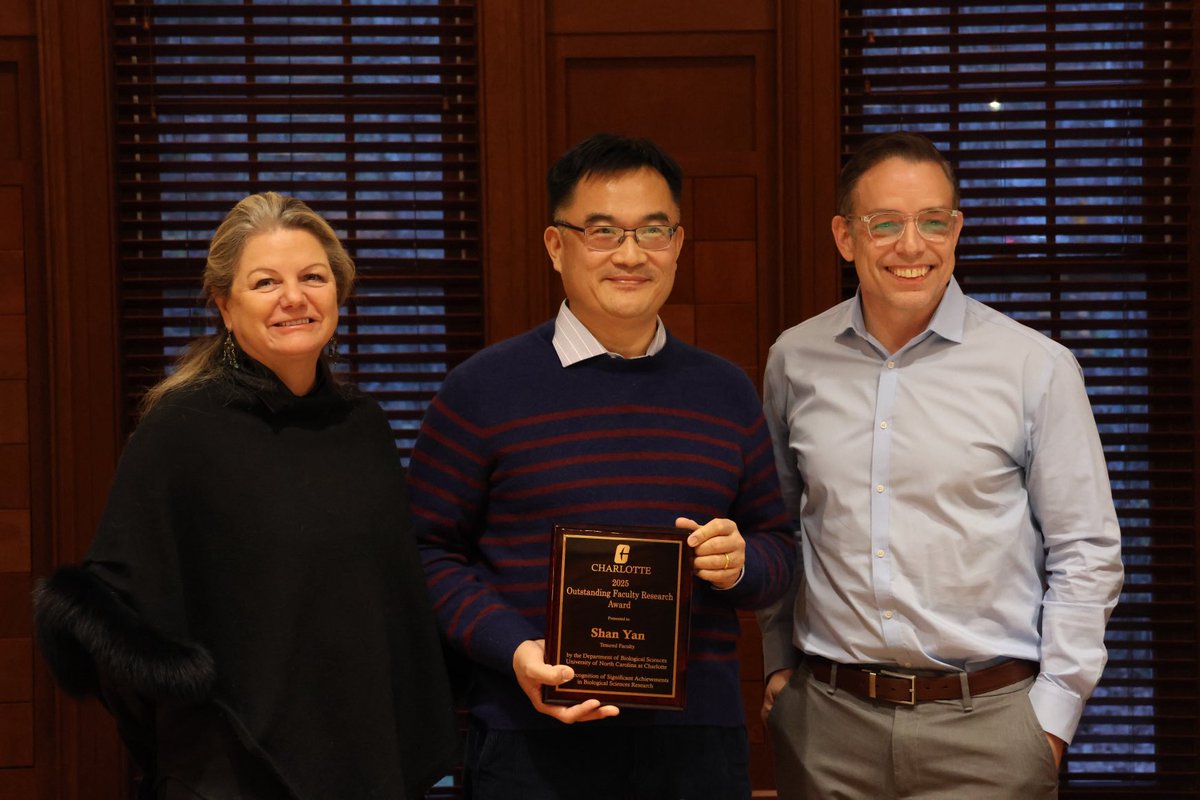
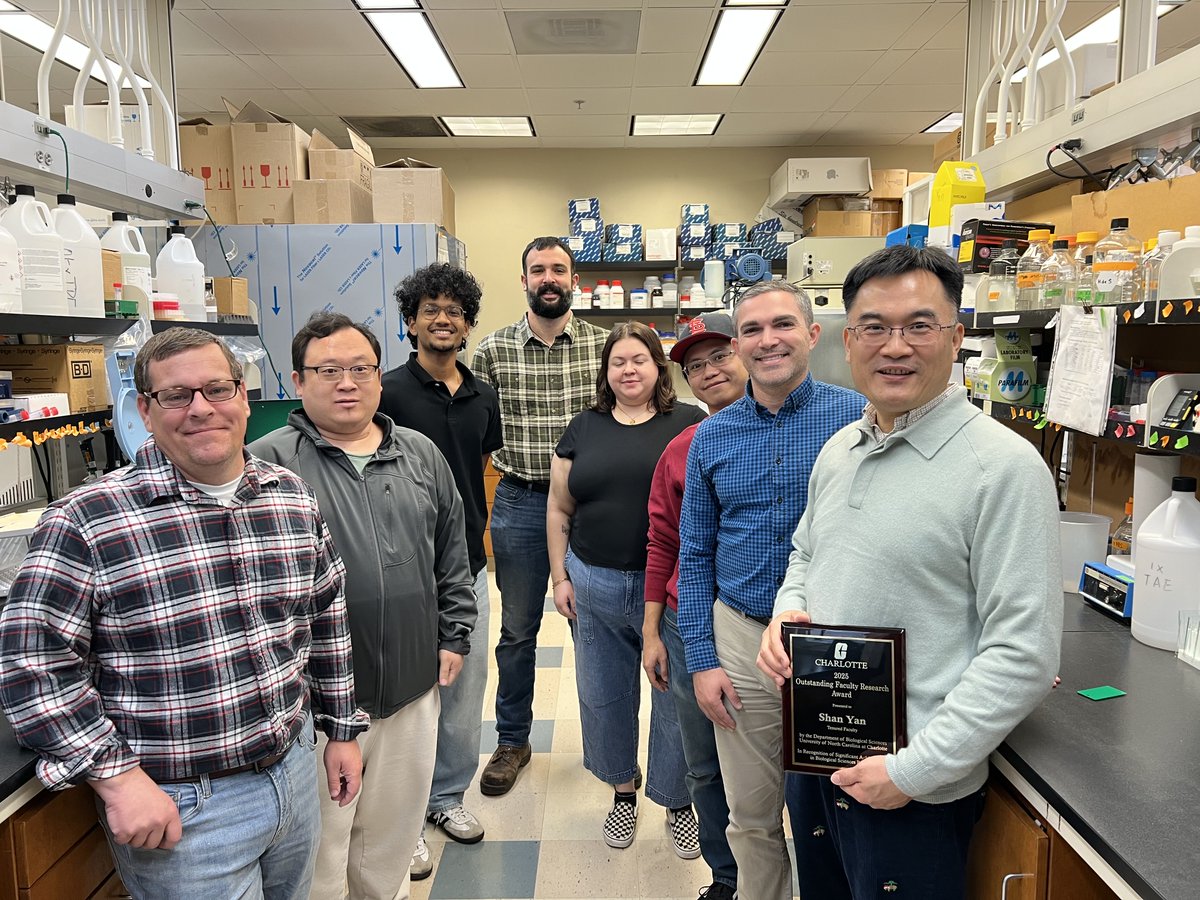
Trilled and humbled to received the 2025 Outstanding Faculty Research Award by Department of Biological Sciences at UNC Charlotte. Thankful to my mentors, collaborators, current/former lab members, friends and family. @EMGSUS @ASBMB @unccharlotte
3
14
1,232
Andy Truman PhD retweeted

19 Nov 2025
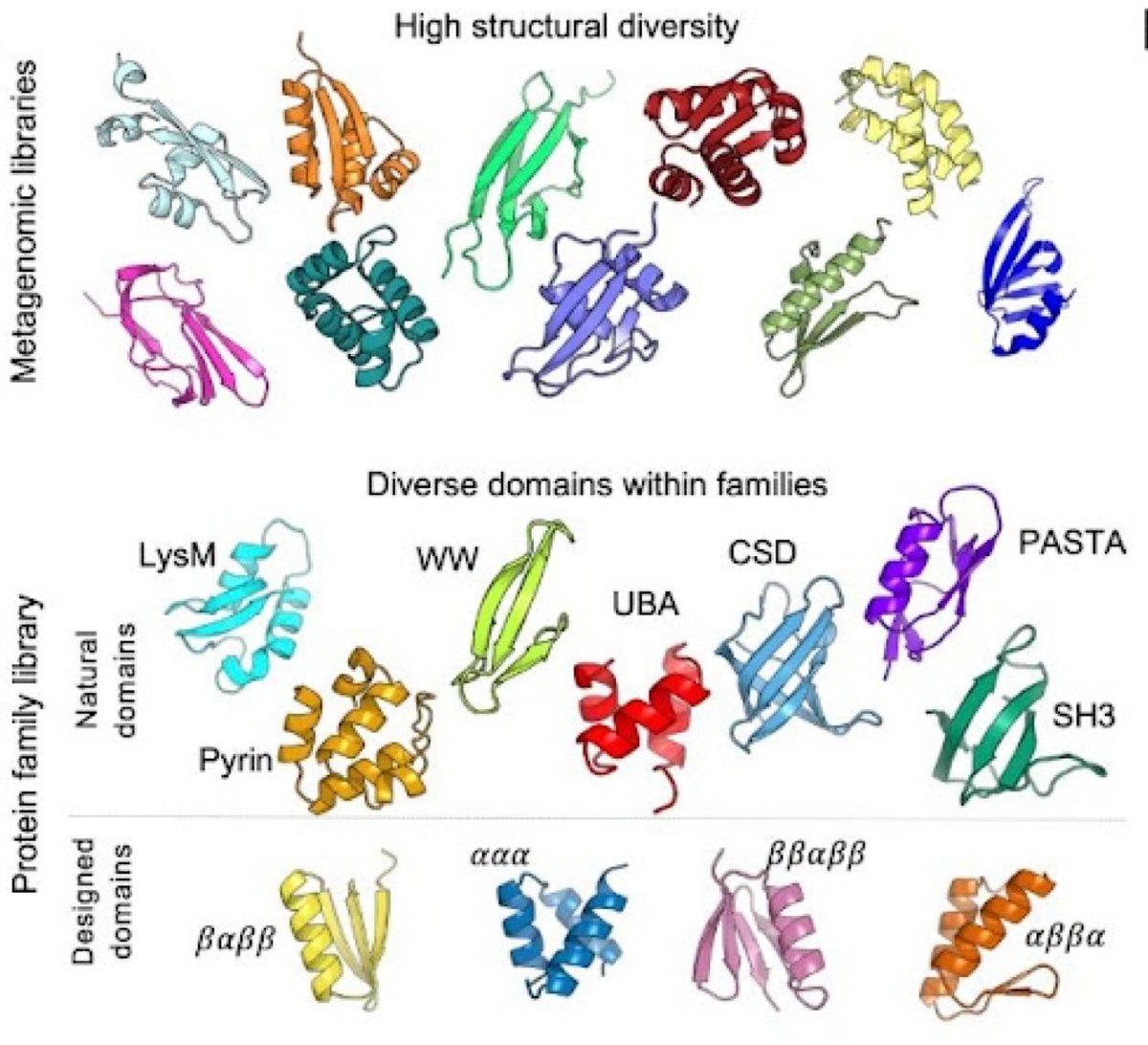
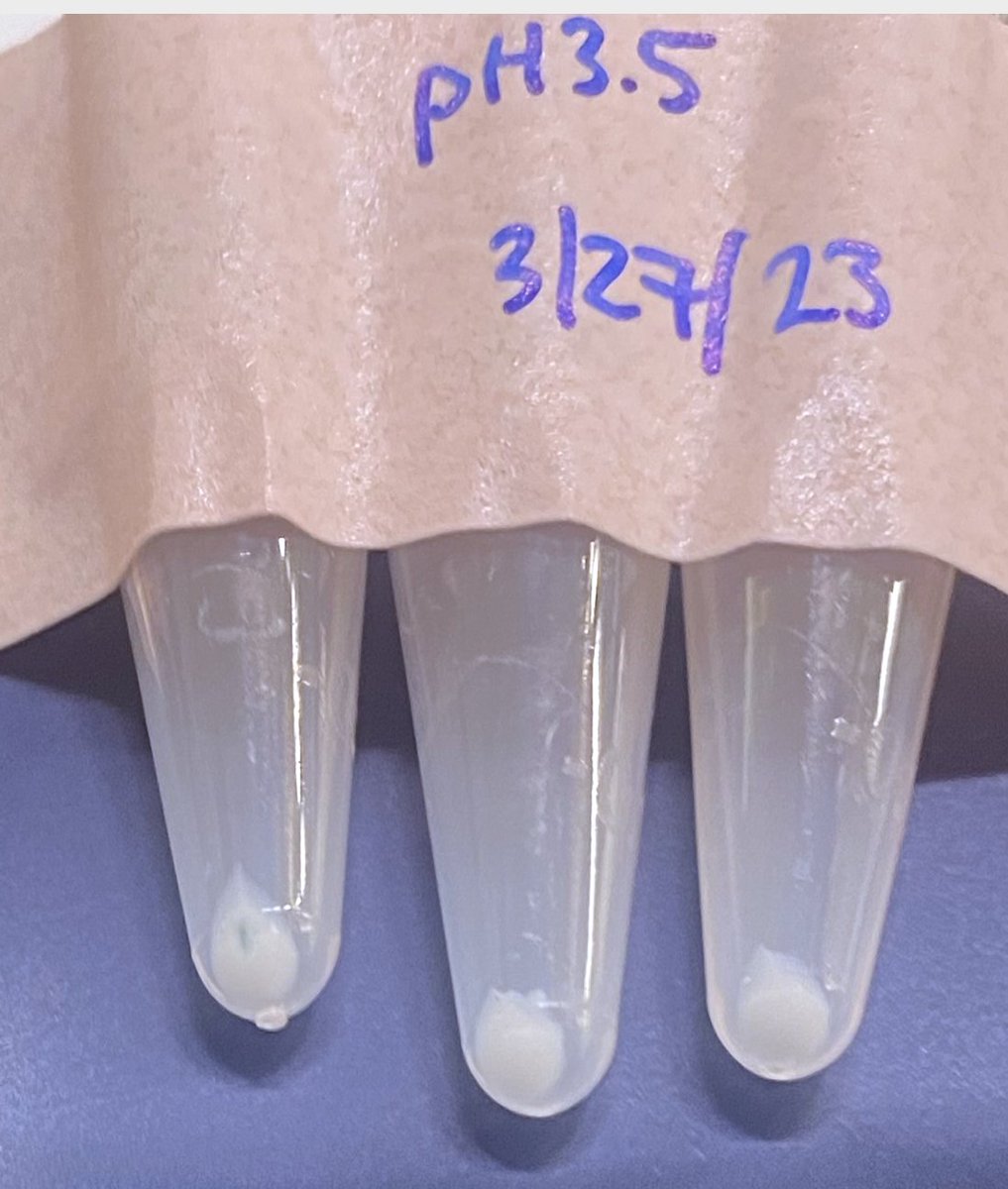
New preprint! We measured temperature- and pH-induced aggregation for over 18,000 natural and de novo designed protein domains!
15
123
665
53,774
18 Nov 2025
Stop the press!!! We are recruiting for an Assistant Professor Position. Particular focus will be given to candidates who strengthen our existing research strengths including proteostasis, genome integrity, immunology, microbiology and virology.
18 Nov 2025

We are recruiting! open position for Asst Professor in Biological Sciences--Apply online at jobs.charlotte.edu, position number #006728
5
8
3,276
Andy Truman PhD retweeted

18 Nov 2025
We are recruiting! open position for Asst Professor in Biological Sciences--Apply online at jobs.charlotte.edu, position number #006728
1
2
3,539
6 Nov 2025
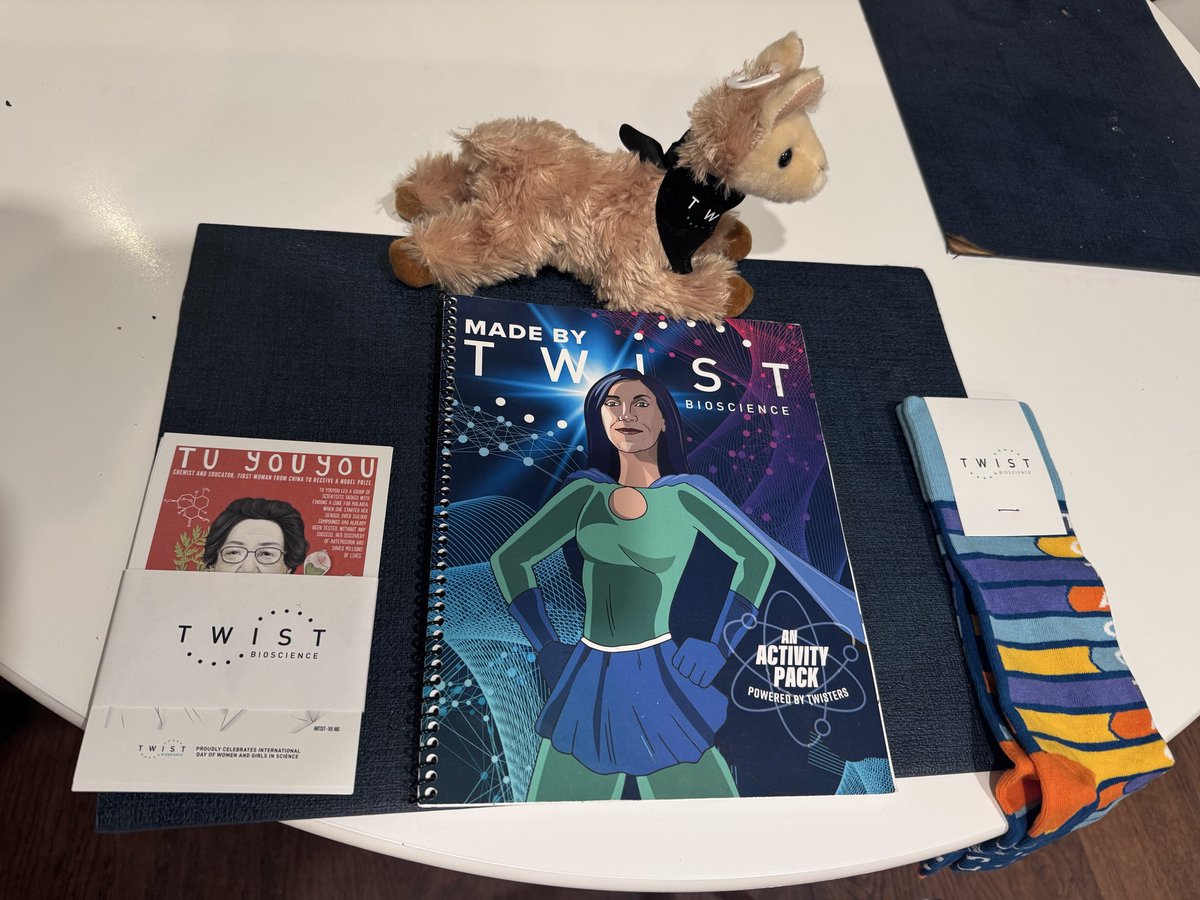
Didn’t think I could love @TwistBioscience more, but then they sent me a goodie bag of cool stuff for my 11 year old daughter 🔥🔥🔥
2
1
15
1,137
Andy Truman PhD retweeted

29 Oct 2025
How well do you think you understand chaperones? In our recent @MolSystBiol paper, @fried_lab's Divya Yadav shows that obligate chaperone clients in cells are totally different from the proteins that "need" chaperones during in vitro refolding.
embopress.org/doi/full/10.10…
2
3
10
1,000
Andy Truman PhD retweeted

18 Sep 2025
Great to see this work by our team, lead by PhD student Thomas Walker.
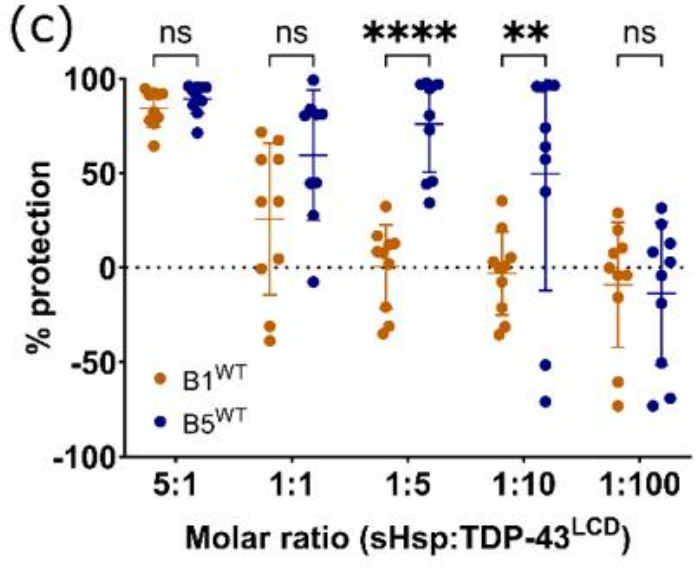
We found that the heat shock protein HSPB5 is a powerful chaperone that prevents TDP-43 fibrillation AND maintains TDP-43 condensate fluidity even more than its sibling HSPB1.
18 Sep 2025

Small heat shock proteins HspB1 and HspB5 differentially alter the condensation and aggregation of the TDP-43 low complexity domain biorxiv.org/content/10.1101/… #biorxiv_biochem
1
5
502
Andy Truman PhD retweeted

28 Oct 2025
What if proteins that can’t refold in vitro fold perfectly fine inside cells?
Our new News & Views article in Molecular Systems Biology, written with Dr. @TrumanLab , explores this interesting insight from Yadav et al. (2025).
For decades, chaperone-client relationships have been defined using fundamental in vitro refolding assays, where proteins are unfolded by heat or denaturants and refolded with chaperones. But what happens inside a living cell is far more complex. Using proteome-wide LiP-MS, the authors show that in vivo chaperone requirements don’t necessarily match what refolding assays suggest. Many proteins that fail to refold after denaturation can still fold successfully during co-translational synthesis without the chaperones once thought essential.
In our commentary, we discuss how this challenges long-standing assumptions about “chaperone dependence” and highlight the role of the “chaperone code” (post-translational modifications on chaperones) that fine-tunes chaperone functions in the cell.
As someone fascinated by how molecular chaperones and their modifications orchestrate proteostasis, I find these findings a powerful reminder of how dynamic folding is within living cells.
4
6
33
3,452
14 Oct 2025
Fantastic review!
10 Oct 2025

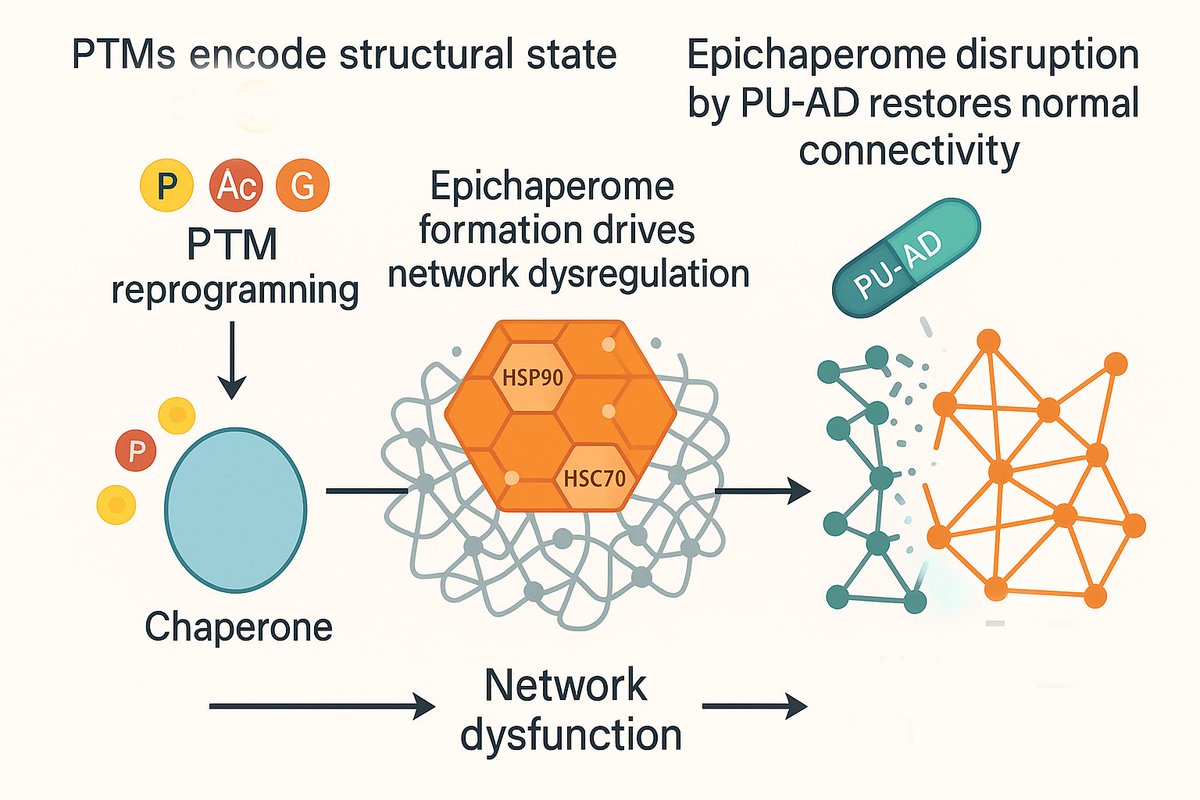
How can post-translational modifications rewrite cellular networks?
Read communities.springernature.c…
@SpringerNature @TrendsBiochem
#Epichaperome #PTMs #NetworkBiology #SystemsBiology #MolecularChaperones #CellBiology #Neurodegeneration #CancerResearch
9
955
Andy Truman PhD retweeted
18 Sep 2025
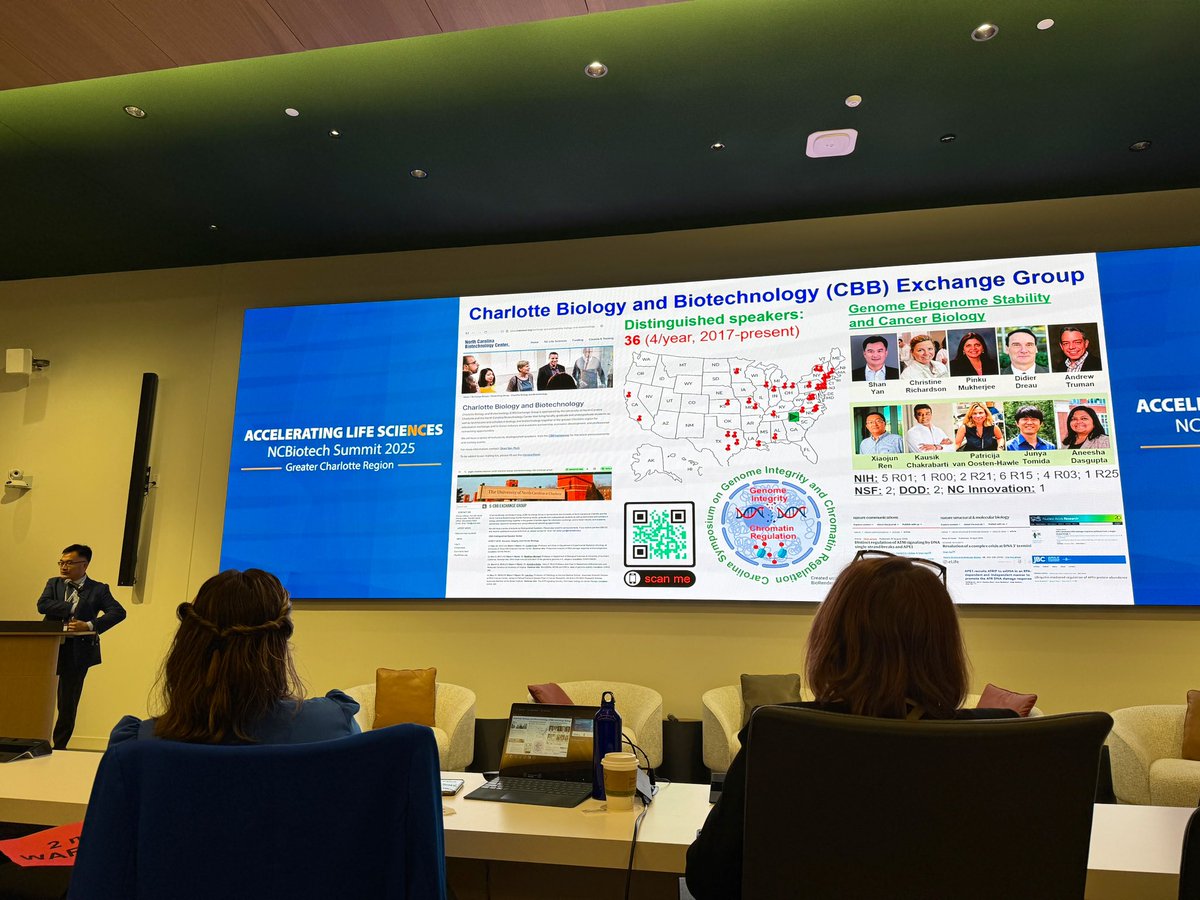
Thrilled to spotlight the Charlotte Biology and Biotechnology Exchange Group at the NCBiotech Summit 2025
@unccharlotte
@ncbiotech
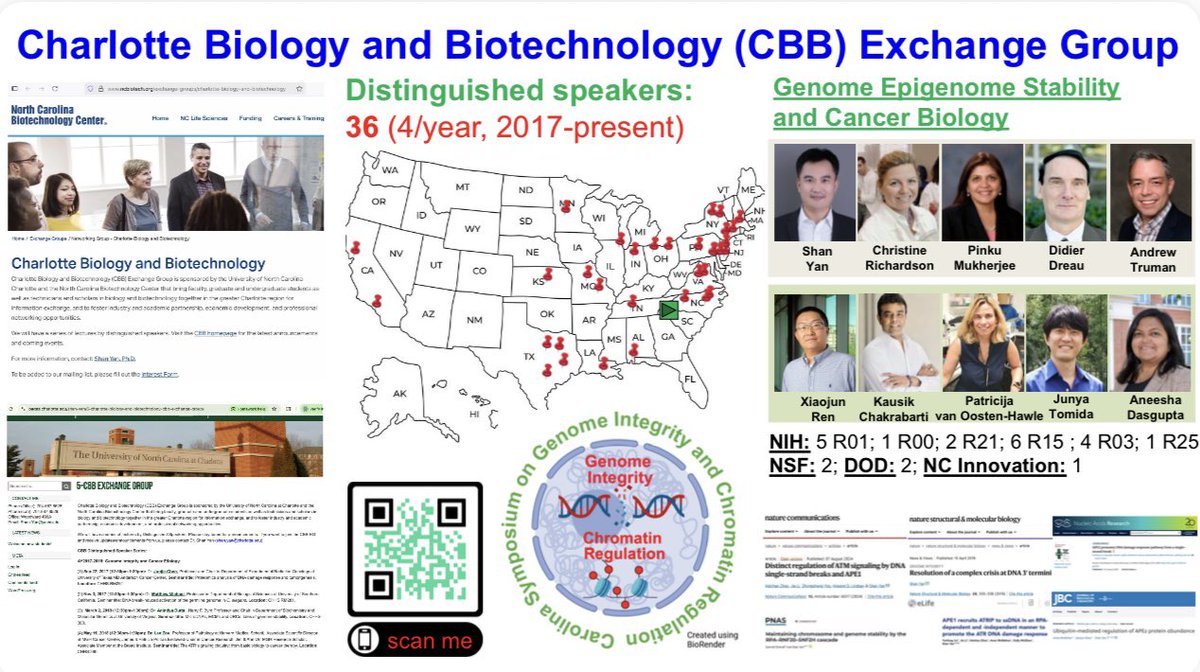
18 Sep 2025

Shan Yan, Ph.D. @unccharlotte shares how the Charlotte Biology and Biotech exchange group has hosted 36 distinguished speaker since 2017. CBB plans to expand the community and collaborations for continued impact. #NCBiotechSummit2025
1
2
606
18 Sep 2025
Great presentation!
18 Sep 2025
Shan Yan, Ph.D. @unccharlotte shares how the Charlotte Biology and Biotech exchange group has hosted 36 distinguished speaker since 2017. CBB plans to expand the community and collaborations for continued impact. #NCBiotechSummit2025
6
1,141
13 Sep 2025
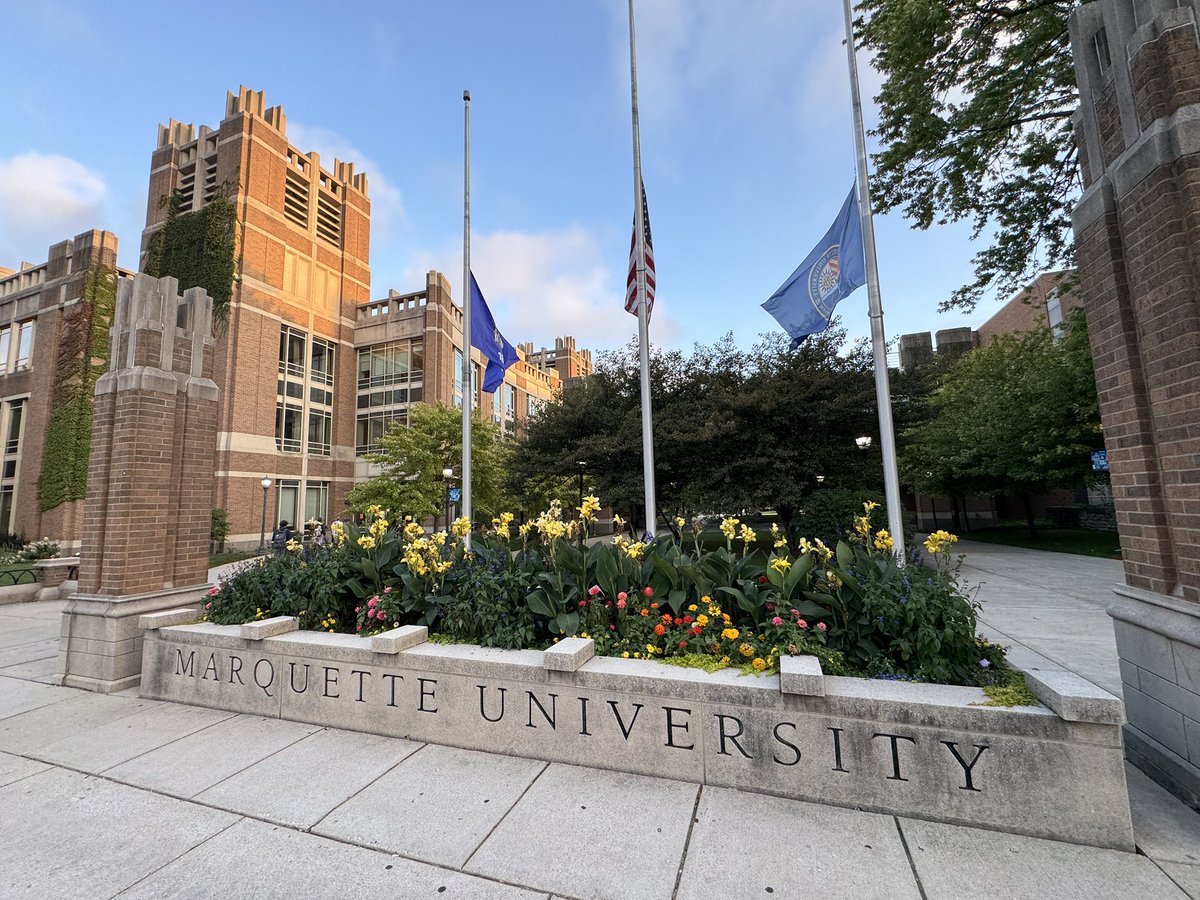
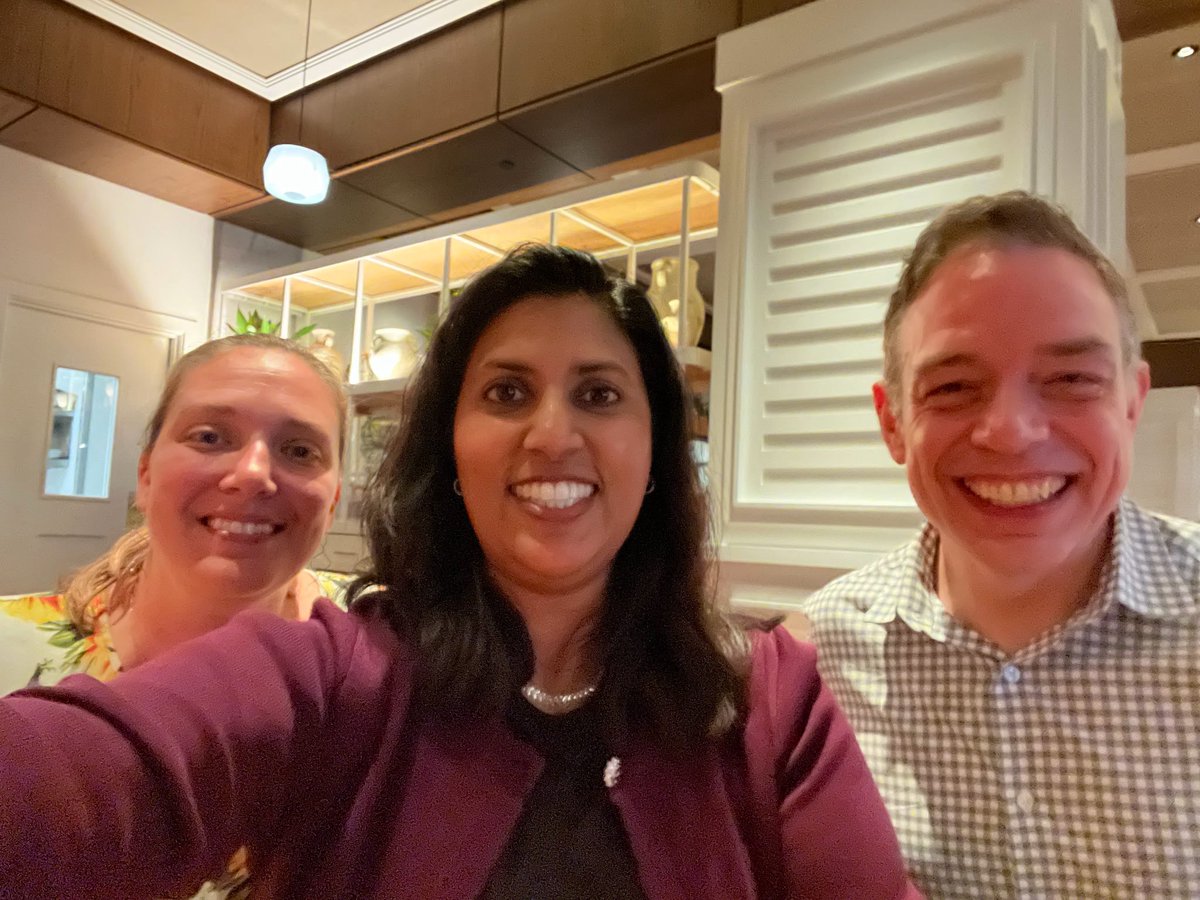
Had a wonderful time visiting @MarquetteU Biological Sciences to share our recent work on the Hsp70 Chaperone Code! Such a beautiful campus and loved talking with the students and faculty about the exciting research going on 🔥🔥🔥#hsp70
9
801
2 Sep 2025
Excited to share our new work "Dissecting the Cdc37 Co-chaperone Code: Functional Roles in Chaperone-Mediated Stress Adaptation" in press at the Journal of Biological Chemistry jbc.org/article/S0021-9258(2… 🔥🔥🔥
1
10
30
2,048
2 Sep 2025
In this work we engineered a collection of 46 yeast strains that express mutations in the 23 known phosphorylation sites of Cdc37. Through phenotypic fingerprinting we have chaaracterized master regulators vs fine tuner sites of this essential co-chaperone!
1
1
207
2 Sep 2025
Great work by @MeganMitchem1 @DuhitaMirikar Ashley Choi and @Rajlekha_061424 @unccharlotte @UNCCBiology
2
237