

youtube.com/live/brjCi53W02M
Today, Sunday, June 14, 2026, at 1 p.m. U.S. Pacific Time, watch a compilation stream of four presentations from the May 3, 2026, sessions at the University of California, Berkeley Conference on Aging and Longevity (BerkeleyCAL), hosted by Professor Steven A. Garan, Director of Bioinformatics at the Center for Research and Education on Aging.
These presentations focus on the societal, economic, and advocacy aspects of the field of longevity and anti-aging and range from comprehensive overviews of the longevity sector to approaches for improving the health of the public and catalyzing scientific breakthroughs. Speakers in this stream include Scott Summit, Brian Wang (@nextbigfuture), Laurence Ion (@longevion), and Karl R. Pfleger (@KarlPfleger).
This is the first of multiple streams that the U.S. Transhumanist Party is compiling in order to bring the proceedings of the BerkeleyCAL to a wider audience.
Presentations include question-and-answer sessions, where I asked several in-depth questions and received thoughtful answers from the speakers.
Members of the public will be able to post questions and comments in the live YouTube chat.
Scott Summit of Ethereal Matter, Inc. – ethereal-space.org/– presents a robotic solution designed to combat the global health crisis caused by sedentary lifestyles by gamifying fitness through immersive VR experiences. His platform utilizes motion capture and advanced robotics to create personalized, engaging, and physically challenging environments that encourage users to exercise consistently. By leveraging the same technology that drives sedentary gaming addiction, this system aims to bridge the gap between entertainment and preventative health for all ages. The Salon stream also includes some brief footage that I captured of one of the VR worlds within Ethereal Matter’s MEK exercise machine.
Brian Wang of NextBigFuture – nextbigfuture.com/– highlights the San Francisco Bay Area as a global powerhouse for both biotech and longevity research, noting its immense concentration of companies, funding, and expertise. He explains that the longevity sector is growing rapidly, with significant backing from billionaires funding major ventures. Finally, he emphasizes the potential public health and economic benefits of longevity technologies, suggesting they could mirror the transformative, large-scale impact of recent weight-loss treatments.
Lawrence Ion discusses his mission to accelerate longevity research by building a semi-autonomous city, Viva City – viva.city/– designed to circumvent bureaucratic hurdles and overregulation in traditional medical science. He argues for a decentralized, "bottom-up" approach—leveraging communities like VitaDAO and experimental pop-up villages—to foster innovation and rapidly bring life-saving therapies to market. Through this initiative, Ion aims to establish a new legal and regulatory sandbox that empowers individuals with the freedom to pursue advanced longevity interventions more safely and efficiently than current systems allow.
Dr. Karl R. Pfleger of AgingBiotech.info – agingbiotech.info/ – investor and author with a rigorously systematic approach, presents a comprehensive overview of the aging and longevity field, emphasizing the shift to treating aging as a manageable pathology through the Geroscience Hypothesis. He analyzes the current status of the sector, noting that while the pipeline of FDA-approved aging therapeutics is just beginning to emerge, there is a clear, data-backed trajectory of future growth. Finally, Pfleger distinguishes between two primary research strategies—broadly slowing aging through monotherapies and the divide-and-conquer rejuvenation approach.
View the slides for Karl Pfleger’s presentation – “Motivation for, status of, path to eliminating aging”: docs.google.com/presentation…
The BerkeleyCAL was hosted at the University of California, Berkeley, in Stanley Hall, and was organized by Dr. Michael Conboy, Dr. Steven A. Garan, Dr. Nuno R. B. Martins, and Dr. Anthony T. Iavarone, with significant assistance from Melissa King and Bernard Siegel of the Healthspan Action Coalition: healthspanaction.org/.
1
2
100


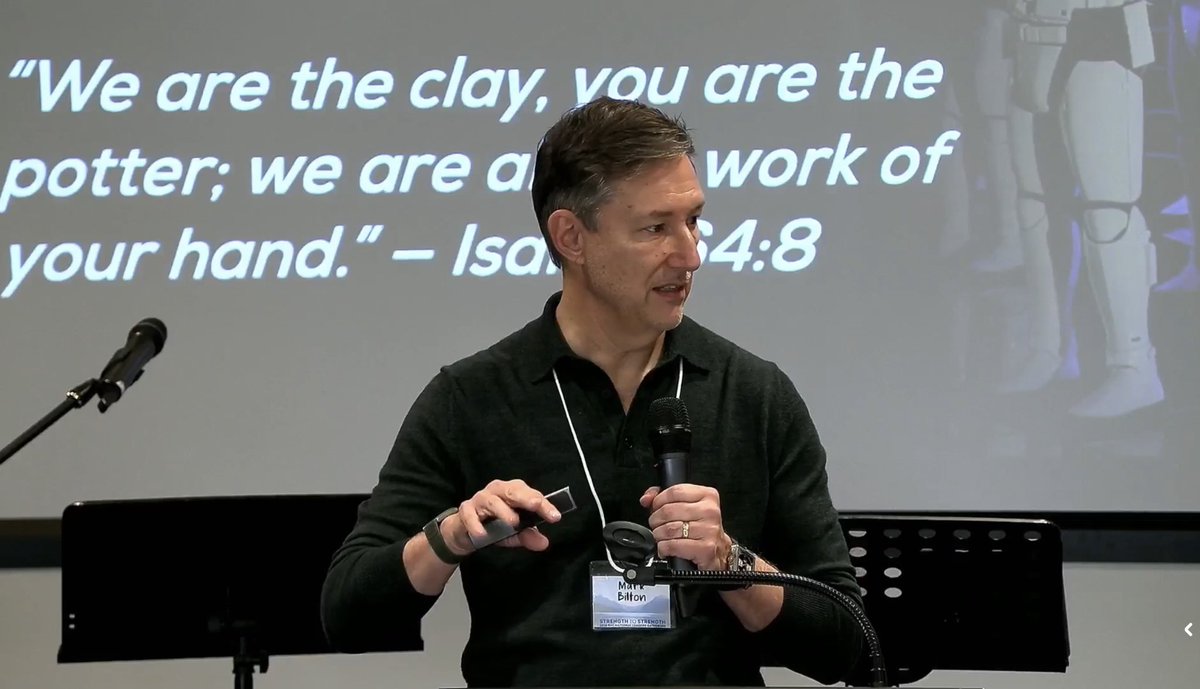
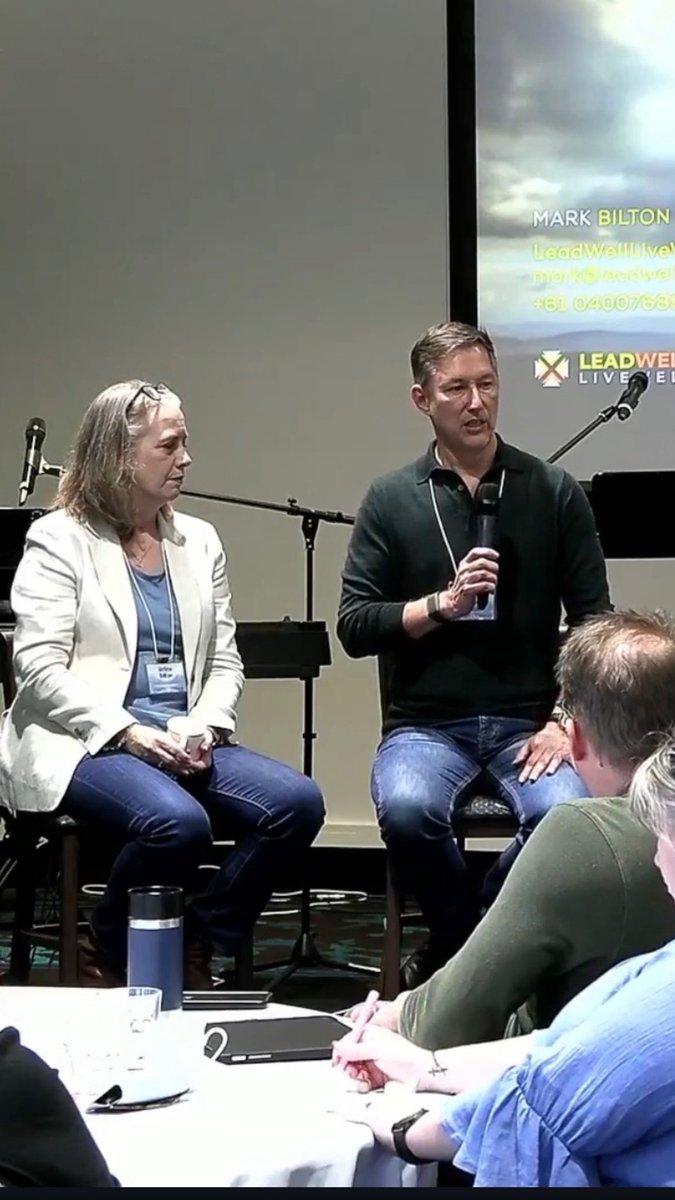
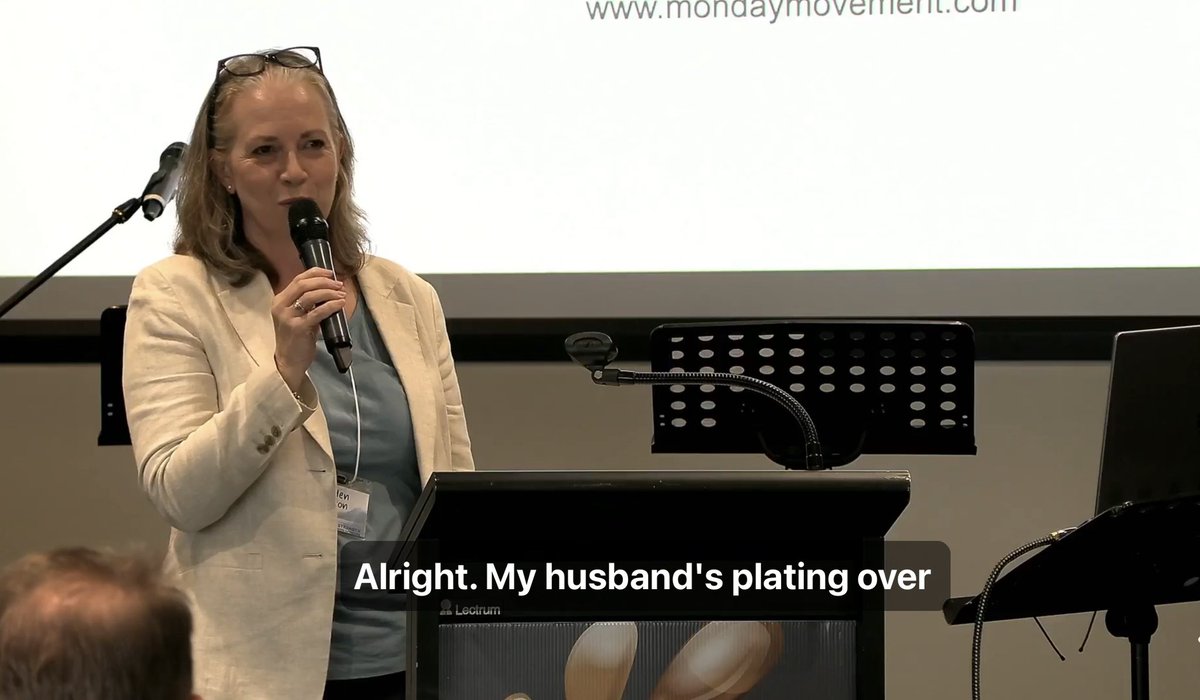
Great to spend some time on the Gold Coast with 50 wonderful Pastors and Leaders from Bethesda Ministries International
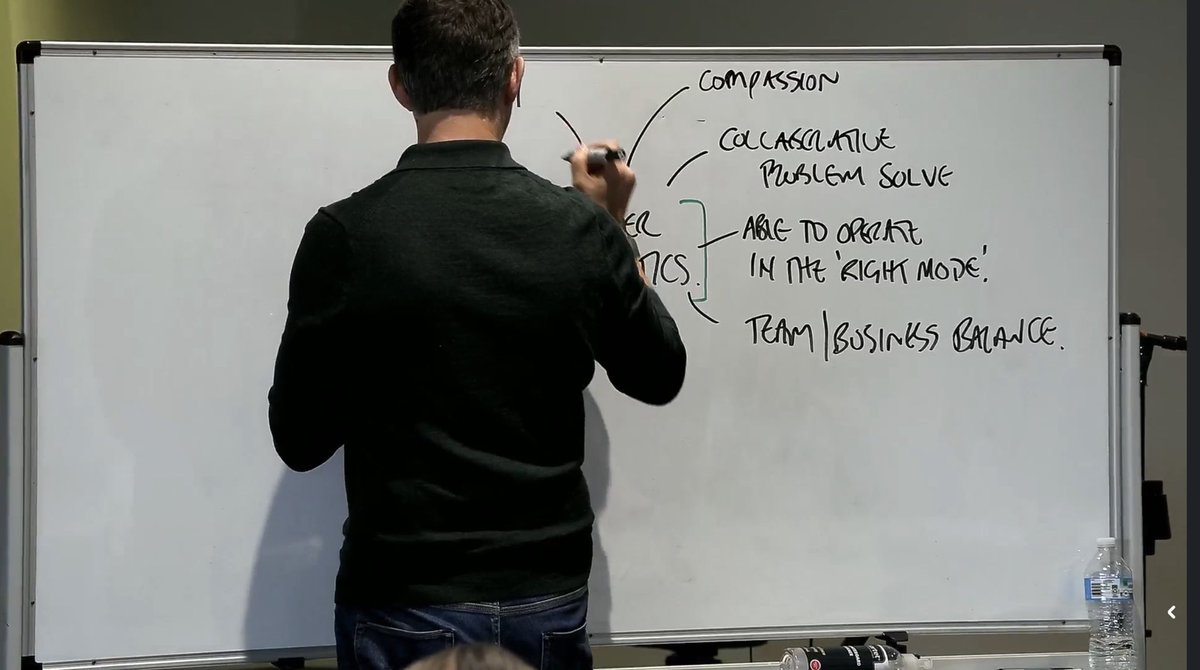
Helen and I shared the day as joint Keynote Speakers and Facilitators. That’s not something we often do together.
We covered a lot…
Monday Matters; a Christian in the Marketplace perspective.
Authentic Leadership.
NFP Governance.
Sustainable Leadership and Healthspan.
What a great group of people serving their communities here and offshore; dedicated, passionate and capable.
14
HarbinBook retweeted

Age reversal remains unproven. Yet that is the goal of the healthspan XPRIZE pretty much. The purse is $81 million to the team able "restore" the cognitive & physical function of a person by 20 years, after 1 year of treatment. Finalists to be announced this summer
2
2
2
605

Peptide #12: Epitalon
Telomerase activator. The actual longevity peptide that lengthens telomeres and improves deep sleep.
Tiny cycles, massive payoff. Everyone quiet-stacking this in 2026.
#Epitalon #Longevity #Biohacking #HealthyAging #SleepOptimization #DeepSleep #CellularHealth #AgeWell #WellnessJourney #LongevityMedicine #AntiAging #Healthspan #PeptideTherapy #FutureOfWellness #Reels
8

Orchestrate autonomous agent network,monitor biotech telemetry and track healthspan vectors in real-time all driven by a secure,edge-throtted computer mesh
8

I think Bryan Johnson is super creepy but he is also engaging in consensual science that’s being well documented and has widespread implications for human healthspan.
He doesn’t need money but if the process ever scales it would need money.
1
8

RT @NaveenSankarS: Small, combined, sustained lifestyle improvements may be associated with better lifespan, healthspan, and cardiovascular…

45

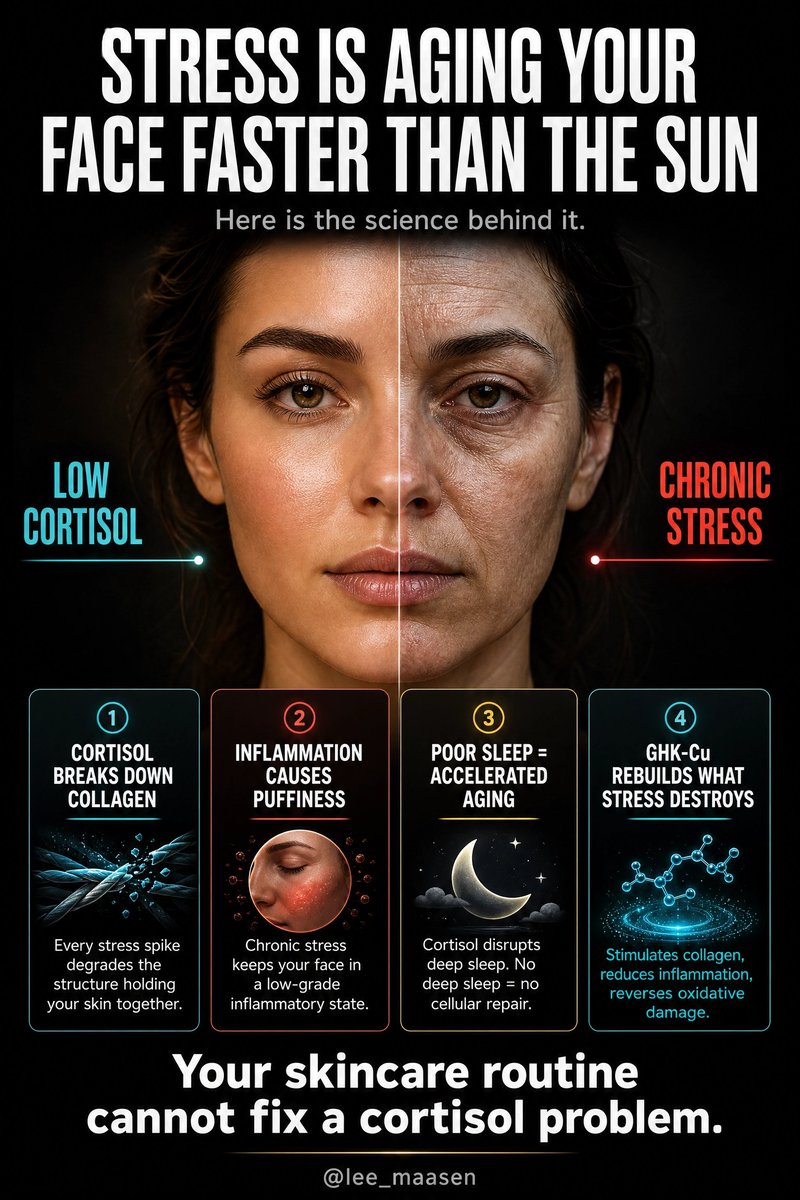
Stress shows up on your face. And not just as a bad mood.
Chronic stress keeps cortisol elevated, and over time that quietly wears on your skin.
Here is what is actually going on:
Cortisol slows collagen production and breaks down the structure that keeps skin firm.
It keeps skin in a low-grade inflammatory state, which can show up as puffiness and dullness.
And it disrupts deep sleep, the window when your skin does most of its repair.
One honest note. Stress matters a lot, but the sun is still the number one driver of facial aging, so daily sunscreen stays the foundation.
Stack the things that actually move the needle. Sunscreen every day. Real sleep. Stress you genuinely manage. A retinoid and vitamin C on the topical side.
Now the peptide angle, since that is what a lot of you ask about.
For skin specifically, GHK-Cu is the one with the most research behind it. It is a copper peptide, used mostly topically, that has been shown to support collagen production and to act as an antioxidant and anti-inflammatory, which hits the exact kind of damage chronic stress drives.
Oral collagen peptides deserve a mention too, with studies showing modest gains in skin elasticity and hydration.
Keep expectations honest though. Most of the strongest evidence here is topical or lab based, and "reverses aging" promises more than any peptide has proven. These support the foundation, they do not replace sleep, sunscreen and stress management.
We get into all of it, skin, stress, sleep, and what the research really says about peptides like GHK-Cu, inside The Peptide Community. Free 7 day trial to look around.
No hype, no gatekeeping. Link in bio.
#skinhealth #cortisol #ghkcu #peptides #collagen #skincare #healthspan
35

10h
- caffeine within 400mg is benign for life and healthspan.
- fiber and anti-oxidants raise health and life span.
- taurine can expedite cancer growth for anyone with blood cancer.
1
6
340

Inflammation, the silent enemy of our healthspan 🤫
Brandi Huyser, VP of Nutrition at Amway, caught up with David Furman, PhD and member of the Amway Scientific Advisory Board to ask him about the impact of inflammation to our healthspan
#Amway #AmwayLife #HealthspanInAction
8
38
1,681

The strongest evidence for tadalafil as a longevity candidate is large scale observational. In a propensity matched cohort of 509,788 men with erectile dysfunction, tadalafil over 3 years was associated with 34% lower all cause mortality, 32% lower dementia, 27% lower MI, and 34% lower stroke.
Supporting cohorts show the same direction, including a dose dependent gradient: in higher risk men the top PDE5 inhibitor exposure quartile reached a mortality risk reduction of 49%.
For a drug discussed as “longevity medicine,” that is close to the ceiling of current human evidence. No drug, tadalafil included, has a completed RCT with lifespan or healthspan as the primary endpoint, so observational signal on hard endpoints is the best the field has, and tadalafil’s is unusually large and consistent.
The mechanism is also coherent. PDE5 inhibition raises cGMP, improves endothelial function and NO signaling, and the cardiovascular event data line up with that pathway. That supports causal plausibility for the vascular benefit, though it does not establish a lifespan effect.
Disease specific and healthy user bias cannot be ruled out.
The disease specific part: ED is itself a sign of vascular disease or dysfunction, which tadalafil’s mechanism can help directly.
The healthy user part: wanting to maintain a healthy sex life in older age is a marker of relatively good health.
None of this is a recommendation to take tadalafil on your own. It should follow from your individual health and biomarker profile, and only under specialized physician advice and oversight.
56
7
656
592,757

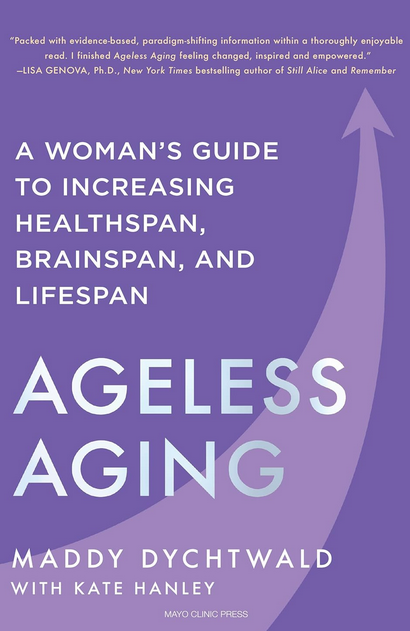
📘Ageless Aging
Author: @Maddy_Dychtwald
Publisher: @Mayoclinicpress
📚📕📙📒📗📘
@LanceScoular 🧭🌐 @KeyDirections
#amazoninfluencer #book #ad #amazonbooks #fromtheauthorsmouth #Ageless #Aging #Womans #Guide #Increasing #Healthspan #Brainspan #Lifespan
amazon.com/Ageless-Aging-Inc…
2
22
hemganjai retweeted

Jun 13
The average person retires at 62.
But they lose their HEALTHSPAN by 64 and live the final 10 years burdened by cardiovascular disease, diabetes, or arthritis.
Don't work your whole life for 2 years of true freedom.
Health is wealth.
12
13
261
26,515

I’ve been discussing, in a series of posts, the history leading up to the modern technology allowing the reprogramming of aging. After my PhD at Baylor College of Medicine I entered Medical School in Dallas. I had turned a family company called West Leasing Company into biotech enterprise I called Geron Corporation. In 1992, my third year as a student, I was approached by the Venture firm Kleiner Perkins who offered to finance the gamble that telomerase (if we could find the gene) would enable the extension (or even immortalization) of human cells and its inhibition could treat cancer. Some $30M later we still hadn’t found the gene. Remember, these were the days before DNA was fully sequenced. We were collaborating with Carol Greider at Cold Spring Harbor and Jim Watson and my board of directors were becoming impatient. Carol’s candidate gene in Tetrahymena went nowhere… Finally, Tom Cech’s lab told us of a candidate gene in Euplotes. We looked in our cDNA library and found a hit! In a hectic race to get the entire sequence and patent it, the scientists at Geron worked round the clock, sleeping in a trailer in the back of the building. To test if we had the real thing, I assembled, as I recall, five mortal cell RNAs and five immortal counterparts (four being cancer lines one being from the testicle (germ line). I can’t describe the electricity in the air. What a gamble we had bet on the telomere hypothesis and the search for the gene. The scientists didn’t know the order of the samples I gave them in order to blind the experiment, but I placed them in a logical order: five mortal cell RNAs, four cancer lines, then testis at the end. As the image slowly assembled on the phosphoimager, the sample on the end became visible, then with a collective gasp, we saw five blanks in the mortal and five positives on the right with the last one being the strongest (exactly what one would expect if we finally had the gene).
We then raced to express the gene in human mortal cells (cells from Len Hayflick’s leg being the first) and later a nice study published in Science in collaboration with Woody Wright that showed that indeed, telomeres were the clock behind the Hayflick limit and telomerase alone is capable of immortalizing cells.
This result overturned the long-held belief that the aging of cells was simply entropy at work, wear-and-tear, something we would never completely understand, and certainly something that we could never effectively stop. But for those of us that favored the programmed theory of aging, it was consistent with a mutation of a single letter in the DNA code leading to the premature aging seen in children with progeria and the common immortalization of cells in cancer.
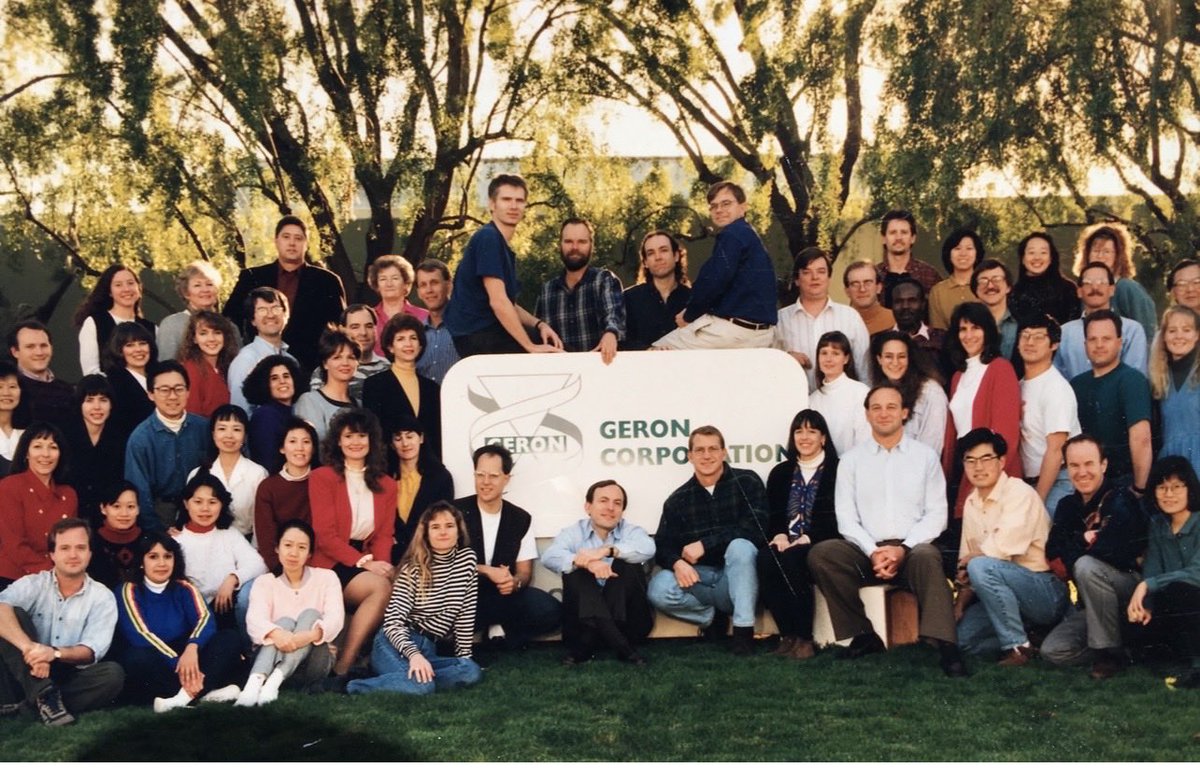
Telomerase was never tested in humans because Geron became focused on telomerase inhibition for the treatment of cancer and in the stem cell program I will describe next. Hopefully in coming years, it will become part of a cocktail of agents that I will describe in future posts that leads to significant extension of human healthspan and lifespan. Below I post a picture of that team of scientists that worked so very hard to be the first to isolate the immortalizing gene telomerase.
7
5
29
2,241

The Global Structure Network Limited is redefining how consumers build capability, establishing the architecture through which their everyday decisions translate directly into long‑term economic value.
theglobalstructurenetwork.co…
#HumanCapability #FutureInstitutions #PublicValueSystems #LongRunCapability #AdaptiveSystems #Longevity #HealthyAging #Healthspan #Resilience #FutureOfHealth #HumanDurability #PreventiveHealth #BiologicalAging #AgeTech #WellbeingEconomy #BeautyIndustry #SkinScience #Dermatology #AntiAging #CosmeticsIndustry #BeautyInnovation #SkinHealth #Epigenetics #BeautyTech #PersonalCare #HealthEconomics #ImpactInvesting #SustainableFinance #InstitutionalCapital #HumanCapital #InfrastructureInvesting #PreventionEconomics #BlendedFinance #LongTermValue #DemographicTrends
1
The Global Structure Network Limited is redefining how consumers build capability, establishing the architecture through which their everyday decisions translate directly into long‑term economic value.
theglobalstructurenetwork.co…
#EconomicResilience #PreventiveHealth #ChronicDisease #MetabolicHealth #CardiometabolicHealth #ObesityPrevention #Type2Diabetes #PopulationHealth #Healthspan #AgingPopulation #LifestyleMedicine #FitnessIndustry #GymLife #FitnessEconomy #ActiveLifestyle #WellnessIndustry #CorporateWellness #WorkplaceWellbeing #ExerciseIsMedicine #HealthInnovation #FitnessBusiness #Longevity #HealthyAging #Resilience #CapabilityEconomy #HumanCapital #PreventionEconomics #HealthInfrastructure #LifestyleInfrastructure #FutureOfHealth #NextEconomy #ImpactInvesting #BlendedFinance #InfrastructureInvesting #ESGInvesting #HumanCapitalInvestment
1
Sara Andersen retweeted

Jun 12
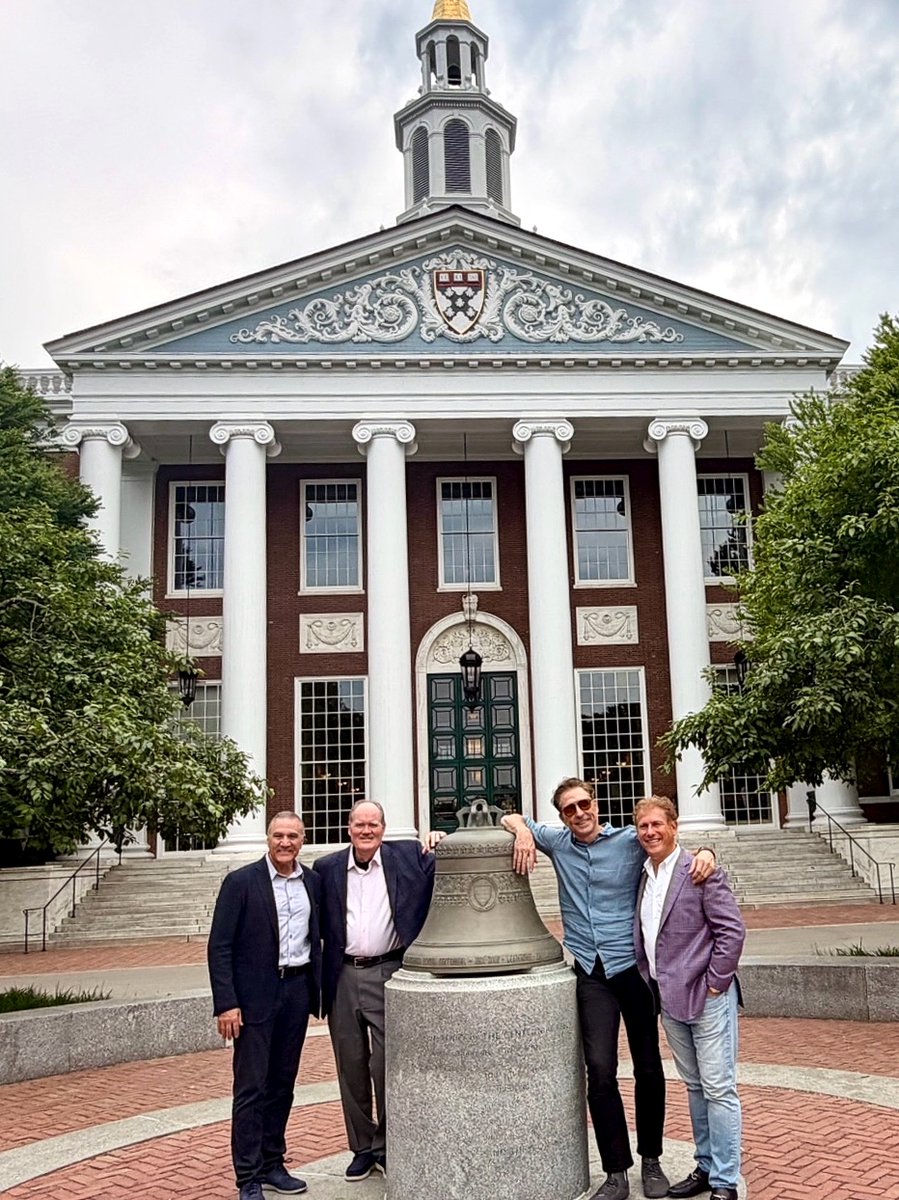
Honored to speak at Harvard about longevity and the science of extending healthspan.
For decades, we've treated aging as something that happens to us. Today, we're learning that many of the factors that drive aging are measurable, influenceable, and in some cases, reversible.
The future of longevity is about living better AND longer.
Thanks to Harvard University for having me and everyone that attended. 🧠⚡
ALT Four people stand in front of a large building with columns and a bell. The building has an emblem at the top and resembles the architecture of Harvard Business School. Trees flank the building on both sides.
3
3
23
997
