
Joined December 2015
- Tweets 8,703
- Following 141
- Followers 4,837
- Likes 3,523
1,663 Photos and videos


Pinned Tweet

Jan 3
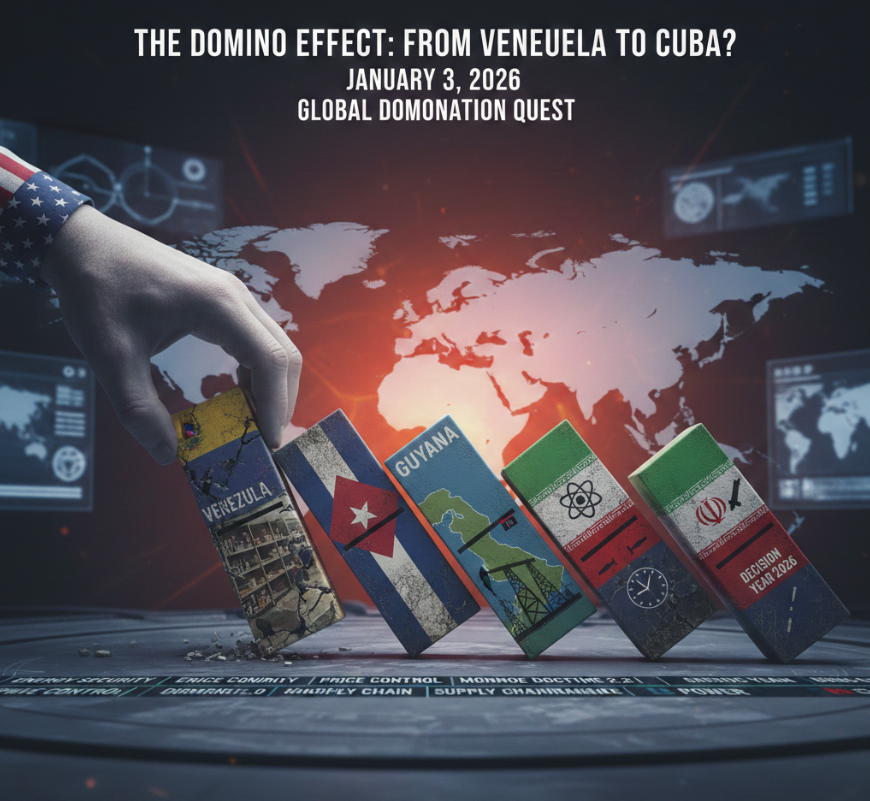
🌎 From Venezuela to Cuba: Has the US Domino Effect Begun?
🗓️ On January 3, 2026, the intervention in Venezuela and the capture of Nicolas Maduro shook the global geopolitical fault lines. A move of this magnitude is never limited to a single country; rather, it carries the potential to be the first domino in a chain reaction.
📍 From the US perspective, the "success" in Venezuela has whetted Washington's appetite. Intelligence reports and strategic maneuvers on the table suggest that the next “obstacles” are along the Caribbean and Middle East corridors.
Which Countries Are Next in the Quest for Global Domination?
🇨🇺 Cuba (The Other End of the Domino): With free oil from Venezuela cut off, Cuba’s economy is on the brink of collapse.
Washington sees 2026 as the optimal year to topple the "last communist stronghold in its backyard." Rather than a military intervention, economic strangulation and support for popular uprisings are expected.
🛢️ Guyana (The New Energy Hub): This small country right next to Venezuela has become the world’s fastest-growing economy.
For the US, the interest is to protect Guyana’s massive oil reserves from the Venezuela crisis and turn it into the main energy hub in South America.
Claims over the Essequibo region provide a golden pretext for the US to establish a permanent military presence in the area.
🕊️ Iran (Regional Reckoning): With Russia and China’s influence weakened in Venezuela, the US’s main target in the Middle East is to maximize pressure on Iran. 2026 is seen as a “decision year” for Iran’s nuclear program.
The determination shown in Venezuela appears to have prepared the psychological ground for a potential surgical operation against Tehran.
The US in this chess game is not only promising democracy; it is pursuing concrete, cold, and large-scale interests. Here are the Gains…
⚡ Energy Security and Price Control: Reintroducing Venezuelan oil into the global system (via American companies) lowers oil prices while taking Russia’s energy leverage away.
🌏 Pushing Russia and China Away: Removing the military and economic presence of these two powers from Latin America amounts to a 21st-century revival of the "Monroe Doctrine" by the US.
🚢 Logistics and Supply Chain: Achieving full control over mining and energy routes in the Southern Hemisphere creates a secure logistical base ahead of any potential Pacific conflict (Taiwan).
What Could Be the Next Move?
⚠️ In the coming weeks, increasing electricity cuts and food queues in Cuba will signal Washington’s next move.
Will the US lift the embargo on Cuba under the guise of “humanitarian aid” or pursue a direct “liberation” operation?
Please select one … ❤️ 🔁 💬 ➕
25
15
69
16,833
Mar 28
🚨 Breaking news: sharp surge in Brent oil
A striking fracture is unfolding in global energy markets. Brent oil, which was trading around 70 dollars about a month ago, has rapidly climbed to the 114 dollar range.
📈 This increase is not a simple price movement, it is being read as a direct reflection of geopolitical risks and supply concerns being priced in.
Especially the rising tension in the Middle East, the risk perception surrounding the Strait of Hormuz, and possible supply disruption scenarios have led to the formation of a “war premium” in the market. This once again shows that oil is not just a commodity, but also a strategic risk indicator.
📊 Critical detail:
A rise of this magnitude has, in recent years, typically been seen either during major supply shocks or periods of direct military tension. The speed of the current move signals that panic pricing has begun in the market.
🌍 Possible impacts:
• A new wave of fuel price increases globally
• Upward pressure on inflation
• Rising costs in maritime trade and logistics
• Growing current account deficit risk in energy-importing countries
⚠️ The real fracture is this:
The market is no longer pricing the question “is there supply?” but rather “will supply be cut?”
This indicates that we are entering a new era where oil prices are shaped not only by economic data, but directly by geopolitical developments.
^#BreakingNews #OilPrices #BrentCrude #EnergyCrisis #Geopolitics #HormuzStrait #MarketRisk #Inflation #GlobalEconomy #PanicPricing
171
Mar 28
🚨 Confidence in the US job market is eroding
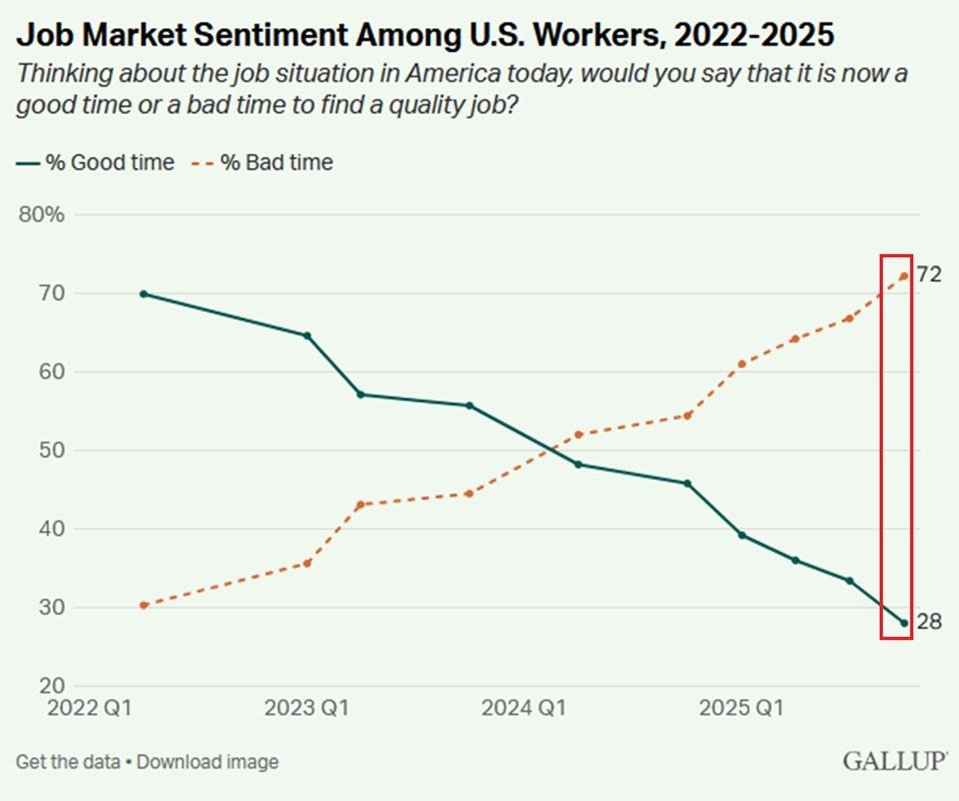
The outlook of workers toward the job market in the United States is weakening noticeably. According to the latest survey published by Gallup, only 28% of workers in the final quarter of 2025 believe it is a “good time to find a quality job.”
📉 This figure marks the lowest level recorded in at least the past four years. Even more striking is the speed of the decline: optimism, which was above 70% in the second quarter of 2022, has dropped by approximately 42 points.
🎓 The education-based fracture is sharper:
College graduates have become the least confident group in the job market. In this segment, the share saying it is a “good time” has fallen from 73% to 19%.
Among workers without a college degree, this rate has declined to 35%, again reaching the lowest level in recent years.
👥 There is also a significant gap between age groups:
Young workers (20%) are the most pessimistic group, while among workers aged 65 and over, this rate remains relatively higher at 41%.
📊 What does this data show?
This picture reveals that unemployment alone is no longer the defining factor. Because the issue is no longer just finding a job, but finding a “quality and sustainable job.”
⚠️ A structural shift in perception is taking place in the job market. Workers are now focusing not on opportunities, but on risks. This signals a potential impact on a wide range of economic behaviors, from consumption patterns to career planning.
The scale of distrust among US workers toward the job market indicates not only the weakness of current conditions, but also a deterioration in expectations for the future.
#BreakingNews #USJobs #JobMarket #Economy #EconomicCrisis #MarketRisk #LaborMarket #Recession #FutureOfWork #FinancialNews
88
Mar 24
🚨 BREAKING: NEW TRANSIT RULES IN THE STRAIT OF HORMUZ ON THE AGENDA
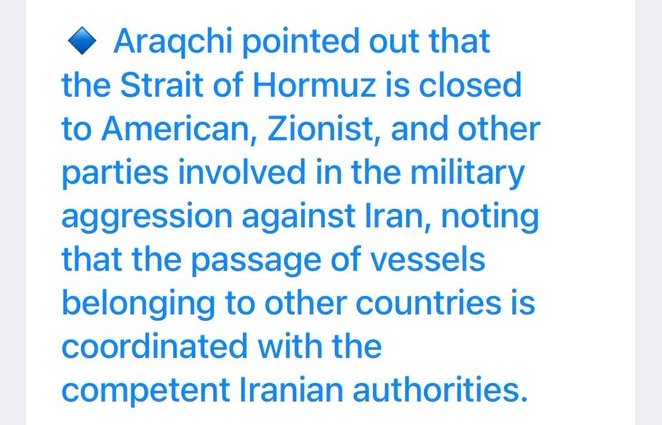
According to information shared on an Iran-linked Telegram channel, the Tehran administration has put forward a new approach regarding transit through the Strait of Hormuz.
Accordingly, it is stated that commercial or military vessels belonging to countries assessed to have participated in military operations against Iran, including the US and Israel, may not be allowed to pass through the strait.
The same statement indicates that vessels from countries outside this scope may be permitted transit, provided they coordinate in advance with Iranian authorities.
It is also claimed that this approach aligns with the more controlled and selective transit practices observed in the strait’s traffic in recent weeks.
Although there is no direct confirmation from official authorities yet, the message points to a new axis of tension for energy and trade routes in the region.
Considering that approximately 20% of the world’s daily oil flow passes through the Strait of Hormuz, even the possibility of such a restriction is seen as a development that could create serious volatility in markets and maritime trade.
3
2
168
Mar 24
@grok
What kind of serious volatility could this create in markets and maritime trade?
1
2
50
Mar 24
@grok
Since the US is unlikely to accept this situation, could the war intensify further?
1
2
42
Mar 24
🚨 BREAKING: U.S. MOVE ON IRAN – A PLAN TO BUY TIME FOR THE TABLE
According to reports reflected in Israeli media, the U.S. administration is considering a temporary ceasefire formula in order to open the path for direct contacts with Iran.
📌 According to backstage information, the proposed plan aims to freeze tensions on the ground with a ceasefire period of approximately 1 month and to create space for diplomatic talks during this time frame.
This approach indicates that Washington is aiming not only to manage the military balance, but also to establish a controlled negotiation ground.
Analysts, however, point out that such short-term ceasefire initiatives, rather than leading to lasting peace,
👉 allow parties to reposition themselves
👉 enable updates to military and political strategies
and may function as a “transition corridor.”
⚠️ The critical question is:
Is this ceasefire truly a gateway to diplomacy… or the preparation phase of a much larger process?
1
2
139
Mar 24
@grok
Is this ceasefire truly a gateway to diplomacy… or the preparation phase of a much larger process?
1
1
54
Mar 24
⛽ HOW HIGH CAN GASOLINE PRICES GO? GLOBAL ANALYSIS AND 2026 FORECAST
According to current data (as of late March 2026), the global average gasoline price stands at around 1.37 USD per liter.
This figure varies significantly from country to country…
In the U.S., it is around 1.08 USD per liter (~4.10 USD/gallon), while in some European countries it reaches as high as 2.00–2.50 USD per liter.
So how high can global gasoline prices rise throughout 2026?
Let’s conduct a realistic analysis based on geopolitical tensions in the oil market, the risk around the Strait of Hormuz, and supply-demand dynamics.
🛢️ CURRENT STATE OF OIL PRICES
Brent crude is currently trading in the 100–103 USD per barrel range (late March 2026).
This level represents a clear increase from the lower levels of 2025 (60–70 USD).
The main driver behind this rise is supply disruption risks in the Middle East, especially related to Iran tensions and the Strait of Hormuz…
_ EIA (U.S. Energy Information Administration): Forecasts an average of 79 USD/barrel for 2026, declining toward 70 USD by year-end, and 64 USD in 2027.
_ Goldman Sachs: Revised its 2026 average to 85 USD/barrel (previously 77 USD). It suggests prices could rise to 98–110 USD in the short term (March–April).
_ J.P. Morgan: Takes a more bearish view, projecting around 60 USD/barrel.
Every 10 USD increase in oil prices translates to approximately 0.10–0.15 USD per liter increase in global gasoline prices (including refinery margins and taxes).
2
1
66
Mar 24
⛽ HOW DO GLOBAL GASOLINE PRICES MOVE?
The current global average stands at 1.37 USD per liter. In the U.S., prices have risen rapidly in recent weeks, reaching 3.80–3.90 USD/gallon (~1.00–1.03 USD per liter)…
This marks the highest level since 2023.
The main factors determining the price:
1_ Oil prices and supply shocks — A prolonged disruption in the Strait of Hormuz (through which 20% of global oil trade passes) could sharply increase prices.
2_ Refinery capacity and margins — Especially in the U.S. and Europe, maintenance or capacity reductions can keep gasoline prices elevated above crude oil levels.
3_ Taxes and local policies — While high fuel taxes inflate prices in Europe, subsidies keep them lower in Gulf countries.
1
1
32
Mar 24
⛽ HOW HIGH CAN GLOBAL GASOLINE GO? REALISTIC SCENARIOS:
Baseline Scenario (most likely):
If Brent remains in the 70–85 USD/barrel range → Global average stays within 1.20–1.50 USD per liter.
The 2026 average would be around 1.30–1.40 USD per liter, moving sideways or slightly upward.
High-Risk Scenario (geopolitical crisis):
If oil rises to 120–150 USD/barrel (with a 1–2 month disruption in Hormuz) → Global average reaches 1.80–2.30 USD per liter.
In some European countries, it could exceed 3.00 USD per liter.
The 2022 peak (around 2.00 USD/liter average) would be matched or surpassed.
Extreme Scenario (major supply shock or prolonged war):
If oil reaches 150–200 USD/barrel → Global gasoline could climb to 2.50–3.00 USD per liter.
This would break the records of 2008 or 2022 and significantly trigger global inflation.
In 2022, the global average briefly exceeded 2.00 USD per liter; in some countries, it was much higher.
So what is the realistic expectation for gasoline prices in 2026?
In 2026, global gasoline prices could reach the 1.50–2.00 USD per liter range.
The $2 level is a critical psychological and economic threshold; at this level, pump prices create serious pressure in many countries and suppress consumption.
What is needed for a decline:
A rapid de-escalation in the Middle East, normalization in Hormuz, and increased production outside OPEC (U.S., Brazil, Guyana).
Institutions like the EIA forecast a clear decline toward late 2026 and into 2027, but geopolitical risks can quickly disrupt these projections.
It will be a critical year for the global economy…
Every 0.10 USD/liter increase in gasoline prices raises inflationary pressure and transportation costs.
For drivers, investors, and companies, oil and gasoline prices remain among the most important indicators to watch.
38
Mar 23
🚨 BREAKING: U.S. SEARCH FOR A POTENTIAL “COUNTERPART” IN IRAN
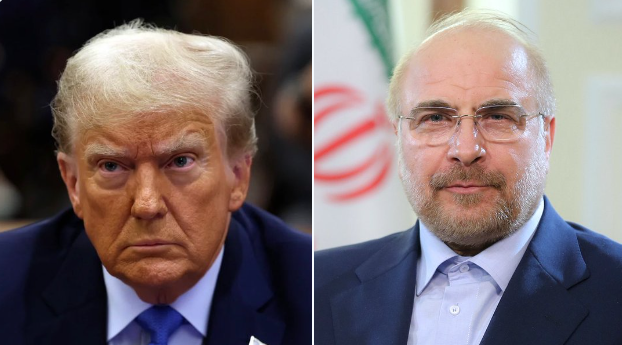
According to reports reflected in the U.S. press, figures close to Trump are evaluating Iranian Parliament Speaker Mohammad Bagher Ghalibaf as a potential future counterpart and influential leadership figure within Iranian politics.
📌 This approach shows that Washington is beginning to position itself not only toward the current administration, but also based on internal power balances and possible leadership scenarios within Iran.
Analysts note that such evaluations may be part of long-term strategic preparation and an effort to “shape future actors,” rather than immediate diplomatic engagement.
This move signals that beyond tensions on the ground, a period may be emerging in which the political architecture itself could be reconfigured.
91
Mar 23
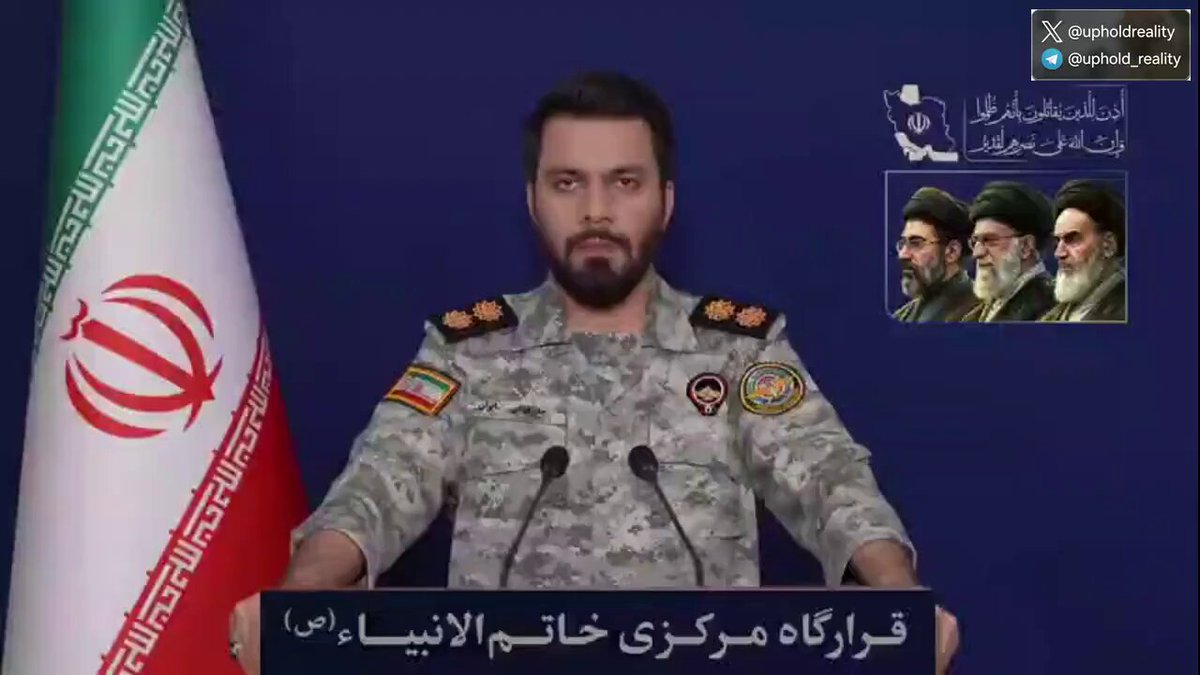
🚨 BREAKING: PSYCHOLOGICAL WARFARE MESSAGE FROM IRAN AND A NEW WAVE OF ATTACKS
Iranian military officials described U.S.-origin narratives as a “psychological operation,” stating that such moves would not affect their military plans on the ground.
The statement emphasized that “attempts to divert focus from the front through misleading messages will fail.”
📌 At the same time, tensions in the region are escalating with active engagements.
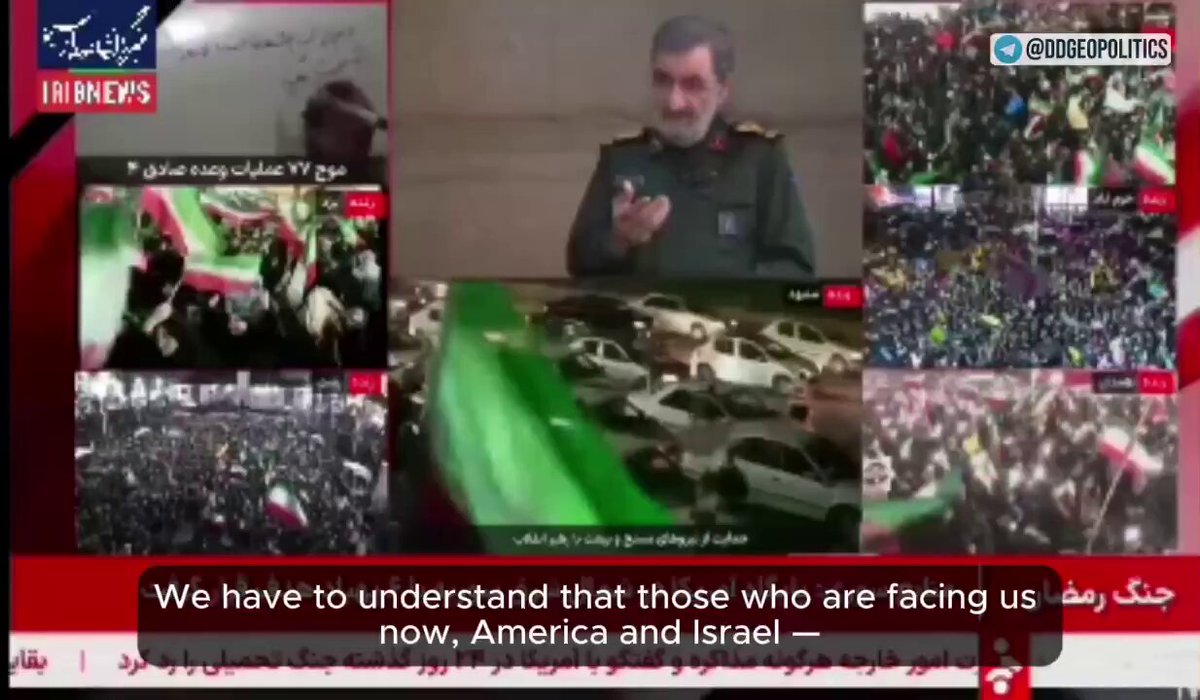
Within the scope of the 75th–77th waves of attacks, drone and missile strikes were reported targeting military points such as Tel Nof, Azrak, Al Dhafra, Victoria, Ali Al Salem, and Al Harj, along with cities like Ashkelon, Tel Aviv, and Haifa.
This development shows that the conflict is being carried out not only militarily, but also as a struggle for perception and psychological superiority.
The picture is now becoming clear:
messages are not just statements… they are part of the operation itself
95
Mar 23
🚨 BREAKING: A MULTI-MILLION DOLLAR SHADOW RELATIONSHIP EXPOSED
Leon Black claimed that the $170 million payment he made to Jeffrey Epstein was solely for “tax and estate planning” services.
However, an in-depth investigation by The New York Times suggests that this financial relationship may have had a much broader and more controversial scope.
According to the allegations, Epstein not only provided financial advisory services, but also helped establish structures that concealed the trail of millions of dollars in payments made to women on behalf of Black.
📌 This raises the debate that the relationship may have gone beyond traditional consulting services and included financial concealment and structuring activities.
Now the critical question is this:
Were these payments truly technical financial planning…
or part of a much more complex system?
1
60
Mar 23
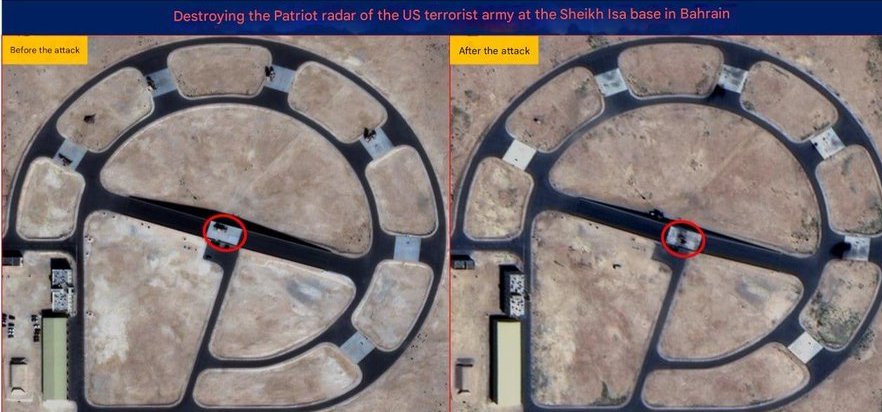
🛰️ THE CLAIM OF A RADAR STRIKE IS ESCALATING TENSIONS
🔥 Bahrain acknowledged on March 21 that the Patriot system was active during the March 9 incident, in which 32 civilians were reported injured.
For this reason, the “before and after” images circulated today are not only describing damage, but also targeting the credibility of the Gulf defense umbrella.
The fracture here is not only military, but also belongs to the language of power between civilizations. From a Huntingtonian perspective, radar is not merely a technical antenna; it is the seeing capacity of the order-establishing center. If the perception is created that this eye has been blinded, the loss of psychological superiority becomes greater than the physical damage on the ground.
The critical point is this: a Patriot fire control radar like the AN/MPQ-65 is not just symbolic, it is the nerve node of the interception chain. According to Arms Control Wonk analysis, one Patriot radar and three launchers were visually confirmed at the Ras al Bar site in Bahrain on February 28; Reuters later reported that a Patriot element was indeed used in the engagement.
So this is not a purely imaginary target, but an already known defense architecture.
But this is exactly where the perception war begins. If the images released by the Iranian side are interpreted as “confirmed destruction” without independent and transparent verification of time, coordinates, and damage, this creates a gap that could easily fall into the Community Notes space.
Because at the moment, we have strong data regarding the presence and use of Patriot systems, but we do not see the same level of clear and independent confirmation that the two radars in question were actually destroyed at that time and scale.
And this is where the real threat grows. In the Gulf, not only the destruction of a defense system, but the belief by everyone that it has been destroyed, shifts the balance of power.
If these images are verified, this is less a tactical success and more a prestige blow to the American security architecture; if not verified, then Iran’s pressure in the information domain has still proven effective.
So the issue is not two radars, but who can make the region say “I still see.” Do you think the real power here lies with the side that launched the missile, or with the side that captures the mind before waiting for verification of the damage?
1
437
Mar 23
Do you think having only one perfect bracket left is a strength or a statistical risk?
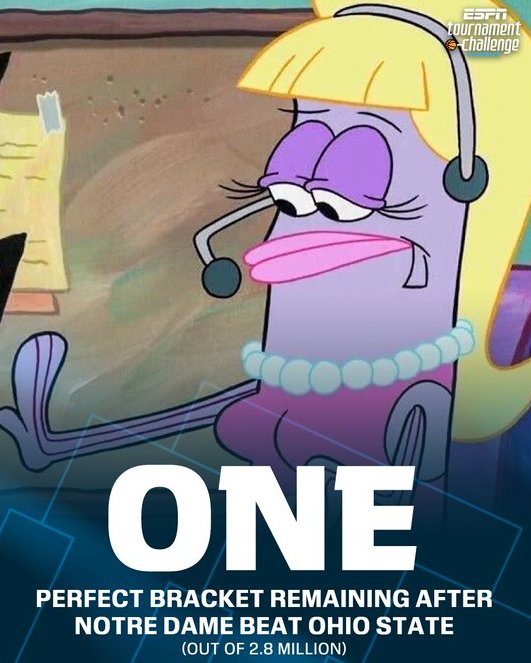
🏀 THE PERFECT BRACKET IS COLLAPSING: THE PROBABILITY WAR HAS BEGUN
📉 In a 64-team tournament, the theoretical probability of a perfect bracket is 1 in 9.2 quintillion
and even after the first round, millions of predictions are instantly eliminated
In an environment where Notre Dame gained momentum with a 79-60 victory and the Ohio State matchup stands as one of the most critical second-round games of the tournament
having only a single “perfect bracket” left is no longer luck, but an extreme deviation
Because when you look at Monday’s schedule, the picture is clear:
UConn (34-0 streak), South Carolina, and UCLA, all No.1 seeds, are on the court the same day
This means:
the system is built on “favorites win,” but the bracket logic is “one mistake erases everything”
And this is where the fracture happens:
statistics give you confidence
but tournament chaos shatters that confidence
One name, one game, a single upset
and the math collapses
That’s why the issue is not just making the right prediction
but how well you can manage chaos
And the most critical point is this:
the last remaining perfect bracket has not solved the game
it just hasn’t made a mistake yet
So from this point on, if the favorites keep winning, is this a confirmation of strength…
or the silent prelude to an approaching wave of major upsets?
2
72
Mar 23
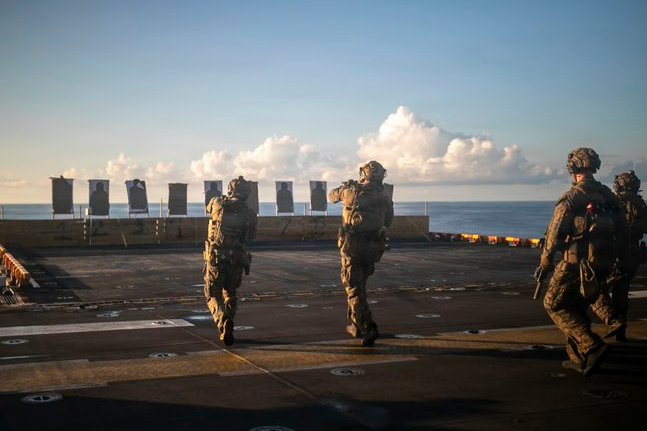
🚨 BREAKING | U.S. MILITARY MOVEMENT TOWARD CENTCOM
A new military deployment is set to shift the balance in the region.
Amphibious assault ship USS Tripoli, amphibious transport dock USS New Orleans, and approximately 2,200 Marines from the 31st Marine Expeditionary Unit are expected to enter the U.S. Central Command (CENTCOM) area of responsibility on Friday.
⚠️ Critical timing:
This movement coincides with the expiration of the 5-day deadline given by U.S. President Donald J. Trump for Iran to reopen the Strait of Hormuz.
The overlap between military positioning and diplomatic pressure signals that the situation is no longer confined to rhetoric, but is aligning with operational readiness.
This development suggests that the next phase will be shaped not only by statements, but by actions on the ground.
1
45