
Husband to a FarmHer| Proud dad of 3| Iowa State Alum| CorgDad
Joined November 2018
- Tweets 438
- Following 149
- Followers 79
- Likes 7,564
47 Photos and videos










Tyler Rau retweeted

Feb 20
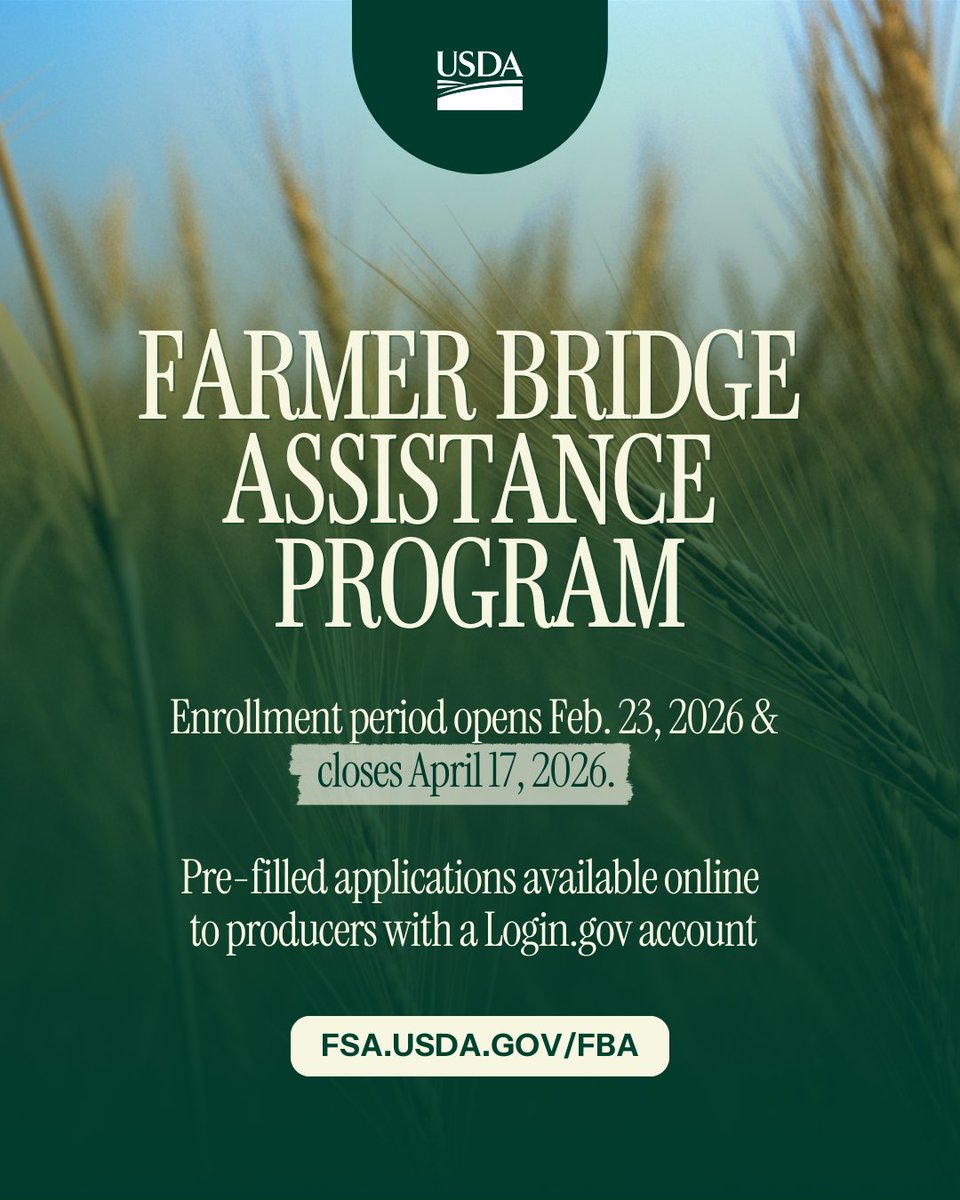
🚨 Enrollment for the Farmer Bridge Assistance program opens Feb 23. and closes April 17, 2026, providing $11B in one-time bridge payments to row crop producers in response to temporary trade market disruptions and increased production costs.
For information on how to apply, eligible commodities and payment calculations ➡️ fsa.usda.gov/fba
25
66
115
64,187
Tyler Rau retweeted

Feb 17
The red polo w dark red stripes is undefeated this season. 13-0. Like tiger on sundays

26
91
2,497
199,958
Tyler Rau retweeted

Jan 16
I don’t really like today’s message, but it needs to be said.
Corn and soybean producers are definitely hurting right now. Many have three consecutive years of working capital losses: 2023, 2024, & 2025.
Those losses were deep. It is very possible that an operation with $600 of working in capital per acre after a profitable 2022 has no cash left today (many didn’t actually start with that much cash to begin with).
We all know this. That wasn’t the tough part of the message.
If you are one of those people with consecutive years of losses, you’re running out of time to act and make changes. The urgency needs to be brought forward right now. If you were waiting for your bank to throw up the red flag, it is probably too late. Most lenders won’t give you a heads up until they shut you off.
I’m waving the red flag for you right now. 🚩 🚩 🚩
Make significant changes to impact your post harvest bottom line before you plant this crop (switching acres from corn to soybeans is doubtful to be the answer).
If you are in a negative working capital position today, then your changes need to happen today. Right now. For this year. Don’t do the same thing you have done the last three years.
Find out where the deepest losses were, (which requires you to know your numbers!) and start making massive cuts. Re-price all your inputs with a third-party provider, and actually make the switch when they come in lower.
Run break evens for each landlord. Negotiate all contracts lower and negotiate out of the contract for your least profitable farm.
For old crop grain, get some working strike prices in place below your breakeven, take base hits to lessen your losses.
Find a job that can pay you benefits. Even a low wage can save you $20,000 per year in health insurance.
Hire yourself out to the neighbor.
Stop blaming the prices.
The prices are what they are, and are outside of our control. Make your plan for $4.00 corn, not $5.00corn.
If you’re negative working capital today and want to farm in 2027, find a way to make $4.00 corn work in 2026.
If you take these steps and I am wrong, then you just had a profitable 2026.
Congratulations! I hope that you do.
This is not a sky is falling in agriculture post. I am bullish ag.
This is me giving you the red flag 🚩that you need if this is your personal position.
14
19
159
23,322
Tyler Rau retweeted

Jan 9
If you want to plant early this spring, agronomists say to remember that fit soils and good weather are far more important guides to follow than the date on your calendar. agweb.com/news/crops/let-mot…
2
5
898
Tyler Rau retweeted

31 Dec 2025
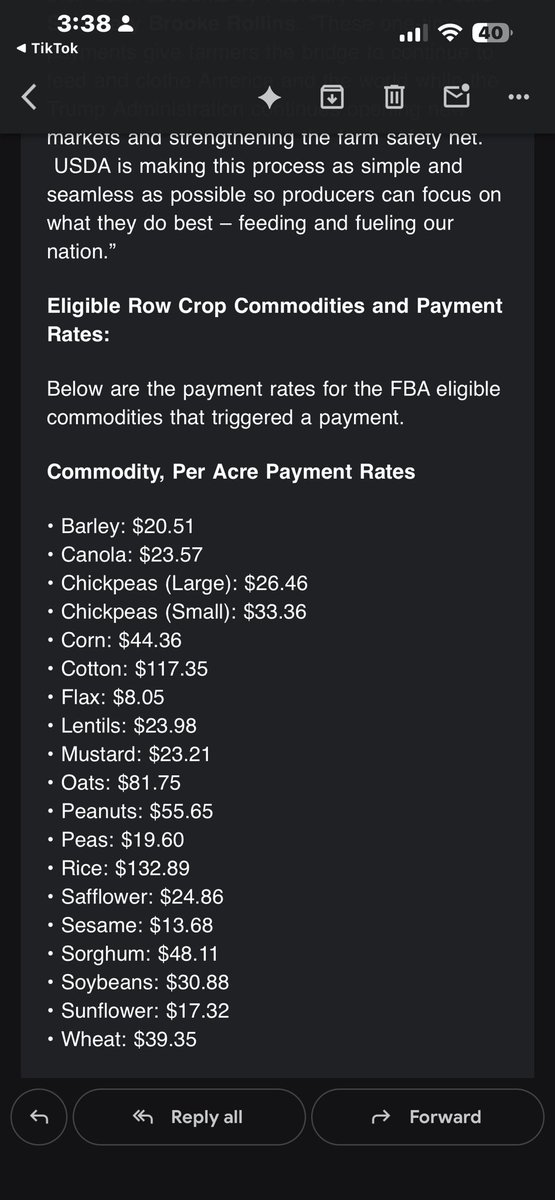
Bridge payment rates did make it out before midnight
26
17
126
55,003
Tyler Rau retweeted
15 Dec 2025
📢 REMINDER
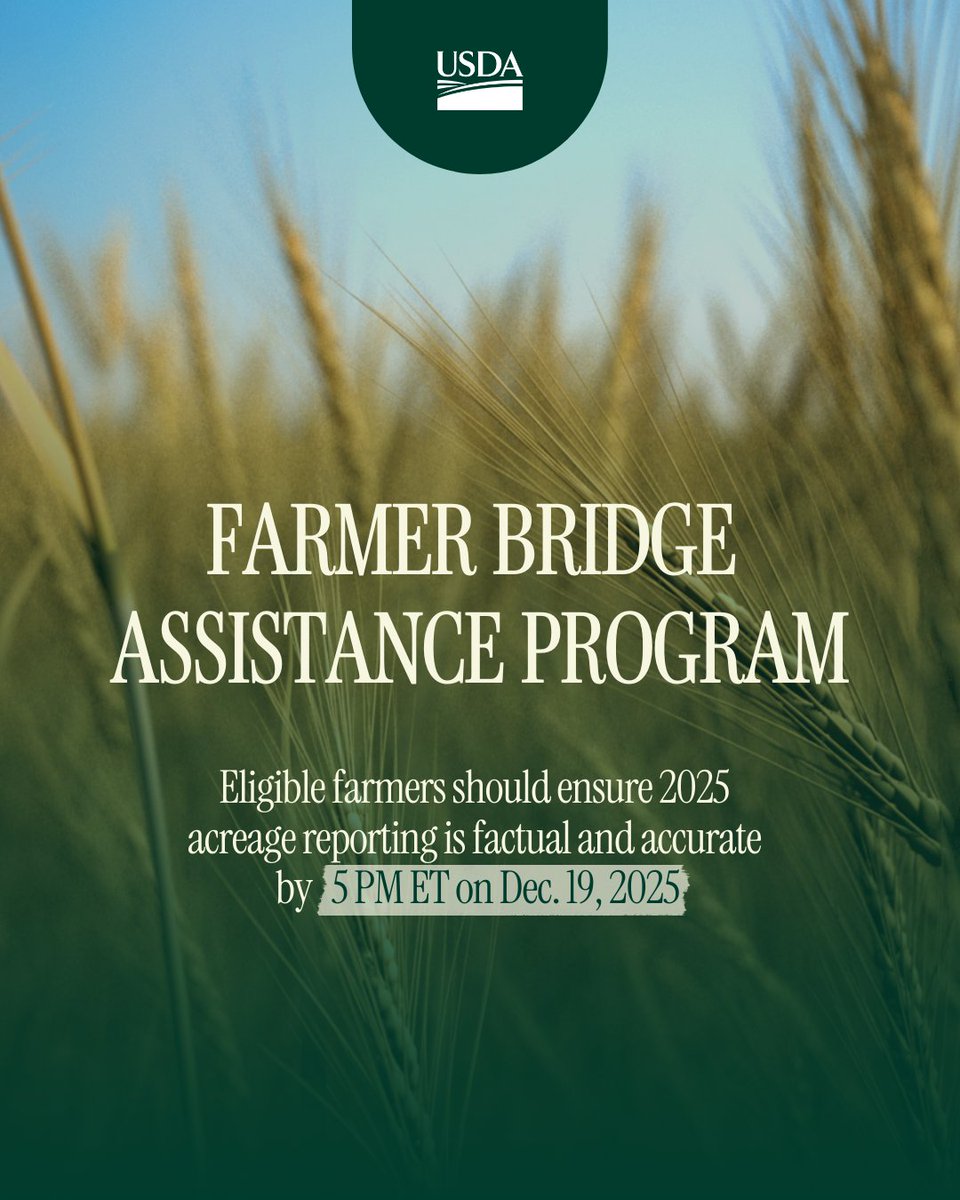
If you are seeking eligibility for the Farmer Bridge Assistance Program, ensure your 2025 acreage reporting is factual and accurate by 5 PM ET on Dec. 19, 2025. Qualifying FBA payments are scheduled to be released by Feb. 28, 2026. usda.gov/about-usda/news/pre…
8
40
78
24,071
Tyler Rau retweeted

10 Dec 2025
Lots going on at your local FSA office. Be patient with them, most are short staffed and over worked. I encourage everyone to be gracious when working with them.
There was a time in all our lives when someone was gracious and didn't have to be, and that is remembered forever.
7
9
86
6,578
Tyler Rau retweeted

18 Nov 2025
Another fun weather fact from summer of 2025...
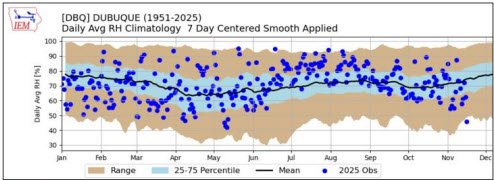
Chart showing why disease pressure was at biblical levels in areas this summer. Over two months of humidity levels WAY above average.
Mid June until beginning of September, nearly every day was above average humidity (blue line) with most days being above the 75 percentile (blueish green shaded area) and several days were new records (above brown shaded area).
2025 had so many anomalies in weather... be sure to not make any major changes in management based off this extremely odd year.
Thanks to Pioneer Field Agronomist Jim LaFrenz for sharing the chart!
9
34
9,002
Tyler Rau retweeted
7 Oct 2025
Farmers: be surrounded by advisors you trust in all areas of their operation. Those with the most attention to detail & the largest network of expert advisors come out on top financially. The timelier the feedback, the quicker you can get ahead of the competition. 🧵
Here are ways you should be benefitting from your lender as an advisor:
3
1
8
1,707
Tyler Rau retweeted

16 Sep 2025
As new trade deals come online, there are significant inherited issues that are NOT sustainable and we must take vigorous action to ensure a prosperous farm economy moving forward. 🇺🇸
For example, over the last 4 years alone:
🌱 Seed costs increased by 18%.
⛽️ Fuel and oil costs increased by 32%.
⚡️ Electricity costs increased by 36%.
🚜 Fertilizer costs increased by 37%.
👩🌾 Labor costs increased by nearly 47%.
💵 And interest expenses increased by a whopping 73%.
We can and must do better - And we will. 🇺🇸💪
79
100
502
57,793
Tyler Rau retweeted

5 Sep 2025
One thing I’ve always wondered. Why does Nebraska act like they are kings of corn when Iowa is the king of corn?🌽
714
931
13,332
1,403,159
Tyler Rau retweeted

1 Jul 2025
It’s that time of year where I issue a friendly reminder to come to a complete stop at all blind intersections
3
15
115
65,844
Tyler Rau retweeted

30 May 2025
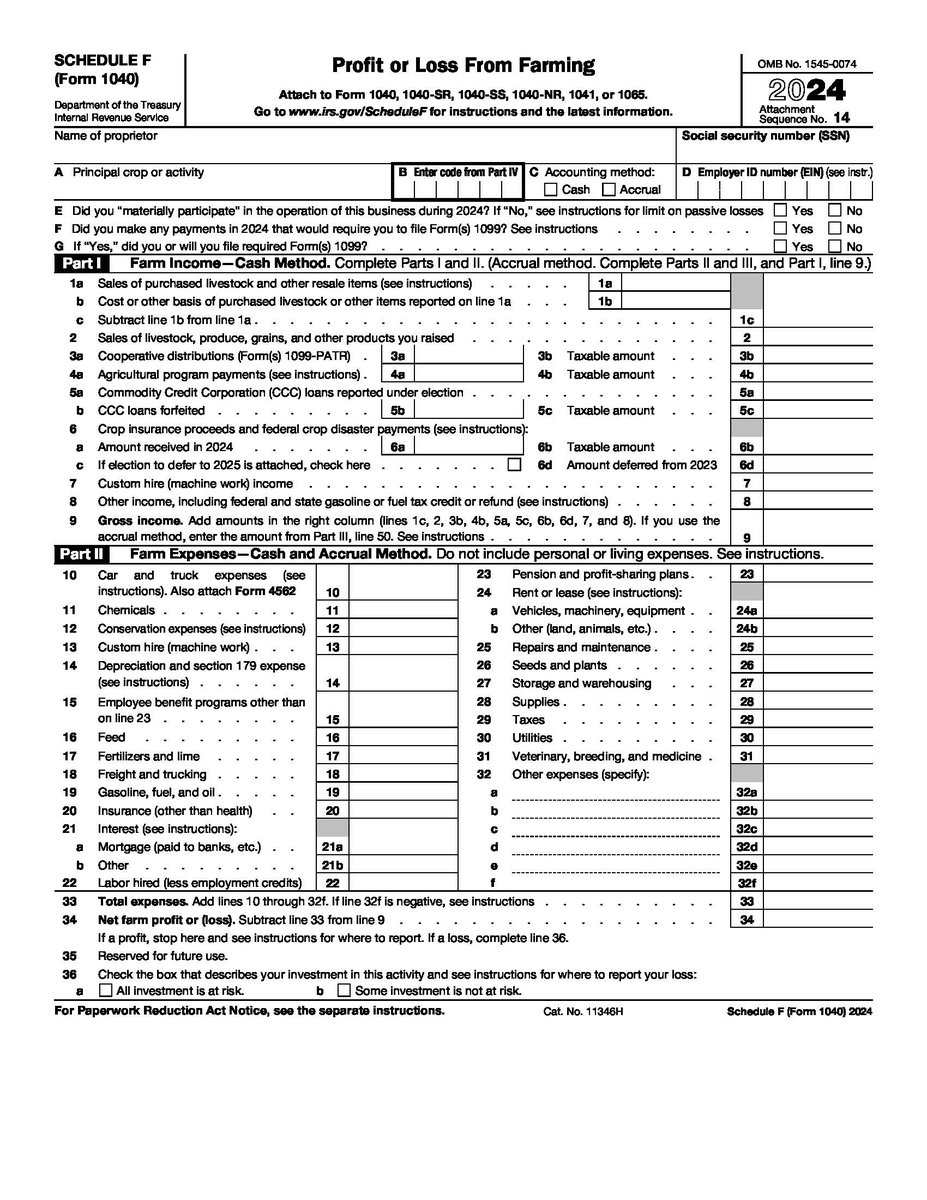
Now is a good time to review your 2024 financial and production information and inform your lender of changes. If you have a loan with FSA, this information supports our operational reviews of your account. Here is a copy of the form you'll need.
1
2
716
Tyler Rau retweeted

27 May 2025
Farming is in a struggle right now and not enough people are talking about the actual numbers;
USDA's Corn Yield x Avg. Farm Price per bushel
2023-2024 : $806.72 per acre
2024-2025 : $779.96 per acre
2025-2026 : $760.20 per acre
Income is down 5.76%, nominally.
If we include inflation, $806.72 in April 2023 would have the same buying power as $853.07 in April 2025 (according to BLS CPI Inflation Calculator).
That means $760.20 in April 2025 would have the same buying power as $718.89 in April of 2023.
So to compare apples to apples, income adjusted for inflation, is down 10.89%.
That's why it feels so hard right now. Because if any other industry lost nearly 11% of its purchasing power in 2 years, there would be a rebellion.
43
45
267
87,582
Tyler Rau retweeted
18 Apr 2025
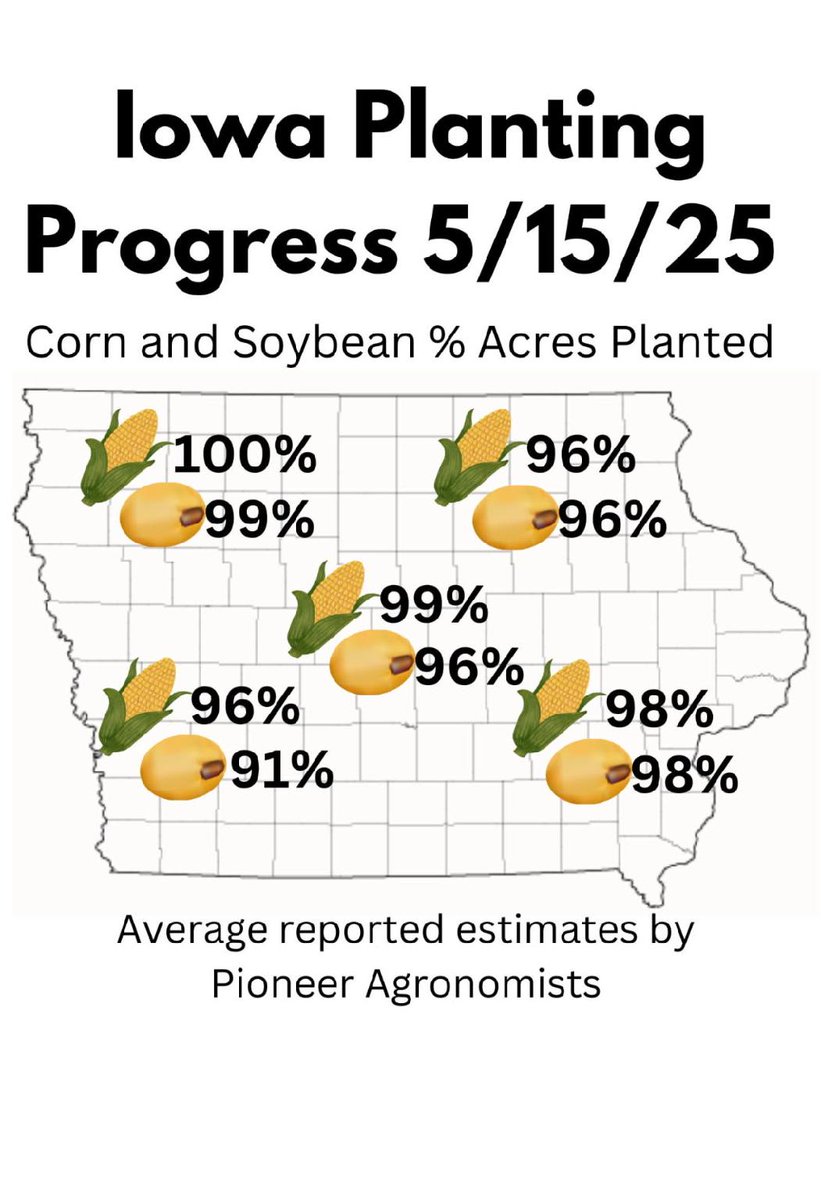
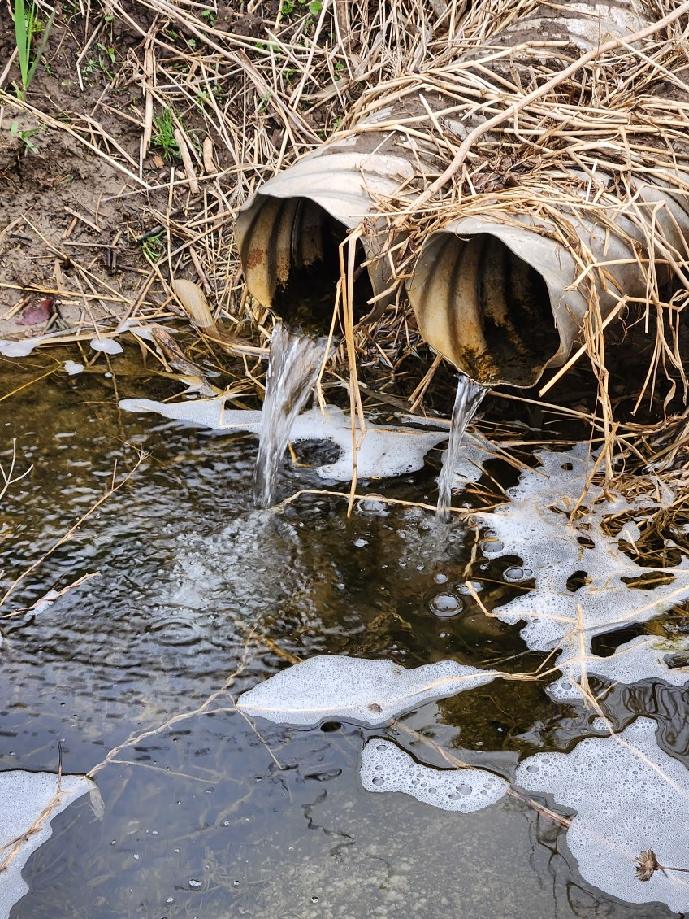
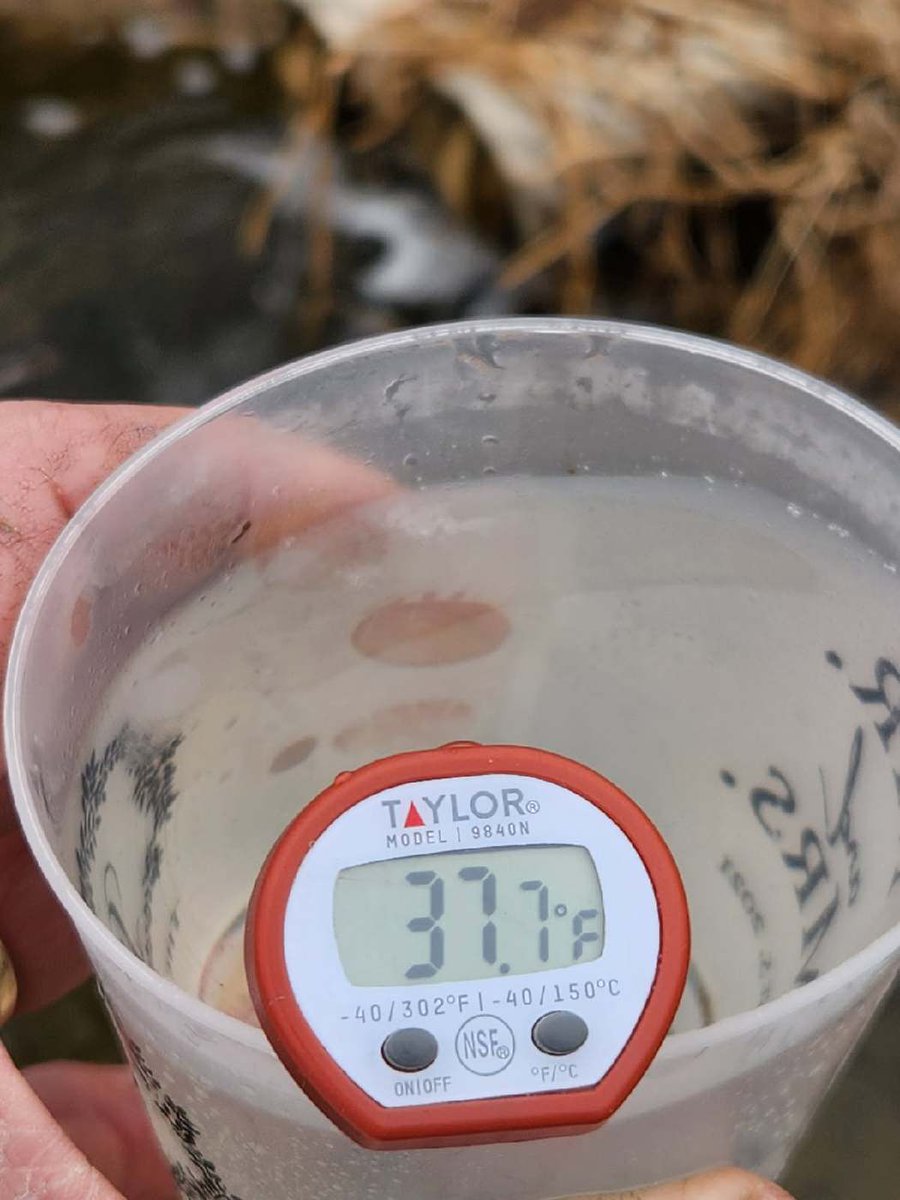
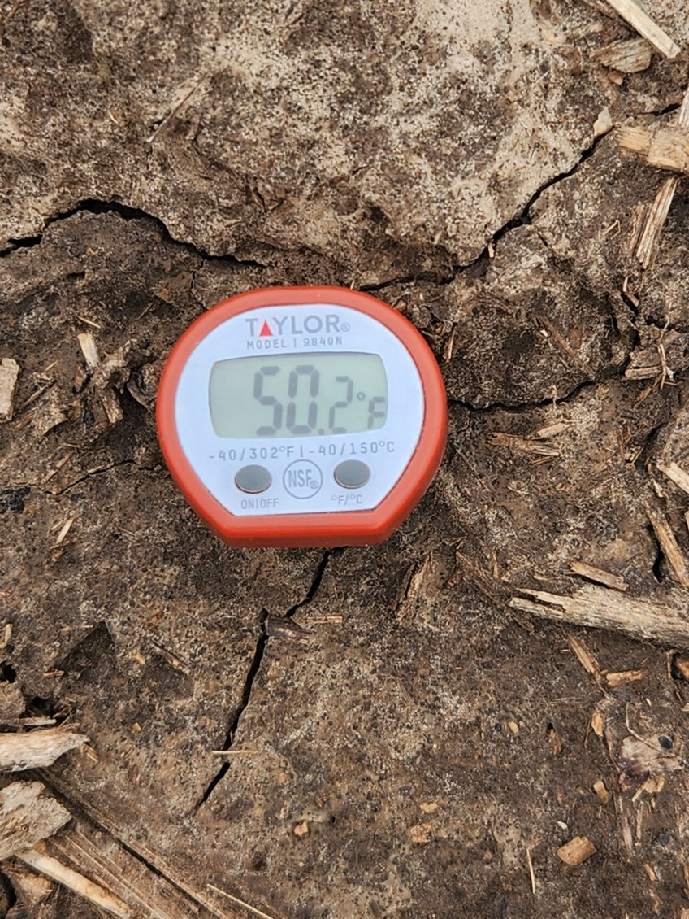
Why won't the soil temps climb in NE IA?? Common question I have been getting from customers. With the nearly 4' of frost this past winter it takes A LOT of energy/heat to warm up 4' of soil to even low 40 degree temps.
I stopped at a tile outlet in NE Delaware Co IA at 12:30 today (Good Friday) and measured the tile water temp... it was 37.7 degrees!! This is why every night we are losing close to 10 degree's from daytime peak soil temps and why there is little difference in temperatures between tillage systems... A lot of cold to buffer out of the soil at lower depths. This is also why the alfalfa/rye, etc is so slow to get going.
Soil temp in field next to tile line on bare soil was just over 50...
B safe out there!!
2
5
35
3,972
Tyler Rau retweeted
19 Mar 2025
Yesterday, on National Ag Day, USDA issued up to $10 billion in direct support to farmers through the Emergency Commodity Assistance Program (ECAP) for the 2024 crop year.
📌What farmers need to know:
[Thread👇]
44
189
918
95,322
Tyler Rau retweeted

18 Mar 2025
.@USDA is rolling out the economic assistance Congress approved for farmers in December. Producers can apply for the Emergency Commodity Assistance Program beginning tomorrow.
Get the details here ⬇️
fsa.usda.gov/ecap?utm_medium…
2
3
3
3,065
Tyler Rau retweeted

9 Mar 2025
Daylight saving is not enough. You need to be daylight investing.
129
363
3,987
279,656
Tyler Rau retweeted
24 Feb 2025
Steps to Update Your Balance Sheet
1. Reconcile Your Accounts
Start by reconciling all accounts, ensuring that they match the current statements from your bank, credit cards, or other financial institutions. This includes cash balances, receivables, payables, and loans.
2. Review Your Asset Values
For assets like crop or livestock inventory, machinery, or real estate, ensure that their values are up-to-date and reflective of any changes in market conditions or depreciation. If you’ve purchased new assets or disposed of old ones, make sure these transactions are properly recorded.
3. Verify Liabilities
Check all outstanding liabilities, including loans, accounts payable, and accrued interest. Ensure that any payments made have been deducted from your liabilities, and that interest or other costs are recorded correctly. Also, verify if any new liabilities have been added and adjust accordingly.
4. Equity Trend
Finally, compare your total equity compared to your previous balance sheet. If the change in equity value doesn't feel right or make sense with the financial success of your operation this past year, there may be errors in your figures that need to be corrected.
2
1
1,065