
Joined January 2013
- Tweets 33,288
- Following 1,286
- Followers 12,389
- Likes 101,773
3,402 Photos and videos











James retweeted

Pretty desperate stuff from Starmer, who gave himself these powers months ago, and who now suddenly finds himself in the midst of a Defence investment row.
To use the military to try to shore up his political position is sickening.

There are serious and legitimate questions about the authenticity of the footage released by the MOD of the interdiction of the Russian Shadow Fleet vessel this morning.
How is the cameraman ahead of the Marines clearing the stairwell to be able to film them coming towards him.
How has the cameraman gone past the open doors of rooms that haven’t yet been cleared?
How much of this has been staged for the cameras?
I don’t doubt that a Russian tanker was seized and that the operation carried significant risk. I do question the PR and the desperate need for a win by the Government at the Royal Marines’ expense.
2
2
21
1,993
James retweeted

Fiscal drag affects all taxpayers, not just pensioners. There's no good reason to treat working-age taxpayers like we're second class.

New: Andy Burnham will leave the triple lock untouched and consider a tax cut for pensioners paying income tax because of the freeze on tax thresholds, known as “fiscal drag”.
11
57
636
34,302

For all the rhetoric about ‘rising above hate’ and ‘divisive language’. There’s no compelling answer from the left about how to actually stop this, and as it continues to happen the public will continue to move violently to the right
Jun 12

JUST IN: 30-year-old man stabs 17-year-old girl in neck in Burnley, England
233
1,671
14,185
324,128
James retweeted

Jun 12
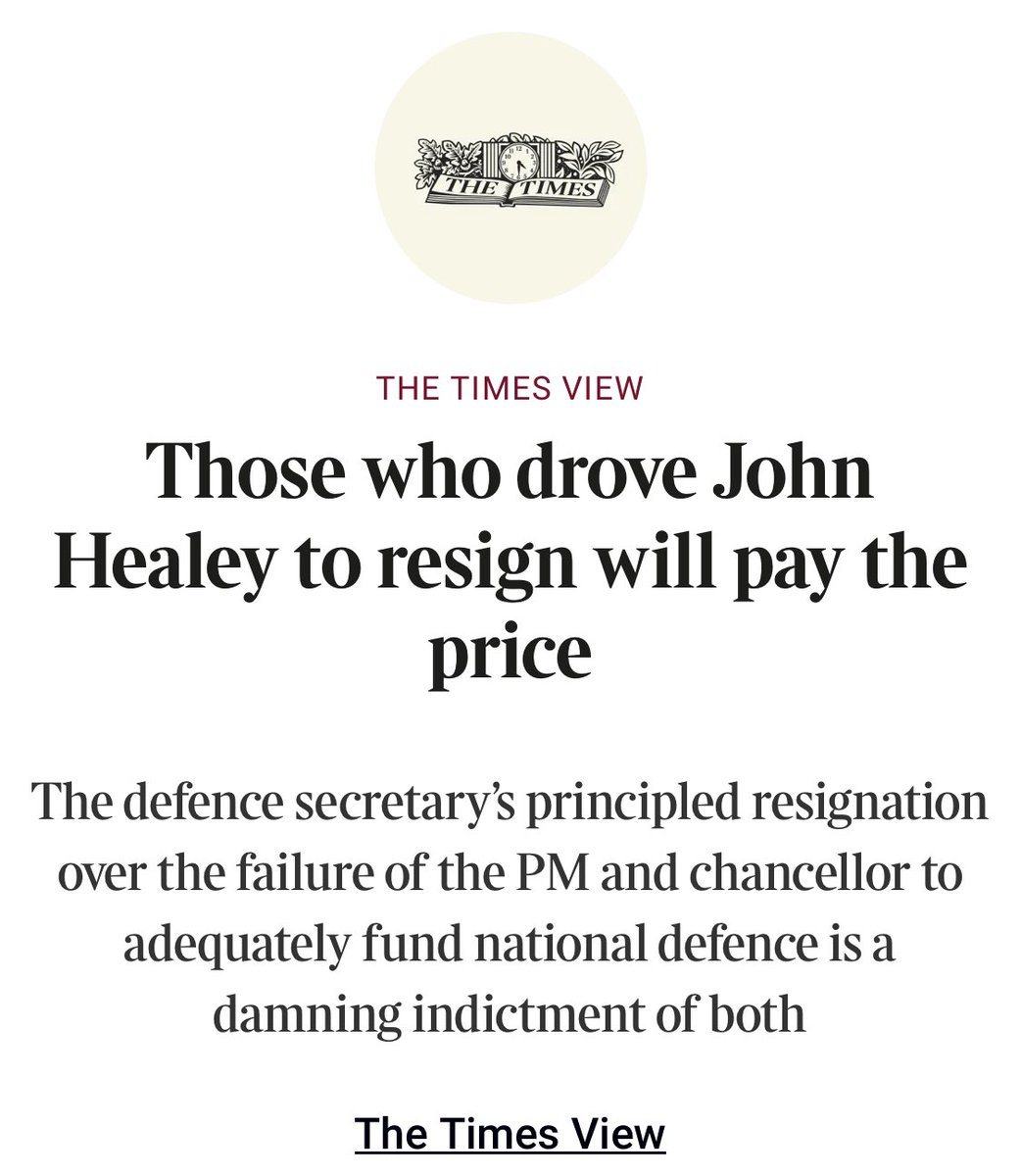
Wow. The Times hasn’t held back
“a parliamentary Labour Party that is the most unserious and most intellectually arid ever to attain power."
Spot on.
39
528
2,186
41,335
James retweeted

Jun 11
Cannot be stressed enough that the amount Starmer was trying and failing to find for defence was much less than the amount originally agreed, which in turn was much less than the amount that we actually need to have a serious military.
15
65
523
33,493
James retweeted

Jun 11
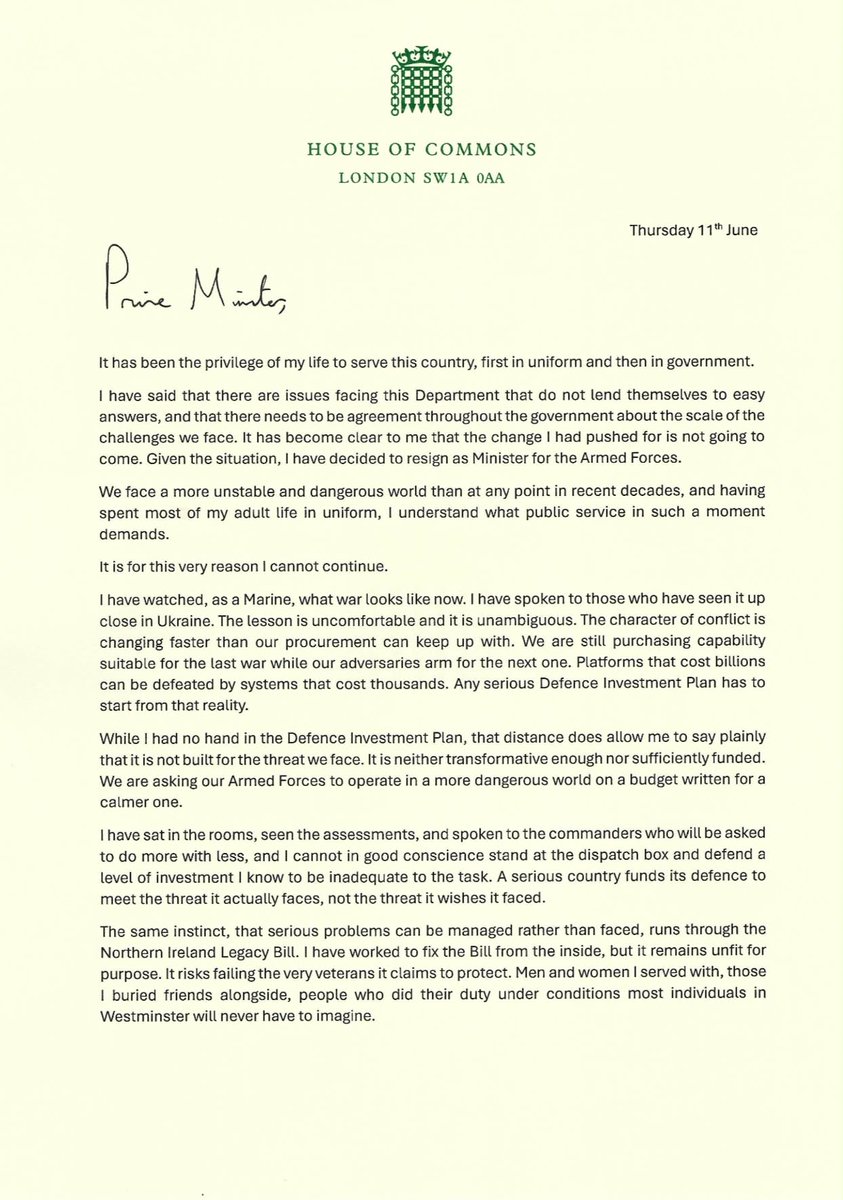
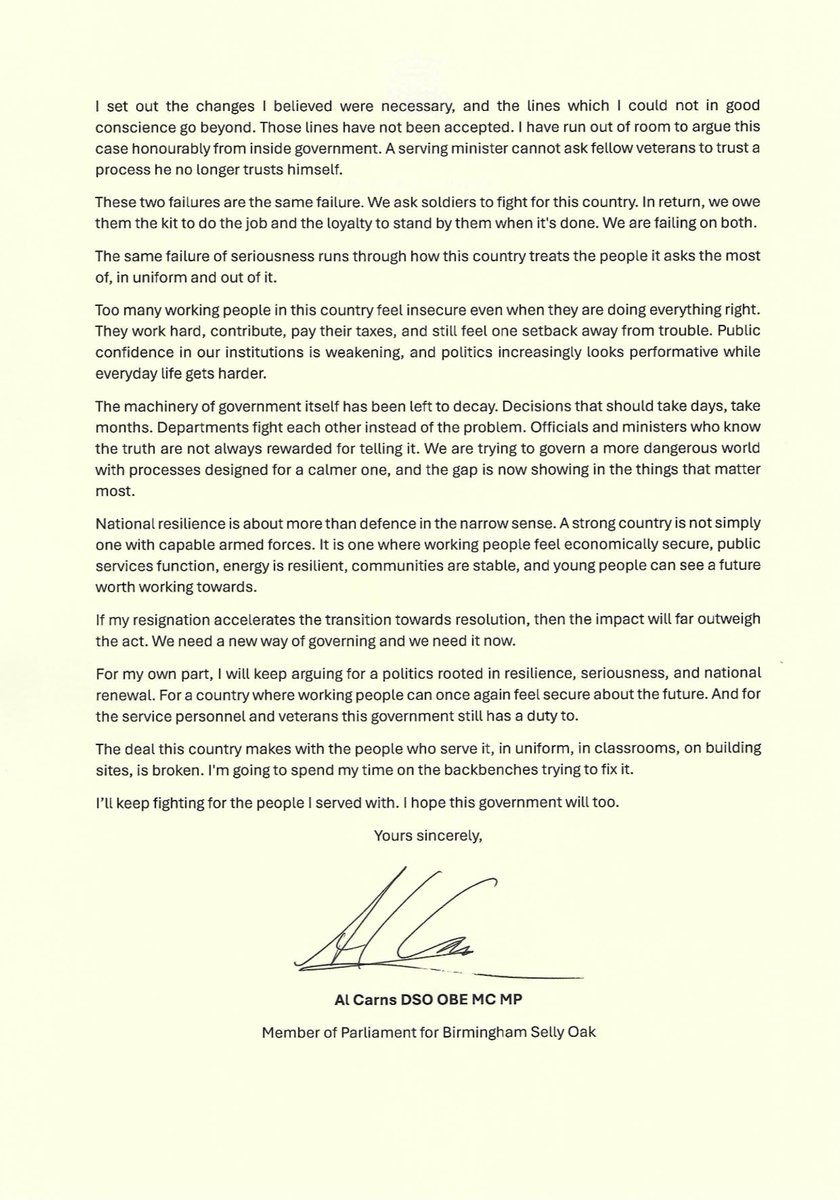
These lines are brutal. They also cripple anyone coming in as Defence Secretary who wants to defend Starmer’s position - forever they will be the person sending troops into battle without the right kit. Every death would be on them. It’s really bad.

Jun 11

We owe those who serve the UK the kit to do the job and the loyalty to stand by them when it's done. We are failing on both.
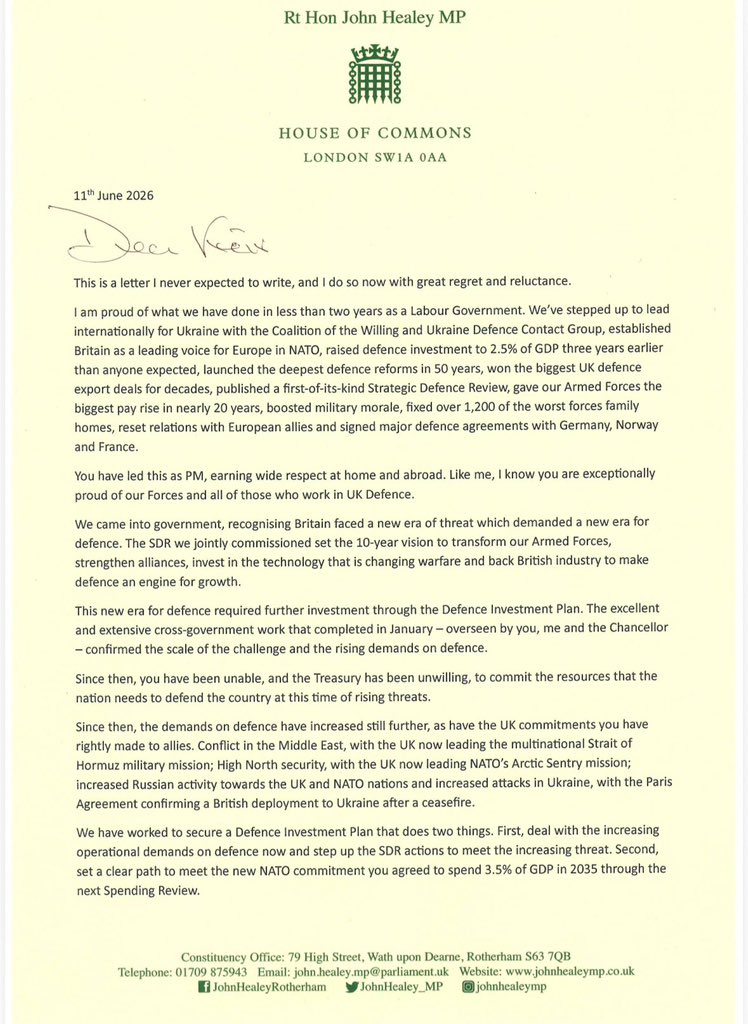
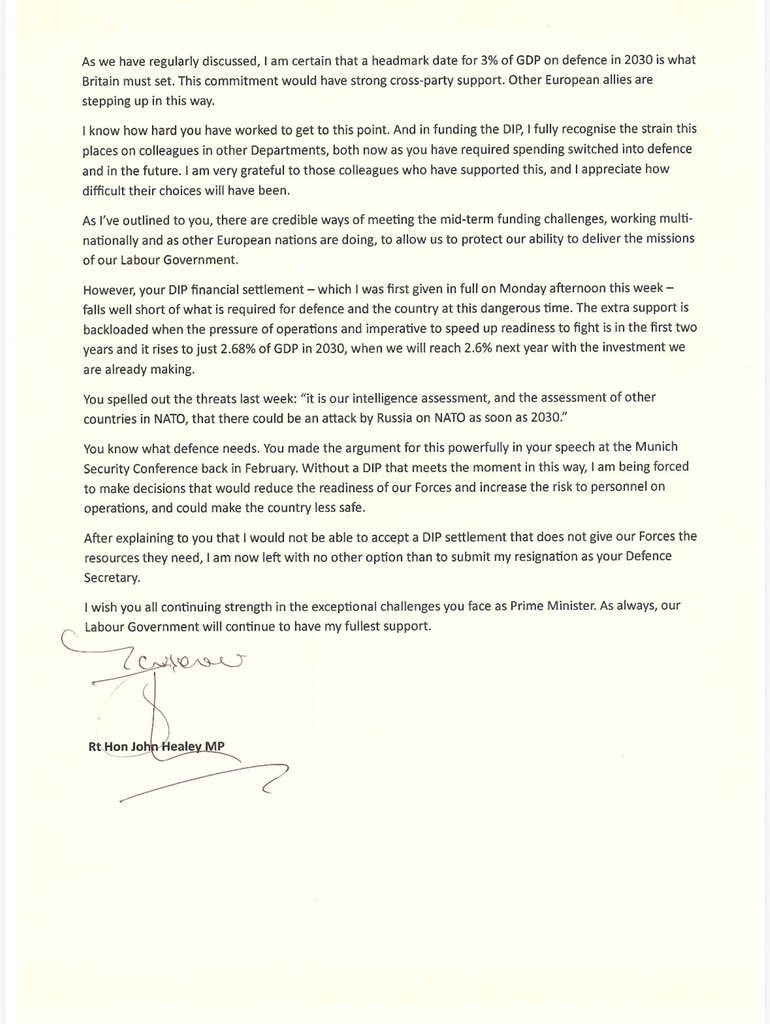
I’ve spent my whole time in government making that case. Number 10 will not listen, so I am resigning as Minister for the Armed Forces.
Letter to the PM below.🫡🫡🫡⬇️⬇️
4
42
230
8,840
James retweeted

Jun 11
Well done, @JohnHealey_MP. We prioritise disability benefits over drones. The MoD can’t get the £28 billion which it needs to keep us safe, yet the welfare budget is set to rise by £42 billion.
We spend more than 5️⃣ times as much on social security as on actual security.

57
531
2,262
44,415

Jun 11
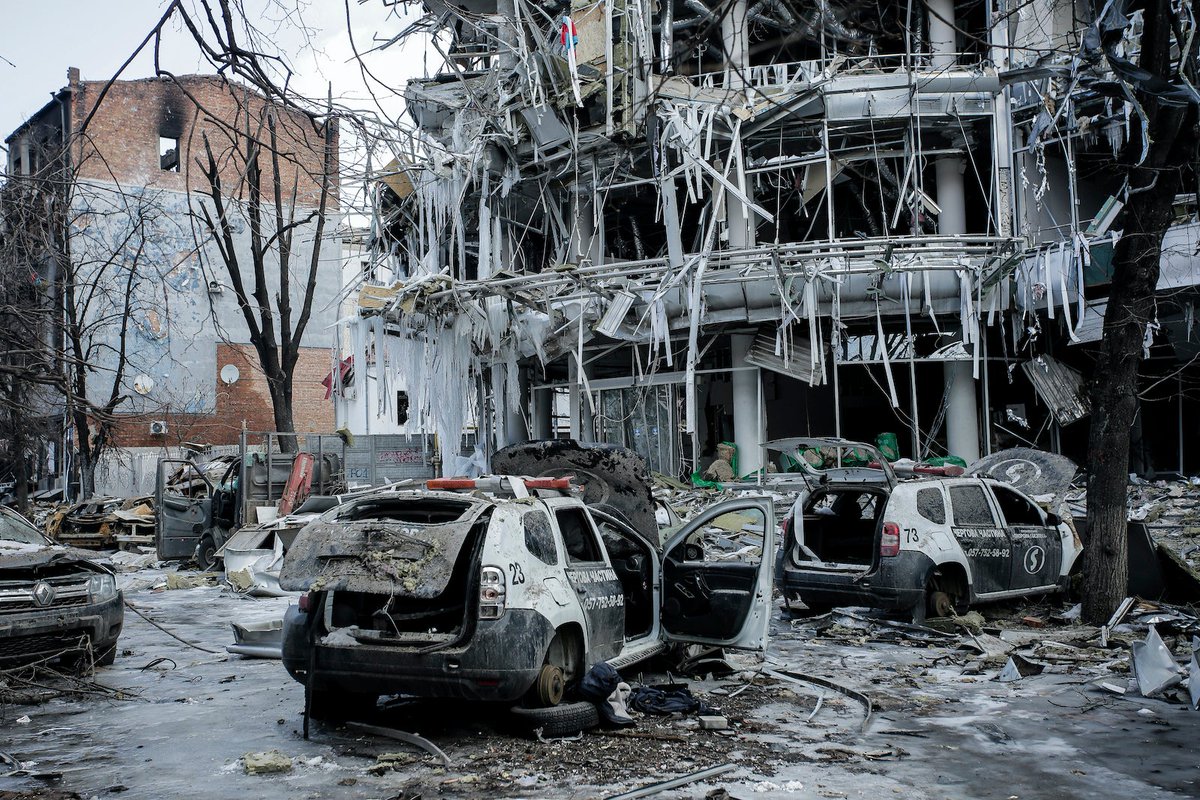
This is what your or your allies housing, schools, and hospitals look like if you don't spend enough money on defence.
Jun 11

We do not need to spend more money on bombs and bullets.
We need to spend more on housing, schools and our NHS instead.
A roof over your head. Enough food to feed your children. A public health service you can rely on in your time of need.
That is what real security means.
1
4
26
1,025
James retweeted

Jun 11
This is an outrageous, disgraceful smear on John Healey — and an outright lie. There are a ton of ways to finance more for defence — starting with net zero — without taking a penny from schools or hospitals. Reeves should be ashamed of herself for allowing this nonsense. Suggests she’s really desperate.
Jun 11

🚨 NEW: A Treasury source attacks John Healey for resigning as Defence Secretary
"Let's be clear on what John is asking for: cuts to schools and hospitals"
h/t @e_casalicchio
671
3,913
18,414
626,762
James retweeted

Jun 11
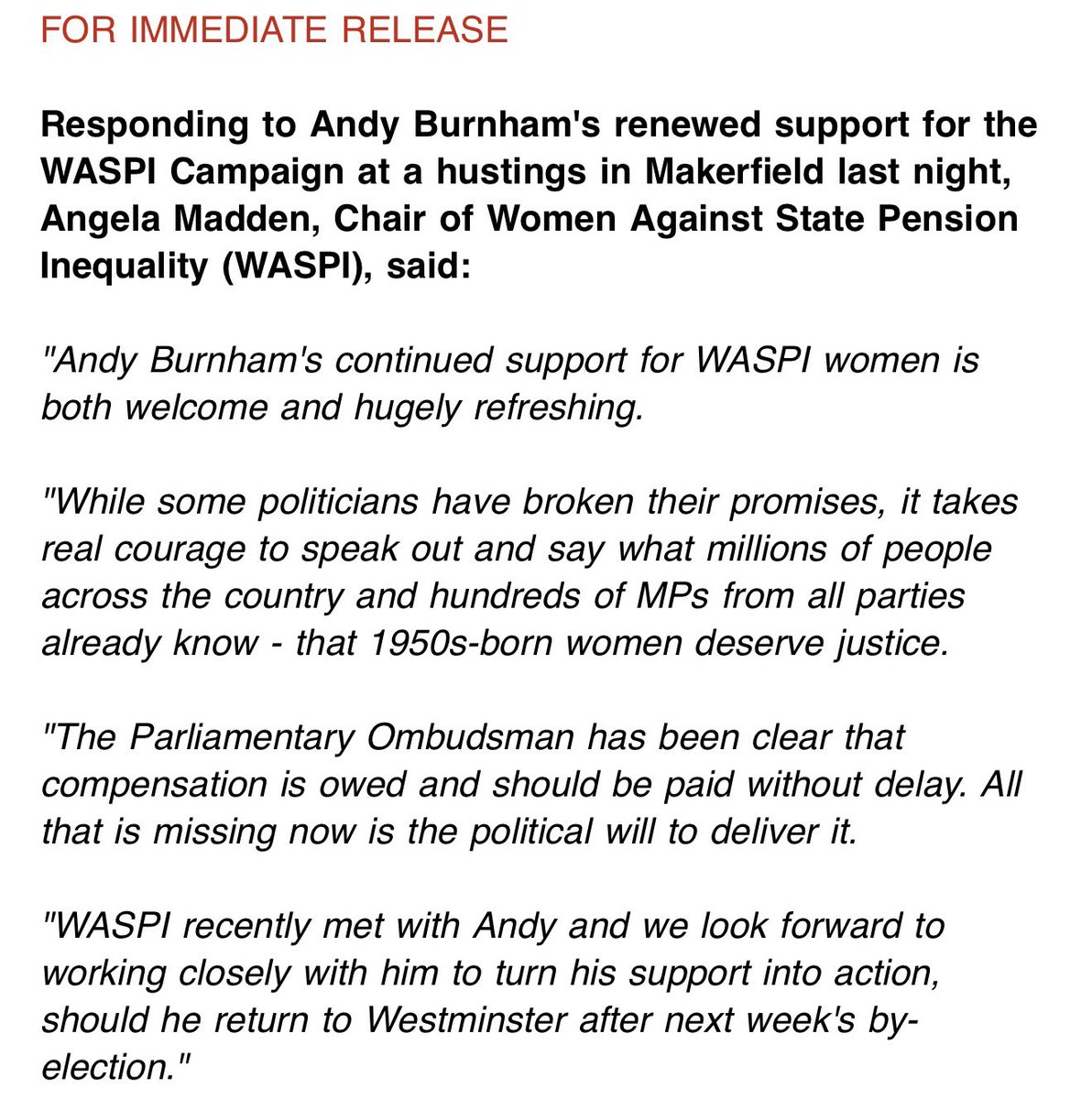
The government is currently wracked by bitter arguments over how to find enough money to defend the country. And the putative next PM wants to splash cash on WASPI?

Andy Burnham backs compensation for millions of pensioners in direct challenge to Keir Starmer
gbnews.com/money/andy-burnha…
11
21
74
6,149
James retweeted
Jun 11
John Healey is a hero. He now stands head and shoulders above every Tory defence secretary who accepted cuts they know they should have fought.
16
126
914
27,954
James retweeted

Jun 11
We all know this isn't going to happen. It's another empty promise. Andy shouldn't be saying this as he knows it won't happen. Worse, he knows it shouldn't.
There are many who will disagree with me but the reality is that this would require a huge transfer of wealth from kids (loans secured over many years) to older people who were adults at the time this was being debated and announced in the media and in letters.
I think that's the wrong way to address intergenerational unfairness.
Jun 11

Waspi women seizing on Andy Burnham’s support.
Cue the inevitable climbdown from this very expensive pledge…
26
86
569
47,814
James retweeted

Jun 11
The Home Office (with a sense of suicidal empathy) set up a fast track migration pathway for people from some of the most violent and war torn parts of the world.
This allowed the Sudanese Belfast stabbing suspect to be granted right to stay without an interview.
We somehow constructed a migration system making it incredibly hard for productive people from peaceful developed parts of the world to come here, while incredibly easy for non-contributing people from undeveloped violent parts of the world to be granted leave to remain.
This is insanity.
188
656
3,511
119,769
James retweeted

Jun 11
NEW: John Healey quits over defence funding. Devastating letter for the government and Keir Starmer: “You have been unable and the Treasury has been unwilling to commit the resources the nation needs to defend the country at this time of rising threats.”
87
110
624
216,980
James retweeted

Jun 11
The head of the Metropolitan Police said that Sadiq Khan's decision to block Palantir's deal with Scotland Yard will lead to cuts to frontline services
Sir Mark Rowley tells @TimesRadio: 'We've got to shrink by 1,150 people. That will be 4,400 people smaller than Met will be than when I started as Commissioner three and a half years ago. That's really tough.
'One of the ways we're trying to deal with it is by automating some of our bureaucracy so we can save that money without damaging the frontline. Now we don't have that technology, we're going to be making hundreds of cuts to frontline services, which is not what I wanted to do this year.
'We had a plan to avoid cutting frontline services by using clever technology. Now we won't have that technology at the speed that we were planning. We will be cutting some frontline services'
34
79
245
54,966
James retweeted

Jun 10
Time and again we have seen these single incidents
Jun 10

Politicians who fanned these flames should hang their heads in shame.
Time and again we've seen this story play out. Single incidents used to fuel a far right narrative - and communities across the nation paying the price.
3
11
290
10,596
James retweeted

Jun 10
Of all the demands for additional public spending, this is surely one of the least deserving. If he’s caving in on this, God help us.
Jun 10

NEW: Andy Burnham has hinted at a new multibillion-pound spending commitment if he becomes PM, saying that more than 3.5mn women “deserve” compensation over what he regards as a pension scandal
Earlier I attended a Makerfield hustings event hosted by @MENnewsdesk, in which Burnham said: “I stick by campaigners that I support. I stuck by the Hillsborough families, I’ll stick by the Waspi women because they deserve some recompense for the unfairness.”
Stressing he wouldn’t ditch his longterm support for Waspi women, he said he felt “uncomfortable” that some politicians threw their support behind a cause but then went into government and “didn’t do anything”
ft.com/content/1021ae5f-aab3…
55
200
1,849
148,754
James retweeted

Jun 9
They’re using the guy beheading your brother in the street to distract you from your real enemy: Jeff Bezos delivering medicine to your front door overnight
67
1,286
19,038
521,434
James retweeted
Jun 10
So the government has increased tue cost of employing anyone - and especially young people - by spiking the minimum wage and hiking employers’ National Insurance Contribution. To offset this they are offering £5000 per worker, but only if they’re a foreign national?
Jun 10

Rachel Reeves will reimburse British firms £5,000 per foreign worker in a bid to make the country more attractive despite the UK’s growing youth unemployment crisis
🖇️ telegraph.co.uk/money/jobs/w…

19
70
277
12,170
James retweeted

Jun 9
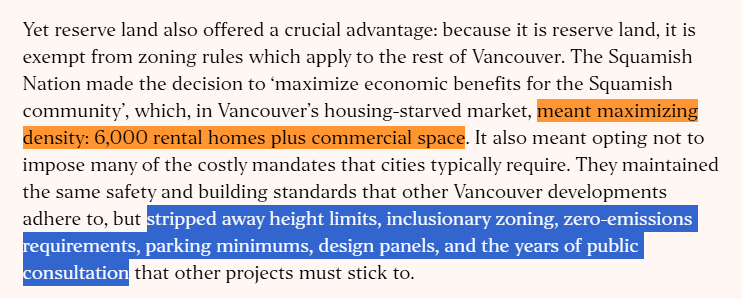
Love this story about how the Squamish Nation did what seems almost impossible for everyone else, and managed to densify a portion of Vancouver, one of the most regulation-constrained cities for housing anywhere in the world
Jun 9

Just outside downtown Vancouver, the Squamish Nation is building one of the most remarkable housing projects in the world: Senakw, which will eventually house 9,000 people. Because it's on First Nations reserve land, Senakw is being built without zoning rules, height limits, parking minimums, or extended public consultations. The only thing they kept was Vancouver's safety standards.
worksinprogress.co/issue/how…
- The project singlehandedly accounts for 7% of the entire city's new housing between now and 2033.
- It's expected to generate around C$10 billion in total income, equivalent to more than two million dollars per member of the Squamish Nation.
- The Squamish people approved the project in two referendums that passed with landslide support.
Apart from just being really cool, Senakw shows two things that have wider relevance for getting things built.
The first is that microdemocracy can deliver support for development if the decisionmakers will benefit from it. This is one example of many that devolving decisions *down* can work at least as well as moving them *up* to higher levels of government.
The second is that microdemocracy can bring wider legitimacy. Vancouver's city government *could* have blocked Senakw if it had tried – it is notoriously sceptical of projects like this. The fact that it actually supported the project may show that local self-government can deliver upzoning that has the consent of the wider community, without the need for 'stakeholder consultations'. The fact that the Squamish are a First Nations group does complicate this, though.
The story of how Senakw got built is pretty incredible, since much of the Squamish people's 20th Century was spent fighting to get land back that had been confiscated from them illegally in 1913. It was thanks to one Squamish elder (the "Keeper of the Names") and Catholic church records that their property was restored to them.
Read the story of Senakw now at Works in Progress, and in our new print issue, arriving at subscribers' doors this week.
11
33
247
29,827