
It's me, Udi. @soundprintapp @podcastnotes npub1cs0yua9qaehsxg2aml4d04kratgca2q436e5dmzzz4n5wkqv2avqalrhvz
Joined September 2006
- Tweets 9,137
- Following 939
- Followers 714
- Likes 30,035
162 Photos and videos




Udi Falkson retweeted

Jun 14
Going to leave you with this tonight:
The best thing you can do for yourself is actively increase your surface area for luck to hit you. Go outside, travel more, go to new cates, museums, events, take a new route home, go for hikes, see cities, countrysides, take your notebook, speak to people, ask questions, start businesses - go on more side quests. You can literally just do things, and the more you do, the more serendipity and synchronicity will find you.
100
3,273
22,439
395,429
Udi Falkson retweeted

Jun 14
A reminder from Atomic Habits by James Clear:
“It doesn't make sense to continue wanting something if you're not willing to do what it takes to get it. If you don't want to live the lifestyle, then release yourself from the desire. To crave the result but not the process is to guarantee disappointment.”
83
3,905
22,341
440,034
Udi Falkson retweeted

Jun 13
This is the best thing that has ever happened to futbol. period. full stop.
Jun 13

After a VAR check for mistaken identity, Miguel Almirón is shown a yellow card 🟨
25
91
3,663
88,177
Udi Falkson retweeted

Jun 13
"There are only 25 satellites launched a year, every year, and that's not going to change."
Ryhmes with the current defense ecosystem.
Jun 12

Today feels like a good day to reshare this clip of Ariane Aerospace’s CEO calling SpaceX’s reusability plans “a dream”
236
799
13,390
789,265
Udi Falkson retweeted

Jun 12
So far this World Cup has been a great reminder that we make too many assumptions about one another, and that the vast majority of humanity is awesome.
It's been pretty damn refreshing, honestly.
77
1,128
13,127
1,118,861
Udi Falkson retweeted

Jun 13
YOU LOVE TO SEE IT.
After a VAR check, Almiron gets the yellow for simulation. Yellow rescinded for Ream.

78
233
6,781
137,126
Udi Falkson retweeted

Jun 13
THE FIRST MULTI-GOAL WORLD CUP GAME BY A USMNT PLAYER SINCE 1930 🤩
Have a night, Folarin Balogun 🔥

345
5,398
49,082
4,381,797
Udi Falkson retweeted

Jun 12
> you’ll never start a rocket company
> you’ll never build your own engines
> you’ll never be able to use off-the-shelf parts
> you’ll never survive three launch failures
> you’ll never reach orbit
> you’ll never win NASA’s trust
> you’ll never launch cargo to the ISS
> you’ll never compete with Boeing
> you’ll never compete with Lockheed
> you’ll never make rockets reusable
> you’ll never land a rocket vertically
> you’ll never land one on a drone ship
> you’ll never reuse a booster
> you’ll never fly the same booster 10 times
> you’ll never fly the same booster 20 times
> you’ll never fly the same booster 30 times
> you’ll never recover and reuse the fairing
> you’ll never lower launch costs
> you’ll never launch every month
> you’ll never launch every week
> you’ll never launch multiple times a week
> you’ll never carry astronauts
> you’ll never replace Roscosmos
> you’ll never fly civilians to orbit
> you’ll never manufacture satellites at scale
> you’ll never build the biggest constellation ever
> you’ll never make satellite internet work
> you’ll never make satellite internet fast
> you’ll never make satellite internet affordable
> you’ll never serve rural customers
> you’ll never serve aircraft and ships
> you’ll never build a methane rocket engine
> you’ll never make full-flow staged combustion work
> you’ll never build the most powerful rocket ever
> you’ll never build a rocket bigger than Saturn V
> you’ll never build it out of stainless steel
> you’ll never launch Starship
> you’ll never separate Super Heavy and Starship
> you’ll never relight Raptor in space
> you’ll never bring Super Heavy back
> you’ll never catch a booster with Mechazilla tower arms
> you’ll never launch 85% of mass to orbit worldwide
> you’ll never change the economics of space
> you’ll never force the entire industry to copy you
> you’ll never win
> you’ll never IPO
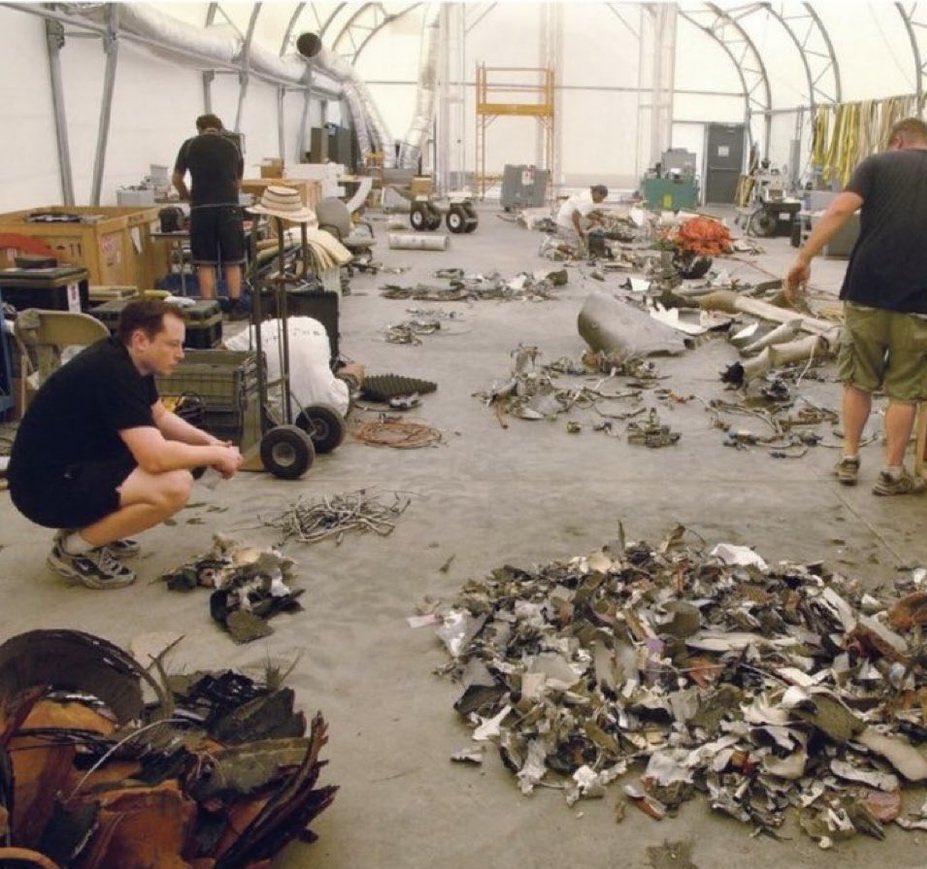
Congratulations to @elonmusk and the SpaceX team. You did what countless people said was impossible, and you did it time and time again.
Today is your day. You deserve this. May it be a glorious one.
618
5,698
26,493
1,743,772

Jun 12
RT @WillieHandler: Some Holocaust deniers use the fact that concentration camp tattoos only go to 6 digits as proof that 6 million Jews co…
190
Udi Falkson retweeted

Jun 10
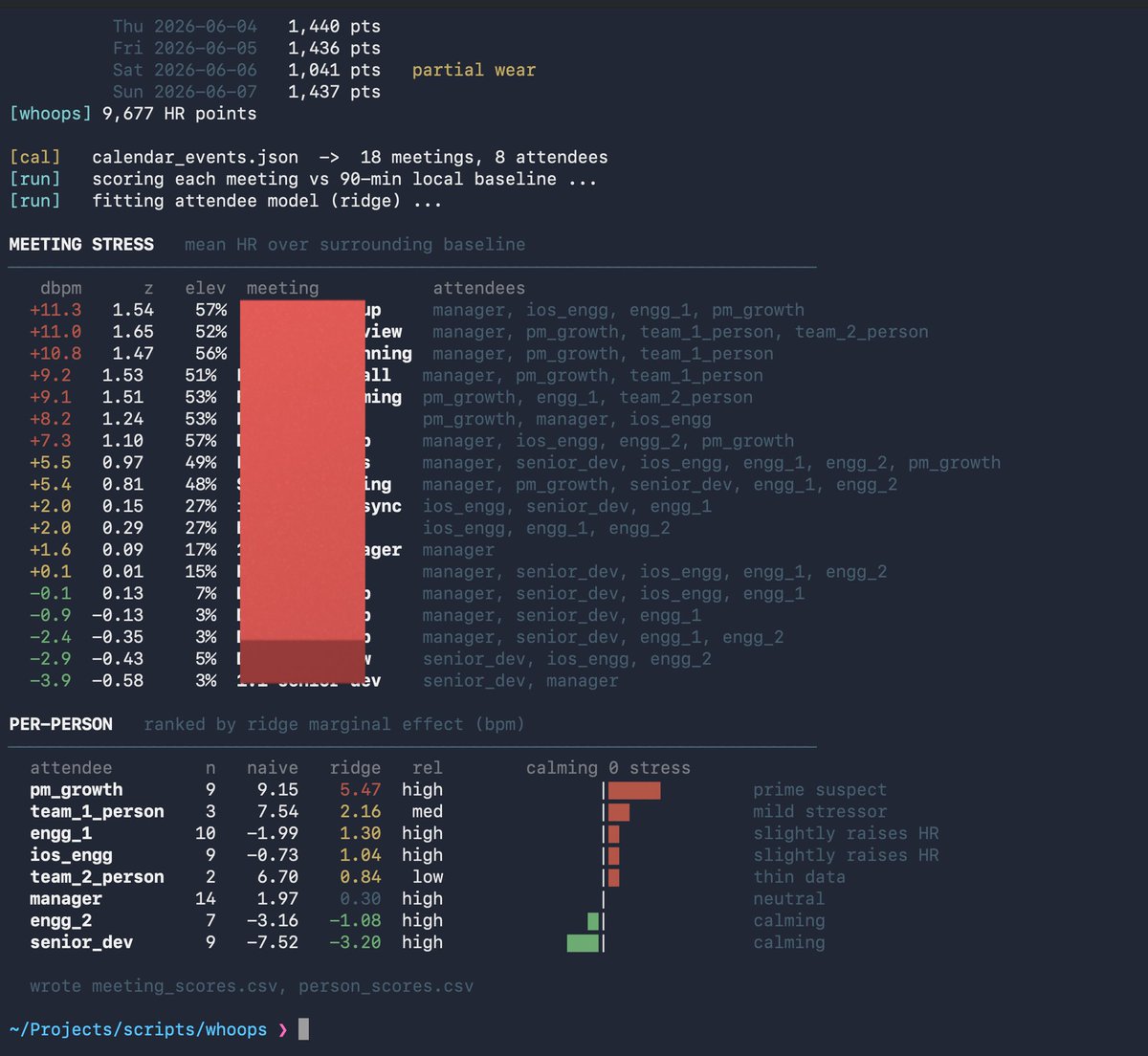
i hooked my whoop to my work calendar to find which coworker gives me the most stress 🚨
thanks to fable, I reverse engineered whoop to pull per minute heart rate. nd matched spikes with cal events and attendees
I now have a leaderboard and I think about it daily.
few info masked for obvious reasons ;)

1,006
2,841
44,979
11,031,797
Udi Falkson retweeted

Jun 8
I know a guy who rode his bike from San Diego to Delaware. Met a ton of great people. Enjoyed all he encountered
He got home and saw the news. “This is nothing like the country I just saw”
I think about this often
Make decisions based on lived experience, not scripted TV
Jun 7

If you want to hate America watch the news, if you want to love America drive across it. 🇺🇸




37
300
5,677
458,723

Udi Falkson retweeted

What's amazing to me is that, 10 years apart, there are the exact same clouds in the exact same positions.
DC truly is a magical place

1,715
12,252
144,042
3,443,231
Udi Falkson retweeted

Jun 6
as a behavioral economist, how do i introduce legislation that tip defaults need to be zero in order to be considered optional, and as a related matter all non-optional fees need to be rolled into the up-front price of the product
Jun 6

Uber now has a dark pattern now where they default-select a tip amount.
With food delivery, it's still annoying but it's part of checkout so we're used to noticing it.
With Uber, it happens after the ride... Which means that when you reopen your app much later for a new ride, you have to click continue to order a new one. So if you're in a rush, you tap continue without looking. I'm not very stingy about tipping in general, but I would like to be the one deciding if, and how much, I would like to tip.
This was on a $11.35 ride. A 35% tip by default, presented in a way that could easily escape notice.
Tipping culture is getting obnoxious.

5
6
166
17,142
Udi Falkson retweeted

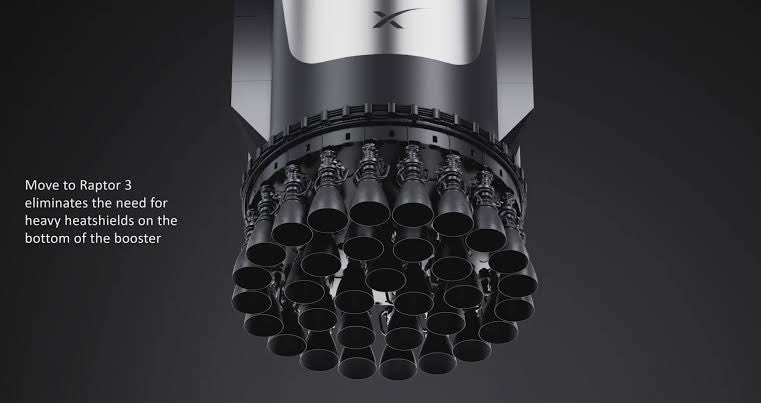
I criticized this post at the time, but Can was right. This is actually deep insight into Starship from 6 months ago, and follows exactly how SpaceX optimized Falcon Heavy (which was not the right architecture, but still useful). They will find the maximum Booster can tolerate.
22 Dec 2025

Get ready for some Starship rambling
One interesting thing about Starship I noticed is that they’re clearly aiming for a higher separation velocity, hence the heat shield the booster has on its aft
Booster has been traditionally separating at 1400-50m/s, which is, horribly inefficient, and a death warrant for Ship’s PTO, and not to mention it’s worse than Falcon 9 RTLS
What I think will happen is they’ll gun for 1600-50m/s for Flight 12, and until the booster manages to splashdown successfully they’ll keep doing that, and after that they’ll do 2-3 more flights at a 1600-50m/s separation
But after that it’s gonna get wild.
What they might do is take a reused booster and have it do 1800-50m/s separation this time: aiming splashdown again
This will reduce the work that is required to be done by Ship by ~200m/s
If that works, they’ll adopt that new flight profile, doing a few catches by separating at 1800-50m/s, oh and by then, the ship is already orbital:
And everytime they increase the separation velocity by 200m/s the Starlink count to orbit on a single launch will incrementally be increasing
1600 -> 1800 -> 2000 -> 2200! -> 2400!!!
I remember reading somewhere that SpaceX’s ultimate goal in Starship’s flight philosophy is that the end goal is reaching a 2400m/s separation, this is plausible because of the heat shield and all
Though, 2400m/s would be essentially for empty Starships, for 100T payload carriers it may be 2200m/s, for Tanker/Depots it might be 2000m/s, the second stage just gets really heavy, but it’s better than Falcon 9, so I ain’t complaining
Every time the separation velocity increases by ~12%, you may ask; why doesn’t they just go for 2400m/s straight away? or decrease the 200m/s jump count by doing 400m/s or whatever?
Simply, every time tou add velocity to a system the kinetic energy increases by it’s square, in this case, every time the velocity increases by 12%, kinetic energy increases by 27%
From 1400 -> 2400 its a 71% jump velocity-wise
If we’re taling kinetic energy however, it’s a whopping 194% !!!
This is why I think they’ll go staggered this way, hence, having to expend boosters from time to time
And who knows, maybe Starship has a limit at like 2000m/s that warrants design alterations to maximize PTO
We’ll have to wait and see.
3
5
133
20,544
Udi Falkson retweeted

Jun 6
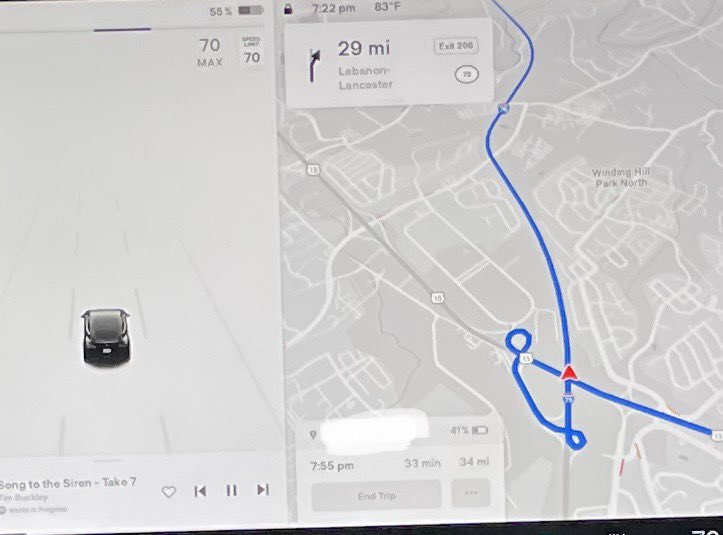
I just bought a Tesla Model Y
Full Self Driving is one of the most impressive pieces of technology I’ve ever experienced.
I now wish I’d got it a year ago.
420
339
6,414
8,585,041
Udi Falkson retweeted

Jun 4
TOTAL SHOCK 😲
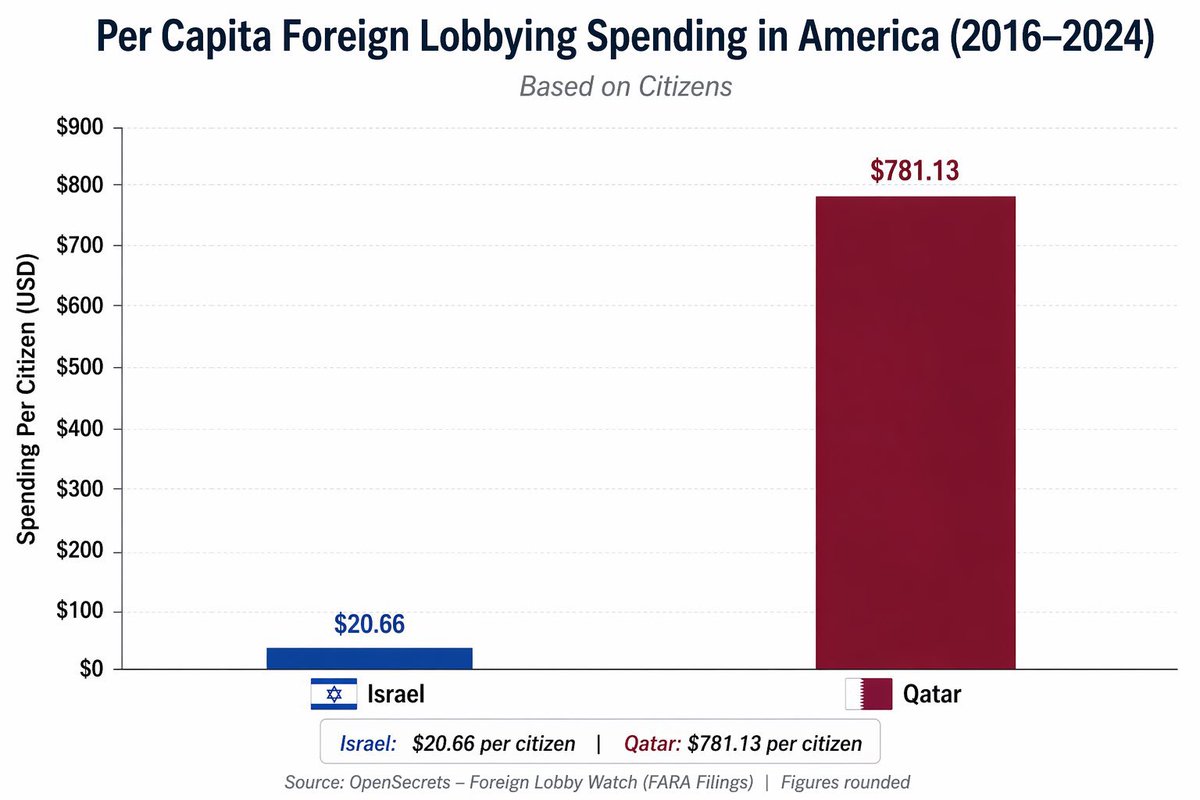
Qatar spent almost a billion dollars convincing me Jews control my life...
And I fell for it!
167
568
2,982
53,661
Udi Falkson retweeted

Jun 2
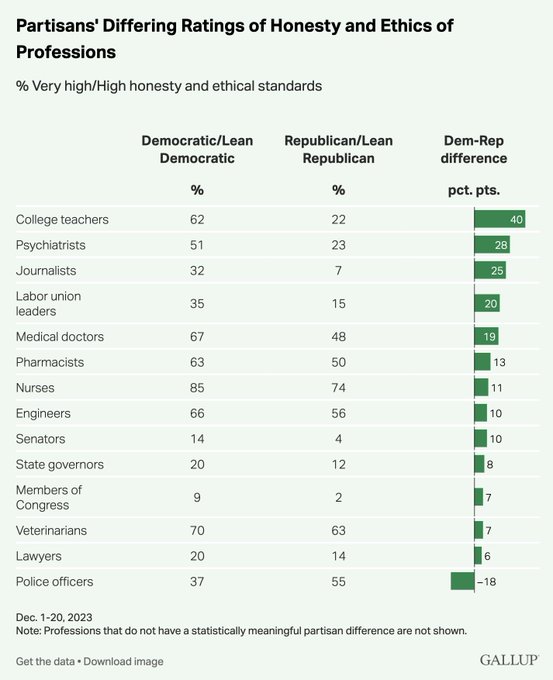
Republicans don't just admire different people from Democrats. They have lower opinions of almost everyone.
427
233
2,101
363,127
Udi Falkson retweeted

Jun 3
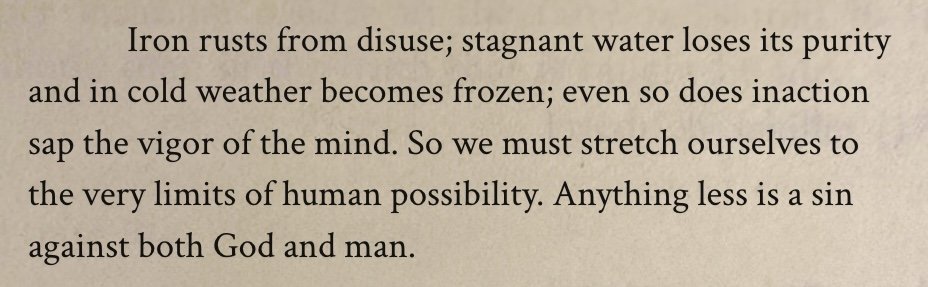
Leonardo da Vinci's greatest paragraph
88
5,945
33,451
651,357