This is an archived account and is not being updated. For the latest updates follow @USGS.
Joined March 2010
- Tweets 1,958
- Following 116
- Followers 4,876
- Likes 337
728 Photos and videos
USGS in Oregon retweeted

7 Mar 2025
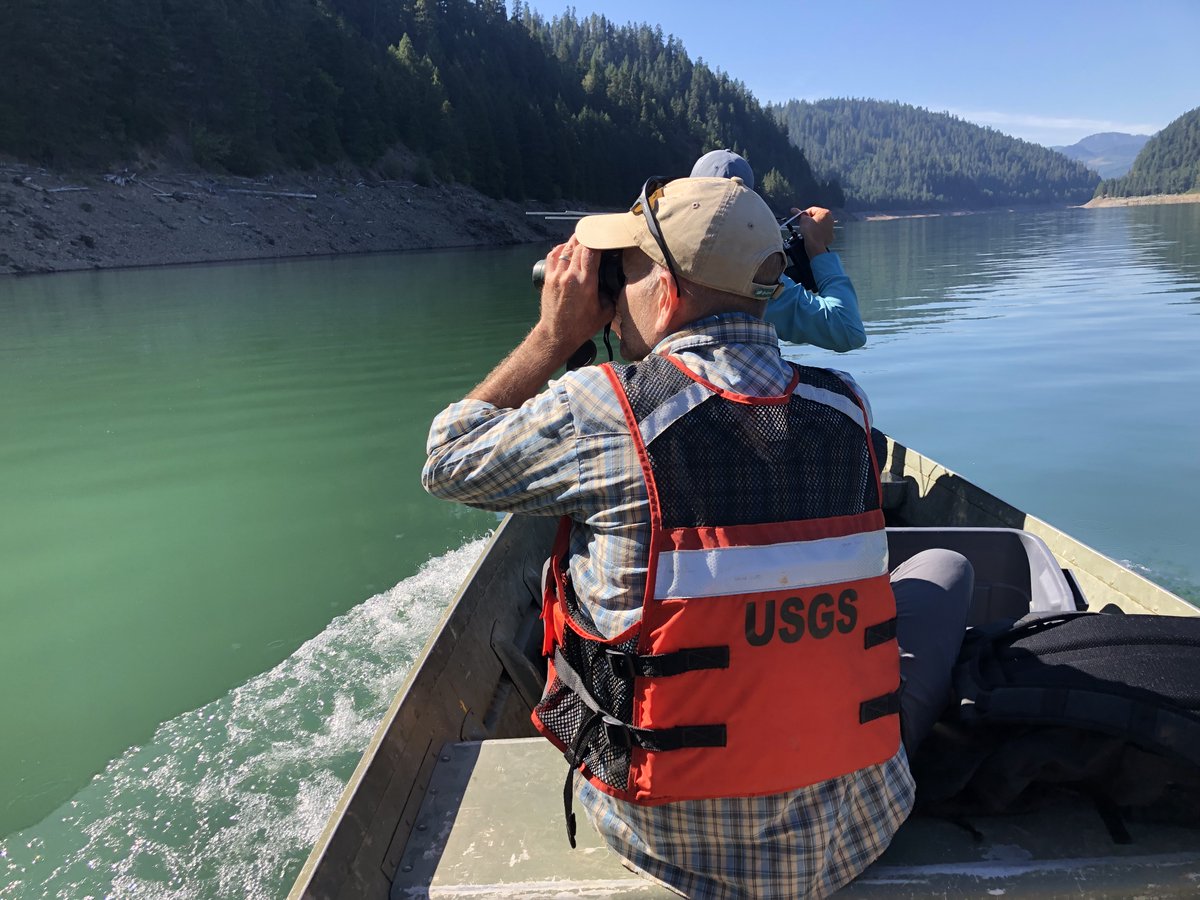
A picturesque panorama! A @USGS_OR hydro tech conducts a routine visit to Crater Lake nr Crater Lake, OR.
Fun Fact: The Crater Lake gage is only accessible during summer months due to heavy snowfall that begins in fall and doesn’t completely melt until summer.
#FieldPhotoFriday
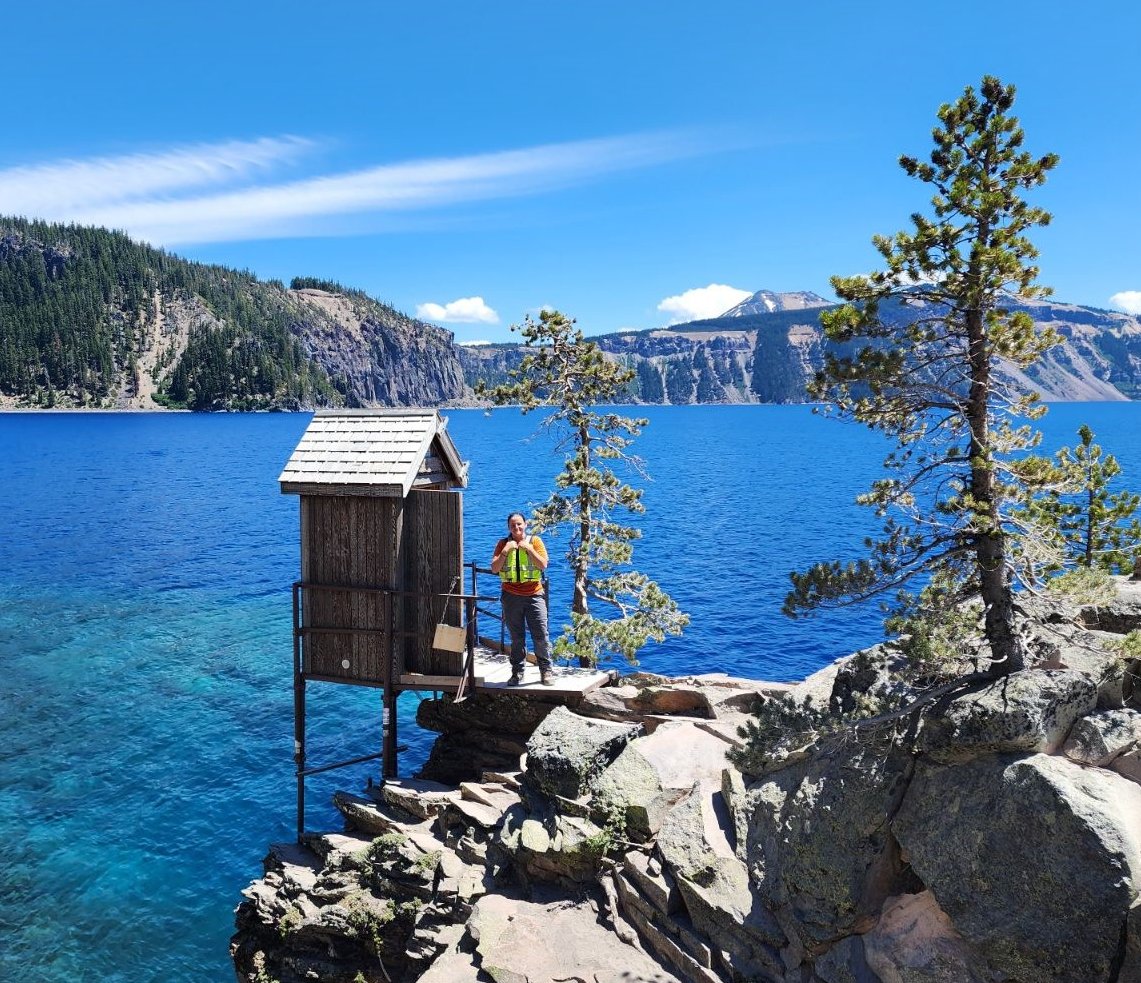
ALT A hydrologic technician conducts a routine visit to Crater Lake near Crater Lake, Oregon. (Photo: Tom Craig, USGS Oregon Water Science Center)
1
3
7
384

4 Mar 2025
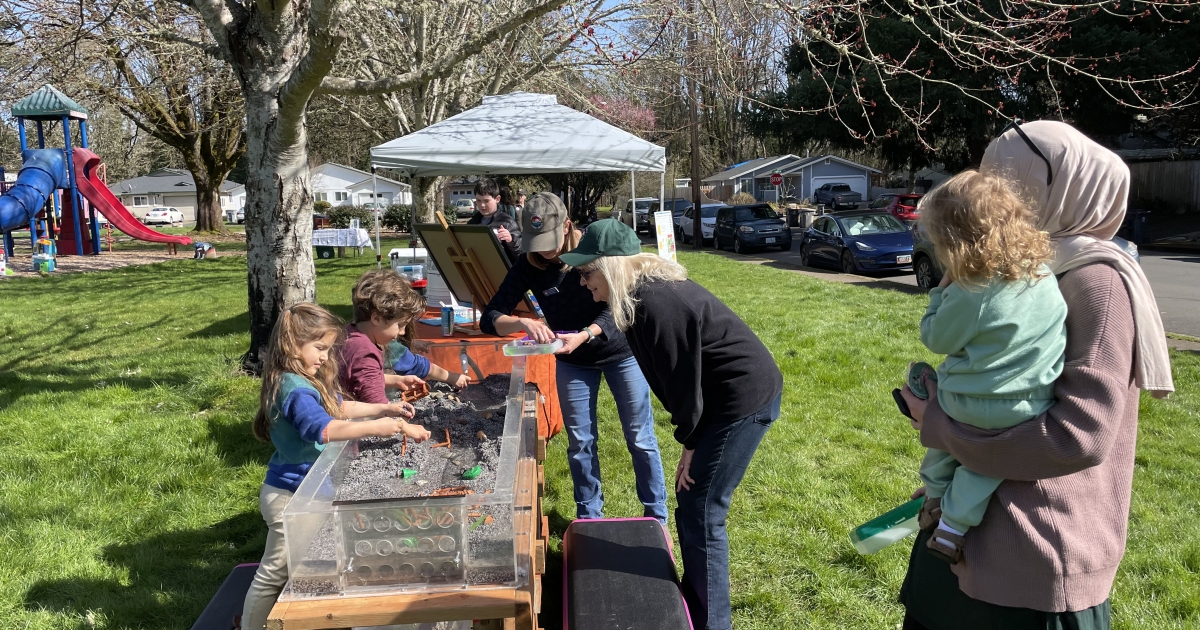
Join us this Sat to learn about the wildlife that calls the Willamette Valley home! Hop over to the USGS booth at the Bruce Starker Arts Park in Corvallis to chat about amphibians, wetlands, and more!
More info about @USFWS Winter Wildlife Field Days: ow.ly/g5pb50Vawun
1
115
27 Jan 2025
Interested in all things Sage/Fire/Range?
Want to hear the latest and greatest in USGS research that informs land management across the West?
Register for the USGS Sagebrush Ecosystem and Rangeland Fire Science Webinar Series here: ow.ly/JT7E50UOcZu
@GBfirescience
2
126
27 Dec 2024
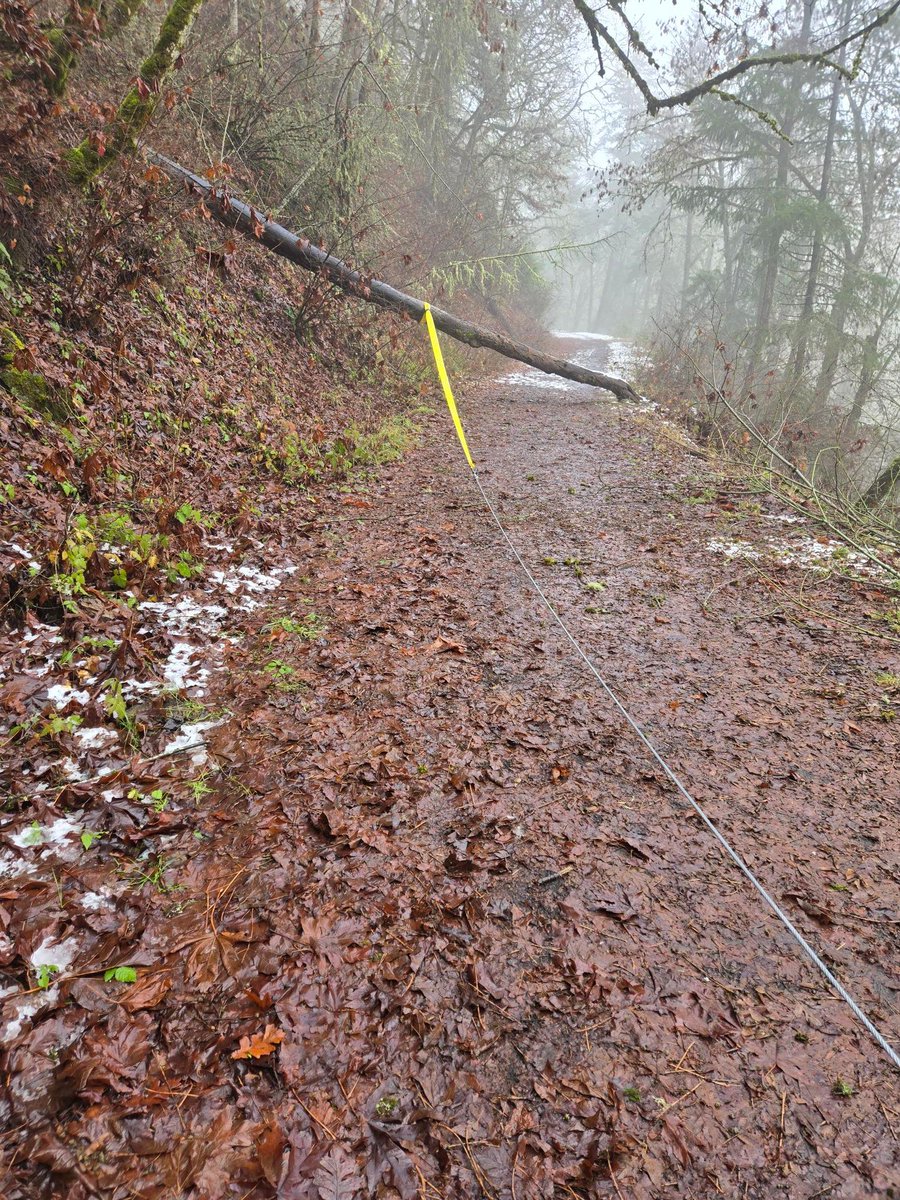
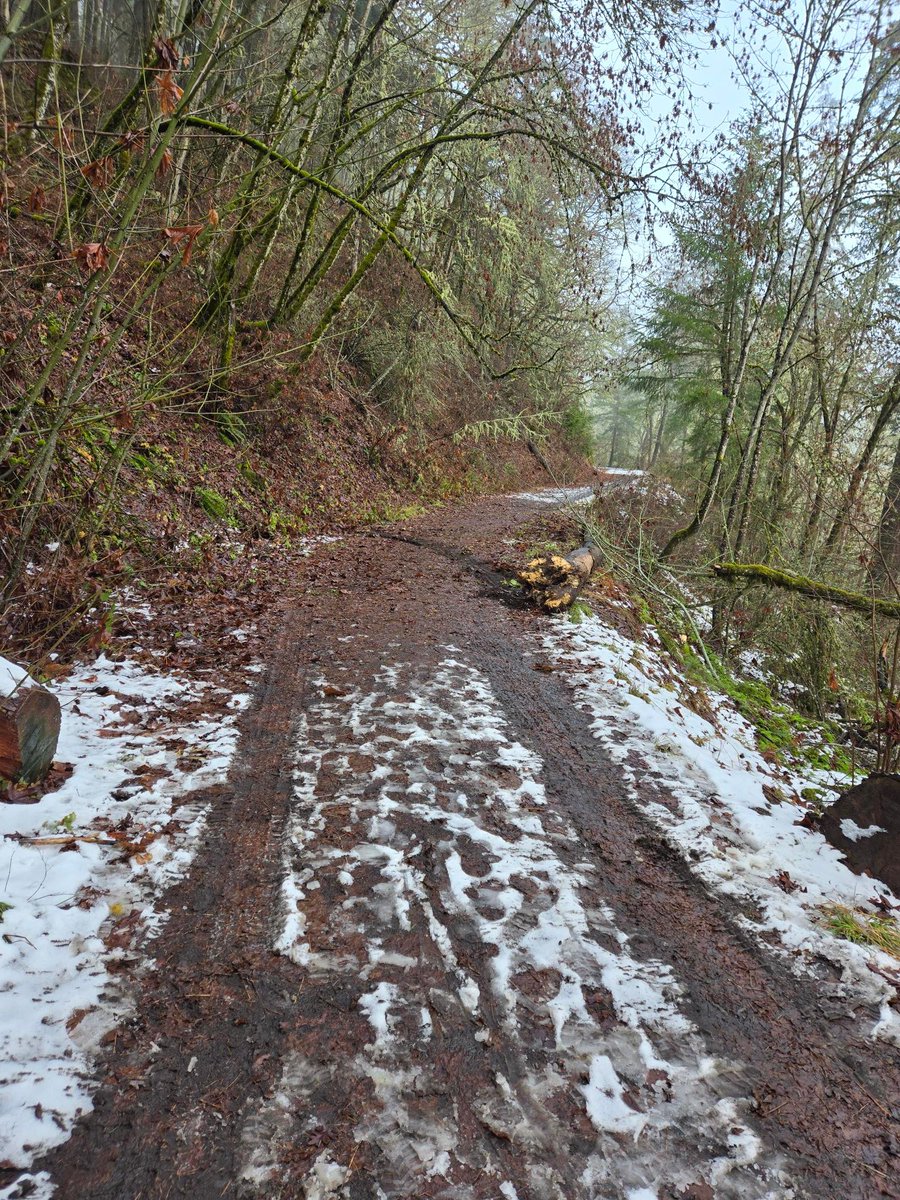
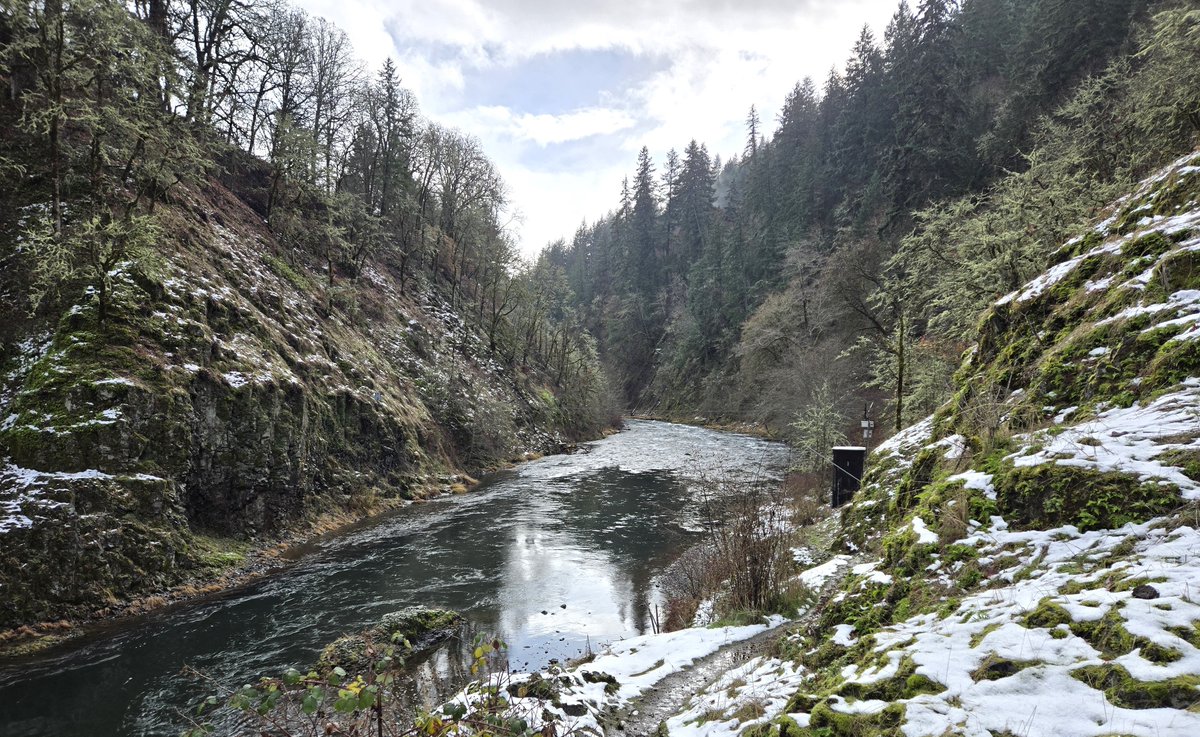
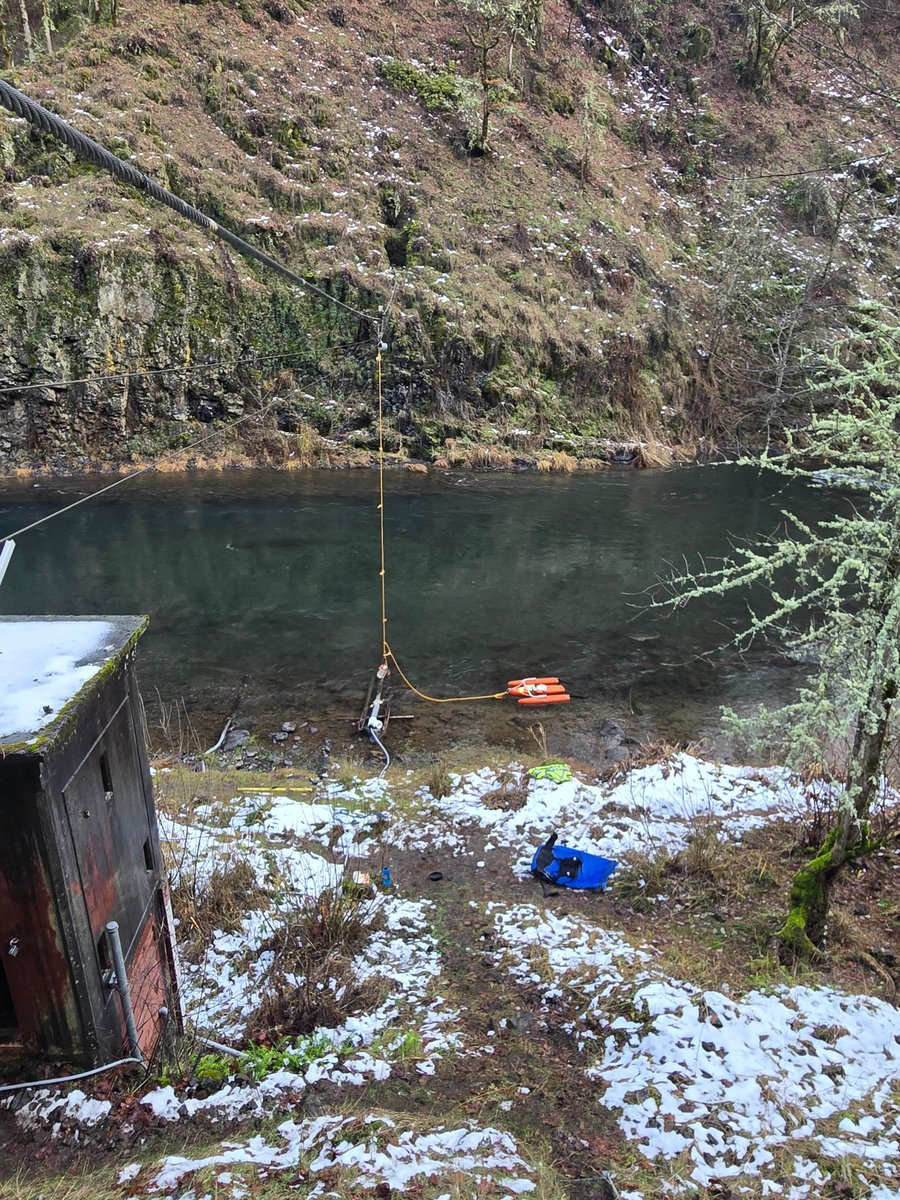
We don't give up on our site visits just for a fallen tree! Hydrotech Adam removed this tree trunk out of the way using a truck winch to access our White Salmon River #streamflow gage.
#USGS #FieldWorkFriday #hydrology #WhiteSalmonWA
See data: ow.ly/WvtZ50Ux88h
3
144
6 Dec 2024
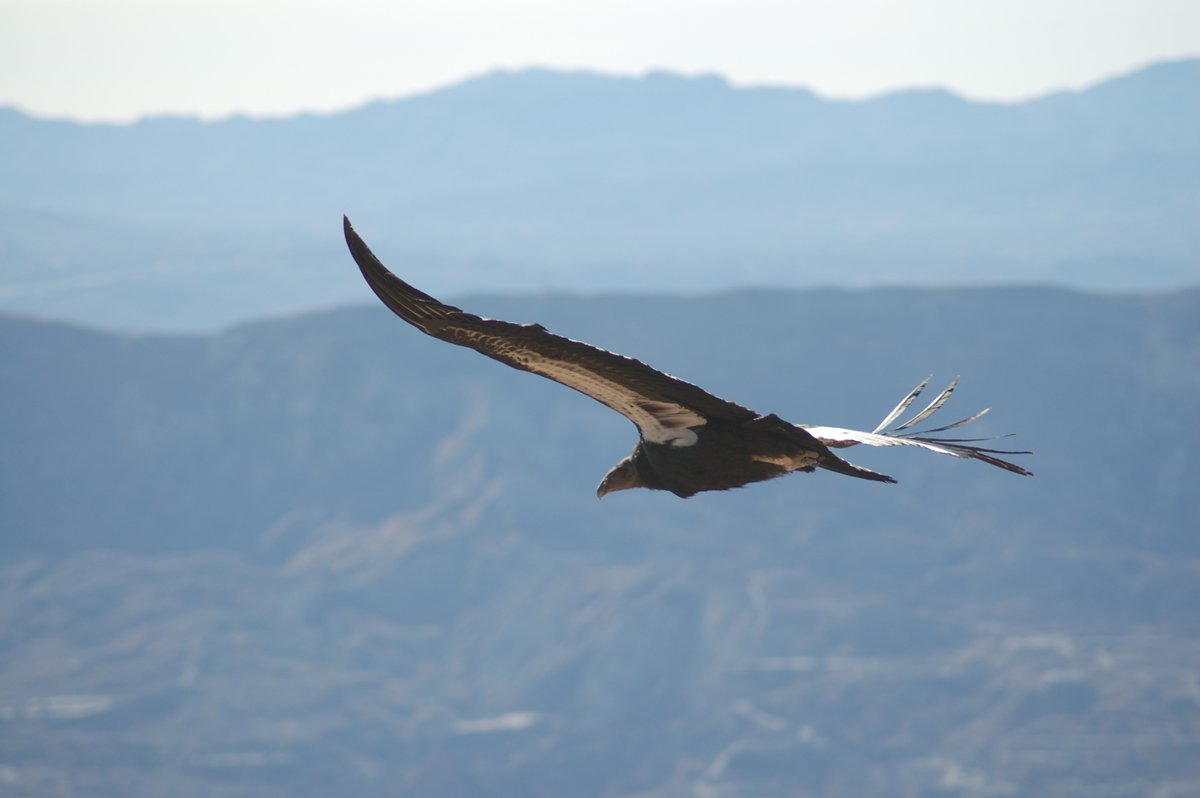
It's almost time!! Join us at 11 Pacific to learn about the effort to protect California condors from highly pathogenic avian influenza (HPAI).
x.com/USGS_OR/status/1864028…
3 Dec 2024

Join us on Friday to learn about how USGS contributed to the California condor HPAI vaccination effort! Dr. Todd Katzner is this week's speaker, the webinar is open to the public and starts at 11 AM Pacific.
Learn more and join the webinar 👉ow.ly/oKbe50UkgB8
1
163
USGS in Oregon retweeted

5 Dec 2024
New in @theAGU's JGR Biogeosciences: Longitudinal and Seasonal Changes of Organic Matter Sources Through a Semi-Arid River-Reservoir System: doi.org/10.1029/2024JG008242.
2
2
1,141
5 Dec 2024
We're searching for field techs!
Do you love the outdoors? ⛺
Do you want to learn about amphibians and turtles and work with an amazing team of animal lovers?🐢
One of these jobs may be right for you:
ow.ly/VpxC50UlYsy
ow.ly/RgOz50UlYtR
ow.ly/UWj550UlYur
1
136
3 Dec 2024
Join us on Friday to learn about how USGS contributed to the California condor HPAI vaccination effort! Dr. Todd Katzner is this week's speaker, the webinar is open to the public and starts at 11 AM Pacific.
Learn more and join the webinar 👉ow.ly/oKbe50UkgB8
2
266
23 Nov 2024
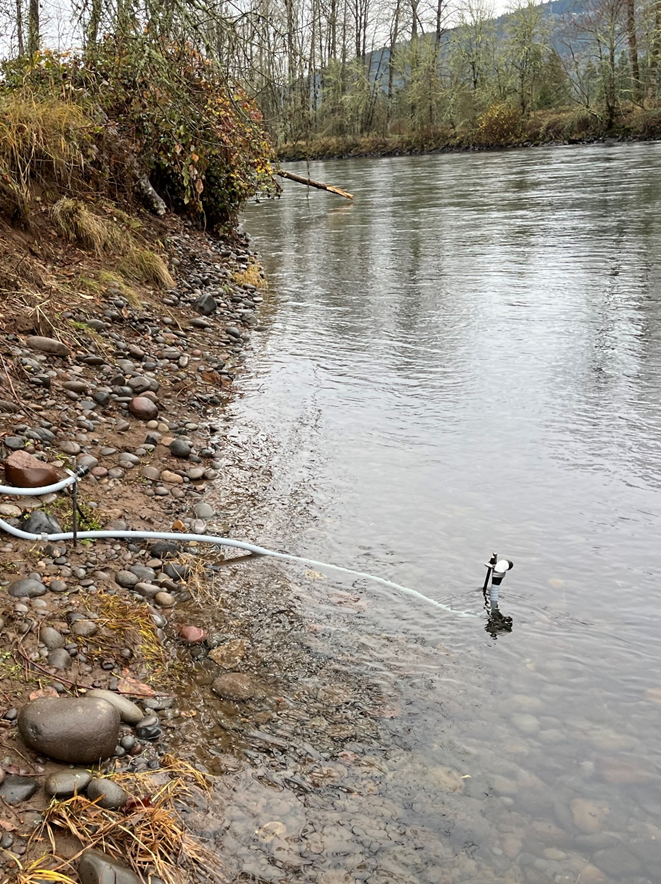
The #USGS is listening to rivers to understand how flows transport bedload sediment, which is fundamental to ecosystem structure and health. Pictured is a hydrophone installation in the #McKenzieRiver.
#ScienceSaturday #WillametteRiverBasin
Learn more! ow.ly/C9fA50Ue8ry
3
128
22 Nov 2024
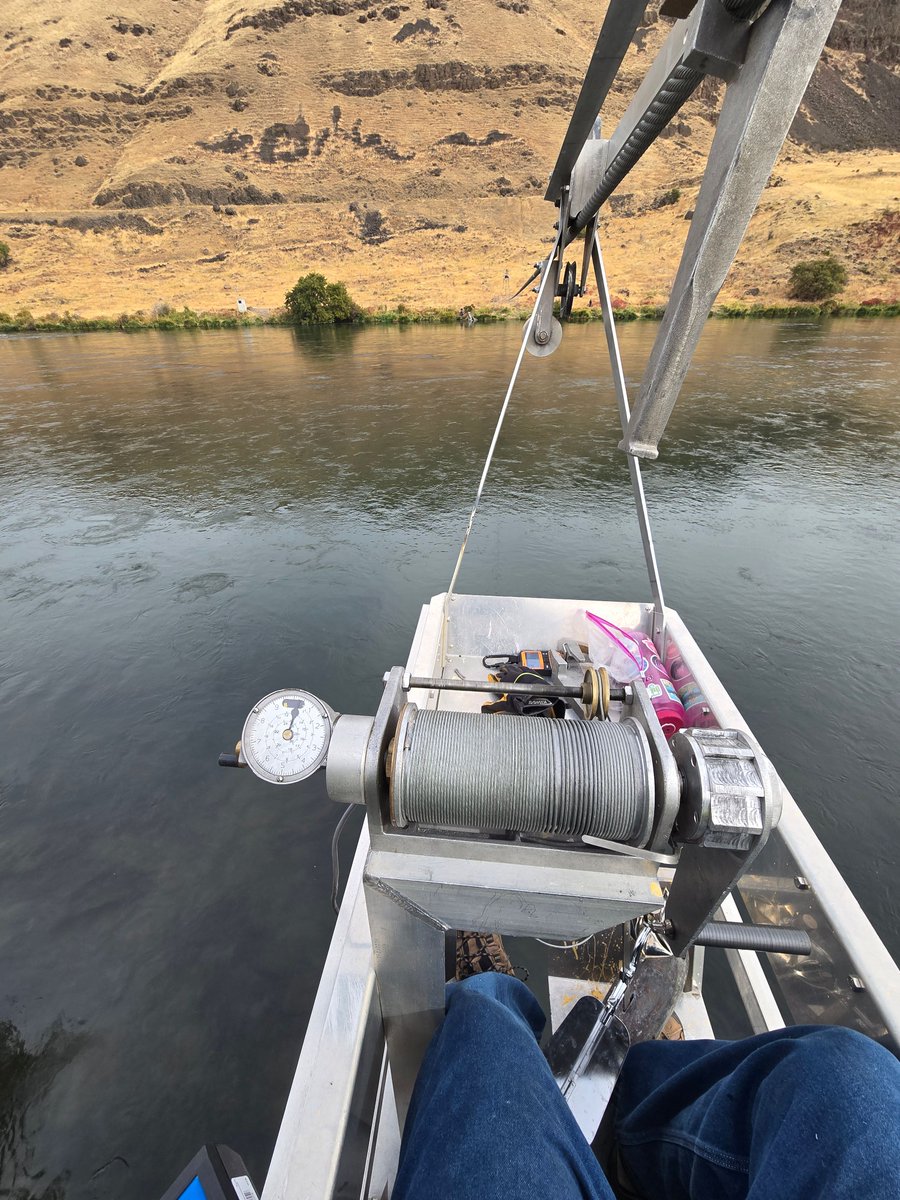
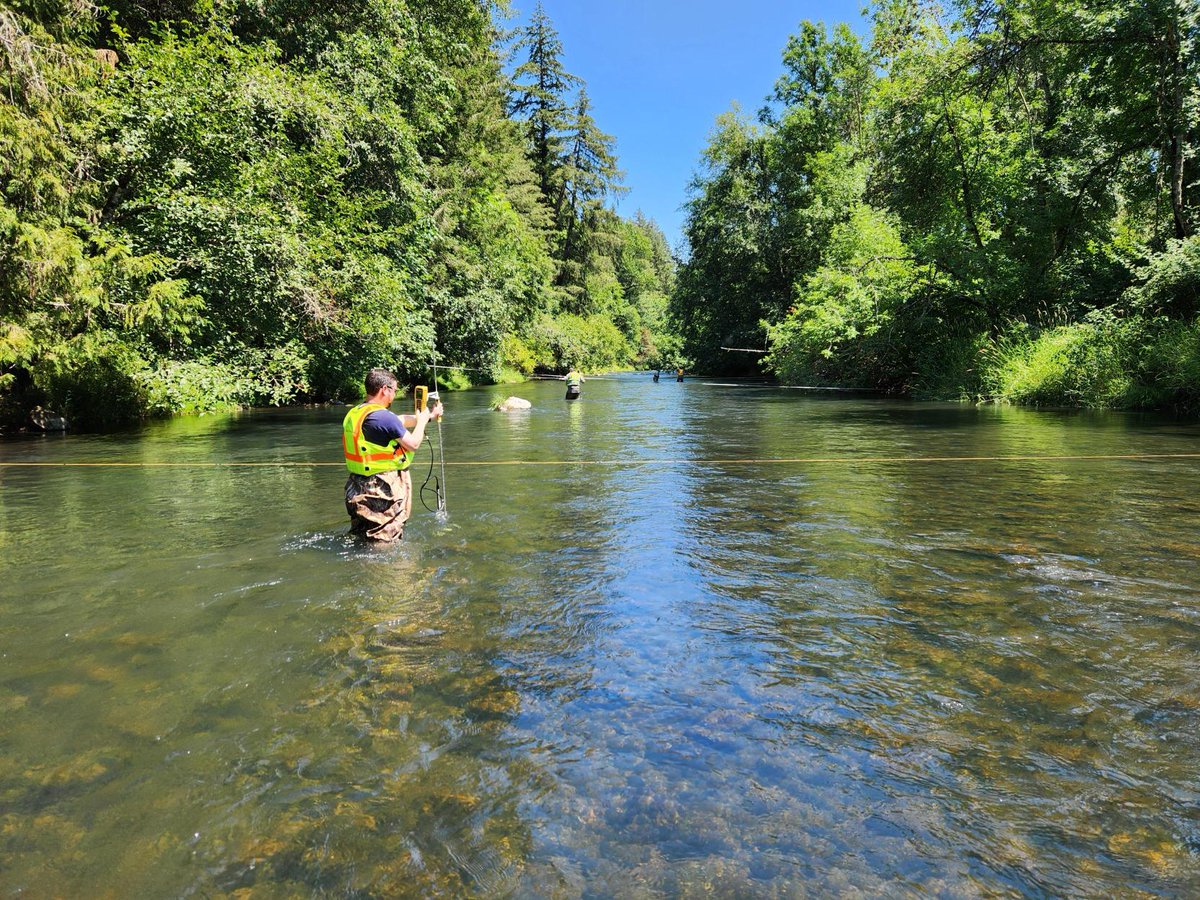
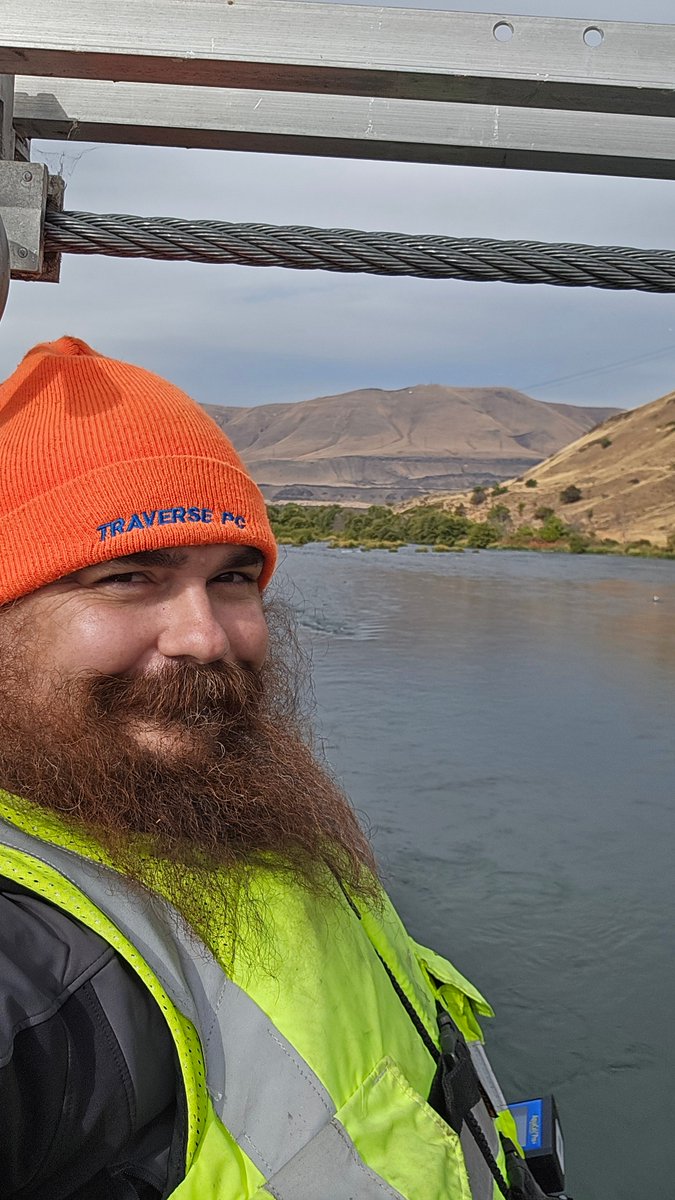
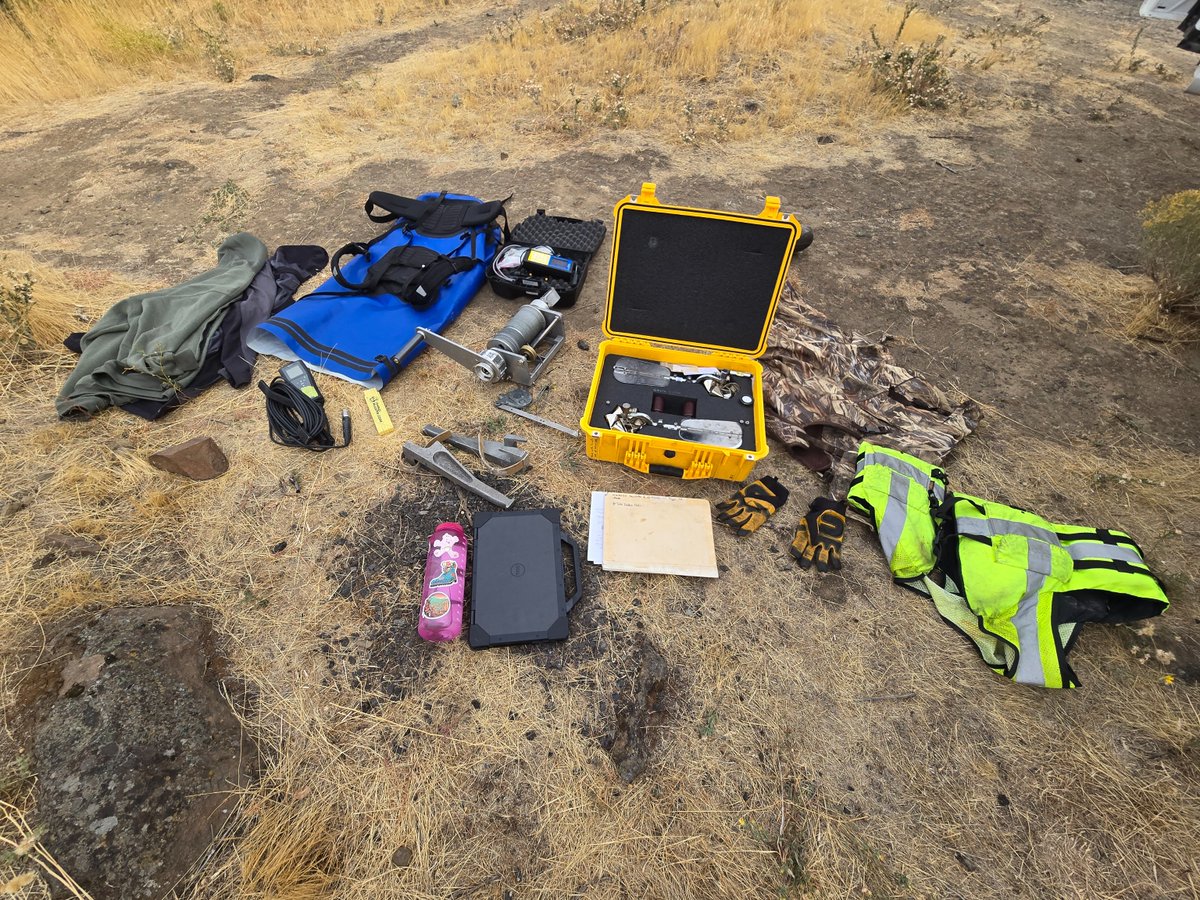
A #fieldphotofriday on the #DeschutesRiver at Moody, near #BiggsOregon. Our hydrologic technician Adam is measuring the streamflow with the 60 pounds of gear he hikes in!
Gage data: ow.ly/ePKU50Ue7Wa
2
119
21 Nov 2024
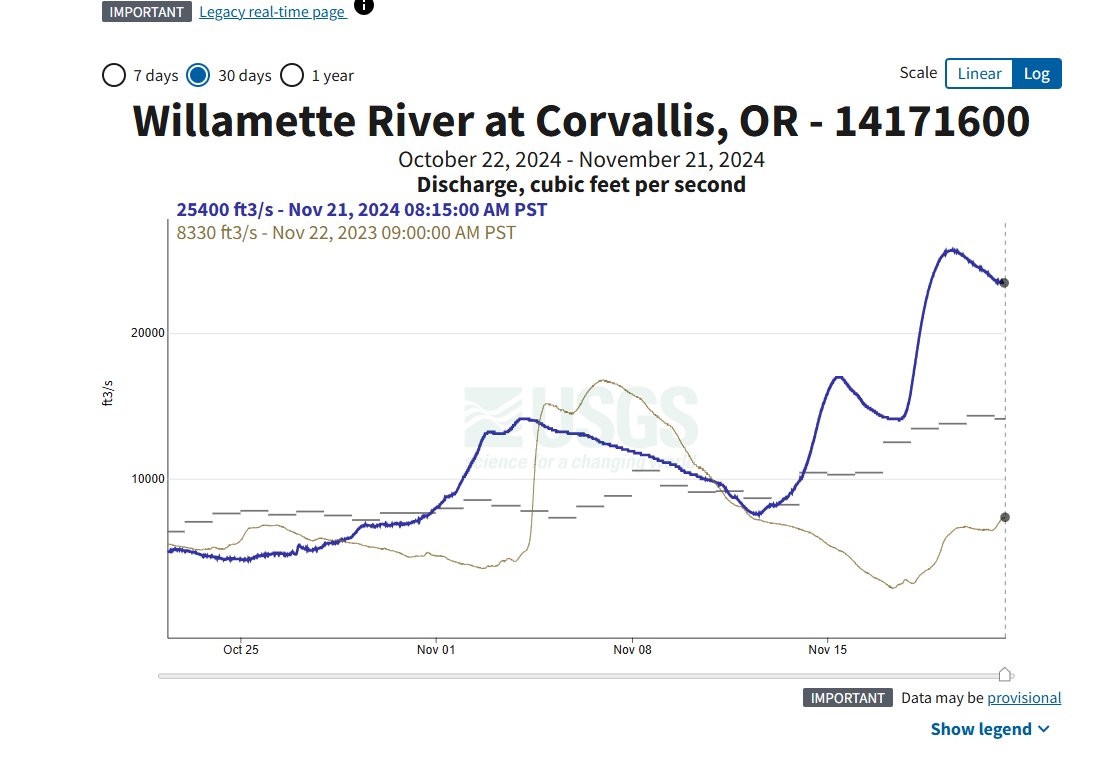
What a wild weather week #Oregon! The "bomb cyclone" has our local rivers swollen. Check out our flow data at the #WillametteRiver at #Corvallis. Flow is around 25400 ft3/sec - well over the 14 year average of 15200 ft3/sec!
ow.ly/WwVc50Uc2oT
3
146
16 Nov 2024
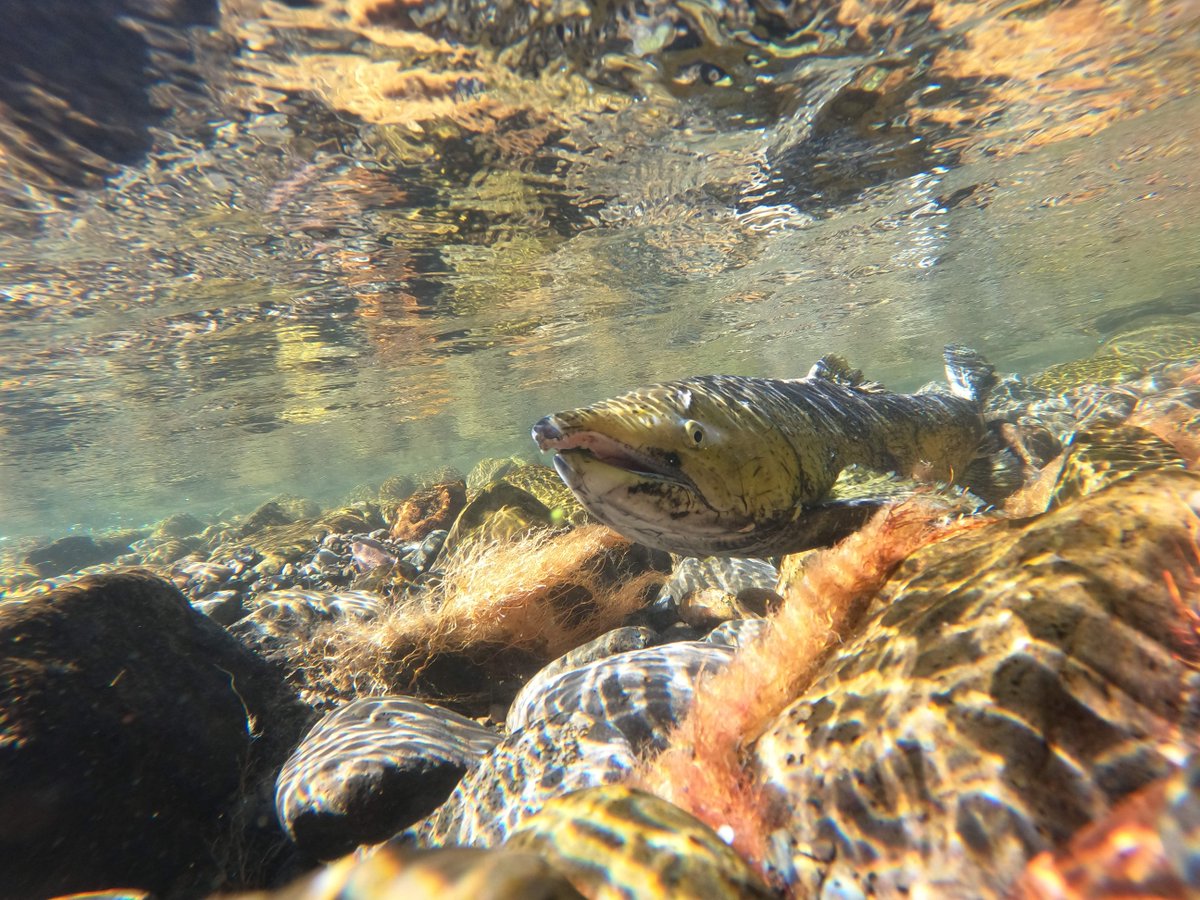
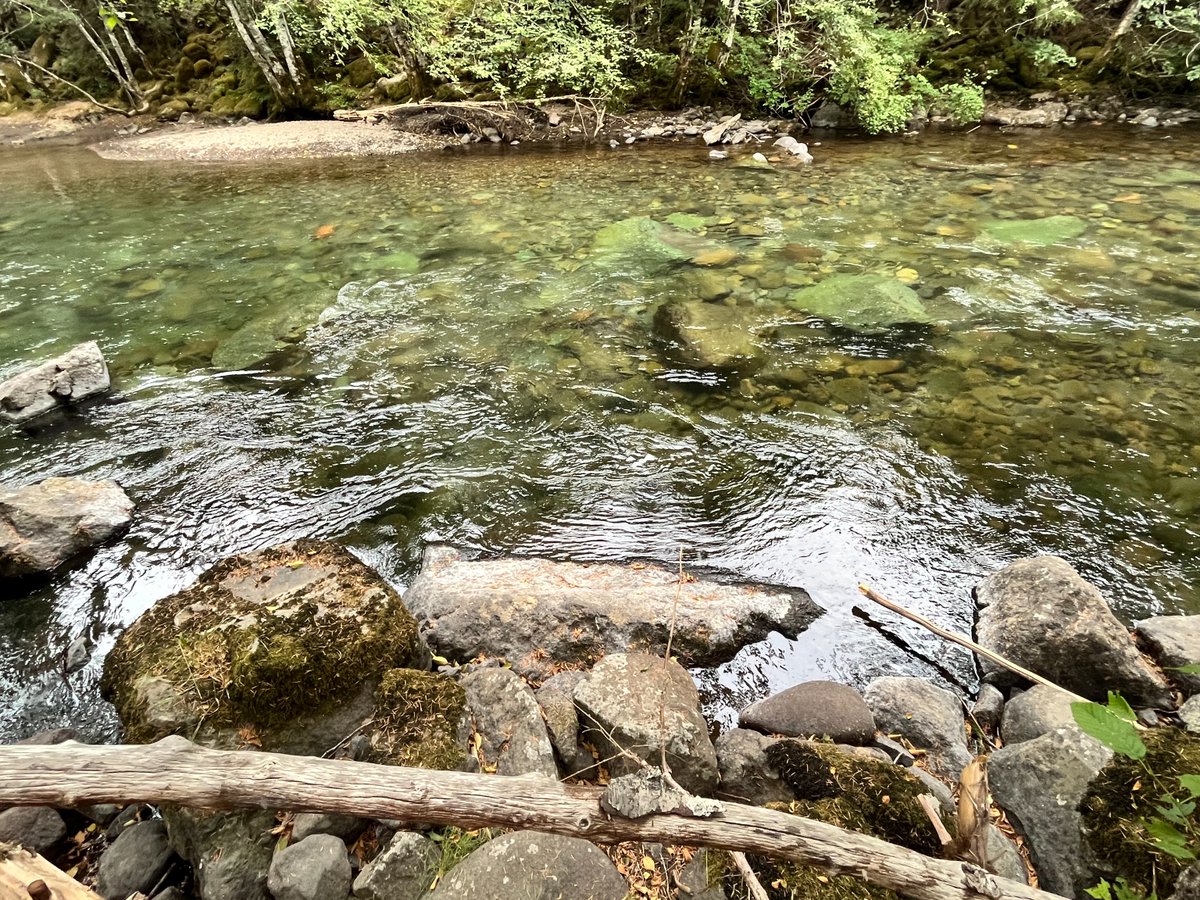
New gages help characterize extent of spring Chinook salmon habitat in the Willamette Basin! #ScienceSaturday #USGS #ChinookSalmon
A Chinook salmon in the upper Middle Santiam River and scenery from our Breitenbush River gage.
Check them out!
ow.ly/QnwC50U8lRz
1
124
12 Nov 2024
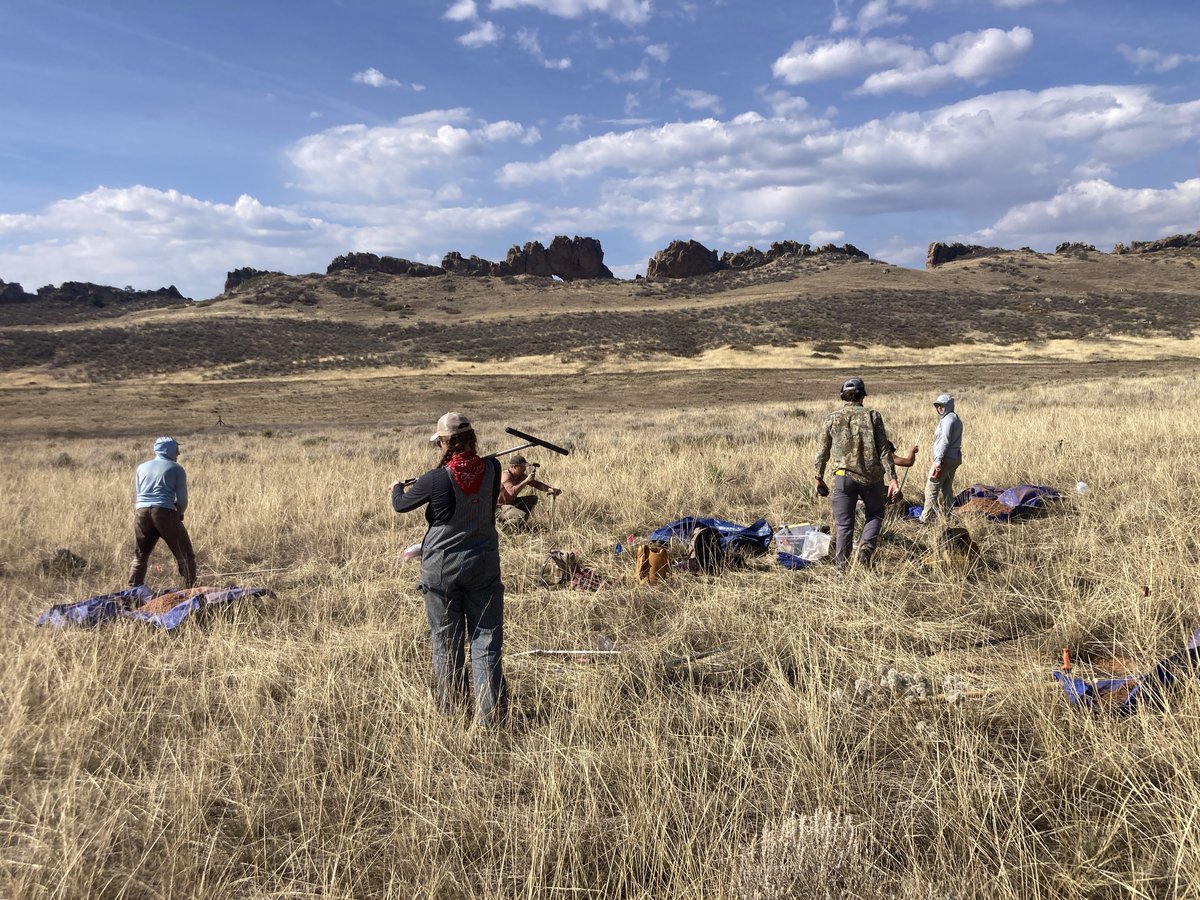
📣"Groundbreaking" research on carbon storage in drylands in the western U.S. 📣
Literally...USGS and @Envu scientists dug deeper and found that invasive grasses and wildfire can deplete soil carbon by up to 50%.
Read more here: ow.ly/SZrV50U5xOH
📷by Toby Maxwell, USGS
1
2
111
21 Oct 2024
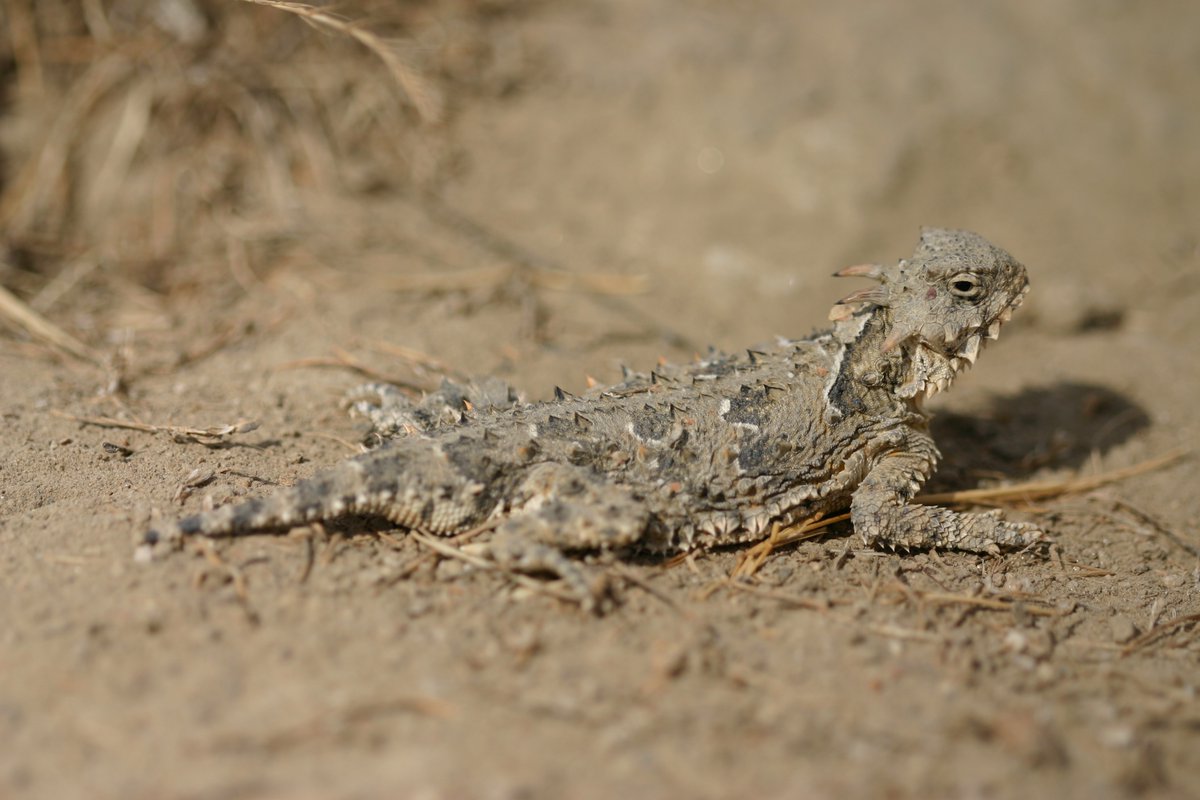
Check out the new Featured Story on a very cool study by our #Boise based team and @usfs_pnwrs
Oh yeah...and happy #WorldReptileDay! 🦎🐍
x.com/USGS/status/1848414282…
📷by USFWS

🐍🔍 Curious about where reptiles might live in the future? 🦎🌎 A recent study predicts many lizard and snake species could shift northward as the West heats up. Learn more in our new story: ow.ly/rXX250TQ2vH
1
4
377
11 Oct 2024
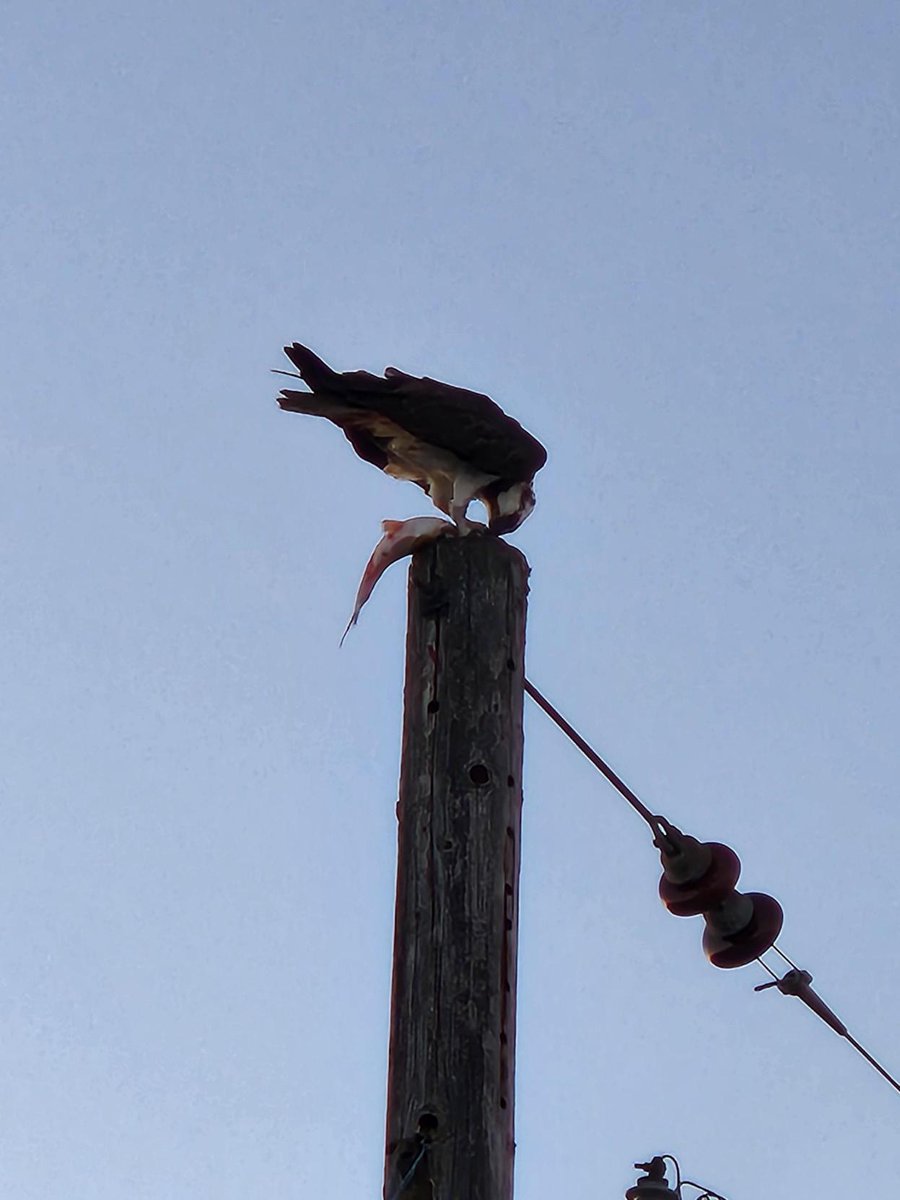
The wild things our hydrologic technicians see in the field! #FieldPhotoFriday #USGS
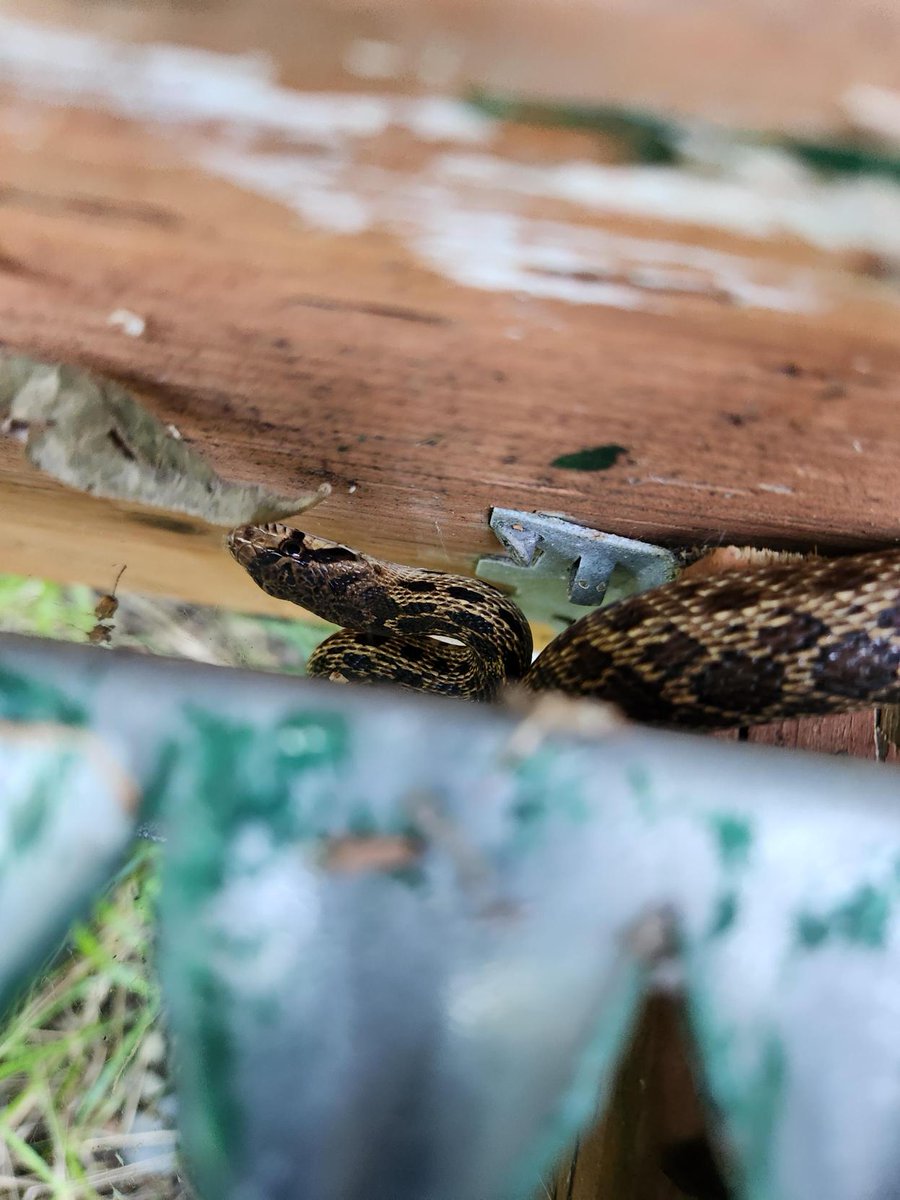
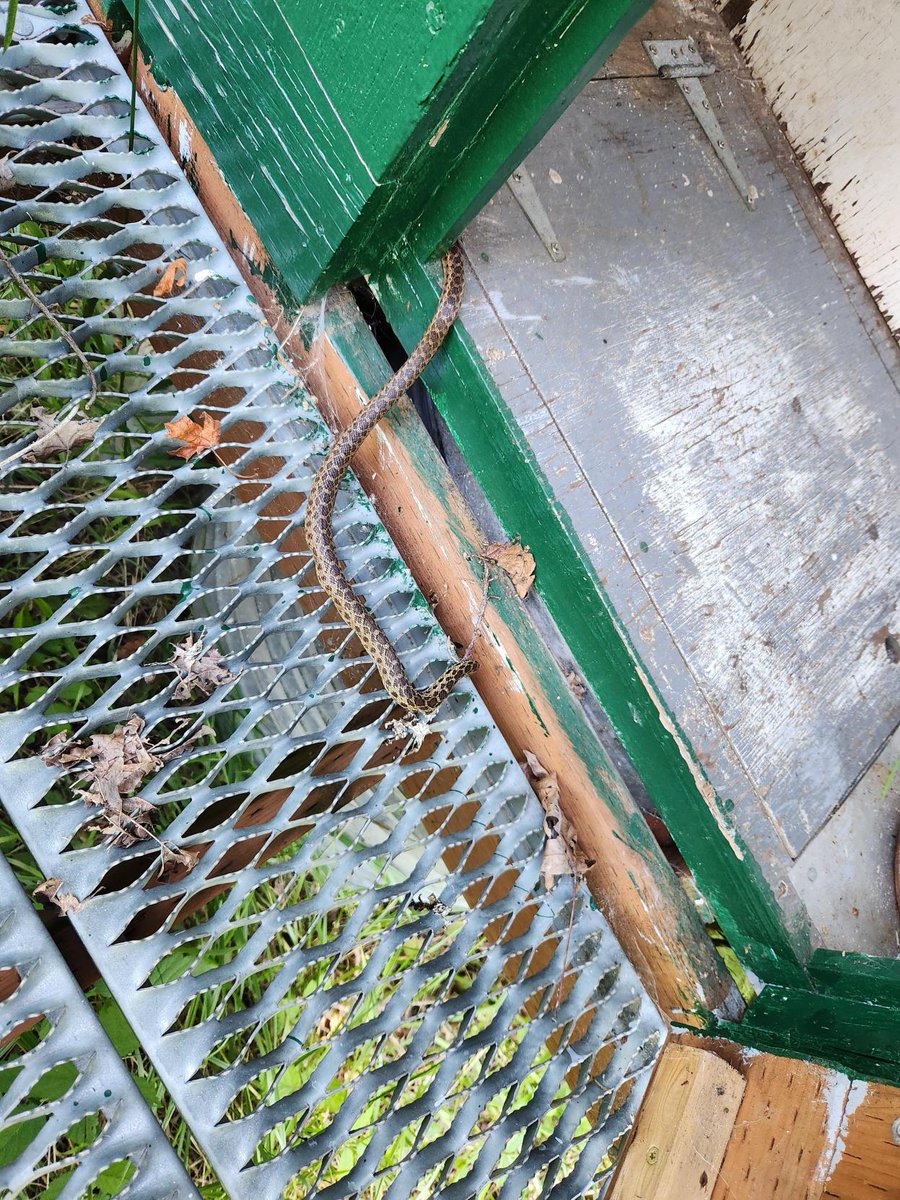
2
117
9 Oct 2024
#USGS #Oregon Water Science Center is #hiring multiple hydrologic technicians! Come be a part of a great team of people who collect vital water data for Oregon!
Apply here: ow.ly/6zGL50TIhrJ
Our website: ow.ly/Upjs50TIhqG
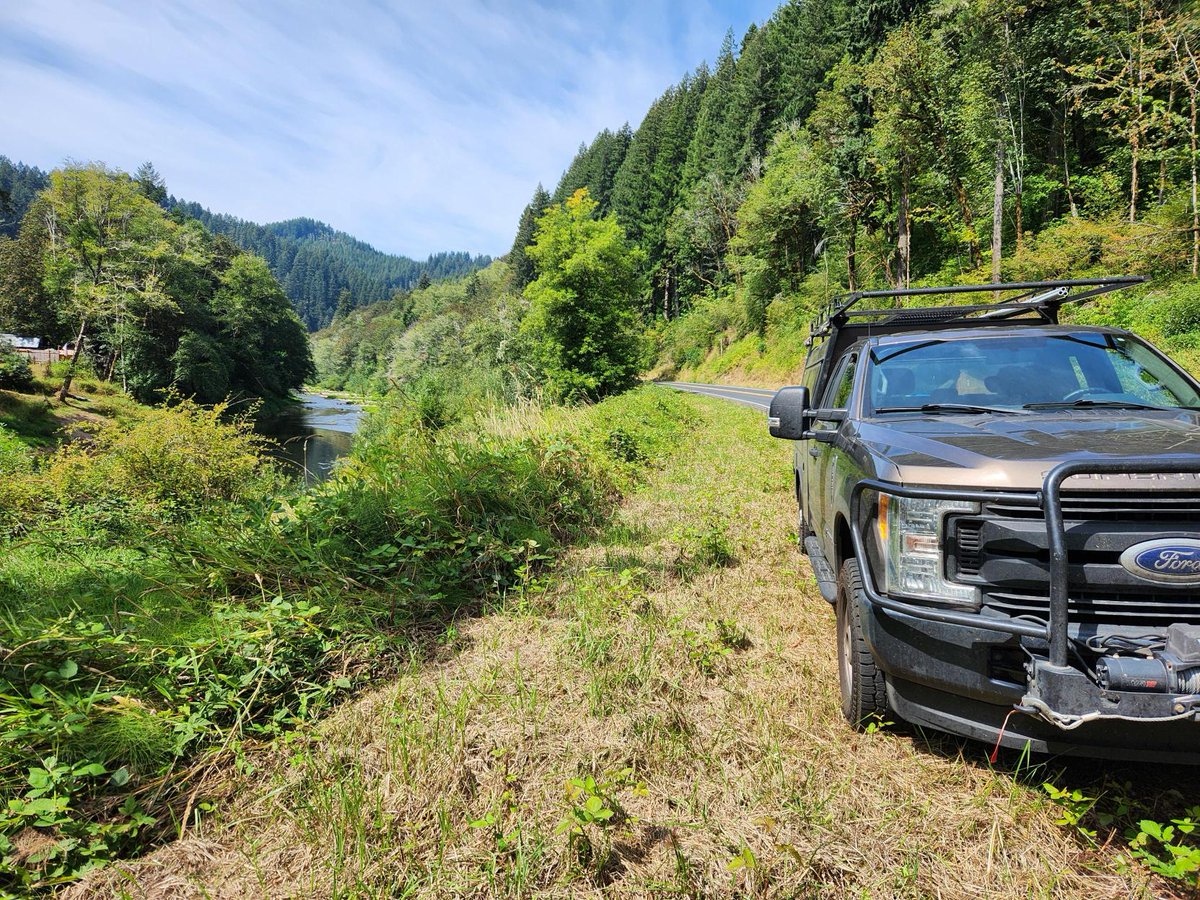
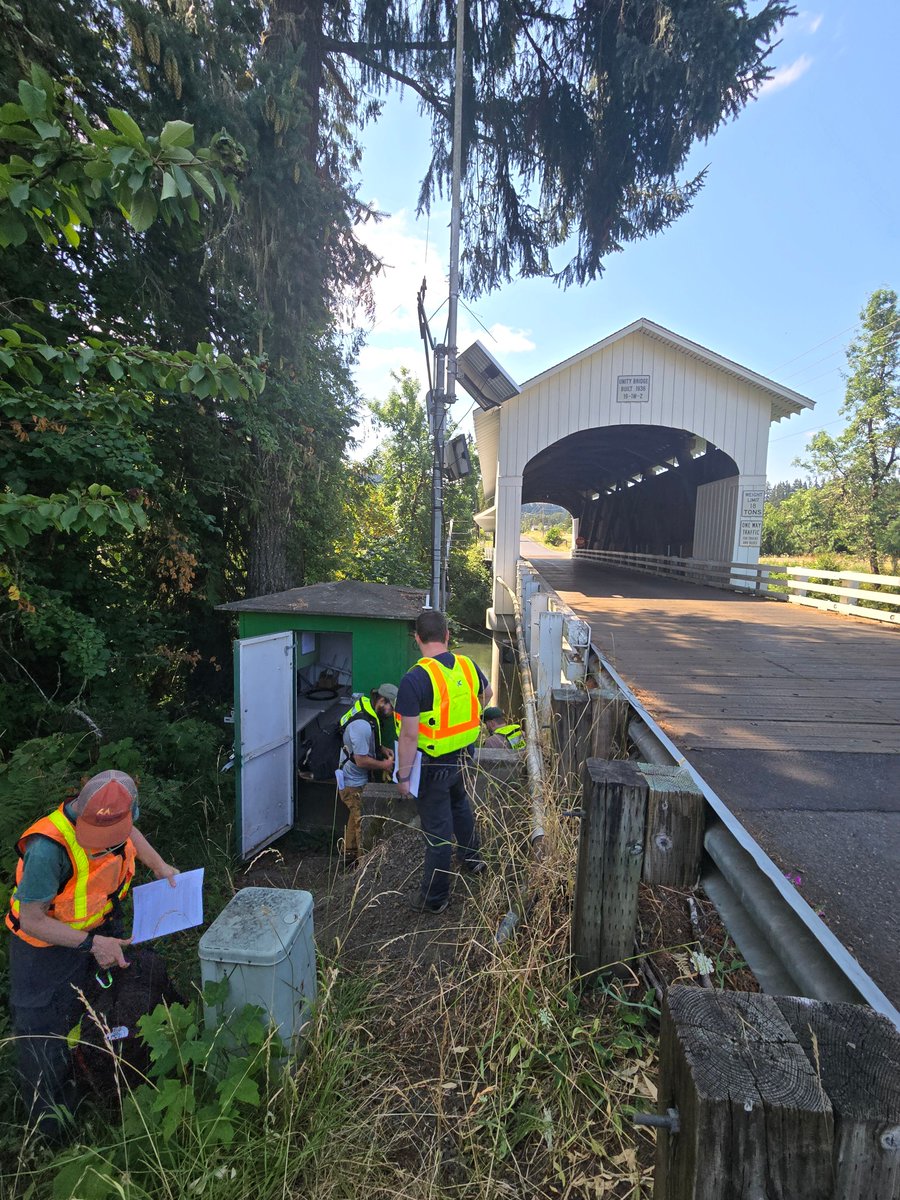
1
4
326
24 Aug 2024
Happy #ScienceSaturday! Check out the AGU coverage of a recent #USGS report lead by Oregon Water Science Center hydrologist Caelan Simeone!
ow.ly/S2nM50T5a7U
122
16 Aug 2024
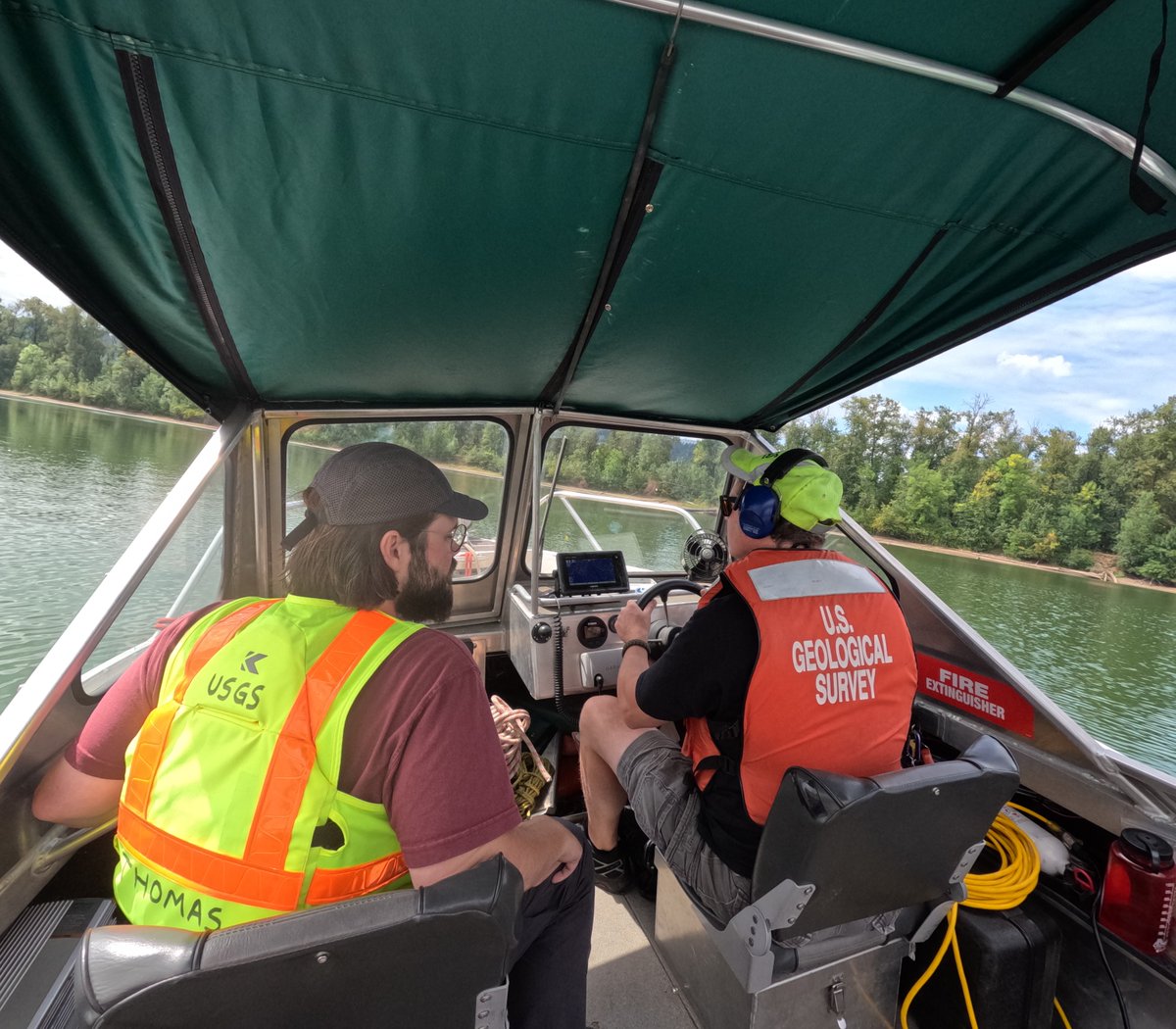
It's #FieldPhotoFriday and we're out on the #WillametteRiver in #Portland collecting water-quality data and samples with a plankton net tow! Have a good weekend everyone! #USGS #PDX #WaterData #Oregon
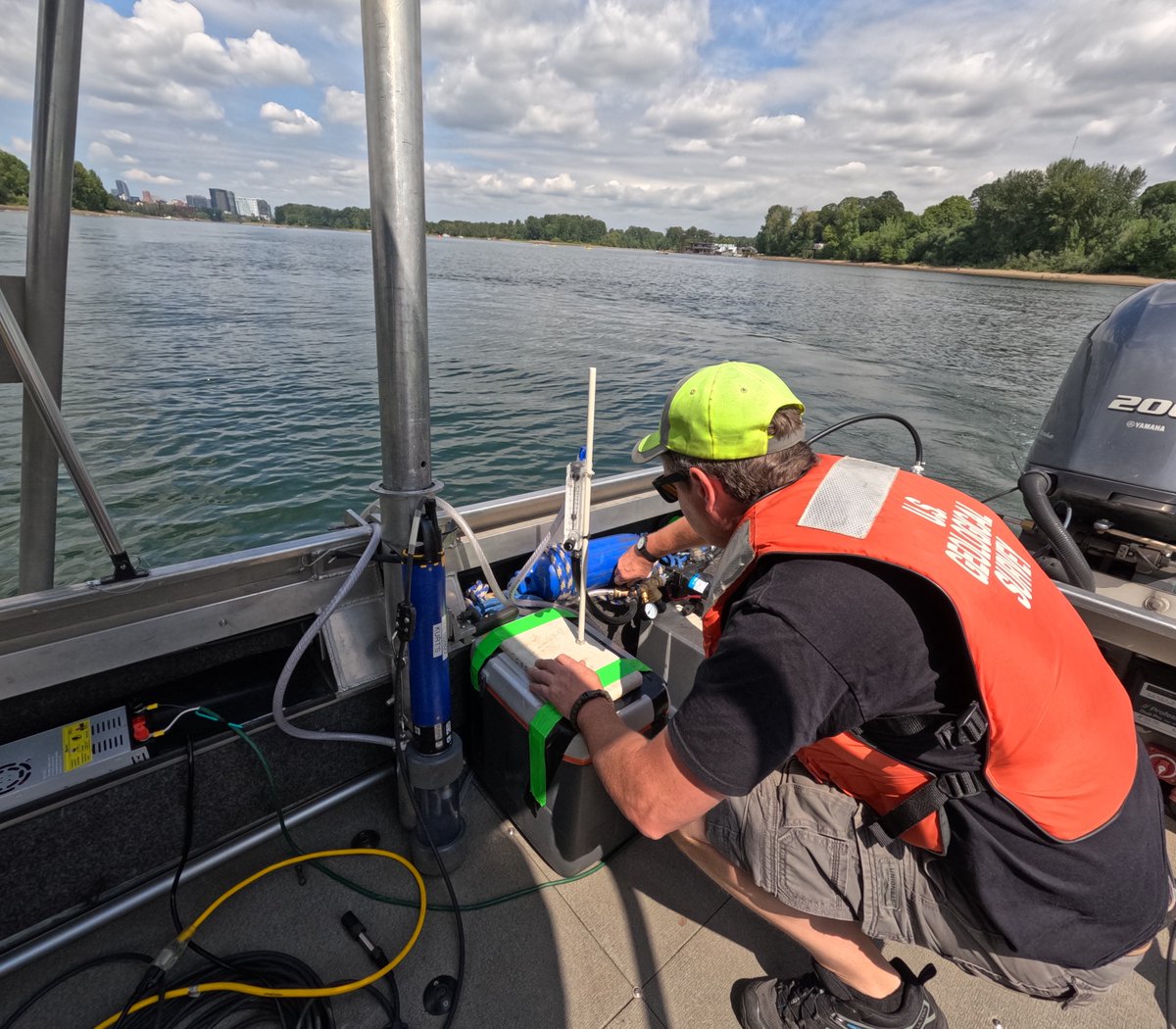
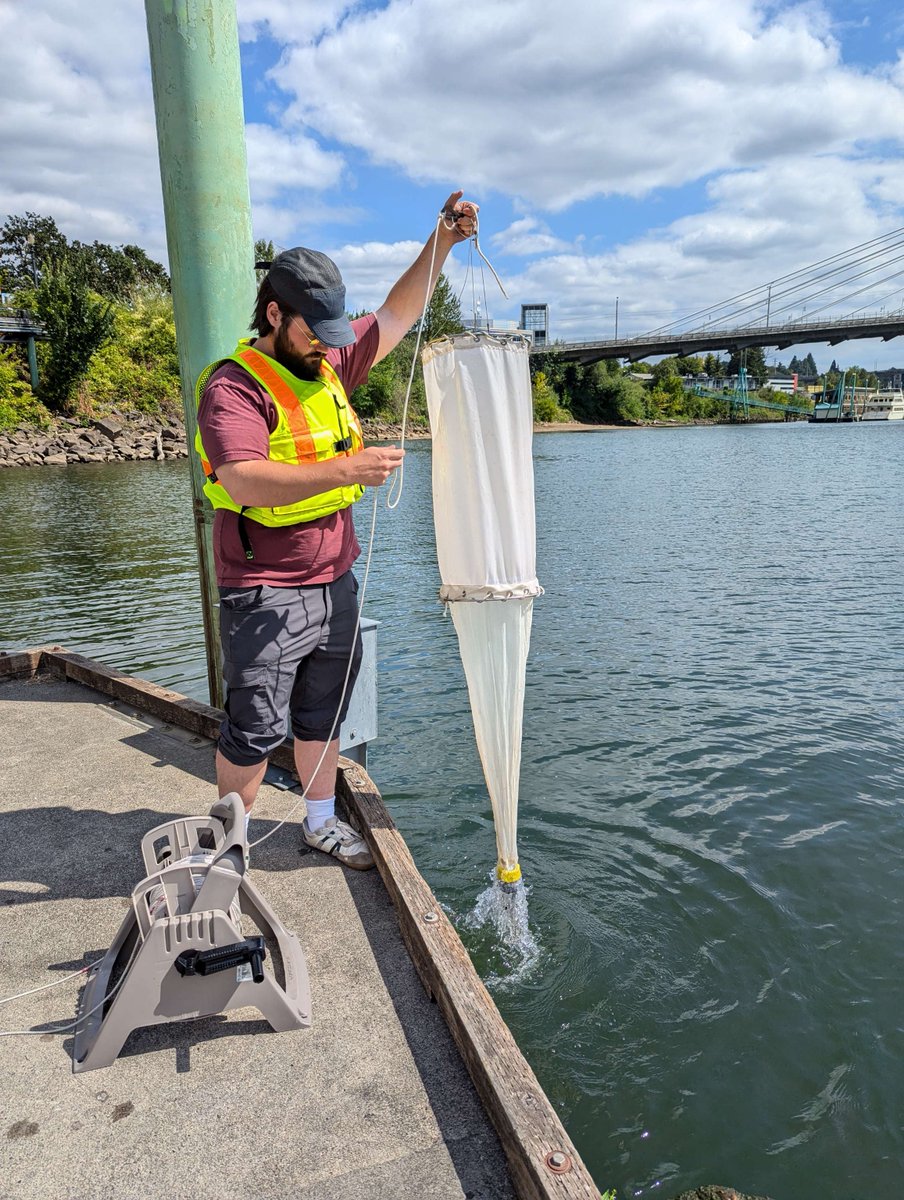
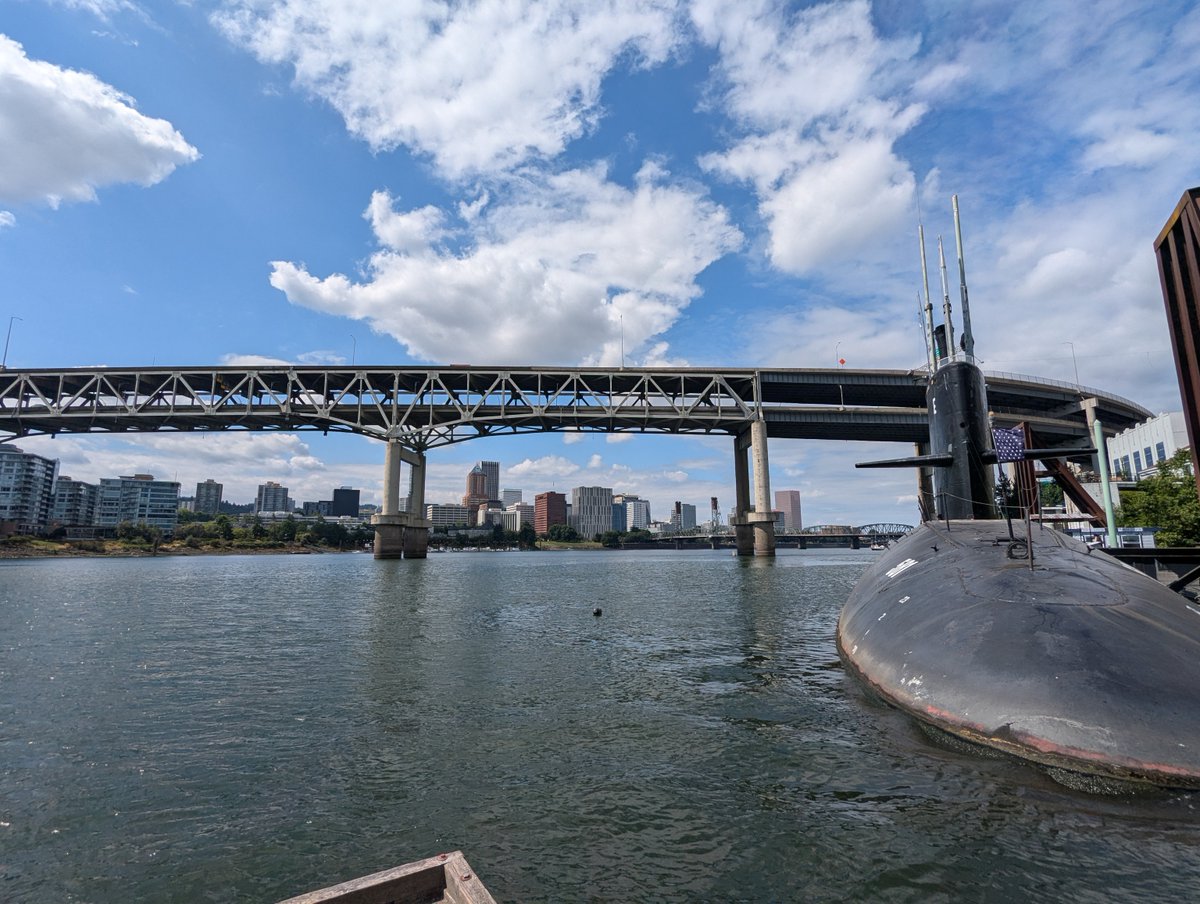
5
134
USGS in Oregon retweeted
12 Aug 2024
#DYK all water is of a certain quality, but you can't tell by just looking 👀 What does #WaterQuality really mean? Quench your curiosity & visit the Water Science School website!
Water quality info by topic: usgs.gov/special-topics/wate…
#NationalWaterQualityMonth #WaterScienceSchool
5
17
1,030
10 Aug 2024
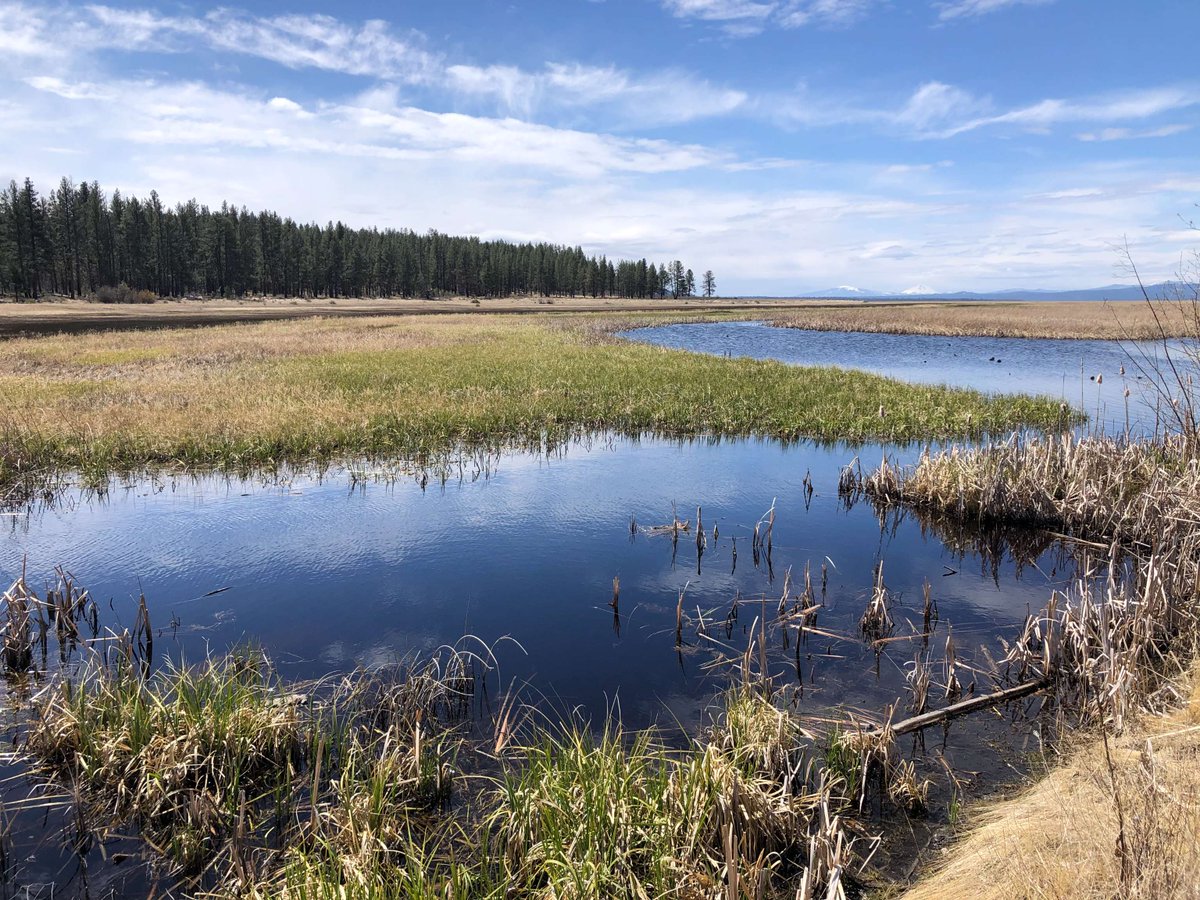
The maximum surface-water extent in the #KlamathMarsh has decreased by about 50% since 1985.
Satellite imagery and the interplay of #climate and #HydrologicData tell the story of surface-water decline in the Klamath Marsh. #USGS
Learn more: usgs.gov/centers/oregon-wate…
3
128