
UX Brighton 2026: – uxbri.org/2026
Joined April 2008
- Tweets 7,440
- Following 3,137
- Followers 4,998
- Likes 3,561
1,627 Photos and videos
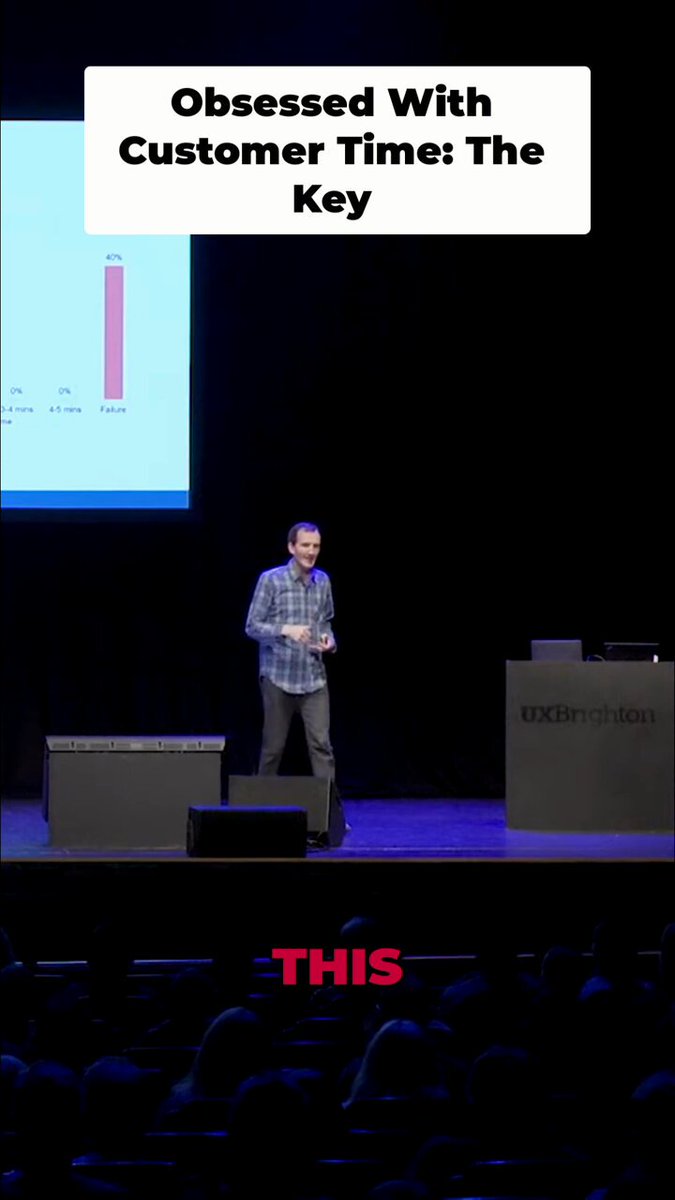




Organizations that focus on customer success and reducing customer time see more positive customer behavior. While success gets you in the game, time is what wins it. Obsession with making things easier and simpler for customers is key in digital.
8
Beauty isn't just subjective; science suggests it's rooted in neural processes. Neuroesthetics explores the brain's engagement with art, crucial for designers shaping our experiences.
7

Jun 12
London's buses unintentionally fail mobility-challenged users. Bus drivers, pressured by punctuality metrics, often show impatience because loading wheelchairs causes delays. This highlights a critical flaw: prioritising speed over human experience in system design.
17
Jun 11
Risk homeostasis: people often use new safety features not to be safer, but to engage in other risky behaviors. Case in point: using adaptive cruise control to text while driving. #Psychology #Safety
26
Jun 9
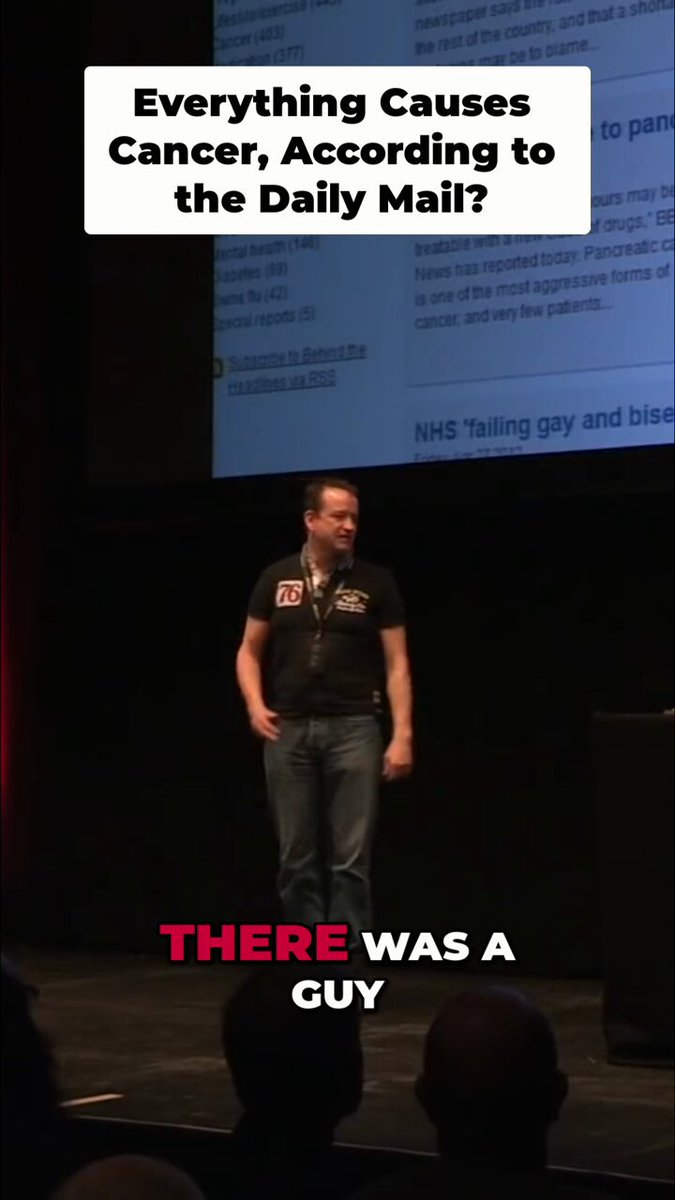
The Daily Mail's list of cancer causes is absurd, from bacon and beer to Facebook and feeling lonely. This 'learned helplessness' paralyzes us. Empower yourself with real facts, not fear-mongering headlines. #HealthFacts #CriticalThinking
15
Jun 8
Discovering speakers for UX Brighton events is a privilege! Conversations with interesting people reveal community ideas before they're published—months or years ahead. This insight shapes future event themes.
13
Jun 7
Learn from the world's best in a relaxed setting. Digest insights with your peers and explore emerging methods. #ExpertInsights #PeerLearning
1
19
Jun 6
Innovators should ask: 'How might we...?' This ambitious question propels teams forward and creates energy. Don't rush it; iterate to find the one that truly excites your team. #Innovation #ProblemSolving
21
Jun 6
Old methods from the '80s and '90s offered valid insights but were too awkward to use. Perhaps it's time to re-examine and revive some of these forgotten techniques.
25
Jun 5
Simulating user behavior, while not as valid as real-user testing, offers instant insights. It's a million times quicker, making it worth considering even if imperfect. New tools can augment our existing research methods.
26
Jun 4
Tired of slow, costly development? 'Vibe coding' offers a faster, more accessible way forward. Embrace efficiency and innovation.
1
103
Jun 3
Vibe coding lets you quickly turn design ideas into reality, drastically reducing attachment to concepts. What once took days or weeks and high cost now takes minutes, enabling rapid iteration and exploration of multiple ideas without fear of failure.
2
224
Jun 2
Since 2010, UX Brighton has curated single-track conferences with a narrative arc. It's like one big talk from 8 smaller ones, allowing careful selection of speakers and ideas to address the theme's questions on staying competitive in UX.
42
Jun 1
Attendees will leave this conference equipped with practical, actionable tools and advice, ready for immediate implementation on Monday morning. This could include recommendations for specific software or actionable strategies.
25
May 31
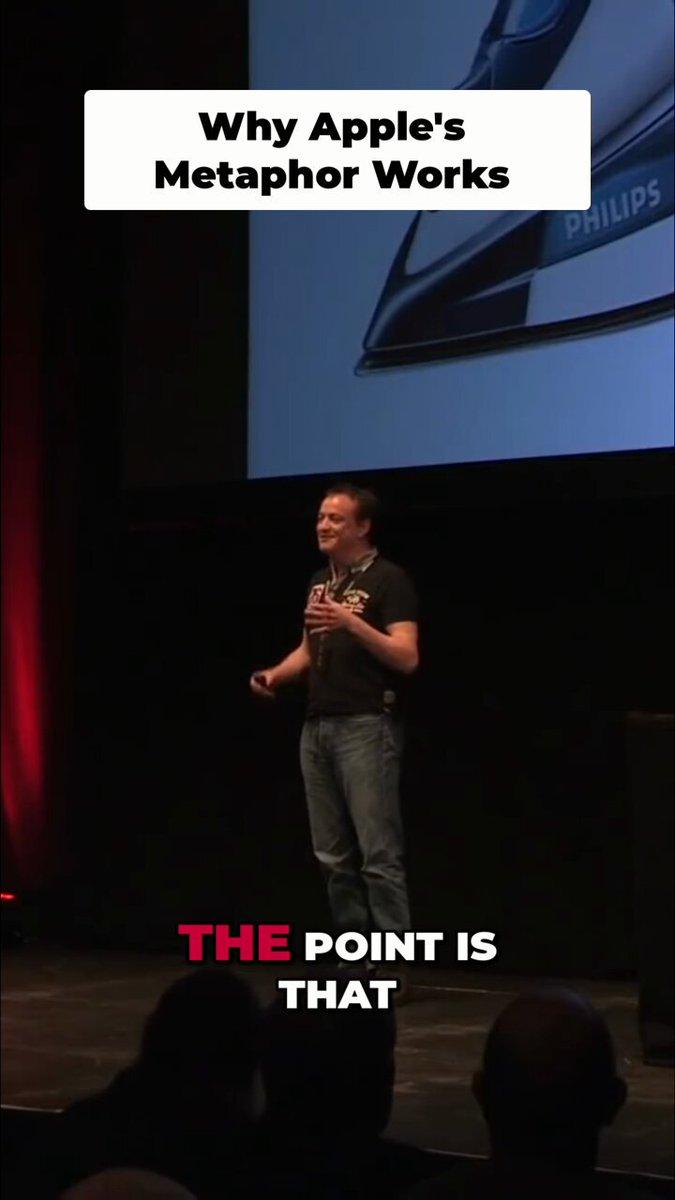
We think we know what makes things fast, but our mental shortcuts (metaphors) can lead us astray. Even the fastest iron felt slow because its shape didn't match our 'fast' expectation. Apple succeeded by translating complex tech into the familiar 'office' metaphor.
38
May 31
Bringing professional eye exams to rural areas using mobile tech was innovative. But the team discovered a key issue: homes lacked the required 3-meter testing distance.
26
May 30
David Ogilvy said, "Give me the freedom of a tight brief." Constraints are the secret to creativity, not a limitation. Think origami, Dr. Seuss, or poetry. Lean into your project's constraints to unlock innovation. #Creativity #Innovation #Constraints
27
May 29
The pressure to deliver faster can lead to mistaking rapid output for actual progress. Are we creating genuine improvements or just adding noise? We need principles to guide us, not throw out the essentials with the new tools. #DesignProcess #ProductDevelopment
17
May 28
Designing for billions is complex. While advice abounds for single products, large organizations need supportive internal conditions. Focus on creating a helpful environment for good design work before relying on standardized processes across hundreds of teams.
21