
Anarchist. Love Europe.🗽
Joined January 2009
- Tweets 430,377
- Following 2,306
- Followers 2,857
- Likes 168,145
Photos and videos
Pinned Tweet

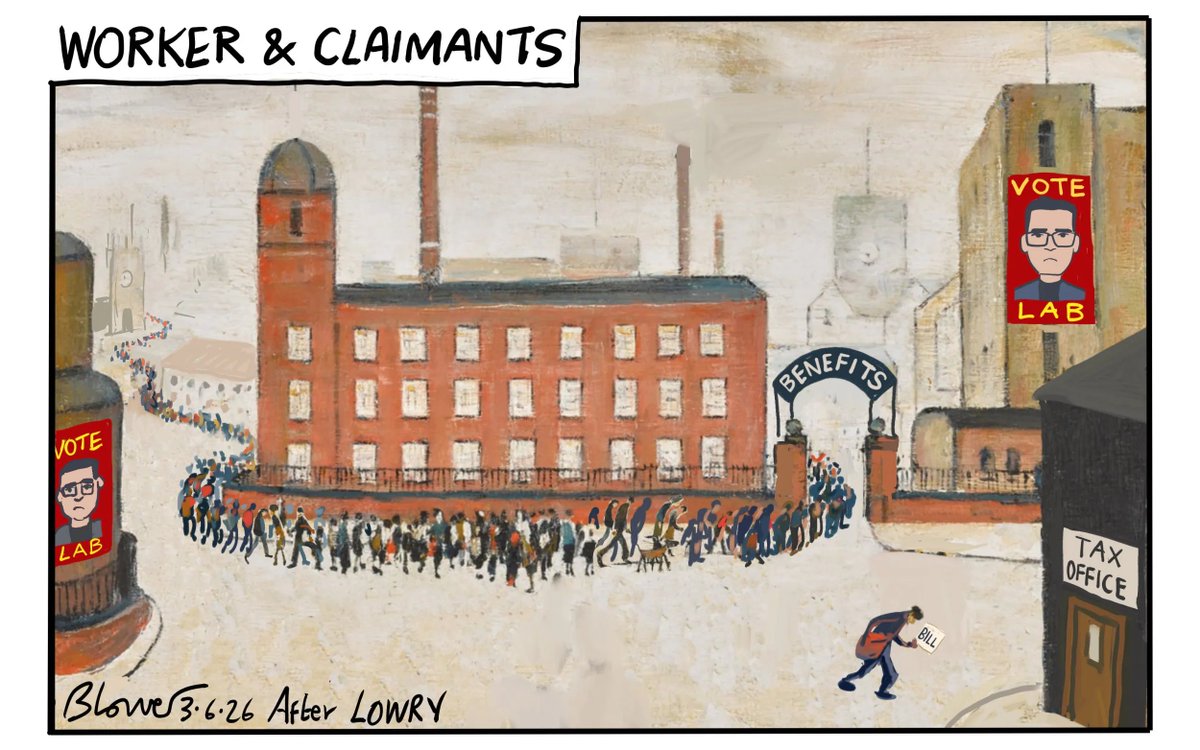
They are not free! #bbcaq
Have you looked at school food waste bins of late?
4
13
116
2,307


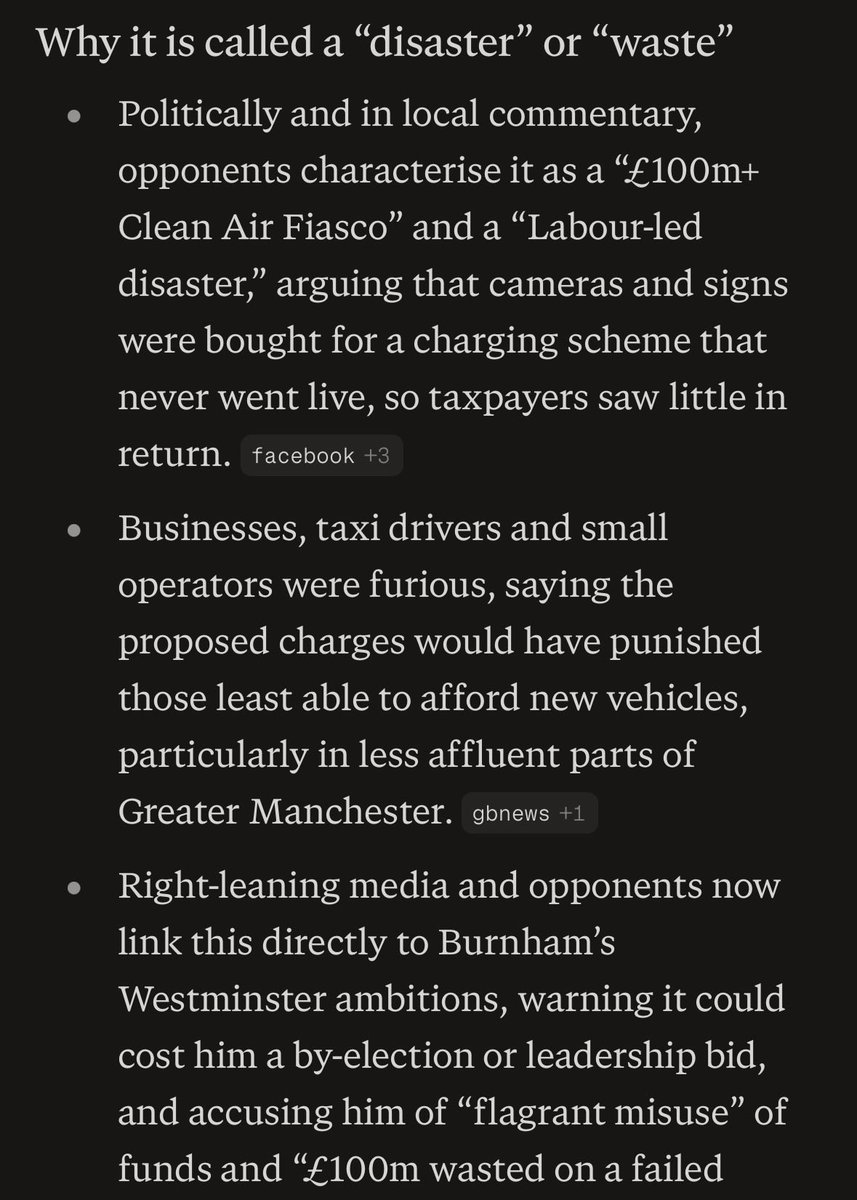
There never was any 'shine' on Burnham, his 'Manchesterism' is a myth!
#bbcnews #BBCLauraK
Jun 13

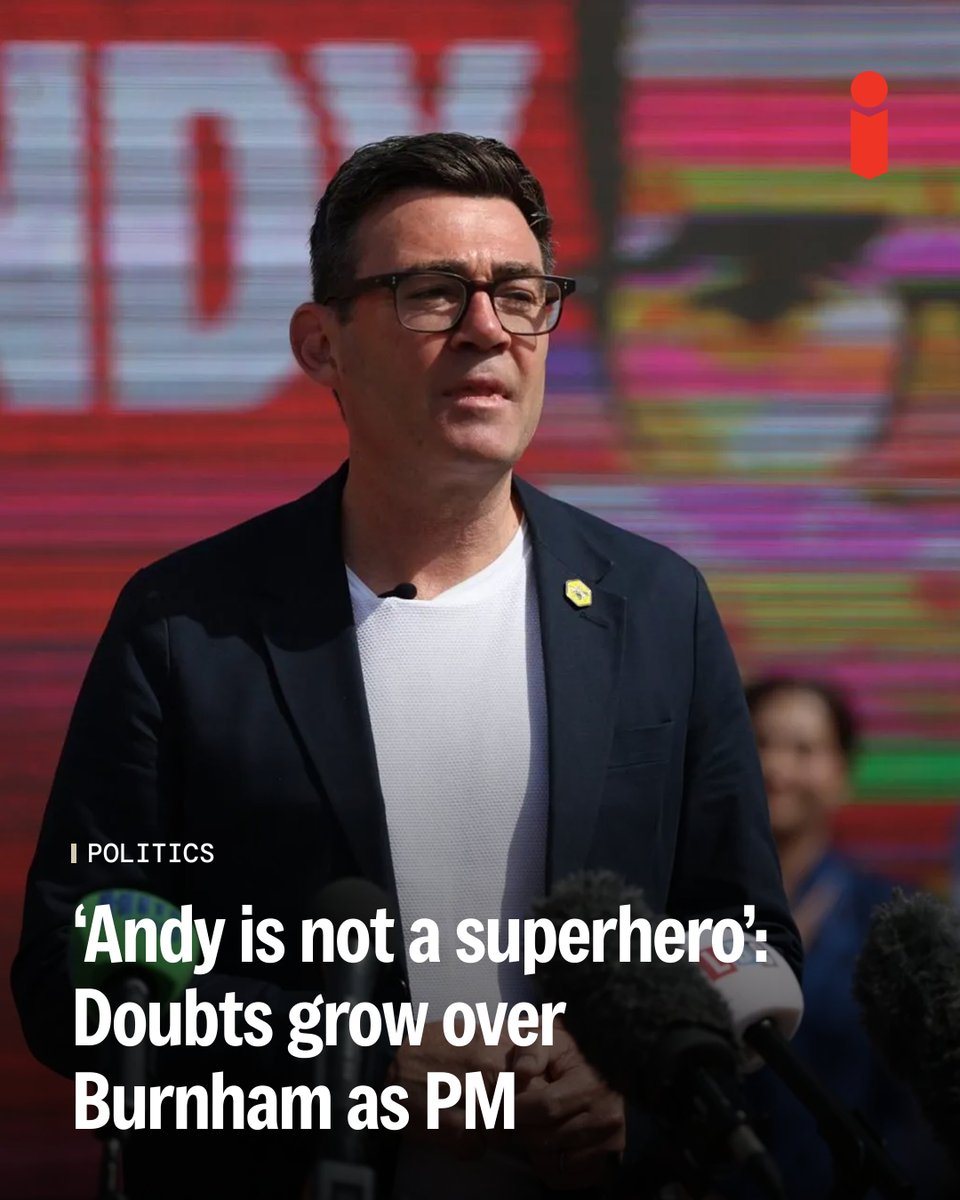
‘Andy is not a superhero’: Doubts grow over Burnham as PM
'Some MPs believe the shine might be starting to come off the Greater Manchester Mayor.'
Read more: trib.al/iwuwuaG
8
Has Bridget Phillipson belatedly realised she’s a Conservative? #bbcnews #BBCLauraK open.substack.com/pub/cieo/p… The Education Secretary’s shout out for traditional parenting is a refreshing departure from her track record – but I’m not celebrating

11
Labour’s rail nationalisation dream hurtles toward disaster
#bbclaurak #trevorphillips
The battle to fix Britain’s train network is a litmus test for state control
telegraph.co.uk/business/202…
16
The Dem with the Nazi tattoo
#foxnews #TheView
Graham Platner’s shady treatment of women and even shadier taste in body art reek of ‘progressive’ hypocrisy. spiked-online.com/2026/06/14…
6
Weekly wrap: Labour still isn’t working open.substack.com/pub/julian…
#bbcLauraK #trevorphillips
Keir Starmer’s government is wasting its remaining time and your money playing at being a tech investor, while failing on everything from job security to national security.
72
John Smith🗽Israel 🇮🇱 must prevail retweeted

Jun 13
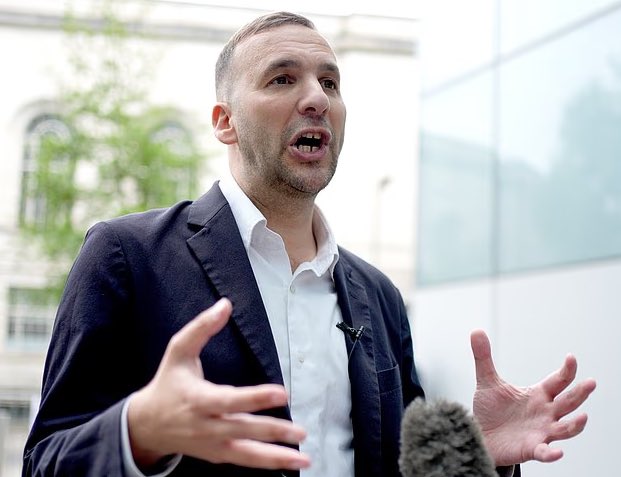
Zack Polanski’s genuinely believes that fracturing a female officer’s spine is just “protesting” against Israel.
He’s either stupid, disingenuous or belongs on a watchlist.
I say he’s all three and shows why he’s woefully unfit to be PM.

227
892
5,254
58,946
John Smith🗽Israel 🇮🇱 must prevail retweeted

13h
'Things will get much worse under Burnham': Businesses in Makerfield give their verdict on Manchester mayor's power bid trib.al/MqAKObG
24
77
155
8,998
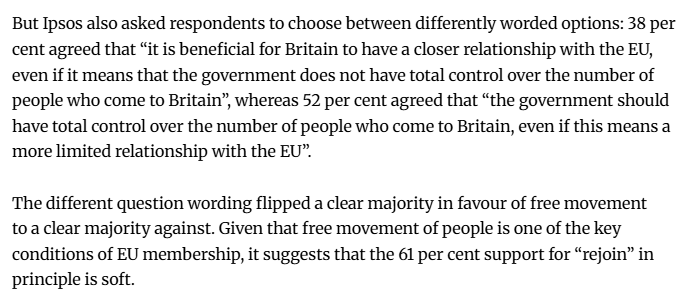
When told the facts the majority do not want to rejoin the EU! #bbcLauraK #trevorphillips
x.com/julianHjessop/status/2…
Jun 13

"Brexit’s damage to economy is fact, claims BBC"
My take on this... 🤔
(TL;DR - opinions are not always facts, and it is more important than ever that alternative voices are heard)
1⃣ At most it might be accurate to say something like "the consensus among economists" is that Brexit has had a negative effect, but only insofar as it would also be accurate to say that the consensus for over a thousand years was that the Sun revolved around the Earth.
2⃣ This absolutely does not make this a settled "fact", nor does it justify the persistent failure to challenge the more extreme claims being made about the impact of Brexit (such as the NBER's 8%), or to present alternative views.
In particular, it is plain wrong to claim that there is "no significant body of economic opinion on the other side". There are plenty of economists (myself included) who are happy to argue that Brexit has already started to deliver some benefits, and that the longer-term impact should still be positive.
3⃣ To be fair to the BBC, I have been interviewed for two separate shows ahead of the 10th anniversary of the 2016 Referendum, so there has at least been some attempt at balance in the big set pieces. But this still seems to be the exception, and the day-to-day coverage is overwhelmingly biased the other way.
4⃣ This problem goes well beyond the BBC. Groupthink has taken hold across the media, civil service, big business, and academia, making it hard for dissenters to stick their heads above the parapet. Pro-EU lobby groups are well-organised and well-funded. This makes it all the more important that both sides are heard, and that people support those - like @BritainUnbound - who are now attempting to level the playing field.
telegraph.co.uk/news/2026/06…
117
John Smith🗽Israel 🇮🇱 must prevail retweeted

EXCL: Rachel Reeves was in “open rebellion” over defence funding and torpedoed a higher settlement, Whitehall insiders say.
Inside the blame game rocking government after Defence Secretary John Healey's bombshell resignation
thesun.co.uk/uncategorized/3…
22
94
232
19,497
John Smith🗽Israel 🇮🇱 must prevail retweeted

Rachel Reeves's deputy admits it - Labour are funding more benefits on the backs of students.
The interest rate on student loans is a scam. But Labour would rather rip off hardworking graduates to pay for more welfare than fix it.
That tells you everything about their priorities.
Conservatives have clear plan: stop the student loan scam by cutting real interest rates on Plan 2 loans, saving graduates thousands.
Find out more ⬇️
stopthestudentloanscam.com
126
445
2,570
111,685
Good luck!
There goes mad Miliband's plans!
#bbclaurak #trevorphillips
12h

New Defence Secretary urged not to accept less than £18billion from Rachel Reeves to boost military trib.al/WMtjn6D
1
1
118
John Smith🗽Israel 🇮🇱 must prevail retweeted

Here’s how the SNP voted : the inconvertible truth that you lot don’t give a flying fig about the North Sea oil industry. You’ve done everything you can to destroy it.

1
48
93
706
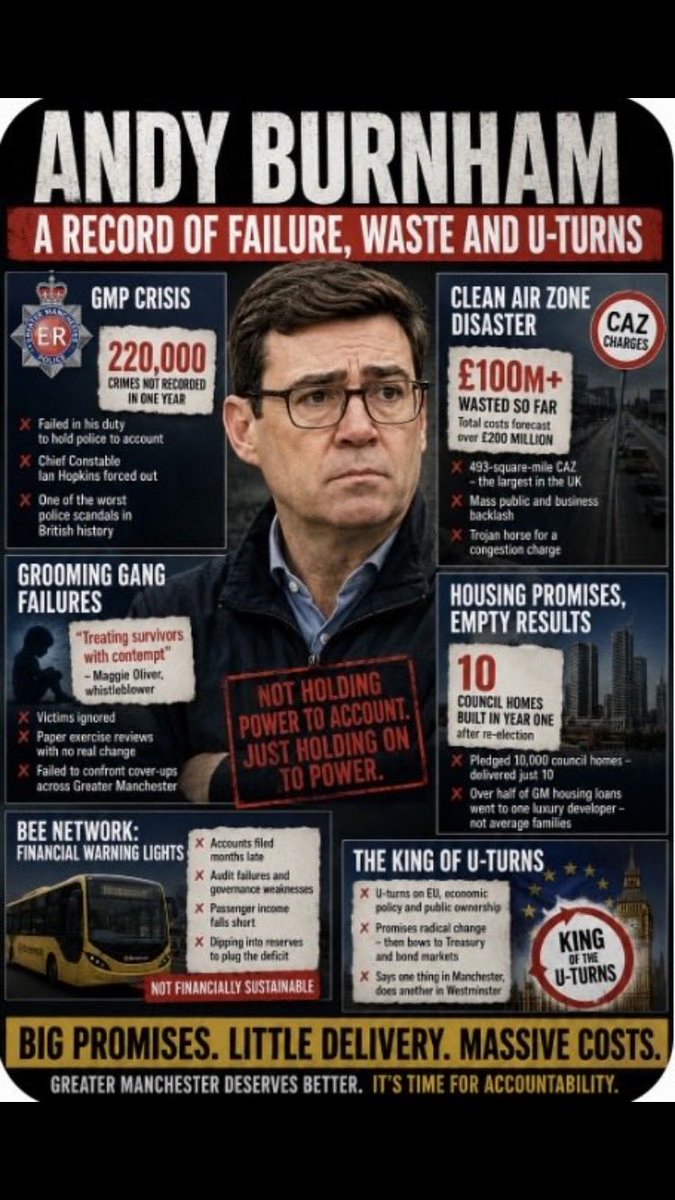
“The survival plan has been totally demolished by Healey,” a senior Labour figure said. #bbcLauraK #trevorphillips “Starmer’s strongest card was as the man who can take the big decisions to keep the country safe and Healey has accused him of putting the country at risk. It is hard to see how we go from here.”
88
Labour’s rail nationalisation dream hurtles toward disaster
#bbclaurak #trevorphillips
The battle to fix Britain’s train network is a litmus test for state control
telegraph.co.uk/business/202…
94
Mad Miliband is the Millionaire son of a Marxist!
#bbcnews #bbcLauraK
Jun 12
Ed Miliband is coming for your electric towel rail in Net Zero drive - as critics brand the move 'Soviet' trib.al/6sVnB0q
102
'The instinct and indeed desire of the British people is to be outside of the control of the EU.'
#BBCLauraK #trevorphillips
Jun 12

Exactly how many times do the rejoin activists need to be told?
This is an excerpt from The Independent. The instinct and indeed desire of the British people is to be outside of the control of the EU. That instinct is given loudly and clearly, every single time.
109
The Book of JO’B #LBC #bbcLauraK thecritic.co.uk/the-book-of-… James O’Brien’s aggressive incuriosity is becoming ever more embattled as his worldview crumbles
82
John Smith🗽Israel 🇮🇱 must prevail retweeted

Jun 12
Only @KemiBadenoch has the backbone to take the tough decisions needed to fund our military.

133
140
573
15,269