
Forum where current and former Rwandan leaders and their spouses network and collaborate to address community issues.
Joined March 2012
- Tweets 7,229
- Following 423
- Followers 26,945
- Likes 2,235
954 Photos and videos


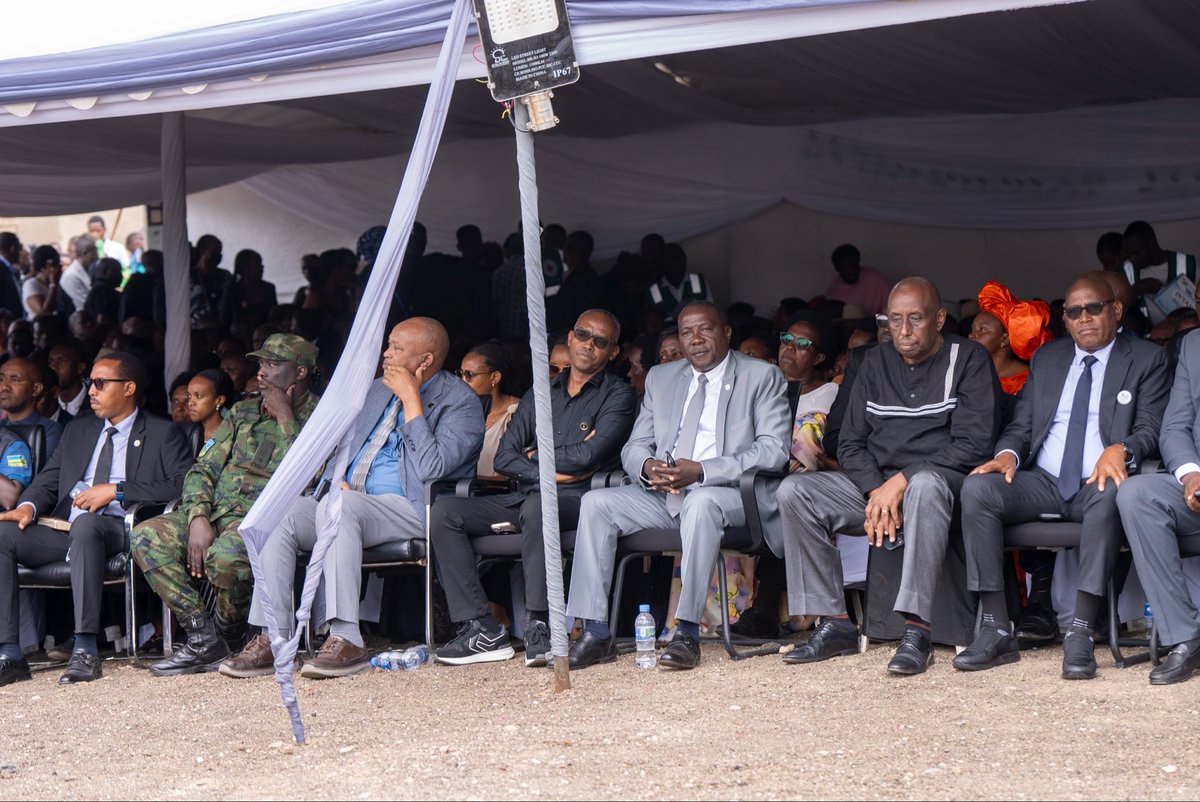
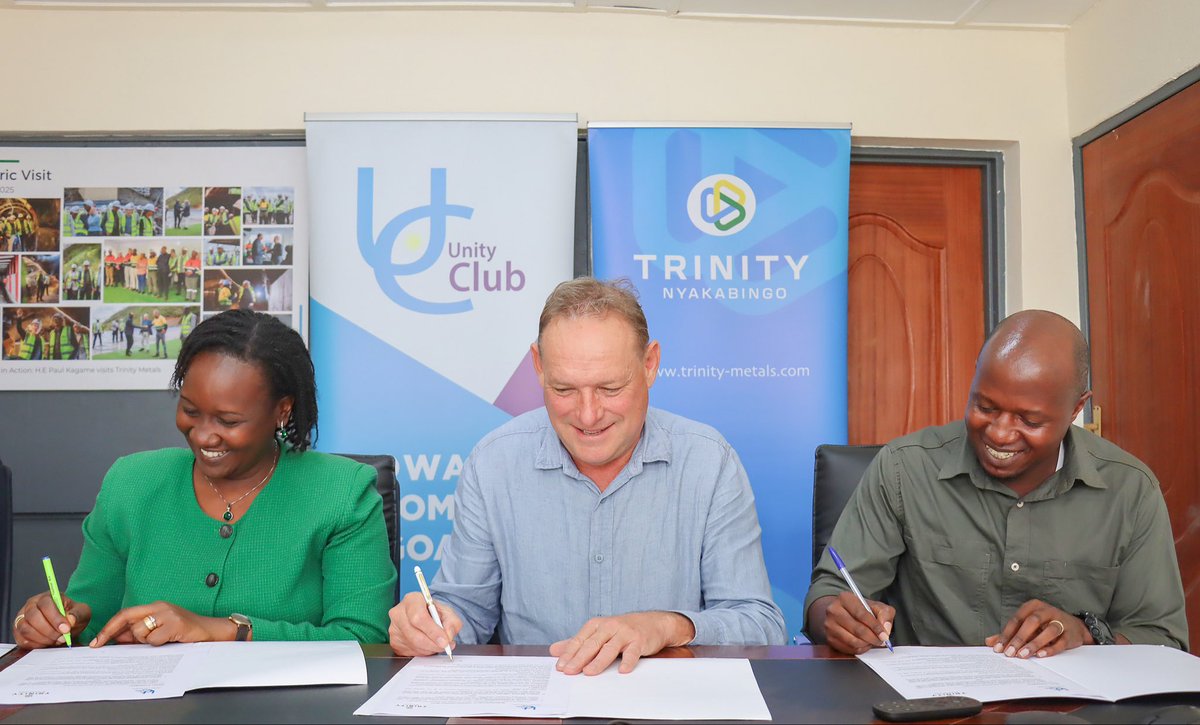
Pinned Tweet

May 25
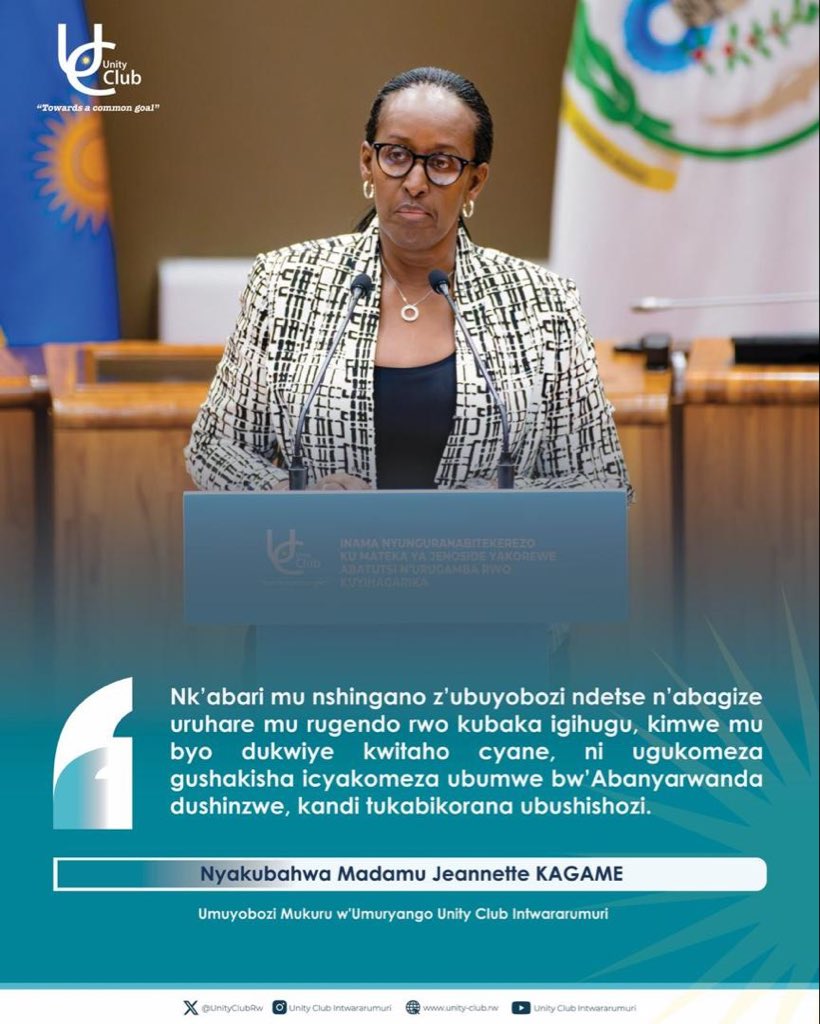
“Nk’abari mu nshingano z’ubuyobozi ndetse n’abagize
uruhare mu rugendo rwo kubaka igihugu, kimwe mu byo
dukwiye kwitaho cyane, ni ugukomeza gushakisha
icyakomeza ubumwe bw’Abanyarwanda dushinzwe, kandi
tukabikorana ubushishozi.“
— Jeannette Kagame, mu Nama Nyunguranabitekerezo ku Mateka ya Jenoside Yakorewe Abatutsi n’Urugamba rwo Kuyihagarika yabereye i Kigali, ku wa 22 Gicurasi 2026.
1
60
82
2,054
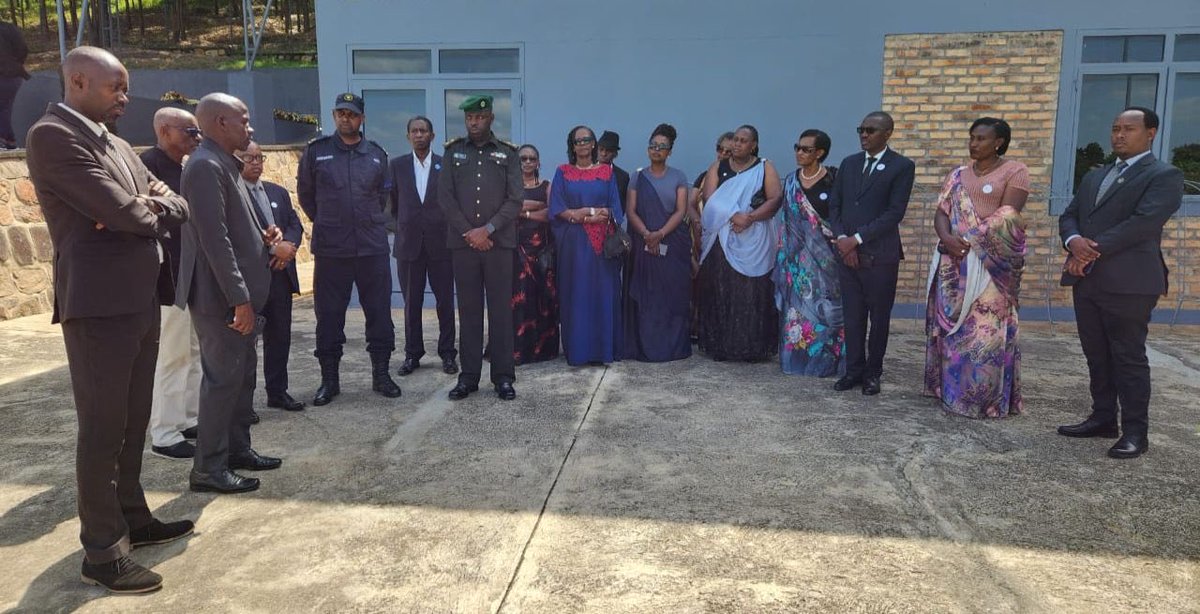
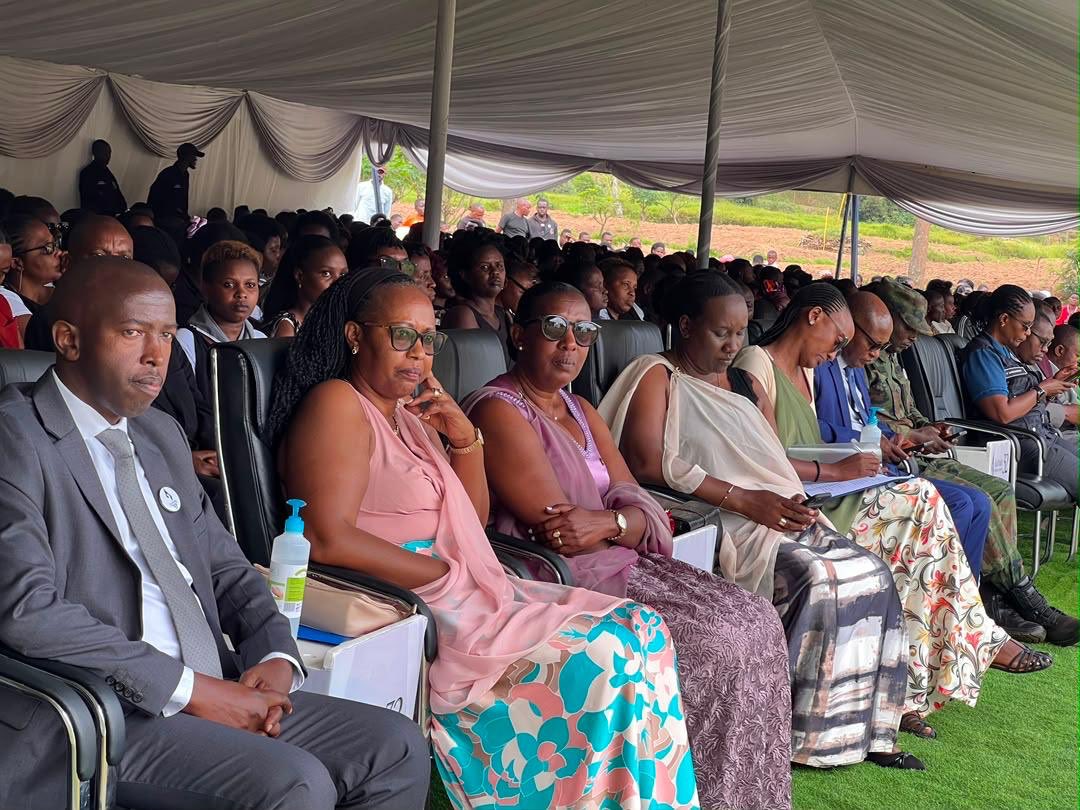
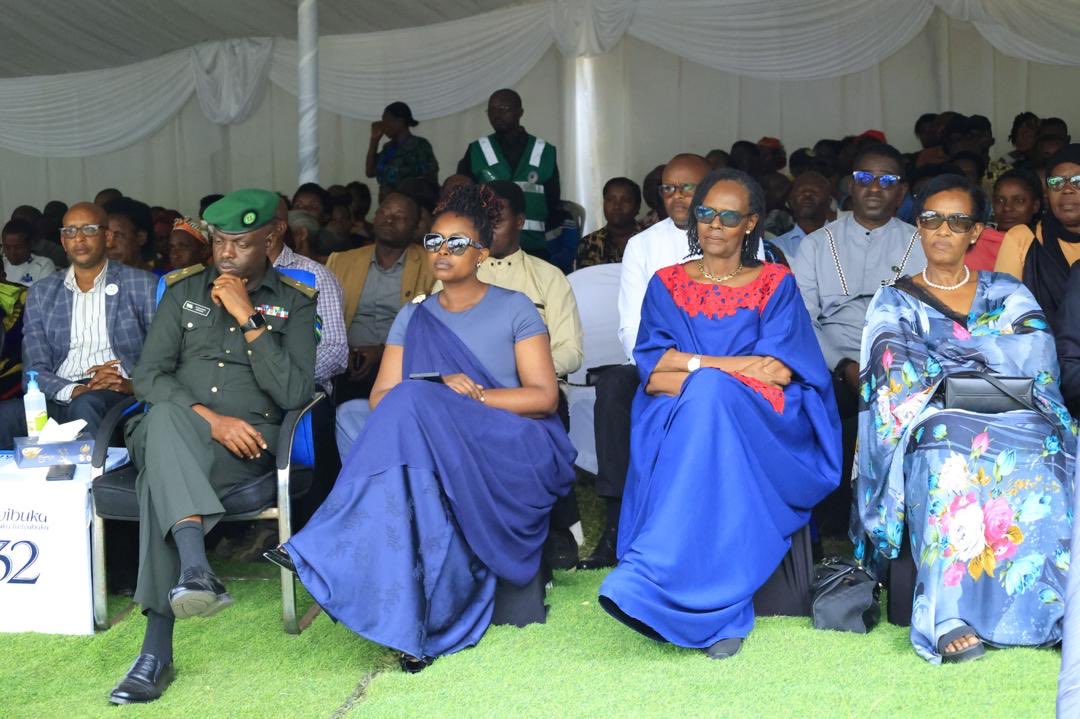
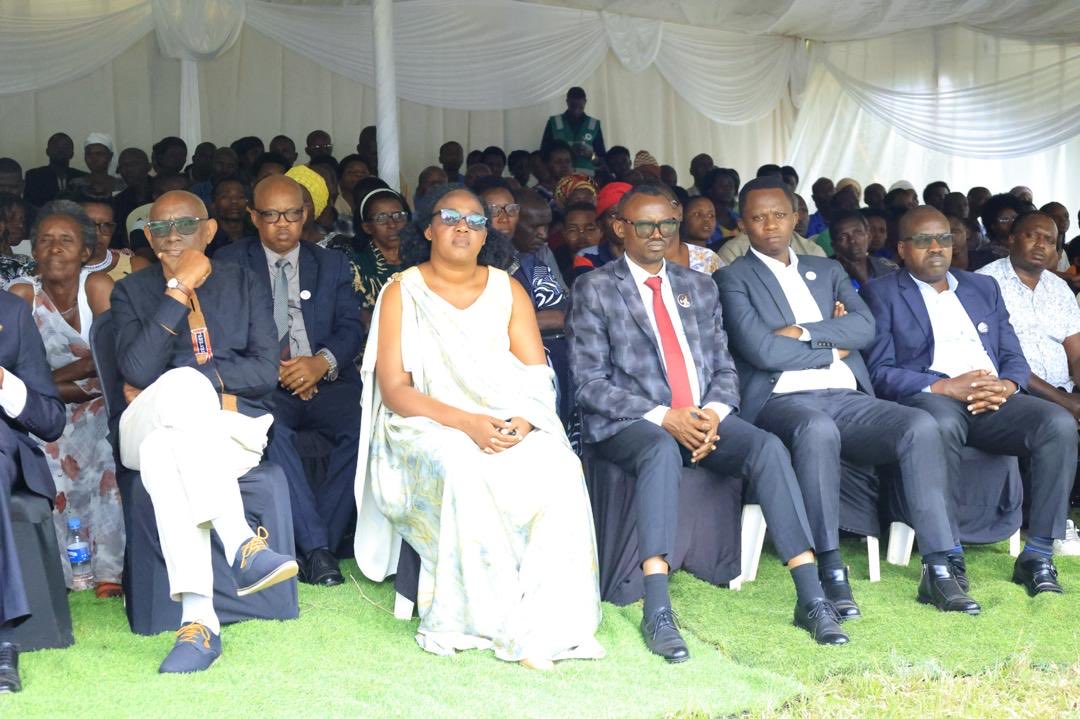
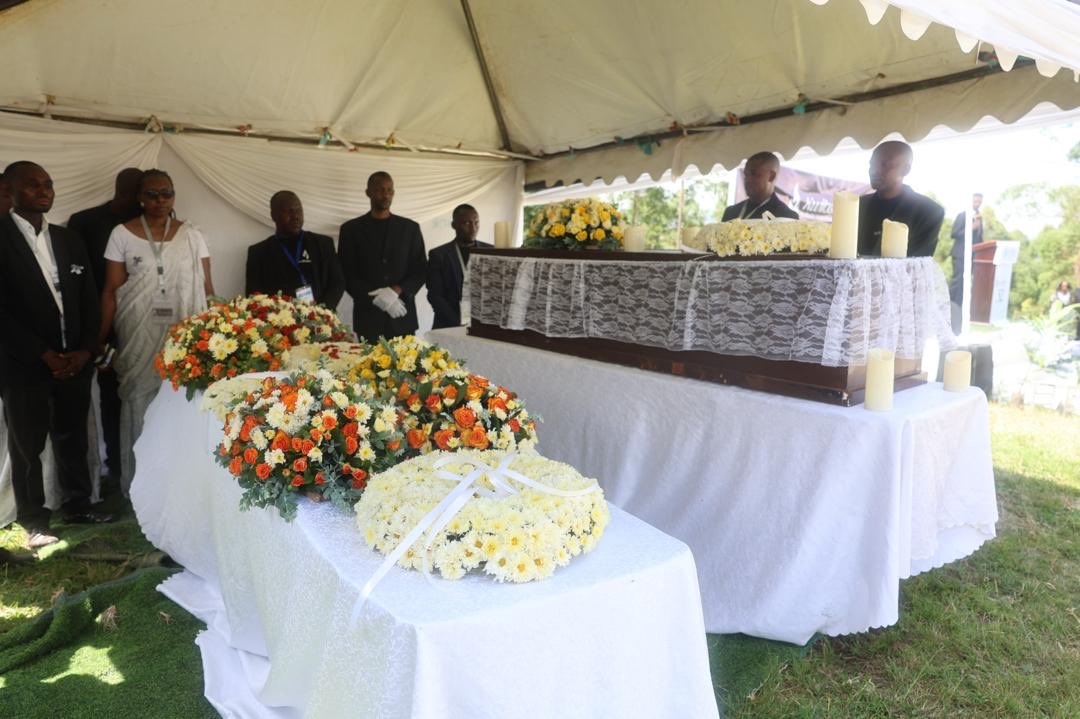
Kuri uyu wa 14 Kamena 2026, Abanyamuryango ba Unity Club Intwararumuri bifatanije n'Abaturage b' Akarere ka Kamonyi mu gikorwa cyo #Kwibuka32 Jenoside yakorewe Abatutsi mu 1994, by’umwihariko imiryango yazimye.
📍 Iki gikorwa cyabereye ku Rwibutso rwa Jenoside rwa Bunyonga mu Murenge wa Karama haruhukiye imibiri isaga 13,397 y’abazize Jenoside yakorewe Abatutsi. Uyu munsi kandi harashyingurwa mu cyubahiro imibiri 4 yabonetse.
Umurenge wa Karama ni umwe mu mirenge 12 igize Akarere ka Kamonyi, ukaba ariwo ufite umubare munini w'imiryango yazimye, ubu ni 134 ku miryango 624 imaze kubarurwa mu Karere ka Kamonyi.
Kwibuka imiryango yazimye ni ugusigasira amateka, guha icyubahiro abazize Jenoside no gukomeza guharanira Ubumwe, Ubudaheranwa n’ejo hazira Jenoside ukundi.
#NtimukazimeTwararokotse
#Kwibuka32 #TwibukeTwiyubaka #UnityClubIntwararumuri
18
27
918
Jun 12
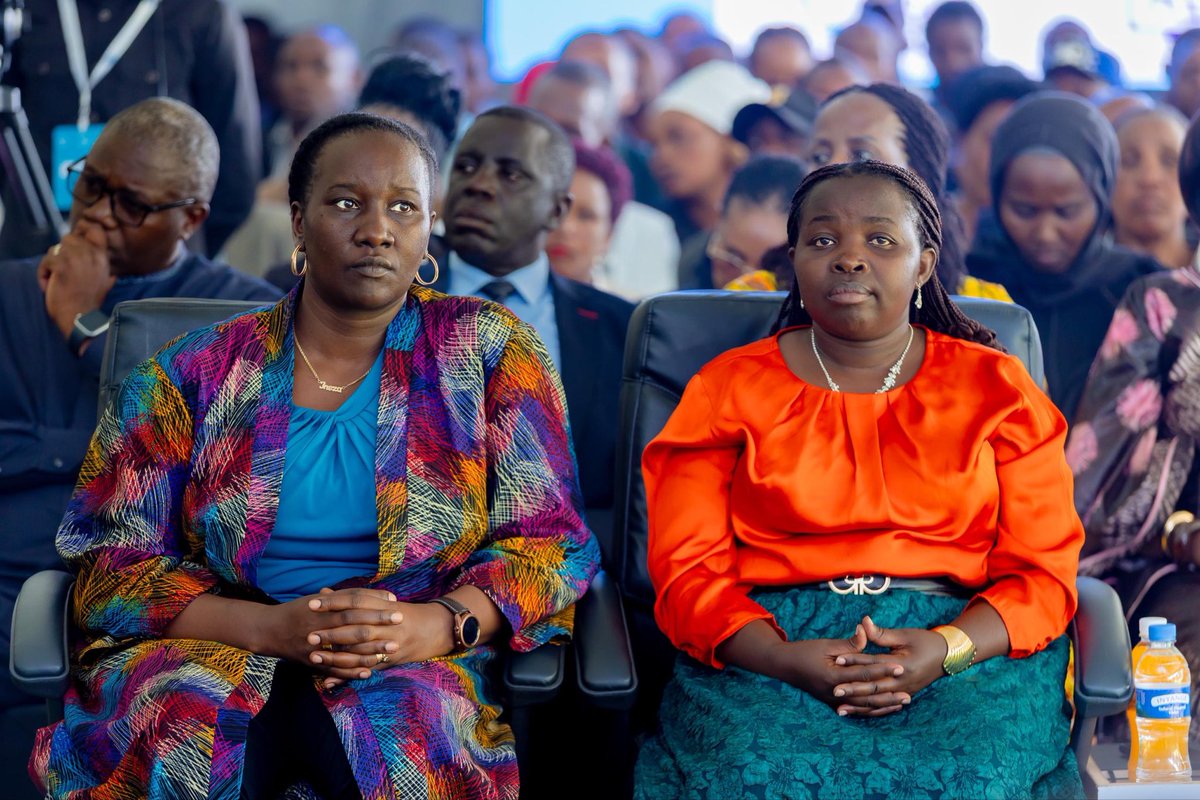
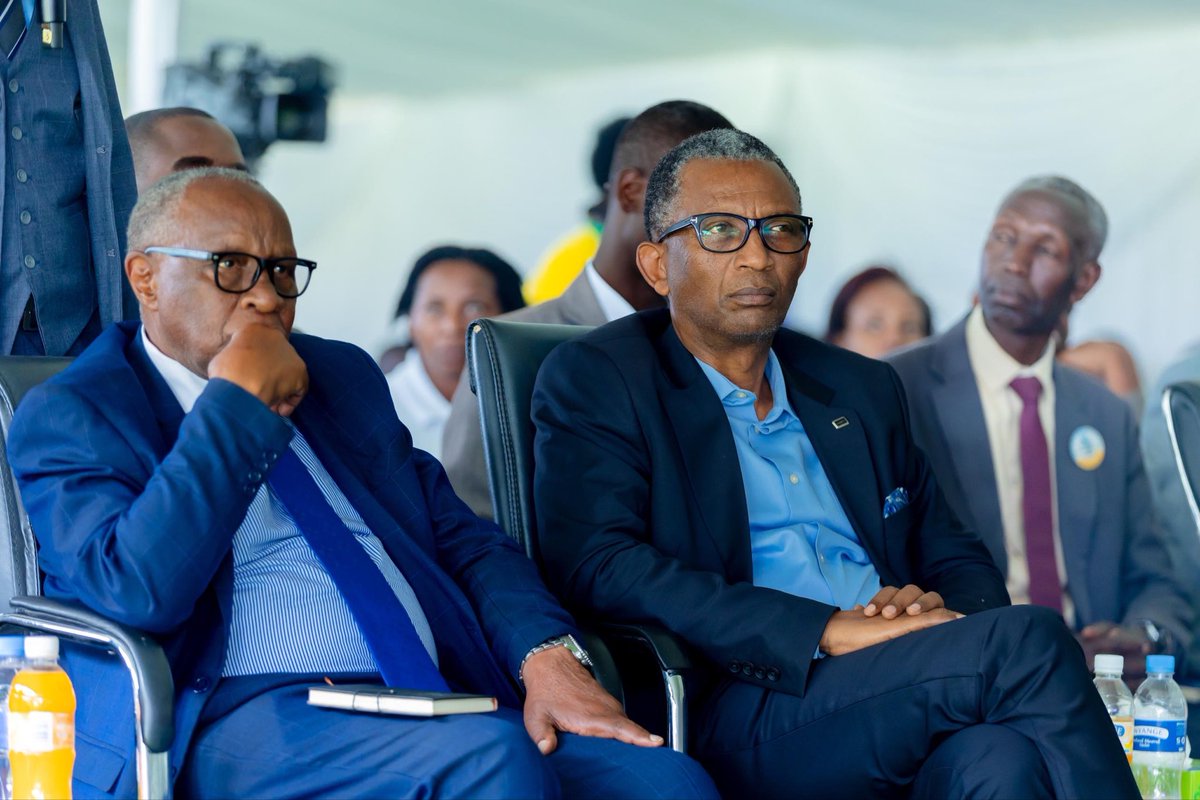
Minisitiri Jean Abdallah UTUMATWISHIMA, Umushyitsi Mukuru yagarahaje ko Ikigo cya Mutobo ari ikimenyetso gifatika cy’amahitamo u Rwanda rwafashe nyuma ya Jenoside yakorewe Abatutsi cy’uko nta mwana w’u Rwanda ugomba guhera ishyanga.
Bisobanuye kandi ko u Rwanda rwahisemo kubaka aho gusenya, guhuza Abanyarwanda aho kubatanya.
“U Rwanda ntirureba abaturage barwo nk’abanzi, ahubwo rubabona nk’abanyagihugu bafite ubushobozi bwo gutanga umusanzu mu kubaka no guteza imbere Igihugu.”
2
47
88
5,325
Jun 12
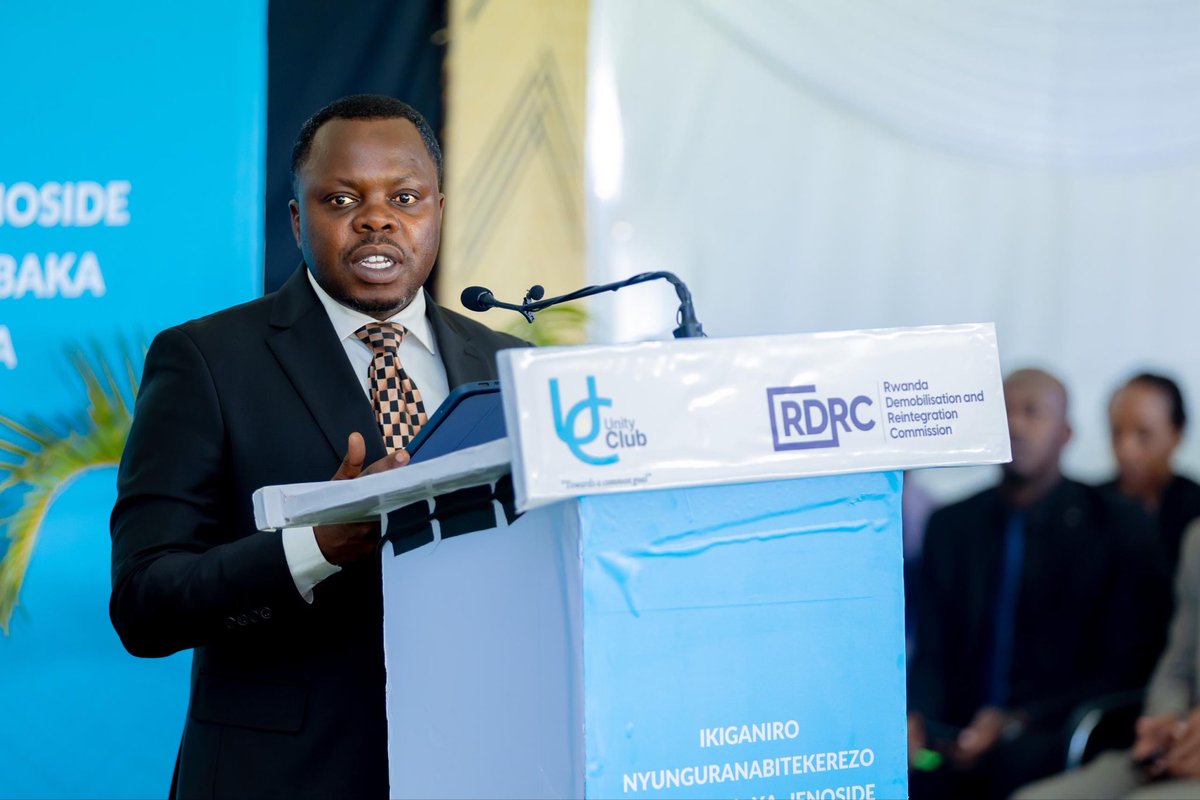
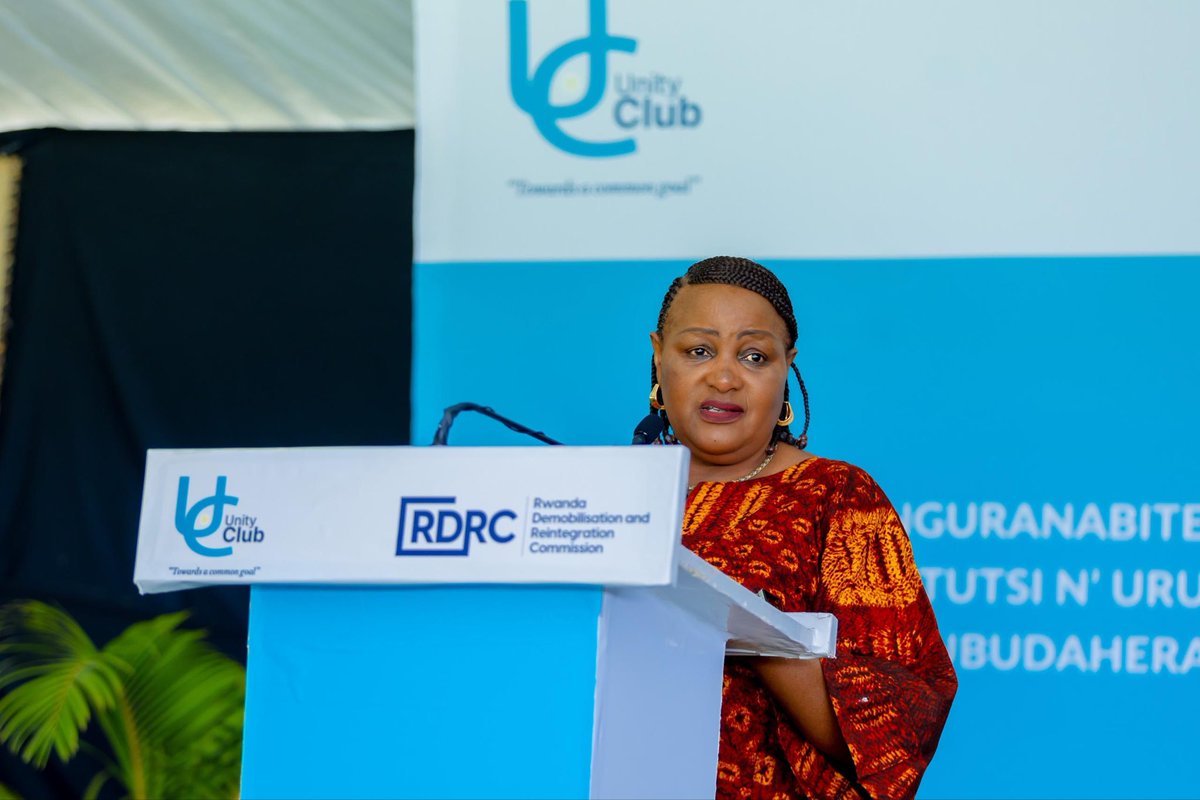
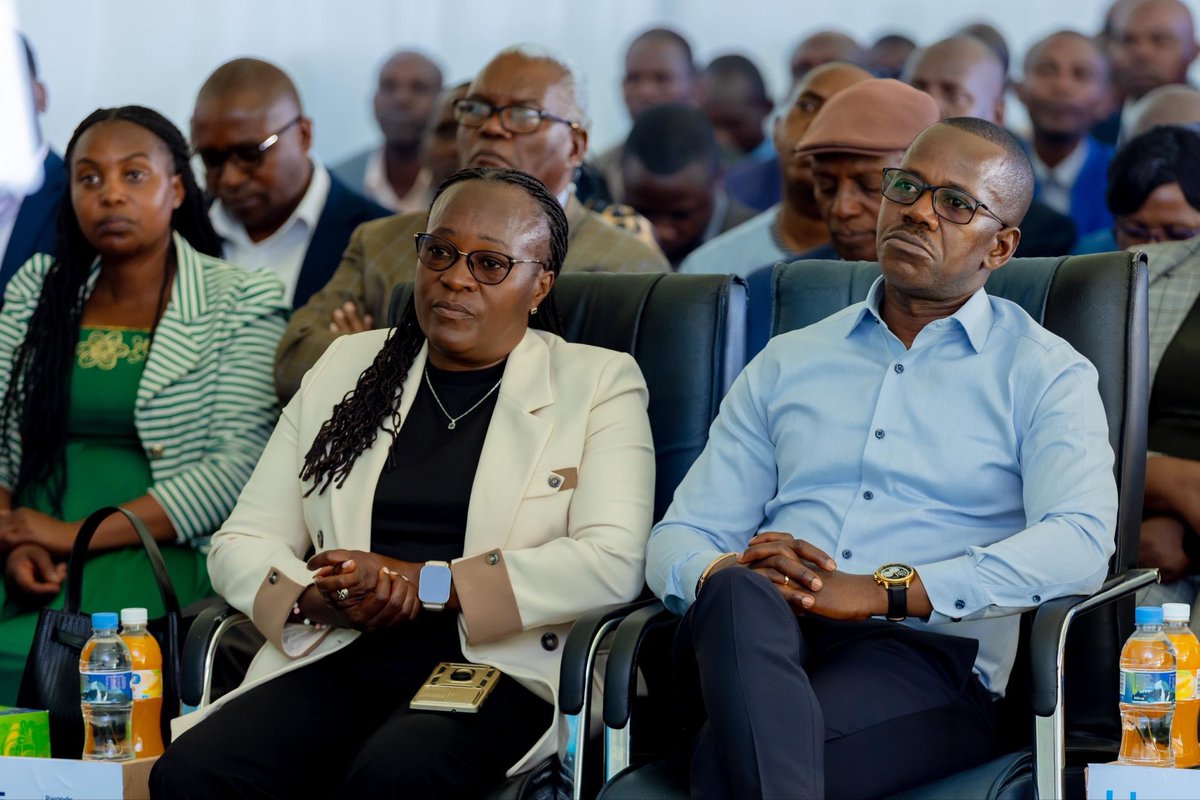
Ijambo ry’ikaze ry’Umuyobozi Mukuru wa @demobrwanda , Madamu Valérie Nyirahabineza, mu kiganiro nyunguranabitekerezo cyateguwe na Unity Club Intwararumuri cyabereye i Mutobo DC ku wa 12 Kamena 2026.
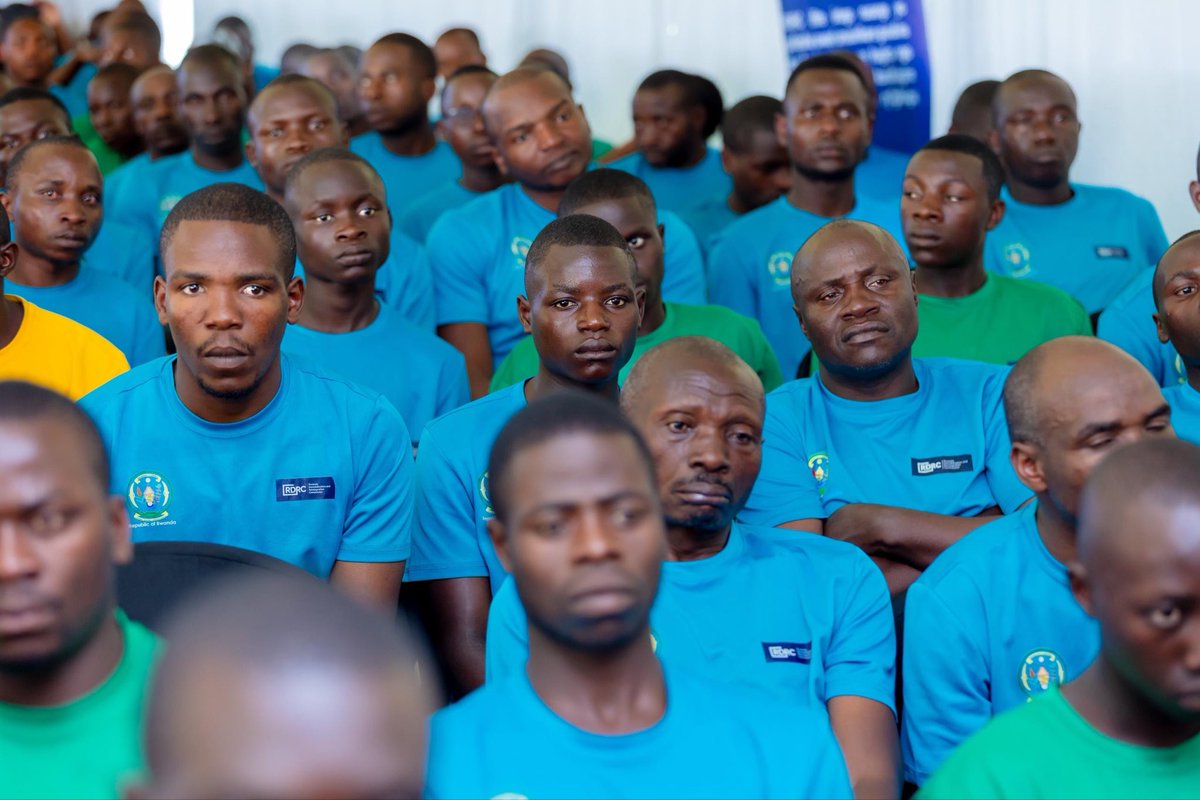
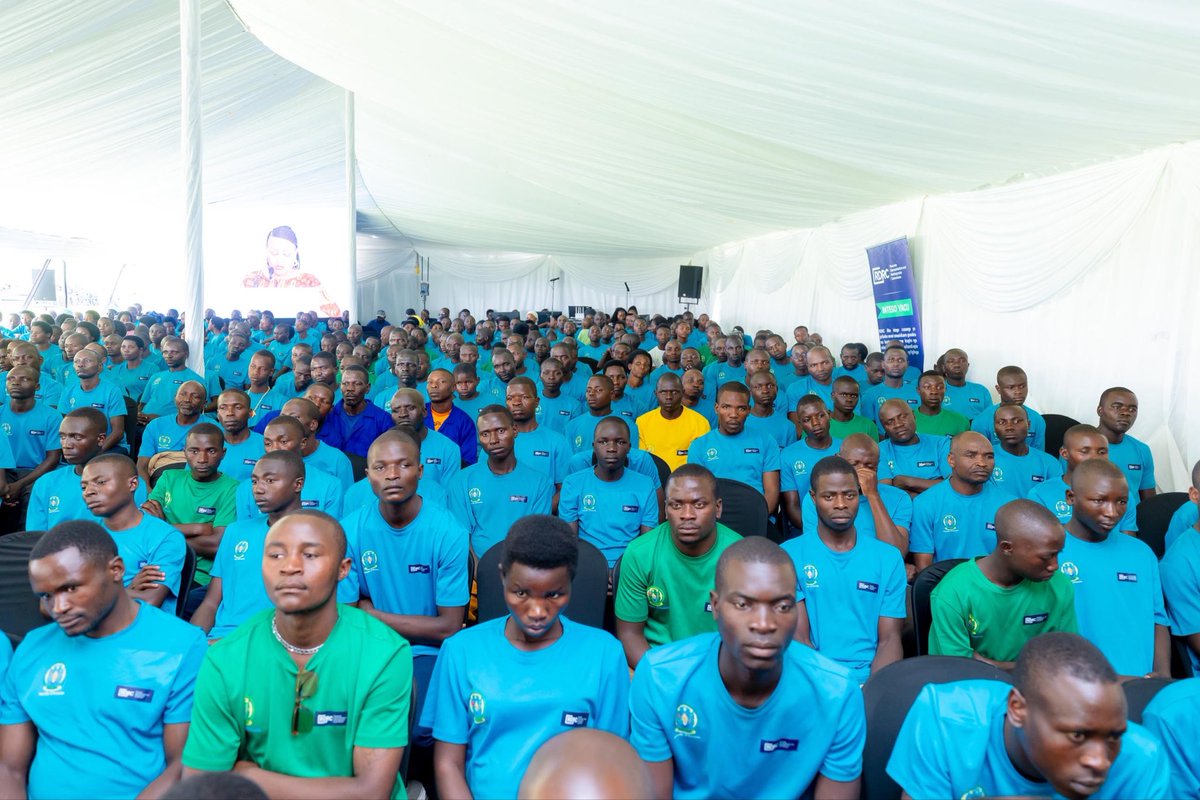
Yagaragaje ko kuri ubu Ikigo cya Mutobo DC cyakiriye icyiciro cya 77 kigizwe n’abahoze mu mutwe wa FDLR n’imiryango yabo bangana na 682, barimo abari abasirikare, abasivili bafatanyaga n’imitwe yitwaje intwaro, abana bahoze muri iyo mitwe ndetse n’abagize imiryango yabo.
Yavuze ko aba biyongera ku 12,714 bamaze gusezererwa no gusubizwa mu buzima busanzwe kuva mu 2001, ndetse ko kuva Komisiyo yatangira inshingano zayo mu 1997, hamaze gusubizwa mu buzima busanzwe abari abasirikare 72,109.
Yanashimangiye ko intego ari “Kugarura abantu mu Rwanda no kugarura u Rwanda mu bantu”, binyuze mu kubafasha kwitandukanya n’ingengabitekerezo mbi, gusobanukirwa amateka nyakuri y’u Rwanda by’umwihariko aya Jenoside yakorewe Abatutsi, no kumenya amahirwe Igihugu gitanga binyuze mu miyoborere myiza, gahunda za Leta na #NdiUmunyarwanda, kugira ngo bagire uruhare mu iterambere ry’Igihugu.
1
36
52
2,441
Jun 12
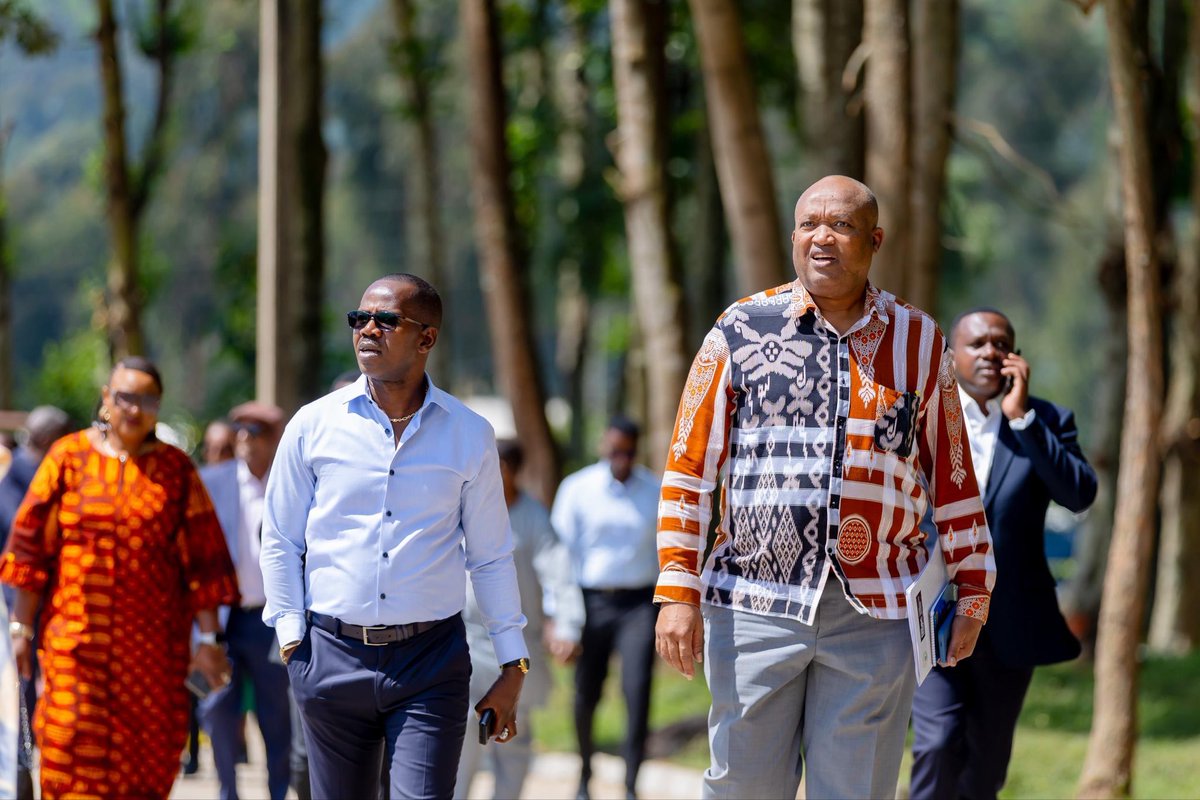
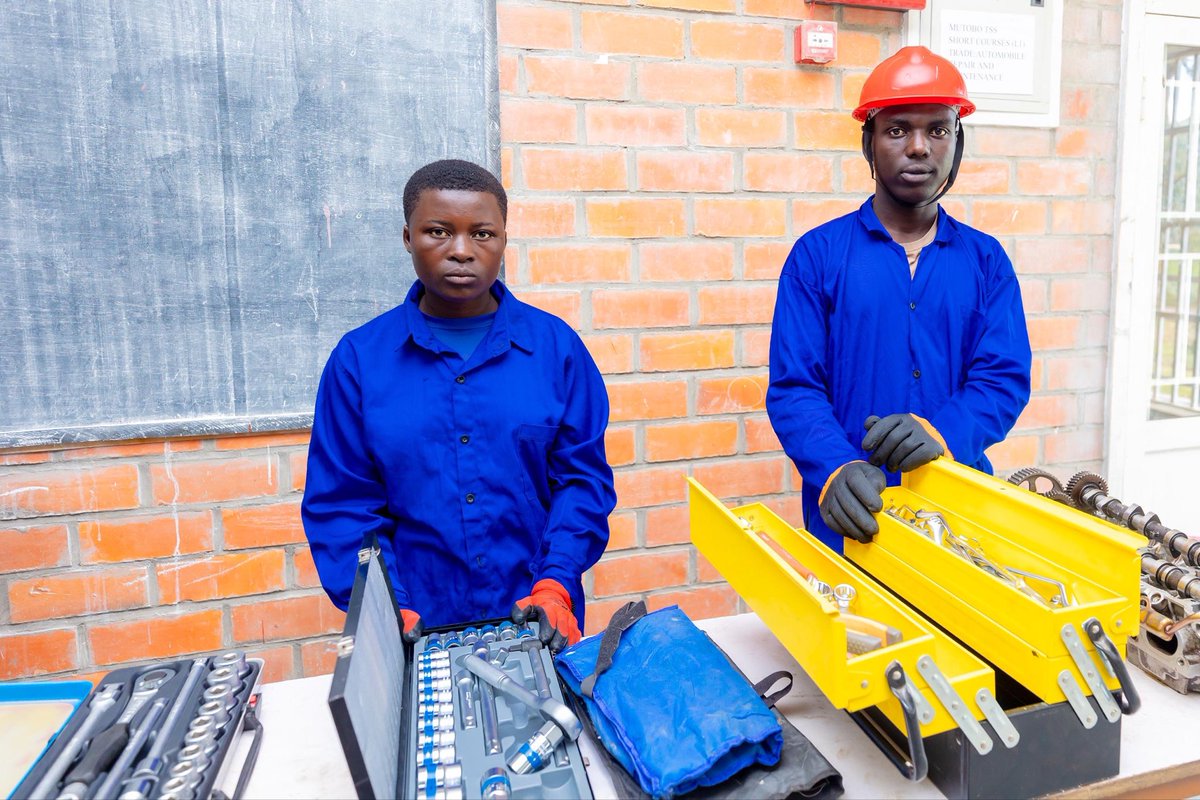
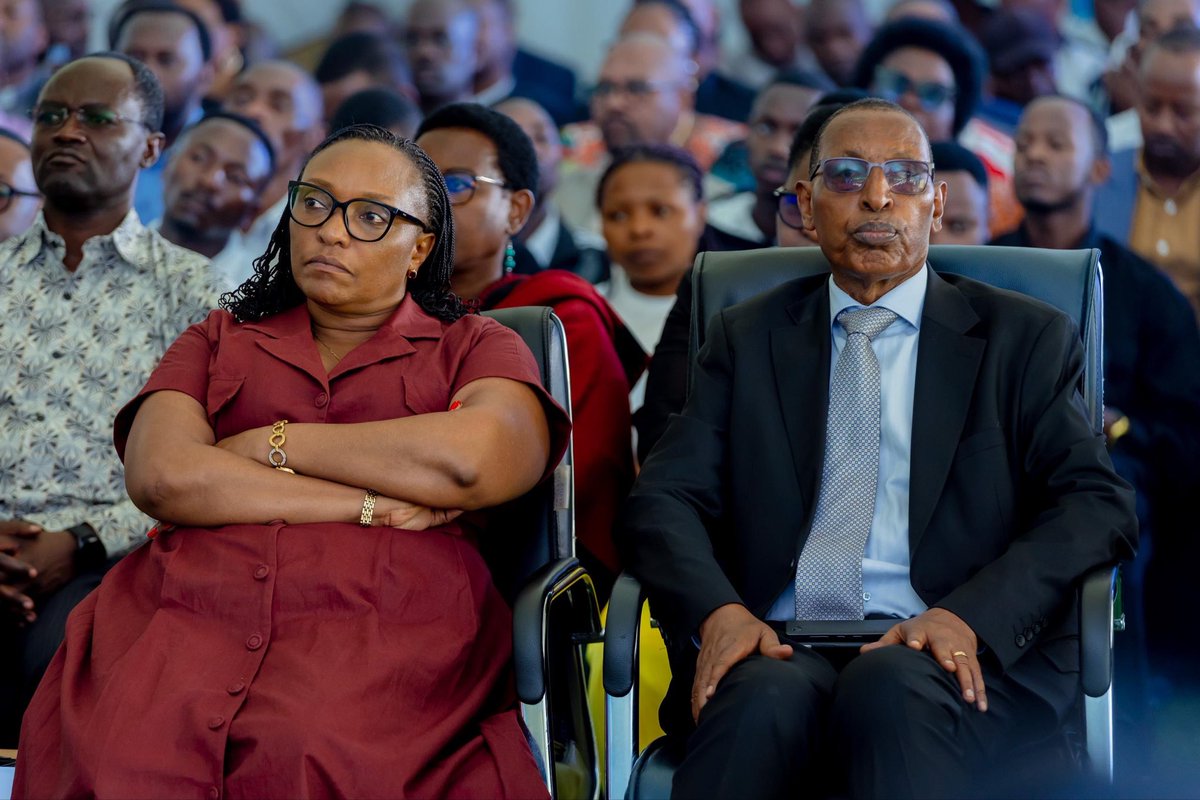
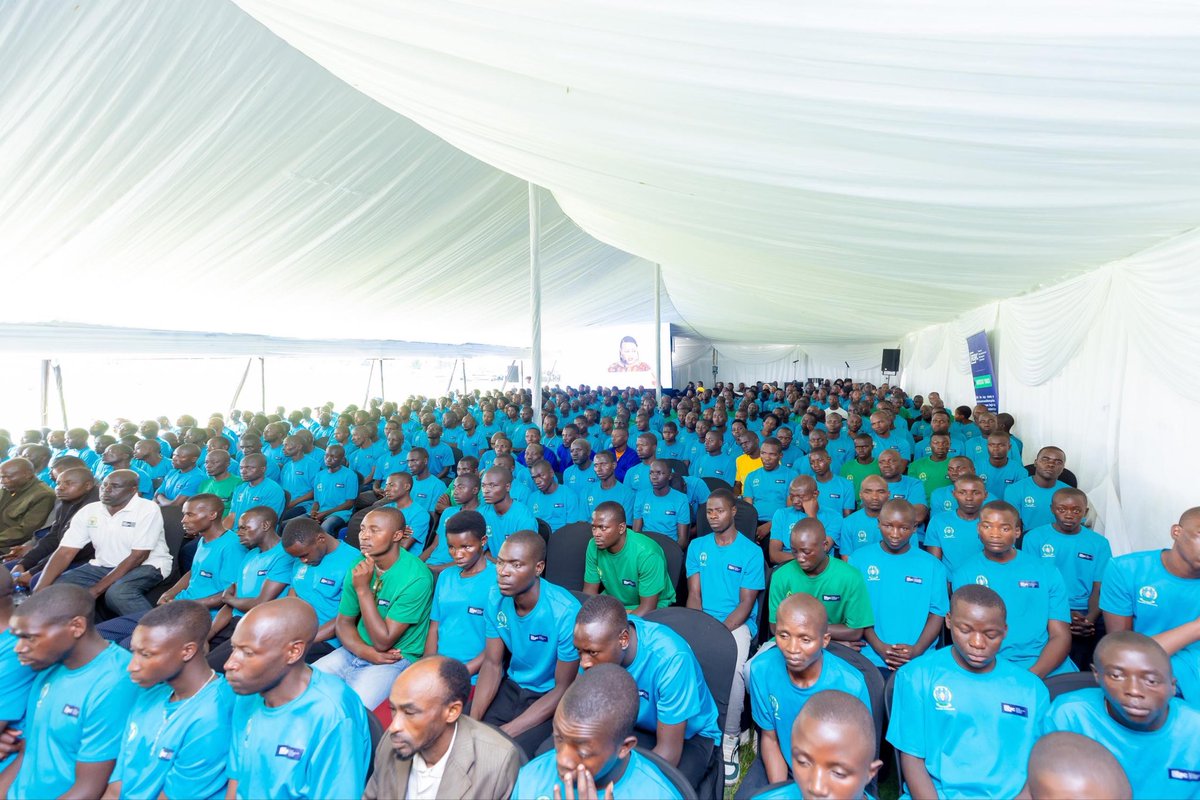
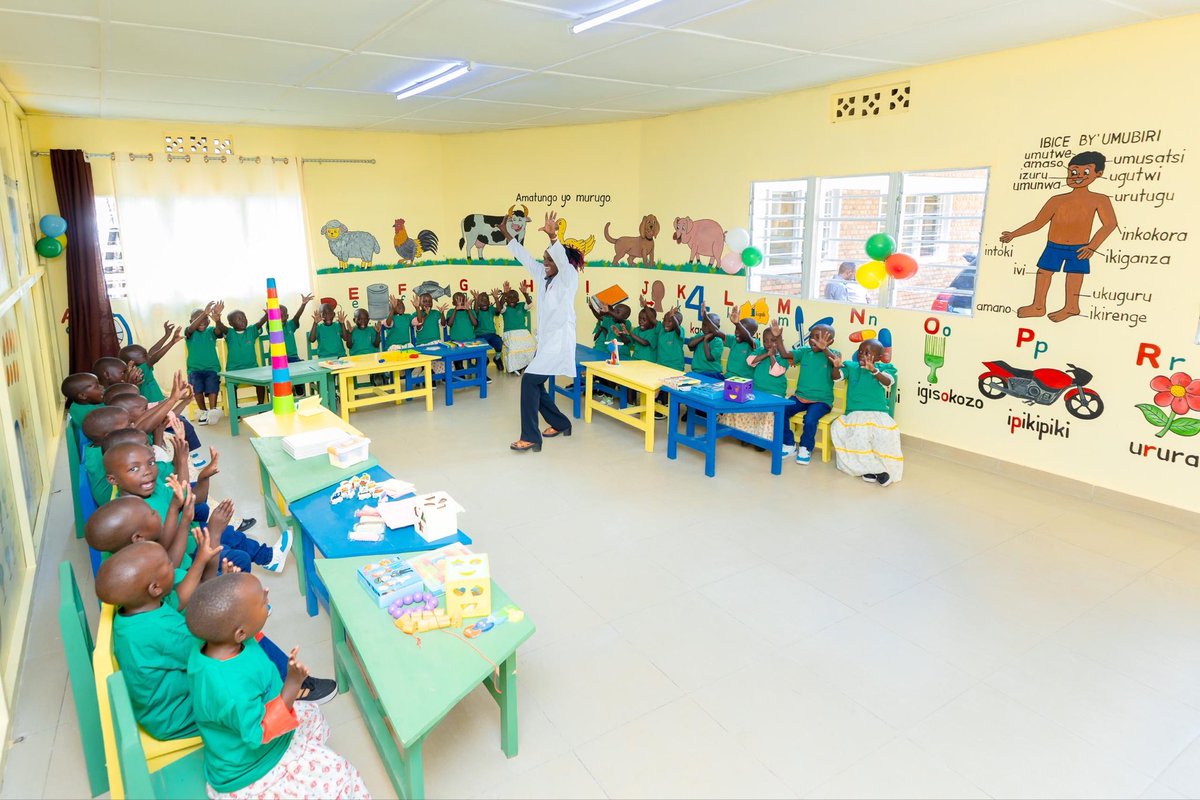
Kuri uyu wa 12 Kamena, Abanyamuryango ba Unity Club Intwararumuri basuye Ikigo cya Mutobo , gishinzwe Kwakira no Gusubiza mu buzima busanzwe abahoze mu mitwe yitwaje intwaro muri DRC, giherereye i @MusanzeDistrict ; banitabira ikiganiro nyunguranabitekerezo ku mateka ya Jenoside yakorewe Abatutsi n’urugendo rwo kubaka Ubumwe n’Ubudaheranwa bw’’Abanyarwanda.
Igikorwa cyatangijwe basura ibikorwa by’abahoze mu mutwe wa #FDLR bemeye kurambika intwaro hasi bagataha mu Rwanda.
Ubu Ikigo cya Mutobo cyakiriye abantu 682 bari mu cyiciro cya 77.
#UnityClubIntwararumuri
#MutoboDC
6
59
95
5,121
Jun 5
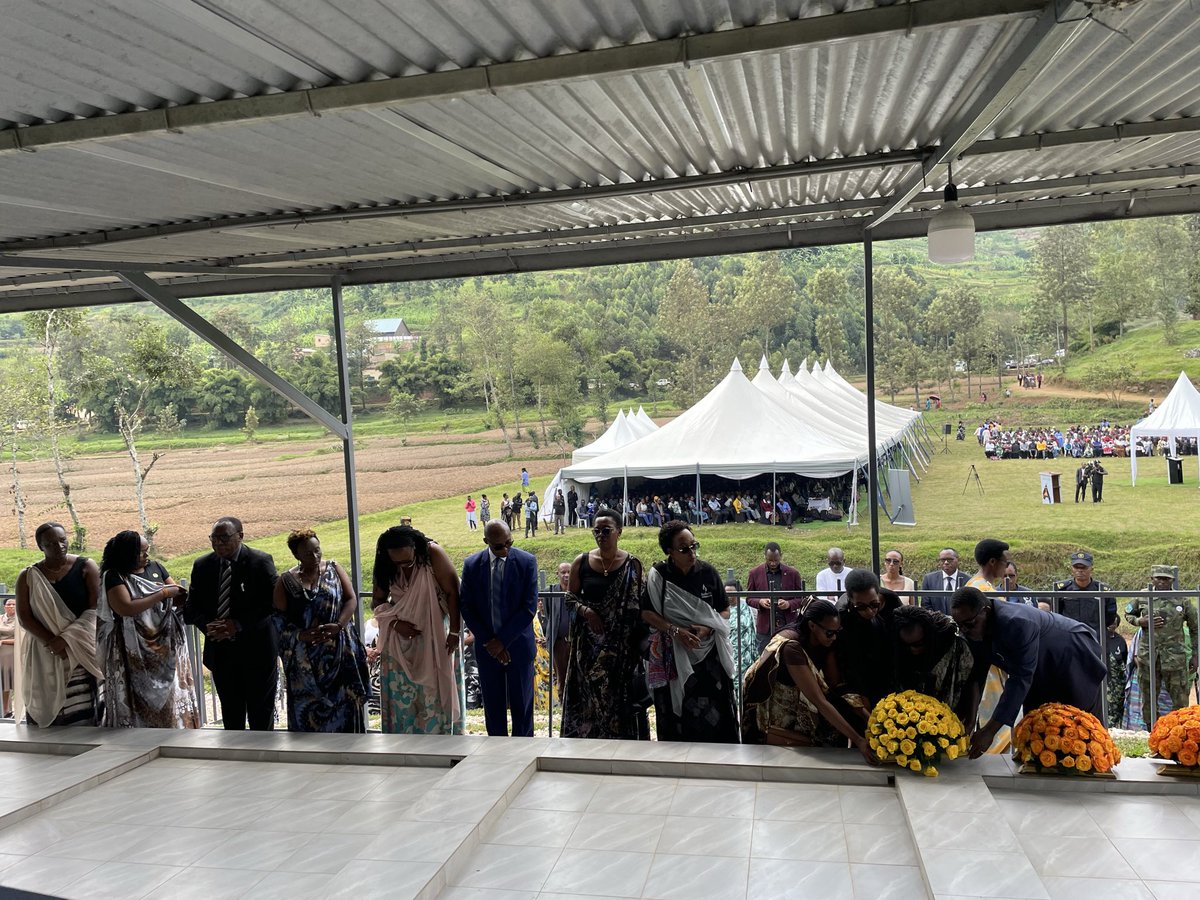
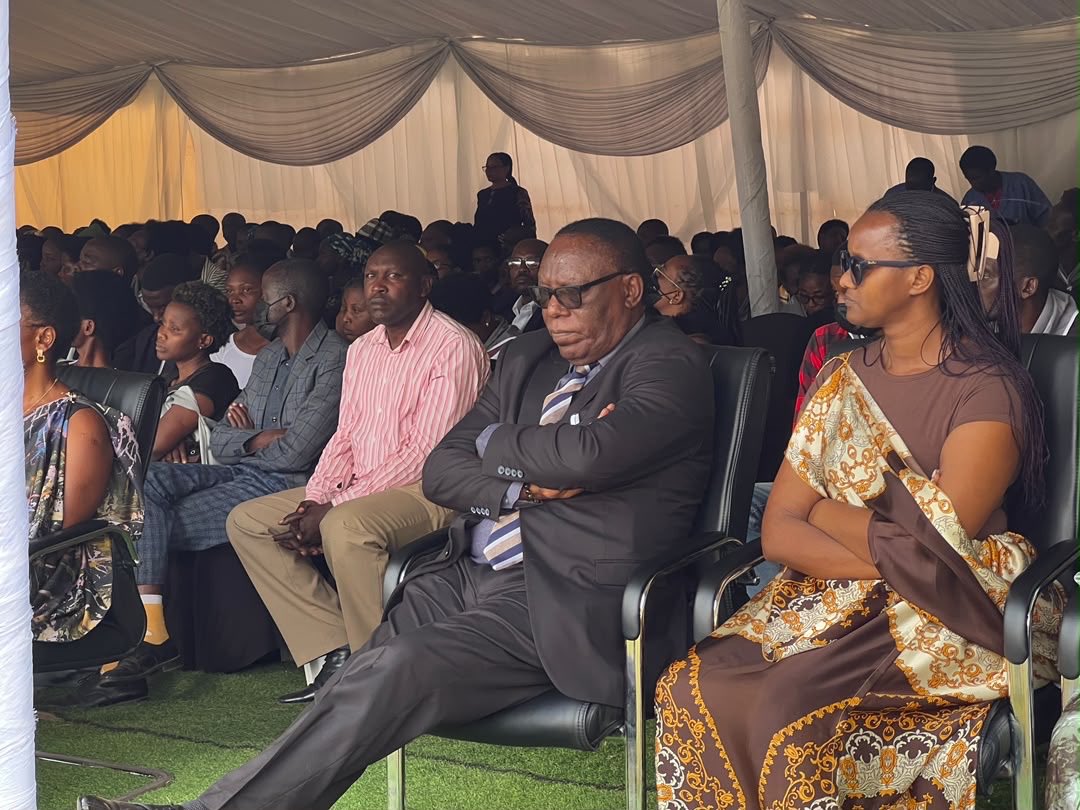
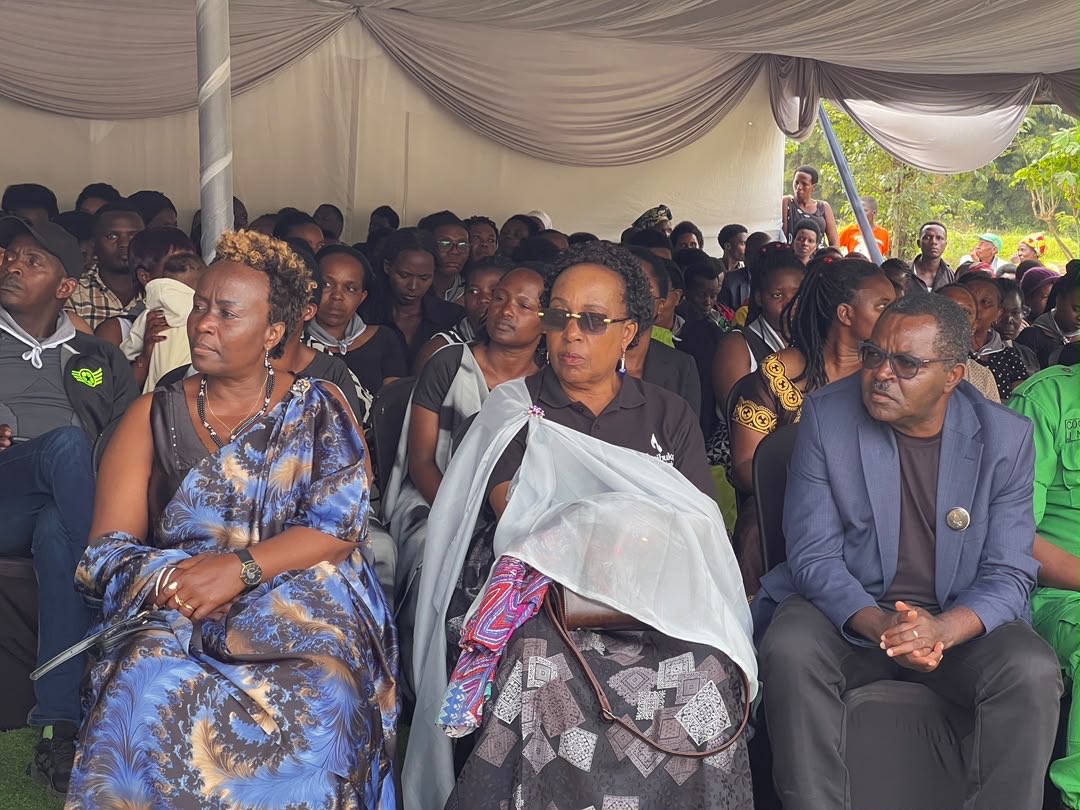
Kuri uyu wa 5 Kamena 2026, Abanyamuryango ba Unity Club Intwararumuri bifatanije n’Akarere ka Rulindo mu gikorwa cya #Kwibuka32 Jenoside yakorewe Abatutsi mu 1994, byumwihariko uyu munsi hibutswe abagore n'abana bishwe muri Jenoside yakorewe Abatutsi.
📍 Ku Rwibutso rwa Jenoside rwa Mbogo haruhukiye imibiri isaga 670 y’abazize Jenoside yakorewe Abatutsi.
Umurenge wa Mbogo kwica no gutoteza Abatutsi byatangiye 1992. Umurenge wa Mbogo kandi uza ku mwanya 2 mu mirenge ifite Imiryango yazimye @rulindodistrict
Urwibutso rwa Mbogo ni rumwe mu nzibutso esheshatu zibitse amateka ya Jenoside yakorewe Abatutsi mu Karere ka Rulindo.
#Kwibuka32 #TwibukeTwiyubaka
1
35
52
3,037
Jun 3
“Nk’urubyiruko, kurwanya abahakana n’abapfobya Jenoside ni inshingano zacu. Kuvuga ukuri no gusigasira amateka ni umusingi ukomeye muri urwo rugamba.”
#Kwibuka32
#TwibukeTwiyubaka
1
28
46
2,695
Unity Club retweeted

“The memorial before us is powerful, because it sets the truth in stone and protects it from the heartlessness of time, by instructing the living. It is not a validation, because none is needed. But it will stand as a mark of respect for the dignity of Rwandans and our history.” President Kagame | Inauguration of Monument in Paris honouring the victims of the 1994 Genocide Against the Tutsi.
19
495
989
29,790
Jun 2
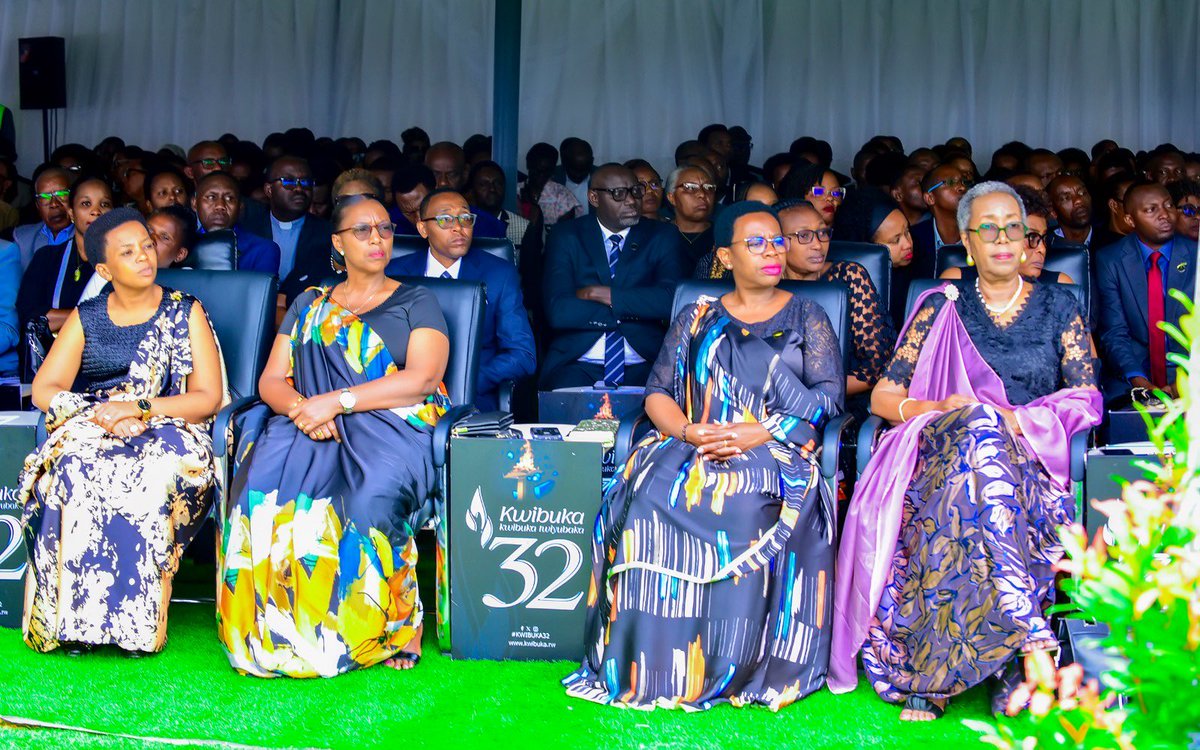
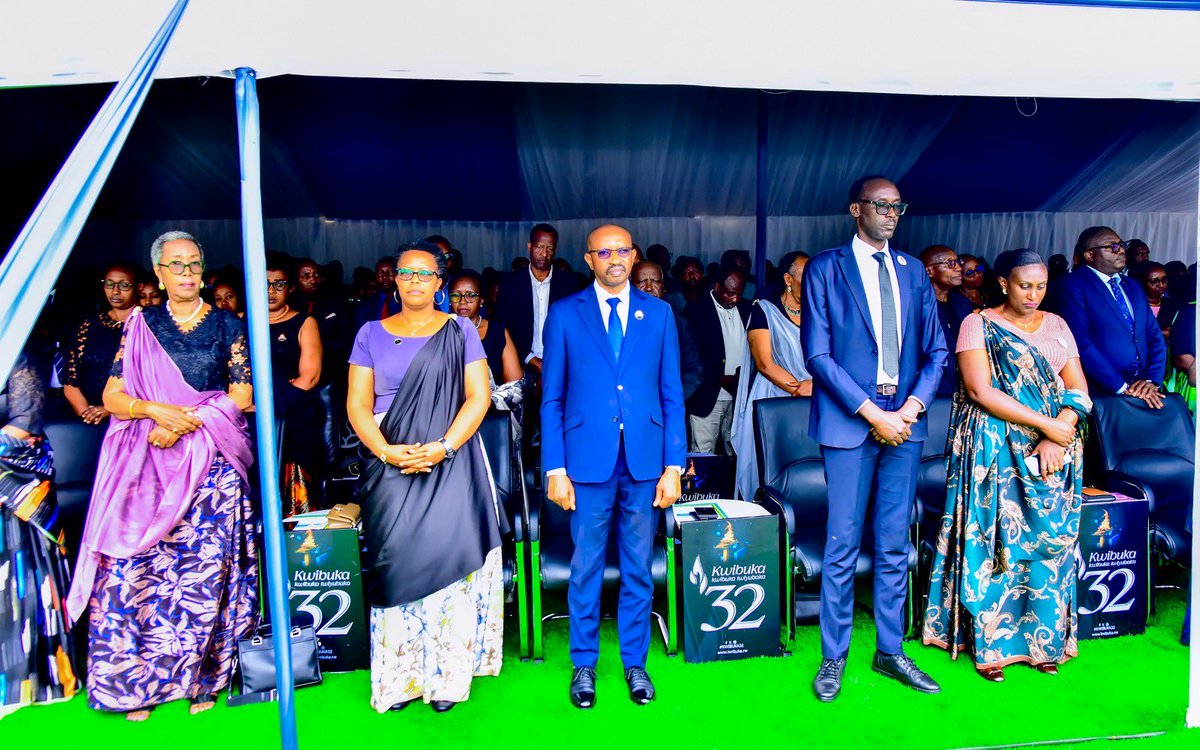
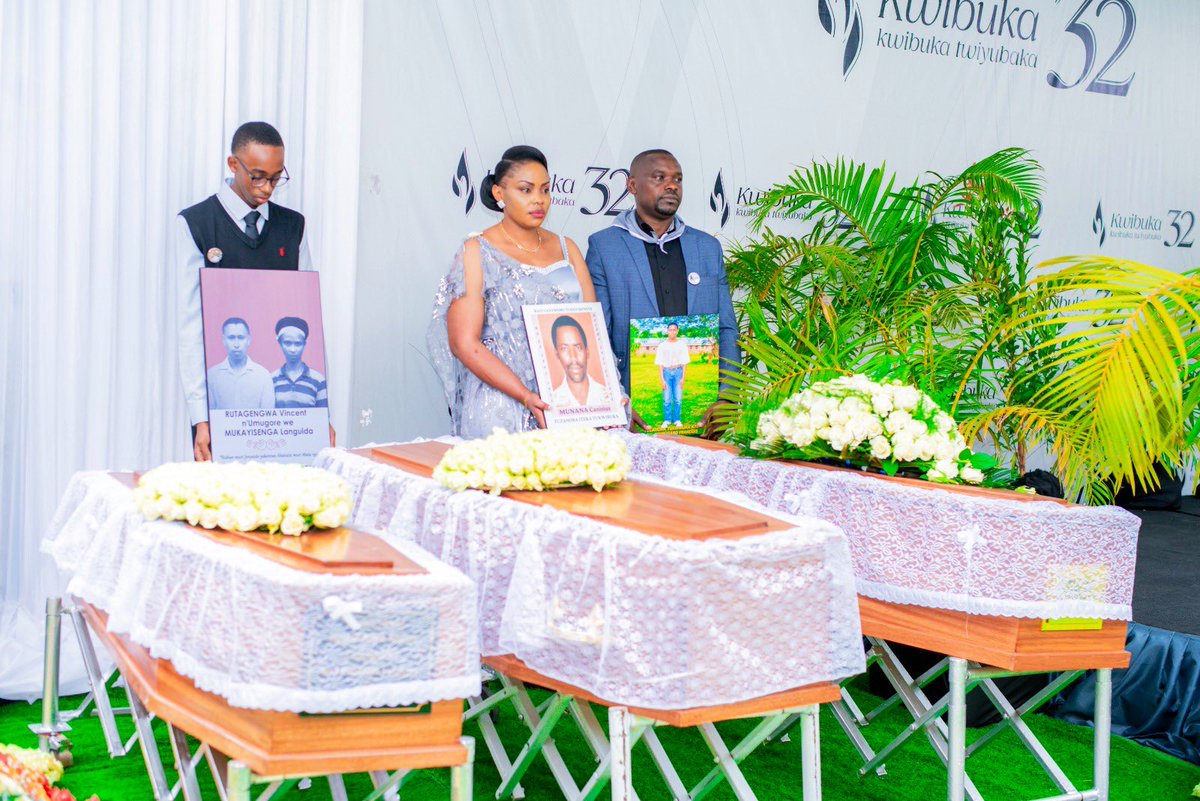
Kuri uyu wa 2 Kamena 2026, Abanyamuryango ba Unity Club Intwararumuri bifatanije n’Abanyarwanda mu gikorwa cyo #Kwibuka32 Jenoside yakorewe Abatutsi mu 1994, bashyingura mu cyubahiro imibiri 8 y’abazize Jenoside yabonetse.
Iki gikorwa cyo Kwibuka ni uburyo bwo kubasubiza agaciro bambuwe no gukomeza kuzirikana amateka yacu, tunarushaho guharanira ko Jenoside itazongera kubaho ukundi.
📍 Urwibutso rwa Jenoside rwa Kabgayi, @Muhangadis , rusanzwe rushyinguyemo imibiri y’abazize Jenoside yakorewe Abatutsi igera ku 12,219.
Kuri iyi tariki ni nabwo Inkotanyi zabohoye i Kabgayi, zinarokora Abatutsi bari bahahungiye.
#Kwibuka32 #TwibukeTwiyubaka
1
34
51
2,351
Jun 2
Tariki ya 2 Kamena 1994 niwo wabaye umunsi wa nyuma w’ubwicanyi bwakorewe Abatutsi bari bahungiye hano i Kabgayi, mbere y’uko Inkotanyi zihasesekara zigatabara abasigaye, zikabarokora ndetse zikavura n’abari bakomeretse. Ubutwari bw’Inkotanyi bukwiye kubera isomo buri Munyarwanda wese n’undi wese utari Umunyarwanda. Ahari ubushake, haboneka n’ubushobozi.
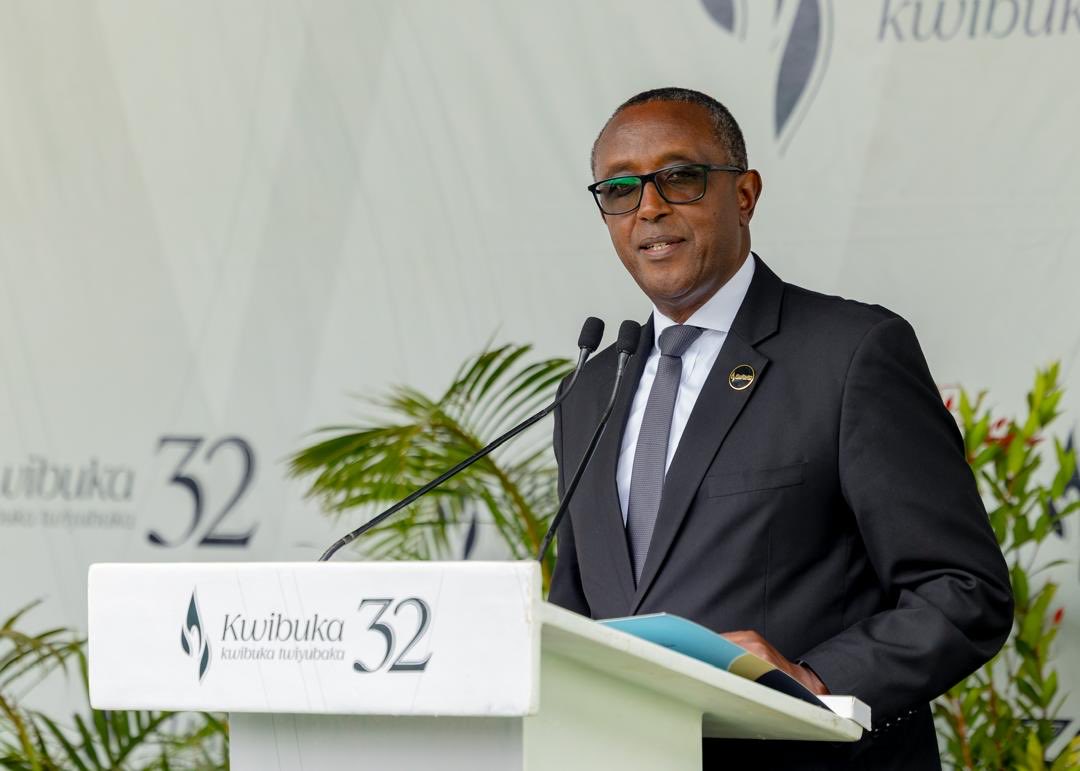
Ubutumwa Minisitiri Dr. Vincent Biruta yatangiye ku Rwibutso rwa Kabgayi mu Karere ka Muhanga ashimangira ko Jenoside ari icyaha ndengakamere kitagomba kwitirirwa cyangwa gukoreshwa nk’uburyo bwa politiki.
#Kwibuka32
#TwibukeTwiyubaka
18
21
478
Unity Club retweeted

2 Juin 1994 - 2 juin 2026, deux dates de haute signification, liées par une complémentarité historique et mémorielle de grande importance.
Le 2 juin 1994, de vaillants combattants de l’Armée Patriotique Rwandaise (APR) sauvaient des milliers de tutsi entassés au camp de Kabgayi au centre du Rwanda, traqués par des ex-Forces Armées Rwandaises et leurs supplétifs miliciens hutu Interahamwe et Impuzamugambi, qui les massacraient progressivement depuis deux mois. Aujourd’hui, 2 juin 2026, à Kabgayi, des centaines de milliers de Rwandais sont réunis pour honorer la mémoire des Tutsi assassinés pour ce qu’ils étaient, il y a trente-deux ans en 1994.
Ce même 2 juin 2026, à Paris capitale française, deux Chefs d’Etat, Rwandais et Français, leurs Excellences Kagame Paul et Macron Emmanuel, sont ensemble pour une cérémonie historique d’inauguration, dans la Ville de Paris, capitale française, d’un Mémorial du génocide commis contre les Tutsi au Rwanda en 1994. Il est le plus grand Mémorial en France qui rejoint les seize autres déjà établis dans des villes comme Paris, Toulouse, Lyon, Strasbourg, Bordeaux-Bègles, Cluny, Dijon, Rouen, Montpellier et autres. La France devenant, par le même événement, le pays disposant du plus grand nombre de sites mémoriels du génocide commis contre les Tutsi.
Dans d’autres pays, de tels mémoriaux existent à Arusha en Tanzanie, Addis-Abeba en Ethiopie, différents endroits aux Etats Unis d’Amérique notamment au Siège des Nations Unies à New York, à Génève (également au siège de l’ONU), en Belgique, Italie, Autriche, Grande Bretagne, Allemagne, Canada, Pays Bas, Lettonie et j’en passe.
Cette étape accomplie ce 2 juin 2026 à Paris est non seulement un moment unique et inoubliable dans la conservation de la mémoire du génocide commis contre les Tutsi, elle est également une remarquable réponse à l’appel du Conseil de Sécurité des Nations Unies dans sa résolution 2150 du 16 avril 2014 qui avait rappelé aux Etats d’accomplir leur devoir de mémoire en ces termes : « Demande aux États de s’engager à nouveau à prévenir et à combattre le génocide, souligne qu’il importe de tirer les leçons du génocide perpétré en 1994 contre les Tutsi au Rwanda, Condamne sans réserve toute négation de ce génocide et invite instamment les États Membres à se donner des programmes éducatifs pour graver dans l’esprit des générations futures les leçons du génocide, le but étant d’en prévenir d’autres dans l’avenir. »
Un monument de mémoire d’un génocide est donc à la fois un signe d’engagement fort contre l’oubli, un devoir de prévention et un signal d’éducation pour les générations présentes et futures. Un bel exemple que d’autres Etats devraient imiter. Never again.
8
113
134
5,104
Unity Club retweeted
June 2, 1994 – June 2, 2026: two dates of profound significance, now linked by a historical and memorial complementarity of great importance.
On June 2, 1994, valiant fighters of the Rwandan Patriotic Army (RPA) rescued thousands of Tutsi crammed into the Kabgayi camp in central Rwanda, hunted down by former Rwandan Armed Forces and their Hutu militia auxiliaries, the Interahamwe and Impuzamugambi, who had been progressively massacring them for two months.
Today, June 2, 2026, in Kabgayi, hundreds of thousands of Rwandans are gathered to honor the memory of the Tutsi murdered for who they were, thirty-two years ago in 1994 during the genocide. On this same June 2, 2026, in Paris, the French capital, two Heads of State, Rwandan and French, Their Excellencies Paul Kagame and Emmanuel Macron, are together for a historic ceremony inaugurating in the City of Paris a Memorial Site dedicated to the genocide committed against the Tutsi in Rwanda. It is the largest memorial in France, joining the sixteen others already established in cities such as Paris, Toulouse, Lyon, Strasbourg, Bordeaux-Bègles, Cluny, Dijon, Rouen, Montpellier, and others. With this event, France becomes the country with the largest number of memorial sites to the genocide committed against the Tutsi.
In other countries, such memorials exist in Arusha, Tanzania; Addis Ababa, Ethiopia; various locations in the United States, notably at the United Nations Headquarters in New York; Geneva (also at UN headquarters); Belgium; Italy; Austria; Great Britain; Germany; Canada; the Netherlands; Latvia and many others.
This milestone reached on June 2, 2026, in Paris is not only a unique and unforgettable moment in preserving the memory of the genocide committed against the Tutsi, but also a remarkable response to the call of the United Nations Security Council in its resolution 2150 of April 16, 2014, which reminded States of their duty to remember, stating: “Requests that States recommit themselves to preventing and combating genocide, stresses the importance of learning the lessons of the 1994 genocide against the Tutsi in Rwanda, unequivocally condemns any denial of this genocide, and urges Member States to develop educational programs to instill the lessons of the genocide in the minds of future generations, with the aim of preventing others in the future."
A monument commemorating a genocide is therefore simultaneously a strong commitment to combating forgetting, a duty of prevention, and an educational tool for present and future generations. It is a fine example that other states should emulate. Never Again.
4
131
155
10,112
Unity Club retweeted

Video: First Lady Mrs Jeannette Kagame officially inaugurates the Ntarama Gallery of Memory, established in @BugeseraDistr through a partnership between @LiquidInTechRW, @Unity_MemoryRw, and @Imbuto as a contribution to preserving, safeguarding, and educating future generations about the history of the Genocide against the Tutsi, while reaffirming our shared responsibility to ensure that genocide never happens again.
Photos: flickr.com/gp/jeannette_kaga…
#Kwibuka32
4
200
440
12,833
Unity Club retweeted
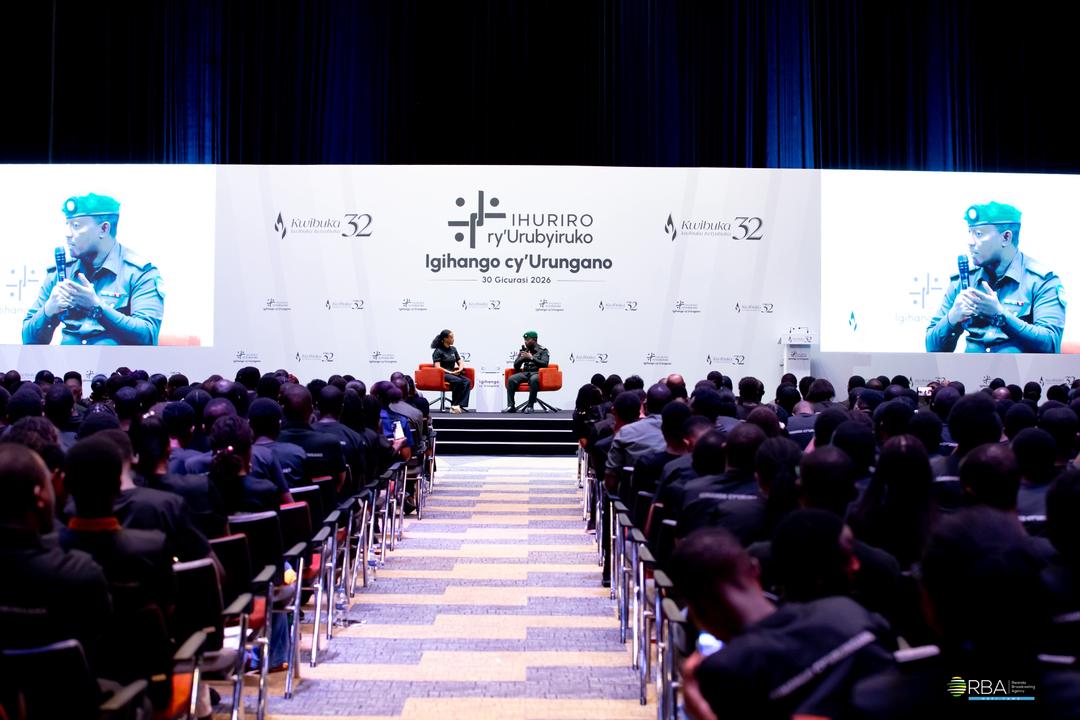
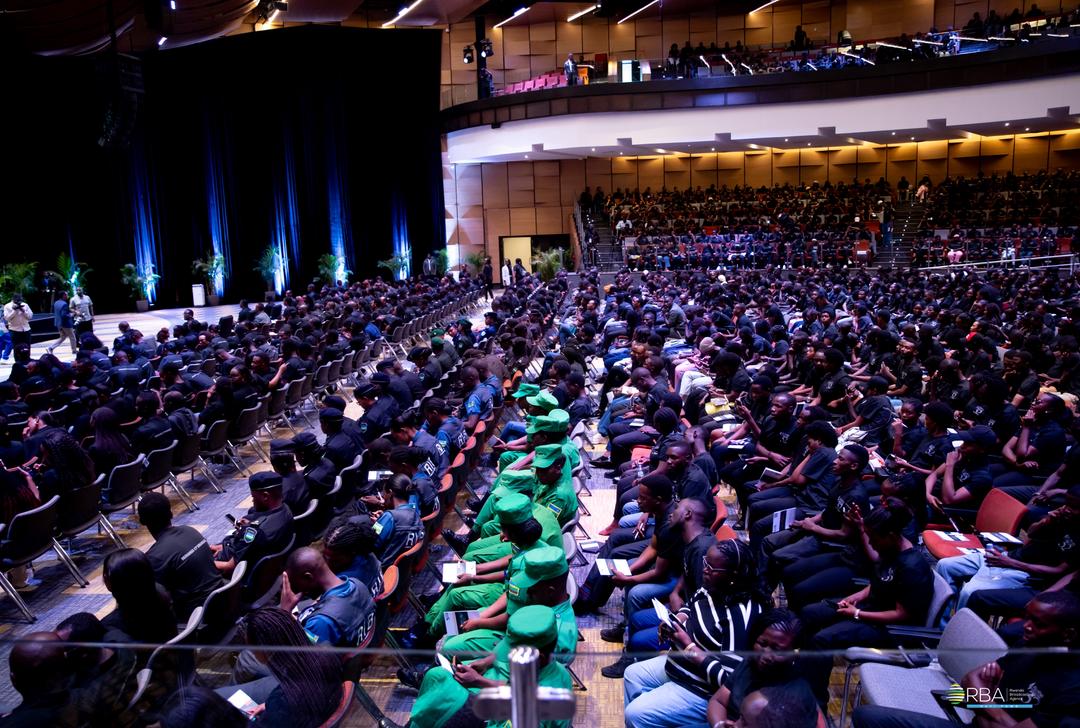
Video: First Lady Mrs Jeannette Kagame joins Igihango cy’Urungano annual forum bringing together over 2,000 participants, including young people from across the country, young professionals, and leaders from various institutions. Discussions focused on Rwanda’s history, particularly the events that led to the Genocide against the Tutsi, as well as the role of youth in preventing genocide and combating genocide ideology.
Photos: flic.kr/s/aHBqjCVeGu
#Kwibuka32
11
173
380
10,824
Unity Club retweeted

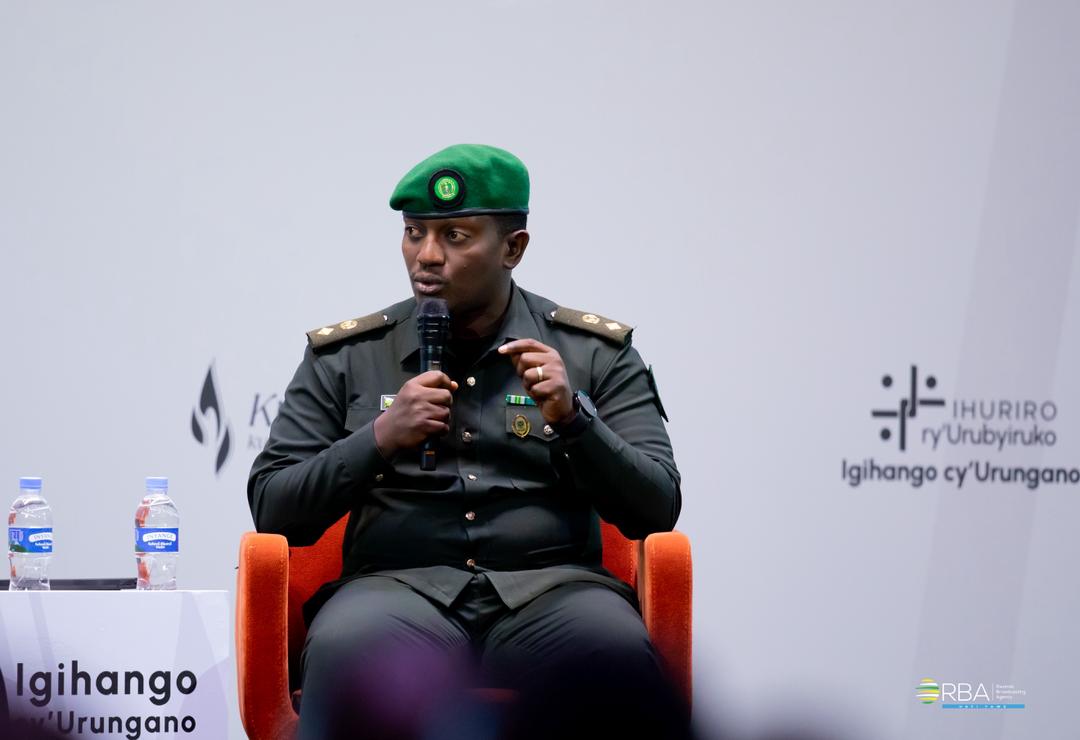
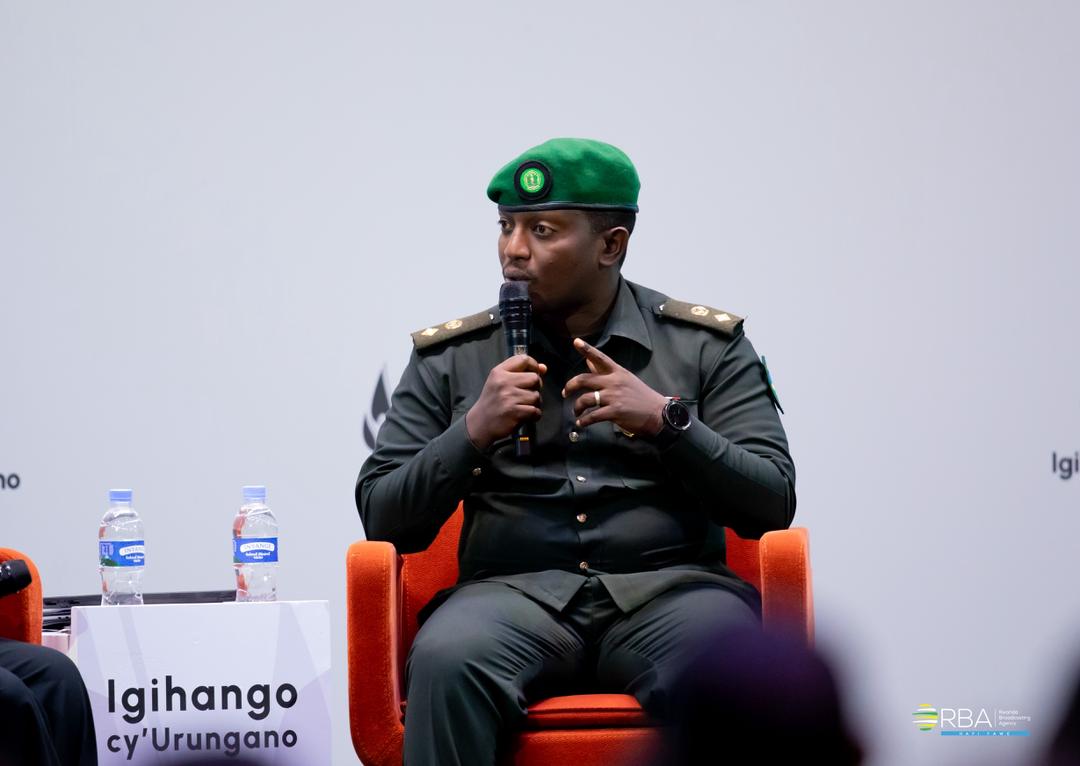
Umuyobozi Mukuru ushinzwe Ikoranabuhanga muri Minisiteri y’Ingabo, Lt Col Gaspard Harerimana, yavuze ko nyuma yo kurokoka Jenoside yakorewe Abatutsi mu 1994, yahise agirana igihango n’Inkotanyi, afata icyemezo cyo kuzajya mu gisirikare.
Ni mu kiganiro kigaruka ku rubyiruko mu mateka y’u Rwanda, yagejeje ku bitabiriye Ihuriro ry’Urubyiruko, Igihango cy’Urungano, ryitabiriwe n'abagera ku 2000 kuri uyu wa Gatandatu.
Lt Col Harerimana yavuze ko mu 2002, ari bwo yinjiye mu Ngabo z’u Rwanda, RDF ariko “Icyatumye ngirana icyo gihango na RPA ni uburyo narokotsemo, nabaye umusirikare ku mutima mu 1994 ariko kubera ko nari nkiri muto mfite imyaka 13, ndarindira imyaka iruzura ninjira muri RDF mu 2002.” #RBAAmakuru #Kwibuka32
5
50
257
27,147
Unity Club retweeted
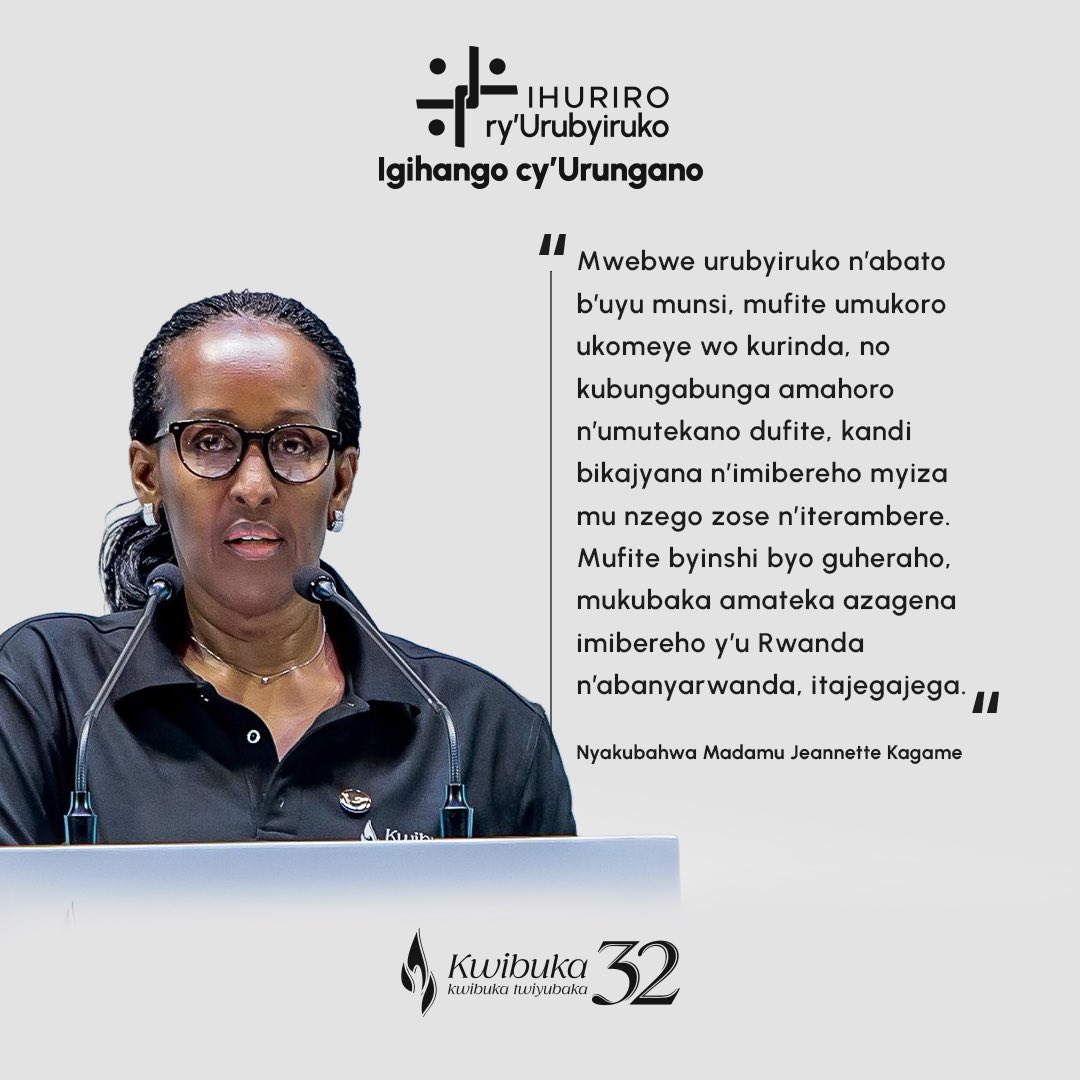
“Mwebwe urubyiruko n’abato b’uyu munsi, mufite umukoro ukomeye wo kurinda, no kubungabunga amahoro n’umutekano dufite, kandi bikajyana n’imibereho myiza mu nzego zose n’iterambere. Mufite byinshi byo guheraho, mukubaka amateka azagena imibereho y’u Rwanda n’abanyarwanda, itajegajega.” - Nyakubahwa Madamu Jeannette Kagame
Mushobora gusoma ijambo ryose hano: imbutofoundation.org/first-l…
#IgihangocyUrungano
#Kwibuka32
47
493
1,118
35,187
May 28
“Kuzirikana no kwibuka abawe wabuze, ni ukubaho ku bwawe no ku bwabo.”
#TwibukeTwiyubaka
17
28
2,245
May 26
“The Echo of Silence”
As we commemorate #Kwibuka32, the voices of our youth remind us that remembrance is not only about reflecting on the past, but also about shaping the future.
#TwibukeTwiyubaka
3
35
54
4,962