
Official Twitter of the Utah Society of Pathology
Joined April 2017
- Tweets 117
- Following 63
- Followers 842
- Likes 151
11 Photos and videos

23 Sep 2020
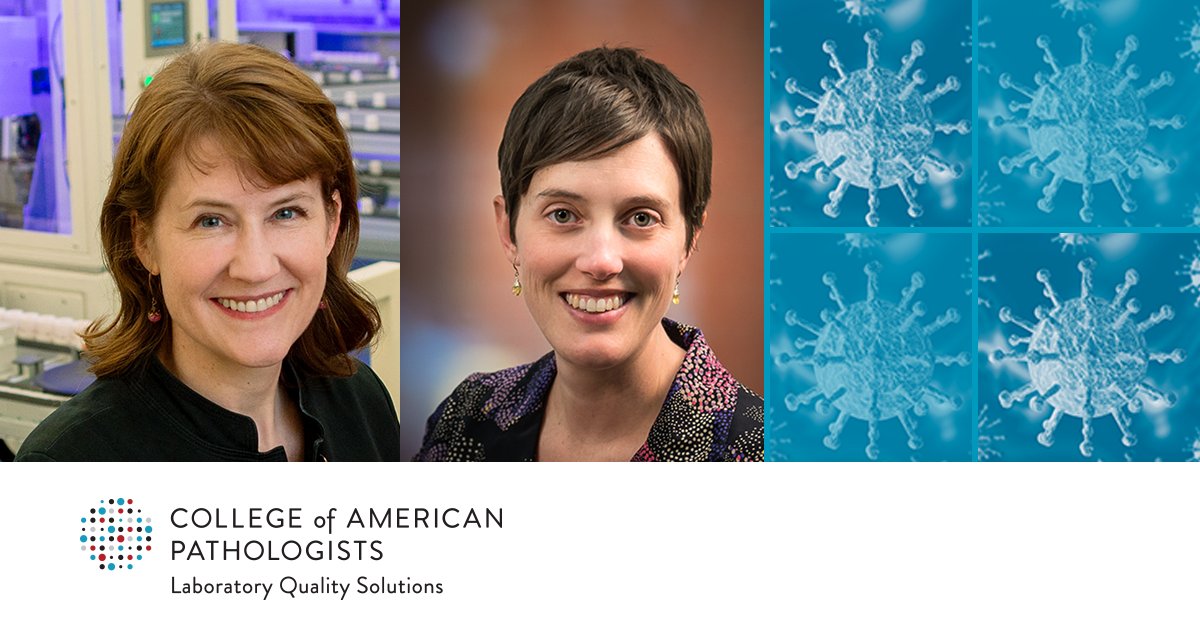
Utah pathologist featured here!
23 Sep 2020

Listen to this new CAPcast: Quality Cross Check SARS-CoV-2 Testing. @mayocliniclabs's Dr. Bobbi Pritt (@parasitegal) & @UofUHealth's Dr. Lauren Pearson on meeting PT requirements for add'l instruments: capatholo.gy/3clOF84. #pathologists
1
UtahSoc of Pathology retweeted

23 Sep 2020
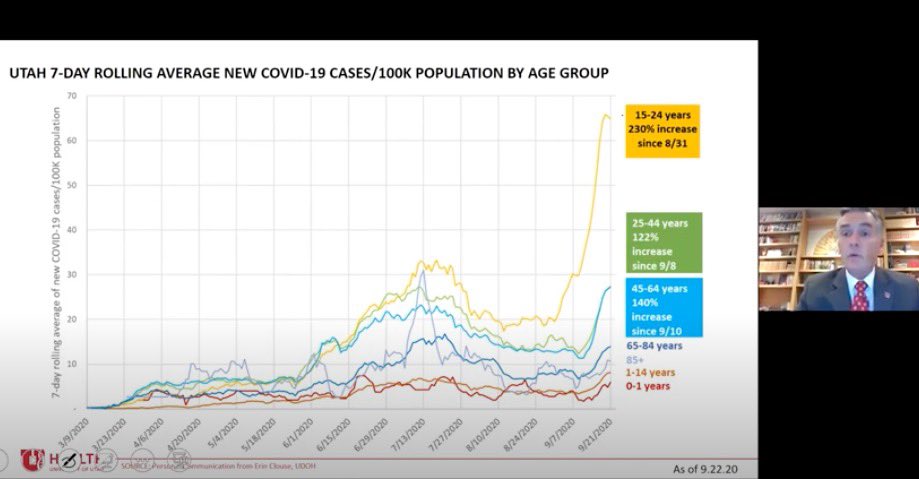
There has been a surge in Utah's cases since Dr. @MikeGoodMD, CEO for @UofUHealth & @uofumedicine dean, gave his last weekly #COVID19 update.
Dr. Good breaks down the latest data he's seeing in the state, at @UofUHealth & on the #UofU campus: youtu.be/uB6Zfafdwjg
2
10
20
UtahSoc of Pathology retweeted

23 Sep 2020
Following a study that demonstrated the efficacy of using saliva to detect #Covid19, ARUP is now offering testing with saliva specimens. @KSLcom explores what this will mean for patients and healthcare workers. bit.ly/3coWlql
1
6
11
UtahSoc of Pathology retweeted

14 Apr 2020
We are starting our own Society for Hematopathology Question bank, #SocHemeQbank. See our first question here! Questions posted every other Tuesday with answers posted the following Thursdays! @KyleBradleyMD @KMirza @evemariecrane @FlaviaRosadoMD @jeffmohlmanMD
14 Apr 2020

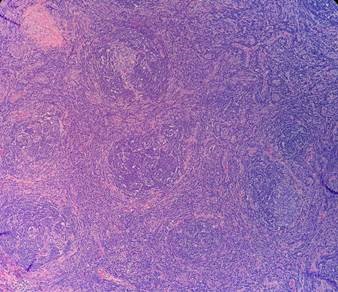
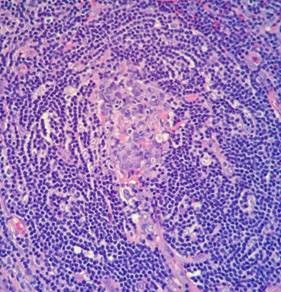
What is the most likely diagnosis? Lymph node biopsy in a young man with cervical lymphadenopathy.
a) Follicular lymphoma
b) Hyaline vascular Castleman’s Disease
c) Reactive follicular hyperplasia
d) Cat scratch disease
#SocHemeQbank #pathboards
Photos: Laura Brown, UCSF
5
25
39
18 Mar 2020
2
3
3 Mar 2020
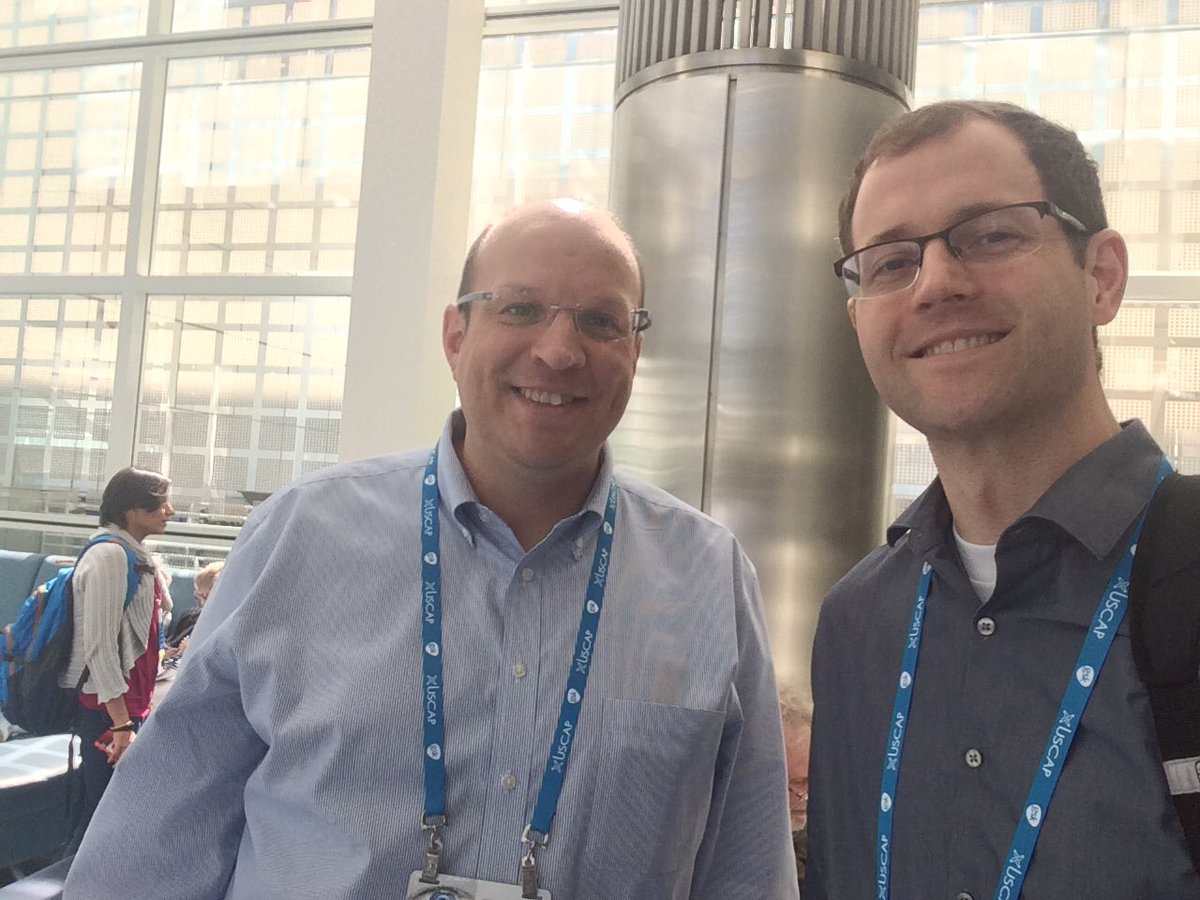
Couple of utah pathologist’s enjoying the conference here at #USCAP2020, @jeffmohlmanMD @MillerPathology @TheUSCAP
1
UtahSoc of Pathology retweeted

30 Oct 2019
24 y/o w/ h/o of Crohn’s Disease presents w/ worsening fatigue, weakness & dizziness. He has mild abdominal pain, but no signs of bleeding. No transfusion history. Infliximab was discontinued for autoimmune hepatitis. Hb/Hct = 4.4/13.5. 👇🏽Check out his peripheral smear below.
19
99
296
12 Nov 2019
This is good information and a good case!
22 Aug 2019

UtahSoc of Pathology retweeted

15 Oct 2019
14 Oct 2019

Not exotic but so cute..... From today's fun
1
1
UtahSoc of Pathology retweeted

25 Sep 2019
How are researchers tackling the challenges of non-tuberculous mycobacterial lung disease? buff.ly/2UXgpHs
2
3
UtahSoc of Pathology retweeted

23 Sep 2019
Please welcome promising medical student Phil Bennett to #Twitter #path2path He is an excellent path candidate for this year! @ASCP_Chicago @TheUSCAP @Pathologists @JMGardnerMD @KMirza @MelissaUpton7 @UofUPathology @UtahPathology
21 Sep 2019

Hello, I'm Phil Bennett, I'm a 4th year from Rocky Vista University in Colorado applying for residency this year. I'm excited to meet new people and explore programs this upcoming interview cycle! Best of luck to all my fellow applicants! #path2path
2
8
UtahSoc of Pathology retweeted
16 Aug 2019
This is a great post, I love that the microarray, chromosomes and FISH are all included!
15 Aug 2019
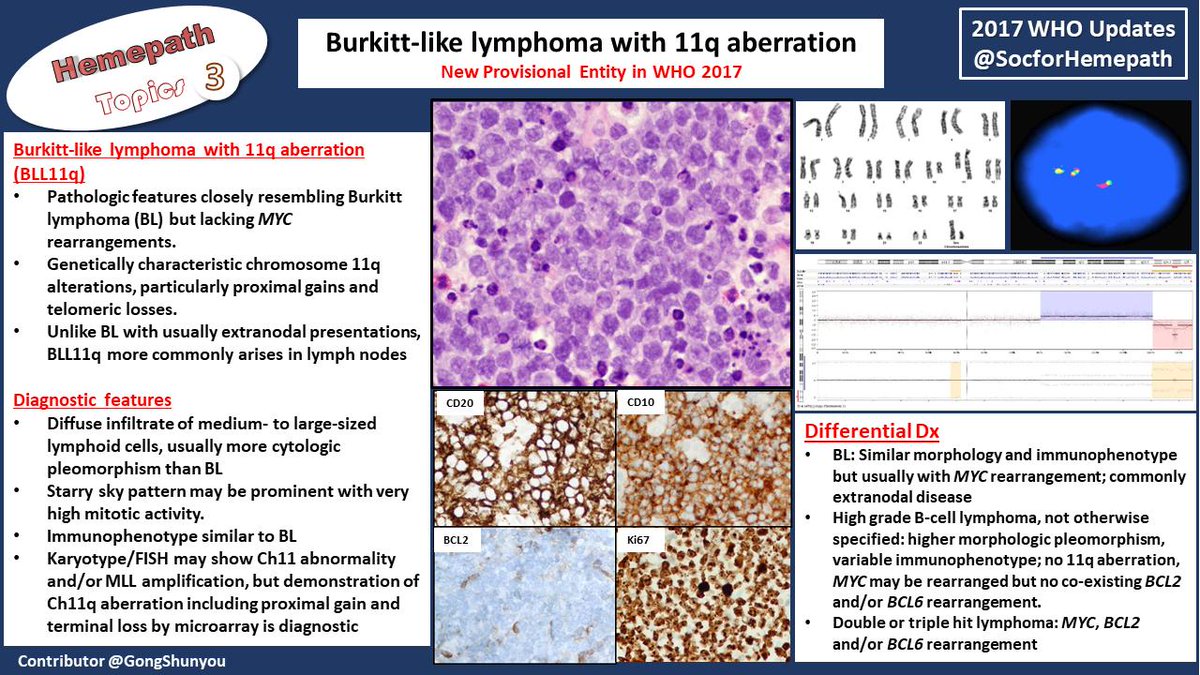
Nearly bringing our 2017 WHO #hemepath update series to a close--but not without the new provisional entity Burkitt-like lymphoma with 11q aberration
Distinct from BL with no MYC rearrangement but similar gene expression & clinical course. More features👇
Case by @GongShunyou
1
4
UtahSoc of Pathology retweeted

24 Jul 2019
While the risk of BIA-ALCL to patients is low, once the evidence indicated that Allergan’s textured breast implants appeared to be directly linked to significant patient harm, including death, we took action to protect women’s health.
10
56
97
UtahSoc of Pathology retweeted
24 Jul 2019
FDA also posted an updated analysis of adverse event information—we are now aware of 573 unique cases of BIA-ALCL globally and 33 patient deaths, which reflects an increase since our last update in Feb. Of the 573 cases, 481 are attributed to Allergan implants.
10
103
176
UtahSoc of Pathology retweeted
24 Jul 2019
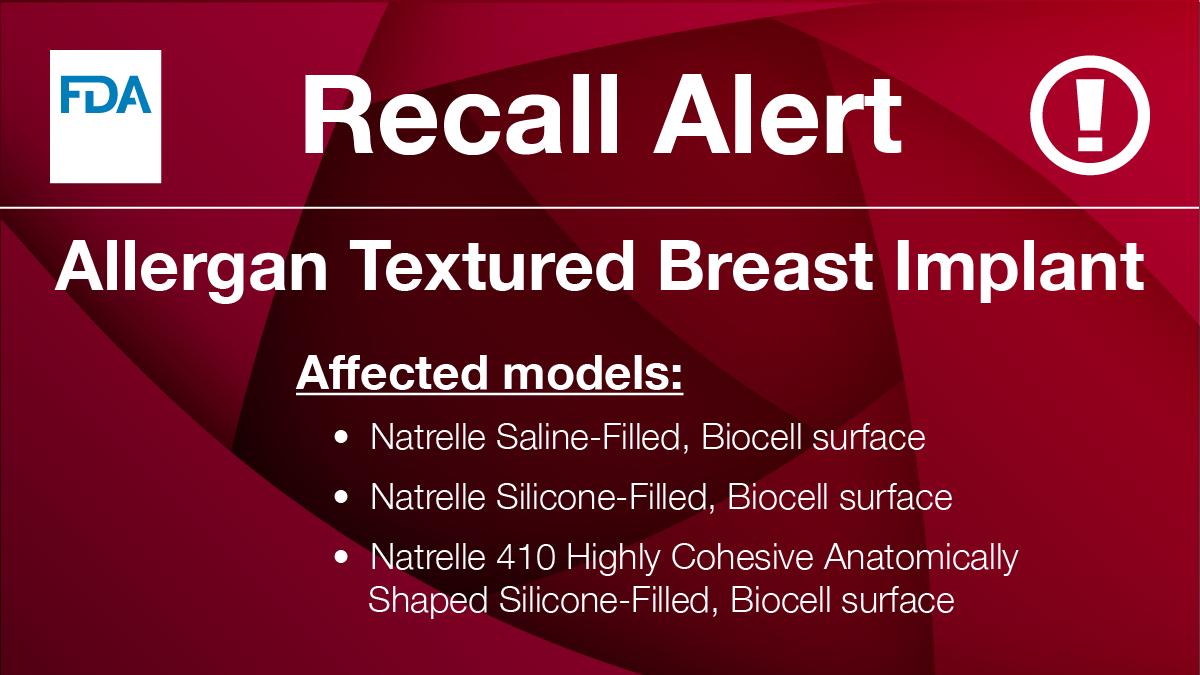
Today, at FDA’s request, Allergan announced a worldwide recall of specific models of its textured breast implants & textured pre-implant tissue expanders from the market due to the risk of breast implant associated anaplastic large cell lymphoma BIA-ALCL. go.usa.gov/xyGSj
80
835
714
UtahSoc of Pathology retweeted

5 Jul 2019
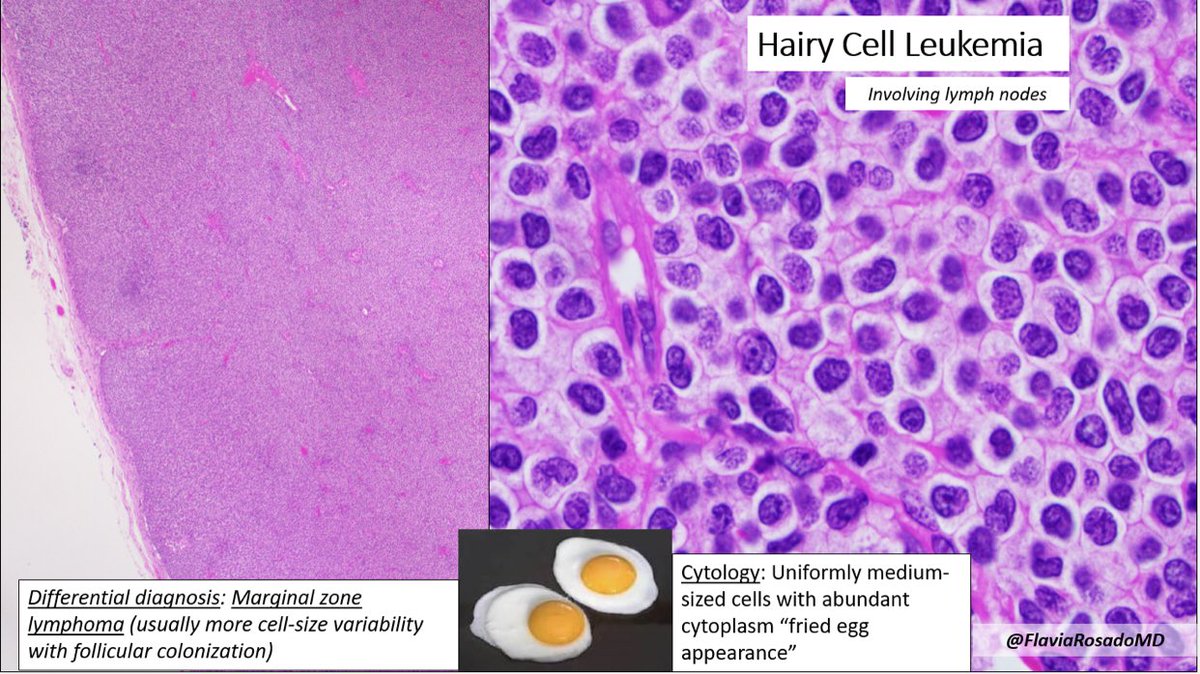
The classic ”fried egg” appearance of hairy cell leukemia! Hairy cell is uncommon in lymph nodes, and could be confused with marginal zone lymphoma. Watch out!
Originally posted in the Facebook group “Hints Tips Clues” @GeronimoJrLapac
3
83
166
UtahSoc of Pathology retweeted

9 Jan 2019
Twitter #renalpath colleagues - you or anyone you know interested to come to @HenryFordNews to practice renal pathology / surgical pathology? If so, let me know! Great, growing department with many exciting new developments on the horizon
5
10
32
UtahSoc of Pathology retweeted

6 Jul 2019
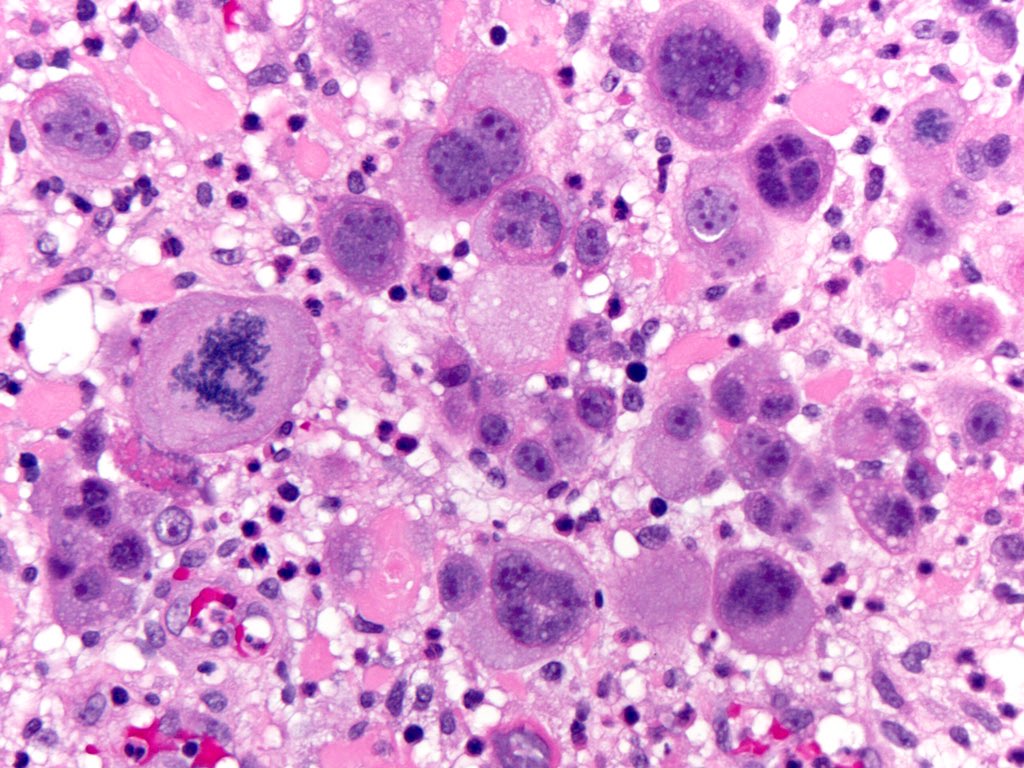
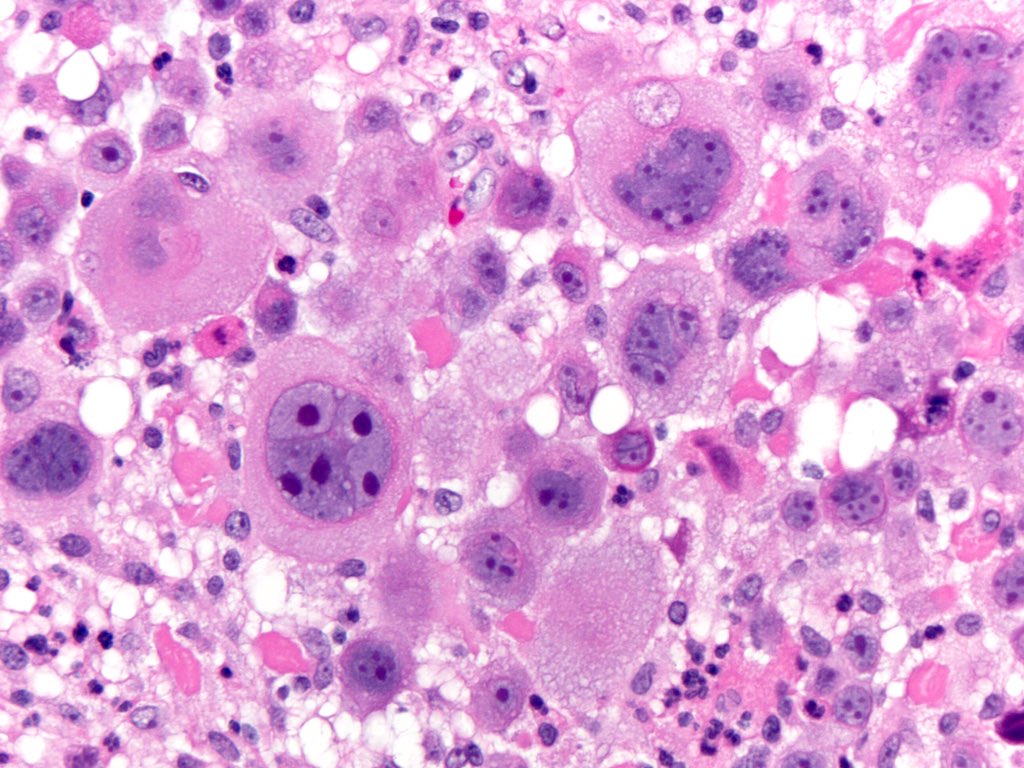
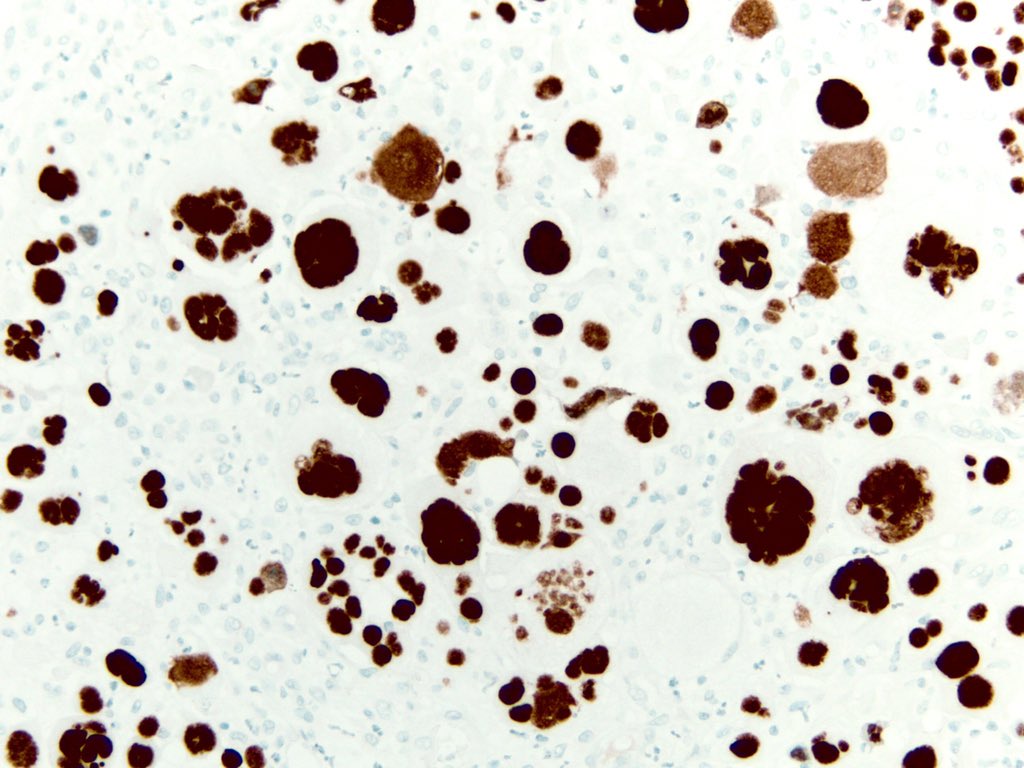
VERY poorly differentiated squamous cell carcinoma of lung. p40 to the rescue. Marks gigantic bizarre nuclei.
#Pulmpath #ihcpath #pathology #pleomorphismchallenge
@pathobot “require p40”
11
65
152